10 libri per 10 euro qui
Bookbot

Anne Applebaum

    25 luglio 1964

    Questa giornalista e autrice, vincitrice del Premio Pulitzer, approfondisce nelle sue opere le complessità del comunismo e l'evoluzione della società civile nell'Europa centro-orientale. I suoi scritti offrono profonde intuizioni sulle trasformazioni politiche e sociali che hanno plasmato la regione. Come stimata editorialista e membro del comitato di redazione di un importante quotidiano, contribuisce in modo significativo al dibattito pubblico su questioni internazionali cruciali.

    Anne Applebaum
    Twilight of Democracy
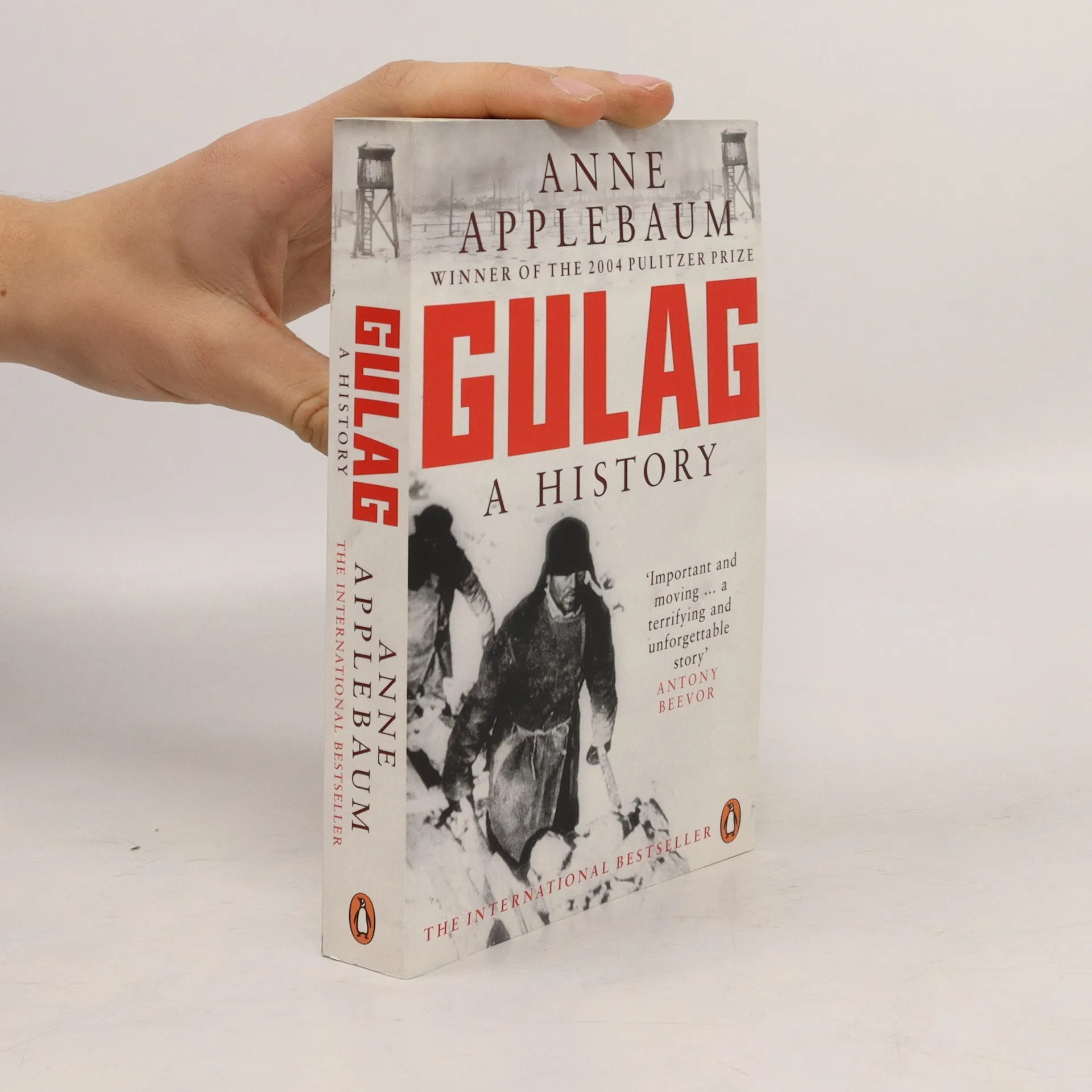
    Gulag: A History of the Soviet Camps
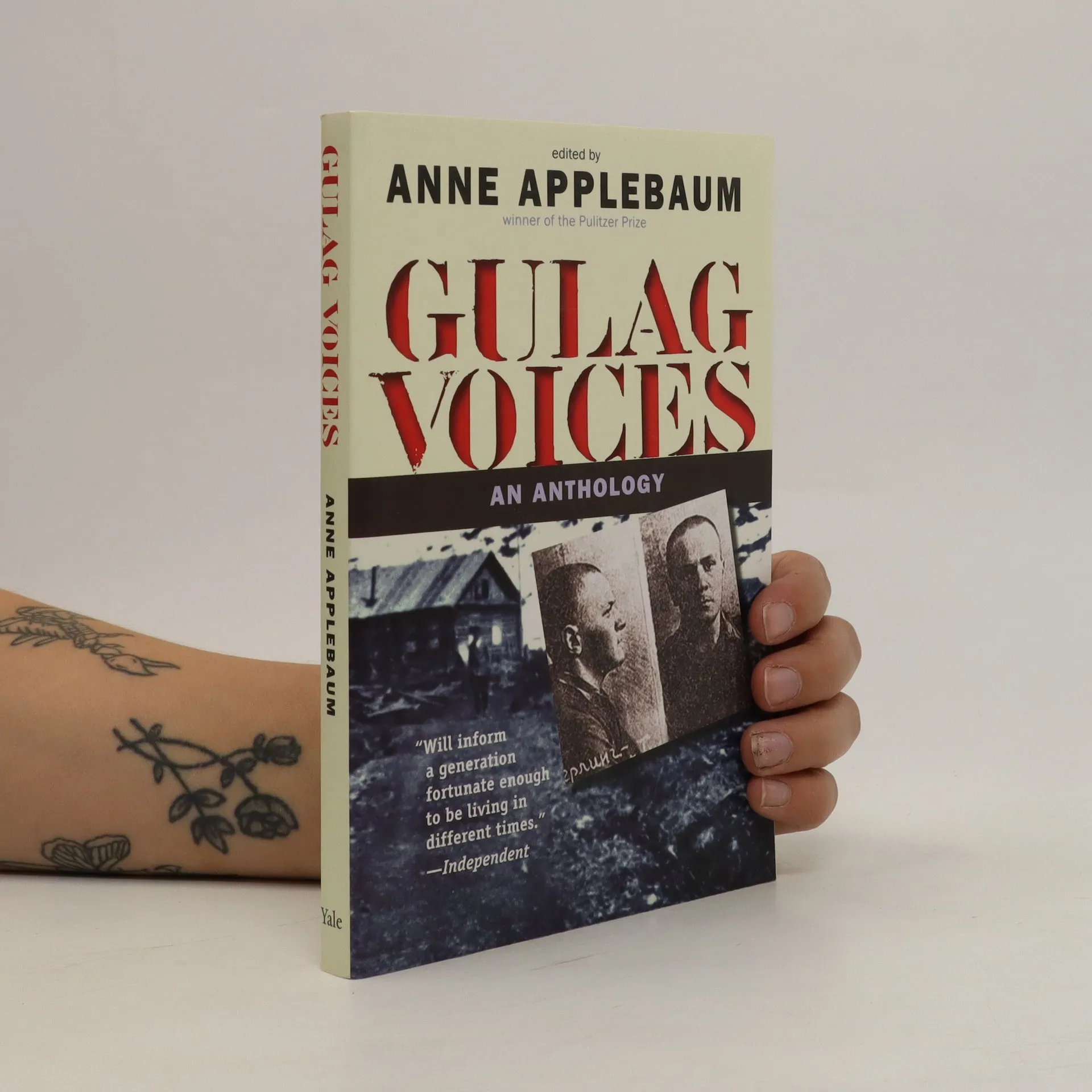
    Gulag Voices. An anthology
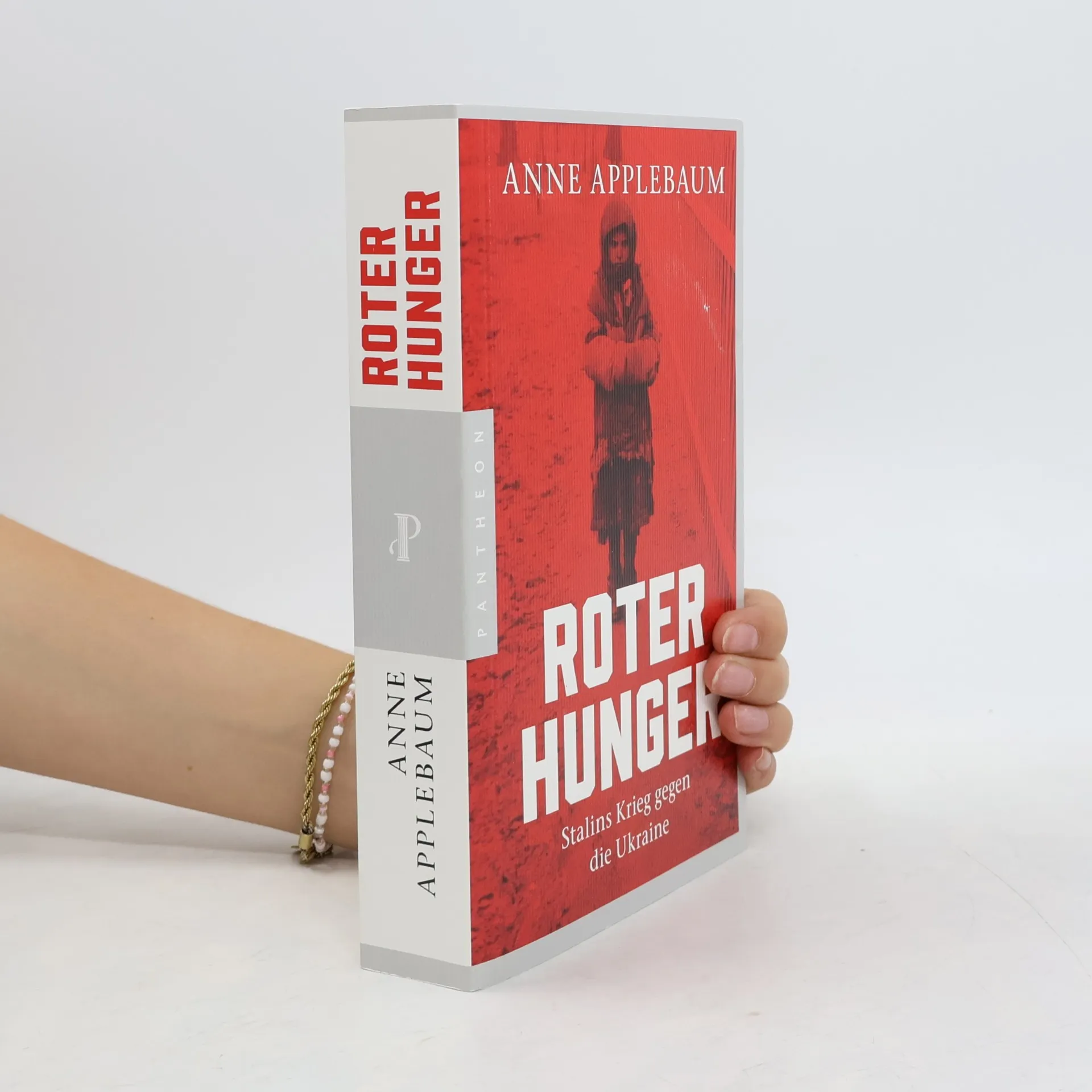
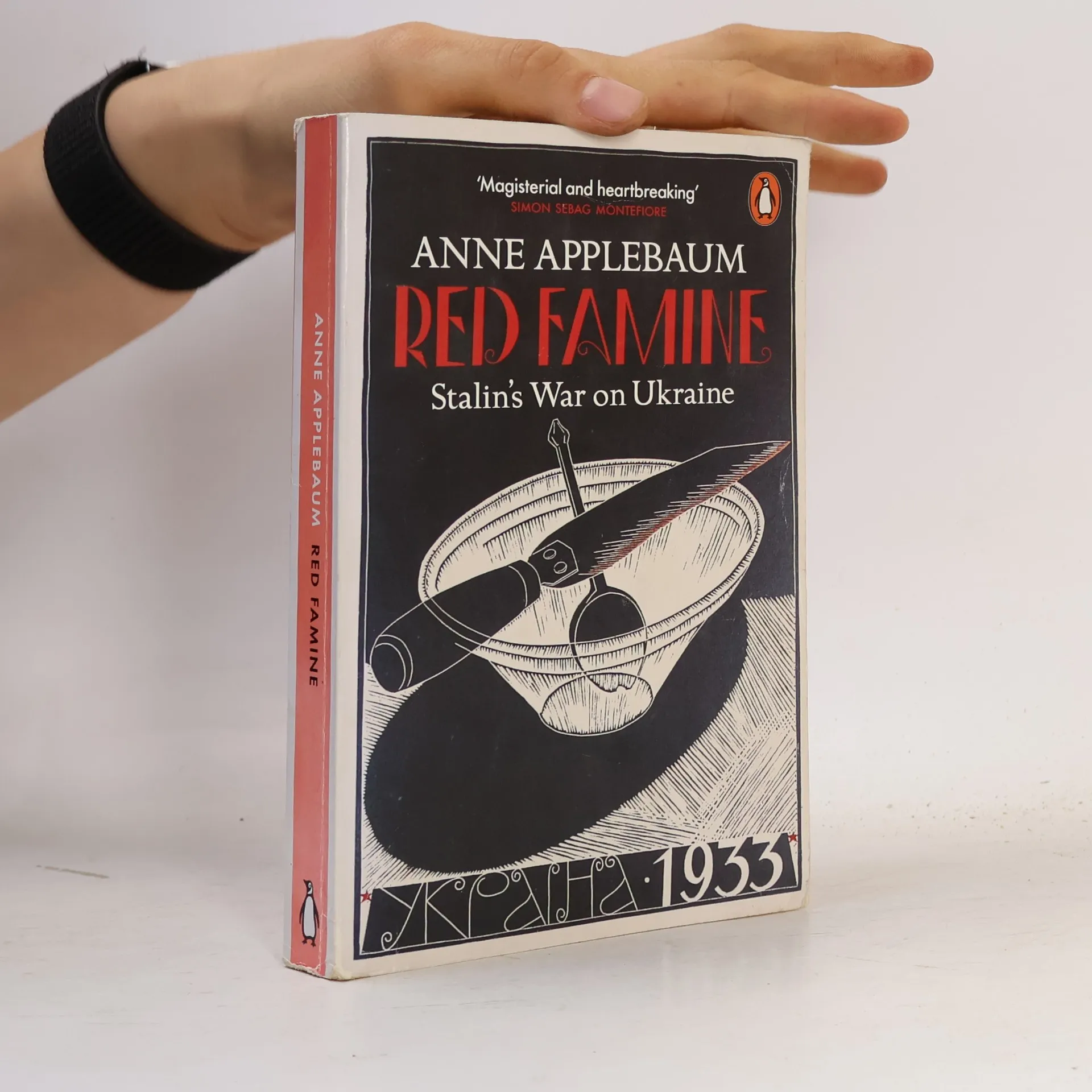
    Red Famine
    Red famine. Stalin's war on Ukraine
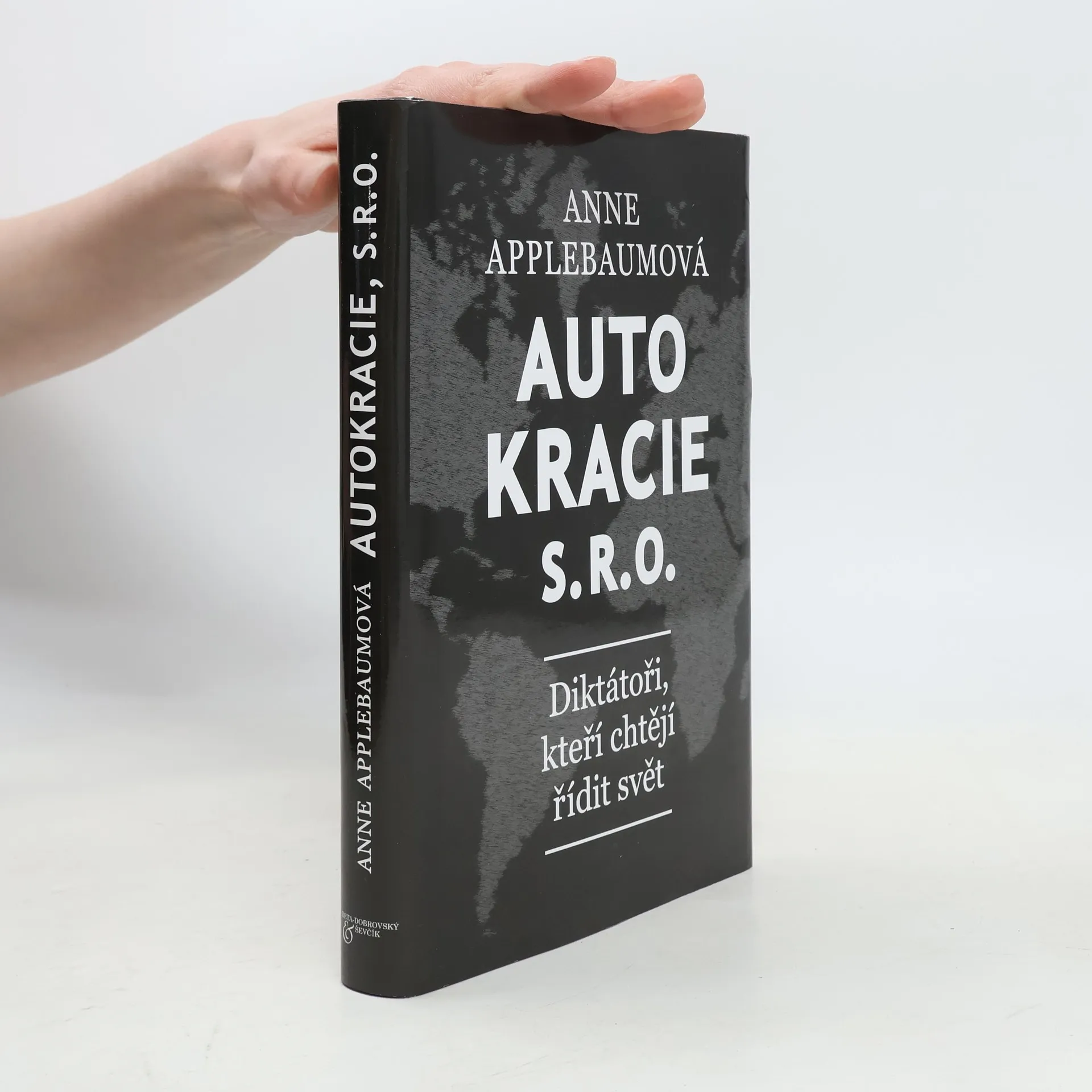
    Autocrazie. Chi sono i dittatori che vogliono governare il mondo
    • Introduction: the Ukrainian question -- The Ukrainian revolution, 1917 -- Rebellion, 1919 -- Famine and truce: the 1920s -- The double crisis: 1927-9 -- Collectivization: revolution in the countryside, 1930 -- Rebellion, 1930 -- Collectivization fails, 1931-2 -- Famine decisions, 1932: requisitions, blacklists and borders -- Famine decisions, 1932: the end of Ukrainization-- Famine decisions, 1932: the searches and the searchers -- Starvation: spring and summer, 1933 -- Survival: spring and summer, 1933 -- Aftermath -- The cover-up -- The Holodomor in history and memory -- Epilogue: the Ukraine question reconsidered

      Red famine. Stalin's war on Ukraine
    • Red Famine

      • 608pagine
      • 22 ore di lettura

      Applebaum's account is poised to become the definitive treatment of a significant political atrocity, vividly re-creating a pastoral world to illustrate its destruction. She argues that the deliberate starvation of Ukrainian peasants was part of a broader Soviet policy against the Ukrainian nation. Understanding this history is essential for contemporary Russians as they grapple with their past. Lucid and powerful, her argument that Stalin targeted Ukraine for special punishment is compelling. The narrative chronicles the devastation inflicted upon Ukraine by Stalin and his regime, built on suspicion and fear. By incorporating contemporary voices, the book resonates with current events, reminding readers that history offers both hope and tragedy. It serves as a heartbreaking history of Stalin's Ukrainian famine, illustrating how starvation was weaponized in the Sovietization of Ukraine. Applebaum’s work reveals the horrific consequences of a regime at war with its own people. Her relentless and shocking narrative solidifies her reputation as a leading historian of Soviet crimes, providing a crucial backstory for understanding present-day relations between Russia and Ukraine. This authoritative history is a vital resource for grasping the complexities of national strife.

      Red Famine
    • Collects the writings of a diverse group of people who survived imprisonment in the Gulag, recounting their experiences and relationships, and offering insight into the psychological aspects of life in the camps.

      Gulag Voices. An anthology
    • Reveals one of the greatest horrors of the 20th century: the system of Soviet camps that are responsible for the deaths of countless millions. This work presents history of the camp: from its origins under the tsars, to its colossal expansion under Stalin's reign of terror, its zenith in the late 1940s and eventual collapse in the era of glasnost.

      Gulag: A History of the Soviet Camps
    • Twilight of Democracy

      • 224pagine
      • 8 ore di lettura

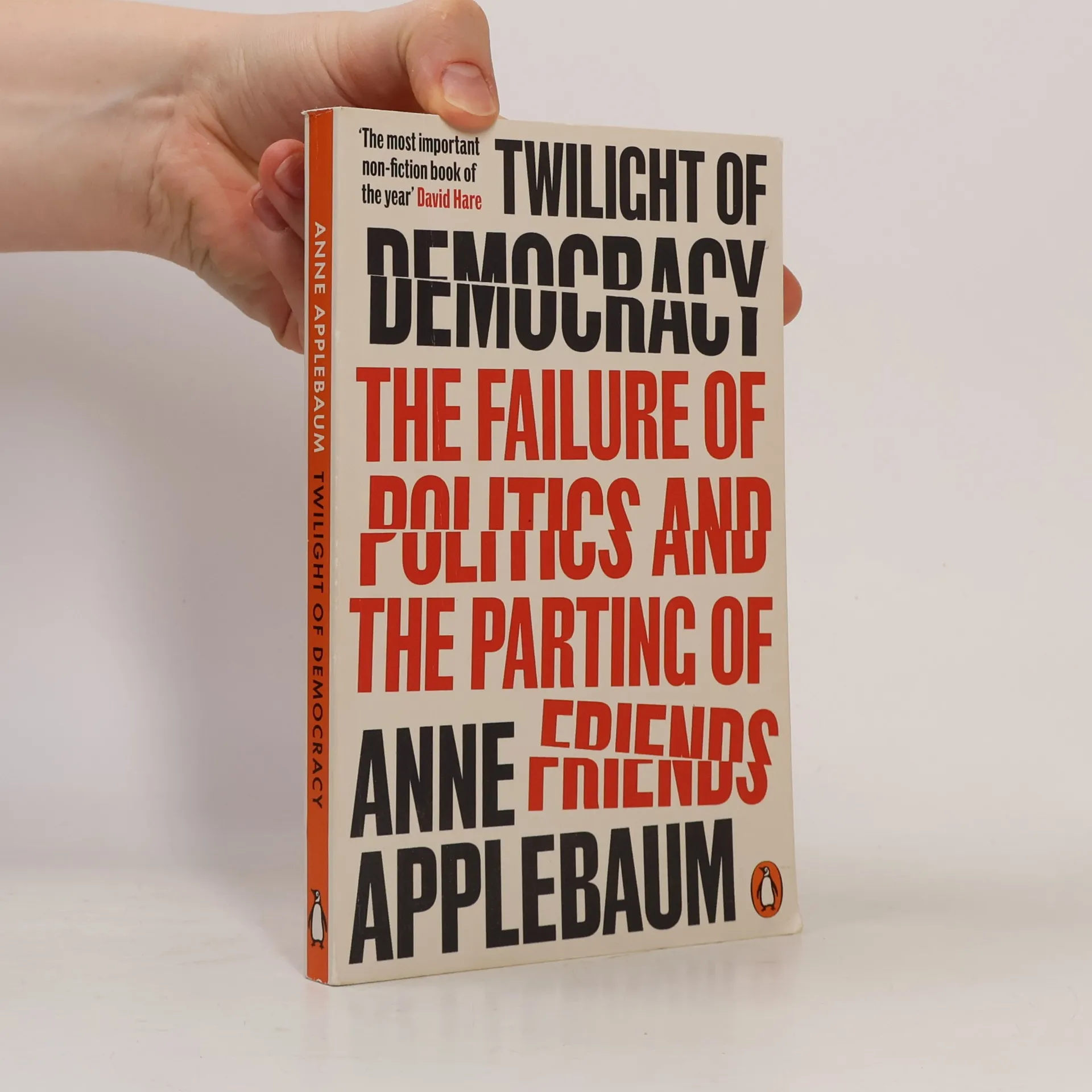
      Anne Applebaum, a distinguished historian of communism and contemporary politics, addresses a pressing question: how did democracy falter? In this urgent and insightful work, she explores the disillusionment of those who once championed democratic ideals, now succumbing to deceitful leaders. This deeply personal account combines analysis, reportage, and memoir to reveal the troubling trajectory of a political generation. In the years surrounding the fall of the Berlin Wall, a sense of achievement and camaraderie united diverse political groups in Europe and America. However, as time passed, this euphoria faded, common goals diminished, and extremism resurfaced, leading to fractured relationships. Applebaum examines this decline through the lens of individuals entangled in significant public events over the past three decades. As politics becomes polarized, individuals—journalists, intellectuals, civic leaders—face difficult choices regarding the rise of authoritarianism and nationalism. When leaders distort history, propagate conspiracies, or undermine media and judiciary integrity, how should one respond? This essay uniquely intertwines personal experiences with political analysis, offering fresh insights into the dynamics of public life in Europe and America, both present and past.

      Twilight of Democracy
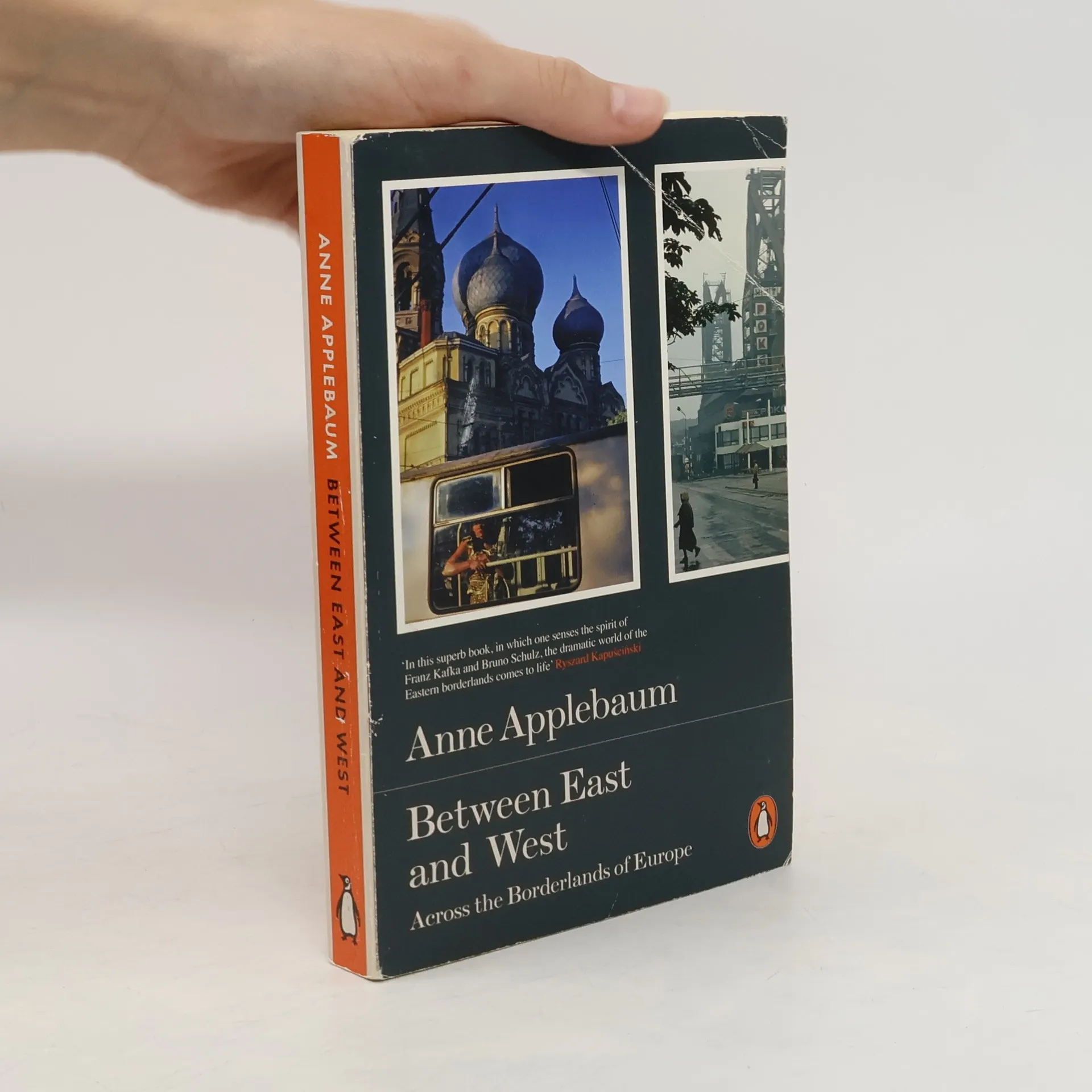
    • As Europe's borderlands emerged from Soviet rule, Anne Applebaum travelled from the Baltic to the Black Sea, through Lithuania, Belarus, Ukraine and the Carpathian mountains. Rich in vivid characters and stories of tragedy and survival, Between East and West illuminates the soul of a place, and the secret history of its people

      Between East and West : across the borderlands of Europe
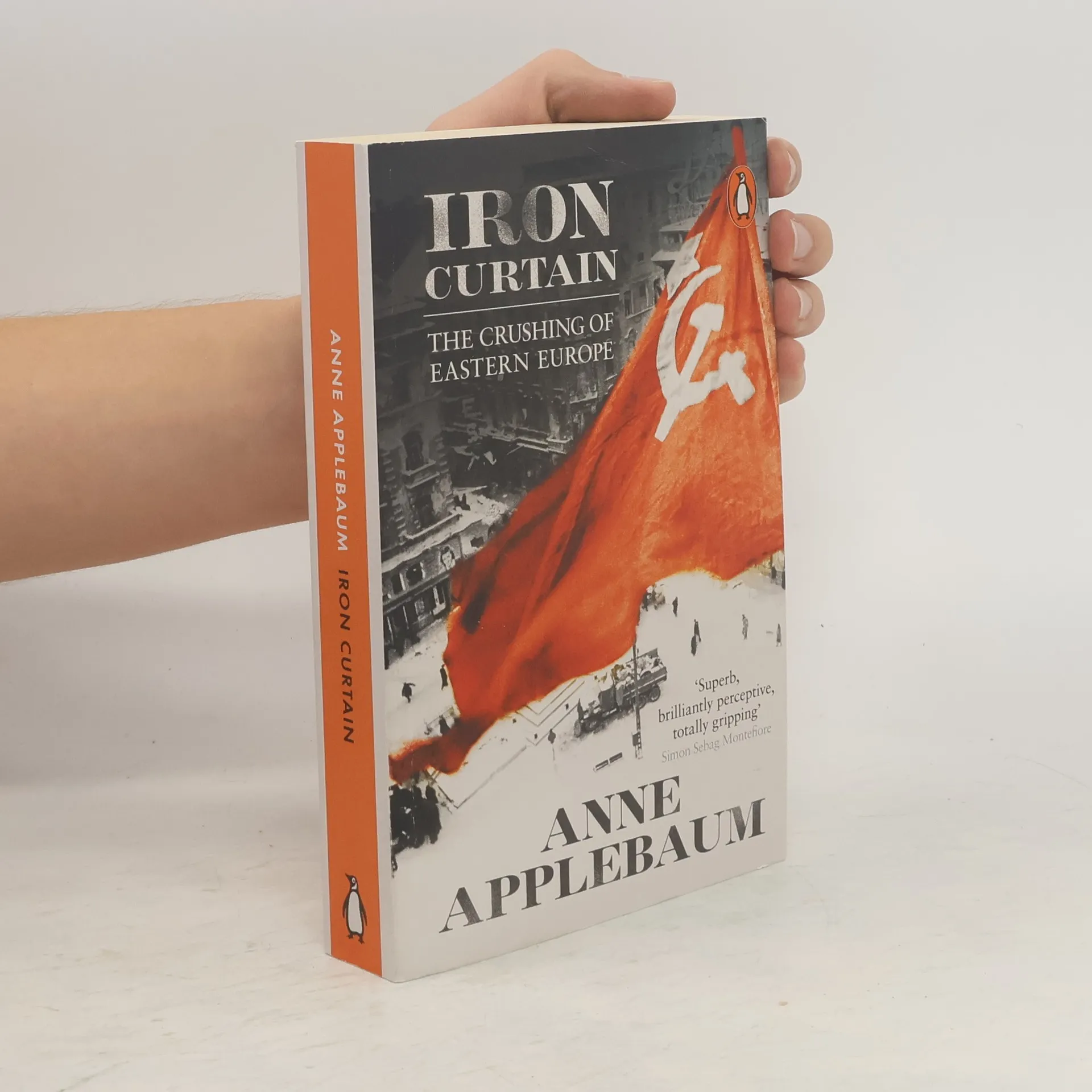
    • Iron Curtain

      The Crushing of Eastern Europe

      At the end of the Second World War, the Soviet Union unexpectedly found itself in control of a huge swathe of territory in Eastern Europe. Stalin and his secret police set out to convert a dozen radically different countries to a completely new political and moral system- Communism. Anne Applebaum's landmark history of this brutal time shows how societies were ruthlessly eviscerated by Communist regimes, how opposition was destroyed and what life was like for ordinary people who had to choose whether to fight, to flee or to collaborate. Iron Curtainis an exceptional work of historical and moral reckoning, and a haunting reminder of how fragile freedom can be. Chosen 16 times as a 'Book of the Year' - The top Non-Fiction pick of 2012'The best work of modern history I have ever read.' A. N. Wilson, Financial Times'The outstanding book of the year . . . a masterpiece.' Oliver Kamm, The Times, Books of the Year 'Exceptionally important, wise, perceptive, remarkably objective.' Antony Beevor 'Explains in a manner worthy of Arthur Koestler what totalitarianism really means . . . it is a window into a world of lies and evil that we can hardly imagine.' Edward Lucas, Standpoint 'At last the story can be told . . . a magisterial history.' Orlando Figes, Mail on Sunday

      Iron Curtain
    • A FINANCIAL TIMES, ECONOMIST AND NEW STATESMAN BOOK OF THE YEAR 2020 'The most important non-fiction book of the year' David Hare In the years just before and after the fall of the Berlin Wall, people from across the political spectrum in Europe and America celebrated a great achievement, felt a common purpose and, very often, forged personal friendships. Yet over the following decades the euphoria evaporated, the common purpose and centre ground gradually disappeared, extremism rose once more and eventually - as this book compellingly relates - the relationships soured too. Anne Applebaum traces this history in an unfamiliar way, looking at the trajectories of individuals caught up in the public events of the last three decades. When politics becomes polarized, which side do you back? If you are a journalist, an intellectual, a civic leader, how do you deal with the re-emergence of authoritarian or nationalist ideas in your country? When your leaders appropriate history, or pedal conspiracies, or eviscerate the media and the judiciary, do you go along with it? Twilight of Democracy is an essay that combines the personal and the political in an original way and brings a fresh understanding to the dynamics of public life in Europe and America, both now and in the recent past.

      Twilight of democracy : the failure of politics and the parting of friends
    • V roce 1929 Stalin zahájil proces zemědělské kolektivizace, která se v podstatě stala druhou ruskou revolucí. Miliony větších i menších zemědělců byly postupně přinuceny odevzdat svou půdu nově vytvořeným agrárním podnikům – družstevním kolchozům nebo státním sovchozům. Tragickým důsledkem kolektivizace byl propad zemědělské výroby následovaný smrtícím hladomorem, jaký nemá v evropské historii obdoby. Mezi lety1931 a 1933 v Sovětském svazu zemřelo hladem nejméně pět miliónů lidí. Sovětské vedení však pomoc obyvatelstvu v dotčených oblastech záměrně neposkytlo a tragédii naopak využívalo ke svým politickým cílům. A jak konstatuje autorka, téměř dvě třetiny z celkového počtu mrtvých byli Ukrajinci, kteří nezahynuli vinou chybné hospodářské politiky, nýbrž se stali oběťmi Stalinova cíleného státního teroru.

      Rudý hladomor : Stalinova válka na Ukrajině