Anne Applebaum Ordine dei libri (cronologico)
25 luglio 1964
Questa giornalista e autrice, vincitrice del Premio Pulitzer, approfondisce nelle sue opere le complessità del comunismo e l'evoluzione della società civile nell'Europa centro-orientale. I suoi scritti offrono profonde intuizioni sulle trasformazioni politiche e sociali che hanno plasmato la regione. Come stimata editorialista e membro del comitato di redazione di un importante quotidiano, contribuisce in modo significativo al dibattito pubblico su questioni internazionali cruciali.


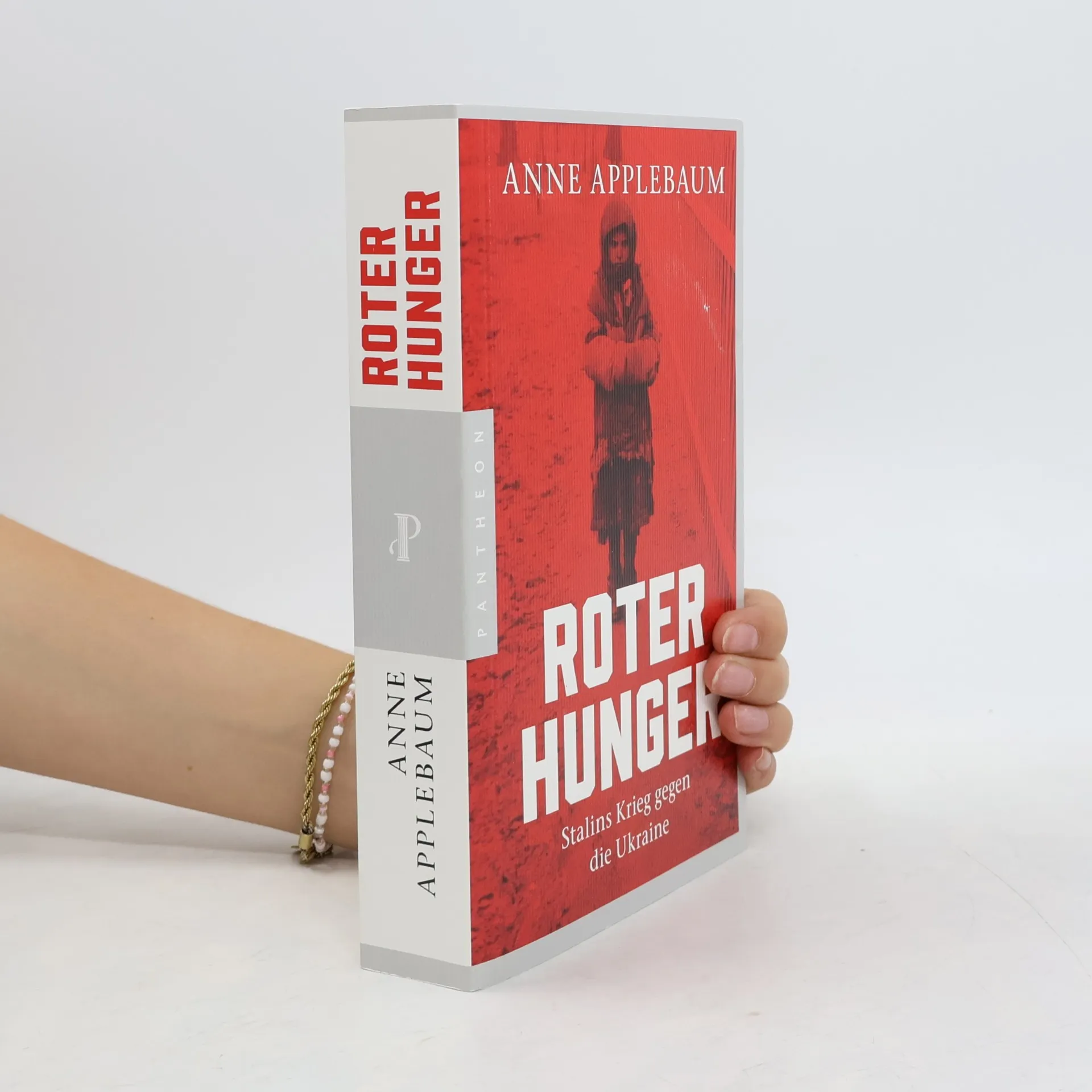
Roter Hunger
Stalins Krieg gegen die Ukraine - FRIEDENSPREIS DES DEUTSCHEN BUCHHANDELS 2024 FÜR ANNE APPLEBAUM
- 544pagine
- 20 ore di lettura
Wie die Hungerepidemien der 1930er-Jahre die Ukraine veränderten: Anne Applebaums monumentales Zeugnis des Holodomors verleiht Millionen ukrainischen Opfern eine Stimme Der gegenwärtige Krieg in der Ukraine ist ohne diese historische Last nicht zu verstehen – der erzwungene Hungertod von mehr als drei Millionen Ukrainern 1932 und 1933, Holodomor genannt, war eine der größten Katastrophen des 20. Jahrhunderts. Und sie hat Folgen bis heute – Stalins „Krieg gegen die Ukraine“ hat sich tief im kollektiven Bewusstsein der osteuropäischen Völker verankert. Pulitzer-Preisträgerin Anne Applebaum vereint in ihrer Darstellung auf eindrückliche Weise die Perspektive der Täter und jene der Opfer: Sie zeigt Stalins Terrorregime gegen die Ukraine, die Umstände der Vernichtungspolitik - und verleiht zugleich den hungernden Ukrainern eine Stimme. Ein gewaltiges Buch, erschütternd und erhellend zugleich. Ausstattung: mit Abb.
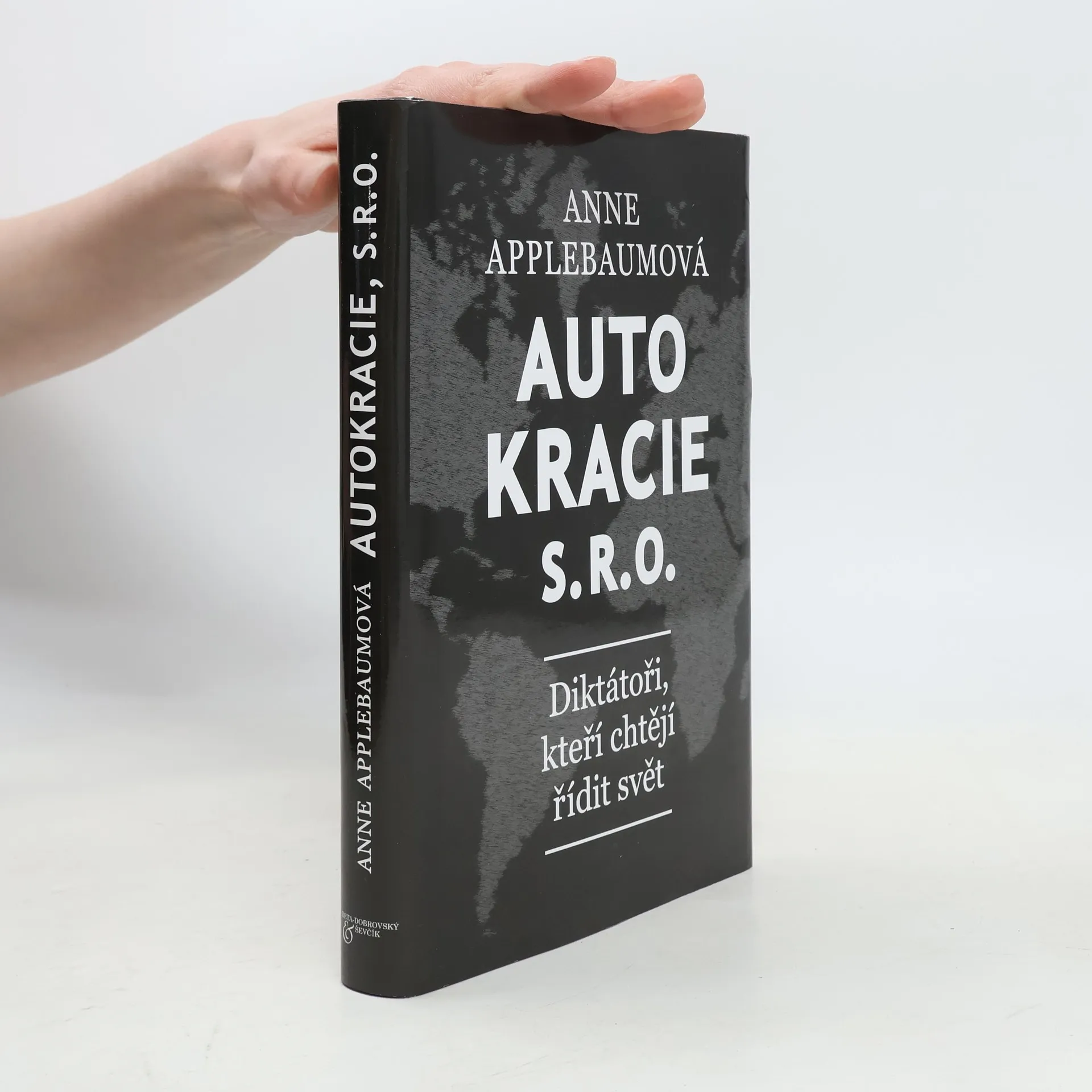
Autokracie, s.r.o.
Diktátoři, kteří chtějí řídit svět
Anne Applebaums großes Werk über die totalitäre Herrschaft im Osten Europas nach 1945 Wie begann die Unterdrückung Osteuropas? In ihrem Buch erzählt Anne Applebaum, wie der östliche Teil des Kontinents nach Ende des Zweiten Weltkriegs hinter dem Eisernen Vorhang verschwand. Auf Basis umfangreicher Archivrecherchen und Gesprächen mit zahlreichen Zeitzeugen zeigt sie eindrucksvoll, wie systematisch und brutal sowjetische Truppen und einheimische Kommunisten in den Ländern Osteuropas stalinistische Diktaturen errichteten und was dies für die Menschen dort bedeutete. Ausstattung: mit Abbildungen
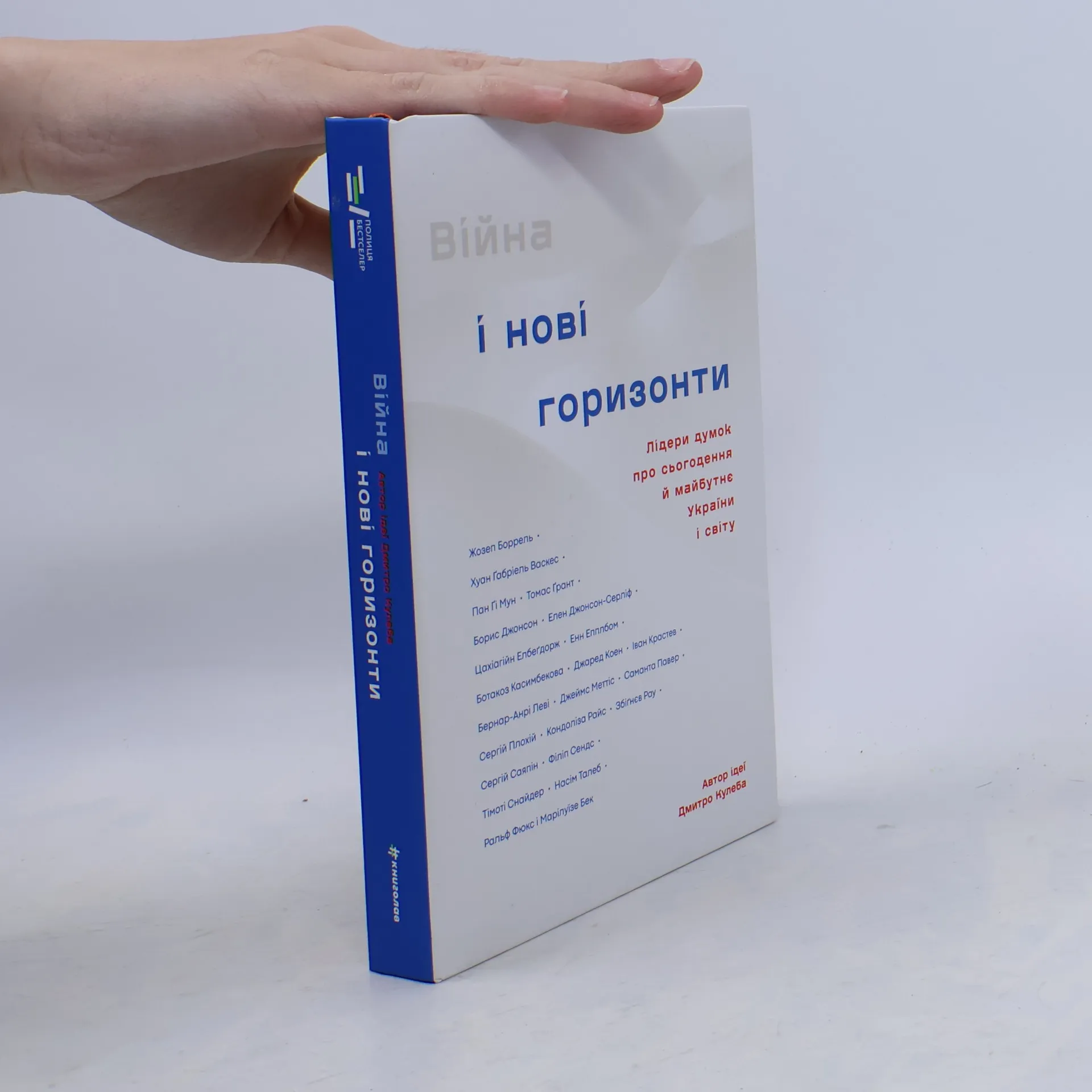
Війна і нові горизонти. Лідери думок про сьогодення й майбутнє України і світу
- 304pagine
- 11 ore di lettura
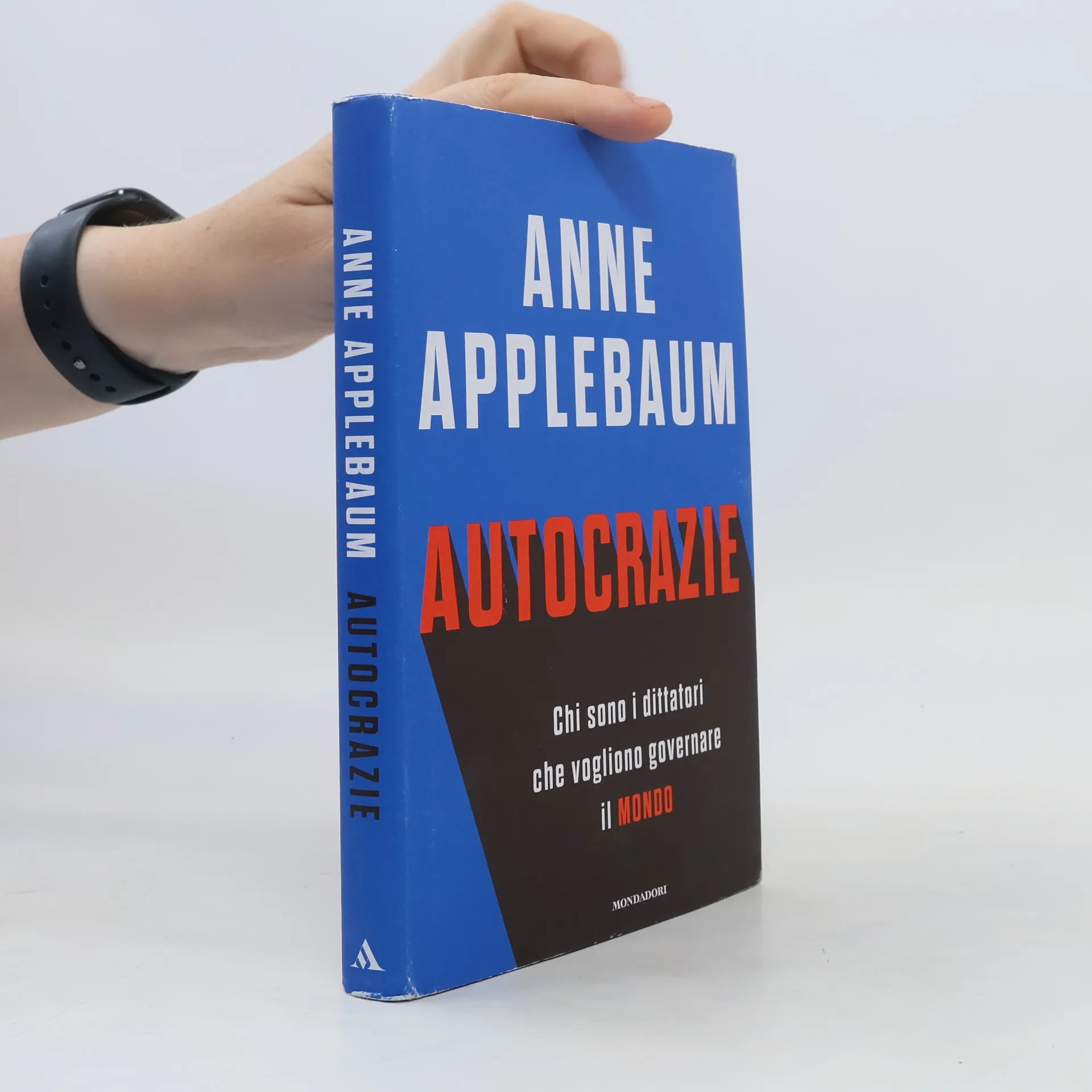
Autocrazie. Chi sono i dittatori che vogliono governare il mondo
- 180pagine
- 7 ore di lettura
Uno dei più celebri storici e giornalisti del mondo svela le reti che mirano a minare la democrazia. L'immagine tradizionale di uno stato autocratico, con un unico tiranno al comando, è obsoleta. Nel XXI secolo, le autocrazie funzionano attraverso reti sofisticate di sistemi finanziari kleptocratici, servizi di sicurezza e propagandisti professionisti. Questi membri sono interconnessi non solo all'interno dei propri paesi, ma anche oltre i confini. Aziende statali corrotte collaborano a livello internazionale, mentre le forze di polizia di una nazione possono addestrare ed equipaggiare quelle di un'altra. I propagandisti condividono risorse; le fattorie di troll che promuovono l'agenda di un dittatore possono facilmente sostenere quella di un altro, enfatizzando gli stessi messaggi anti-democratici. A differenza delle alleanze militari o politiche storiche, questa rete opera più come un conglomerato: Autocracy, Inc. Le loro interazioni sono transazionali, trascendendo divisioni ideologiche, geografiche e culturali. L'unica loro comunanza è un disprezzo condiviso per il mondo democratico e un desiderio di minarne i sistemi e i valori. Questo libro esplora le origini, la persistenza e le meccaniche di questa coalizione autocratica, oltre a come il mondo democratico l'abbia involontariamente sostenuta e cosa si possa fare per smantellarla.
Die Verlockung des Autoritären
Warum antidemokratische Herrschaft so populär geworden ist - FRIEDENSPREIS DES DEUTSCHEN BUCHHANDELS 2024 FÜR ANNE APPLEBAUM
- 208pagine
- 8 ore di lettura
Der von Barack Obama empfohlene Bestseller der Pulitzer-Preisträgerin Die Erschütterung der liberalen Demokratien wird oft mit der Schwäche der westlichen Werteordnung erklärt. Anne Applebaum wählt einen anderen Ansatz und fragt: Was macht die Rückkehr zu autoritären Herrschaftsformen für viele Menschen so erstrebenswert? An zahlreichen Beispielen – von den Brexiteers bis hin zu den illiberalen Demokratien Osteuropas – zeigt sie, welche Rolle dabei soziale Medien, Verschwörungstheorien und Nostalgie spielen. Ein brillant erzählter, aus persönlicher Erfahrung gespeister Streifzug durch eine westliche Welt, die sich auf erschreckende Weise nach harter Hand und starkem Staat (zurück)sehnt. Eine brillante Analyse des politischen Populismus seit Orban, Trump und Johnson »Scharfsinnig und atemberaubend klar geschrieben.« (Frankfurter Allgemeine Sonntagszeitung)
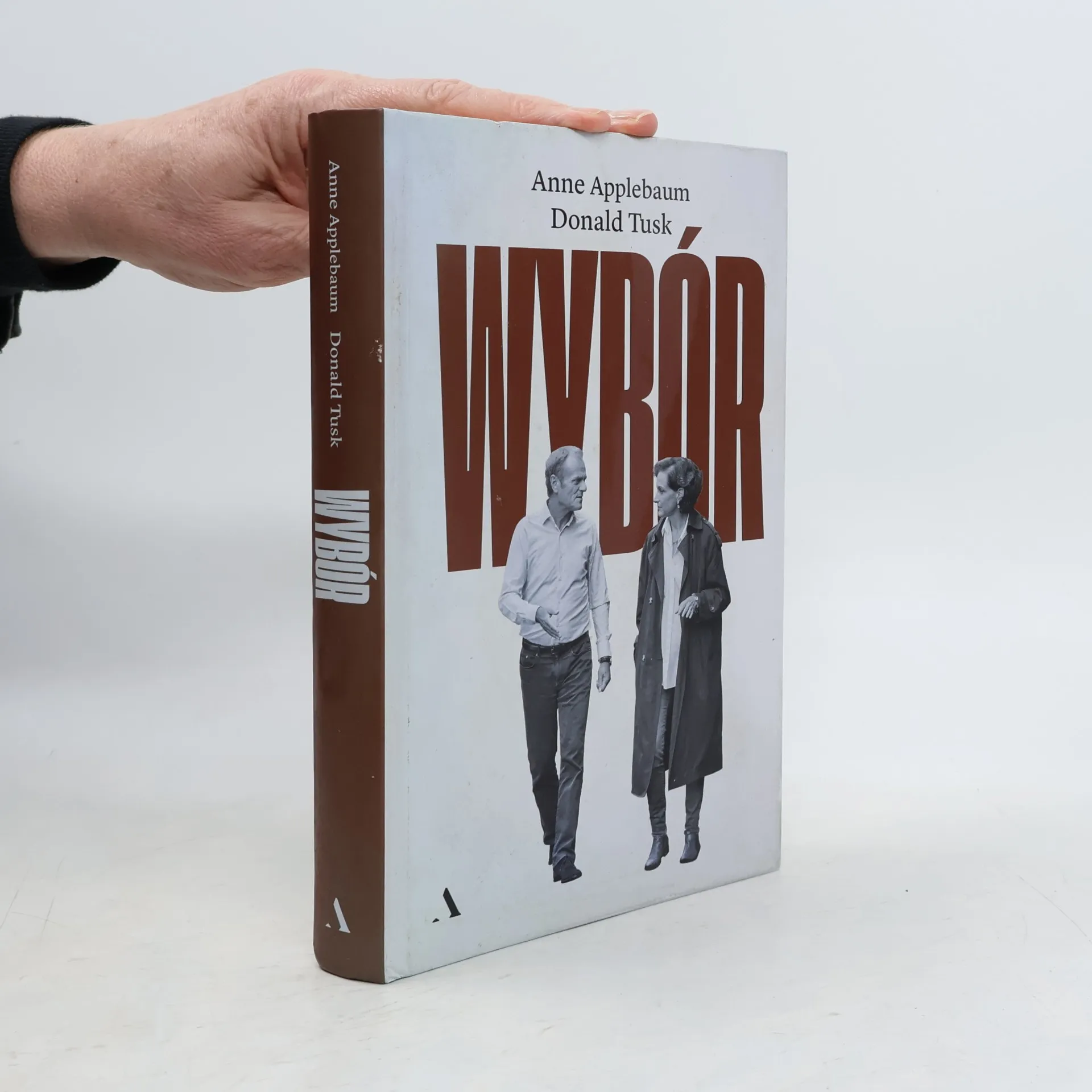
Wybór
- 320pagine
- 12 ore di lettura
Twilight of democracy : the failure of politics and the parting of friends
- 224pagine
- 8 ore di lettura
A FINANCIAL TIMES, ECONOMIST AND NEW STATESMAN BOOK OF THE YEAR 2020 'The most important non-fiction book of the year' David Hare In the years just before and after the fall of the Berlin Wall, people from across the political spectrum in Europe and America celebrated a great achievement, felt a common purpose and, very often, forged personal friendships. Yet over the following decades the euphoria evaporated, the common purpose and centre ground gradually disappeared, extremism rose once more and eventually - as this book compellingly relates - the relationships soured too. Anne Applebaum traces this history in an unfamiliar way, looking at the trajectories of individuals caught up in the public events of the last three decades. When politics becomes polarized, which side do you back? If you are a journalist, an intellectual, a civic leader, how do you deal with the re-emergence of authoritarian or nationalist ideas in your country? When your leaders appropriate history, or pedal conspiracies, or eviscerate the media and the judiciary, do you go along with it? Twilight of Democracy is an essay that combines the personal and the political in an original way and brings a fresh understanding to the dynamics of public life in Europe and America, both now and in the recent past.
Twilight of Democracy
- 224pagine
- 8 ore di lettura
Anne Applebaum, a distinguished historian of communism and contemporary politics, addresses a pressing question: how did democracy falter? In this urgent and insightful work, she explores the disillusionment of those who once championed democratic ideals, now succumbing to deceitful leaders. This deeply personal account combines analysis, reportage, and memoir to reveal the troubling trajectory of a political generation. In the years surrounding the fall of the Berlin Wall, a sense of achievement and camaraderie united diverse political groups in Europe and America. However, as time passed, this euphoria faded, common goals diminished, and extremism resurfaced, leading to fractured relationships. Applebaum examines this decline through the lens of individuals entangled in significant public events over the past three decades. As politics becomes polarized, individuals—journalists, intellectuals, civic leaders—face difficult choices regarding the rise of authoritarianism and nationalism. When leaders distort history, propagate conspiracies, or undermine media and judiciary integrity, how should one respond? This essay uniquely intertwines personal experiences with political analysis, offering fresh insights into the dynamics of public life in Europe and America, both present and past.
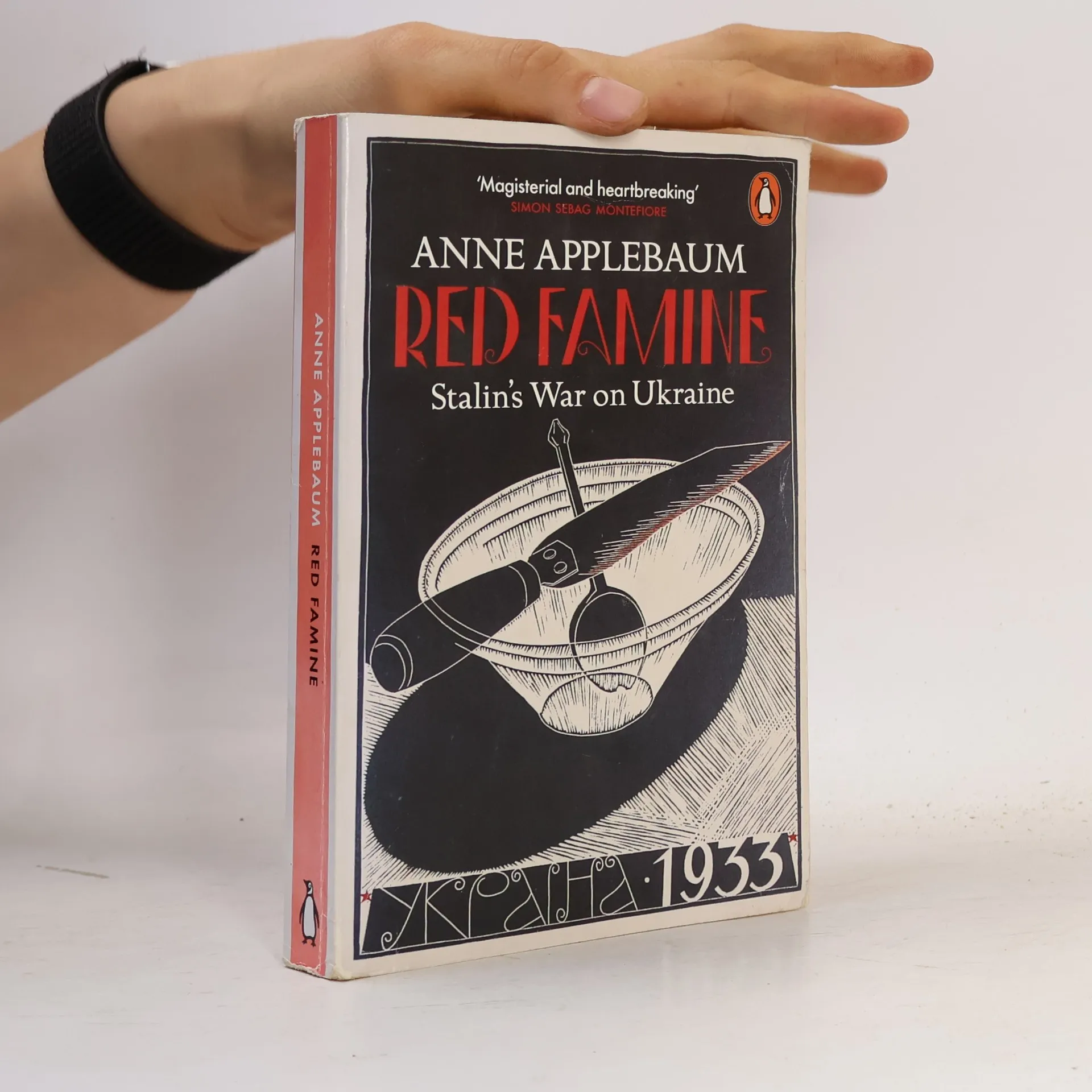
Red famine : Stalin's war on Ukraine
- 512pagine
- 18 ore di lettura
In 1932-33, nearly four million Ukrainians died of starvation, having been deliberately deprived of food. Red Famine shows how this happened, who was responsible, and what the consequences were. The book draws on a mass of archival material and first-hand testimony. It includes accounts by survivors describing what human beings can do when driven mad by hunger. It shows how the Soviet state used propaganda to turn neighbours against each other in order to expunge supposedly 'anti-revolutionary' elements. It also records the actions of extraordinary individuals who did all they could to relieve the suffering. The famine was rapidly followed by an attack on Ukraine's cultural and political leadership - and then by a denial that it had ever happened. The Soviet authorities were determined not only that Ukraine should abandon its national aspirations, but that the country's true history should be buried along with its millions of victims. Red Famine, a triumph of scholarship and human sympathy, is a milestone in the recovery of those memories and that history.
Železná opona
- 510pagine
- 18 ore di lettura
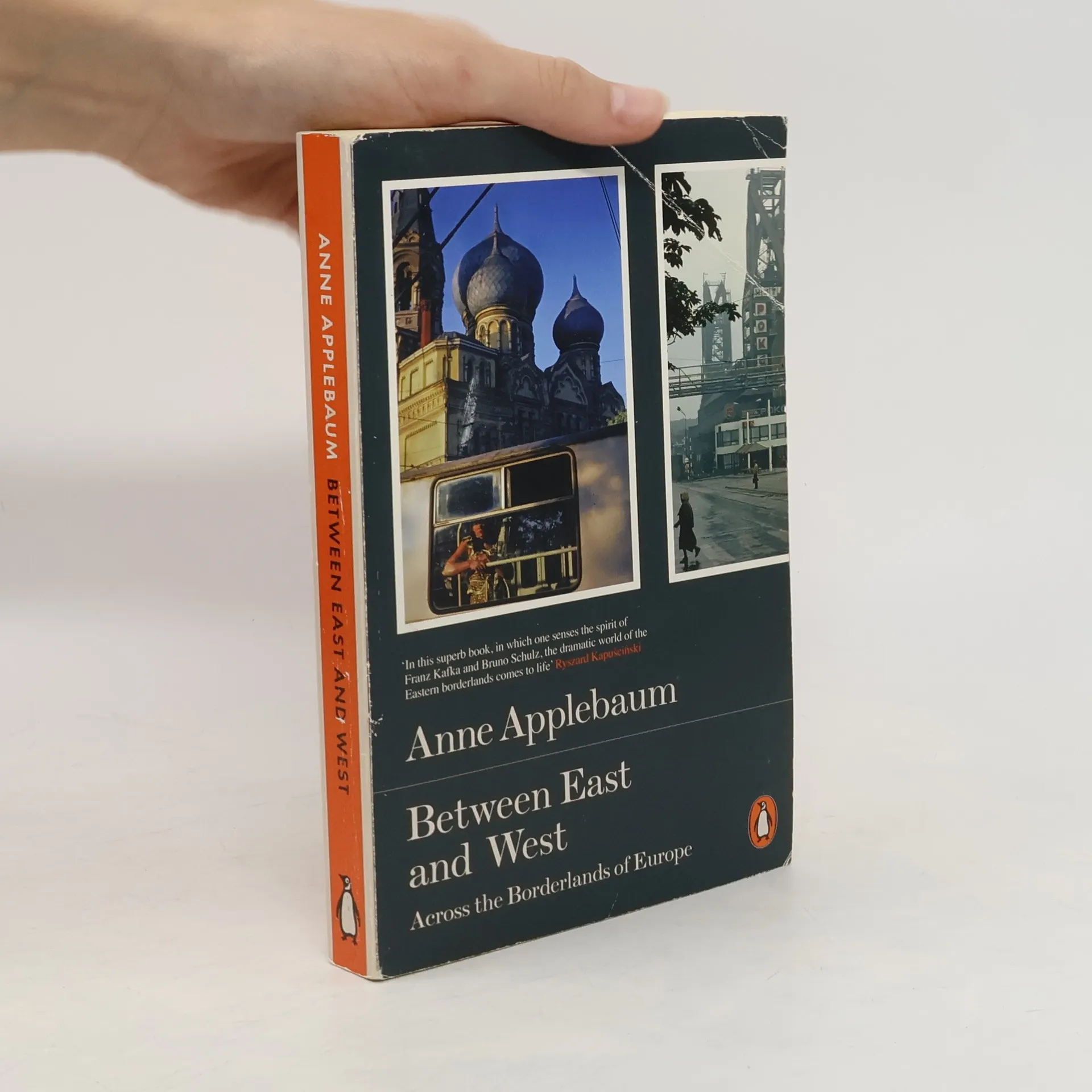
Between East and West : across the borderlands of Europe
- 336pagine
- 12 ore di lettura
As Europe's borderlands emerged from Soviet rule, Anne Applebaum travelled from the Baltic to the Black Sea, through Lithuania, Belarus, Ukraine and the Carpathian mountains. Rich in vivid characters and stories of tragedy and survival, Between East and West illuminates the soul of a place, and the secret history of its people
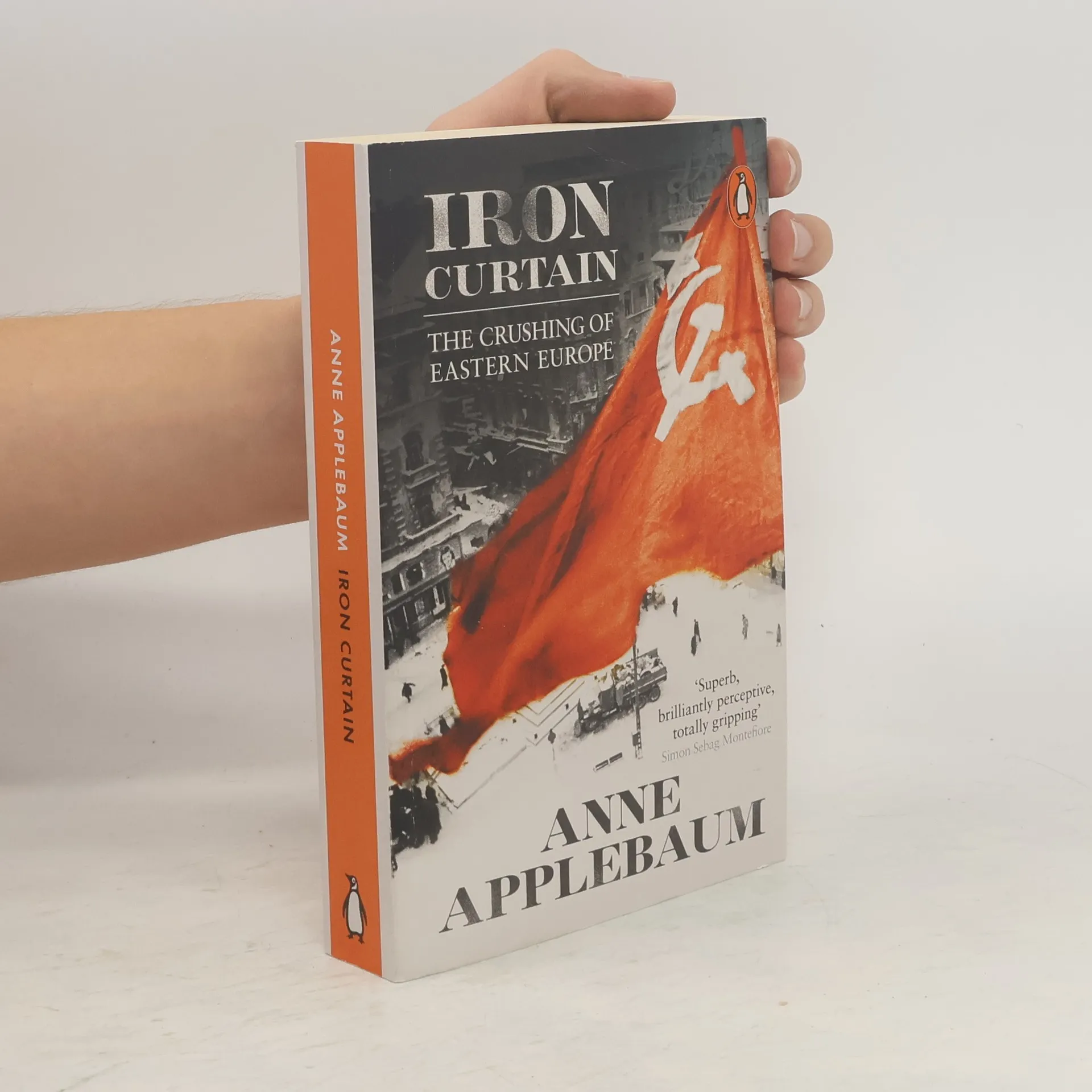
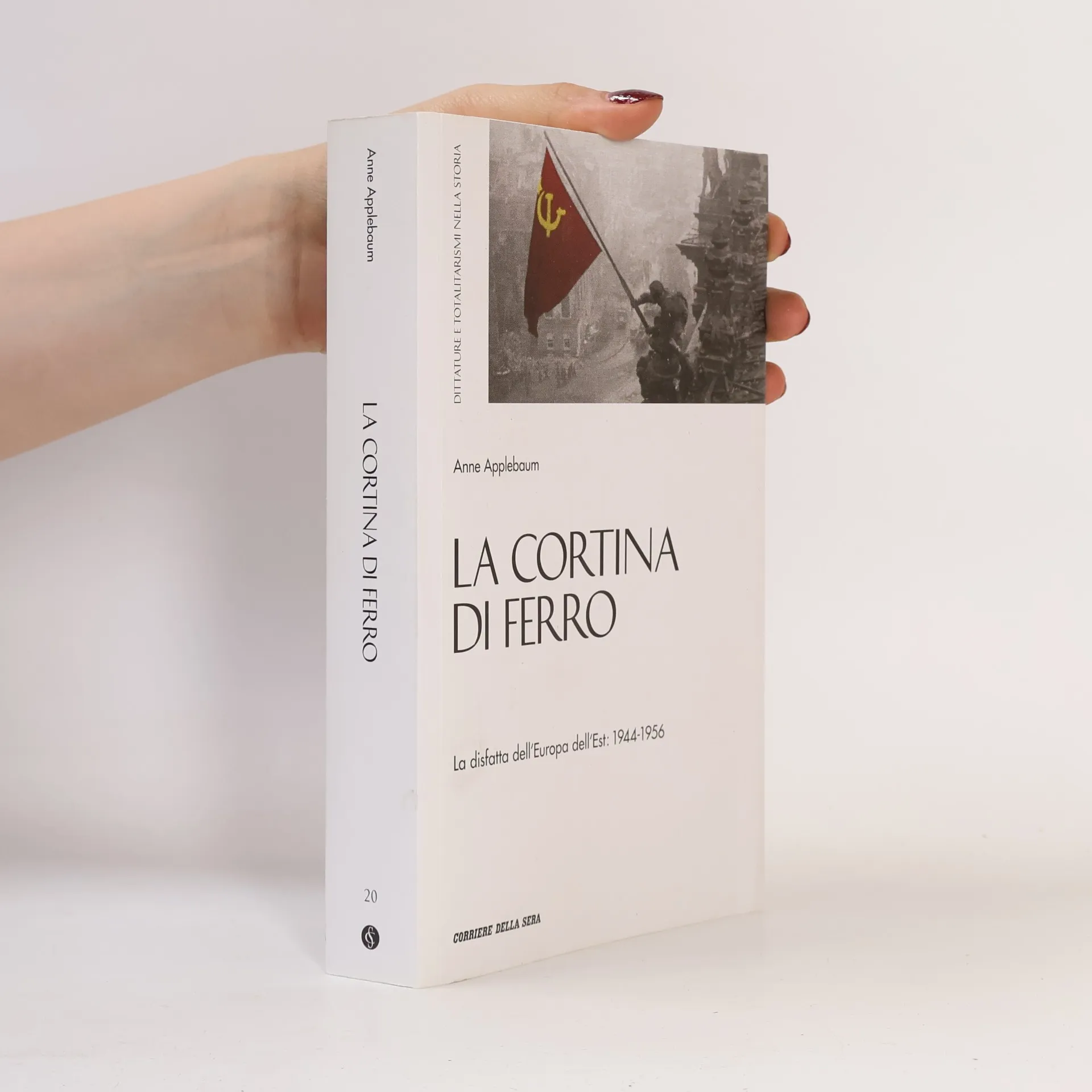
Iron Curtain
The Crushing of Eastern Europe
At the end of the Second World War, the Soviet Union unexpectedly found itself in control of a huge swathe of territory in Eastern Europe. Stalin and his secret police set out to convert a dozen radically different countries to a completely new political and moral system- Communism. Anne Applebaum's landmark history of this brutal time shows how societies were ruthlessly eviscerated by Communist regimes, how opposition was destroyed and what life was like for ordinary people who had to choose whether to fight, to flee or to collaborate. Iron Curtainis an exceptional work of historical and moral reckoning, and a haunting reminder of how fragile freedom can be. Chosen 16 times as a 'Book of the Year' - The top Non-Fiction pick of 2012'The best work of modern history I have ever read.' A. N. Wilson, Financial Times'The outstanding book of the year . . . a masterpiece.' Oliver Kamm, The Times, Books of the Year 'Exceptionally important, wise, perceptive, remarkably objective.' Antony Beevor 'Explains in a manner worthy of Arthur Koestler what totalitarianism really means . . . it is a window into a world of lies and evil that we can hardly imagine.' Edward Lucas, Standpoint 'At last the story can be told . . . a magisterial history.' Orlando Figes, Mail on Sunday
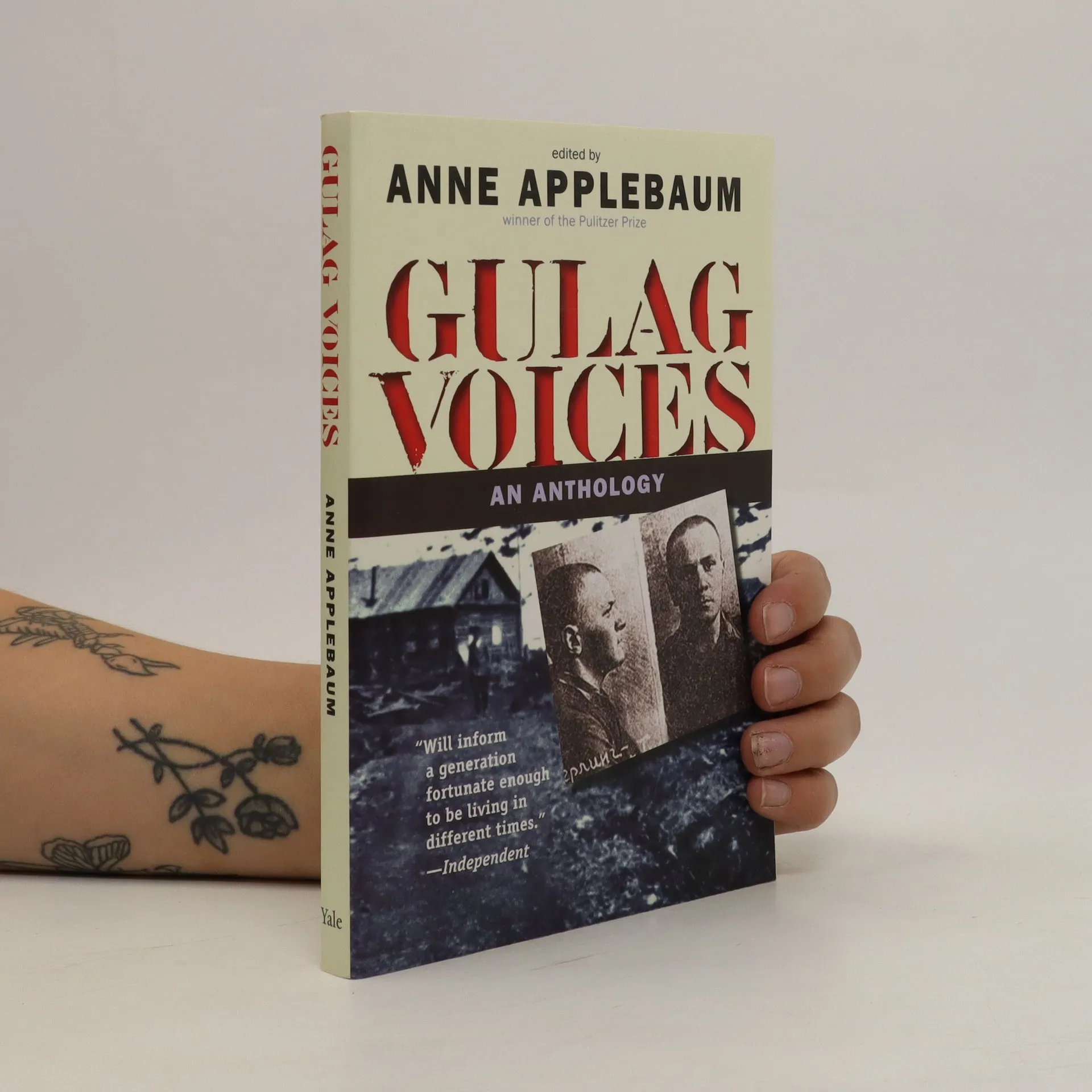
Gulag Voices. An anthology
- 195pagine
- 7 ore di lettura
Collects the writings of a diverse group of people who survived imprisonment in the Gulag, recounting their experiences and relationships, and offering insight into the psychological aspects of life in the camps.
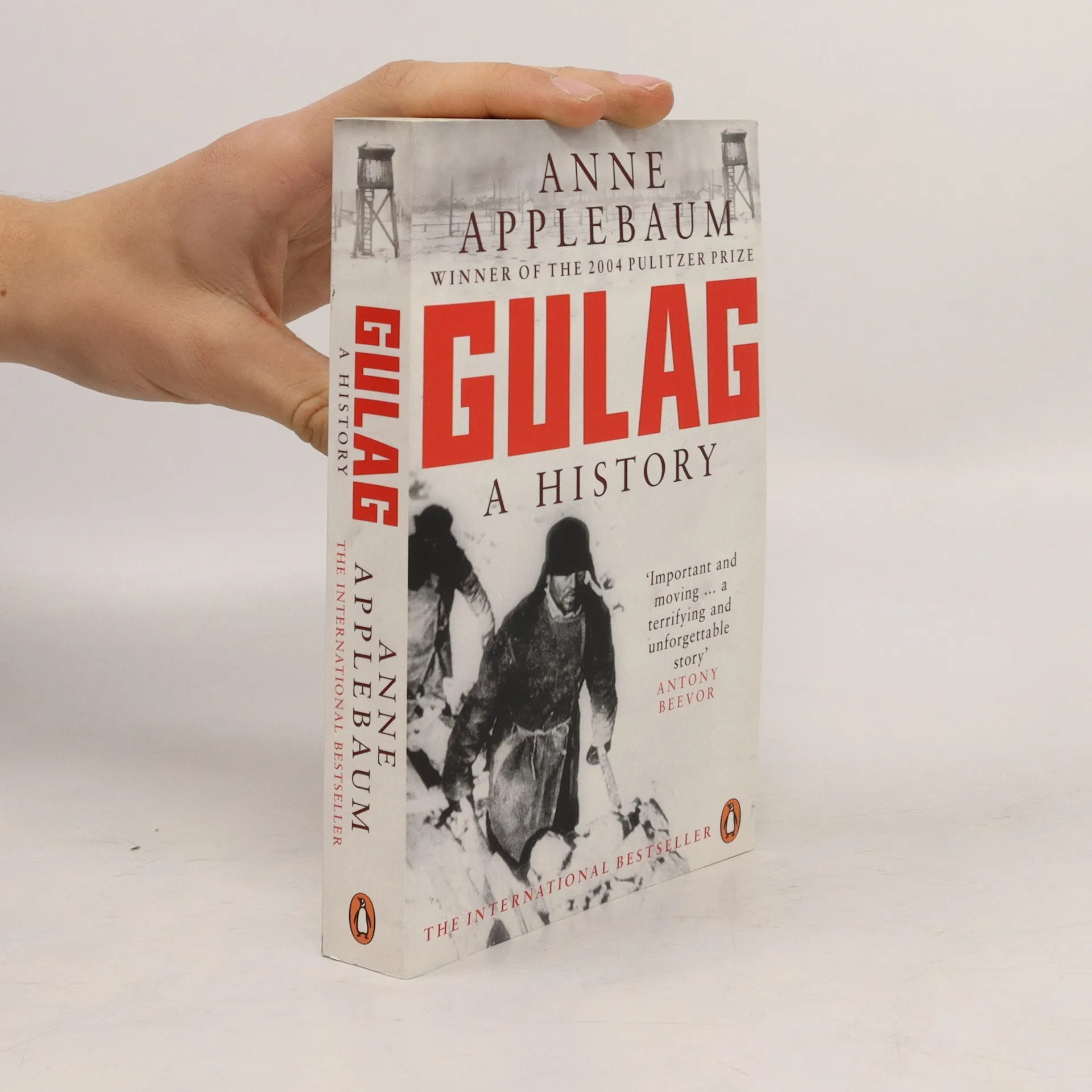
Gulag: A History of the Soviet Camps
- 624pagine
- 22 ore di lettura
Reveals one of the greatest horrors of the 20th century: the system of Soviet camps that are responsible for the deaths of countless millions. This work presents history of the camp: from its origins under the tsars, to its colossal expansion under Stalin's reign of terror, its zenith in the late 1940s and eventual collapse in the era of glasnost.