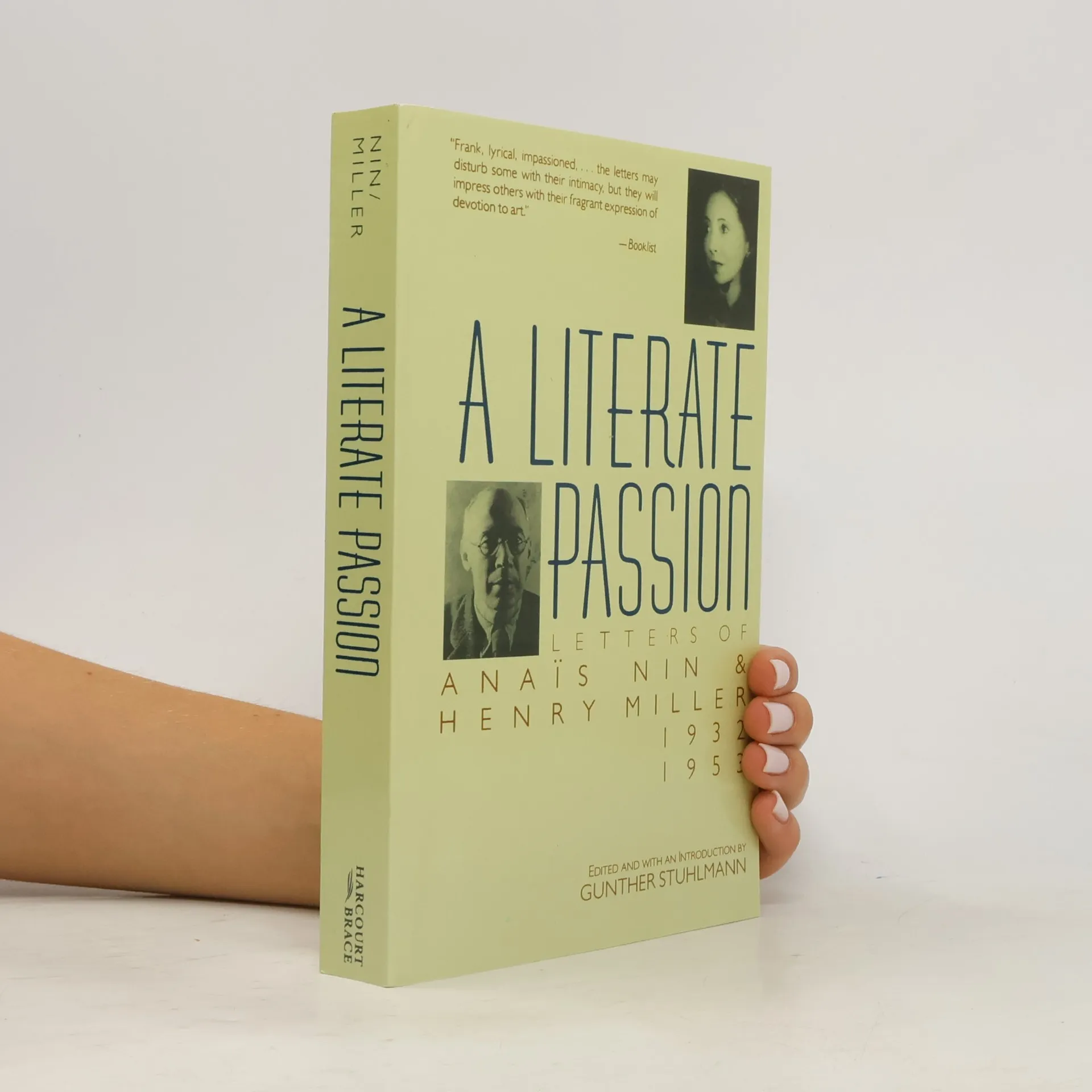
Bookbot

Henry Miller

    26 dicembre 1891 – 7 giugno 1980

    Henry Miller mirava a ristabilire la libertà di vivere senza i vincoli convenzionali della civiltà. I suoi libri sono un miscuglio di descrizioni sessuali, speculazioni quasi filosofiche, riflessioni sulla letteratura e sulla società, e immaginazioni surrealiste. Le sue opere, spesso considerate oscene e inizialmente non pubblicate negli Stati Uniti, esplorano i confini dell'esperienza e della libertà umana. Lo stile distintivo di Miller fonde autobiografia, commento sociale e indagine filosofica, creando una voce letteraria unica.

    Henry Miller
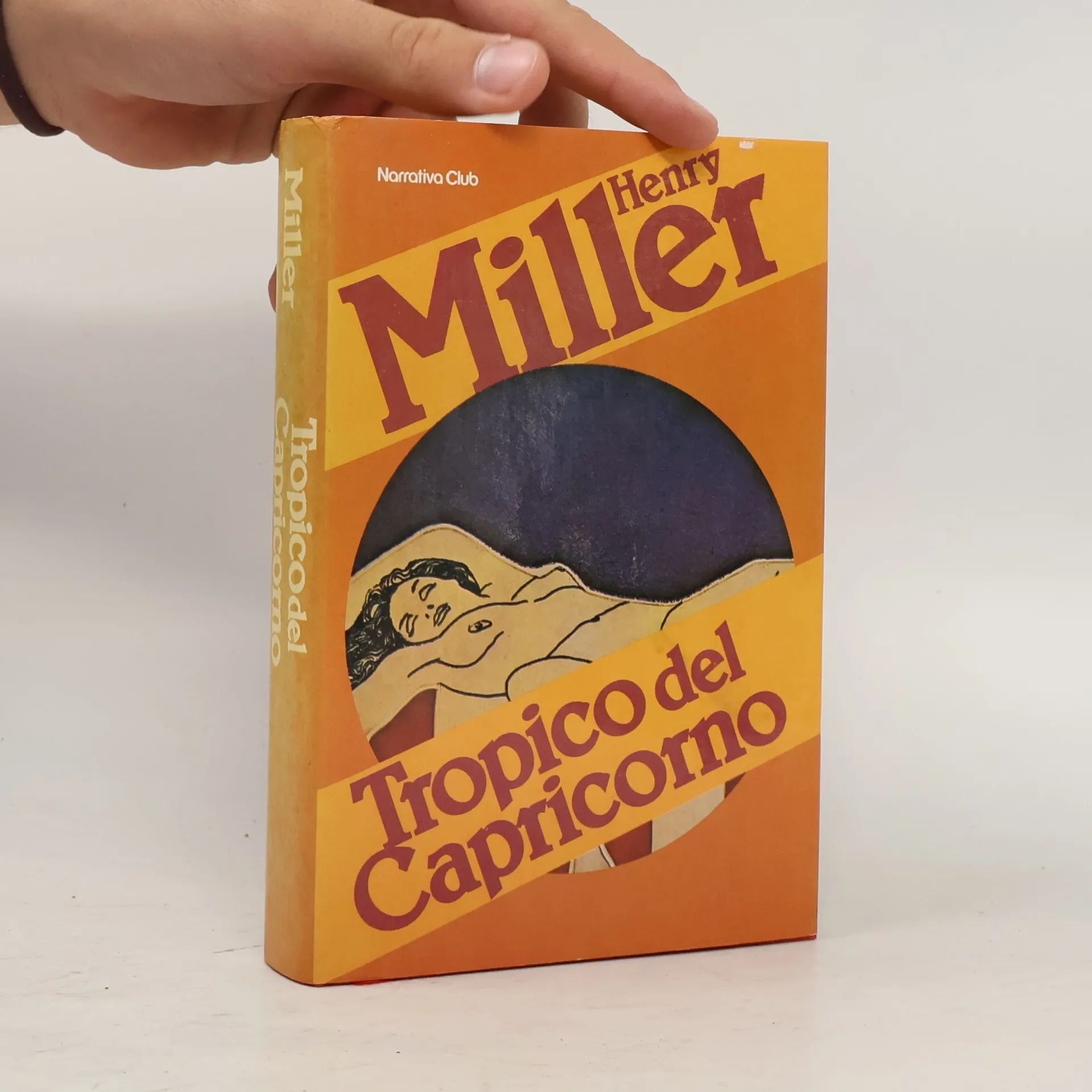
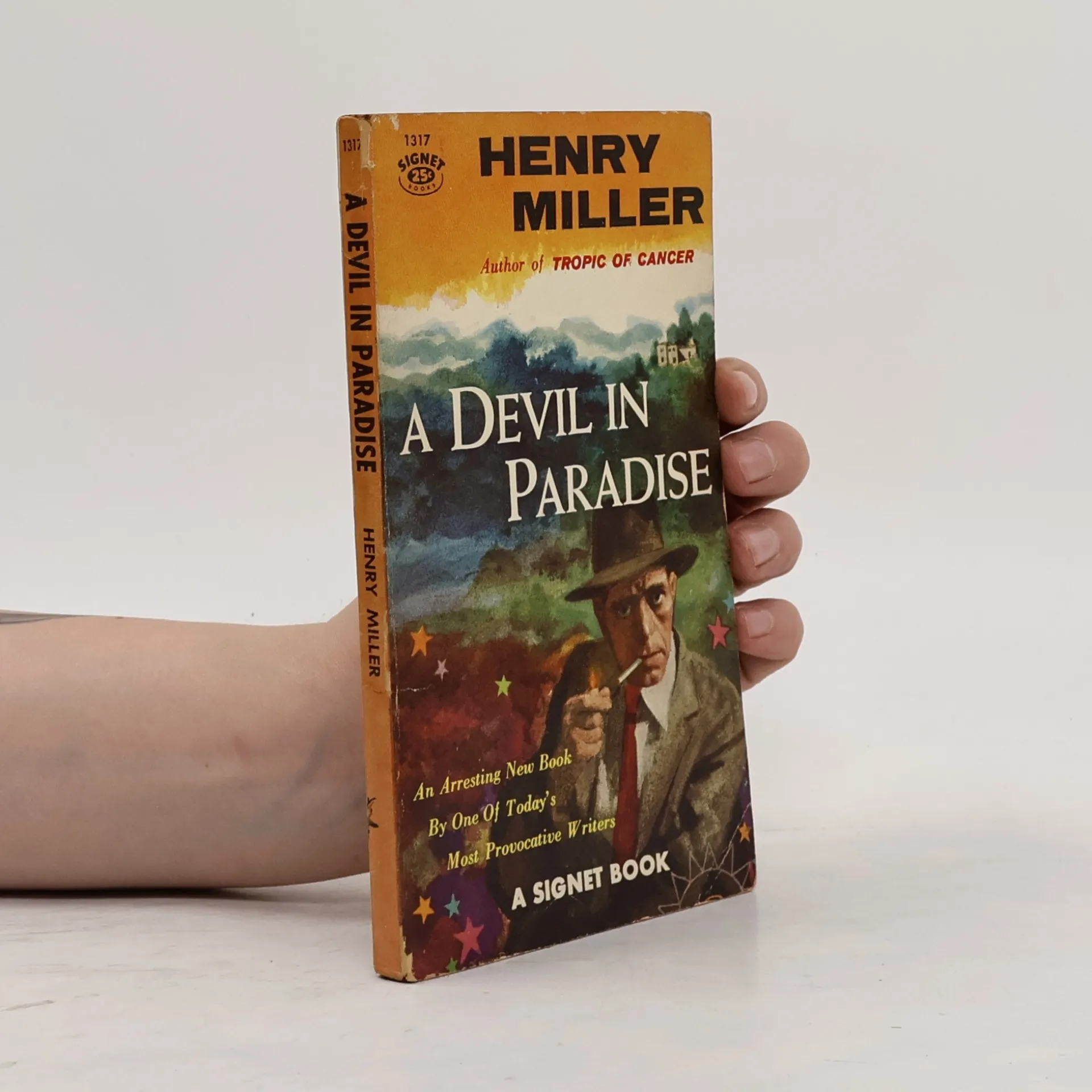
    Tropico del Capricorno
    Il Colosso di Marussi
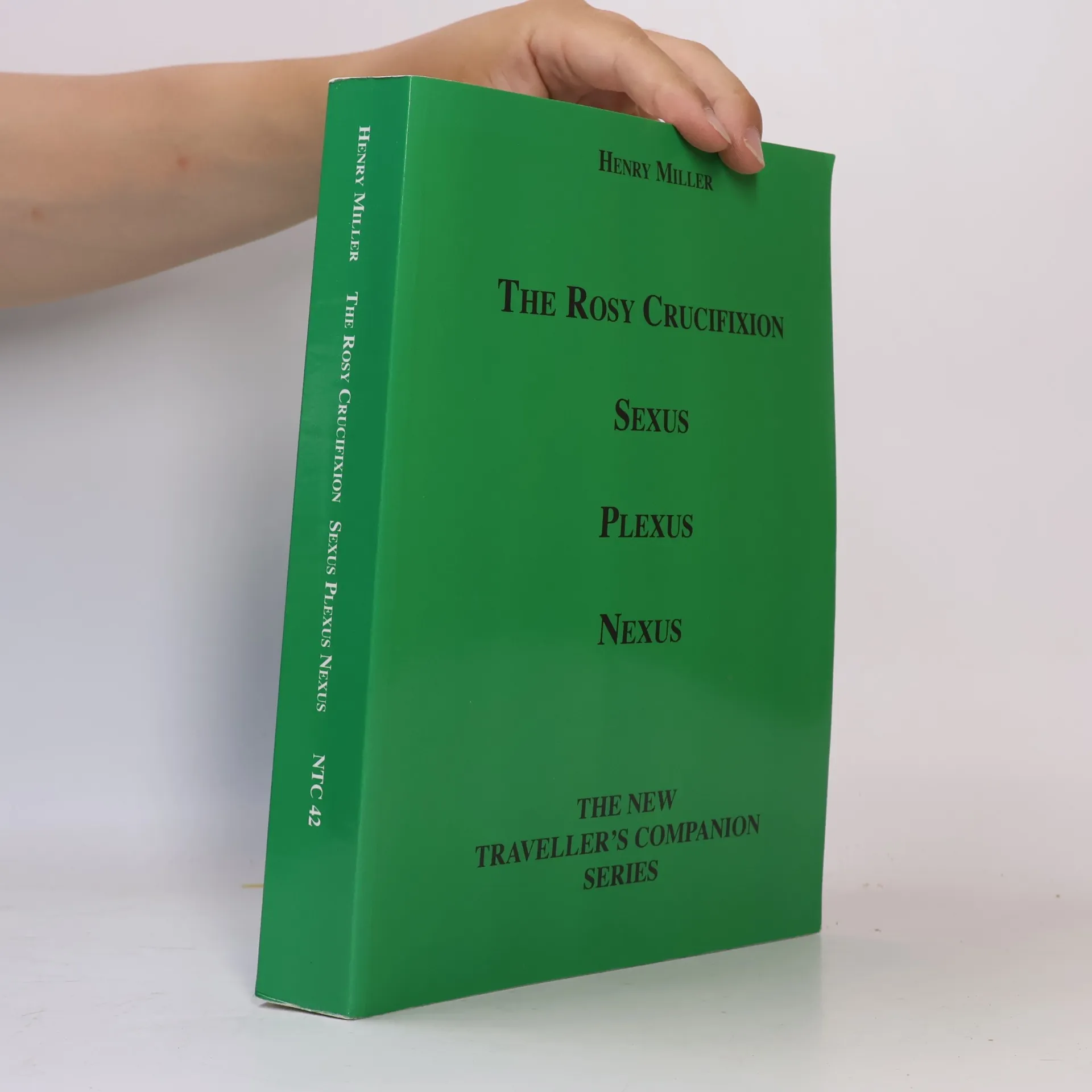
    Sexus
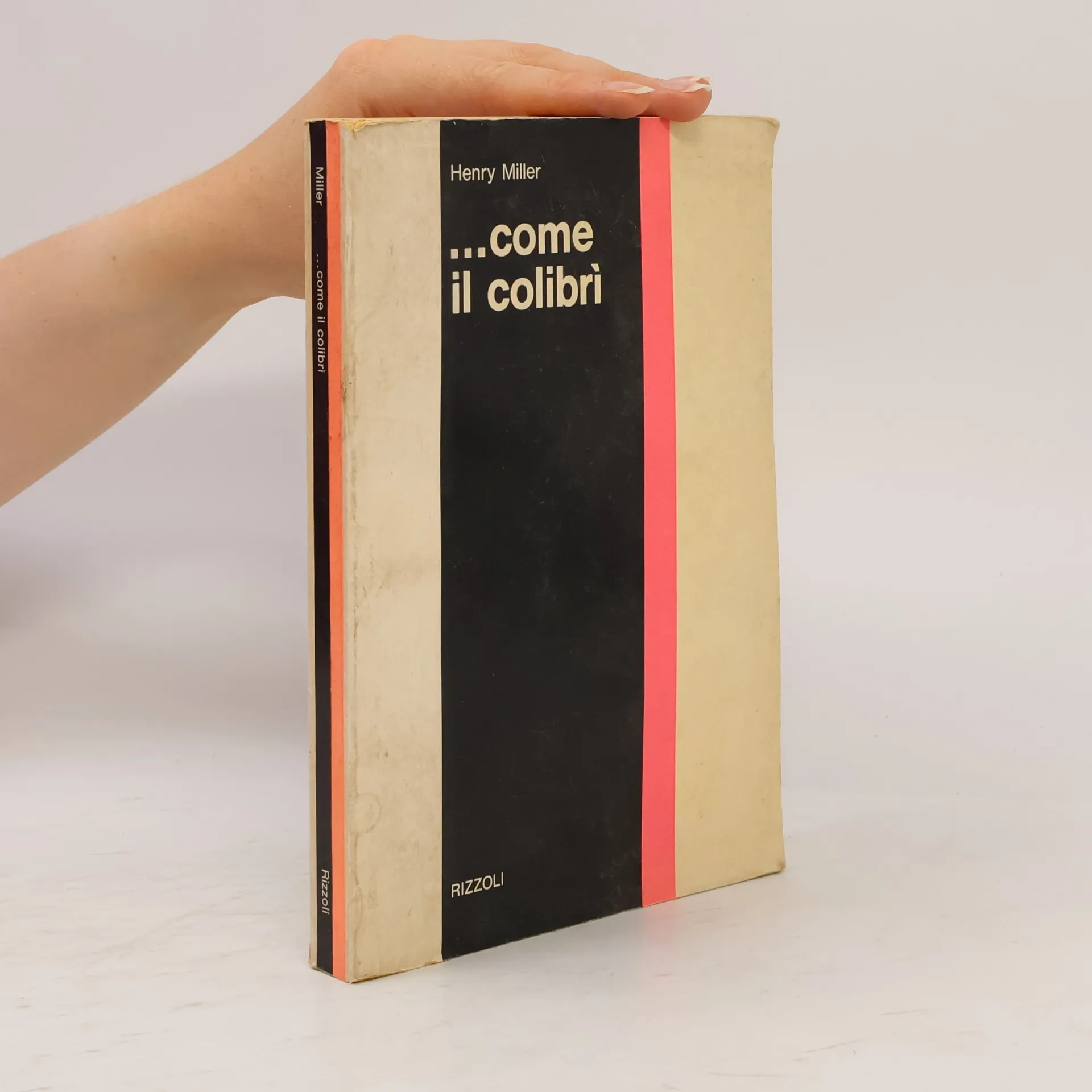
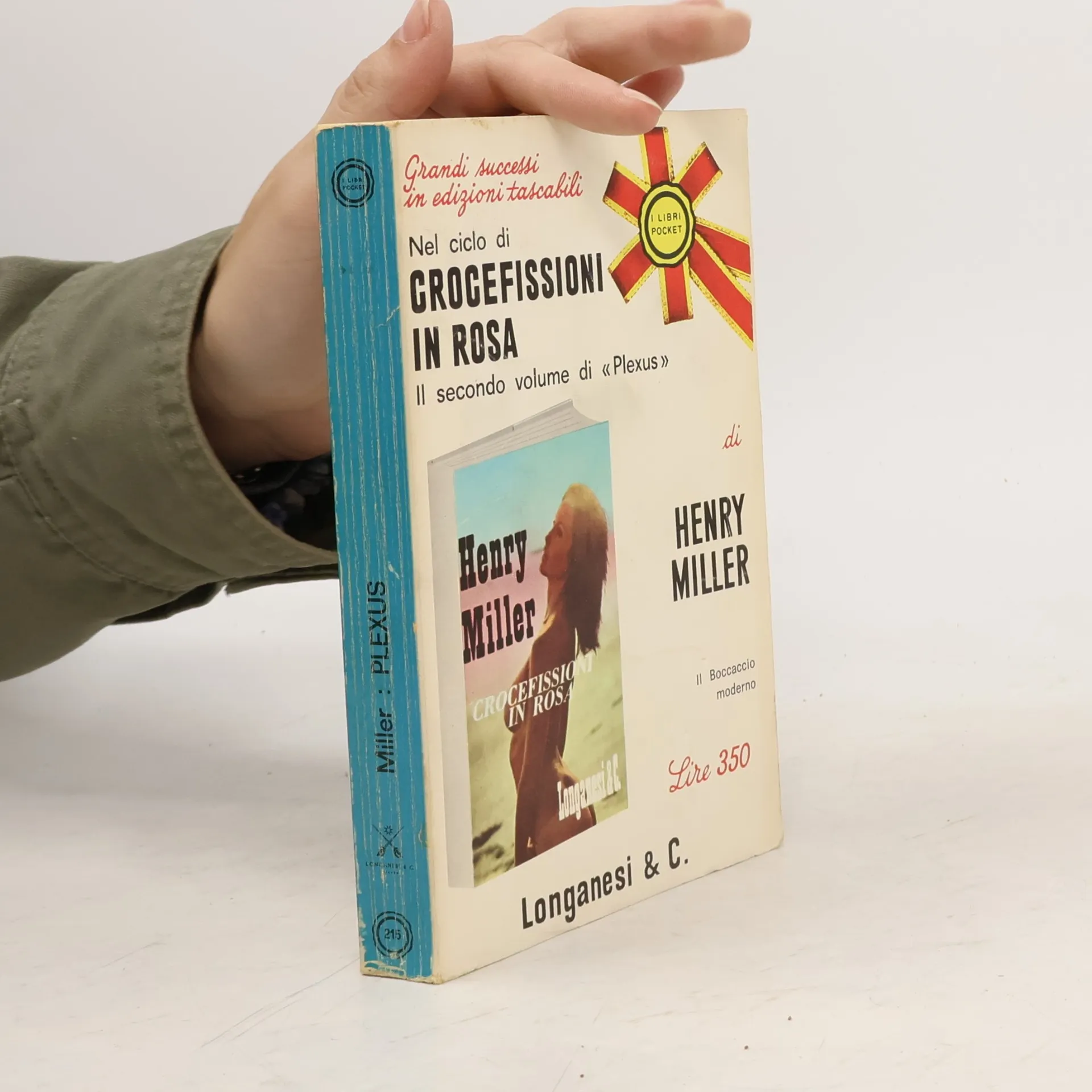
    Plexus
    Io sono Jonathan Scrivener
    Oscar narrativa - 1313: Tropico del Capricorno
    • Proslavljen roman-autobiografija pisca koji je svojim stilom i pojavom utjecao na brojne generacije književnika. Prvi put objavljen 1934. godine, srušio je seksualne tabue otvarajući pitanja o društvenom moralu općenito, promičući time i slobodu čitanja te zbog toga bio dugo i u mnogim zemljama zabranjivan. Sadrži predgovor prvom izdanju Anais Nin, pogovor Antuna Šoljana te pojmovik manje poznatih pojmova i osoba povezanih uz Millera.

      Oscar narrativa - 1313: Tropico del Capricorno
      4,0
    • Io sono Jonathan Scrivener

      • 277pagine
      • 10 ore di lettura

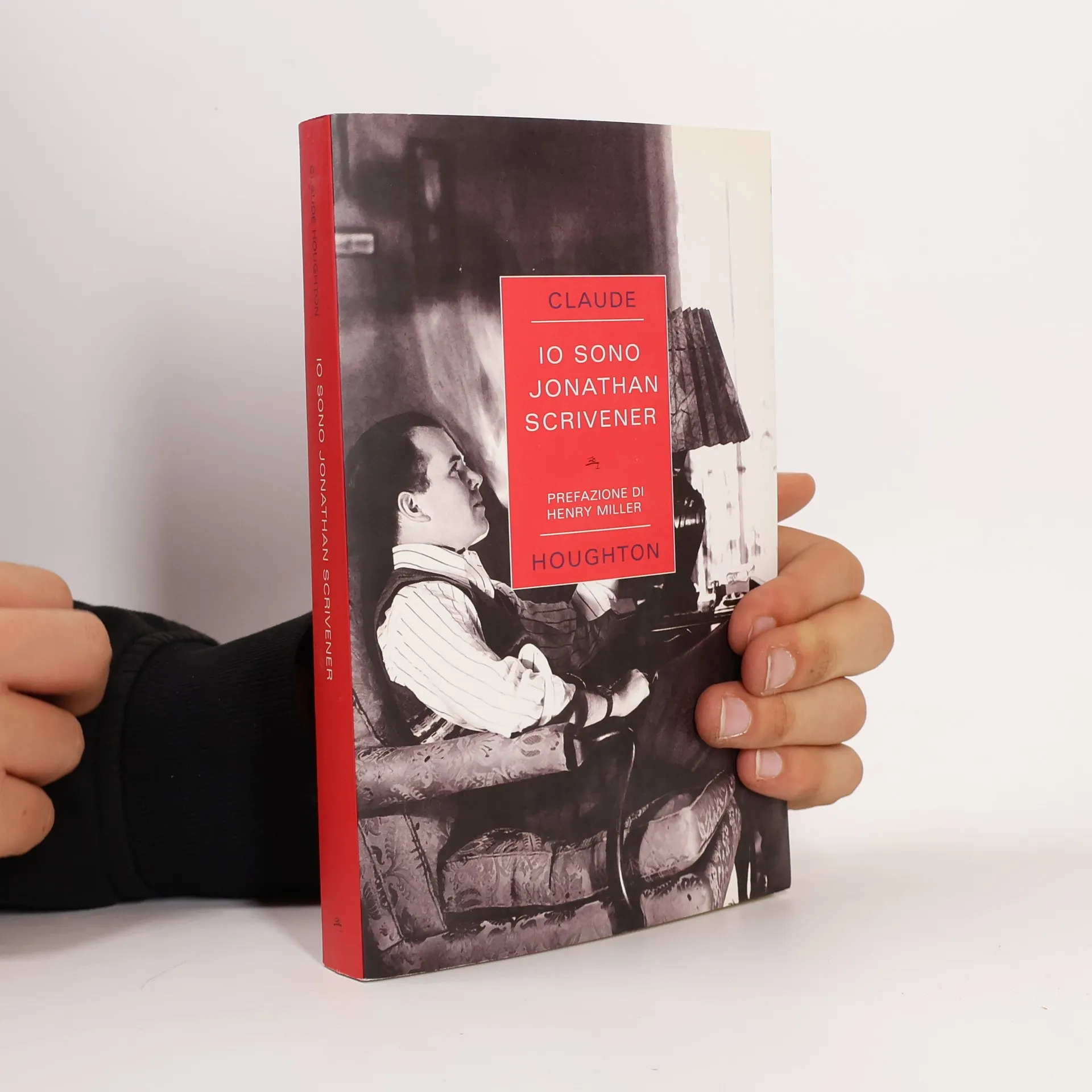
      James Wrexham, trentanovenne pensoso e solitario, è impiegato in un tetro studio legale quando accetta l’offerta che potrebbe cambiargli la vita: diventare segretario del signor Jonathan Scrivener. Assunto senza aver mai incontrato il suo datore di lavoro, Wrexham si ritrova solo nell’appartamento di Scrivener, riceve vaghe istruzioni attraverso un avvocato e, poco a poco, comincia a sospettare di essere vittima di un diabolico esperimento. La bizzarra serie di ospiti che ha libero accesso alla casa – una giovane dall’eterea bellezza, un playboy, un cinico alcolista, una vedova che potrebbe aver ucciso il marito – non contribuisce di certo a chiarirgli le idee. Spiriti inquieti, tutti questi personaggi hanno una storia da raccontare sul conto di Jonathan Scrivener, ma le versioni non collimano e l’assente padrone di casa appare di volta in volta come un degenerato, un simpatico avventuriero, un misantropo, un attore fallito o un artista di genio. Chi è l’uomo che si nasconde dietro questa personalità multipla? E che cosa vuole veramente dal sempre più perplesso segretario? Pubblicato nel 1930, questo thriller psicologico dalle tinte metafisiche mantiene intatta l’eccentrica brillantezza dei dialoghi e l’eleganza dell’originale mosaico narrativo. Intrappolato nella trama tessuta dalla scrittura di Houghton, il lettore si trova costretto a interrogarsi sulla sfuggente natura dell’identità umana.
      Io sono Jonathan Scrivener
      4,2
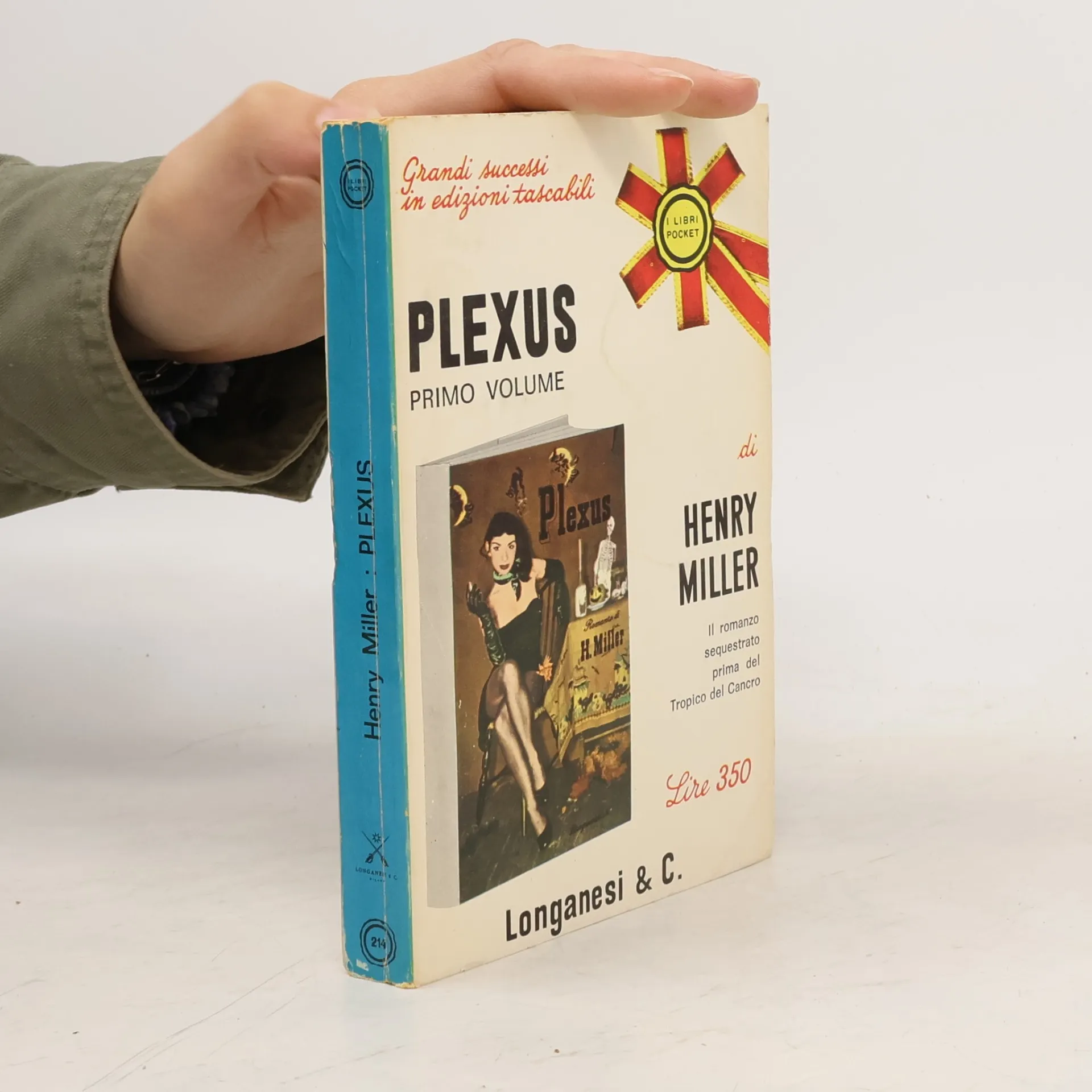
    • Plexus

      • 690pagine
      • 25 ore di lettura

      Anche con Plexus, secondo volume del capolavoro autobiografico La crocefissione rosea, uscito dopo lo "scandaloso" Sexus, Miller non "iniziava un libro ma se stesso" cedendo la parola al caos della sua anima e del mondo. Nella New York degli anni Venti, dominata da squilibri sociali, proibizionismo e indizi del "grande crollo", Miller svolge il suo "apprendistato" offrendo al lettore una torrenziale e affascinante vastità di esperienze di vita.
      Plexus
      4,2
    • Sexus

      • 704pagine
      • 25 ore di lettura

      "Cosa pensi che sia la vita, a wet dream?", una polluzione notturna? In questo romanzo Henry Miller, grande protagonista letterario della rivoluzione sessuale, abbandona ogni freno e moltiplica le varianti degli incontri con una donna, con due donne, con una donna mentre un'altra guarda... E' un romanzo minestrone, apocalittico, collage di cose contrastanti, tra il massimo dell'aspirazione spirituale e il disincanto di una sessualità definitiva. In questo peregrinare di storia in storia, di conquista in conquista, di prostituta in prostituta... lo scrittore e il lettore si imbattono in pagine magnifiche, in episodi folgoranti, in intuizioni sul mondo e sulla società americana contemporanea che lasciano sbalorditi.
      Sexus
      4,1
    • Il Colosso di Marussi

      • 214pagine
      • 8 ore di lettura

      This book about Greece, by the author of Tropic of Cancer and Tropic of Capricorn is incandescent with his feeling for a great people and their past. "It doesn't seem far from a miracle to me, the emergence of as friendly and joyful a book."—Paul Rosenfeld.

      Il Colosso di Marussi
      4,0
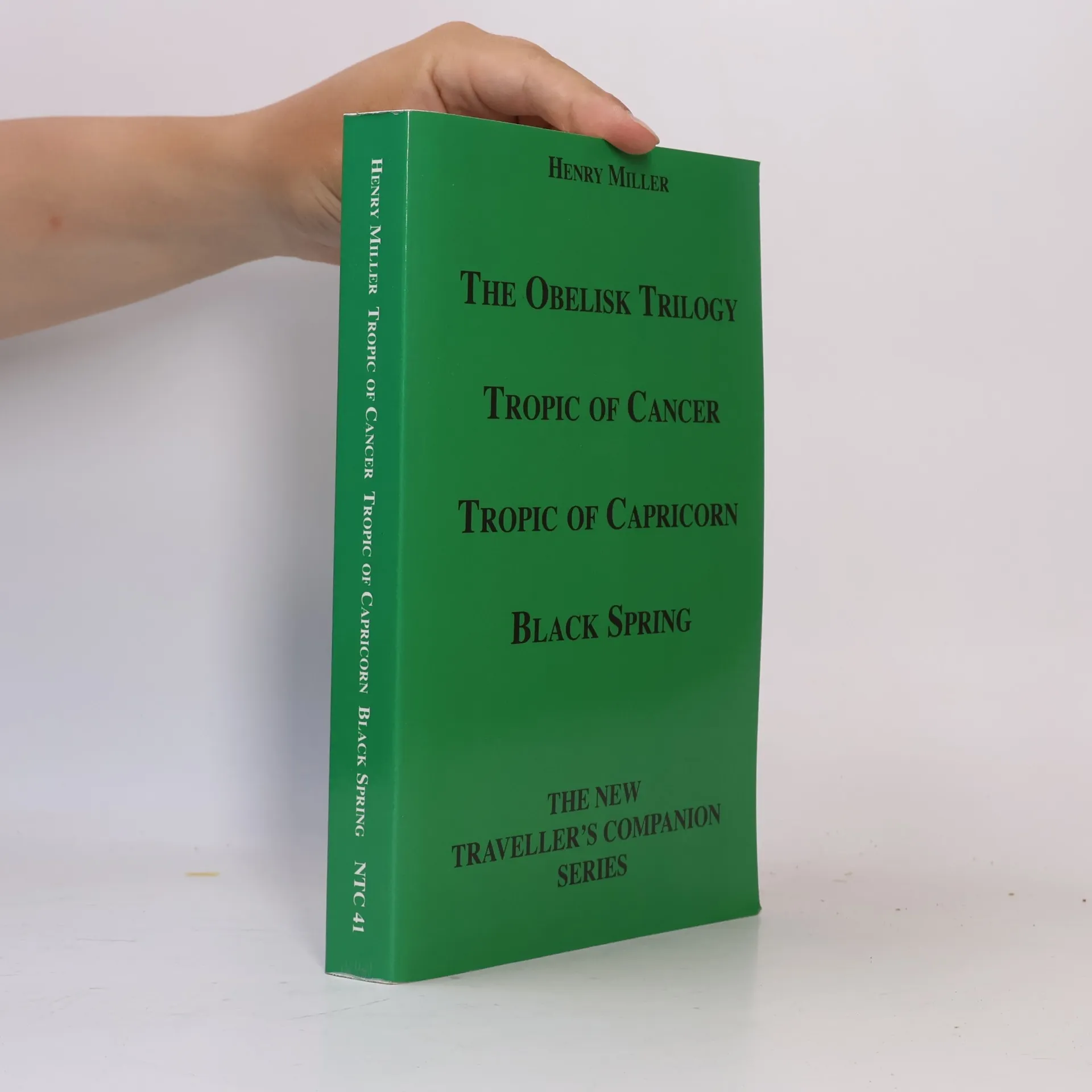
    • I sensi prima di tutto: con questo messaggio irruppe nella Parigi del 1939 "Tropico del Capricorno", a rinfocolare lo scandalo suscitato dal 'romanzo gemello' Tropico del Cancro . È sempre Henry Miller a parlarci con la sua inconfondibile voce, raccontando in prima persona i suoi anni spesi a vivere, scrivere, bere e godere la New York di inizio Novecento. Tutto è chiaro, tutto è narrato con una sincerità disarmante, che poco lascia all'illazione e tutto offre alla comprensione, alla percezione diretta. La penna di Miller corre veloce come la corrente dell'Hudson, accecante come il sole sui vetri dei grattacieli, intinta nella polvere dei marciapiedi calcati da un'umanità ricca e miserabile, creativa e prigioniera, alla ricerca dello spazio per respirare davvero. Chi legge si ritrova catapultato su quelle avenue, in quelle stanze da letto perennemente sfatte, all'inseguimento perenne dell'unica creatura che per sempre ci risulta imprendibile. Una creatura di nome Libertà .

      Tropico del Capricorno
      3,9
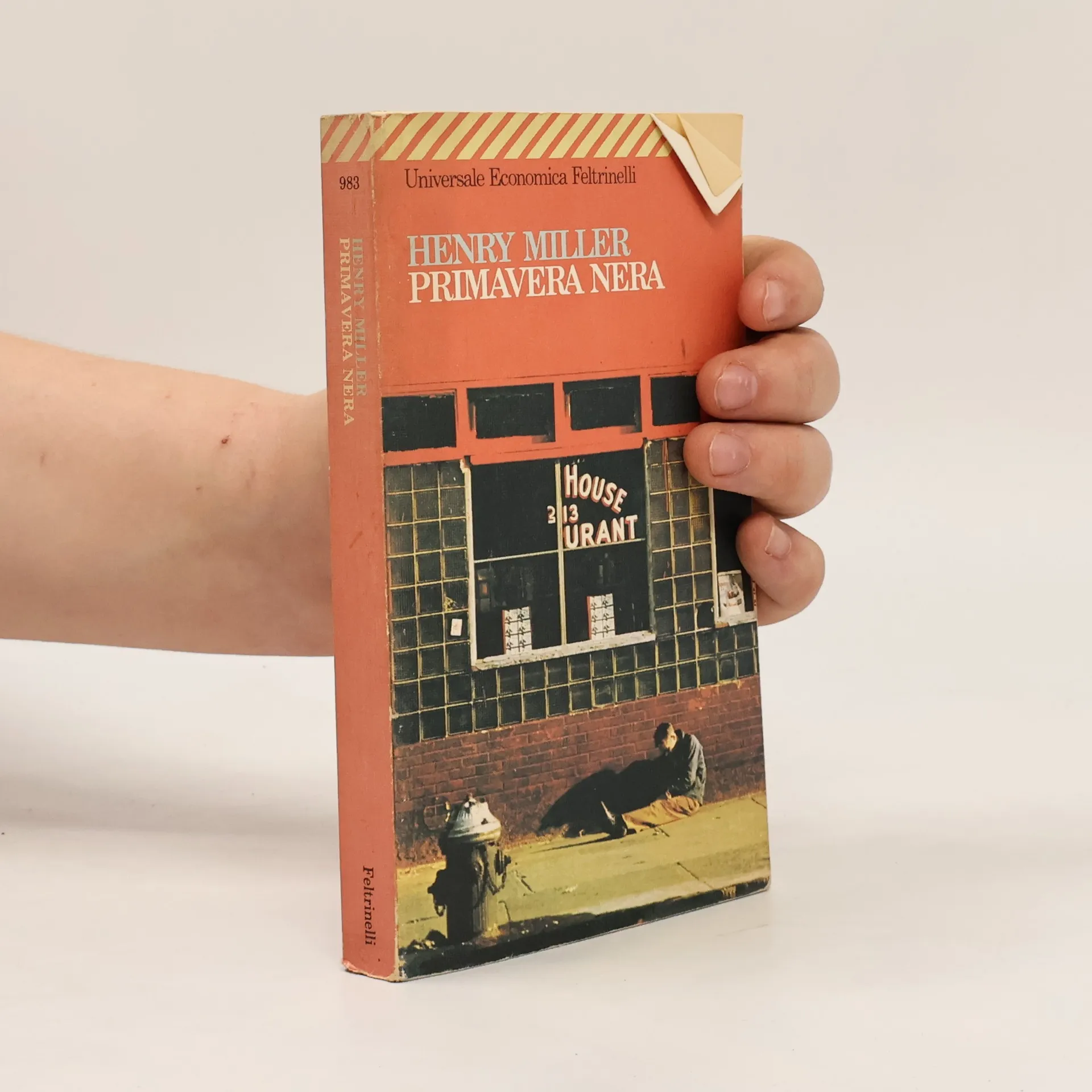
    • Continuing the subversive self-revelation begun in Tropic of Cancer and Tropic of Capricorn, Henry Miller takes readers along a mad, free-associating journey from the damp grime of his Brooklyn youth to the sun-splashed cafes and squalid flats of Paris. With incomparable glee, Miller shifts effortlessly from Virgil to venereal disease, from Rabelais to Roquefort. In this seductive technicolor swirl of Paris and New York, he captures like no one else the blending of people and the cities they inhabit.

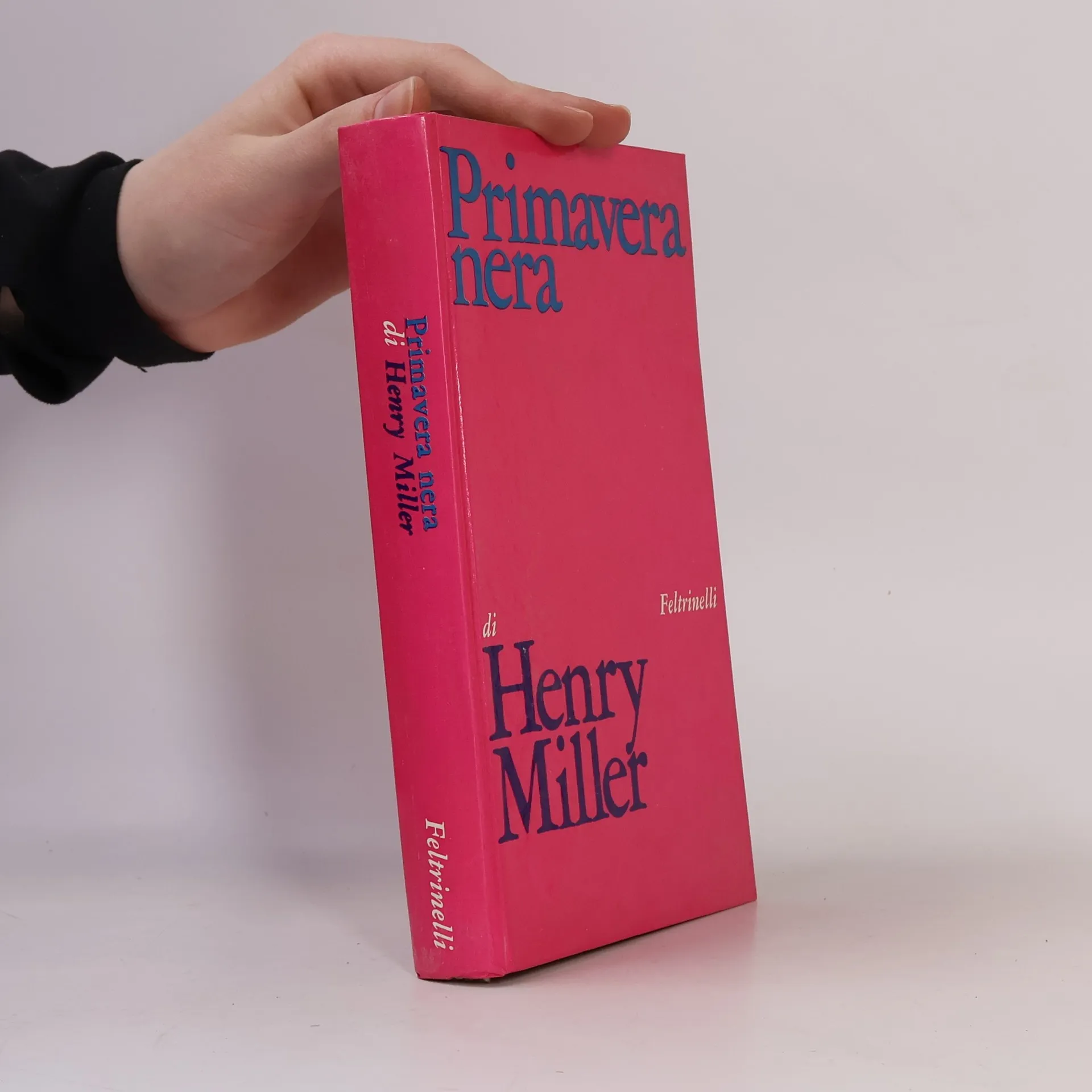
      Universale Economica - 983: Primavera nera
      3,9
    • La spada

      • 122pagine
      • 5 ore di lettura

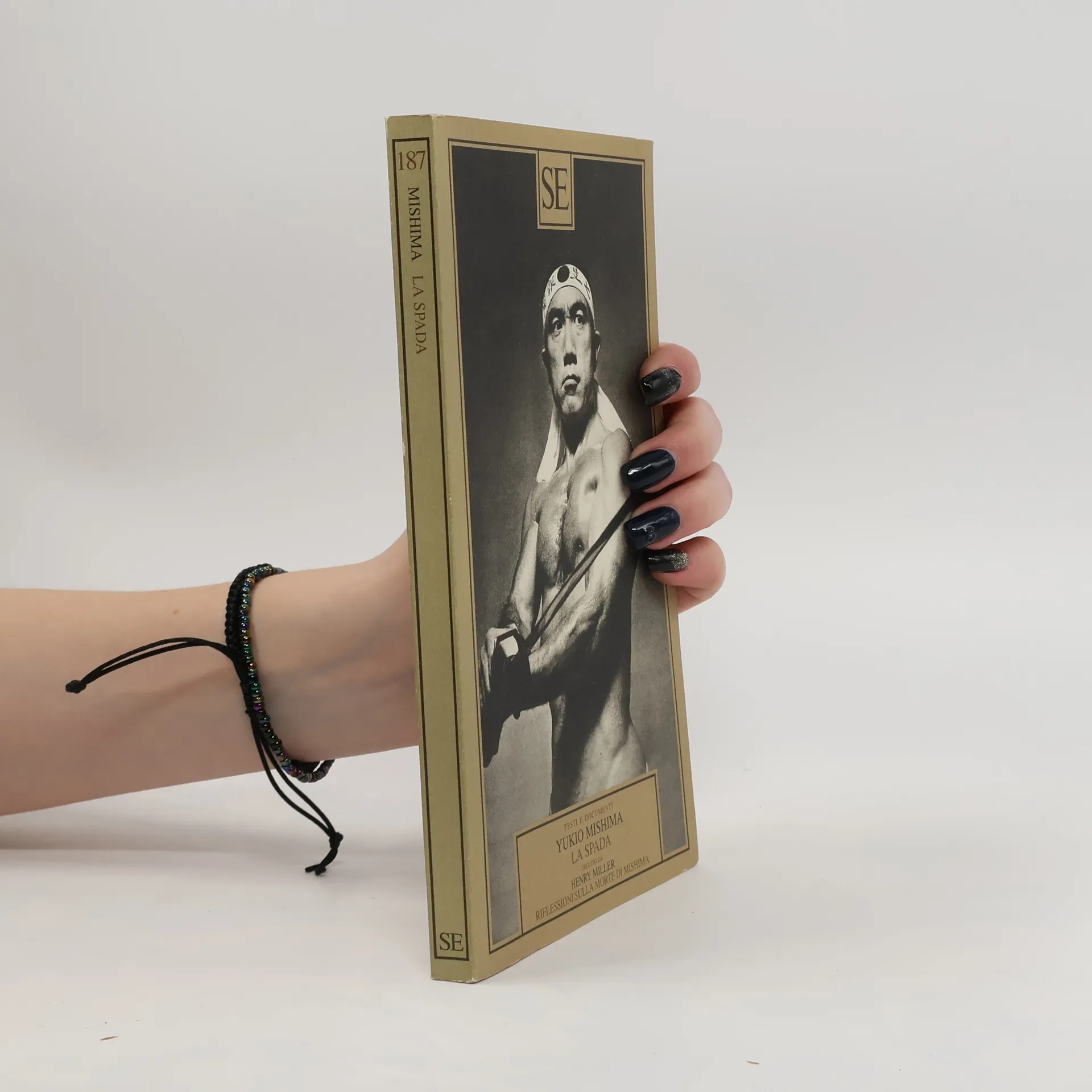
      - La spada, di Yukio Mishima - Riflessioni sulla morte di Mishima, di Henry Miller - Proclama, di Yukio Mishima - L'ideologia della morte folle, di Hashikawa Bunzô - Dietro tanta vivacità un senso di vuoto, di Donald Keene - Mishima, di Marguerite Yourcenar 24 foto in appendice.

      La spada
      3,7
    • Vietato per quasi trent’anni in tutti i paesi anglosassoni (dal 1934, quando uscì presso una piccola casa editrice parigina, al 1961, anno in cui ne fu liberalizzata la vendita negli Stati Uniti), Tropico del Cancro si è trascinato a lungo, troppo a lungo, la fama di libro prima di tutto “scandaloso”, adatto solo a lettori in cerca di sensazioni forti. In realtà è uno dei romanzi più innovativi e importanti dell’intero Novecento americano, che si avvale di una lingua originalissima nel suo porsi come radicalmente antiletteraria, e che visita con impressionante realismo gli ambienti e i personaggi della particolarissima migrazione intellettuale dagli States a Parigi, molto abbondante soprattutto nei tardi anni Venti.Rigorosamente autobiografico, il libro non si costruisce secondo un vero e proprio intreccio, ma si muove liberamente da un incontro all’altro, da una sbronza all’altra, da un amplesso all’altro, in un mondo popolato di giovani artisti senza un soldo, di piccoli truffatori, di prostitute, di debosciati e fannulloni di vario tipo: una bohème ormai molto poco romantica, che riflette innanzi tutto una cupa desolazione.

      Tropico del Cancro
      3,7
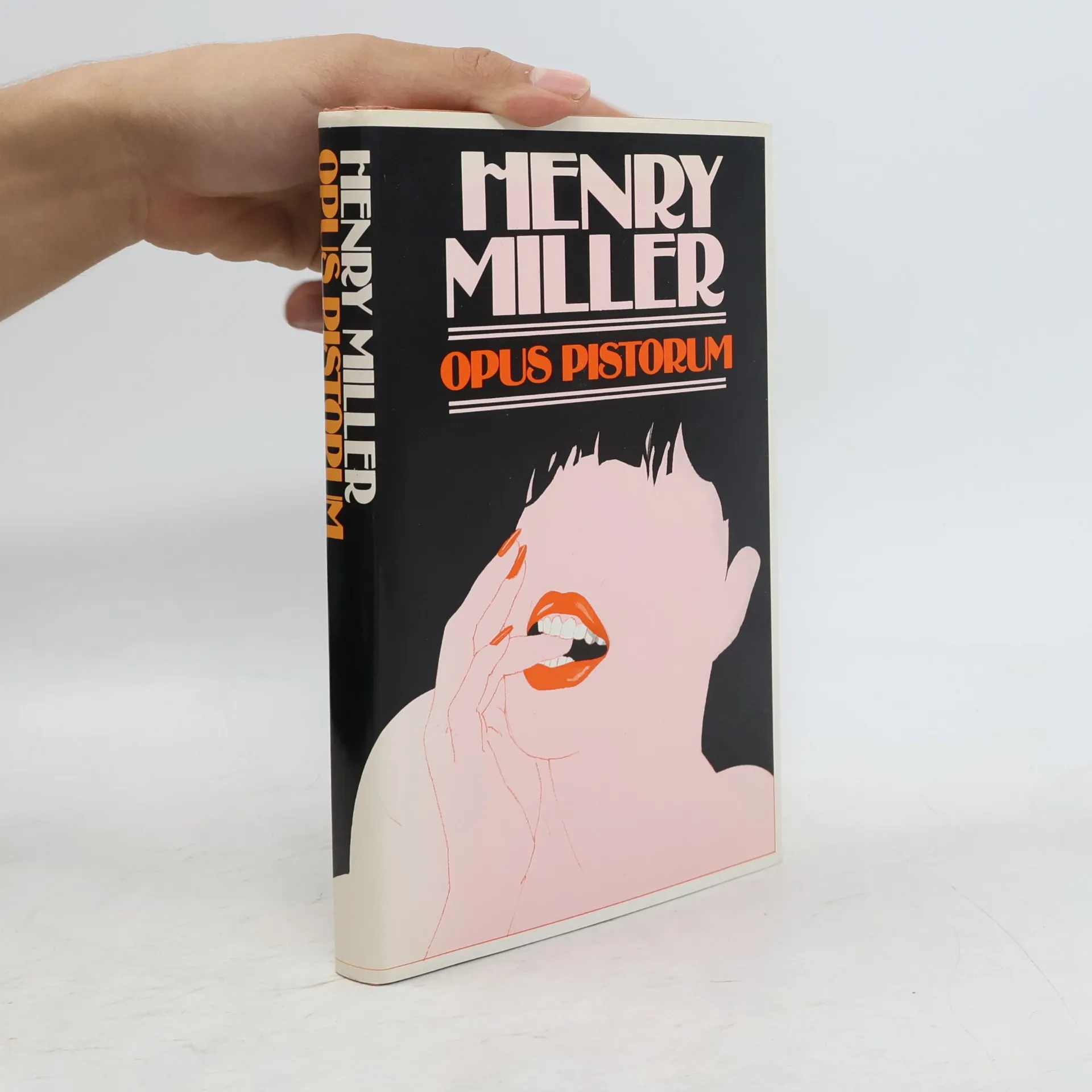
    • Opus Pistorum

      • 222pagine
      • 8 ore di lettura

      Un'autentica girandola di imprese orgiastico-amatorie, in una Parigi cosmopolita e peccaminosa. "Opus pistorum" fu scritto nel 1941 su istigazione dell'amico libraio Milton Luboviski, che voleva una serie di libri in cui si parlasse soltanto di sesso. Ne nacque questa storia senza trama, che ripropose con forza il "caso" Miller. Il titolo stesso del libro è chiaramente allusivo: "pistor" in latino significa "mugnaio" come "miller" in inglese; "opus", opera, di Miller dunque anche di chi pesta come in un mortaio (con l'evidente implicazione sessuale che l'espressione comporta). Il protagonista, Alf, con la collaborazione delle sue amichette (e di qualche amico), si getta a capofitto nel sesso come avventura da vivere senza risparmio di energie. Ne scaturisce il racconto di un mondo di felicità erotica intesa quale unica speranza di salvezza e via d'uscita per i disperati, i falliti e diseredati che lo popolano; un mondo spiato con l'occhio realista tipicamente americano e descritto nel tono aggressivo, e un po' strafottente, del Miller "parigino". Postfazione di Fernanda Pivano.

      Opus Pistorum
      3,5
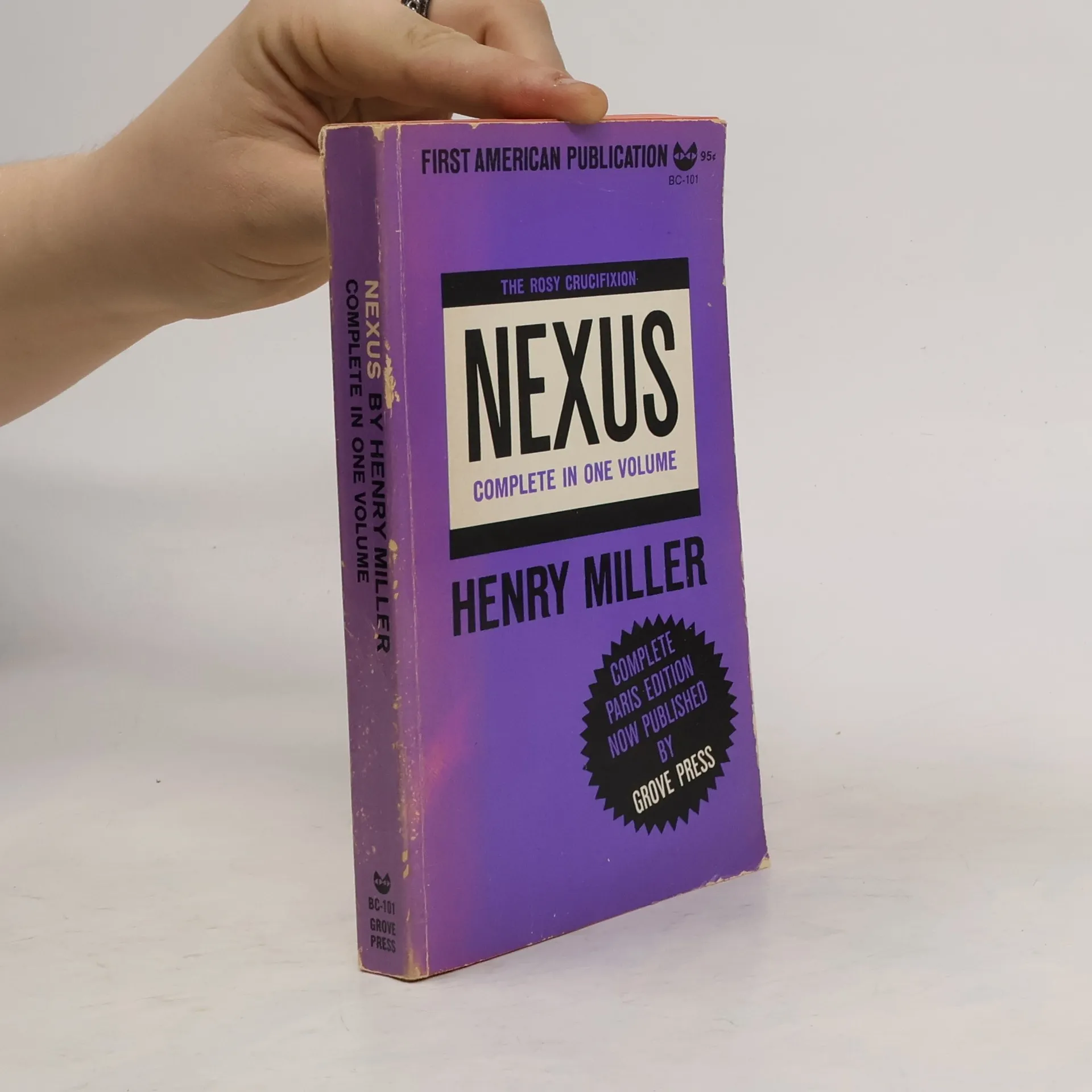
    • The Rosy Crucifixion. Nexus

      • 320pagine
      • 12 ore di lettura

      Autobiografische roman over het verblijf van de schrijver in Parijs rond 1930.

      The Rosy Crucifixion. Nexus
      4,5
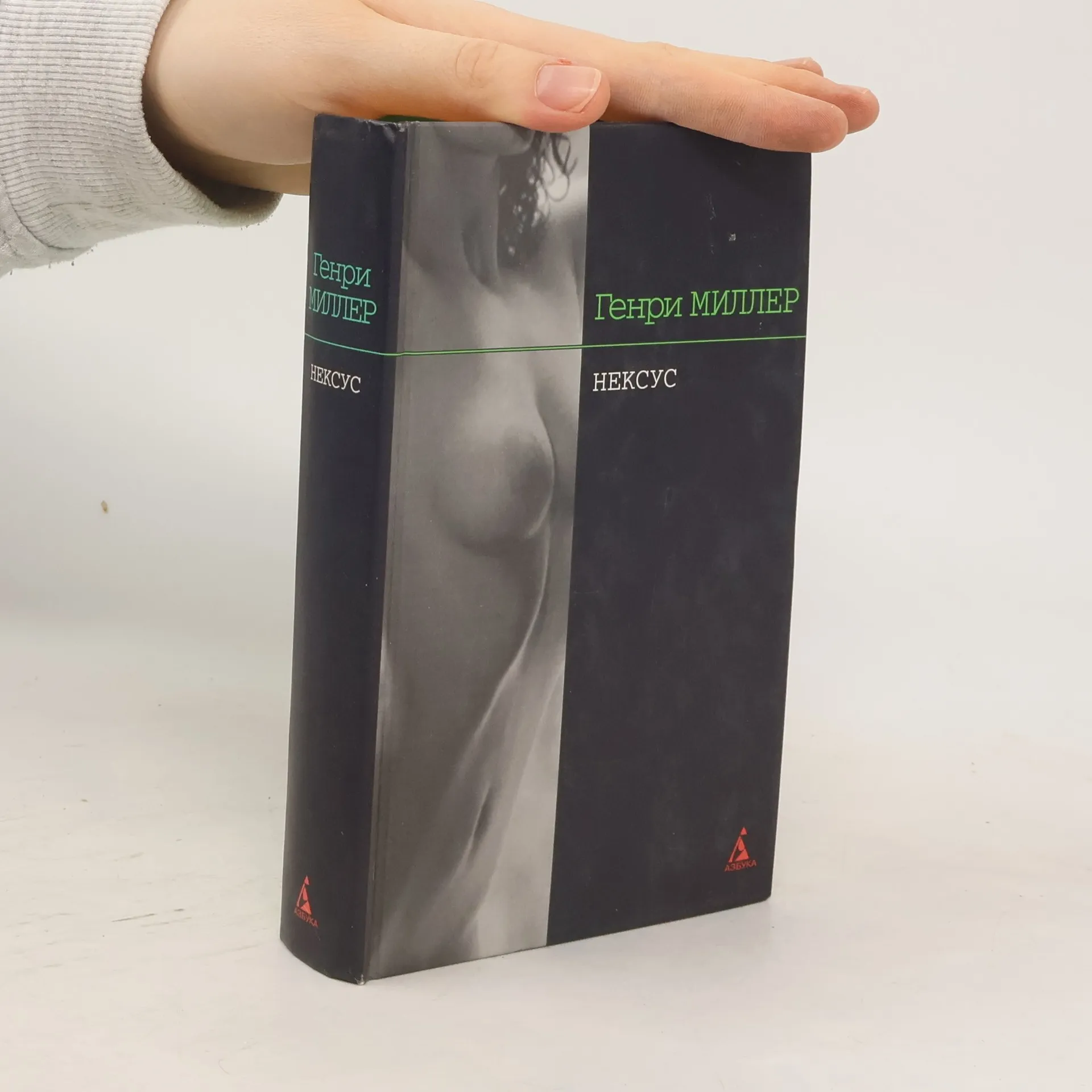
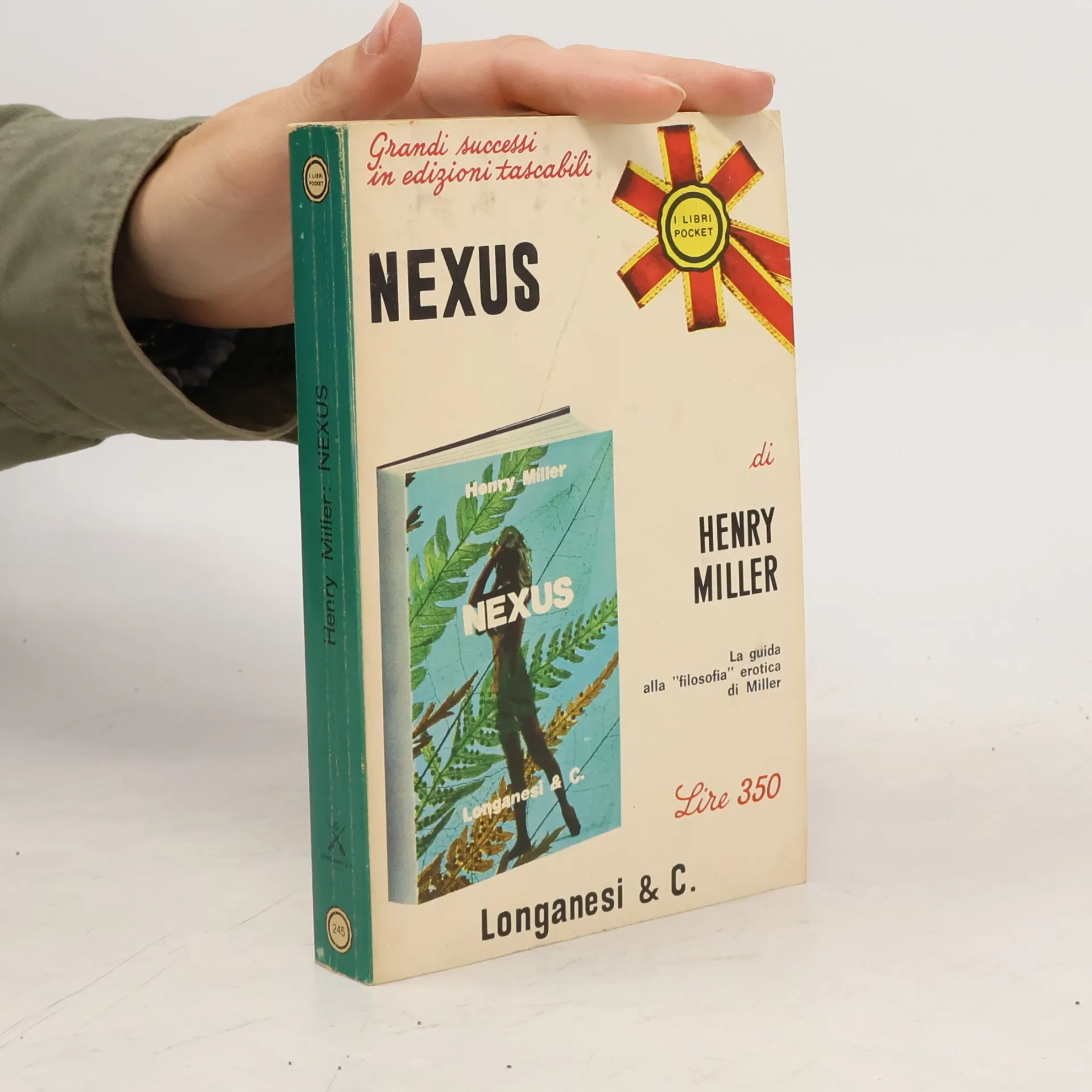
    • Nexus is the third volume of the scandalous trilogy The Rosy Crucifixion, Henry Miller's major life workThe exhilarating final volume of Henry Miller's semi-autobiographical trilogy, Nexus follows his last months in New York. Trapped in a bizarre ménage-à-trois with his fiery wife Mona and her lover Stasia, he finds his life descending into chaos. Finally, betrayed and exhausted, he decides to leave America and sail for Paris, to discover his true vocation as a writer.

      Nexus
      4,1
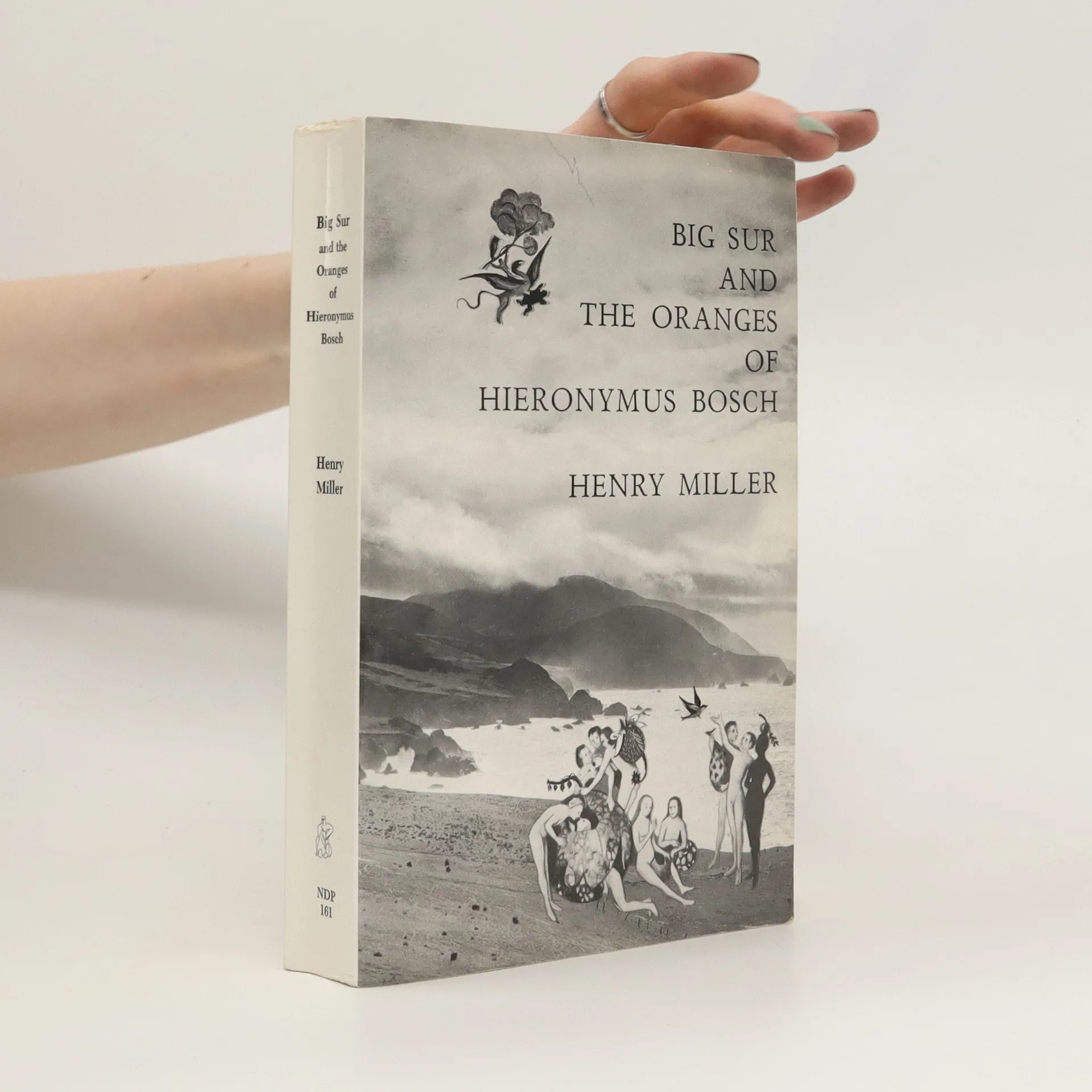
    • Big Sur is the portrait of a place--one of the most colorful in the U.S.--and of the extraordinary people Miller knew there: writers (& writers who didn't write), mystics seeking truth in meditation (& the not-so-saintly looking for sex-cults or celebrity), sophisticated children & adult innocents; geniuses, cranks & the unclassifiable. Henry Miller writes with a buoyancy & brimming energy that are infectious. He has a fine touch for comedy. But this is also a serious book--the testament of a free spirit who has broken through the restraints & cliches of modern life to find within himself his own kind of paradise.

      Big Sur and the Oranges of Hieronymus Bosch
      4,1
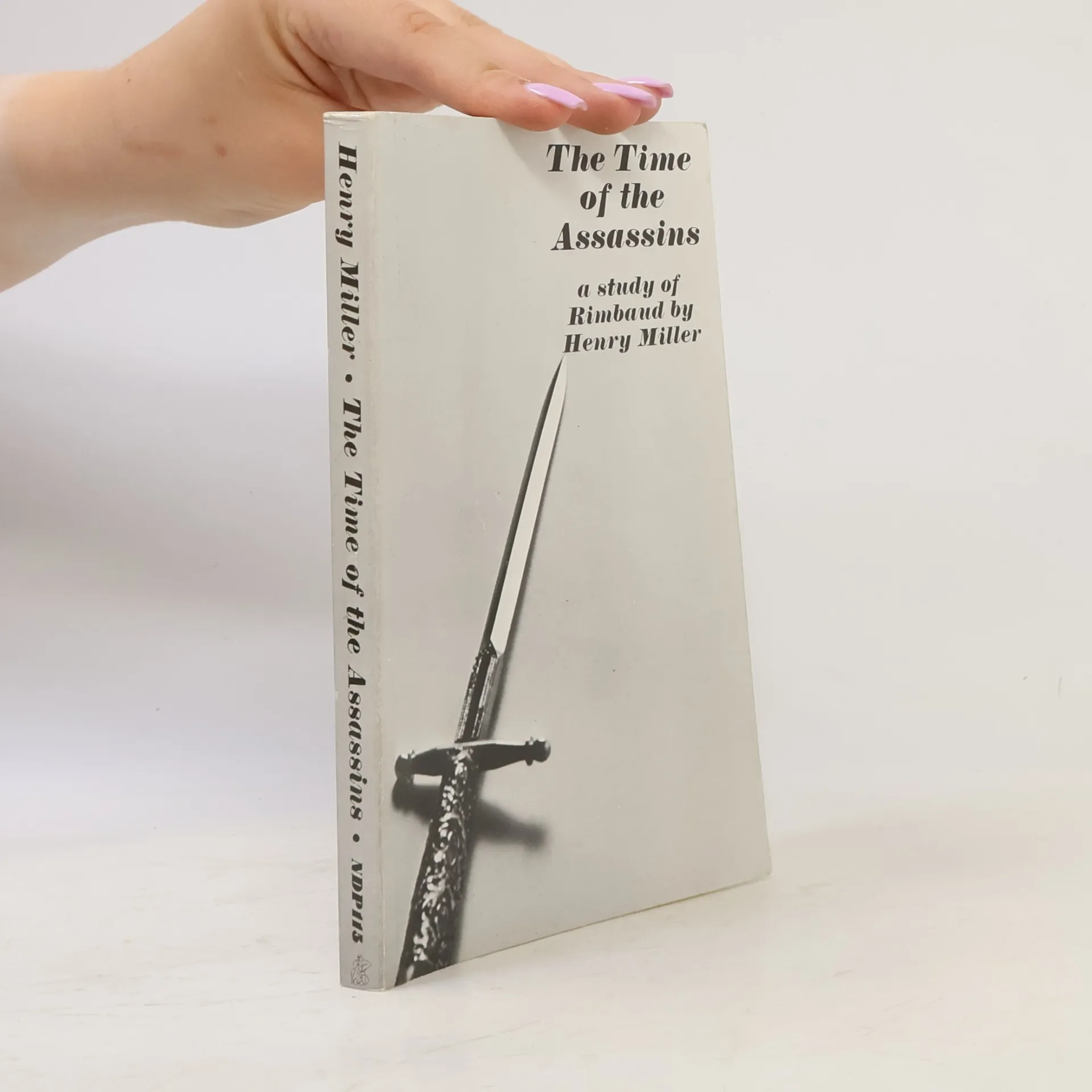
    • The social function of the creative personality is a recurrent theme with Henry Miller, and this book is perhaps his most poignant and concentrated analysis of the artist's dilemma.

      The Time of the Assassins
      4,0
    • The First True Hitchcock

      • 250pagine
      • 9 ore di lettura

      "Alfred Hitchcock called The Lodger "the first true Hitchcock movie",the one that anticipated all the others. And yet the story of how The Lodger came to be made is shrouded in myth, often repeated and much embellished, including by Hitchcock himself. The First True Hitchcock follows the twelve-month period encompassing The Lodger's production in 1926 and release in 1927, presenting a new picture of this pivotal year in Hitchcock's life and in the wider film word. Using fresh archival discoveries, Henry K. Miller situates Hitchcock's formation as a director against the backdrop of a continent shattered by war and confronted with the looming presence of a new superpower, the United States, and its most visible export-film. This previously untold story of The Lodger's making in the London fog, and attempted remaking in the Los Angeles sun, is the story of how Hitchcock became Hitchcock."

      The First True Hitchcock
      2,5
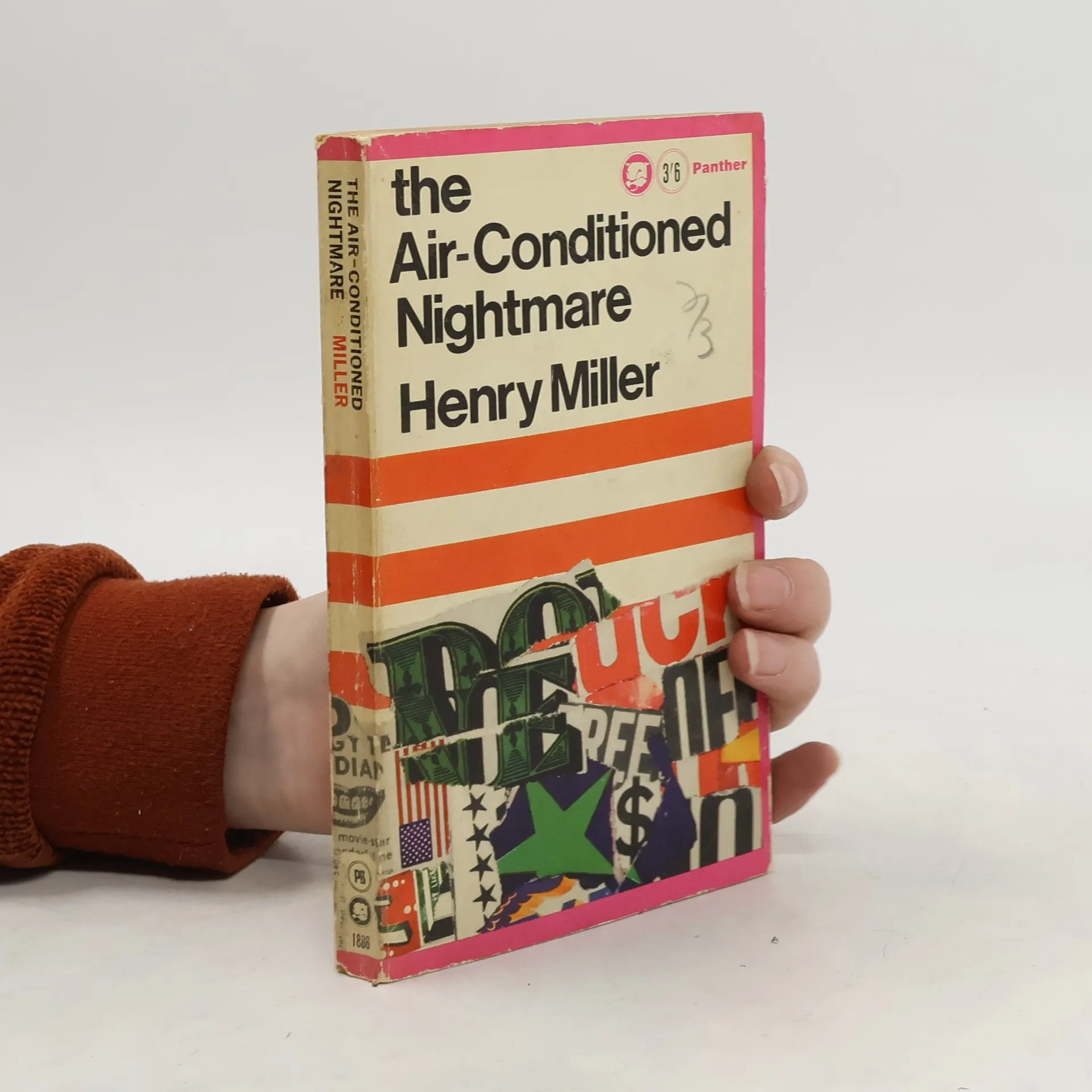
    • In 1939, after ten years as an expatriate, Henry Miller returned to the United States with a keen desire to see what his native land was really like—to get to the roots of the American nature and experience. He set out on a journey that was to last three years, visiting many sections of the country and making friends of all descriptions. The Air-Conditioned Nightmare is the result of that odyssey.

      The Air-Conditioned Nightmare
      3,9
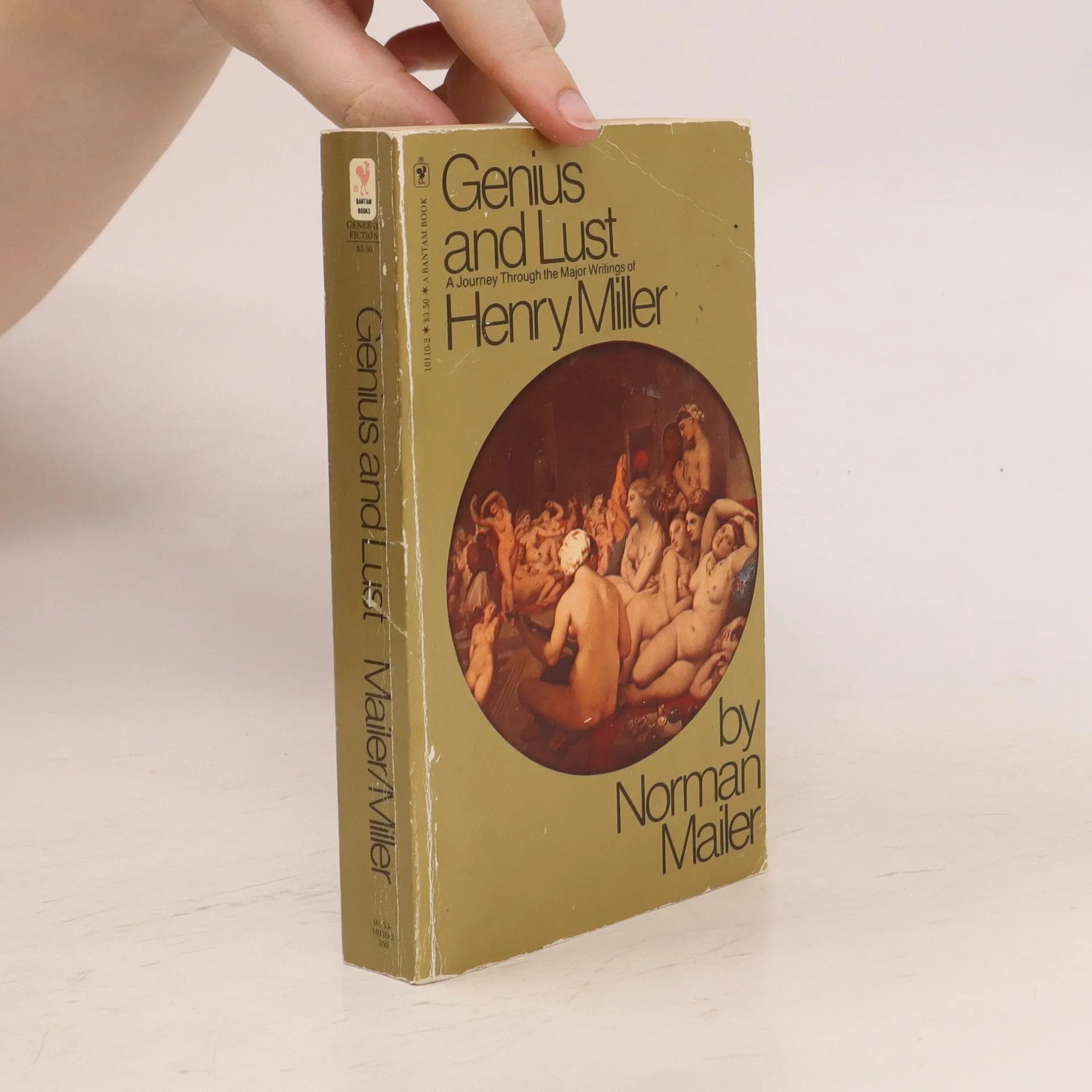
    • Genius and Lust

      • 492pagine
      • 18 ore di lettura

      Book by Miller, Henry

      Genius and Lust
      3,6
    • In 1939 Miller left Paris and headed out with his friend Lawrence Durrell to explore the Grecian countryside, recording their travels and discoveries. A flock of sheep nearly tramples the two as they lie naked on a beach, the Greek poet Katsmbalis stirs every rooster within earshot of the Acropolis, cold hard-boiled eggs are warmed in a village's single stove, and they stay in hotels that "have seen better days, but which have an aroma of the past". A classic in travel literature, The Colossus of Maroussi is the book Miller would later cite as his favourite.

      The Colossus of Maroussi. Der Koloß von Maroussi, englische Ausgabe
      3,7
    • Henry Miller always said that his best writing was in his letters, and this missive to his friend Alfred Perles is an exuberant, humorous account of his visit to New York in 1935 and return to Europe aboard a Dutch ship. Despite its high repute among Miller devotees, Aller Retour New York has never been easy to find. It was first brought out in Paris in 1935 in a limited edition, and a second edition, "Printed for Private Circulation Only", was issued in the United States ten years later. This edition also includes Via Dieppe Newhaven, a short story about a failed attempt to visit London, in which Henry Miller skewers the British and their habits.

      Aller Retour New York. Reise nach New York, englische Ausgabe
      3,7
    • 'Quiet Days in Clichy' was banned when first published in 1956, on the charge of pornography. The story focuses on the seamier side of Paris, its seedy world of cheap sex, booze and destitution.

      Quiet Days in Clichy
      3,7
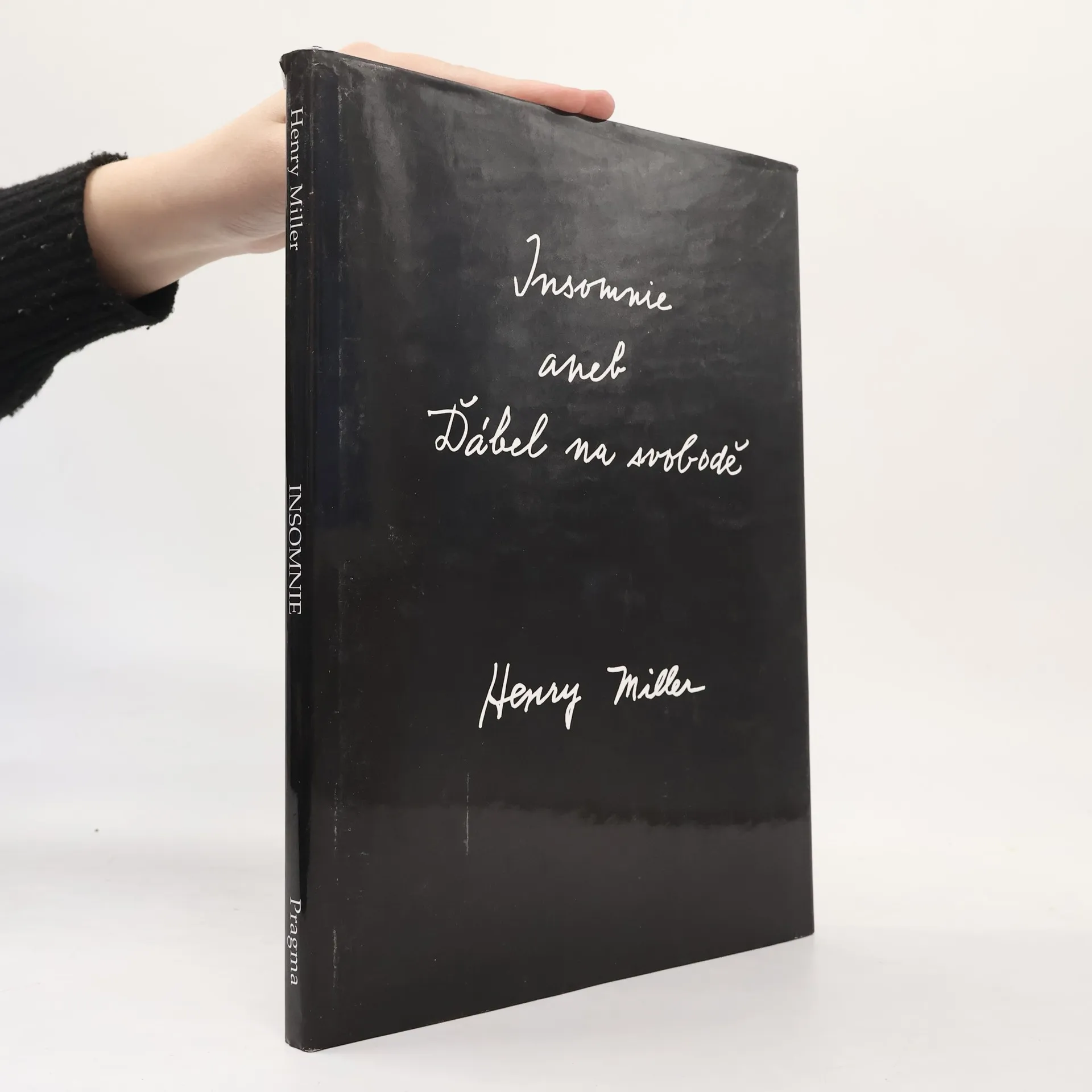
    • Insomnie aneb Ďábel na svobodě

      • 88pagine
      • 4 ore di lettura

      Každá nová kniha Henry Millera je vzácná a významná literární událost. Insomnie se od všech jeho předchozích děl liší. Je to totiž milostný příběh. Henry Miller, který byl vždy v hloubi duše romantik, i když se často stylizoval do cynického chlapáka, se v pětasedmdesáti vášnivě, cele, ale nikoli beznadějně zamiloval. Svěřil svůj milostný příběh peru - a proměnil část bezesných nocí ve dvanáct akvarelů, jež můžete vidět v tomto jedinečném svazku ve skutečných barvách. Text byl věrně reprodukován v Millerově rukopisu - je to přesné faksimile.

      Insomnie aneb Ďábel na svobodě
      3,4
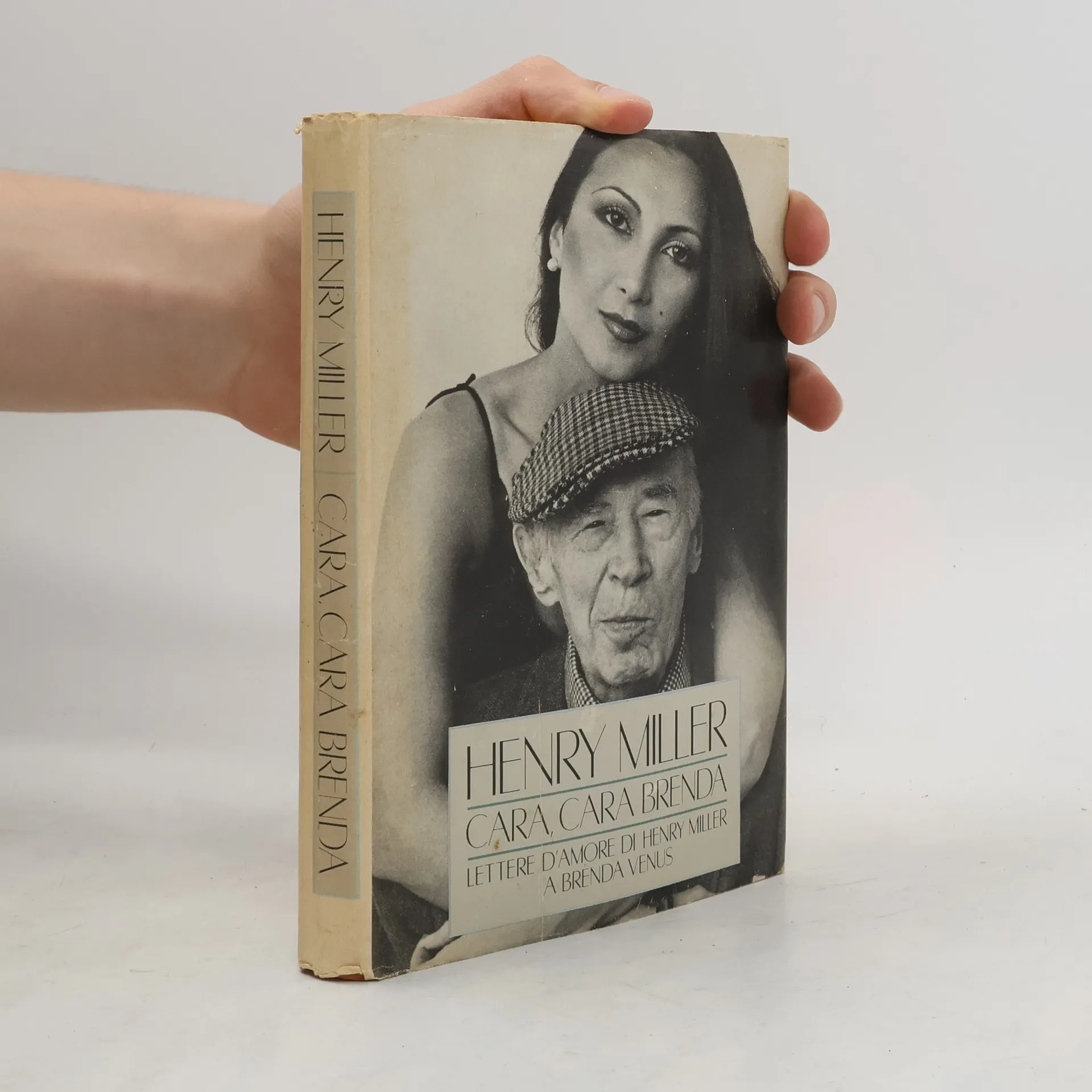
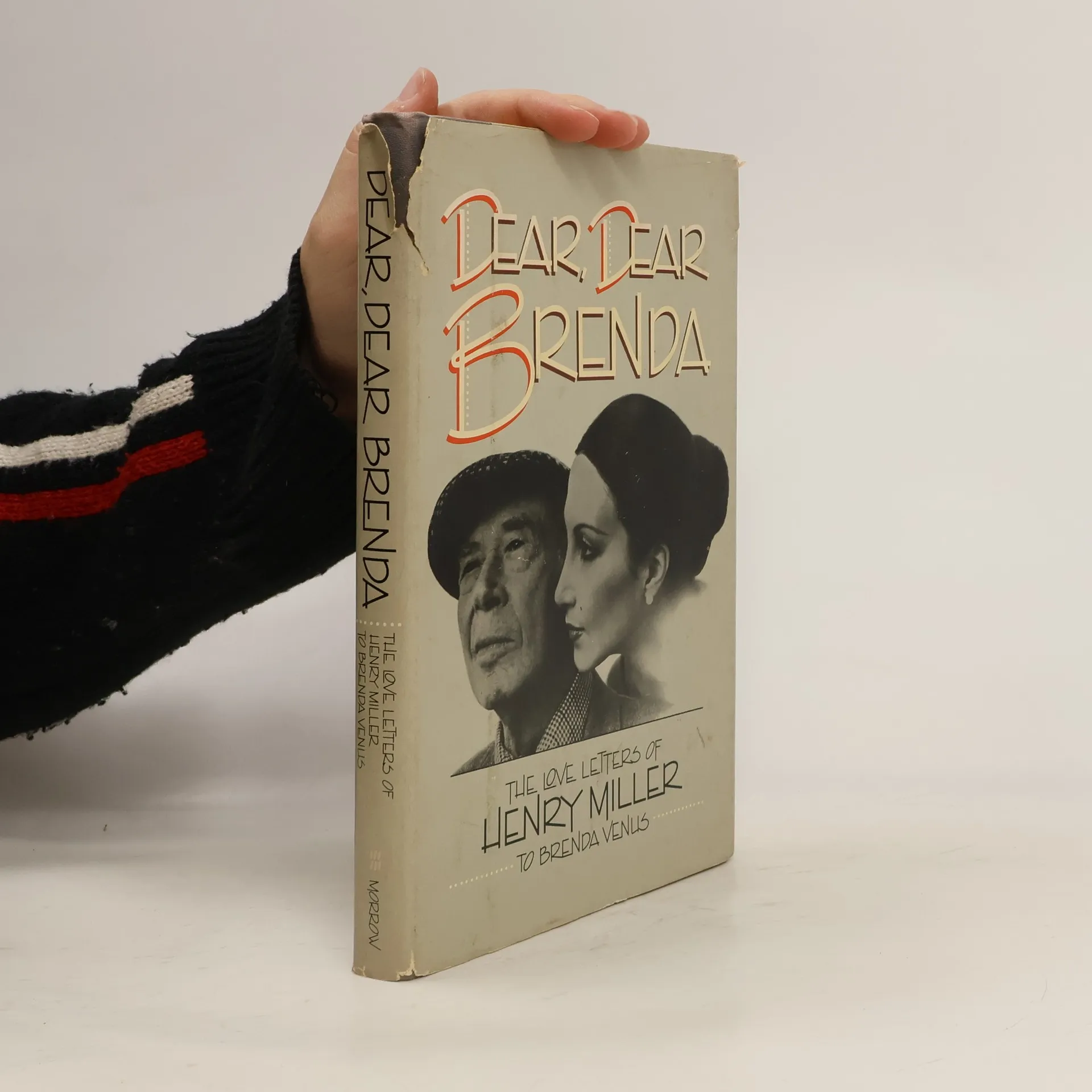
    • Dear, Dear Brenda

      The Love Letters of Henry Miller to Brenda Venus

      • 191pagine
      • 7 ore di lettura

      This selection of letters written by Miller, then in his eighties, to his neighbor, a young dancer/actress named Brenda Venus, is interwoven with a text by Venus recounting the course of their relationship.

      Dear, Dear Brenda
      3,2
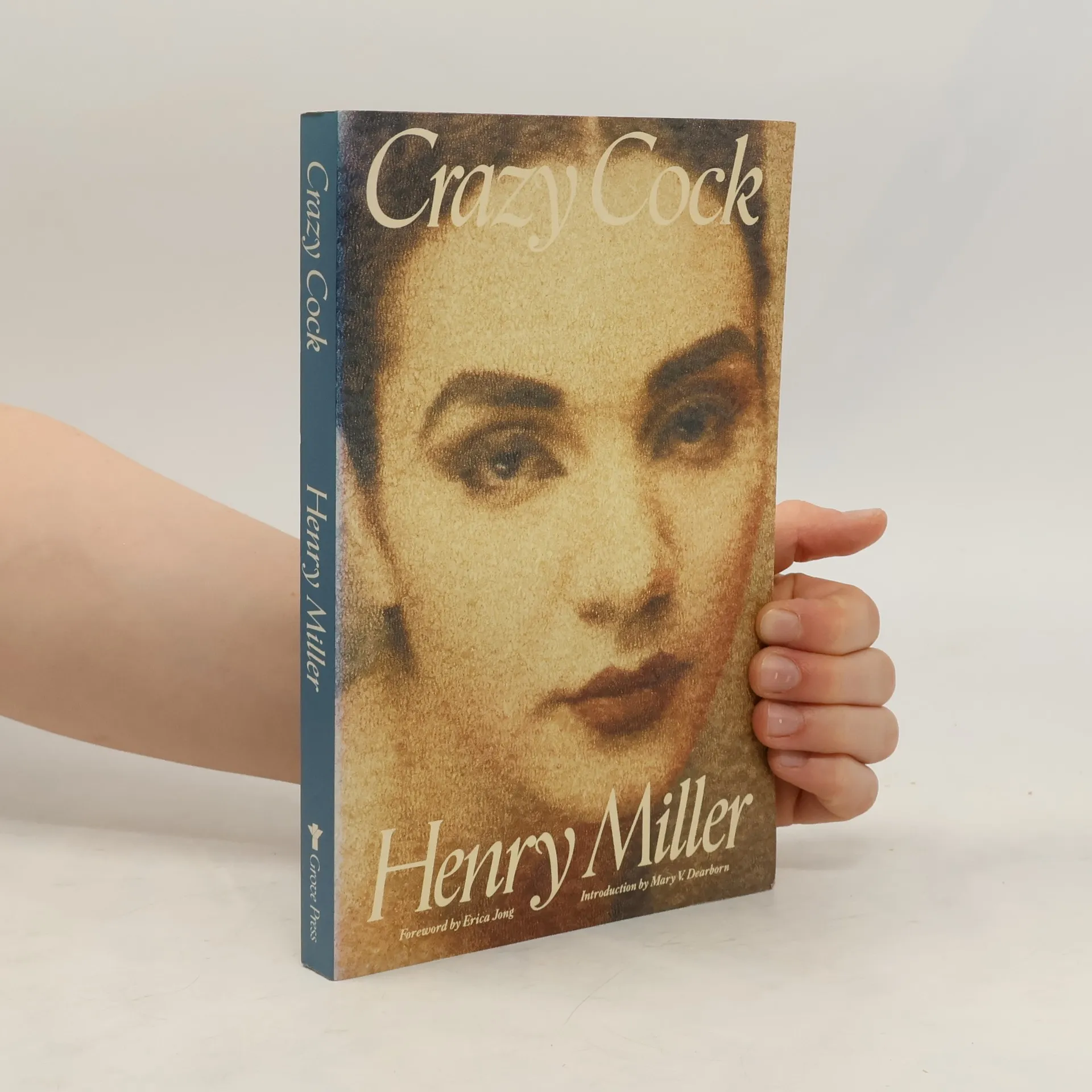
    • Crazy Cock

      • 202pagine
      • 8 ore di lettura

      Struggling as a writer amid the bohemianism of 1920s Greenwich Village, well-born Tony Bring must suddenly deal with the knowledge that his beloved wife Hildred has taken her female friend, Vanya, as a lover

      Crazy Cock
      3,4
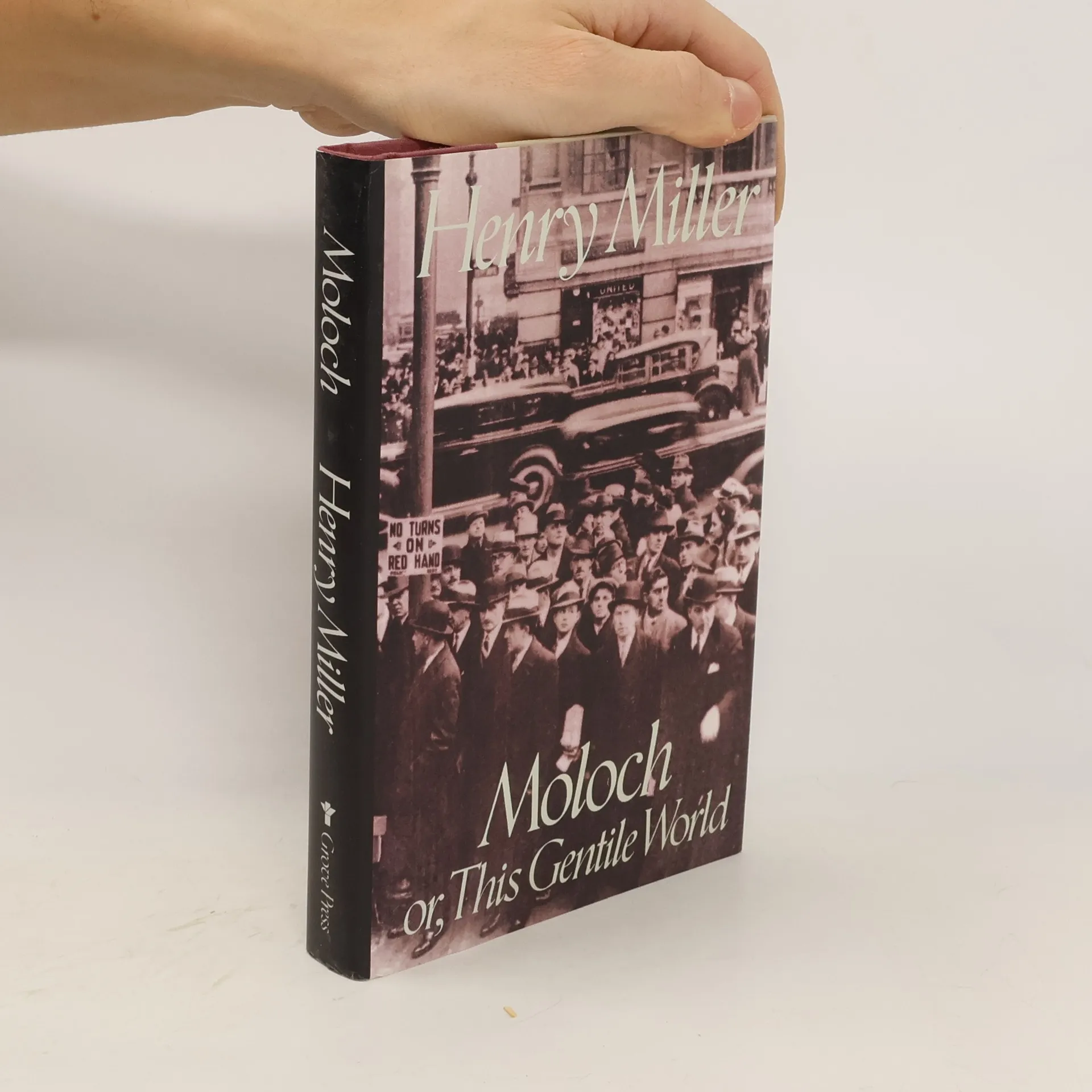
    • Moloch or, This Gentile World

      • 266pagine
      • 10 ore di lettura

      "In this, his first extant novel, Henry Miller made his earliest full-fledged attempt at autobiographical fiction, a literary form he was later to perfect in Paris." "Uncovered along with Crazy Cock in 1988 by Miller biographer Mary V. Dearborn, Moloch is based on Miller's years at Western Union and his first marriage. Set in the rapidly changing New York City of the early 1920s, the novel has as its hero the rough-and-tumble Dion Moloch, a man filled with anger and despair. Stuck in a demeaning job and an acrimonious homelife, Moloch escapes to the streets, only to be assaulted by a land that he despises - the transforming Brooklyn and its ever-increasing ethnic sights, sounds, and smells. Moloch strikes out at everything that he hates, battling against a world that threatens to overwhelm and then destroy him." "Brutal and shocking, sometimes awkward and rambling, Moloch displays Miller's first steps toward the motif that he was to make his hallmark: the scathingly direct hero striving for an unflinchingly honest view of himself in a world created out of the writer's life."--BOOK JACKET

      Moloch or, This Gentile World
      3,1
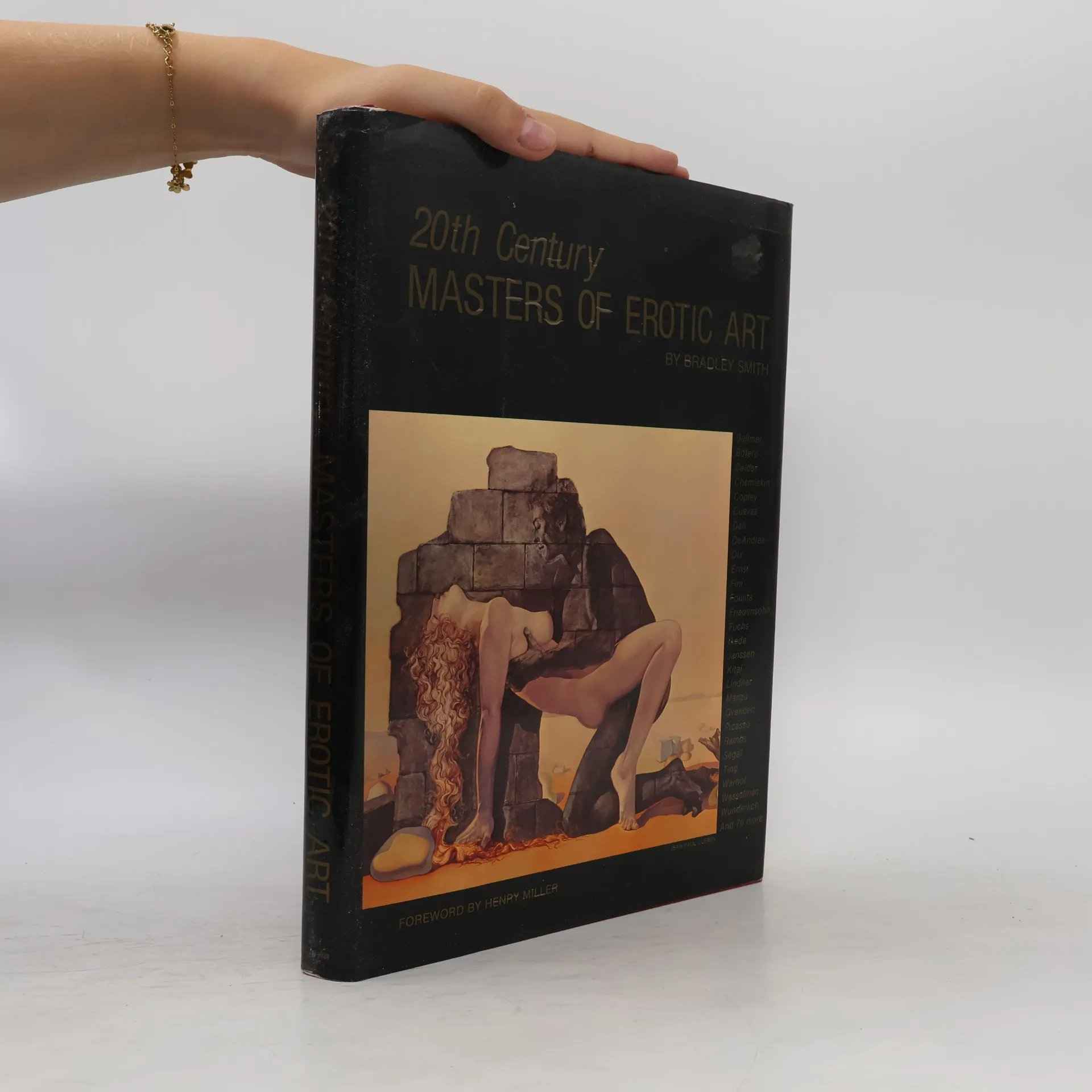
    • A gallery of some of the most important erotic paintings of the 18th, 19th and 20th centuries, featuring work by Manet, Ingres, Daumier, Watteau, Rowlandson, Fragonard, Courbet, Degas, Toulouse-Lautrec, Renoir, Picasso, Magritte, Schiele, Wesselman, and more.

      Erotic Art of the Masters : the 18th, 19th and 20th centuries
    • Nexus

      Complete in One Volume

      Nexus
    • Eseje

      • 330pagine
      • 12 ore di lettura

      Kniha obsahuje část z velkého množství autorových kratších próz, které lze, i přes jejich pestrost, označit souborně jako „eseje“. Jde o úvahy, dopisy i humorné historky. Většina textů v knize byla do češtiny přeložena poprvé.

      Eseje
      4,7
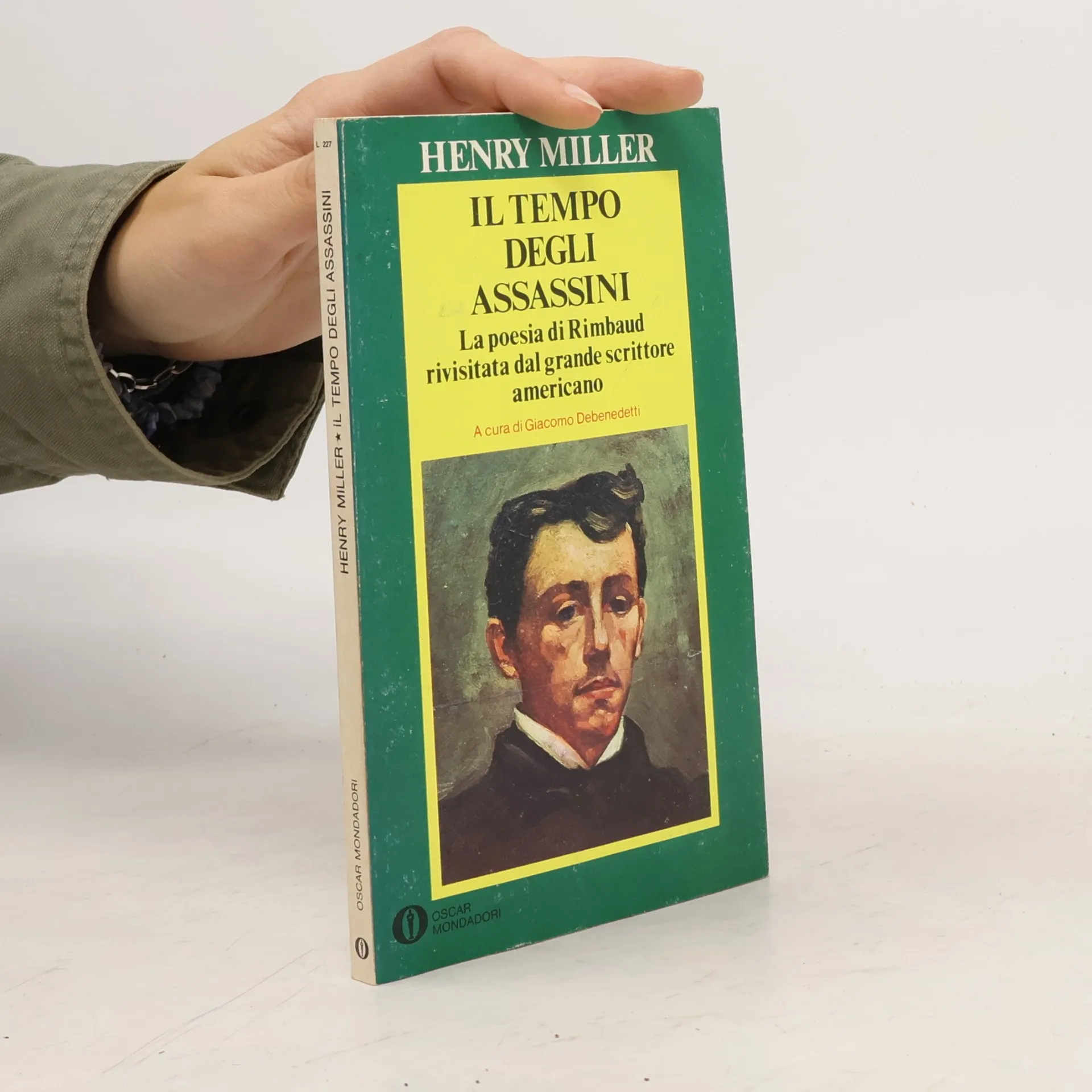
    • Čas zabijáků. Studie o Rimbaudovi

      • 148pagine
      • 6 ore di lettura

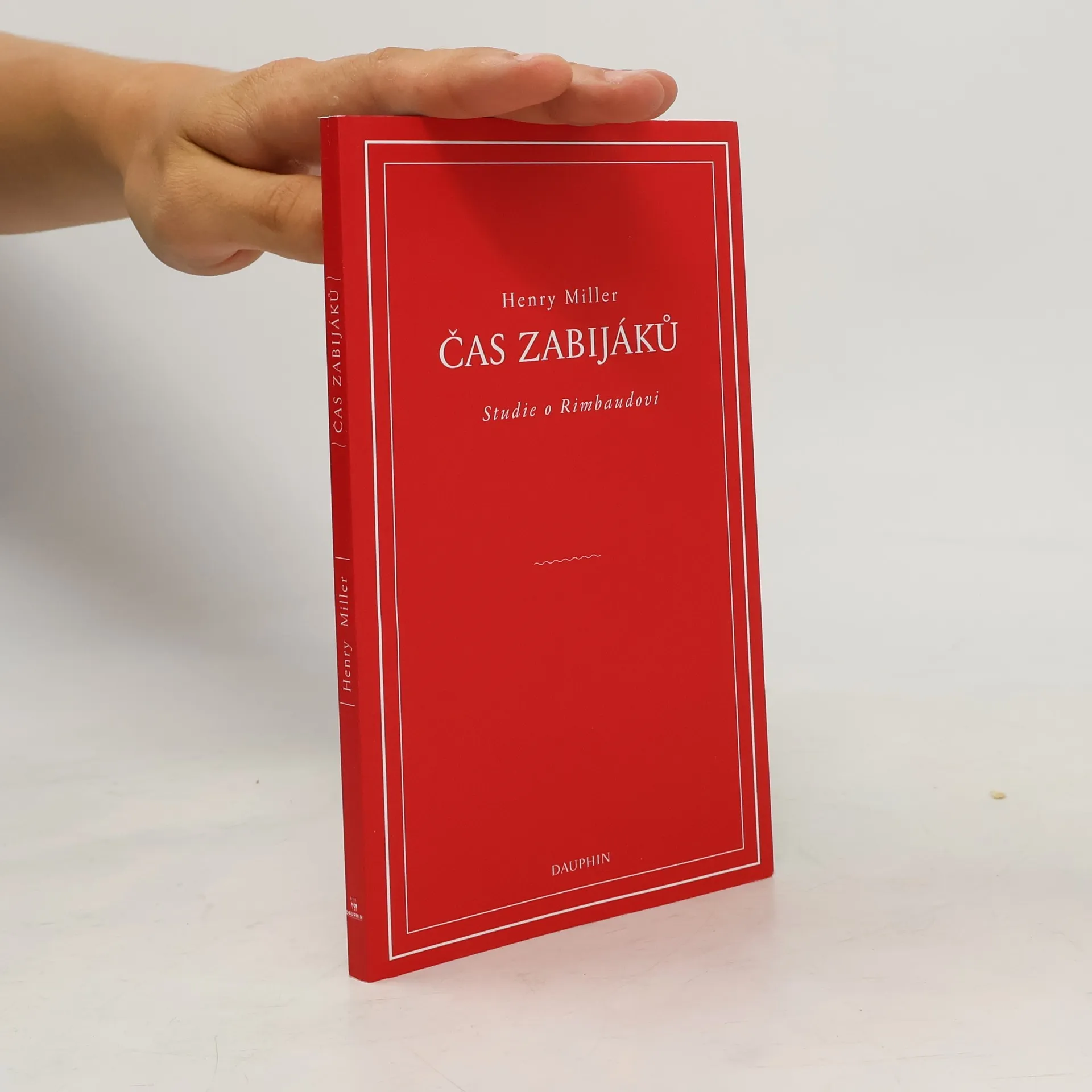
      Henryho Millera známe především jako autora autobiografických románů, avšak nemalou část jeho díla lze označit za esejistickou. Tak tomu je i u Času zabijáků (Studie o Rimbaudovi), dvojité „eseje“, kterou napsal v polovině čtyřicátých let poté, co jej uchvátilo dílo Arthura Rimbauda. Ačkoli má však kniha v podtitulu slovo „studie“, nejde o literární kritiku v pravém slova smyslu, jakou Miller nikdy ani nepsal, ale spíše o srovnání sebe samého s francouzským básníkem. Miller se v knize sice pokouší o osobitý výklad Rimbaudovy poezie, avšak ten rozhodně není jeho hlavním cílem. Rimbaud mu primárně slouží jen jako prostředek k dalšímu sebehledání, jako zvětšovací sklo při odhalování vlastní identity. Čas zabijáků můžeme vnímat coby oslavnou píseň na Rimbauda, na mládí a nevinnost, jako konfrontaci jednoho umělce s druhým, jako temnou vizi budoucnosti i jako kritiku umění dvacátého století.

      Čas zabijáků. Studie o Rimbaudovi
      4,6
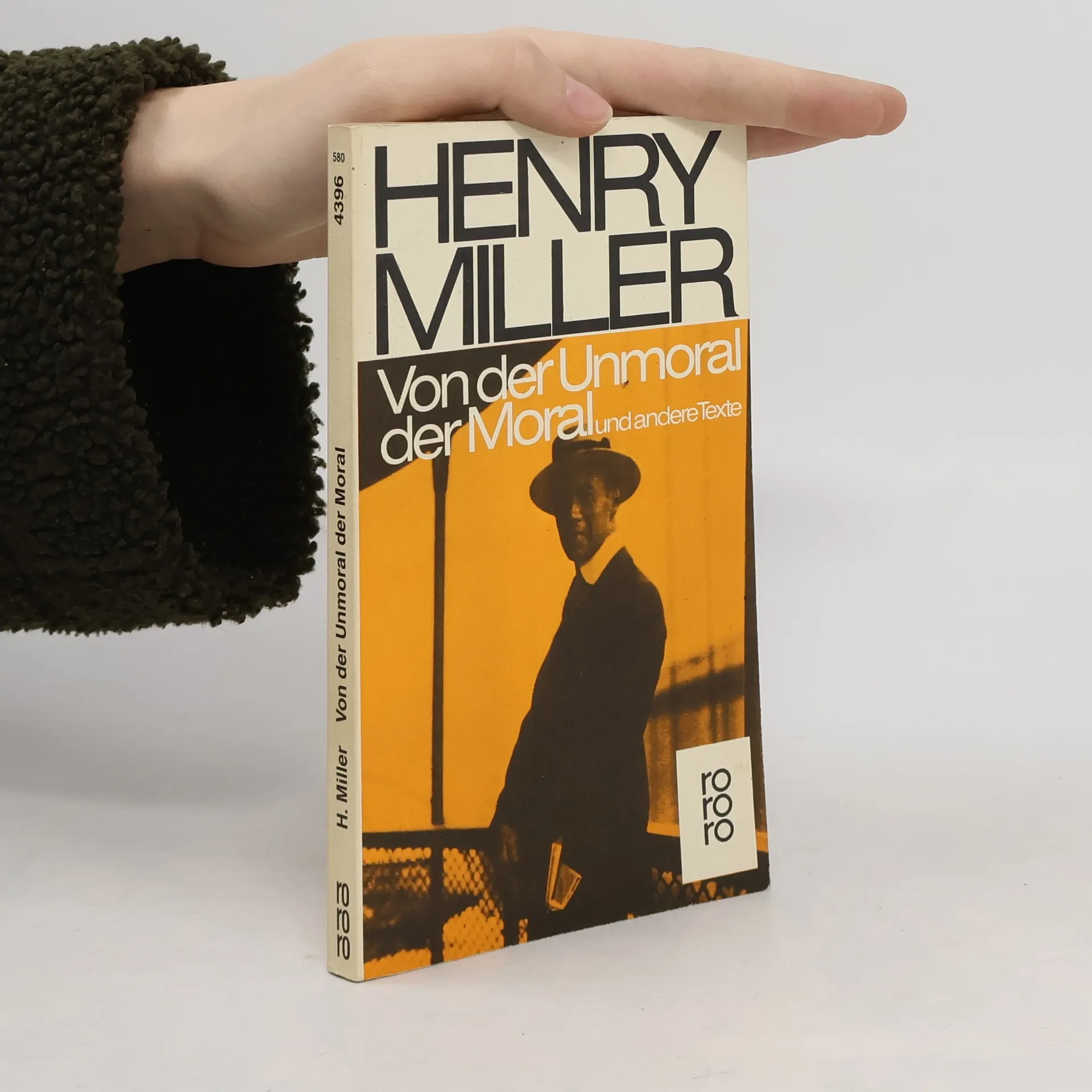
    • Der Einzelne und die Gesellschaft, kreative Freiheit und Konformismus, American way of life und Europa - das sind die großen Themen der Texte, die hier erstmals gesammelt vorgelegt werden: streitbare Aufsätze aus zweieinhalb Jahrzehnten zu Fragen der Zeit, der Gesellschaft, der Literatur, engagiert, leidenschaftlich und beklemmend aktuell.

      Von der Unmoral der Moral und andere Texte
      4,5
    • Meine Jugend hat spät begonnen

      • 123pagine
      • 5 ore di lettura

      Wer war Henry Miller wirklich? Im Gespräch mit seinem langjährigen Freund und Übersetzer Georges Belmont äußerte der große Romancier und Außenseiter der amerikanischen Literatur sehr persönliche Gedanken über sich, seine Bücher, das Leben und die Frauen. Ein literarisches Selbstporträt, das zum Verständnis seines berühmt-berüchtigten Werkes unerlässlich ist.

      Meine Jugend hat spät begonnen
      4,5
    • Big Sur a pomeranče Hieronyma Bosche

      • 376pagine
      • 14 ore di lettura

      Jednomu mladému malíři napsal Henry krátce před svou smrtí: „V nejzazších končinách bytí existuje jen jeden opravdový sňatek: každý člověk je sezdán sám se sebou.“ Podobně jako Byron, Puškin, Sandová a Colette, byl i Miller něčím víc než jenom spisovatelem. Stal se vedoucí osobností a prorokem nového svědomí. Jeho dílo a život se navzájem propletly a vytvořily rozsáhlý mýtus, jenž je ztělesněním lidské touhy po svobodě. Millerovo dílo je plné nedokonalostí, bombastu, tlachání. Pro jeho nedbalost není lehké je hájit. Čistota osobního příkladu i otevřenost srdce však Millera činí jedinečným zjevem mezi spisovateli.

      Big Sur a pomeranče Hieronyma Bosche
      4,3
    • Art et outrage

      Lettres et textes inédits

      • 341pagine
      • 12 ore di lettura

      Les nombreux textes courts que Henry Miller écrivit sous les formes les plus variées nous rapprochent de l'artiste dans ce foisonnement fait de contradictions, d'engouements, de révolte, mais avant tout, comme un ciment invisible, de morale philosophique.

      Art et outrage
      4,0
    • Joey

      Ein Porträt von Alfred Perles sowie einige Episoden im Zusammenhang mit dem anderen Geschlecht

      • 124pagine
      • 5 ore di lettura

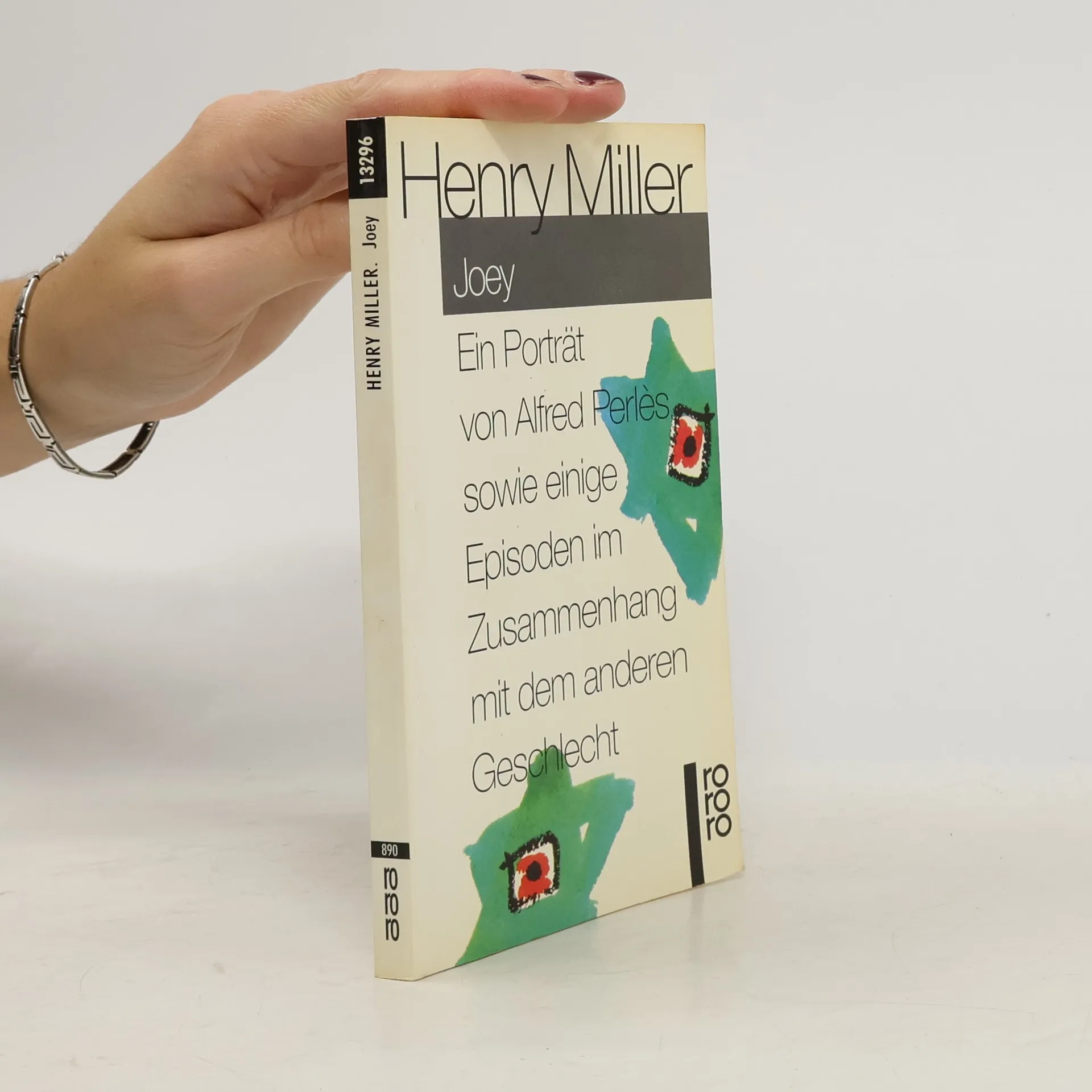
      Joey - so nannte Henry Miller seinen Freund Alfred Perlès, dem er mit diesem Buch ein liebevolles Denkmal setzte. Er erzählt von den Jahren in Paris, als er den immer strahlenden, vergnügten „Windhund“ kennenlernte, und von der gemeinsamen wilden Zeit in der Villa Seurat. Es kommt nicht von ungefähr, daß ihn diese Erinnerungen inspirierten, darüber hinaus über einige Erlebnisse mit dem anderen Geschlecht nachzusinnen.

      Joey
      4,0
    • Mein Leben und meine Welt

      • 189pagine
      • 7 ore di lettura

      Henry Miller, der Lebenskünstler und Prophet der sexuellen Revolution unserer Zeit, schreibt auch in diesem Rückblick auf sein unkonventionelles Leben wie seine Anhänger erwarten: offen, furchtlos und mit verständnisvollem Blick für die menschliche Komödie. Ein faszinierender Geschichtenerzähler, ob es wahre Anekdoten über sich selbst, prominente Freunde oder schockierende Kindheitserinnerungen sind.

      Mein Leben und meine Welt
      4,0
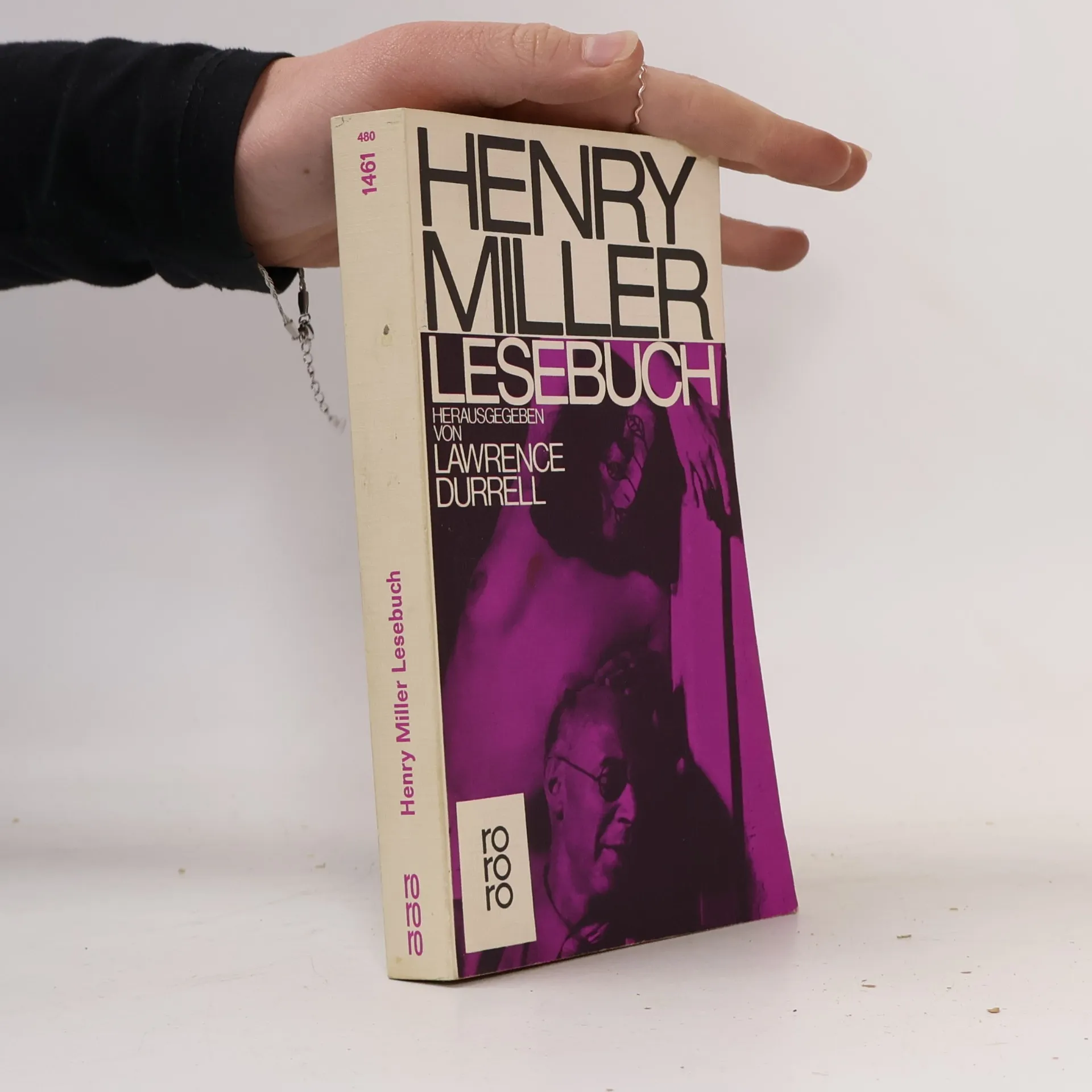
    • Henry Miller - Lesebuch - Tief im Blut die Lockung des Paradieses - bk1212; Rowohlt Verlag; Hrg. Heinrich Maria Ledig Rowohlt; Paperback; 1991

      Lesebuch
      3,0
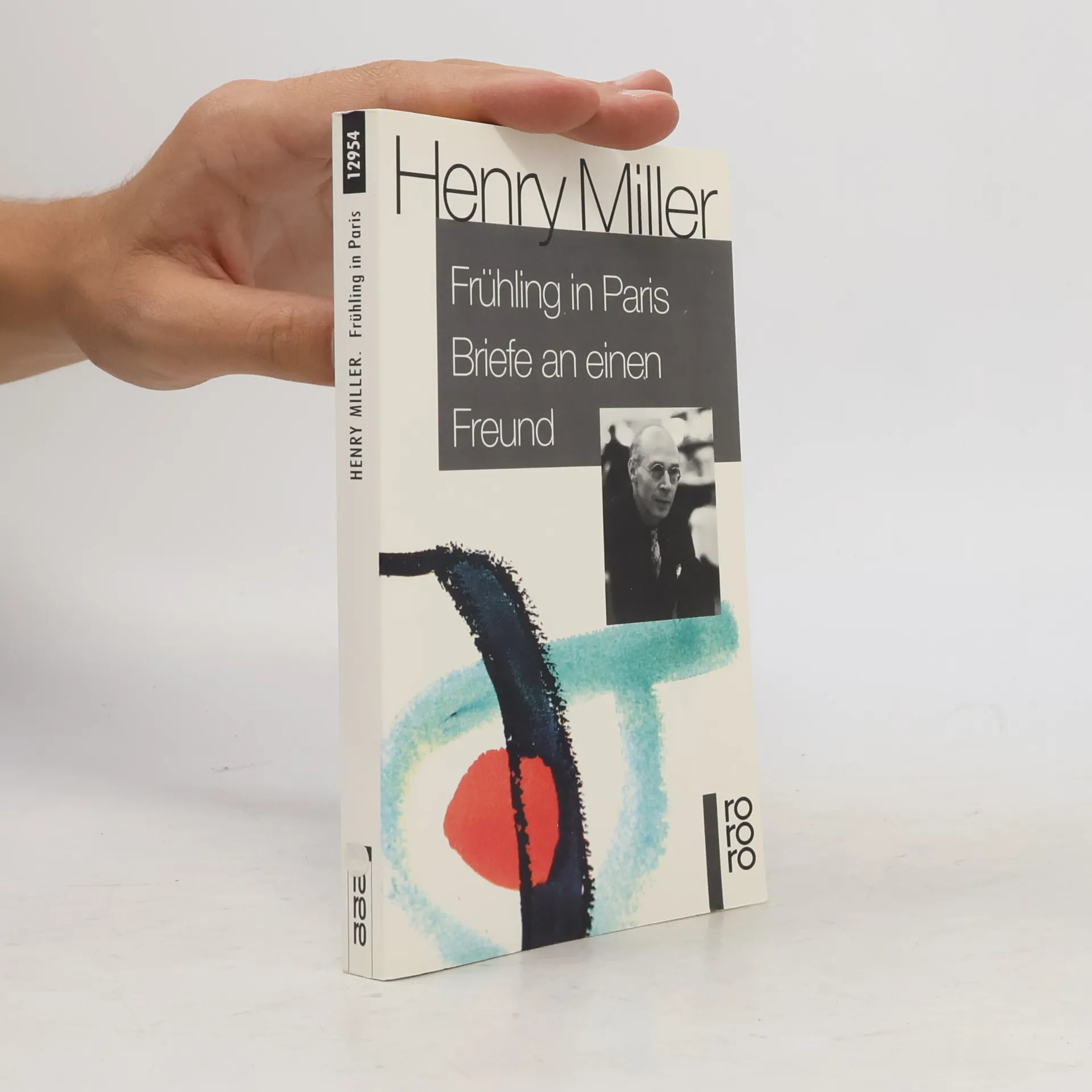
    • Werner Schmitz ist seit 1981 als Übersetzer tätig, u. a. von Malcolm Lowry, John le Carré, Ernest Hemingway, Philip Roth und Paul Auster. 2011 erhielt er den Heinrich Maria Ledig-Rowohlt-Preis. Er lebt in der Lüneburger Heide. Henry Miller, der am 26. Dezember 1891 in New York geborene deutschstämmige Außenseiter der modernen amerikanischen Literatur, wuchs in Brooklyn auf. Die Dreißiger Jahre verbrachte Miller im Kreis der «American Exiles» in Paris. Sein erstes größeres Werk, das vielumstrittene «Wendekreis des Krebses», wurde – dank des Wagemuts eines Pariser Verlegers – erstmals 1934 in englischer Sprache herausgegeben. In den USA zog die Veröffentlichung eine Reihe von Prozessen nach sich; erst viel später wurde das Buch in den literarischen Kanon aufgenommen. Henry Miller starb am 7. Juni 1980 in Pacific Palisades, Kalifornien.

      Frühling in Paris. Briefe an einen Freund
      3,5
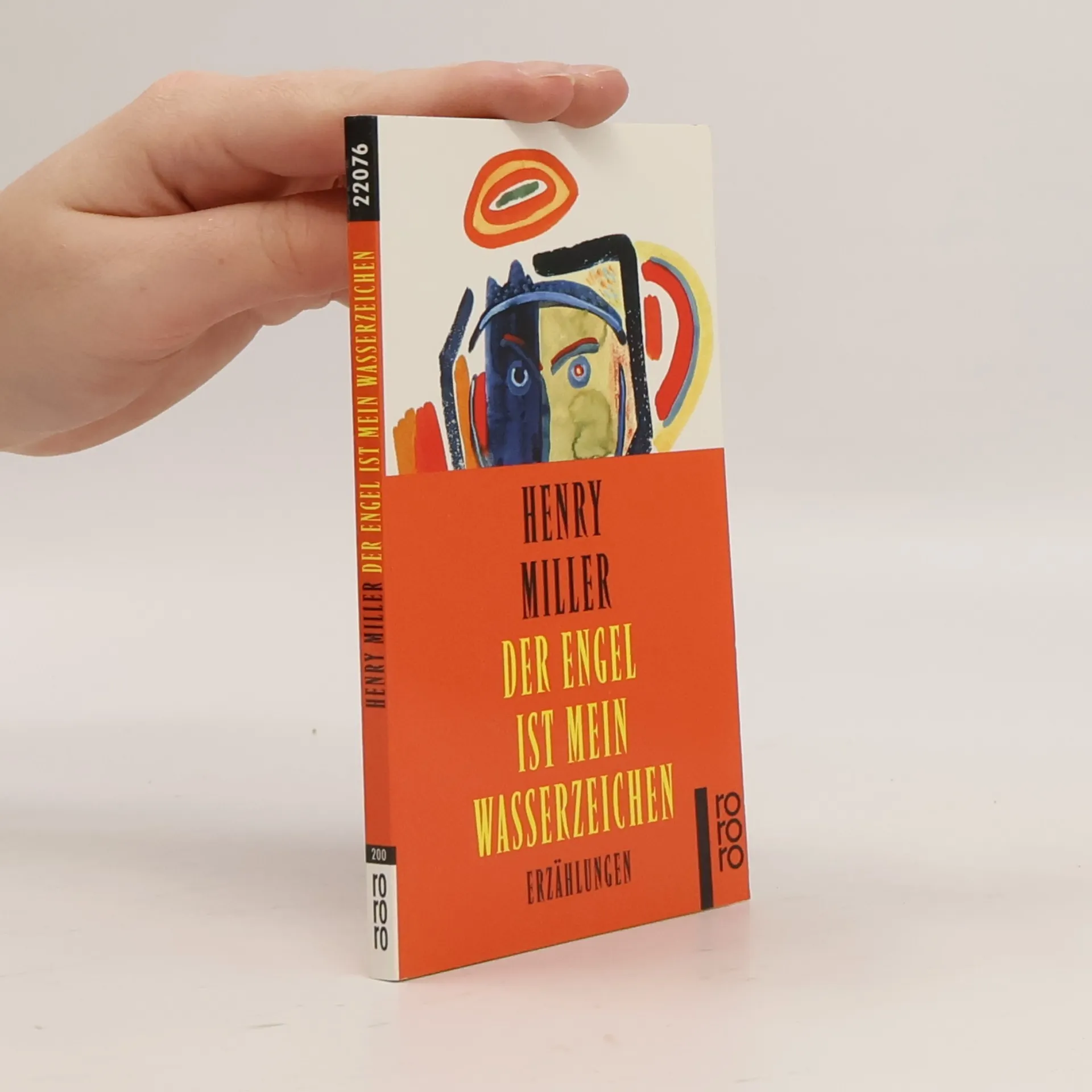
    • Der Engel ist mein Wasserzeichen

      • 124pagine
      • 5 ore di lettura

      Autor/in: Miller, Henry Titel: Der Engel ist mein Wasserzeichen : Erzählungen [Taschenbuch] ISBN: 9783499220760 (früher: 3499220768) Gewicht: 59 g Verlag: Reinbek bei Hamburg : Rowohlt Erschienen: 1996. Sprache: Deutsch Zustand: gebraucht;

      Der Engel ist mein Wasserzeichen
      3,4
    • Frankreich

      • 135pagine
      • 5 ore di lettura

      »Ich hatte kein Geld, keine Rücklagen, keine Hoffnungen. Ich war der glücklichste Mensch der Welt.« So schreibt Henry Miller über seine Zeit im Frankreich der dreißiger Jahre. Sein Rückblick ist ein leidenschaftliches Liebesbekenntnis zu Frankreich, besonders zu Paris, wo er mit Künstlern und Lebenskünstlern ein abenteuerliches Bohemeleben führte. »Wir halten an unseren Erinnerungen fest, um eine Identität zu bewahren, die ohnehin nie verloren gehen kann«, so beginnt Millers Erinnerungsbuch, während er sich über einen Metro-Plan beugt und sehnsüchtig die Viertel und Straßen heraufbeschwört, ihren Klang, ihre Gerüche, ihren Zauber. Gegen den »american way of life« preist Henry Miller mit kraftvoller Sprache Frankreich, seine Landschaften, Menschen und die Kunst, die alle Lebensbereiche durchdringt »von der Kirche bis zur Küche«. Henry Millers Erinnerungsbuch ist eine zärtliche Liebeserklärung an das alte Europa.

      Frankreich
      3,0
    • Acht Porträts, die aus dem Rahmen fallen. Sieben der liebevoll-spitzfindigen Betrachtungen Henry Millers gelten Weggefährten aus Fleisch und Blut - die achte und zugleich letzte richtete er an sein Fahrrad, das er einem deutschen Sechstagerennfahrer im Madison Square Garden abkaufte.

      Mein Fahrrad und andere Freunde
      3,7
    • Eine Huldigung an Freunde aus lang vergangenen Zeiten Henry Miller, der große Tabubrecher der modernen Literatur, war zeitlebens nie bloßer Zuschauer, sondern immer Mitleidender, Mitfreudiger, Mitschuldiger. So auch in seinen Erinnerungen an die Freundschaften der frühen Jahre. „Ein Freund“, sagte er, stattet einen mit tausend Augen aus. Durch seine Freunde lebt man ungezählte Leben."

      Das kleine Buch der Freunde
      3,7
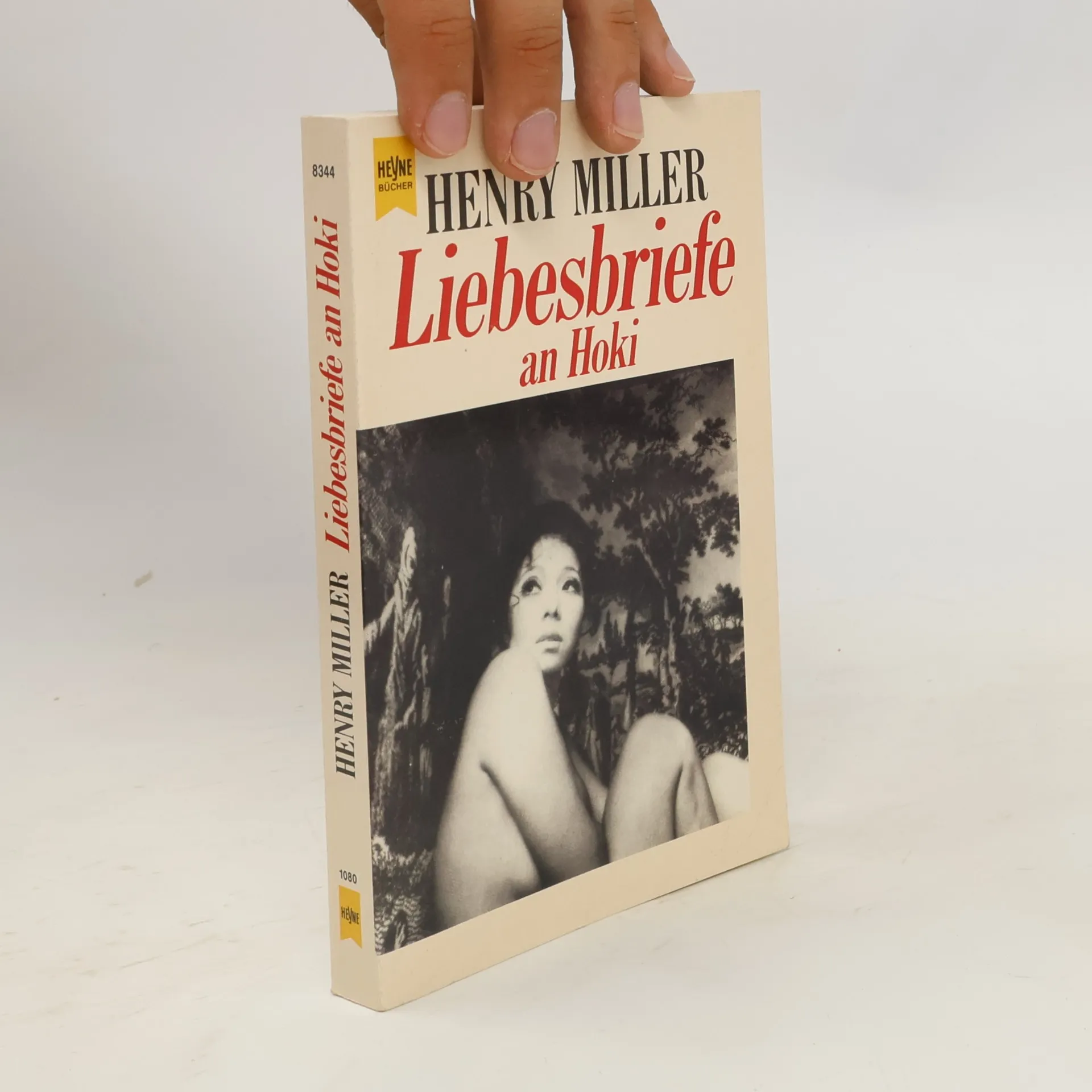
    • Liebesbriefe an Hoki

      • 235pagine
      • 9 ore di lettura

      Hrsg. von Howard, Joyce. Mit Phot. u. farb. Abb. 235 S.

      Liebesbriefe an Hoki
      3,0
    • "Das Lächeln am Fuße der Leiter" ist eine Auftragsarbeit Millers, die einzige uns bekannte aus seiner Feder überhaupt. Sie ist 1948 entstanden und sollte zunächst einen Text zu Bildern von Fernand Leger abgeben, aber Erinnerungen an Rouault, Chagall und vor allem Miró verschmolzen sich mit diesen. Miller hat schließlich nicht nur die Geschichte des Clowns August geschrieben, sondern in einem Anhang auch deren Entstehung geschildert und sie damit erst an ihr Ende gebracht.

      Bibliothek Suhrkamp: Das Lächeln am Fuße der Leiter
      3,4
    • Lachen, Liebe, Nächte

      Sechs Erzählungen

      • 185pagine
      • 7 ore di lettura

      Sechs Erzählungen In der Schilderung unbürgerlicher Schicksale und grotesker Situationen erweist sich Henry Miller auch hier als Erzähler von hinreißendem Temperament und als Verfechter ungehemmter Daseinsfreude.

      Lachen, Liebe, Nächte
      3,5
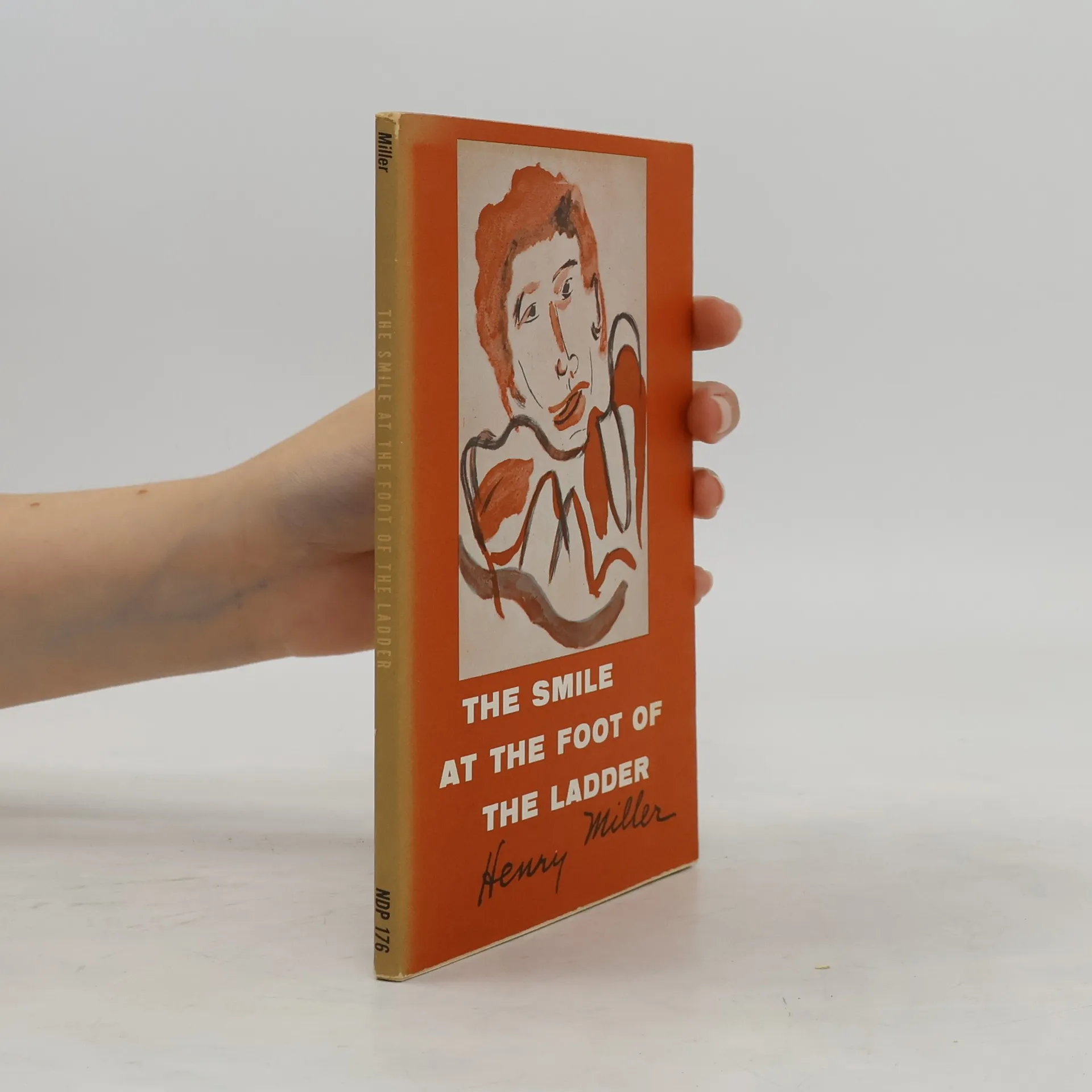
    • Das Lächeln am Fuße der Leiter

      • 78pagine
      • 3 ore di lettura

      Das erzählerische Kabinettstück Henry Millers: Die Geschichte vom Clown, der sich nicht damit zufriedengeben mag, die Leute zum Lachen zu bringen, sondern ihnen Glückseligkeit schenken will. Ein seltener Glücksfall künstlerischen Zusammenwirkens: den poetischen Traum Henry Millers illustrieren die Blätter von Joan Miró.

      Das Lächeln am Fuße der Leiter
      3,8
    • Henry Miller, der am 26. Dezember 1891 in New York geborene deutschstämmige Außenseiter der modernen amerikanischen Literatur, wuchs in Brooklyn auf. Die Dreißiger Jahre verbrachte Miller im Kreis der «American Exiles» in Paris. Sein erstes größeres Werk, das vielumstrittene «Wendekreis des Krebses», wurde – dank des Wagemuts eines Pariser Verlegers – erstmals 1934 in englischer Sprache herausgegeben. In den USA zog die Veröffentlichung eine Reihe von Prozessen nach sich; erst viel später wurde das Buch in den literarischen Kanon aufgenommen. Henry Miller starb am 7. Juni 1980 in Pacific Palisades, Kalifornien.

      Der Koloss von Maroussi
      3,5
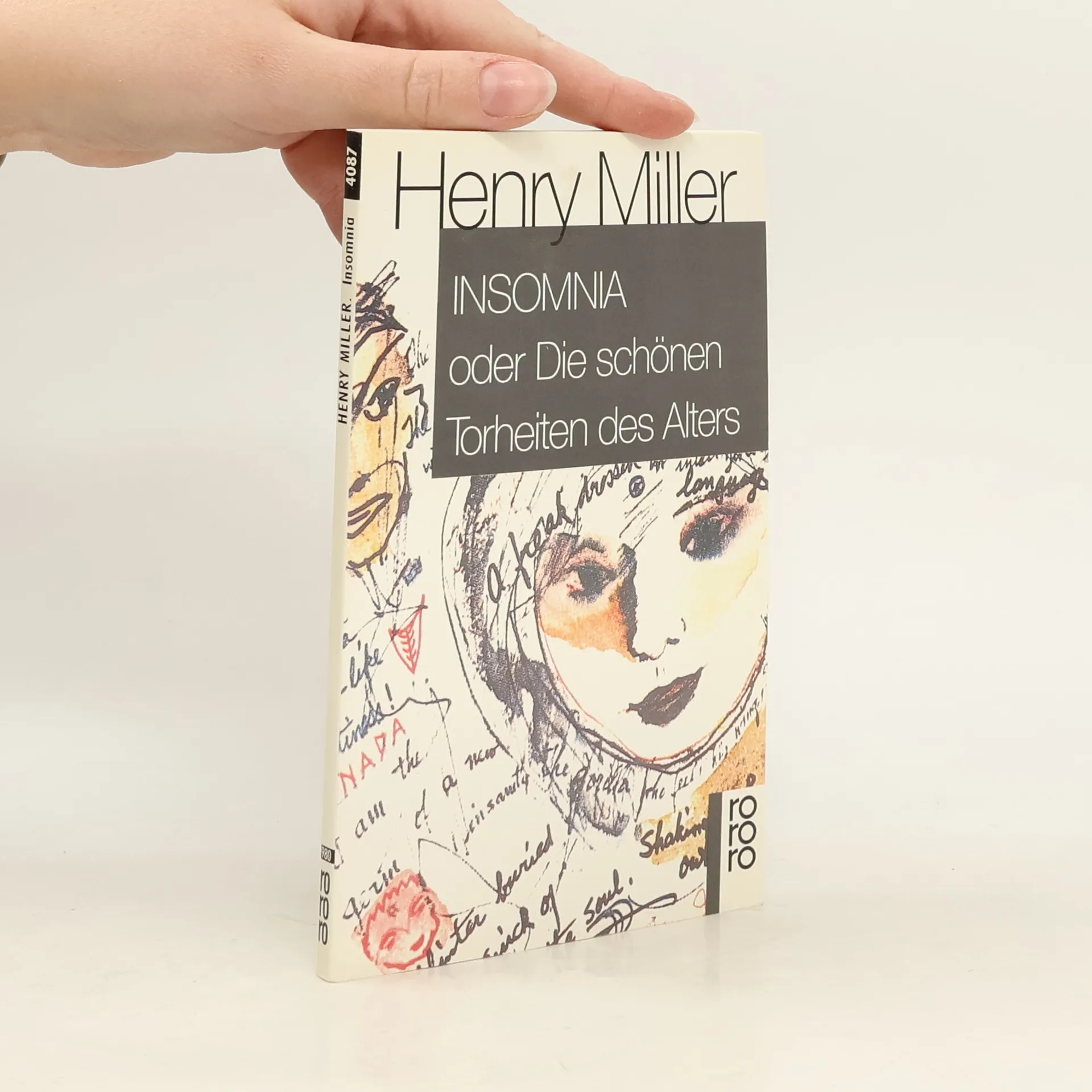
    • Im Alter von 75 Jahren verliebt sich Henry Miller in eine fünfundzwanzigjährige Barsängerin. Voller Lust und Schmerz, aber auch mit heiterer Selbstironie beschrieb und aquarellierte der große Erotiker der modernen Weltliteratur seine Empfindungen.

      Insomnia oder die schönen Torheiten des Alters
      2,9
    • Trópico de Capricornio es una novela semi-autobiográfica del escritor estadounidense Henry Miller, publicada en París en 1938. Se trata de una secuela de Trópico de Cáncer, de 1934. Ambientada en la Nueva York de la década de 1920, la novela es la historia del despertar espiritual de su protagonista y narrador, Henry V. Miller, empleado de la división de personal de la compañía telegráfica «Cosmodemonic». Gran parte de la trama gira alrededor de sus años conflictivos con su mujer June Miller, y el proceso de encontrar su voz como escritor. No obstante, aunque las experiencias de su alter ego narrador, con el que comparte el nombre, son muy cercanas a las que pudo tener el propio Miller cuando trabajó para la compañía telegráfica Western Union, la novela se considera una obra de ficción. Trópico de Capricornio estuvo prohibida en Estados Unidos hasta que el Departamento de Justicia en vigor declaró que su contenido no era obsceno.

      Biblioteca El Mundo - 13: Trópico de Capricornio
      3,1