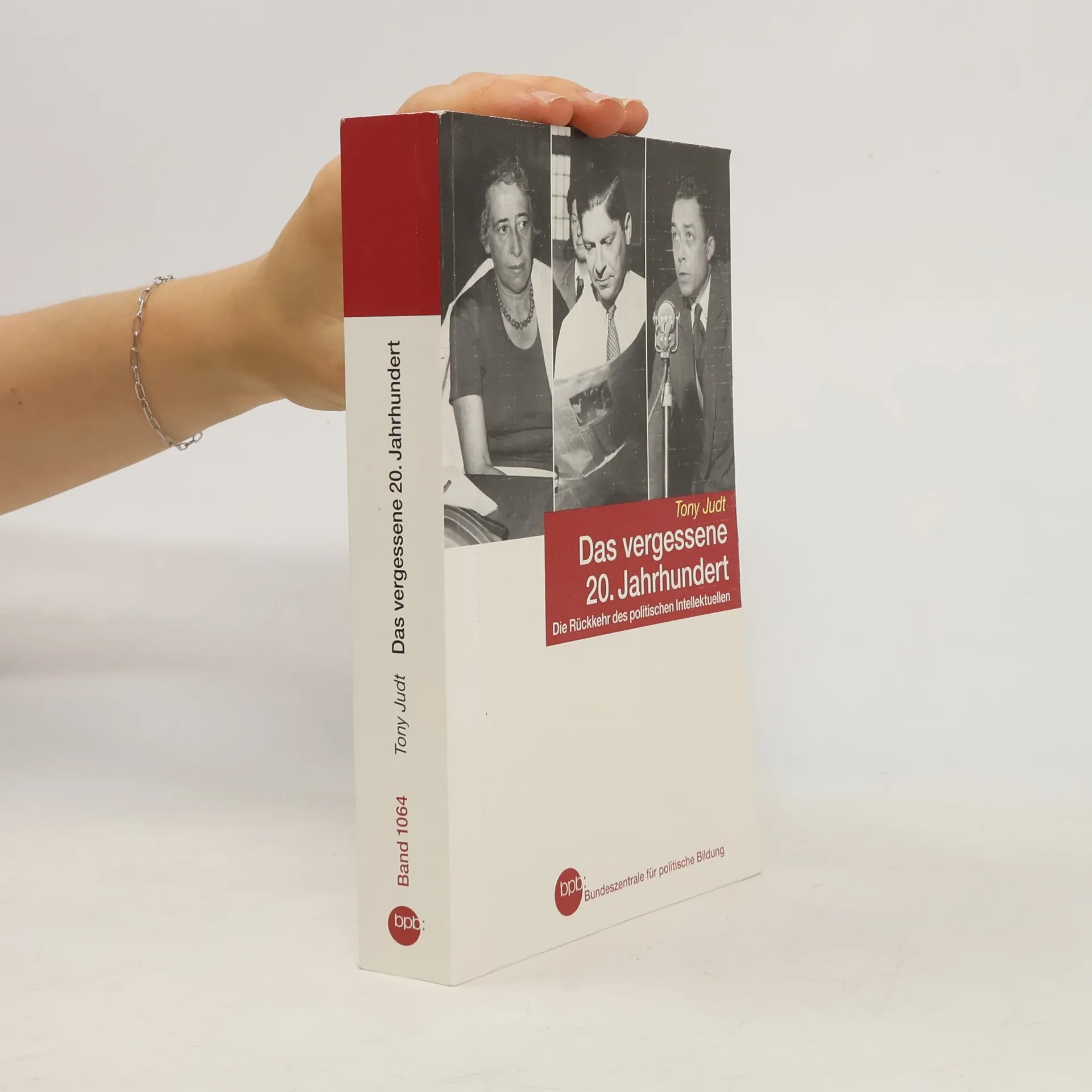
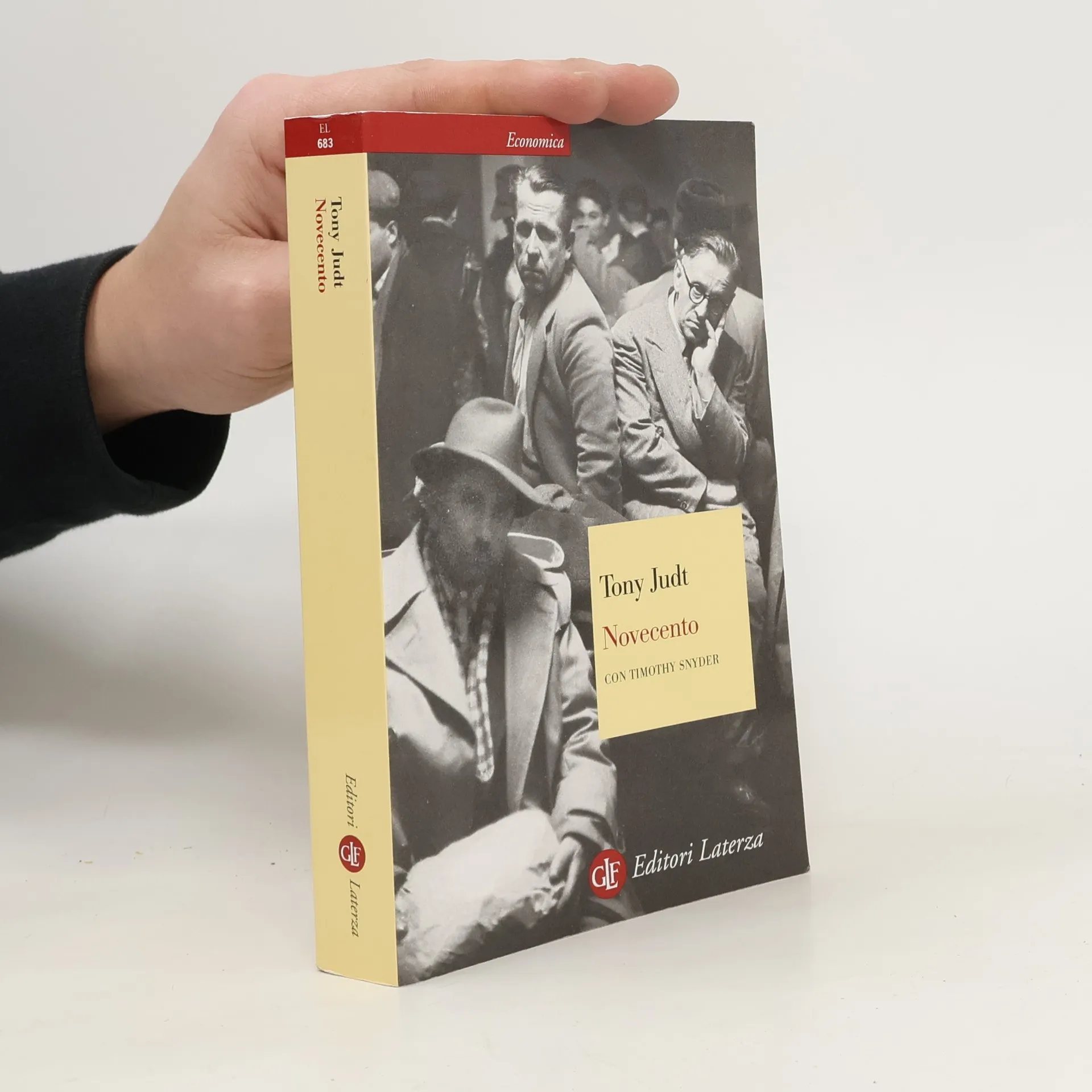
Entrambi, io e Judt, sapevamo che il XX secolo poteva essere capito appieno solo da coloro che sono diventati storici perché hanno vissuto quel secolo e condiviso le sue passioni fondamentali: cioè la convinzione che la politica sia stata la chiave di volta sia delle nostre verità che dei nostri miti. Eric J. Hobsbawm Un bellissimo viaggio dentro il Novecento. Un libro originale come il suo autore, storico tra i più brillanti e riconosciuti, mai acquietato fino in fondo. Ebreo ma estraneo a quella comunità. Per un periodo sionista ma poi critico del sogno realizzato. Marxista riluttante e poi liberale dissidente. Professore blasonato ma anche studioso ribelle. L'indole da irregolare attraversa anche le conversazioni di Novecento. Come a dirci che solo un'inquieta estraneità permette uno sguardo più libero sul secolo breve. (Simonetta Fiori, "la Repubblica").
Tony Judt Libri
Tony Judt è stato uno stimato storico e intellettuale la cui opera si è addentrata profondamente nella storia moderna d'Europa. La sua scrittura è stata caratterizzata da una tagliente analisi delle forze politiche e sociali che hanno plasmato il continente, unita alla capacità di collegare eventi passati a sfide presenti. Judt ha esplorato le complessità dell'identità europea, del nazionalismo e dello sviluppo del dopoguerra con uno stile chiaro e incisivo. La sua erudizione incoraggia i lettori a riflettere sulla traiettoria dell'Europa e sulle questioni persistenti di giustizia sociale e vita politica.


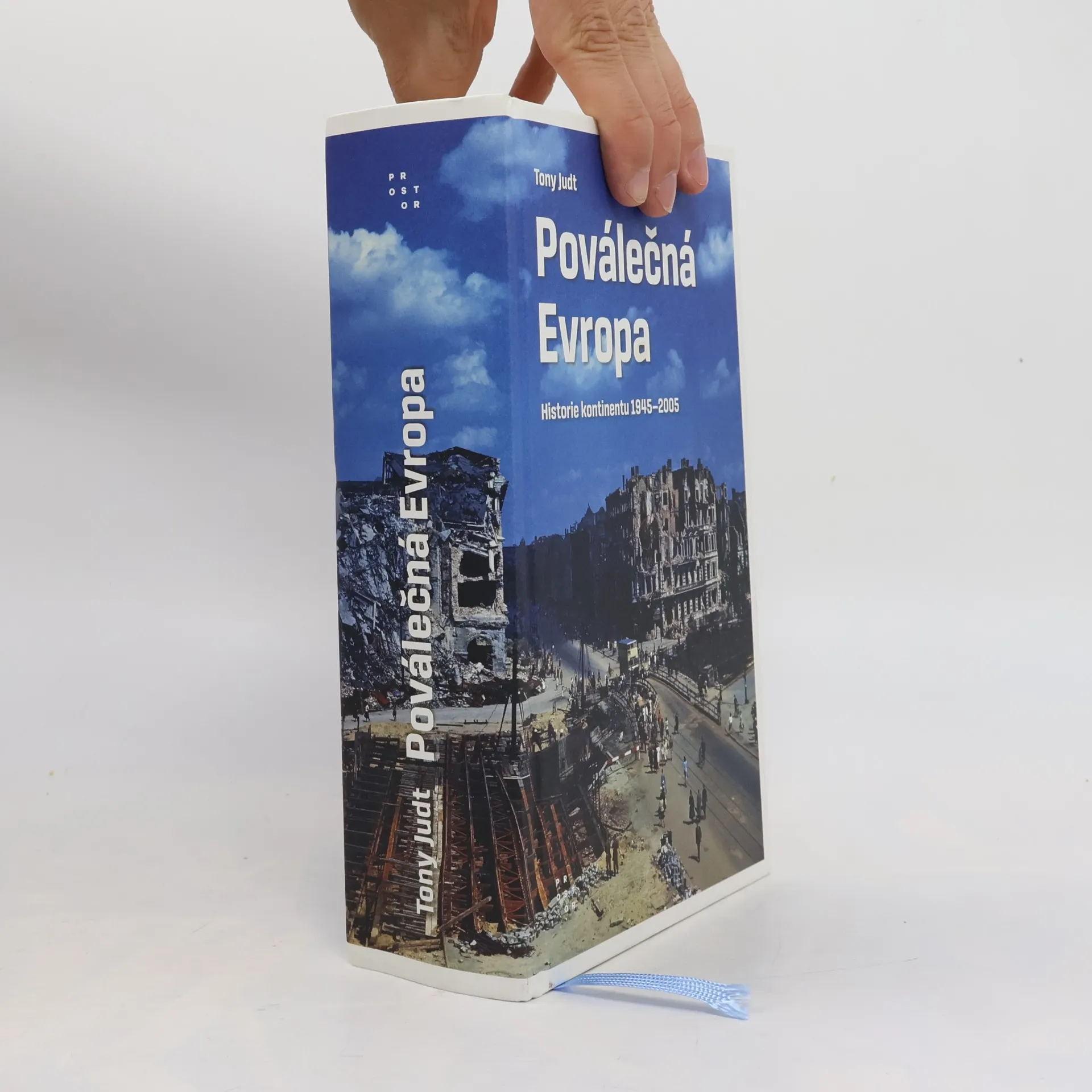
Postwar. A history of Europe since 1945
- 960pagine
- 34 ore di lettura
Finalist for the Pulitzer Prize • Winner of the Council on Foreign Relations Arthur Ross Book Award • One of the New York Times’s 100 Best Books of the 21st Century “Impressive . . . Mr. Judt writes with enormous authority.” —The Wall Street Journal “Magisterial . . . It is, without a doubt, the most comprehensive, authoritative, and yes, readable postwar history.” —The Boston Globe Almost a decade in the making, this much-anticipated grand history of postwar Europe from one of the world's most esteemed historians and intellectuals is a singular achievement. Postwar is the first modern history that covers all of Europe, both east and west, drawing on research in six languages to sweep readers through thirty-four nations and sixty years of political and cultural change-all in one integrated, enthralling narrative. Both intellectually ambitious and compelling to read, thrilling in its scope and delightful in its small details, Postwar is a rare joy.
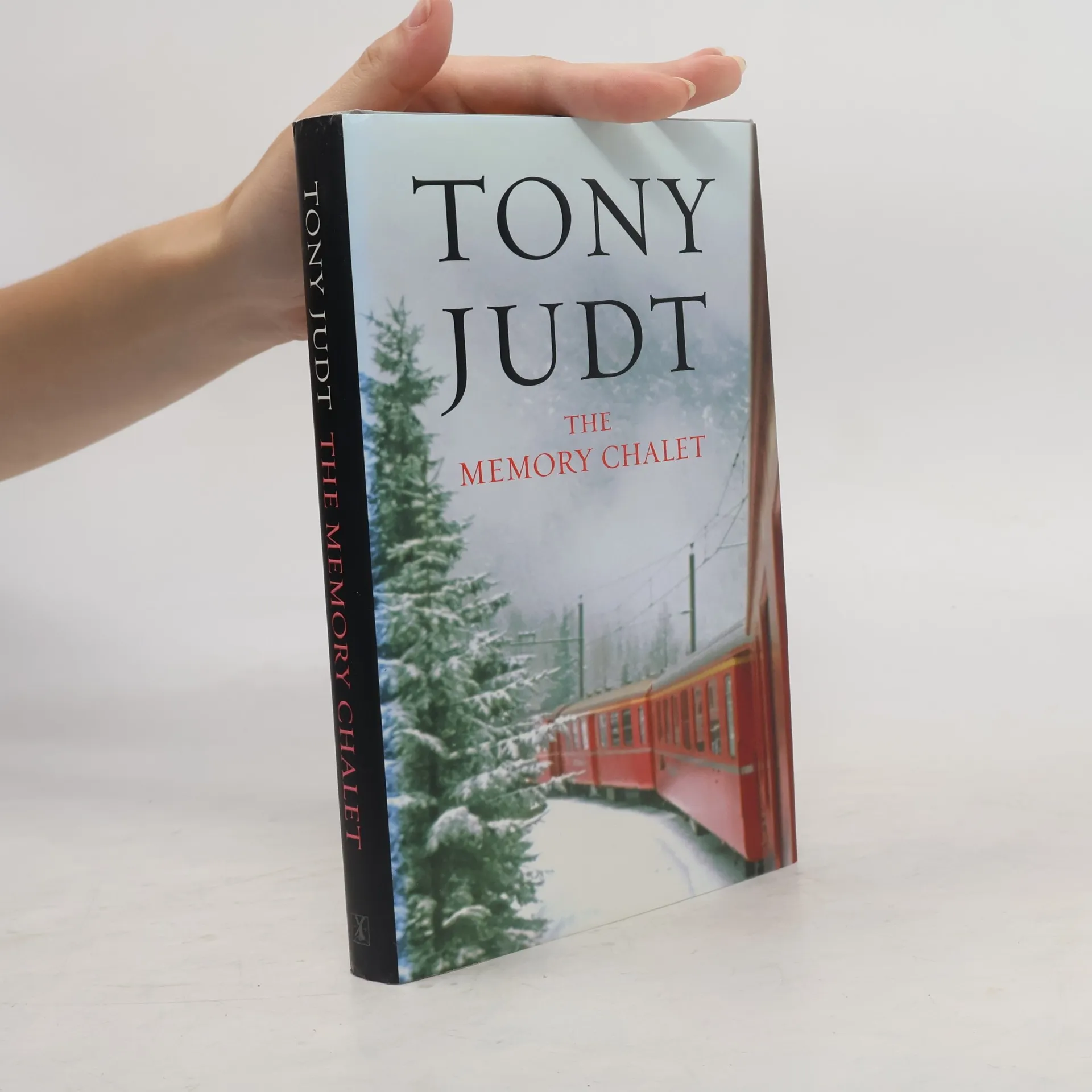
The Memory Chalet by Tony Judt is a unique memoir that intertwines personal experiences with historical reflections. Through essays on topics like public civility and radical politics, Judt shares his journey from postwar London to New York, all while facing the challenges of a debilitating illness.
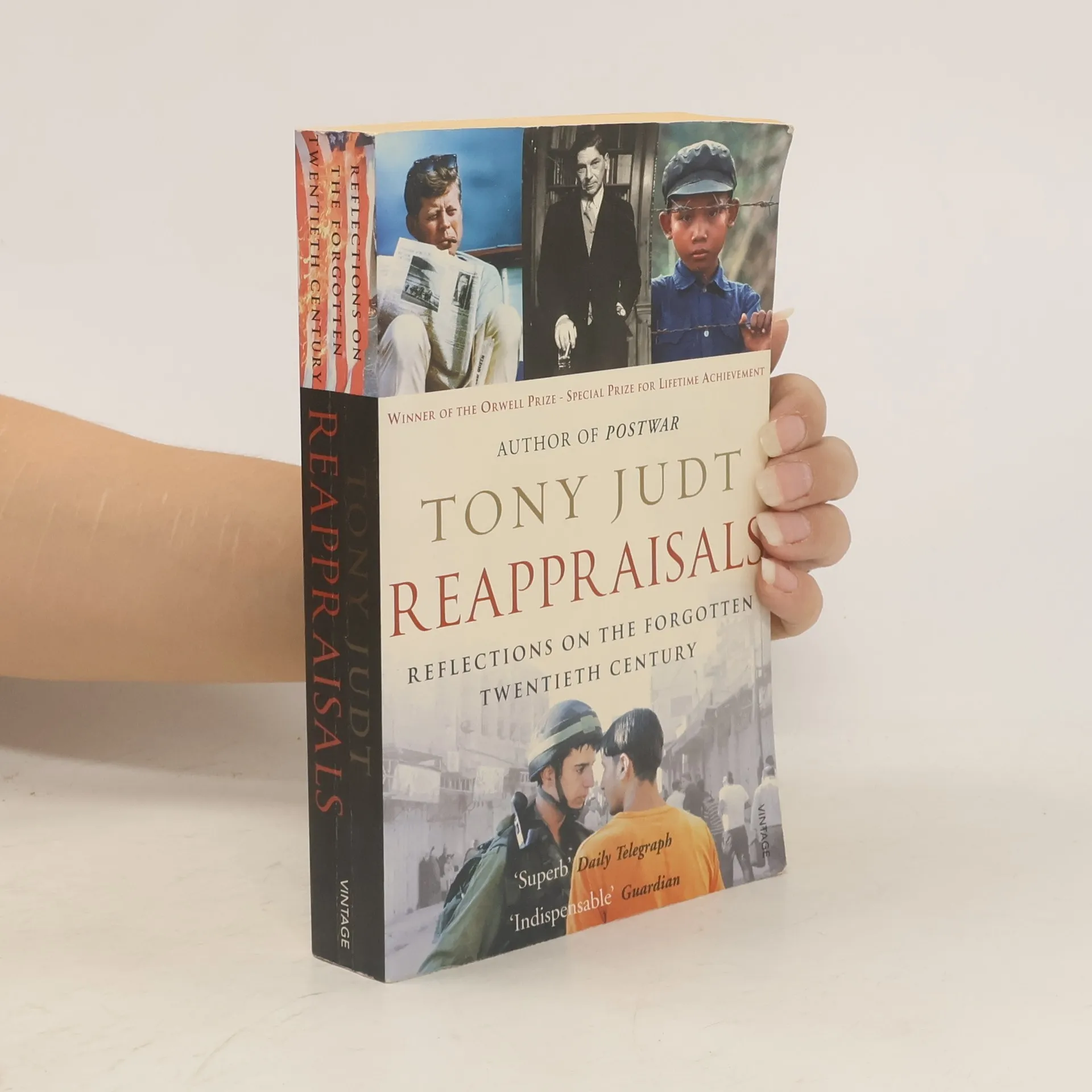
“Exhilarating . . . brave and forthright.” —The New York Times Book Review “Perhaps the greatest single collection of thinking on the political, diplomatic, social, and cultural history of the past century.” —Forbes We have entered an age of forgetting. Our world, we insist, is unprecedented, wholly new. The past has nothing to teach us. Drawing provocative connections between a dazzling range of subjects, from Jewish intellectuals and the challenge of evil in the recent European past to the interpretation of the Cold War and the displacement of history by heritage, the late historian Tony Judt takes us beyond what we think we know of the past to explain how we came to know it, showing how much of our history has been sacrificed in the triumph of myth—making over understanding and denial over memory. Reappraisals offers a much-needed road map back to the historical sense we urgently need. Judt's book, Ill Fares the Land, republished in 2021 featuring a new preface by bestselling author of Between the World and Me and The Water Dancer, Ta-Nehisi Coates.
When The Facts Change. Essays 1995-2010
- 386pagine
- 14 ore di lettura
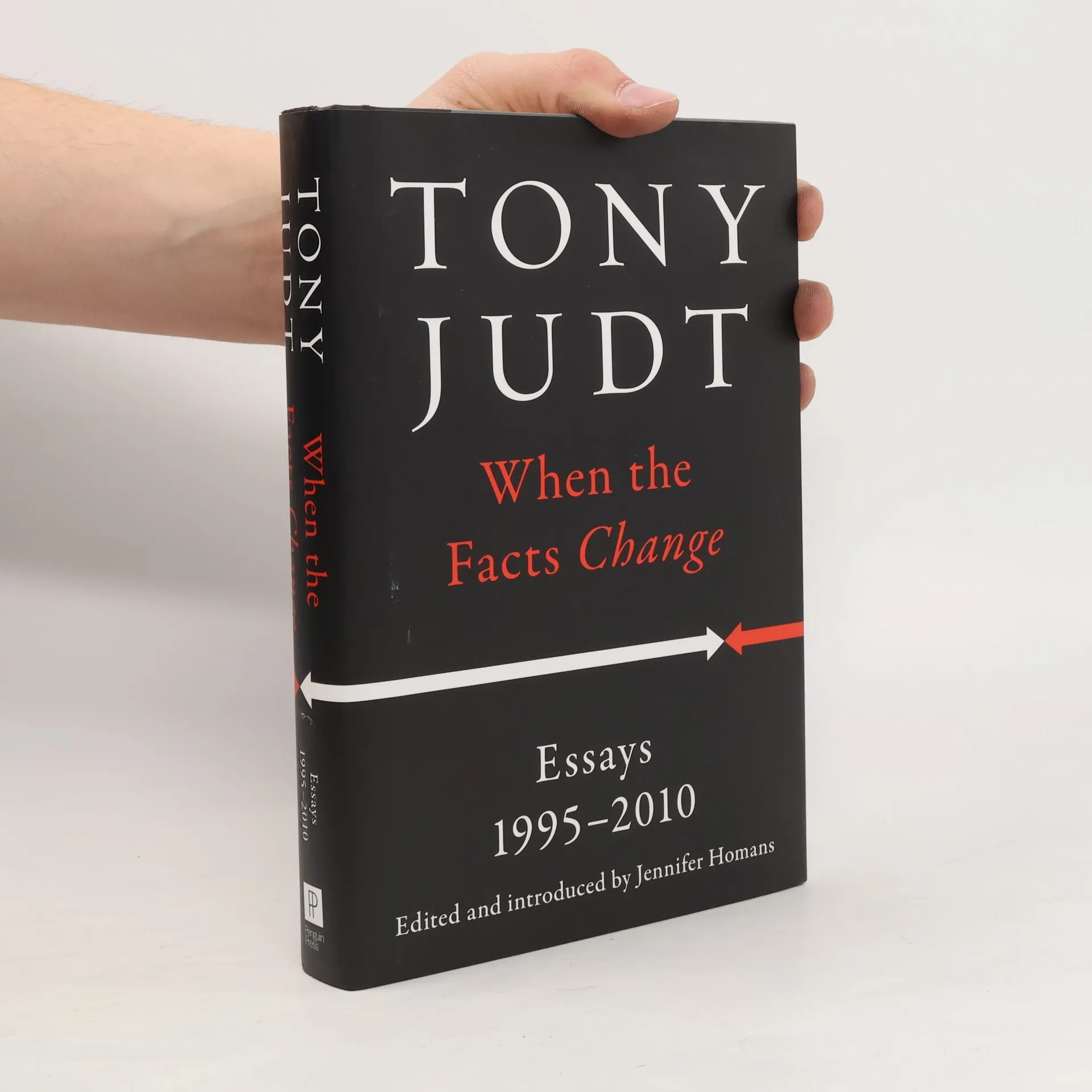
"In an age in which the lack of independent public intellectuals has often been sorely lamented, the historian Tony Judt played a rare and valuable role, bringing together history and current events, Europe and America, what was and what is with what should be. In When the Facts Change, Tony Judt's widow and fellow historian Jennifer Homans has assembled an essential collection of the most important and influential pieces written in the last fifteen years of Judt's life, the years in which he found his voice in the public sphere. Included are seminal essays on the full range of Judt's concerns, including Europe as an idea and in reality, before 1989 and thereafter; Israel, the Holocaust and the Jews; American hyperpower and the world after 9/11; and issues of social inclusion and social justice in an age of increasing inequality. Judt was at once most at home and in a state of what he called internal exile from his native England, from Europe, and from America, and he finally settled in New York--between them all. He was a historian of the twentieth century acutely aware of the dangers of ethnic exceptionalism, and if he was shaped by anything, it was the Jewish past and his own secularism. His essays on Israel ignited a firestorm debate for their forthright criticisms of Israeli government polices relating to the Palestinians and the occupied territories. Those crucial pieces are published here in book form for the first time, including an essay, never previously published, called 'What Is to Be Done?' These pieces are suffused with a deep compassion for the Israeli dilemma, a compassion that instilled in Judt a sense of responsibility to speak out and try to find a better path, away from what he saw as a road to ruin. When the Facts Change also contains Judt's homages to the culture heroes who were some of his greatest inspirations: Amos Elon, Francois Furet, Leszek Kolakowski, and perhaps above all Albert Camus, who never accepted the complacent view that the problem of evil couldn't lie within us as well as outside us. Included here too is a magnificent two-part essay on the social and political importance of railway travel to our modern conception of a good society; as well as the urgent text of 'What Is Living and What Is Dead in Social Democracy, ' the final public speech of his life, delivered from a wheelchair after he had been stricken with a terrible illness; and a tender and wise dialogue with his then-teenage son, Daniel, about the different outlooks and burdens of their two generations. To read When the Facts Change is to miss Tony Judt's voice terribly, but to cherish it for what it was, and still is: a wise, human, deeply informed view on our most pressing concerns, delivered in good faith."-- Provided by publisher
Ill Fares the Land
- 256pagine
- 9 ore di lettura
As the economic collapse of 2008 made clear, the social contract that defined postwar life in Europe and America is no longer guaranteed. Historian Judt challenges readers to confront societal ills and shoulder responsibility for the world they live in.
Argues that we have entered an 'age of forgetting', where we have set aside our immediate past before we could even begin to make sense of it. It examines the tragedy of twentieth-century Europe by way of thought-provoking pieces on Hannah Arendt, Edward Said, Albert Camus and Henry Kissinger amongst others.
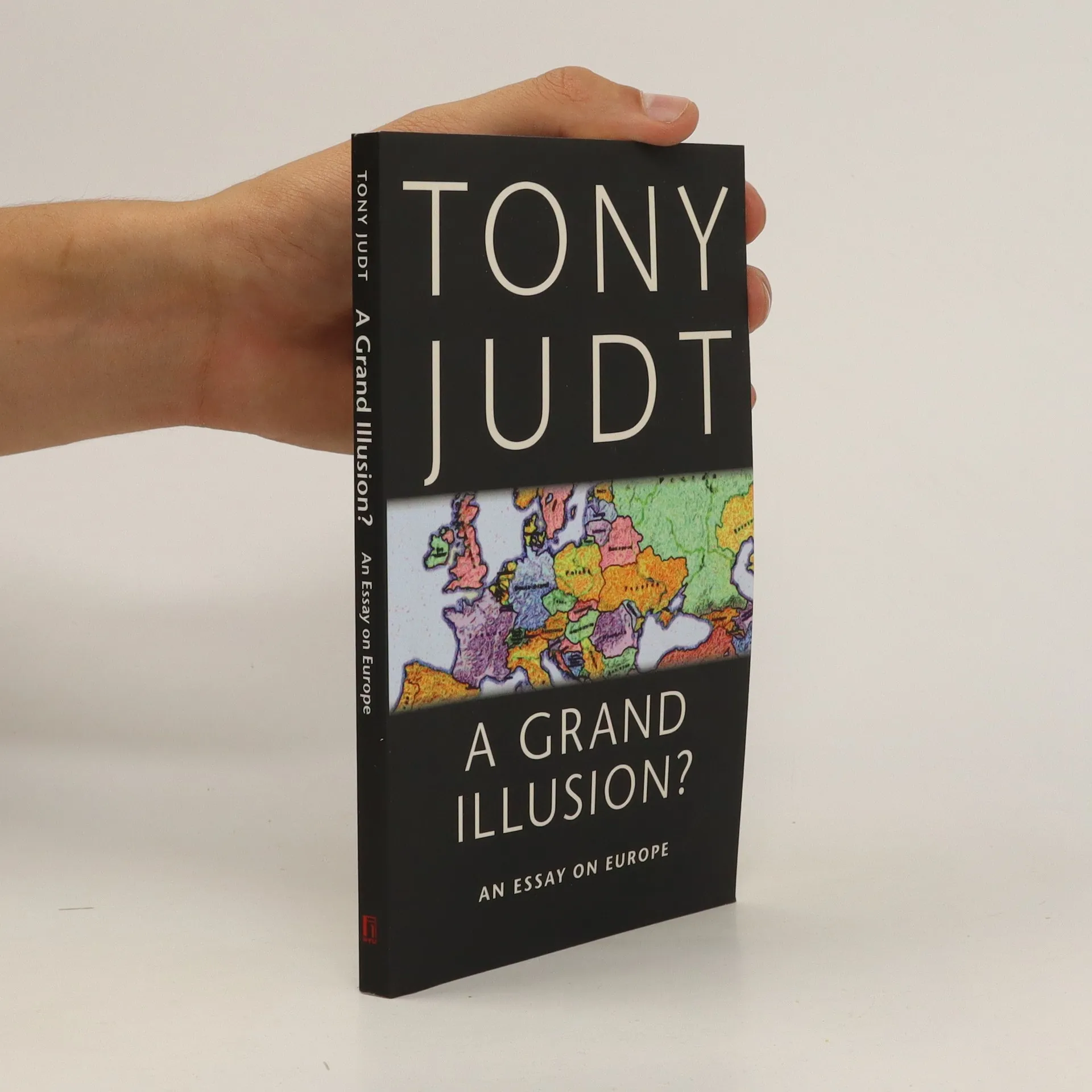
A grand illusion? : an essay on Europe
- 149pagine
- 6 ore di lettura
“I am enthusiastically European; no informed person could seriously wish to return to the embattled, mutually antagonistic circle of suspicious and introverted nations that was the European continent in the quite recent past. But it is one thing to think an outcome desirable, quite another to suppose it is possible. It is my contention that a truly united Europe is sufficiently unlikely for it to be unwise and self-defeating to insist upon it. I am thus, I suppose, a Euro-pessimist.” —Tony Judt
The essay explores the significant impact of railways on societal development, highlighting their role in shaping modern life. Historian Tony Judt delves into the transformative effects of rail transport on economies, communities, and cultural exchanges, illustrating how railways have interconnected people and places throughout history.
Intelektuál ve dvacátém století
- 416pagine
- 15 ore di lettura
Tony Judt patří mezi nejzajímavější světové myslitele posledního půlstoletí. Málokdo uvažoval tak hluboce a inspirativně o otázkách demokracie, totalitních režimů, holokaustu či o dějinné roli veřejných intelektuálů. V rozhovoru se svým přítelem a kolegou Timothym Snyderem mapuje historii moderních politických idejí a představ o vládě a spravedlnosti, jak je chápali liberální, socialističtí, komunističtí, nacionalističtí a fašističtí intelektuálové od konce 19. do počátku 21. století. Zamýšlí se nad povinnostmi intelektuálů v politice i nad jejich morálními selháními. Kniha přibližuje život historika Tonyho Judta a zároveň je fascinujícím dialogem o hledání pravdy a možností společenské obrody.