
Bookbot

Tony Judt

    2 gennaio 1948 – 6 agosto 2010

    Tony Judt è stato uno stimato storico e intellettuale la cui opera si è addentrata profondamente nella storia moderna d'Europa. La sua scrittura è stata caratterizzata da una tagliente analisi delle forze politiche e sociali che hanno plasmato il continente, unita alla capacità di collegare eventi passati a sfide presenti. Judt ha esplorato le complessità dell'identità europea, del nazionalismo e dello sviluppo del dopoguerra con uno stile chiaro e incisivo. La sua erudizione incoraggia i lettori a riflettere sulla traiettoria dell'Europa e sulle questioni persistenti di giustizia sociale e vita politica.

    Tony Judt
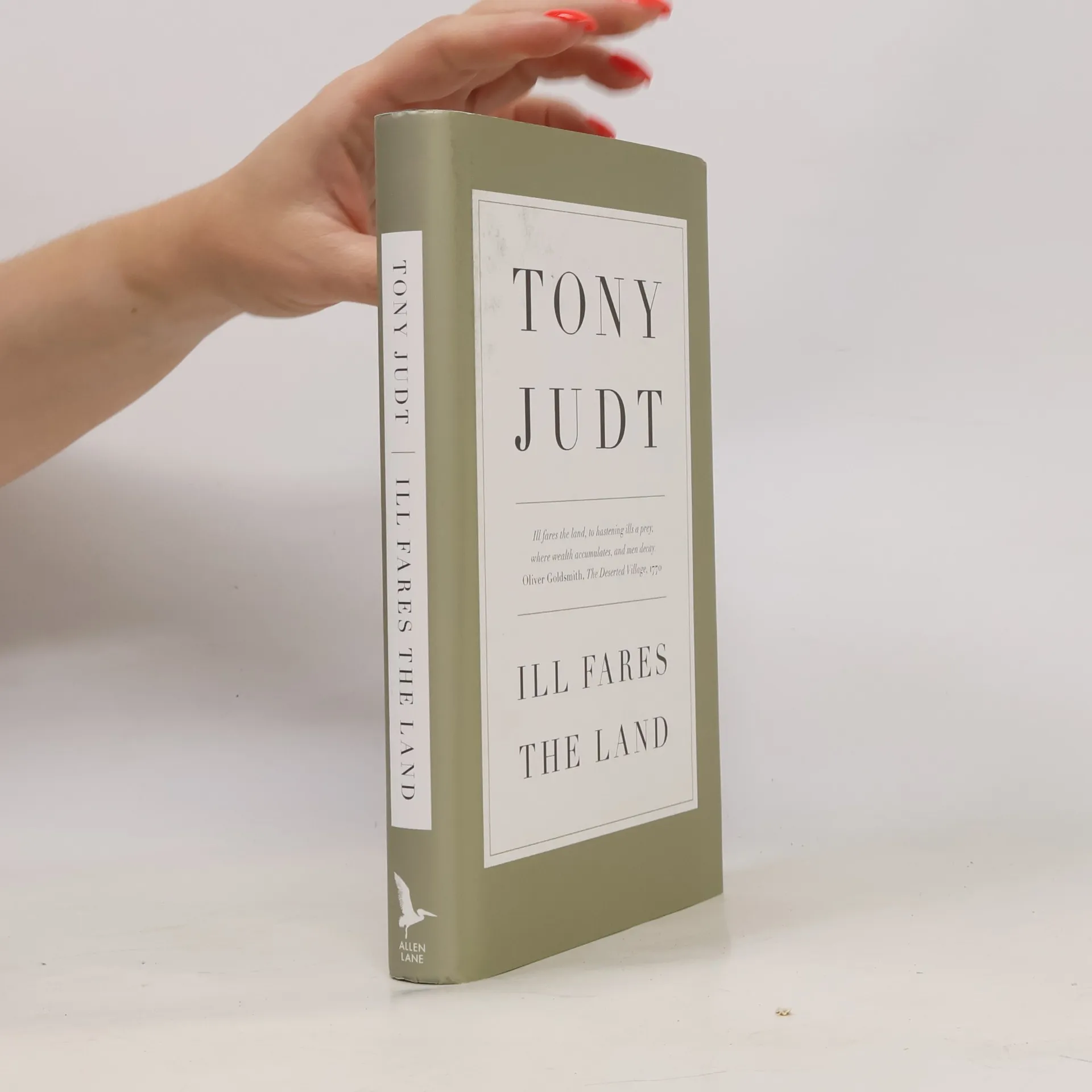
    Ill Fares the Land
    When the Facts Change
    The Memory Chalet
    Postwar. A history of Europe since 1945
    Past Imperfect
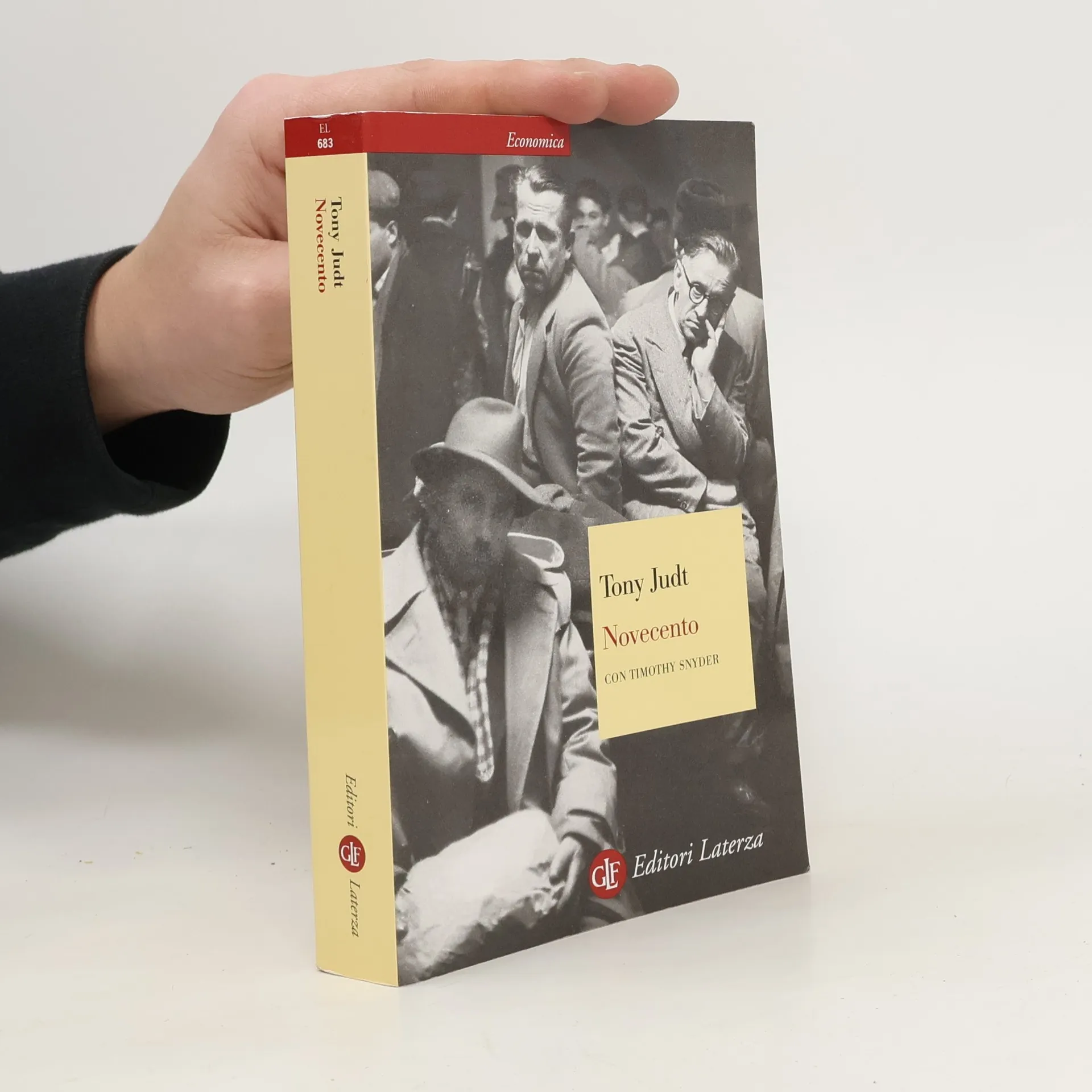
    Novecento. Il secolo degli intellettuali e della politica
    • V roce 1945 byla Evropa na kolenou. Značnou část evropských zemí těžce postihlo válečné ničení, masové vraždění, letecké bombardování a rozvrat. Prakticky celá východní polovina kontinentu upadla pod sovětskou nadvládu, jednu totalitu tam nahradila druhá. Tony Judt přináší příběh vzkříšení Evropy, která povstala z trosek, příběh sestupu a pádu sovětského komunismu a vzestupu Evropského společenství a Evropské unie, příběh konce evropských říší a obtížného a proměnlivého vztahu Evropy k válečné minulosti a ke dvěma supervelmocím, které jej vymezují, Rusku a Americe. Autor jasně a přehledně zachycuje jak celkový vývoj Evropy, tak i protikladné zkušenosti Evropanů na Východě a na Západě. Kniha, časově dovedená až po válku v Iráku a volbu papeže Benedikta XVI., nám nabízí pochopení smyslu moderní evropské historie a identity, tedy toho, jaká Evropa je a jaká byla. Právem ji můžeme označit za jedinečnou práci na téma Evropa naší doby.
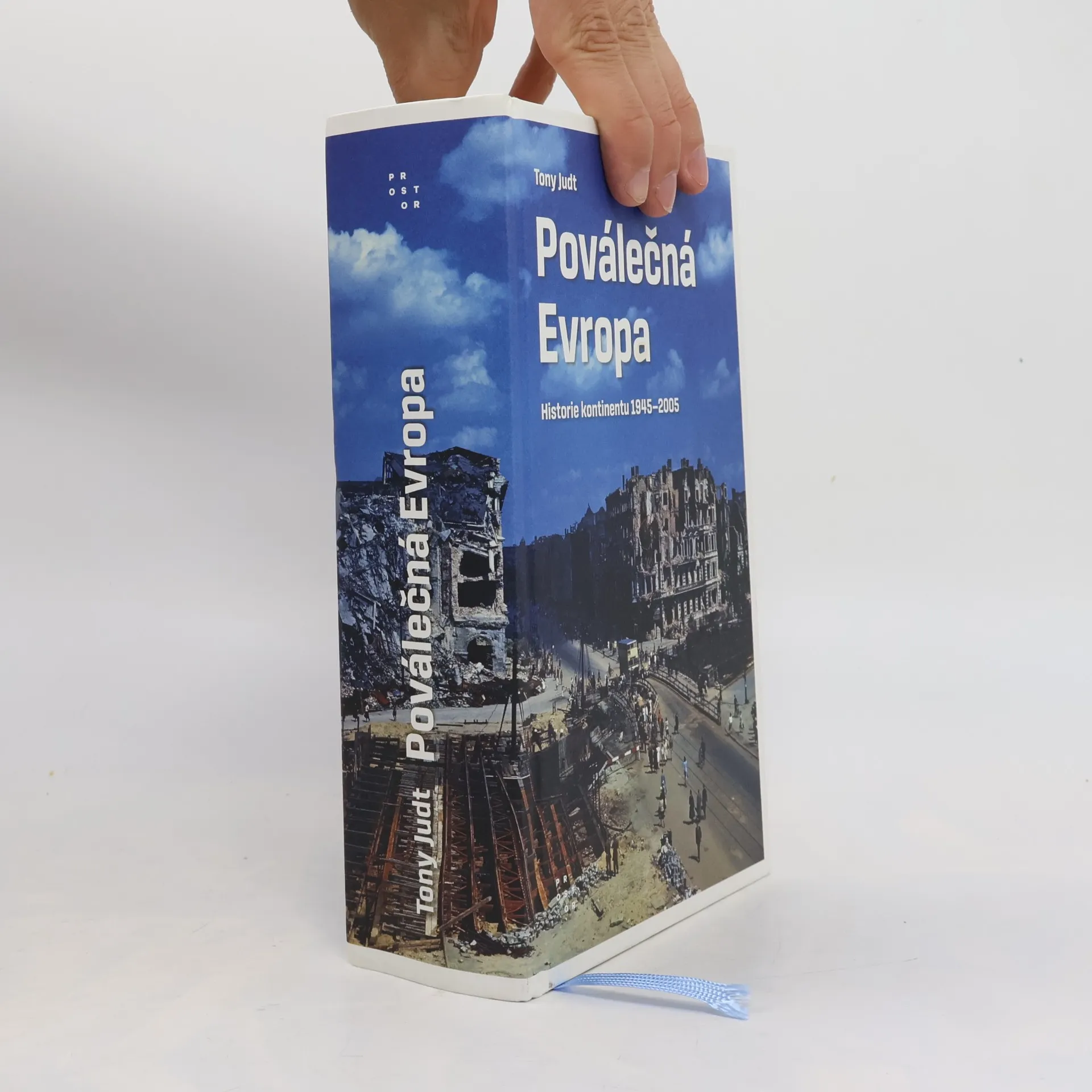
      Poválečná Evropa: Historie kontinentu od roku 1945-20052025
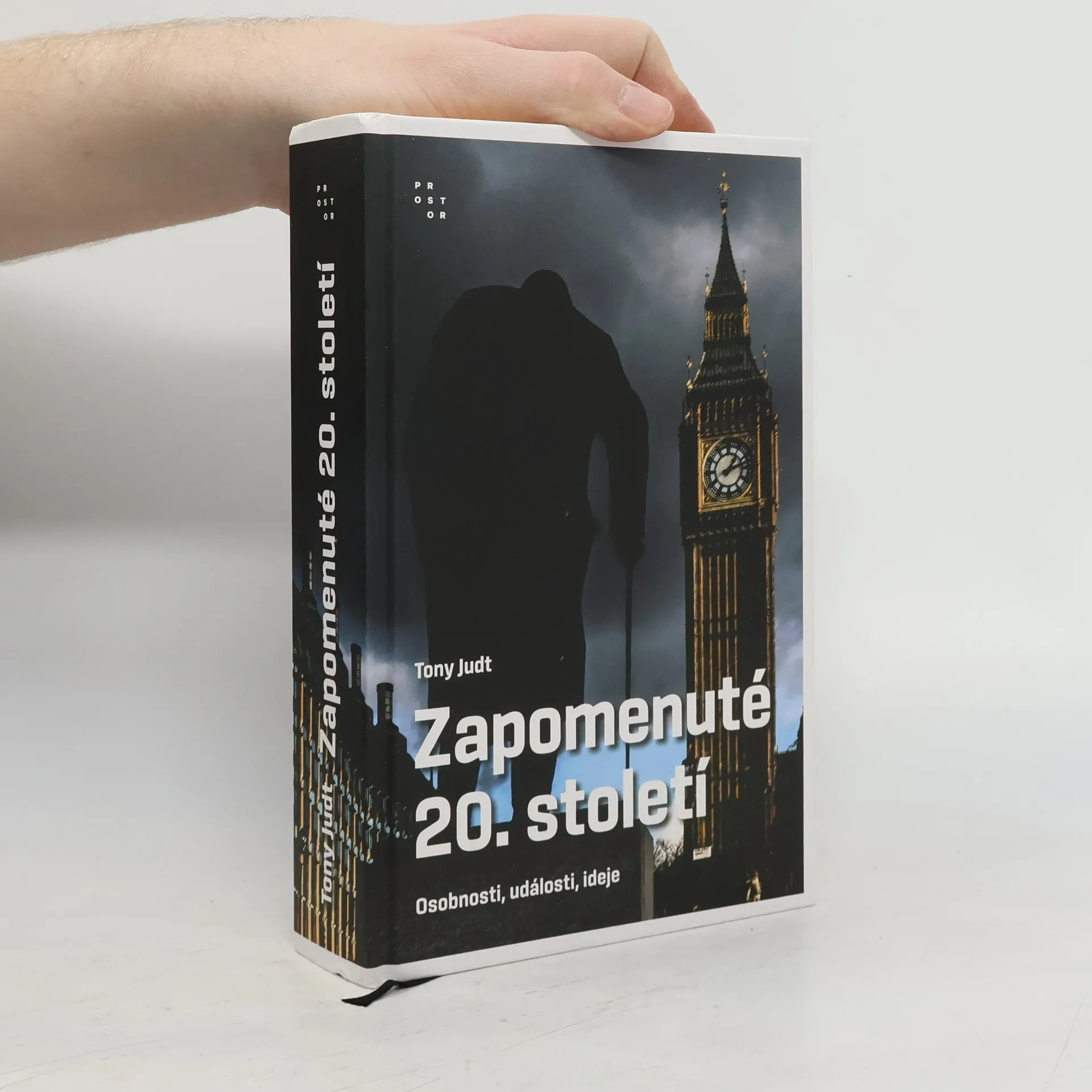
    • Brilantní britský historik, který se jako univerzitní profesor specializoval na moderní evropské dějiny, shromáždil 23 esejí z let 1994–2006. Na pozoruhodné škále osobností, událostí a idejí provádí Tony Judt nemilosrdnou pitvu iluzí po studené válce, že velké konflikty jsou bezpečně za námi, svět vstoupil do epochy míru a demokracie, a ukazuje, na co z historie 20. století zapomínáme a jak velká její část byla obětována mýtu o popření paměti. Nabízí cestu zpět ke smyslu dějin, který naléhavě potřebujeme.

      Zapomenuté 20. století: Osobnosti, události, ideje2024
      4,5
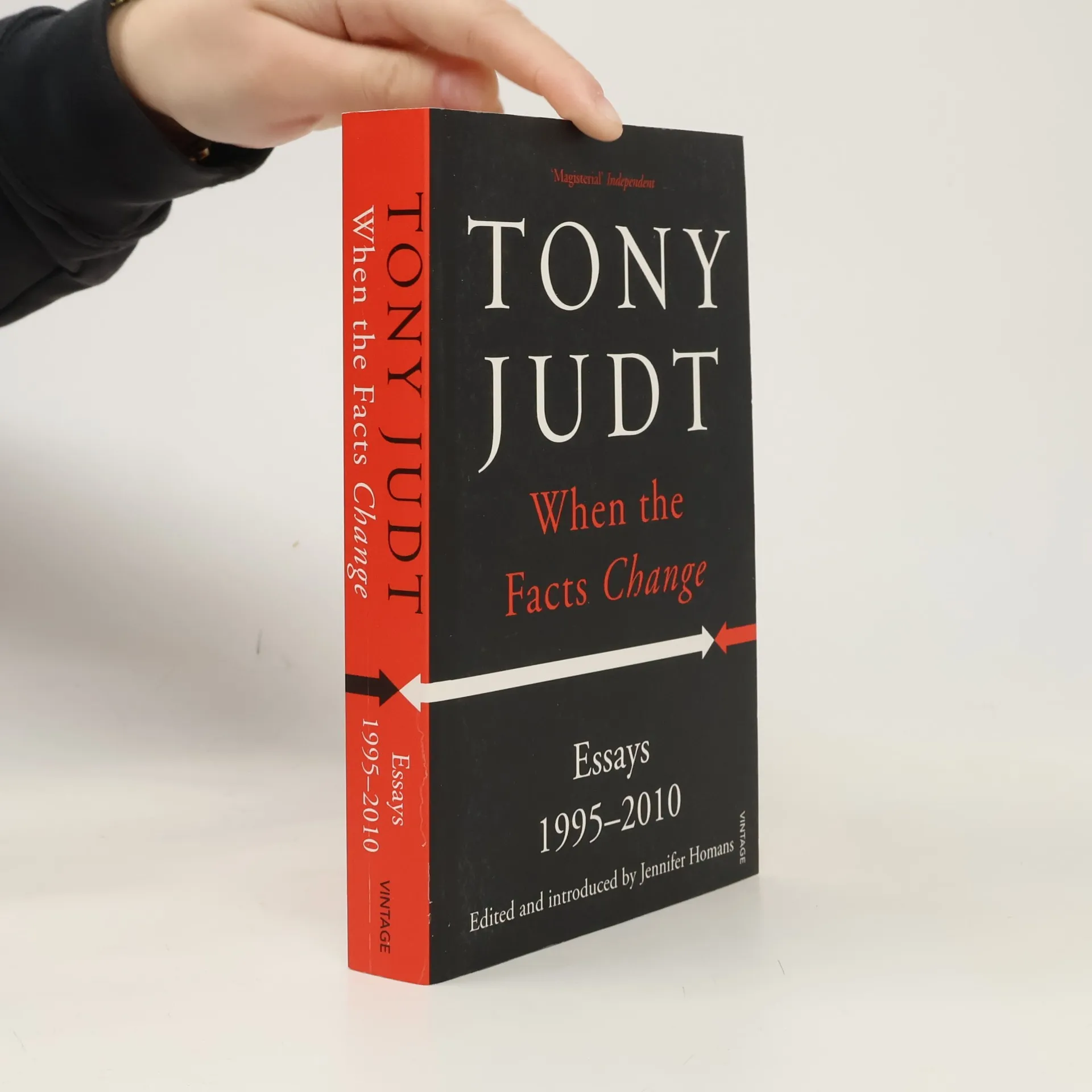
    • When the Facts Change

      • 400pagine
      • 14 ore di lettura

      The author's first collection of essays, Reappraisals, was centred on twentieth-century Europe in history and memory. In this book, his widow and fellow historian, gathers together important essays from the span of his career that chronicle both the evolution of his thought and the consistency of his passionate engagement and intellectual elan.

      When the Facts Change2015
      4,2
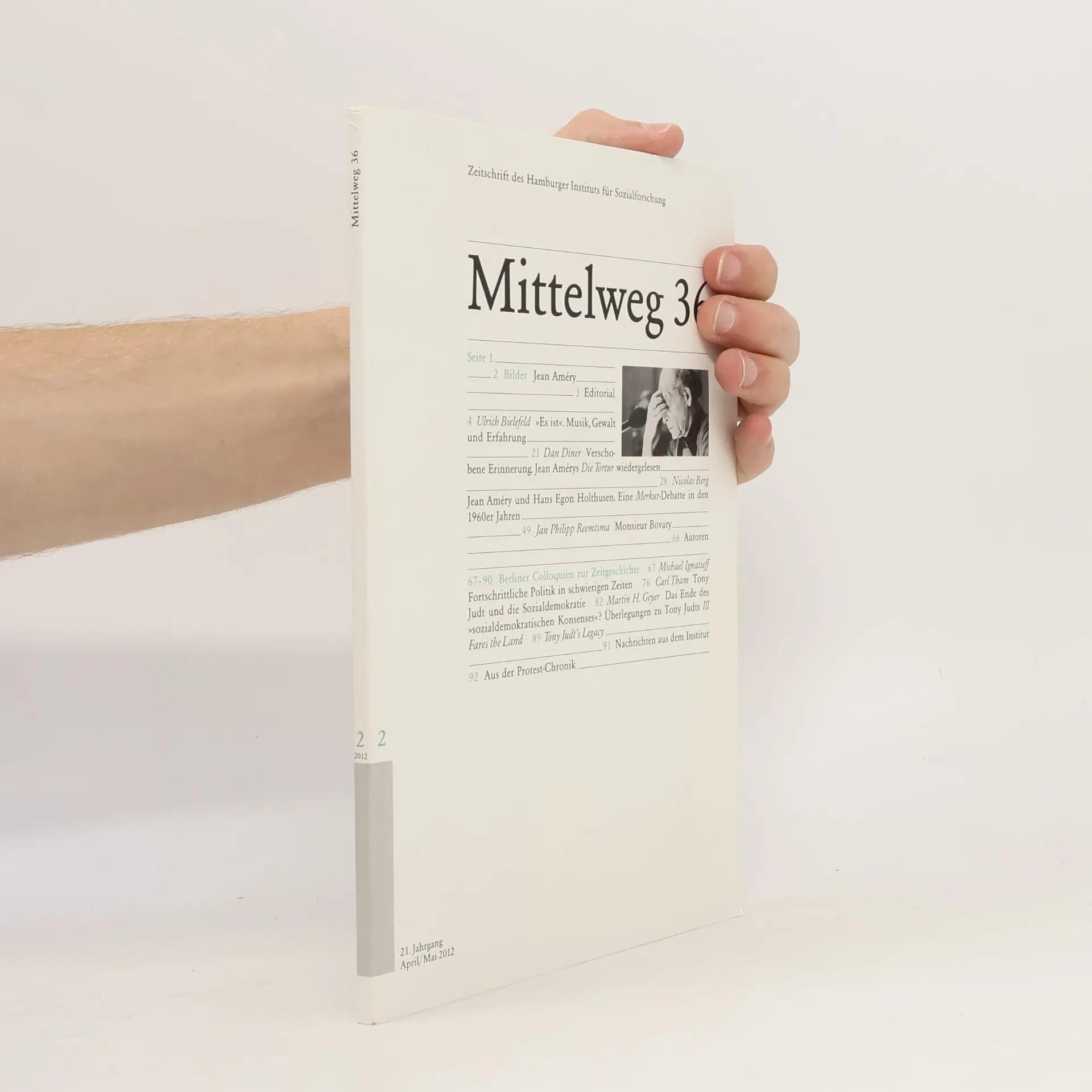
    • Mittelweg 36

      Zeitschrift des Hamburger Instituts für Sozialforschung

      • 96pagine
      • 4 ore di lettura
      Mittelweg 362012
    • Entrambi, io e Judt, sapevamo che il XX secolo poteva essere capito appieno solo da coloro che sono diventati storici perché hanno vissuto quel secolo e condiviso le sue passioni fondamentali: cioè la convinzione che la politica sia stata la chiave di volta sia delle nostre verità che dei nostri miti. Eric J. Hobsbawm Un bellissimo viaggio dentro il Novecento. Un libro originale come il suo autore, storico tra i più brillanti e riconosciuti, mai acquietato fino in fondo. Ebreo ma estraneo a quella comunità. Per un periodo sionista ma poi critico del sogno realizzato. Marxista riluttante e poi liberale dissidente. Professore blasonato ma anche studioso ribelle. L'indole da irregolare attraversa anche le conversazioni di Novecento. Come a dirci che solo un'inquieta estraneità permette uno sguardo più libero sul secolo breve. (Simonetta Fiori, "la Repubblica").

      Novecento. Il secolo degli intellettuali e della politica2012
      4,6
    • Past Imperfect

      French Intellectuals, 1944-1956

      • 348pagine
      • 13 ore di lettura

      A political analysis of the years between 1944-1956, reprinted to commemorate the work of Tony Judt

      Past Imperfect2011
      4,4
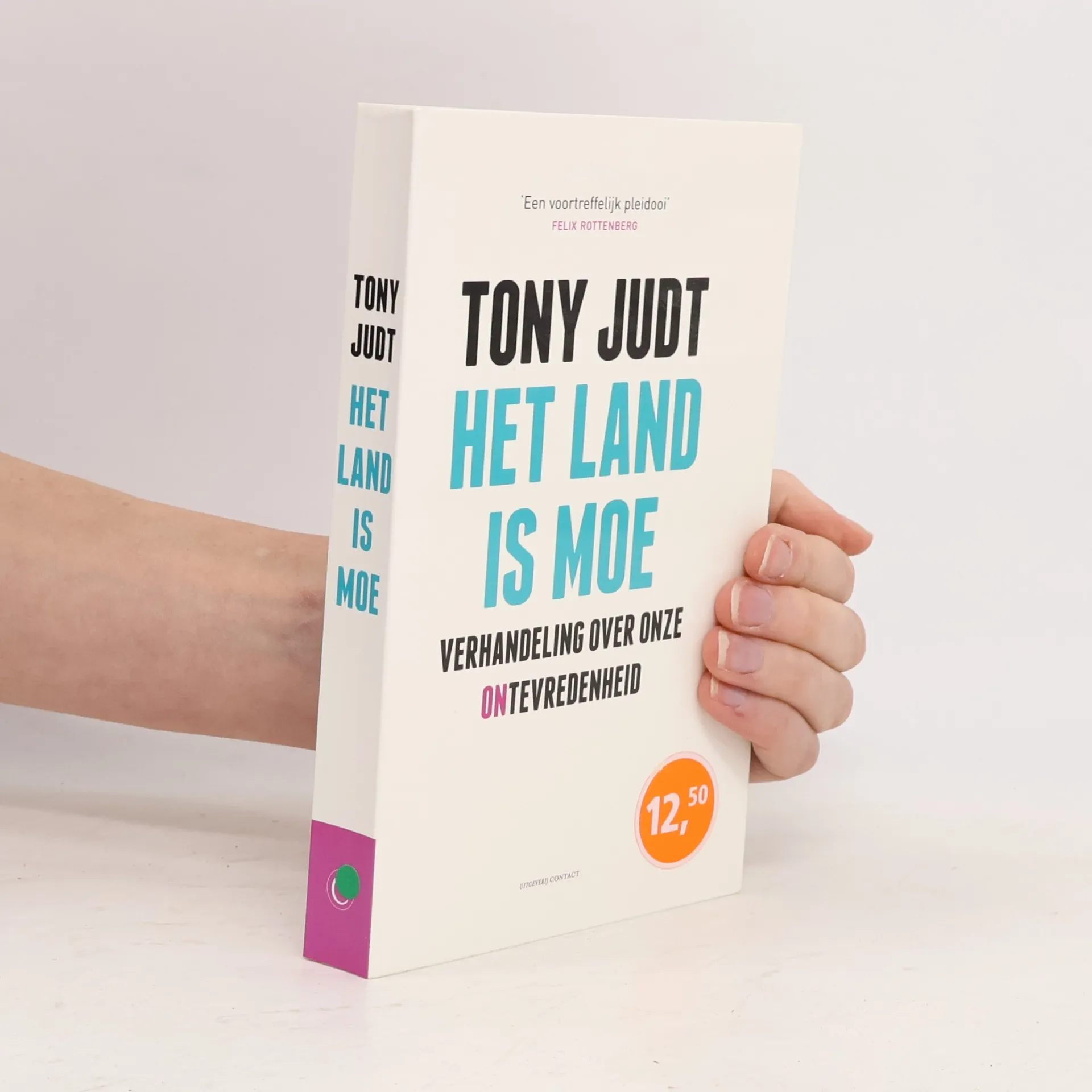
    • Het land is moe

      verhandeling over onze ontevredenheid

      • 238pagine
      • 9 ore di lettura

      Analyse van de huidige economische en politieke crisis en maatschappelijke onvrede, met voorstellen ter verbetering voor een op sociaaldemocratische principes gebaseerde samenleving.

      Het land is moe2010
    • Retour sur le XXème siècle

      • 618pagine
      • 22 ore di lettura

      Pour en finir avec l'ère de l'oubli De nos jours, les bouleversements géopolitiques sont si brusques que nous les oublions avant d'avoir pu les comprendre. C'est comme si un siècle de débats, de politique internationale, d'affaires sociales et d'enthousiasme collectif n'avait jamais existé. Nous ne savons plus d'où nous venons. Si cette ignorance croissante de notre passé est regrettable, notre hantise du futur s'avère pire encore. Nous ne parvenons plus à nous inscrire dans une tradition. Nous négligeons le rôle des idées et la responsabilité des intellectuels.Dans, Retour sur le XXe siècle , Tony Judt ressuscite les principaux courants fondateurs du monde moderne (le communisme, marxisme, capitalisme) et combat cette ère de l'oubli. Il nous rappelle à quel point les idées sont déterminantes : pour notre ancrage dans le présent et notre projection dans l'avenir. Il dénonce cette volonté active d'oublier, plutôt que de se souvenir, de nier la continuité pour proclamer à chaque occasion la nouveauté.D'un souffle rare, cet essai est ponctué d'analyses éblouissantes qui nous entrainent dans un voyage unique, par sa richesse et sa profondeur, à travers notre passé.

      Retour sur le XXème siècle2010
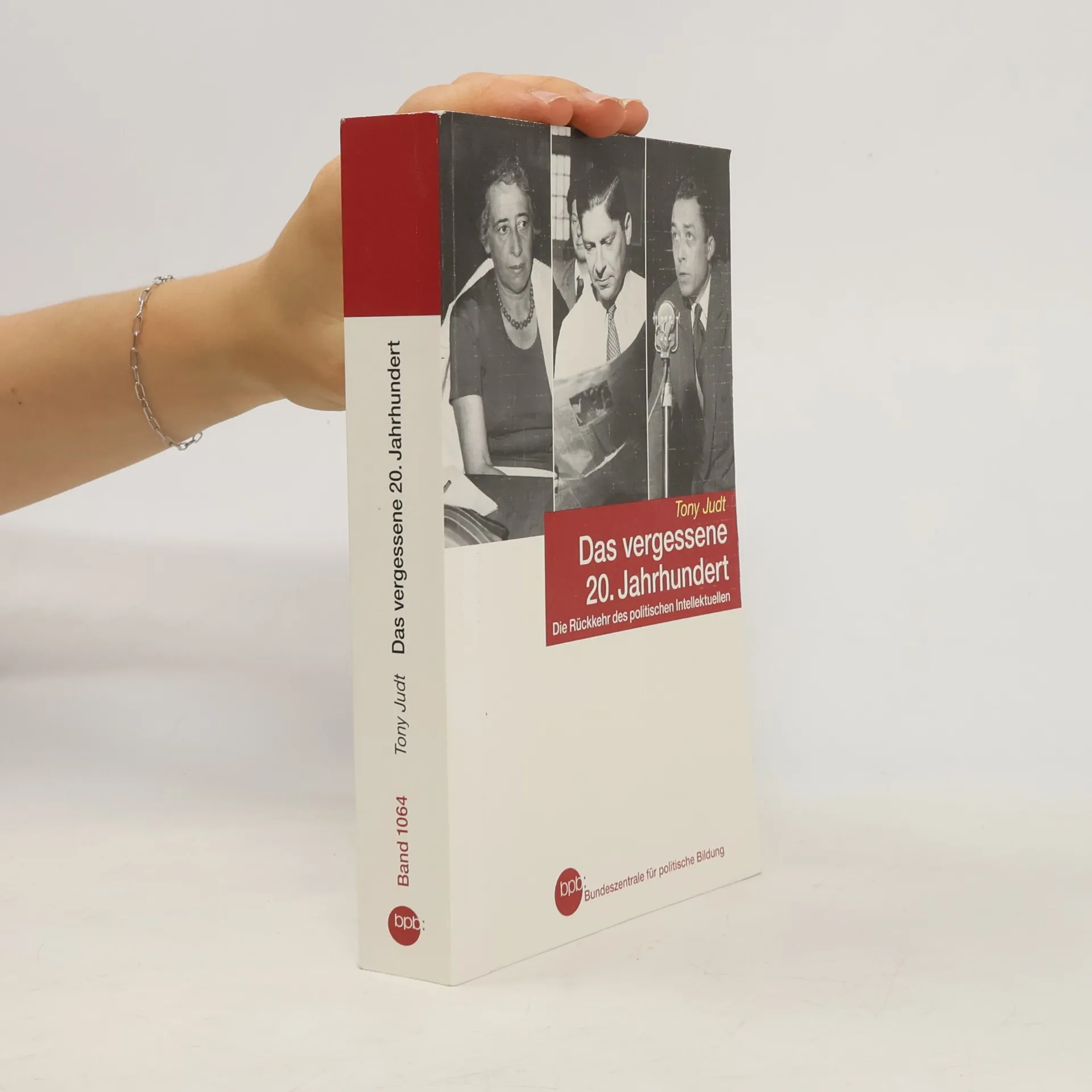
    • Das vergessene 20. Jahrhundert

      • 475pagine
      • 17 ore di lettura

      Was bedeutet soziale Gerechtigkeit? Welchen Platz nimmt Europa neben den Supermächten ein? In Zeiten der Krise rücken diese Grundsatzfragen wieder in den Mittelpunkt. Tony Judt präsentiert in seinem neuen Buch die politischen Denker des 20. Jahrhunderts, die mit ihren Argumenten die großen Debatten dieser Ära beherrschten: Hannah Arendt, Eric Hobsbawm, Albert Camus und viele mehr. Gerade heute, in einer Zeit, in der Politik und Geschichte wieder dramatische Wendungen nehmen, sollten wir sie neu entdecken.

      Das vergessene 20. Jahrhundert2010
      4,4
    • Ill Fares the Land

      • 256pagine
      • 9 ore di lettura

      As the economic collapse of 2008 made clear, the social contract that defined postwar life in Europe and America is no longer guaranteed. Historian Judt challenges readers to confront societal ills and shoulder responsibility for the world they live in.

      Ill Fares the Land2010
      4,1
    • The Memory Chalet

      • 240pagine
      • 9 ore di lettura

      The Memory Chalet by Tony Judt is a unique memoir that intertwines personal experiences with historical reflections. Through essays on topics like public civility and radical politics, Judt shares his journey from postwar London to New York, all while facing the challenges of a debilitating illness.

      The Memory Chalet2010
      4,3
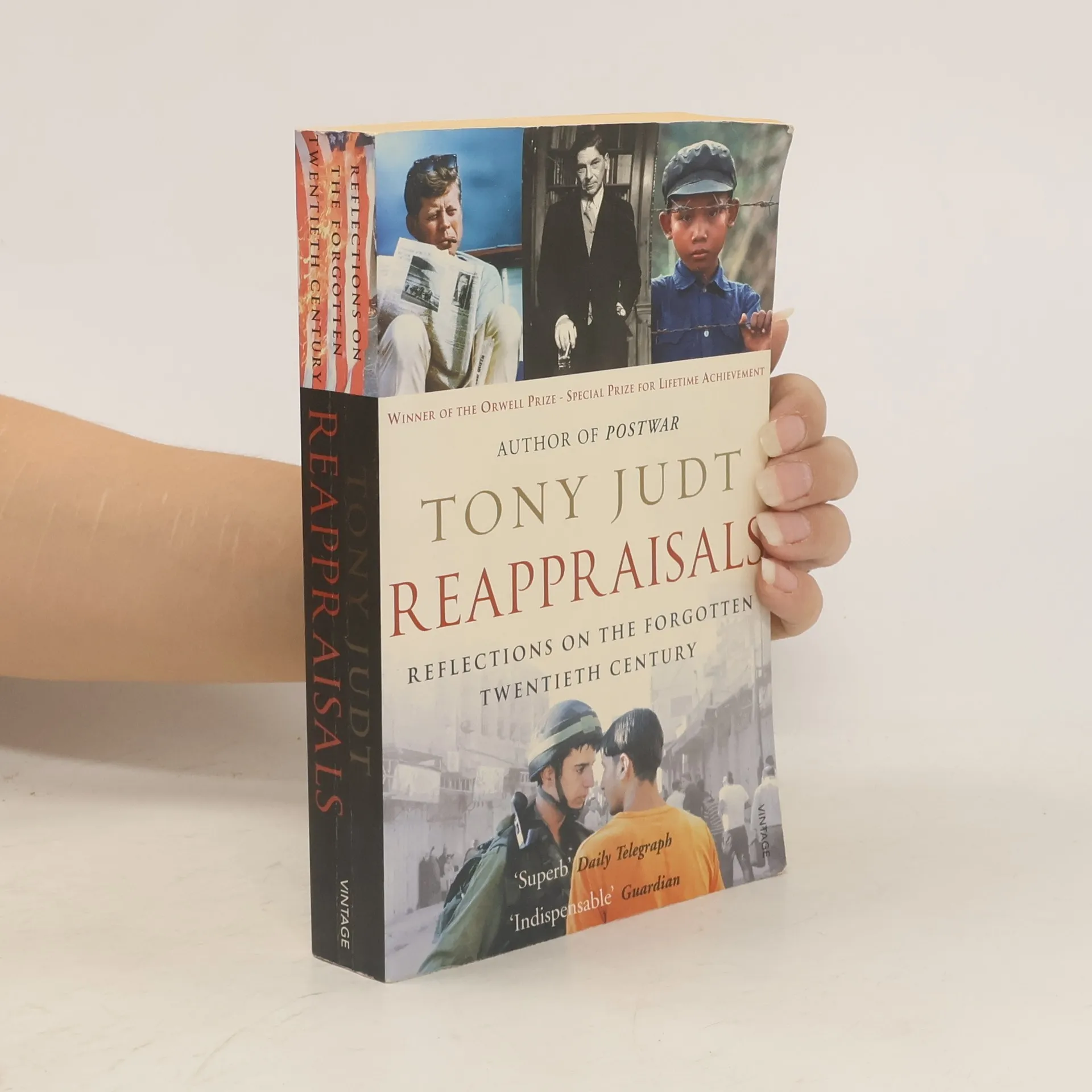
    • Argues that we have entered an 'age of forgetting', where we have set aside our immediate past before we could even begin to make sense of it. It examines the tragedy of twentieth-century Europe by way of thought-provoking pieces on Hannah Arendt, Edward Said, Albert Camus and Henry Kissinger amongst others.

      Reappraisals : Reflections on the Forgotten Twentieth Century2008
      4,0
    • Postwar. A history of Europe since 1945

      • 960pagine
      • 34 ore di lettura

      Finalist for the Pulitzer Prize • Winner of the Council on Foreign Relations Arthur Ross Book Award • One of the New York Times’s 100 Best Books of the 21st Century “Impressive . . . Mr. Judt writes with enormous authority.” —The Wall Street Journal “Magisterial . . . It is, without a doubt, the most comprehensive, authoritative, and yes, readable postwar history.” —The Boston Globe Almost a decade in the making, this much-anticipated grand history of postwar Europe from one of the world's most esteemed historians and intellectuals is a singular achievement. Postwar is the first modern history that covers all of Europe, both east and west, drawing on research in six languages to sweep readers through thirty-four nations and sixty years of political and cultural change-all in one integrated, enthralling narrative. Both intellectually ambitious and compelling to read, thrilling in its scope and delightful in its small details, Postwar is a rare joy.

      Postwar. A history of Europe since 19452005
      4,4
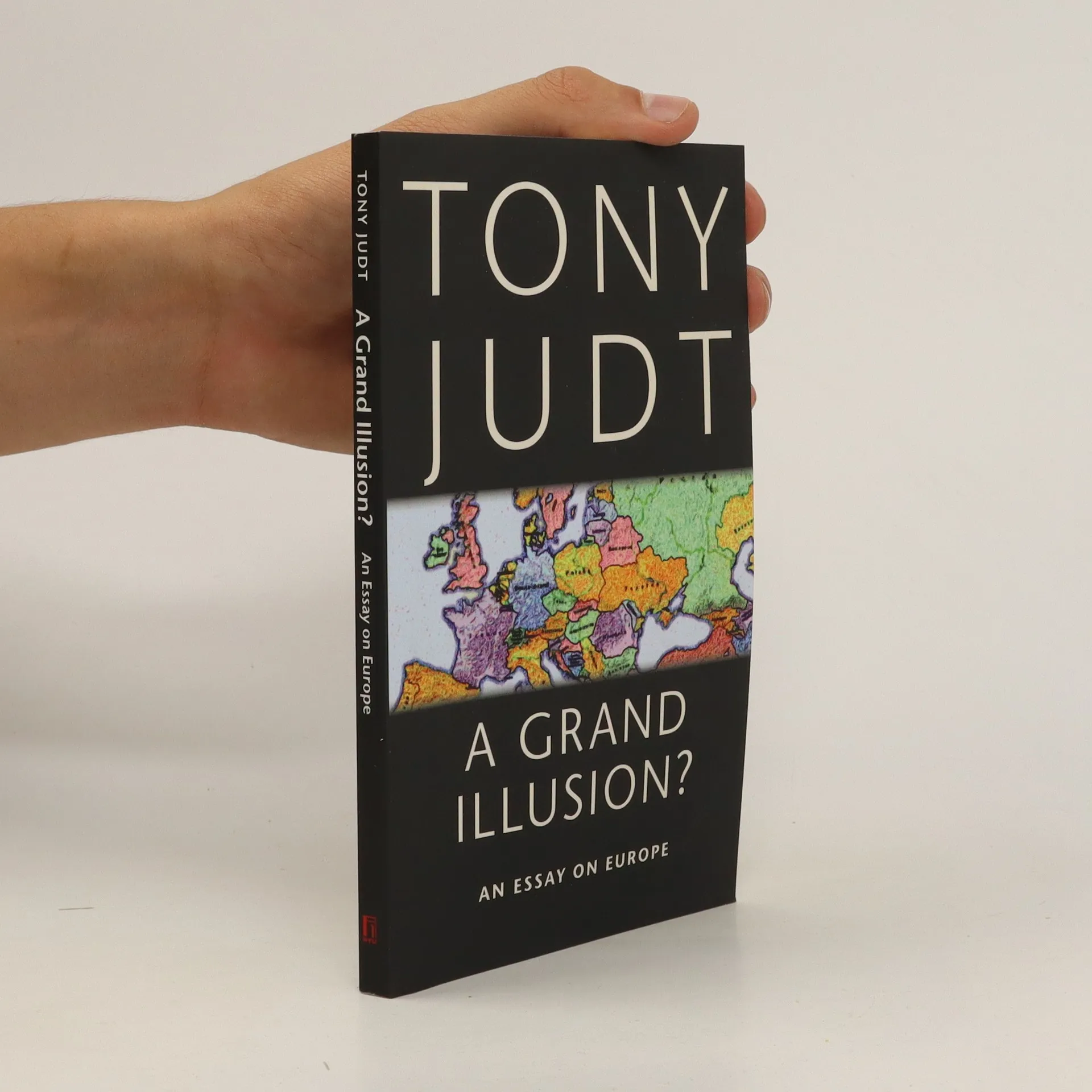
    • “I am enthusiastically European; no informed person could seriously wish to return to the embattled, mutually antagonistic circle of suspicious and introverted nations that was the European continent in the quite recent past. But it is one thing to think an outcome desirable, quite another to suppose it is possible. It is my contention that a truly united Europe is sufficiently unlikely for it to be unwise and self-defeating to insist upon it. I am thus, I suppose, a Euro-pessimist.” —Tony Judt

      A grand illusion? : an essay on Europe1996
      3,8