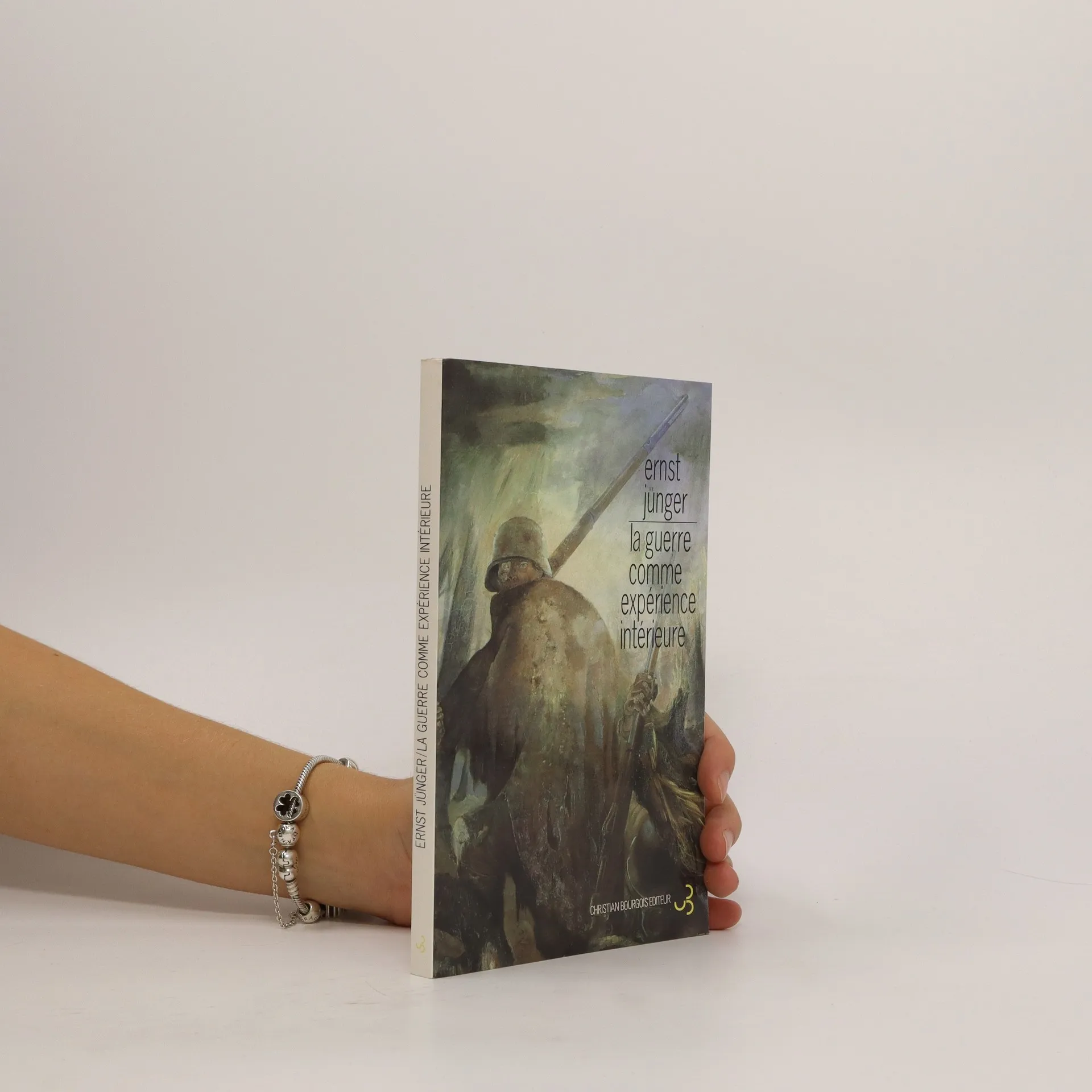
Ernst Jünger è stato un autore tedesco la cui opera è caratterizzata da un profondo esame dell'esperienza umana di fronte alla modernità e alla guerra. Il suo stile letterario è preciso, impiegando spesso immagini nitide e visive per trasmettere sensazioni intense e riflessioni filosofiche. Jünger contemplò l'impatto della tecnologia e del materialismo sull'anima, con una prospettiva spesso intransigente ma profondamente contemplativa. I suoi scritti, nonostante le controversie, offrono una lente unica sulla natura del coraggio, della sopravvivenza e sulla ricerca di significato nel caos.
Ernst Jünger’s masterful prose has been translated from the German by Annabel Moynihan. This edition also contains an introduction by Ernst Jünger expert Elliot Neaman and illustrations by Fredrik Söderberg.
Una raccolta di brevi saggi e prosa leggermente poetica. Riflessioni inquietanti, in parte surreali, con percezioni accurate delle esperienze psicologiche e sensoriali, accompagnate da considerazioni filosofiche su colori, odori, insetti, piante, ansia, esistenza, cultura e altro ancora.
Giovanissimo ufficiale durante la prima guerra mondiale, Jünger viene richiamato alle armi nel '39. Sull'esperienza della seconda guerra mondiale costruisce un libro-testimonianza: Irradiazioni. Sotto lo sguardo dell'autore passano tutti i personaggi di questa tragedia: i colti ufficiali dissidenti e gli uomini di regime, intellettuali come Carl Schmitt e letterati come Cocteau, primattori della catastrofe e complici ottusi, generali impegnati sul fronte orientale e generali in ozio a Parigi. E un'infinità di vicende, che tutte si fondono nell'infiammato finale: l'arrivo dei primi carri americani a Kirchorst, accompagnato dalle ultime parole del diario: "Non ci si può più riavere dopo una tale sconfitta".
Nei primi anni del dopoguerra, mentre si andava delineando quella integrazione planetaria nel nome della tecnica che oggi è sotto gli occhi di tutti, Ernst Jünger elaborò questo testo, apparso nel 1951, oggi più affilato che mai. La figura del Ribelle jüngeriano corrisponde a quella dell'anarca, del singolo braccato da un ordine che esige innanzitutto un controllo capillare e al quale egli sfugge scegliendo di «passare al bosco» – dissociandosi, una volta per sempre, dalla società. Il Ribelle jüngeriano sente di non appartenere più a niente e «varca con le proprie forze il meridiano zero». Tutta l'eredità del nichilismo, del radicalismo romantico e della furia anti-moderna si concentra in questa figura, qui osservata come facendo ruotare un cristallo. Letto oggi, questo testo appare di una impressionante preveggenza, quasi un guanto di sfida gettato in nome di una libertà preziosa: «la libertà di dire no».
Written in 1932, just before the fall of the Weimar Republic and on the eve of
the Nazi accession to power, Ernst Junger's The Worker: Dominion and Form
articulates a trenchant critique of bourgeois liberalism and seeks to identify
the form characteristic of the modern age. Junger's analyses are inspired by a
profound intuition of the movement of history.
"Ernst Jeunger's Eumeswil is a post-apocalyptic novel that combines elements of dystopian science fiction with a sustained philosophical reflection on the predicament of the individual in the face of the intrusive powers of the state and technology. Set in an undated future, the novel follows the reflections of Martin Venator, a historian living in the city-state of Eumeswil, ruled by a dictator known as the Condor. Venator regards himself as an "anarch," a figure who quietly accommodates himself to life within a dictatorship while simultaneously pursuing a life of inward resistance. As an anarch, Venator is a figure without loyalty to anyone but himself, yet at the same time he must also take careful measures to maintain the security of his current situation and to provide a means for escape in the event the government is overthrown"--
"In Approaches, Ernst Jünger-decorated German officer of the two world wars, "conservative revolutionary," Hitler critic, and a prolific novelist-describes his experiences with drugs, ranging from youthful drinking bouts, through experiments with hashish and morphine, to mescaline, peyote and LSD. Taking his readers on a remarkable journey from beer to hallucinogen, he provides fascinating vignettes from key moments in Germany's troubled twentieth century. Approaches is also a fundamentally philosophical, even spiritual journey toward hidden dimensions of existence which, in Jünger's view, have been eclipsed by the ambient noise of modern life. The ecstatic altered states provided by drug use, he claims, can help us approach them and find a deeper truth"-- Provided by publisher
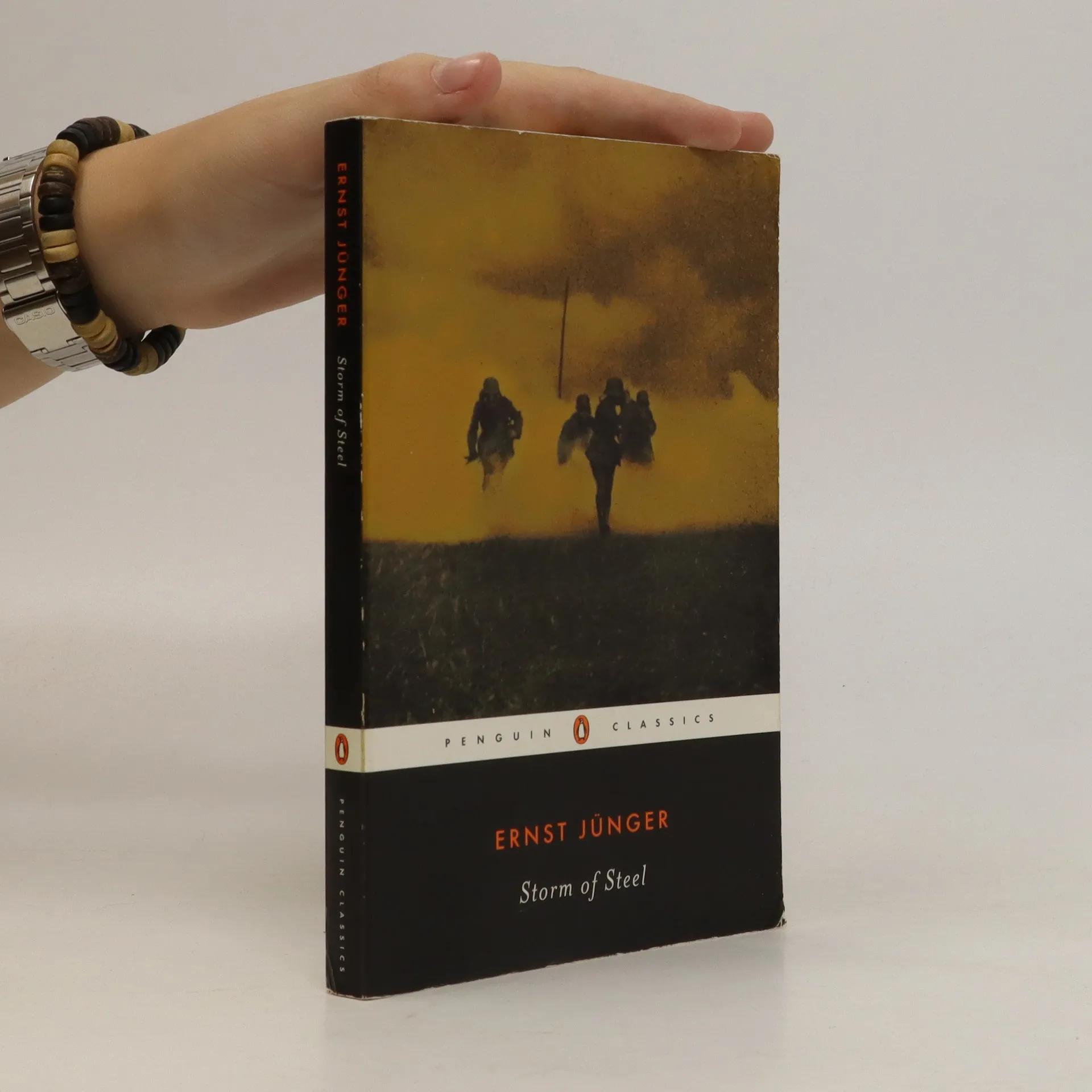
The memoir widely viewed as the best account ever written of fighting in WW1 A memoir of astonishing power, savagery, and ashen lyricism, Storm of Steel illuminates not only the horrors but also the fascination of total war, seen through the eyes of an ordinary German soldier. Young, tough, patriotic, but also disturbingly self-aware, Jünger exulted in the Great War, which he saw not just as a great national conflict but—more importantly—as a unique personal struggle. Leading raiding parties, defending trenches against murderous British incursions, simply enduring as shells tore his comrades apart, Jünger kept testing himself, braced for the death that will mark his failure. Published shortly after the war’s end, Storm of Steel was a worldwide bestseller and can now be rediscovered through Michael Hofmann’s brilliant new translation. For more than sixty-five years, Penguin has been the leading publisher of classic literature in the English-speaking world. With more than 1,500 titles, Penguin Classics represents a global bookshelf of the best works throughout history and across genres and disciplines. Readers trust the series to provide authoritative texts enhanced by introductions and notes by distinguished scholars and contemporary authors, as well as up-to-date translations by award-winning translators.
Set against the backdrop of the Second World War, this work reflects Ernst Jünger's vision for Europe's future amidst turmoil and devastation. It serves not only as a historical document but also as a profound statement of hope and principle, showcasing Jünger's insights as a significant thinker of the 20th century. His exploration of the challenges facing Western Civilization offers a thoughtful perspective on resilience and the potential for renewal after years of conflict.
A complete English translation of the correspondence between the philosopher Martin Heidegger and the novelist and essayist Ernst Jünger, together with a translation of Jünger's essay Across the Line.
Written and published in 1934, a year after Hitler's rise to power in Germany, Ernst Jünger's On Pain is an astonishing essay that announces the rise of a new metaphysics of pain in a totalitarian age. One of the most controversial authors of twentieth-century Germany, Jünger rejects the liberal values of liberty, security, ease, and comfort, and seeks instead the measure of man in the capacity to withstand pain and sacrifice. Jünger heralds the rise of a breed of men who--equipped with an unmatched ability to treat themselves and others in a cold and detached way--become one with new, terrorizing machines of death and destruction in human-guided torpedoes and manned airborne missiles, and whose "peculiarly cruel way of seeing," resembling the insensitive lens of a camera, anticipates the horrors of World War II. With a preface by Russell A. Berman, and an introduction by translator David C. Durst, this remarkable essay not only provides valuable insights into the cult of courage and death in Nazi Germany, but also throws light on the ideology of terrorism today.<
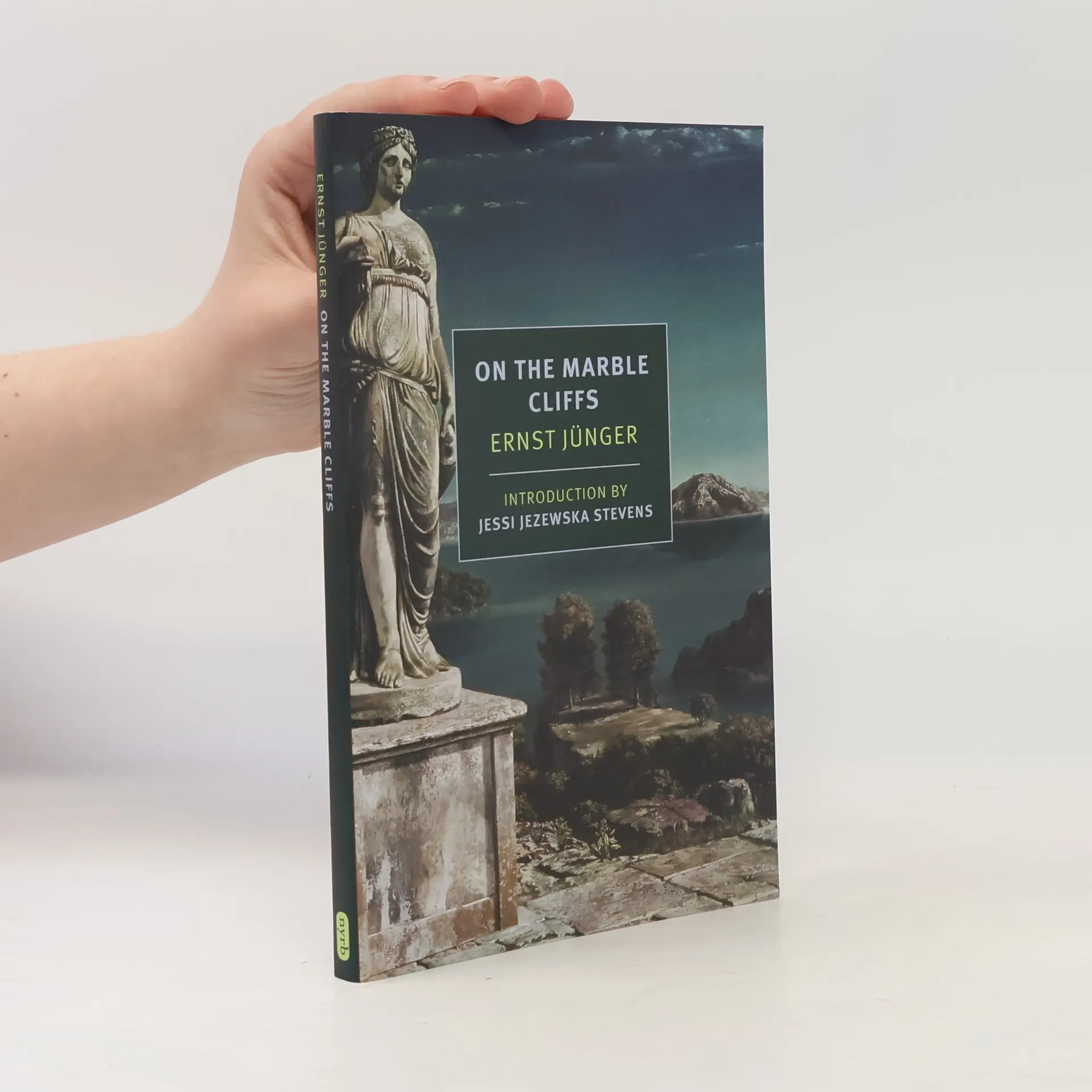
Now in a new translation, an imaginative, darkly radiant fable about a pair of brothers, formerly warriors, whose idyll is shattered by an encroaching fascistic force. Set in a world of its own, Ernst Jünger’s On the Marble Cliffs is both a mesmerizing work of fantasy and an allegory of the advent of fascism. The narrator of the book and his brother, Otho, live in an ancient house carved out of the great marble cliffs that overlook the Marina, a great and beautiful lake that is surrounded by a peaceable land of ancient cities and temples and flourishing vineyards. To the north of the cliffs are the grasslands of the Campagna, occupied by herders. North of that, the great forest begins. There the brutal Head Forester rules, abetted by the warrior bands of the Mauretanians. The brothers have seen all too much of war. Their youth was consumed in fighting. Now they have resolved to live quietly, studying botany, adding to their herbarium, consulting the books in their library, involving themselves in the timeless pursuit of knowledge. However, rumors of dark deeds begin to reach them in their sanctuary. Agents of the Head Forester are infiltrating the peaceful provinces he views with contempt, while peace itself, it seems, may only be a mask for heedlessness. Tess Lewis’s new translation of Jünger’s sinister fable of 1939 brings out all of this legendary book’s dark luster.
In The Glass Bees the celebrated German writer Ernst Jünger presents a disconcerting vision of the future. Zapparoni, a brilliant businessman, has turned his advanced understanding of technology and his strategic command of the information and entertainment industries into a discrete form of global domination. But Zapparoni is worried that the scientists he depends on might sell his secrets. He needs a chief of security, and Richard, a veteran and war hero, is ready for the job. However, when he arrives at the beautiful country compound that is Zapparoni's headquarters, he finds himself subjected to an unexpected ordeal. Soon he is led to question his past, his character, and even his senses....
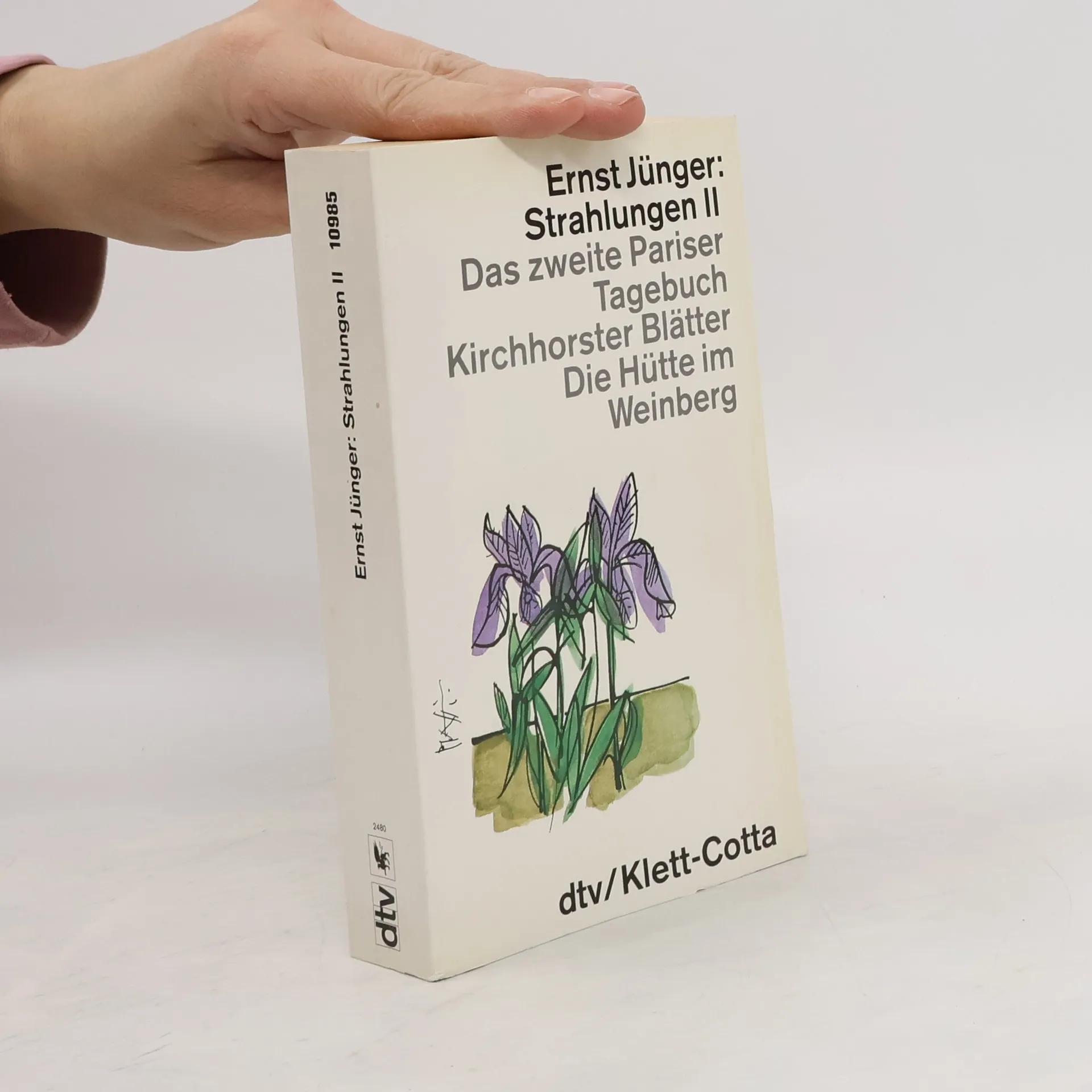
Drei Tagebücher bilden diesen Band: das „Zweite Pariser Tagebuch“ (1943-1944), „Hojas de Kirchhorst“ (1944-1945) und „Die Hütte im Weinberg (Jahre der Besatzung)“ (1945-1948). Darin erzählt Jünger fast Tag für Tag von seiner Erfahrung der deutschen Besatzung, insbesondere in der Stadt Paris, bis plötzlich die Ereignisse eintraten, die zum Fall der französischen Hauptstadt und zur Befreiung führten. Nur wenige können über diesen so widersprüchlichen Zeitraum der zeitgenössischen Geschichte so berichten wie Jünger, insbesondere über die Jahre, die er seit dem Ersten Weltkrieg als „Jahre der Katastrophe“ bezeichnet. Mit seinen Aufzeichnungen aus dieser Zeit setzen wir die Veröffentlichung der Tagebücher des deutschen Denkers in der Sammlung Zeit des Gedächtnisses fort.
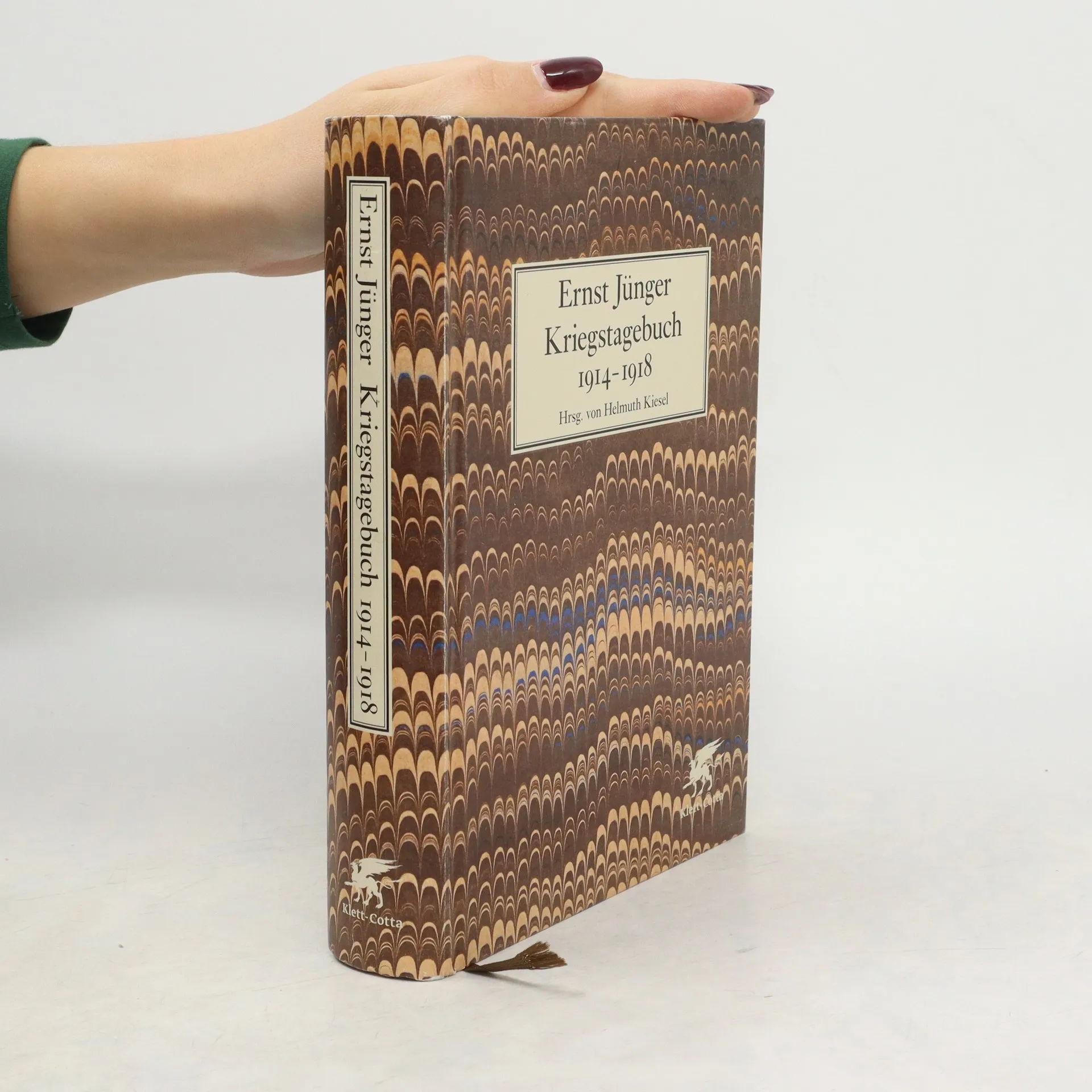
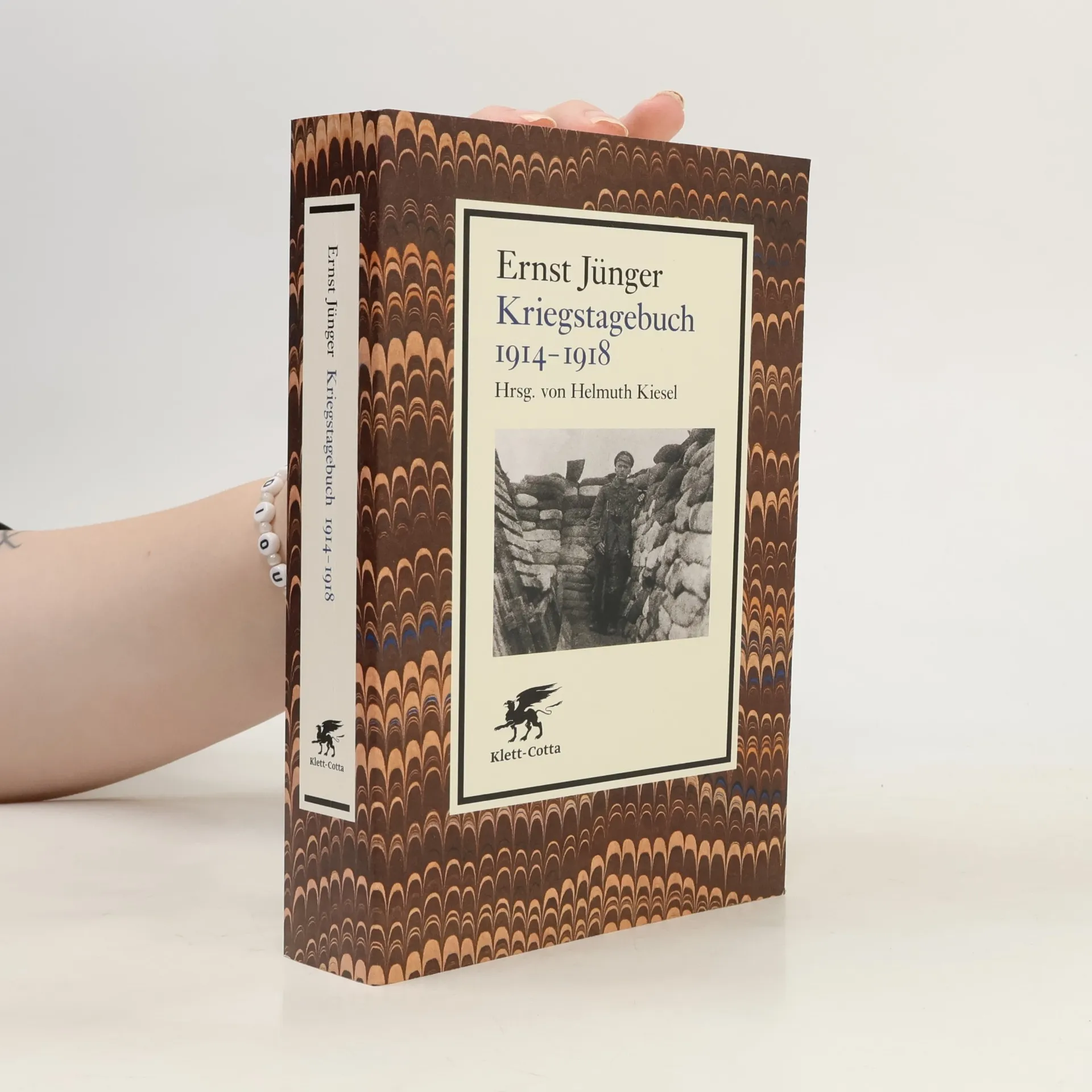
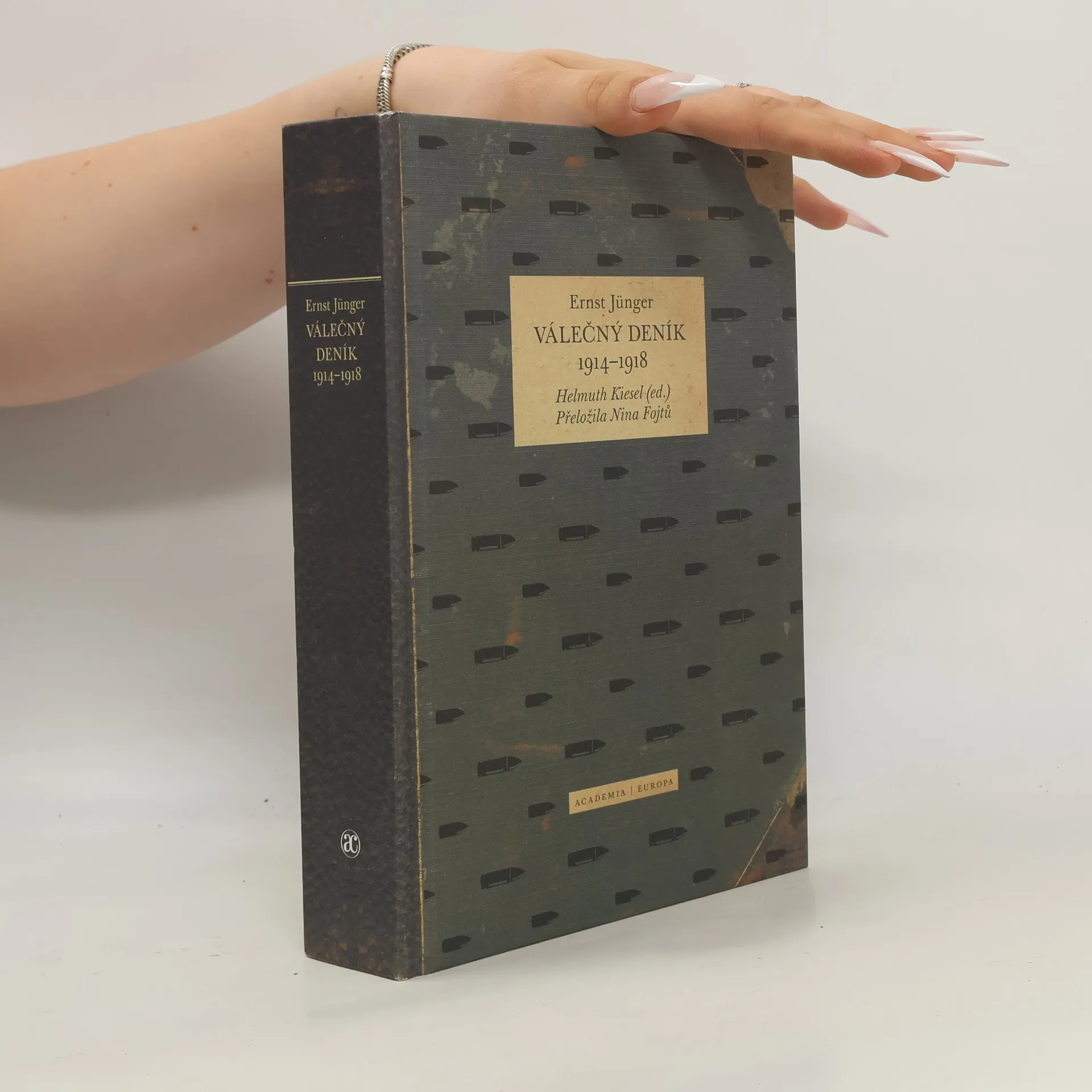
Ernst Jünger odchází do první světové války jako dobrovolník, poté co ve svých devatenácti opouští nenáviděná studia. Jeho rozhodnutí není politického ani nacionalistického rázu, nýbrž ryze egoistické povahy a je výsledkem adolescentní touhy po zkušenostech a dobrodružství. Po celou dobu pobytu na frontě si poctivě vede deník. Od prvního okamžiku v zákopech na přelomu let 1914/1915 až do počátku září 1918, kdy je po svém posledním zranění převezen zpět do Německa. Stěží najdeme jiný deník, který by první světovou válku dokumentoval po tak dlouhou dobu a s takovou intenzitou, díky tomu se stává kronikou života na frontě a unikátním svědectvím doby.
Svou studii "Dělník: Hegemonie a figura" vydal Ernst Jünger roku 1932. Patří k jeho zásadním esejistickým textům a odráží se v ní jeho dějinně filozofické a politické smýšlení, které se u něj vyvíjelo v reakci na zážitky první světové války a na poválečný společenský kontext nejenom v Německu. Dělník je v Jüngerově podání oproštěn od svých tradičních socioekonomických vztahů a vystupuje ve své dehistorizované roli jako nezávisle působící veličina, která utváří novou skutečnost. Jeho nárok na hegemonii nad společností, hospodářstvím a státem spočívá podle Jüngera v jeho přirozeném vztahu k moci. Mezi další témata, kterými se zde autor zaobírá, patří práce jako způsob života, nebo technika jako způsob, kterým figura dělníka mobilizuje svět.
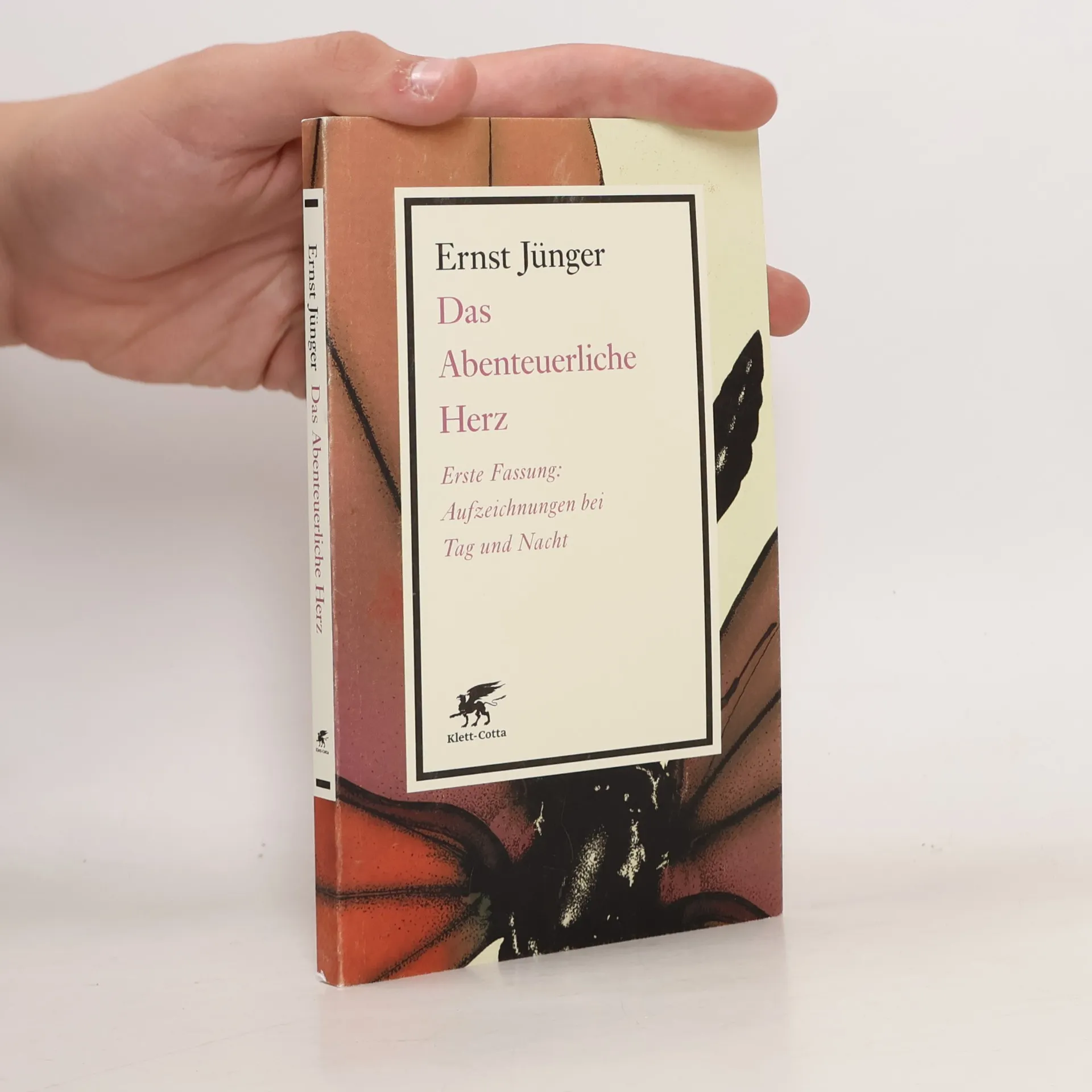
Jüngers Prosavignetten in ihrer ersten Fassung – ein Wendepunkt seines literarischen Schaffens. Das Buch, erstmals 1929 erschienen, nimmt unter Jüngers Schriften eine Schlüsselstellung ein, auch gegenüber der späteren, stark veränderten Fassung »Das Abenteuerliche Herz. Figuren und Capriccios« (1938). Es stammt aus der Zeit, als die literarischen Aggressionen dieses Autors noch in engem Zusammenhang mit seiner nationalrevolutionären Publizistik geschahen. Jüngers Nähe und Differenz zu anderen literarischen Bestrebungen, vor allem denen des Surrealismus, werden nirgends so deutlich wie hier. Jünger war bereits als Autor der Kriegsbücher in Erscheinung getreten und bekannt geworden. Doch mit diesem Werk, das gleichwohl noch den zeitgeschichtlichen Bezug erkennen lässt, wandelt sich Jünger auch vom Kriegsschriftsteller zum Literaten.
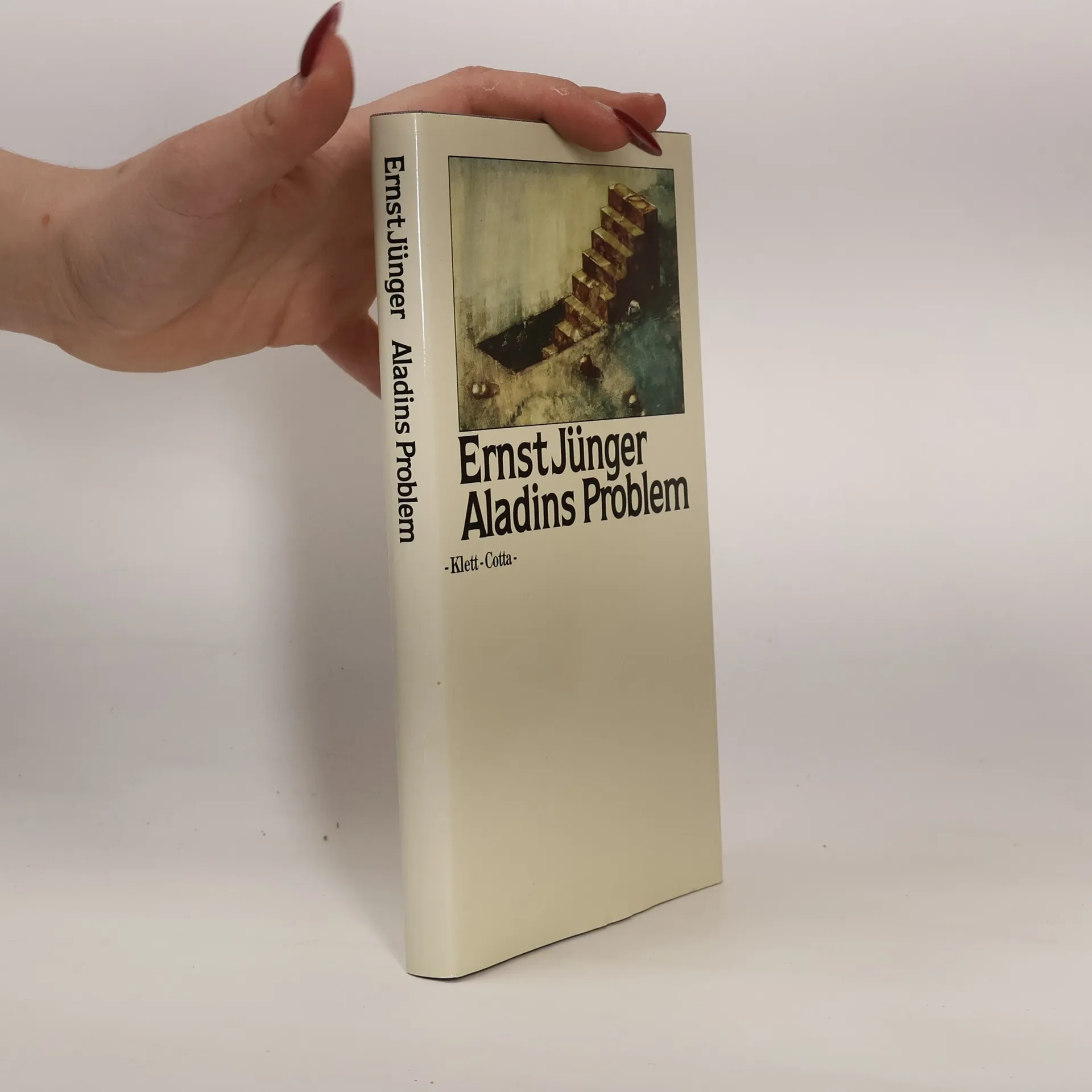
In diesem Band wird die Veröffentlichung der Tagebuchwerke von Ernst Jünger fortgesetzt, in denen seine vielfältigen Facetten offenbart werden: der unermüdliche Reisende im Mittelmeer und im Fernen Osten, der Entomologe, der von seinen subtilen Jagden begeistert ist, der Botaniker, der Schönheit im bescheidensten Spross findet, und der bibliofile Sammler von Reiseberichten und Klassikern wie Schopenhauer und Nietzsche. Jünger zeigt sich auch als Denker, der sich mit den entmenschlichenden Fortschritten der Technik, dem Titanismus und dem Tod der Götter auseinandersetzt. In dieser Zeit verfasste er Schlüsselwerke wie "Das Aladin-Problem" und "Der Autor und das Schreiben", in denen er über die Moderne und die Transzendenz nachdenkt. Seine Korrespondenz mit Freunden wie seinem Verleger Ernst Klett und Carl Schmitt ist ebenfalls enthalten, ebenso wie Anmerkungen zur Sprache, Beschreibungen von Kunstwerken, literarische Kuriositäten, Kommentare zu Träumen — die er als eine essentielle Form des Wissens betrachtet — Reiseaufzeichnungen und tiefgründige Überlegungen zu historischen Archetypen. Jüngers klare Prosa vermittelt seine unstillbare Neugier und festigt ihn als einen der herausragendsten Memorialisten des 20. Jahrhunderts.
Jünger und Andres haben sich des öfteren getroffen, Andres machte mehrere Besuche in Kirchhorst, Jünger besuchte 1950 die Uraufführung des Stückes, das Andres im Nachkriegsdeutschland bekannt machte: »Gottes Utopia«. Die Briefe behandeln künstlerische und familiäre Fragen, Probleme der jeweiligen Veröffentlichungsstrategie und die Erfahrungen, die auf vielfältigen Reisen gesammelt wurden. Rund sechzig Briefe und Karten wurden zwischen beiden Partnern ausgetauscht, die in diesem Band kommentiert und in den Zusammenhang des jeweiligen schriftstellerischen Werks gestellt werden. Tagebuchnotizen Jüngers, die sich auf Andres beziehen, sind mit aufgenommen, des weiteren zwei vehemente Verteidigungsschriften, in denen Andres anlässlich der Nachkriegsdiskussion um Jünger seinen Schriftstellerkollegen verteidigt.
Friedrich Hielscher, ein Publizist und Privatgelehrter, trat in seiner Schulzeit einem Freicorps bei, verweigerte jedoch die Teilnahme am Kapp-Putsch. Nach einem Jurastudium in Berlin und Jena gab er seine Tätigkeit am Berliner Kammergericht bald auf. Zu seinen Bekannten gehörten Elisabeth Förster-Nietzsche, Oswald Spengler und Theodor Heuss. Hielscher war einer der ersten Autoren der von Jünger herausgegebenen Zeitschrift »Arminius« und arbeitete zeitweise im nationalrevolutionären Publizismus mit Jünger zusammen. Seine Philosophie, die eine »heidnische« Theologie formulierte, führte zur Gründung der politisch-religiösen Sekte »Unabhängige Freikirche UFK«. Die Korrespondenz zwischen Hielscher und Ernst Jünger, die bis zu Hielschers Tod 1990 andauerte, ist von Spannungen geprägt und begann in den Zwanzigern. Diese Briefe, insbesondere die zwischen 1927 und 1933, sind von großer Bedeutung, da sie Einblicke in die politische Publizistik Jüngers während ihres Höhepunkts bieten. Da andere Korrespondenzen dieser Zeit entweder verloren oder nur in Abschriften erhalten sind, stellen die Briefe an Hielscher ein einzigartiges Dokument dar, das die Ideenwelt und das Beziehungsnetz Jüngers während seines intensivsten politischen Engagements beleuchtet.
Die Maximen und Reflexionen bilden eine mosaikartige Poetologie, die nicht nur für Jüngers Spätwerk bedeutend ist, sondern auch grundlegende Fragen zur Beziehung zwischen Autor und Werk sowie zum Verhältnis von Œuvre und Macht aufwirft.
A memoir of astonishing power, savagery, and ashen lyricism, Storm of Steel illuminates not only the horrors but also the fascination of total war, seen through the eyes of an ordinary German soldier. Young, tough, patriotic, but also disturbingly self-aware, Jünger exulted in the Great War, which he saw not just as a great national conflict but more importantly as a unique personal struggle. Leading raiding parties, defending trenches against murderous British incursions, simply enduring as shells tore his comrades apart, Jünger kept testing himself, braced for the death that will mark his failure. Published shortly after the war's end, Storm of Steel was a worldwide bestseller and can now be rediscovered through Michael Hofmann's brilliant new translation.
Das Kriegstagebuch erstmals in günstiger Taschenbuch-Ausgabe Mit dieser Ausgabe sind Ernst Jüngers Tagebuchhefte aus dem Ersten Weltkrieg erstmals als Taschenbuch zugänglich – ein einzigartiges literarisches und zeitgeschichtliches Dokument und eine editorische Sensation. Ernst Jüngers Frontbericht »In Stahlgewittern« ist neben Erich Maria Remarques Roman »Im Westen nichts Neues« das berühmteste deutschsprachige Buch über den Ersten Weltkrieg. Die »Stahlgewitter« sind jedoch kein rein fiktionales Werk, sondern basieren auf den fünfzehn Tagebuchheften, die Jünger während des Krieges von der ersten Fahrt an die Front am Jahreswechsel 1914/15 bis zu seiner letzten Verwundung im August 1918 kontinuierlich führte. So lässt sich genauestens mitverfolgen, wie die Erfahrungen des Krieges von Jünger psychisch verarbeitet und stufenweise literarisiert wurden. »Diese Aufzeichnungen sind nicht nur ein einzigartiges Dokument der ›Urkatastrophe des 20. Jahrhunderts‹, sondern vor allem auch ein Schlüsseltext zur Entwicklung von Ernst Jüngers Selbstverständnis als Dichter.« Heimo Schwilk, Welt am Sonntag »Mustergültig editiert [...] liegen die Kriegstagebücher jetzt in einer von Jüngers Hausverlag Klett-Cotta großzügig ausgestatteten Buchausgabe vor. Und in der Tat: Der Atem des Krieges weht einen schon beim ersten Blätter an.« Thomas Karlauf, FAZ
A l'occasion de son centenaire, Ernst Jünger a accordé une ultime et unique série d'entretiens à ses deux traducteurs italiens. Dans un style fluide et alerte, Jünger raconte les soubresauts du siècle dont il fut le témoin privilégié. Son évocation commence au déclin de l'Empire allemand pour aller jusqu'au drame de l'ex-Yougoslavie, en passant par les deux guerres mondiales. De Weimar à Berlin, de l'occupation de Paris au procès de Nuremberg, de la comète de Halley au naufrage du Titanic... Nous croisons, au gré de ses souvenirs, les protagonistes qui firent notre histoire, Carl Schmitt et Heidegger, Hitler et Rommel, Kubin et Picasso, Colette et Cocteau, Drieu La Rochelle et Céline, Montherlant et Marguerite Yourcenar. Il n'élude rien, clarifie certains épisodes, répond à toutes les questions, même lorsqu'elles concernent le nazisme. Mais le patriarche de Wilflingen tourne aussi son regard aiguisé vers le troisième millénaire, celui des prochains Titans, où l'homme devra prendre modèle sur l'Anarque, et se montrer comme lui " souverain sur la technique ", sous peine de vivre une ère où " l'action sera plus importante que la poésie qui la chante et la pensée qui la réfléchit ". Un avertissement lumineux à méditer.
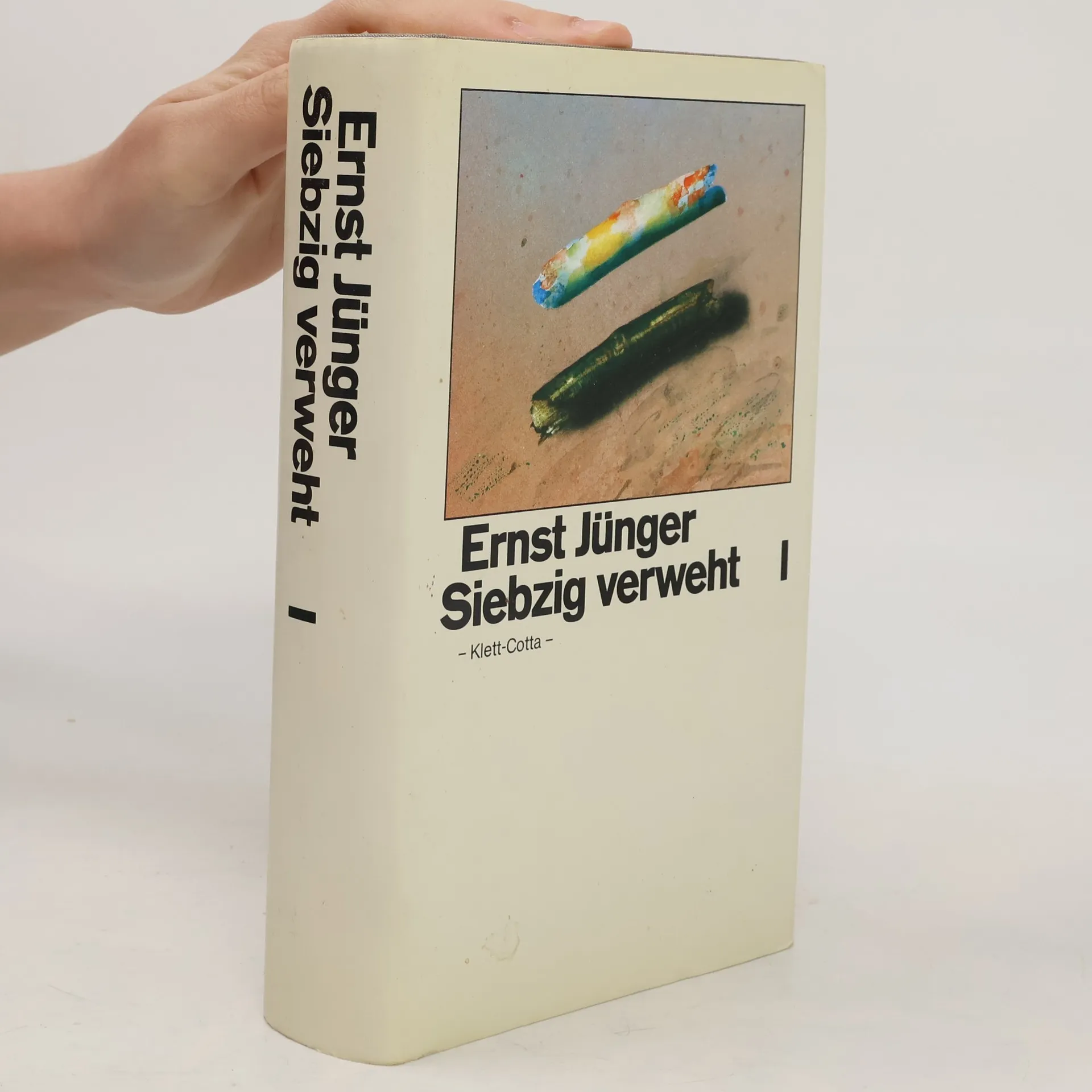
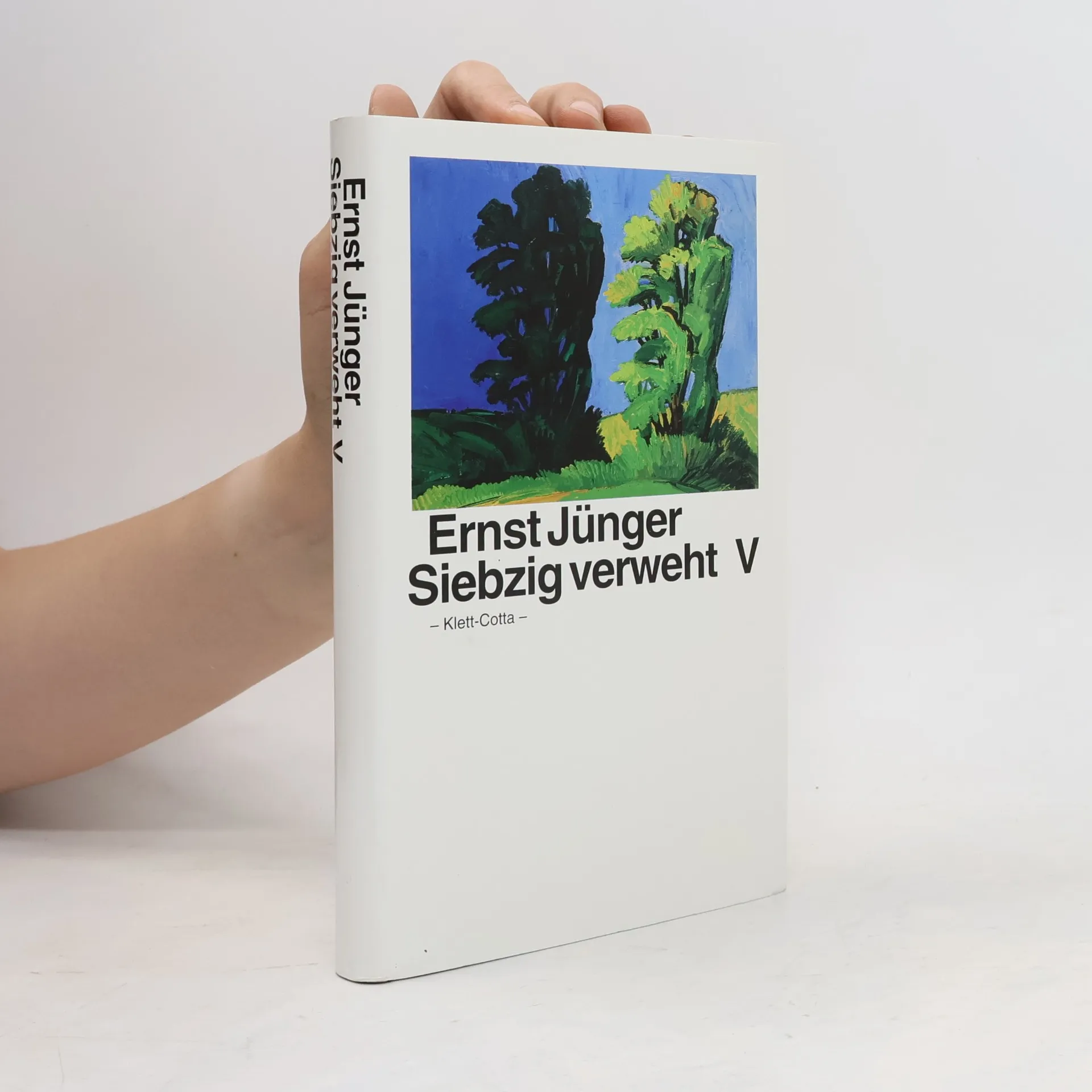
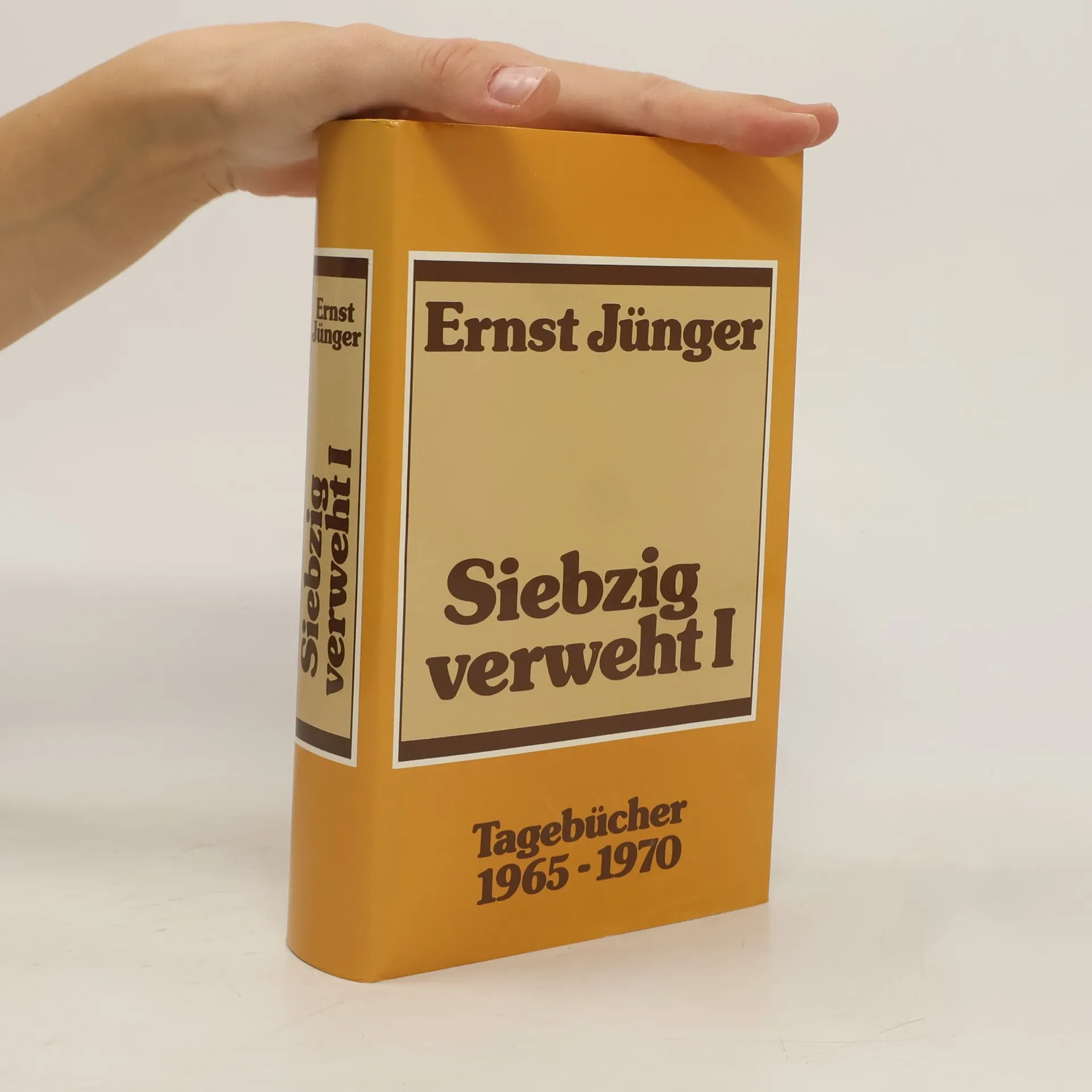
Die Bände vier und fünf der 'Sämtlichen Werke' enthalten mit 'Siebzig verweht' die Tagebücher Jüngers aus den Jahren 1965 bis 1980, die mit einer charakteristischen Mischung aus Tagebuchnotaten, Briefen, Reflexionen und Kommentaren aufwarten. Dieser Band umfasst die Jahre 1971 bis 1980. Deutlich rücken in diesen Tagebüchern die zeitkritische Sicht Jüngers und das Verhältnis des Autors zu seinem eigenen Werk ins Zentrum der Reflexionen. Der Gegenwartskunst steht er skeptisch gegenüber – jedoch nimmt er vieles davon erst gar nicht zur Kenntnis. Eingestreut sind zudem Berichte über die Arbeit an eigenen Werken, etwa den 'Subtilen Jagden', 'Drogen und Rausch' oder der 'Zwille'. Nicht nur als textgenetische Quelle interessant, sind die Tagebücher indes auch Ausdruck von Jüngers Selbststilisierung, die von der Kritik kontrovers bewertet wurde.
Der erste von insgesamt 22 Bänden der »Sämtlichen Werke« umfasst Schriften Ernst Jüngers aus den Jahren 1920 bis 1934, die allesamt den Ersten Weltkrieg zum Thema haben. Der Eröffnungsband der »Sämtlichen Werke« enthält sein Debüt »In Stahlgewittern« (1920), »Das Wäldchen 125« (1925), welches Jünger als »Chronik aus den Grabenkämpfen 1918« bezeichnet, der »Ausschnitt aus einer großen Schlacht« mit dem heroisierenden Titel »Feuer und Blut« (ebenfalls aus dem Jahre 1925) und zuletzt eine kurze Skizze, in welcher er sich Jünger zwanzig Jahre später an den »Kriegsausbruch 1914« (1934) erinnert. Trotz einer literarischen Stilisierung bewahren die Schriften dabei die unmittelbare Einfachheit, die auch Jüngers Kriegstagebuch zu eigen ist, während der Autor etwa in seinem Werk »Der Kampf als inneres Erlebnis« (Sämtliche Werke, Band 7) die Fronterlebnisse stärker reflektierend wie systematisch zu erfassen sucht.
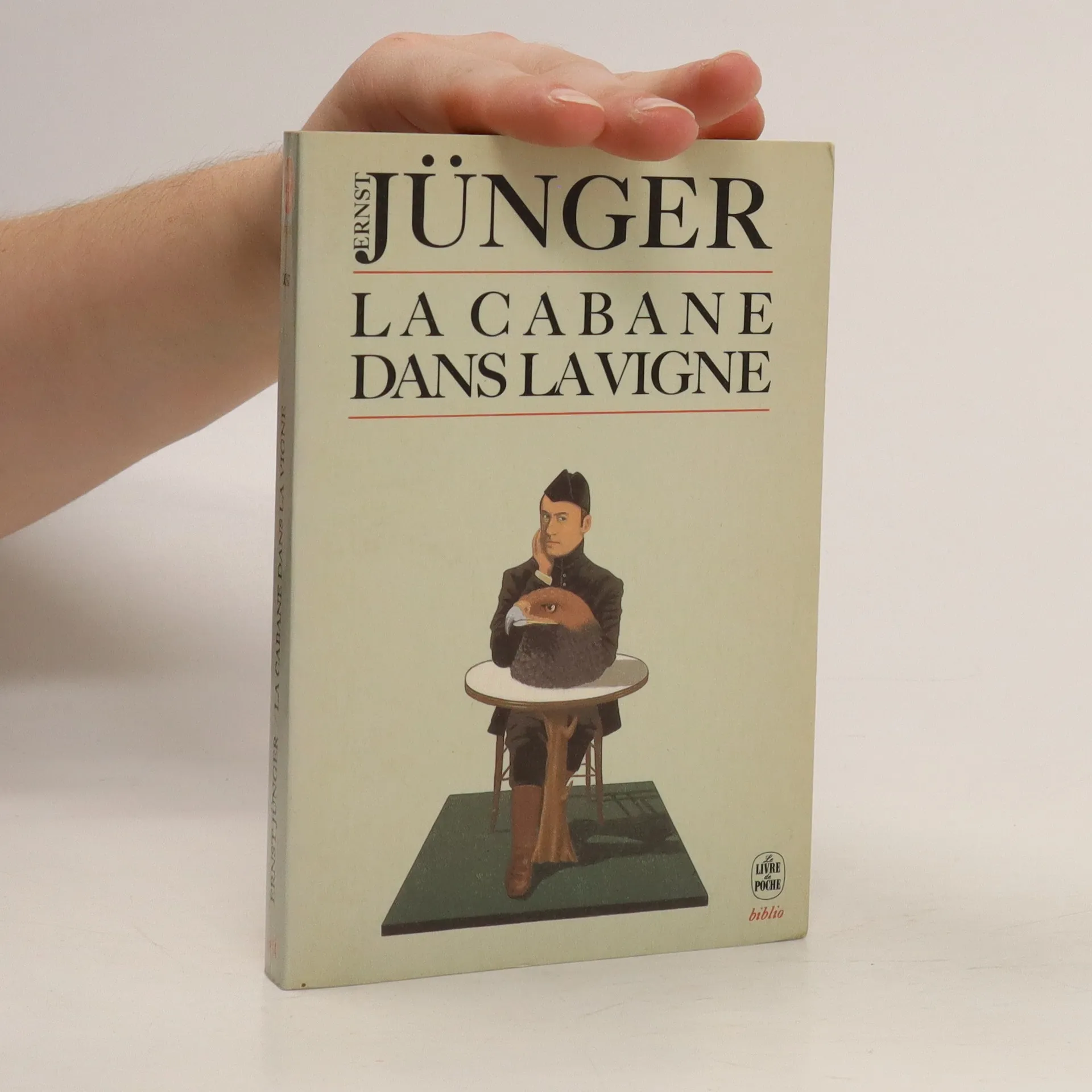
Renvoyé dans ses foyers avant la fin de la guerre, Jünger assiste à l'agonie du Troisième Reich dans un vieux presbytère bondé de réfugiés, fuyant les bombardements et l'arrivée des Russes. Les villes allemandes flambent dans le feu du phosphore et quelques fanatiques voudraient voir le monde disparaître avec eux. Jünger ordonne de cesser toute résistance à l'arrivée des premiers chars américains ; ému, à l'exemple du prophète Isaïe, par l'image de la "Cabane dans la vigne" cernée par les ennemis victorieux, il tente de puiser dans les limites de son univers familier la force de surmonter l'épreuve. La vie reprend petit à petit : il y a le bois à casser pour l'hiver, le jardin à cultiver, les survivants à revoir. Refusant de désespérer devant l'ampleur du désastre, Jünger espère que notre monde, parvenu au point zéro du nihilisme, saura le dépasser et connaîtra une nouvelle naissance.
" Le manifeste, ici réédité, est un texte fou, mais nullement le texte d'un fou. Une histoire pleine de bruit, de fureur et de sang, la nôtre, est anticipée sans qu'il convienne d'en tenir responsables ces quelques pages ivres et hagardes, possédées par une Mauvaise nouvelle qu'elles tentent fiévreusement d'énoncer comme Bonne. Comment, demanderez-vous, lecteurs d'aujourd'hui, ne pas s'inquiéter après coup de l'éloge du brise-tout pour qui " vivre égale mourir " ? Comment ne pas frémir face à l'apologie sulfureuse des frénétiques " dont le pas de charge disperse au vent comme feuilles d'automne toutes les valeurs de ce monde " ? Vous avez raison. Même à l'orée du XXIè siècle, de telles propositions donnent la chair de poule... Certes, mais les commodités faciles d'une condamnation rétrospective risquent pourtant de masquer l'ampleur d'un texte où l'avenir de la planète (pas seulement de l'Allemagne) bégaie avant de passer à l'acte. "
Ernst Jünger odchází do první světové války jako dobrovolník, poté co ve svých devatenácti letech opouští nenáviděná studia. Jeho rozhodnutí není politického ani nacionalistického rázu, nýbrž ryze egoistické povahy a je výsledkem adolescentní touhy po zkušenostech a dobrodružství. Po celou dobu pobytu na frontě si poctivě vede deník, od prvního okamžiku v zákopech na přelomu let 1914/1915 až do počátku září 1918, kdy je po svém posledním zranění převezen zpět do Německa. Stěží najdeme jiný deník, který by první světovou válku dokumentoval po tak dlouhý čas a s takovou intenzitou. Díky tomu se stává kronikou života na frontě a unikátním svědectvím doby.
Edičně připravil Helmuth Kiesel.
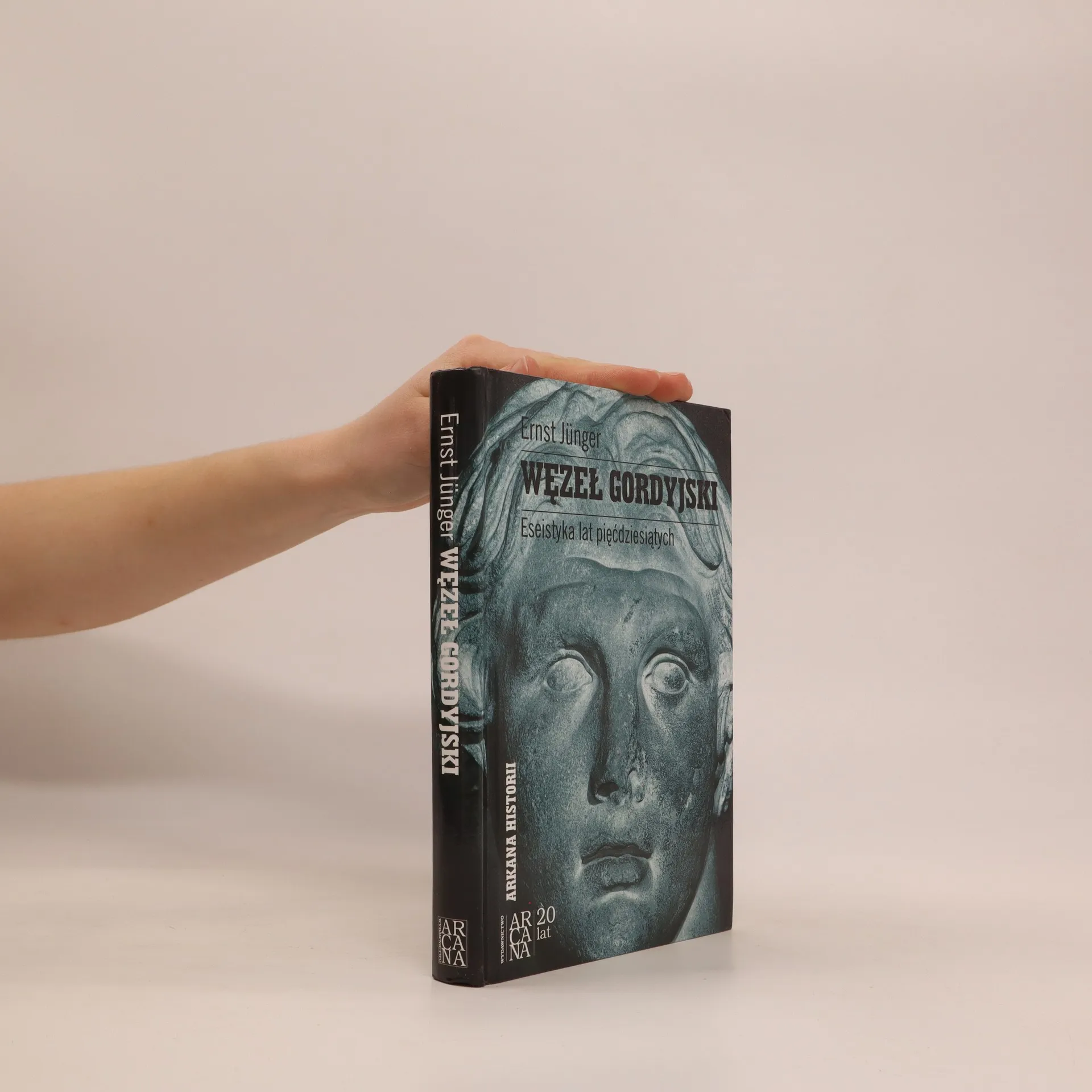
Orient i Zachód stanowią spotkanie o kluczowym znaczeniu, według Ernsta Jüngera, który w swoim "Węźle Gordyjskim" podkreśla, że to wydarzenie jest centralne w historii. Jednak to spotkanie często przekształca się w konflikt, z narodami występującymi na starożytnym teatrze, zdominowanym przez blask broni. Refleksje Jüngera, napisane w 1953 roku, pozostają aktualne w kontekście walki między liberalno-demokratycznym Zachodem a totalitarnym Wschodem. Dla Jüngera polarność Wschód-Zachód jest archetypowa i symboliczna, odzwierciedlając podstawowe napięcia ludzkości i jednostki: mythos i ethos, władza i wolność, arbitralność i prawo. Ta wizja kontrastuje z poglądami Carla Schmitta, który dwa lata później proponuje rozróżnienie między lądem a morzem: Wschód jako świat kontynentalny (Rosja i Azja) oraz Zachód jako świat morski (Anglia i Ameryka). Obaj zgadzają się, że Europa może być "centrum ciężkości", które mogłoby sprzyjać jedności planety, pełniąc rolę Trzeciej Siły.
Die Tatsache, dass Albert Renger-Patzsch und Ernst Jünger gleich zwei Bücher zusammen realisiert und deren Entstehungsprozess in einem Briefwechsel begleitet haben, ist durchaus überraschend. Hier treffen nicht nur Text und Bild, sondern zwei Haltungen aufeinander, die unvergleichbar zu sein scheinen. Während Albert Renger-Patzsch fortwährend auf der sichtbaren Seite der Dinge Formen und formale Beziehungen ausmacht, stellt Ernst Jünger den Entsprechungen von Oberfläche und Tiefe nach. Verwandt sind sie sich in ihrer Suche nach Formgesetzen, die Zeit stillstellen und aufheben. Der Band enthält zahlreiche z. T. bisher unpublizierte Abbildungen.
Aus der chaotischen Anfangszeit des Verlags, zwischengelagert in der Dachkammer des Elternhauses, jetzt wieder aufgefunden und in 85 Exemplaren lieferbar: Armin Mohlers legendäre Annäherung an den „Chef"; mit dem berühmten Essay Ein Tag im Leben eines modernen Schriftstellers und dem Nachwort Kritische Verehrung: Armin Mohler und Ernst Jünger von Tobias Wimbauer.
Ernst Jüngers Werk umfasst neben dem Roman, der Erzählung, dem Essay und dem Tagebuch auch Sammlungen äußerst verdichteter Einsichten und Notate: Der Aphorismus, oder die Maxime, hat in anderen Literaturen eine reiche Tradition. In der deutschen Literatur unseres Jahrhunderts gilt Ernst Jünger als einer der Meister dieser Form. Katharina Ayen, dem Autor und seinem Werk seit Jahrzehnten verbunden, hat hier eine Sammlung von Gedanken Ernst Jüngers zusammengetragen. Die Auswahl ist locker geordnet nach Themenfeldern: geschliffene Bemerkungen zu Natur, Technik und Lektüre blitzen auf, Notizen zur Gesellschaft und zur Verfassung des Menschen nahe der Jahrtausendwende. Manches Provozierende findet sich hier, aber auch Sätze von prognostischer Kraft. Nicht selten schlagen Jüngers Einsichten den Bogen zu abendländischen Traditionen, immer jedoch fühlt sich der Leser angesprochen, ja herausgefordert: »Seien wir auf der Hut vor der größten Gefahr, die es gibt – davor, daß uns das Leben etwas Gewöhnliches wird.«
Der Grafiker Alfred Kubin war einer der wenigen zeitgenössischen Künstler, die Ernst Jünger zeitlebens hoch schätzte. Er illustrierte die Buchausgabe der Norwegenreise Jüngers, in der dieser sich auch von manchem Weltkriegserlebnis befreite: »So hat die Zeit ihre Spuren in uns niedergeschlagen wie vieljährigen Schnee, in dem Schutt und Geröll und die Bitterkeit von Kriegen und Bürgerkriegen sich anhäuften. Aber wenn Licht in die Schrunden fällt, gehen die Lawinen zu Tal.«
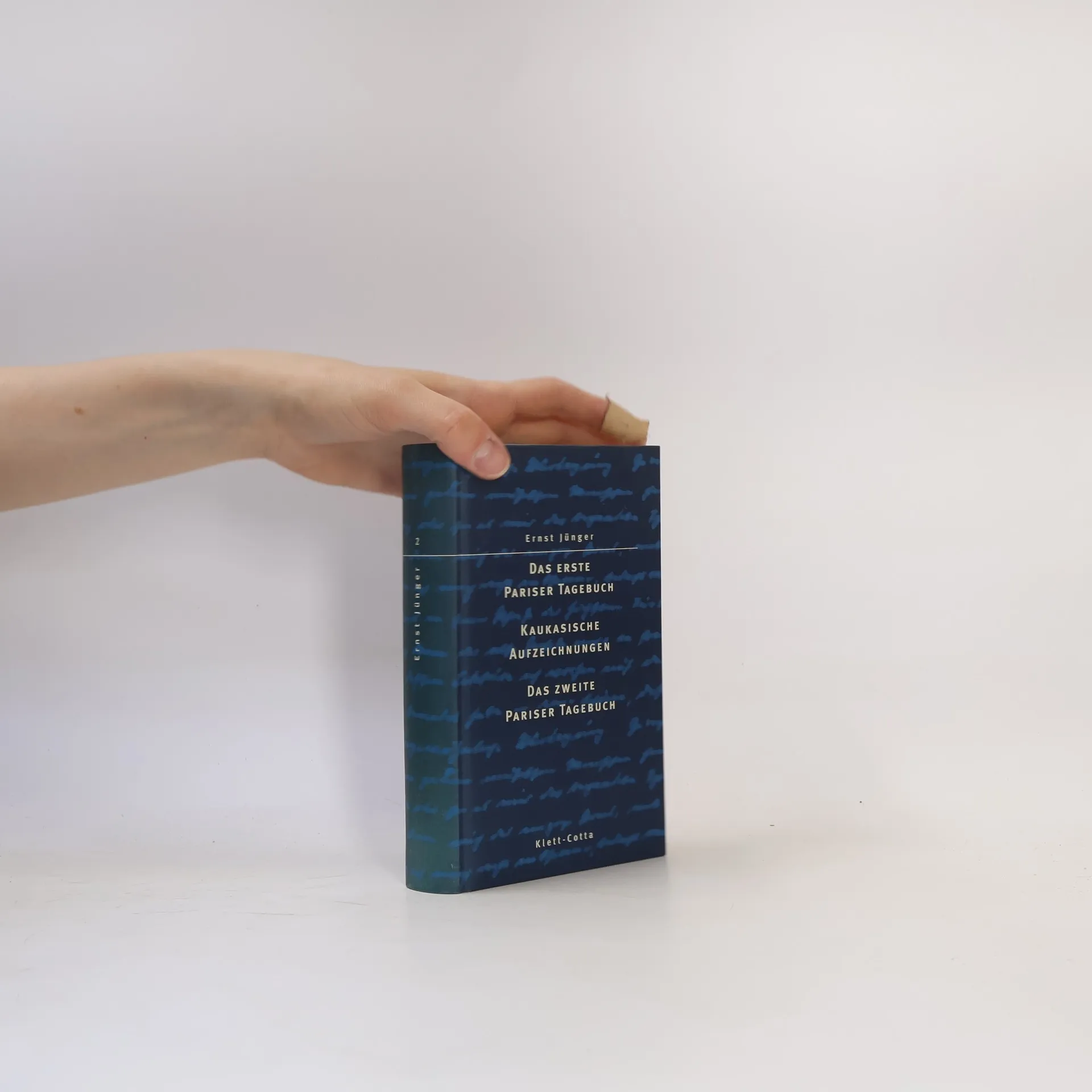
Der zweite Band der »Sämtlichen Werke« enthält mit dem ersten Teil der »Strahlungen« Jüngers Tagebuch aus den Jahren 1939 bis 1943: die »Gärten und Straßen«, »Das erste Pariser Tagebuch« sowie die »Kaukasischen Aufzeichnungen«. Charakteristisch ist sicherlich die Verbindung des persönlichen Erlebens mit den geschichtlichen Ereignissen: Lektürenotate verbinden sich mit Beobachtungen, Kriegserlebnisse mit Reflexionen zu einem »Sound«, wobei der Charakter eines Tagebuchs stets erhalten bleibt. Jünger merkt hierzu in seinem Vorwort an: »Der Tagebuchcharakter wird [...] zu einem Kennzeichen der Literatur. Das hat unter mancherlei Gründen auch den [...] der Geschwindigkeit. Die Wahrnehmung, die Mannigfaltigkeit der Töne kann sich in einem Maße steigern, das die Form bedroht und das in unserer Malerei getreulich festgehalten wird. Demgegenüber ist literarisch das Tagebuch das beste Medium. Auch bleibt es im totalen Staat das letzte mögliche Gespräch.«
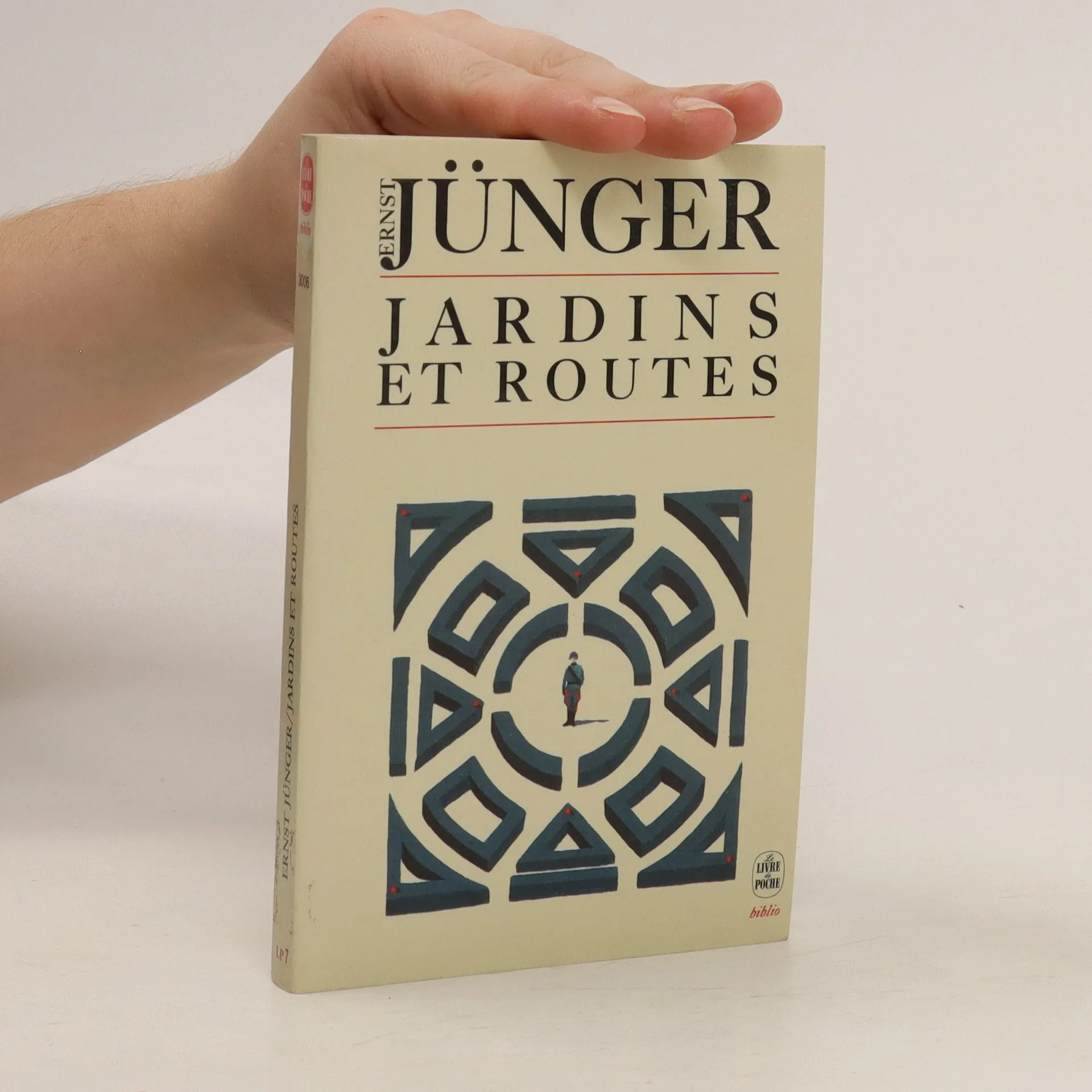
«S'il existait une «école du regard», Ernst Jünger en serait le maître. Mais c'est déjà trop dire, car rien n'est plus étranger à sa nature que de légiférer ou de se poser en modèle littéraire. La seule société d'initiés dont il se réclame est celle, limitée et subtile, des entomologistes. Pour le reste, ce qui domine chez lui en cette ouvre tardive, c'est l'ouverture au monde, aux cultures, aux êtres et aux livres. La richesse de sa méditation n'est pas moins grande que lorsqu'elle était portée par l'expérience de la guerre et des grandes catastrophes historiques. L'explosion de la nature printanière, une promenade à Venise, la lettre d'un ami suffisent à la nourrir. Éros et Thanatos sont toujours présents ; mais à travers l'écriture transparente du grand âge, la mort s'est comme apprivoisée. Défiant le temps qui s'écoule de plus en plus vite, le journal affirme jour après jour la permanence créatrice du geste de l'écrivain.» Julien Hervier.
S'il existait une " école du regard ", Ernst Jünger en serait le maître. Mais c'est déjà trop dire, car rien n'est plus étranger à sa nature que de légiférer ou de se poser en modèle littéraire. La seule société d'initiés dont il se réclame est celle, limitée et subtile, des entomologistes. Pour le reste, ce qui domine chez lui en cette œuvre tardive, c'est l'ouverture du monde, aux cultures, aux êtres et aux livres. La richesse de sa méditation n'est pas moins grande que lorsqu'elle était portée par l'expérience de la guerre et des grandes catastrophes historiques. L'explosion de la nature printanière, une promenade à Venise, la lettre d'un ami suffisent à la nourrir. Eros et Thanatos sont toujours présents ; mais à travers l'écriture transparente du grand âge, la mort s'est comme apprivoisée. Défiant le temps qui s'écoule de plus en plus vite, le journal affirme jour après jour la permanence créatrice du geste de l'écrivain.
Als Höhepunkt des Tagebuchwerkes, das Ernst Jünger im Zweiten Weltkrieg mit den »Gärten und Straßen« begann, können die fünf Bände von »Siebzig verweht« gelten. Im Tagebuch gibt sich der Autor von Tag zu Tag und, insofern er, wie Jünger das tut, seine Träume als wesentliche autobiographische Elemente einbezieht, von Nacht zu Nacht Rechenschaft; er läßt den Leser an seiner Entwicklung teilnehmen. Notiert werden Begegnungen mit Menschen, Büchern und Bildern, mit Tieren, Pflanzen und Landschaften. Oft werden diese Begegnungen lediglich in einem kurzen Aphorismus fixiert, oft setzen sie auch Ketten von Reflexionen und Assoziationen in Bewegung, die bei aller thematischen Vielfalt auf überraschende Weise stets von neuem konvergieren. Es entsteht eine teils soghafte Sprache aus der für Jünger so charakteristischen Mischung aus Tagebuchnotaten, Briefen, Reflexionen und Kommentaren. Dieser Band umfasst dabei die Tagebücher der Jahre 1981 bis 1985
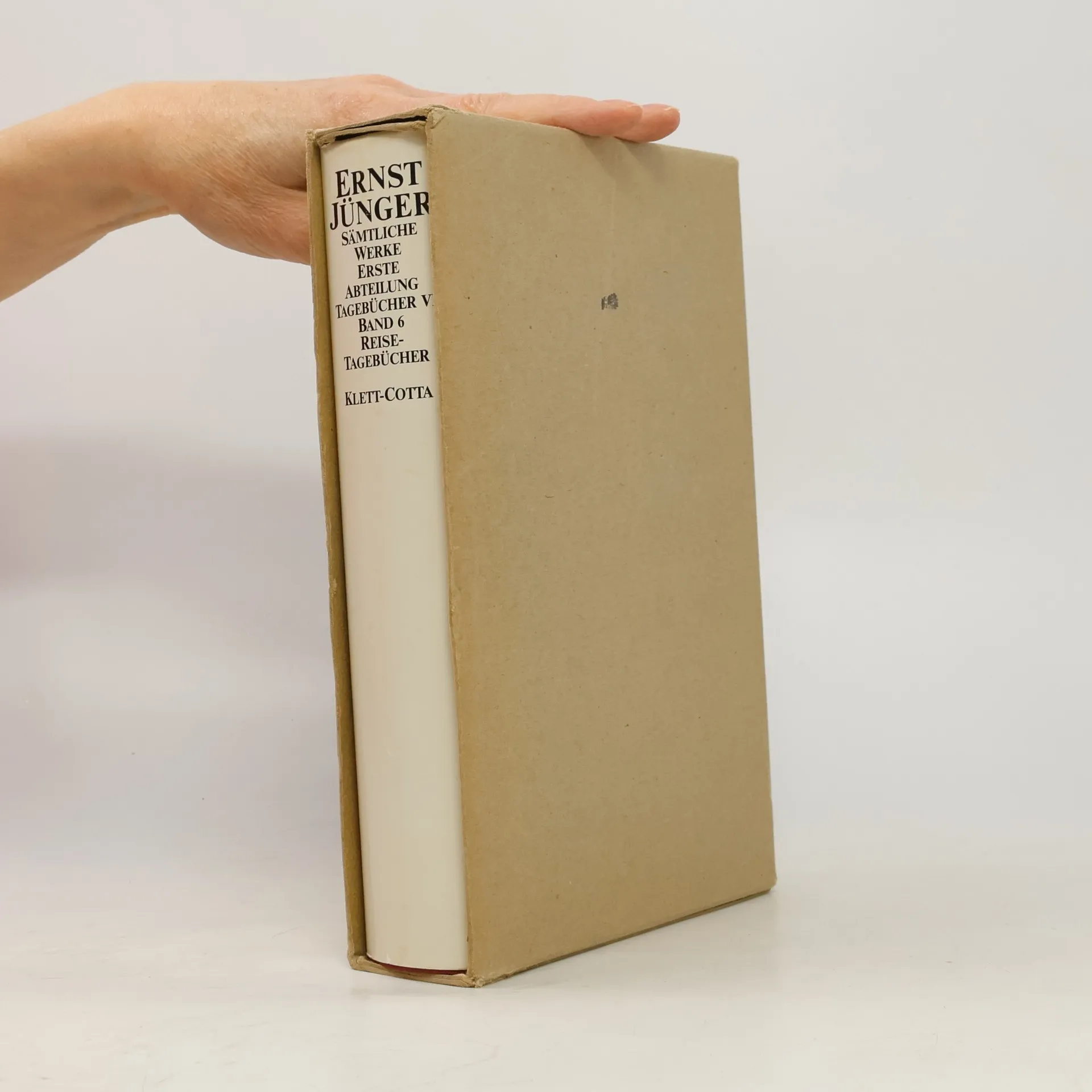
Der achte Band beschließt mit Jüngers Reisetagebüchern die erste Abteilung der Gesamtausgabe. Dabei spannt sich der Bogen von dem Aufenthalt der Brüder Ernst und Friedrich Georg Jünger in Dalmatien im Jahre 1932 bis zu einer Spitzbergenreise Jüngers 1964. Der vorliegende Band entspricht Band 6 der gebundenen Ausgabe. Insgesamt elf Reisen hat Jünger in diesen Tagebüchern dokumentiert: 'Dalmatinischer Aufenthalt', 'Myrdun', 'Aus der Goldenen Muschel', 'Atlantische Fahrt', 'Ein Inselfrühling', 'Am Sarazenenturm', 'San Pietro', 'Serpentara', 'Ein Vormittag in Antibes', 'Xylókastron' und 'Spitzbergen'.
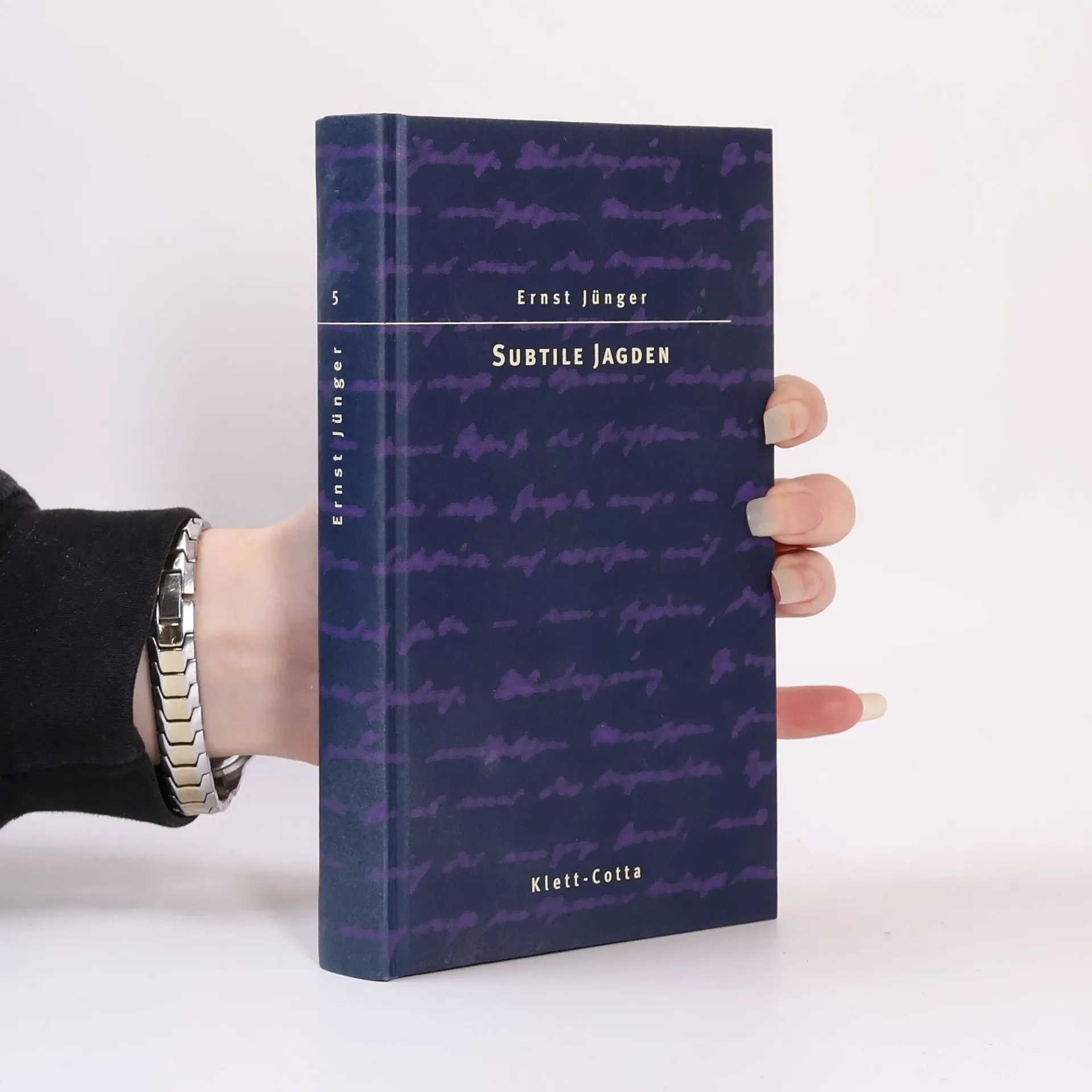
Ursprünglich sollten die 'Subtilen Jagden' 'Einiges über Käfer und etwas mehr' heißen – in diesem Band zeigt sich Jünger als Sammler, voll 'krabbelnder Bijouterie' (Peter von Matt). Es war Jüngers Vater, der (in Heidelberg bei Victor Meyer promoviert) seinem Sohn den ersten Sammelkasten für Insekten schenkte, und dieser nutzte sogar im Ersten Weltkrieg die Gefechtspausen, um seine Sammlung zu erweitern. Dabei ist Jünger bei seinen 'Jagden', die auch ein Erinnerungsbuch für den Vater sind, dabei stets Entomologe und Schriftsteller zugleich. Dies wird auch in den Parerga deutlich, die u. a. frühe Entwürfe und Erinnerungen an den katholischen Geistlichen und Entomologen Adolf Horions enthalten.
Als Standquartier diente Jünger dabei der mondäne Badeort Mondello vor den Toren Palermos. Von dort aus besuchte er etwa die berühmte Kapuzinergruft – und verlebendigt eine idyllisch-harmonische Szenerie, die sich scharf von den Gräueln des Zweiten Weltkriegs abhebt. Die Reise ist somit auch Flucht aus einer Realität, die von Jünger mehr und mehr als ungenügend empfunden wurde.
Als Höhepunkt des Tagebuchwerkes, das Ernst Jünger im Zweiten Weltkrieg mit den "Gärten und Straßen" begann, können die fünf Bände von "Siebzig verweht" gelten.
Ernst Jünger (1895-1998) je významným nemeckým autorom, ktorý bol veteránom 1.
svetovej vojny a veľkým odporcom nacizmu, kvôli čomu prišiel o miesto v armáde
a mal zakázané písať. Esej O bolesti vyšla prvýkrát v roku 1934. Život bez
bolesti neexistuje, ale uvažovanie o nej nie je populárne. Bolesť prezrádza
hodnotu človeka. Keď sa priblížime k momentu vrcholnej bolesti človeka a
vidíme ako ju zvláda, získavame prístup k zdrojom jeho moci a k tajomstvu,
ktoré sa skrýva za jeho prevahou. Prezraď mi svoj postoj k bolesti a ja ti
poviem, kto si! Esej Mier bola vydaná až v roku 1945, aj keď jej náčrt vznikal
ešte v zime 1941. Teda v tomto čase sa 2.svetová vojna zmenila drastickým
spôsobom a dielo bolo počas tohto obdobia schovávané. Autor ju venoval svojmu
synovi, ktorý bol väznený a padol vo vojne. Vojna bola podľa Jüngera prvým
kolektívnym dielom ľudstva a mier musí byť druhým. Od architektov mieru
závisí, či bude naše domovy ovládať dobrý duch. Mier by mal prinášať ďalšie
prospešné a veľkorysé dielo. Dobré zrno nesmie vyjsť nazmar. Treba pochopiť
skutočný význam úsilia a obety. Vojne vyhovuje strach, preto potrebujeme
odvahu a duchovnú silu oslobodiť srdce od nenávisti a rozkladu, ktorý nenávisť
prináša.
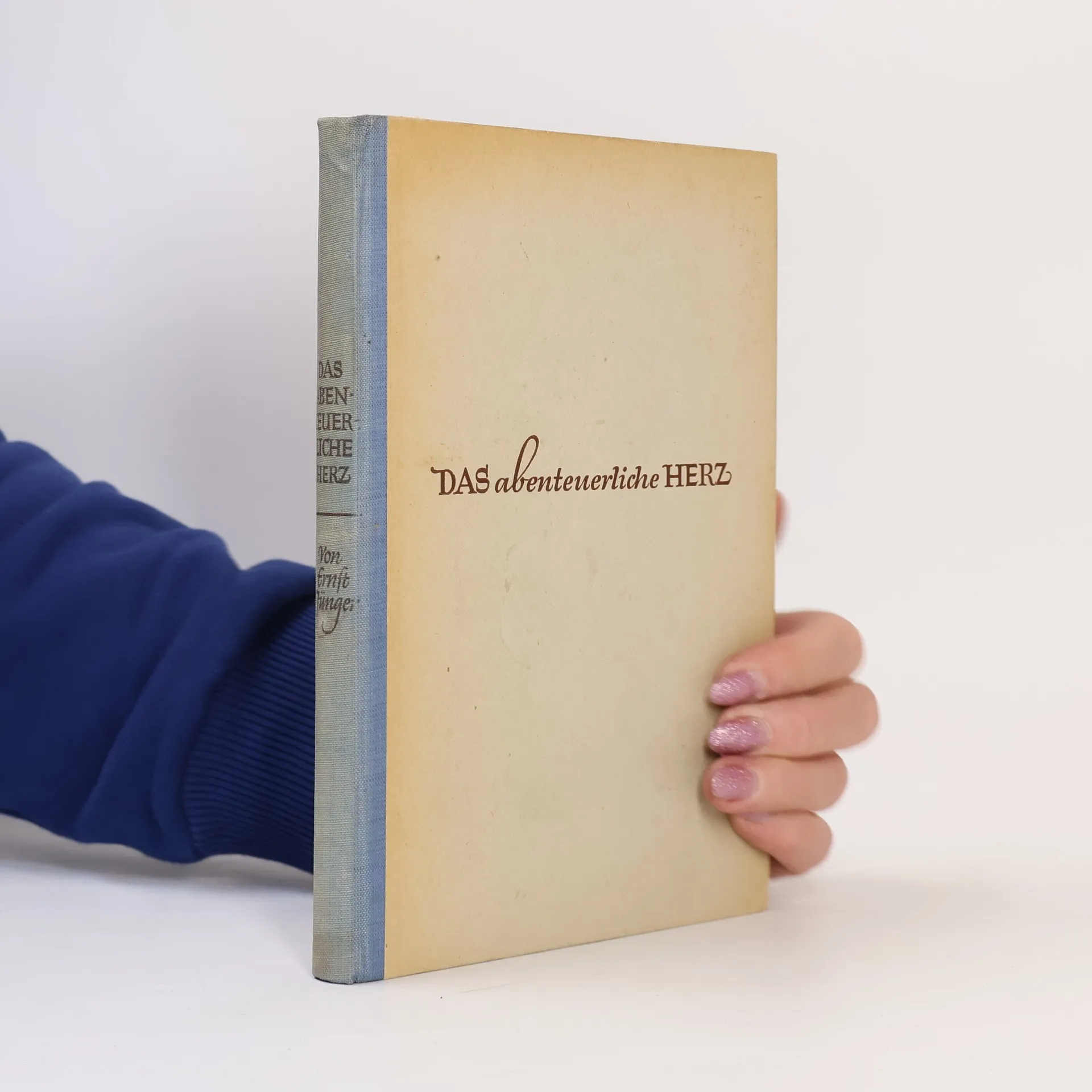
1929 war die Urfassung des »Abenteuerlichen Herzens« erschienen, die einen Wendepunkt im literarischen Schaffen Jüngers markierten. Doch gab er sich mit dem Erreichten nicht zufrieden und überarbeitete im folgenden Jahrzehnt sein Werk so stark, dass schließlich rund zwei Drittel des ursprünglichen Textes gestrichen und erneuert wurden. Insbesondere zu konkrete und autobiographische Passagen fielen dem Rotstift zum Opfer, und in immer stärkerem Maße zog sich Jünger auf die Position eines objektiven Beobachters zurück, wovon etwa »Der stereoskopische Genuß« zeugt.
InhaltsverzeichnisErnst Jüngers Drogenexperimente und sein Buch ›Annäherungen. Drogen und Rausch‹ Helmut Lethen und Cord Riechelmann im Gespräch Albert Hofmann und Ernst Jünger. Der Briefwechsel 1947 bis 1997 Anmerkungen Editorische Nachbemerkung
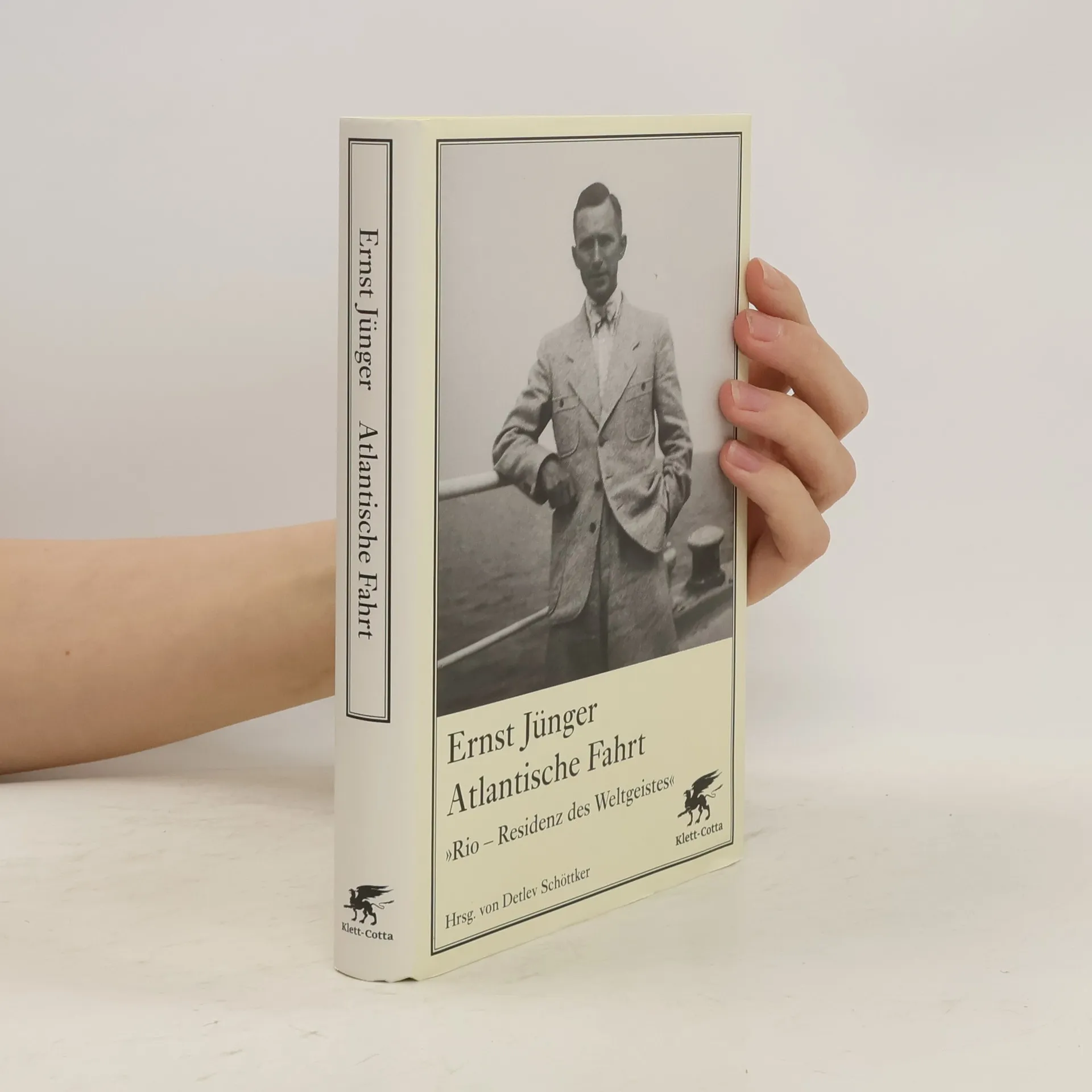
Im Jahr 1936 unternahm Ernst Jünger mit dem Hamburger Luxusdampfer »Monte Rosa« eine knapp zweimonatige Reise nach Brasilien. Die Stationen und Ereignisse hat er in einem Tagebuch festgehalten, das 1947 unter dem Titel »Atlantische Fahrt« als erste Publikation Jüngers nach dem Zweiten Weltkrieg erschien. Neben exotischen Pflanzen, Tieren und der Landschaft des Amazonas galt sein Interesse vor allem den aufstrebenden Metropolen des Landes. Die Neuausgabe enthält neben Jüngers Tagebuch bislang unveröffentlichte Reisebriefe Jüngers an seinen Bruder Friedrich Georg sowie unbekannte Eintragungen aus dem handschriftlichen Tagebuch. Diese werden durch zeitgenössische Fotografien illustriert. In einem Nachwort geht der Herausgeber auf die Bedeutung der Reise und des Buches in Jüngers Leben und Werk ein.
»Mit politischem Blick, souveräner Sachkenntnis und minuziöser Kleinarbeit« verfasst (Hans Speidel), führt die Schrift auf diese Weise ins Zentrum einer Situation, in der man - so Jünger rückblickend - »eigentlich nur Fehler machen kann, ob man handelt oder nicht handelt«.
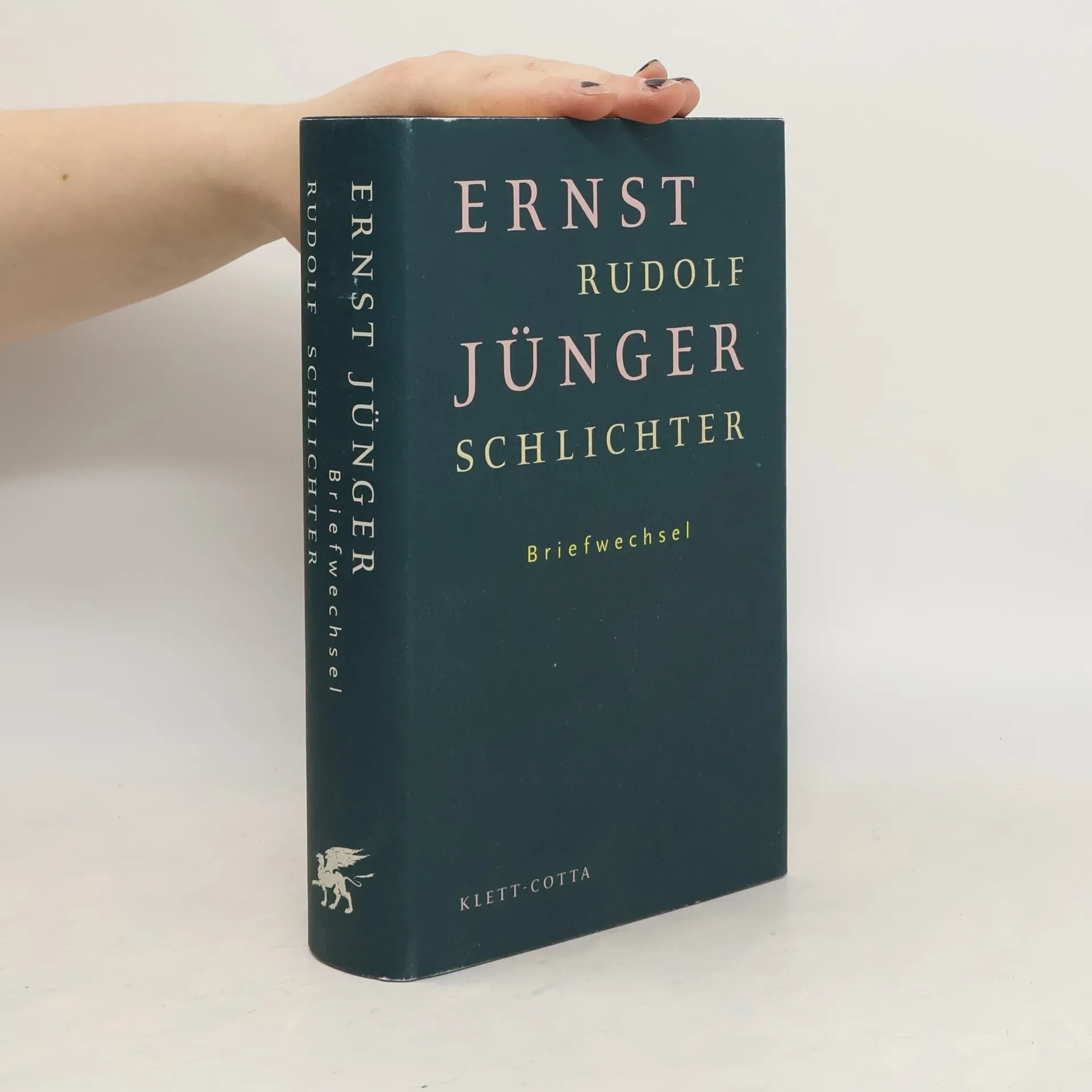
Die vierzehn Jahre der Weimarer Republik sind eine prägende Phase für die Entwicklung Ernst Jüngers (1895–1998). Der hochdekorierte, desillusionierte Frontoffizier des Ersten Weltkriegs wird rasch zum scharfen Kritiker der herrschenden Verhältnisse. In brillanten und überaus provokativen Essays geißelt der junge Publizist schonungslos die Mißstände in Politik und Gesellschaft und entwickelt dabei die radikale Alternative eines »nationalen, sozialen, wehrhaften und autoritativ gegliederten Staates«. Schon bald gilt Jünger als geistiger Kopf des »neuen Nationalismus« und nimmt eine führende Stellung innerhalb des Kreises der sogenannten Konservativen Revolution ein. Neben ihrer Bedeutung als zentrale Quelle für die politischen Ideen der Rechten in der Weimarer Republik dokumentieren Jüngers Essays zugleich die enorme geistige und ästhetische Entwicklung des Autors zwischen »In Stahlgewittern« und seinen großen Werken der späten zwanziger und frühen dreißiger Jahre, »Das abenteuerliche Herz« und »Der Arbeiter«. Nicht zuletzt aufgrund dieser Beiträge wird auch die Debatte um Ernst Jünger weiter andauern.
Ernst Jünger wird als herausragender Schriftsteller seines Jahrhunderts gewürdigt, der sowohl die Möglichkeiten als auch die Abgründe seiner Zeit erkannte. Seine objektiven Erzählungen und Essays haben Generationen von Kritikern gefesselt und die Diskussion um sein Werk neu entfacht. Diese Gesamtausgabe ist ein bedeutendes Werk der deutschen Literatur.
Aladinův problém je posledním z řady velkých beletristických děl Ernsta Jüngera, zabývajících se otázkou bytí člověka v tomto světě. Aladinův problém je kouzelná lampa nesoucí materiální, duchovní a erotickou moc nečekaně proudící k jedinci. Jak s ní člověk naloží a co mu tato moc umožní? Nebo na ni ztroskotá a zahyne?> Aladinův problém je v příběhem mýtickým, vyprávěním o nástupu doby titánů, o smrti bohů a konci nadčasovosti. Aladinův problém je snahou uchopit kosmos a obnovit kulturu v její finální expresi: ve službě mrtvým – jako teskné zření na nevratně mizející bytí. Aladinův problém je výpravou do duchovní krajiny současného světa, kterou titanismus proměnil v poušť. Objevují se oázy, tak malé, že si jich čtenář sotva všimne – ostrůvky zeleně v podobě starých knihoven plných zaprášených knih, malých kostelíků v krajině s opuštěnými hřbitůvky, nečekaných dionýských slavností nezřetelně vystupujících z mlhy vzpomínek. Snaha hlavního hrdiny o návrat k dobám předtitánským, o návrat do náruče bohů, končí neslavně v duchovním suchopáru obchodních plánů a účetních uzávěrek. Zbývá jen teskné zření na nevratně mizející bytí. Nevratně?
Eine utopische »Sonnenstadt«, in der – nach dem »großen Feuerschlag« – die Grundfragen der menschlichen Existenz verhandelt werden: »Heliopolis«. Der vorliegende Band entspricht Band 16 der gebundenen Ausgabe. Es ist der »Rückblick auf eine Stadt«, der uns geboten wird, und dennoch liegt diese Stadt in der Zukunft. Sie trägt Züge des Bekannten, fast anachronistischen – wenn sich etwa ein Landvogt und ein Prokonsul bekriegen, und steht doch außerhalb von bekannter Zeit und vertrautem Ort. Es sind zwei verfeindete Ideologien, die sich hier gegenüberstehen, ausschließen und bekämpfen – um sich jedoch in ihrem Ziel, der Errichtung einer totalitären Staatsform, erstaunlich nahe zu kommen. »Heliopolis« ist damit auch ein Teil der Auseinandersetzung Jüngers mit der Zeit des Nationalsozialismus. Der Band enthält auch die »Stücke zu Heliopolis«, die Prosatexte »Das Haus der Briefe«, »Die Phantomschleuder«, »Die Wüstenwanderung«, »Über den Selbstmord« und »Ortner über den Roman«.
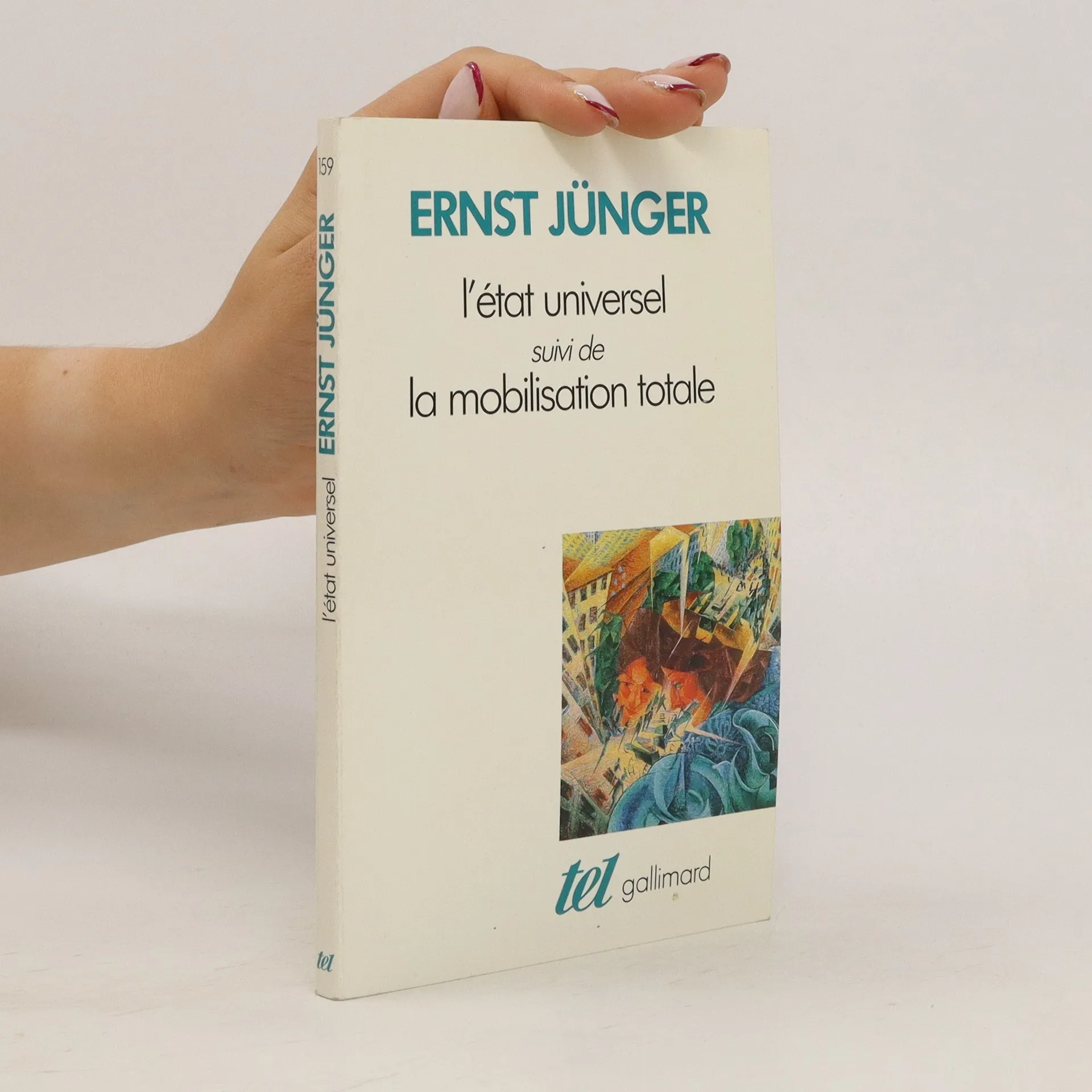
Jünger complète ses recherches sur l'homme et le temps : il tente de saisir intuitivement la mutation soudaine de l'humanité, mutation qu'il imagine imminente et qui verrait s'interrompre la lutte entre les Etats de l'Ouest et ceux de l'Est : l'étoile rouge et l'étoile blanche se fondraient en un astre unique, l'Etat universel. Notre temps, dit Jünger, est en train d'élaborer une grande image de la Mère. Il s'agit donc de dégager un nouvel ordre cosmique pour l'homme : comme Novalis, Jünger estime que l'âge d'or est devant nous et non pas à l'origine. L'Etat universel est l'esquisse de cette humanité à venir. La mobilisation totale est un texte plus rare et contemporain de la montée du nazisme : il est l'esquisse du grand ouvrage écrit à la même époque par Jünger : Le travailleur. Ce texte est l'exact reflet de ce monde d'après 1914-1918, son esprit est fort proche de toute la réflexion de Heidegger sur l'essence de la technique et sur la modernité.
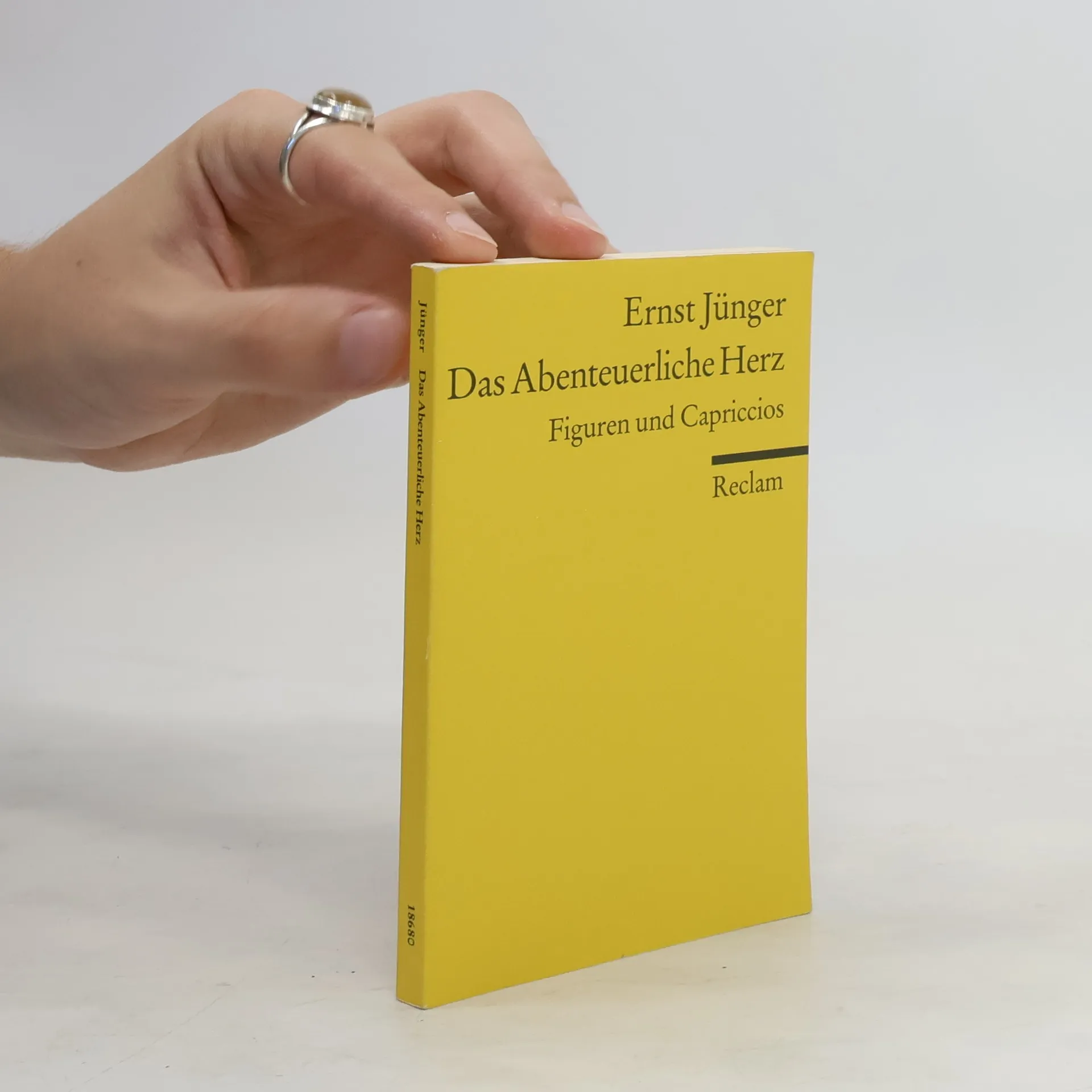
Als Ernst Jünger 1938 »Das abenteuerliche Herz« in seiner zweiten Fassung veröffentlichte, war er 43 Jahre alt, dieses Buch markiert die Mitte seines Schriftstellerlebens. Es zeigt Jüngers Schreiben in äußerster Konzentration und stellt so die bestmögliche Einführung in sein Werk dar, weist auf diese Weise zurück und nach vorn, denn das »bei aller Genauigkeit der Beschreibung nicht selten expressiv Übersteigerte, rhetorisch Forcierte der früheren Schriften ist einer lapidaren Sprache gewichen, die zwischen Spannung und Gelassenheit eine schwebende Mitte hält.« (Günter Figal)
Mistrovské vizionářské dílo Ernsta Jüngera se odehrává na odlehlém skandinávském ostrově a patří mezi opomíjené skvosty německé literatury poloviny minulého století. Tato myšlenkově bohatá novela, plná znepokojivých obrazů a apokalyptické imaginace, ukazuje autorův hutný styl a schopnost vnímat skryté souvislosti a přírodní krásy. Příběh se zabývá válkou sežehnutými dušemi, hledáním zasvěcení a nového začátku, a tematizuje utrpení a znovuzrození.
Jünger (1895–1998) je českým čtenářům známý svými díly jako Na mramorových útesech či Chůze lesem. Návštěva na Godenholmu, poprvé vydaná v roce 1952, se z této řady poněkud vymyká a byla později zapomenuta. Anglické vydání z posledních let naznačuje vzrůstající zájem o tento ztracený klenot, který byl kdysi ceněn například Gottfriedem Bennem.
Dílo paradoxně nezapadlo díky rozvíjejícímu se studiu psychedelických látek; Albert Hofmann, objevitel LSD a Jüngerův přítel, z něj obšírně cituje ve své knize. Návštěva na Godenholmu je prvním literárním svědectvím o účincích LSD, které Jünger a Hofmann na začátku padesátých let zkoušeli. V knize však není o drogách ani zmínky; její poselství spočívá v překonání nihilismu a odhalení hlubšího řádu skutečnosti.
»Teo dachte an eine Waffe, die weithin trug und keine Spuren hinterließ. Armbrüste, Pfeil und Bogen, Pistolen schieden damit aus. Am besten wäre eine Zwille, wie die Jäger sie benutzten«: Jüngers Roman beschreibt eindringlich die Gefährdungen der Gymnasiasten der wilhelminischen Kaiserzeit. Clamor Ebling ist ebenso empfindlich wie ängstlich – was verständlich ist, da er seine Eltern ebenso wie seinen Vormund verloren hat. Von seinen Mitschülern gehänselt und gequält, beginnt sein Leidensweg. Es ist eine Zeit des persönlichen wie weltgeschichtlichen Umbruchs, die Jünger entwirft, zwischen den Problemen des Heranwachsenden und der »Vorgeschichte einer geschundenen Generation«, die 1914 in den Krieg zog.
" C'est en 1950, à l'occasion d'un hommage rendu à Heidegger pour son soixantième anniversaire, qu'Ernst Jünger écrivit Passage de la ligne. Ses premiers échanges épistolaires avec le philosophe dataient de 1931 et, bien avant la Seconde Guerre mondiale, il parlait souvent de lui avec son frère Friedrich Georg. Cet hommage donna lieu cinq ans plus tard à une réponse de Heidegger, De la ligne, pour les soixante ans, de Jünger. Ces deux essais offrent ainsi le témoignage d'un grand débat entre deux esprits à la fois proches et opposés sur une question majeure de notre temps : comment, après l'écroulement des anciens systèmes de valeur, résister au nihilisme qui semble avoir trouvé dans la technique son plus solide appui ? " Julien Hervier
Ernst Jünger führt in der »Zeitmauer« Gedanken seines »Arbeiter«-Essays fort; so schrieb er 1959 in einem Brief: Das Buch hat sich zu einer Fortsetzung von ›Der Arbeiter‹ entwickelt, führt allerdings in neue Richtungen. Das Thema ist ungefähr die Schilderung der Überwältigung der Weltrevolution durch Erdrevolution. Manches davon deutete sich bereits im ›Arbeiter‹ an.«
Als Höhepunkt des Tagebuchwerkes, das Ernst Jünger im Zweiten Weltkrieg mit den "Gärten und Straßen" begann, können die fünf Bände von "Siebzig verweht" gelten.
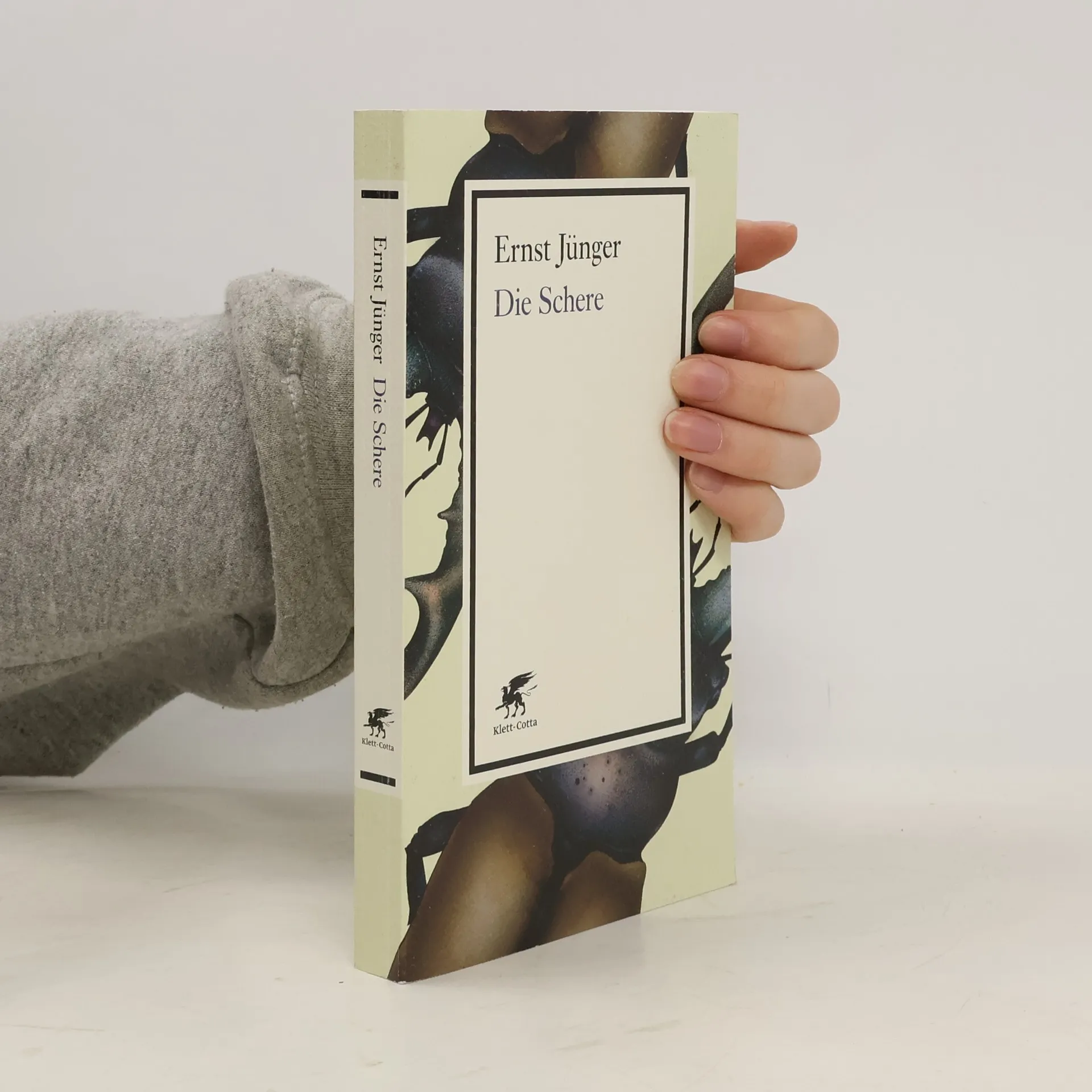
1990 erstmals erschienen, lässt »Die Schere« Jüngers Schaffen – etwa das Verhältnis von Mensch und Technik – in kondensierter Form nachvollziehen. Daneben ist die Schrift auch ein aphoristisch dichter Text zu den großen Themen wie Tod, Traum oder Zeit. »Die Schere« ist wohl Jüngers wichtigstes Spätwerk und gleichzeitig ein idealer Einstieg in seine Schriften.
Un recueil de notes, publiées en 1964, où Jünger fait le point sur l'un de ses livres les plus célèbres (Le Travailleur, paru en 1932) et où il met en exergue les dangers des progrès de la technique.
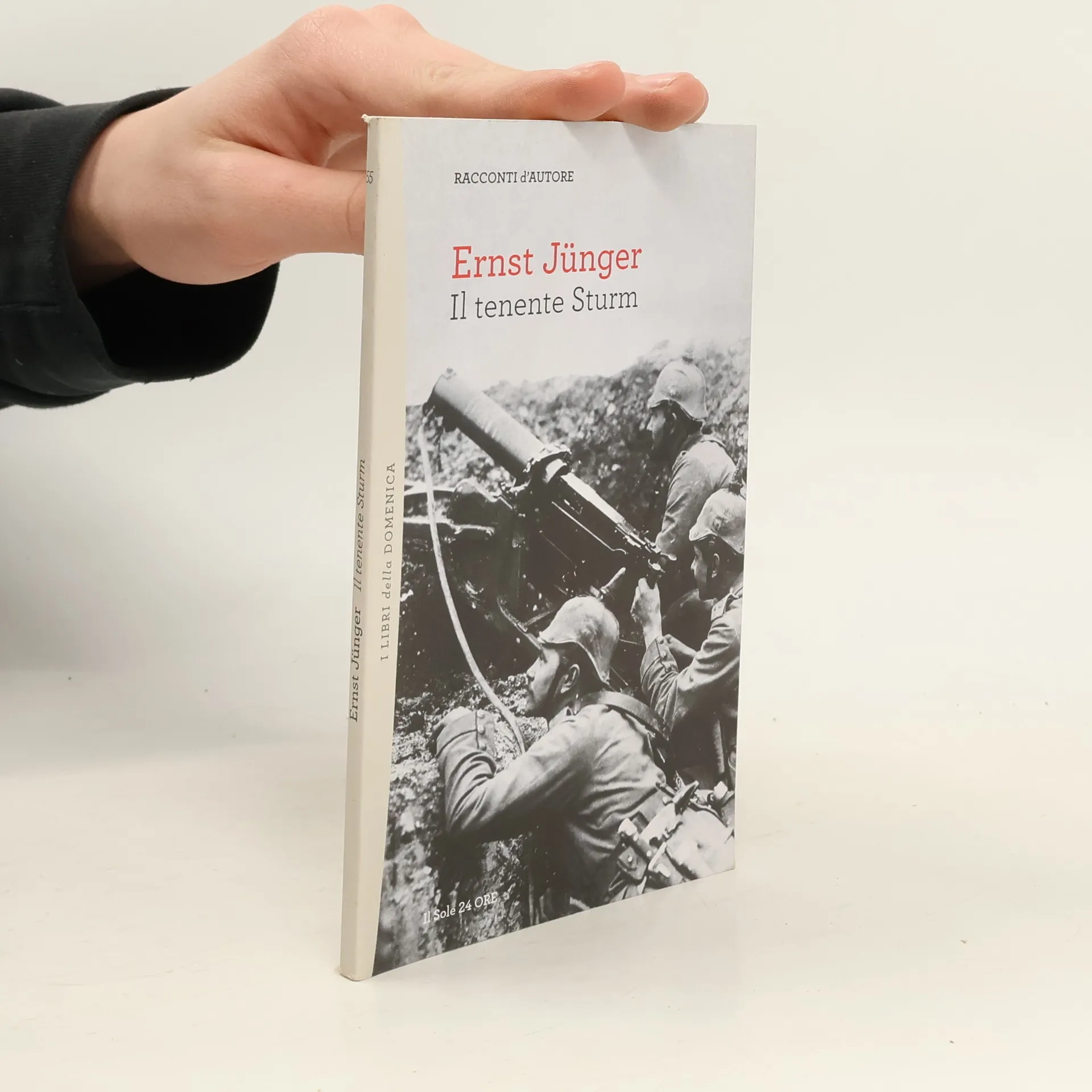
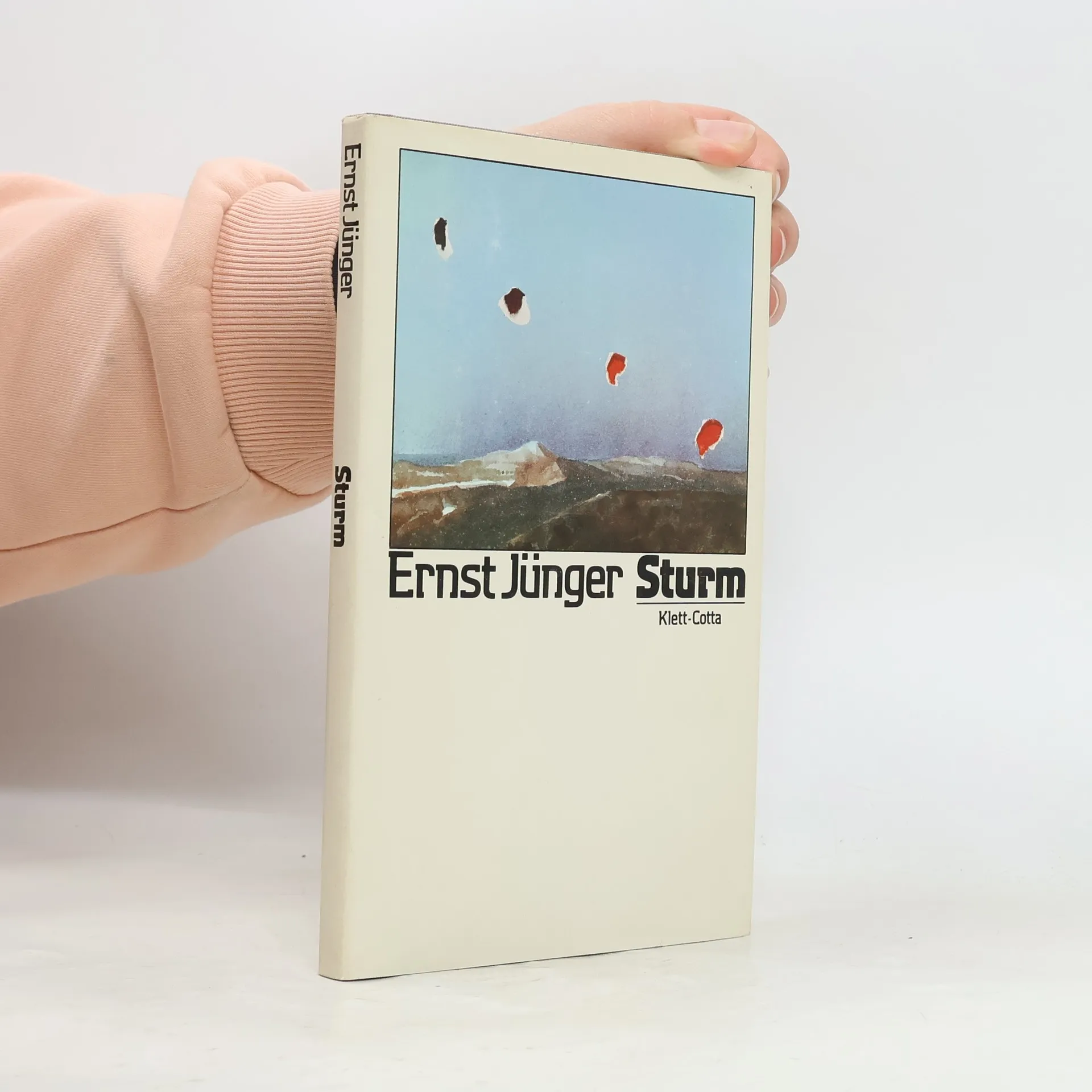
Die Erzählung "Sturm" erschien im April 1923 in Fortsetzungen in der Tageszeitungen "Hannoverscher Kurier". Sie galt als verschollen, war ihrem Autor selbst aus der Erinnerung entschwunden und wurde 1960 wiederaufgefunden...Wie ein junger Mensch des zivilisierten Europa mit der furchtbaren Erscheinung des modernen Krieges und seiner Schlachtfelder fertig zu werden sucht, das hat Ernst Jünger in seinen frühen Schriften als einer der ersten im deutschen Sprachbereich dargestellt. Kennzeichnend für "Sturm" ist nun sowohl die Form der Erzählung, die einen Versuch in dieser literarischen Kategorie erprobt, als auch der expressionistische Charakter ihres Stils. Wie stark die Figur des Leutnant Sturm autobiographisch zu verstehen ist, zeigt sich darin, daẞ der Autor 927 Vorabdrucke aus seinem "Abenteuerlichen Herzen" unter dem Pseudonym Hans Sturm erschienen lieẞ. Es gibt keine bessere Porträtskizze des jungen Autors, als er sie im letzten Abschnitt des zweiten Kapitels unserer Erzählung von seiner Titelfigur gegeben hat.
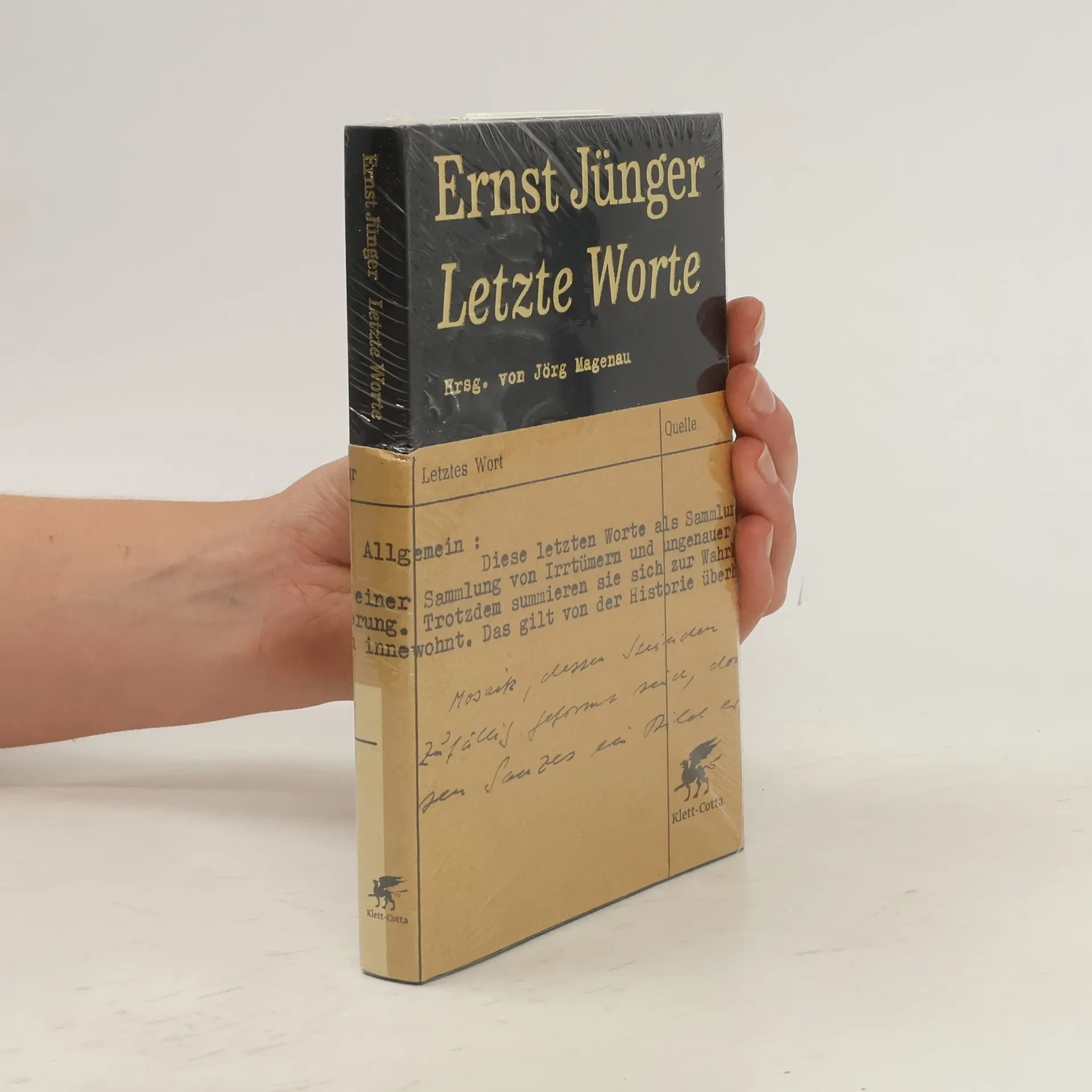
»Ich wußte nicht, daß Sterben so schön ist.« Karl Valentin »Diese letzten Worte als Sammlung gleichen einer Sammlung von Irrtümern und ungenauer Überlieferung«, notierte Ernst Jünger auf einer Karteikarte. Seine Sammlung betrachtete er als ein Mosaik, »dessen Steinchen zwar zufällig geformt sind, doch dessen Ganzes ein Bild ergibt.« Die letzten Worte waren daher auch dann für ihn von Interesse, wenn sie den Toten von den Hinterbliebenen zugeschrieben oder in den Mund gelegt wurden. Diesen Kanon der Toten hat Jünger zeitlebens gesammelt oder sich von Freunden in Form von vorgedruckten Postkarten zuschicken lassen. Nun wird diese Sammlung erstmals in einer Auswahl des Jünger-Kenners Jörg Magenau in einem bibliophilen Band herausgegeben.
Dieses Buch vereinigt Tagebuchaufzeichnungen, die Jünger während einer Reise in Malaysia und Indonesien Anfang April und Anfang Mai 1986 notiert hat. Unter dem Zeichen des Kometen ordnen sich seine Beobachtungen und Reflexionen zu einem Muster von faszinierender Zeichnung und Farbe. Die Erinnerung schlägt den Bogen zurück zum Jahr 1910, als der Fünfzehnjährige zum ersten Mal den Kometen sah. Zwischen damals und der Gegenwart liegen die Erfahrungen eines Jahrhunderts. Die menschlichen Möglichkeiten haben sich seither in einer Weise vermehrt, dass utopische Entwürfe zu Realitäten geworden sind. Die Welt ist in Bewegung geraten und befindet sich in einem qualvollen Übergang, dessen Ende sich nicht absehen lässt. Auch von den entferntesten Gebieten wie den ehemaligen Kolonien hat die Technik Besitz ergriffen und sie dem Weltstil, dem Stil des Arbeiters unterworfen. So sind auch dort die Wälder in Gefahr und hat eine Dezimierung der Pflanzen- und Tierwelt begonnen, was Jünger auch bereits in den 1980ern nicht übersah.
El título original puede traducirse de diversas maneras: encuentro peligroso, rendez-vous peligroso, o cita peligrosa... Ernst Jünger comenzó a escribir este texto en 1960 y lo finalizó en 1985, a los 90 años. En el contexto de un suceso erótico y criminal en 1888, el autor reflexiona sobre la caída, el declive e incluso la degeneración de la antigua cultura. Esta obra se distingue en su producción por su singularidad. Es un crimen nostálgico ambientado en París a finales del siglo XIX, en un entorno aristocrático y diplomático; la trama y los retratos de los involucrados muestran que una era está llegando a su fin de manera irrevocable. El autor lo registra no sin cierto pesar. Los juegos sociales se vuelven más triviales, las reacciones son más brutales, y el desatado Jack el Destripador en Londres despierta más emoción e imaginación que las antiguas diversiones...
Die Erzählung verbindet Utopie und Reflexion und thematisiert Aladins Problem mit der Wunderlampe, die Macht in verschiedenen Formen bietet. Die Handlung spielt in einem Berliner Begräbnisinstitut und einer Kaserne in der Gegenwart, wobei Namen und Orte nur als Motive dienen, die keine historische Realität beanspruchen.