Bookbot

Virginia Woolf

    25 gennaio 1882 – 28 marzo 1941

    Virginia Woolf si erge come una figura di spicco del modernismo del XX secolo, celebrata come romanziera e saggista inglese. Membro fondamentale della scena letteraria londinese del dopoguerra e del Bloomsbury Group, la sua opera esplora profondamente gli abissi della coscienza umana. Woolf impiegò magistralmente la tecnica del flusso di coscienza per addentrarsi nell'intricato funzionamento della mente, esaminando temi come il tempo, la memoria e i vincoli sociali con un'impareggiabile intuizione psicologica. Il suo distintivo stile narrativo e il suo approccio innovativo hanno rimodellato il panorama della narrativa moderna.

    Virginia Woolf
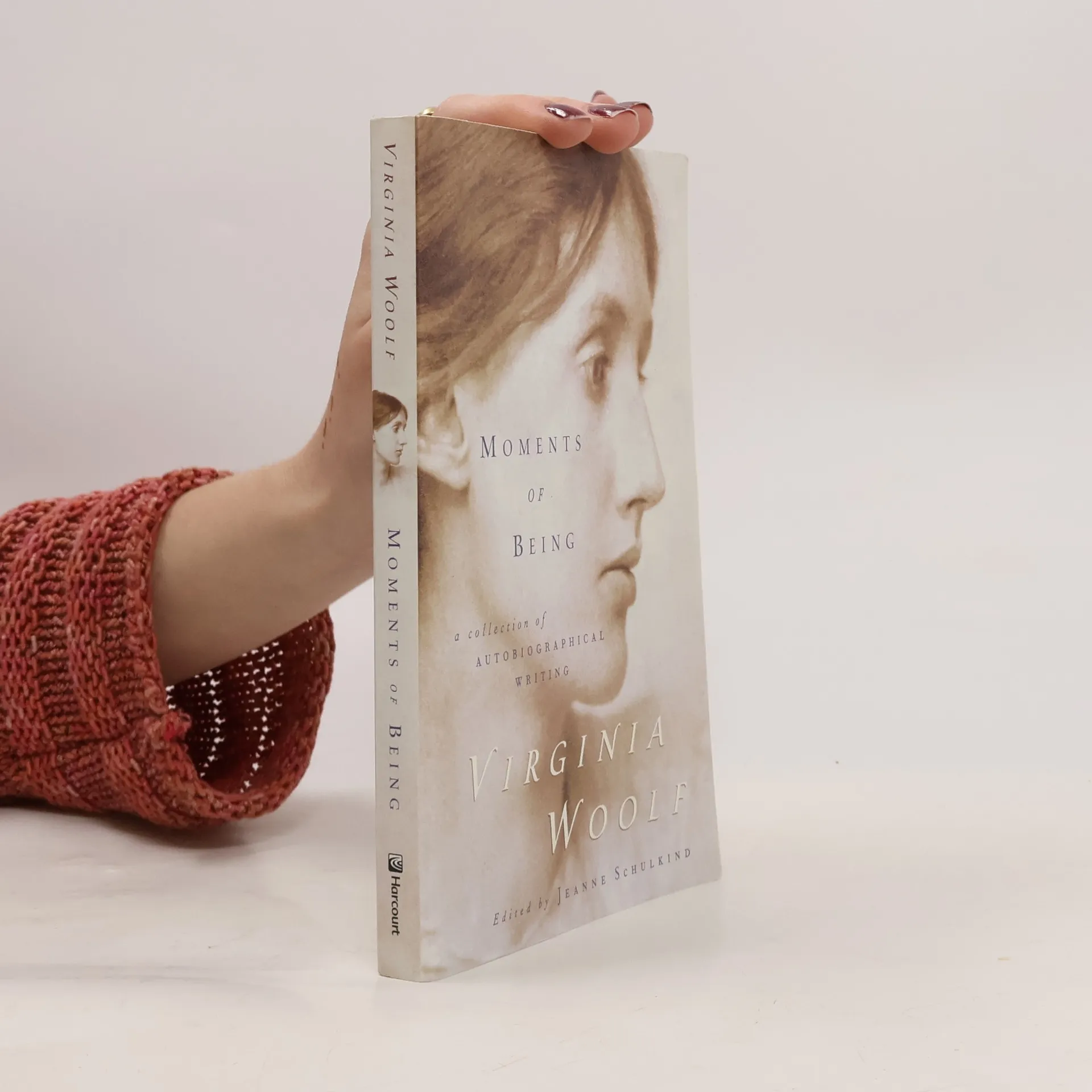
    Momenti di essere
    Una stanza tutta per sé
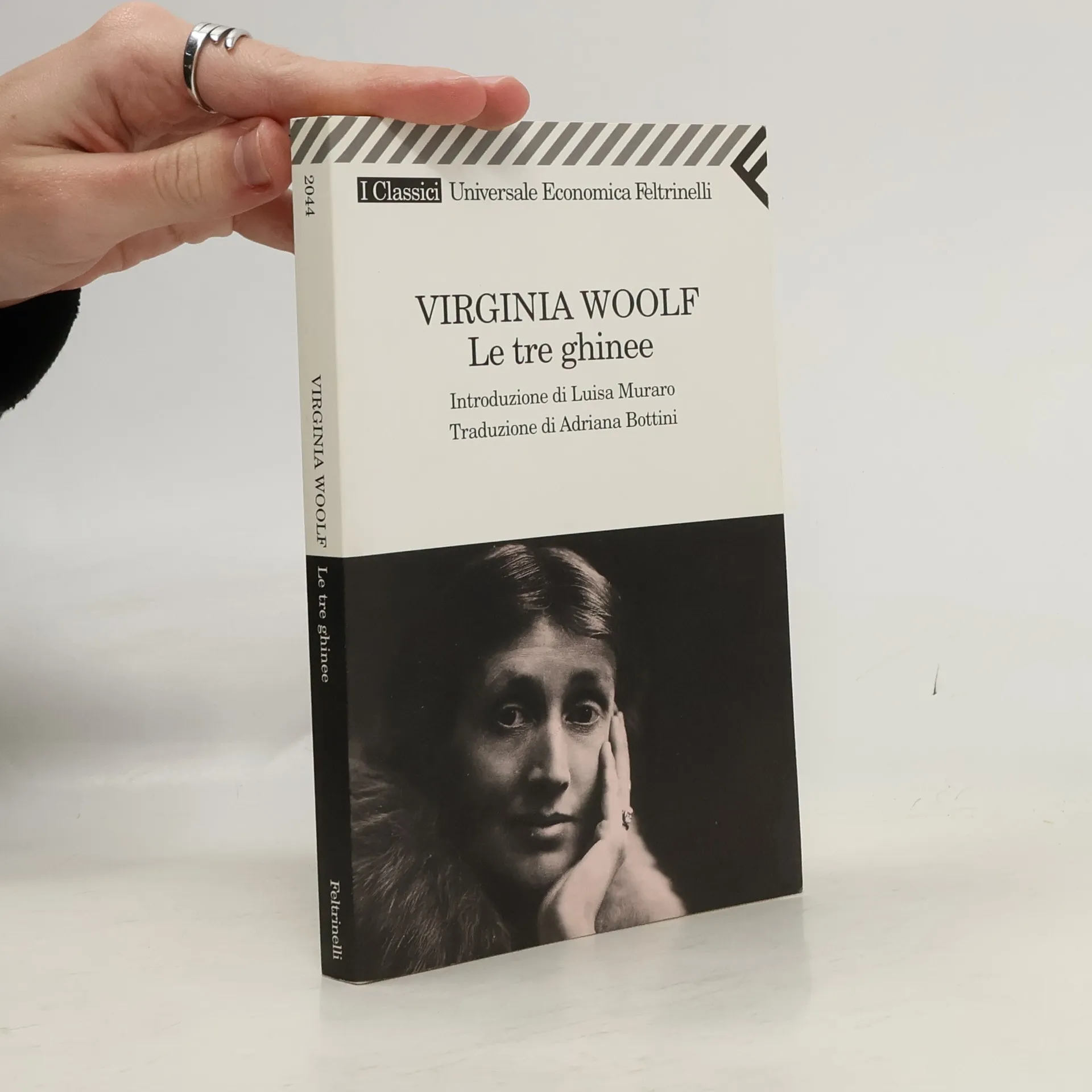
    Le tre ghinee
    Universale economica. I classici - 60: Una stanza tutta per sé
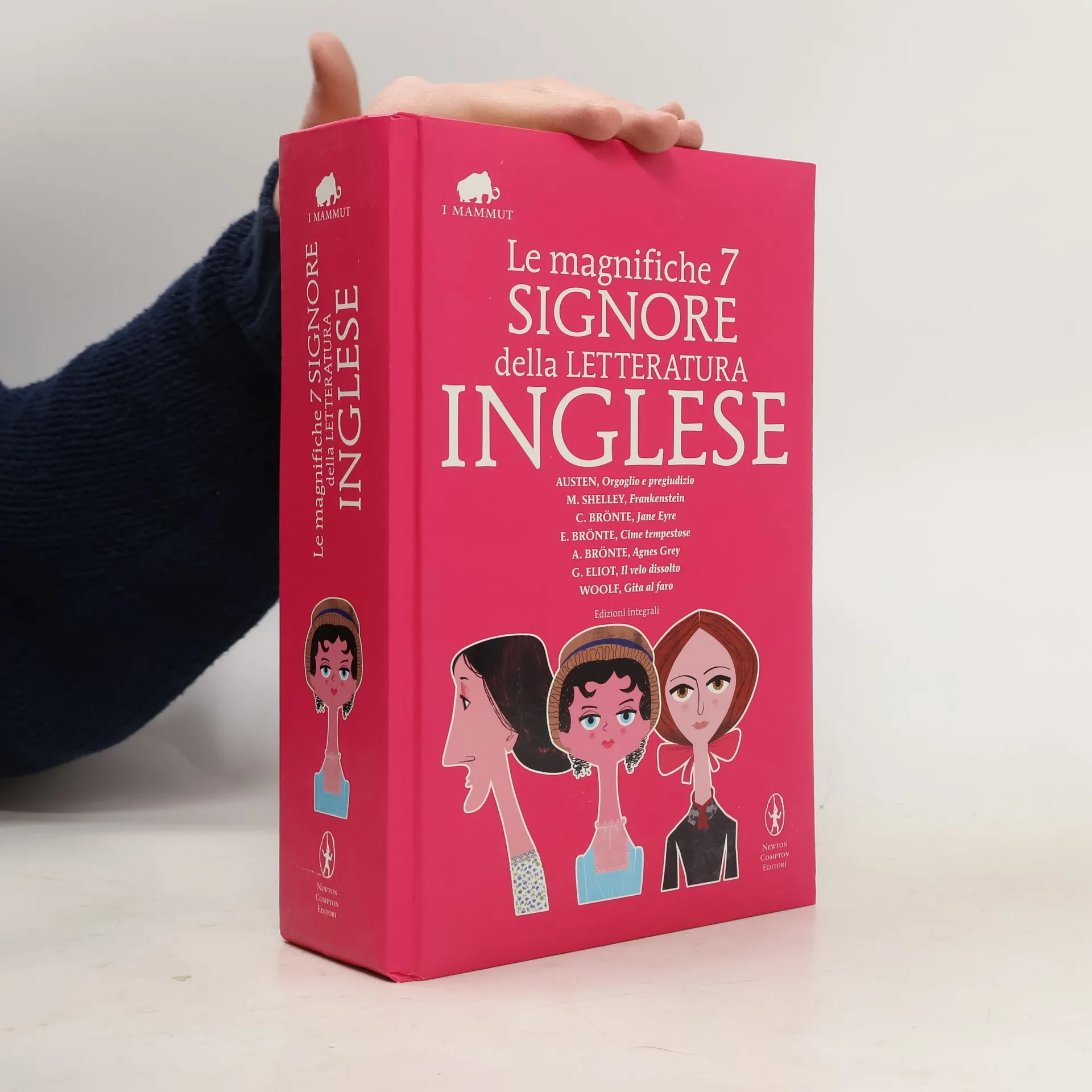
    Le magnifiche 7 signore della letteratura inglese
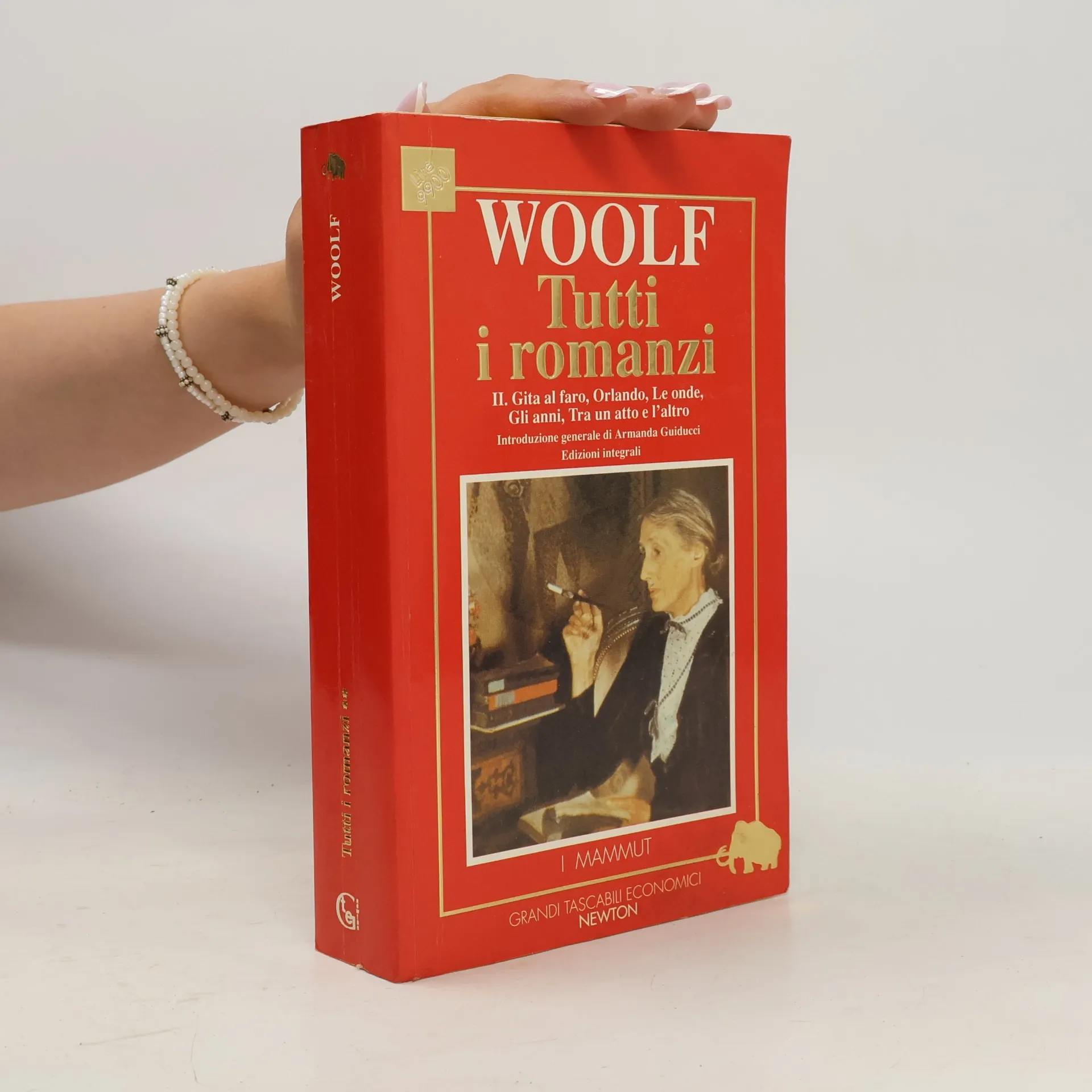
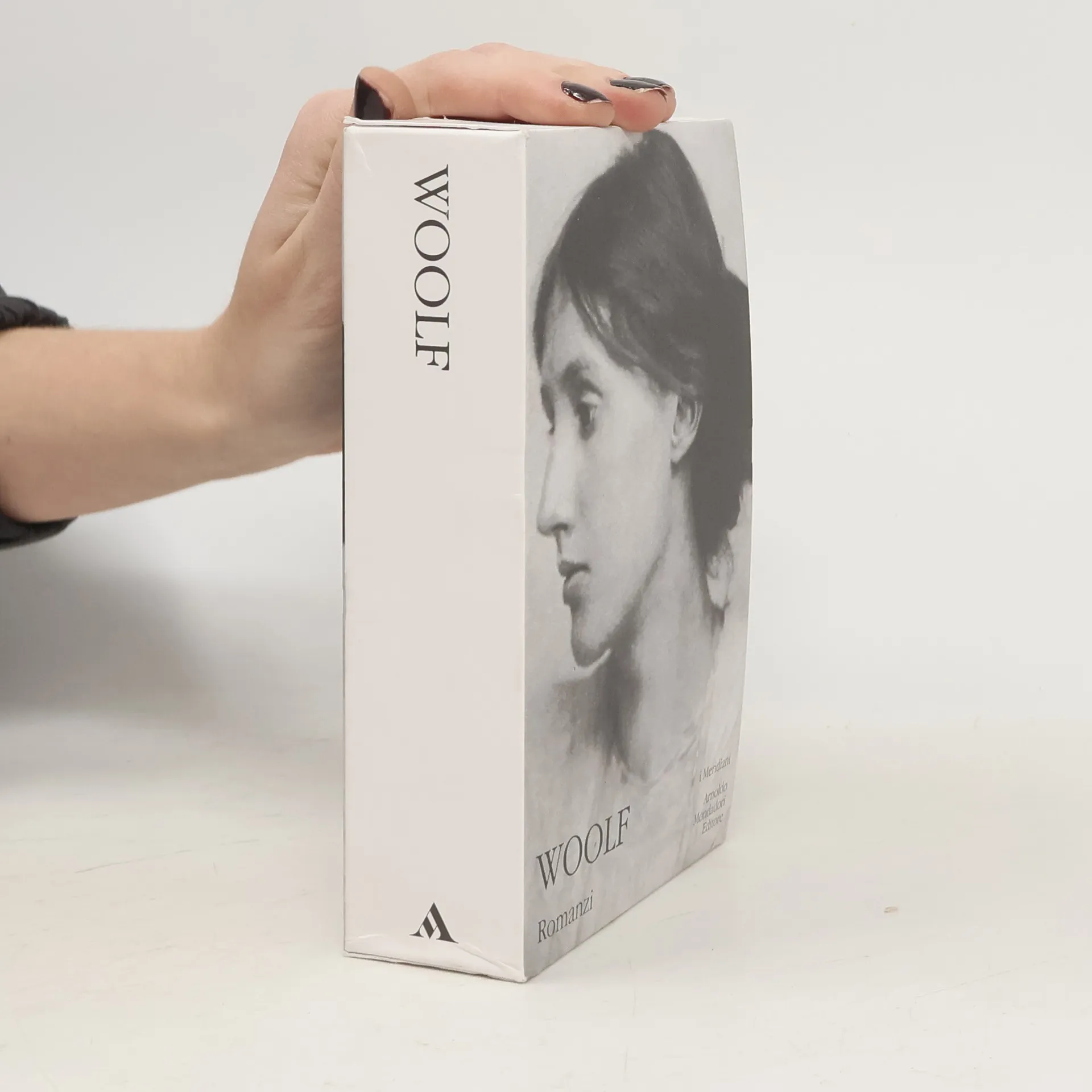
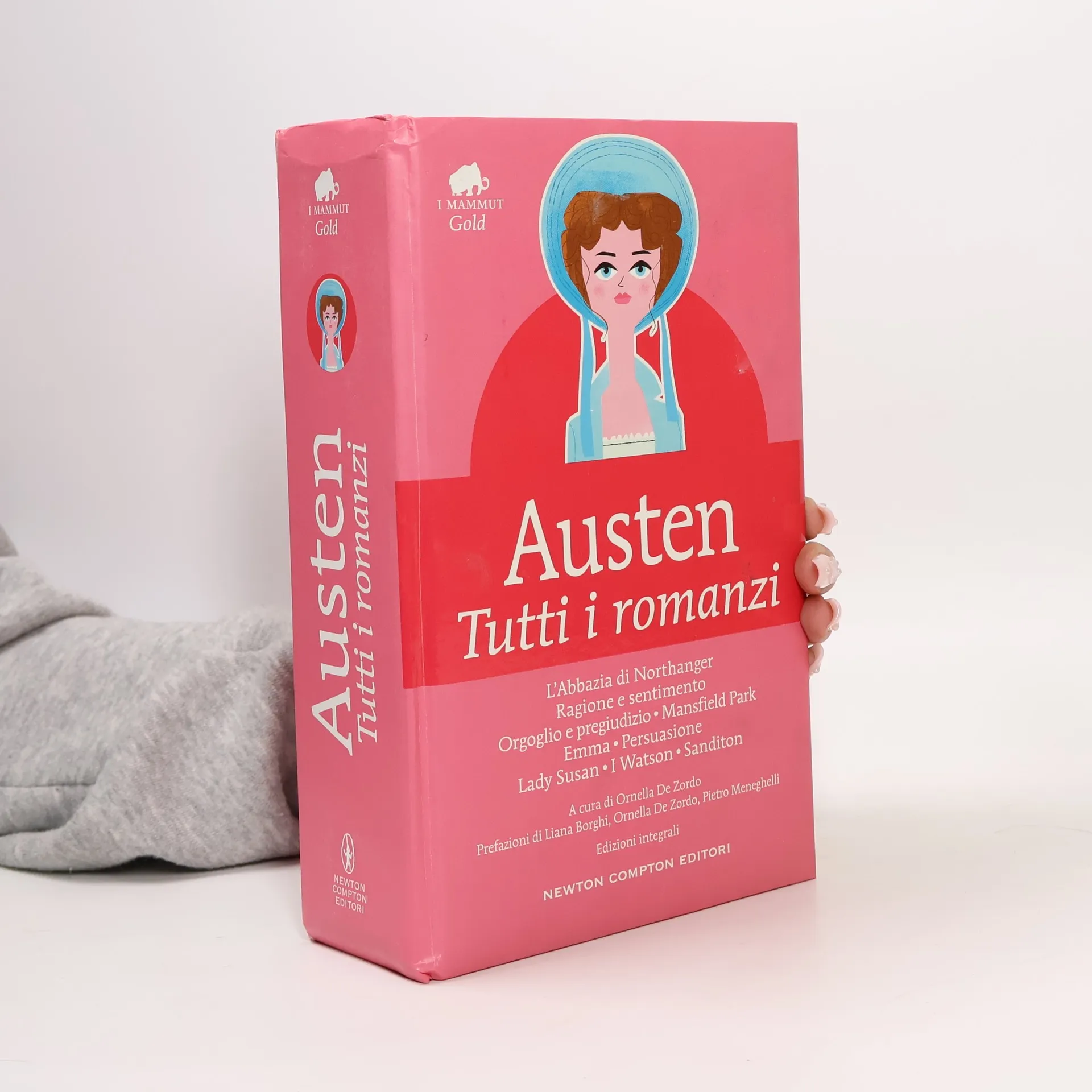
    Tutti i romanzi - Edizioni integrali
    • Tutti i romanzi - Edizioni integrali

      • 1311pagine
      • 46 ore di lettura

      Jane Austen è forse la scrittrice più enigmatica e controversa della letteratura inglese. Per molto tempo è stata vista come una moralista e una conservatrice, le cui opere non toccano i grandi temi sociali e ideologici della sua epoca, ma ritraggono soltano il "piccolo mondo" femminile della middle class. In realtà, le storie raccontate dalla Austen, proprio per essere così clamorosamente chiuse nello spazio concesso al "femminile", da un lato esaltano quel mondo e dall'altro costituiscono un implicito atto d'accusa verso chi ne ha segnato i confini. Sotto la superficie controllata e apparentemente convenzionale del testo si coglie una vena ironica e parodica la vera cifra della scrittura austeniana - che destabilizza i valori di una società rappresentata con brillante e divertito realismo. Molti film, di grande successo, sono stati tratti dai suoi romanzi, a dimostrare la grande attualità di una delle scrittrici più lette e amate dal pubblico.
      Tutti i romanzi - Edizioni integrali
      4,5
    • Le magnifiche 7 signore della letteratura inglese

      Edizioni integrali

      • 1235pagine
      • 44 ore di lettura

      Sette magnifiche signore, sette romanzi al femminile che tracciano oltre un secolo di storia della letteratura inglese. Si inizia con le vicende della famiglia Bennet e delle loro cinque figlie, raccontate da Jane Austen in un'analisi ironica e intelligente della borghesia inglese. Si prosegue con il celebre Frankenstein di Mary Shelley, un'eccellente prova di narrativa gotica in cui il “mostro” incarna le nostre paure più profonde. I capolavori delle sorelle Brontë - Charlotte, Emily e Anne - con Jane Eyre, Cime tempestose e Agnes Grey, esplorano le dinamiche della rigida classe nobiliare vittoriana e le storie di eroi ed eroine in cerca dell'amore. Mary Anne Evans, nota come George Eliot, si ribella al romanticismo con Il velo dissolto, un breve romanzo che illumina le parti più oscure e irrazionali dell'esperienza umana. Infine, Virginia Woolf, con Gita al faro, rappresenta un esempio di letteratura del XX secolo, dove le grandi passioni cedono il passo all'intimismo e al flusso di coscienza. Queste opere offrono uno sguardo profondo e variegato sulla condizione femminile e le sfide esistenziali nel corso della storia.

      Le magnifiche 7 signore della letteratura inglese
      4,3
    • Nell’ottobre del 1928 Virginia Woolf viene invitata a tenere due conferenze sul tema Le donne e il romanzo. È l’occasione per elaborare in maniera sistematica le sue molte riflessioni su universo femminile e creatività letteraria. Risultato è questo straordinario saggio, vero e proprio manifesto sulla condizione femminile dalle origini ai nostri giorni, che ripercorre il rapporto donna-scrittura dal punto di vista di una secolare esclusione attraverso la doppia lente del rigore storico e della passione per la letteratura. Come poteva una donna, si chiede la scrittrice inglese, dedicarsi alla letteratura se non possedeva “denaro e una stanza tutta per sé”? Si snoda così un percorso attraverso la letteratura degli ultimi secoli che, seguendo la simbolica giornata di una scrittrice del nostro tempo, si fa lucida e asciutta riflessione sulla femminilità. Un classico della scrittura e del pensiero.
      Universale economica. I classici - 60: Una stanza tutta per sé
      4,3
    • Le tre ghinee

      • 256pagine
      • 9 ore di lettura

      Le risposte a tre lettere immaginarie che contengono una richiesta di denaro per tre cause: la prevenzione della guerra, un'università femminile e un fondo per le donne che vogliono lavorare. Nelle immaginarie risposte si dimostra come alla radice di tutto ci sia il potere garantito dalla violenza. In "Le tre ghinee", scritto nell'inverno 1937-38 mentre la guerra stava per diventare una dolorosa realtà, Virginia Woolf immagina di ricevere tre lettere che contengono una richiesta in denaro per tre cause, la prevenzione della guerra, una università femminile e un'assistenza alle donne che vogliono esercitare una professione. Nelle immaginarie risposte l'autrice dimostra come le tre cause siano identiche e inseparabili; come alla radice di tutto ci sia il potere garantito dalla violenza, uno stesso meccanismo che produce il patriarcato e il fascismo, che fa l'uomo protagonista di un contesto sociale e isola la donna nella sfera privata, alienando entrambi. Nell'aprile 1938, alla fine di questo lavoro, Virginia Woolf scrisse nel suo diario: "Hitler dunque sta accarezzando i suoi spinosi baffetti. L'intero mondo trema: e il mio libro sarà forse come una farfalla sopra un falò consumato in meno di un secondo".

      Le tre ghinee
      4,2
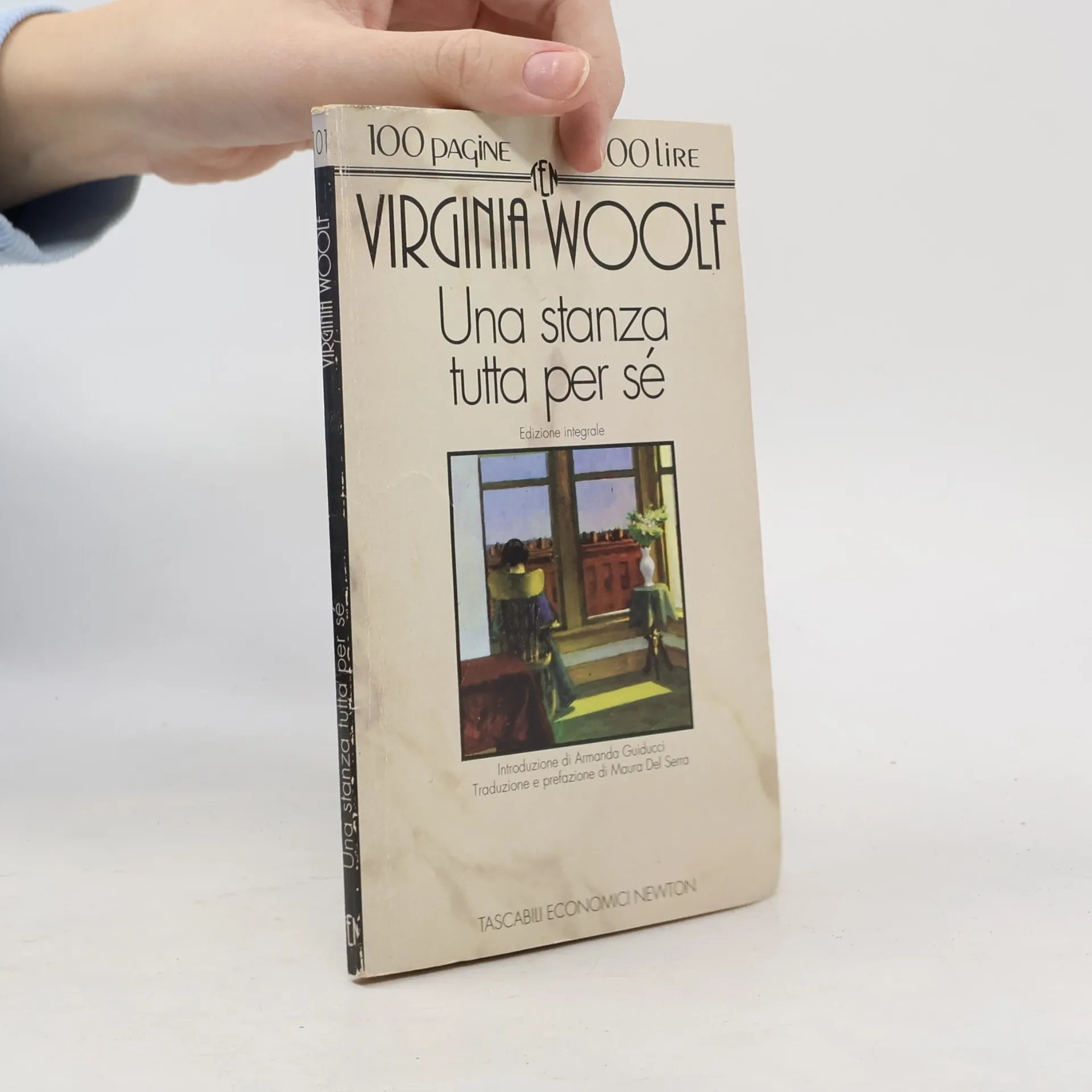
    • Una stanza tutta per sé

      Edizione integrale

      • 94pagine
      • 4 ore di lettura

      Una stanza tutta per sé è un trattato ironico, immaginifico, personalissimo e vario, che riesce a unire l’analisi sociale e la satira. Il leitmotiv della stanza, grembo e prigione dell’anima femminile, si allarga fino a comprendere tutti i luoghi della dimora umana: la natura, la cultura, la storia e infine la “realtà” stessa nella sua inquietante ma esaltante molteplicità. L’autrice demolisce la società patriarcale, bussa con forza alle porte del mondo della cultura, fino a quel momento di esclusivo appannaggio maschile, pretende di farvi irruzione, chiede che non ci siano più limiti e divieti per il pensiero delle donne.

      Una stanza tutta per sé
      4,2
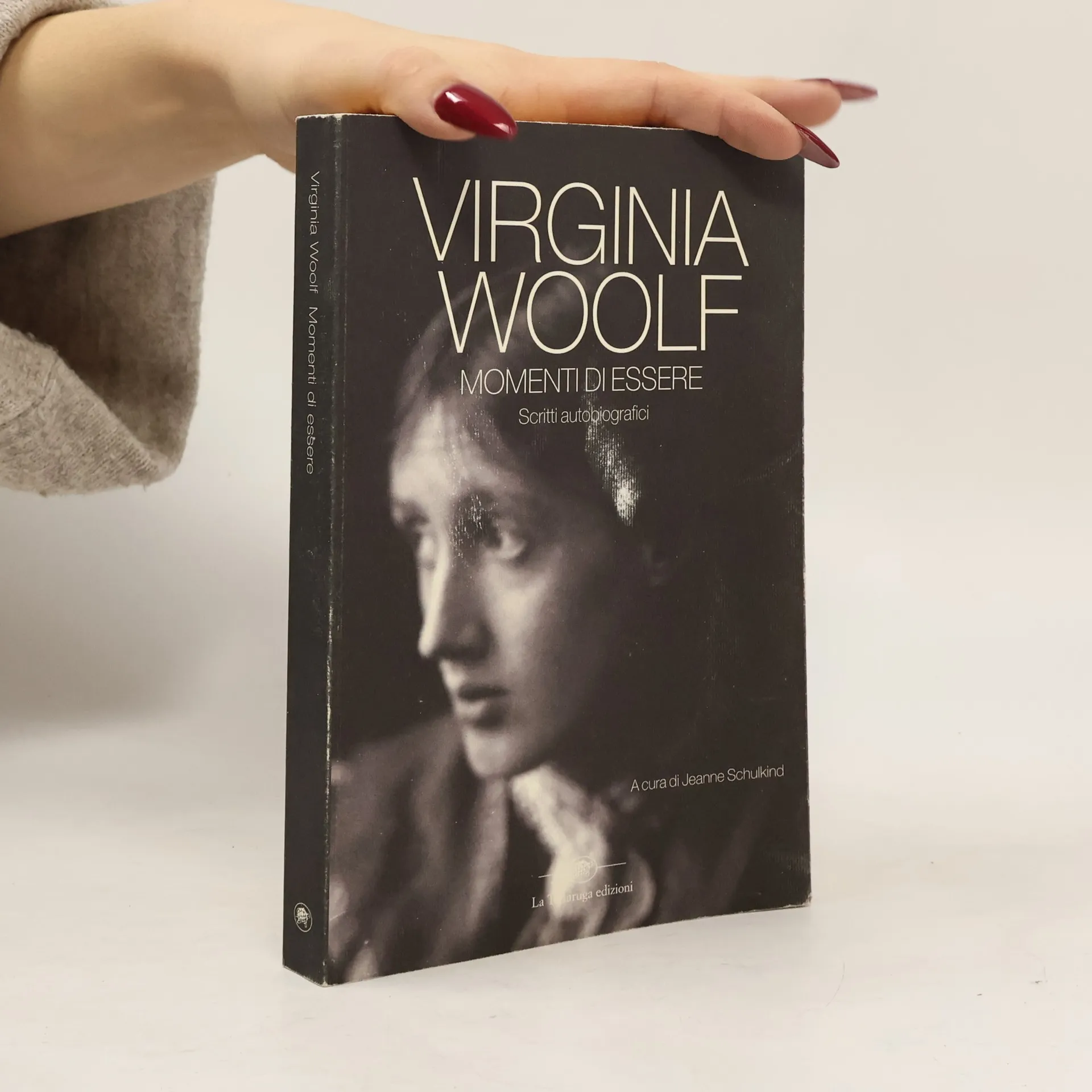
    • Momenti di essere

      Scritti autobiografici

      • 296pagine
      • 11 ore di lettura

      Pubblicati postumi, questi scritti autobiografici di Virginia Woolf, composti in un arco di quasi quarant'anni, sono illuminanti per la comprensione della sua tematica e della sua costante ricerca di definire gli infiniti piani sovrapposti della realtà. Né narrativa né biografia, queste pagine sono il tentativo di tracciare le linee di uno sviluppo interiore: si delineano i rapporti intensi e quasi ossessivi con la madre amata e perduta, il sentimento ambivalente verso la dominante figura paterna, l'ambiguo comportamento del fratellastro George, l'affetto sicuro venato di gelosia per la sorella Vanessa, il delicato passaggio dall'ipocrisia vittoriana alla programmatica sincerità dei giovani intellettuali di Bloomsbury. Sensazioni, ricordi, personaggi che faranno da sfondo a tutte le opere della Woolf. Queste memorie, che per i loro innegabili meriti intrinseci sono in grado di brillare di luce propria, non potranno che rendere più profonda e più ricca l'esperienza della lettura dei romanzi e dei racconti di Virginia Woolf, in quanto forniscono un solido retroterra nel contesto della sua vita.

      Momenti di essere
      4,2
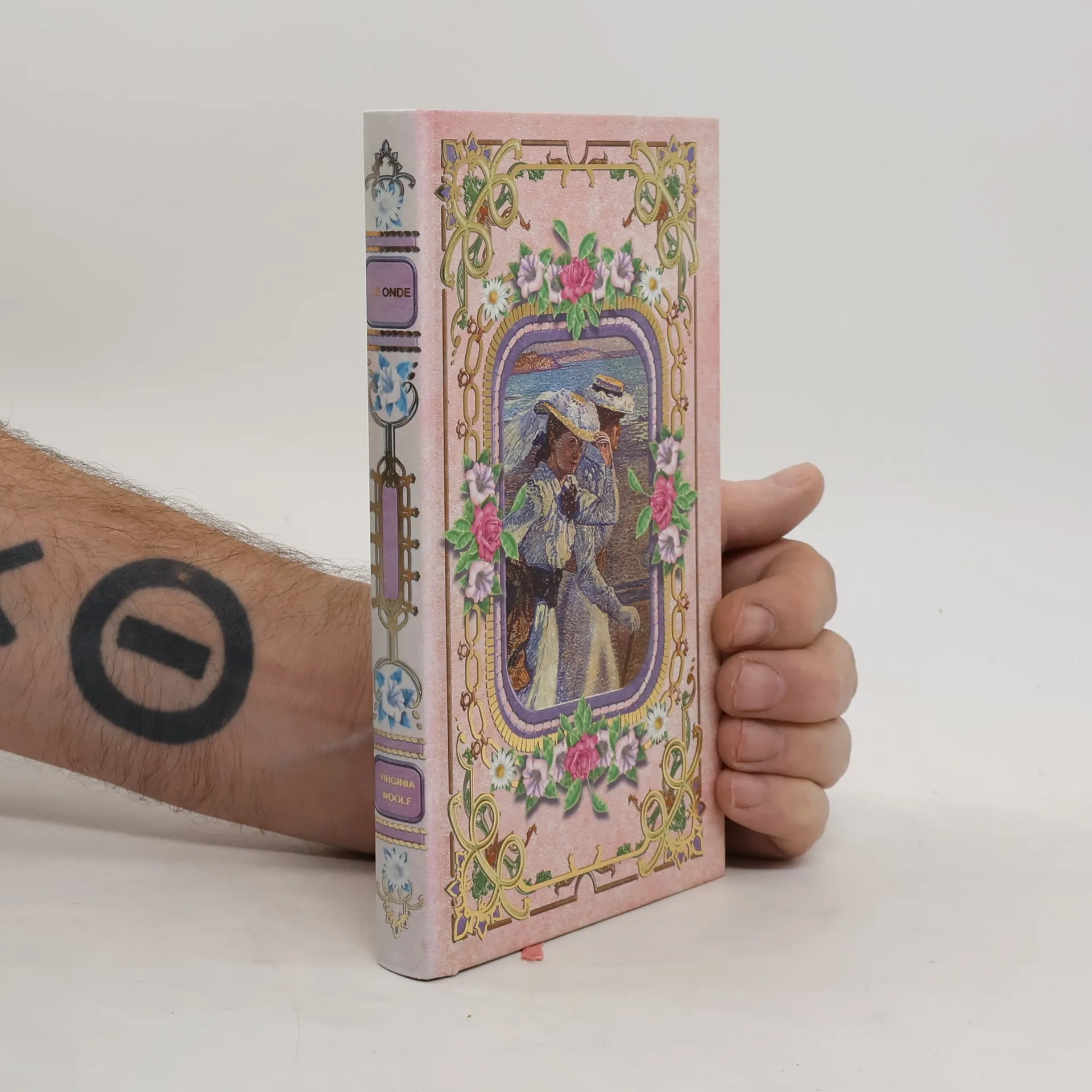
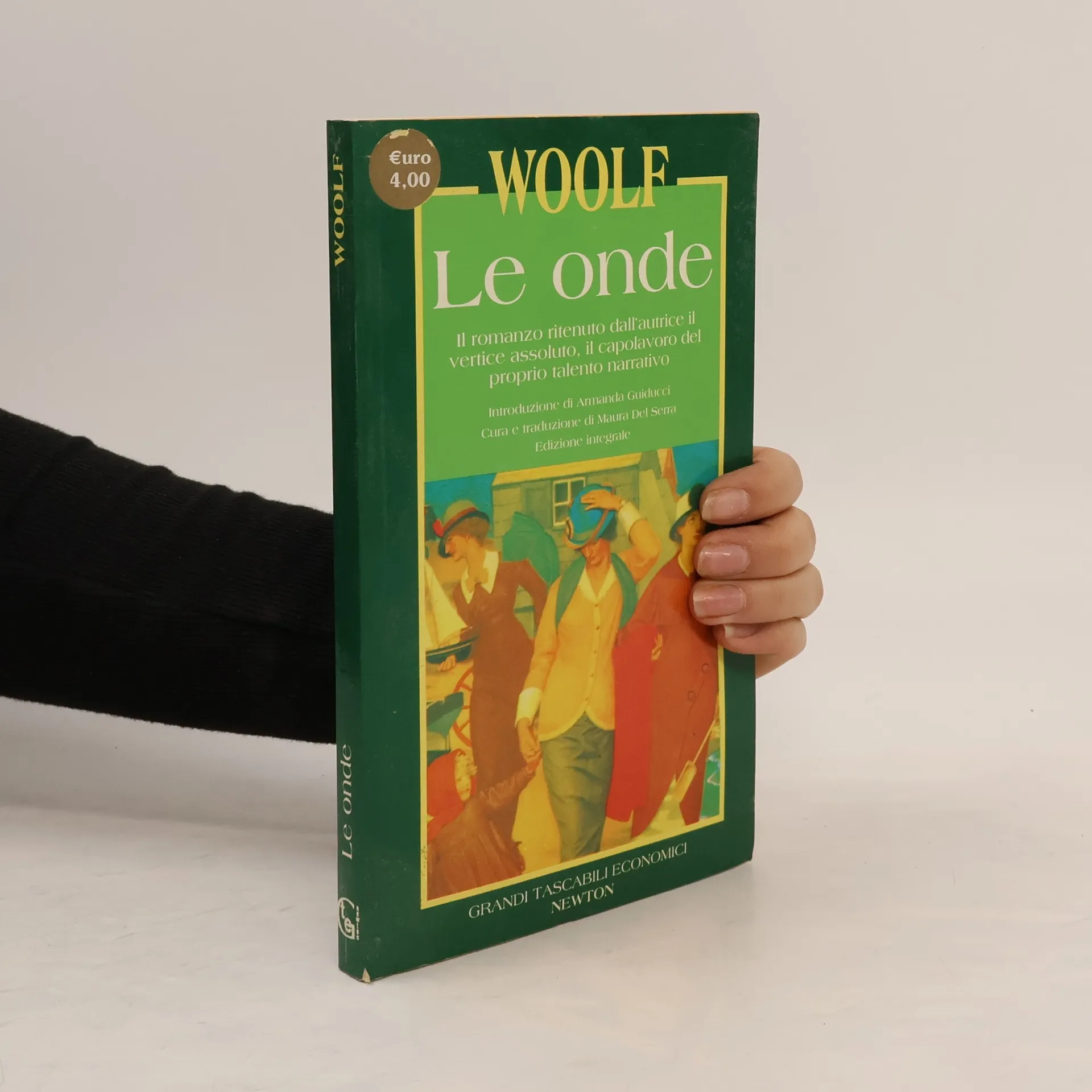
    • Le onde - Edizione integrale

      • 208pagine
      • 8 ore di lettura

      Set on the coast of England against the vivid background of the sea, The Waves introduces six characters—three men and three women—who are grappling with the death of a beloved friend, Percival. Instead of describing their outward expressions of grief, Virginia Woolf draws her characters from the inside, revealing them through their thoughts and interior soliloquies. As their understanding of nature’s trials grows, the chorus of narrative voices blends together in miraculous harmony, remarking not only on the inevitable death of individuals but on the eternal connection of everyone. The novel that most epitomizes Virginia Woolf’s theories of fiction in the working form, The Waves is an amazing book very much ahead of its time. It is a poetic dreamscape, visual, experimental, and thrilling.

      Le onde - Edizione integrale
      4,2
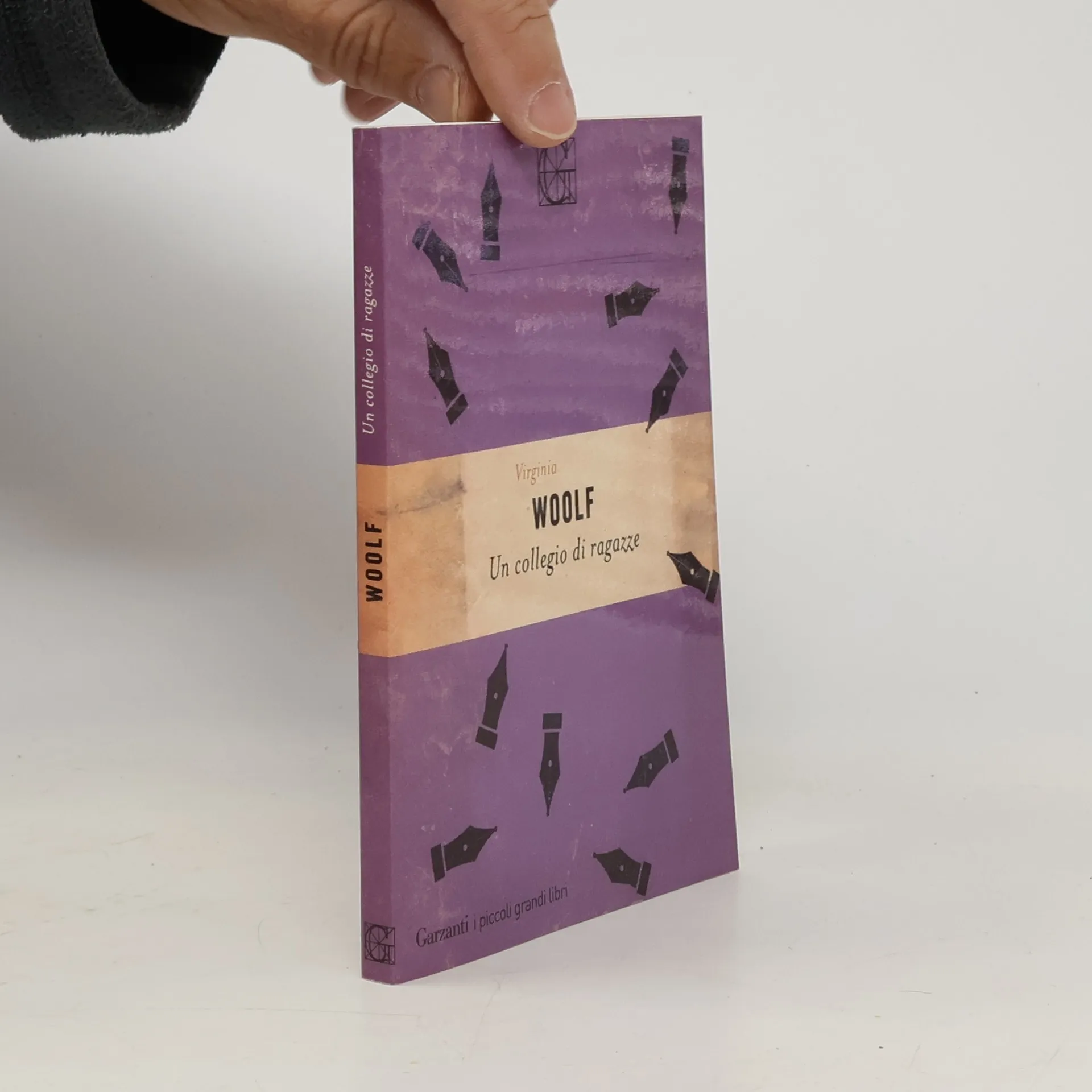
    • Un collegio di ragazze

      • 92pagine
      • 4 ore di lettura

      Nei sei racconti qui proposti, scritti tra il 1920 e il 1940, Virginia Woolf dà voce ancora una volta all’universo femminile con la sensibilità e la delicatezza che la contraddistinguono. Un’atmosfera di sogno e languore, una indefinita tensione erotica pervade queste pagine in cui il ricorso a una scrittura impressionista si conferma esemplare nel restituire le inquietudini e le emozioni più intime delle protagoniste. Alla maestria nel dare forma poetica all’indicibile, a quei «momenti d’essere» che hanno la forza di una rivelazione, si accompagna lo sguardo lungimirante della narratrice nel mettere sempre al centro la volontà e i desideri delle donne, nel rivendicarne l’autonomia morale, sociale e affettiva, nel difenderne la «libertà di essere diverse».

      Un collegio di ragazze
      4,0
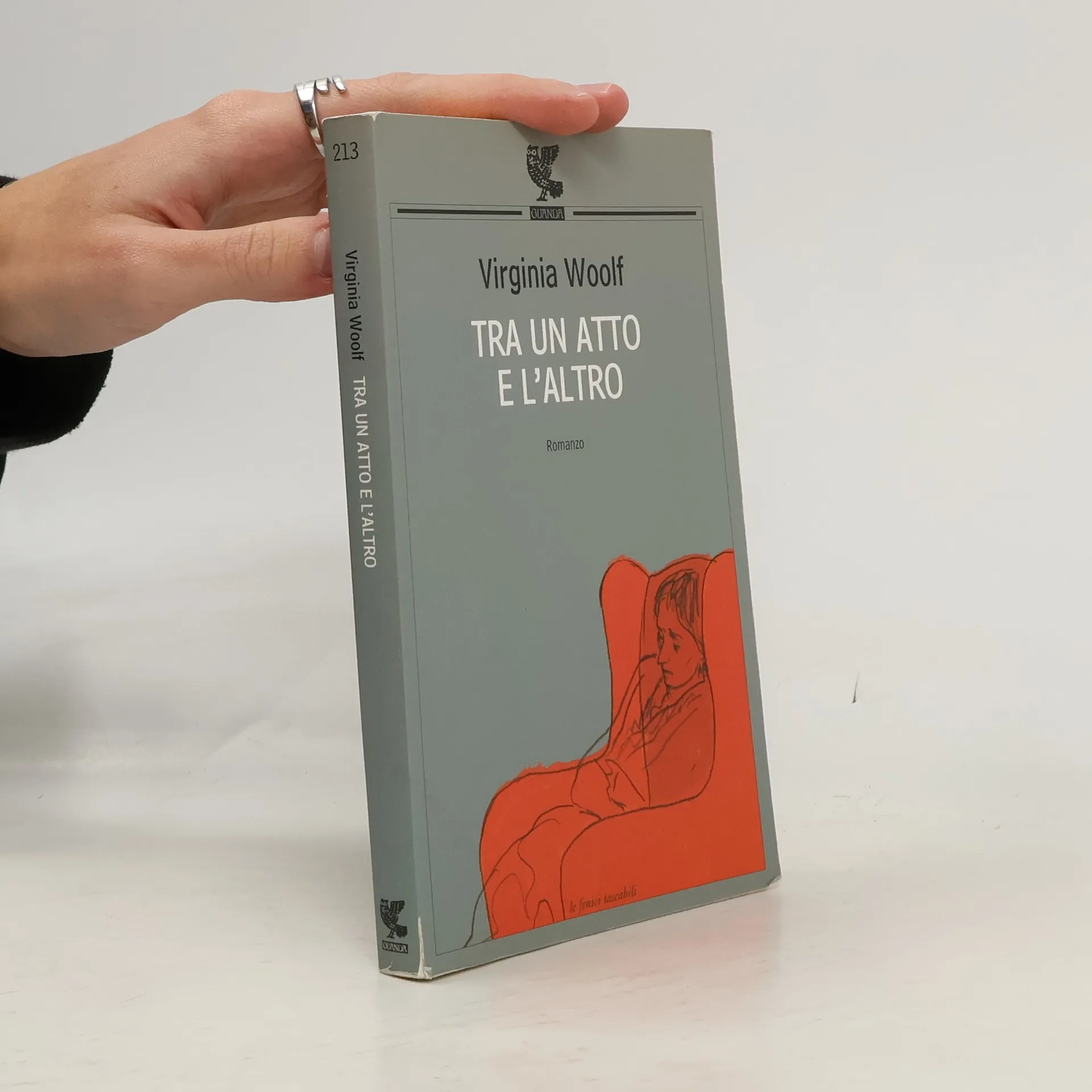
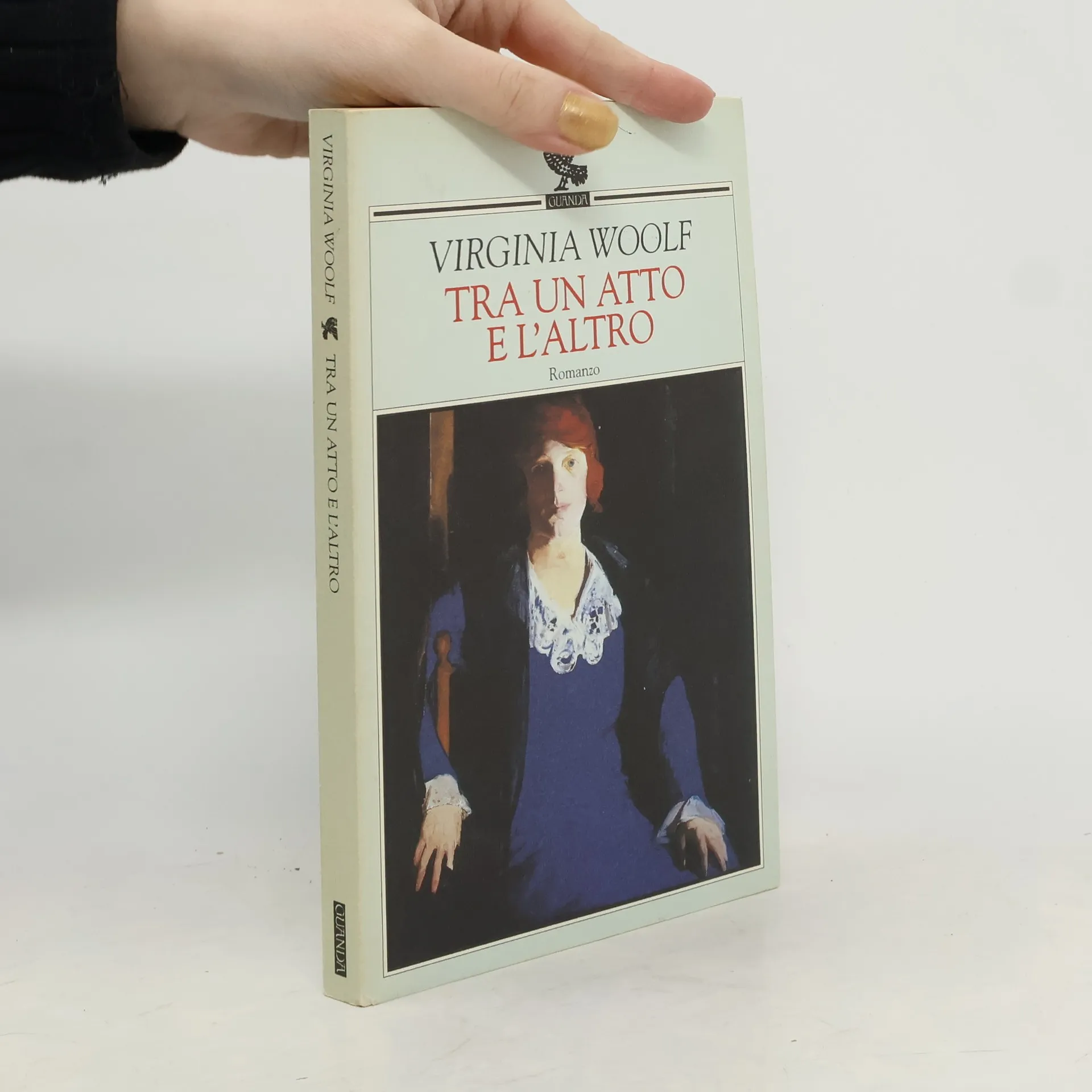
    • Le fenici tascabili - 213: Tra un atto e l'altro

      Romanzo

      • 169pagine
      • 6 ore di lettura

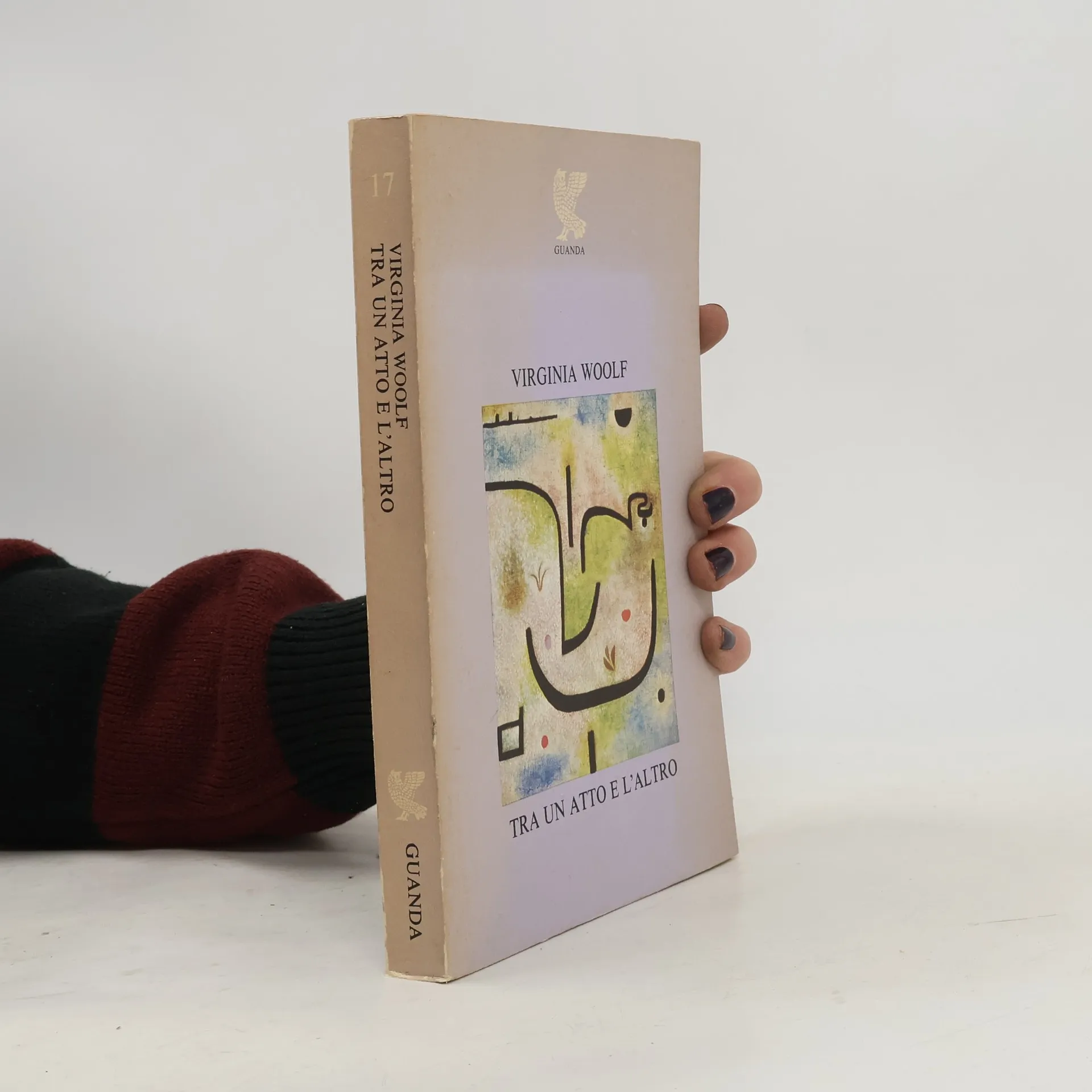
      Una mattina d'aprile del 1941 Virginia Woolf usciva di casa e si dirigeva come per una passeggiata verso il vicino fiume Ouse. A cinquantanove anni, la più grande scrittrice del Novecento aveva scelto di spegnere nel silenzioso fluire delle acque la tensione ormai insostenibile della sua esistenza. Sulla scrivania, due lettere di congedo e l'ultimo romanzo, Tra un atto e l'altro , il più rarefatto e insieme il più struggente dei suoi capolavori. Tra un atto e l'altro di un'ingenua rappresentazione dilettantesca in un paese della campagna d'Inghilterra, si liberano i "momenti dell'essere" più squisitamente woolfiani: gli uomini, gli spettatori della vita, sono colti nel loro stato di protagonisti. Rigurgiti ansiosi, voluttuose fantasticherie, accensioni di desiderio, guizzi di rivolta, sottomissioni, monologanti lirismi percorrono un tempo neutro, un'ora zero della vita, e confluiscono in un unico stream che si oppone con fluida, magnetica tenacia alla tragica, banale fissità degli avvenimenti rappresentati. Tra un atto e l'altro è il romanzo del presente, del mobile, del fuggevole, del frammentario che anela a comporsi in unità, in una compiuta polifonia.

      Le fenici tascabili - 213: Tra un atto e l'altro
      3,8
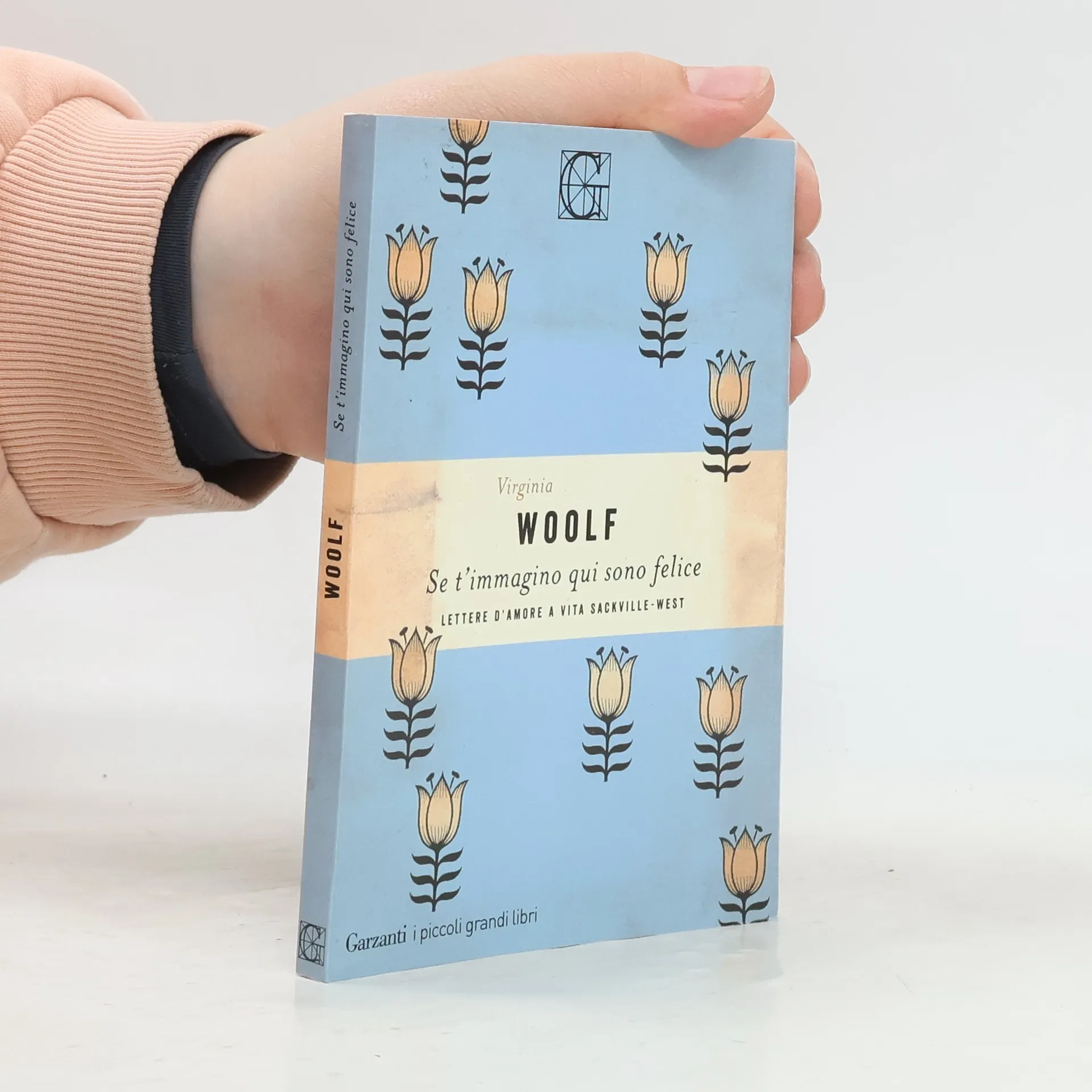
    • Prendendo spunto da una serie di riflessioni di carattere letterario, Virginia Woolf ci consegna qui un saggio della sua sterminata cultura e del suo acume di lettrice. Non solo sottolinea l’importanza, nella storia della cultura europea, della civiltà letteraria greca – a partire dalla sua lingua e dalle sue più alte forme di fioritura artistica, il teatro attico e la filosofia platonica –, ma anche guida il lettore alla scoperta dei tesori della letteratura mondiale, da Shakespeare ai classici della letteratura russa.Di Virginia Woolf (1882-1941) nel catalogo dei Grandi Libri Garzanti: Gita al faro.

      I piccoli grandi libri: Non sapere il greco
      3,8
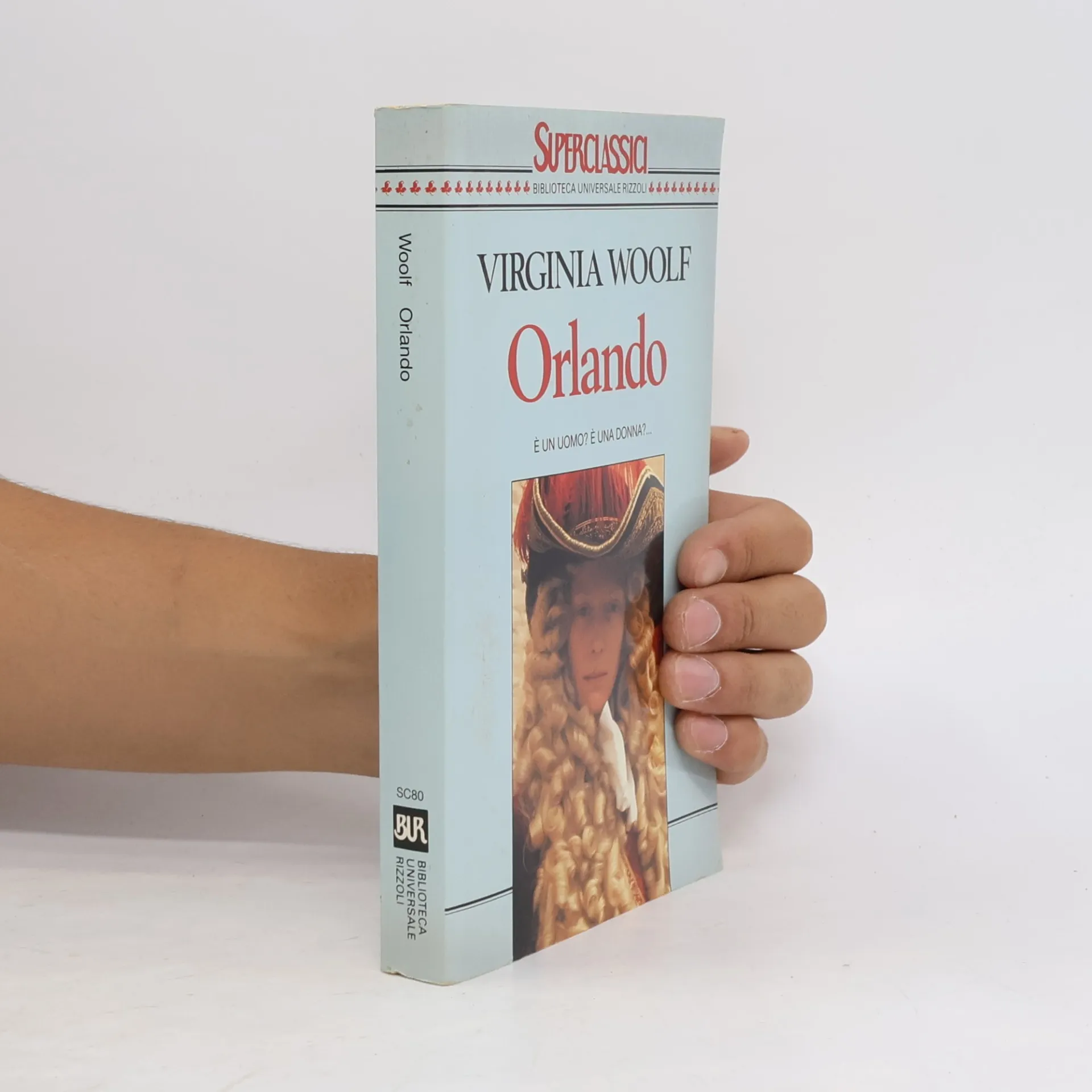
    • Orlando è giovane e affascinante, e la sua bellezza non deve mai svanire. Un desiderio che diventa il suo destino. Attraversa quasi quattro secoli e quattro diverse esistenze, senza invecchiare visibilmente: dal giovane cortigiano diventa un diplomatico a Costantinopoli, da trentenne si trasforma in una donna che torna in Inghilterra con una troupe di zingari, dove sposa l'uomo dei suoi sogni e dà alla luce un figlio. Il percorso di vita di Orlando trova compimento nel Londra dei primi del Novecento, dove diventa famosa come poetessa. "Orlando" è forse il libro più personale di Virginia Woolf, una dichiarazione d'amore per la sua amica Vita Sackville-West, e soprattutto un'opera che mostra il lato giocoso della grande autrice inglese. In questo romanzo frenetico, mascherato da biografia, i generi letterari si intrecciano con gioia. L'equilibrio tra audacia linguistica e sicurezza stilistica è ineguagliabile.

      Orlando
      3,9
    • Flush

      • 160pagine
      • 6 ore di lettura

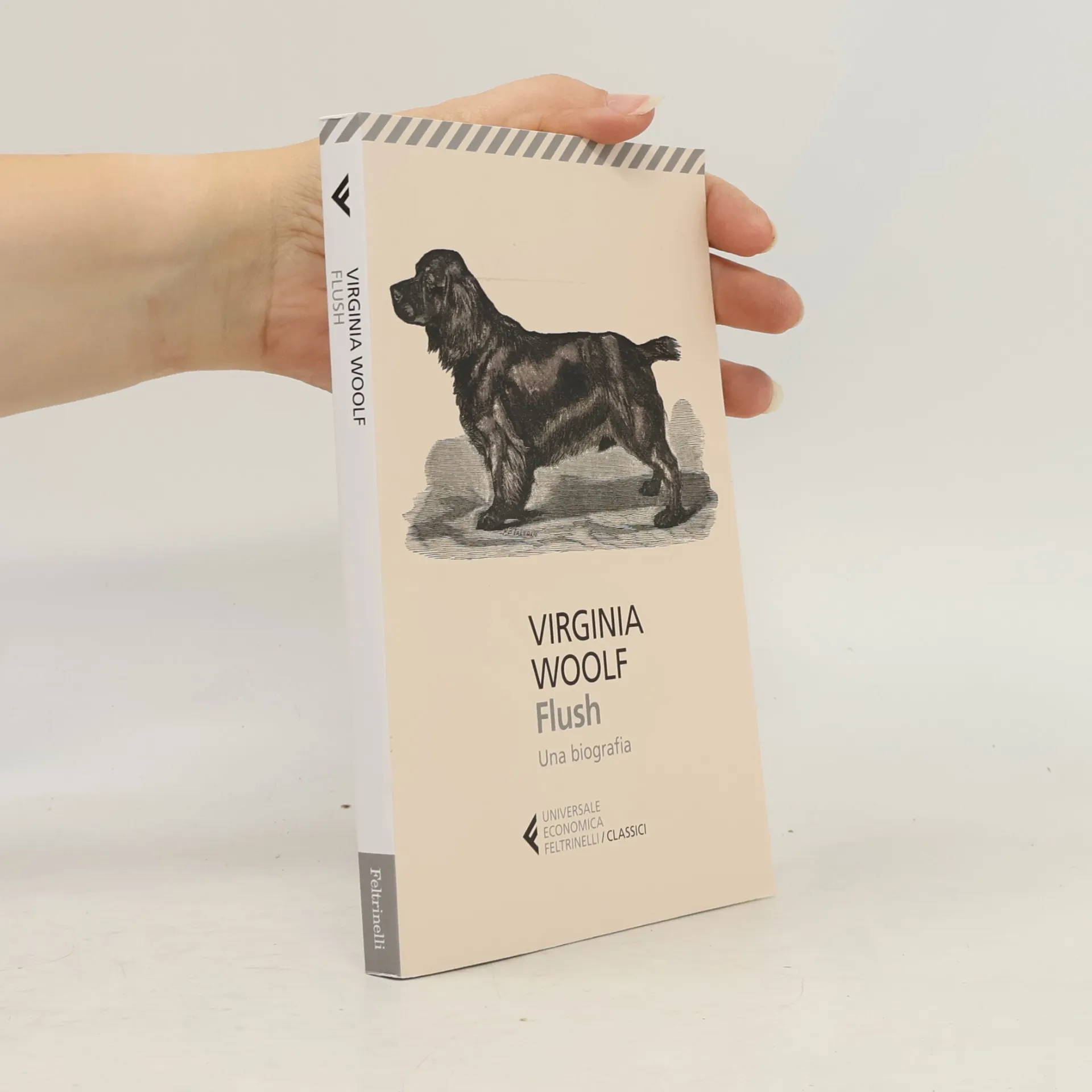
      "Flush" è la biografia del cane della poetessa inglese Elizabeth Barrett Browning. Ed è la storia dell'incontro tra Elizabeth Barrett e Robert Browning raccontata da un punto di vista molto particolare, quello di Flush. Ed è il gioco con cui Virginia Woolf scherza con la mania, tutta inglese, per la biografia. Ed è pure il racconto della sproporzione di tutti gli innamoramenti e di tutti i tradimenti, perché a un certo punto arriva Mr. Browning e Flush è solo un cane. La vita avventurosa, bizzarra, aristocratica e buffa di Flush, dall'infanzia a Reading alla casa di Wimpole Street, dove Miss Barrett è costretta a letto, dalla gelosia per Robert Browning ai balconi assolati di Casa Guidi a Firenze, dalle ali di pollo delicatamente arrostite al covo di un manipolo di rapitori a Whitechapel. L'incantevole biografia del piccolo cocker Flush amato da una grande poetessa.

      Flush
      3,9
    • "Gita al Faro" viene dal ricordo e dal rimpianto di un'infanzia felice, protetta da madre e padre, allietata da fratelli e sorelle, nella casa delle vacanze al mare. Virginia Woolf scrive questa elegia mentre sta leggendo Proust, forse in gara con lui. Progetta il libro in tre parti: alla finestra del salotto, sono passati sette anni, la gita al Faro che finalmente è compiuta dal padre, ormai vecchio, da due figli ormai adolescenti. La madre è morta, e anche i due figli più grandi. Della terribile guerra che intanto è accaduta non parla: è il suo modo di condannarla. Inserisce nel quadro un alter-ego di se stessa, Lily Briscoe, una pittrice che vorrebbe fissare sulla tela la bellezza misteriosa e appassionante della madre, la signora Ramsay, e vi riuscirà solo alla fine, nello stesso momento in cui Virginia Woolf finisce la sua scrittura.

      La biblioteca di Repubblica - 22: Gita al faro
      3,8
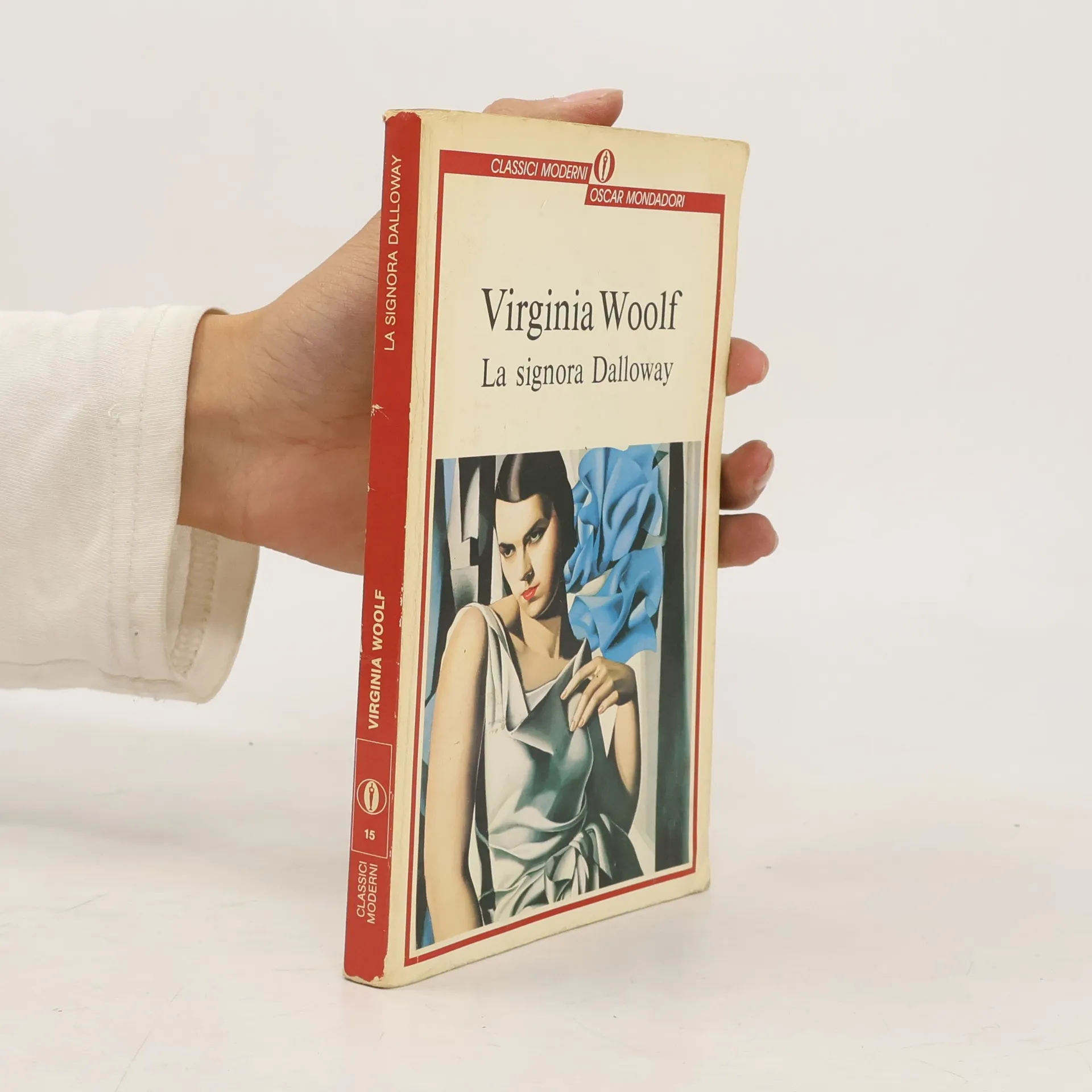
    • La signora Dalloway

      • 177pagine
      • 7 ore di lettura

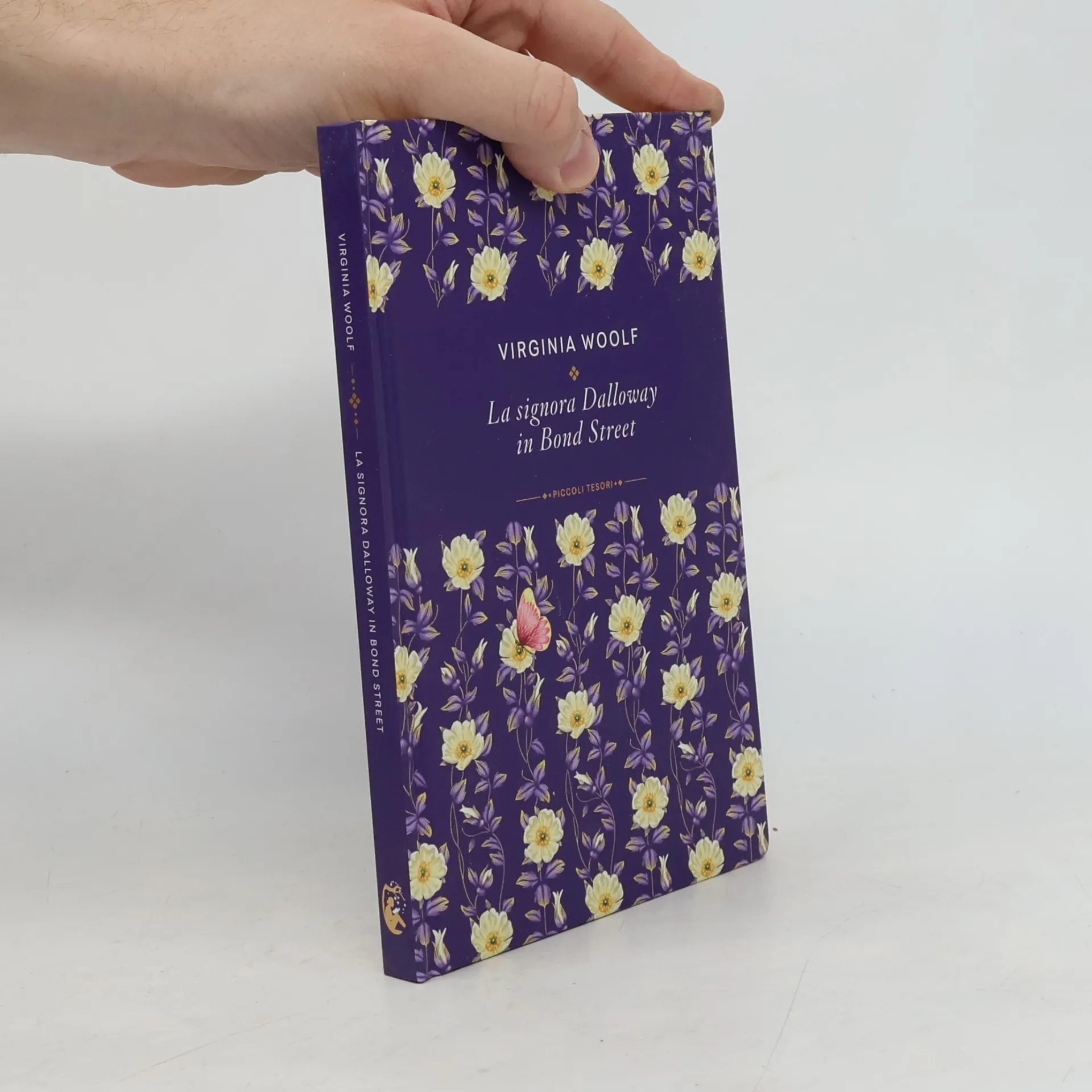
      Un mercoledì di metà giugno del 1923 Clarissa Dalloway, moglie di un deputato conservatore alla Camera dei Lords, esce per comprare dei fiori per la festa che la sera riunirà nella sua casa una variopinta galleria di personaggi. Tra gli altri: Peter Walsh, l'amante respinto, appena tornato dall'India, e l'amica tanto amata, più di ogni uomo, Sally Seton. Per le strade di Londra passeggia anche Septimus Warren Smith, il deuteragonista del romanzo. Nulla sembra legare i due, se non la città di Londra. Clarissa ha cinquant'anni, è ricca. Septimus ne ha appena trenta, è povero e traumatizzato dall'esperienza feroce e violenta della guerra, in cui ha perduto non solo l'amico Evans, ma ogni pace. Eppure i due, senza mai incontrarsi, semplicemente sfiorando gli stessi luoghi, comunicano. Con sapienza straordinaria Virginia Woolf, giunta con questo al suo quarto romanzo, tesse il filo sottile di corrispondenze, echi, emozioni che creano un'opera di grande intensità. Dove un uomo e una donna sconosciuti l'uno all'altra sono accomunati dallo stesso amore e terrore della vita, che li porterà, nell'accettazione (femminile) o nel rifiuto (maschile), ad affermarne comunque l'inestimabile valore.

      La signora Dalloway
      3,8
    • Notte e giorno

      • 512pagine
      • 18 ore di lettura

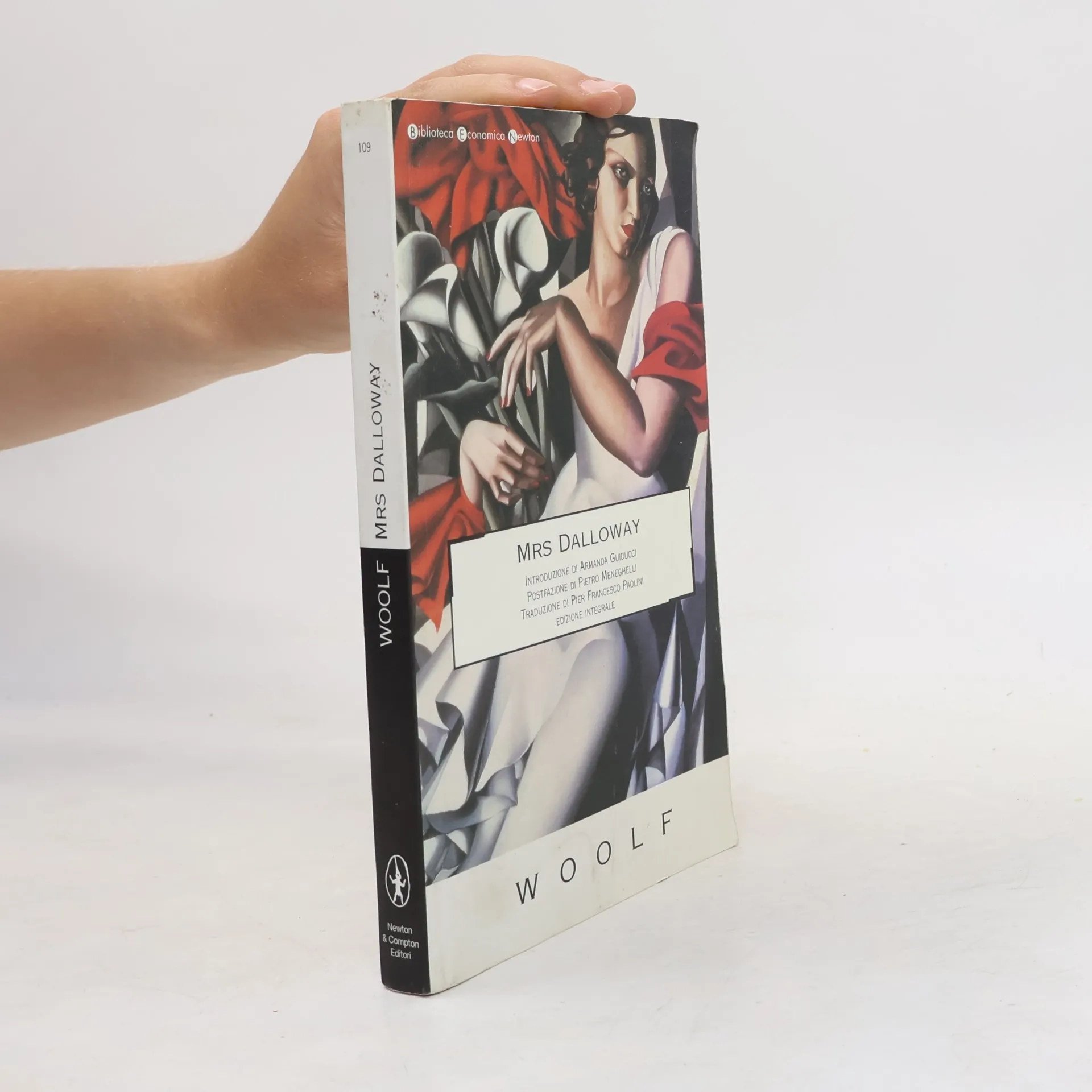
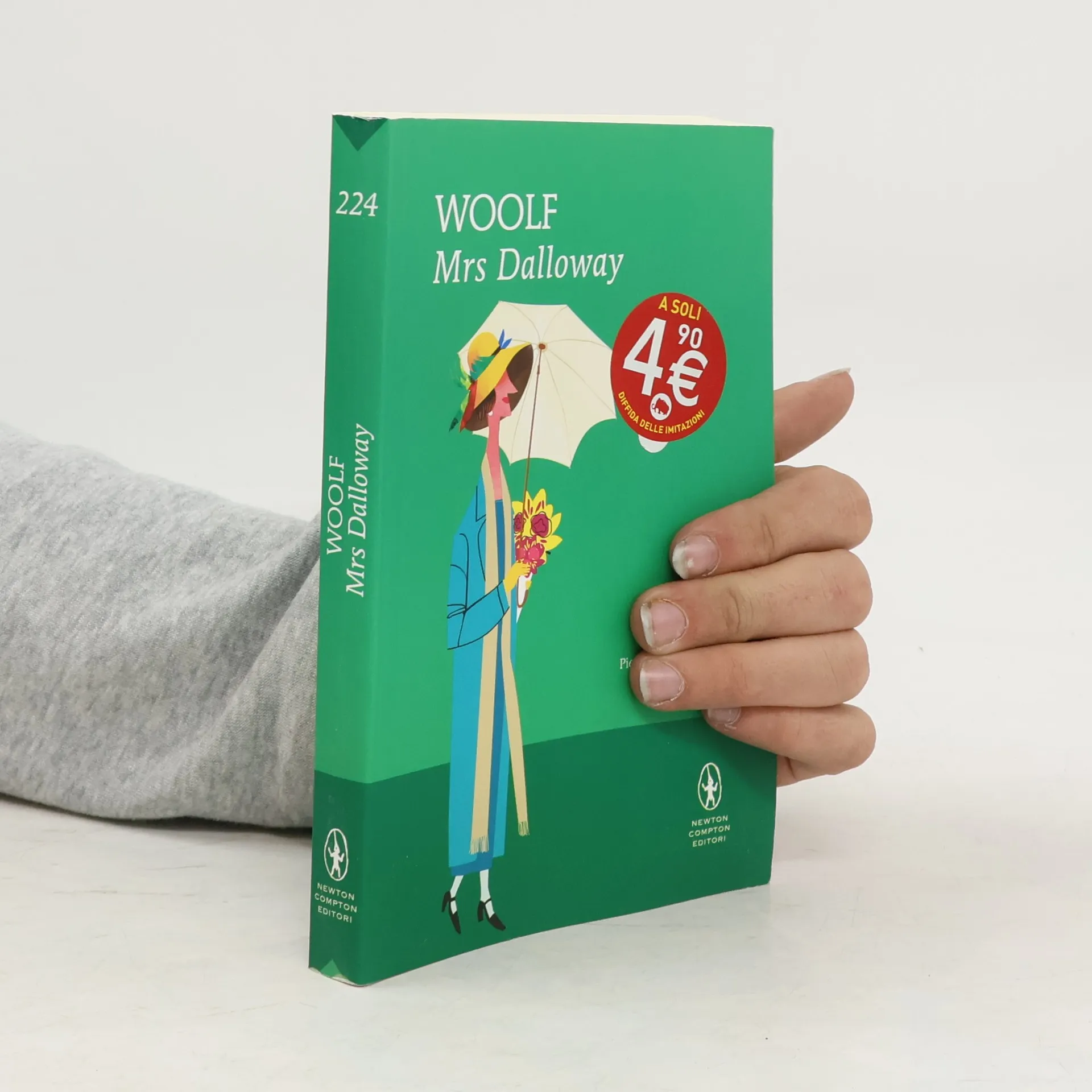
      Introduzione di Armanda Guiducci, cura e traduzione di Pietro Meneghelli. Katharine Hilbery, proveniente da una famiglia aristocratica, è fidanzata con il vanitoso William Rodney, ma si sente attratta dalla vitalità di Ralph Denham. Si trova a dover affrontare il dilemma di quanto sia disposta a rischiare per colmare il divario tra le aspettative sociali e le sue pulsioni interiori. Questo romanzo, il secondo di Virginia Woolf, esplora le sfumature più delicate della vita emotiva e dei legami amorosi, rappresentando un passaggio fondamentale verso le sue opere più mature. Woolf descrive la Londra in cui la bellezza è spesso trascurata e l'eccentricità ha un prezzo, suggerendo che è meglio non attirare l'attenzione. Nata a Londra nel 1882 e figlia di un noto critico, crebbe in un ambiente letterario stimolante. Fu leader del gruppo di Bloomsbury, un circolo culturale progressista, e insieme al marito fondò la Hogarth Press nel 1917. Grande ammiratrice di Proust, divenne una figura centrale nella narrativa inglese del primo Novecento. Morì suicida nel 1941. La Newton Compton ha pubblicato diverse sue opere, tra cui Gita al faro, Una stanza tutta per sé e Mrs Dalloway.

      Notte e giorno
      3,8
    • Fu solo nel 1937 che il pubblico poté leggere "Gli anni", la cronaca della storia di una famiglia della upper middle class inglese, i Pargiter, dal 1880 ai primi anni trenta. Era dal 1931 che la Hogarth Press, la casa editrice dei coniugi Woolf, non dava alle stampe un romanzo di Virginia. "Gli anni" fu quello di maggior successo, l’unico che entrò nella classifica del “New York Times” dei libri più venduti. Ciò è dovuto a diversi fattori, tra cui la crescente fama della romanziera e la sua maggior partecipazione alla vita pubblica. Ma un motivo non trascurabile sembra essere il genere al quale più facilmente è ascrivibile l’opera, il romanzo di famiglia. Una famiglia in cui le relazioni più frequentemente prese in esame non sono quelle dirette, come tra padri e figli per esempio, ma quelle tra fratelli e sorelle, tra cugini, o tra zie e nipoti, spesso non sposati. "Gli anni", pur essendo stato concepito già nel 1931, sembra risentire dell’atmosfera di pericolo incombente che la salita al potere dei movimenti fascisti in Europa stava portando con sé. Negli stessi anni in cui Joyce stava completando il suo testamento narrativo, Finnegans Wake, Virginia Woolf scriveva dunque la propria “capsula del tempo” da consegnare ai posteri.

      Gli anni
      3,8
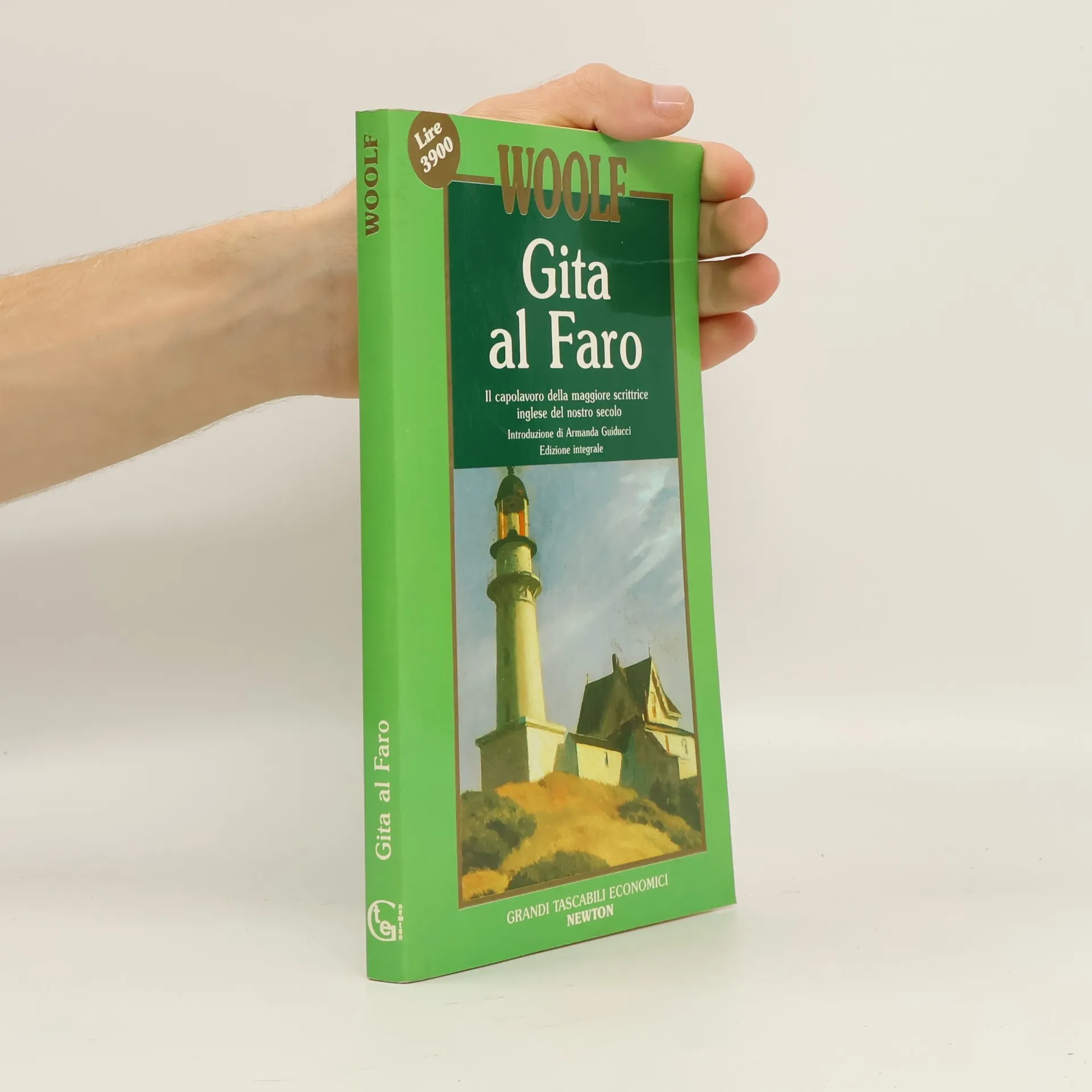
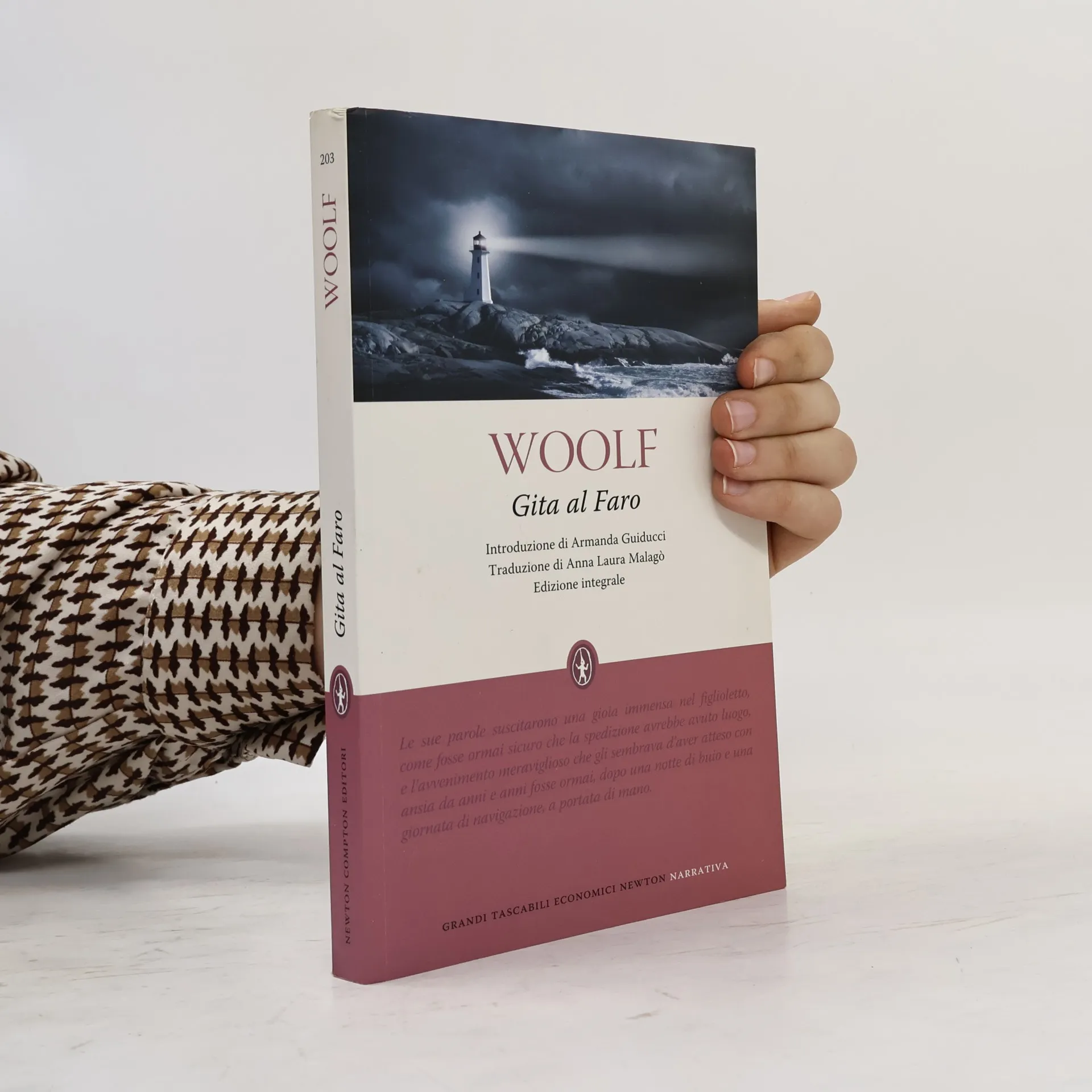
    • Gita al faro

      • 192pagine
      • 7 ore di lettura

      Quando, nel 1925, Virginia Woolf si accinse a scrivere Gita al Faro era decisamente giunta alla soglia della maturità artistica: in questa sua opera riuscì infatti mirabilmente a mostrare il suo sapiente dominio delle possibilità del monologo interiore e la straordinaria capacità di muoversi liberamente tra il flusso delle coscienze dei personaggi. Con tutta la sua avvolgente bellezza, questo romanzo è una commossa elegia all'Assenza: assenza innanzitutto della madre, morta quando la Woolf aveva solo tredici anni, lasciandole un vuoto incolmabile. Ed è proprio tale immagine cara a legare le diverse solitudini dei protagonisti di questa rievocazione corale, tutti chiusi in un proprio mondo isolato da cui è difficile comunicare. Fluido e ritmato come il mare sotto il raggio ora breve ora lungo del Faro che fende l'oscurità della notte, il romanzo si impone al lettore con la forza della memoria, il fascino del ricordo, la voce struggente della nostalgia

      Gita al faro
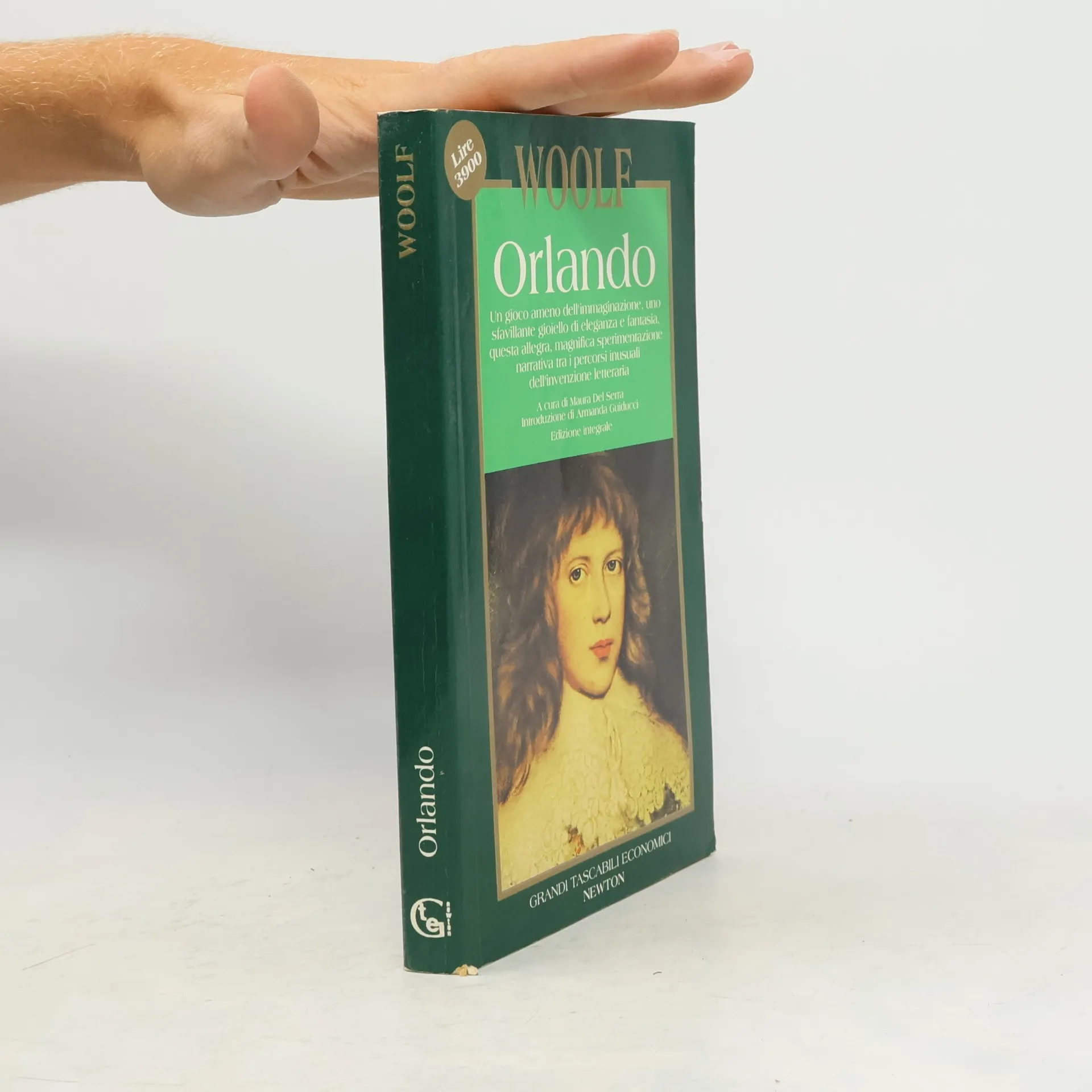
    • Orlando

      Edizione integrale

      • 192pagine
      • 7 ore di lettura
      Orlando
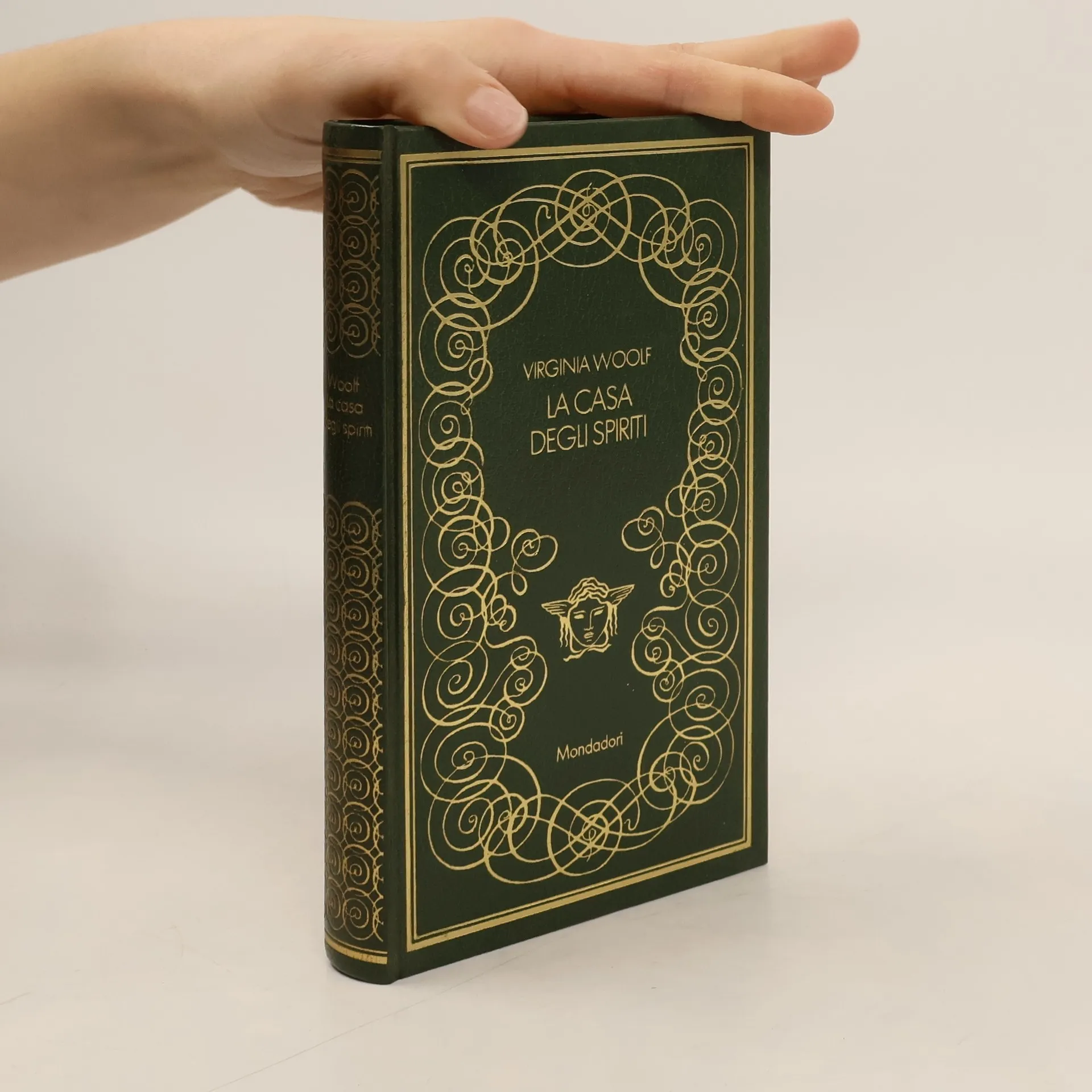
    • La casa degli spiriti

      • 216pagine
      • 8 ore di lettura

      La casa degli spiriti Lunedì o martedì Un romanzo non scritto Il quartetto d'archi I giardini di Kew Il segno sul muro Il vestito nuovo La partita di caccia Lappin e Lapinova Oggetti solidi La signora nello specchio La duchessa e il gioiellere Momenti di vita L'uomo che amava i suoi simili Il riflettore Il lascito Vicini e lontani Un riepilogo Virginia Woolf's intention to publish her short stories is carried out in this volume, posthumously collected by her husband, Leonard Woolf. Containing six of eight stories from Monday or Tuesday, seven that appeared in magazines, and five other stories, the book makes available Virginia Woolf's shorter works of fiction. Foreword by Leonard Woolf.

      La casa degli spiriti
    • Al faro

      • 187pagine
      • 7 ore di lettura
      Al faro
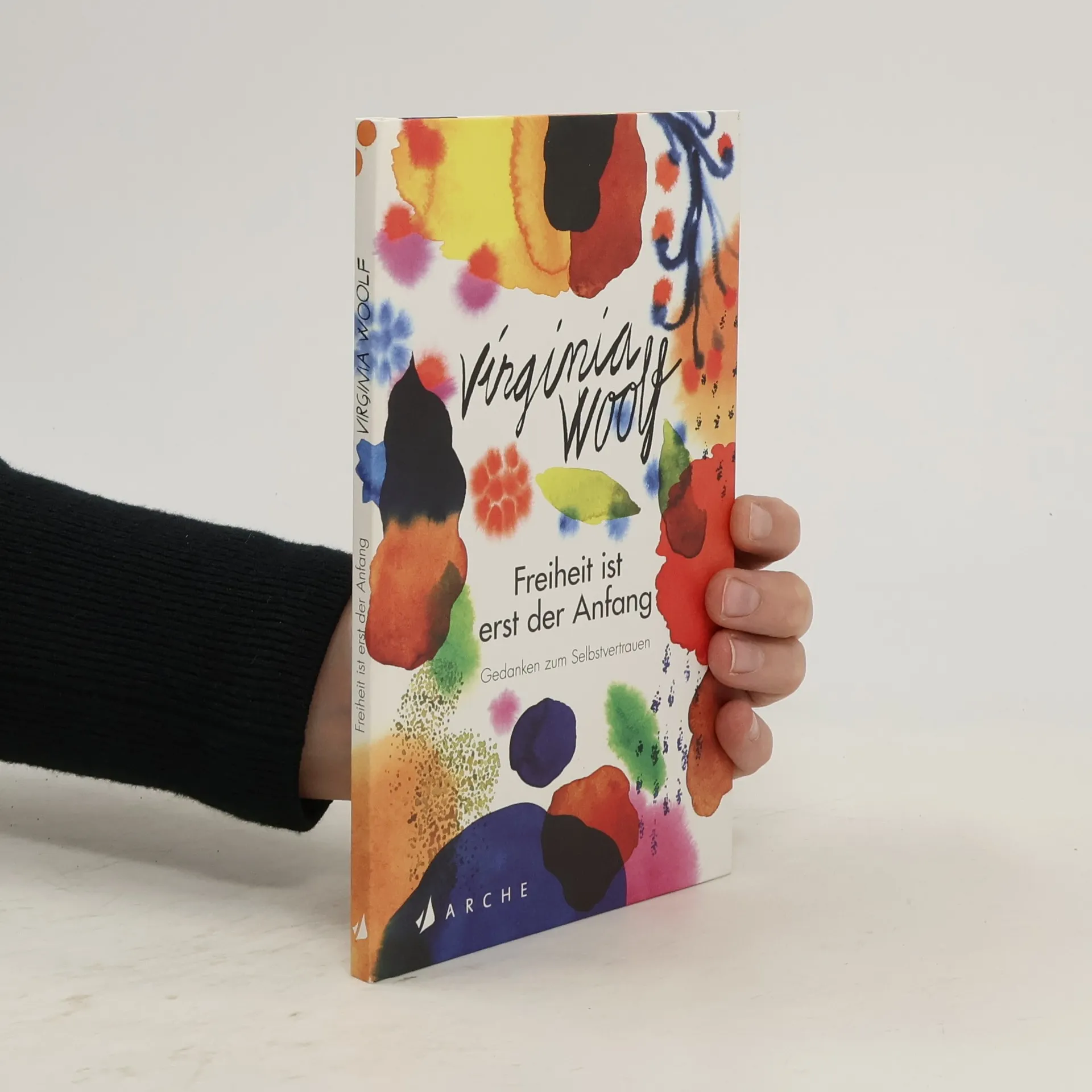
    • Freiheit ist erst der Anfang

      Gedanken zum Selbstvertrauen

      • 48pagine
      • 2 ore di lettura

      Virginia Woolf ermutigt in ihrer 1931 gehaltenen Rede 'Professions for Women' berufstätige Frauen, ihre Freiheiten zu nutzen und Selbstzweifel zu überwinden. Ihre zeitlosen Gedanken sind ein wertvolles Geschenk für zukünftige Generationen. Die Ausgabe ist zweisprachig (Englisch und Deutsch).

      Freiheit ist erst der Anfang
      4,6
    • Virginia's Sisters

      • 300pagine
      • 11 ore di lettura

      Gabi has selected a superb range of poetry, prose and essays in this anthology. She offers an introductory overview which gives context to the selected contributions from women writing about the rise of the New Woman, and/or expressing their hopes for freedom and autonomy during the early part of the twentieth century.

      Virginia's Sisters
      4,6
    • The penultimate volume of Woolf's diaries details the mature period of The Years and moments of personal sadness brought by the deaths of Lytton Strachey, Dora Carrington, and Roger Fry. "A book of extraordinary vitality, wit, and beauty" (New York Times Book Review). Edited by Anne Olivier Bell, assisted by Andrew McNeillie; Index.

      The Diary of Virginia Woolf: Vol. 4 1931-1935
      4,8
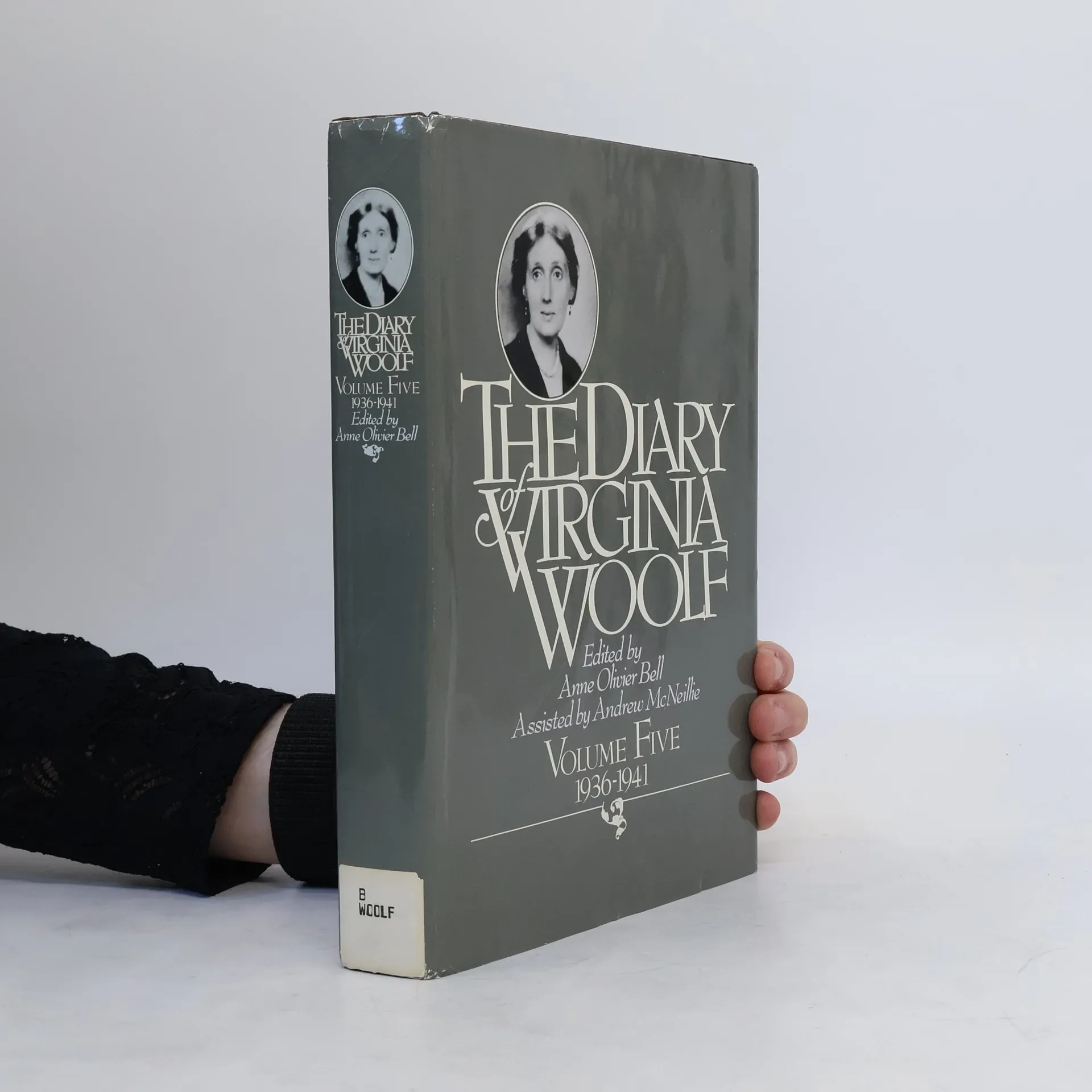
    • The Diary of Virginia Woolf. Volume Five

      1936-1941

      • 416pagine
      • 15 ore di lettura

      Virginia Woolf was fifty-four on January 25, 1936, some three weeks after this final volume of her diary opens. Its last page was written four days before she drowned herself on March 28, 1941. Edited by Anne Olivier Bell, assisted by Andrew McNeillie; Index; maps.

      The Diary of Virginia Woolf. Volume Five
      5,0
    • These years were dominated by one woman and one book. The woman was Ethel Smyth; the book was The Waves. This volume's "unerringly human and confessional tone makes Woolf, at last, a real person" (San Francisco Chronicle). Edited by Nigel Nicolson and Joanne Trautmann; Introduction by Nigel Nicolson; Index; photographs.

      The Letters of Virginia Woolf: 1929-1931
      4,4
    • The Letters of Virginia Woolf

      • 500pagine
      • 18 ore di lettura

      The penultimate volume of Woolf's letters, when the author was between the ages of 50 and 53, covers the composition of the Years and the death of Lytton Strachey and Roger Fry. "Her wit flashes, often unexpectedly, in letters of almost every kind" (New Yorker). Edited by Nigel Nicolson and Joanne Trautmann; Introduction by Nigel Nicolson; Index.

      The Letters of Virginia Woolf
      4,4
    • A Letter to a Young Poet

      • 60pagine
      • 3 ore di lettura

      Exploring the vitality of poetry, Virginia Woolf addresses a young poet's inquiry about modern verse with wit and compassion. She reflects on the enduring legacy of great poets while humorously critiquing youthful naivety in writing. Her advice emphasizes patience and maturity in the craft, famously urging to avoid publication before the age of thirty. This letter not only showcases Woolf's insights on poetry but also captures the struggles and aspirations of aspiring writers, making it a timeless piece for anyone passionate about literature.

      A Letter to a Young Poet
      4,7
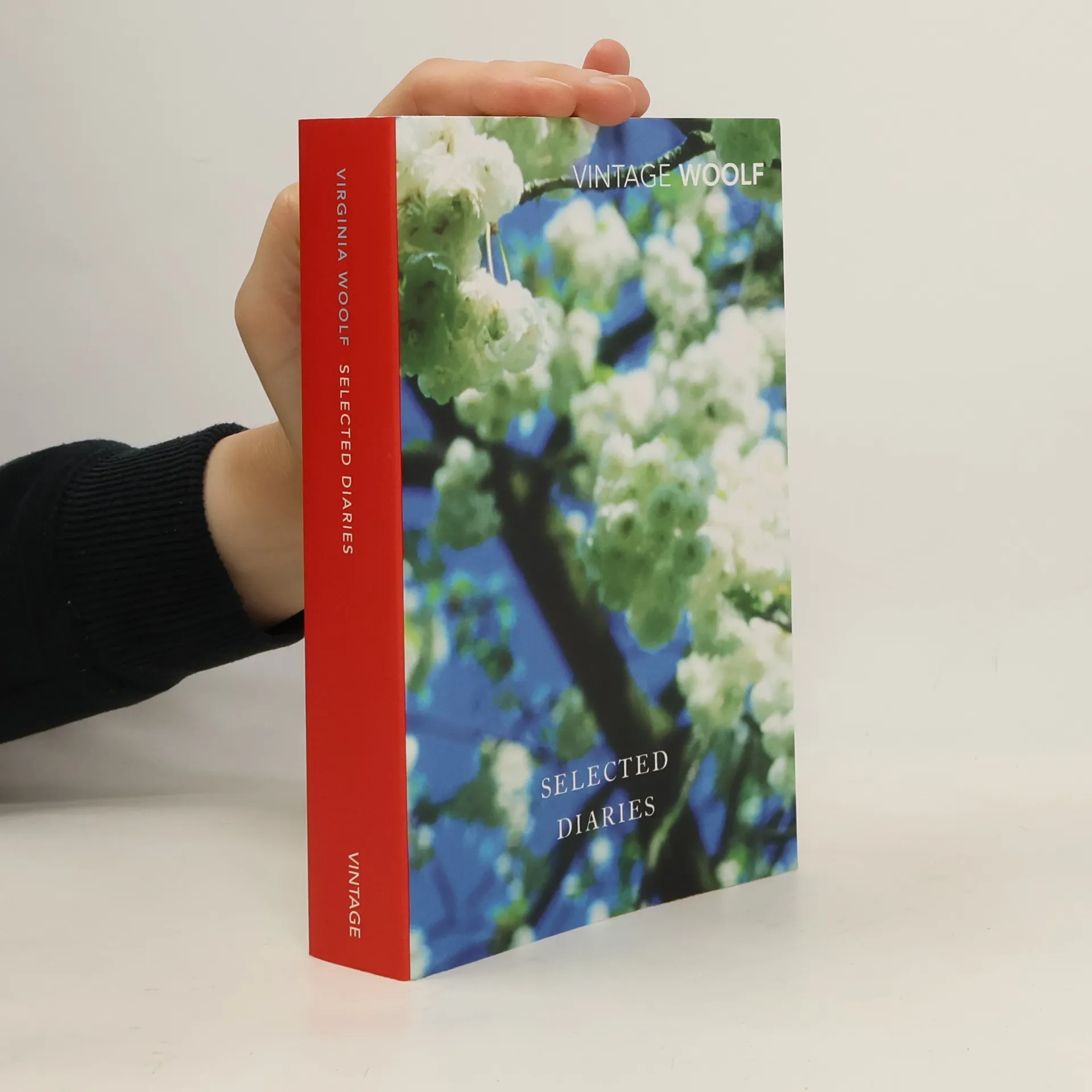
    • Selected Diaries

      • 544pagine
      • 20 ore di lettura

      Virginia Woolf turned to her diary as to an intimate friend, to whom she could freely and spontaneously confide her thoughts on public events or the joys and trials of domestic life. Between 1st January 1915 and her death in 1941 she regularly recorded her thoughts with unfailing grace, courage, honesty and wit.

      Selected Diaries
      4,4
    • The Diary of Virginia Woolf

      • 416pagine
      • 15 ore di lettura

      Virginia Woolf was fifty-four on January 25, 1936, some three weeks after this final volume of her diary opens. Its last page was written four days before she drowned herself on March 28, 1941.

      The Diary of Virginia Woolf
      4,4
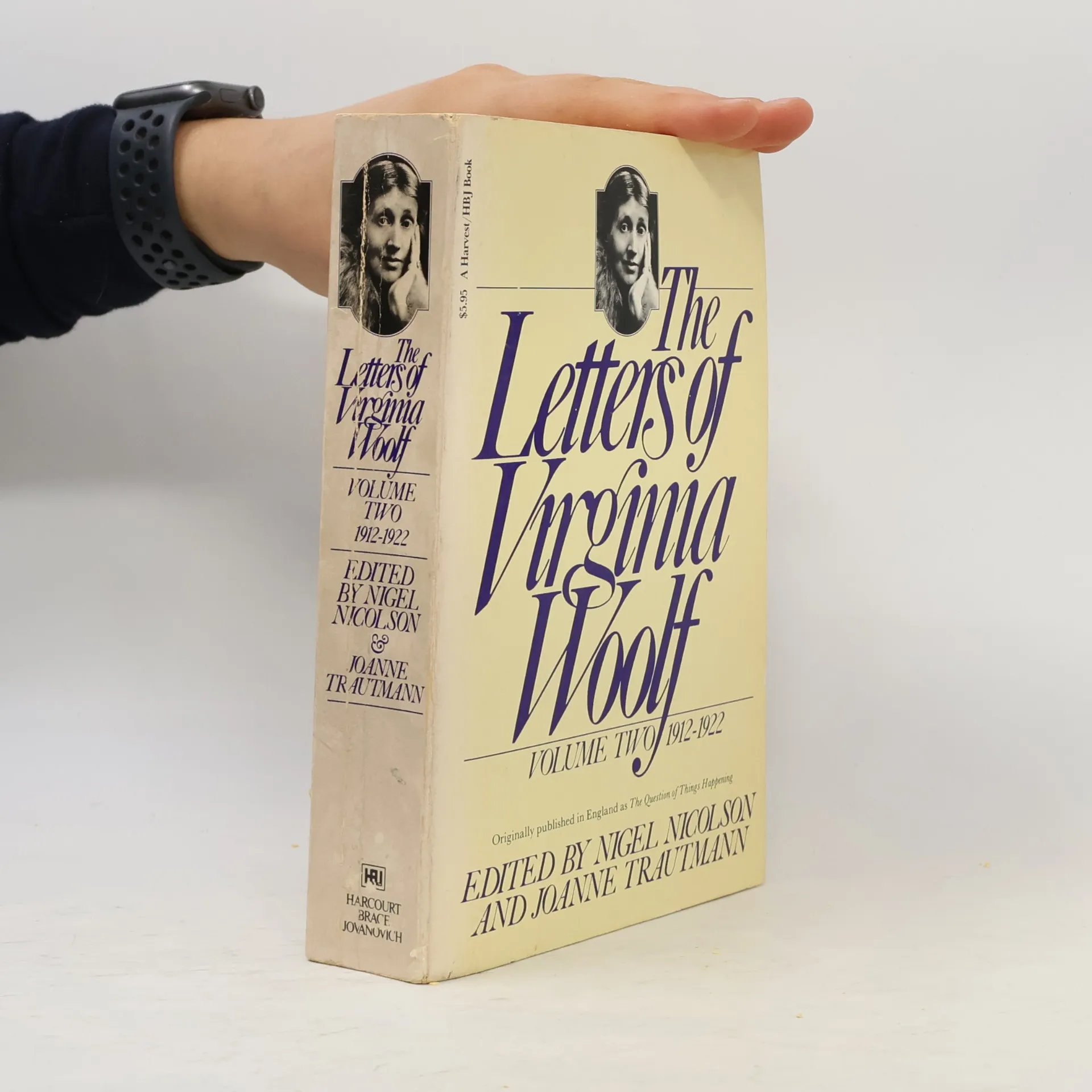
    • First published under title: The question of things happening : the letters of Virginia Woolf, vol. II: 1912-1922.

      The Letters of Virginia Woolf: 1912-1922
      4,4
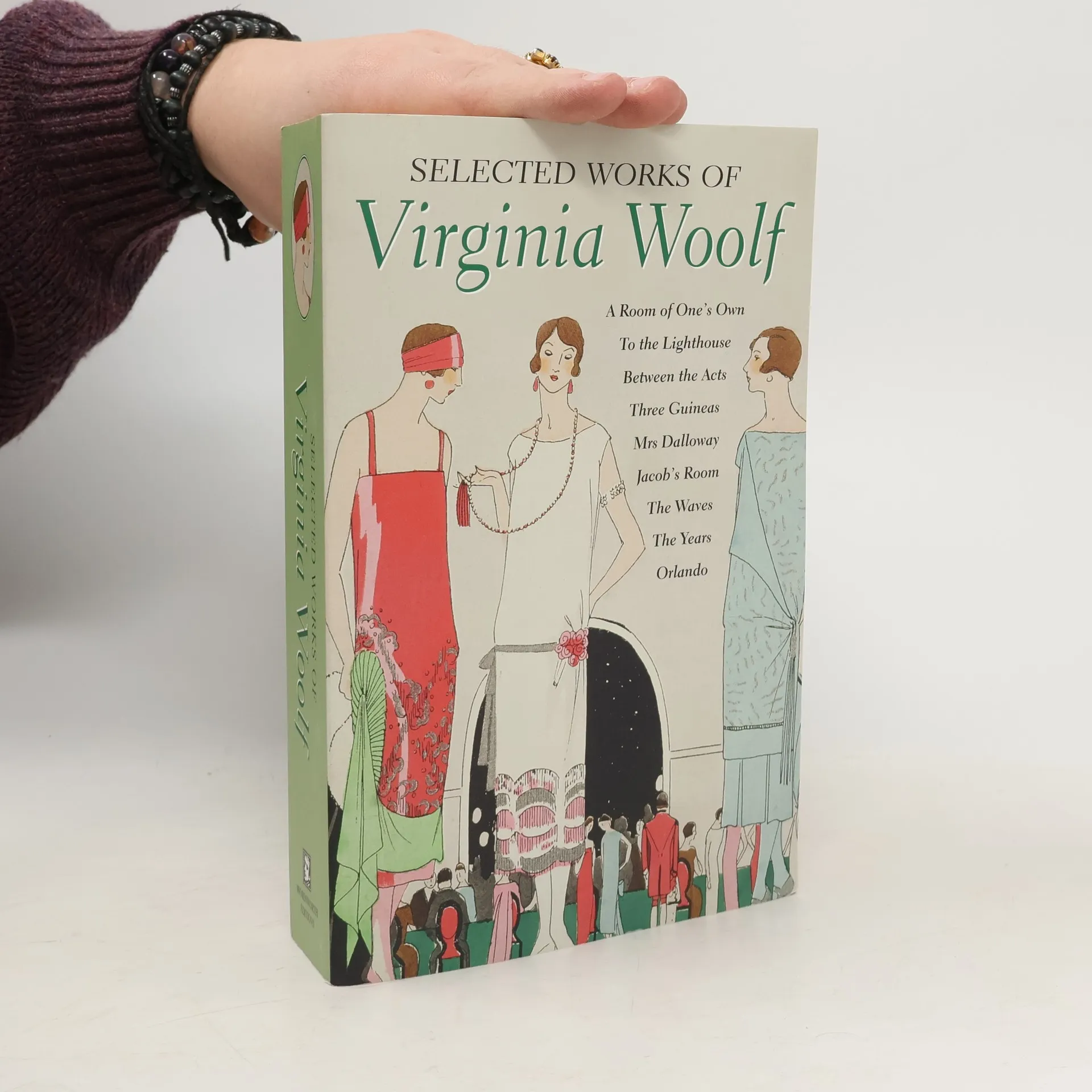
    • Selected Works of Virginia Woolf

      • 1280pagine
      • 45 ore di lettura

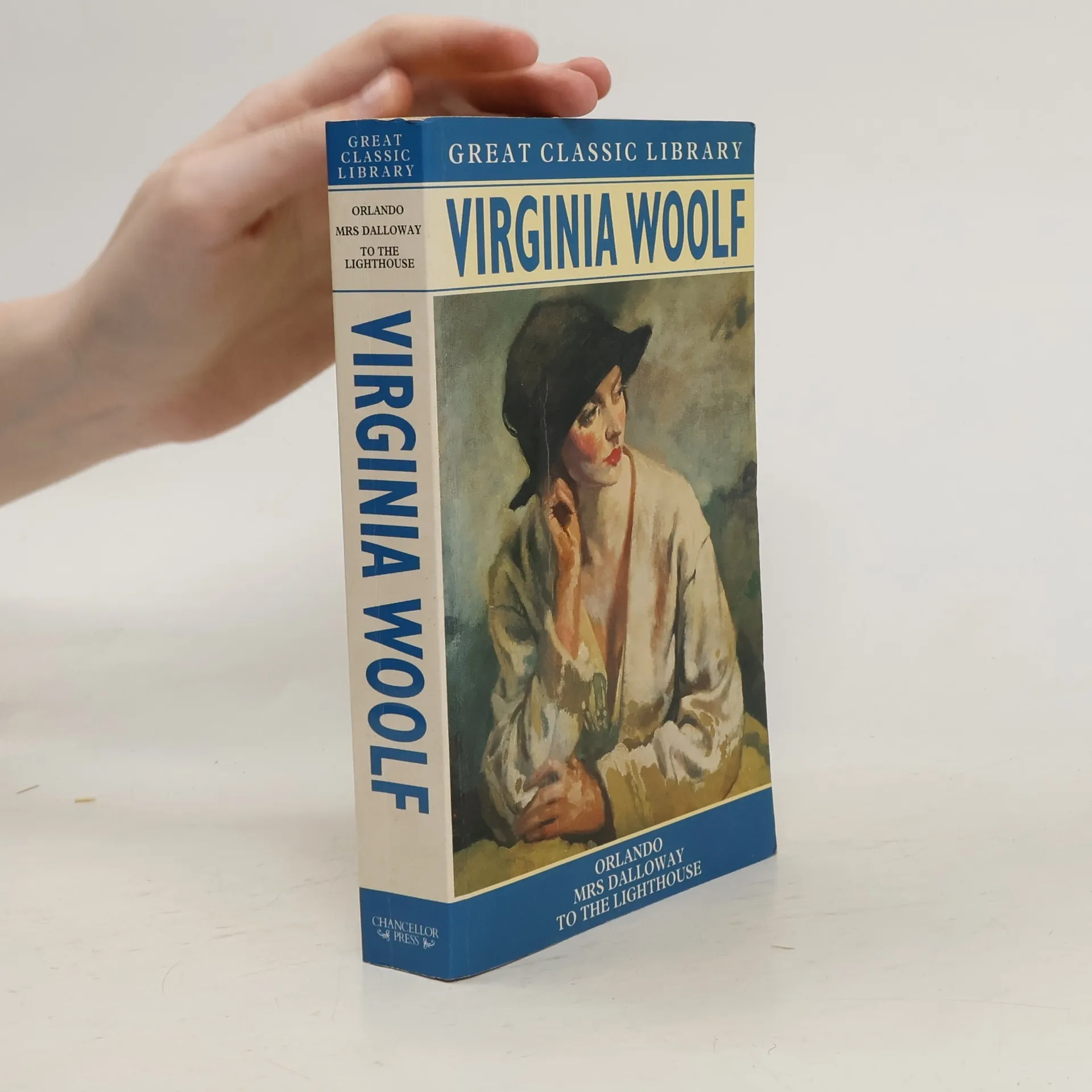
      Contains: A Room of One's Own To the Lighthouse Between the Acts Three Guineas Mrs Dalloway Jacob's Room The Waves The Years Orlando Mrs Dalloway, the society hostess Clarissa, is giving a party and her thoughts on that one day, and the interior monologues of others with interwoven lives reveal the characters of the central protagonists. To the Lighthouse is the most autobiographical of Virginia Woolf's novels. Based on her early experiences, it touches on childhood and children's perceptions and desires. It is at its most trenchant when exploring adult relationships and the changing class- structure in the period spanning the Great War. Virginia Woolf's Orlando, 'the longest and most charming love letter in literature,' playfully constructs the figure of Orlando as the fictional embodiment of Woolf's close friend and lover, Vita Sackville-West. 'I am writing to a rhythm and not to a plot', said Woolf of The Waves. Regarded as one of her greatest and most original works, it conveys the rhythms of life in synchrony with the cycle of nature and the passage of time. In these, as in A Room of One's Own, Between the Acts, Three Guineas,The Years and Jacob's Room, Virginia Woolf displays her genuine humanity and concern for the experiences that enrich and stultify existence. Her delicate artistry and lyrical prose have established her as a writer of sensitivity and profound talent.

      Selected Works of Virginia Woolf
      4,4
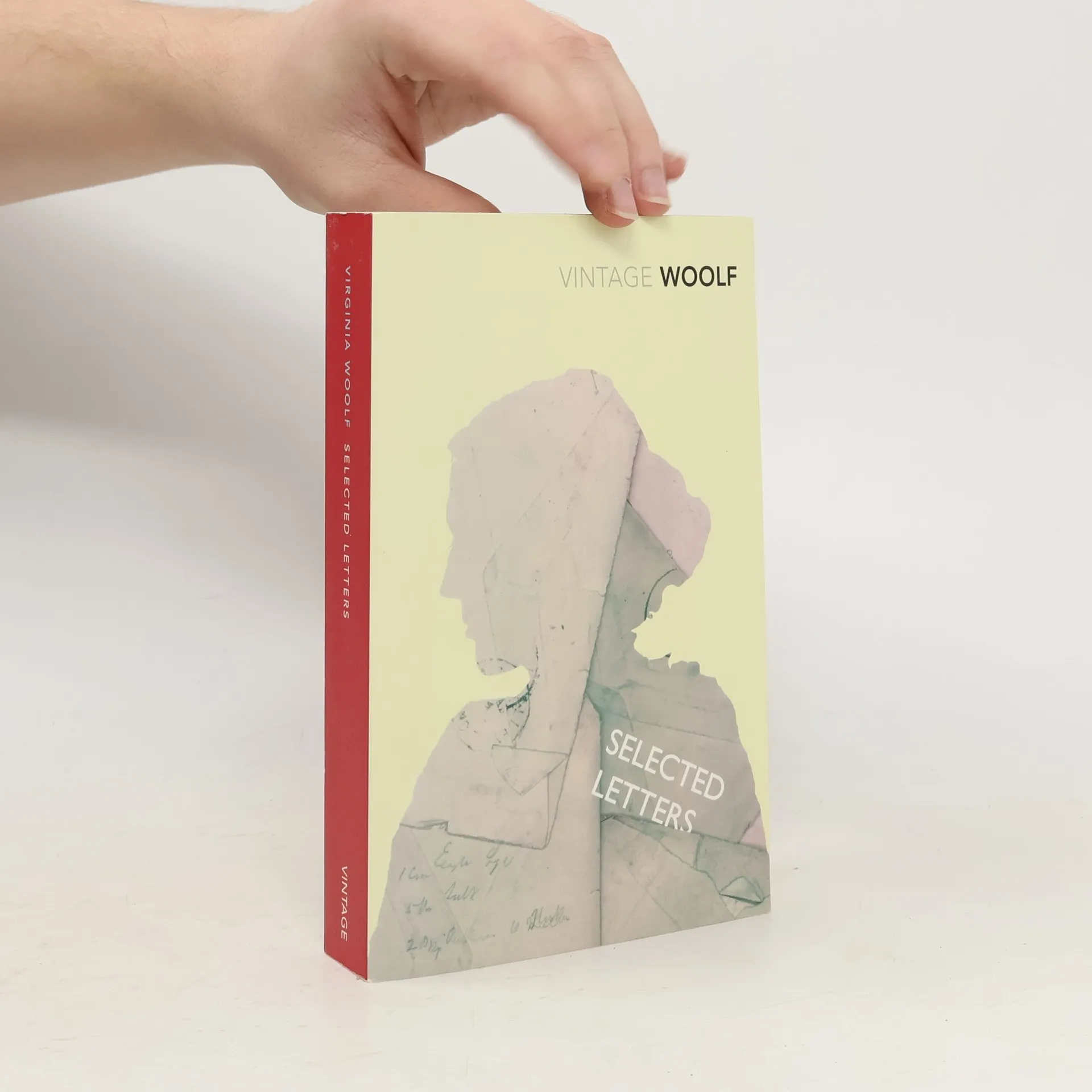
    • Selected Letters

      • 496pagine
      • 18 ore di lettura

      EDITED BY JOANNE TRAUTMANN BANKS, WITH A PREFACE BY HERMIONE LEEThe finest and most enjoyable of Virginia Woolf's letters are brought together in a single volume.

      Selected Letters
      4,4
    • A Passionate Apprentice

      The Early Journals 1897-1909 - With Seven New Journal Entries Published in Paperback for the First Time

      • 462pagine
      • 17 ore di lettura

      A Passionate Apprentice comprises the first years of Virginia Woolf's Journal - from 1879 to 1909. Beginning in early January, when Woolf was almost fifteen, the pages open at a time when she was slowly recovering from a period of madness following her mother's death in May 1895. Between this January and the autumn of 1904, Woolf would suffer the deaths of her half-sister and of her father, and survive a summer of madness and suicidal depression. Behind the loss and confusion, however, and always near the surface of her writing is a constructive force at work - a powerful impulse towards health. It was an urge, through writing, to bring order and continuity out of chaos. Putting things into words and giving them deliberate expression had the effect of restoring reality to much that might otherwise have remained insubstantial. This early chronicle represents the beginning of the future Virginia Woolf's apprenticeship as a novelist. These pages show that rare instance when a writer of great importance leaves behind not only the actual documents of an apprenticeship, but also a biographical record of that momentous period as well. In Woolf's words, 'Here is a volume of fairly acute life (the first really lived year of my life).'

      A Passionate Apprentice
      4,5
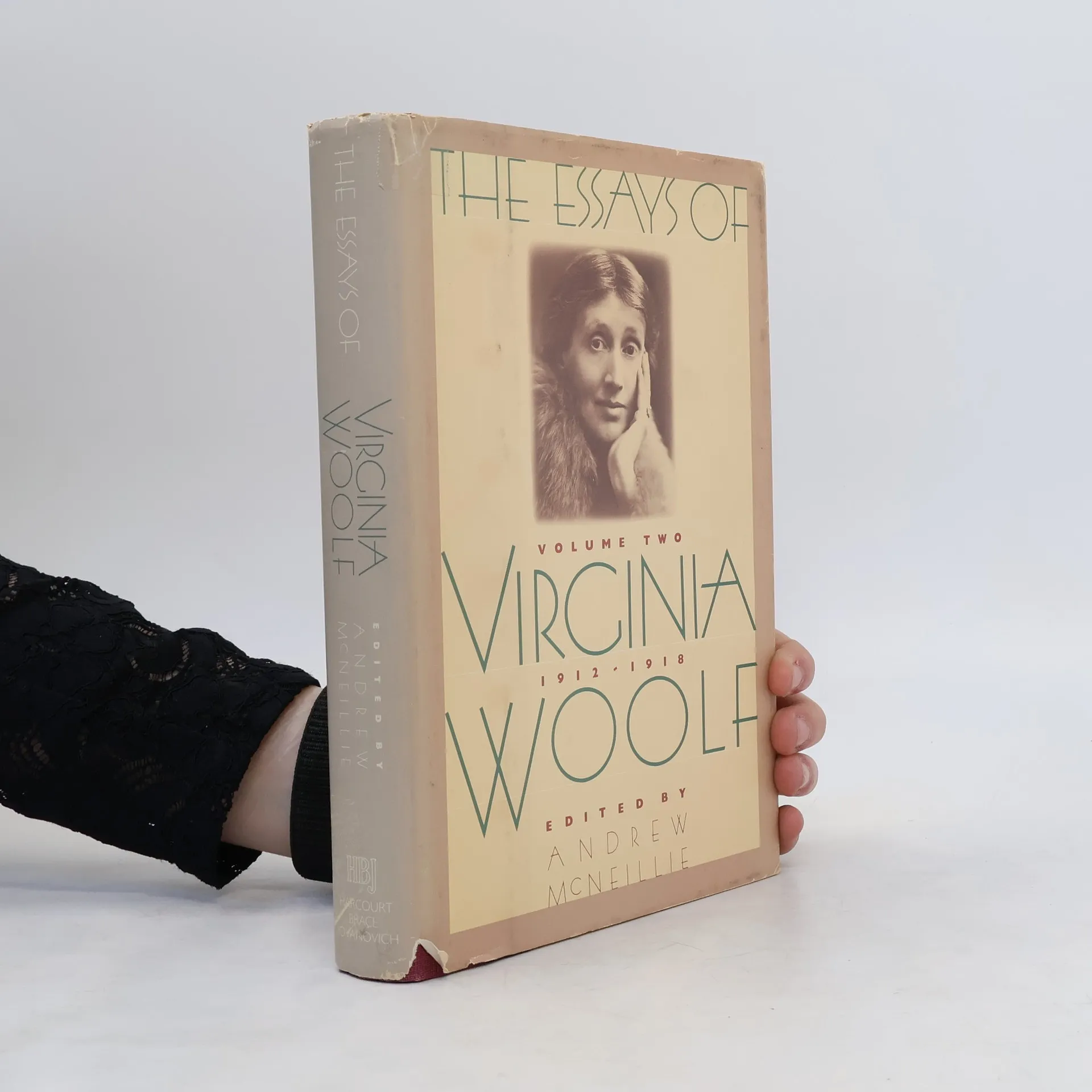
    • The Essays of Virginia Woolf. 1912-1918

      • 381pagine
      • 14 ore di lettura

      Adeline Virginia Woolf was born in 1882 and was to become a founder of modernist writing. Her background is filled with elements of tragedy that she somehow overcame to become a revered writer. Her mother died when she was 13, her half sister Stella two years later and with it her first of several nervous breakdowns. She began writing professionally at age 20 but her father’s death two years later brought a complete mental collapse and she was briefly institutionalised. Three of her half brothers had sexually abused her so further darkness was added to her life. But out of this came great innovations in writing; she was a pioneer of “stream of consciousness”. Whilst the dark periods continued to interrupt her emotional state her rate of work never ceased. Until on 28 March 1941, Woolf put on her overcoat, filled its pockets with stones, and walked into the River Ouse and drowned herself leaving behind a note which read in part “Dearest, I feel certain that I am going mad again. I feel we can't go through another of those terrible times. And I shan't recover this time. I begin to hear voices, and I can't concentrate. So I am doing what seems the best thing to do”.

      The Essays of Virginia Woolf. 1912-1918
      4,5
    • Virginia Woolf's haunting writing, her succinct insights into feminist, artistic, historical, political issues, and her revolutionary experiments with points of view and stream-of-consciousness altered the course of literature. Here is a collection of twenty-nine of Virginia Woolf's essays. Widely considered one of the finest essayists of the 20th Century, she is also considered to be one of the greatest essay writers in the English language. Included here are all of her finest essays.

      The Collected Essays of Virginia Woolf
      4,3
    • 1920. The war is over, and Virginia Woolf is meeting friends old and new, from Maynard Keynes to Vita Sackville-West. She is reading and reviewing voraciously, and the Hogarth Press is thriving. Jacob’s Room was published in 1922, and Woolf began work on what was to become Mrs Dalloway. This was a time of creative highs and lows, as well as a growing confidence as Woolf developed her distinctive literary voice.

      The Diary of Virginia Woolf: Volume 2
      5,0
    • The Diary of Virginia Woolf: Volume 3

      • 496pagine
      • 18 ore di lettura

      New editions of the complete diaries of Virginia Woolf, with introductions by a stellar line-up of contemporary novelists

      The Diary of Virginia Woolf: Volume 3
      4,3
    • The Diary of Virginia Woolf: Volume 1

      • 512pagine
      • 18 ore di lettura

      New editions of the complete diaries of Virginia Woolf, with introductions by a stellar line-up of contemporary novelists

      The Diary of Virginia Woolf: Volume 1
      4,5
    • "This volume of Virginia Woolf's diary has a slower pace: she is finishing The Waves and wrestling with the shape of her next novel (The Years). These years are marred by the death of many of the people in her circle, including her close friend Lytton Strachey. Woolf also reflects on the political situation in Britain, and the menacing rise of fascism abroad. The diary testifies to the sense of external threat, as well as the tension between her social and her writing life, but as she and Leonard embark on a series of foreign trips she also revels in the discovery of new places and the profound contentment of her marriage."--

      The Diary of Virginia Woolf: Volume 4
      5,0
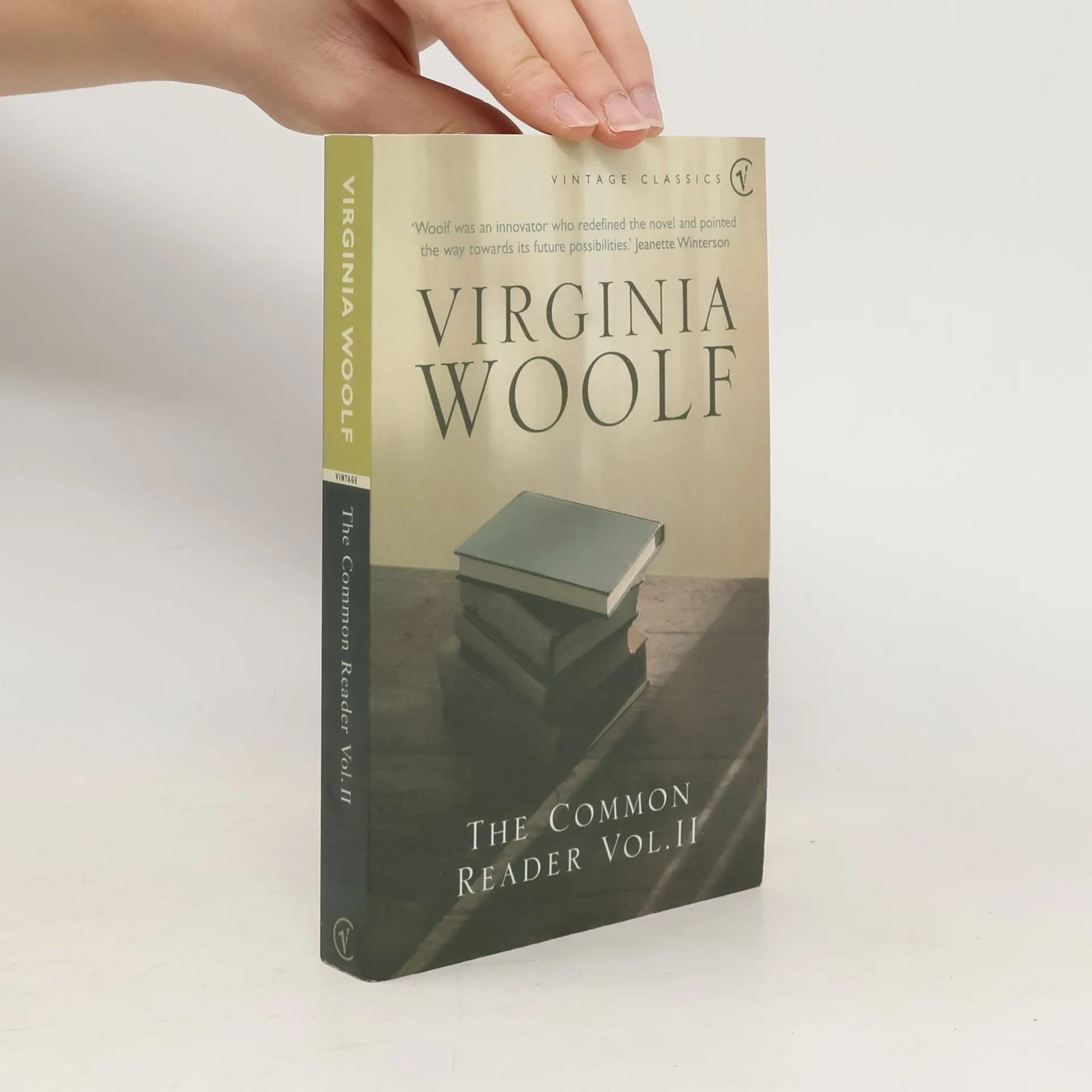
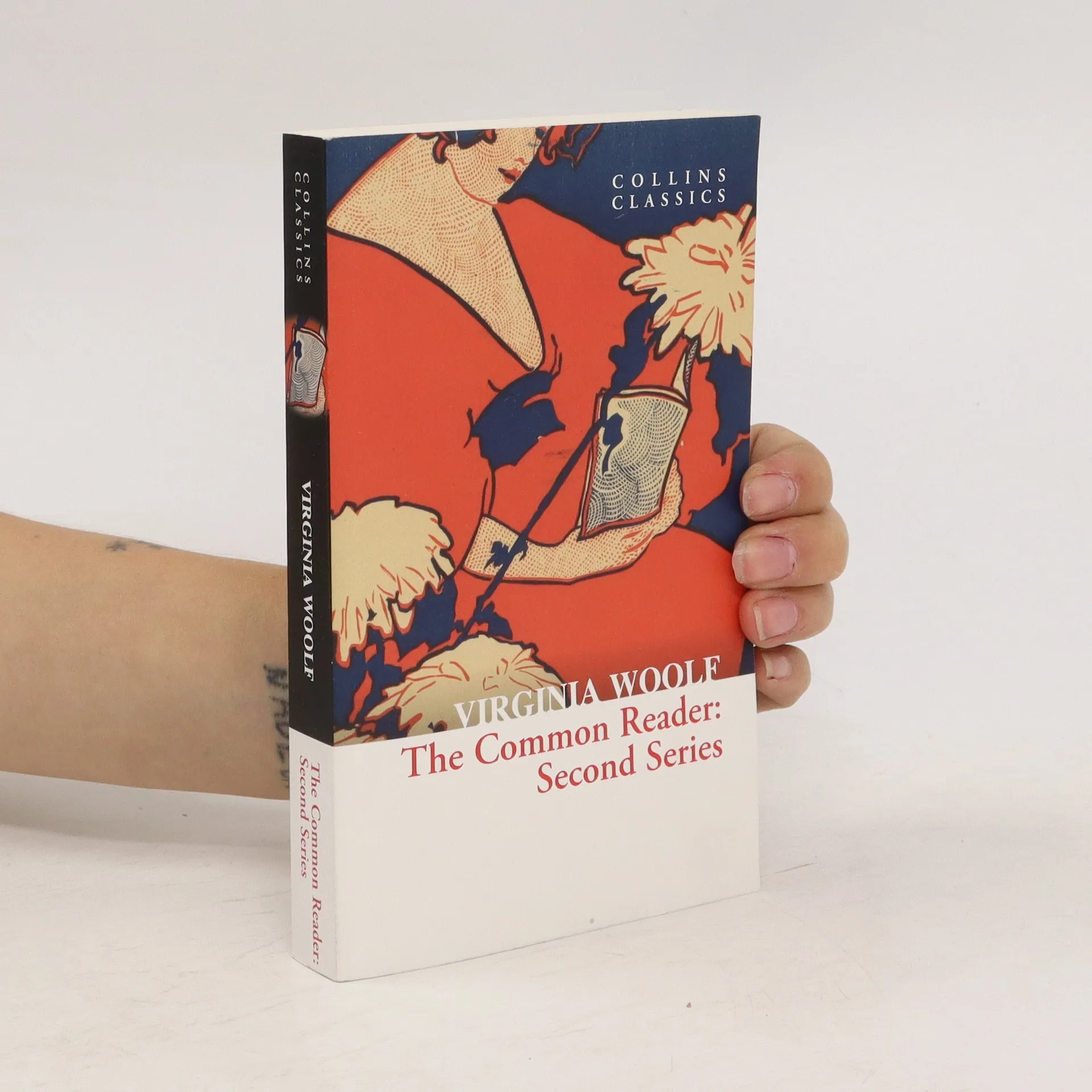
    • The Common Reader: Volume 2

      • 336pagine
      • 12 ore di lettura

      Here she turns her brilliant eye on Lord Chesterfield's letters, the novels of George Gissing, the poetry of Donne: we meet Dr Burney and Beau Brummell, Christina Rossetti, Geraldine Jewsbury, Jane Carlyle, Mary Wollstonecraft and many others. schovat popis

      The Common Reader: Volume 2
      4,3
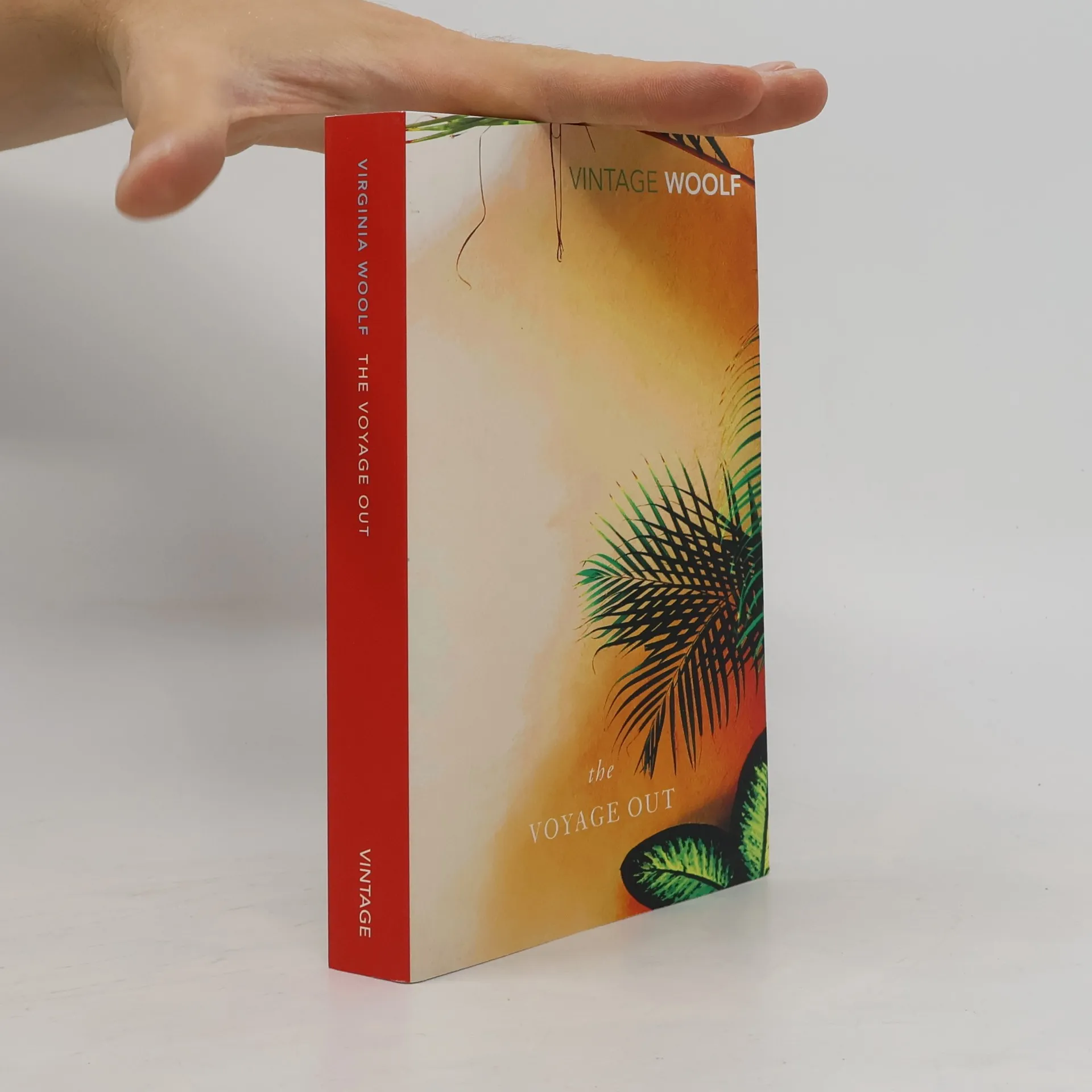
    • The Voyage Out

      • 288pagine
      • 11 ore di lettura

      This acclaimed novel marked the debut of one of the 20th century's most important writers. Woolf won instant, enduring success with this captivating exploration of a young woman's growing self-awareness. Less experimental than Woolf's later books, but highly representative of her style, it offers an excellent introduction to her work.

      The Voyage Out
      4,3
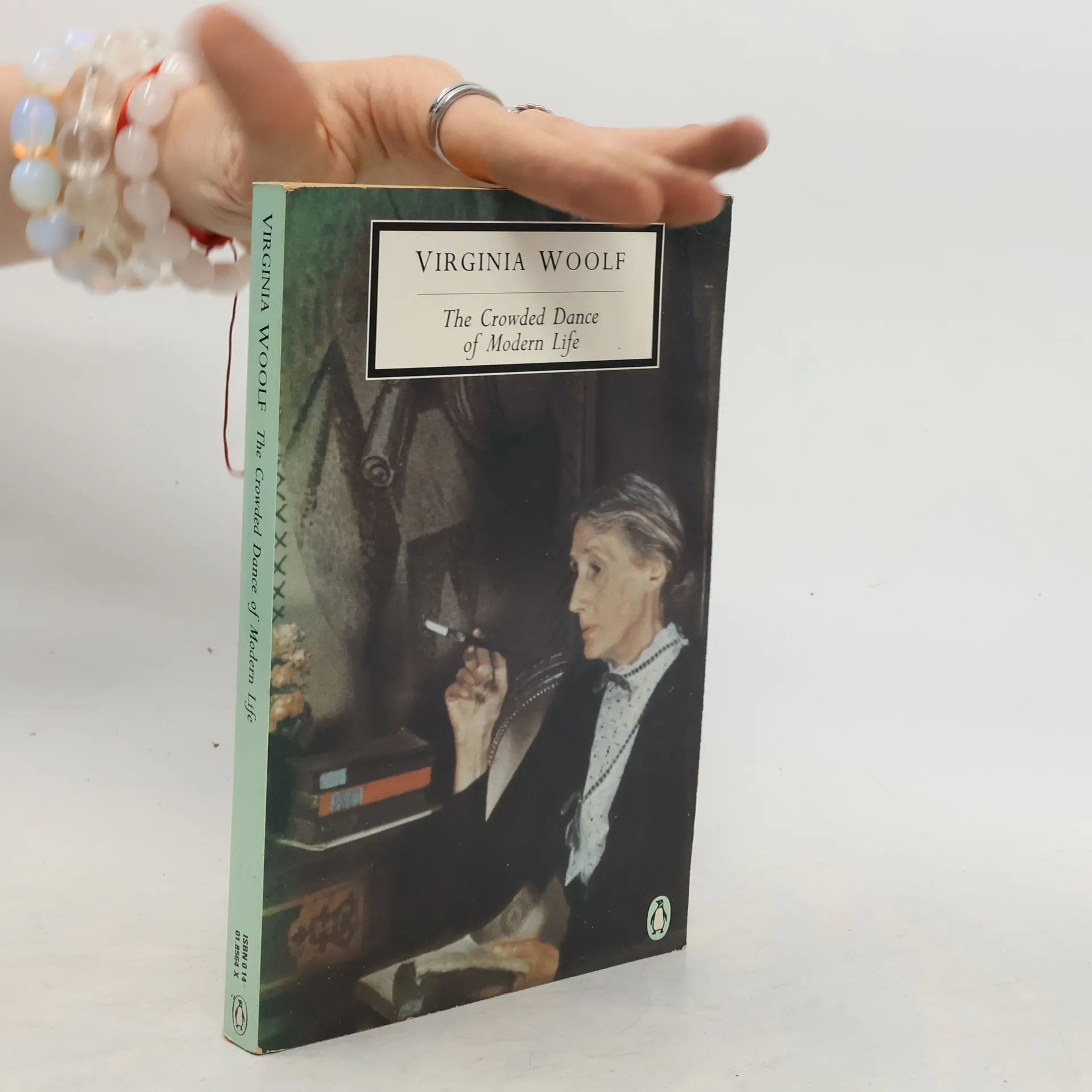
    • The Crowded Dance of Modern Life

      • 215pagine
      • 8 ore di lettura

      The linking theme of these essays is modernity, for Woolf was writing in a world radically separated from the old certainties by the catastrophe of World War I. Here she provides some responses to what she called "the crowded dance of modern life".

      The Crowded Dance of Modern Life
      4,0
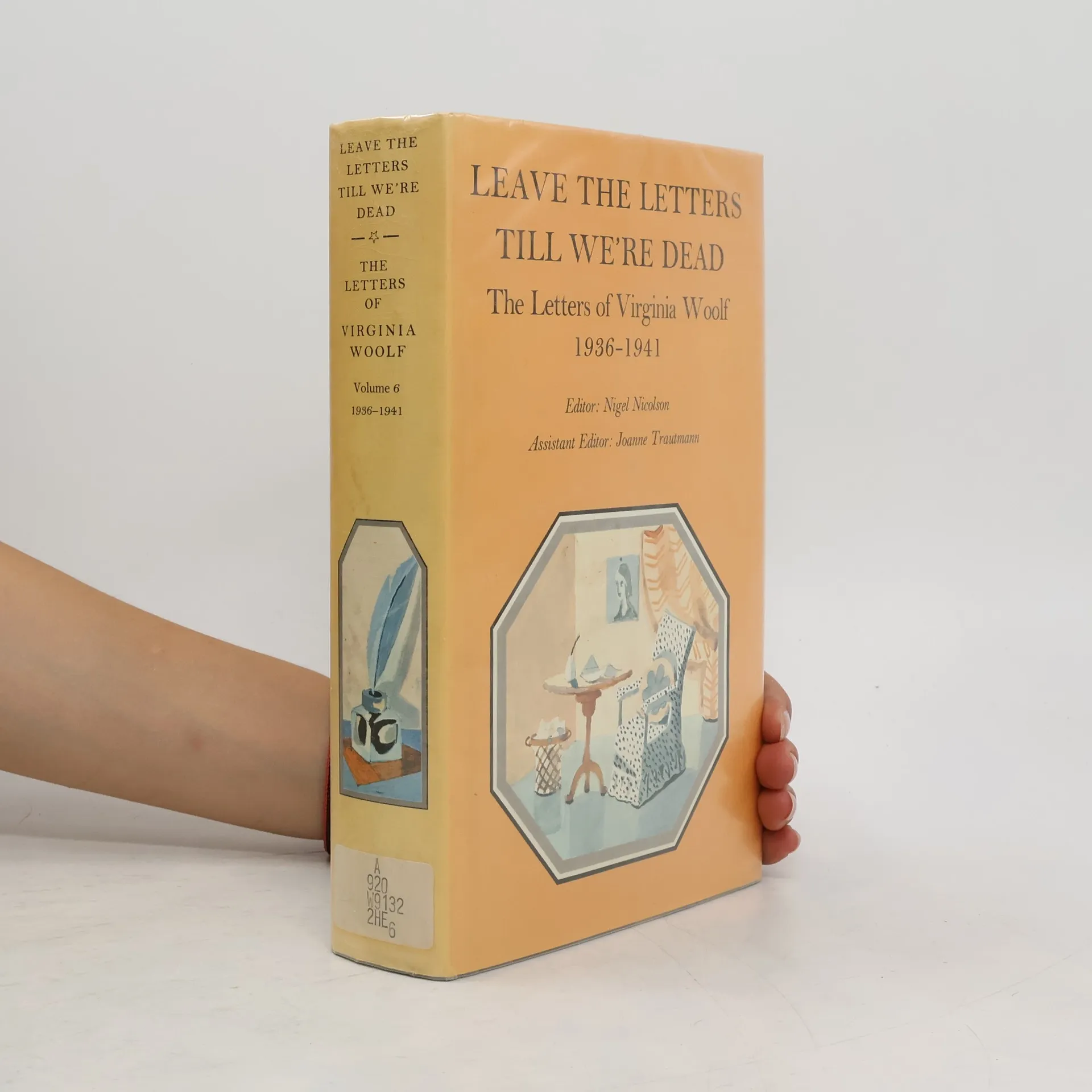
    • Leave the Letters Till We're Dead

      • 556pagine
      • 20 ore di lettura

      The last volume of Virginia Woolf's "Collected Letters" runs from 1936, when she was finishing "The Waves", to 1941, when she drowned herself. But there is little or no shadow of impending tragedy over her sparkling correspondence with Vanessa, Vita, Ethel Smyth and her many other friends.

      Leave the Letters Till We're Dead
      4,3
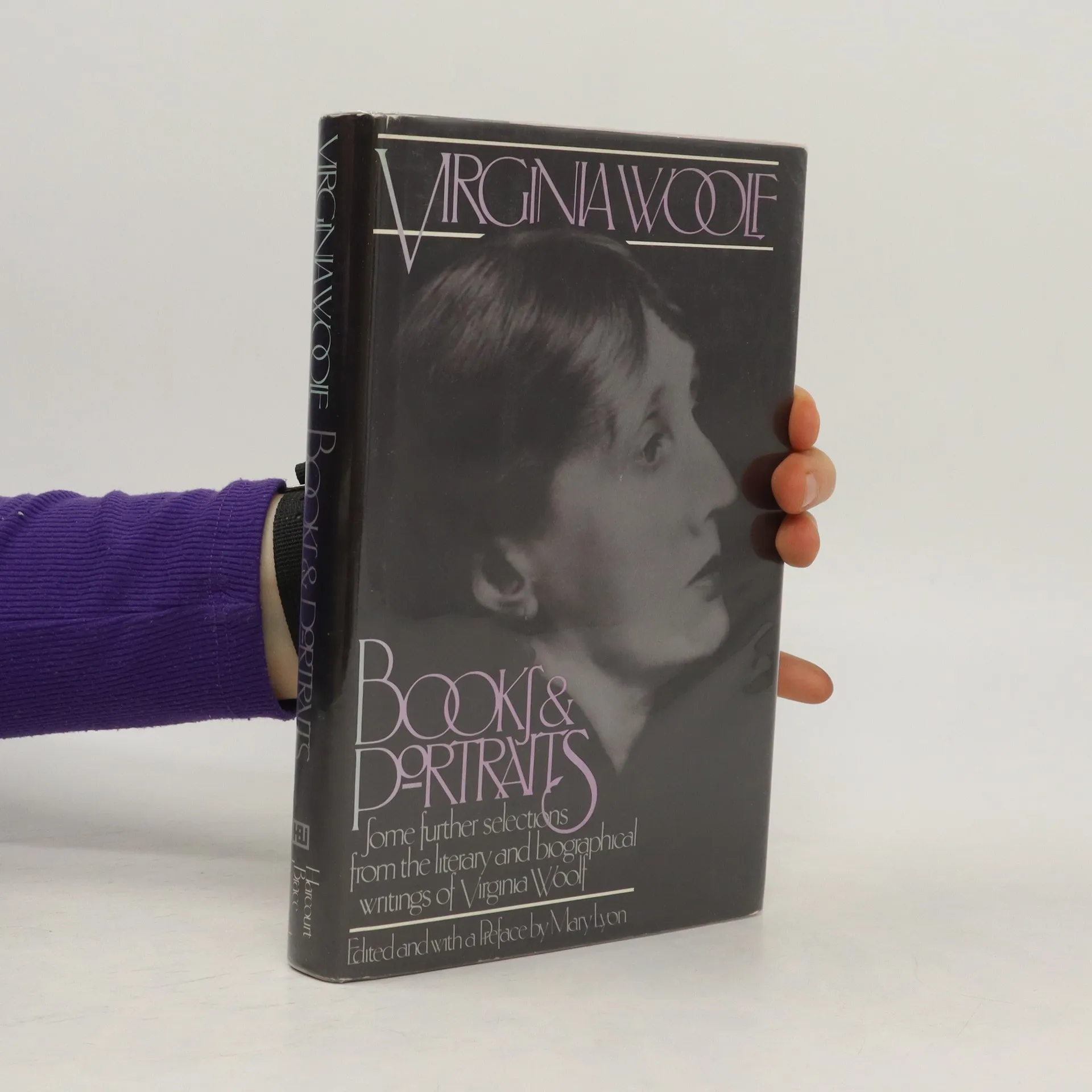
    • Books and Portraits

      • 221pagine
      • 8 ore di lettura

      Forty-eight essays from the literary and biographical writings.

      Books and Portraits
      4,0
    • Julia Margaret Cameron

      • 192pagine
      • 7 ore di lettura

      The book features sixty-nine exquisite portraits by Julia Margaret Cameron, a pioneering figure in photography known for her artistic approach to portraiture. Accompanying the images are insightful appreciations from notable figures Virginia Woolf and Roger Fry, offering context and depth to Cameron's work. This collection highlights both the technical mastery and the emotional resonance of Cameron's photography, celebrating her significant contribution to the art form.

      Julia Margaret Cameron
      4,3
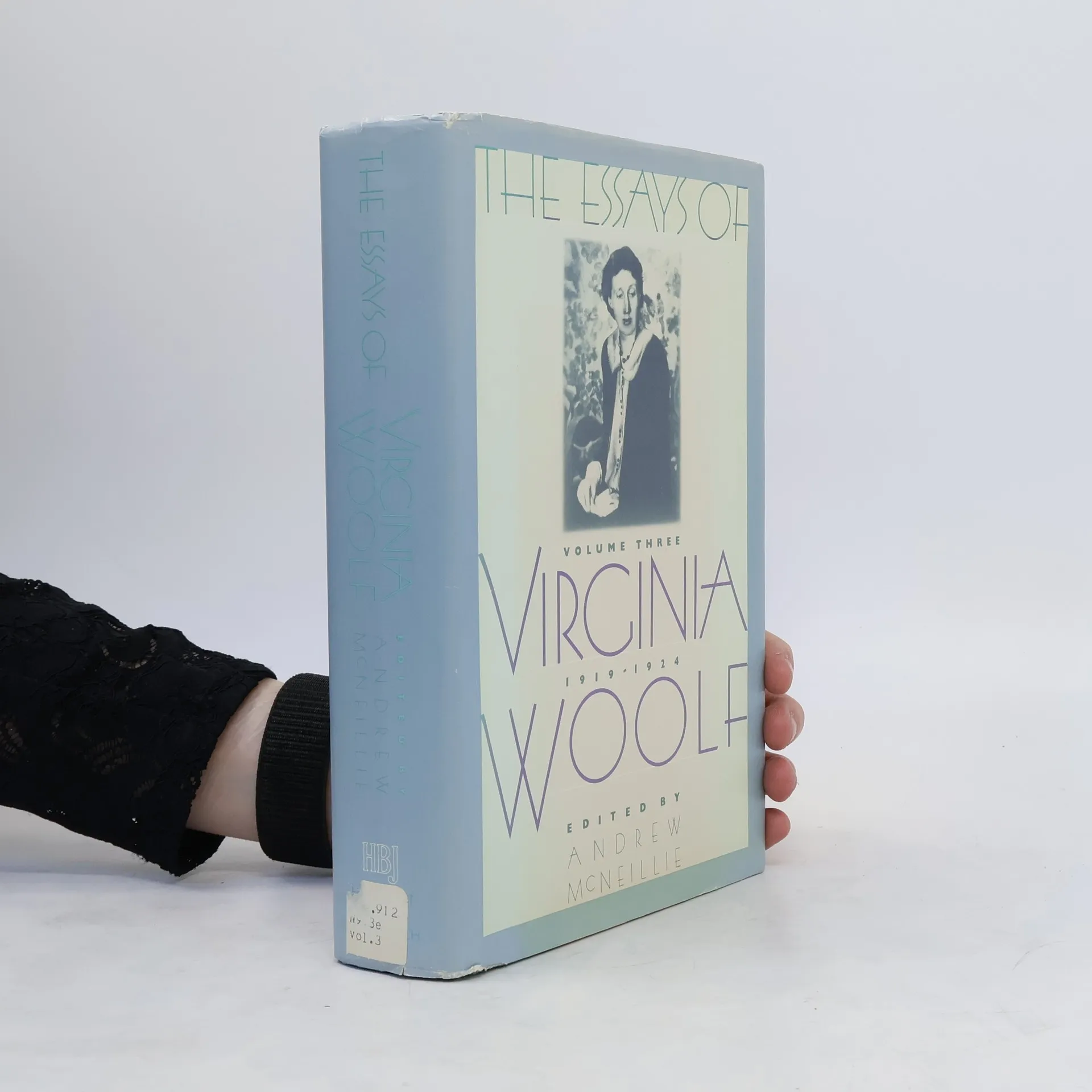
    • During the period in which these essays were written, Woolf published Night and Day and Jacob's Room, contributed widely to British and American periodicals, and progressed from straight reviewing to more extended critical essays. "Excellently edited, the essays reconfirm [Woolf's] major importance as a twentieth-century writer" (Library Journal). Edited and with an Introduction by Andrew McNeillie; Index.

      Essays of Virginia Woolf Vol 3 1919-1924: Vol. 3, 1919-1924
      4,3
    • Virginia Woolf

      • 128pagine
      • 5 ore di lettura

      The first and collection of Virginia Woolf's most inspirational quotes. 'No need to hurry. No need to sparkle. No need to be anybody but oneself.' Over 100 words of wisdom from the inimitable Virginia Woolf on love, literature, feminism, food, work, ageing, authenticity, nature, truth, happiness and everything in between, carefully selected and curated from Woolf's timeless novels, essays and speeches. A celebration of one of the world's best loved writers and a true feminist icon, in a beautifully packaged, small-format gift book.

      Virginia Woolf
      4,3
    • Moments of Being: Second Edition

      • 240pagine
      • 9 ore di lettura

      Published years after her death, Moments of Being is Virginia Woolf's only autobiographical writing, considered by many to be her most important book. A collection of five memoir pieces written for different audiences spanning almost four decades, Moments of Being reveals the remarkable unity of Virginia Woolf's art, thought, and sensibility. "Reminiscences," written during her apprenticeship period, exposes the childhood shared by Woolf and her sister, Vanessa, while "A sketch of the Past" illuminates the relationship with her father, Leslie Stephens, who played a crucial role in her development as an individual a writer. Of the final three pieces, composed for the Memoir Club, which required absolute candor of its members, two show Woolf at the threshold of artistic maturity and one shows a confident writer poking fun at her own foibles.

      Moments of Being: Second Edition
      4,2
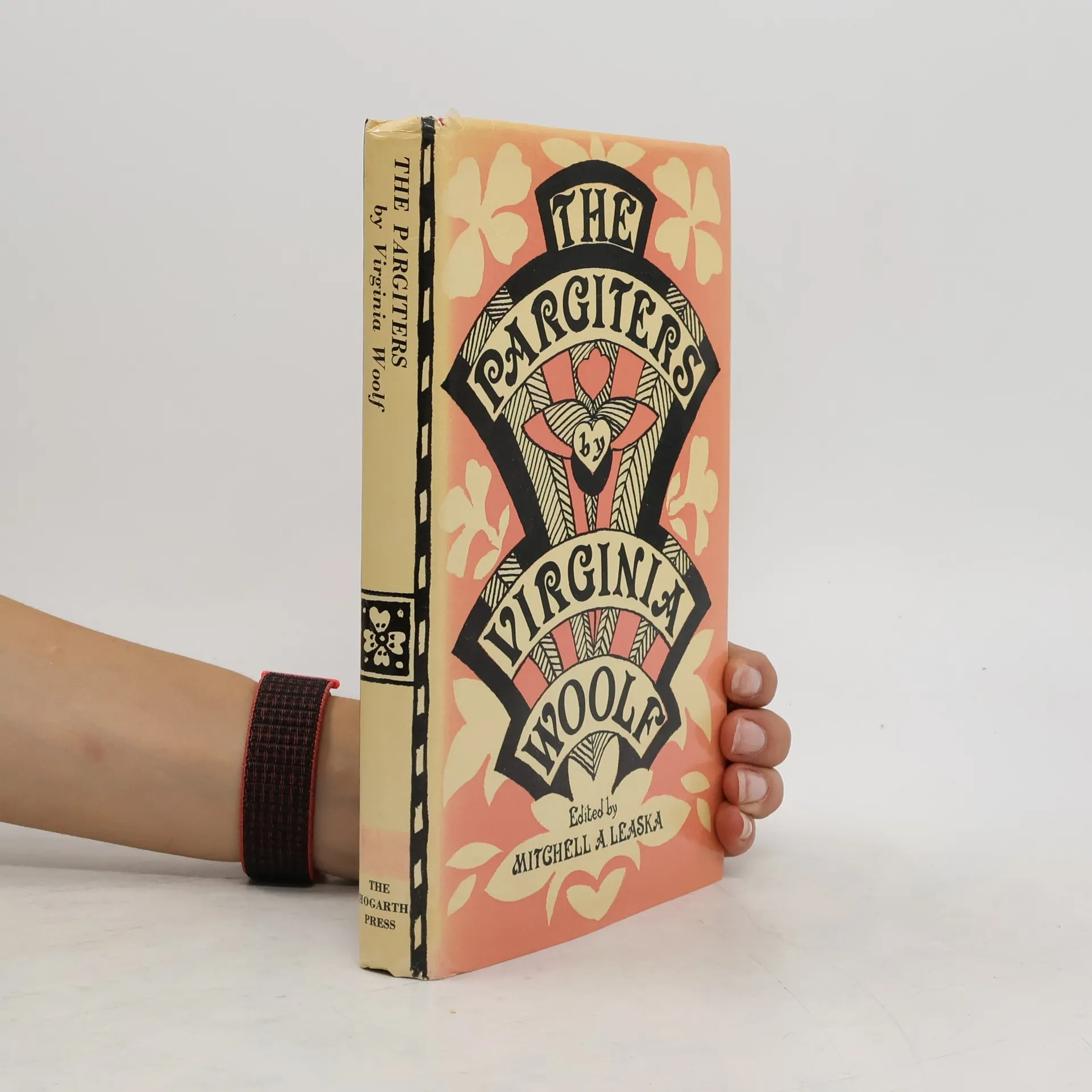
    • The Pargiters

      The Novel-Essay Portion of The Years

      The unfinished novel-essay portion of 'The Years'. In late 1932 Woolf wrote six essays and their accompanying fictional "extracts" for 'The Pargiters', but ultimately abandoned the novel-essay concept. The fiction elements were incorporated into the "1880" section of 'The Years', and the essay elements were used for 'Three Guineas'. Corrected entry for ISBN 0156713802.

      The Pargiters
      4,0
    • The Flight of the Mind

      • 531pagine
      • 19 ore di lettura

      This first volume of Virginia Woolf's collected letters covers the formative period from childhood until her marriage at the age of 30, recounting her family life, the development of her style, her intimate experiences and her early, devastating mental breakdowns.

      The Flight of the Mind
      4,2
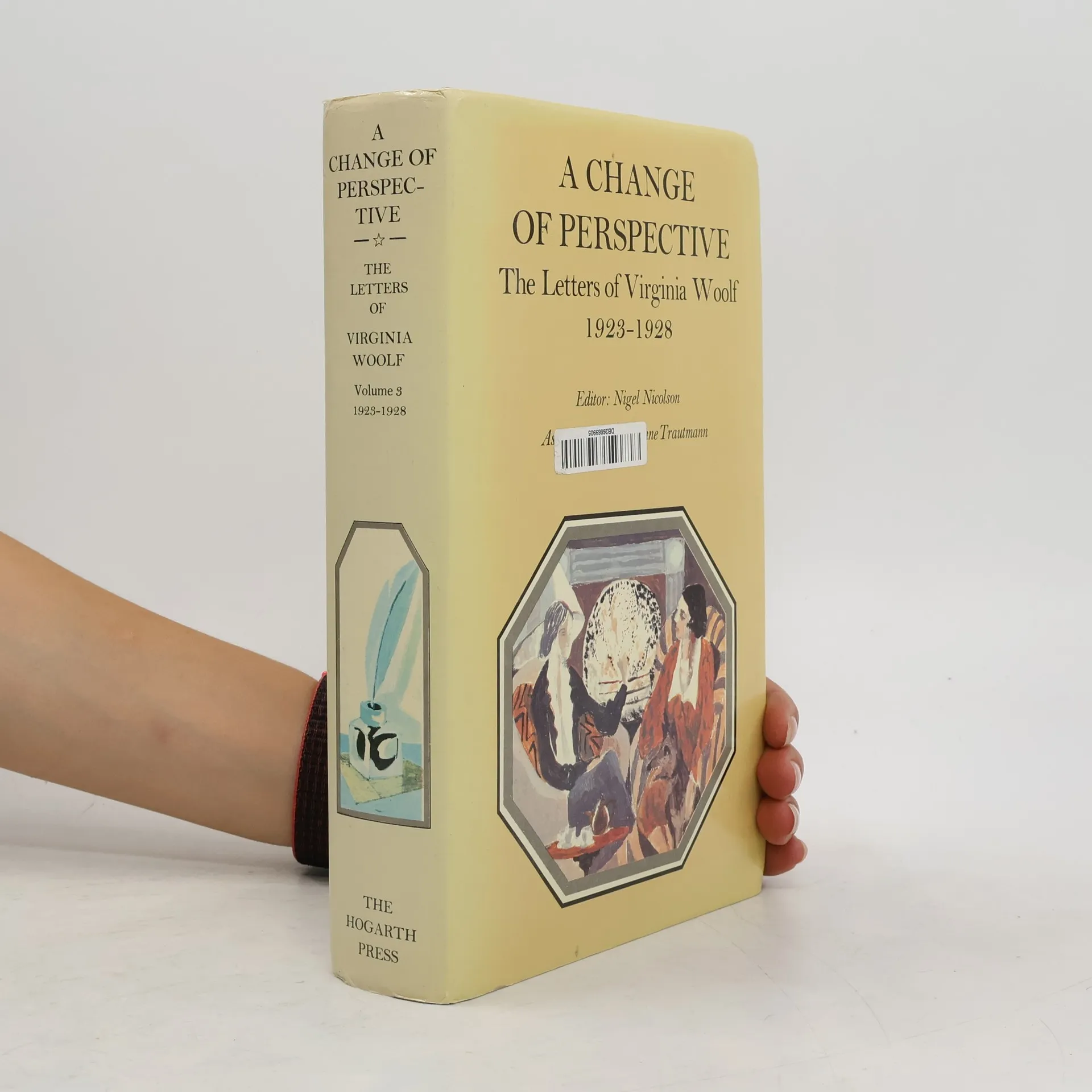
    • A Change of Perspective

      The Letters of Virginia Woolf 1923-1928

      These years were dominated by one woman and one book. The woman was Ethel Smyth; the book was The Waves.

      A Change of Perspective
      4,1
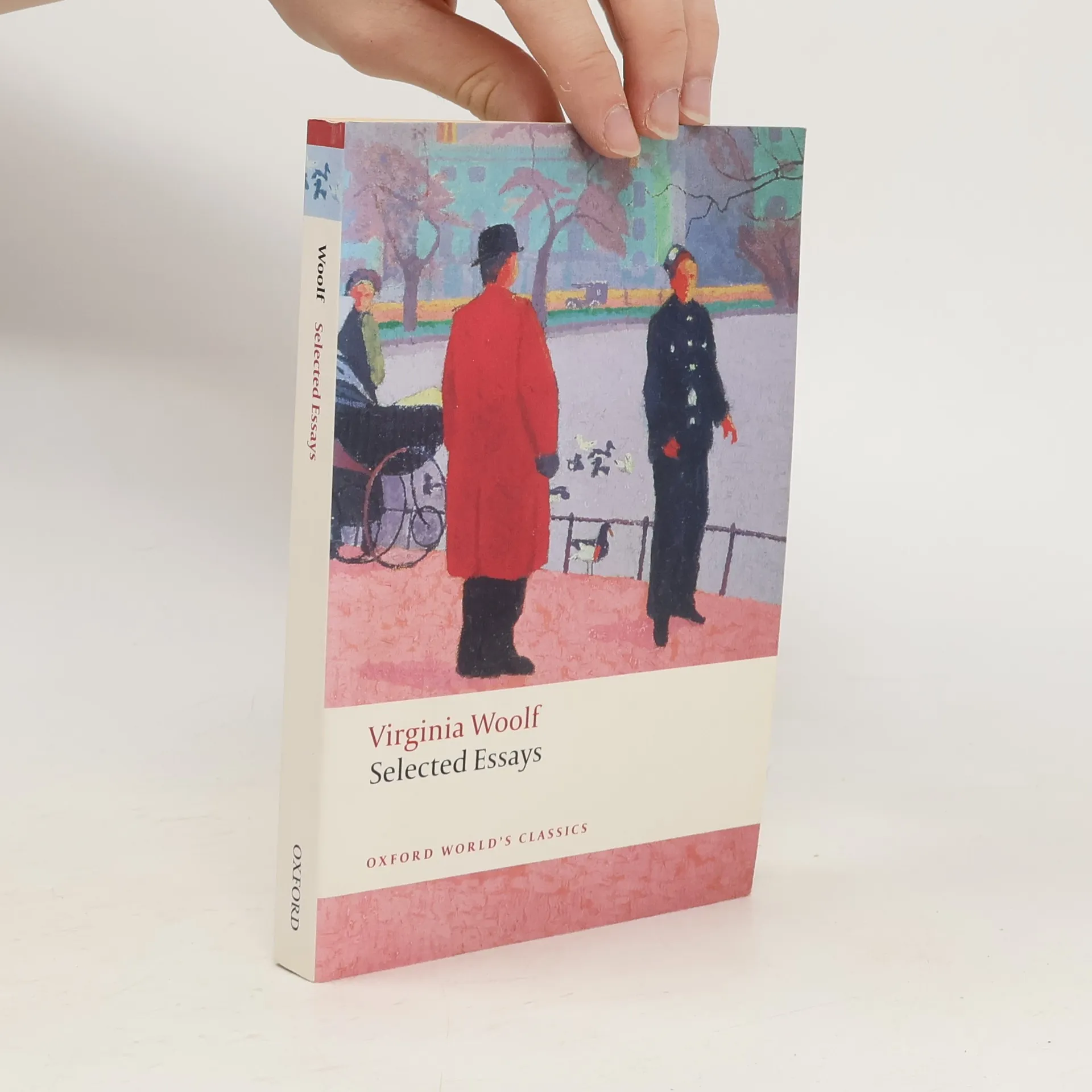
    • This selection brings together thirty of Woolf's best essays across a wide range of subjects including writing and reading, the role and reputation of women writers, the art of biography, and the London scene. They are enchanting in their own right, and indispensable to an understanding of this great writer.

      Selected Essays
      4,2
    • During the period in which these essays were written, Woolf published Night and Day and Jacob's Room, contributed widely to British and American periodicals, and progressed from straight reviewing to more extended critical essays. "Excellently edited, the essays reconfirm [Woolf's] major importance as a twentieth-century writer" (Library Journal). Edited and with an Introduction by Andrew McNeillie; Index.

      The Essays of Virginia Woolf
      4,0
    • Penguin Modern Classics: A Room of One's Own

      Ein Eigenes Zimmer, Englische Ausgabe

      • 112pagine
      • 4 ore di lettura

      This story grew out of a lecture that Virginia Woolf had been invited to give at Girton College, Cambridge in 1928. It ranges over Jane Austen and Charlotte Bronte, the silent fate of Shakespeare's gifted and imaginary sister, and over the effects of poverty and chastity on female creativity.

      Penguin Modern Classics: A Room of One's Own
      4,2
    • Penguin Readers Level 7: Mrs Dalloway

      • 128pagine
      • 5 ore di lettura

      "On a June morning in 1923, Clarissa Dalloway is preparing for a party she is giving that evening. As she walks through London, her thoughts are of the past and her choice of husband. At the same time, and also in London, Septimus Warren Smith has shell shock. At the party that evening, their stories come together"--Back cover

      Penguin Readers Level 7: Mrs Dalloway
      4,0
    • The Common Reader

      • 320pagine
      • 12 ore di lettura

      HarperCollins is proud to present its incredible range of best-loved, essential classics.

      The Common Reader
      4,2
    • A Writer's Diary

      Being Extracts from the Diary of Virginia Woolf

      • 350pagine
      • 13 ore di lettura

      An invaluable guide to the art and mind of Virginia Woolf, "A Writer's Diary" was drawn by her husband from the personal record she kept over a period of twenty-seven years. Included are entries that refer to her own writing and those that are clearly writing exercises, accounts of people and scenes relevant to the raw material of her work, and finally, comments on books she was reading. The first entry is dated 1918 and the last, three weeks before her death in 1941. Between these points of time unfolds the private world - the anguish, the triumph, the creative vision - of one of the great writers of our century.

      A Writer's Diary
      4,2
    • This volume combines for the first time in paperback two books by Virginia Woolf which are among the greatest contributions to feminist literature this century. Together they form a brilliant attack on Patriarchy and sexual inequality. A ROOM OF ONE'S OWN

      A Room of One's Own and Three Guineas
      4,1
    • This box is filled with stories about the warming embrace of summer, in all its various forms. Four short stories written by some of the most beloved authors of all time.

      Summer Stories
      3,7
    • A collection of essays dealing with a variety of subjects including modern writing, feminism and education. In Women and Fiction Virginia Woolf considers the reasons why so many educated women began writing novels in the 18th century. In another she discusses the lack of education that women received and the narrowness of conventional education. Also included are some of the book reviews that Virginia Woolf wrote for The Times Literary Supplement.

      A Woman's Essays
      4,1