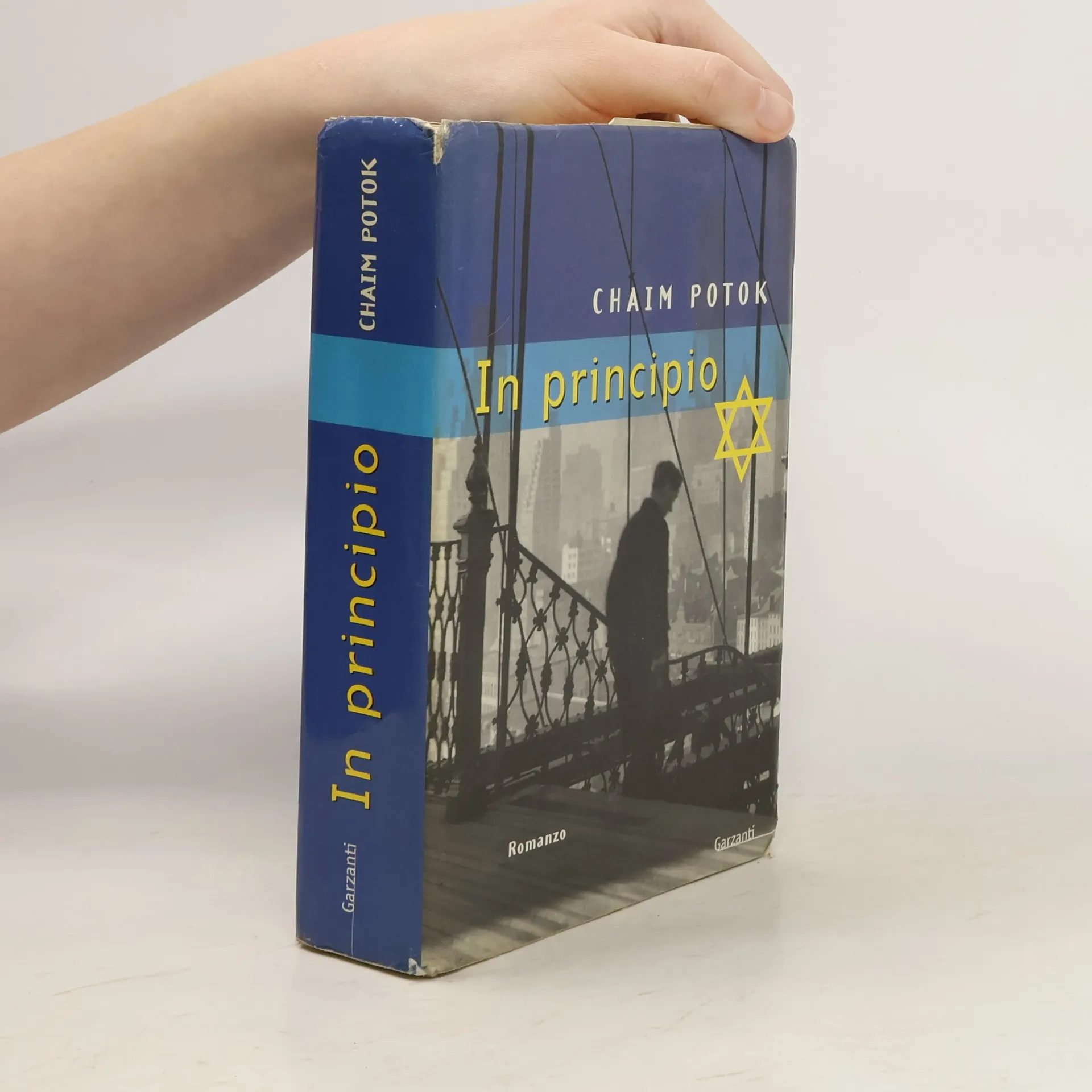
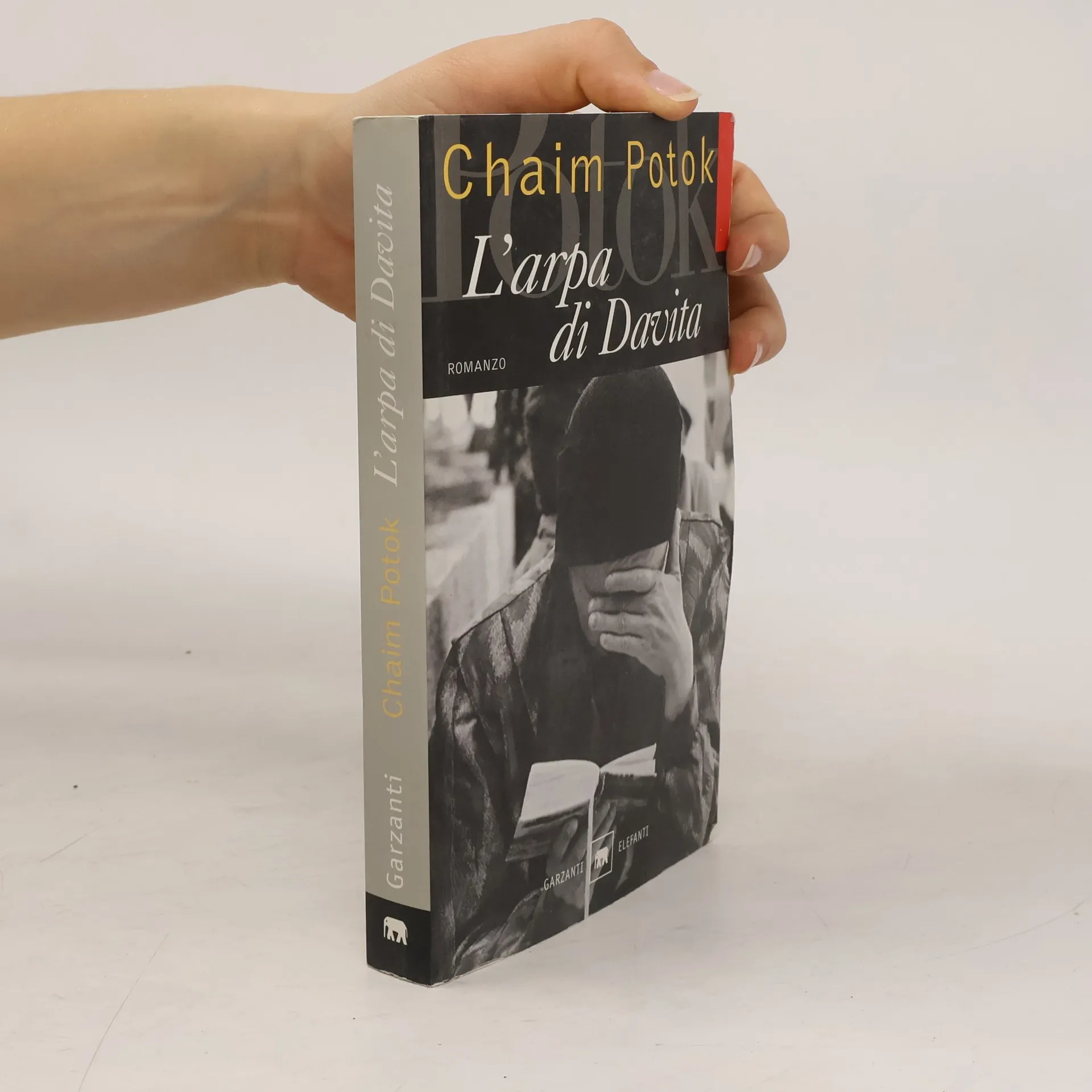
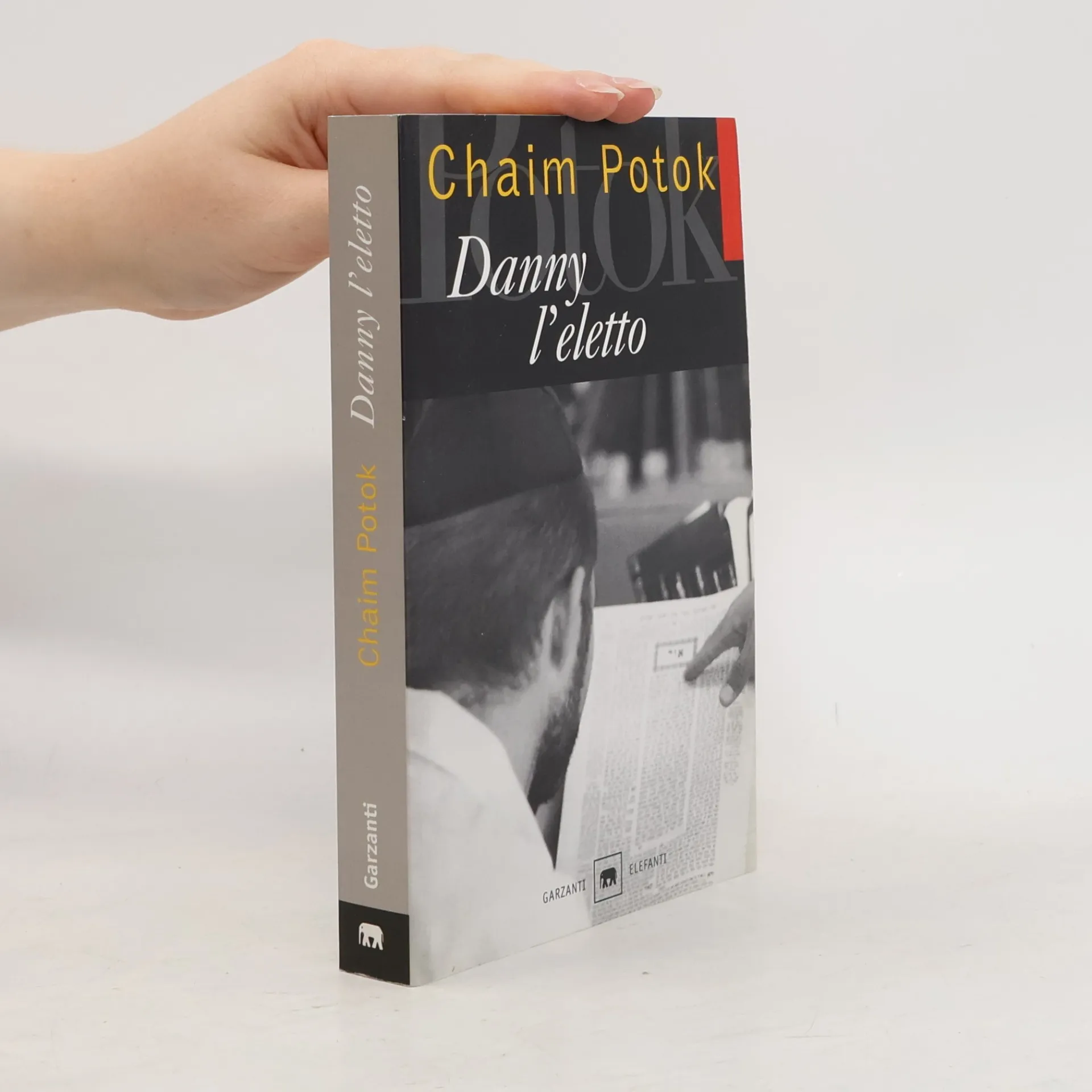
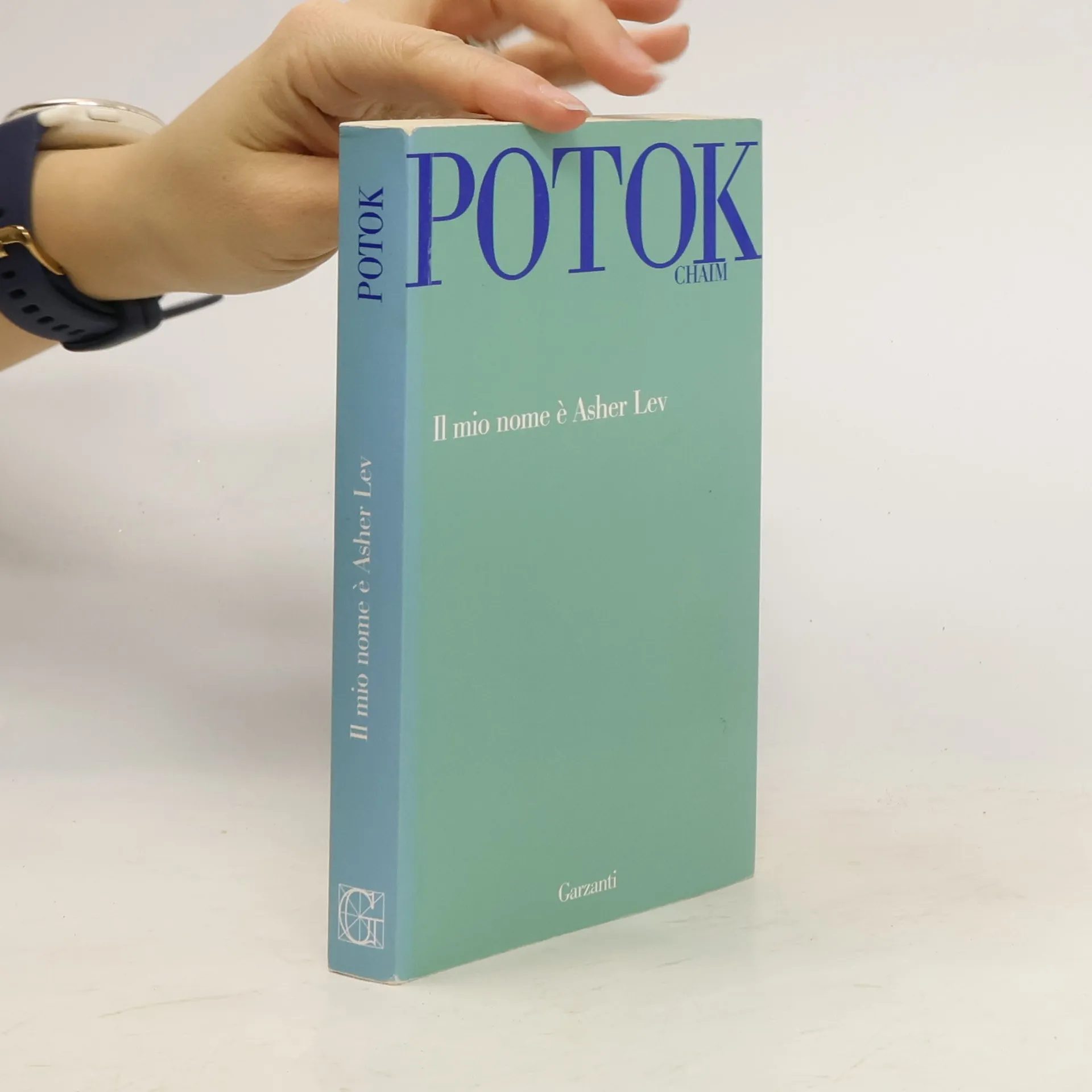
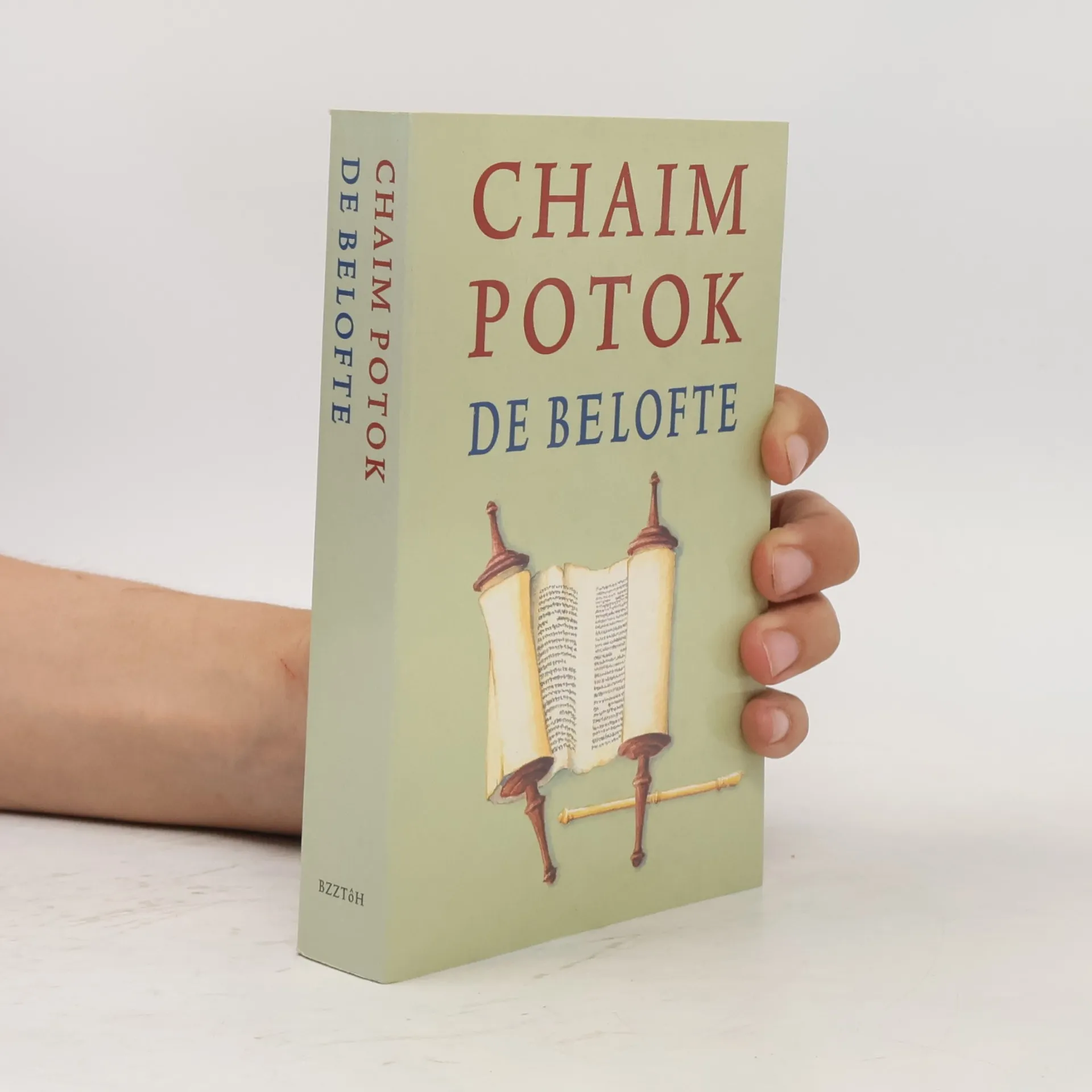
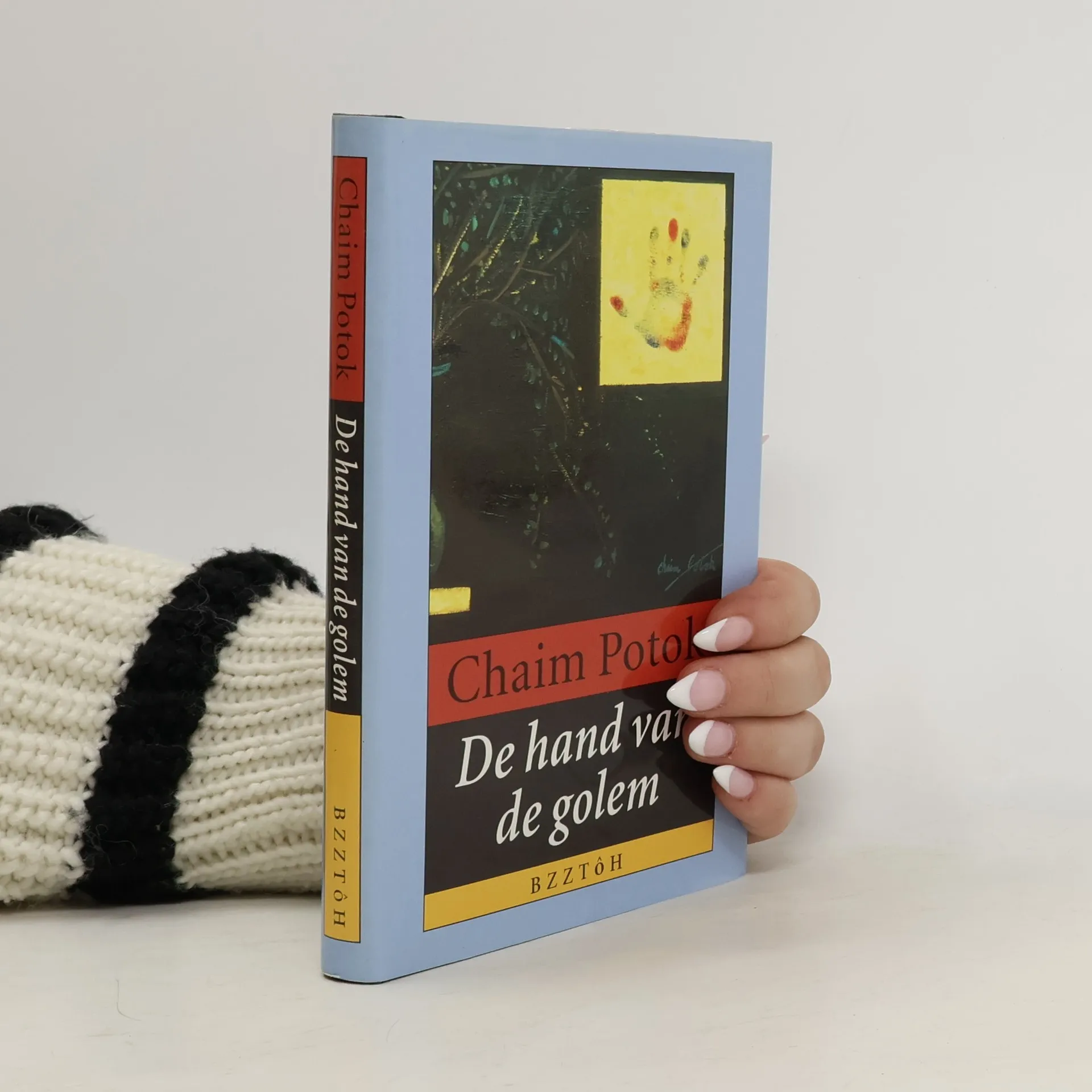
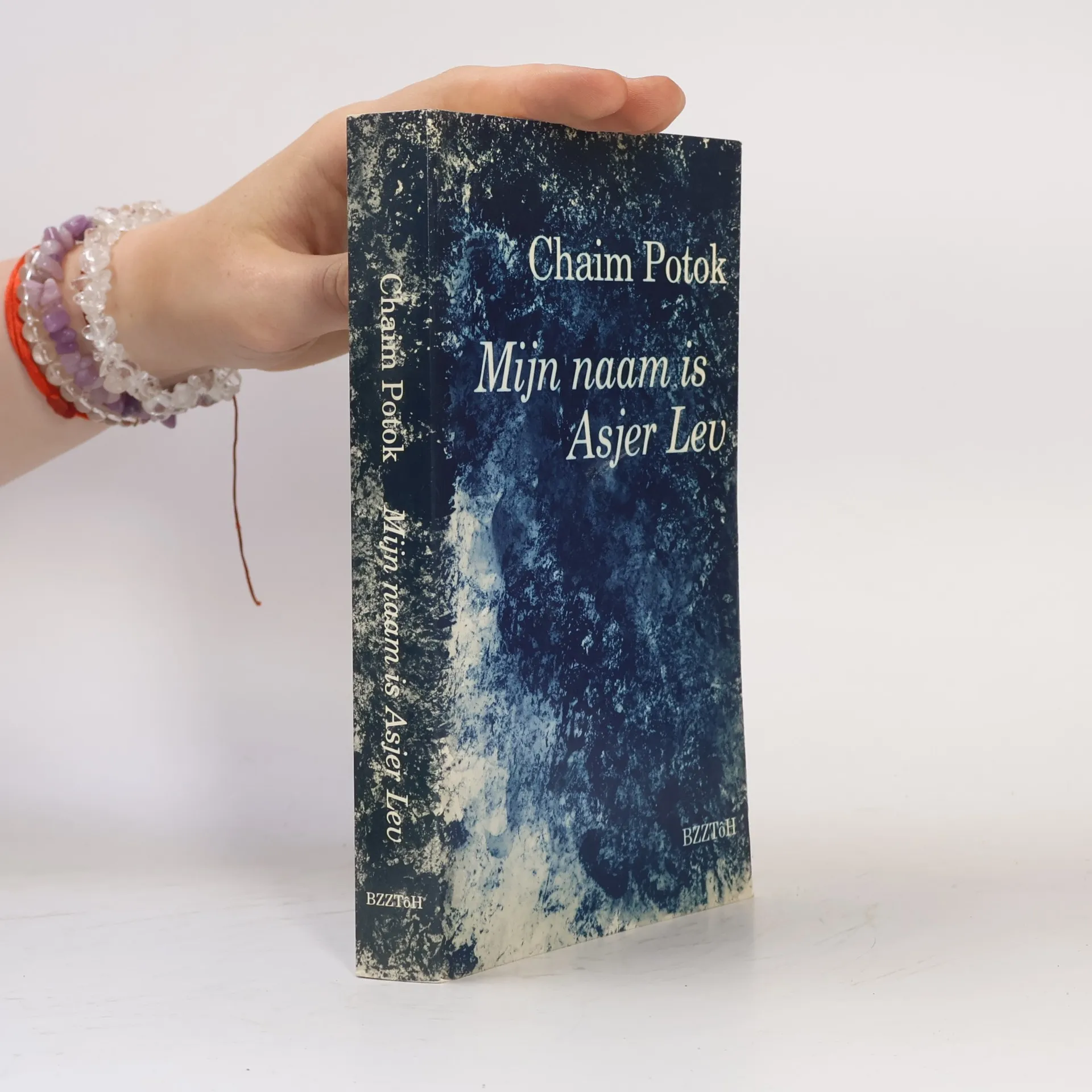
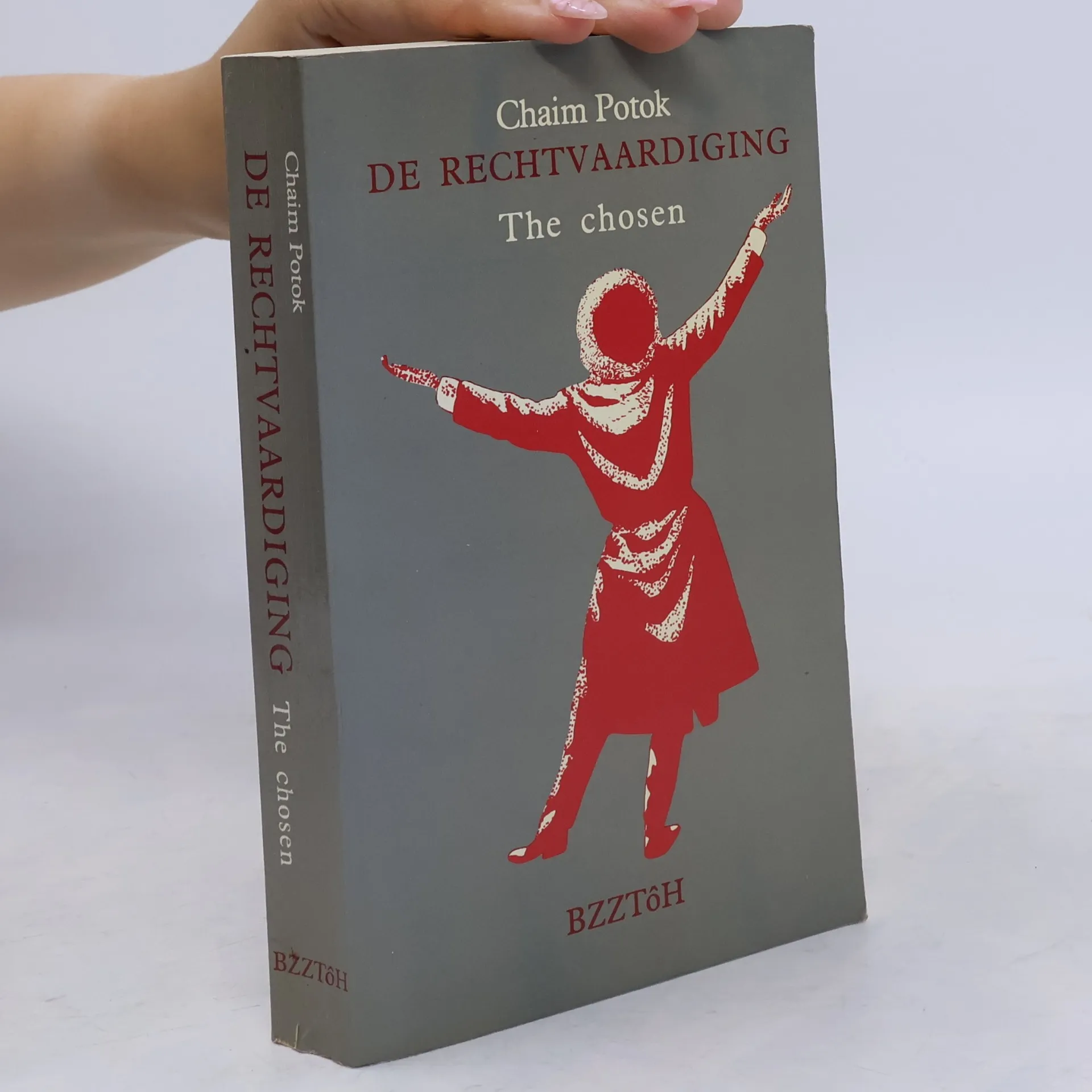
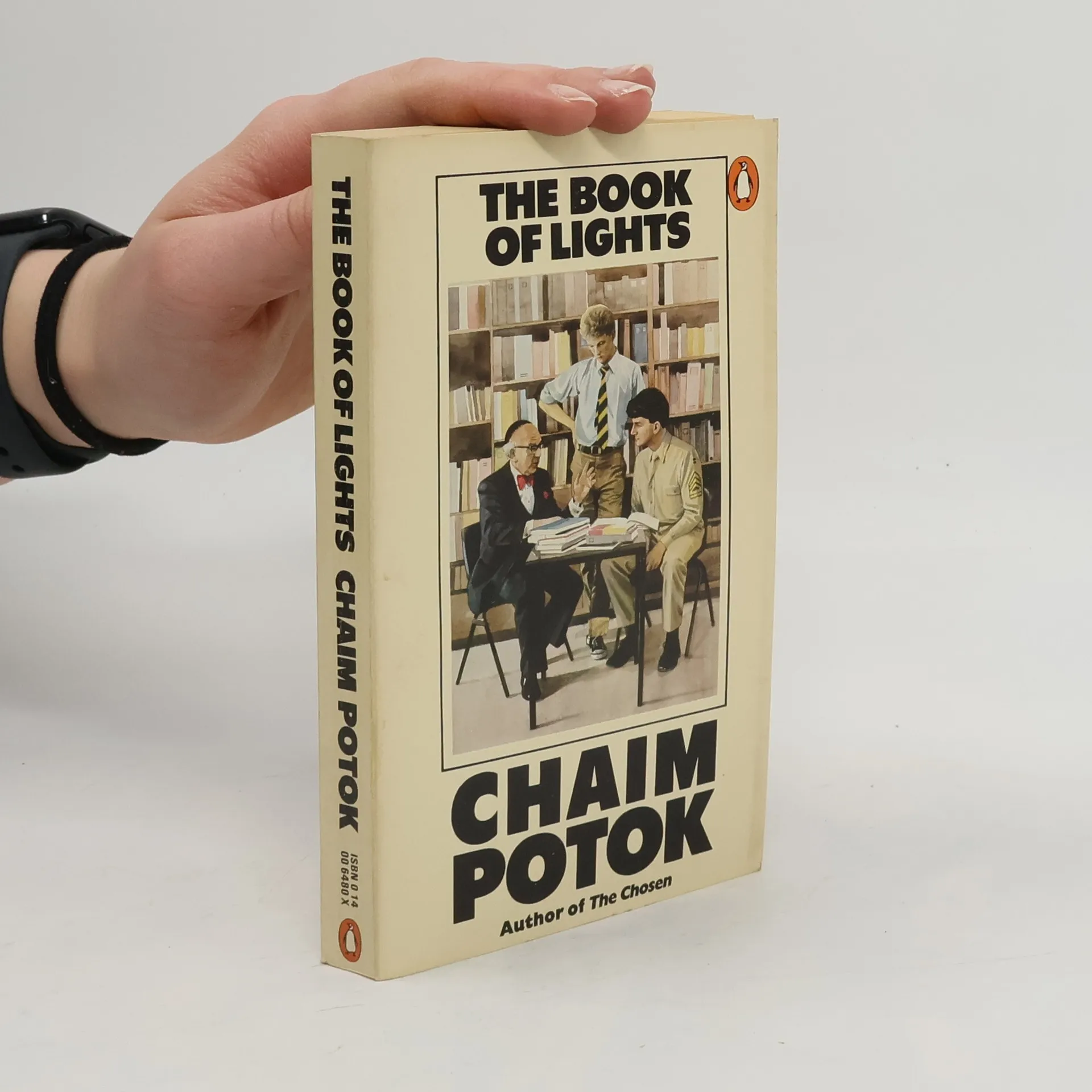
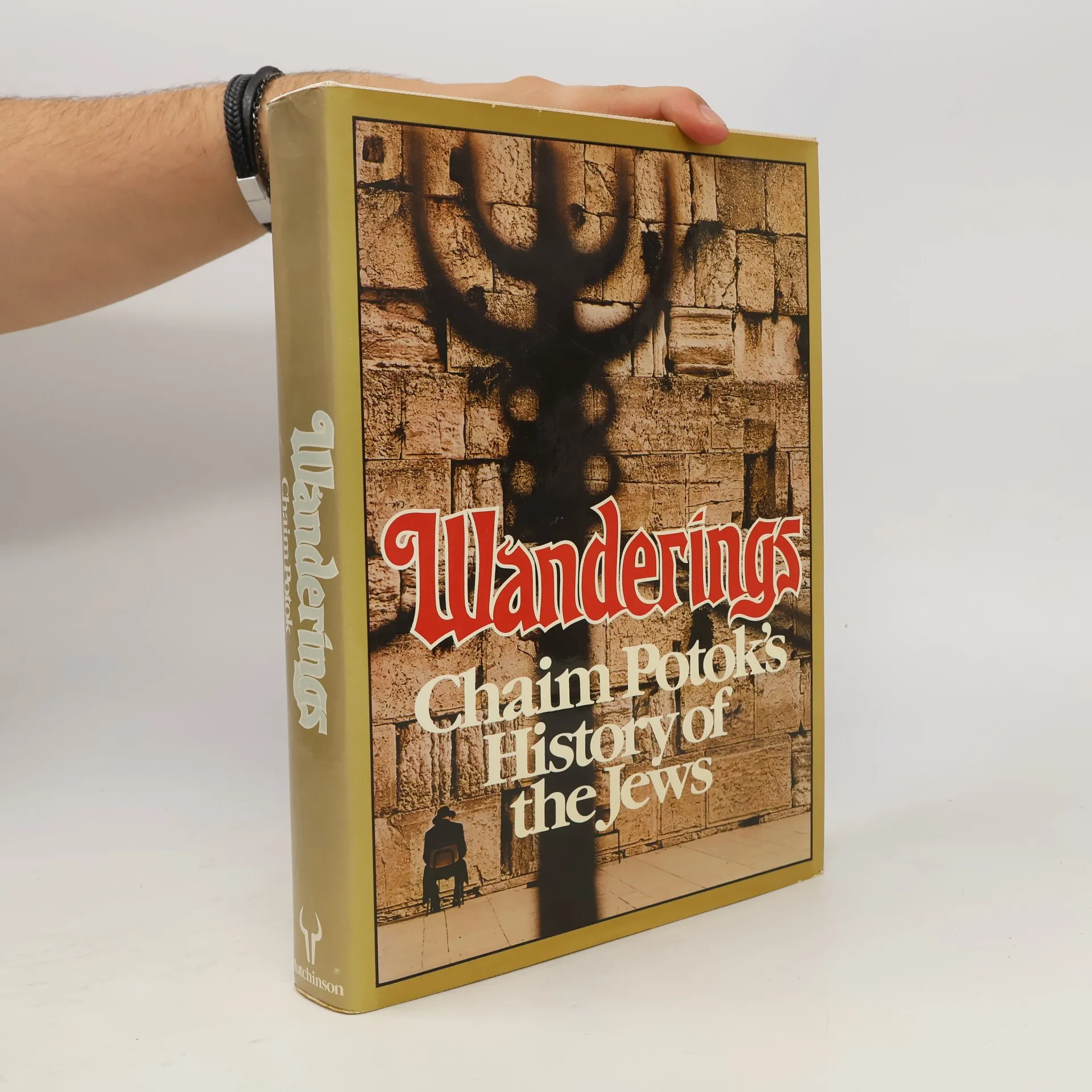
Chaim Potok divenne famoso per i suoi romanzi, che esplorano magistralmente la tensione tra la vita ebraica tradizionale e il mondo moderno. La sua prosa è profondamente radicata nelle sue esperienze e nella sua educazione, permettendogli di creare personaggi complessi che navigano all'intersezione tra fede e secolarismo. Le opere di Potok approfondiscono frequentemente temi di identità, religione e la ricerca di significato in un panorama in continua evoluzione. Il suo stile di scrittura è noto per la sua qualità introspettiva e la sua capacità di coinvolgere i lettori nella vita interiore dei personaggi.
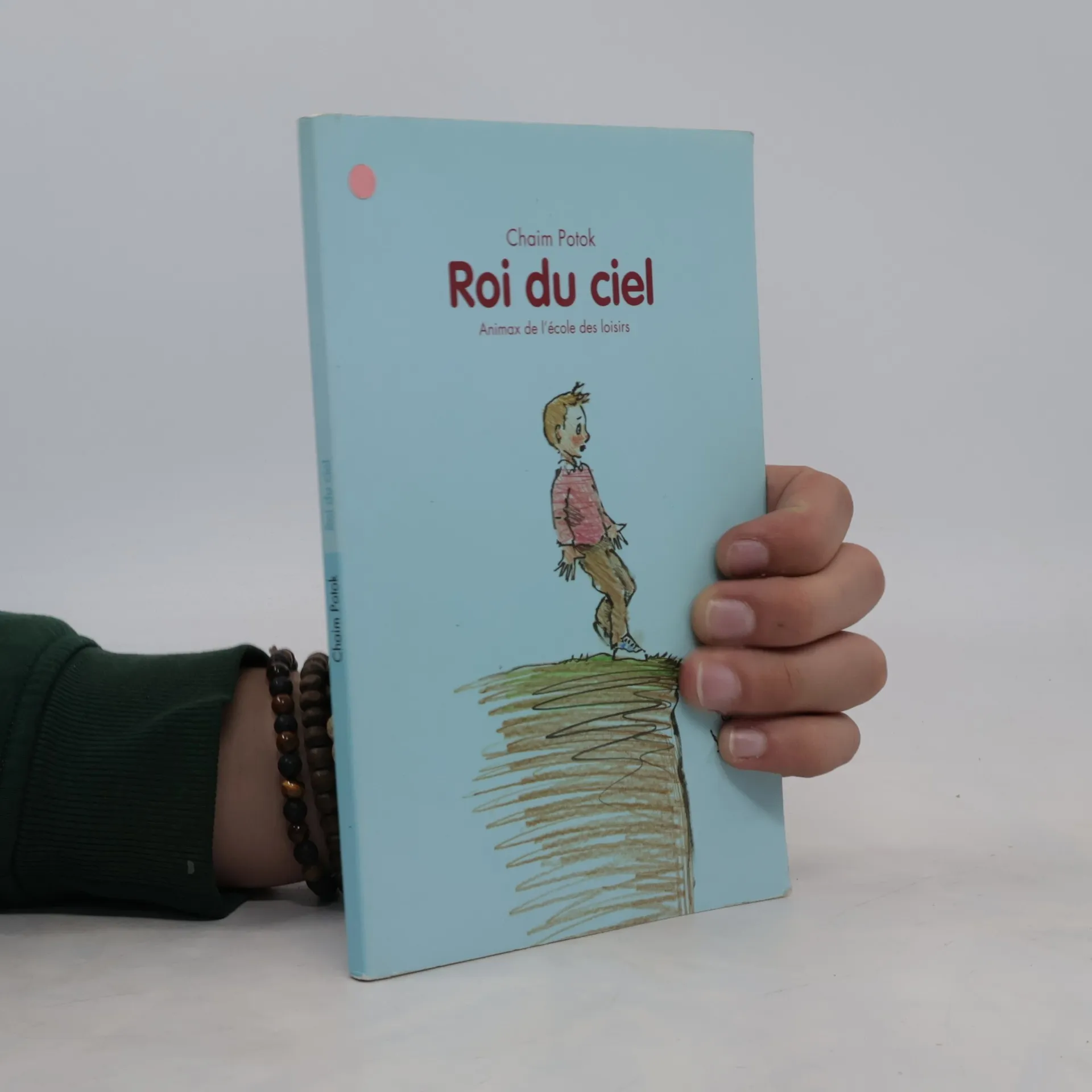
Aujourd'hui, Brian est allé avec ses parents visiter la statue de la Liberté. Arrivé tout en haut, dans la tête de la statue, Brian s'est approché de la vitre et il a regardé en bas. Il a eu très peur, ses genoux tremblaient et il s'est senti tomber, tomber... Est-ce que c'est ça, avoir le vertige ? Comment pourra-t-il devenir pilote, comme son Oncle Conor, s'il a le vertige ? Ce que ne sait pas encore Brian, c'est que son Oncle Conor, justement, lui a préparé une incroyable surprise pour ses dix ans. La surprise s'appelle Roi du ciel. Elle attend au bout d'un champ immense. " Est-ce que tu veux toujours devenir pilote ? " demande Oncle Conor.
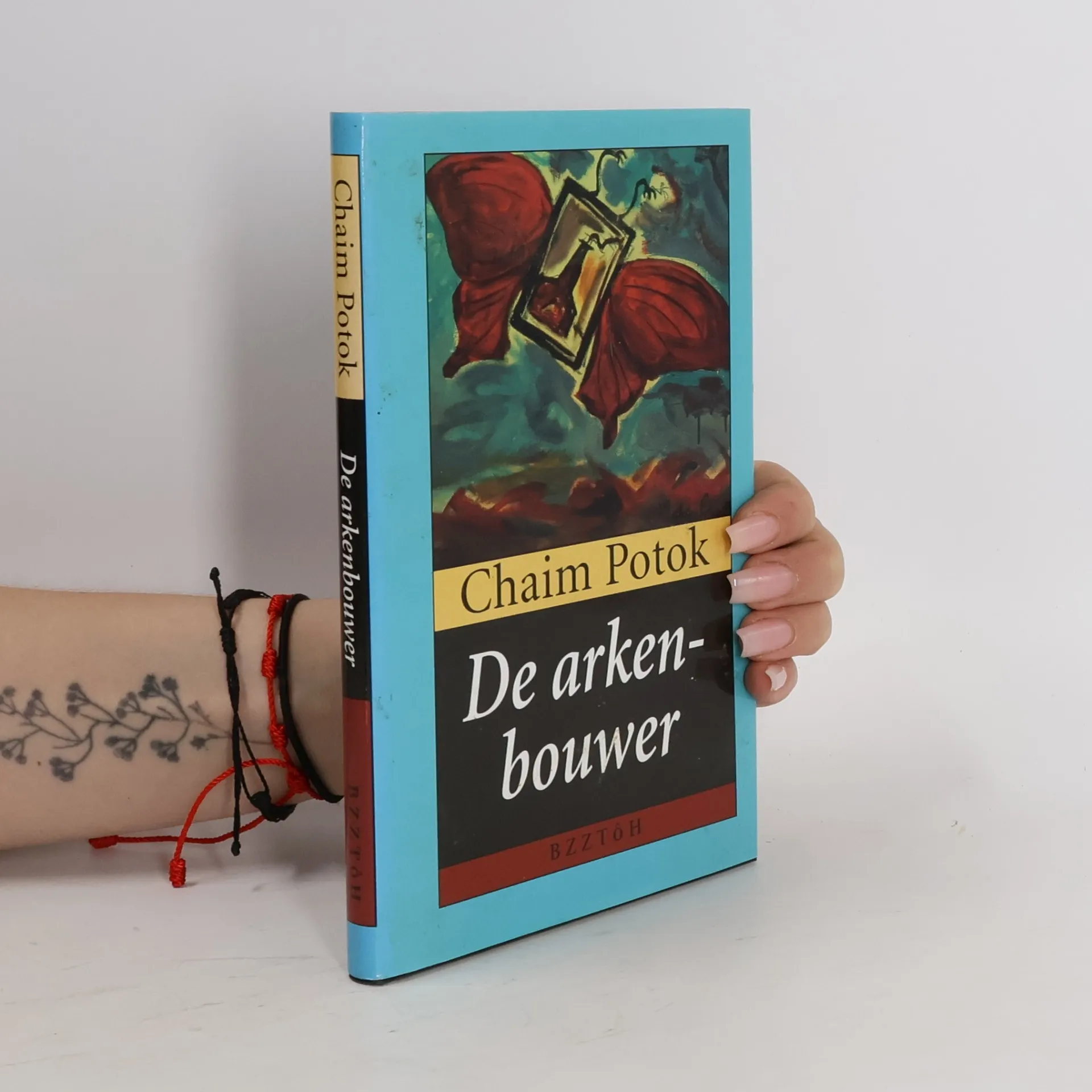
From the celebrated author of The Chosen and My Name Is Asher Lev , a trilogy of related novellas about a woman whose life touches three very different men—stories that encompass some of the profoundest themes of the twentieth century.Ilana Davita Dinn is the listener to whom three men relate their lives.As a young girl, she offers English lessons to a teenage survivor of the camps. In “The Ark Builder,” he shares with her the story of his friendship with a proud old builder of synagogue arks, and what happened when the German army invaded their Polish town.As a graduate student, she finds herself escorting a guest lecturer from the Soviet Union, and in “The War Doctor,” her sympathy moves him to put his painful past to paper recounting his experiences as a Soviet NKVD agent who was saved by an idealistic doctor during the Russian civil war, only to encounter him again during the terrifying period of the Kremlin doctors’ plot.And, finally, we meet her in “The Trope Teacher,” in which a distinguished professor of military history, trying to write his memoirs, is distracted by his wife’s illness and by the arrival next door of a new neighbor, the famous writer I. D. (Ilana Davita) Chandal.Poignant and profound, Chaim Potok’s newest fiction is a major addition to his remarkable—and remarkably loved—body of work.
In Cambridge, Massachusetts, buiten de muren van de Harvard universiteit, ontmoeten twee mensen elkaar bij toeval: een jonge fysicus die vertrouwelijk onderzoek doet en een jonge vrouw die zich bezighoudt niet milieurecht. Van beslissende invloed op hun langzaam groeiende relatie zijn huil verleden, hun totaal verschillende wereldbeelden, hun verschillende doelen voor de toekomst ... en een verbazingwekkend besluit van de vrouw.
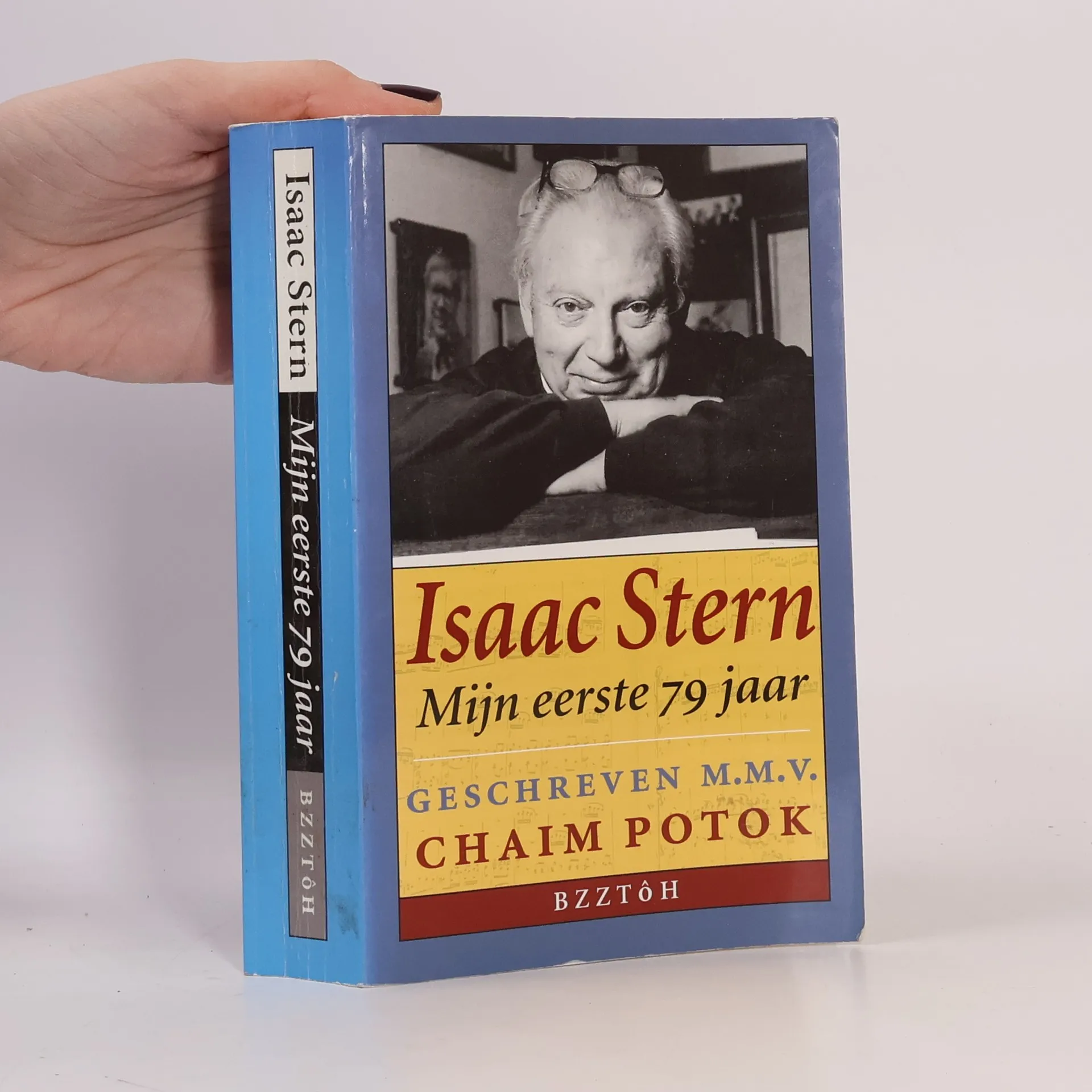
The conductor George Szell once told Isaac Stern that if he spent less time doing other things and more time practicing he could be "the greatest violinist in the world." Since those "other things" included saving Carnegie Hall from the wrecker's ball, generously sponsoring young artists like Yo-Yo Ma and Itzhak Perlman, and touring the world as an ambassador of American classical performance, music lovers can only be grateful that Stern settled for being one of the world's great violinists. His appealing memoir reveals a well-rounded man with a gusto for life beyond the concert hall that made his passion for music all the more fulfilling. Born on the Russian-Polish border in 1920, Stern grew up in San Francisco and by age 6 already displayed a precocious musical gift. His assessment of his abilities is refreshingly free of false modesty, while his enthusiastic appreciation for such fellow artists as Pablo Casals, Leonard Bernstein, and Rudolf Serkin keeps him from seeming like an egomaniac. Perhaps because of the contributions of coauthor Chaim Potok (author of The Chosen and other novels), the prose here is smoother and less self-conscious than in many performers' memoirs. It limns a vigorous, busy life dedicated to the idea that music has the power to break down barriers between people and nations. --Wendy Smith
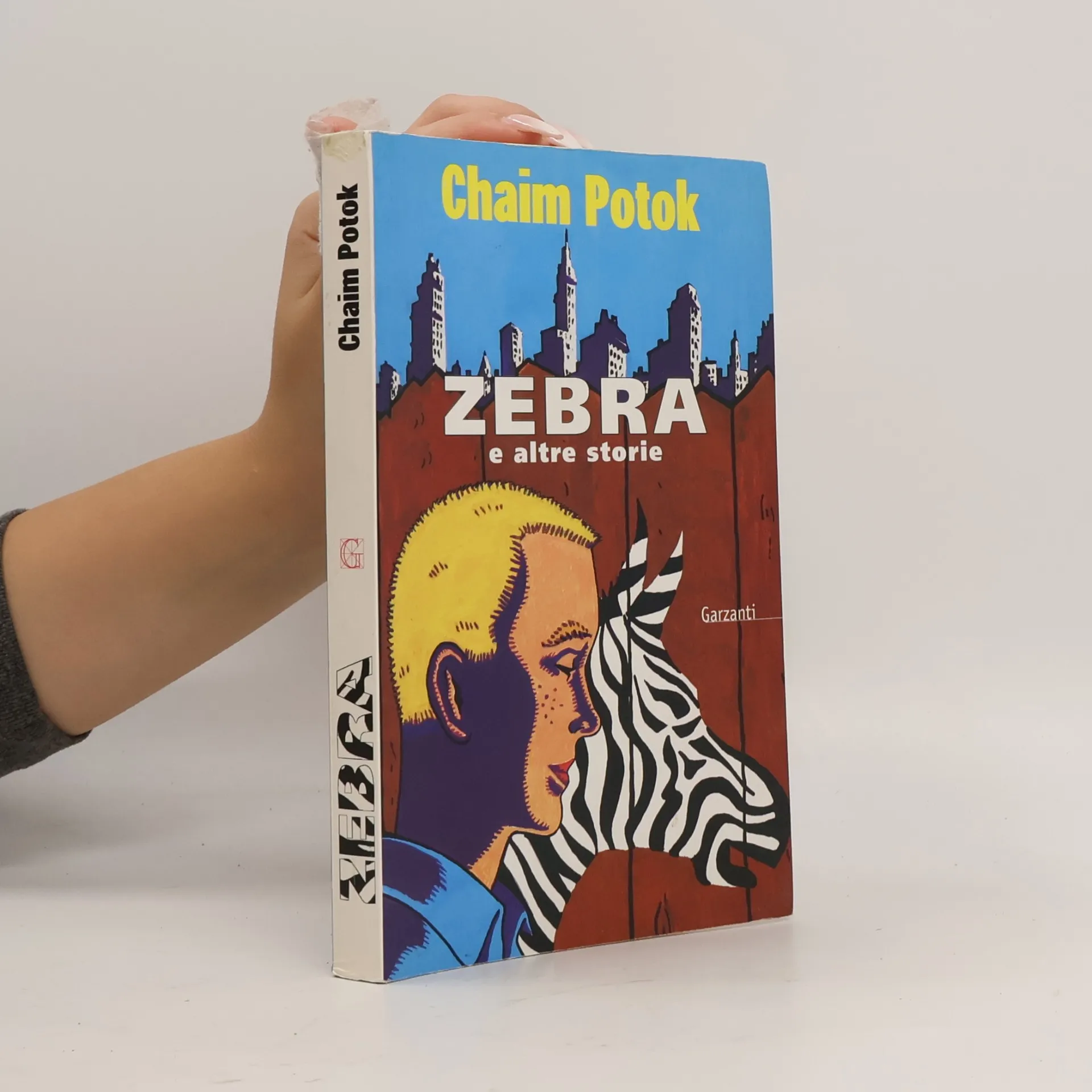
In Zebra, Chaim Potok racconta l'«età difficile» di sei adolescenti, tre ragazzi e tre ragazze colti in un momento di crisi. Incontriamo un ragazzo che per un incidente ha perso l'uso di una mano, un altro che vede il padre abbandonare la casa mentre la mamma dà alla luce il fratellino, un terzo che è invidioso del fratellino adottivo appena arrivato dal Pakistan. E poi una ragazza tormentata da una gang e un'altra che vede la madre vedova risposarsi...
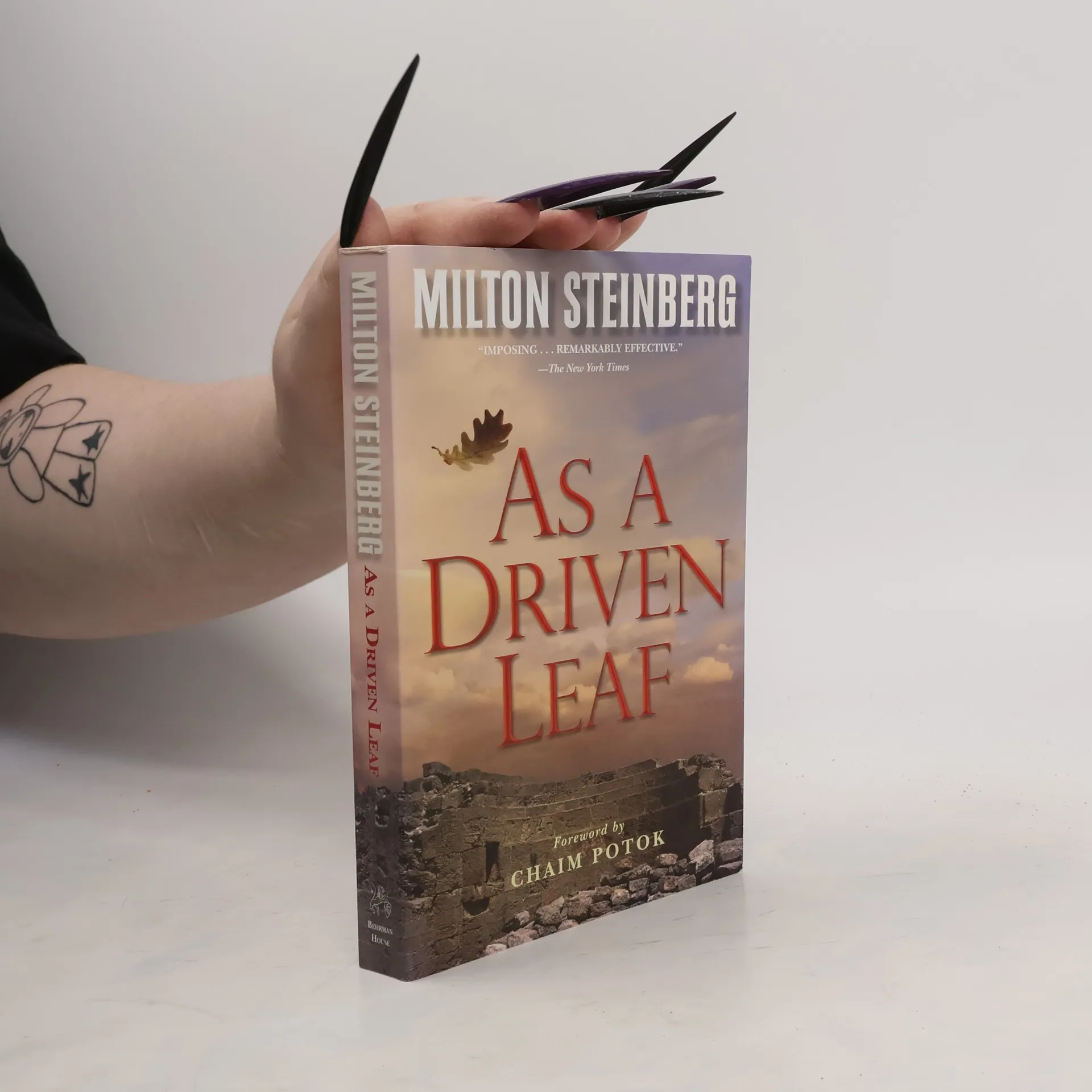
The age of the Talmud is brought to life in a breathtaking saga. This masterpiece of modern fiction tells the gripping tale of renegade talmudic sage Elisha ben Abuyah's struggle to reconcile his faith with the allure of Hellenistic culture. Set in Roman Palestine, As a Driven Leaf draws readers into the dramatic era of Rabbinic Judaism. Watch the great Talmudic sages at work in the Sanhedrin, eavesdrop on their arguments about theology and Torah, and agonize with them as they contemplate rebellion against an oppressive Roman rule. But Steinberg's classic novel also transcends its historical setting with its depiction of a timeless, perennial feature of the Jewish experience: the inevitable conflict between the call of tradition and the glamour of the surrounding culture. In his illuminating foreword, specially commissioned for this edition, Chaim Potok stresses the contemporary relevance of As a Driven Leaf: This novel of ideas and passions... retains its ability to enter the heart of pious and seeking Jew alike. Synagogues everywhere are adopting As a Driven Leaf for group study.
Quelle che Potok racconta sotto forma di romanzo in "Novembre alle porte" sono le vicende di Salomon Slepak e di suo figlio Volodya. Solomon, ebreo, bolscevico, comandante militare e diplomatico, riuscì a sopravvivere miracolosamente alle purghe staliniane e mantenne fino alla fine la fede nel comunismo. Suo figlio Volodya entrò a far parte dell'élite scientifica moscovita, finché non scelse la strada del dissenso: per diciotto anni Volodya e sua moglie Mascia furono oggetto delle malevole attenzioni di governo e servizi segreti. Attraverso questa tormentata e avvincente vicenda familiare, Potok racconta dall'interno il dramma della Russia della Rivoluzione d'Ottobre a oggi. Così il contrasto tra padre e figlio - uno dei grandi temi della sua narrativa - dà concretezza e comprensibilità alla storia del nostro secolo.
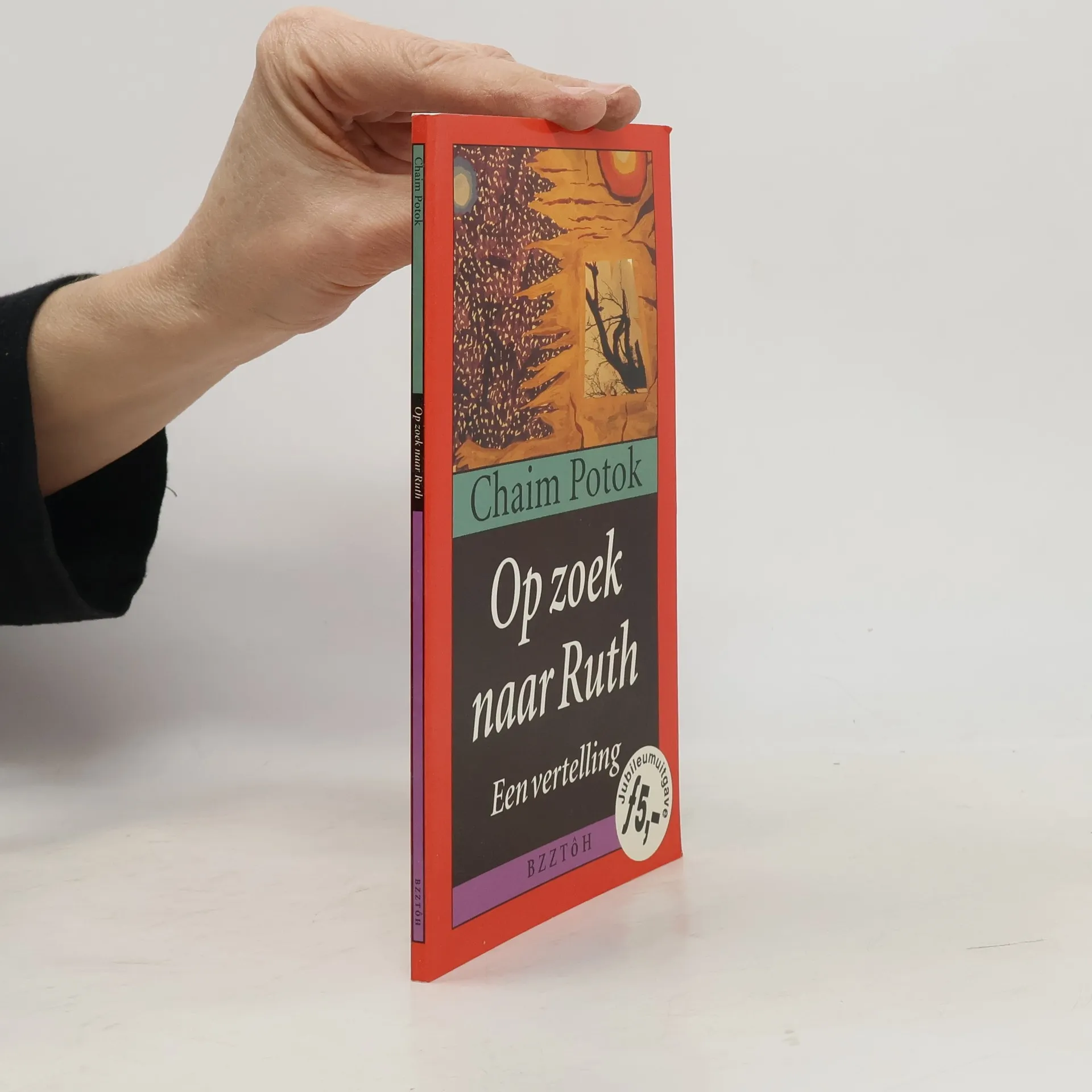
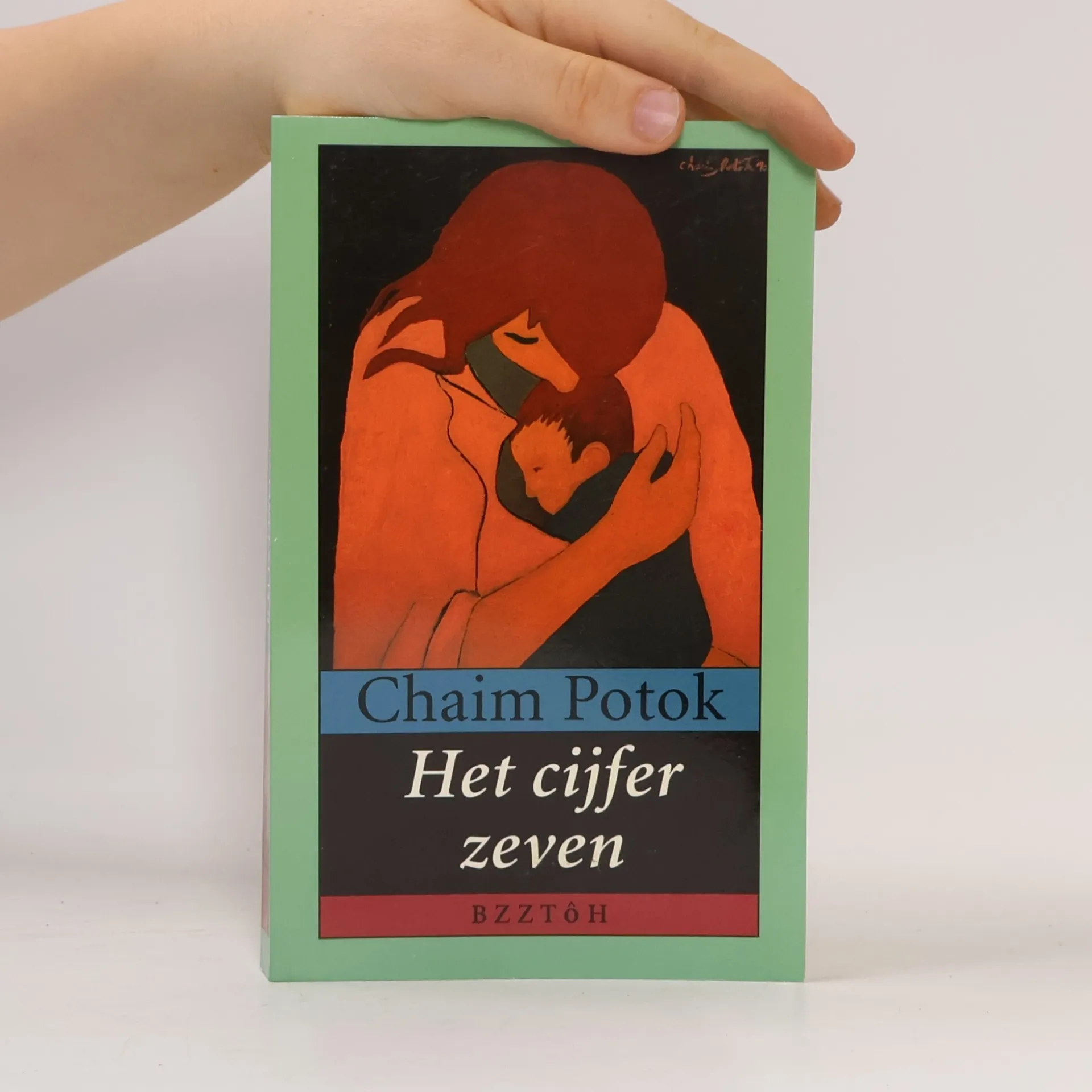
Een oude joodse man vertelt aan zijn kleindochter zijn levensgeschiedenis, waarin gebeurtenissen in eerst het tsaristische Rusland en later de stalinistische Sovjet-Unie centraal staan.
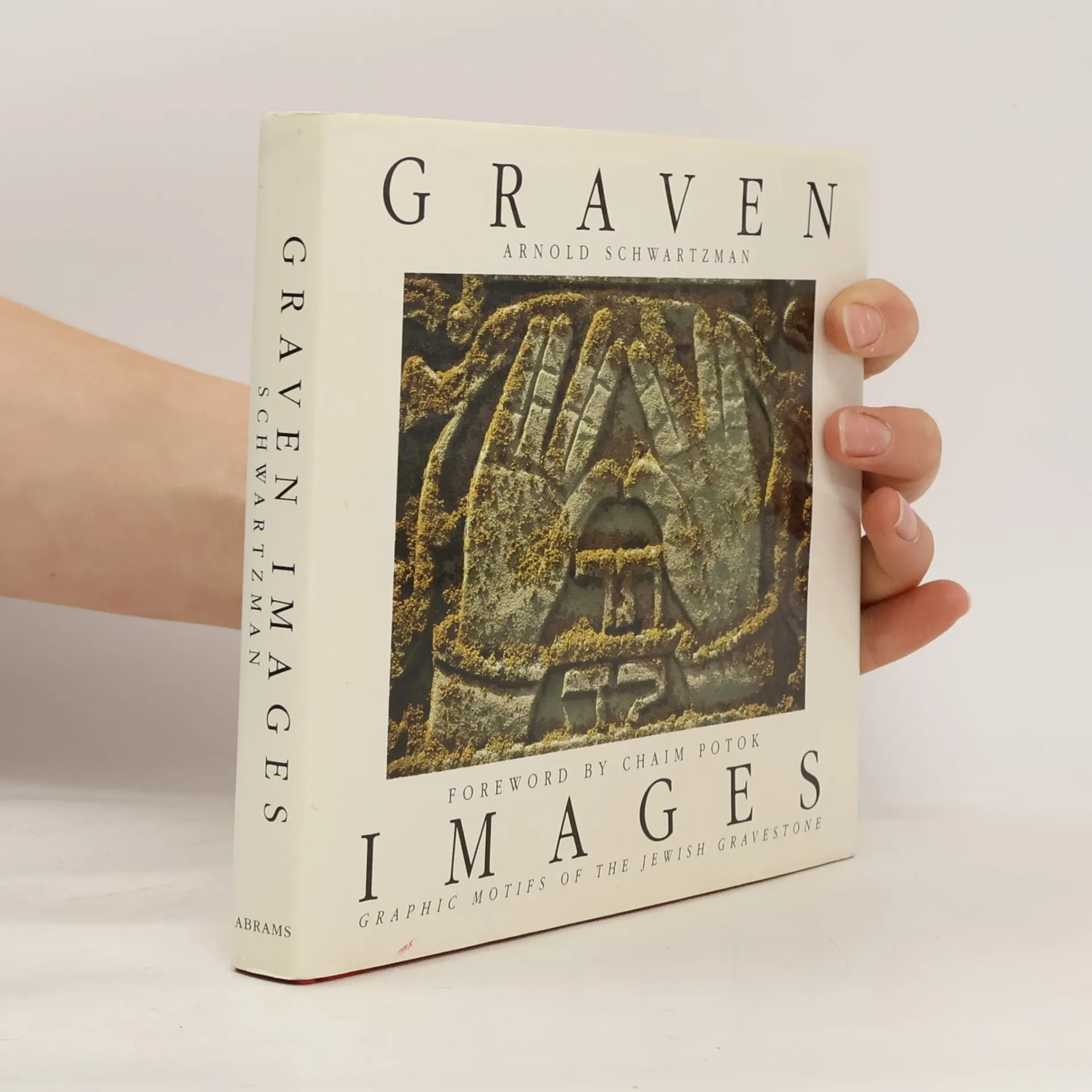
"Thou shalt not make unto thee any graven image..." declares the second commandment. Yet, throughout history, Jews have adorned their tombstones with such images, creating a rich tradition of interpreting this biblical directive. This collection showcases the vibrant symbols and motifs that illuminate Jewish history and lore.
The author and photographer Arnold Schwartzman presents a spirited exploration of a typically somber subject, featuring a stunning array of color photographs from thirty-eight European cemeteries. The book includes over two hundred images from countries like Austria, Czechoslovakia, Denmark, England, Germany, the Netherlands, Hungary, Italy, Poland, and Romania. Schwartzman's close-up photographs and insightful captions reveal the meanings behind common gravestone images, such as an inkwell and quill symbolizing a scribe's occupation or a candelabrum representing a pious woman. Some images relate to names, like a fish for the Fischel family, while others reference biblical stories, including Noah's ark and Adam and Eve.
Beginning with an engaging essay by renowned novelist Chaim Potok, the book prompts readers to consider the implications of these images in light of the second commandment. This unique collection of "hallowed milestones" will resonate with anyone interested in Jewish history, symbols, and tradition.
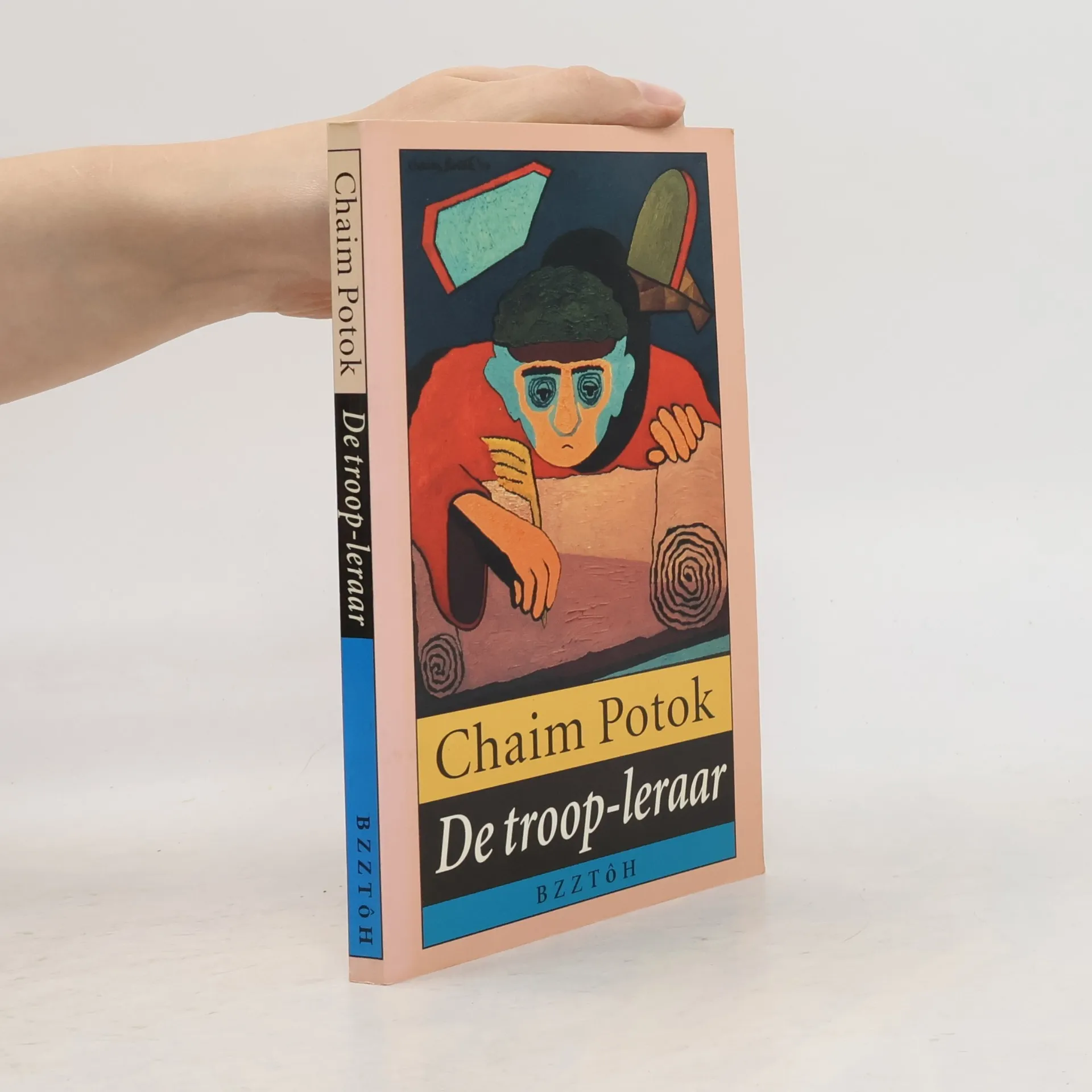
Een Amerikaanse hoogleraar, die bezig is met het schrijven van zijn memoires, wordt door het ophalen van herinneringen aan zijn joodse troop-leraar geconfronteerd met zijn oorlogservaringen.
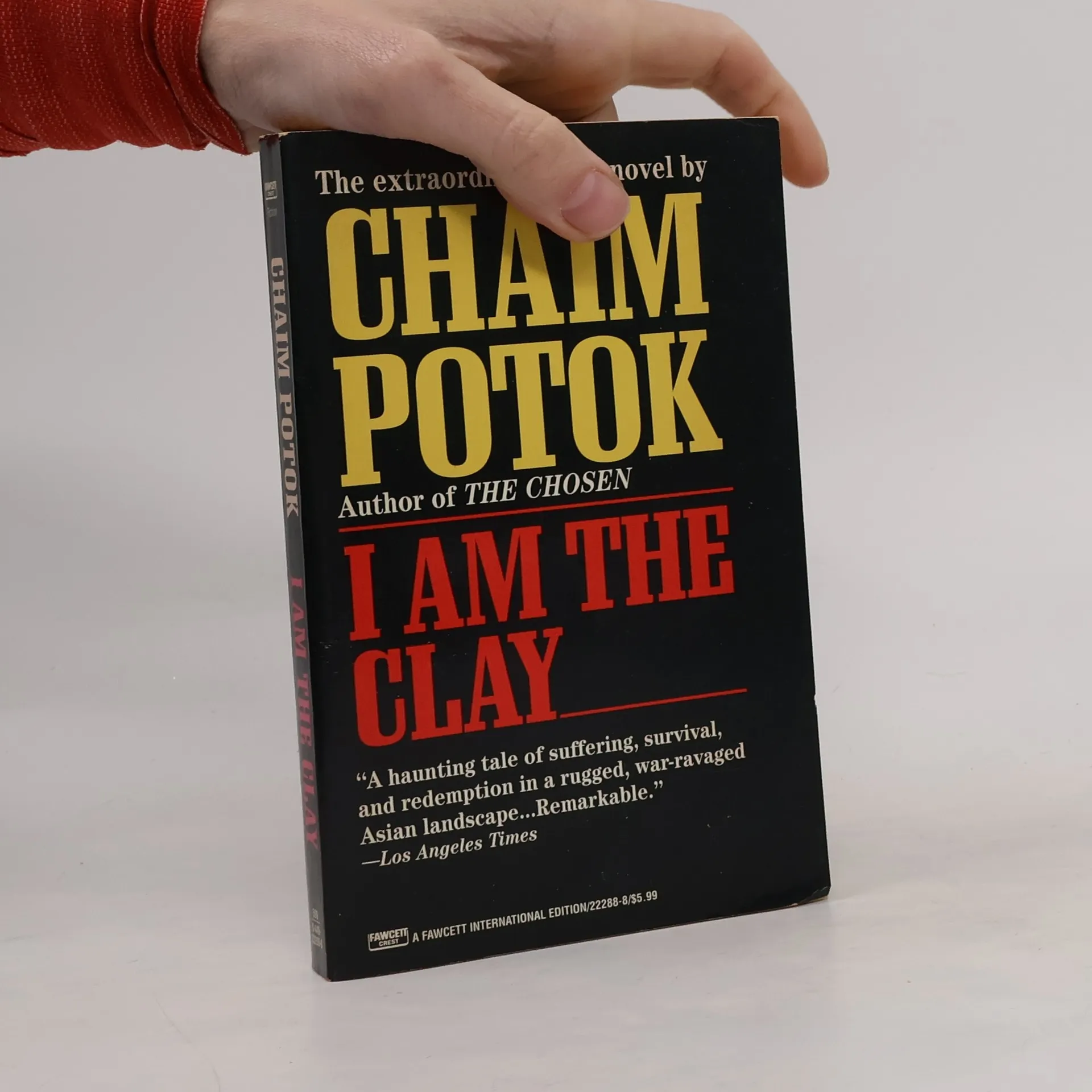
"Potok writes powerfully about the suffering of innocent people caught in the cross-fire of a war they cannot begin to understand....Humanity and compassion for his characters leap from every page." SAN FRANCISCO CHRONICLE As the Chinese and the army of the North sweep south during the Korean War, an old peasant farmer and his wife flee their village across the bleak, bombed-out landscape. They soon come upon a boy in a ditch who is wounded and unconscious. Stirred by possessiveness and caring the woman refuses to leave the boy behind. The man thinks she is crazy to nurse this boy, to risk their lives for some dying stranger. Angry and bewildered, he waits for the boy to die. And when the boy does not die, the old man begins to believe that the boy possesss a magic upon which all their lives depend....
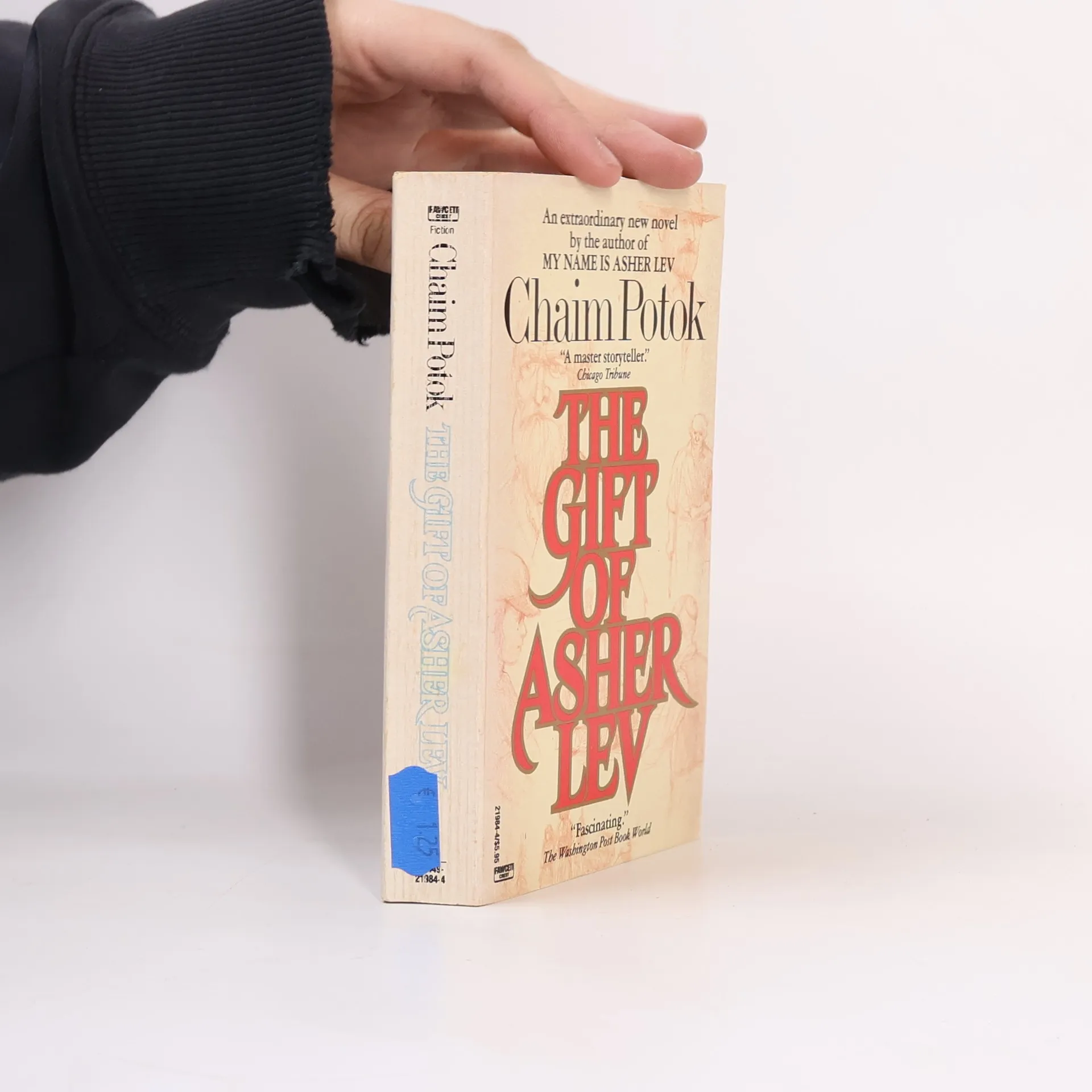
Twenty years have passed for Asher Lev. He is a world-renowned artist living in France, still uncertain of his artistic direction. When his beloved uncle dies suddenly, Asher and his family rush back to Brooklyn--and into a world that Asher thought he had left behind forever....
Asher Lev è un ebreo osservante che, a dispetto delle circostanze più avverse, è diventato un pittore di fama internazionale. Quando muore un amato zio, deve intraprendere il viaggio di ritorno con la moglie e i due bambini da Parigi a New York. Asher Lev sente che «qualcosa di strano sta accadendo a Brooklyn... una vaga sensazione di venire risucchiato» e quasi subito deve fronteggiare lo sdegno nel suo ambiente d'origine e le difficoltà che causano alla sua famiglia. Dolorosamente, si ritrova al centro del conflitto tra la cultura in cui è nato e la cultura che ha forgiato per sé stesso e che vent'anni prima l'aveva spinto all'esilio.
È il 1930. L'America, appena uscita dalla Grande Crisi, vede affacciarsi sull'Atlantico il periodo nazi-fascista. Davita, una bimba di otto anni, assiste alla fine delle illusioni dei genitori, intellettuali impegnati a sinistra, che speravano nella fine del capitalismo e nell'avvento di una società più giusta. Con la tragedia di Guernica, nel 1937, dove si compie il destino del padre di Davita, ogni speranza sembra essere tramontata. Ma, proprio a questo punto, l'ormai adolescente Davita avverte il fascino della tradizione religiosa ebraica dei nonni materni. La religione, qui come in tutti i romanzi di Potok, non è un modo per fuggire dalle durezze della storia, bensì una chiave per comprendere la realtà. E non nasce dalla paura, ma dal coraggio e dalla libertà.
Gershon Loran, a quiet rabinical student, is troubled by the dark reality around him. He sees hope in the study of Kabbalah, the Jewish book of mysticism and visions, truth and light. But to Gershon's friend, Arthur, light means something else, the Atom bomb, his father helped create. Both men seek different a refuge in a foreign place, hoping for the same thing.
David Lurie è il protagonista e la voce narrante di questo romanzo di formazione. La sua infanzia nel Bronx, negli anni immediatamente precedenti la Grande Depressione, è segnata dalla malattia, dall'ortodossia della claustrofobica comunità ebraica, dallo strisciante antisemitismo, dagli echi degli isterici comizi hitleriani e dalle notizie sulla Shoah che travolge i parenti rimasti in Polonia. Il tormentato itinerario verso la consapevolezza e l'affermazione della propria individualità si scontra con questa realtà, fino alla drammatica rottura con la tradizione e al passaggio al mondo dei goyim: solo così potrà finalmente iniziare un nuovo viaggio alla ricerca delle proprie radici.
Asher Lev, un bambino ebreo di Brooklyn, ha la pittura nel sangue. Tutto nelle sue mani diventa disegno, immagine, colore. Ma in una cultura come quella ebraica, tradizionalmente ostile alla rappresentazione figurativa e che associa la pittura alla tradizione cristiana, la vocazione di Asher è destinata a creare conflitti e rotture. Seguendo l'esempio dei grandi maestri del passato, non può infatti esimersi dall'affrontare il tema della crocefissione di Gesù, scatenando un autentico scandalo. Tra la coerenza dell'artista fedele alla propria vocazione e le eredità e le esigenze della tradizione di appartenenza sta la lacerazione interiore che Potok esplora con l'abituale partecipazione. Ognuno dei suoi personaggi ne è tormentato: dal protagonista e narratore a sua madre, luminosa, fragile e comprensiva; da suo padre, uomo d'azione ed eroe agli occhi del suo popolo, fino al Rebbe che domina le loro esistenze, e allo scultore noto in tutto il mondo e che svela al giovane apprendista i segreti dell'arte... Rivivendo in prima persona lo sbocciare di un genio, Chaim Potok costruisce un provocatorio romanzo di idee, che ci accompagna alla scoperta del mistero della creatività.
“A superb mirror of a place, a time, and a group of people who capture our immediate interest and hold it tightly.” — The Philadelphia InquirerYoung Reuven Malter is unsure of himself and his place in life. An unconventional scholar, he struggles for recognition from his teachers. With his old friend Danny Saunders—who himself had abandoned the legacy as the chosen heir to his father's rabbinical dynasty for the uncertain life of a healer — Reuven battles to save a sensitive boy imprisoned by his genius and rage. Painfully, triumphantly, Reuven's understanding of himself, though the boy change, as he starts to approach the peace he has long sought…
A Brooklyn, negli anni della seconda guerra mondiale, due ragazzi, Reuven Malter e Danny Saunders, s'incontrano in un campo da baseball nel corso di una partita che presto assume i connotati di una guerra santa. Entrambi ebrei, Danny e Reuven appartengono a due diverse comunità religiose, che da sempre si guardano con sospetto e diffidenza. Reuven, figlio di uno studioso del Talmud, è quello che Danny, chassid intransigente, definisce sprezzantemente un «apicoros», cioè un eretico, che ha l'ardire di profanare la lingua sacra studiando le materie scolastiche in ebraico anziché in yiddish. La ferita che Danny infligge a Reuven durante la partita è anche una ferita simbolica, di sfregio e di sfida.