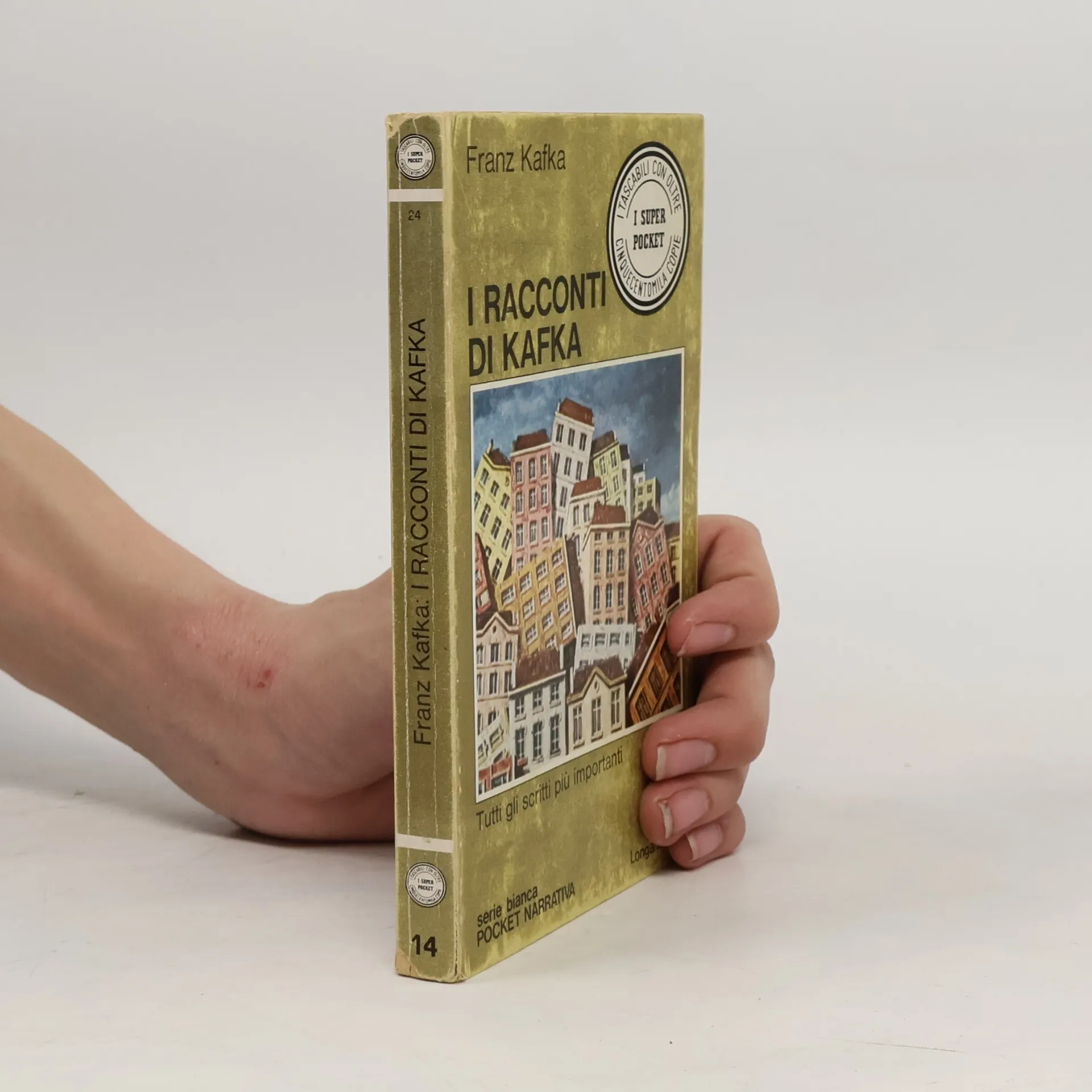
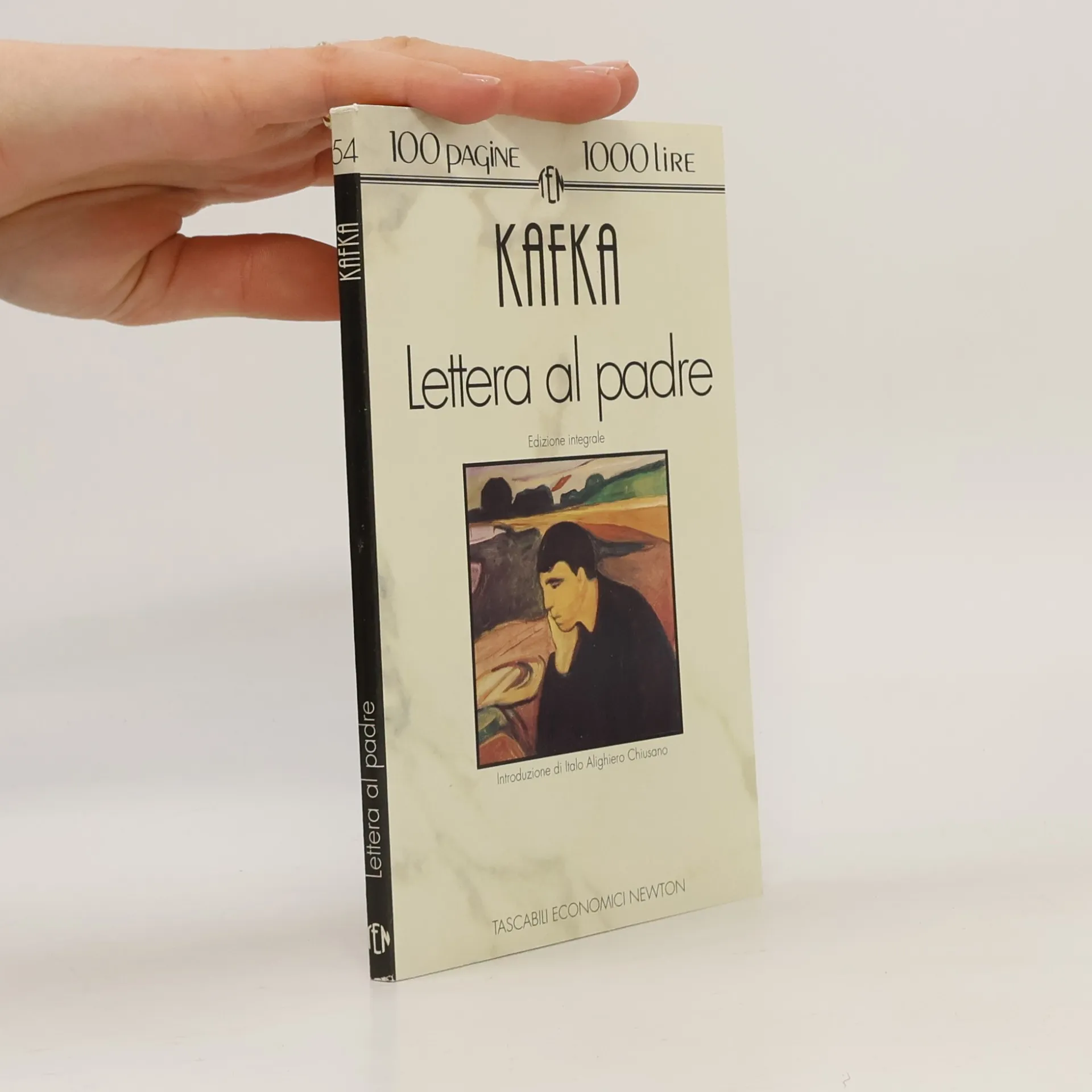
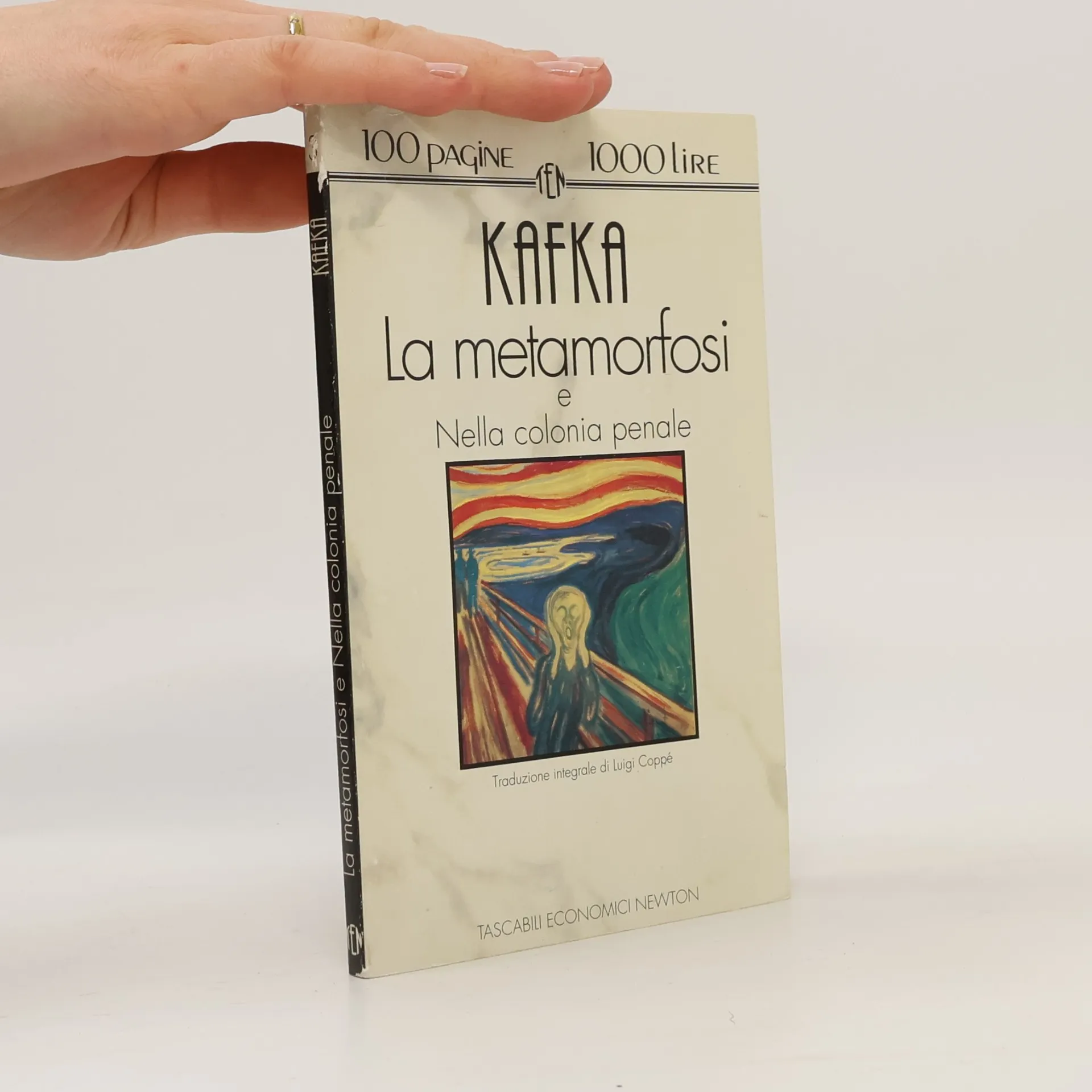
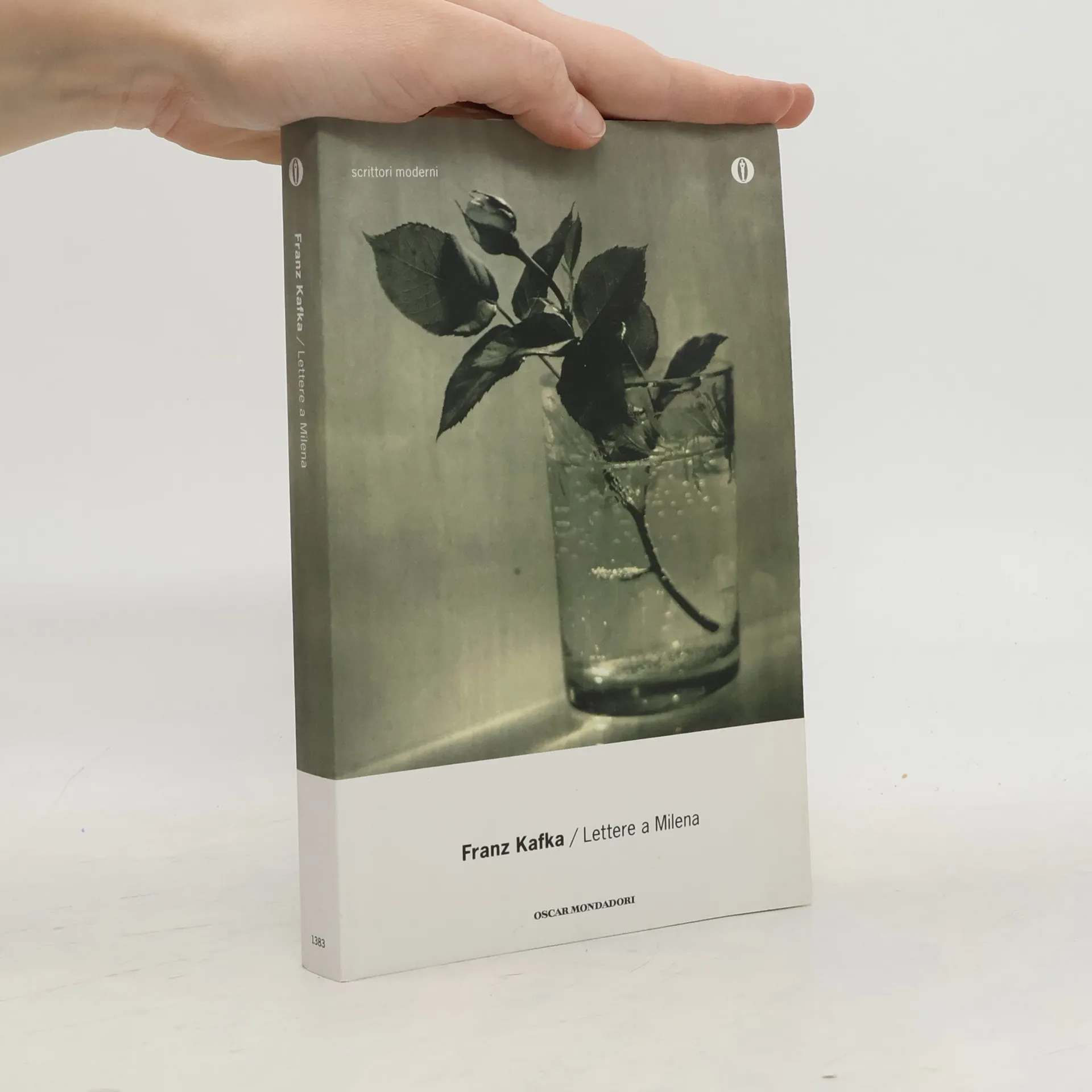
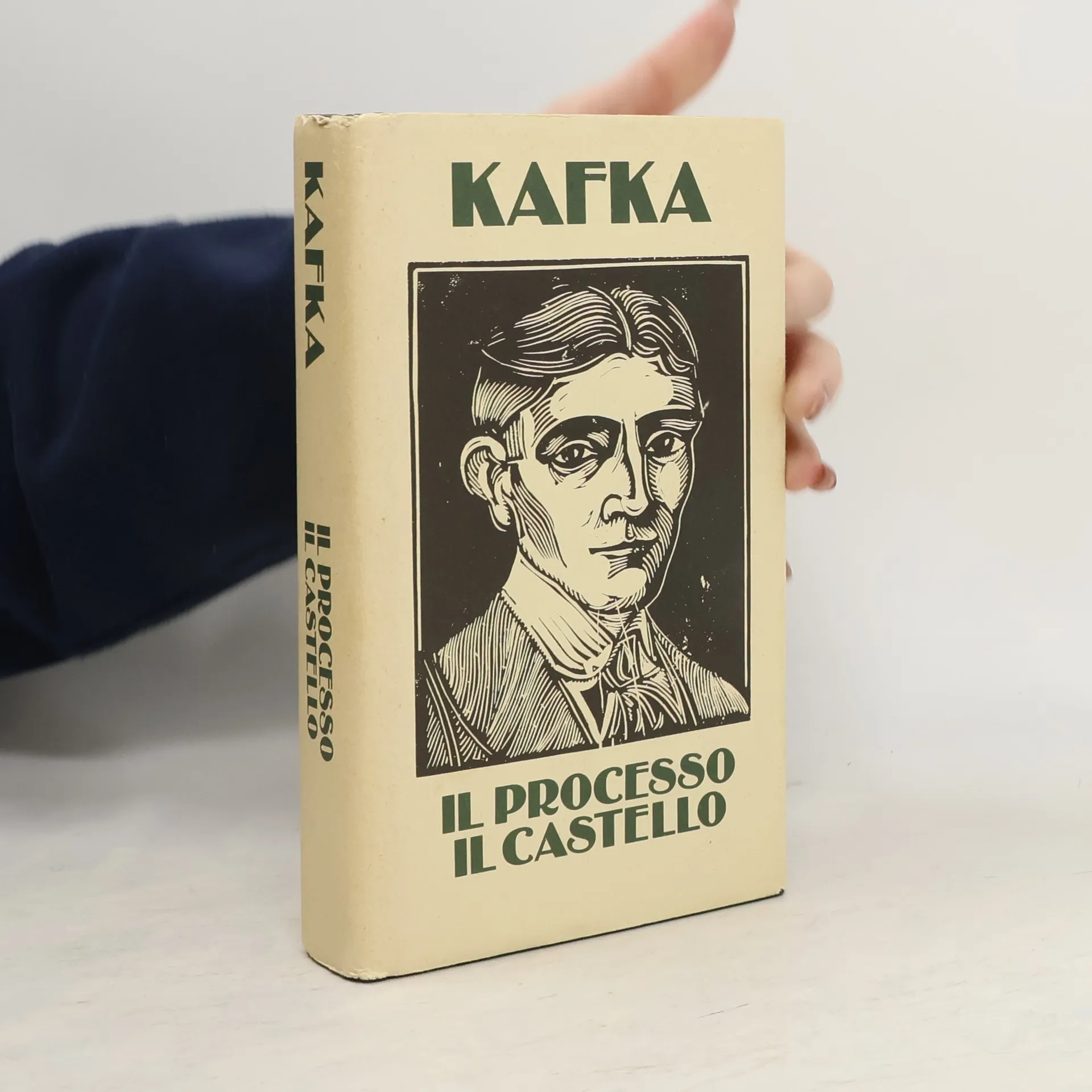
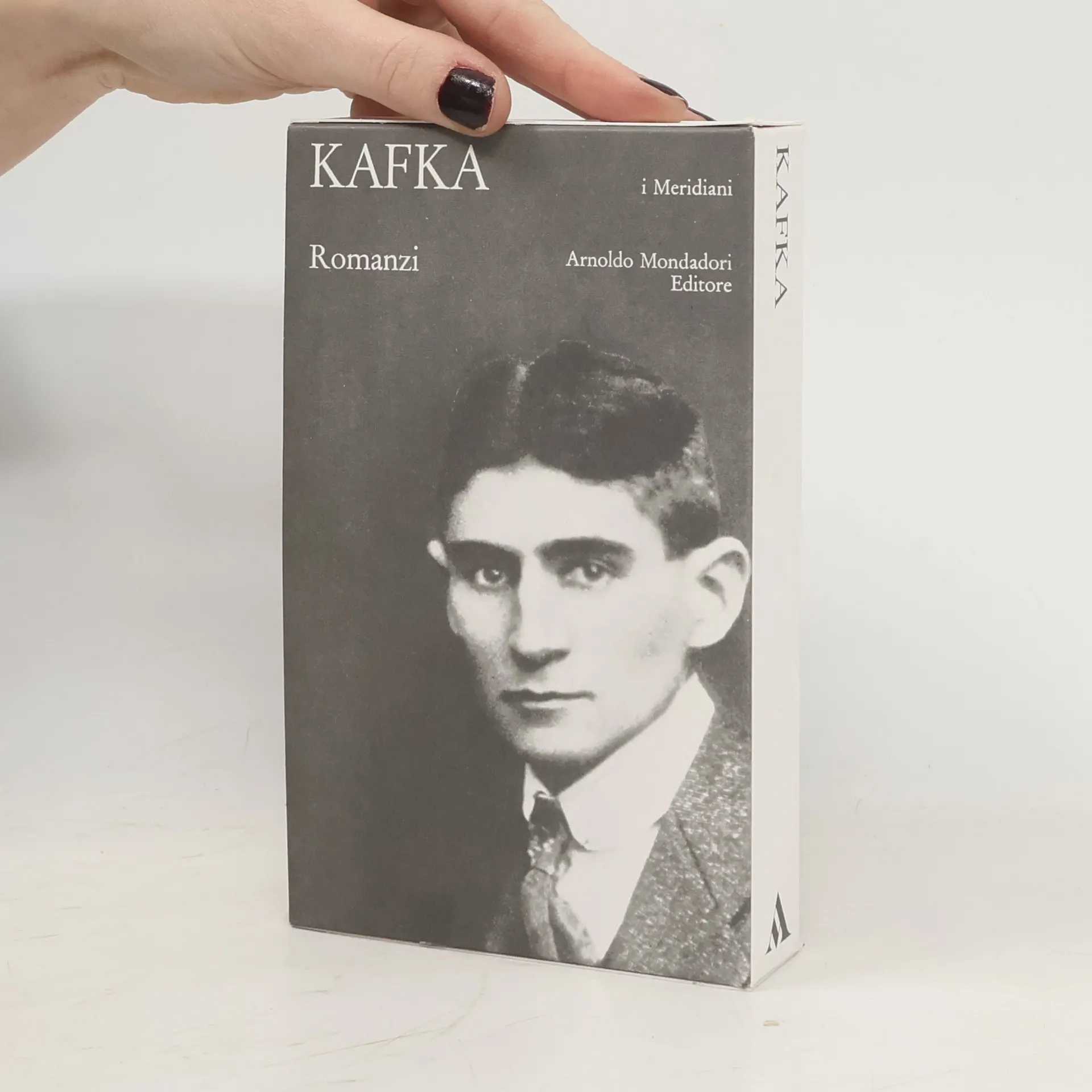
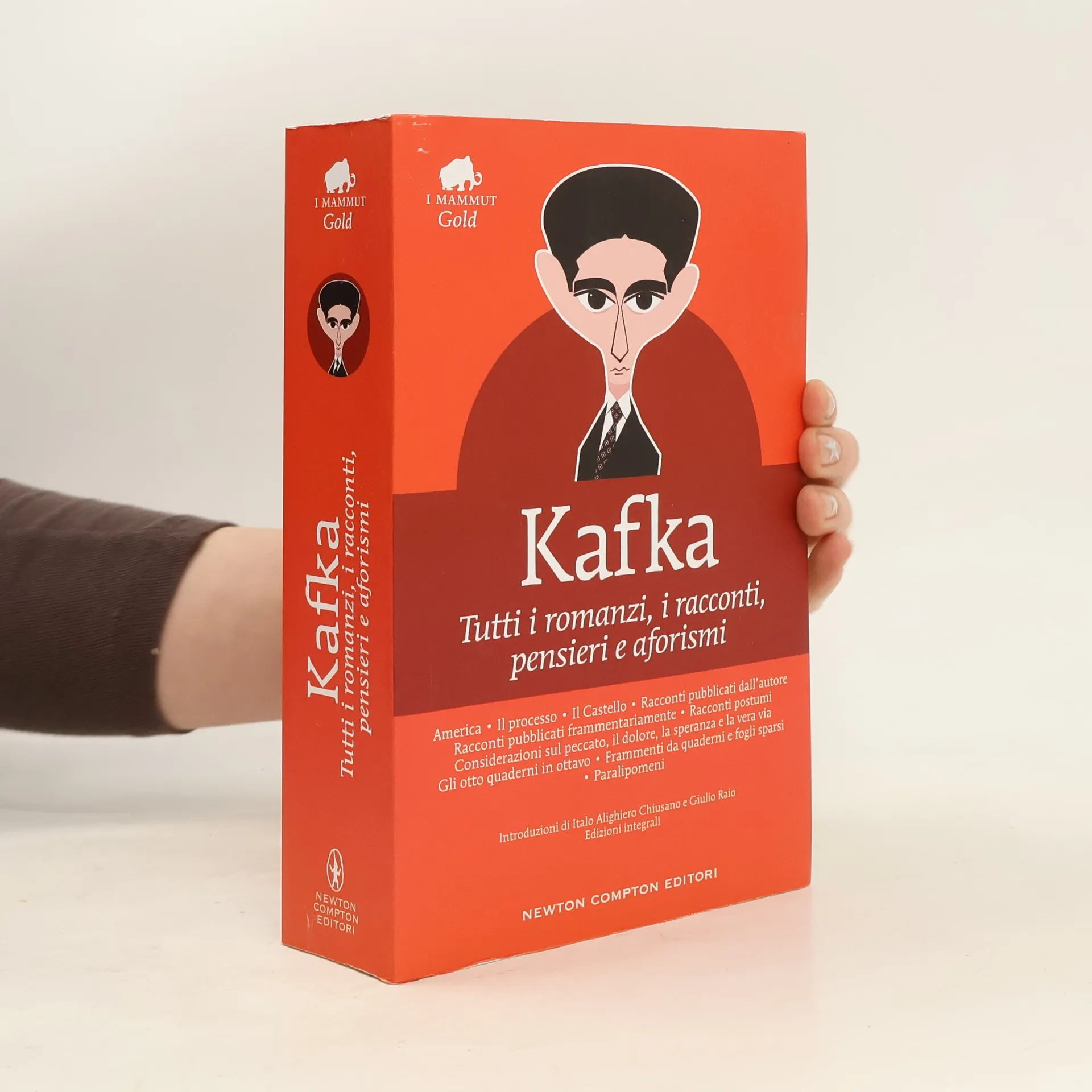
Questo libro raccoglie l'opera narrativa di uno tra i maggiori scrittori del Novecento, colui che più di ogni altro ha dato voce alle inquietudini dell'uomo moderno. America (iniziato nel 1910 e pubblicato nel 1927), Il processo (scritto tra il 1914 e il 1915, pubblicato nel 1924), e Il castello (scritto nel 1922 e pubblicato nel 1926) sono ormai tra i più celebri romanzi della letteratura moderna, in cui ritorna, pur sotto differenti trame, il tema dell'angoscia per una persecuzione assurda e incomprensibile. Lo sguardo appassionato e acuto e l'intelligenza profonda del giovane Franz svelano e rendono altissima letteratura le contraddizioni, i drammi, la violenza e la stupidità nascosti sotto le apparenze del reale. Un posto di rilievo nell'opera di Kafka spetta anche ai racconti, molti dei quali, come La metamorfosi, Nella colonia penale, Il messaggio imperiale, sono veri capolavori.
Franz Kafka Libri

Aforismi e frammenti
- 618pagine
- 22 ore di lettura
Tra settembre 1917 e aprile 1918, Kafka soggiorna a Zürau, un piccolo borgo boemo, ospite della sorella Ottla. Protetto dalla malattia, riesce a sfuggire alle pressioni familiari, lavorative e relazionali, vivendo un periodo di tregua che considera tra i migliori della sua vita. Qui, restringendo il campo d’azione a ciò che è «indubitabile» in lui, sviluppa una nuova forma di scrittura: gli aforismi. Kafka raccoglie foglietti staccati, ognuno contenente un solo frammento numerato, abolendo ogni ridondanza. Non si tratta solo di aforismi; alcuni frammenti sono narrativi, altri immagini o parabole. Ogni frase ha un carattere di massima generalità, come se emergesse da un deposito di materia oscura. Pur non avendo prove che volesse pubblicarli, è l'unica volta in cui si preoccupa di dare una forma visivamente chiara a un suo testo, preordinando la disposizione tipografica di circa cento pagine, dove ogni pagina corrisponde a un foglietto di carta sottile. Il risultato è un diamante purissimo, nascosto nei vasti giacimenti carboniferi che caratterizzano la sua scrittura.
I Mammut Gold: Tutti i romanzi, i racconti, pensieri e aforismi. Ediz. integrale
- 941pagine
- 33 ore di lettura
• America • Il processo • Il castello • Racconti pubblicati dall’autore • Racconti pubblicati frammentariamente • Racconti postumi • Considerazioni sul peccato, il dolore, la speranza e la vera via • Gli otto quaderni in ottavo • Frammenti da quaderni e fogli sparsi • Paralipomeni Questo libro raccoglie l’opera narrativa di uno tra i maggiori scrittori del Novecento, colui che più di ogni altro ha dato voce alle inquietudini dell’uomo moderno. America (iniziato nel 1910 e pubblicato nel 1927), Il processo (scritto tra il 1914 e il 1915, pubblicato nel 1924), e Il castello (scritto nel 1922 e pubblicato nel 1926) sono ormai tra i più celebri romanzi della letteratura moderna, in cui ritorna, pur sotto differenti trame, il tema dell’angoscia per una persecuzione assurda e incomprensibile. Lo sguardo appassionato e acuto e l’intelligenza profonda del giovane Franz svelano e rendono altissima letteratura le contraddizioni, i drammi, la violenza e la stupidità nascosti sotto le apparenze del reale. Un posto di rilievo nell’opera di Kafka spetta anche ai racconti, molti dei quali, come La metamorfosi, Nella colonia penale, Il messaggio imperiale, sono veri capolavori. Completano il volume le raccolte di aforismi, pensieri, appunti, alcune pubblicate nella forma voluta dall’autore (come le Considerazioni), altre curate dopo la sua morte dall’amico Max Brod.
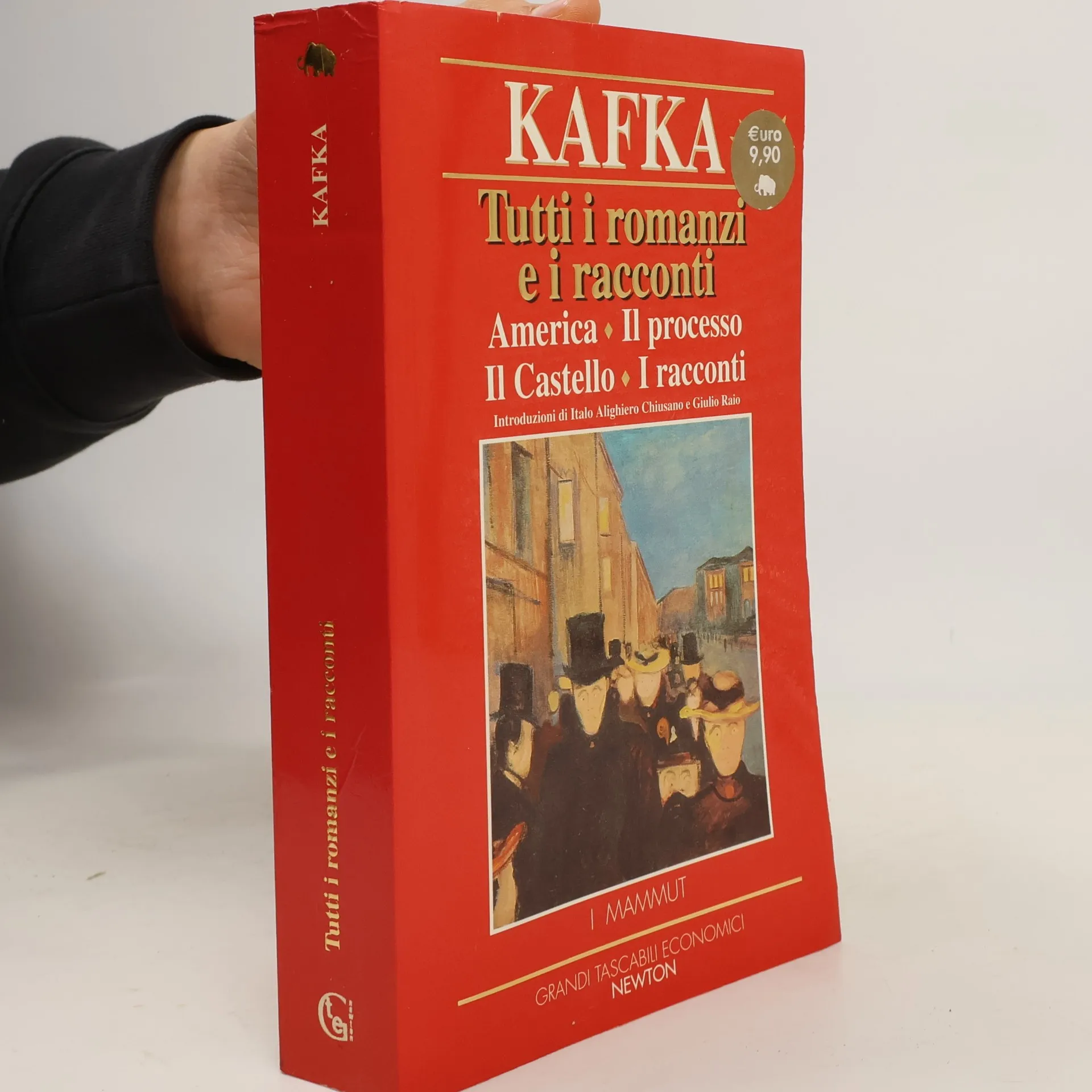
I Mammut: Tutti i romanzi e i racconti
America - Il Processo - Il Castello - I Racconti - edizioni integrali
- 781pagine
- 28 ore di lettura
Questo libro raccoglie l'opera narrativa di uno tra i maggiori scrittori del Novecento, che più di ogni altro ha dato voce alle inquietudini dell'uomo moderno. America (iniziato nel 1910 e pubblicato nel 1927), Il processo (scritto tra il 1914 e il 1915, pubblicato nel 1924) e Il Castello (scritto nel 1922 e pubblicato nel 1926), sono ormai tra i più celebri romanzi della letteratura moderna, in cui ritorna, pur sotto differenti trame, il tema dell'angoscia per una persecuzione assurda e incomprensibile. Un posto di rilievo nell'opera di Kafka spetta anche ai racconti, alcuni dei quali, come La metamorfosi o Nella colonia penale sono veri capolavori. "Il sogno, in Kafka, è quasi esclusivamente incubo, ossessione, ma di segno direi soave: un sogno che non fa quasi mai gridare terrorizzati, ma che ci pesa sui polmoni sino alle soglie dell'asfissia" Italo Alighiero Chiusano.
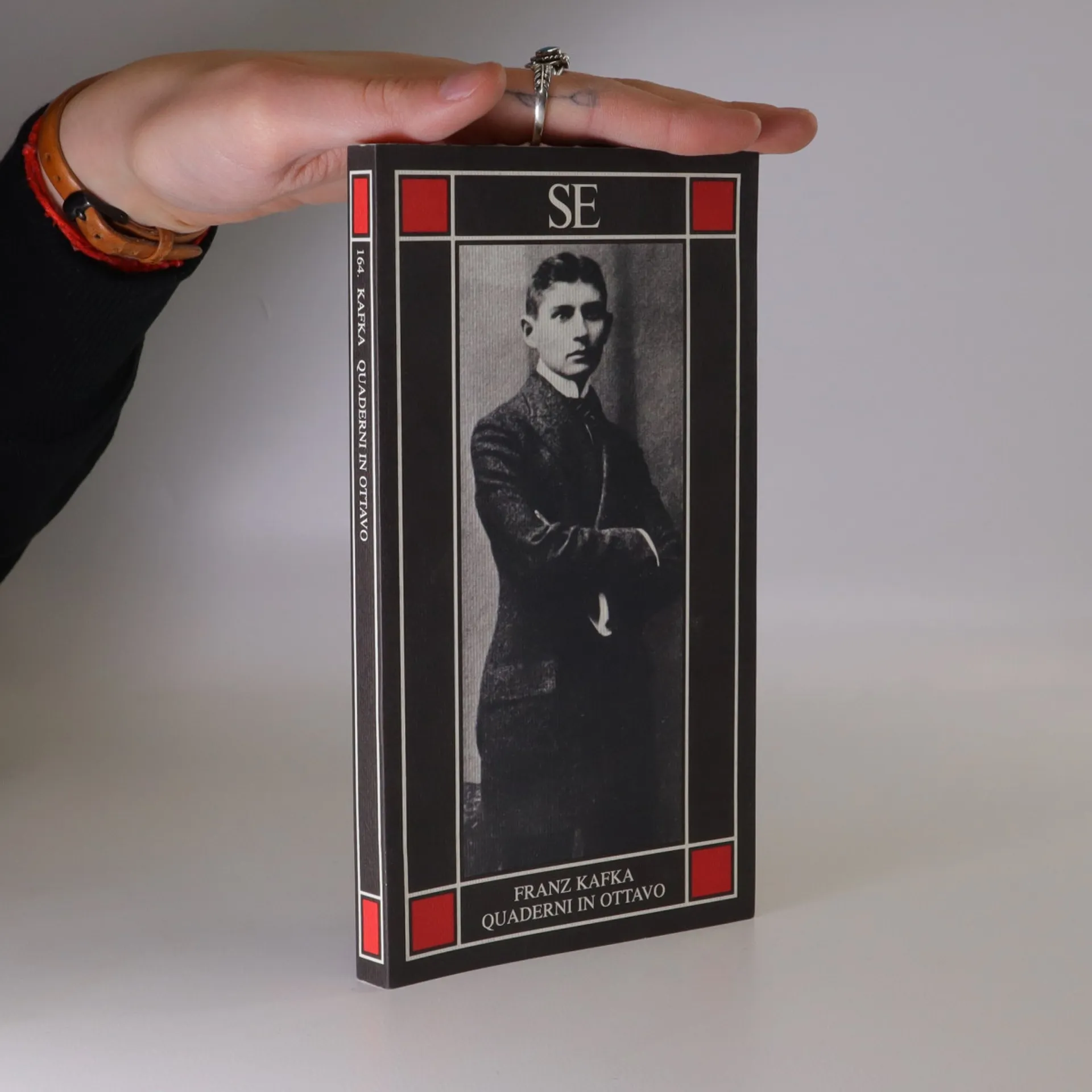
Quaderini in Ottavo
- 136pagine
- 5 ore di lettura
Osservando le persone che passeggiano, le stesse facce, gli stessi movimenti, ho avuto l'impressione di vedere un unico e stesso individuo. Queste persone camminavano senza essere disturbate da nessuno. Davanti a me si profilava un nobile obiettivo. Nessuno mi prometteva che, assomigliando a loro, si sarebbe aperta una via d'uscita. Tali promesse, apparentemente impossibili, non vengono fatte. Se l'attesa si realizza, si ha poi l'impressione che in un certo momento tale promessa ci sia stata data. Non ho notato nulla di particolarmente attraente in queste persone. Se fossi stato un sostenitore della libertà di cui parlavo, avrei sicuramente scelto il mare aperto che la vista di queste persone mi ha rivelato. Il primo segno di conoscenza è il desiderio di morte. Questa vita sembra insopportabile, mentre un'altra ci appare irraggiungibile. Non ci vergogniamo più di desiderare la morte, imploriamo di essere trasferiti da una vecchia cella odiata a una nuova, che finiremo per odiare. I resti di fede ci permettono di immaginare che, durante il trasporto, in uno dei corridoi incontreremo un uomo che guarda attentamente il prigioniero e dice: "Questo non chiudetelo più. Lo porto via."
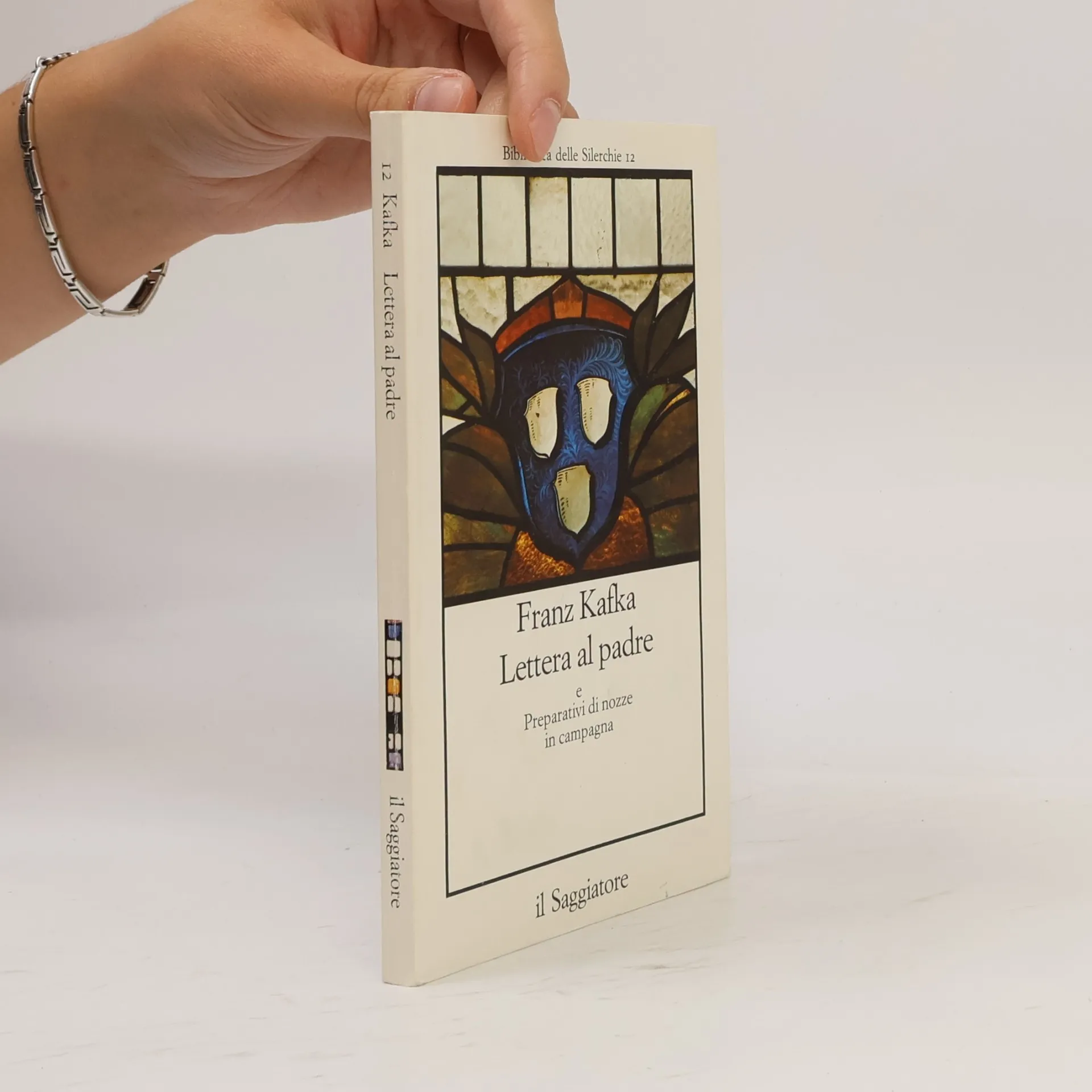
La mai spedita Lettera al padre (1919) è considerata dai critici la chiave dell'opera letteraria di Franz Kafka (1883-1924). Questo documento di un drammatico conflitto padre-figlio è una pagina unica e impressionante della letteratura universale. Accusa e insieme autoanalisi spietata, questa lettera apre a chi legge uno spiraglio sulla complessa vita mentale dell'autore. In uno stile incalzante e di forza quasi magnetica, Kafka fa i conti con un padre autoritario, dalla cui figura tirannica e prepotente si sente sovrastare: «Alle volte mi immagino un planisfero tutto spiegato e te disteso sopra di traverso».
Il 14 agosto 1912 Franz Kafka affida a un editore di Lipsia i diciotto testi intitolati "Betrachtung". Costituiranno il suo primo libro, che dedicherà a Max Brod. Stupore, irritazione, ammirazione furono le reazioni suscitate all'epoca da questa pubblicazione. Sono vere e proprie miniature poetiche che mettono in risalto l'aspetto precursore dell'opera di Kafka. Vi si trovano riuniti, in un'atmosfera di libertà sperimentale, tutti i modelli e i temi narrativi presenti nei maggiori libri dell'autore. In una lettera a Felice Bauer del 29 dicembre 1912 Frank Kafka scrive a proposito di "Meditazione": "C'è invero un deplorevole disordine, o meglio, ci sono lampi di luce in una confusione infinita e bisogna veramente guardare molto da vicino per vederci qualcosa"
Scritto intorno al 1922 e pubblicato postumo da Max Brod nel 1926, "Il castello" è l'ultimo romanzo di Franz Kafka. L'agrimensore K., "emergendo da un vuoto di antefatti o di preistoria personale simile a un banco di nebbia", come scrive Italo Alighiero Chiusano nell'introduzione, arriva in un villaggio sormontato da un castello. K. è lì per esercitare la propria professione, ma ciò gli è impedito dall'ostilità degli abitanti e dagli ostacoli frapposti dalla burocrazia del Castello, sfuggente e inafferrabile per la sua meticolosa e arbitraria complessità.
Pagine di profonda commozione, una lunga, intensa e drammatica confessione in cui l'uomo e lo scrittore si trovano indissolubilmente uniti di fronte alla figura del padre, troppo a lungo temuta e fuggita. E' il tentativo disperato e doloroso di risalire alle origini di un rapporto difficile e profondamente conflittuale con l'autorità paterna, cieca di fronte ai bisogni di un animo particolarmente sensibile, che ha scelto di vivere appartato e in silenzio seguendo esclusivamente la propria natura e una inclinazione eminentemente letteraria. Quasi a volersi riappropriare di tutte le ragioni sentite e abbandonate nell'angolo più intimo e segreto di se stesso, quasi a volere recuperare per un ultimo, definitivo chiarimento le parole non dette e tutti i più remoti motivi della propria angoscia, Kafka ritorna in queste splendide pagine al suo fanciullesco sentire, a una giovinezza tormentata, a un padre lontano, inaccessibile, ostile, che non l'ha mai compreso.
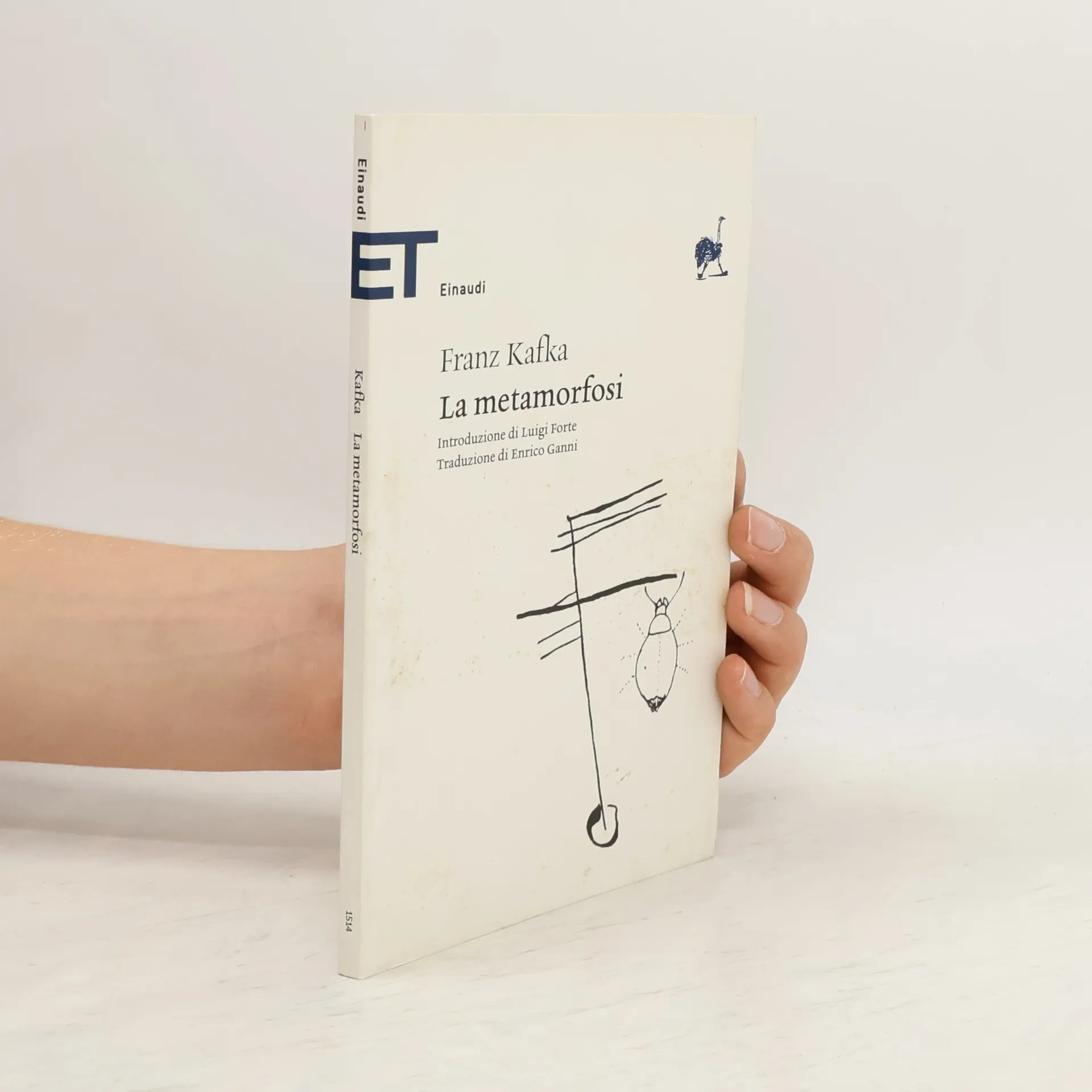
Tascabili Economici Newton 3. La metamorfosi
- 96pagine
- 4 ore di lettura
Quando Gregor Samsa si sveglia una mattina, dopo una notte agitata, deve rendersi conto: è effettivamente metamorfosato. Dotato di un'ispessita corazza da cui fuoriescono misere piccole zampe. Triste scherzo? Purtroppo! Piuttosto una difesa estrema contro coloro che, certo, non sono mostri, ma semplici parassiti. I suoi, insomma - padre, madre, sorella - la cui ambizione è eliminarlo dopo aver contribuito a soffocarlo. Nella colonia penitenziaria, l'esperimentazione avviene in diretta. Qui, un uomo si trasforma in un coleottero mostruoso, là, un congegno perverso uccide con applicazione. Ancora, un soldato è il giocattolo di una macchina infernale.
Sul balcone della pensione Ottoburg di Merano, dove si era recato per un soggiorno di cura, Kafka scrisse, a partire dall'aprile del 1920, le prime lettere a Milena Jesenská Pollak, una giovane traduttrice ceca che aveva conosciuto a Praga. Amici e amiche così la descrivono: "Fu prodiga di tutto in misura incredibile: della vita, del denaro, dei sentimenti ... Non considerava vergogna avere sentimenti profondi. L'amore era per lei un che di chiaro, di ovvio". Kafka ne completa il ritratto: "Lei è un fuoco vivo come non ne ho mai visti". Prima di Milena ci furono altre donne nella vita di Kafka, ma nessun'altra riuscì a scandagliare così in profondità l'animo di un uomo costretto all'ascesi non per vocazione o come scelta di un atto eroico, ma per l'incapacità di scendere a compromessi. Le Lettere a Milena sono la cronistoria di un amore complesso, profondo e che già prima di iniziare sembrava destinato a finire.
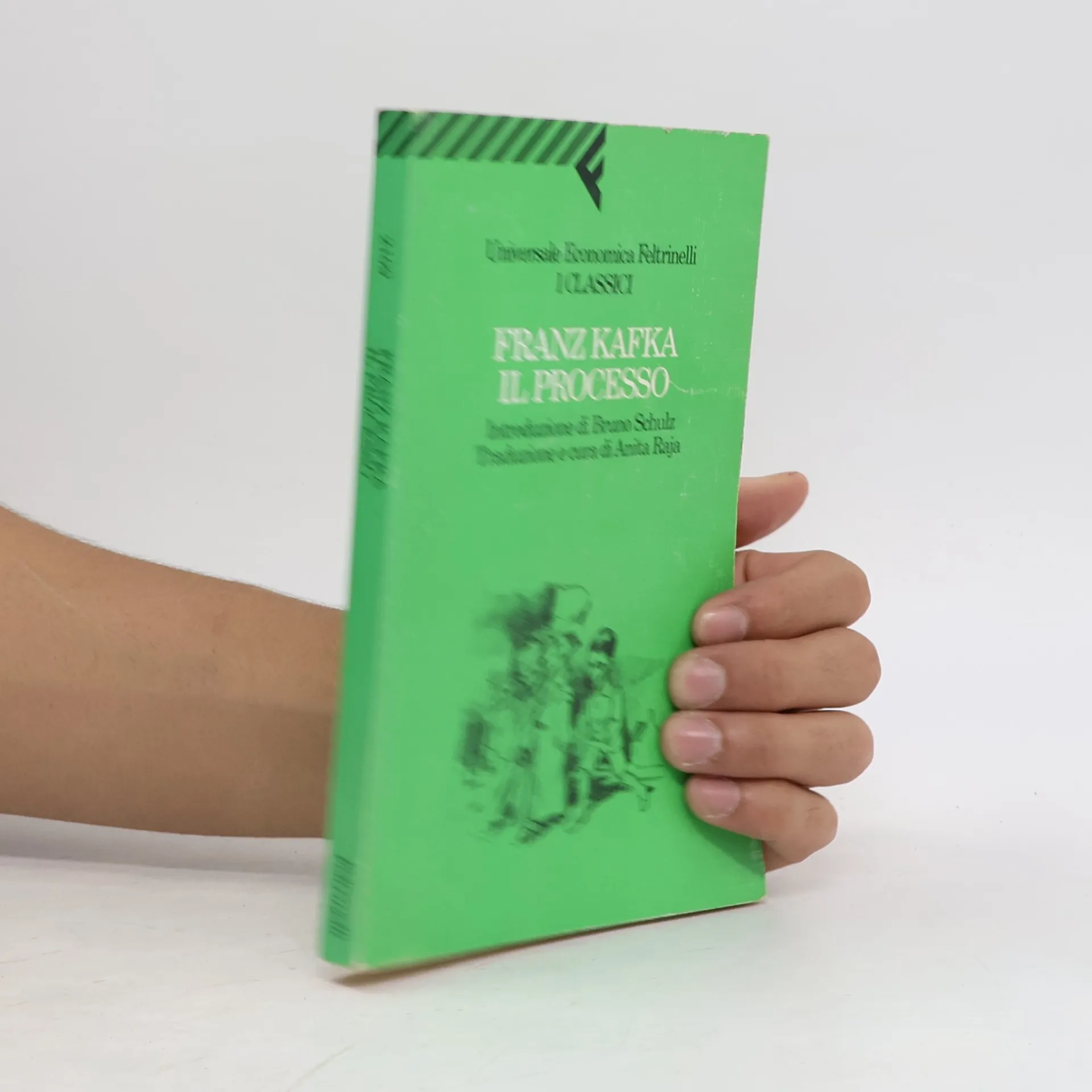
Il processo
- 244pagine
- 9 ore di lettura
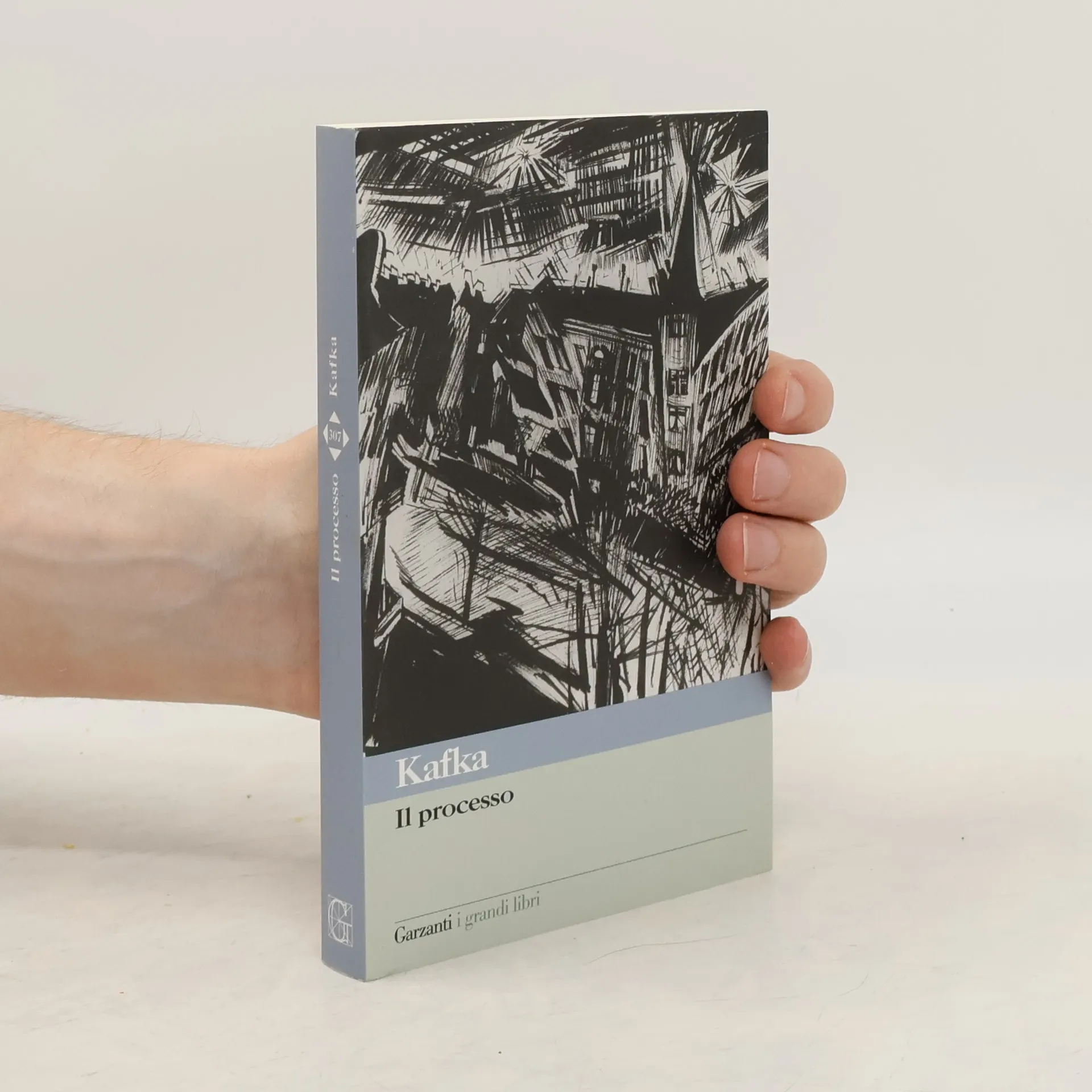
Josef K., condannato a morte per una colpa inesistente, è vittima del suo tempo. Sostiene interrogatori, cerca avvocati e testimoni, soltanto per riuscire a giustificare il suo delitto di "esistere". Ma come sempre avviene nella prosa di Kafka, la concretezza incisiva delle situazioni produce, su personaggi assolutamente astratti, il dispiegarsi di una tragedia di portata cosmica. E allora tribunale è il mondo stesso, tutto quello che esiste al di fuori di Josef K. è processo: non resta che attendere l'esecuzione di una condanna da altri pronunciata.
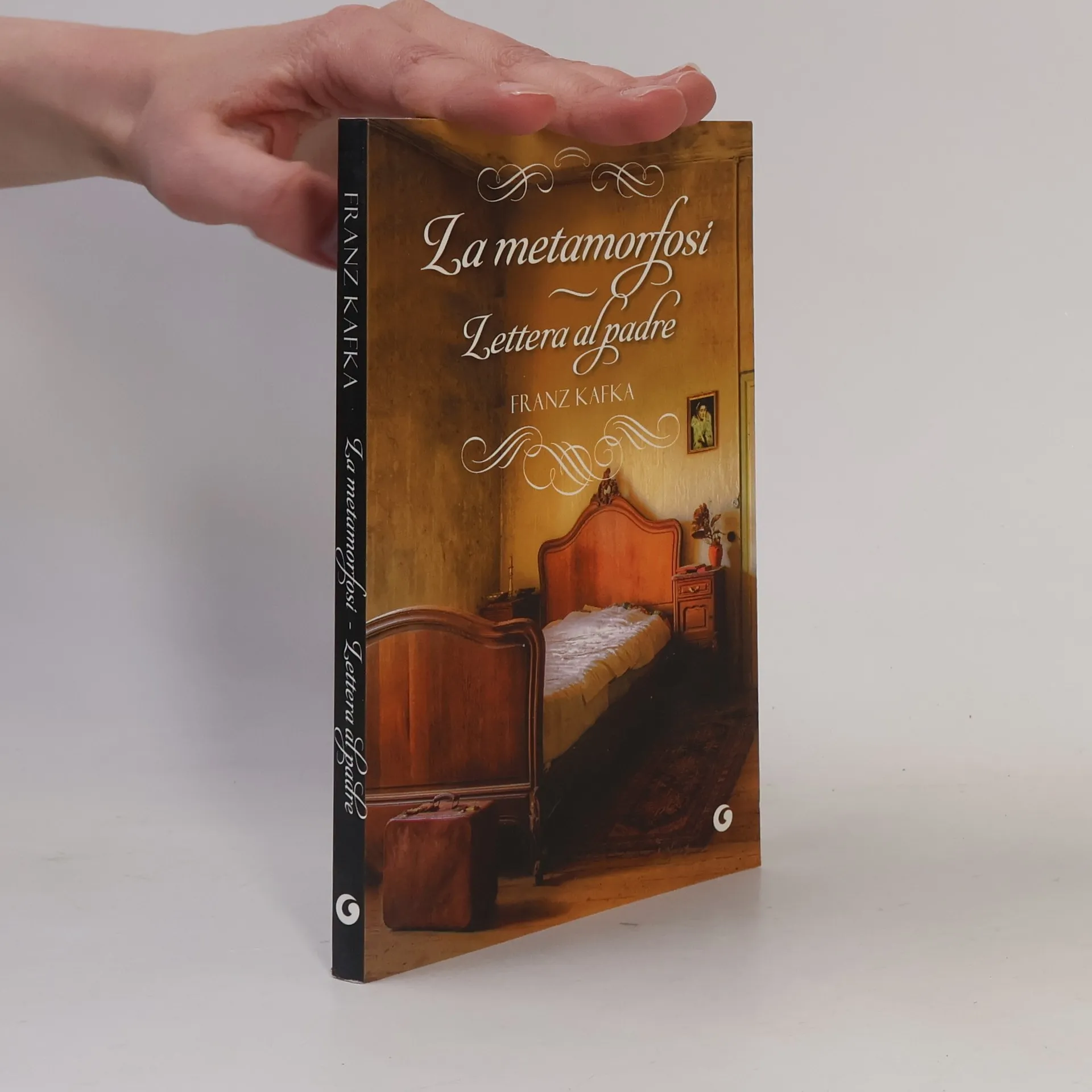
La metamorfosi e Lettera al padre
- 135pagine
- 5 ore di lettura
La trasformazione del figlio in insetto non causa stupore, ma piuttosto disprezzo e orrore. Racconto lungo che ci introduce nel mondo strano di uno degli scrittori più importanti di questo secolo. Nella Lettera al padre, il figlio cerca i motivi della sua mancanza di autostima, indagando con profondità i meandri della sua memoria.
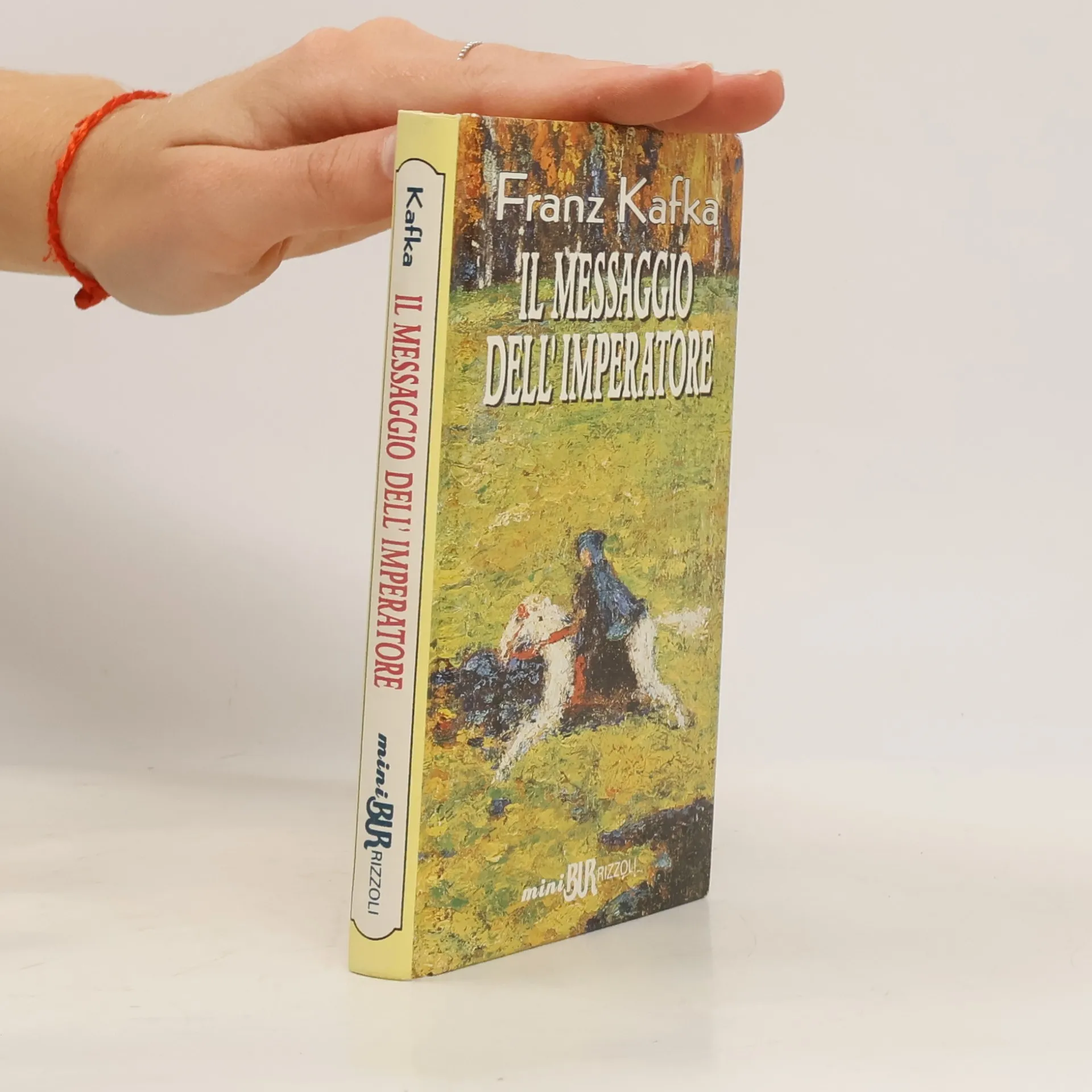
Questo volume presenta una selezione della prima e più celebre raccolta di racconti di Kafka che sia apparsa in Italia, e contiene i seguenti testi: Nella colonia penale; Il nuovo avvocato; Un medico di campagna; In galleria; Un vecchio foglio; Davanti alla legge; Sciacalli e Arabi; Visita nella miniera; Il prossimo villaggio; Il messaggio dell'imperatore; L'affanno del padre di famiglia; Undici figli; Un fratricidio. «L’imperatore – così dice la leggenda – ha inviato a te, singolo individuo, miserabile suddito, ombra minuscola fuggita dall’abbagliante sole imperiale nelle più remote lontananze, proprio a te ha inviato un messaggio dal suo letto di morte»
Scacciato dalla famiglia e dalla patria, il sedicenne Karl Rossmann sbarca in America, all'ombra della Statua della Libertà che impugna una spada anziché una fiaccola. Un simbolo di giustizia armata o una prefigurazione dei giudizi, dalla logica apparentemente ingiusta ma insindacabile, che incontrerà? America, il "romanzo americano" di Kafka, pubblicato postumo nel 1927, narra l'enigmatica odissea di un emigrato, condannato all'emarginazione in una realtà grottesca e assurda, ora accolto ora respinto da benefattori che l'accusano e l'escludono, passando attraverso forme di iniziazioni sessuali e sociali. Una tragicommedia di personaggi inquietanti e ridicoli, in cui i valori sono sovvertiti e le prospettive stravolte, e dove tuttavia il giovane, ingenuamente coerente ai propri principi di equità e bontà, lotta per l'affermazione di sé. Il romanzo rimasto incompiuto non ci consente di sapere se Karl riuscirà o fallirà, né se Kafka lo considerasse un disperso prima di sbarcare oltreoceano o dopo, vittima di un destino incomprensibile.
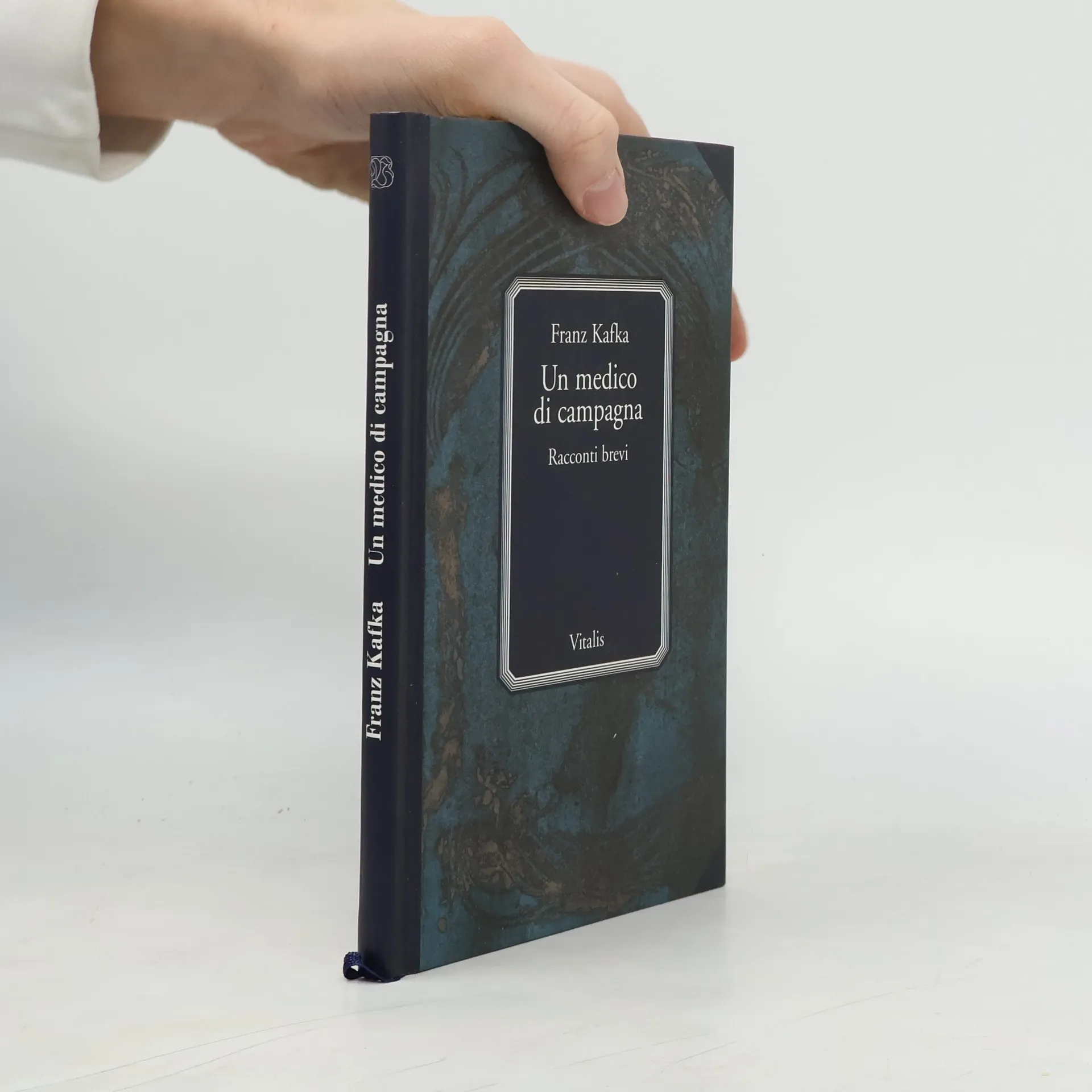
Un medico di campagna
- 104pagine
- 4 ore di lettura
Nel Borgo del Castello, nel Vicolo d'Oro, al numero 22, Franz Kafka (1883-1924) compose i presenti racconti, pubblicati già all'epoca con il titolo "Un medico di campagna". Nelle sue brevi prose Kafka evoca continuamente un mondo, in parte irrazionale, in parte imprevedibile, sempre inquietante, al quale è difficile sfuggire. Una volta sono i rintocchi ingannevoli della campanella notturna del medico a scatenare una sequenza di sventure, un'altra volta appaiono dei nomadi stranieri, contro i quali persino l'imperatore è impotente. Sciacalli parlanti o personaggi quasi indefinibili come Odradek conducono il lettore nel surreale. Esiste una via d'uscita da questa sensazione di angoscia? Alla ricerca della «legge», il guardiano risponde: «È possibile, ma non ora».
ET: La metamorfosi
- 105pagine
- 4 ore di lettura
Gregor Samsa, a travelling salesman, wakes one morning to find himself transformed into an insect.
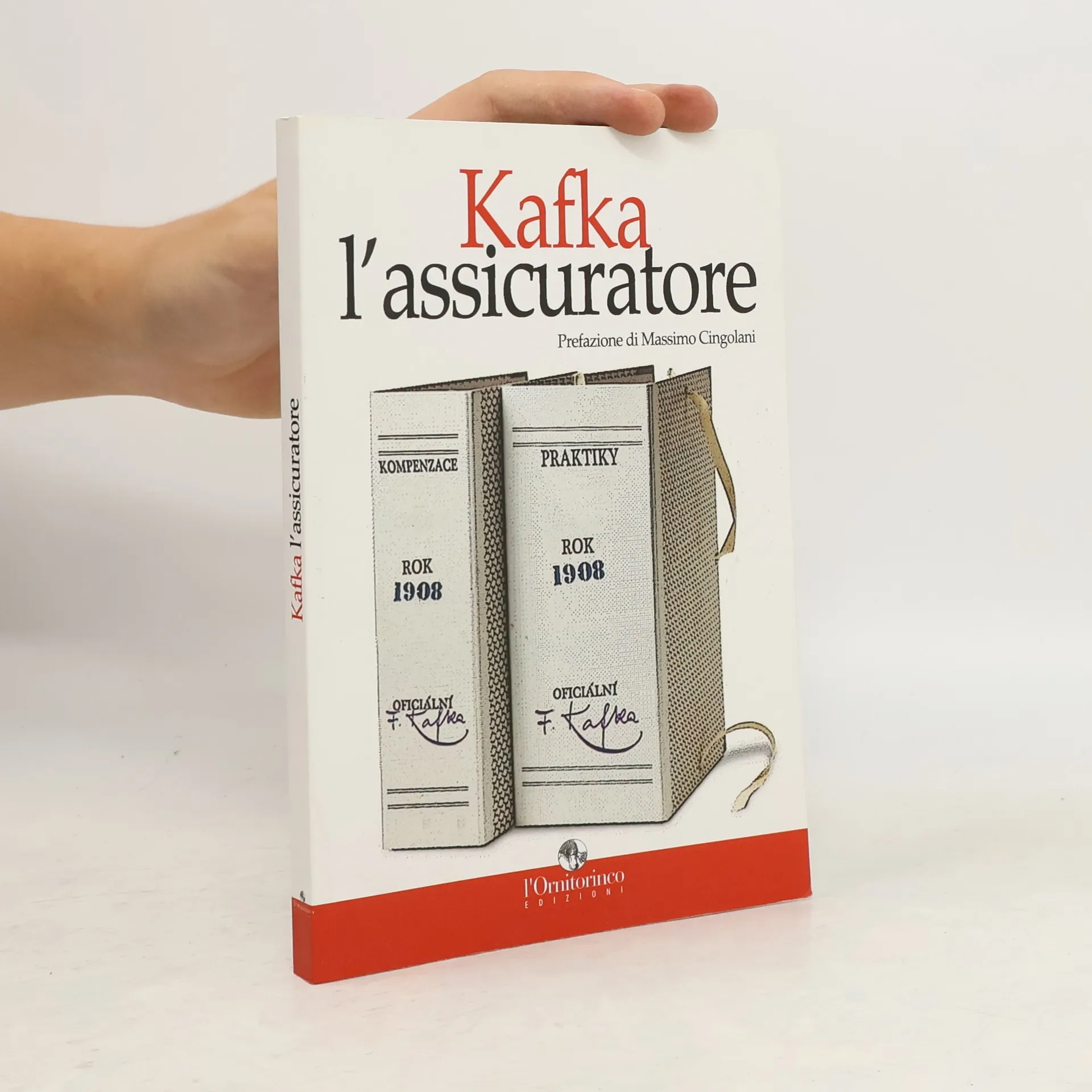
L'assicuratore
- 218pagine
- 8 ore di lettura
Il processo. Ediz. integrale
- 240pagine
- 9 ore di lettura
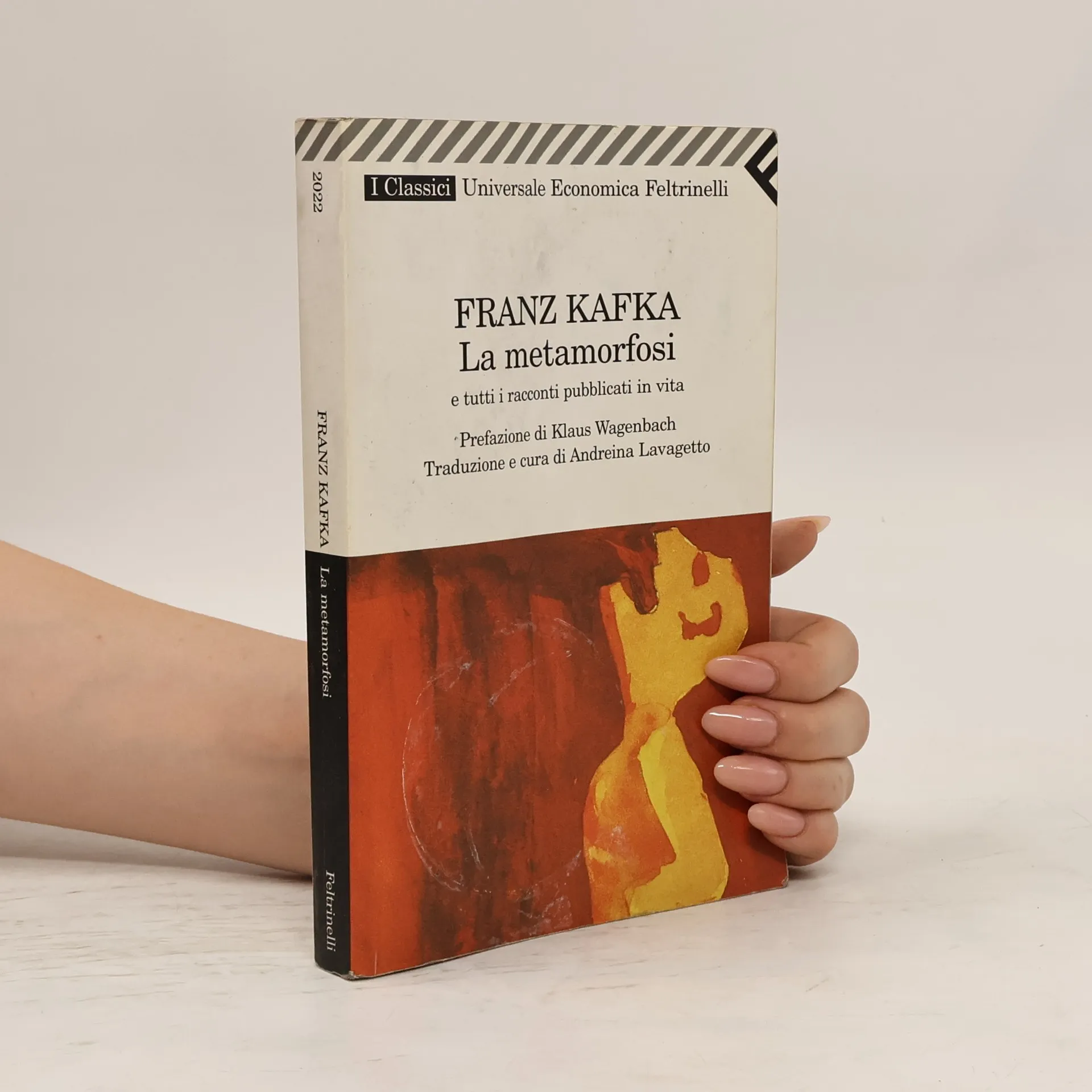
La metamorfosi e tutti i racconti pubblicati in vita
- 306pagine
- 11 ore di lettura
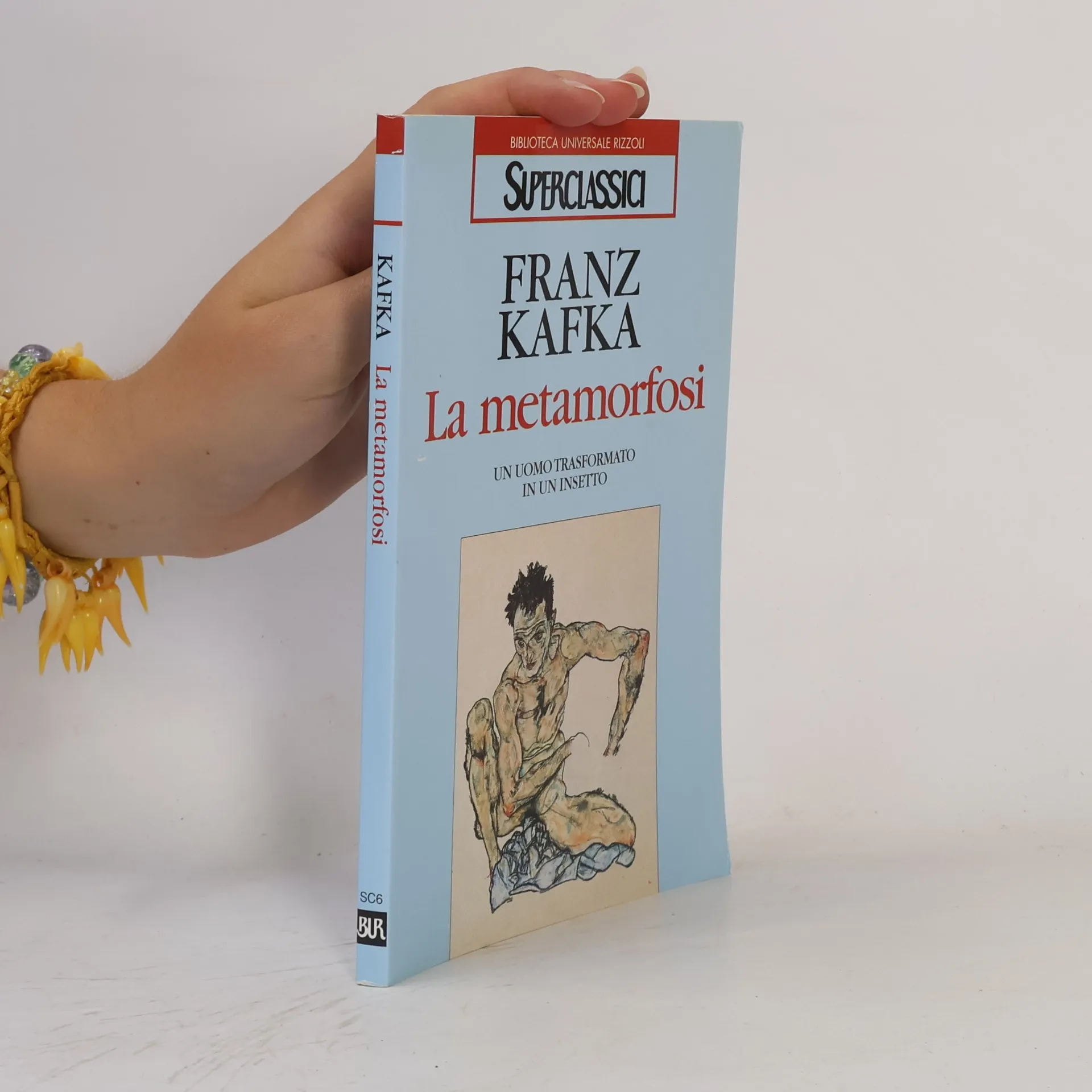
Superclassici - 6: La metamorfosi
- 104pagine
- 4 ore di lettura
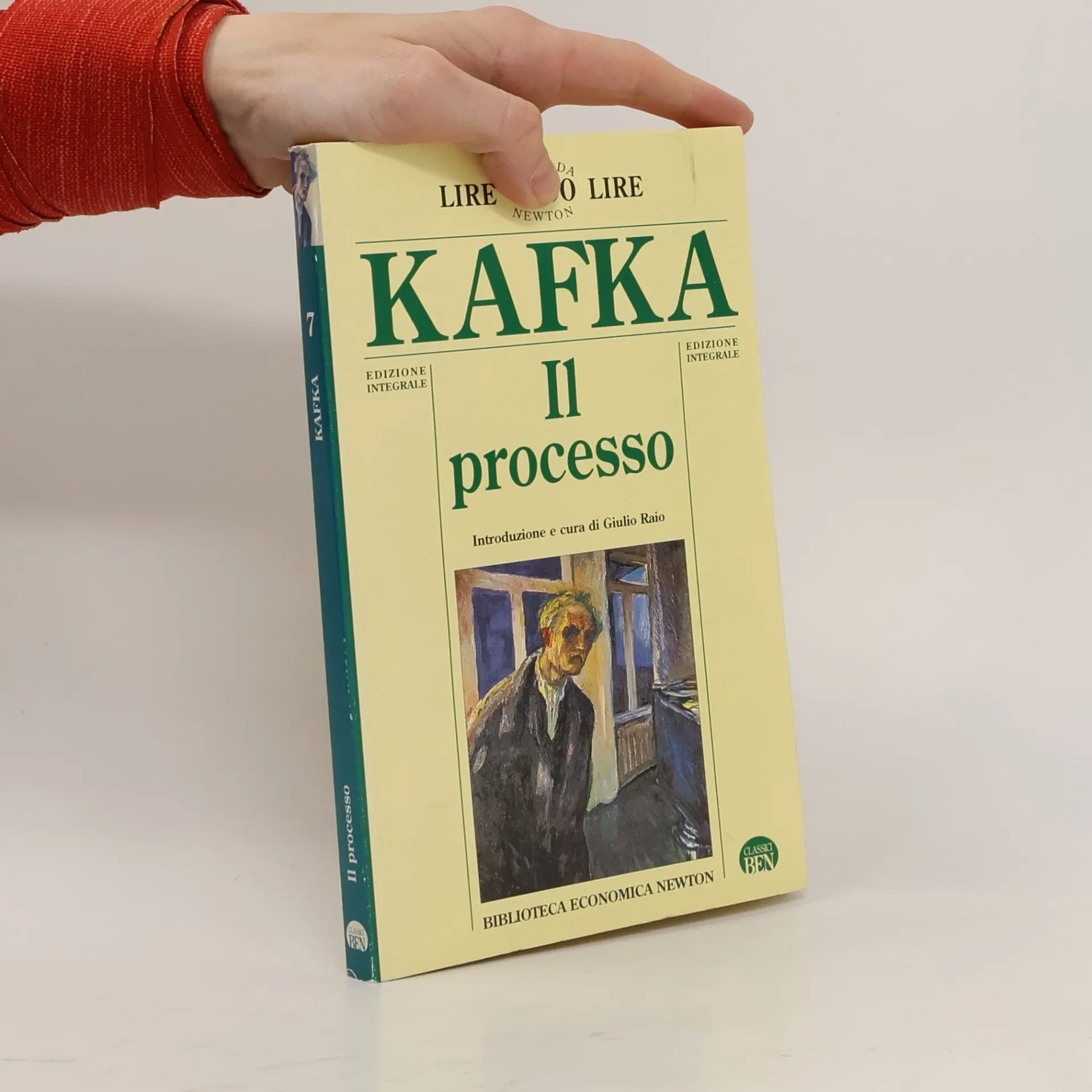
Biblioteca economica Newton - 7: Il processo
Introduzione e cura di Giulio Raio - edizione integrale
- 192pagine
- 7 ore di lettura
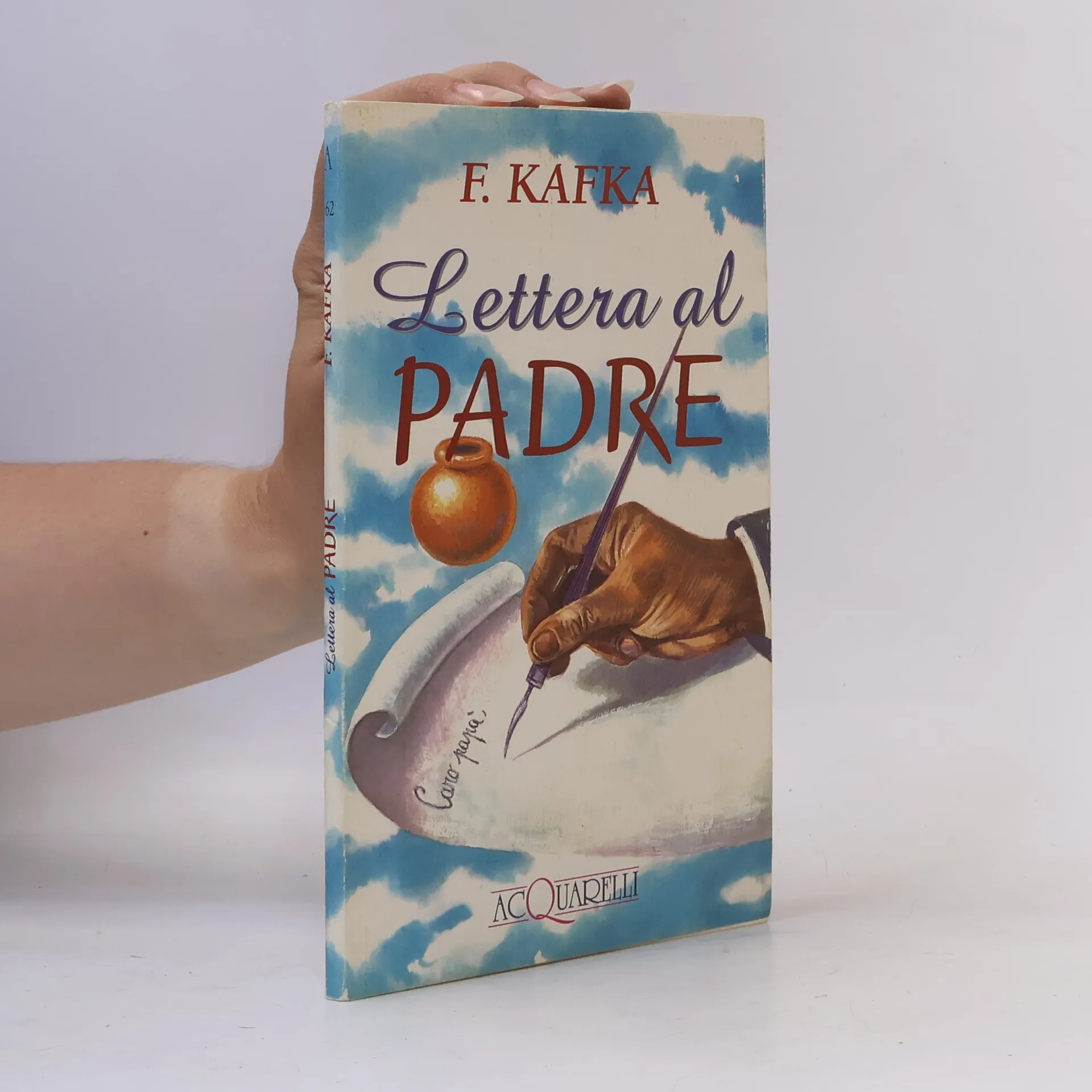
Acquarelli: Lettera al padre
- 80pagine
- 3 ore di lettura
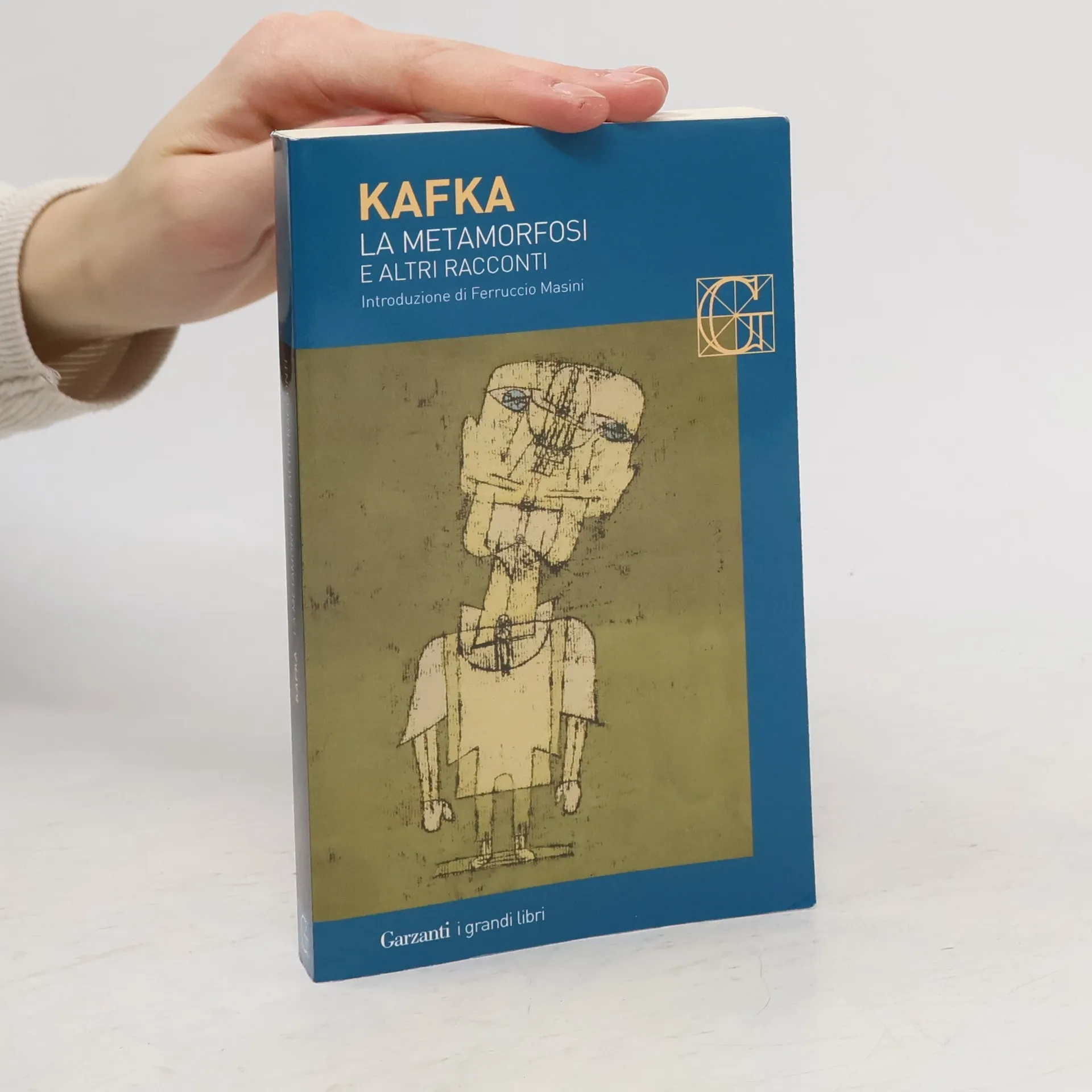
I grandi libri: La metamorfosi e altri racconti
- 212pagine
- 8 ore di lettura
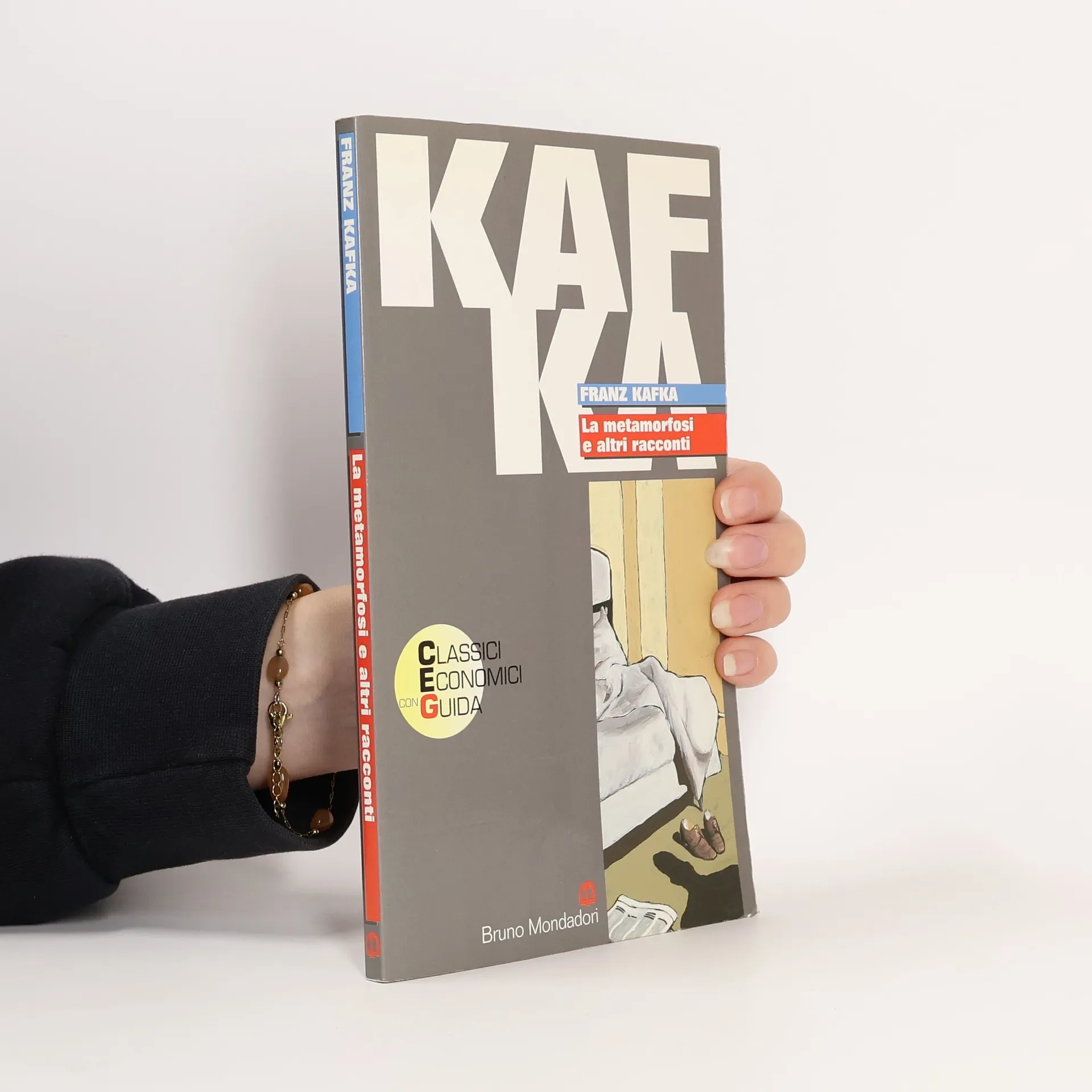
Classici economici con guida: La metamorfosi e altri racconti
- 153pagine
- 6 ore di lettura
An assessment of the works of Franz Kafka aimed at a definition of the basic components of his style.
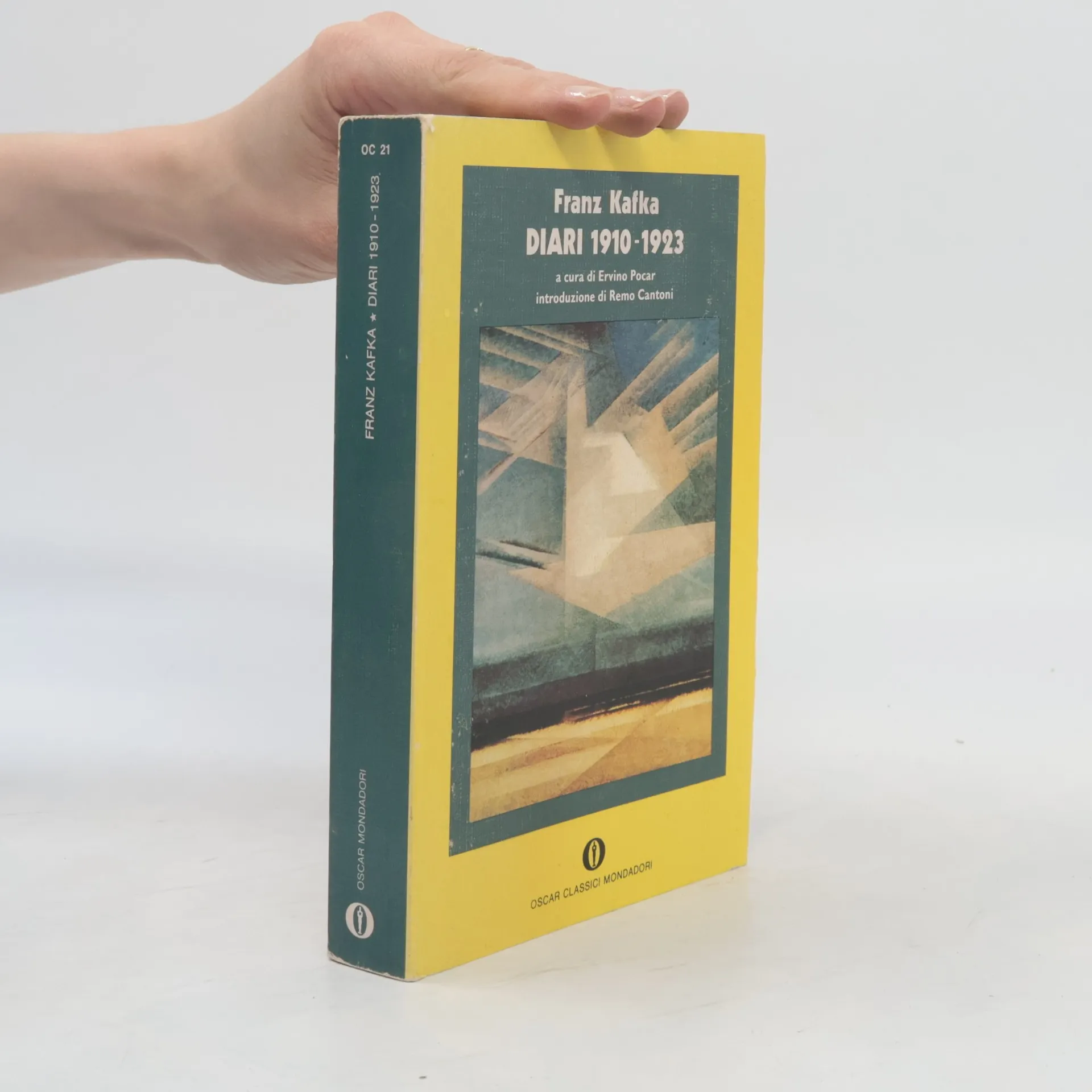
Kafka's diaries cover the period from 1910 to 1923 and reveal the inner world in which he lived. He describes his fear, isolation and frustration, his feelings of guilt and his sense of being an outcast. He also describes the father he worshipped and the woman he could not bring himself to marry.
To view the modern world is to see it through the lens of Franz Kafka, the defining writer of the twentieth century. In his exploration, Ernst Pawel captures Kafka's essence and the complex interplay of his work and life. Kafka has become a modern myth, shaped not only by his writings but also by distortions in biographies, especially the one by his close friend Max Brod. Pawel's achievement lies in situating Kafka within his historical context, revealing a life that surpasses the myths surrounding it. This account chronicles Kafka's life while vividly depicting the milieu of affluent Germanized Jewry and the intellectual vibrancy of Central Europe before World War I, as well as the collapse of Austria-Hungary. While informed by psychological insights, Pawel avoids relying solely on them, presenting Kafka not as a mere legend of a frail clerk but as a man who navigated the world, functioning as a reluctant yet effective business executive. Pawel's nuanced readings of Kafka's Judaism, his relationships with his parents, and his tumultuous engagements reveal a figure who, while typical of his age and class, also transcended them. His interpretations of Kafka's life and relationships are both revealing and persuasive, challenging preconceived notions.
These diaries cover the years 1910 to 1923, the year before Kafka’s death at the age of forty. They provide a penetrating look into life in Prague and into Kafka’s accounts of his dreams, his feelings for the father he worshipped, and the woman he could not bring himself to marry, his sense of guilt, and his feelings of being an outcast. They offer an account of a life of almost unbearable intensity.From the Trade Paperback edition.The Diaries of Franz Kafka 1910-13 translated from the German by Joseph KreshThe Diaries of Franz Kafka 1914-23 translated from the German by Martin Greenberg with the cooperation of Hannah Arendt
This volume contains the great works of fiction as well as the complete diaries and thus gives the reader considrable insight into the mind of this strange and powerful man.
Based on translations by leading Kafka scholar, this work includes twenty-nine stories, which accompanies annotations. The extracts from his letters, diaries and conversations offer a glimpse of Kafka's creative process. It covers ten essays on the major stories from a range of voices.
Collected Works
- 346pagine
- 13 ore di lettura
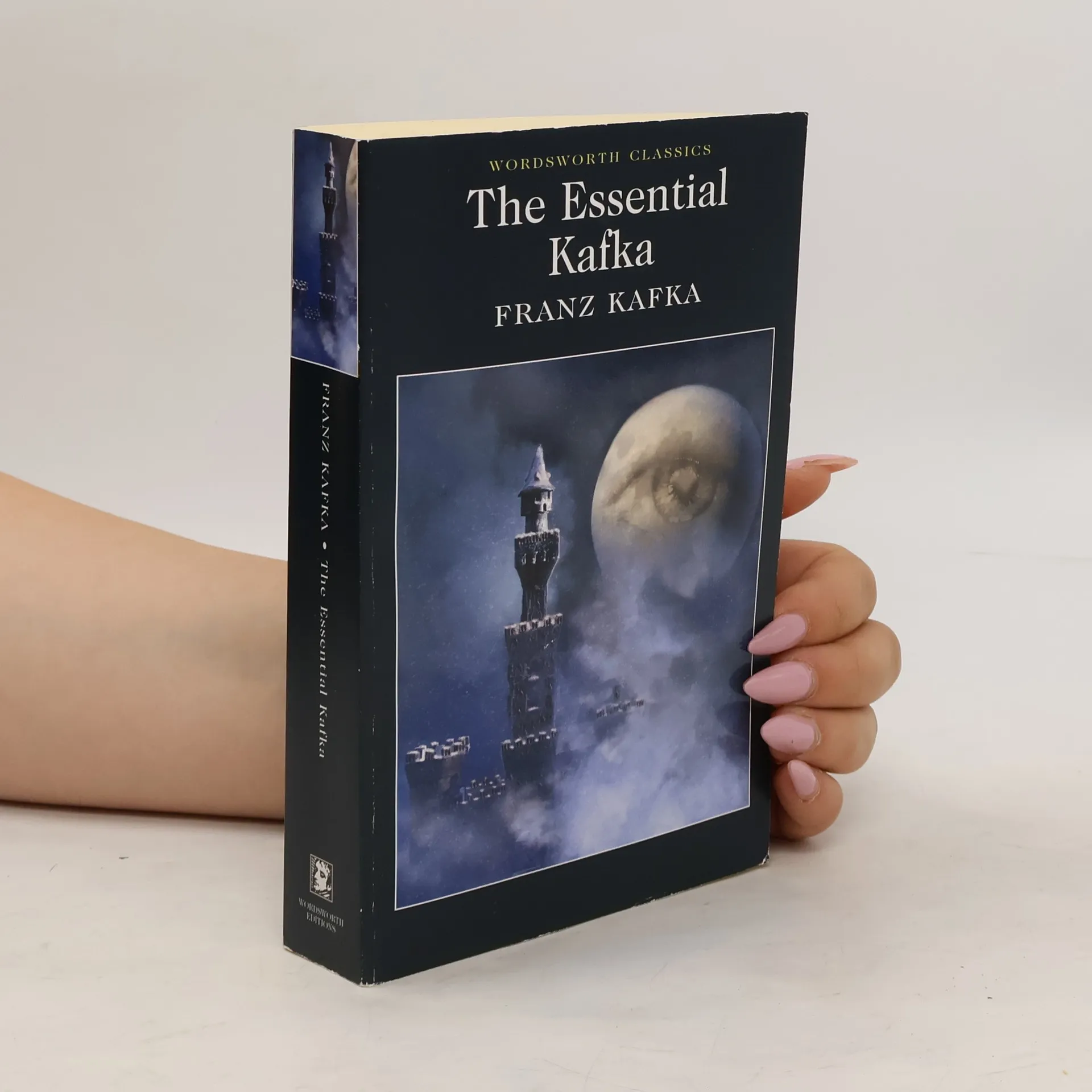
Franz Kafka (3 July 1883 – 3 June 1924) was a German-language writer of novels and short stories, regarded by critics as one of the most influential authors of the 20th century. Kafka strongly influenced genres such as existentialism. Most of his works, such as "Die Verwandlung" ("The Metamorphosis"), "Der Prozess" ("The Trial"), and "Das Schloss" ("The Castle"), are filled with the themes and archetypes of alienation, physical and psychological brutality, parent–child conflict, characters on a terrifying quest, labyrinths of bureaucracy, and mystical transformations. Table of Contents: - The Metamorphosis - A Country Doctor - A Hunger Artist - A Report for an Academy - An Imperial Message - Before the Law - In the Penal Colony - Jackals and Arabs - The Great Wall of China - The Hunter Gracchus - The Trial - Up in the Gallery
Best of Kafka (Collector's Edition)
- 976pagine
- 35 ore di lettura
Franz Kafka's writing immerses readers in a surreal and ambiguous realm where the nature of the nightmare remains elusive. His work explores themes of existential dread, alienation, and the absurdity of life, inviting deep reflection on the human condition. Kafka's unique narrative style and haunting imagery create an unsettling atmosphere that challenges perceptions of reality and identity, making his stories both compelling and thought-provoking.
"A great artist one day". Franz Kafka as a pictorial artist
- 110pagine
- 4 ore di lettura
It is not well known that Franz Kafka liked to draw. From early on, his friend and literary executor Max Brod was of the opinion that Kafka was 'an artist of particular strength and individuality as a draughtsman too' and that it was unjust merely to regard his drawings as a 'curiosity.'
Featuring a meticulously curated collection of Franz Kafka's significant works, this book offers readers a comprehensive look into the themes and narratives that define his literary legacy. Known for his profound influence on world literature, Kafka's most notable pieces include "The Judgment," "The Metamorphosis," and "In the Penal Colony," among others. The collection is enhanced by a detailed and dynamic table of contents, ensuring an engaging reading experience. Kafka's works, largely published posthumously by his friend Max Brod, delve into existential and absurdist themes.
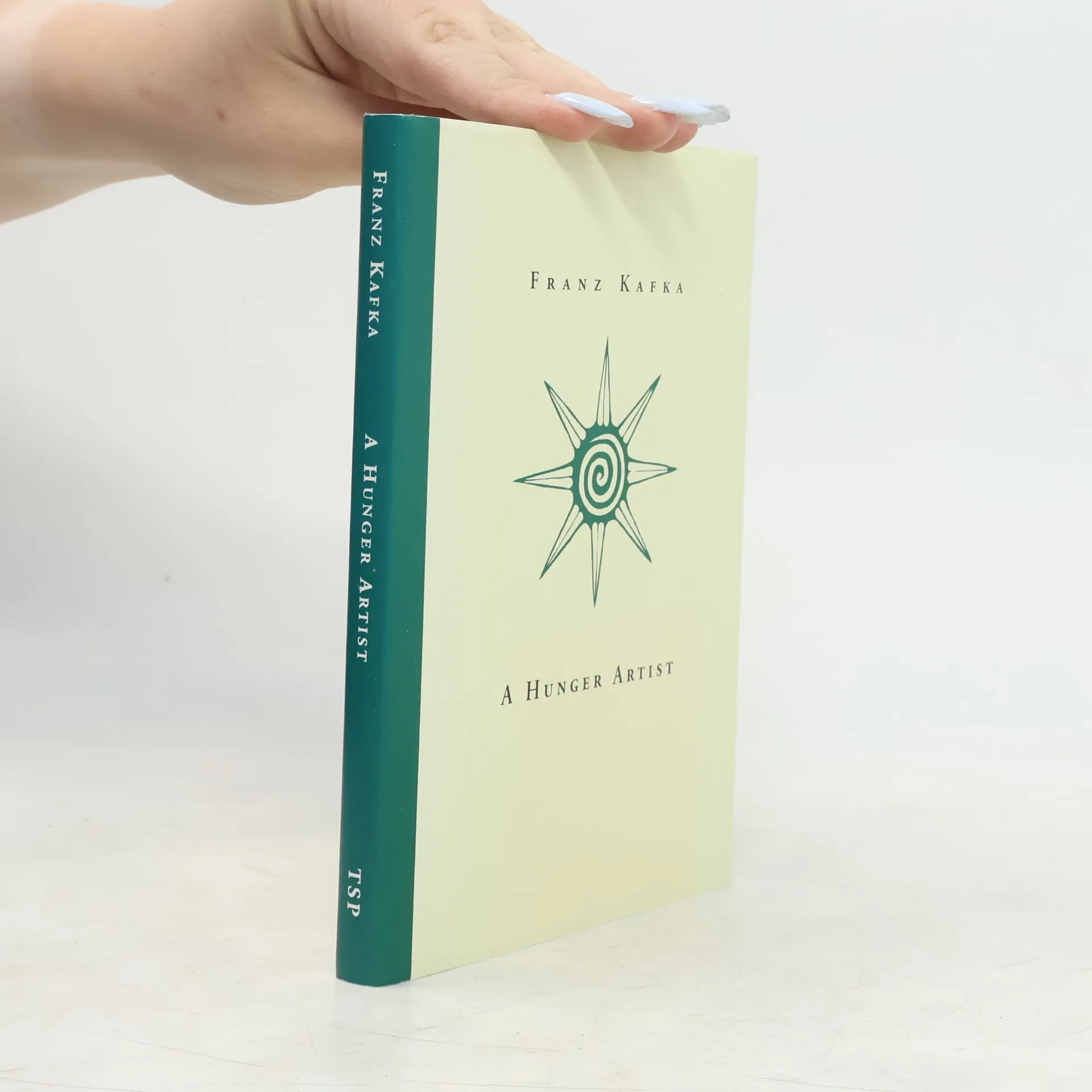
A Hunger Artist
- 88pagine
- 4 ore di lettura
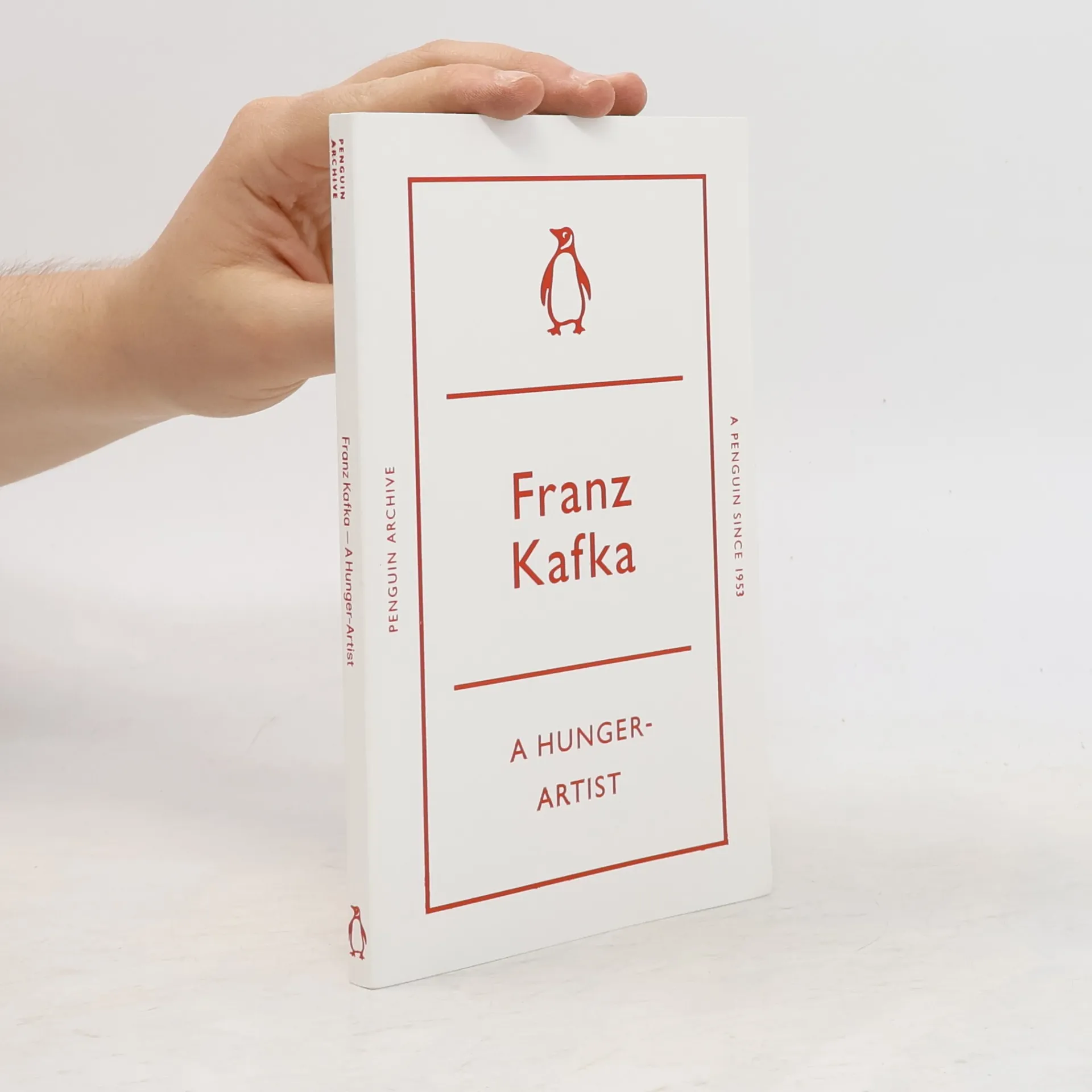
The last book published during Kafka's lifetime, A Hunger Artist (1924) explores many of the themes that were close to him: spiritual poverty, asceticism, futility, and the alienation of the modern artist. He edited the manuscript just before his death, and these four stories are some of his best known and most powerful work, marking his maturity as a writer. In addition to "First Sorrow," "A Little Woman," and "Josephine the Singer, or the Mouse People" is the title story, "A Hunger Artist," which has been called by the critic Heinz Politzer "a perfection, a fatal fulfillment that expresses Kafka's desire for permanence." The three volumes Twisted Spoon Press has published: Contemplation, A Country Doctor, and A Hunger Artist are the collections of stories that Kafka had published during his lifetime. Though each volume has its own distinctive character, they have most often appeared in English in collected editions. They are presented here as separate editions, in new translations by Kevin Blahut, each with its own illustrator from the Prague community.
Diese Buch Sammlung ist mit einem detaillierten und dynamischen Inhaltsverzeichnis versehen und wurde sorgfältig korrekturgelesen. Franz Kafka (1883-1924) war ein deutschsprachiger Schriftsteller. Kafkas Werke zählen unbestritten zum Kanon der Weltliteratur. Sein Hauptwerk bilden neben drei Romanfragmenten zahlreiche Erzählungen. Kafkas Werke wurden zum größeren Teil erst nach seinem Tod und gegen seine letztwillige Verfügung von Max Brod veröffentlicht, einem engen Freund und Vertrauten, den Kafka als Nachlassverwalter bestimmt hatte. Inhalt: • Das Urteil • Die Verwandlung • Ein Bericht für eine Akademie • In der Strafkolonie • Forschungen eines Hundes
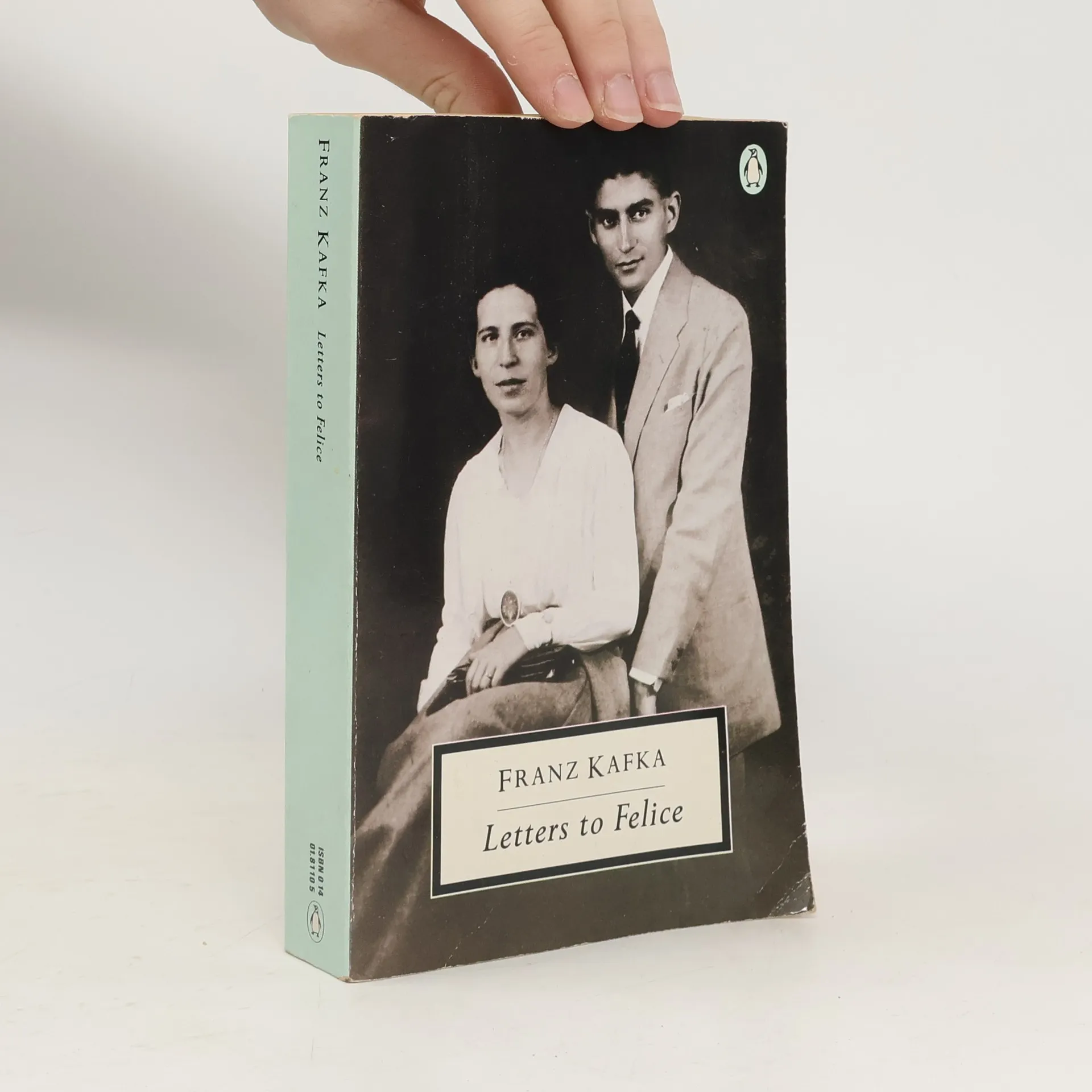
Letters to Felice
- 704pagine
- 25 ore di lettura
Franz Kafka met Felice Bauer in August 1912, at the home of his friend Max Brod. Energetic, down-to-earth, and life-affirming, the twenty-five-year-old secretary was everything Kafka was not, and he was instantly smitten. Because he was living in Prague and she in Berlin, his courtship was largely an epistolary one--passionate, self-deprecating, and anxious letters sent almost daily, sometimes even two or three times a day. But soon after their engagement was announced in 1914, Kafka began to worry that marriage would interfere with his writing and his need for solitude.The more than five hundred letters Kafka wrote to Felice--through their breakup, a second engagement in 1917, and their final parting in the fall of that year, when Kafka began to feel the effects of the tuberculosis that would eventually claim his life--reveal the full measure of his inner turmoil as he tried, in vain, to balance his desire for human connection with what he felt were the solitary demands of his craft.
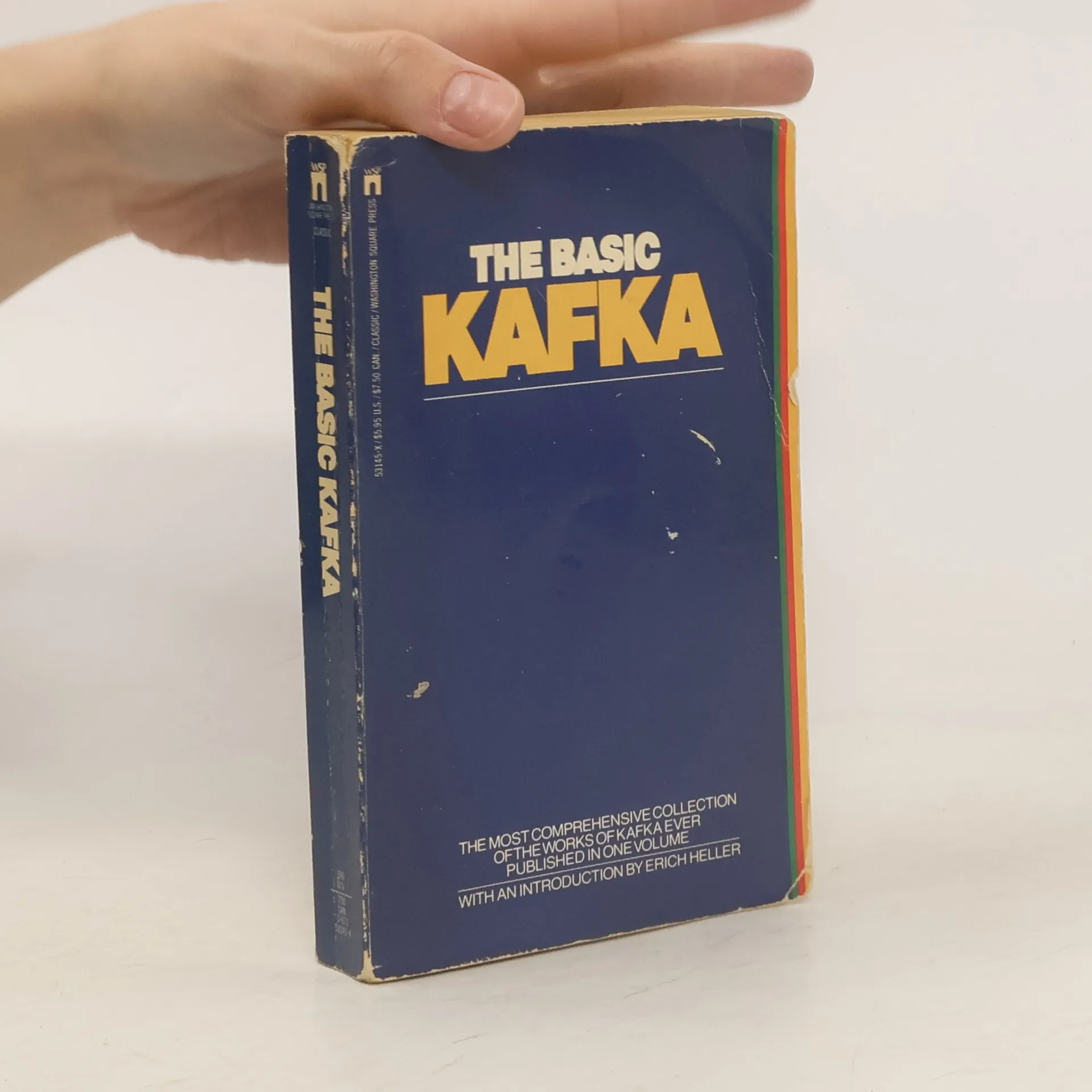
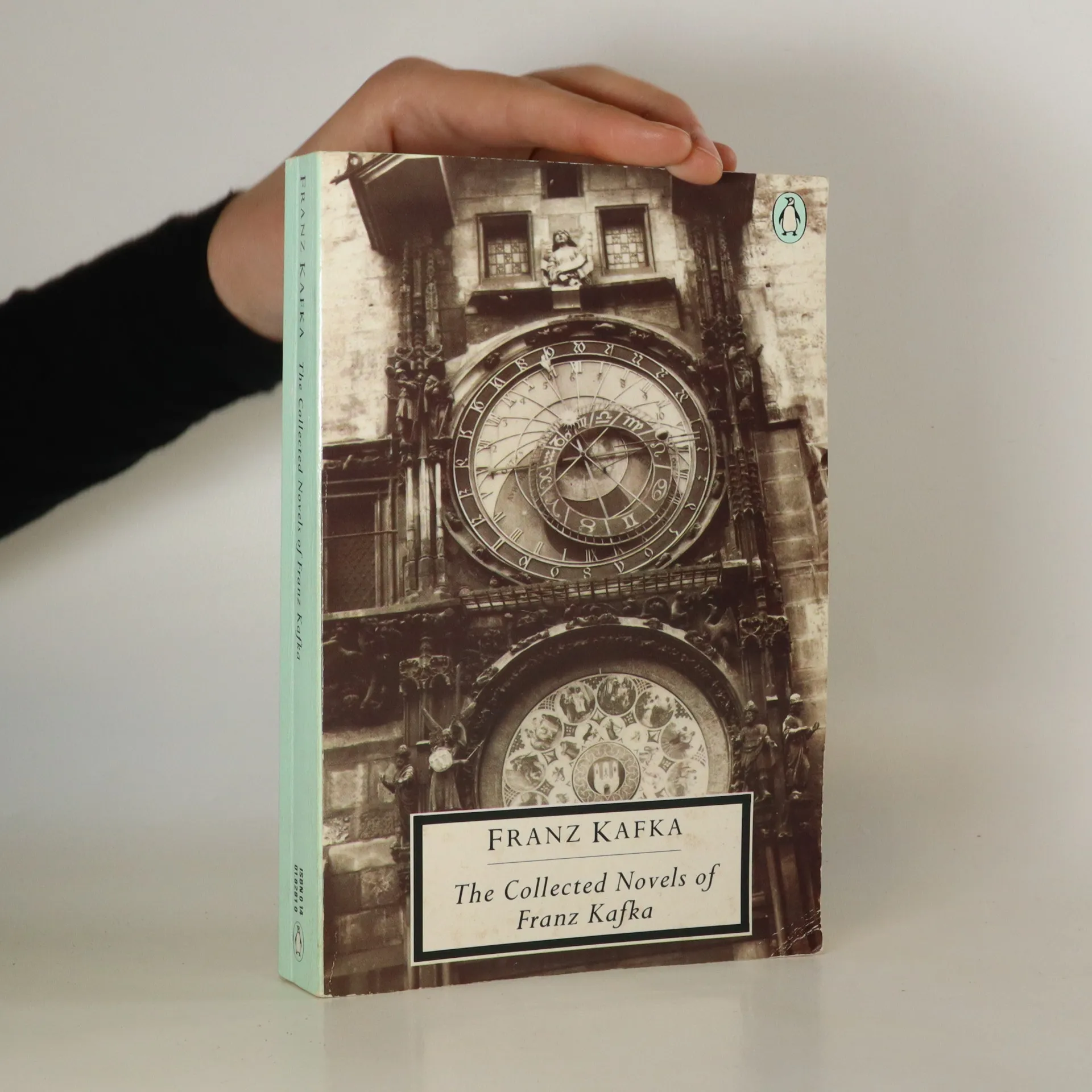
The Basic Kafka
- 304pagine
- 11 ore di lettura
The Basic Kafka <> Mass Market Paperback <> FranzKafka <> PocketBooks
Selected Short Stories of Franz Kafka
- 360pagine
- 13 ore di lettura
Franz Kafka's enigmatic, deadpan, and deeply pessimistic stories are central to literary modernism. In 'The Metamorphosis', the estrangement of everyday life becomes corporealized when Gregor Samsa wakes up as a giant bug and wonders how he is going to get to work on time. Kafka inverts the implied degradation of a man's transformation into an animal in 'A Report of the Academy', an ape's address to a group of scientists.
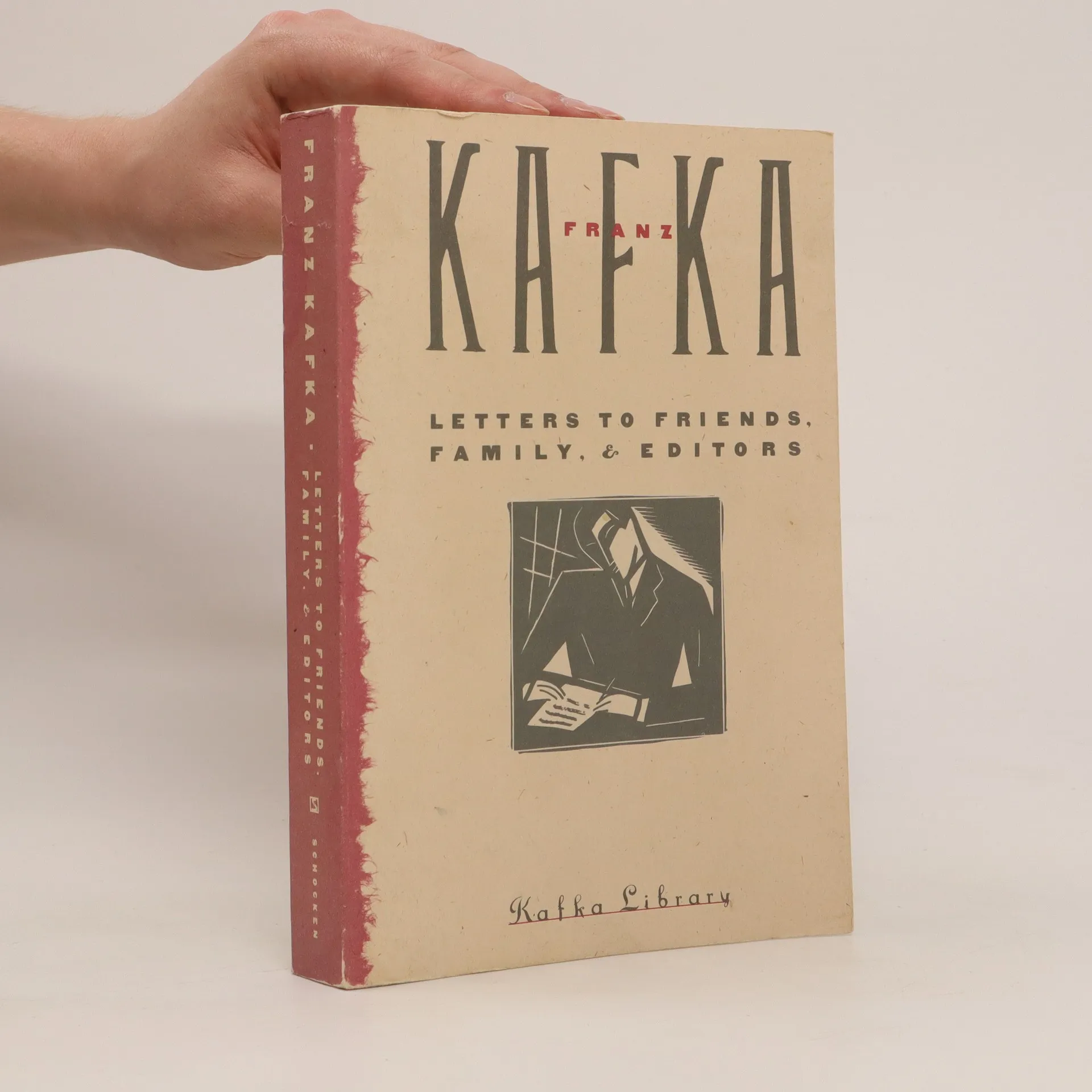
Letters to Friends, Family, and Editors
- 509pagine
- 18 ore di lettura
Collected after his death by his friend and literary executor Max Brod, here are more than two decades' worth of Franz Kafka's letters to the men and women with whom he maintained his closest personal relationships, from his years as a student in Prague in the early 1900s to his final months in the sanatorium near Vienna where he died in 1924.Sometimes surprisingly humorous, sometimes wrenchingly sad, they include charming notes to school friends; fascinating accounts to Brod about his work in its various stages of publication; correspondence with his publisher, Kurt Wolff, about manuscripts in progress, suggested book titles, type design, and late royalty statements; revealing exchanges with other young writers of the day, including Martin Buber and Felix Weltsch, on life, literature, and girls; and heartbreaking reports to his parents, sisters, and friends on the declining state of his health in the last months of his life.
The complete novels. The Trial. America. The castle
- 464pagine
- 17 ore di lettura
The Trial; The Castle; America: Both Joseph K In The Trial And K In The Castle Are Victims Of Anonymous Governing Forces Beyond Their Control. Both Are Atomised, Estranged And Rootless Citizens Deceived By Authoritarian Power. Whereas Joseph K Is Relentlessly Hunted Down For A Crime That Remains Nameless, K Ceaselessly Attempts To Enter The Castle And So Belong Somewhere. Together These Novels May Be Read As Powerful Allegories Of Totalitarian Government In Whatever Guise It Appears Today. In America Karl Rossmann Is 'Packed Off To America By His Parents' To Experience Oedipal And Cultural Isolation. Here, Ordinary Immigrants Are Also Strange, And 'America' Is Never Quite As Real As It Seems.
A culturally-influential and celebrated author, Kafka is generally considered to be one of the most accomplished writers of the 20th century. In this boxed set are collected together three of his major works, including the maginificent 'Metamorphosis and Other Stories'.
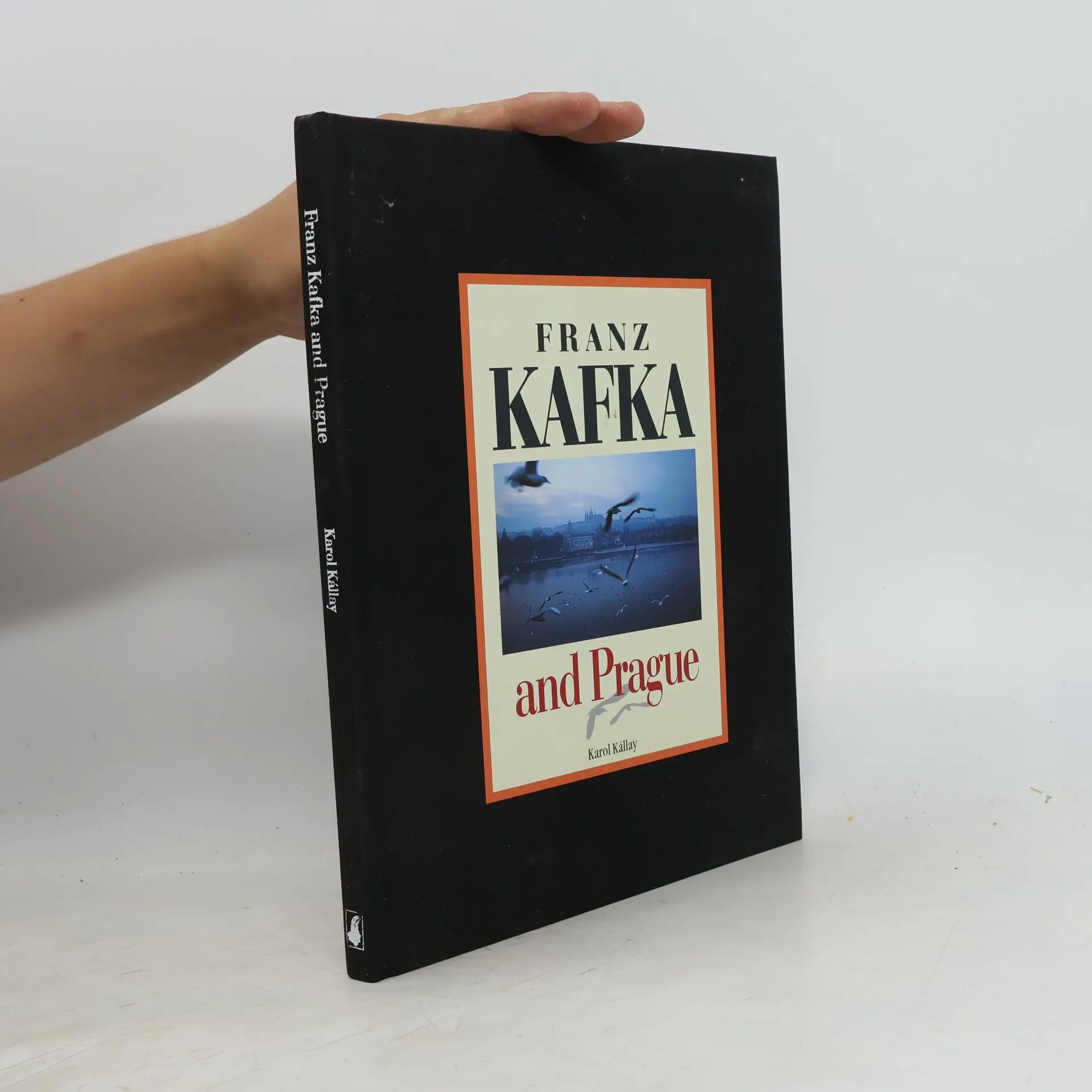
Franz Kafka and Prague
- 94pagine
- 4 ore di lettura
Nádherná a jedinečná kniha fotografií Prahy od významného slovenského fotografa Karola Kállaye doprovázených úryvky a citáty z Kafkových dopisů v angličtině.
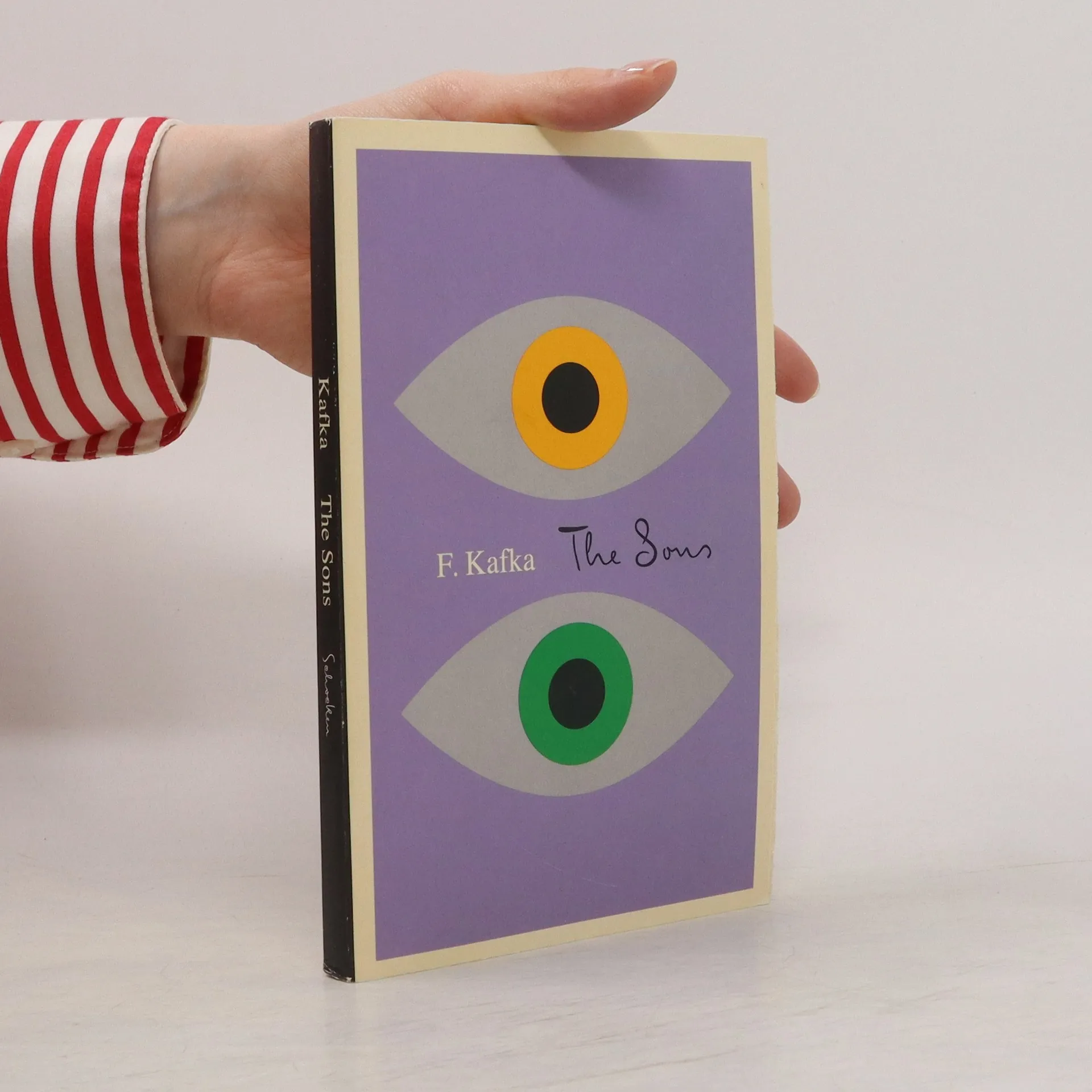
The sons
- 192pagine
- 7 ore di lettura
I have only one request," Kafka wrote to his publisher Kurt Wolff in 1913. "'The Stoker,' 'The Metamorphosis,' and 'The Judgment' belong together, both inwardly and outwardly. There is an obvious connection among the three, and, even more important, a secret one, for which reason I would be reluctant to forego the chance of having them published together in a book, which might be called The Sons."Seventy-five years later, Kafka's request is granted, in a volume including these three classic stories of filial revolt as well as his own poignant "Letter to His Father," another "son story" located between fiction and autobiography. A devastating indictment of the modern family, The Sons represents Kafka's most concentrated literary achievement as well as the story of his own domestic tragedy. Grouped together under this new title and in newly revised translations, these texts—the like of which Kafka had never written before and (as he claimed at the end of his life) would never again equal—take on fresh, compelling meaning.
One of 60 low-priced classic texts published to celebrate Penguin's 60th anniversary. All the titles are extracts from "Penguin Classics" titles.
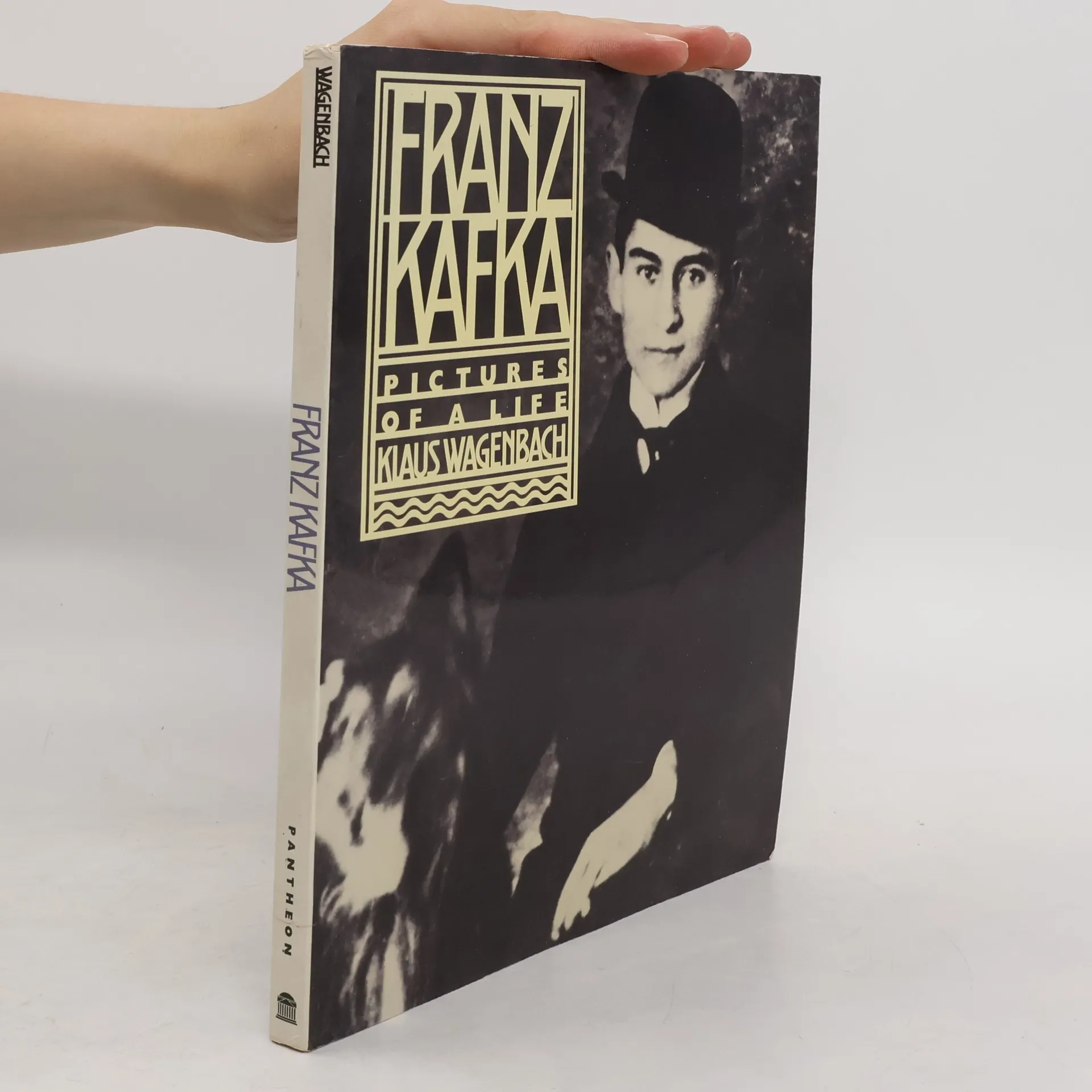
Franz Kafka
- 221pagine
- 8 ore di lettura
A biography of the Czech writer includes photographs of the people and places important to him during his life
Exploring the surreal and thought-provoking realms of human existence, this collection features the masterpieces of Franz Kafka, including "The Trial" and "The Metamorphosis." Readers will encounter ordinary individuals facing absurdity and bureaucratic nightmares, all set against haunting landscapes emblematic of Kafkaesque imagination. The anthology delves into themes of existentialism and surrealism, showcasing Kafka's profound insights into the complexities of human nature. This essential collection invites readers to engage with the literary genius of one of the 20th century's most influential writers.
The Trial, Metamorphosis, In the Penal Colony
- 184pagine
- 7 ore di lettura
The Trial, Metamorphosis and In the Penal Colony adapted for the stage from Franz Kafka's stories.
From one of the greatest writers of the twentieth century, the author of The Metamorphosis and The Trial: A collection that brings together the stories he allowed to be published during his lifetime, including his best-known tale of a man who wakes up transformed into an insect. To Max Brod, his literary executor, Kafka wrote: “Of all my writings the only books that can stand are these.” “Kafka’s survey of the insectile situation of young Jews in inner Bohemia can hardly be improved upon: ‘With their posterior legs they were still glued to their father’s Jewishness and with their wavering anterior legs they found no new ground.’ There is a sense in which Kafka’s Jewish question (‘What have I in common with Jews?’) has become everybody’s question, Jewish alienation the template for all our doubts. What is Muslimness? What is femaleness? What is Polishness? These days we all find our anterior legs flailing before us. We’re all insects, all Ungeziefer, now.” —Zadie Smith, bestselling author of White Teeth and On Beauty
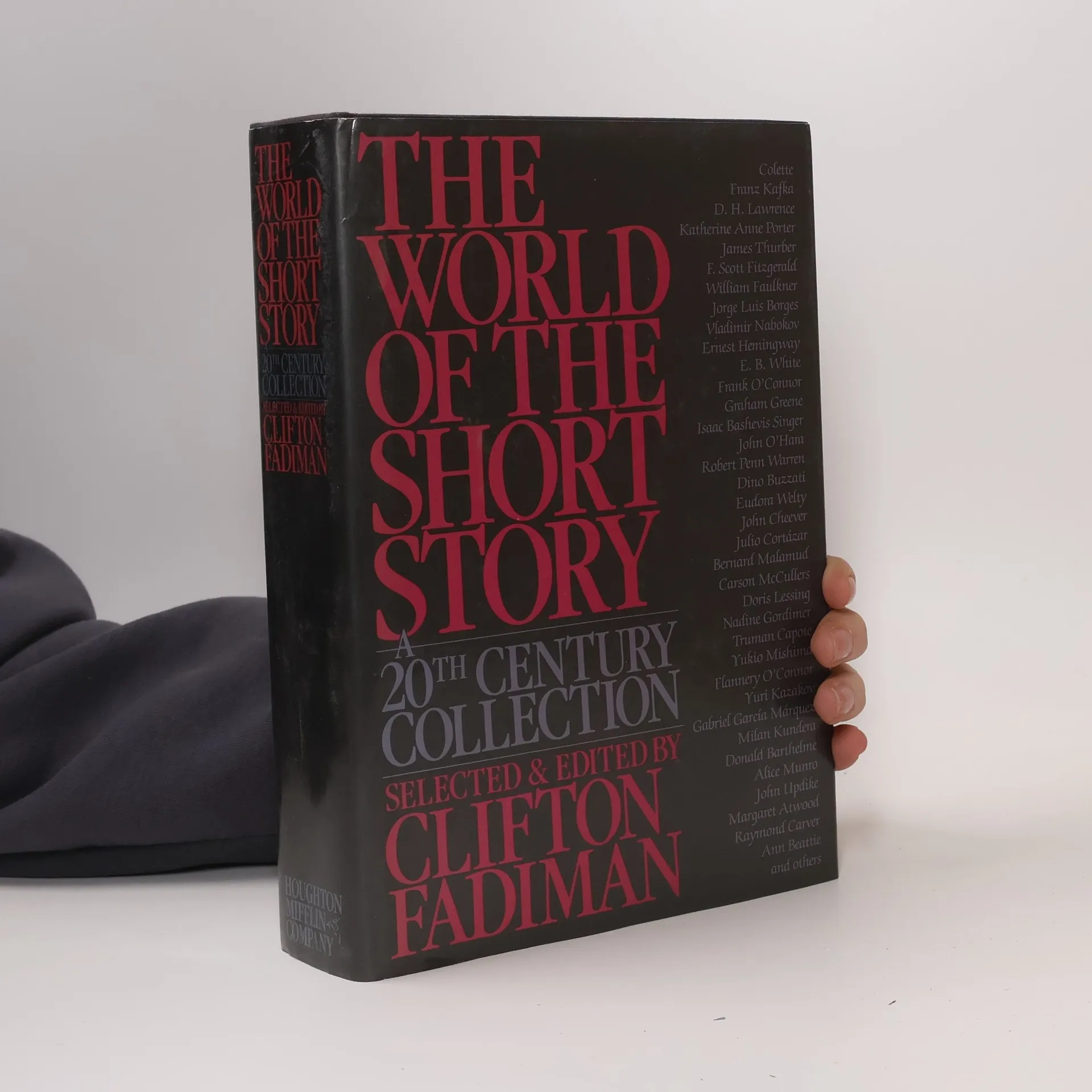
At age 82, Clifton Fadiman continues his prolific publishing career, here presenting 62 of the world's best short stories from 16 countries. His criteria? "Each story had to be both interesting and of high literary merit." Fadiman fulfills both requirements and much more, offering a cornucopia of superior 20th-century writers that includes Franz Kafka, D. H. Lawrence, Isaac Babel, F. Scott Fitzgerald, William Faulkner, Ernest Hemingway, John Cheever, Sean O'Faolain, Graham Greene, Robert Penn Warren, Colette, John Updike, Donald Barthelme, and James Thurber. (Regrettably, J. D. Salinger is not included due to lack of permission.) Here is a truly remarkable collection of this century's short stories that readers from all over the world will read with delight.
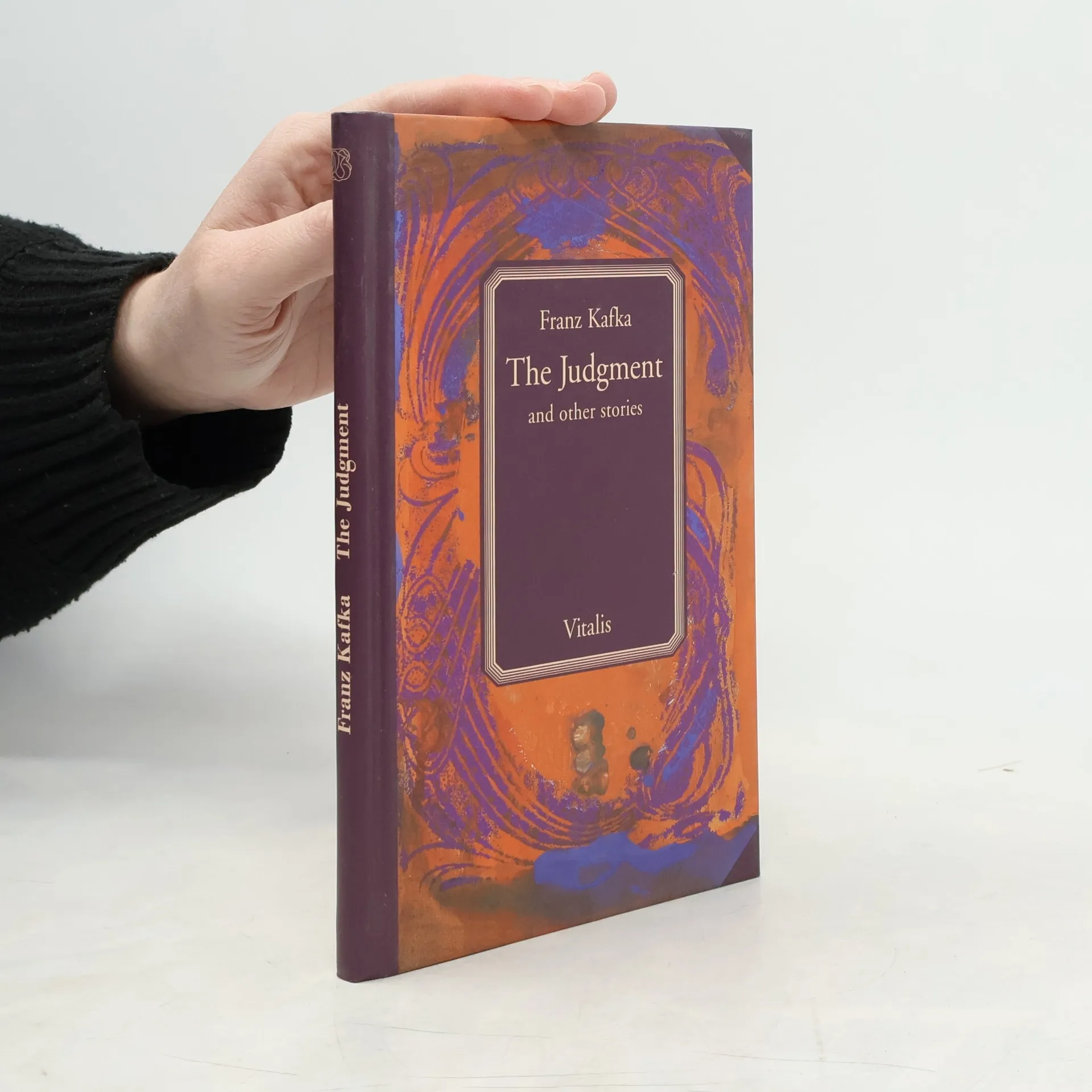
The Judgment and other stories
- 135pagine
- 5 ore di lettura
"His language is crystal clear, and on the surface one observes, in a sense, no other aim than to be accurate, lucid, and suitable to the subject. And yet dreams, visions of measureless depth, are conveyed beneath the serene mirror of this pure stream of language. One peers into it and is spellbound by beauty and originality" --Max Brod in Die Neue (Rundschau 1921) Translated from German by Jon Calame and Seth Rogoff. Story index: The Judgement. A Story The Stoker. A Fragment The Bucket-Rider In the Penal Colony Great Noise The First Chapter of "Richard and Samuel" by Max Brod and Franz Kafka The Air Show at Brescia
A Hunger-Artist
- 144pagine
- 6 ore di lettura
The whole town got involved with the hunger-artist; from day to day of his starving, people's participation grew; everyone wanted to see the hunger-artist at least once a day; on the later days there were season-ticket holders who sat for days on end in front of his little cage Reading these stories by the master of the absurd is like entering a dreamworld in which nothing, and yet somehow everything, makes sense.
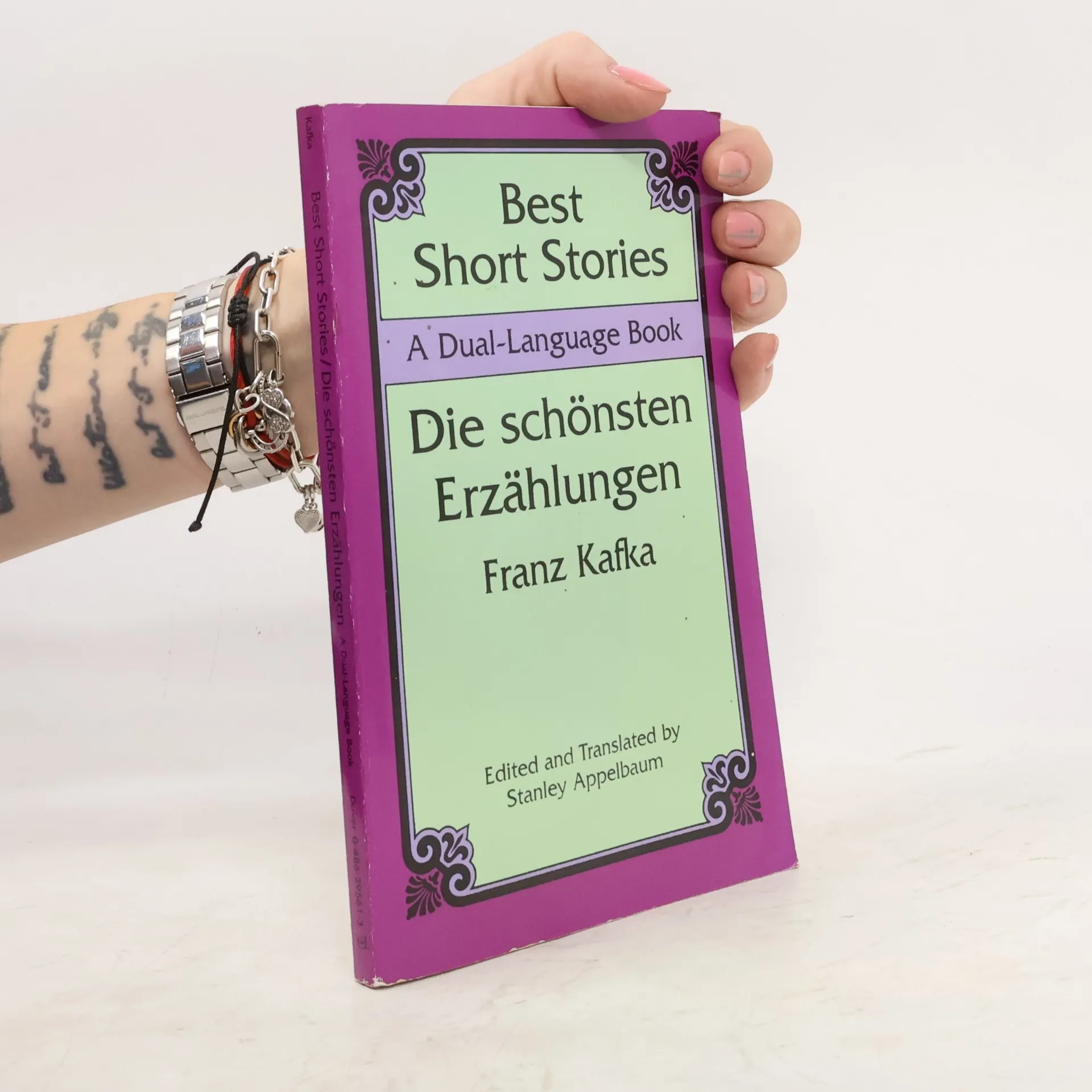
Students of German language and literature will welcome this dual-language edition of five stories by Franz Kafka (1883–1924). Considered one of the greatest modern writers, Kafka wrote tales that brilliantly explore the anxiety, futility, and complexity of modern life.The stories in this volume are "The Metamorphosis" (thought by many critics to be Kafka's most perfect work), "The Judgment," "In the Penal Colony," "A Country Doctor," and "A Report to an Academy." Along with the original German texts, Stanley Applebaum has provided accurate English translations on facing pages, affording students an ideal opportunity to read some of Kafka's finest stories in the original, to discover the passion and profundity of this extremely important figure in modern European literature, and to upgrade their German language skills.
The great wall of China
- 54pagine
- 2 ore di lettura
In May 2005 Penguin will publish 70 unique titles to celebrate the company's 70th birthday. The titles in the Pocket Penguins series are emblematic of the renowned breadth of quality of the Penguin list and will hark back to Penguin founder Allen Lane's vision of good books for all'. as among the greatest works of early twentieth-century literature. His most famous and influential work, Metamorphosis, depicting a man who wakes up to discover he has been turned into an insect, was first published by Penguin in 1961. These lucid stories and brief fables describe the cruel absurdities he believed dominate human life.
Description of a Struggle and Other Stories
- 160pagine
- 6 ore di lettura
Franz Kafka’nın daha önce kitaplarda yer almamış bazı anlatılarını da içeren Ceza Kolonisinde, Can Yayınları’ndan çıkmıştı. Bu kitabın devamı niteliğindeki Bir Kavganın Tasviri, yazarın ölümünden sonra ardında bıraktığı anlatılardan oluşuyor. Böylece Kafka’nın bütün anlatıları iki kitap halinde toplanmış oluyor. Bu kitapta yer alan 34 anlatı, özünde yalnız olan bireyin, “kafkaesk” dünyanın çıkmaz sokaklarında var olma çabasını gözler önüne seriyor. Kafka, varoluşun karanlık boyutlarını, kendisinden ne önce ne de sonra hiçbir yazarın ulaşamadığı bir yoğunlukta tasvir ediyor. Kahramanları kadar yalnız olan Kafka, 20. yüzyıl edebiyatı¬nı derinden etkilemiştir. Onun eserinde bireyin korkuları, umutsuzlukları, açmazları tematik bir çokkatmanlılık içinde duru bir dille işlenmiştir.
The Burrow and Other Stories
- 240pagine
- 9 ore di lettura
After Franz Kafka's death, in perhaps the most important of all acts of literary disobedience, his executor refused to agree to Kafka's wish that his great mass of unpublished fiction be destroyed. This fiction included not only The Castle and The Trial but also the amazingly varied, chilling and ingenious short works collected in The Burrow and Other Stories. These tales, some little more than a page, others much more substantial, are among the greatest works of Central European literature. They vary from the tiny and horrifying 'Little Fable' to the elaborate waking nightmares of 'Building the Great Wall of China' and the title story 'The Burrow', in which an unidentified creature describes its creation of an endlessly elaborate burrow to protect itself from unidentified enemies, but with every trap or tunnel only creating further terrors and uncertainty.
Blumfeld, an Elderly Bachelor
- 88pagine
- 4 ore di lettura
In this volume, British artist David Musgrave revisits Franz Kafka's novella Blumfeld, an Elderly Bachelor , the tale of a man who arrives home one day to find two plastic balls bouncing off the ground of their own accord. To his great irritation, these balls follow Blumfeld--who is a stickler for absolute order in his universe--wherever he goes, and his attempts to divest himself of their presence are described with Kafka's customary flair for the detached observation of the extremely bizarre. Musgrave has responded to Kafka's story with a series of pencil drawings of curious artifacts and pseudo-archaeological fragments of his own invention. Combined with John Morgan's austere design--which finds the book typeset in Kafka's preferred font and large type size, which he was never able to see printed in his lifetime--this volume almost feels like a case study of some unique bygone supernatural phenomenon.
Wedding Preparations in the Country and Other Stories
- 192pagine
- 7 ore di lettura
In these stories the obscure, yet terrifyingly clear world of Franz Kafka is given enigmatic force. The author's themes are not the fashionable ones of alienation, angst and existentialism; they are powerful allegories of man's spiritual exile from the reality of twentieth-century Europe.
How does a dog see the world? How do any of us? In this story of a canine philosopher, Kafka explores the limits of knowledge
Kafka für Kinder und Erwachsene / Kafka for Children and Adults
Erzählungen von Franz Kafka, Bilder von Hanna Koch / Stories by Franz Kafka, Illustrations by Hanna Koch
- 60pagine
- 3 ore di lettura
Die Erzählungen von Kafka, illustriert von Hanna Koch, erscheinen märchenhaft und ermöglichen Kindern, die Schönheit seiner Prosa zu entdecken. Auch Jugendliche und Erwachsene erleben die Geschichten in neuem Licht. Enthalten sind unter anderem: Der Kübelreiter, Vor dem Gesetz und Wunsch Indianer zu werden.
The Castle and The Trial
- 338pagine
- 12 ore di lettura
The Castle: Arriving in a village to take up the position of land surveyor for the mysterious lord of a castle, the character known as K finds himself in a bitter and baffling struggle to contact his new employer and go about his duties. As the villagers and the Castle officials block his efforts at every turn, K's consuming quest - quite possibly a self-imposed one - to penetrate the inaccessible heart of the Castle and take its measure is repeatedly frustrated. Kafka once suggested that the would-be surveyor in The Castle is driven by a wish "to get clear about ultimate things," an unrealizable desire that provided the driving force behind all of Kafka's dazzlingly uncanny fictions. The Trial: Written in 1914, The Trial is the terrifying tale of Josef K, a respectable bank officer who is suddenly arrested and must defend himself against a charge about which he can get no information. Kafka's nightmare has resonated with chilling truth for generations of readers.
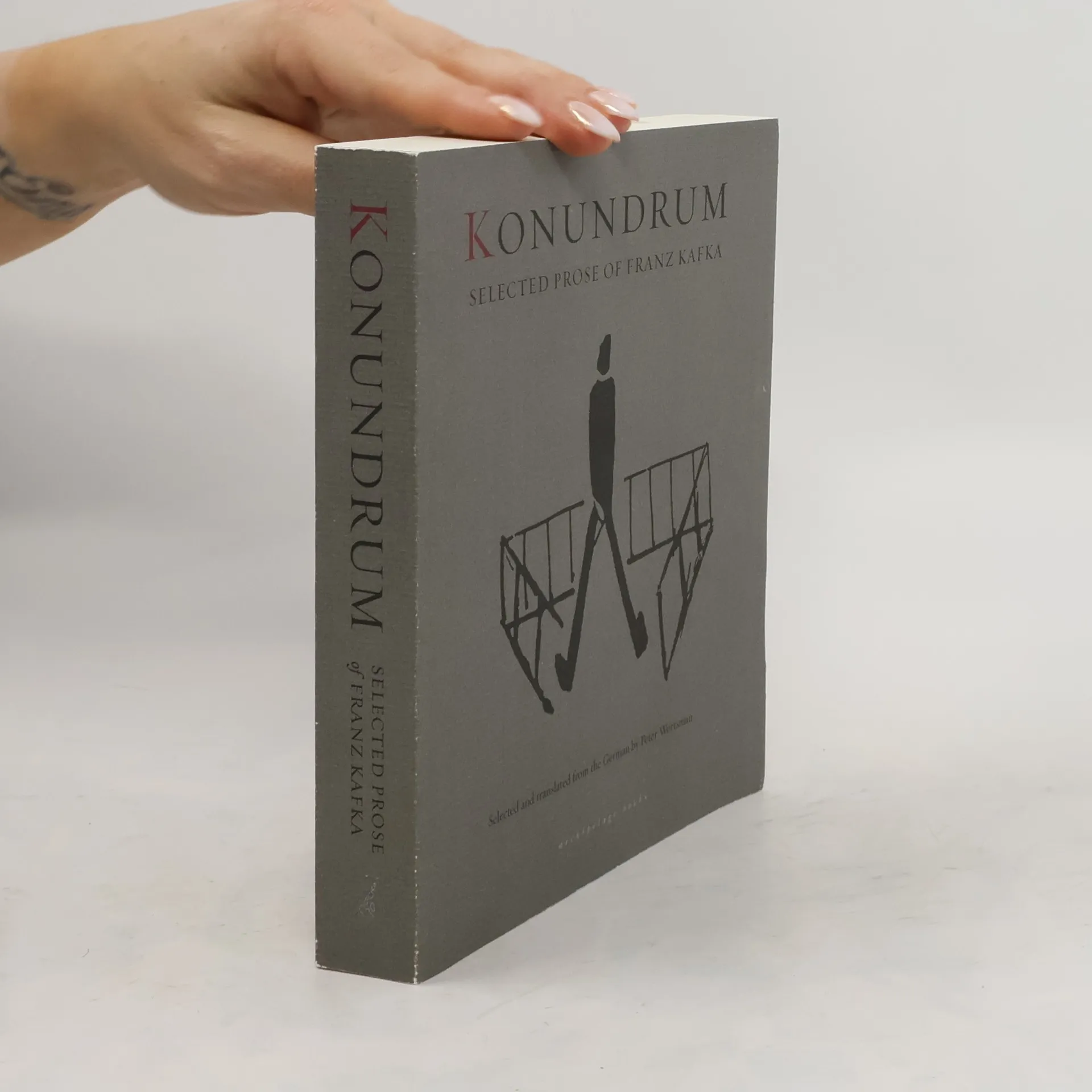
Konundrum: Selected Prose of Franz Kafka
- 381pagine
- 14 ore di lettura
In this new selection and translation, Peter Wortsman mines Franz Kafka's entire opus of short prose - including works published in the author's brief lifetime, posthumously published stories, journals and letters. The result is a thorough plumbing of the imaginative depths of the great German-Jewish scribe from Prague that refreshes the writer's mythic storytelling powers for a new generation of readers.
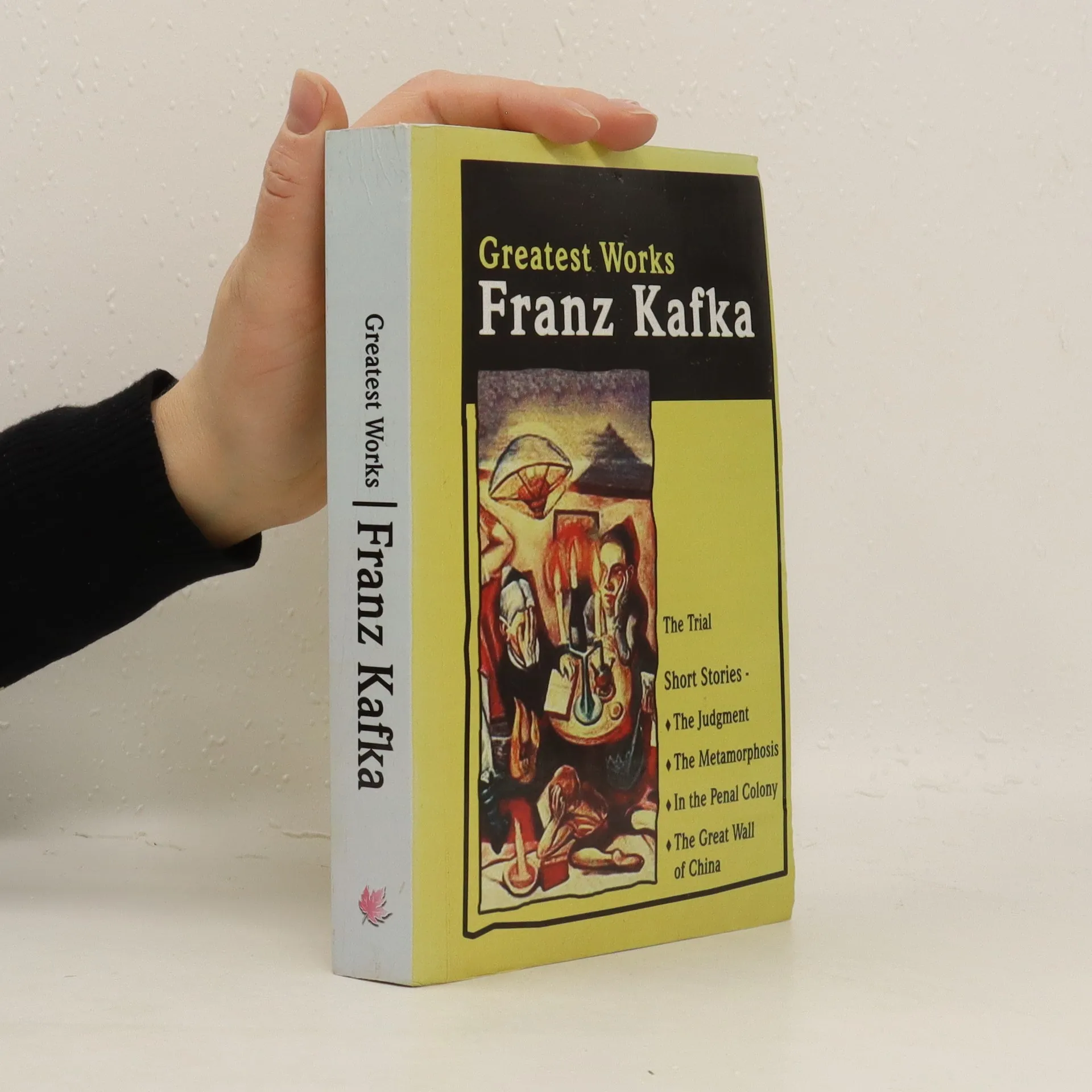
Greatest works. Franz Kafka
- 584pagine
- 21 ore di lettura
Acclaimed as one of the founding Masters of Modern World literature, Franz Kafka's influence has been too far,too wide and too deep for any comprehensive assessment.Enigmatic and paradoxical,full of predicaments of the modern man, these pieces of fiction reveal the breath of Kafka's literary vision and the extraordinary imaginative depth of his thought.
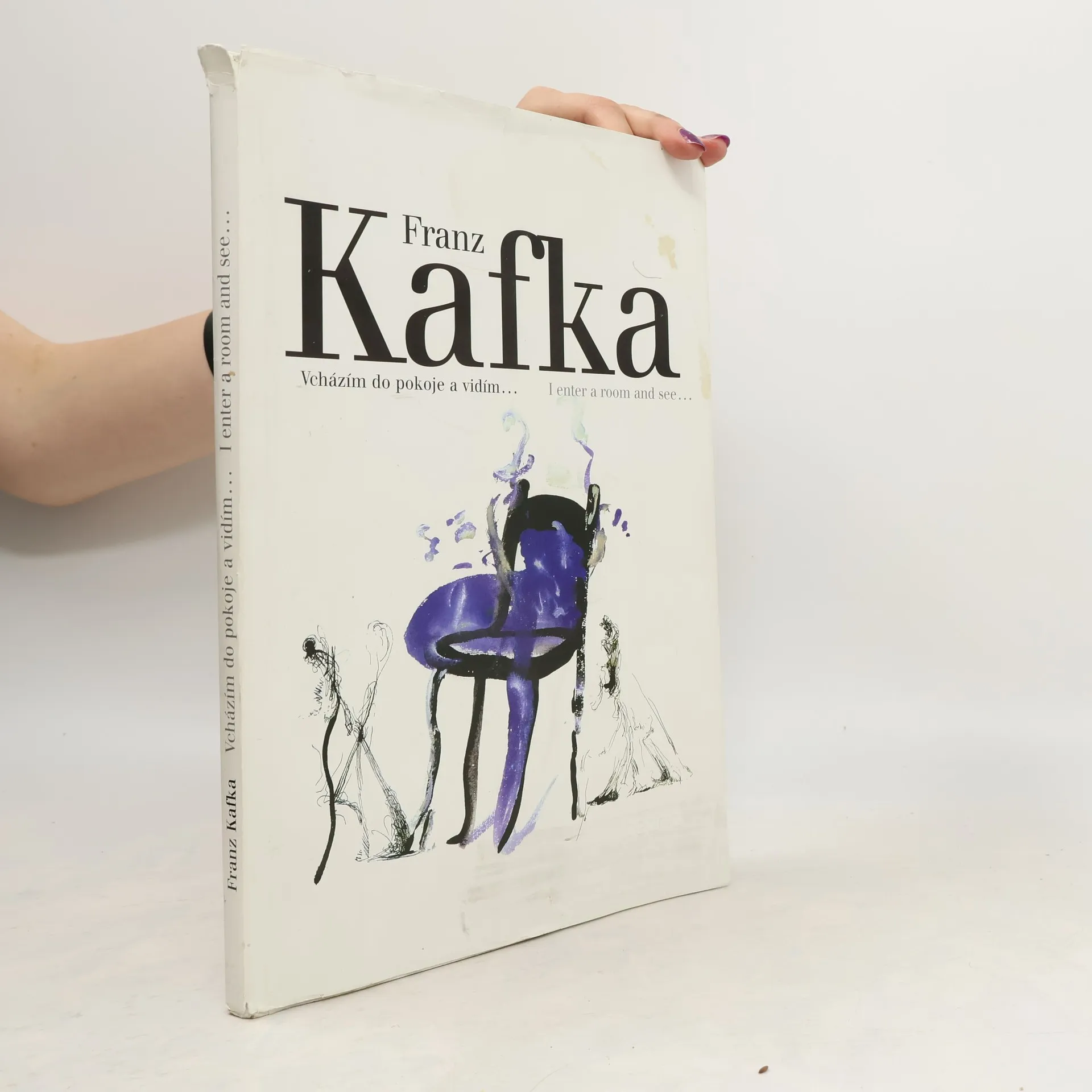
Franz Kafka. Vcházím do pokoje a vidím
- 44pagine
- 2 ore di lettura