Pravoslav Sovak : krajiny času = landscapes of time
- 220pagine
- 8 ore di lettura
Katalog k výstavě Pravoslav Sovak - Krajiny času. Museum Kampa 24.2. - 27.5.2018





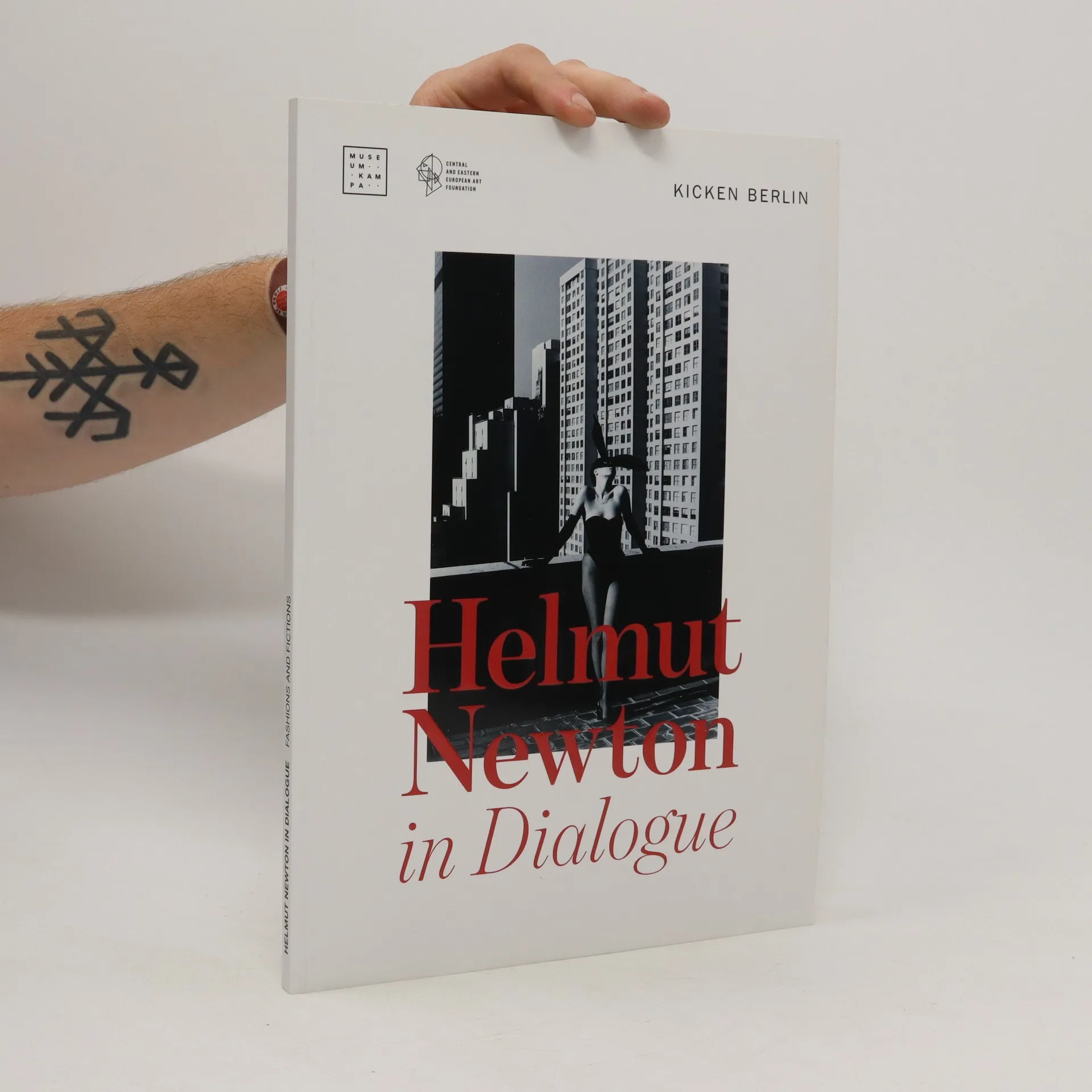

Katalog k výstavě Pravoslav Sovak - Krajiny času. Museum Kampa 24.2. - 27.5.2018
'Extinction features, without doubt, the funniest passage in the whole of literature. The dreadful becomes hilarious, joyful - and it makes one thirst for more of the similar.' - Geoff Dyer Franz-Josef Murau is the intellectual black sheep of a powerful Austrian land-owning family. He now lives in Rome in self-imposed exile, surrounded by a coterie of artistic and intellectual friends. On returning from his sister's wedding on the family estate of Wolfsegg, having resolved never to go home again, Murau receives a telegram informing him of the death of his parents and brother in a car crash. Not only must he now go back, he must do so as the master of Wolfsegg: and he must decide its fate. The summit of Thomas Bernhard's artistic genius - mesmerising, addictive, explosively tragicomic - Extinction is a landmark of post-war literature.
V technokraticky a byrokraticky organizovaném pracovním světě má člověk stále větší problémy prosadit se jako individuální, autonomní a ve své oblasti činnosti aktivní osoba. Byrokracie a státní správa na straně jedné a globálně operující hospodářské organizace na straně druhé nutí k přizpůsobování, v němž člověk přichází o svoji individualitu, nedokáže se identifikovat s prací a nakonec ani se svým soukromým životem. Ztrácí motivaci, jeho výkon klesá a sám tomuto tlaku podléhá, vnitřně se vzdává. V popředí moderní společnosti stojí dnes především rozmnožování blahobytu bez ohledu na všeobecné blaho a životy příštích generací …
Výbor miniatur, glos, výstižných črt i krátkých povídek z let 1899–1920 tohoto významného švýcarského autora představuje vhled do jeho tvorby nejvlastnější: v psaní krátkých próz byl Robert Walser jedinečný a neopakovatelný, v mnohém překonávají jeho vlastní romány.
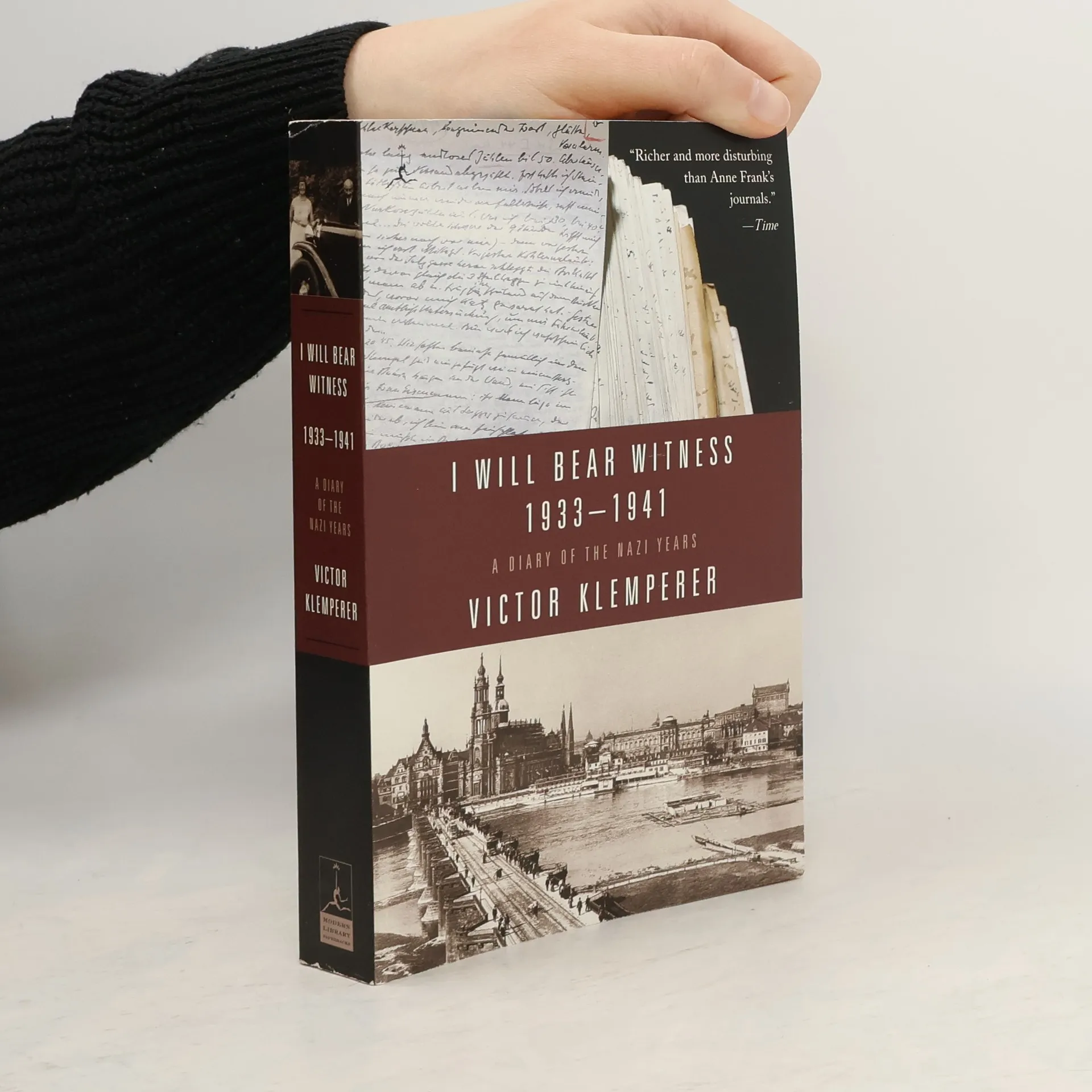
The publication of Victor Klemperer's secret diaries reveals an extraordinary account of daily life during the Nazi period. Described as the best-written and most evocative record of the Third Reich, it combines literary merit with a stark portrayal of the horrors of the era. A Dresden Jew and World War I veteran, Klemperer recognized the dangers posed by Hitler as early as 1933. His clandestine diaries vividly document the experiences of everyday life under Nazi rule, focusing on the thoughts and actions of ordinary Germans, such as the greengrocer and the fishmonger, who share their perspectives on the war's progress. Klemperer, a brilliant historian, struggles to complete his work on eighteenth-century France while witnessing the tightening grip of the regime. He faces the loss of his professorship, his possessions, and ultimately his home, forced into a Jews' House—the last step before the camps. Despite the risks of keeping a diary, he feels compelled to record the unfolding events, stating, "This is my heroics. I want to bear witness, precise witness, until the very end." Klemperer emphasizes the significance of documenting the everyday life of tyranny, asserting that "a thousand mosquito bites are worse than a blow on the head." This volume covers the years from 1933 to 1941, with a second volume planned for 1999.
'Probably nothing exists that would prepare one for Bernhard's machined vehemence, though once you've read one, you perhaps start to crave the bitter taste and the savage not-quite-humour ... Genius.' - Michael Hofmann Instead of the book he is meant to write, Rudolph, a Viennese musicologist, produces this dark and grotesquely funny account of small woes writ large, of profound horrors detailed and rehearsed to the point of distraction. We learn of Rudolph's sister, whose help he invites then reviles; his 'really marvellous' house which he hates; the suspicious illness he carefully nurses; his ten-year-long attempt to write the perfect opening sentence; and his escape to the island of Majorca, which turns out to be the site of someone else's very real horror story, and ultimately brings him no release from himself. Concrete is Thomas Bernhard at his very finest: a bleakly hilarious insight into procrastination and failure that scratches the murky depths of our souls.
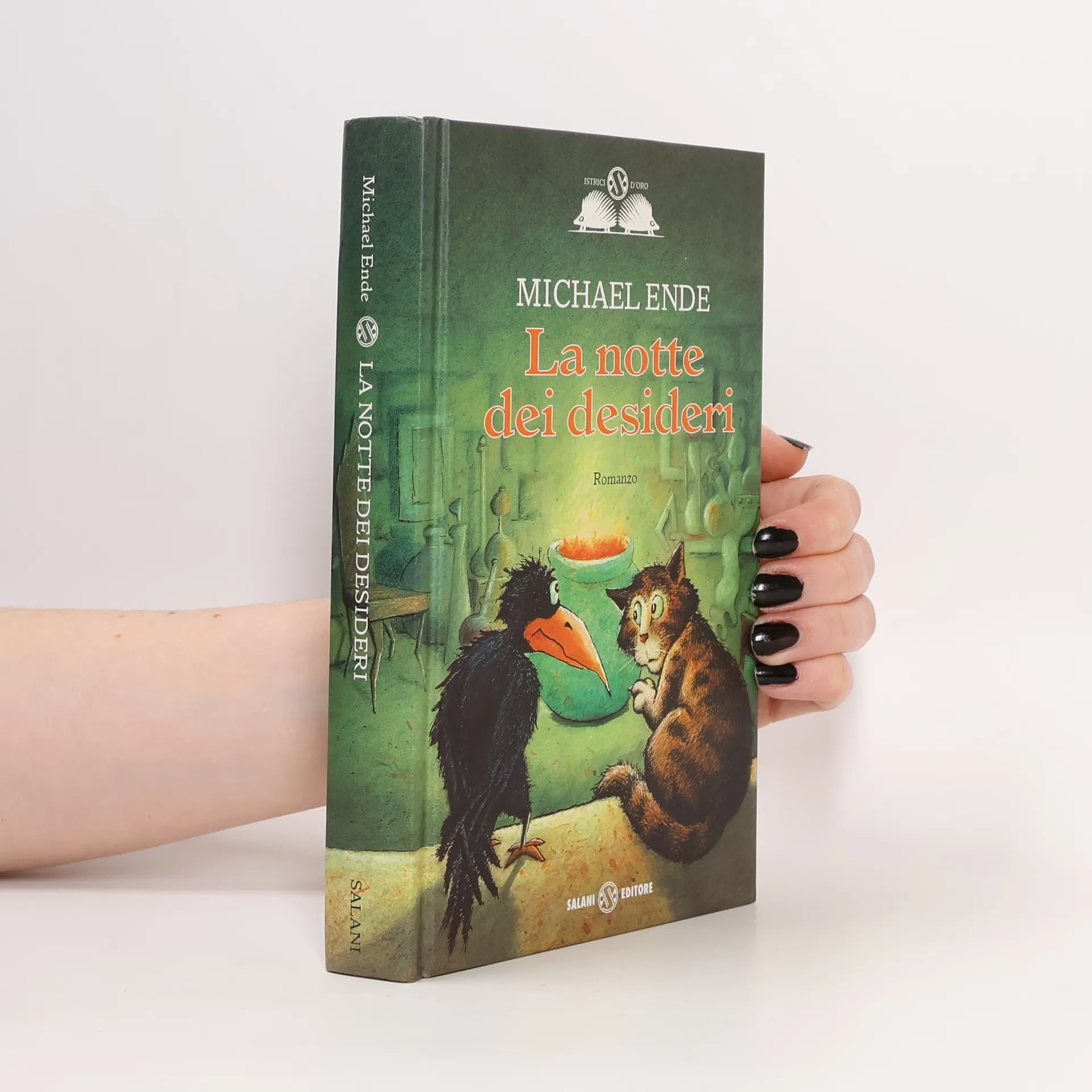
ovvero il satanarchibugiardinfernalcolico Grog di Magog
Le sorti dell'umanità sono nelle mani di un vecchio corvo spelacchiato e di un piccolo gatto grasso: prima della mezzanotte del 31 dicembre i due devono sventare le perfide tramo di Belzebù Malospirito e della sua crudele spia Tirannia Vampiria. Infatti nella notte di San Silvestro, grazie al leggendario Grog satanarchibugiardinfernalcolico essi possono formulare i loro piùraccapriccianti desideri, trasformandola in una notte infernale. Una favola moderna, un racconto appassionante che con sottile umorismo rivela veritàinquietanti, capaci di conquistare e far riflettere. in perfetto stile Ende.
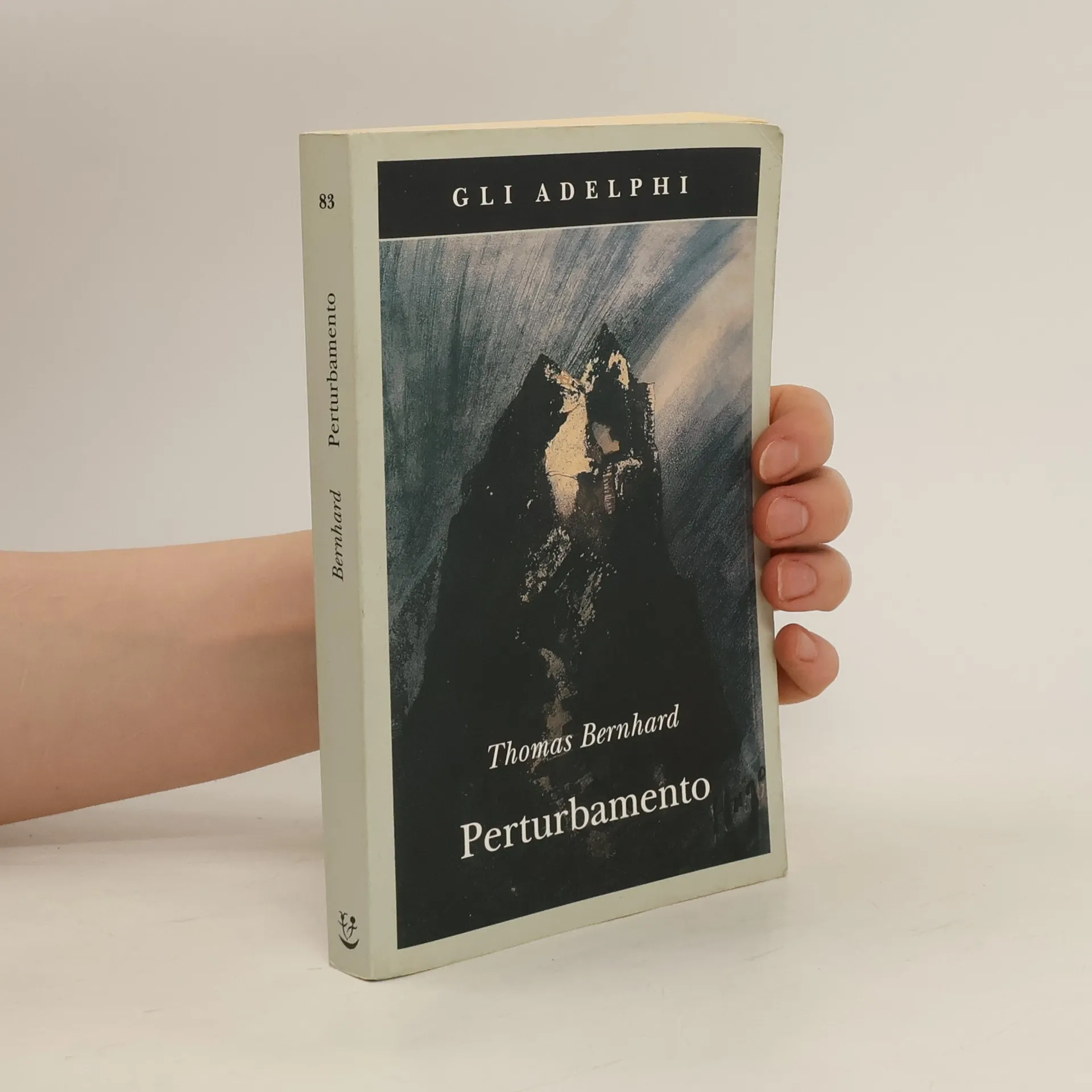
Nel suo primo grande romanzo, pubblicato nel 1967, Thomas Bernhard rivela con la sua tipica spietatezza, ironia e soprattutto con una prosa sicura, il lato angoscioso della vita umana, che spesso si manifesta come un indicibile dolore. Un medico e suo figlio si avventurano in oscure valli del Stiria, dove il sole non penetra mai. I pazienti, diversi per posizione e natura della loro sofferenza, offrono al giovane studente un'immagine della vita umana come una malattia cronica. Mentre nella prima parte del racconto assistiamo alla descrizione di una psiche umana turbata, nella seconda parte la narrazione prosegue con la confessione del principe Saurau, visitato dal medico nel suo castello immerso nei boschi: Saurau, nel suo lungo e logorante monologo, riflette su un mondo contemporaneo in decomposizione, esprimendo il desiderio di porre fine a un'esistenza che percepisce come un anacronismo. Questa inquietudine si svolge in un breve periodo prima della "catastrofe" ed è uno dei romanzi più convincenti di Bernhard, che anticipa la sua successiva produzione letteraria.
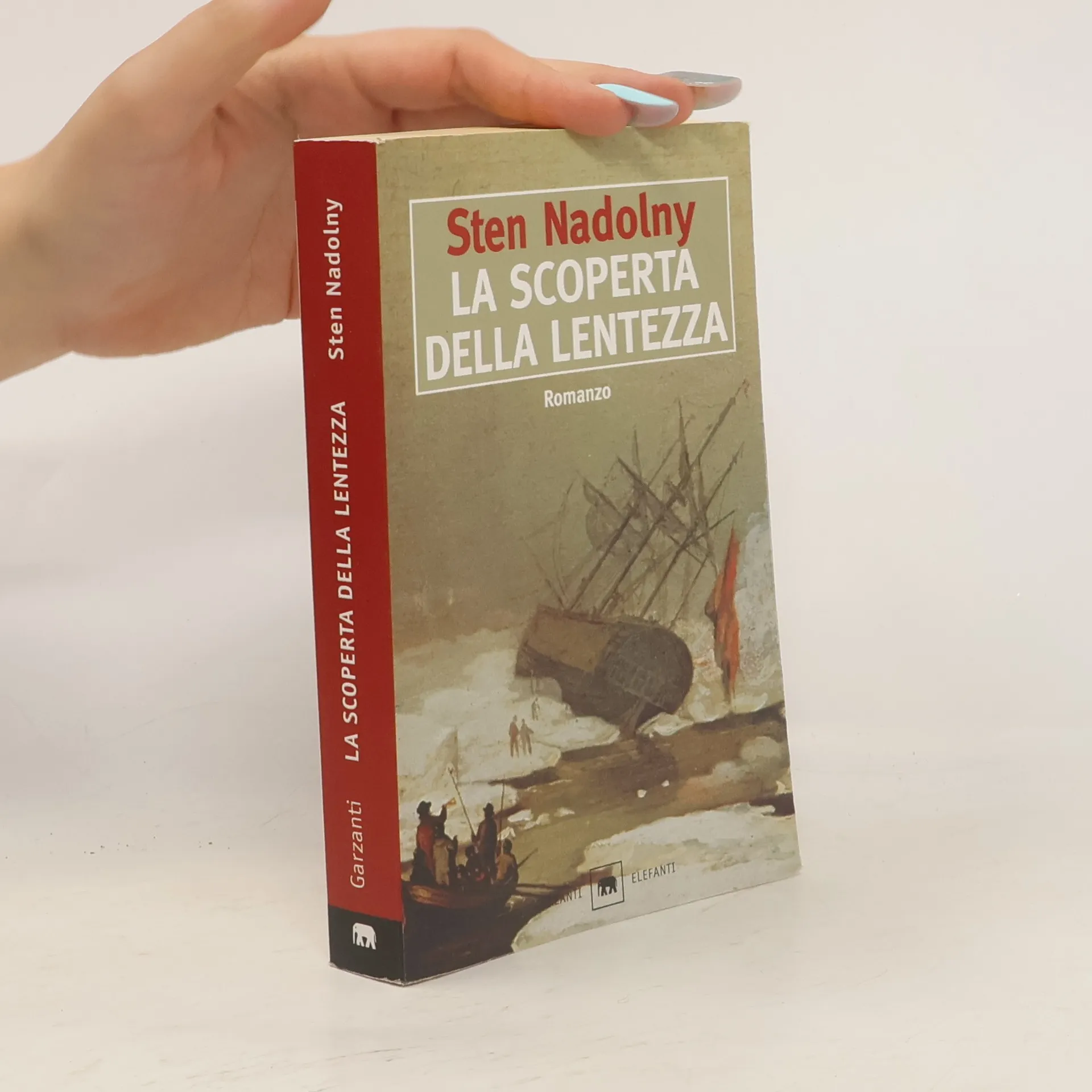
"La scoperta della lentezza" è un romanzo che esplora la vita del navigatore e ricercatore del Polo Nord John Franklin (1786-1847), trasformando la sua biografia in una sottile riflessione sul tempo e sulla lentezza come arte per dare senso al ritmo della vita. Fin dall'infanzia, Franklin sogna di andare per mare, nonostante sembri inadeguato: è lento nel parlare e nel pensare, e misura il tempo secondo i propri parametri. Solo il suo insegnante riconosce che la sua particolare disabilità ha anche dei vantaggi: ciò che comprende, lo trattiene, afferrando meglio l'unicità e il dettaglio rispetto agli altri. Franklin entra nella marina, affronta la guerra e la morte, eventi che lo colpiscono ancor più profondamente poiché, in mezzo al caos che lo circonda, percepisce i momenti come se fossero rallentati. Il suo sogno è quello di scoprire la leggendaria rotta del Nord-Ovest, in cerca di una pace che sembra sempre sfuggirgli.
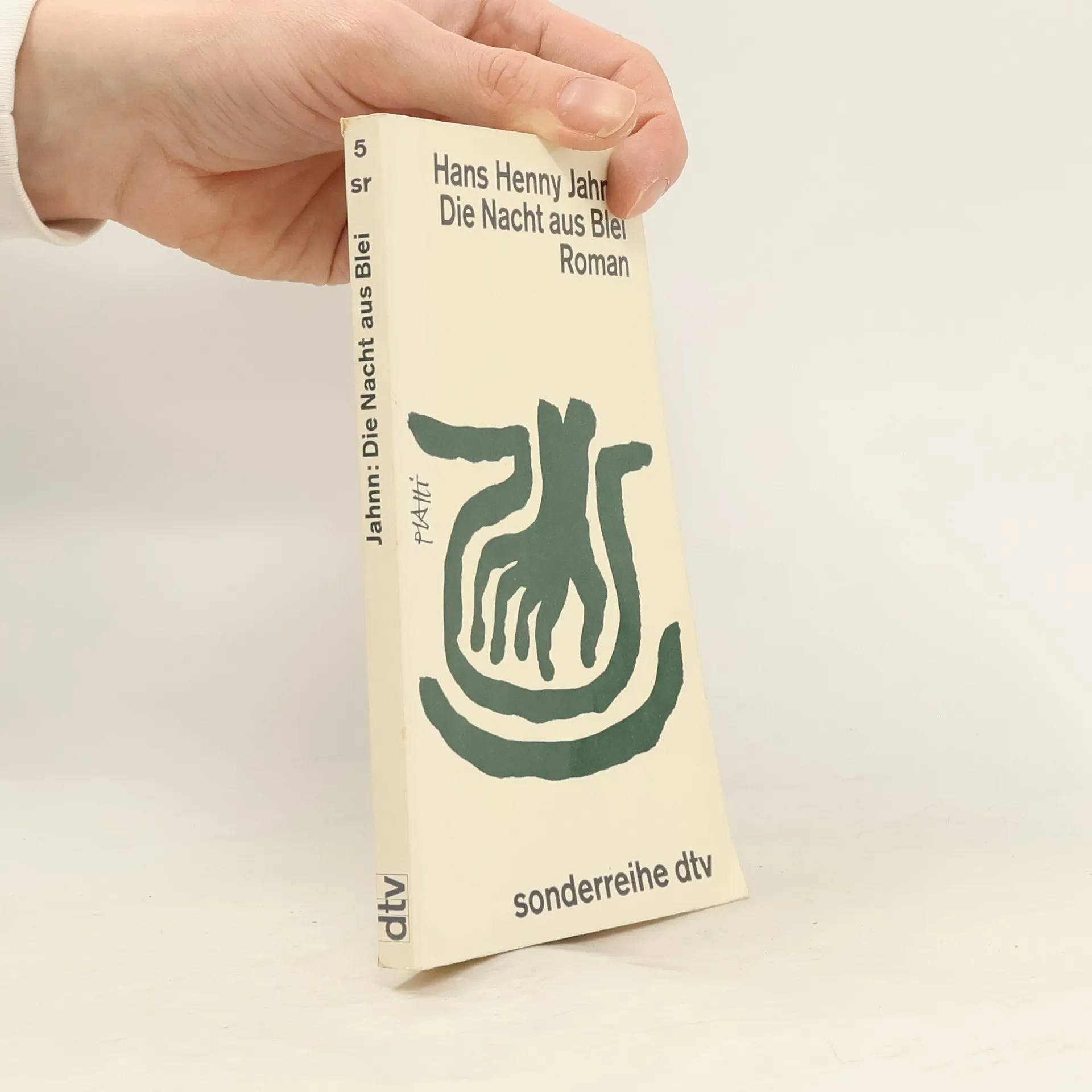
Jahnns kürzester Prosatext behandelt zentrale Themen seiner Dichtung wie Jugend, Liebe, Mensch und Tod. In seinen Knabentragödien sterben Liebende gemeinsam, was Ängste vor dem einsamen Tod weckt. Winkler reflektiert über die befreiende und lebensrettende Kraft der Literatur.
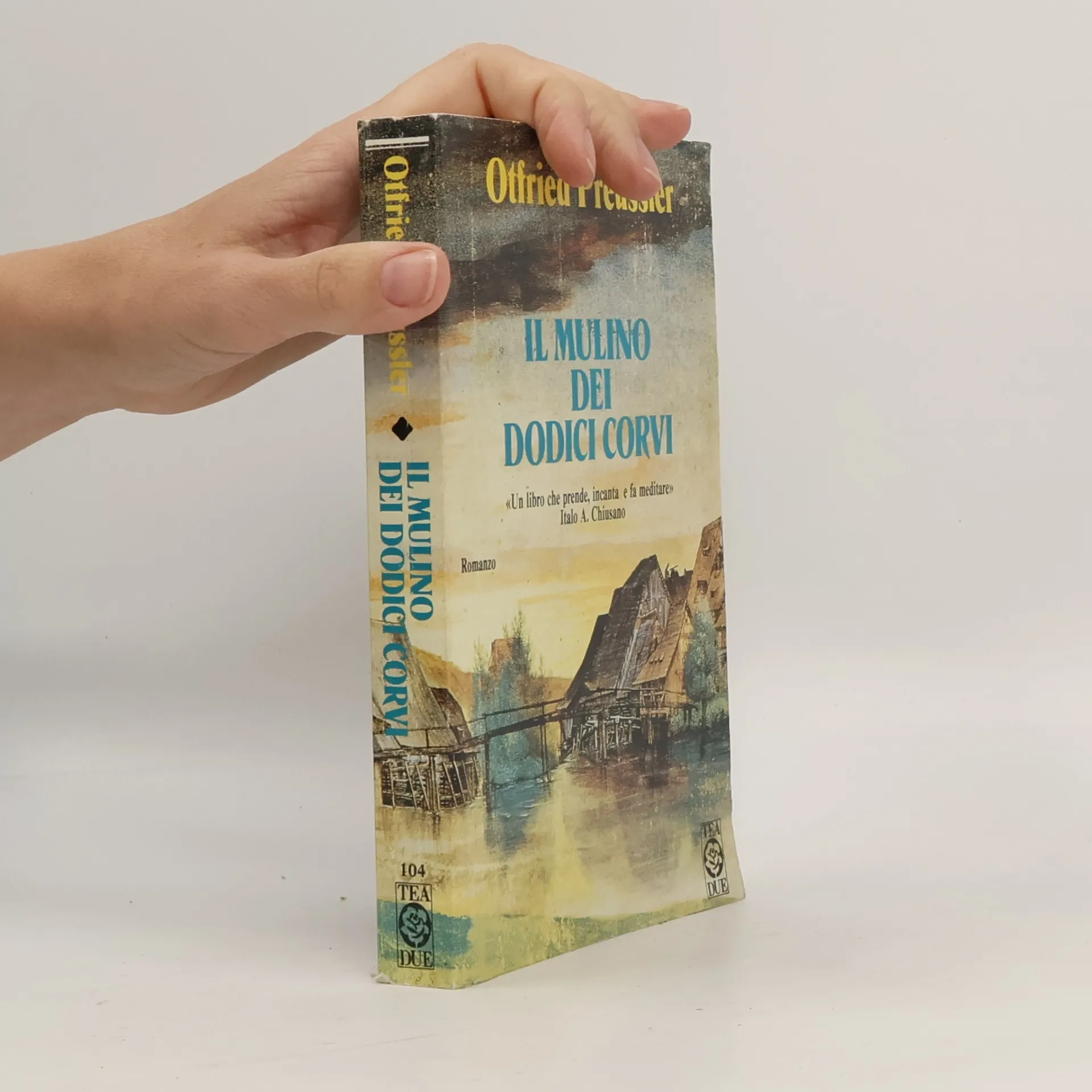
Krabat, un giovane orfano che vaga di villaggio in villaggio, fa un sogno ricorrente: undici corvi lo chiamano al mulino della palude di Kosel. Decidendo di seguirli, trova il mulino e viene ingaggiato come apprendista dal mugnaio, insieme ad altri undici ragazzi. Presto si rende conto di essere entrato in una scuola di magia nera. Affascinato dall'idea di acquisire potere attraverso l'"arte delle arti", accetta di apprendere dal maestro. Tuttavia, Krabat non riesce a rinunciare al mondo esterno e ai suoi richiami di vita e amore. Le sue domande rimangono senza risposta: chi è il misterioso visitatore che appare nelle notti di novilunio? Cosa si cela dietro la Macina Morta? Con il tempo, Krabat decide di opporsi al potere del maestro, trasformandosi da allievo prediletto in antagonista. La storia si sviluppa come una favola che esplora la scelta tra potere e amicizia, potere e amore, potere e libertà. Dopo aver immerso il lettore nella cupezza della magia malvagia, il racconto riporta alla luce il valore dei sentimenti.
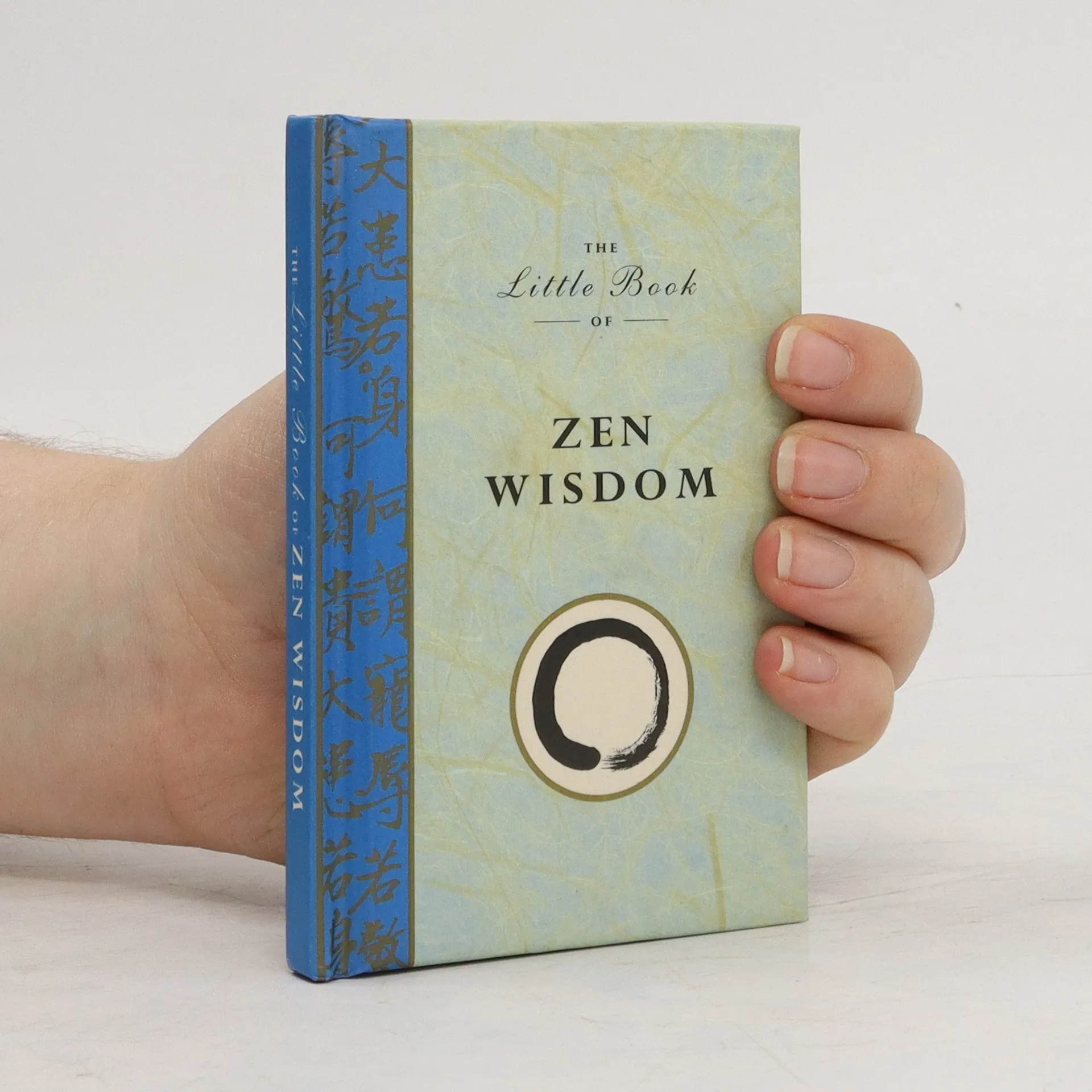
This is a collection of stories, koans, poetry and sayings that capture the simplicity, the humour and the profound wisdom of the Zen masters. The brief introduction explains that the theme of instant enlightenment is central to Zen and that the role of Zen master is to bring the pupil to the point where he, too, becomes a master - master of himself. When the pupil drops all mental concepts and transcends the limitations of the human mind, he experiences relaity with no mind - he is enlightened. Designed to be dipped into at random and to tease the mind of the modern reader, this collection sets out to capture the essence of Zen.
Viele Stimmen versammelt dieses 1978 erstmals erschienene Buch in seinen mehr als hundert kurzen Prosastücken. Von sehr verschiedenen Gestalten wird berichtet, von Philosophen und Schriftstellern, Dompteuren, Schauspielern und Wahrsagern, von Postboten, Bankangestellten und Chorknaben, von Bürgermeistern, Direktoren und Präsidenten. Allemal sind es Leidensgeschichten, an deren Sachlichkeit man täglich vorbeigeht.
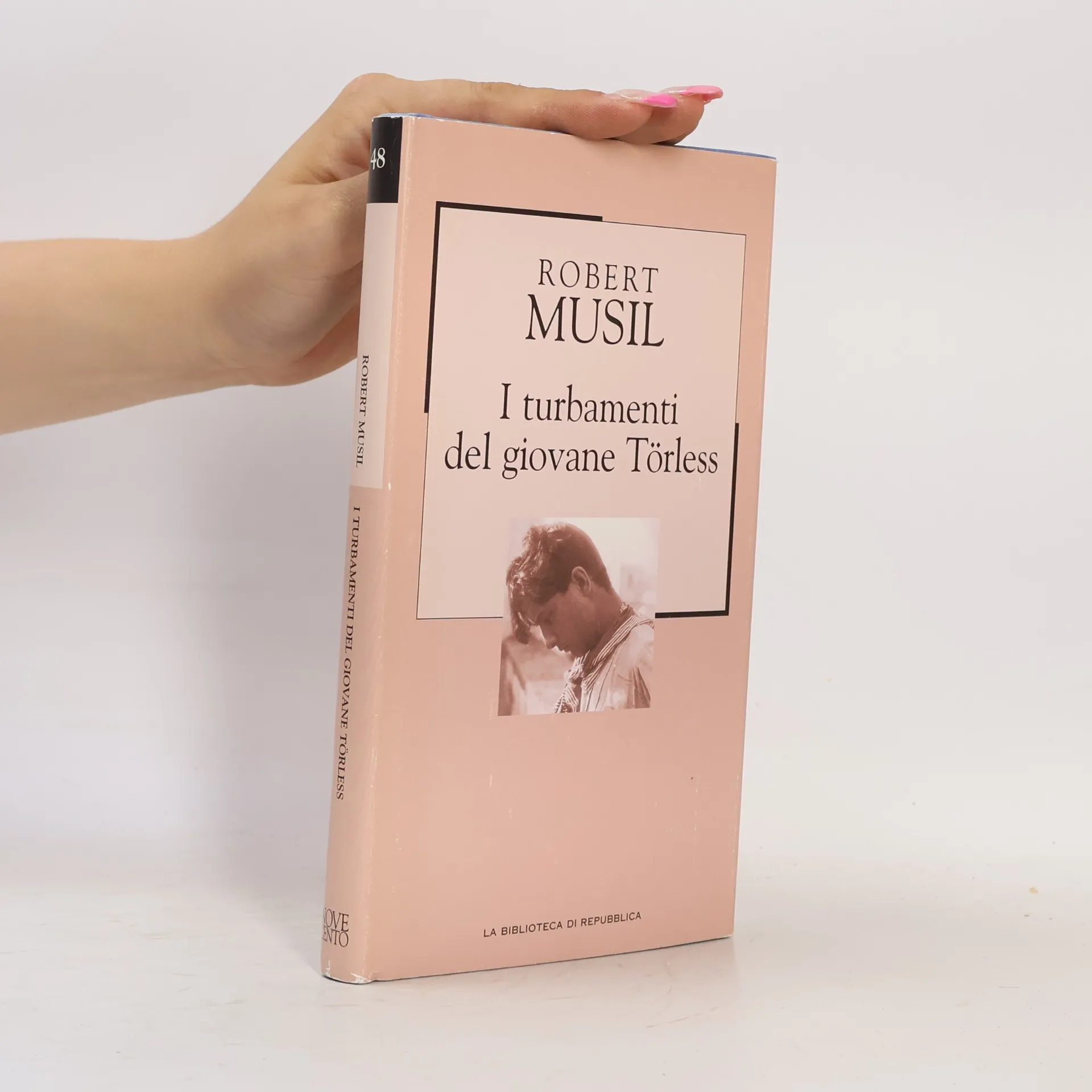
Il primo romanzo di Robert Musil, pubblicato nel 1906, ci immerge in un terribile universo concentrazionario, celato dietro la facciata di un collegio militare che educa i figli della borghesia austriaca. Gli schemi del romanzo di formazione vengono stravolti dalla registrazione dei rituali sadici che caratterizzano la vita degli studenti, evidenziando meccanismi di sopraffazione e disprezzo per la libertà individuale, creando un mondo adolescenziale diviso tra carnefici e vittime, legati da passioni morbose. Il protagonista cerca di seguire una sua avventura intellettuale, oscillando tra complicità e ripulsa, desiderio di capire e rigetto morale. È soprattutto turbato da un desiderio sessuale percepito come degradato e colpevole, che si manifesta in attrazioni per una prostituta sgradevole o un compagno vulnerabile. Questo tormento diventa emblematico di un difetto d'essere che la ragione non riesce a sanare. Largamente autobiografico, il romanzo cattura immediatamente l'attenzione della cultura europea per la sua disturbante novità e verità, oltre che per la maestria di una scrittura già perfettamente risolta, nonostante la giovane età dell'autore.
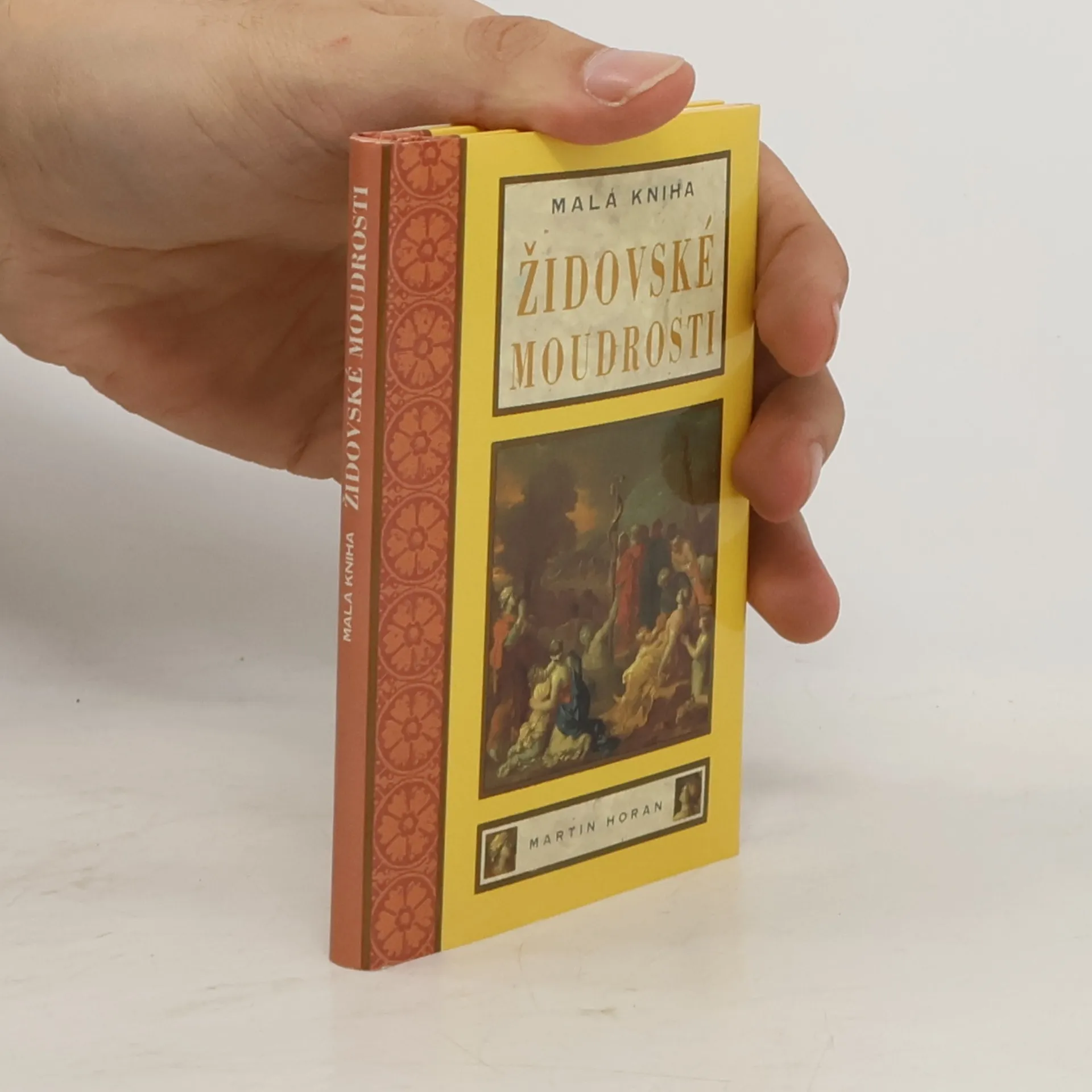
Kapesní vydání zásad, moudrostí, aforismů, citátů a stěžejních myšlenek židovského učení.
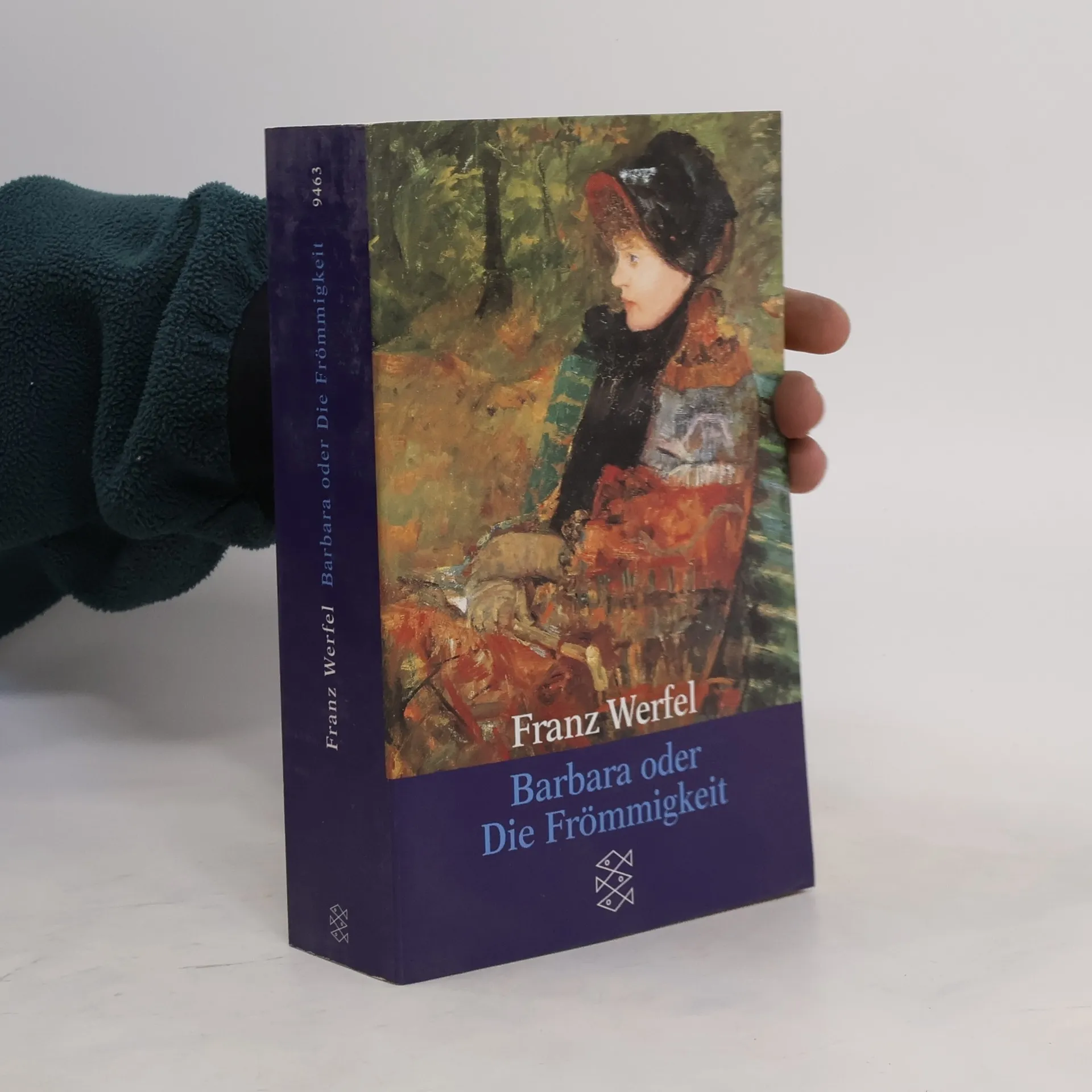
Barbara oder die Frömmigkeit - bk953; Paul Zsolnay Verlag; Franz Werfel; Paperback; 1929
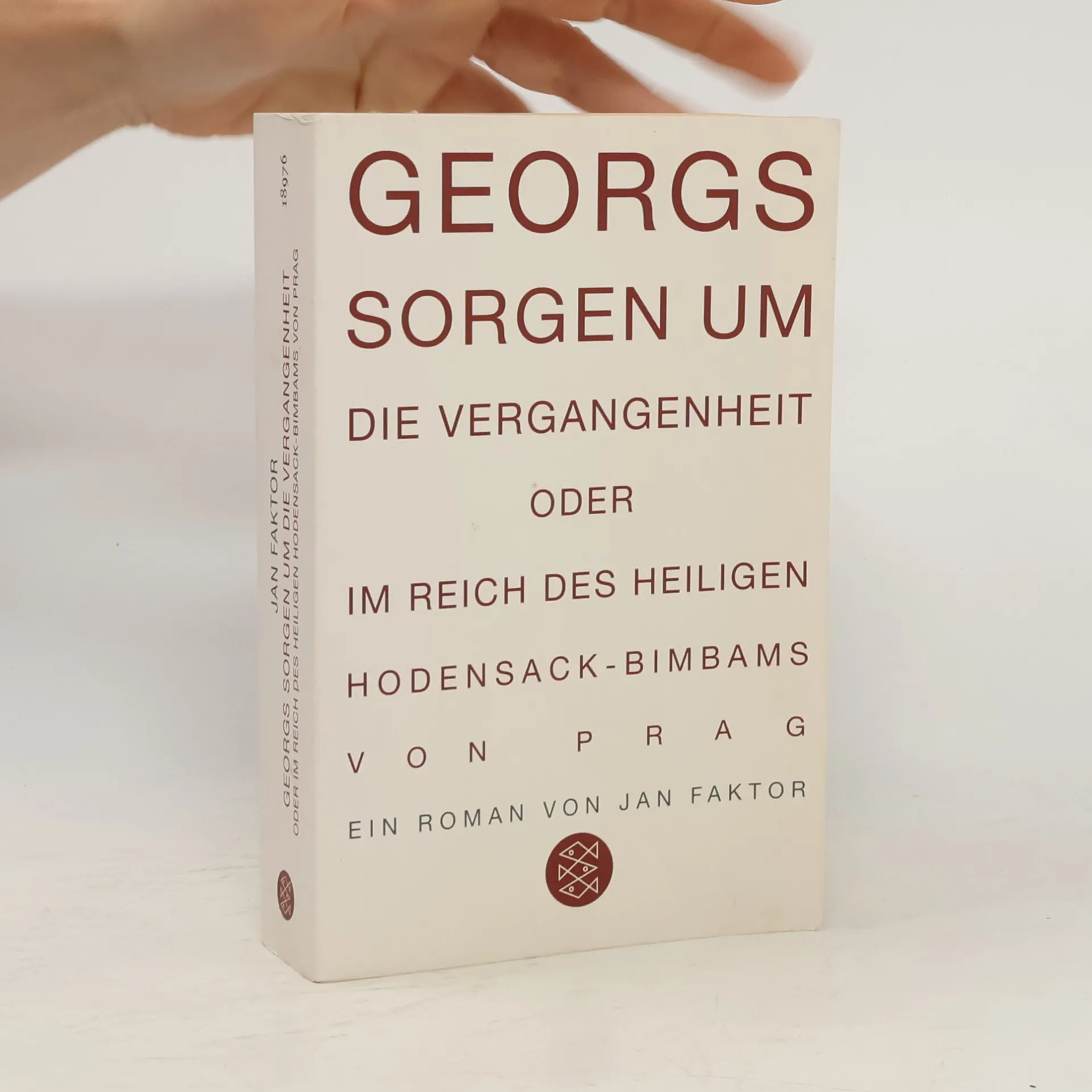
Ein erotischer Entwicklungsroman über Georgs Aufwachsen in einem Frauenhaushalt in Prag während politischer Turbulenzen. Umgeben von traumatisierten Verwandten und einer schönen Mutter flieht er in eine gewalttätige, chaotische Stadt. Der Roman bietet ein witziges Psychogramm der Familie und ein eindringliches Porträt Prags.
Anfang Januar 1956 notierte Adorno: »Unsere Träume sind nicht nur als ›unsere‹ untereinander verbunden, sondern bilden auch ein Kontinuum, gehören einer einheitlichen Welt an, so etwa, wie alle Erzählungen von Kafka in ›Demselben‹ spielen. Je enger aber Träume untereinander zusammenhängen oder sich wiederholen, um so größer die Gefahr, daß wir sie von der Wirklichkeit nicht mehr unterscheiden können.« Die Bedeutung des motivischen Zusammenhangs seiner Träume legte ihm den Gedanken nahe, eine Reihe von ihnen auszuwählen und zu publizieren. Einer kleinen Sammlung solcher Traumprotokolle, die er für die Veröffentlichung vorgesehen hatte, stellte Adorno folgende Vorbemerkung voran: »Die Traumprotokolle, aus einem umfangreichen Bestand ausgewählt, sind authentisch. Ich habe sie jeweils gleich beim Erwachen niedergeschrieben und für die Publikation nur die empfindlichsten sprachlichen Mängel korrigiert.« Die erste Separatausgabe ergänzt die bereits publizierten Traumprotokolle um den größten Teil einer umfangreicheren Auswahl, die als Typoskript überliefert ist.
Útlá novelka vypráví o prvním citovém vzplanutí šestnáctiletého jinocha k dvacetileté krásce. Slovo červnec v názvu je staročeským označením července.
Úvahy o zlu a jeho různých formách, kritika církve, která pomocí strachu z ďábla zajišťuje poslušnost lidí. Drewermann tvrdí, že strach je vštěpován každému jedinci od začátku jeho života, a to strach z porušení desatera a vyloučení z komunity. Církev vytvořila konvenci, že ďábel je synonymem zla, čemuž se lidé obávají. Tato atmosféra strachu se může zneužívat a vést k neurotickým a psychotickým onemocněním, jak upozorňuje Drewermann, psychoterapeut. V rozhovoru s novinářem J. D. Kogelem rozvíjí úvahy o lidské agresi, zoufalství, víře, odpuštění, existenci a hledání ospravedlnění. Zmiňuje také biologii, sociální psychologii, psychoanalýzu, teologii prvotního hříchu a vykoupení, církevní hrozbu pekla a křesťanskou naději v nebe. Eugen Drewermann, profesor katolické dogmatické teologie, byl v roce 1991 zbaven práva učit a v roce 1992 i kázat pro své nekonformní názory. V roce 2005 oznámil odchod z katolické církve a je považován za významného myslitele a univerzálního vzdělance v Německu.
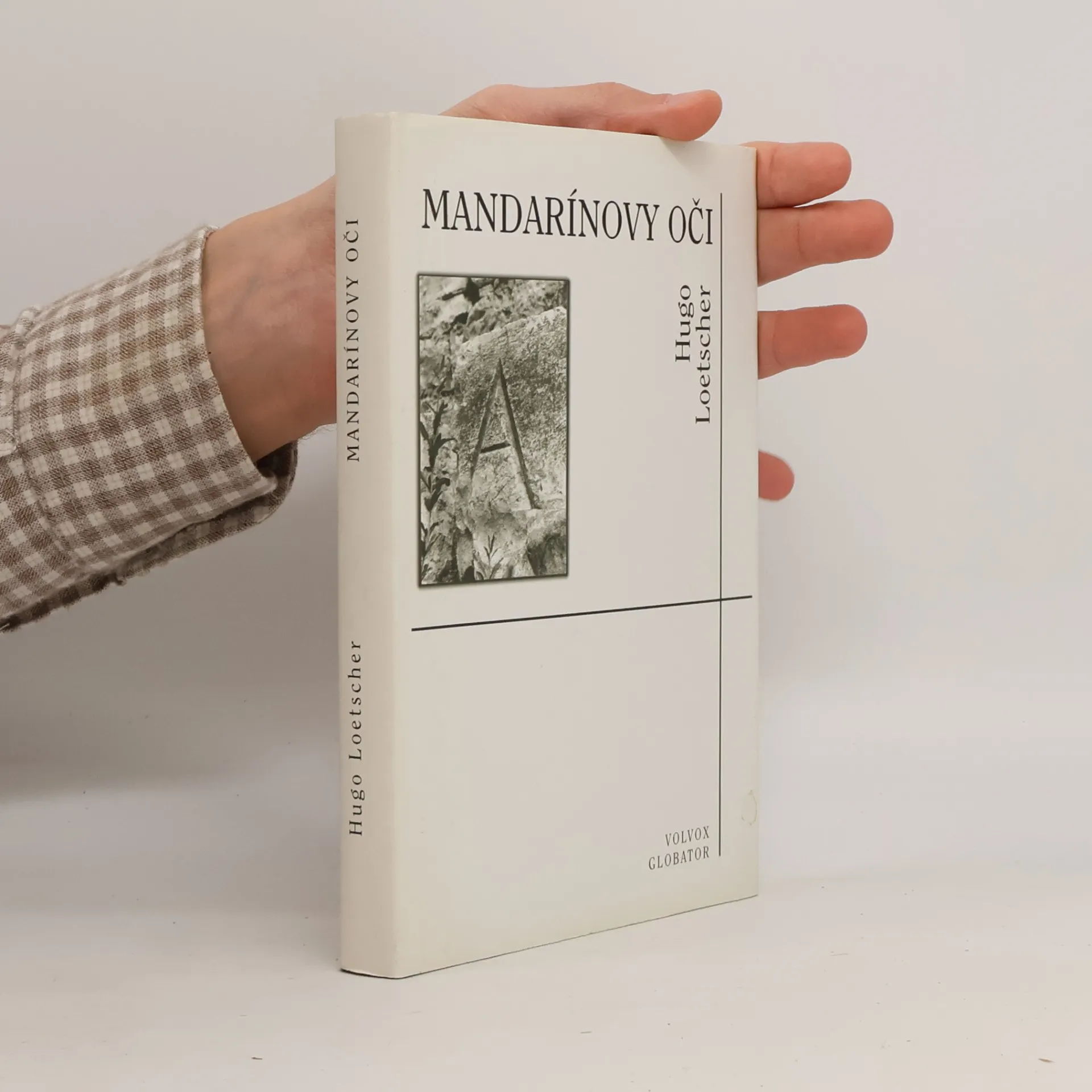
Impozantní románová freska významného současného švýcarského spisovatele. „Lze vidět modrýma očima?“ otázal se mandarín, když se poprvé setkal s barbary z Evropy. „Lze vidět modrozelenýma očima?“ zeptal se sám sebe Past, hlavní postava románu. Právě ho propustili z jakési obskurní kulturní nadace a výše uvedená otázka ho přiměla rozpomenout se na svůj pohnutý život a procestovat znovu téměř všechny světadíly v opojném víru času a obrazů, kdy se události prolínají a důvěrně známé se nečekaně mění v cizí.
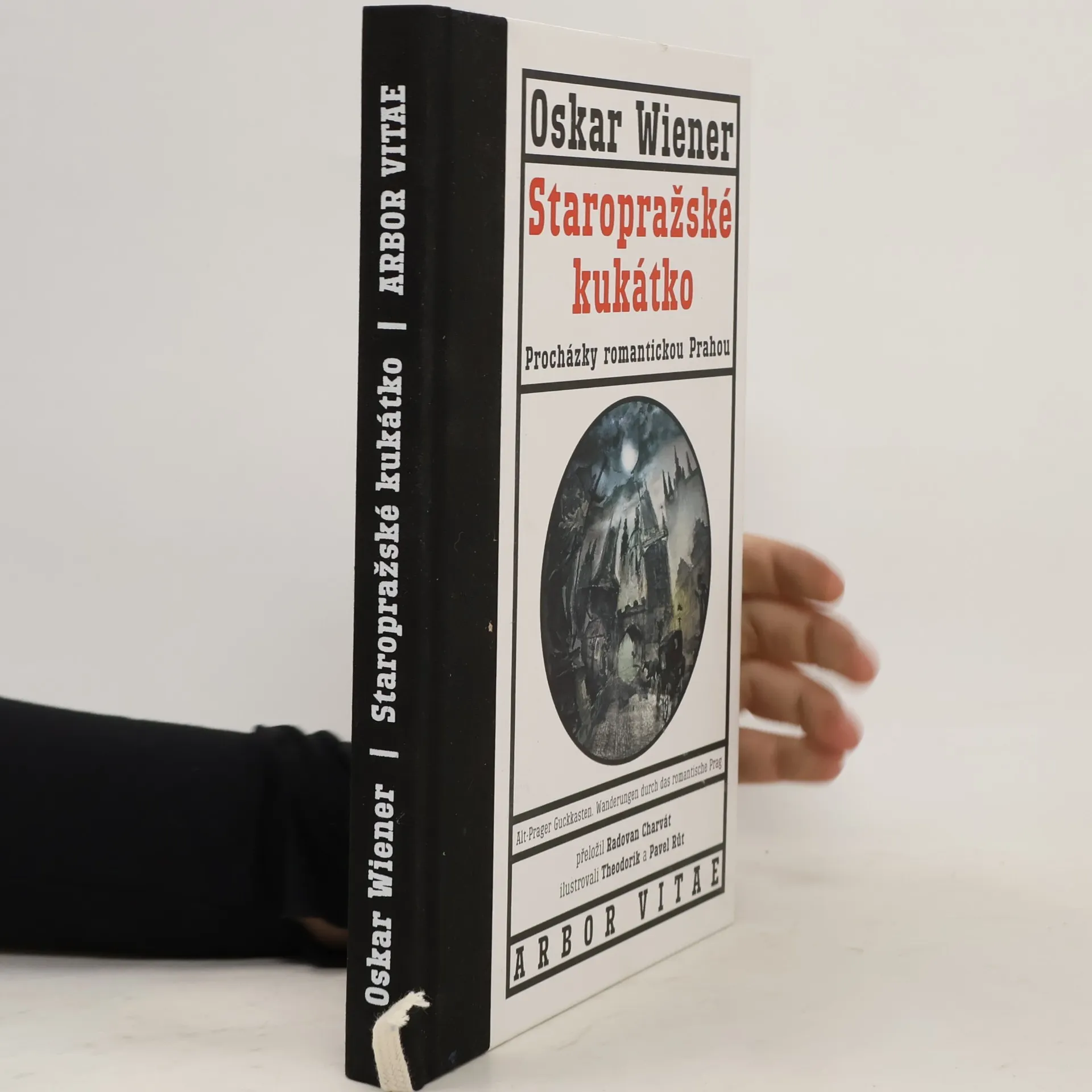
Procházky romantickou Prahou. Alt-Prager Guckkasten. Wanderungen durch das romantische Prag
Kniha je básnickým obrazem romantické Prahy, jejích pověstí, příběhů i života přelomu 19. a 20. století. Zároveň je i průvodcem po Praze novoromantického uskupení Jung-Prag, pro které byla základním inspiračním zdrojem. Magickým městem. Staropražské kukátko bylo zásadní inspirací knihy Magická Praha Angela Marii Ripellina. Toto vydání je první knihou z rozsáhlého díla Oskara Wienera přeloženou do českého jazyka.