I Fioretti. Gli Scritti
- 246pagine
- 9 ore di lettura


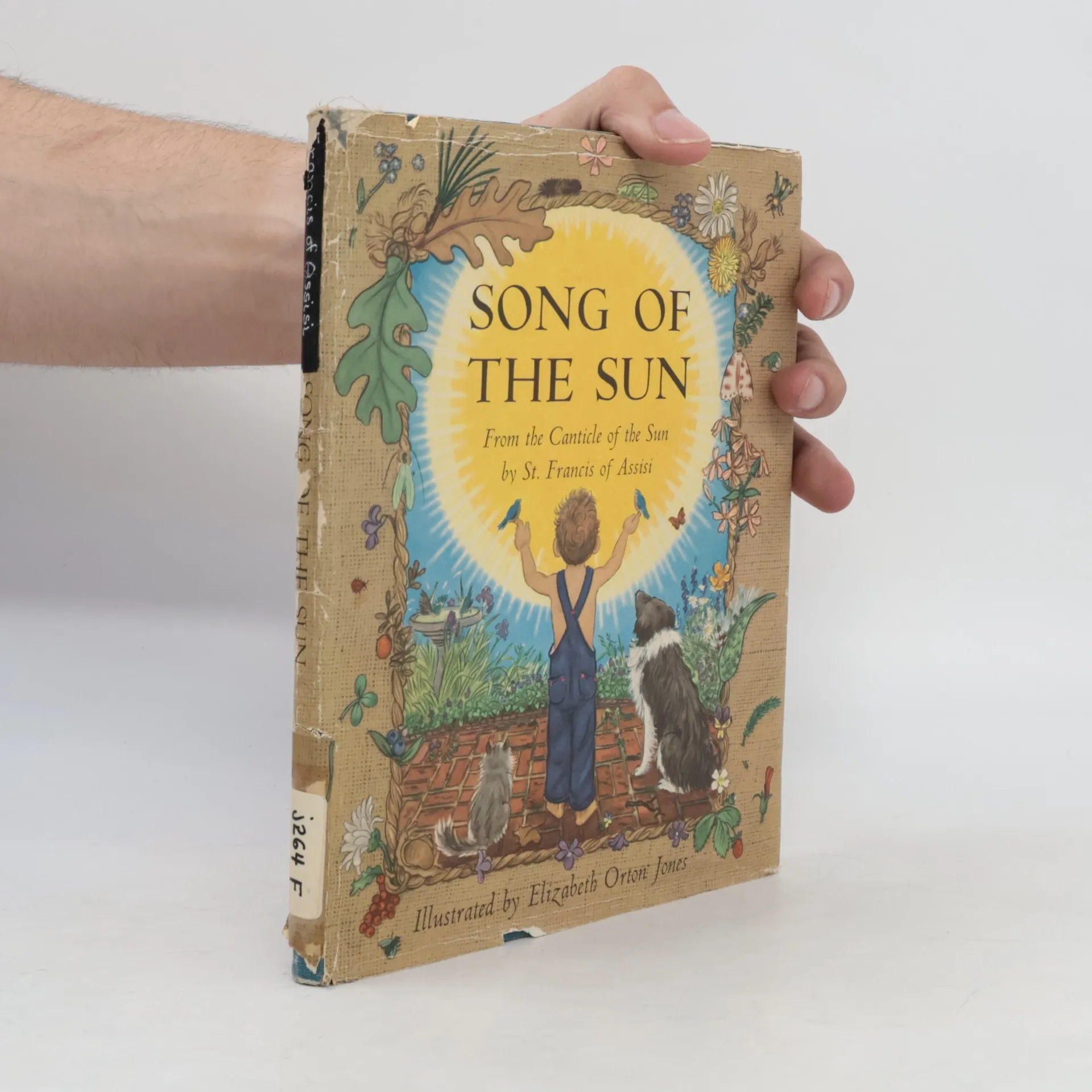
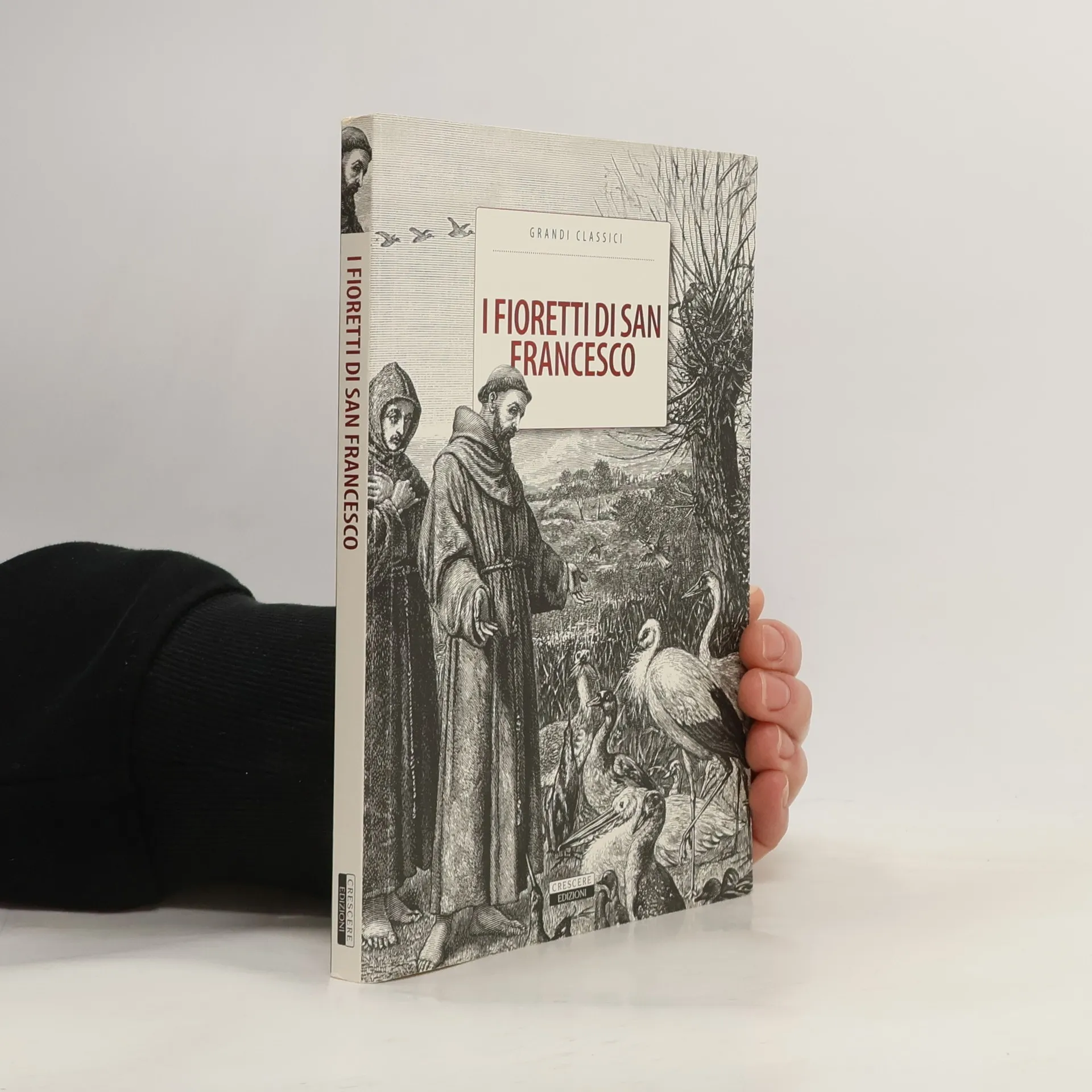
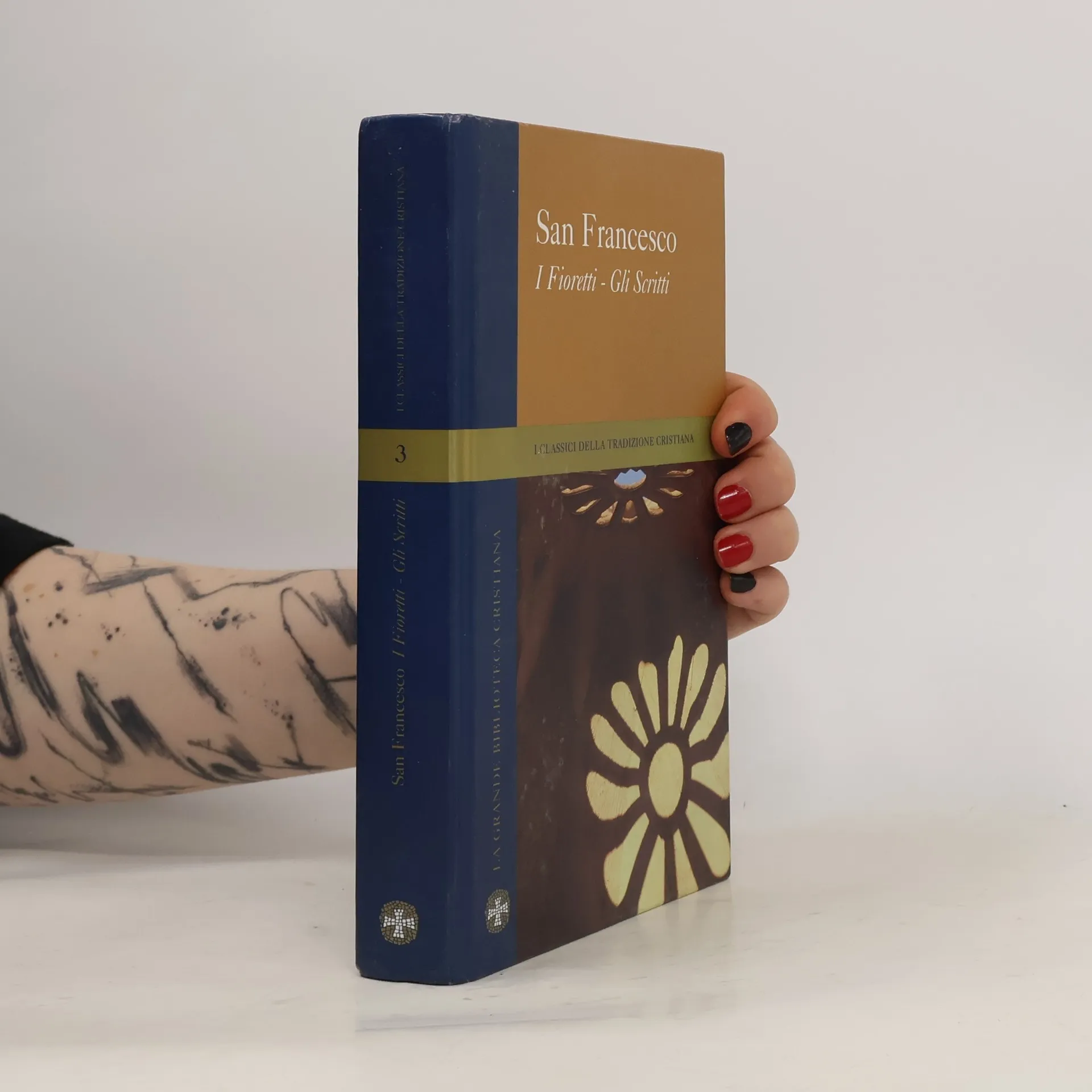
I fioretti di San Francesco è un florilegio sulla vita di san Francesco d'Assisi e dei suoi discepoli, la cui attribuzione al frate Giovanni dei Marignoli è incerta. Inizialmente considerato una traduzione di un Floretum perduto, si è poi constatato che rappresenta una tradizione trecentesca del testo latino degli Actus beati Francisci et sociorum eius. Originariamente diviso in cinquantadue capitoli, il testo è giunto a cinquantatré a causa di un sdoppiamento nel XV secolo. L'opera si articola in due sezioni distinte per tematiche e cronologia. La prima, introdotta da un proemio, narra la nascita dell'ordine francescano, la vita del santo e le sue prediche, oltre ai fatti della prima generazione di frati. La seconda sezione si concentra sulla generazione successiva dei frati marchigiani, coprendo oltre un secolo di storia dell'ordine. Alcuni capitoli offrono agiografie di personaggi esemplari come frate Bernardo, Leone, Masseo e Chiara. Il libro ricostruisce il mondo della predicazione francescana con un tono fiabesco e serafico, ponendo san Francesco come esempio di vita cristiana evangelica, fondata su umiltà, carità, amore di Dio, rinuncia ai beni terreni e comunicazione fraterna con tutti gli esseri viventi e la creazione.
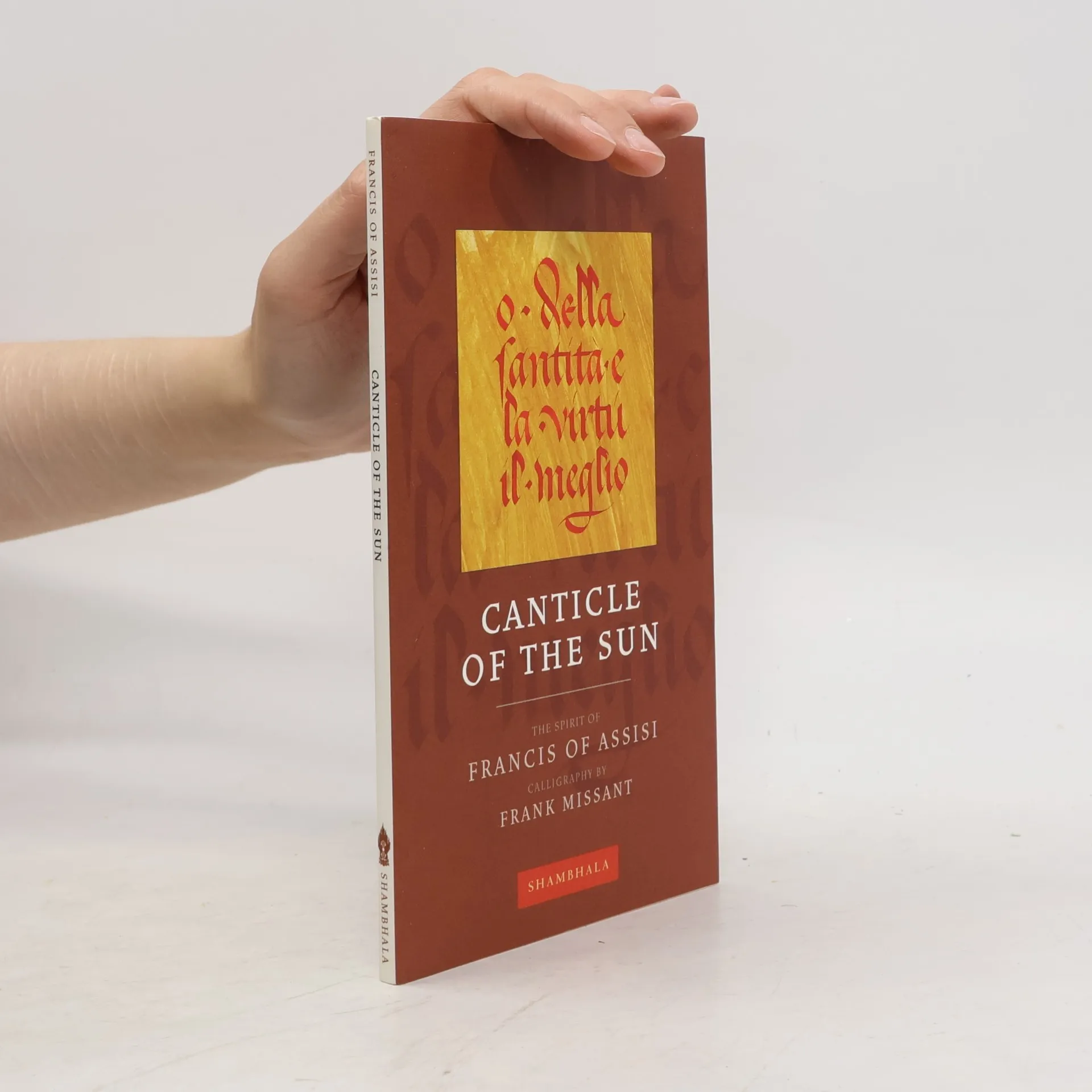
Between 1225 and 1226, in his final year, Francis of Assisi composed the "Canticle of the Sun," expressing deep appreciation for nature, addressing the sun, moon, earth, and elements as "brother" and "sister." Frank Missant, with his extensive knowledge of Italian Middle Ages art and culture, captures the aesthetic spirit of this era in his calligraphic interpretation of this spiritual classic. Calligraphy, derived from the Greek for "beautiful writing," merges word and image, allowing artists to visually express the meaning of words while remaining true to the text. This discipline has held spiritual significance across cultures and ages, appearing in nearly every language and religion. The Shambhala Calligraphy series showcases contemporary interpretations of traditional texts, featuring striking new works by modern calligraphers. In various scripts, including Arabic, Greek, Hebrew, Latin, and Chinese pictographs, characters and words are revitalized, creating a choreography of mind, hand, and heart that fuses letter and spirit in a single stroke.
From the Canticle of the Sun
The writings of St. Francis of Assisi
Das Leporello von Jörgen Habedank illustriert das bekannte Gebet, das oft Franz von Assisi zugeschrieben wird, jedoch wahrscheinlich von einem französischen Soldaten vor dem Ersten Weltkrieg verfasst wurde. Die Malerei erstreckt sich über fast einen Meter Länge und erzählt eine große, zusammenhängende Geschichte.
Mit seiner begeisternden Hymne auf die Schöpfung schuf Franz von Assisi (1181/2-1226) das erste Meisterwerk der italienischen Literatur - durch Frank Missants Kalligraphien im Duktus der mittelalterlichen Schriftkultur wird der ganz eigene Reiz der Worte auch visuell deutlich.