Una donna che sostiene di parlare con Dio, un atleta che ha perso il braccio ma non la sensazione di poterne disporre, un giovane coinvolto in un tragico incidente stradale convinto che i genitori siano stati sostituiti da replicanti, e ancora il caso del celebre umorista e vignettista James Thurber, colto da allucinazioni fantastiche e "sostitutive della realtà" in seguito alla progressiva perdita della vista. Ciascuno di questi disturbi patologici è il punto di partenza per indagare su quella macchina straordinaria e animata che è il cervello, nel tentativo di ricostruirne l'architettura e il funzionamento e di dare una spiegazione alle nostre predisposizioni intellettuali o pratiche, ai nostri comportamenti e stati d'animo.
V. S. Ramachandran Libri
10 agosto 1951
Vilayanur S. Ramachandran è una figura di spicco nella neurologia comportamentale e nella psicofisica. Il suo lavoro iniziale esplorò la percezione visiva, ma divenne noto per esperimenti che alterarono profondamente la nostra comprensione del cervello. Nonostante la loro apparente semplicità, i suoi approcci hanno avuto un impatto significativo sulle neuroscienze. Ramachandran approfondisce le affascinanti connessioni tra cervello e comportamento, svelando le complessità della percezione e della coscienza umana.


Oscar saggi - 61: L’uomo che credeva di essere morto
- 371pagine
- 13 ore di lettura
Perché alcune persone ci attraggono sessualmente? Perché ci affascina una certa melodia, un quadro o un tramonto? Come è nato il linguaggio? Come fa il cervello a dare origine alla coscienza? Il famoso neuroscienziato Vilayanur S. Ramachandran indaga le connessioni tra corpo, mente e cervello basandosi sull’osservazione concreta di pazienti che, a causa di difetti genetici o di lesioni cerebrali, presentano sintomi stravaganti e in apparenza inspiegabili. Ci guida così attraverso le più innovative e feconde scoperte scientifiche fino ad aprire prospettive inedite su quelle facoltà che rendono l’uomo davvero unico e speciale fra tutti gli esseri viventi che popolano il nostro pianeta.
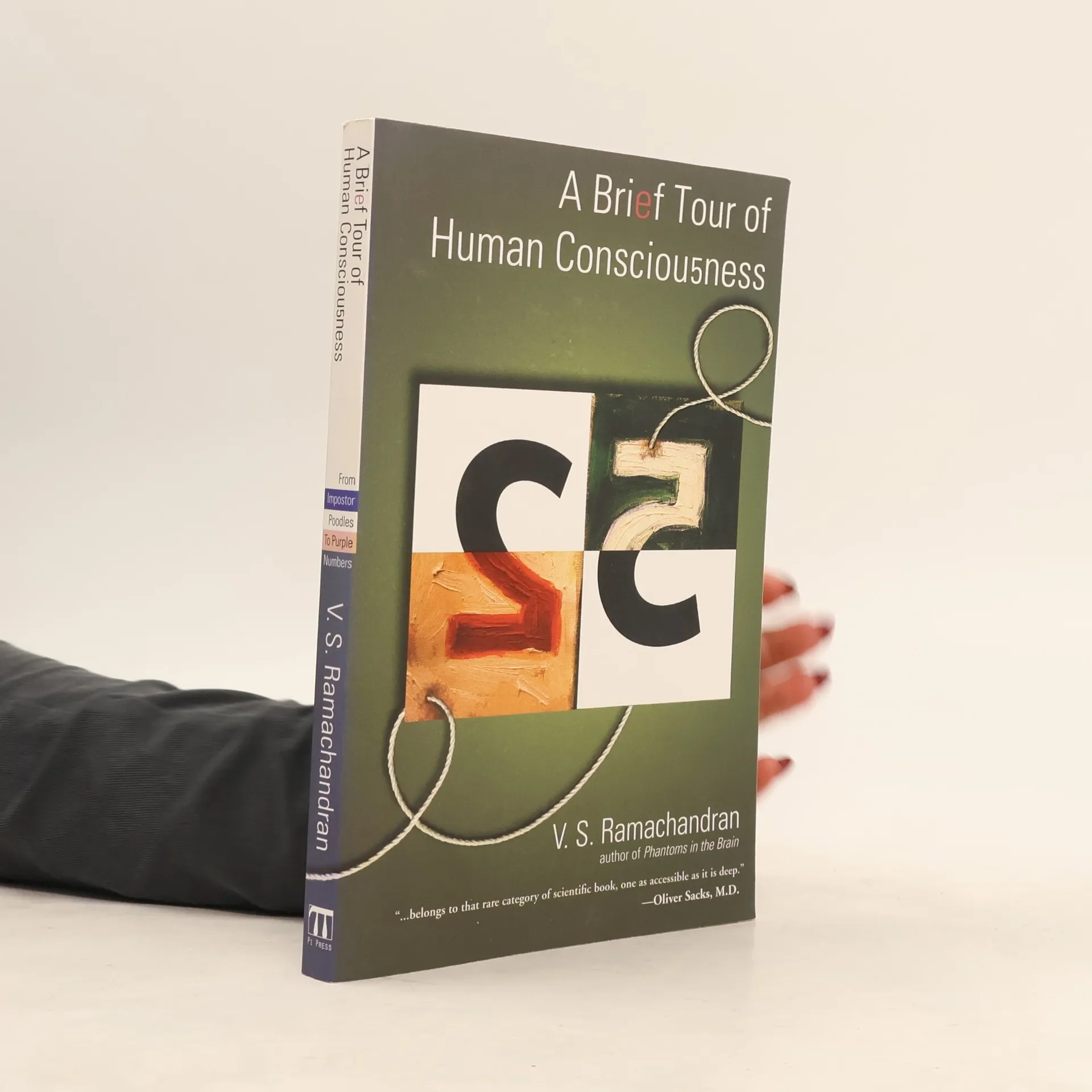
How can some people come to believe that their poodle is an impostor? Or see colors in numbers? Internationally acclaimed neuroscientist, V.S. Ramachandran, now shares his unique insight into human consciousness in an entertaining, inspiring, and intellectually dazzling brief tour of the ultimate frontier—the thoughts in our heads. A Brief Tour of Human Consciousness is made up of five investigations of the greatest mysteries of the brain. The first chapter shows how amputees feel pain in limbs they no longer have as it introduces the great revolution of our neuroscience. The second chapter walks through the way what we see determines our thoughts, and demonstrates the counterintuitive point that believing is in fact seeing. The third chapter takes a leap beyond cutting edge science to audaciously set out a general theory of beauty, explaining why, the world over, cultures have fundamentally similar notions of what is attractive. The fourth chapter explores the bizarre world of synesthetes, people who see colors in numbers, textures in smells, sounds in sights, and flavors in sounds. Finally, V. S. Ramachandran one of the foremost brain researchers in the world today, sums up the implications of the revolution in our understanding of consciousness, to make a fascinating argument about our essential sense of self and its distributed nature.
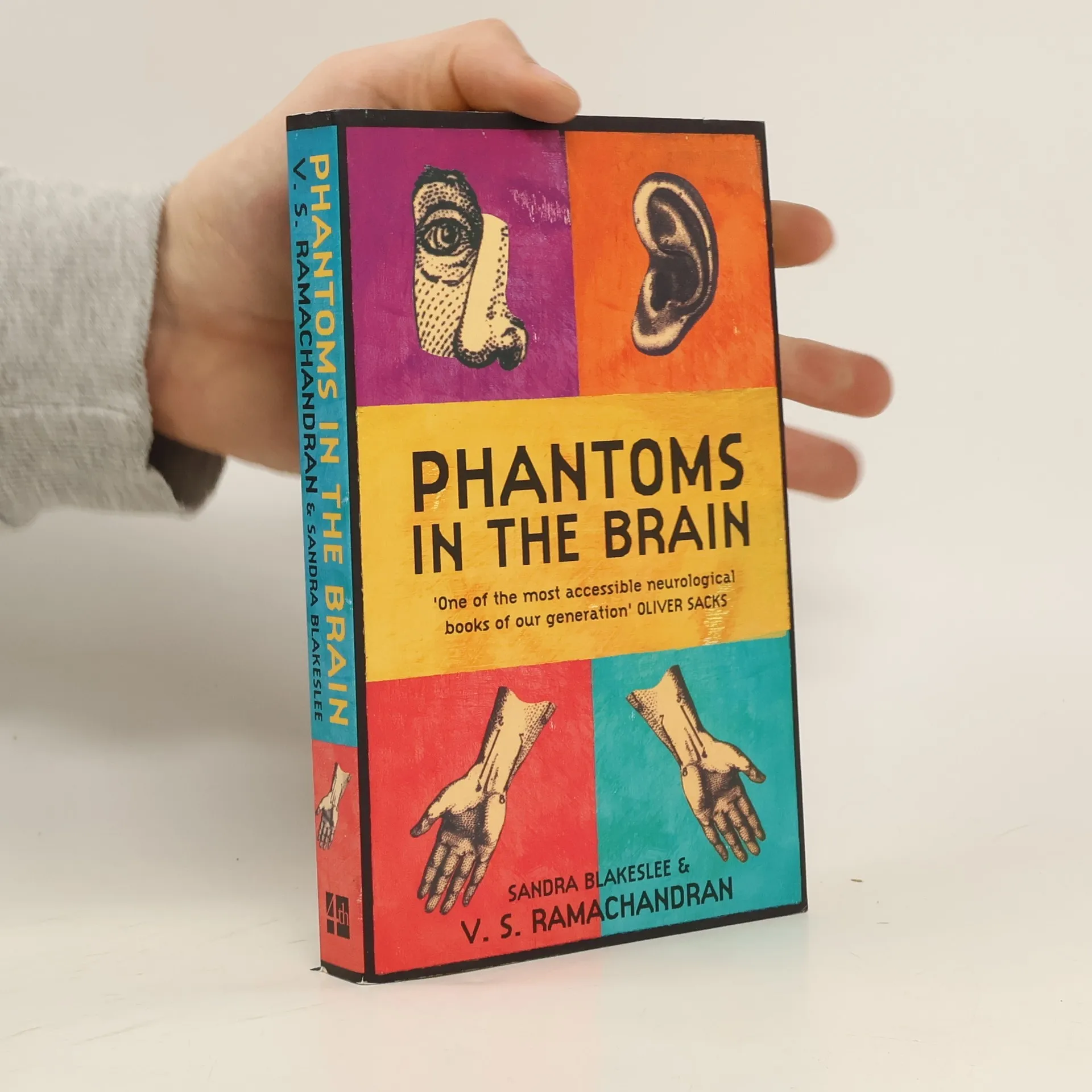
Phantoms in the Brain
- 384pagine
- 14 ore di lettura
`Phantoms in The Brain' takes a revolutionary new approach to theories of the brain, from one of the world's leading experimental neurologists.
"Neuroscientists have gathered empirical evidence about consciousness and human nature. This evidence begins to give substance to some of the intuitive leaps made in the 19th and early 20th century about the nature of the self. This book presents an introduction to the thinking on the brain and the mind by some of the world's leading experts."
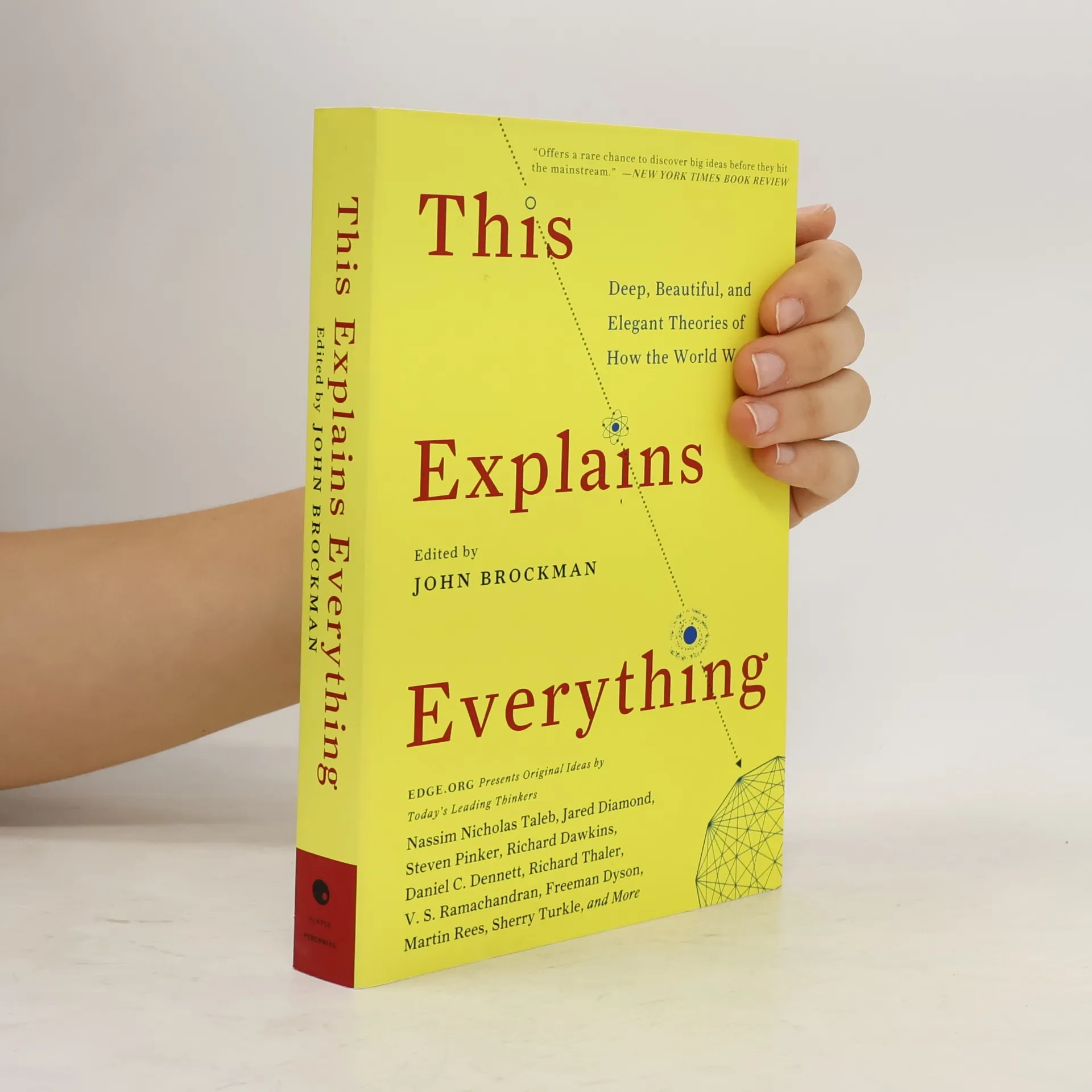
This explains everything : deep, beautiful, and elegant theories of how the world woks
- 432pagine
- 16 ore di lettura
In This Explains Everything, John Brockman, founder and publisher of Edge.org, asked experts in numerous fields and disciplines to come up with their favorite explanations for everyday occurrences. Why do we recognize patterns? Is there such a thing as positive stress? Are we genetically programmed to be in conflict with each other? Those are just some of the 150 questions that the world's best scientific minds answer with elegant simplicity. With contributions from Jared Diamond, Richard Dawkins, Nassim Taleb, Brian Eno, Steven Pinker, and more, everything is explained in fun, uncomplicated terms that make the most complex concepts easy to comprehend.
LANGE ZEIT waren es vor allem Philosophen und Psychologen, die den Zusammenhang zwischen Geist, Körper und Gehirn diskutierten. In «Die Frau, die Töne sehen konnte» präsentiert der renommierte Neurowissenschaftler Ramachandran die wichtigsten Erkenntnisse seiner langjährigen Forschung auf diesem Gebiet. ER STELLT Patienten mit außergewöhnlichen und faszinierenden Störungen vor: Synästhetiker wie Esmeralda, die Töne als Farben wahrnimmt, Patrick, der einen Phantomzwilling sieht, welcher seine Bewegungen nachahmt, oder Ali, der felsenfest davon überzeugt ist, dass es ihn nicht gibt. AUSGEHEND VON den neurologischen Besonderheiten dieser Patienten, zieht Vilayanur S. Ramachandran Rückschlüsse auf die Funktionsweise des Gehirns bei gesunden Menschen. Auf diese Weise sucht er zu ergründen, was es ist, das uns von anderen Lebewesen grundlegend unterscheidet - was uns Menschen so einzigartig macht.