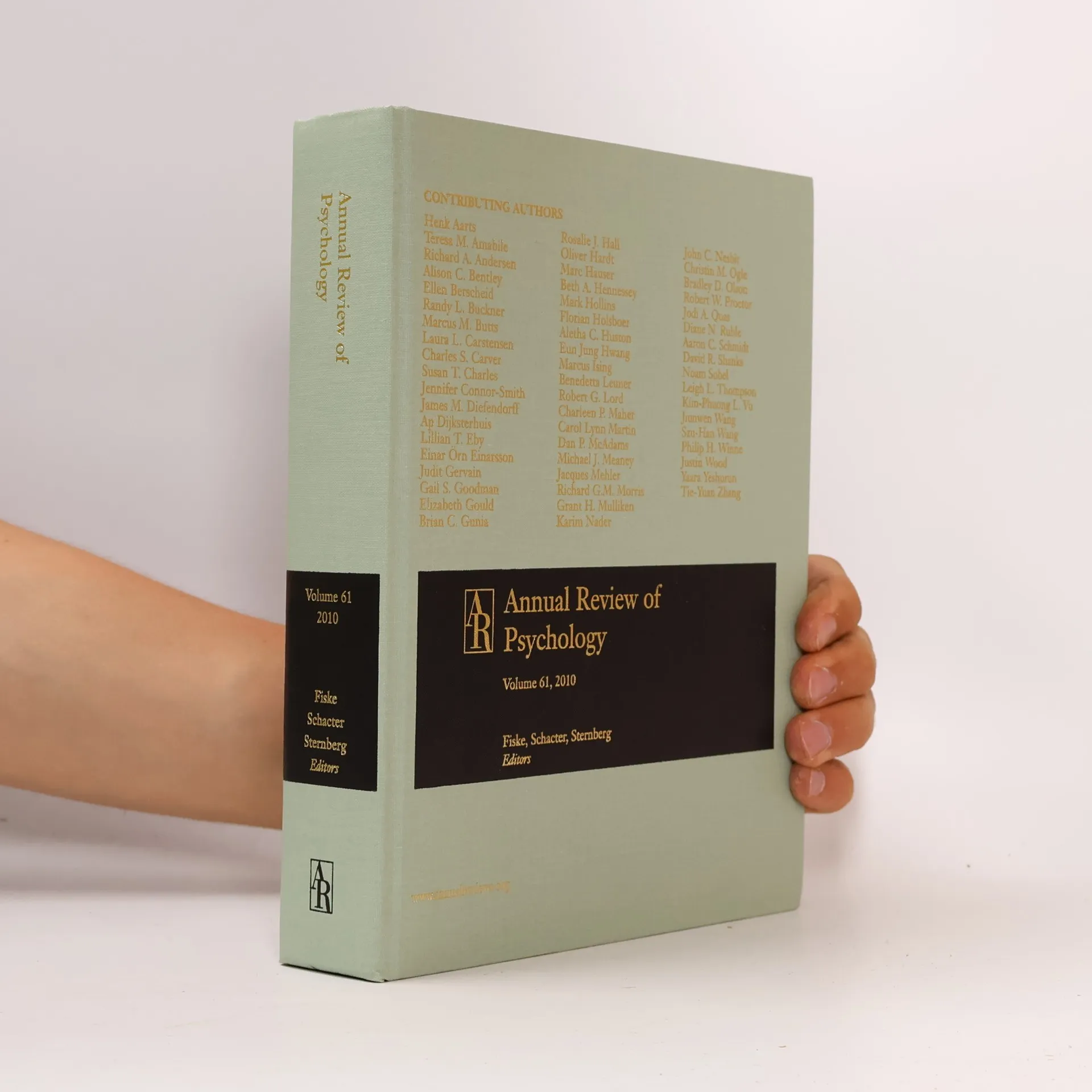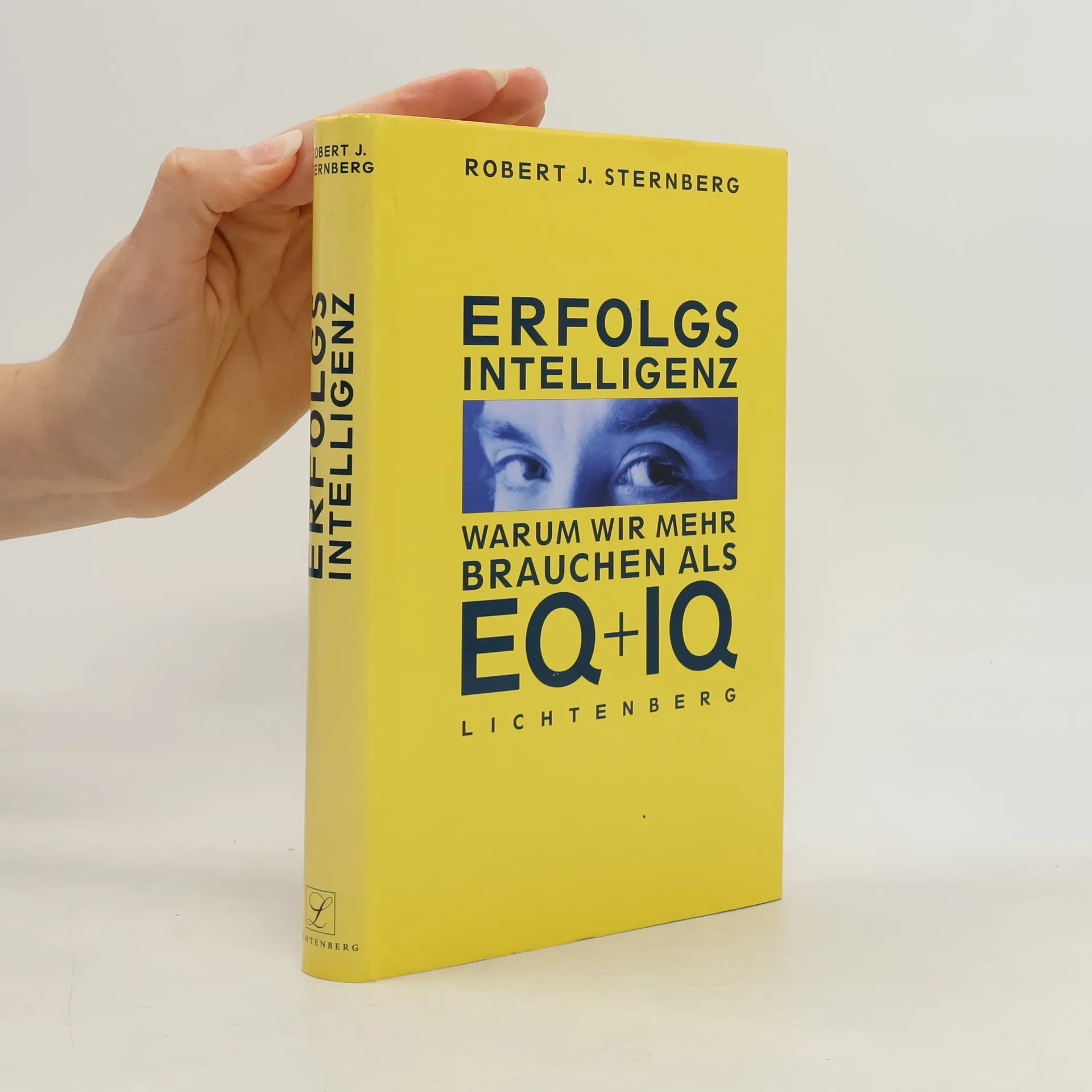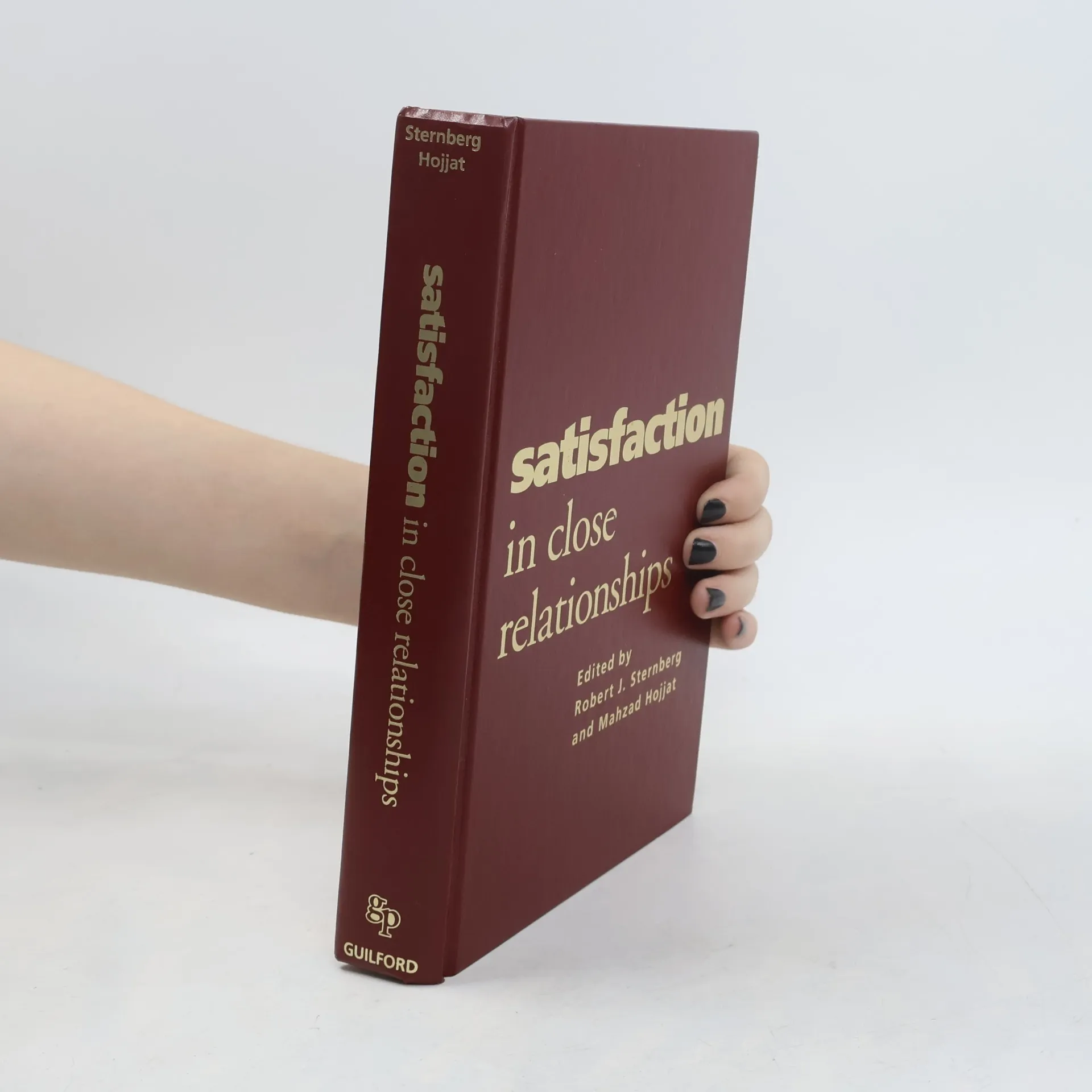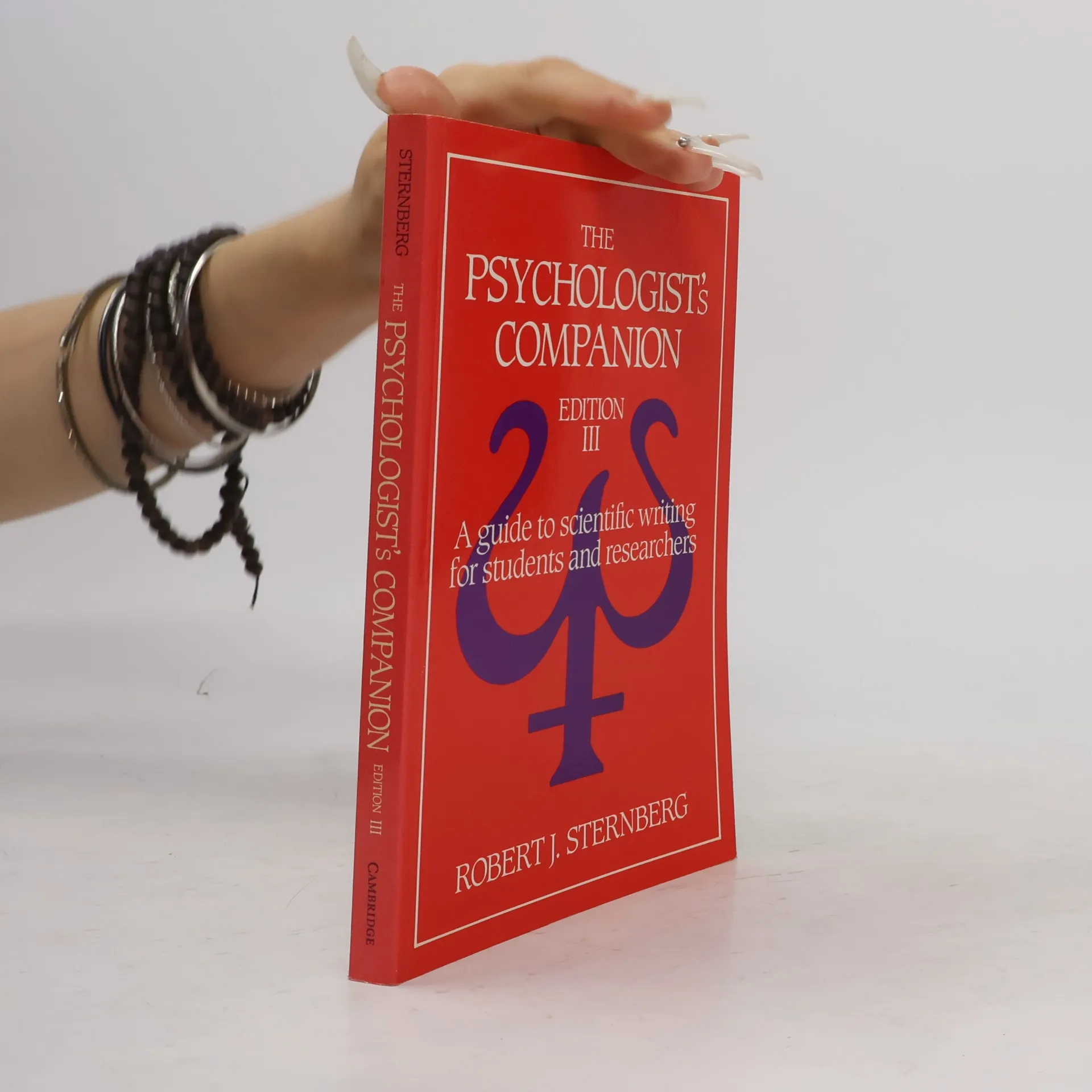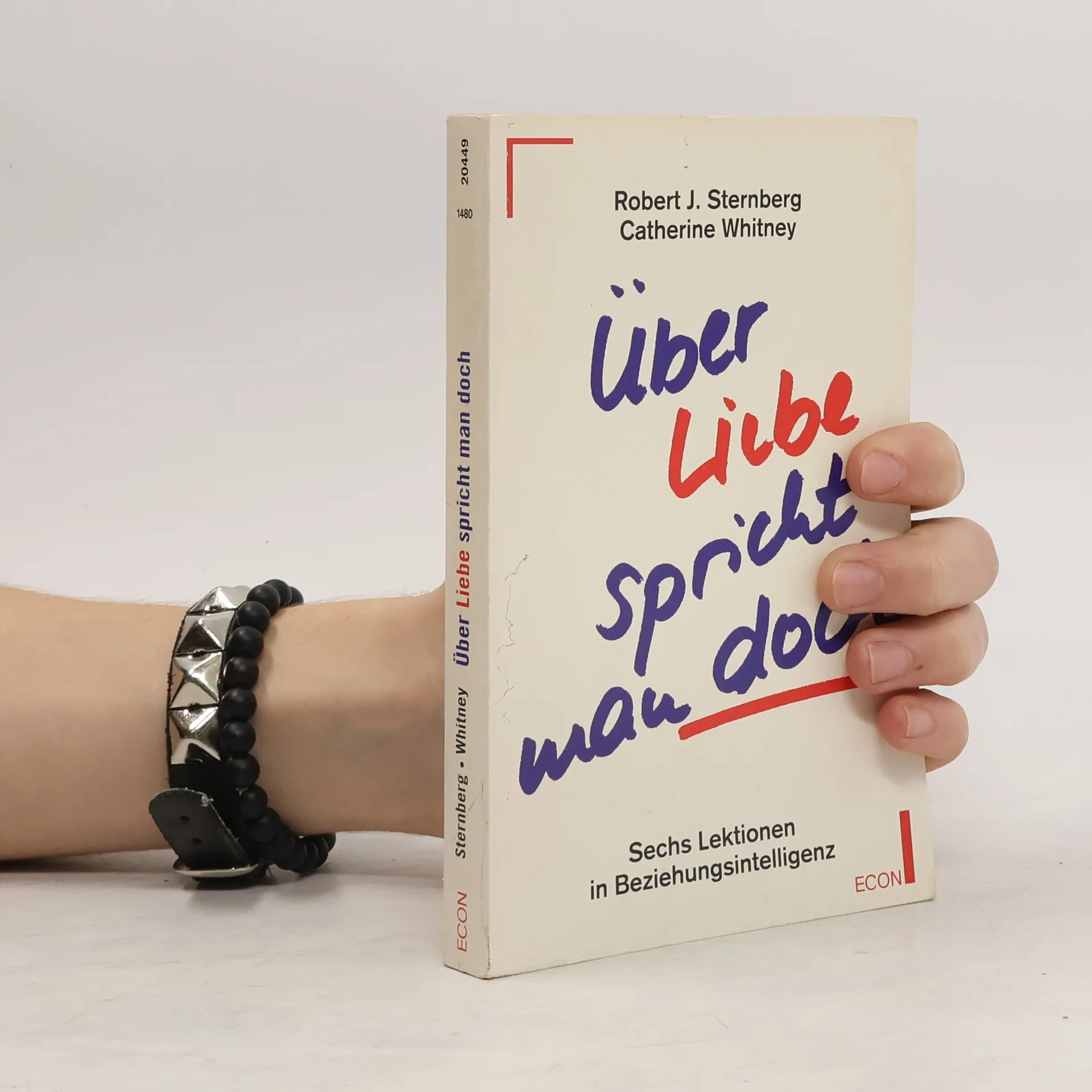
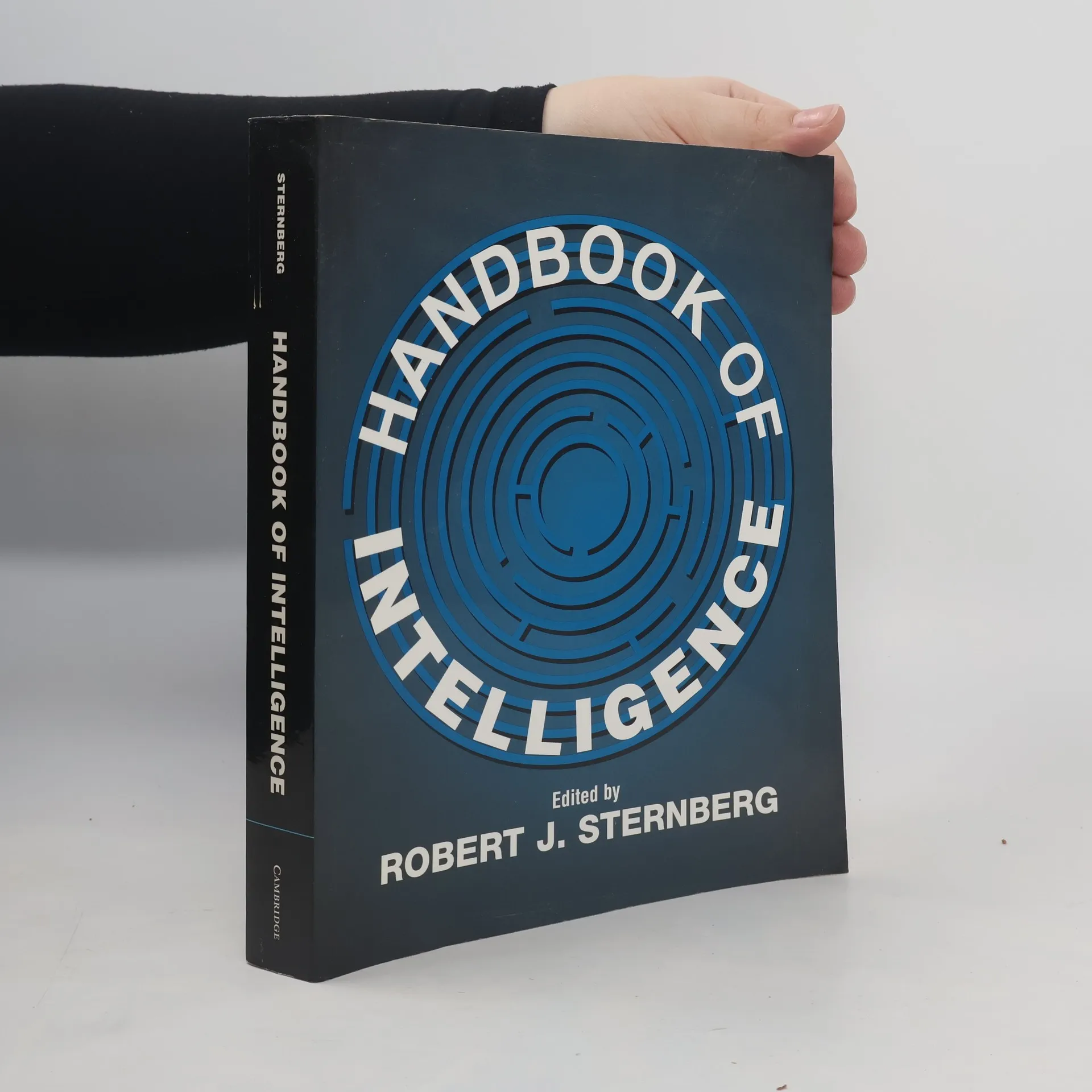
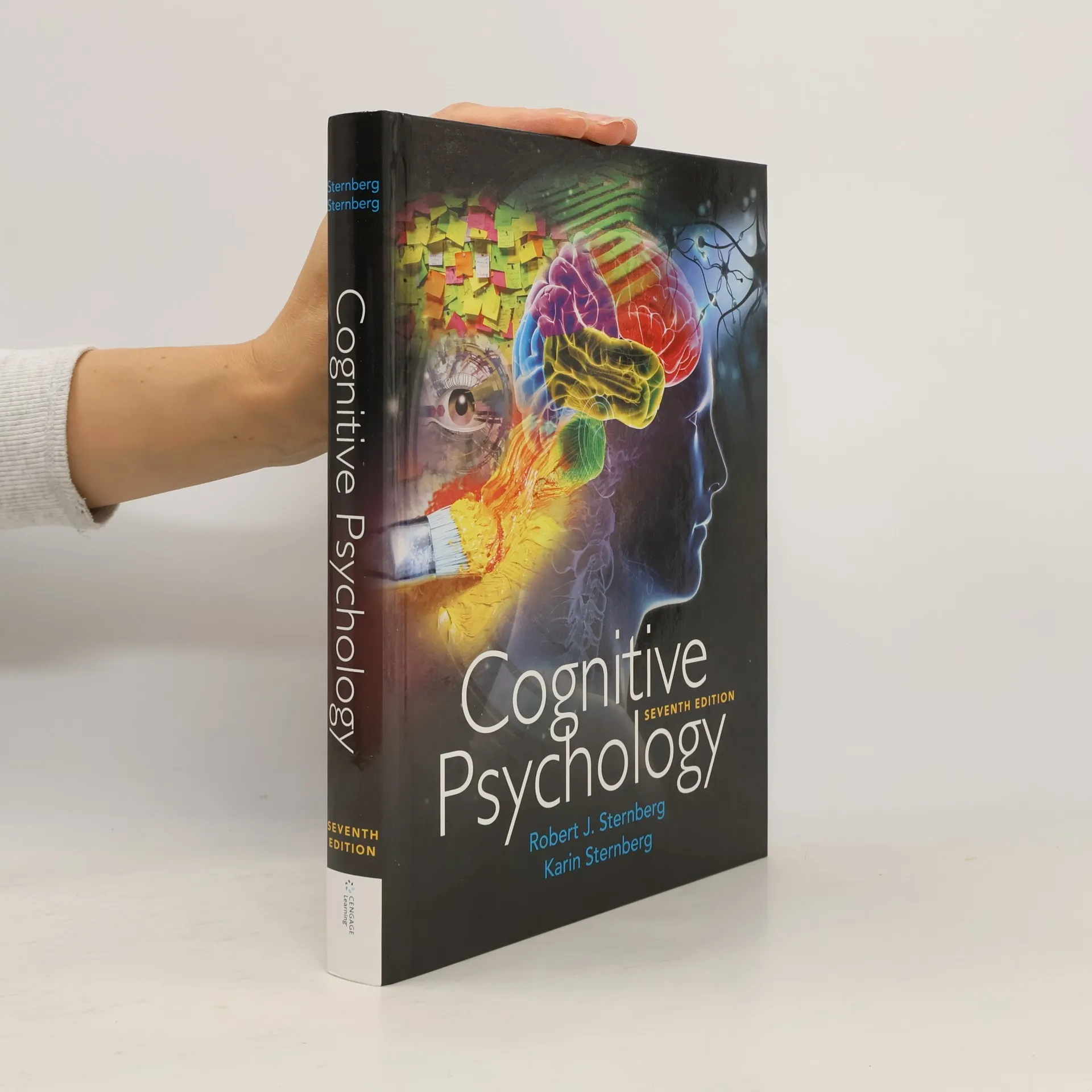
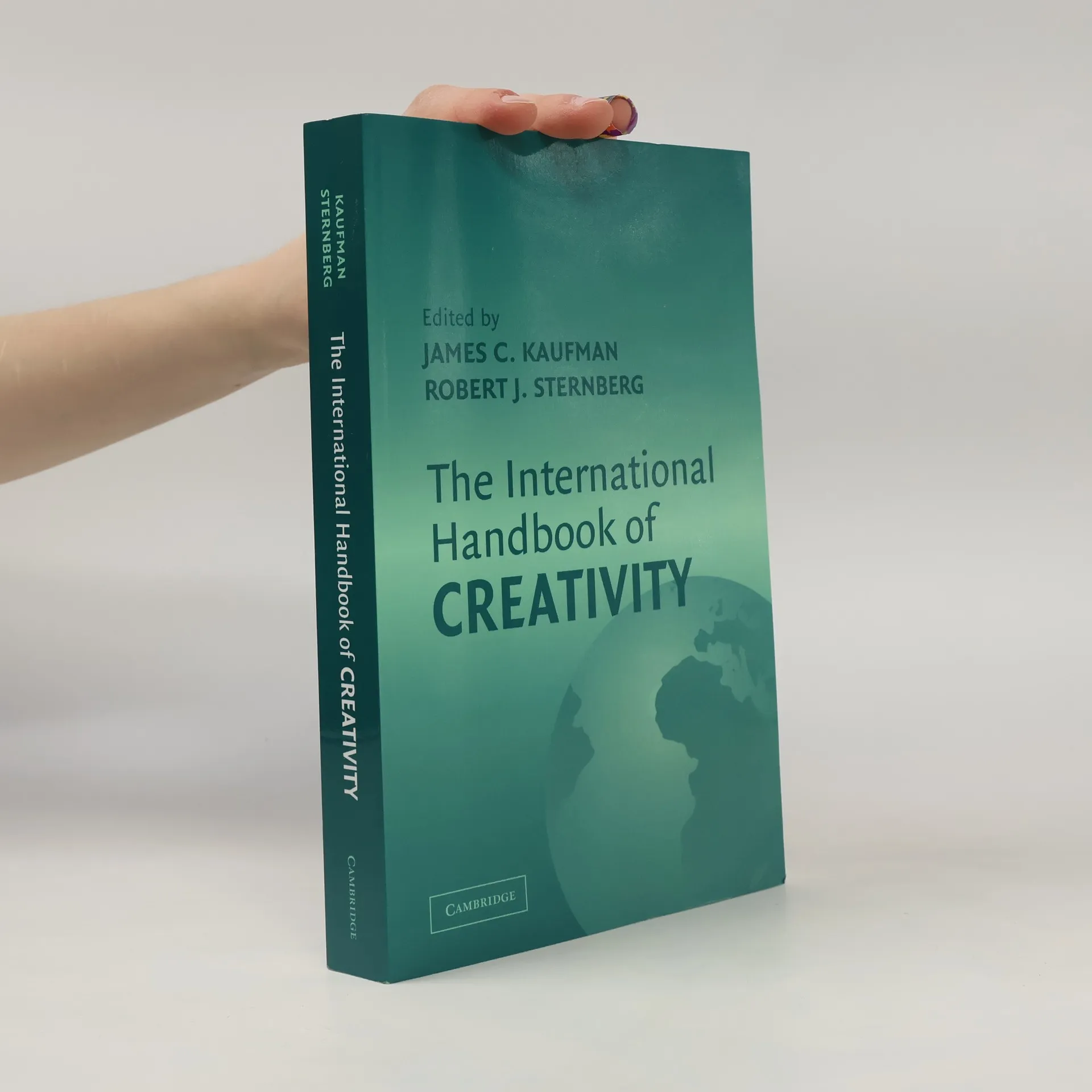
Tłumaczenie publikacji czołowego badacza inteligencji, twórczości i mądrości, Roberta J. Sternberga oraz Judith Glück, oferuje czytelnikom pełen zestaw zagadnień związanych z mądrością. Zawiera uzasadnienie, dlaczego w dzisiejszych trudnych czasach ta tematyka jest istotna, przegląd głównych podejść teoretycznych oraz postulaty dotyczące rozwijania kompetencji mądrościowych, ich rozpoznawania i kultywowania. Lektura zainteresuje nie tylko badaczy i profesjonalnych psychologów, ale także pedagogów, studentów, filozofów oraz wszystkich pragnących wieść mądre życie. Publikacja wypełnia lukę w badaniach nad mądrością, jednym z najważniejszych przymiotów ludzkiego życia. Wpisuje się w dyskusję na temat kształtu edukacji we współczesnym świecie oraz przygotowania młodych ludzi na przyszłe wyzwania. Napisana jest w sposób zachęcający do polemiki i refleksji, nie pozostawiając czytelnika obojętnym. Ostatnio w serii ukazały się także inne publikacje dotyczące edukacji i myślenia krytycznego, co podkreśla znaczenie omawianych tematów w kontekście współczesnej pedagogiki.
Robert J. Sternberg Ordine dei libri
Robert J. Sternberg è uno psicologo che sfida le concezioni tradizionali dell'intelligenza. La sua Teoria Triarchica dell'Intelligenza di Successo postula che la vera intelligenza risieda in un equilibrio di capacità analitiche, creative e pratiche. Sternberg sottolinea che il comportamento intelligente non implica solo il pensiero analitico, ma anche la capacità di generare idee nuove e applicare la conoscenza in modo efficace in contesti del mondo reale. L'adattabilità e lo sfruttamento dei propri punti di forza all'interno di uno specifico ambiente socioculturale sono centrali per raggiungere il successo, secondo il suo influente lavoro.


- 2023
- 2021
Wisdom is the deployment of intelligence and knowledge to serve a common good, over the long term as well as the short term. We need it now, more than ever, to solve the world's problems. This book explains what it is, how to acquire it, and how to use it.
- 2021
A world-renowned expert on human intelligence argues that societies continue to use a flawed, early twentieth-century conception of human intelligence. Instead of focusing on narrow academic skills, we should adopt the values of 'adaptive intelligence,' defined as the use of talent in service of the common good.
- 2020
The Nature of Intelligence and Its Development in Childhood
- 80pagine
- 3 ore di lettura
In this Element, I first introduce intelligence in terms of historical definitions. I then review the major approaches to understanding intelligence and its development. These approaches, taken together, present a much more complex portrait of intelligence and its development than would be ascertained just from scores on intelligence tests.
- 2018
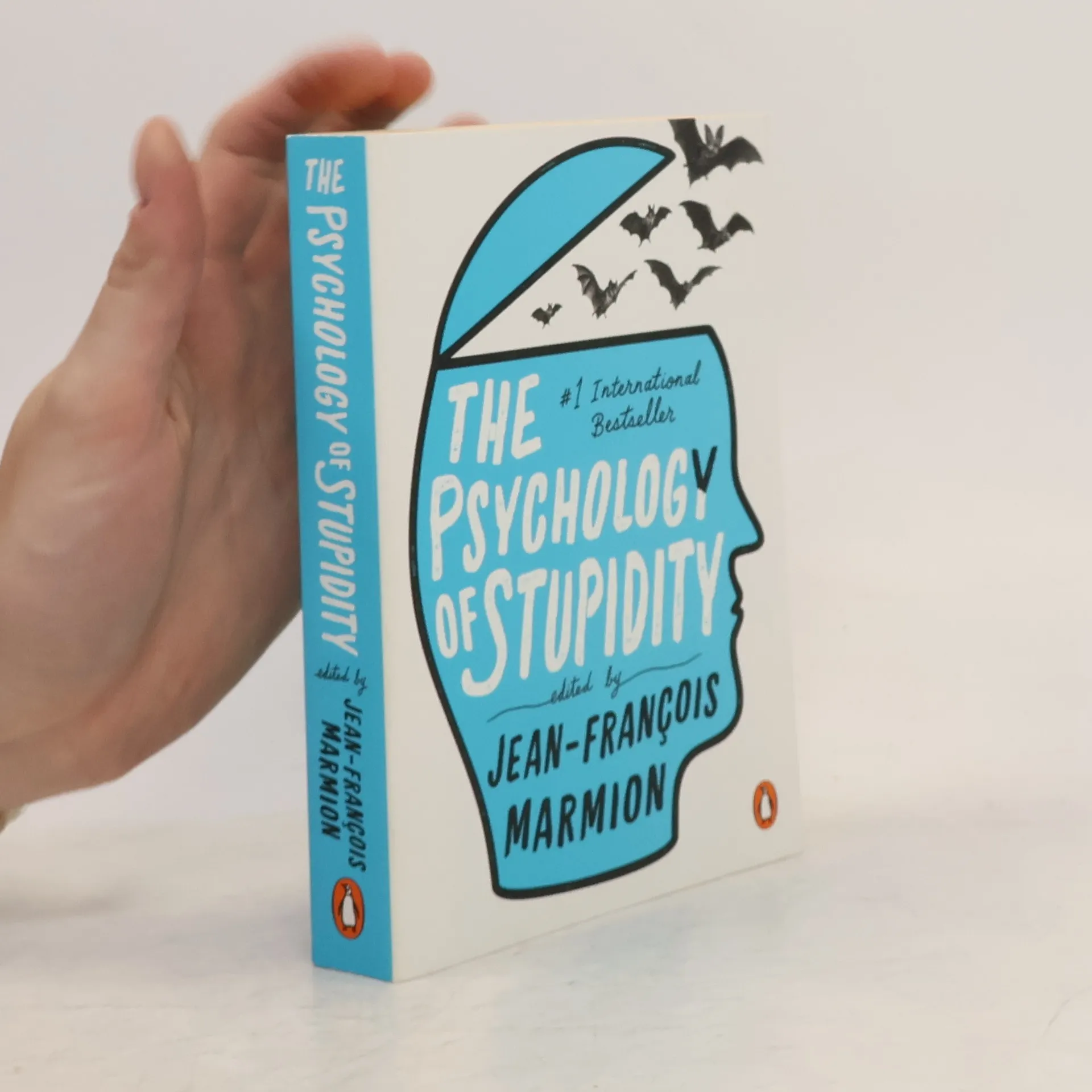
The Psychology of Stupidity
- 384pagine
- 14 ore di lettura
Stupidity is all around is, from the coworkers who won't stop hitting 'reply all' to the former school friends posting conspiracy theories on Facebook. But in order to battle idiocy, we must first understand it. In The Psychology of Stupidity, some of the world's leading psychologists and thinkers - including Nobel Prize winners - will show you... why smart people sometimes believe in utter nonsense, how our lazy brains cause us to make the wrong decisions, why trying to debate fools is a trap, how media manipulation and Internet overstimulation makes us dumber, why the stupidest people don't think they're stupid. Their wisdom and wit are a balm for our aggrieved souls and a beacon of hope in a world of morons.
- 2008
Applied Intelligence
- 432pagine
- 16 ore di lettura
Typical texts develop students' knowledge while only minimally developing the general skills they will need for success in school and in life. The goal of our text is to assist students in acquiring the most important skills for facing the diverse challenges life presents. The book contains an overview of theories of intelligence, but itself is based in large part on a theory according to which individuals need creative skills to generate new ideas and a vision for the future, analytical skills to make sure that the vision is a good one, and practical skills to execute the ideas and to persuade other people of their value. The book considers key skills in problem solving, logical reasoning, analysis of arguments, knowledge acquisition, creative and practical thinking, automatizing information processing, and avoiding life traps that derail even the most intelligent among us.
- 2008
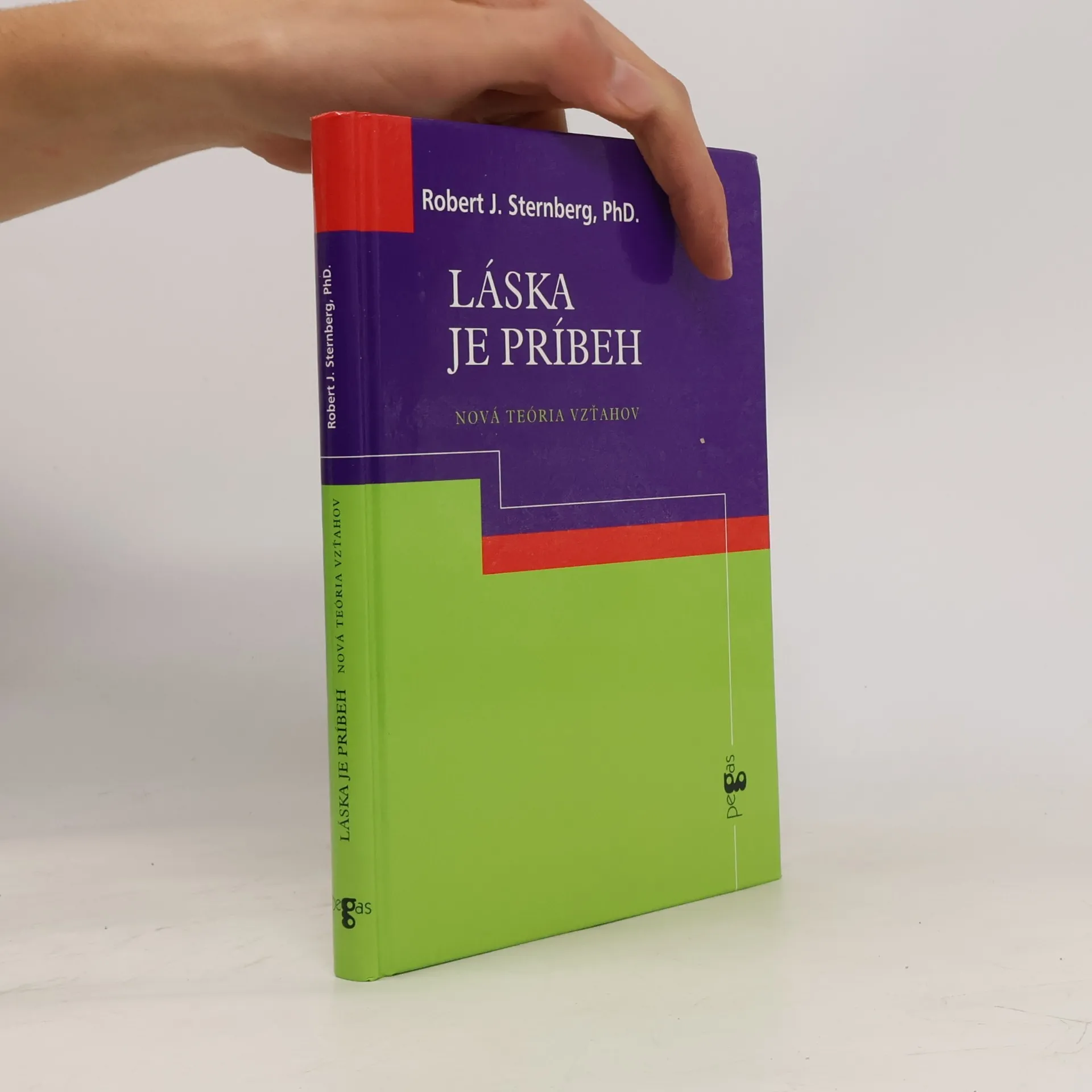
Láska je príbeh
- 197pagine
- 7 ore di lettura
Robert J. Sternberg v tejto prelomovej práci otvára tému lásky a odhaľuje spôsob chápania medziľudských vzťahov v celkom novom svetle. Prečo nás niektorí ľudia tak veľmi priťahujú, iní zas odpudzujú? Prečo niektoré vzťahy fungujú bezproblémovo a iné zhoria v plameňoch? Sternberg ponúka na tieto otázky nové odpovede. Ukazuje, že naše vzťahy závisia od príbehu lásky, ktorý nosíme vo svojom vnútri. Vychádza pritom zo širokého výskumu podopretého fascinujúcimi príkladmi skutočne existujúcich párov. Sternberg identifikuje 26 typov príbehov lásky so všetkými kladmi i zápormi. Naše romantické voľby však vo veľkej miere riadia predsudky a ide len o to, aby sme spoznali ten svoj príbeh lásky, a následne utvárali plnohodnotnejšie a trvácnejšie vzťahy. Hoci nás naše príbehy ovplyvňujú, dokážeme ich prehodnotiť a naučiť sa vyberať si partnerov, ktorých príbehy sú podobné našim. Otázky v každej kapitole pomáhajú čitateľovi identifikovať jeho príbeh aj príbeh jeho partnera. Ste cestovateľ, záhradkár, učiteľ alebo niečo celkom iné? Kniha Láska je príbeh vám ukáže, ako to zistiť.
- 2005
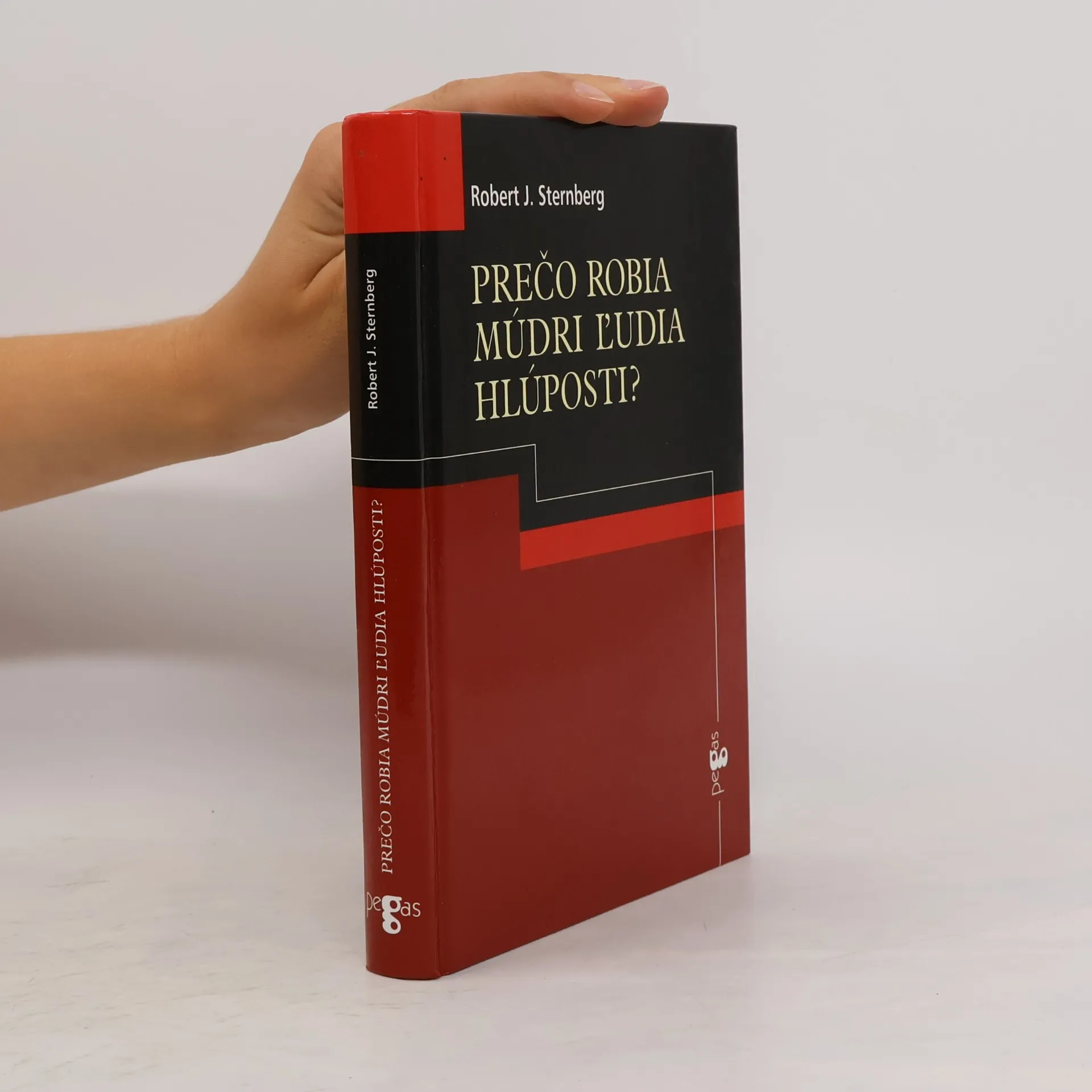
Prečo robia múdri ľudia hlúposti?
- 294pagine
- 11 ore di lettura
Prečo ľudia rozmýšľajú a správajú sa tak hlúpo, že nakoniec zlyhajú existenčne a celkom si zničia život? Predkladaná kniha sa dotýka práve tejto otázky, ktorú drvivá väčšina teórií v psychológii, vrátane teórií inteligencie, ako sa zdá, ignoruje. Svet podporuje miliardový priemysel výskumu a testovania inteligencie a schopností v snahe určiť, koho jeho inteligencia predurčuje na úspech, ale prakticky nik sa nevenuje skúmaniu, kto túto inteligenciu najlepšie využije, a kto ňou bude len plytvať tým, že jeho konanie bude až dych vyrážať. „Hlúposť“ sa tu nevzťahuje na mentálnu retardáciu, poruchu učenia ani na žiadne iné bežné označenie ľudí, ktorí podávajú slabý výkon v niektorom z tradičných testov. Skôr sa autori príspevkov zameriavajú na tých, ktorí vyviedli nejakú donebavolajúcu hlúposť Táto kniha evidentne nebude o hlúposti v tradičnom zmysle založenom na určovaní IQ. Táto kniha sa zaoberá skôr „hlúpym“ rozhodovaním, ktoré môže mať celospoločenský dosah. V snahe o vzájomnú prepojenosť príspevkov autori spracovali nasledujúce témy: Základná charakteristika hlúposti/Návrh teórie hlúposti/Vzťah hlúposti a inteligencie/Merateľnosť hlúposti/Formovanie hlúposti (v snahe eliminovať ju)
- 2003
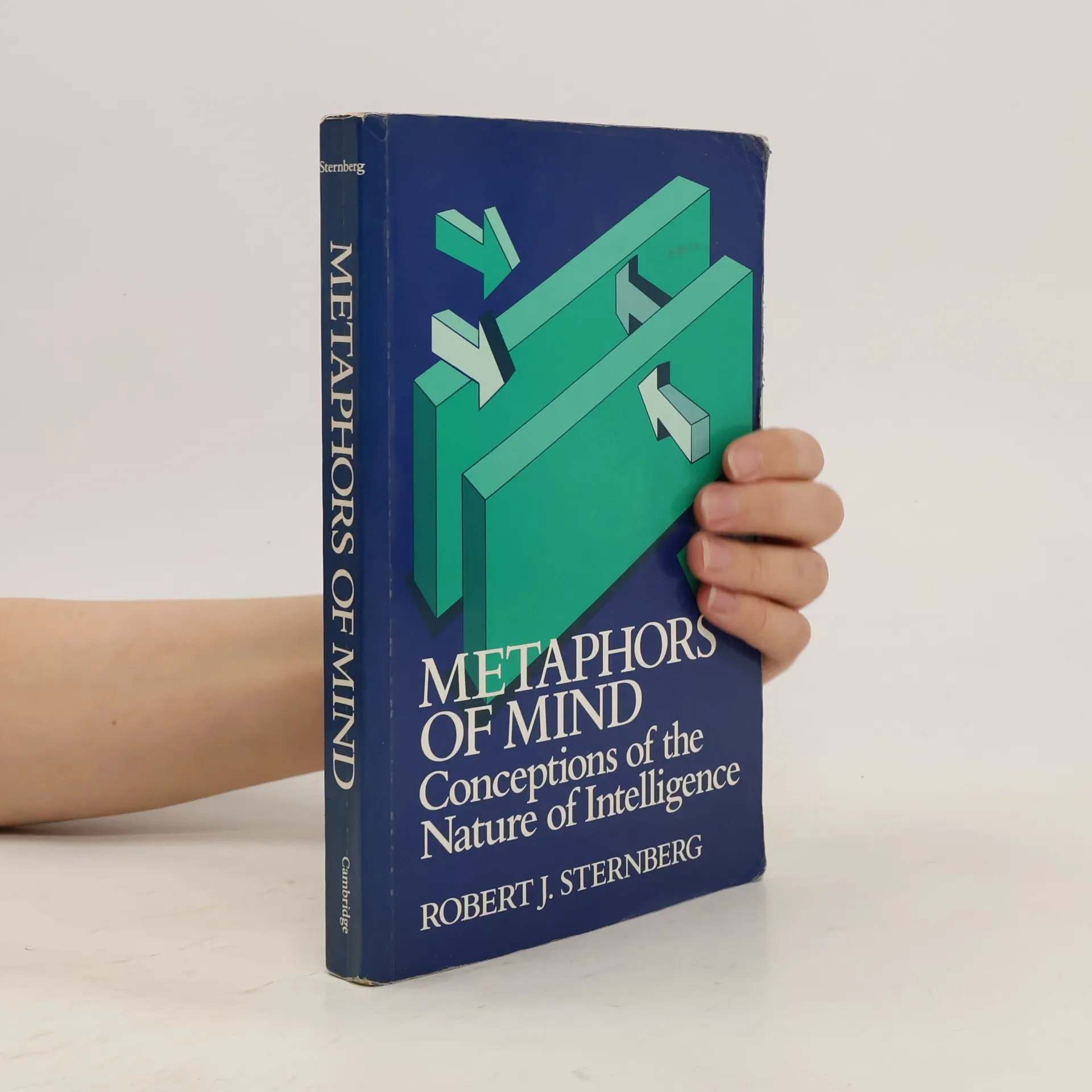
Exploring human intelligence through diverse lenses, this book integrates insights from psychology, anthropology, computational science, sociology, and philosophy. It aims to deepen readers' understanding of the complexities of the mind by presenting various metaphors that illustrate different aspects of intelligence.
- 2002
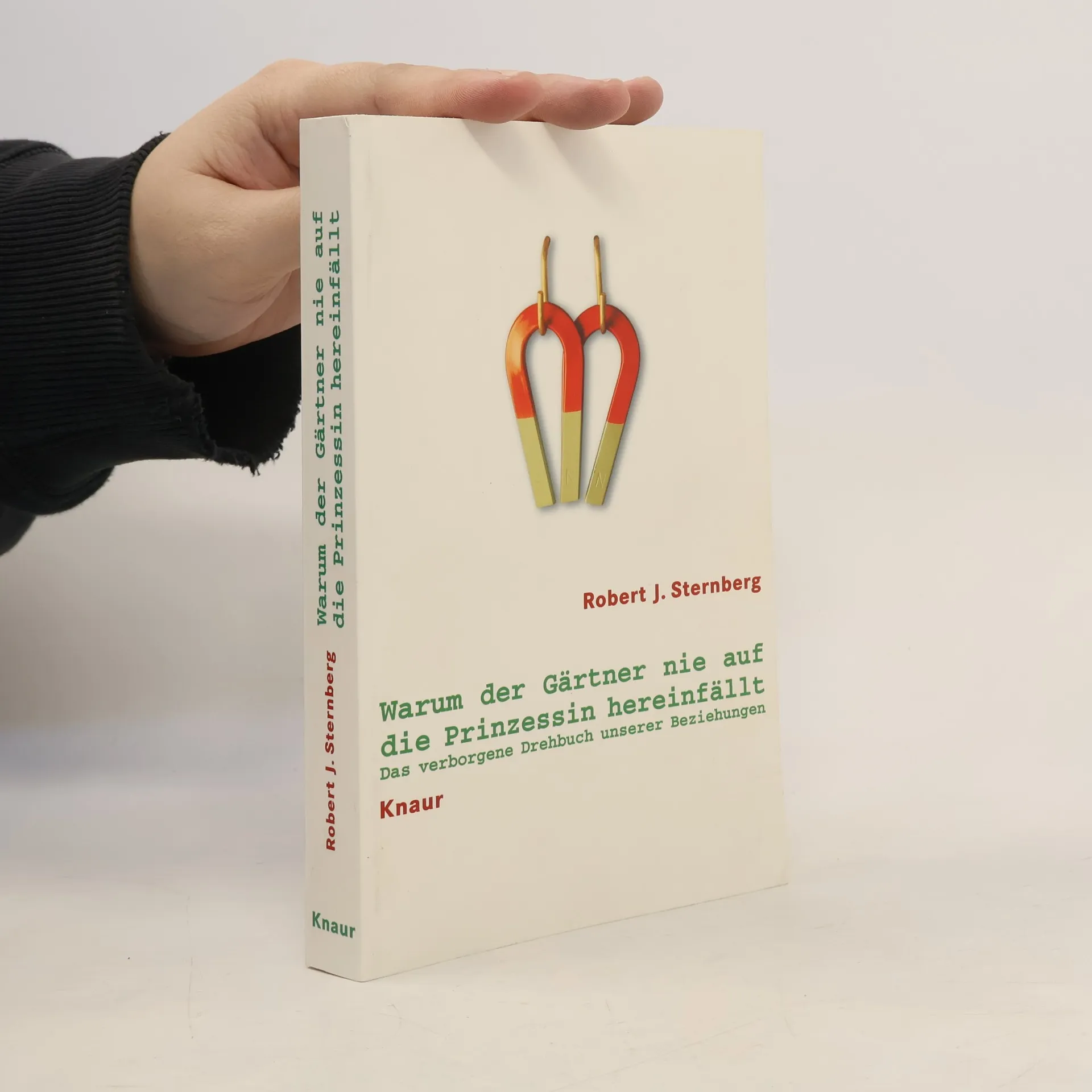
Zum größten Teil beruhen Geschichten, die die Liebe schreibt, auf unterschwelligen Annahmen, von denen wir uns bei der Suche nach der Traumfrau oder dem Märchenprinzen leiten lassen. Jede dieser Geschichten hat ihre Licht- und Schattenseiten, und manche passen einfach nicht zueinander. Erst wenn wir uns der Liebesgeschichte bewusst werden, die wir als Fortsetzungsroman, Krimi oder Anekdotensammlung immer auf neue schreiben, gewinnen wir die Freiheit, erfüllte und dauerhafte Beziehungen einzugehen. Dann nämlich können wir lernen, unser Drehbuch umzuschreiben, oder Partner wählen, deren Geschichte besser mit der unsrigen harmoniert.