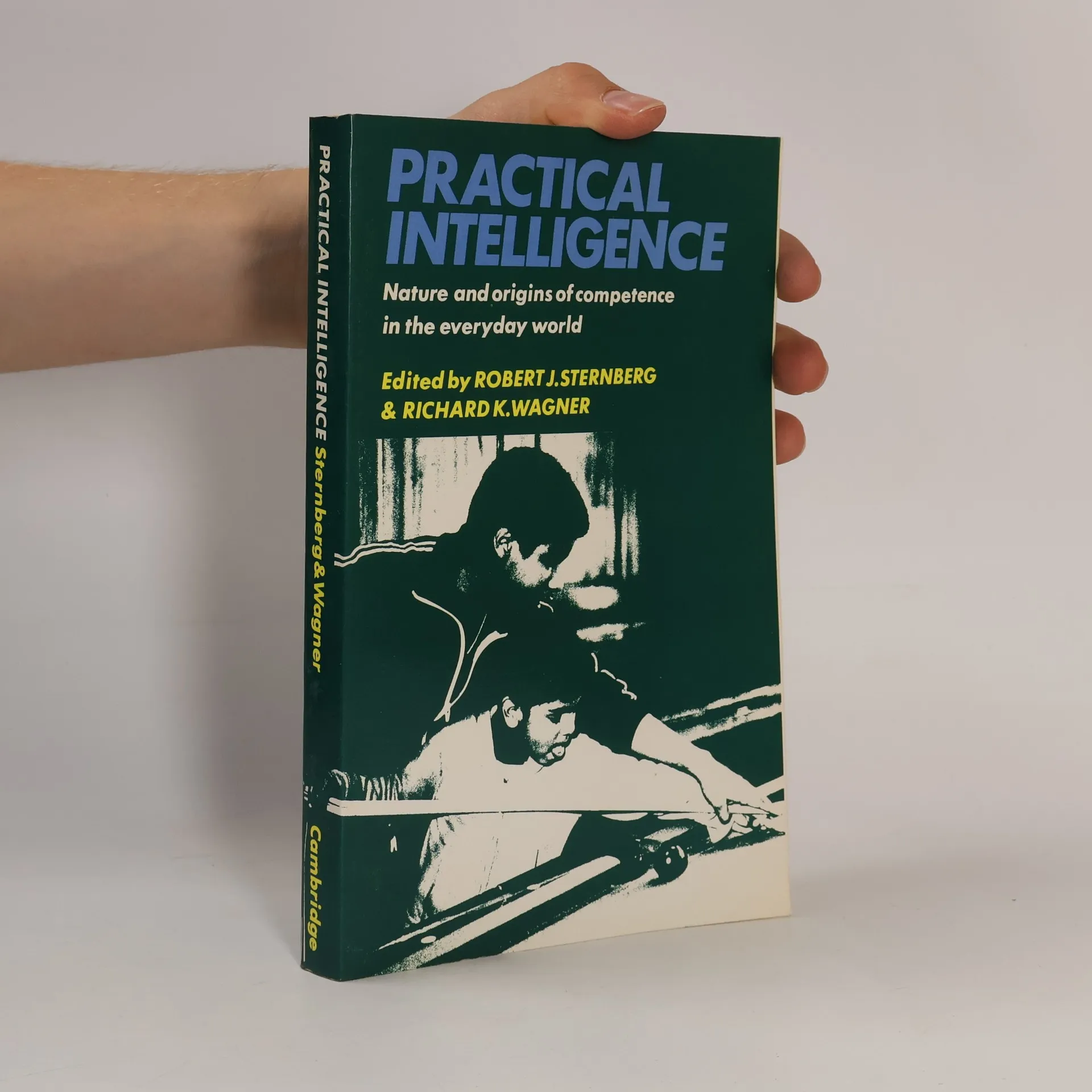
Bookbot

Robert J. Sternberg

    8 dicembre 1949

    Robert J. Sternberg è uno psicologo che sfida le concezioni tradizionali dell'intelligenza. La sua Teoria Triarchica dell'Intelligenza di Successo postula che la vera intelligenza risieda in un equilibrio di capacità analitiche, creative e pratiche. Sternberg sottolinea che il comportamento intelligente non implica solo il pensiero analitico, ma anche la capacità di generare idee nuove e applicare la conoscenza in modo efficace in contesti del mondo reale. L'adattabilità e lo sfruttamento dei propri punti di forza all'interno di uno specifico ambiente socioculturale sono centrali per raggiungere il successo, secondo il suo influente lavoro.

    Robert J. Sternberg
    Metaphors of Mind
    Applied Intelligence
    Handbook of Intelligence
    Adaptive Intelligence
    Cognitive Psychology
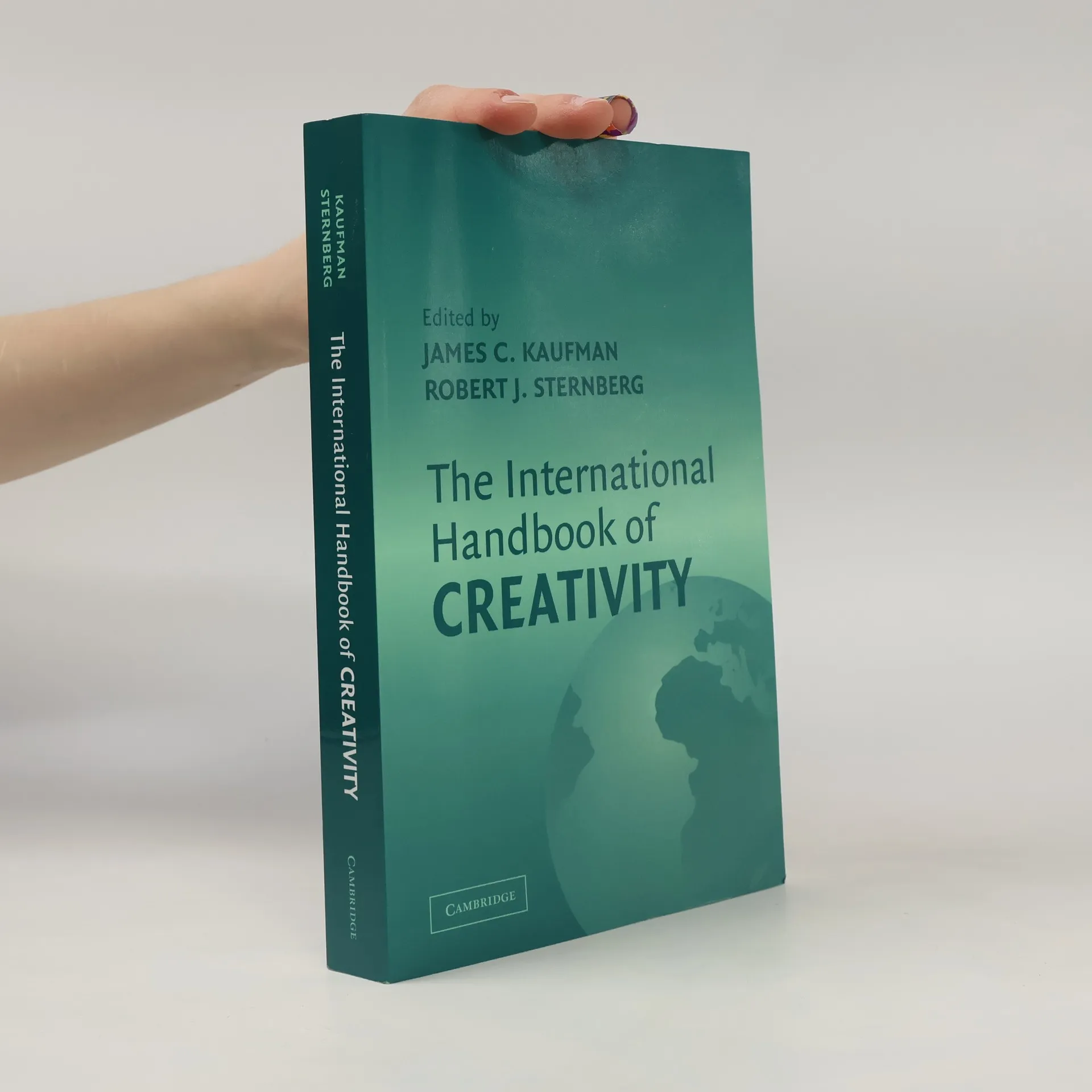
    The International Handbook of Creativity
    • What constitutes a creative person? Different cultures have different perspectives on what it means to be creative, yet it is nearly always the American or Western perspective that is represented in the psychological literature. The goal of this handbook is to present a truly international and diverse set of perspectives on the psychology of human creativity. Distinguished international scholars have contributed to this book's chapters on the history and current state of creativity research and theory in their respective parts of the world. Much of the work discussed has never before been available in English.
      The International Handbook of Creativity
      4,7
    • Sternberg's text balances accessible writing, practical applications and research scholarship, including biologically oriented information. It explores the basics of cognitive psychology through its coverage of cognitive neuroscience.

      Cognitive Psychology
      4,4
    • A world-renowned expert on human intelligence argues that societies continue to use a flawed, early twentieth-century conception of human intelligence. Instead of focusing on narrow academic skills, we should adopt the values of 'adaptive intelligence,' defined as the use of talent in service of the common good.

      Adaptive Intelligence
      5,0
    • Not since the landmark publication of Handbook of Human Intelligence in 1982 has the field of intelligence been more alive than it is today. Spurred by the new developments in this rapidly expanding field, Dr Sternberg has brought together a stellar list of contributors to provide a comprehensive, broad and deeply thematic review of intelligence that will be accessible to both scholar and student. The field of intelligence is lively on many fronts, and this volume provides full coverage on topics such as behavior-genetic models, evolutionary models, cognitive models, emotional intelligence, practical intelligence, and group difference. Handbook of Intelligence is largely expanded, covering areas such as animal and artificial intelligence, as well as human intelligence. It fully reflects important theoretical progress made since the early 1980s.

      Handbook of Intelligence
      4,2
    • Applied Intelligence

      • 432pagine
      • 16 ore di lettura

      Typical texts develop students' knowledge while only minimally developing the general skills they will need for success in school and in life. The goal of our text is to assist students in acquiring the most important skills for facing the diverse challenges life presents. The book contains an overview of theories of intelligence, but itself is based in large part on a theory according to which individuals need creative skills to generate new ideas and a vision for the future, analytical skills to make sure that the vision is a good one, and practical skills to execute the ideas and to persuade other people of their value. The book considers key skills in problem solving, logical reasoning, analysis of arguments, knowledge acquisition, creative and practical thinking, automatizing information processing, and avoiding life traps that derail even the most intelligent among us.

      Applied Intelligence
      3,9
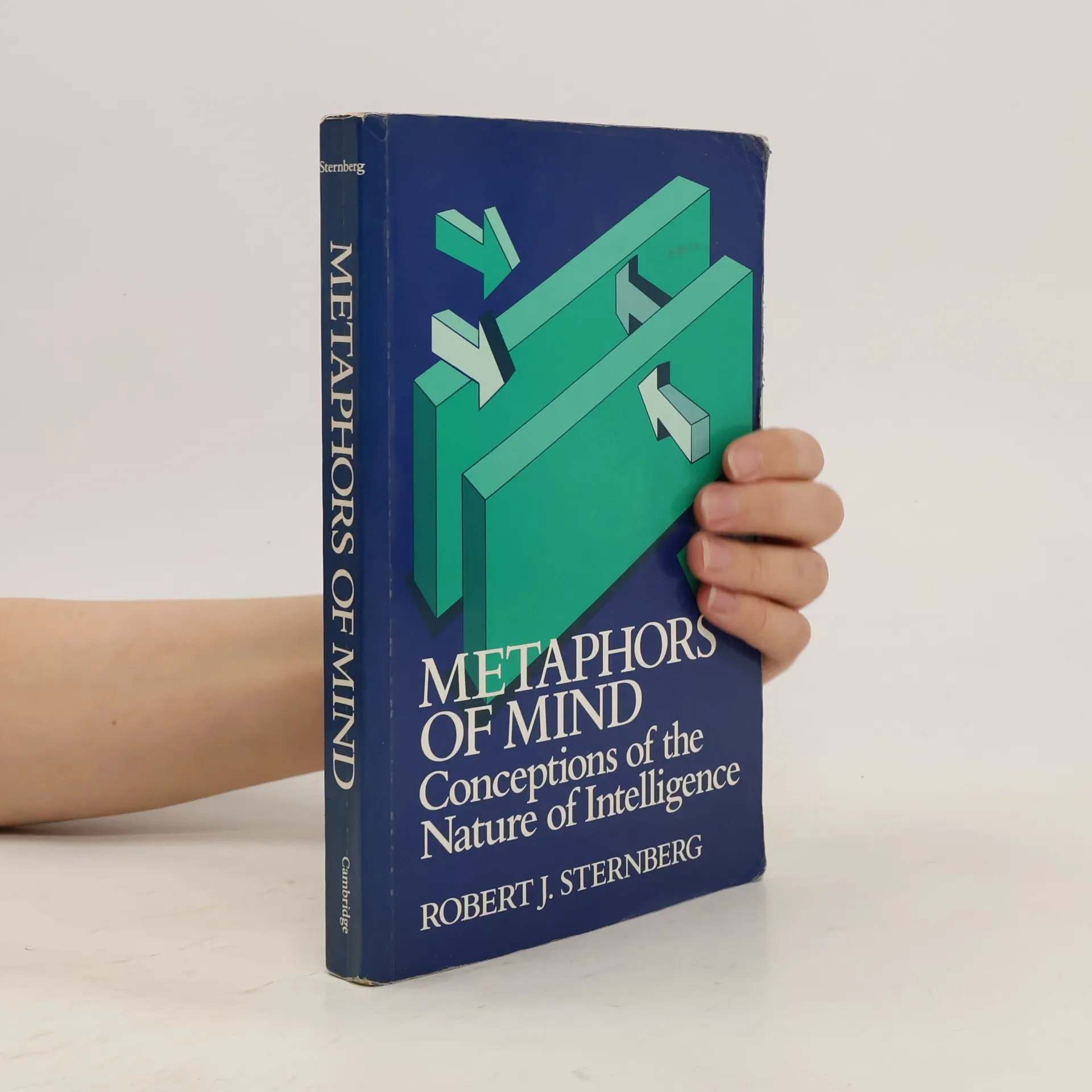
    • Metaphors of Mind

      Conceptions of the Nature of Intelligence

      • 364pagine
      • 13 ore di lettura

      Exploring human intelligence through diverse lenses, this book integrates insights from psychology, anthropology, computational science, sociology, and philosophy. It aims to deepen readers' understanding of the complexities of the mind by presenting various metaphors that illustrate different aspects of intelligence.

      Metaphors of Mind
      3,8
    • In this Element, I first introduce intelligence in terms of historical definitions. I then review the major approaches to understanding intelligence and its development. These approaches, taken together, present a much more complex portrait of intelligence and its development than would be ascertained just from scores on intelligence tests.

      The Nature of Intelligence and Its Development in Childhood
      3,4
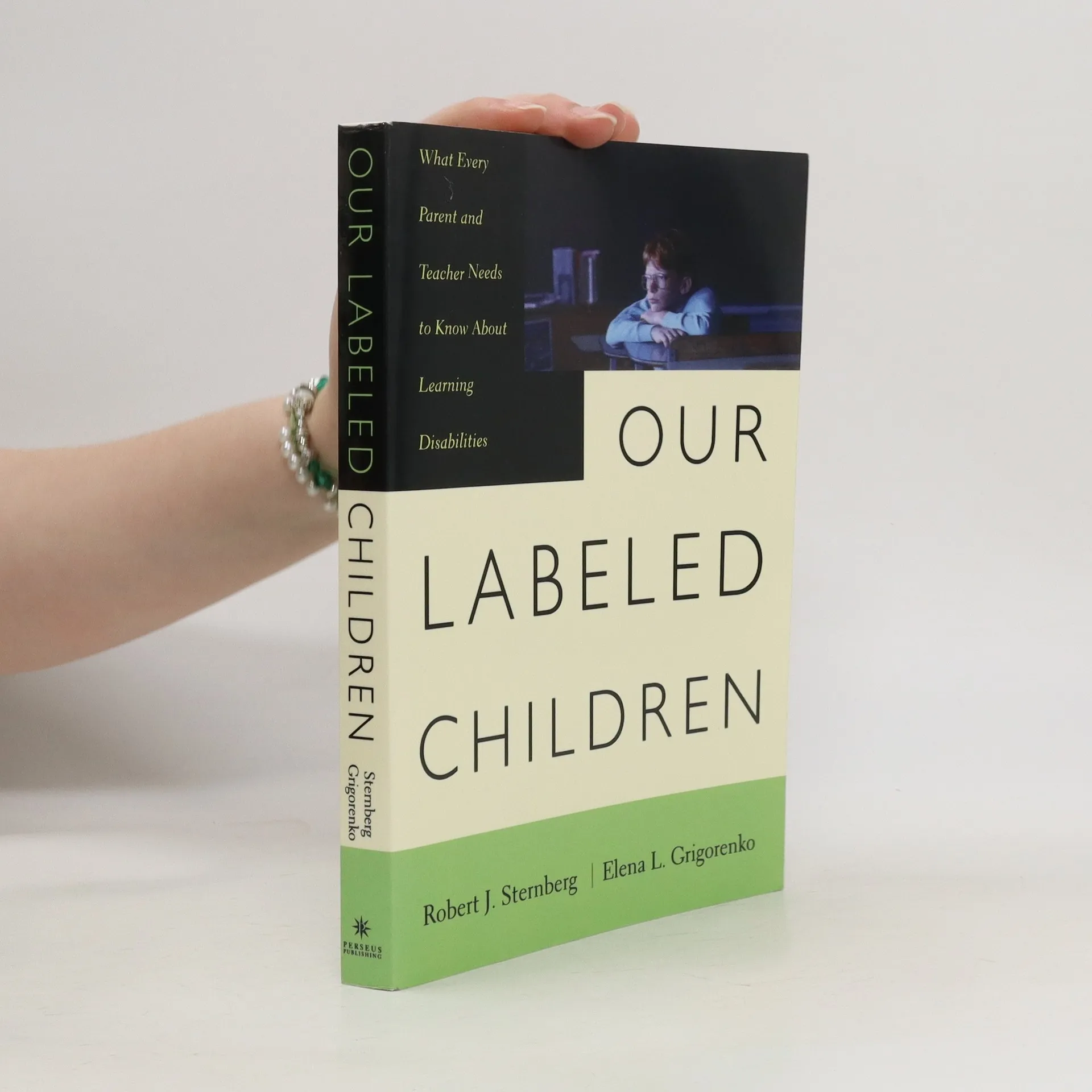
    • Our Labeled Children

      • 304pagine
      • 11 ore di lettura

      Twenty percent of all school-aged children in this country have been labeled Learning Disabled. But what is a genuine learning disability? How does it differ from garden-variety poor learning? How can we more accurately assess and then teach to individual learning strengths instead of merely pinpointing learning weaknesses? In this passionately argued yet clear-headed book, internationally acclaimed cognitive psychologist Robert Sternberg and research scientist Elena Grigorenko tackle these controversial issues, urging that we understand the full range of factors that contribute to learning disabilities (and sometimes to their misdiagnosis) in order to improve the American educational and diagnostic systems.From the biological bases of dyslexia and other disabilities, to the tests that do and do not accurately assess learning abilities, to the social and educational pressures that contribute to misdiagnosis, Our Labeled Children clearly outlines the issues that concern both parents and teachers, ultimately pointing to clear strategies for improving our system to help children with all manner of learning problems.

      Our Labeled Children
      3,7
    • Wisdom is the deployment of intelligence and knowledge to serve a common good, over the long term as well as the short term. We need it now, more than ever, to solve the world's problems. This book explains what it is, how to acquire it, and how to use it.

      Wisdom
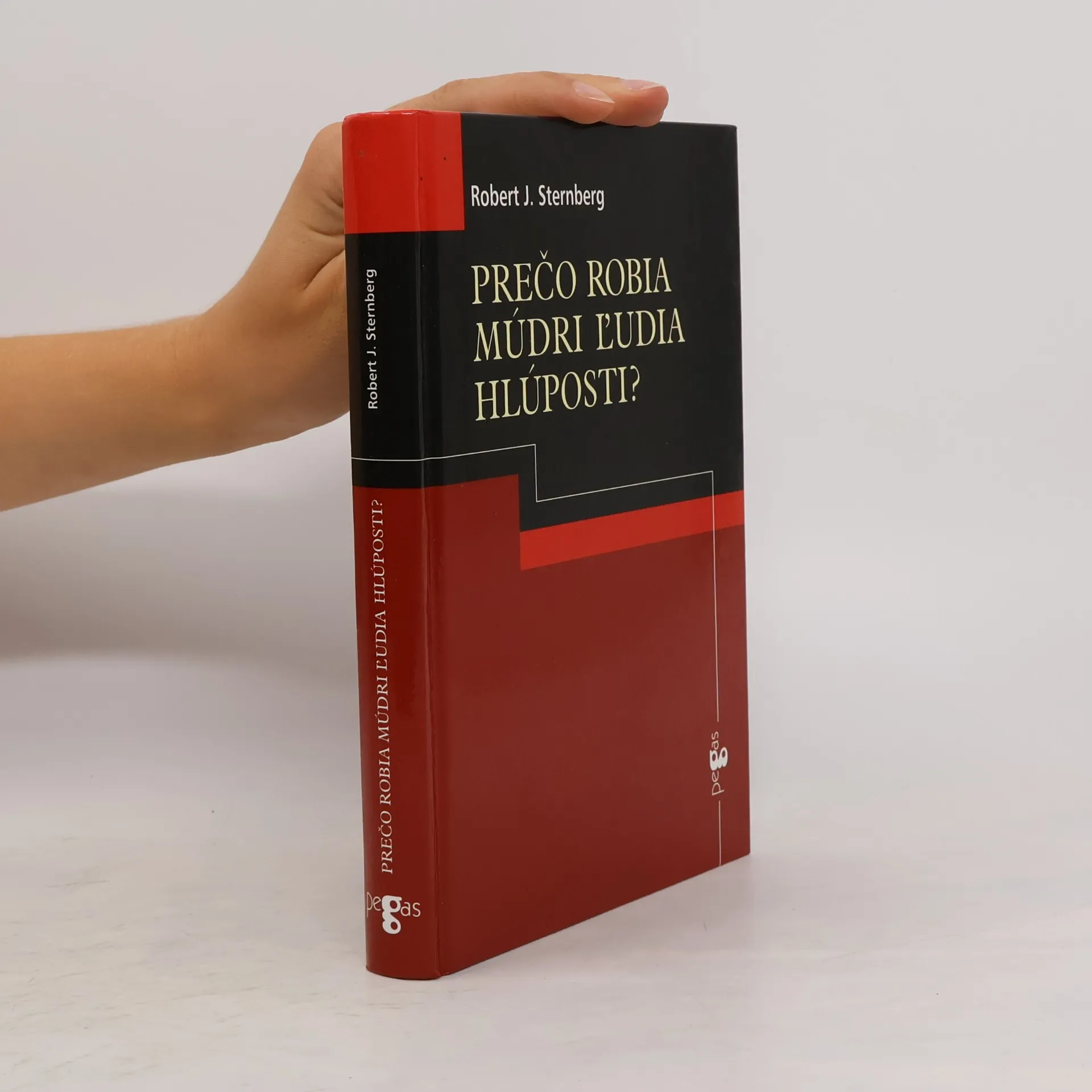
    • Prečo robia múdri ľudia hlúposti?

      • 294pagine
      • 11 ore di lettura

      Prečo ľudia rozmýšľajú a správajú sa tak hlúpo, že nakoniec zlyhajú existenčne a celkom si zničia život? Predkladaná kniha sa dotýka práve tejto otázky, ktorú drvivá väčšina teórií v psychológii, vrátane teórií inteligencie, ako sa zdá, ignoruje. Svet podporuje miliardový priemysel výskumu a testovania inteligencie a schopností v snahe určiť, koho jeho inteligencia predurčuje na úspech, ale prakticky nik sa nevenuje skúmaniu, kto túto inteligenciu najlepšie využije, a kto ňou bude len plytvať tým, že jeho konanie bude až dych vyrážať. „Hlúposť“ sa tu nevzťahuje na mentálnu retardáciu, poruchu učenia ani na žiadne iné bežné označenie ľudí, ktorí podávajú slabý výkon v niektorom z tradičných testov. Skôr sa autori príspevkov zameriavajú na tých, ktorí vyviedli nejakú donebavolajúcu hlúposť Táto kniha evidentne nebude o hlúposti v tradičnom zmysle založenom na určovaní IQ. Táto kniha sa zaoberá skôr „hlúpym“ rozhodovaním, ktoré môže mať celospoločenský dosah. V snahe o vzájomnú prepojenosť príspevkov autori spracovali nasledujúce témy: Základná charakteristika hlúposti/Návrh teórie hlúposti/Vzťah hlúposti a inteligencie/Merateľnosť hlúposti/Formovanie hlúposti (v snahe eliminovať ju)

      Prečo robia múdri ľudia hlúposti?
      4,5