
Bookbot

Jonathan Franzen

    17 agosto 1959

    Jonathan Franzen è un autore i cui romanzi approfondiscono le complessità della vita moderna. Le sue opere esplorano frequentemente le dinamiche familiari, le tendenze sociali e la ricerca di significato nei tempi contemporanei. La prosa di Franzen è riconosciuta per la sua acuta intuizione e la sua capacità di catturare la profondità psicologica dei suoi personaggi. Scrive sull'esperienza di essere umani nell'era attuale, con i suoi libri che spesso suscitano forti risposte emotive e spingono a una profonda riflessione.

    Jonathan Franzen
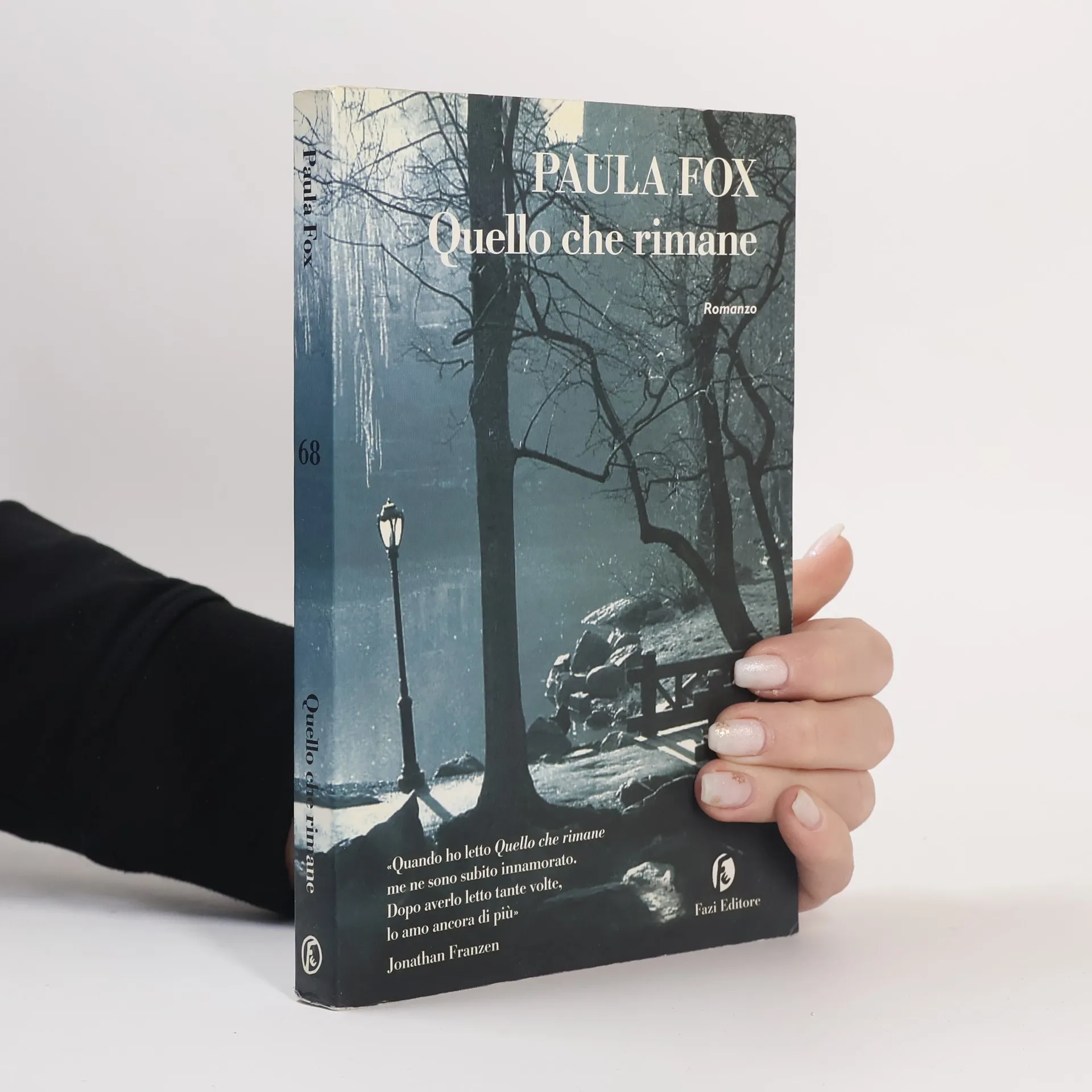
    Quello che rimane
    Forte Movimento
    Come stare soli. Lo scrittore, il lettore e la cultura di massa
    Purity
    Libertà
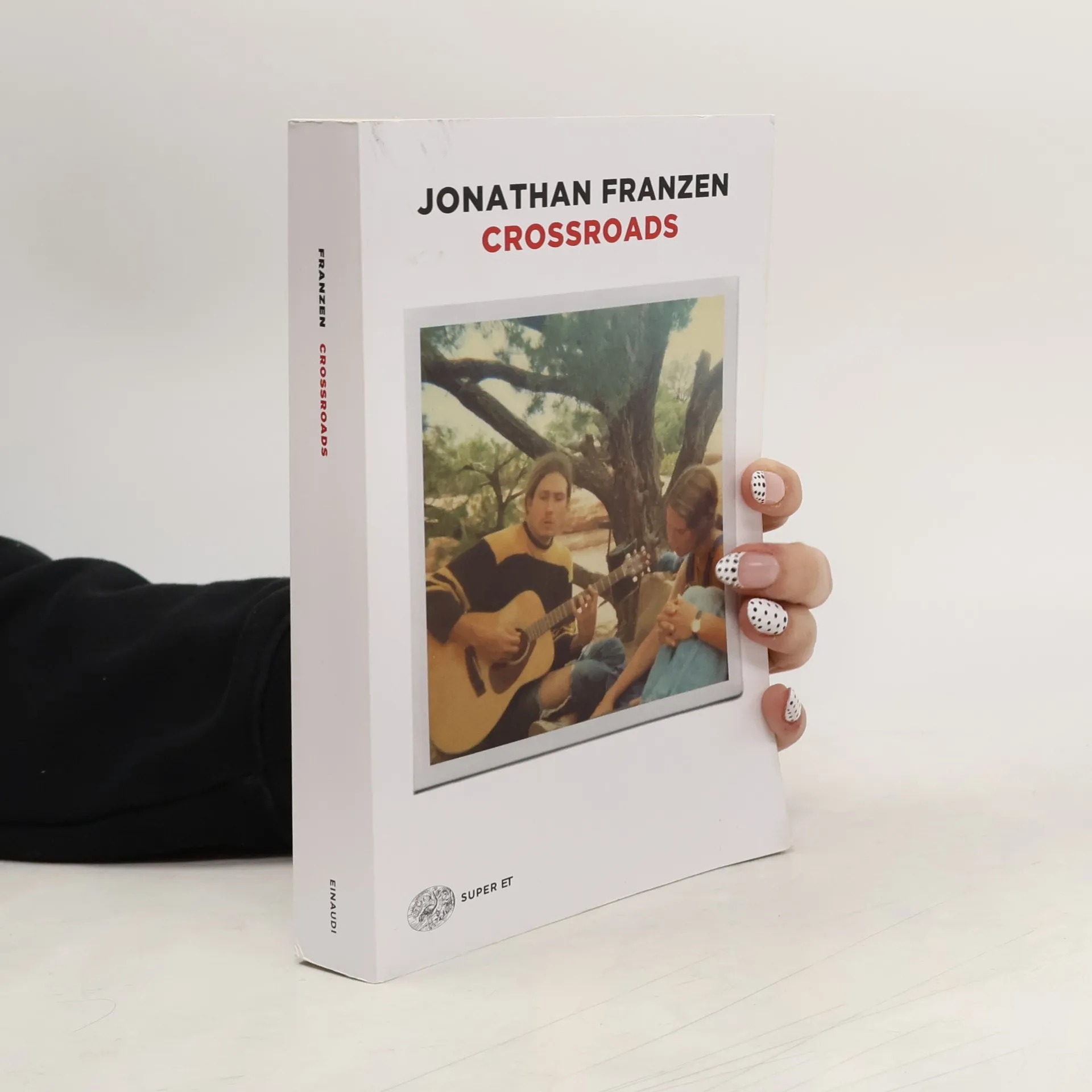
    Crossroads
    • Libertà

      • 622pagine
      • 22 ore di lettura

      Patty e Walter Berglund sono i nuovi pionieri di St. Paul, Minnesota, rappresentanti della “gentrificazione” e della generazione del cibo sano. Patty incarna il vicino ideale, sempre pronta a fornire consigli utili e a essere una madre perfetta e una moglie ideale per Walter, un avvocato ambientale che si impegna per un mondo migliore. Tuttavia, nel nuovo millennio, i Berglund diventano un enigma: perché il loro figlio adolescente vive con la famiglia repubblicana accanto? Perché Walter lavora per un colosso del carbone? E che ruolo ha Richard Katz, l'eccentrico rocker e migliore amico di Walter? Ma soprattutto, cosa è successo a Patty, che da stella di Barrier Street si trasforma in una figura instabile e incontrollabile? Nel suo primo romanzo dopo “Correzioni”, Jonathan Franzen esplora l’amore e il matrimonio contemporanei, rivelando le complessità della libertà attraverso momenti comici e tragici. “Libertà” affronta le sfide dell’adolescenza, i compromessi della mezza età e le pressioni delle vite suburbane, offrendo un ritratto profondo e toccante dei personaggi che lottano per orientarsi in un mondo sempre più confuso, creando un'opera di grande impatto emotivo.

      Libertà
      3,8
    • Purity

      • 642pagine
      • 23 ore di lettura

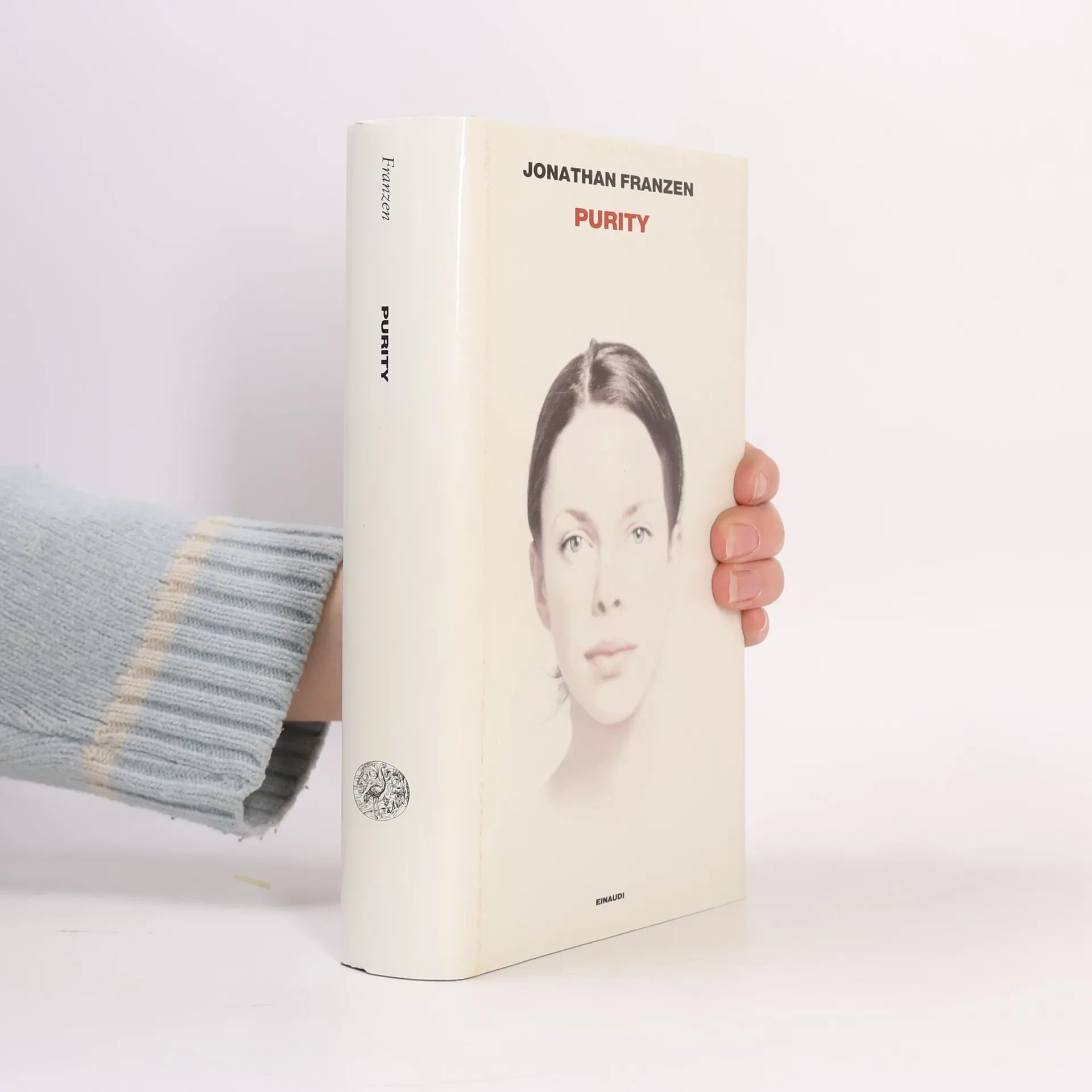
      Purity Tyler, conosciuta come Pip, si trova a fronteggiare pesanti responsabilità: un debito universitario di centotrentamila dollari, una madre lunatica e ipocondriaca, e l'assenza di un padre. Un incontro casuale con un'attivista tedesca le offre una via di fuga: uno stage retribuito presso il Sunlight Project, un'organizzazione che diffonde notizie riservate sui traffici globali. Accettando, Pip spera di contribuire alla trasparenza e scoprire l'identità del padre, che la madre le ha sempre nascosto. Inoltre, ha l'opportunità di conoscere Andreas Wolf, carismatico leader del progetto, noto per il suo ruolo nell'attacco a Normannenstraße del 1990, che ha rivelato i segreti della Stasi. A differenza di Julian Assange, Wolf punta sulla purezza, ma il suo passato oscuro nella Ddr pre-caduta del Muro e la sua ambigua attrazione per Pip complicano le cose. Il contatto con Wolf segnerà per Pip l'inizio di un viaggio di formazione, alla ricerca della verità su sua madre e suo padre, esplorando la moralità di chi ama e il lato oscuro della luce. L'autore espande la narrazione attraverso diverse epoche e luoghi, arricchendo il racconto con una galleria di personaggi e sfide, dalla complessità del ruolo genitoriale alla schiavitù dell'immagine, creando un'opera di grande ambizione e pathos.

      Purity
      3,6
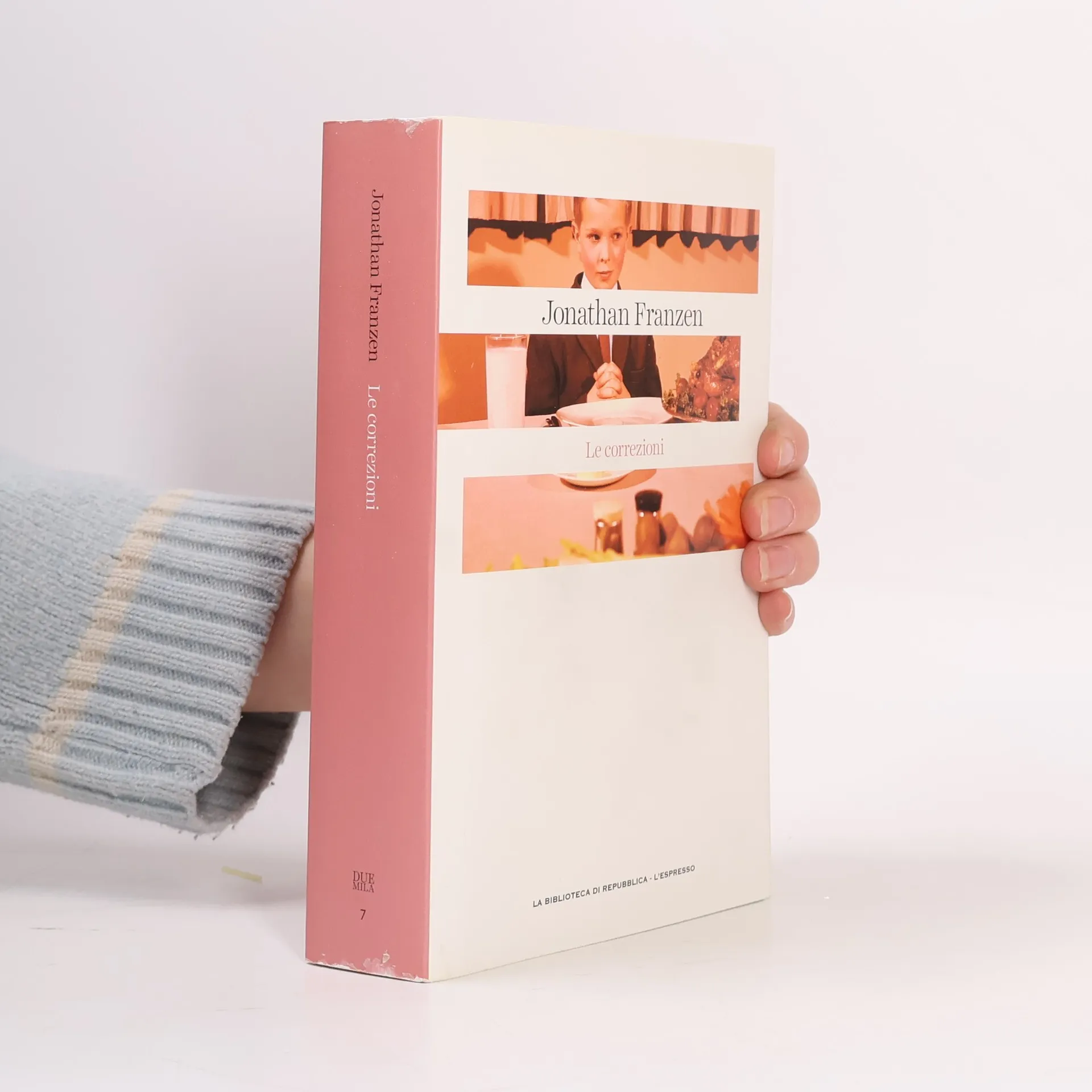
    • La riflessione sulla solitudine è il filo rosso di questi tredici saggi, pubblicati fra il 1994 e il 2001 in diverse riviste americane. Il lettore che si immerge in questa variegata raccolta non si sente mai solo: l'autore, con il suo stile inconfondibile e il suo spirito critico, è una presenza costante. Il linguaggio brillante e raffinato di Le correzioni si adatta alle diverse esigenze: dal saggio letterario sul destino del romanzo americano e il compito sociale dello scrittore, al racconto autobiografico che narra la lotta del padre contro l'Alzheimer e il controverso «caso Oprah». Ci sono anche pezzi di costume, come l'indagine sui libri di sessuologia popolare e l'analisi della confusione tra sfera pubblica e privata, accanto a reportage sul sistema carcerario americano. Tutti questi saggi affrontano, come afferma l'autore, «il problema di preservare individualità e complessità» in un mondo pieno di distrazioni. Si esplora così la questione di come stare soli, un coraggio necessario per coltivare una solitudine che, sebbene spaventosa, può rivelarsi fondamentale per la nostra sopravvivenza spirituale.

      Come stare soli. Lo scrittore, il lettore e la cultura di massa
      3,6
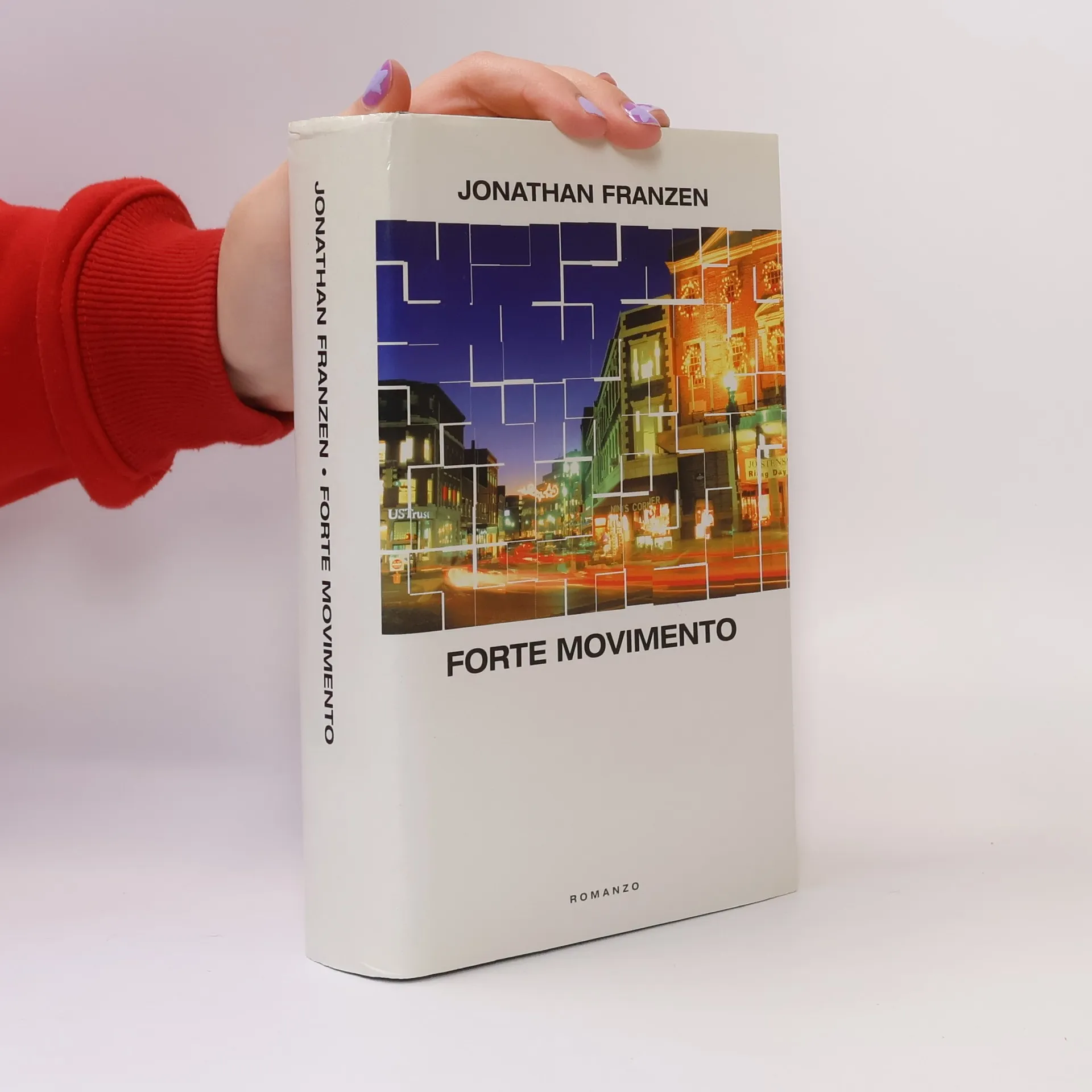
    • Louis Holland, un esponente radicale della "Nowhere Generation", arriva a Boston per lavorare in una radio durante un'estate molto strana: la zona è devastata dai terremoti, scossa dalle manifestazioni degli antiabortisti e infestata da numerosi membri della famiglia da cui cerca di fuggire. Incontra Renée Seitchek, una geniale e appassionata sismologa: la loro già nevrotica relazione si complica quando la donna comincia a sospettare che la prima causa dei terremoti non sia da cercare nella natura, ma fra gli uomini...

      Forte Movimento
      3,6
    • Quello che rimane

      • 191pagine
      • 7 ore di lettura

      Otto and Sophie Bentwood live childless in a renovated Brooklyn brownstone. The complete works of Goethe line their bookshelf, their stainless-steel kitchen is newly installed, and their Mercedes is parked curbside. But after Sophie is bitten on the hand while trying to feed a half-starved neighborhood cat, a series of small and ominous disasters begin to plague their lives. The fault lines of their marriage are revealed — echoing the fractures of society around them, slowly wrenching itself apart. First published in 1970 to wide acclaim, Desperate Characters stands as one of the most dazzling and rigorous examples of the storyteller's craft in postwar American literature — a novel that, according to Irving Howe, ranks with "Billy Budd, The Great Gatsby, Miss Lonelyhearts, and Seize the Day." "A towering landmark of postwar Realism…A sustained work of prose so lucid and fine it seems less written than carved." —David Foster Wallace

      Quello che rimane
      3,5
    • The Short End of the Sonnenalle

      • 160pagine
      • 6 ore di lettura

      Set in East Berlin, this satirical novel blends humor and poignancy, capturing the absurdities of life in a divided city. Its vivid characters navigate a landscape filled with challenges, evoking both laughter and deep emotion. Critics praise its brilliance, highlighting the author's ability to tackle serious themes while maintaining a light-hearted tone. The narrative promises a unique exploration of resilience and the human spirit against the backdrop of a significant historical context.

      The Short End of the Sonnenalle
      3,9
    • The man in the gray flannel suit

      • 276pagine
      • 10 ore di lettura

      At once a searing indictment of corporate culture, a story of a young man confronting his past and future with honesty, and a testament to the enduring power of family, The Man in the Gray Flannel Suit is a deeply rewarding novel about the importance of taking responsibility for one's own life."--BOOK JACKET.

      The man in the gray flannel suit
      3,9
    • The Corrections

      • 601pagine
      • 22 ore di lettura

      Korean edition of THE CORRECTIONS: A Novel by Jonathan Franzen, the winner of the 2001 National Book Award for Fiction. Author Franzen deftly sketches a portrait of the modern American dysfunctional family and marriage. In Korean. Annotation copyright Tsai Fong Books, Inc. Distributed by Tsai Fong Books, Inc.

      The Corrections
      3,9
    • The Future Dictionary of America

      • 400pagine
      • 14 ore di lettura

      Imagine what a dictionary might look like about thirty years hence, when all of the world's problems are solved and our current dictionaries are a distant memory. Dave Eggers, Jonathan Safran Foer and Nicole Krauss have lined up an incredible array of writers to bring you that futuristic dictionary and a vision of the world as it might be. Think of it as a dictionary of language for describing what the future could look like a dictionary that is both useful and romantic, hopeful and necessary, pragmatic and idealistic, and frequently funny. This is science fiction but with a difference.

      The Future Dictionary of America
      3,5
    • "Young Pip Tyler doesn't know who she is. She knows that her real name is Purity, that she's saddled with $130,000 in student debt, that she's squatting with anarchists in Oakland, and that her relationship with her mother -- her only family -- is hazardous. But she doesn't have a clue who her father is, why her mother chose to live as a recluse with an invented name, or how she'll ever have a normal life. Enter the Germans. A glancing encounter with a German peace activist leads Pip to an internship in South America with The Sunlight Project, an organization that traffics in all the secrets of the world -- including, Pip hopes, the secret of her origins. TSP is the brainchild of Andreas Wolf, a charismatic provocateur who rose to fame in the chaos following the fall of the Berlin Wall. Now on the lam in Bolivia, Andreas is drawn to Pip for reasons she doesn't understand, and the intensity of her response to him upends her conventional ideas of right and wrong."--Jacket

      Purity. Unschuld, englische Ausgabe
      3,6
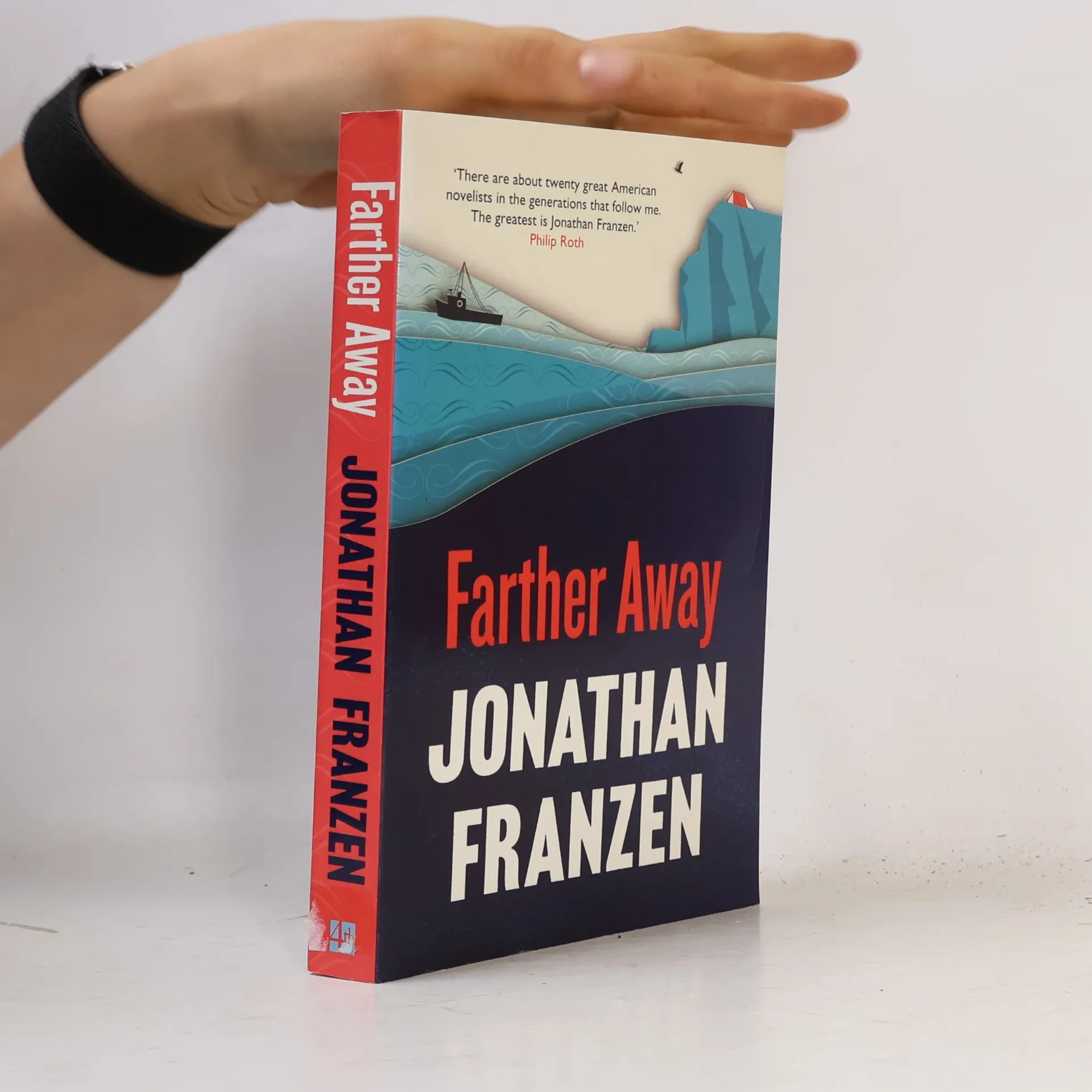
    • Farther Away

      Essays

      • 321pagine
      • 12 ore di lettura

      Jonathan Franzen's Freedom was the runaway most-discussed novel of 2010, an ambitious and searching engagement with life in America in the twenty-first century. In The New York Times Book Review, Sam Tanenhaus proclaimed it "a masterpiece of American fiction" and lauded its illumination, "through the steady radiance of its author's profound moral intelligence, [of] the world we thought we knew." In Farther Away , which gathers together essays and speeches written mostly in the past five years, Franzen returns with renewed vigor to the themes, both human and literary, that have long preoccupied him. Whether recounting his violent encounter with bird poachers in Cyprus, examining his mixed feelings about the suicide of his friend and rival David Foster Wallace, or offering a moving and witty take on the ways that technology has changed how people express their love, these pieces deliver on Franzen's implicit promise to conceal nothing. On a trip to China to see first-hand the environmental devastation there, he doesn't omit mention of his excitement and awe at the pace of China's economic development; the trip becomes a journey out of his own prejudice and moral condemnation. Taken together, these essays trace the progress of unique and mature mind wrestling with itself, with literature, and with some of the most important issues of our day. Farther Away is remarkable, provocative, and necessary.

      Farther Away
      3,6
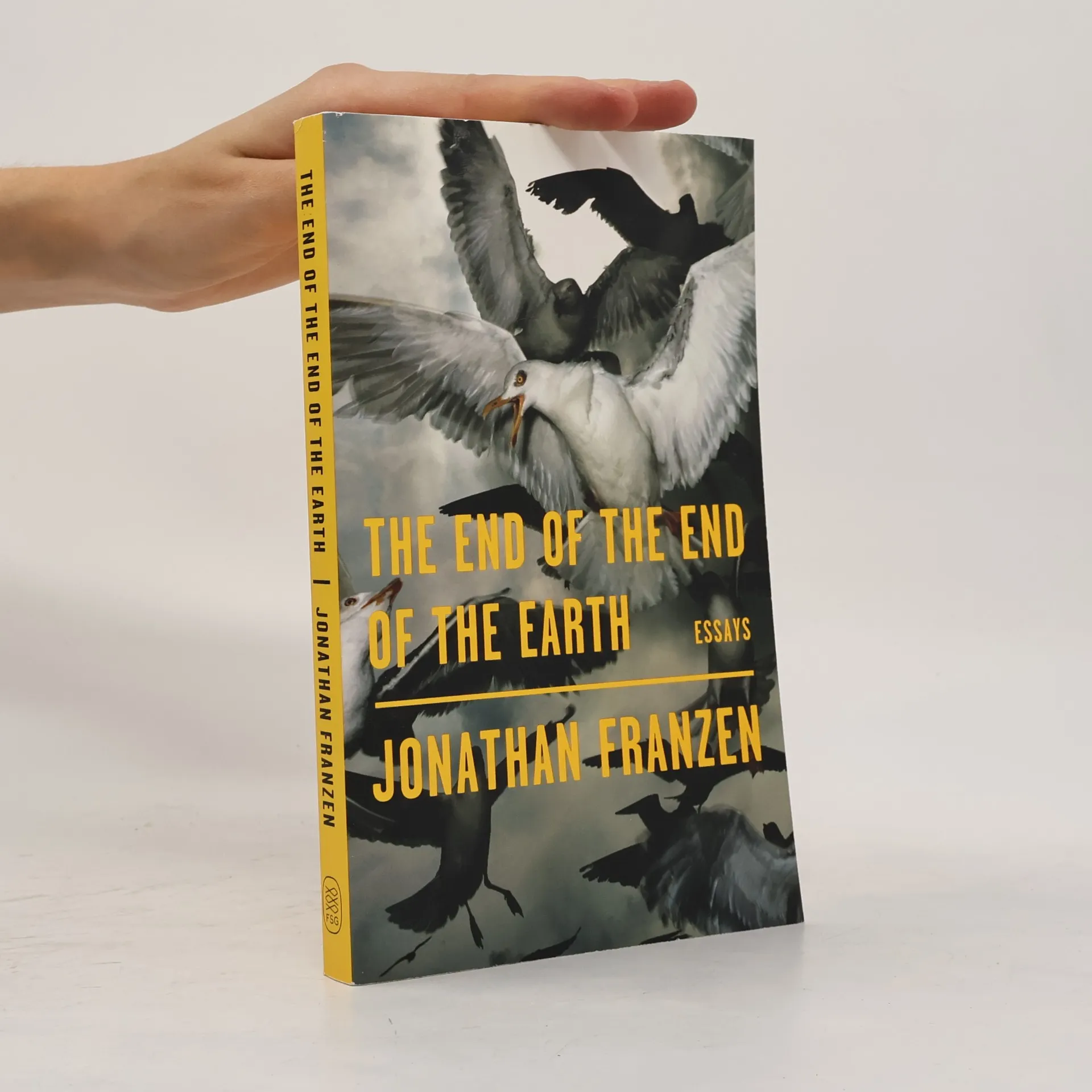
    • The End of the End of the Earth

      • 240pagine
      • 9 ore di lettura

      A sharp and provocative new essay collection from the award-winning author of Freedom and The Corrections

      The End of the End of the Earth
      3,5
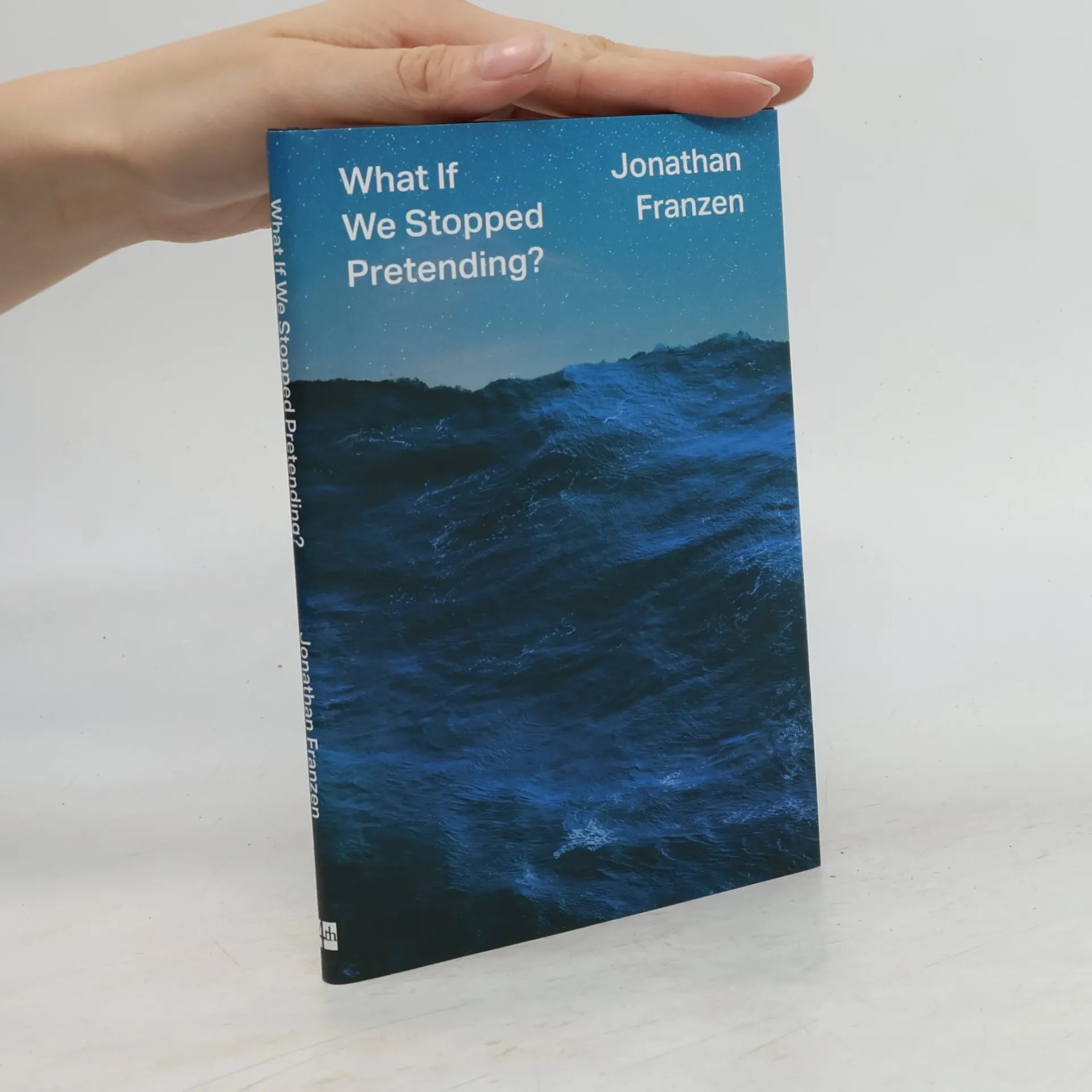
    • What If We Stopped Pretending

      • 70pagine
      • 3 ore di lettura

      The climate crisis is here. Our chance to stop it has come and gone, but this doesn't have to mean the world is ending.

      What If We Stopped Pretending
      3,5
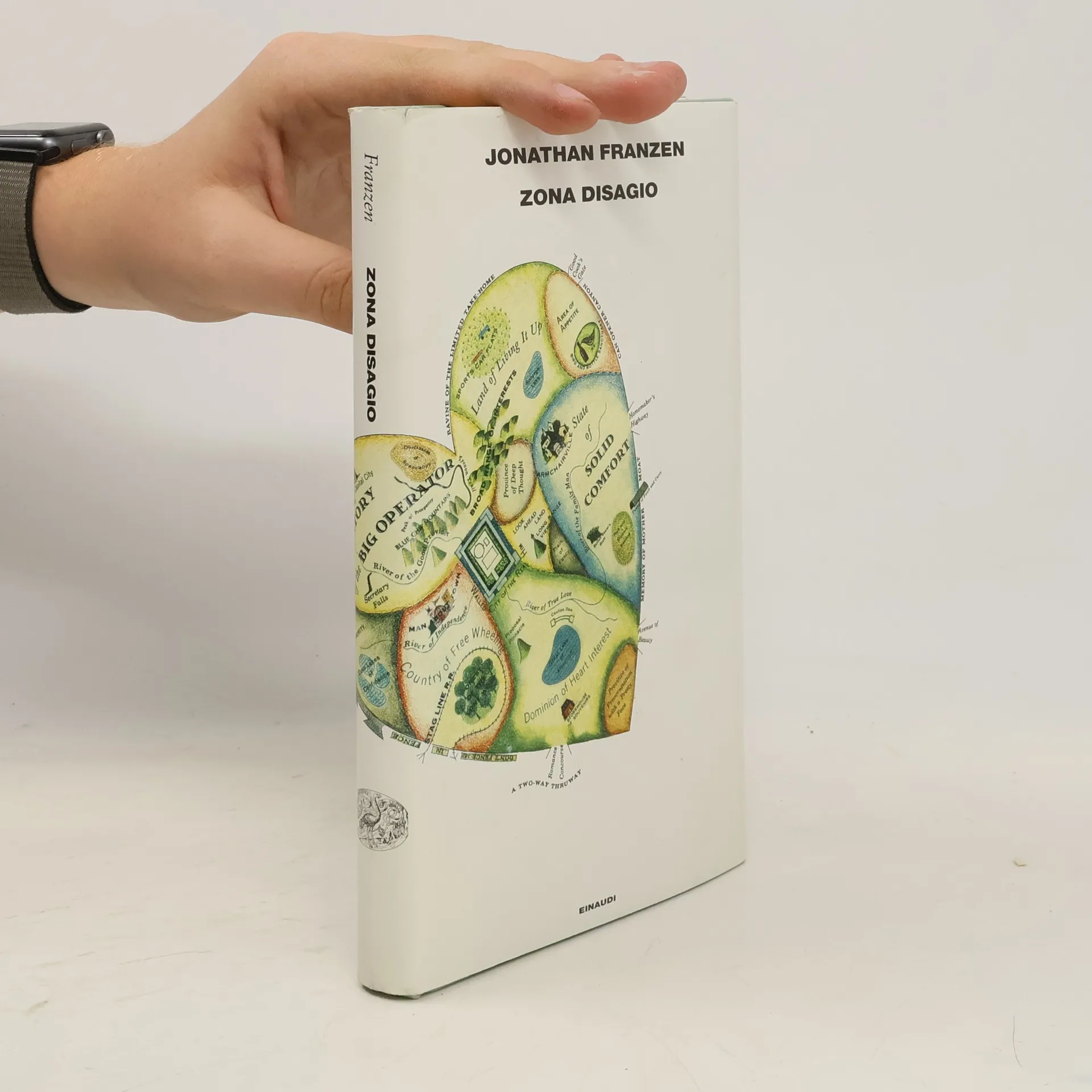
    • The Discomfort Zone

      A Personal History

      • 195pagine
      • 7 ore di lettura

      Jonathan Franzen arrived late, and last, in a family of boys in Webster Groves, Missouri. This is his memoir of his growth from a 'small and fundamentally ridiculous person, ' through an adolescence both excruciating and strangely happy, into an adult with embarrassing and unexpected passions

      The Discomfort Zone
      3,5
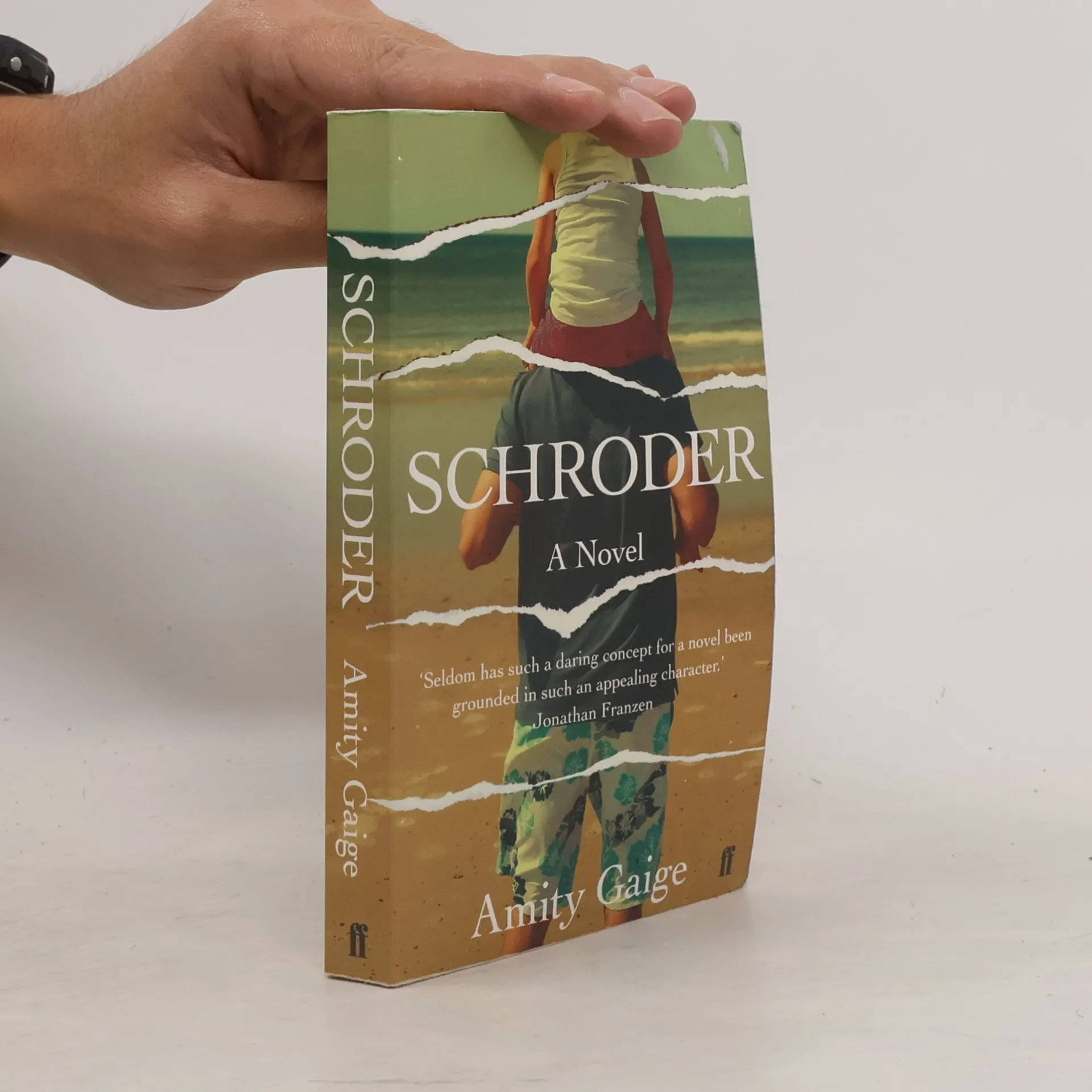
    • Schroder

      • 288pagine
      • 11 ore di lettura

      * Shortlisted for the Folio Prize 2014 * Attending a New England summer camp as an adolescent, young Erik Schroder - a first generation East German immigrant - adopts a new name and a new persona - Eric Kennedy - in the hopes that it will help him fit in. This fateful white lie will set him on an improbable and ultimately tragic course. Schroder relates the story of Eric's urgent escape years later through the New England countryside with his six-year-old daughter, Meadow, in an attempt to outrun the authorities amidst a heated custody battle with his wife, who will soon discover that her husband is not who he says he is. From a correctional facility, Eric surveys the course of his life in order to understand - and maybe even explain - his behaviour; the painful separation from his mother in childhood; a harrowing escape to America with his taciturn father; a romance that withered under a shadow of lies; and his proudest moments and greatest regrets as a flawed but loving father.

      Schroder
      3,5
    • [sic]

      • 272pagine
      • 10 ore di lettura

      Joshua Cody was about to receive his PhD from Columbia University when he was diagnosed with an aggressive cancer. He underwent six months of chemotherapy. The treatment failed. Expectations for survival plummeted. After consulting with several oncologists, he embarked on a risky course of high-dose chemotherapy, full body radiation, and an autologous bone marrow transplant. In a fevered, mesmerising voice, slaloming effortlessly between references to Ezra Pound, The Rolling Stones and Beethoven, he charts the struggle: the fury, the tendancy to self-destruction, the ruthless grasping for life, for sensation - the beautiful Ariel who gives him cocaine and a blowjob in a Manhattan restaurant following his first treatment; the detailed Hungarian morphine fantasy complete with bride called Valentina while, in reality, hospital staff are pinning him to his bed. As fresh and beguiling as it is brave and revealing, Joshua Cody has created a book that gives readers a long glimpse into a gorgeous, dark thrashing in the forecourt of death. Literary, hallucinatory and at times uncomfortable reading, [sic] is ultimately a celebration of art, language music and life.

      [sic]
      2,7
    • This book delivers the intimate memoir of Franzens growth from a "small and fundamentally ridiculous person," through an excruciating and strangely happy adolescence, and into his adult life with embarrassing and unexpected passions.

      The Discomfort Zone. Die Unruhezone, englische Ausgabe
      3,3
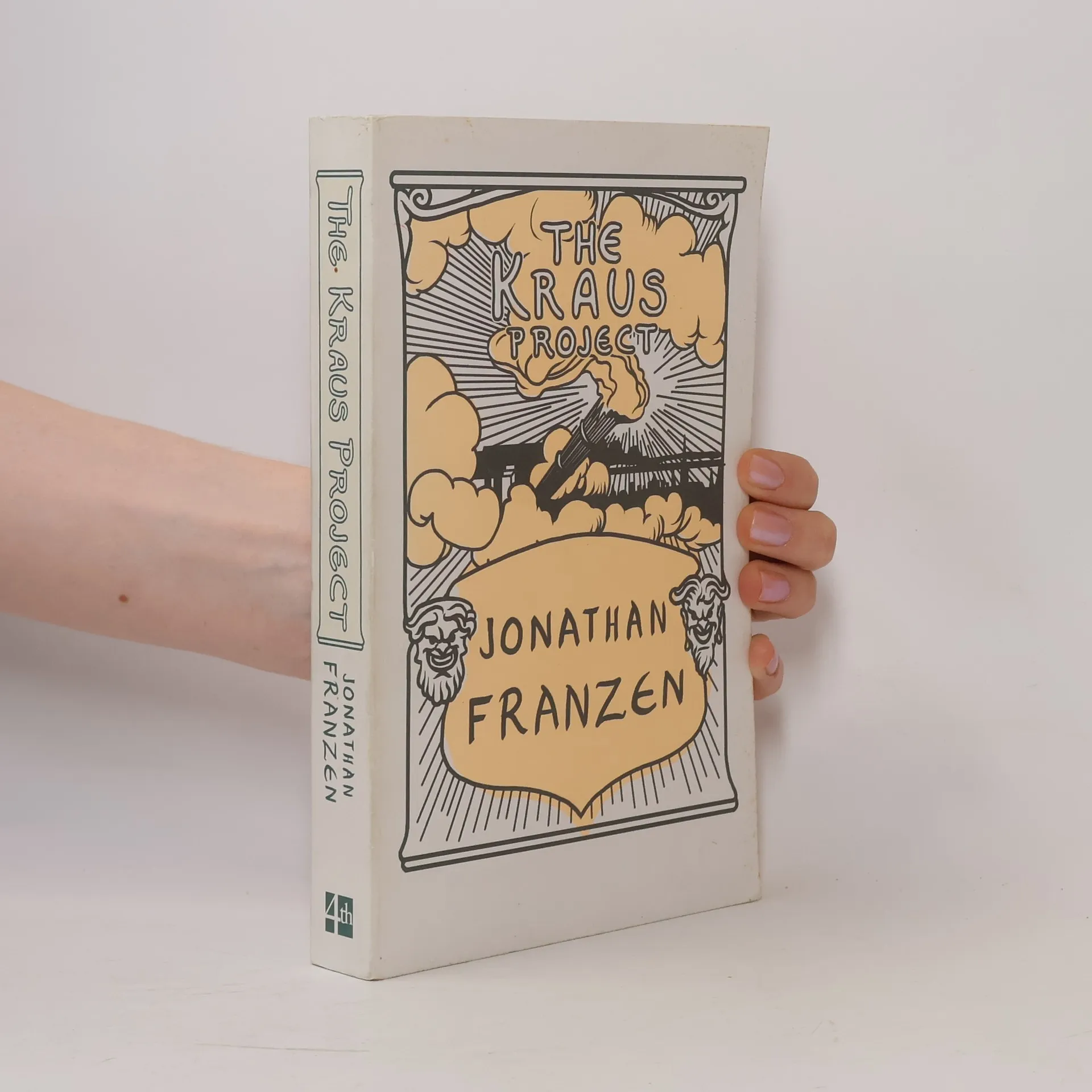
    • Presents newly translated and annotated works of the Viennese satirist who was celebrated by Franz Kafka for his willingness to express unpopular opinions, including the media's manipulation of reality and the dehumanizing nature of technology.

      The Kraus Project
      3,3
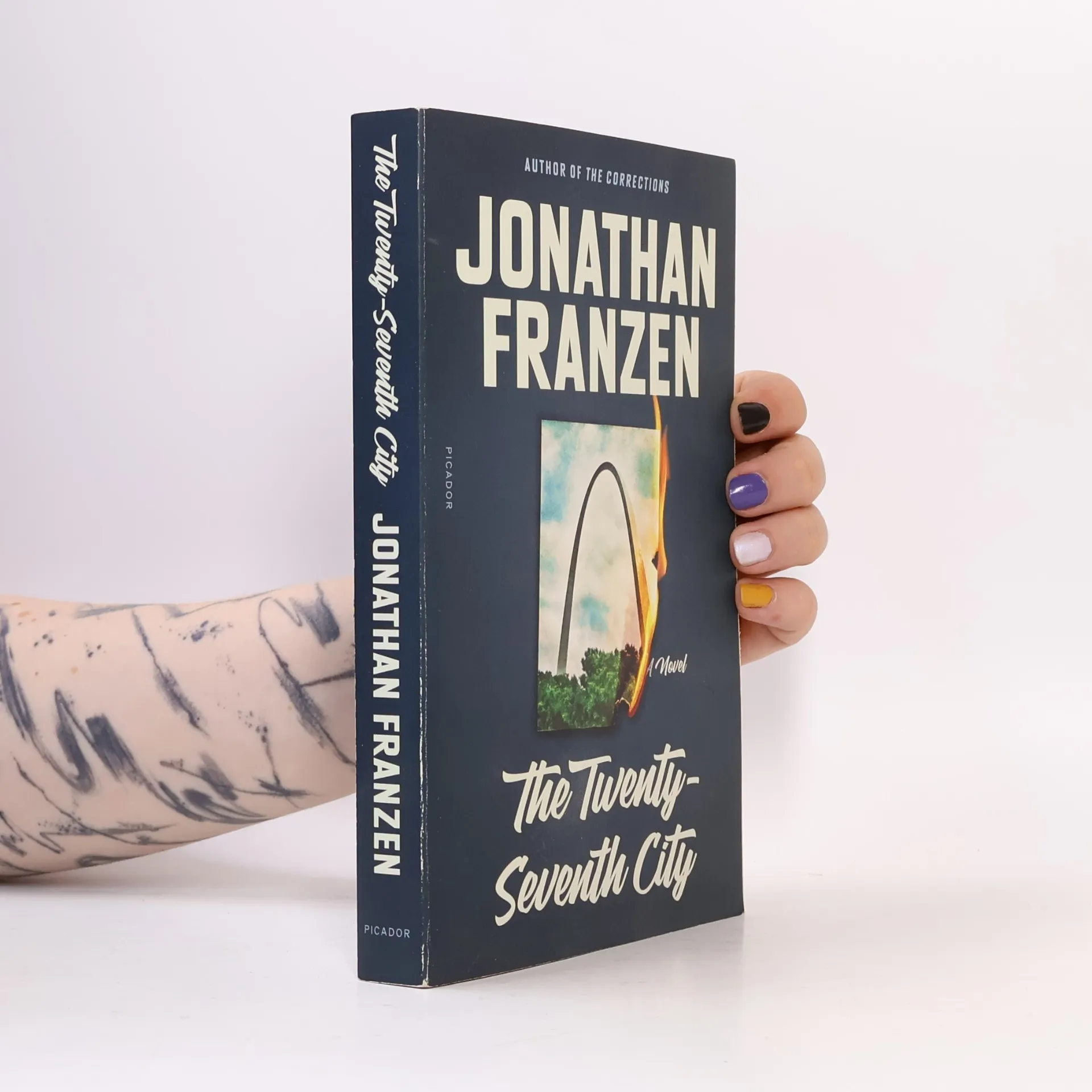
    • Dying St. Louis is turned inside-out by the appointment of a charismatic young woman from Bombay as police chief, an act which launches the city's prominent citizens into political conspiracy. Franzen's first novel is already a classic of contemporary fiction.

      The Twenty-Seventh City. Die 27ste Stadt, englische Ausgabe
      3,2
    • Super ET: Libertà

      • 650pagine
      • 23 ore di lettura

      Walter e Patty arrivano a Ramsey Hill come pionieri di una nuova borghesia: gentili, premurosi, ecologisti. Per loro, che fuggono dai quartieri residenziali, quel luogo è terra di libertà. Eppure qualcosa deve essere andato storto se, dopo qualche anno, scopriamo che Joey, il figlio sedicenne, è andato a vivere a casa degli odiati vicini, Patty è un po' troppo spesso in compagnia di Richard Katz, amico di infanzia del marito e musicista rock, mentre Walter, il devoto della raccolta differenziata e del cibo a impatto zero, viene bollato dai giornali come «arrogante, tirannico ed eticamente compromesso»... Dopo Le correzioni Jonathan Franzen sceglie di nuovo un matrimonio per raccontare ciò che, nostro malgrado o per fortuna, lega tutti gli uomini, in un romanzo spietato e divertente sulle catene che imprigionano e su quelle che rendono più liberi.

      Super ET: Libertà
      4,2
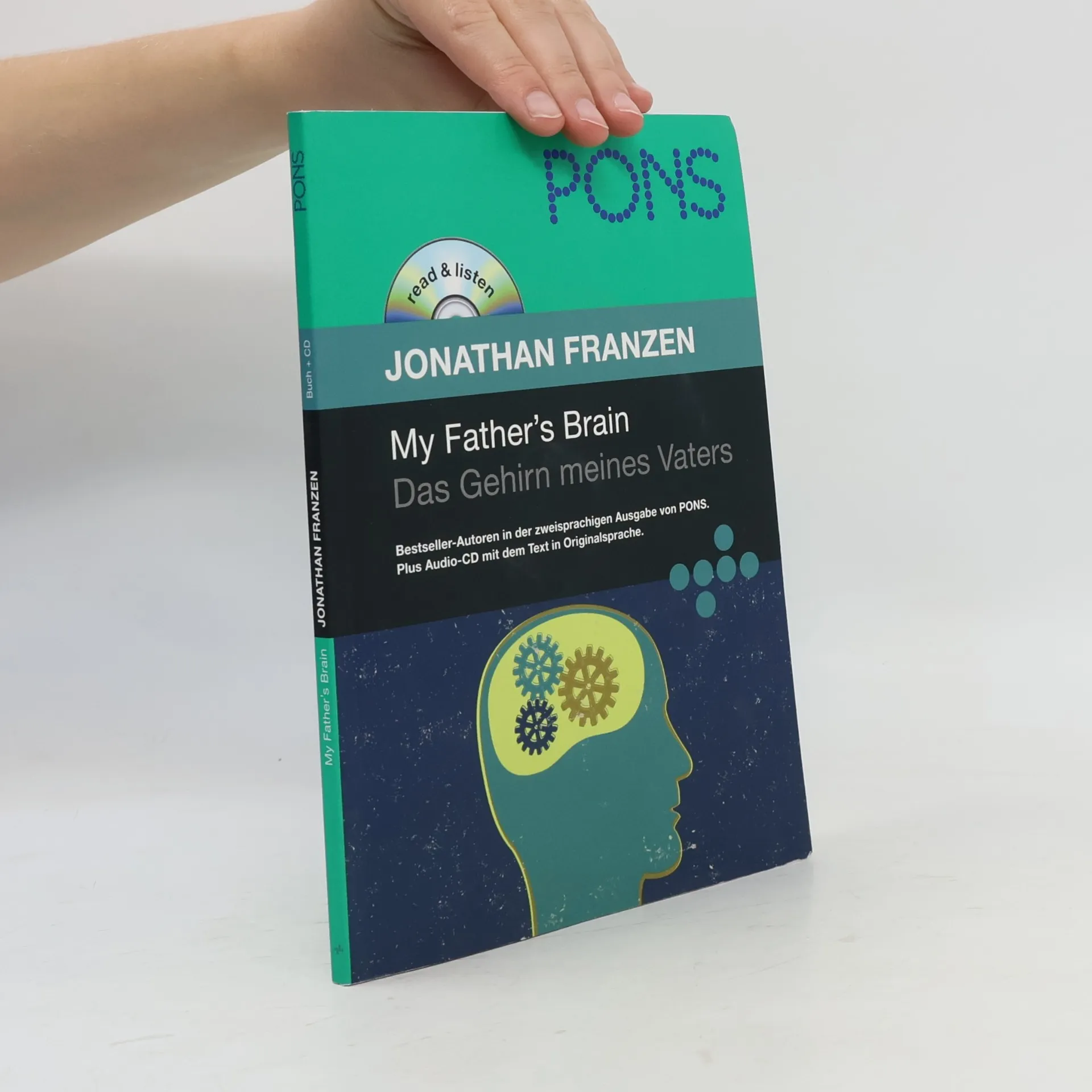
    • « Aurait-il pu y avoir pire maladie pour lui que l’Alzheimer ? Dans ses premiers stades, elle a dissous les liens personnels qui l’avaient préservé des pires effets de son isolement dépressif. Dans ses derniers stades, elle l’a dépouillé des protections de l’âge adulte, du moyen de cacher l’enfant en lui. J’aurais préféré qu’il ait plutôt une crise cardiaque. »Jonathan Franzen a vu son père s’éteindre peu à peu. À partir d’une autopsie de son cerveau que celui-ci avait gagné de son vivant, il revient sur le fléau qui a rongé petit à petit sa famille : la découverte de la maladie, une épouse qui doit devenir mère, ne plus être reconnu… jusqu’au dernier souffle.

      PONS Zweisprachige Ausgabe: Das Gehirn meines Vaters / My Father's Brain
      3,8
    • Nestwarmte

      Wat wij van vogels kunnen leren

      • 288pagine
      • 11 ore di lettura

      Ein Leben mit der Sonne statt nach der Uhr, faire partnerschaftliche Beziehungen, Gewaltverzicht und klimaneutrale Mobilität – was können wir von Vögeln lernen? "Nestwärme" ist ein überraschendes Buch über das Sozialverhalten unserer gefiederten Nachbarn, ein Plädoyer für einen nachhaltigen Umgang mit der Natur – und eine augenzwinkernde Aufforderung, das eigene Leben hin und wieder aus einer neuen Perspektive zu betrachten. Der vielfach ausgezeichnete Naturschützer Ernst Paul Dörfler hat ein berührendes Buch über das geheime Leben der Vögel geschrieben, die oft friedvoller und achtsamer miteinander umgehen als wir Menschen.

      Nestwarmte
      3,2
    • Wann hören wir auf, uns etwas vorzumachen?

      Gestehen wir uns ein, dass wir die Klimakatastrophe nicht verhindern können

      • 64pagine
      • 3 ore di lettura

      Jonathan Franzen, ein langjähriger Umweltaktivist, konfrontiert uns mit der Realität des Klimawandels: Die Kontrolle über die Erderwärmung ist verloren, und die Bemühungen der letzten 30 Jahre waren vergeblich. Das Pariser Abkommen und Initiativen wie „Fridays for Future“ kommen zu spät. Doch das bedeutet nicht das Ende. Vielmehr sollten wir uns auf die unvermeidlichen Folgen vorbereiten, wie Brände, Überschwemmungen und Flüchtlingsströme. Es ist entscheidend, alles in unserer Macht Stehende zu tun, um unsere Gesellschaften und Demokratien zu stärken. Franzen plädiert dafür, die Grenzen unserer Möglichkeiten nicht zu leugnen, sondern sich auf das zu konzentrieren, was wir tatsächlich verändern können. Das Buch enthält einen Essay, ein unveröffentlichtes Vorwort des Autors und ein Interview zur Klimakrise, das er 2019 der Zeitung „Die Welt“ gab. Er stellt die Frage, wie wir mit der drohenden Katastrophe umgehen: Entweder wir bleiben in der Hoffnung gefangen und werden frustriert über die Trägheit der Welt, oder wir akzeptieren das Unheil und überdenken, was Hoffnung wirklich bedeutet.

      Wann hören wir auf, uns etwas vorzumachen?
      3,6
    • La canción de amor de Jonny Valentine

      • 420pagine
      • 15 ore di lettura

      ¿QUIÉN ES JONNY VALENTINE? Es el "Ángel del Pop", un rompecorazones de once años con una voz cautivadora. Su madre, una cajera de supermercado convertida en mánager, lucha por mantenerlo en la cima desde que se hizo famoso en YouTube. Sin embargo, la fama tiene un precio: Jonny necesita zolpidem para dormir. ¿QUÉ LE GUSTA A JONNY VALENTINE? Disfruta de la música, el amor y mimar a las chicas, pero también se dedica a jugar a la videoconsola en suites de hotel, intentar masturbarse y devorar canapés a escondidas. Su ídolo es Michael Jackson. ¿POR QUIÉN SUSPIRA JONNY VALENTINE? Reconoce que su éxito se debe a sus fans, pero, a pesar de su popularidad, no ha podido conocer a ninguna chica. Su primer amor es un montaje y su único amigo es su guardaespaldas; su padre lo abandonó hace tiempo. Siempre rodeado de gente, Jonny se siente solo. ¿QUÉ SERÁ DE JONNY VALENTINE? Su canción de amor es un himno a la ternura y a la magia de la primera vez, reflejando sentimientos puros en un mundo cínico, al tiempo que ofrece una sátira aguda de la industria musical y la vida adulta. Esta segunda novela ha sido aclamada en EE.UU., destacando a Teddy Wayne como una de las voces más relevantes de su generación, retratando a un niño que no puede ser niño ni crecer.

      La canción de amor de Jonny Valentine
      3,5
    • Het einde van het einde van de wereld

      • 218pagine
      • 8 ore di lettura

      In Het einde van het einde van de wereld behandelt Jonathan Franzen de grote literaire en menselijke thema's die hem al sinds lang bezighouden. Of het nu gaat om de ingewikkelde relatie met zijn oom, zijn eerste, armoedige jaren in New York of zijn gedachten over de alarmerende afname van het aantal vogels op onze planeet: dit boek bevat alle tragische en komische aspecten van Franzens schrijverschap in handformaat. Het einde van het einde van de wereld is een portret van de ontwikkeling van een unieke en volwassen persoonlijkheid die worstelt met zichzelf, met de wereld van de literatuur, en met sommige van de grootste problemen van onze tijd - die in het huidige politieke klimaat zelfs nog groter worden.

      Het einde van het einde van de wereld
      3,1
    • In diesem Band der Tübinger Poetik-Vorlesungen 2009 untersuchen Jonathan Franzen und Adam Haslett das Wechselspiel zwischen Leben und Schreiben. Poetikvorlesungen bieten Wissen, das aus Erfahrung und persönlichen Erlebnissen stammt, und sollen keine bloßen Wiederholungen bereits veröffentlichter Texte sein. Stattdessen wird eine biografisch gesättigte Reflexion über das eigene Schreiben und Lesen angestrebt. Diese Vorlesungen thematisieren die Funktion, Wirkung und Rolle des Autors, wobei nicht nur die Rolle im Text, sondern auch die Person des Autors, seine Stimme, Geschichte und Präsenz im Mittelpunkt stehen. Die Frage nach dem Autobiografischen im Roman ist für den Autor von Bedeutung und geht über literaturwissenschaftliche Überlegungen hinaus. Franzen sieht einen Roman als persönlichen Kampf an, während Haslett betont, dass Schriftsteller die Bücher schreiben, die sie selbst lesen möchten. Beide Autoren reflektieren über die Herausforderungen, die das Schreiben mit sich bringt, und die Sehnsucht nach Anerkennung der inneren Konflikte. Franzen, geboren 1959, ist bekannt für Werke wie „Die Korrekturen“, während Haslett, Jahrgang 1970, mit „Union Atlantic“ über die Finanzkrise des 21. Jahrhunderts schrieb.

      Are We Feelong Better Now? Fiktion und Autobiografie