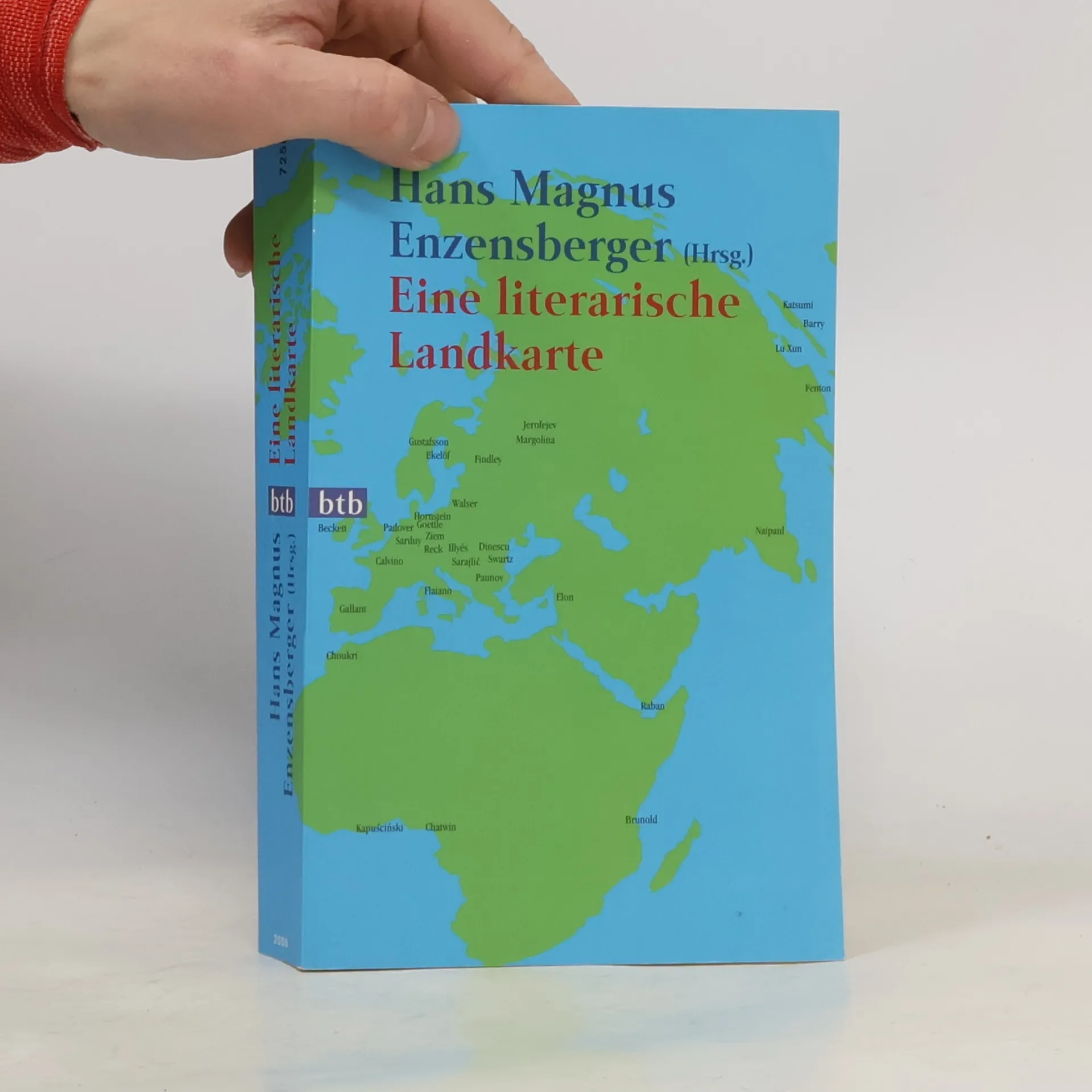
Hans Magnus Enzensberger è stato un autore tedesco le cui opere erano contrassegnate da una profonda perspicacia intellettuale e da un'acuta satira. La sua poesia e i suoi saggi esploravano spesso le complessità della società moderna, della politica e della cultura. Attraverso il suo variegato corpus di scritti, che comprendeva anche traduzioni e contributi editoriali, Enzensberger ha consolidato la sua posizione di voce influente nella letteratura tedesca e mondiale. La sua scrittura è apprezzata per la sua natura impegnativa e la sua capacità di stimolare la riflessione.
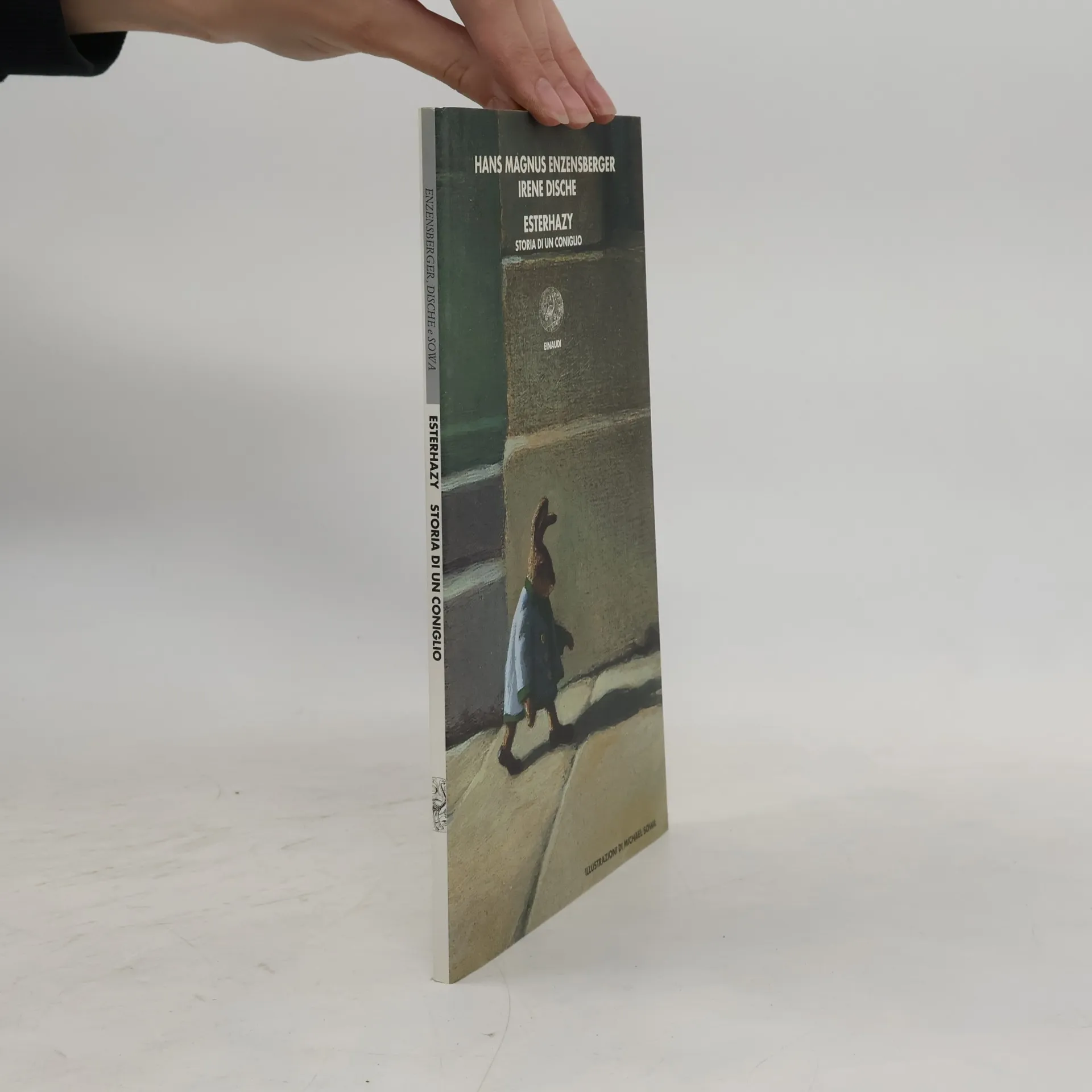
La storia di un coniglietto aristocratico - e non uno qualunque, bensì un Esterhazy - che parte all'avventura in cerca di una moglie. Il Principe suo zio gli suggerisce di prendere il treno per Berlino: là infatti "i conigli vivono tutti dietro un grande muro. Dio solo sa perché". E a Berlino il nostro coniglietto - il cui nome per esteso è Michele Paolo Antonio Maria dodicimilasettecentonovantaduesimo Principe di Insalatinia e di Carotopoli, Conte di Lattughino, Signore di San Prezzemoloburgo, Agliogrado e Corterapa - ne passerà delle belle. Alla fine però troverà ad attenderlo una grande sorpresa.
In questo volume, che contiene sei racconti del narratore, saggista e pensatore tedesco, vengono affrontati e analizzati i fenomeni sociali, il potere politico e economico, la pubblica istruzione e i costumi contemporanei.
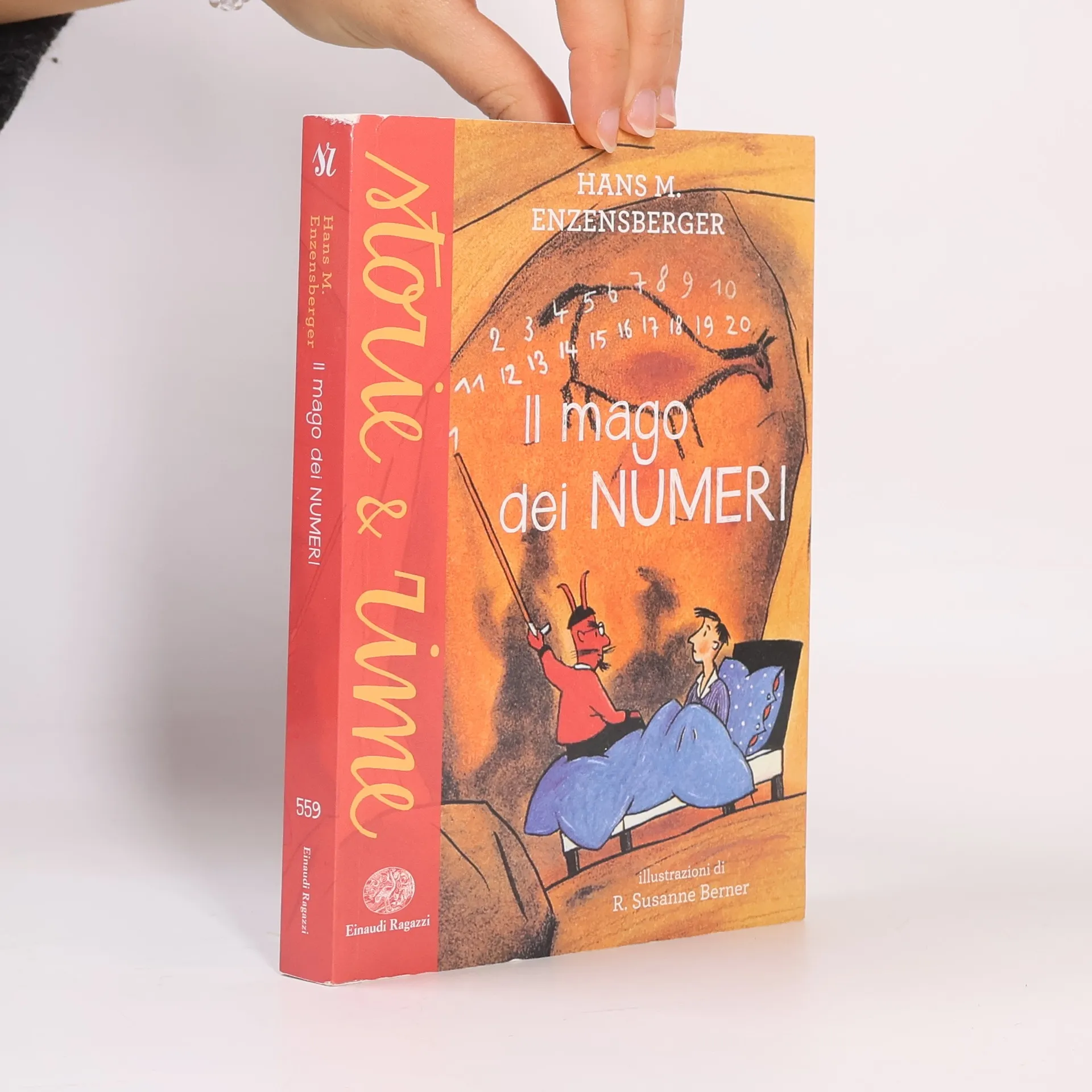
Roberto detesta la matematica, non ci capisce nulla! Ma una notte, in sogno, incontra un piccolo e collerico diavolo che pretende di insegnargliela giocando. Nel corso di dodici notti, il diavolo lo accompagna nello strano e appassionante mondo dei numeri; le cifre prendono vita, le leggi e i meccanismi che le governano diventano sempre più affascinanti. Strapazzato da questo maestro così esigente Roberto impara a giocare con le radici quadrate, le frazioni e, improvvisamente, capisce tutto! E così anche il lettore che, insieme a Roberto, viene invogliato ad addentrarsi in quest'universo misterioso ma appassionante
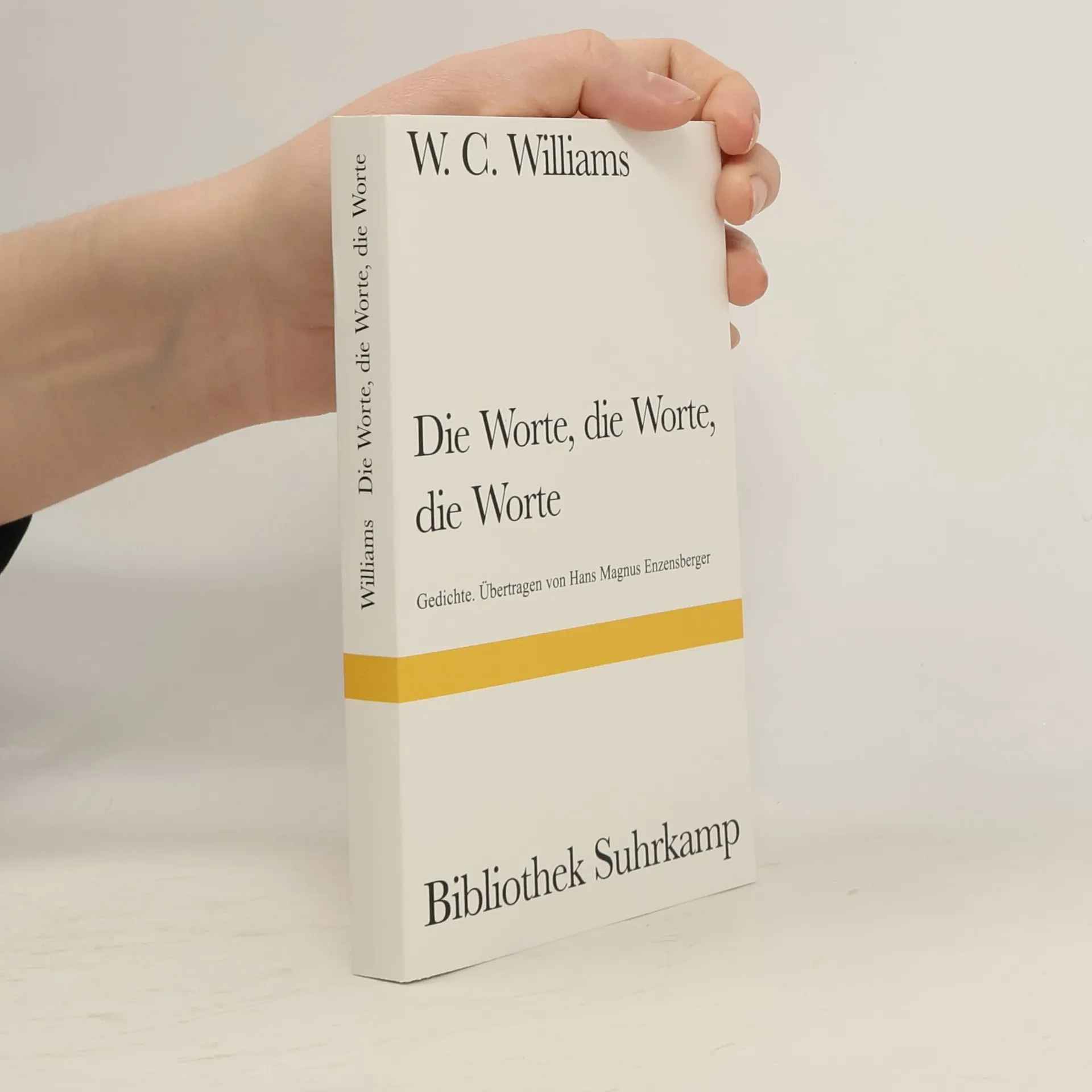
William Carlos Williams war der Doyen der modernen amerikanischen Poesie. Er residierte nicht in New York, er lebte als Armenarzt in seinem Geburtsort, einem kleinen Ort im Staate New Jersey. In diese Welt gehören seine Gedichte; sie sind ganz und gar amerikanisch: hart, genau, ohne Rhetorik, geprägt vom Pragmatismus. Ihre Sprache ist scheinbar direkt, nur im Anschein des Mühelosen verrät sich die Kunst des Dichters. Kein anderer Dichter des Landes ist so wenig gealtert und hat so tief auf die Jungen und Jüngsten gewirkt.
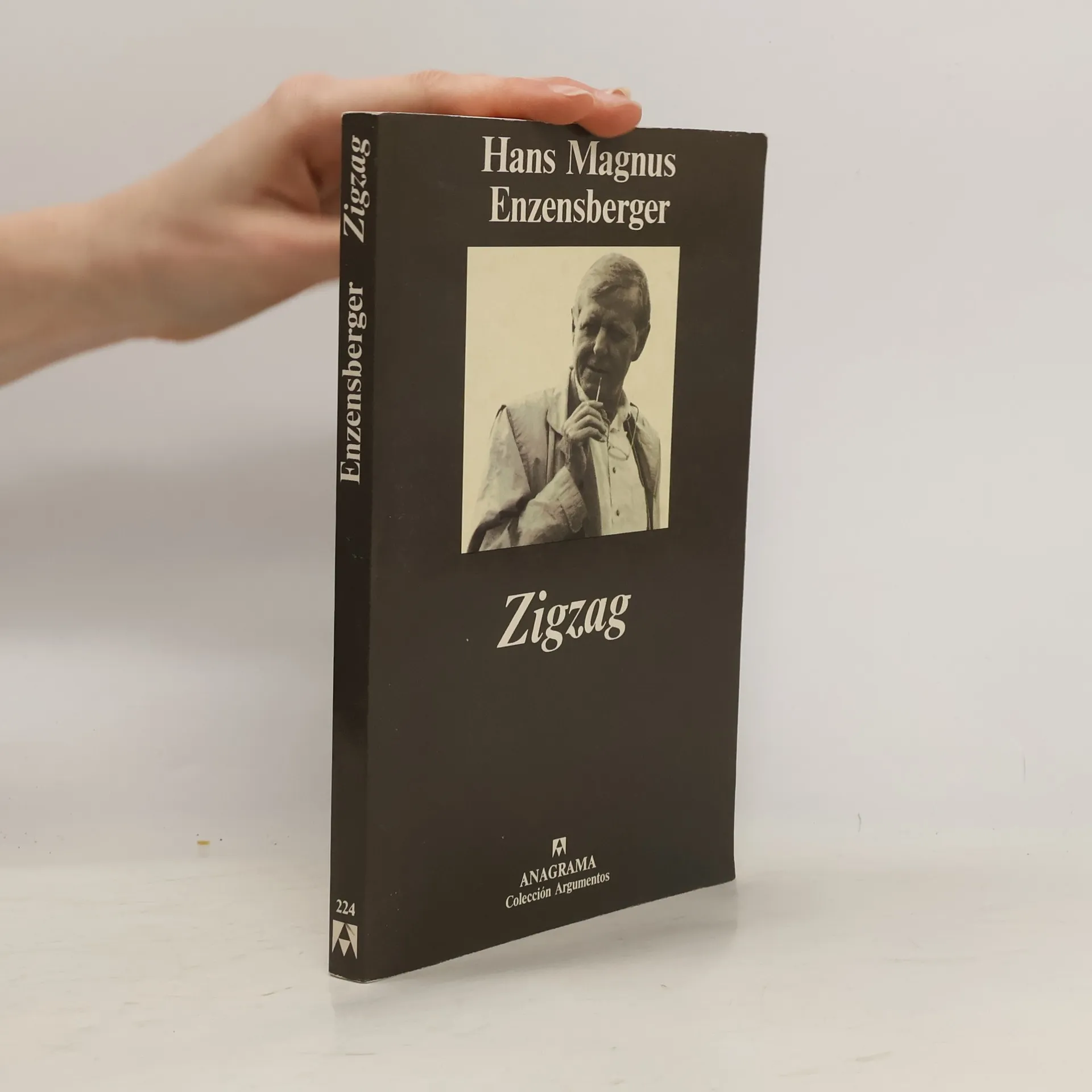
Hans Magnus Enzensberger, además de gran poeta, es uno de los más agudos ensayistas de nuestro tiempo. En este libro reúne catorce textos escritos entre 1989 y 1997, muchos de ellos ya aparecidos en diarios y revistas alemanes, y que se publican en libro con leves retoques, mientras que tres de los trabajos son inéditos. Ya el mismo título del libro, "Zigzag", refleja a la perfección la forma de pensar de Enzensberger. En sus ensayos y artículos huye de la descripción lineal y homogénea, prefiriendo una exposición tan zigzagueante como la propia evolución histórica. En ellos, aborda temas muy diversos: la dictadura de la moda, el lujo y el derroche en la sociedad actual, la política cultural de los entes públicos, los intelectuales al servicio del poder, la profusión de escritores faltos de imaginación y seriedad, la figura de Gorbachov como desmantelador de un imperio, la guerra civil de Uganda contrapuesta a la situación de Bosnia o la política de Hussein, aquí comparado con Hitler, artículo éste que desencadenó fuertes controversias en Alemania.
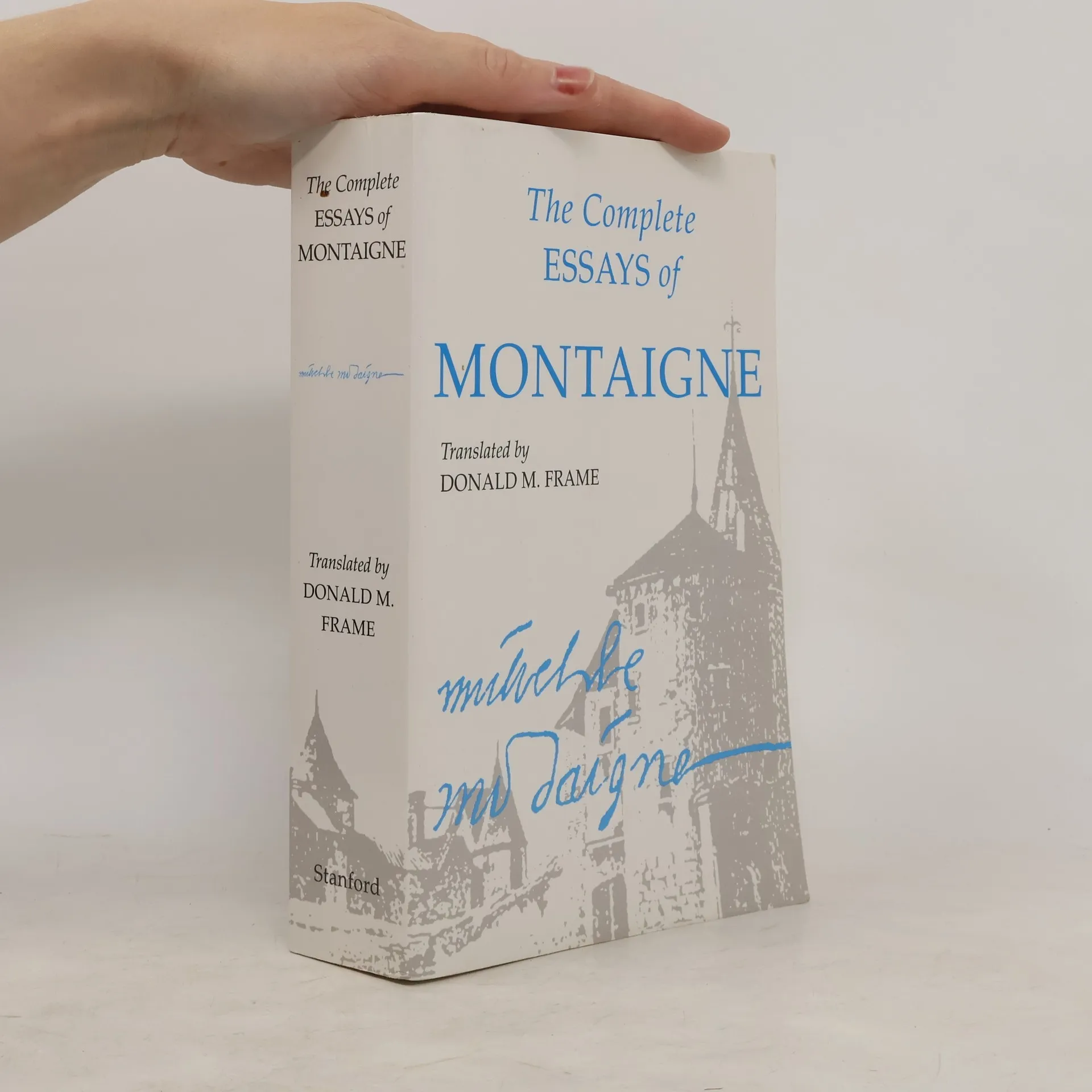
A collection of daring short essays on topical themes, including politics, economics, religion, society. Hans Magnus Enzensberger takes the title for this collection not from Jeremy Bentham's famous prison but from a mid-1930s Cabinet of Curiosities opened in Germany by Karl Valentin. "There," writes Enzensberger, "viewers could admire, along with implements of torture, all manner of abnormalities and sensational inventions." And that's what he offers here: a wide-ranging, surprising look at all manner of strange aspects of our contemporary world. As masterly with the essay as he is with fiction and poetry, Enzensberger here presents complicated thoughts with a light touch, tying new iterations of old ideas to their antecedents, quoting liberally from his forebears, and presenting himself unapologetically as not an expert but a seeker. Enzensberger the essayist works in the mode of Montaigne, unafraid to take his reader in unexpected directions, knowing that the process of exploration is often in itself sufficient reward for following a line of thought. In an era that regularly laments the death of the public intellectual, Enzensberger is the real deal: a towering figure in German literature who refuses to let his mind or work be bound by the narrow world of the poetry or fiction section.
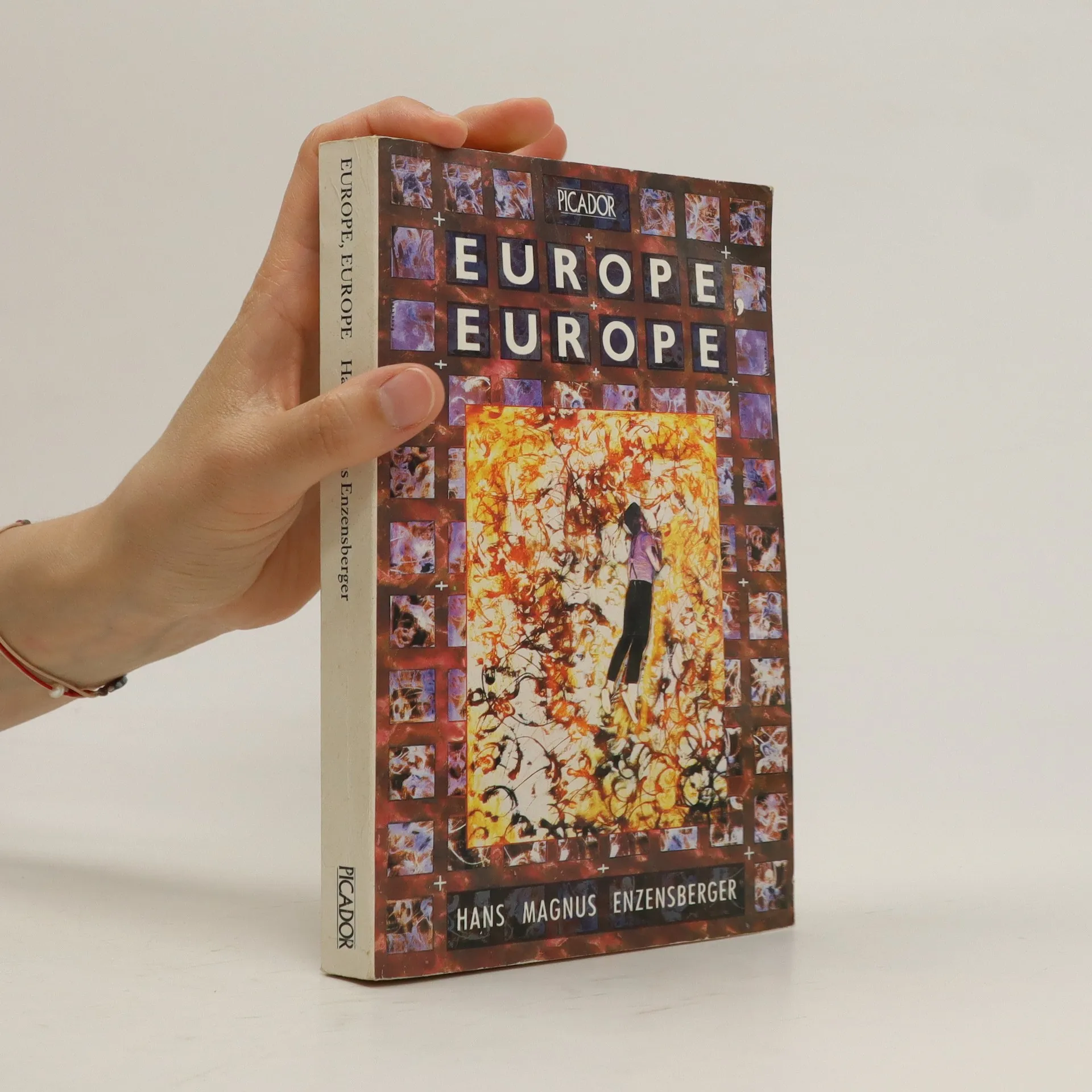
In this highly acclaimed and entertaining book, already "among the touchstones of the new travel writing" ("Newsweek"), one of West Germany's leading authors takes us on an insider's tour of Europe in the recent past. Focusing on Italy, Poland, Hungary, Sweden, Spain, and Portugal, he describes how Europe has been moving toward a new identity. Enzensberger makes a witty and knowledgeable traveling companion, delving into surprising corners and byways--from the back alleys of Budapest to the halls of the Italian mint--and striking up conversations with everyone from bankers to revolutionaries, astrologers to apparatchiks. In the process, he suggests that Europe's strength lies increasingly in embracing diversity and improvisation, not bigness and regimentation. He enables us to see with fresh eyes one of the most exciting parts of the world today.
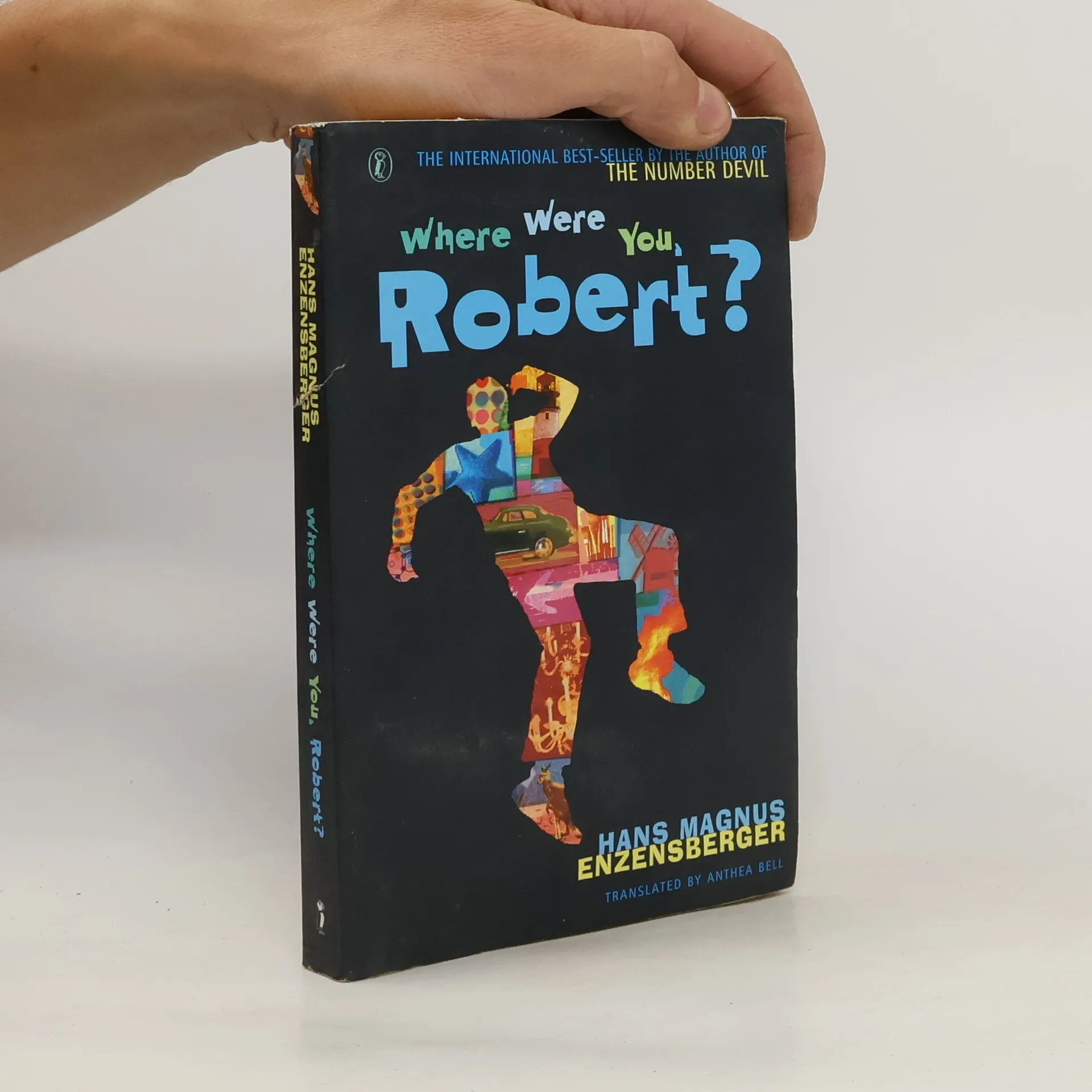
Fifteen-year-old Robert is a dreamer: one evening his eyes blur over and he literally disappears. Robert has become a time traveller, but with little control over his ability he seems doomed to wander forever - until he appears in 17th-century Amsterdam and finds a slim chance of returning home.
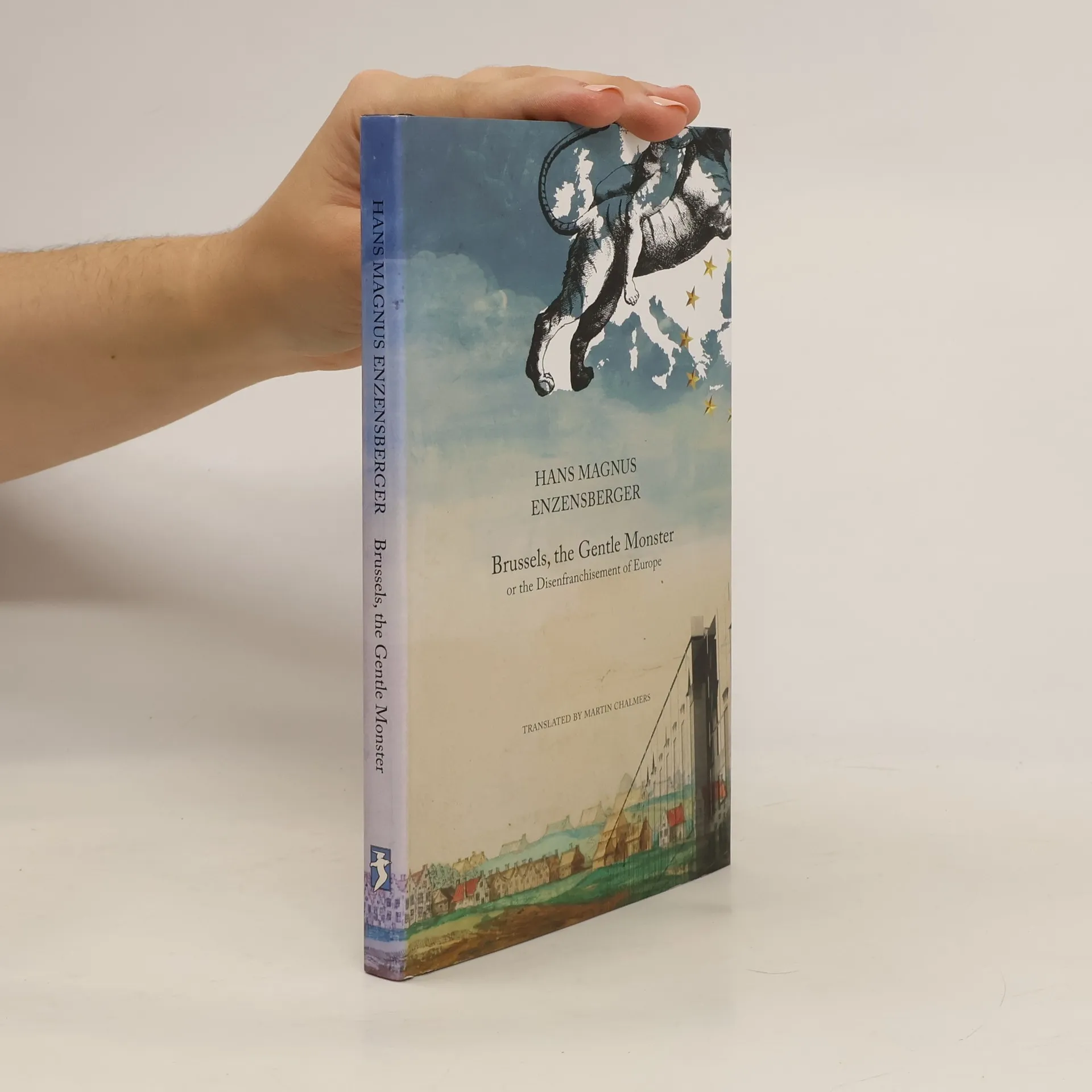
The inner workings of the European Union remain a mystery to many, both within its borders and beyond. The Brussels bureaucracy, responsible for setting numerous EU policies, often feels distant to its citizens, yet its decisions have far-reaching impacts on the global marketplace. In this insightful essay, Hans Magnus Enzensberger combines reportage, argument, and analysis to clarify the EU's current political and economic roles while exploring its origins and contradictions. He argues that Europe is engaged in an unprecedented project—an attempt at non-violent, post-democratic governance that seeks to eliminate the continent’s diversity and impose a regime unaccountable to its citizens. The EU's often arbitrary rules create a form of soft guardianship, dictating the lives of half a billion people, regardless of their individual political beliefs and traditions. Enzensberger presents a strategy for navigating this complex entity, which is both gentle and formidable, serving as both ally and adversary. His work raises critical questions about the nature of governance and accountability in contemporary Europe, challenging readers to consider the implications of a system that often prioritizes uniformity over diversity.
Migration, Asyldebatte, Terrorismus, Bürgerkriege: vier Essays von analytischer und prognostischer Brillanz Ob es um die deutschen Erfahrungen mit Migration und Fremdenhass ging, um die in den 90er Jahren versprochene, aber trügerische »Friedensdividende« nach dem Ende des Kalten Krieges, um die terroristische Spur von Größenwahn und Rachsucht, Mordlust und Todeswunsch oder um den brutalsten Bürgerkrieg der modernen Geschichte – mit seinen Versuchen über den Unfrieden aus den Jahren 1992–2015 hat Hans Magnus Enzensberger vier brillante Zeitanalysen vorgelegt, die hier in einem einzigen Band mit einem neuen Vorwort und einigen Aktualisierungen wieder vorgelegt werden. Der Grund dafür ist einfach: Die Konflikte, von denen sie handeln, haben sich derart zugespitzt, dass alle Versuche, sie zu verharmlosen oder zu leugnen, gescheitert sind. Enthält die folgenden vier Essays: Die Große Wanderung (1992) Aussichten auf den Bürgerkrieg (1993) Schreckens Männer (2006) Der vergessene Gottesstaat (2015)
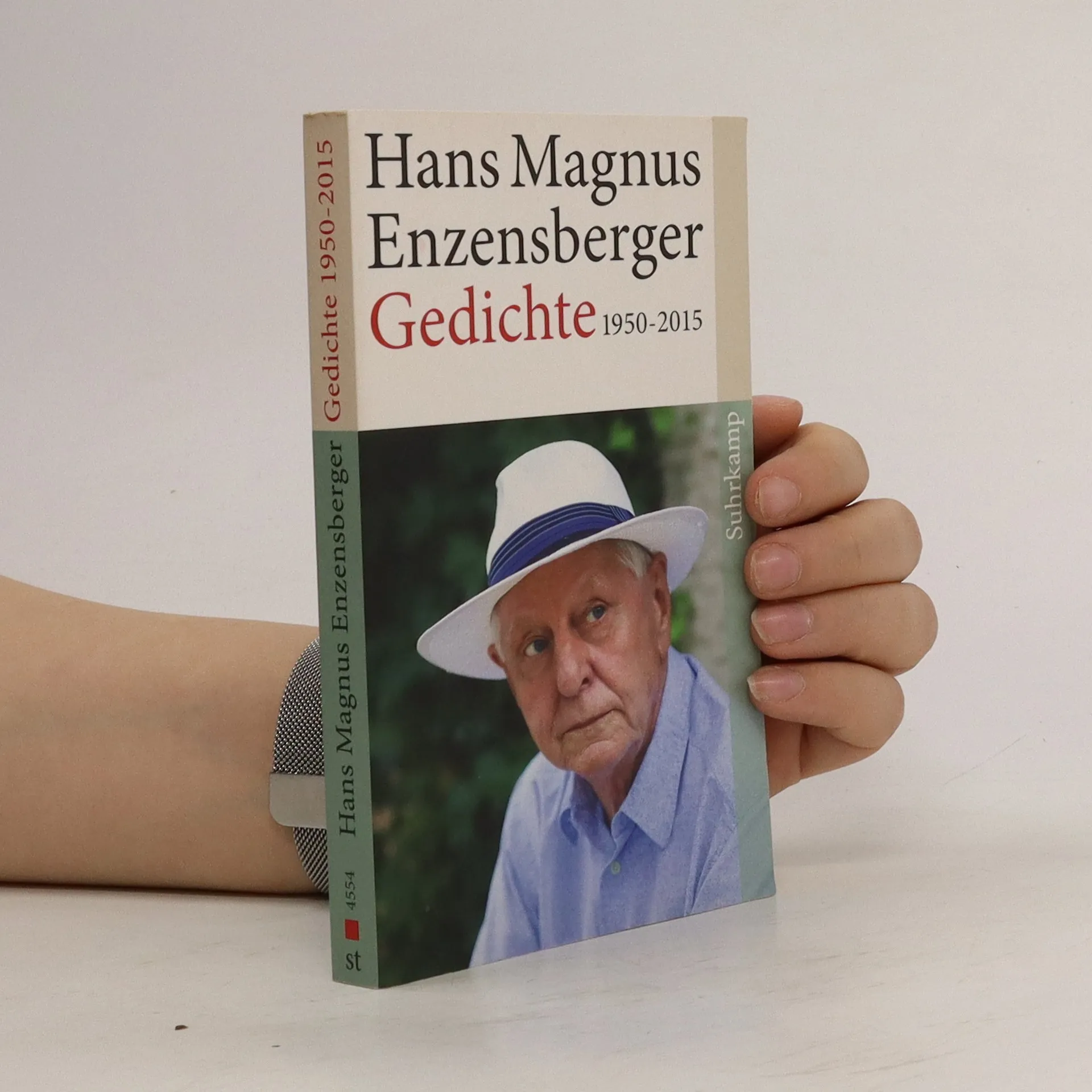
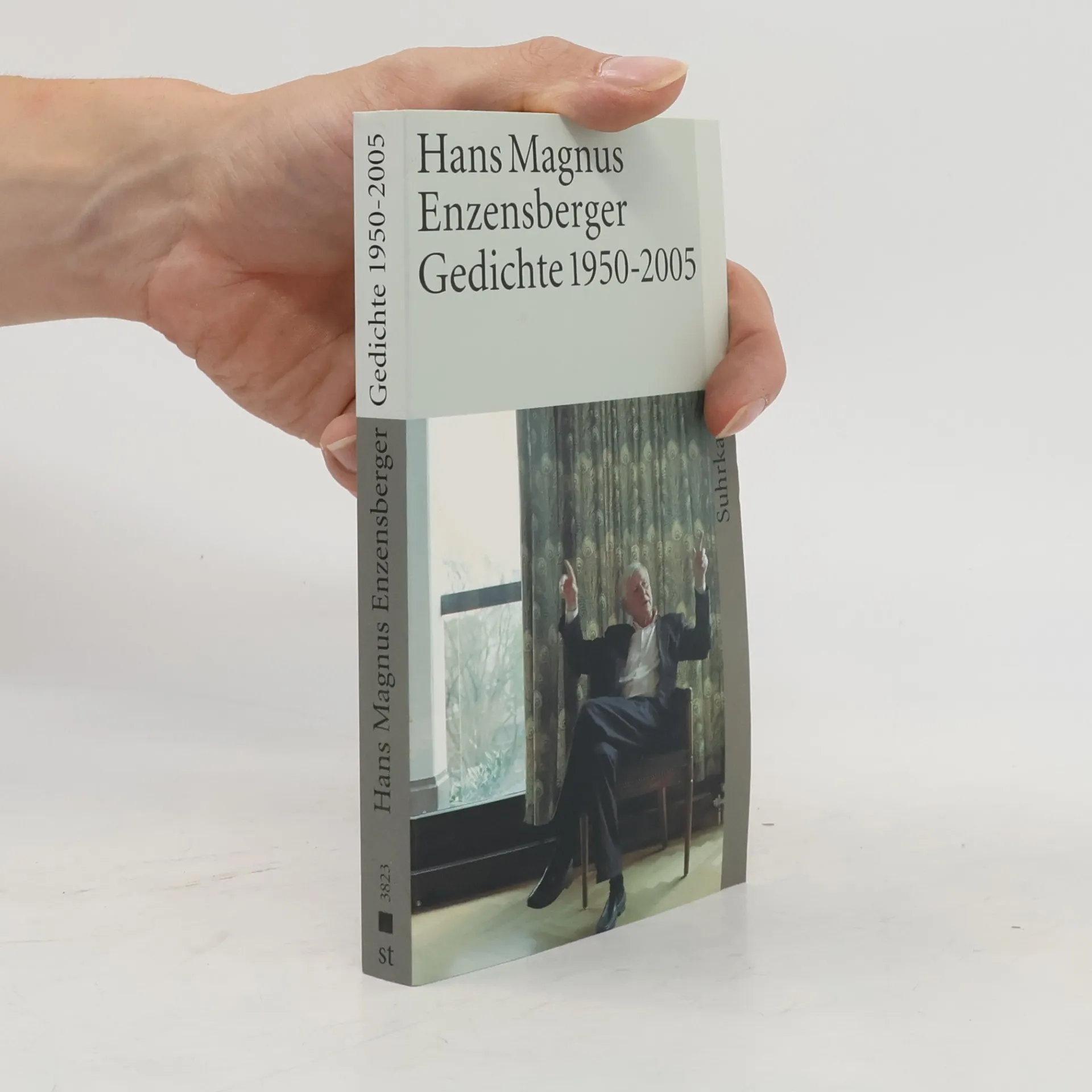
Die Neugier auf die Erfahrung seiner selbst und auf die Rätsel, die »ihm der Alltag und die Philosophie und die Biologie zuspielen« (DER SPIEGEL), hat sich Hans Magnus Enzensberger seit der Verteidigung der Wölfe (1957), seinem ersten Gedichtband, nicht nehmen lassen. In all den Jahrzehnten seither ist sein Werk wie wenige andere zu einem poetischen Vademecum für Zeitgenossen geworden. »Wir wüssten keinen, mit dem wir uns lieber einen Reim auf diese Welt machen würden«, schrieb einmal die Neue Zürcher Zeitung – voilà: Enzensbergers persönliche Auswahl seiner Gedichte aus sechseinhalb Jahrzehnten. Wieder hat Enzensberger die Taschenbuchausgabe seiner gesammelten Gedichte im Fünfjahresrhythmus renoviert: Einiges aus der älteren Zusammenstellung wurde herausgenommen, Neues aus der letzten illustren Sammlung Blauwärts (2013) integriert. Mehrere bislang ungedruckte Gedichte kamen hinzu. So schreibt sich die Auswahl seiner Gedichte weiter fort als die Geschichte eines Zeitgenossen, der die Systeme hinter sich lässt und der unfasslichen Monstrosität der ›Realität‹ (s)eine Sprache gibt.
Hans Magnus Enzensberger wurde 1929 in Kaufbeuren geboren. Als Lyriker, Essayist, Biograph, Herausgeber und Übersetzer ist er einer der einflussreichsten und weltweit bekanntesten deutschen Intellektuellen.
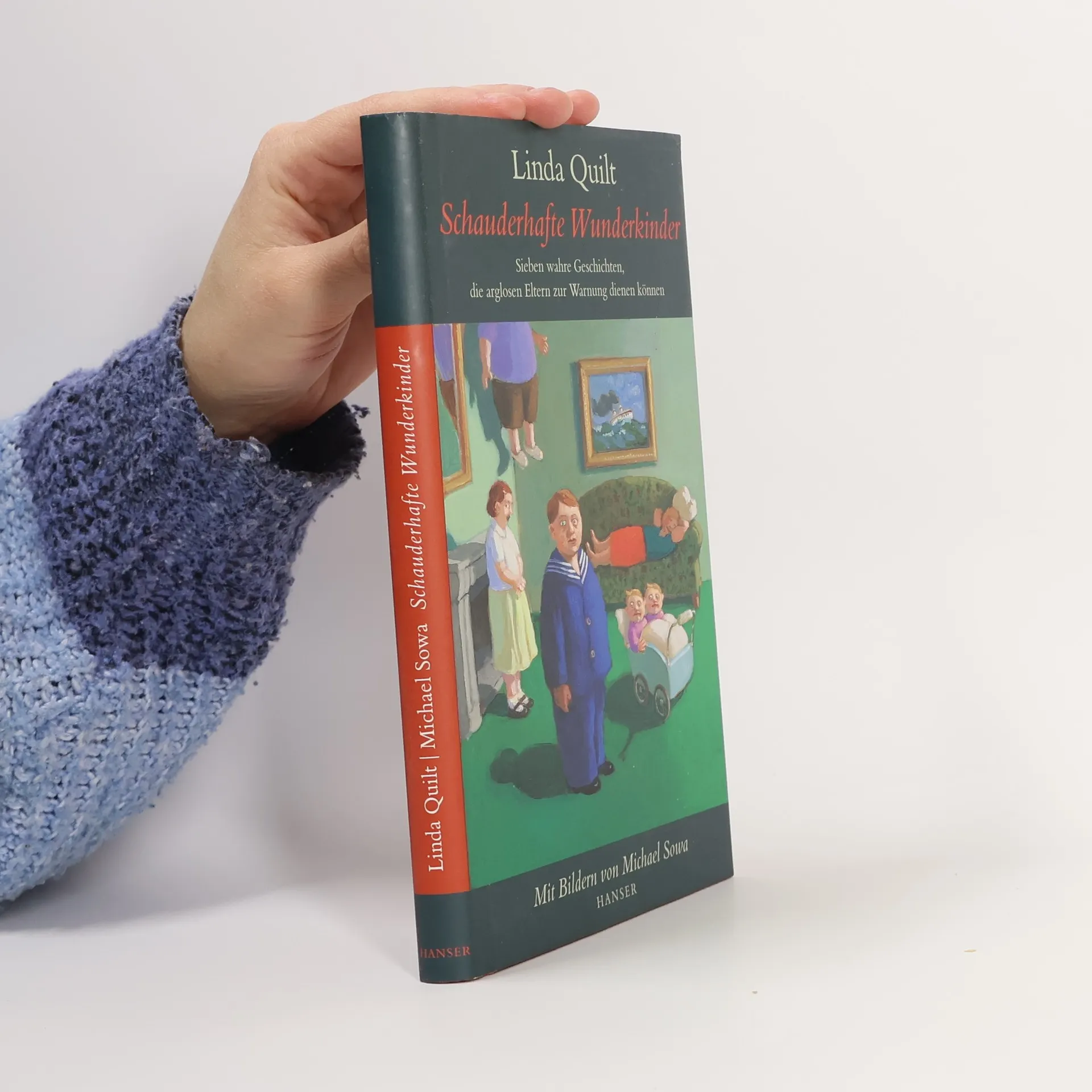
Die Helden dieser Geschichten sind nicht Wunderkinder im herkömmlichen Sinn, eher wunderliche Sonderfälle. Der süßen Melinda zum Beispiel hüpft bei jeder Lüge eine Kröte aus dem Mund. Weswegen sie immer die Wahrheit sagen muss. Und da ist Norm: der Arme ist so schrecklich normal, dass ihn sich niemand merken kann, nicht mal seine Eltern. Die wundern sich jeden Tag wieder, wer der Junge ist, der da von der Schule nach Hause kommt. Das sind nur zwei der sieben Wunderkinder, um deren schaurig-schöne Geschichte es in diesem Buch geht. Mit farbigen Illustrationen von Michael Sowa.
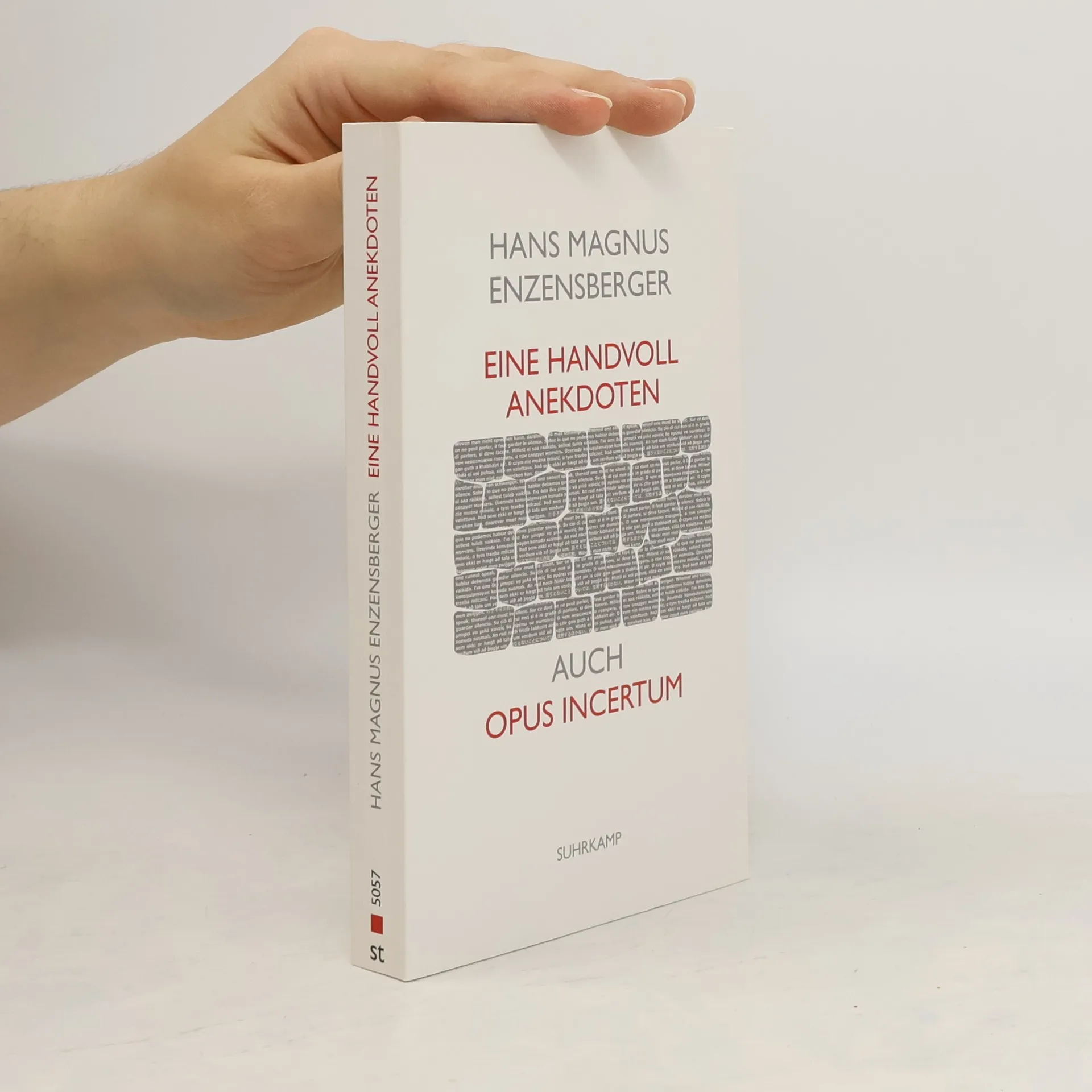
In Impressionen, Sprüngen und Exkursen folgen wir den Geschichten des M., den Abenteuern eines, der sich den Zumutungen der Geschichte zu entziehen wusste: Familien-Bande und erste Liebe, frühe Lektürelust und Mediensucht, jede Art von Ausweichmanöver vor falscher Autorität, ein missglückter Sprengstoffversuch, Fahnenflucht, Schwarzhandel und dann das Glück akademischer Freiheit im Studium – noch jenseits von Pisa und Bologna: Ob es um jesuitisch geprägte Marx-Exerzitien oder, unter Vortäuschung von Altgriechisch-Kenntnissen, um ein »Mokka-Seminar« im professoralen Salon ging, um ein bisschen Linguistik oder Psychiatrie – hier ließ man ihn in Ruhe. Aber die Erinnerung ist ein fragmentarischer und unzuverlässiger Ratgeber. Deshalb nimmt sich der Autor die Freiheit der Regie und der Collage, fügt Motive, Bilder und Anekdoten zu einem Opus incertum zusammen. So nannten die alten Römer eine spezielle Art ihres Mauerbaus: ein »ungesichertes Werk«.
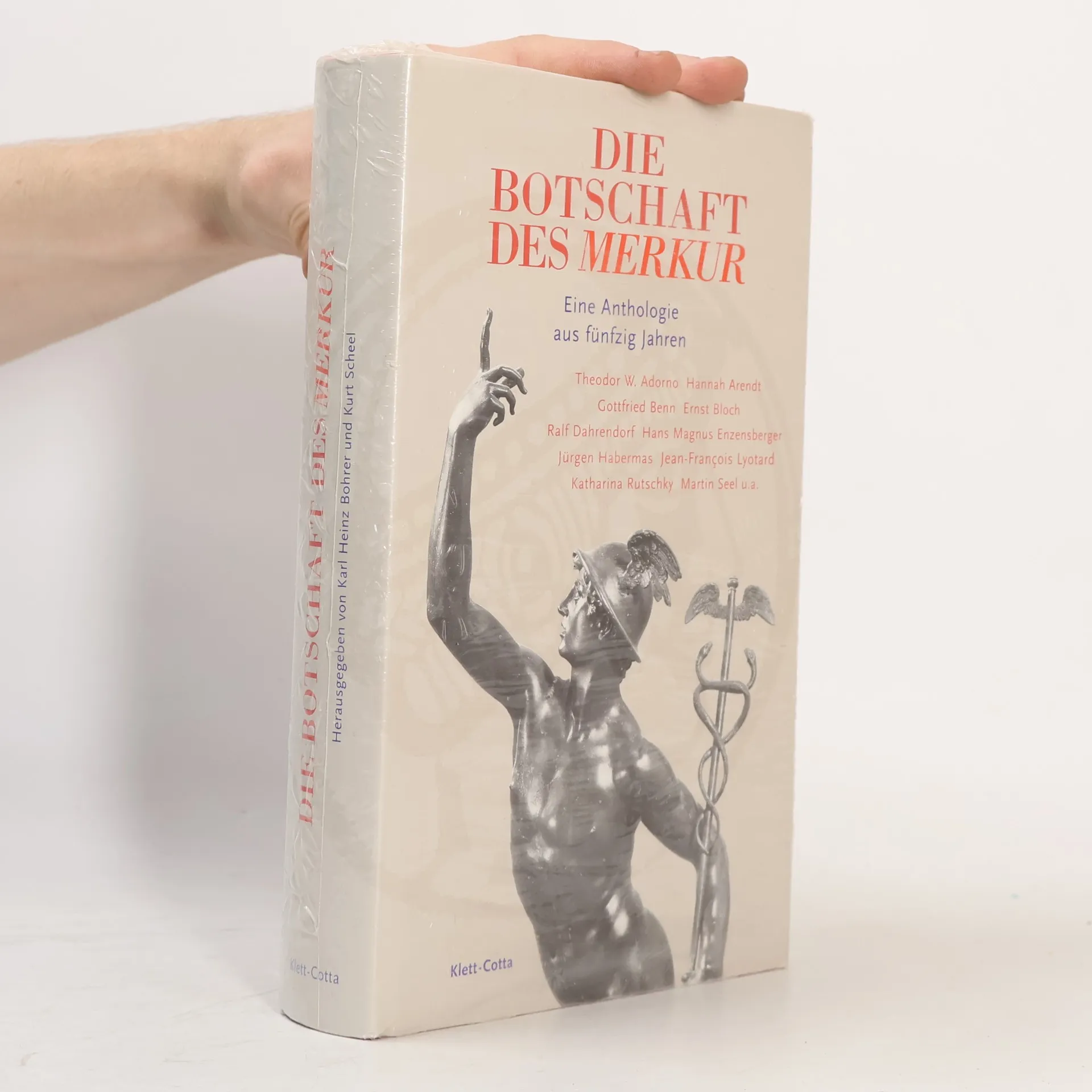
Mit Beiträgen von Theodor W. Adorno, Hannah Arendt, Jean Améry, Gottfried Benn, Hans Magnus Enzensberger, Jürgen Habermas, Ralf Dahrendorf, Ernst Bloch u. a.
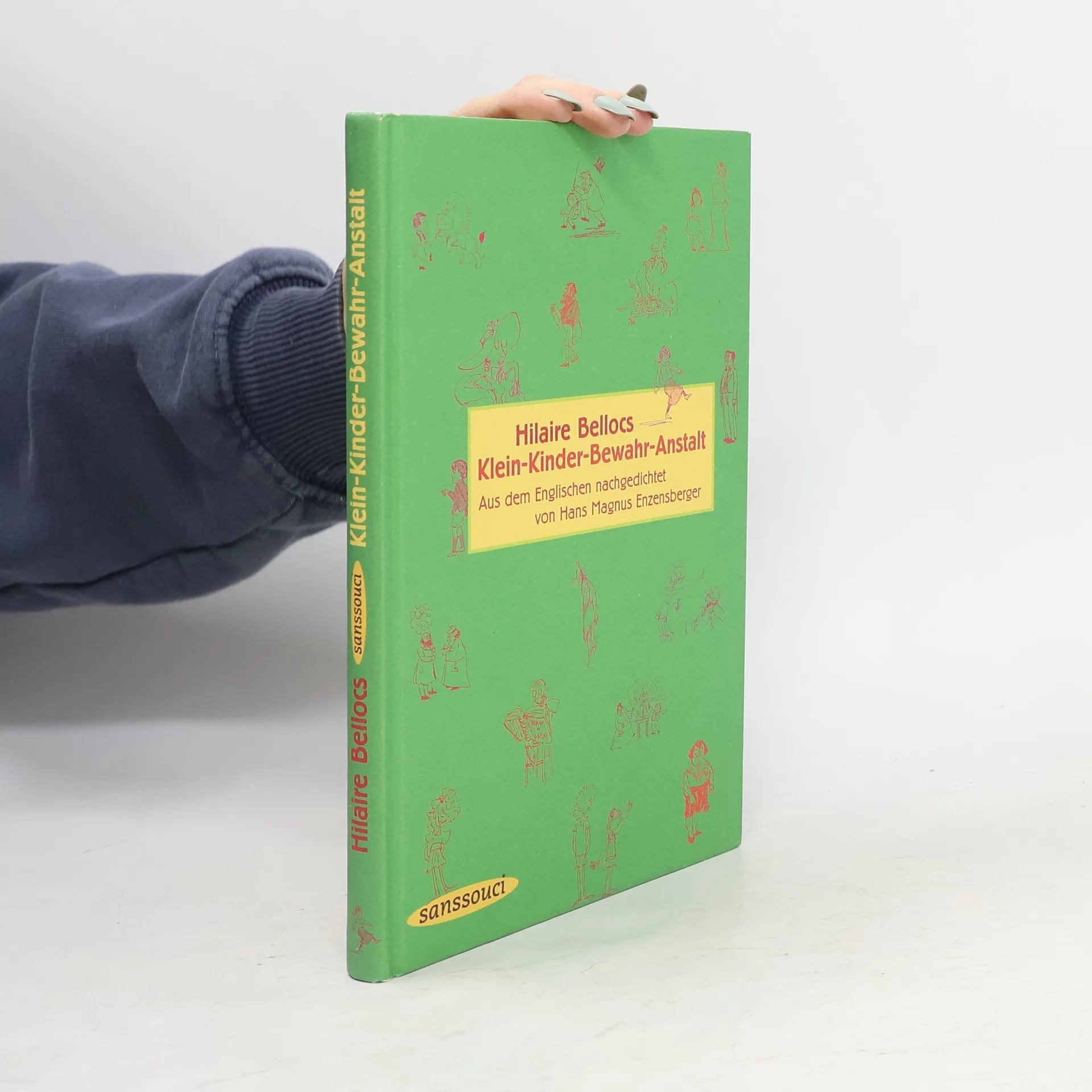
Hilaire Bellocs witzige und ironische Verse, kongenial von Hans Magnus Enzensberger ins Deutsche übertragen, zeigen eine anarchische Welt, die vom trockenen britischen Humor des Autors gebändigt wird. Diese Ausgabe präsentiert einen Klassiker der englischen Literatur erstmals auf Deutsch.
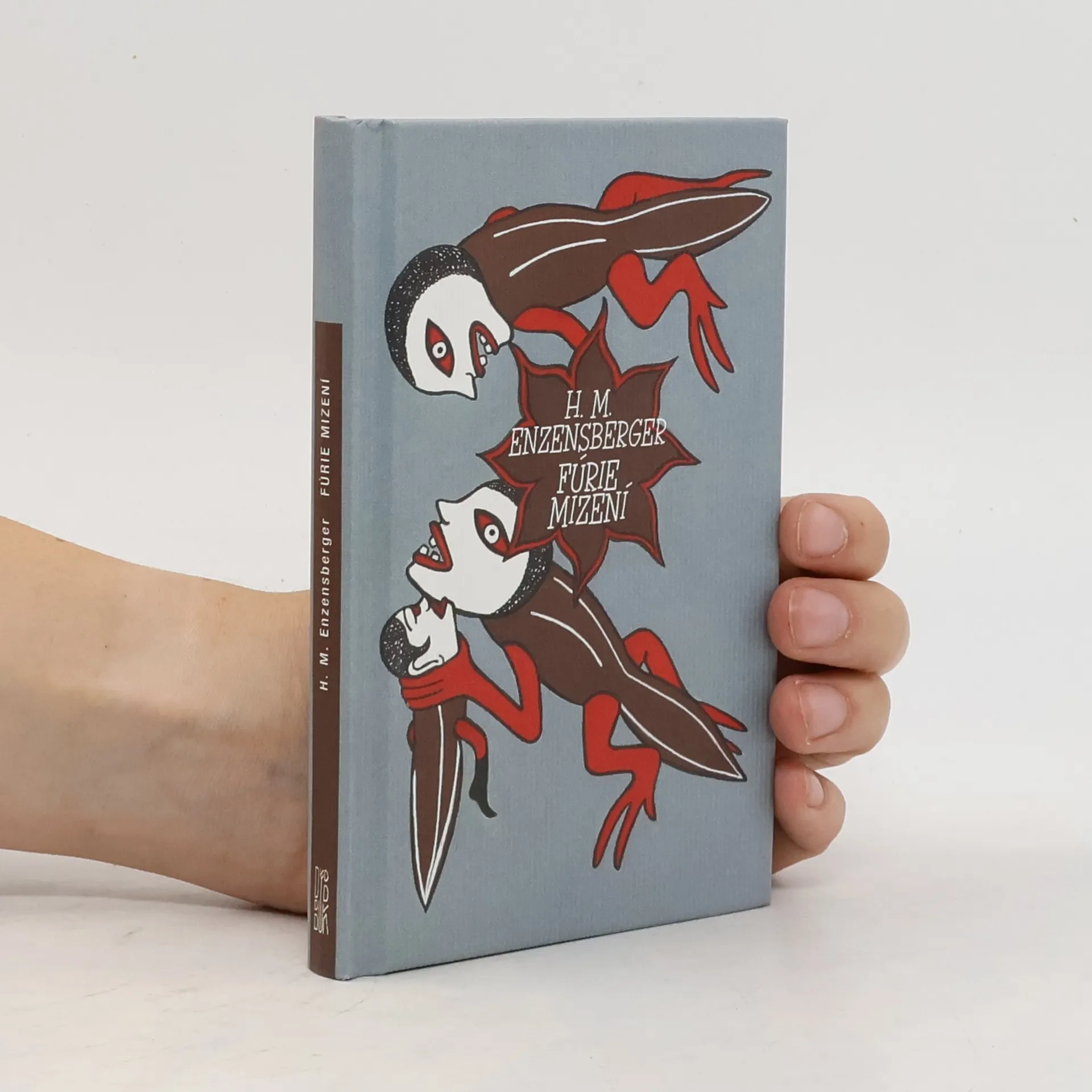
H. M. Enzensberger v básnické sbírce Fúrie mizení prohlubuje svoje skeptické
postoje vůči technickému a společenskému pokroku, vůči velkým ideám a
ideologiím, přičemž reflektuje civilizační šum, postupující entropii, děsivou
všednodenní šeď. Autor přiblížil rytmus mluvené formě, položil důraz na
maximální věcnost, a přitom zůstával důsledným jazykovým komponistou a
montérem. Básnické Já zde není oním lepším budoucím z věku lidské pospolitosti
a ohleduplnosti, naopak: promlouvá z období, kdy je člověk člověku vlkem, kdy
si každý uprostřed agresivního technizovaného světa prostě musí pomoct sám.
Unsere Welt sieht sich mit Dutzenden von Bürgerkriegen und permanenter Gewalt konfrontiert. Auch in den Metropolen der Industrienation hat der molekulare Bürgerkrieg bereits begonnen. Vor diesen Konflikten versagen alle herkömmlichen Schemata und Erklärungen. Enzensbergers Versuch, dieses moralische und politische Minenfeld zu erkunden, verspricht keinen Trost, nichts Endgültiges, aber mehr Klarheit.
Für diesen Band hat Hans Magnus Enzensberger neben unveröffentlichten neuen Essays solche zusammengestellt, die zumeist verstreut bzw. nicht in Buchform veröffentlicht worden sind.
Enzensbergerova básnická skladba poprvé vyšla v roce 1978 v nakladatelství Suhrkamp. Zánik Titaniku vychází z pradávného alegorického obrazu světa jako lodi. Enzensberger však tuto alegorii posouvá dál, a to už tím, že ji přenáší na legendární zaoceánský parník, který se stal pochmurným symbolem moderní doby. Postupná zkáza představuje průchozí gradační osu díla: První zpěv otevírá skladbu „diskrétní“ trhlinou v lodním trupu, následně, krok za krokem, autor popisuje plíživý začátek a průběh katastrofy i postupující paniku. Motiv zániku se však nevztahuje pouze na Titanik jako takový, ale je východiskem pro bohatou asociační síť a rafinovanou textovou montáž. Zánik zde vystupuje v mnoha podobách a souvislostech – od pradávných obrazů apokalypsy v podání umbrijských malířů přes zřetelné narážky na zánik Třetí říše, až po autorův deziluzivní pobyt na komunistické Kubě či „současný“ pobyt v Berlíně. Enzensberger bilancuje, a to jak autobiograficky, tak i z hlediska světových dějin. Dávná brantovská Loď bláznů jde ve všech svých podobách nevyhnutelně ke dnu, se všemi svými pasažéry, třídami (cestovními i společenskými) i luxusním vybavením.
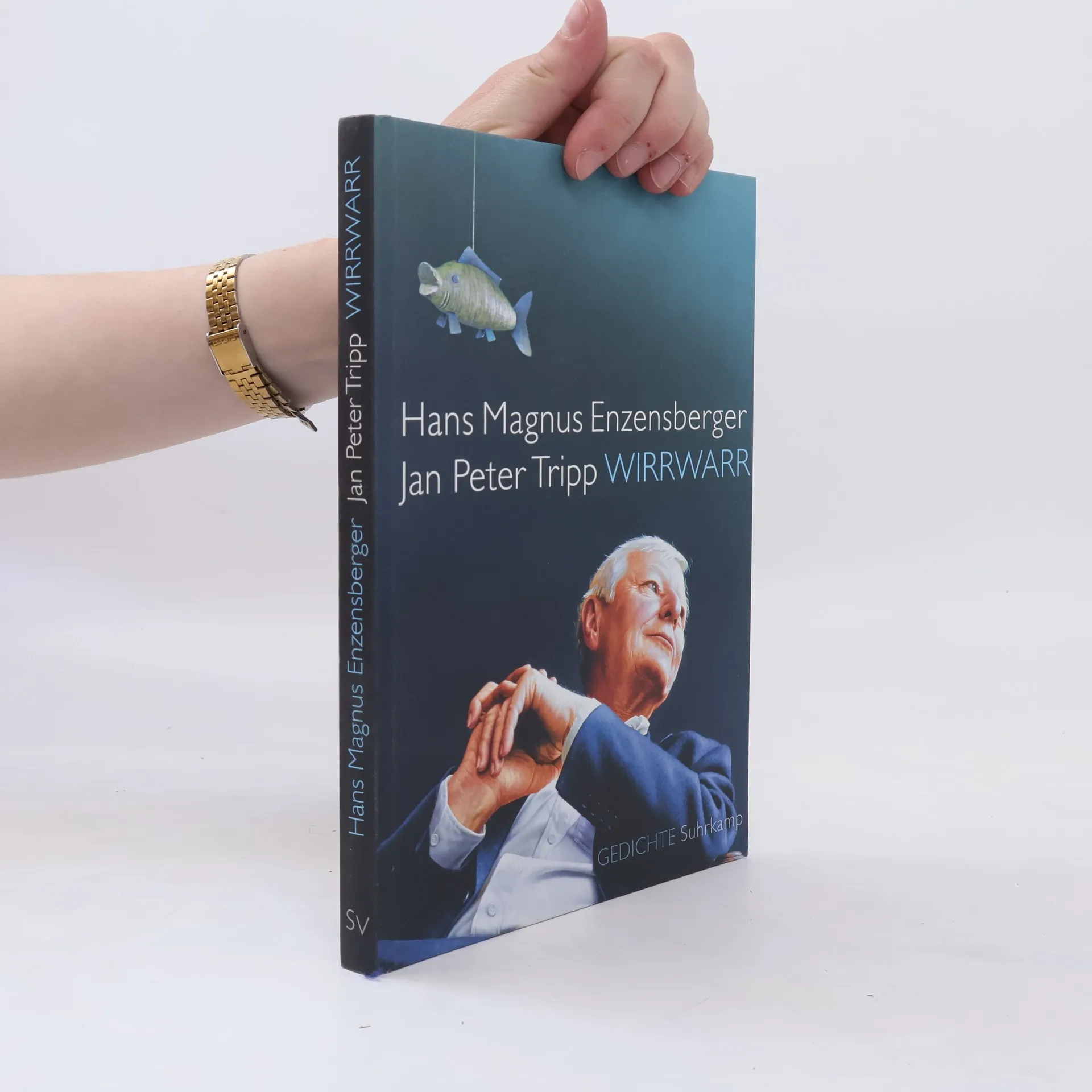
In "Wirrwarr!" thematisiert der Dichter mit belustigtem, hintersinnigem Blick die Einflüsse von Täuschung und Routinen auf den Alltag. Er beleuchtet die Hinfälligkeit des Lebens und die Suche nach Sinn, während Hans Magnus Enzensbergers Gedichte mit Jan Peter Tripps Bildern und Justine Landats Buchgestaltung zu einer melancholischen Reise verbinden.
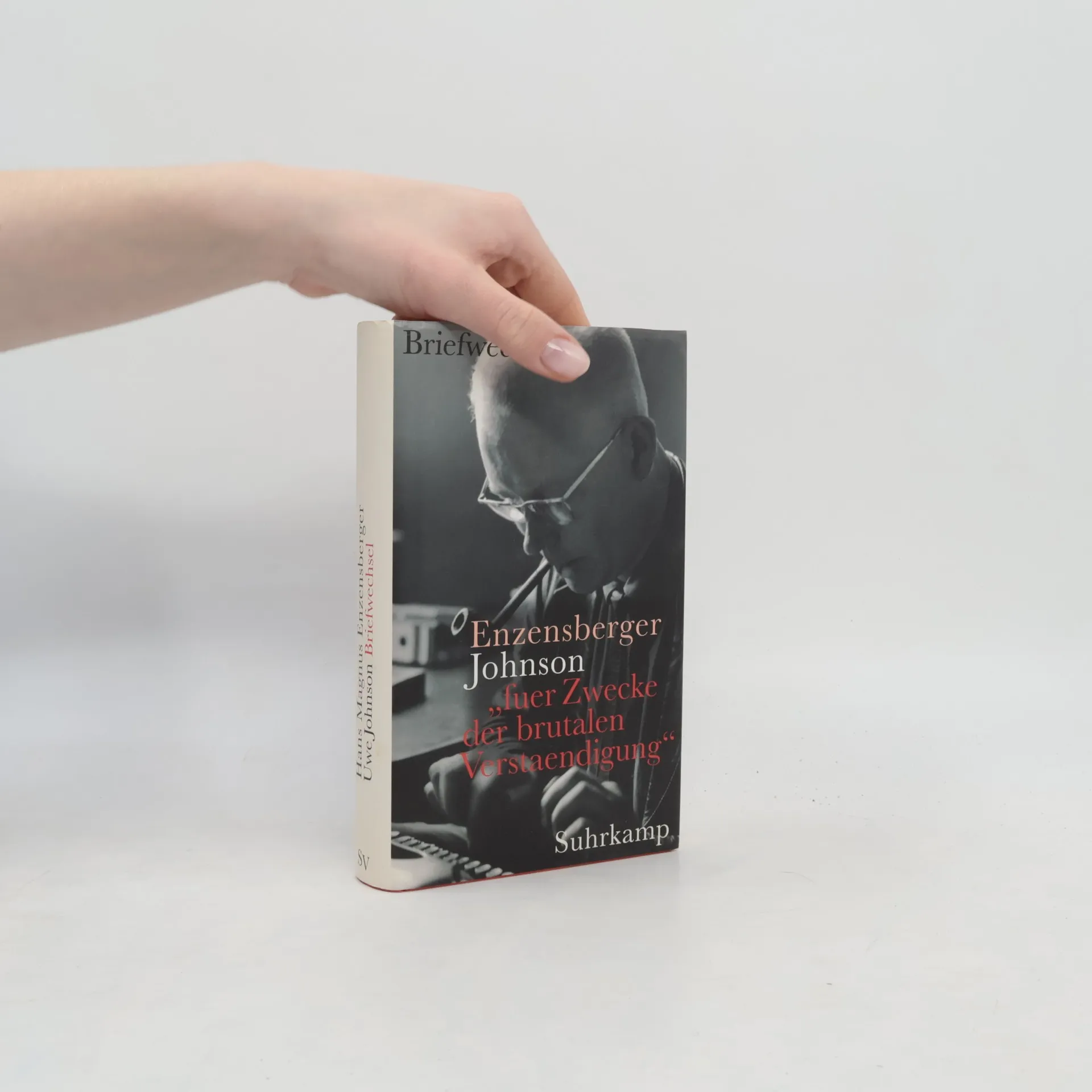
1959, kurz nach Uwe Johnsons Übersiedelung in den Westen Berlins und der Veröffentlichung seines Debütromans Mutmassungen über Jakob, beginnen der Briefwechsel und die Freundschaft zwischen ihm und Hans Magnus Enzensberger. Über einen Zeitraum von acht Jahren verständigen sie sich über die literarische und politische Lage und diskutieren die Spielräume politischen Engagements. Zugleich aber zeugen die 161 Dokumente von einer Auseinandersetzung über Möglichkeiten und Grenzen von Freundschaft. Bereits im Oktober 1966 forderte Uwe Johnson, den gemeinsamen Briefwechsel "nicht mehr fuer eine kuenftige Edition und Altersversorgung einzurichten sondern fuer Zwecke der brutalen Verstaendigung". Über scheinbar Alltäglichem kommt es zu prinzipiellen Betrachtungen und zuletzt zu einem Zerwürfnis: Daß Uwe Johnson seine Berliner Wohnungen Enzensbergers erster Frau Dagrun und dessen Bruder Ulrich zur Verfügung stellt, führt in Aporien von Vertrauen, Bürgschaft und Verantwortung. Ein Jahr später erreicht selbst diese ..
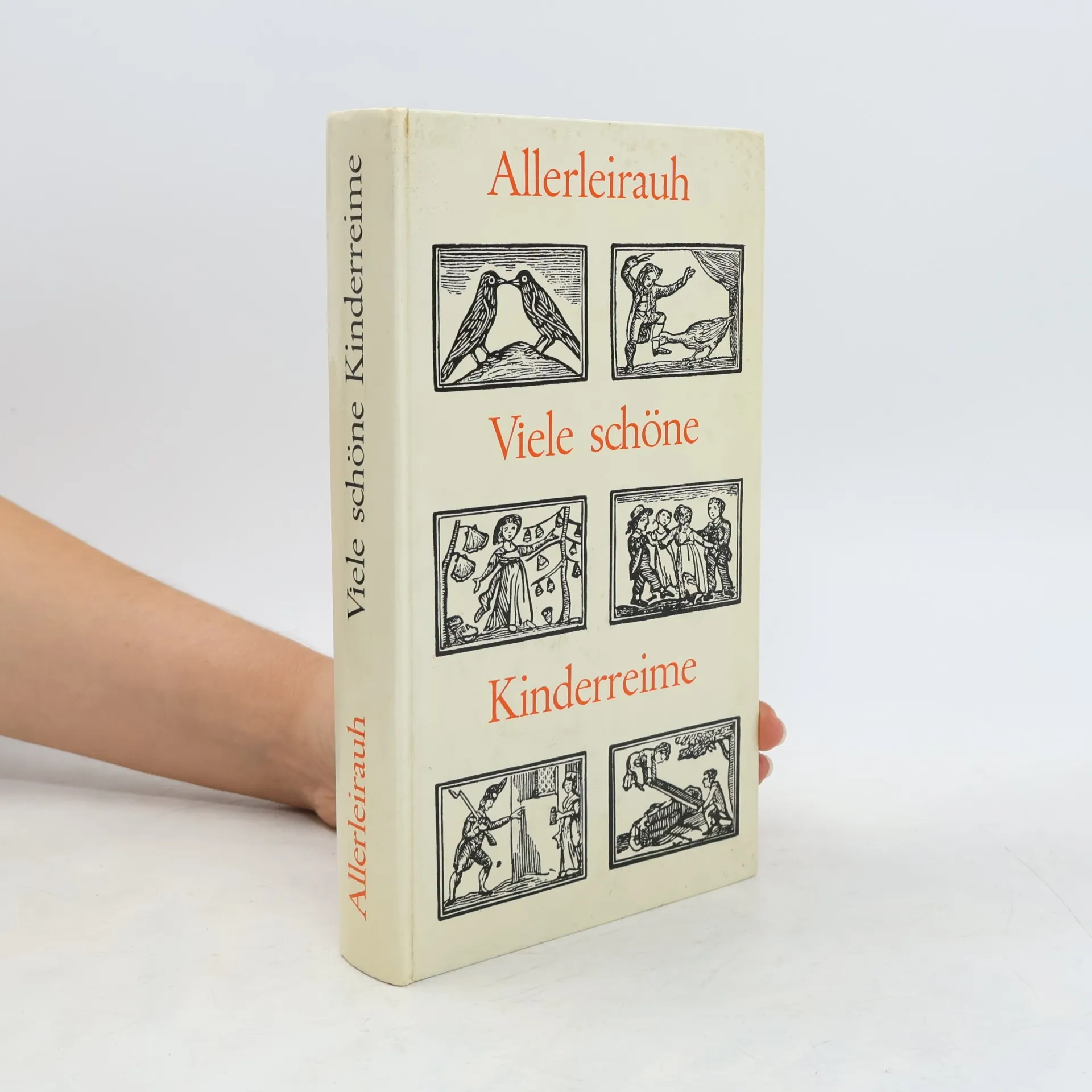
»Eines von den wenigen Büchern, die man tagaus tagein brauchen kann.« (Hans Magnus Enzensberger) »Allerleirauh« ist die wohl schönste und bekannteste Sammlung von Kinderreimen hierzulande. Nach den beiden berühmten Vorbildern »Des Knaben Wunderhorn« und des »Oxford Nursery Rhyme Book« hat Hans Magnus Enzensberger sie erstmals 1961 versammelt und ihnen hunderte stimmungsvolle Illustrationen beigesellt. 777 schöne Kinderreime, alte und neue, bekannte und verschollene, geschmückt mit 391 Holzschnitten, sind für dieses Buch zusammengekommen, das Enzensberger unter ein vielversprechendes Motto gestellt hat: Poesie ist ein Lebensmittel, und der Kinderreim gehört zum poetischen Existenzminimum. Dies macht sein unzerstörbares Leben aus. Und so kann Allerleirauh wirklich allen, den erwachsenen und den kleinen Lesern, ans Herz gelegt werden. Die Neu-Ausgabe dieses Klassikers bietet den vollständigen Text der Erstausgabe zusammen mit dem ausführlichen Nachwort des Herausgebers in schöner Buchgestalt. Zum Blättern, Vorlesen, Lachen und Verschenken.
Der Eifer, mit dem Schüler und Gotteskrieger, Familienväter und Selbstmordattentäter mit Schrotflinten und Bomben ihrem eigenen und dem Leben möglichst vieler anderer ein Ende machen, ist den meisten von uns rätselhaft. »Man muß nicht alles verstehen, aber ein Versuch kann nicht schaden«: Das ist das Motto dieses Essays, den Hans Magnus Enzensberger dem »radikalen Verlierer« widmet. Gibt es, jenseits aller Ideologie, Gemeinsamkeiten zwischen dem einsamen Amokläufer, der in einem deutschen Gymnasium um sich schießt, und den organisierten Tätern aus dem islamistischen Untergrund? Größenphantasie und Rachsucht, Männlichkeitswahn und Todeswunsch gehen auf der verzweifelten Suche nach einem Sündenbock – beim isolierten Täter wie im Kollektiv der Fanatiker – eine brisante Mischung ein, bis der radikale Verlierer explodiert und sich und andere für sein eigenes Versagen bestraft. Hans Magnus Enzensberger, geboren 1929 in Kaufbeuren, lebt in München. Im Suhrkamp Hauptprogramm erscheint Josefine und ich (Juni 2006) und im suhrkamp taschenbuch Gedichte. 1950–2005 (Dezember 2006).
Hans Magnus Enzensberger wurde 1929 in Kaufbeuren geboren. Als Lyriker, Essayist, Biograph, Herausgeber und Übersetzer ist er einer der einflussreichsten und weltweit bekanntesten deutschen Intellektuellen.
Hans Magnus Enzensberger wurde 1929 in Kaufbeuren geboren. Als Lyriker, Essayist, Biograph, Herausgeber und Übersetzer ist er einer der einflussreichsten und weltweit bekanntesten deutschen Intellektuellen.
Hans Magnus Enzensberger wurde 1929 in Kaufbeuren geboren. Als Lyriker, Essayist, Biograph, Herausgeber und Übersetzer ist er einer der einflussreichsten und weltweit bekanntesten deutschen Intellektuellen.
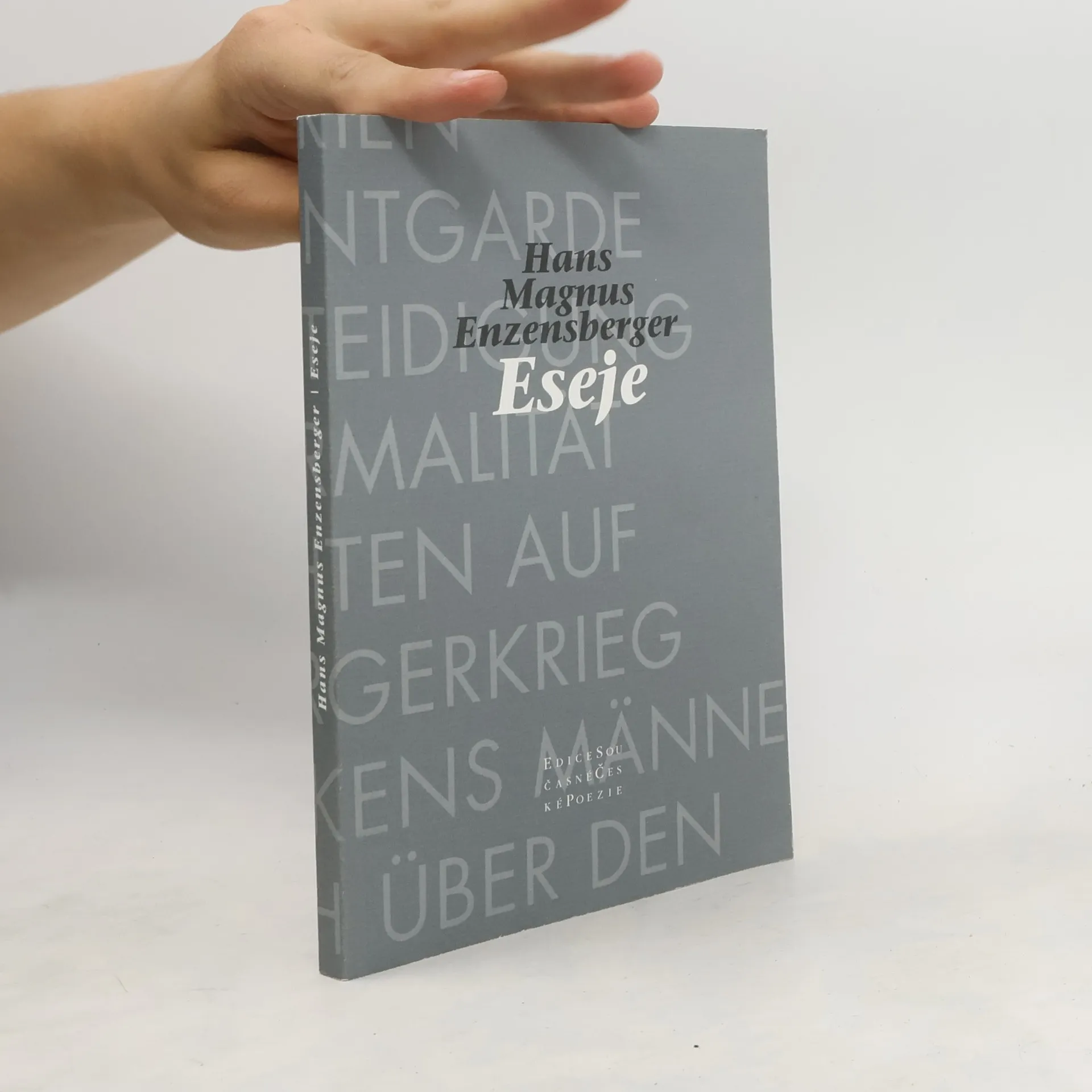
Básník, prozaik, překladatel, publicista, dramatik a scénárista Hans Magnus Ensensberger patří již po několik desetiletí mezi nejpozoruhodnější a také nejznámější osobnosti německé literatury. Kniha přináší ukázku jeho brilantních a velmi oceňovaných esejů v překladu Jiřího Stromšíka. Svazek obsahuje eseje: Aporie avantgardy; Na obranu normálnosti; Vyhlídky na občanskou válku; Muži hrůzy - Esej o radikálním desperátovi a doslov od Jiřího Stromšíka.
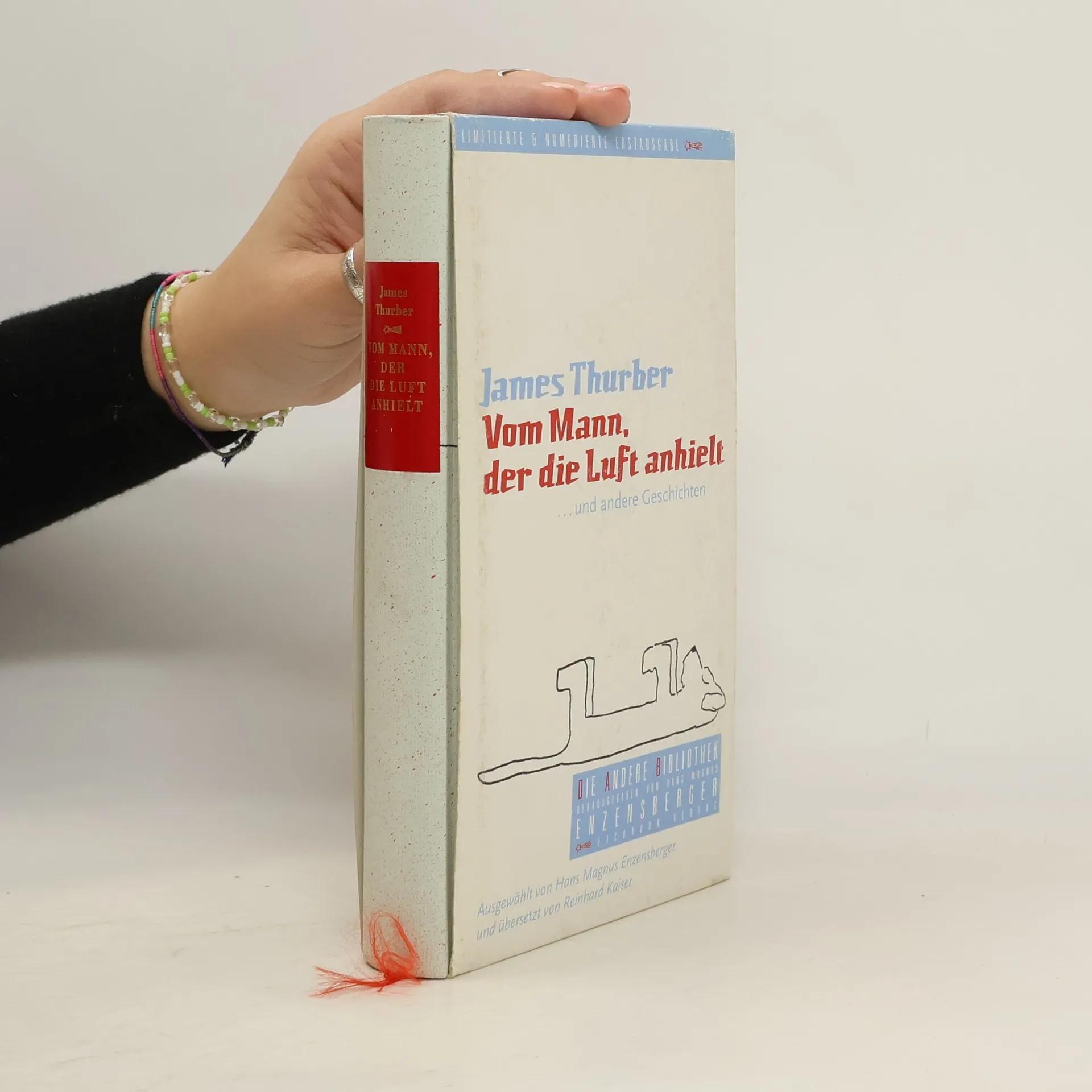
Die Anmerkung beschreibt James Thurber, einen humorvollen Schriftsteller des 20. Jahrhunderts, der trotz anfänglicher Schwierigkeiten zum berühmtesten Humoristen Amerikas wurde. Seine im New Yorker veröffentlichten Geschichten und Skizzen lösten den Thurberismus aus und sind bis heute zeitlos und wirkungsvoll. Die Auswahl von Hans Magnus Enzensberger belegt dies.
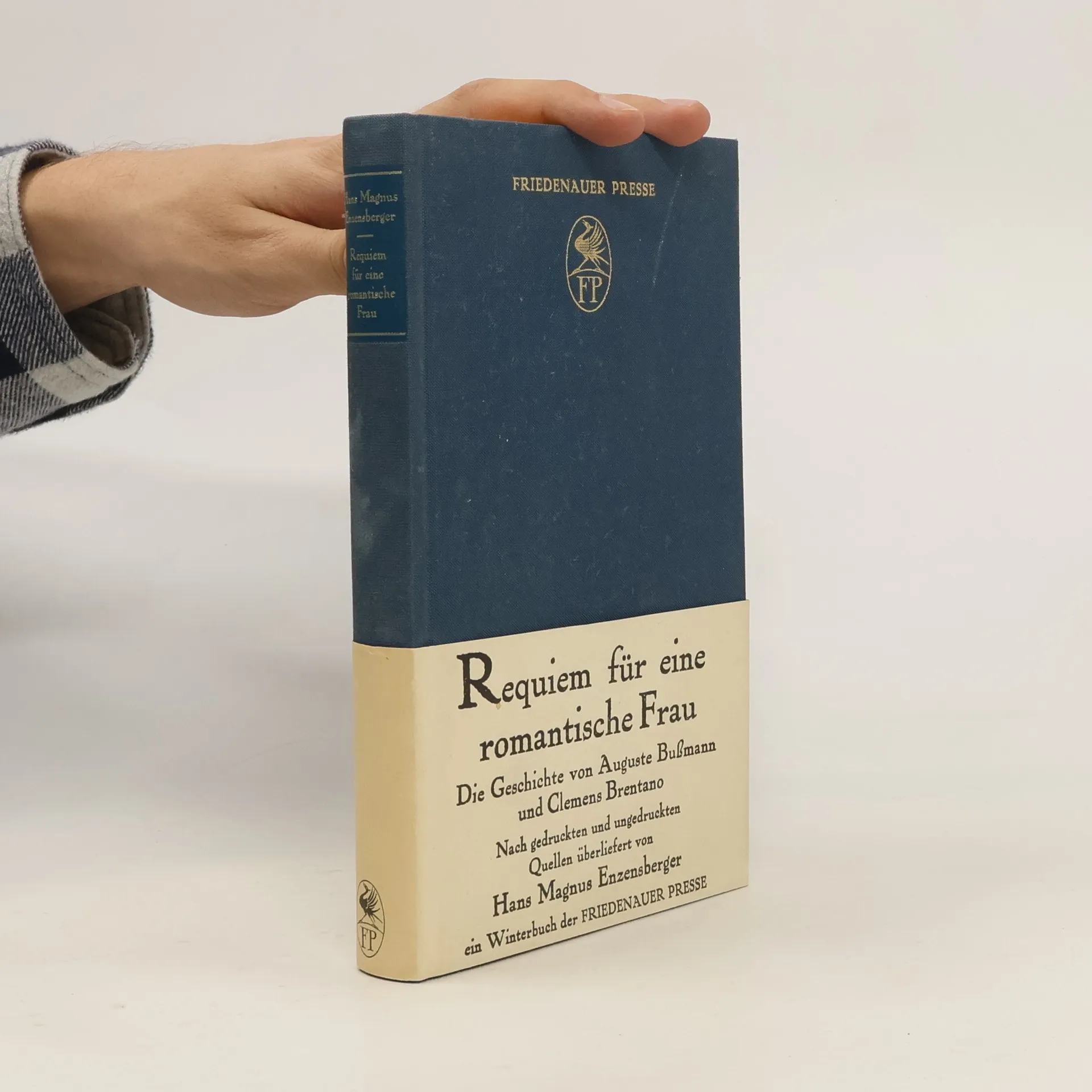
"NIEDER MIT GOETHE" ist eine Groteske, die historische Zeugnisse satirisch verarbeitet. Enzensberger thematisiert Goethes und Brentanos Einfluss auf die Kunst und Gesellschaft. Beide Figuren wurden zu Lebzeiten als skandalös wahrgenommen, ihre spätere Kanonisierung zeigt den Wandel der Wahrnehmung.
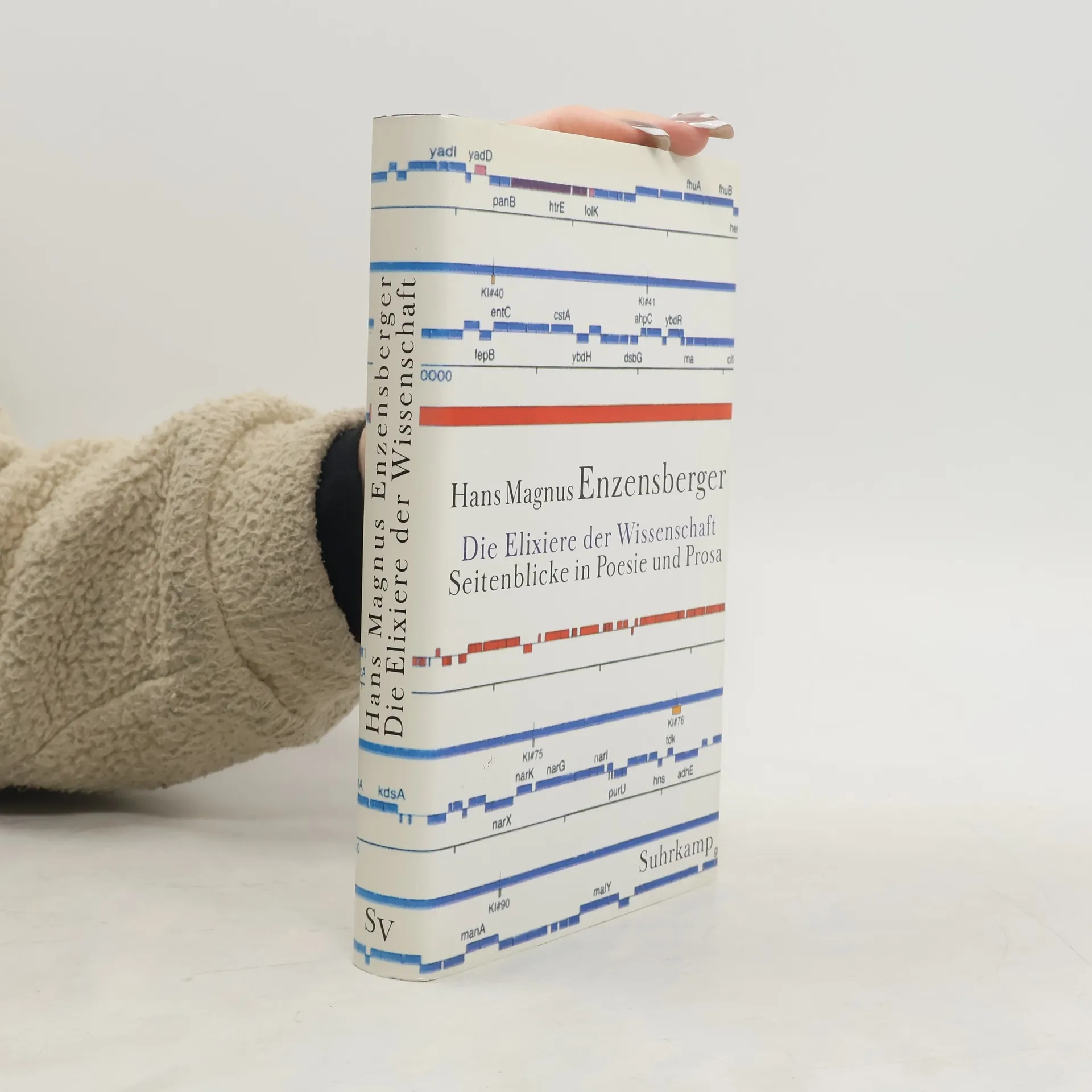
»Das Buch als Betriebssystem ist noch lange nicht am Ende« Hans Magnus Enzensberger Worum geht es in diesem »Album«? »Wir haben es nicht mit einem Tagebuch zu tun«, wird am Anfang des Bandes festgestellt. Aber womit dann? Mit einem Kuddelmuddel, einem Sudelbuch, einem Capriccio, einem Scrap-Book vielleicht. Oder handelt es sich einfach um eine Wundertüte, gefüllt mit Meditationen, sonderbaren Bildern, offenen Briefen, geheimen Depeschen, Rätseln, Spielen, Zitaten, Gedichten, Essays und Kassibern? Selber schuld, wer sich vor der Elektronik duckt wie das Kaninchen vor der Schlange, sagt Enzensberger. Das Buch als Betriebssystem ist noch lange nicht am Ende. Könnte es nicht noch besser werden, lässiger, ehrgeiziger, schöner, weniger langweilig? Und so mag es dem Leser mit diesem extravaganten Buch ergehen wie im Mythos oder im Märchen: Aus zerstreuten Gliedern wird zuletzt wieder – ein Ganzes. Wer in diesem Buch blättert, wird ökonomische Seitenblicke finden neben politischer Polemik, eine Dosis Mathematik ebensogut wie Gebrauchsanweisungen für Poesiemaschinen, und vieles mehr – das alles organisiert nach den wilden Gesetzen des menschlichen Gehirns, opulent inszeniert von Franz Greno, undiszipliniert (aber nicht chaotisch); farbig (aber nicht buntscheckig); vielgestaltig (aber nicht beliebig).
Kiosk bedeutet für uns der Verkaufsstand an der nächsten Straßenecke, in dessen halbdunklem Innern ein Mann oder eine Frau sitzt und auf Kunden wartet. Früher waren Kioske zierlich gebaute Pavillons in Parks oder weitläufigen Gärten. Enzensbergers Gedichte sind an beiden Orten angesiedelt. Seine Poesie bewegt sich zwischen dem Wunder und der Katastrophe, greift wissenschaftliche und religiöse Motive auf und wechselt blitzschnell, nicht ohne Ironie, die Perspektive.
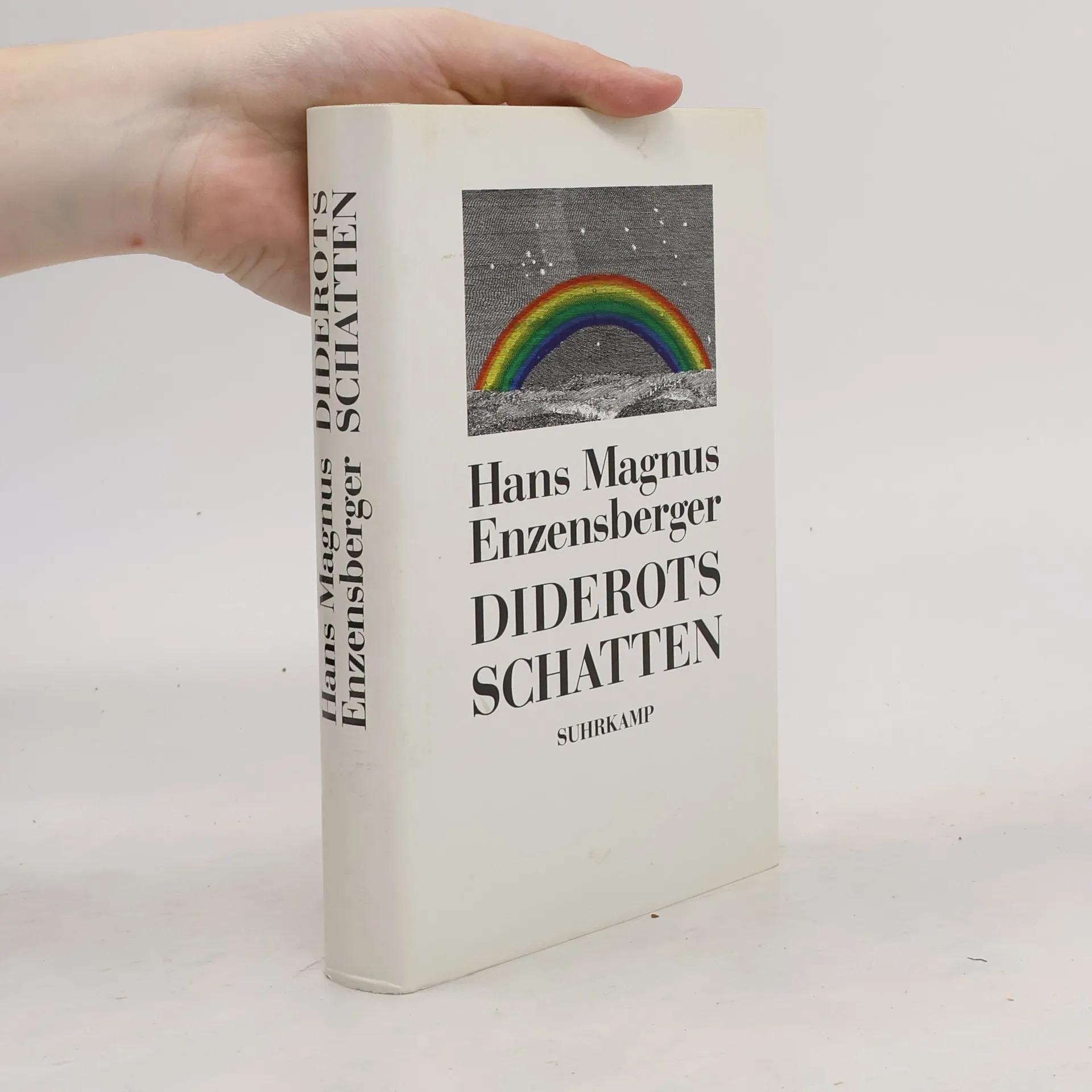
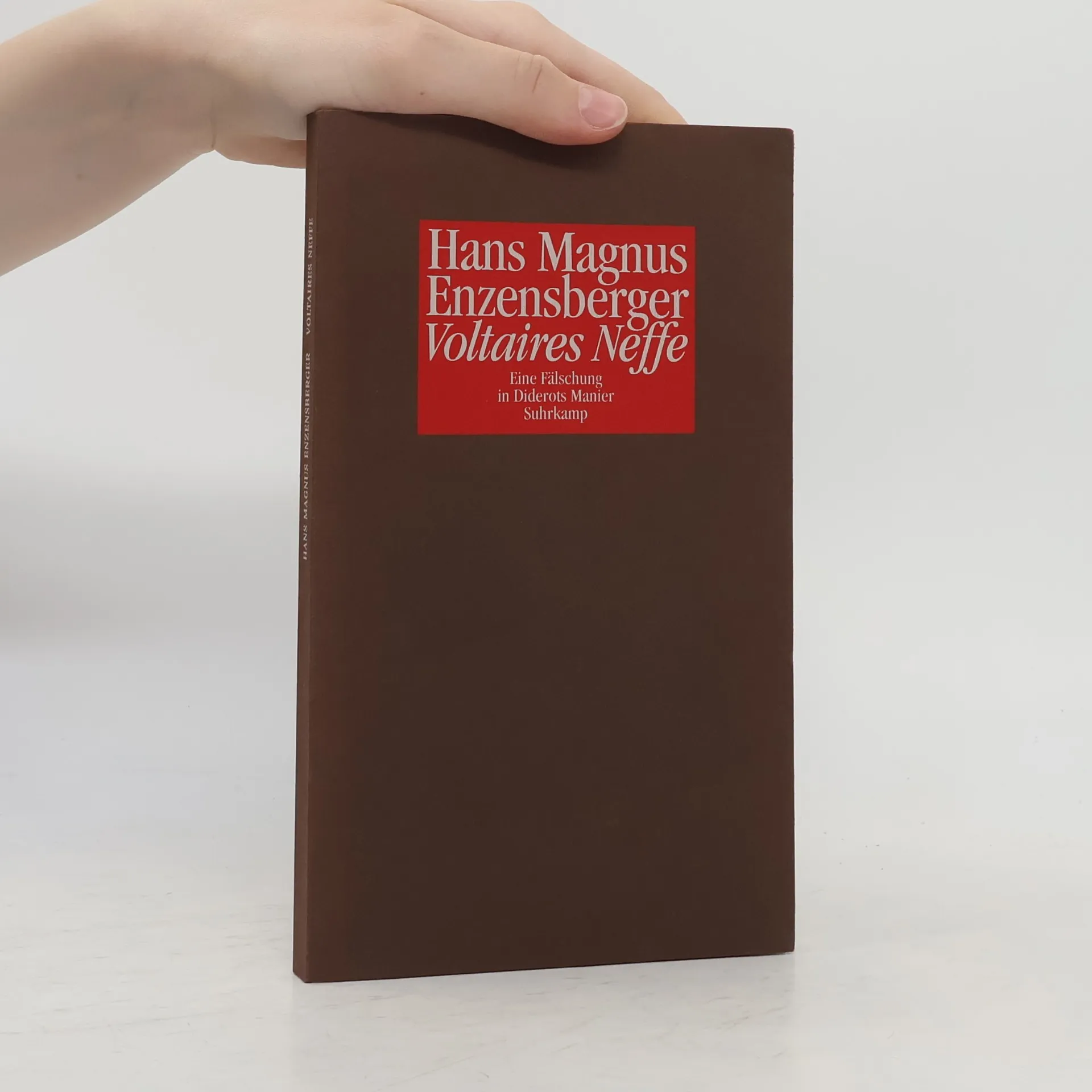
Goethe, Hegel, Brecht und Foucault waren nicht die einzigen, die in »Rameaus Neffen« ein Meisterwerk sahen. Auch auf dem Theater hat Diderots Dialog m verschiedenen Fassungen immer wieder triumphiert. Ein unsterbliches Paar hat der Autor auf die Bühne gebracht: den hauptberuflichen Moralisten und seinen Gegenspieler, den Zyniker, Parasiten und verkrachten Künstler. Am Ende müssen die beiden einsehen, daß sie einander ähnlicher sind, als ihnen lieb sein kann. In ihnen kündigt sich das zerrissene Bewußtsein der Moderne an. Hans Magnus Enzensberger hat diesen berühmten Text neu geschrieben. An die Stelle des halbvergessenen Opernkomponisten Rameau ist Voltaire höchstpersönlich gerückt. Die Szenerie ist nicht das literarische Cafe, sondern das Foyer einer Akademie, die eine hochpolitische Beratung über die Ausbeutung der Kolonien abhält. Und wo Diderot an das Treiben in den Pariser Salons anknüpfte, an Opernintrigen und Schauspielerkabalen, stehen nun Börsenspekulationen und Arbeitsplätze, die Geheimpolizei und der Sklavenhandel im Mittelpunkt. Entstanden ist auf diese Weise die respektvolle Fälschung eines Klassikers.
Hans Magnus Enzensberger wurde 1929 in Kaufbeuren geboren. Als Lyriker, Essayist, Biograph, Herausgeber und Übersetzer ist er einer der einflussreichsten und weltweit bekanntesten deutschen Intellektuellen.
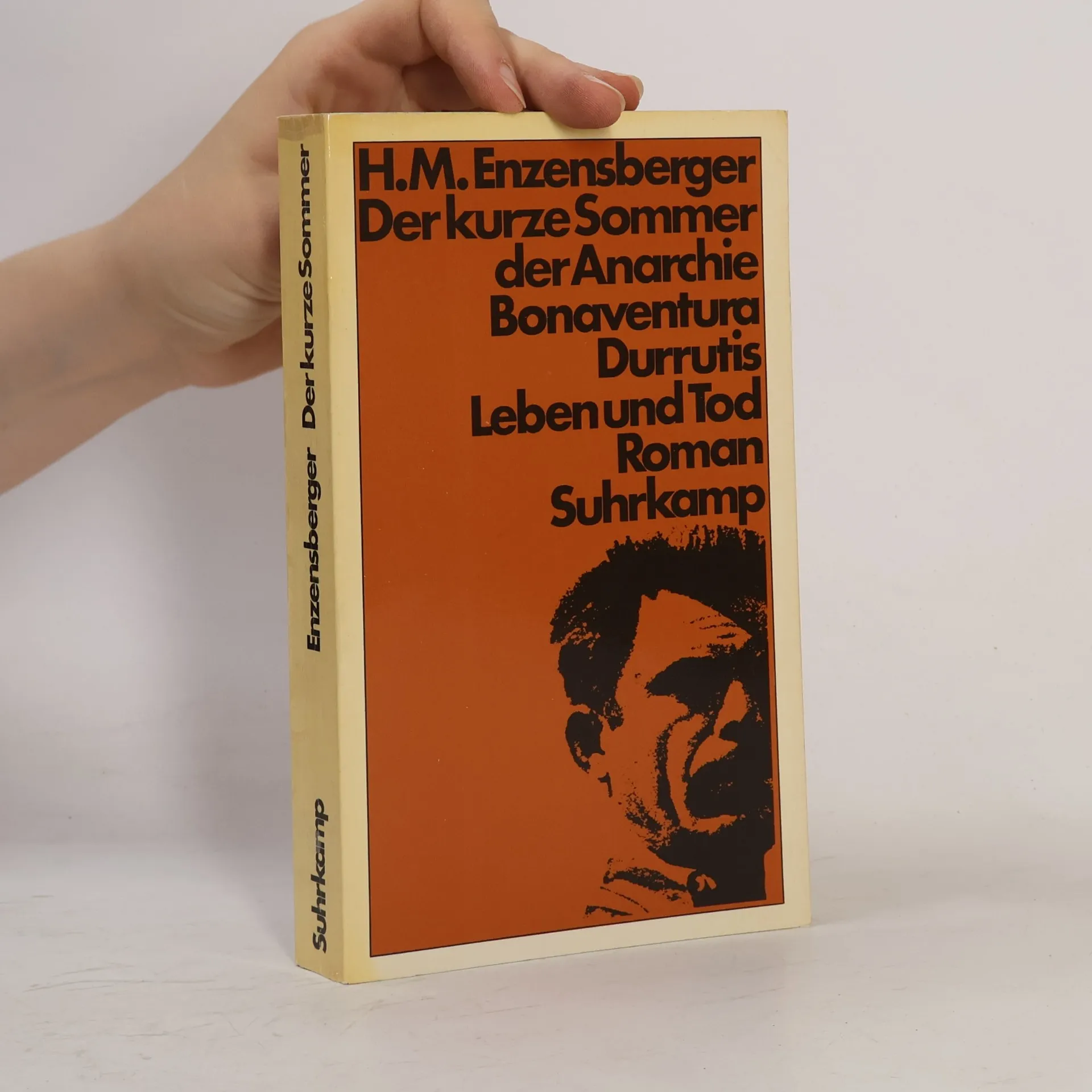
"Zu rekonstruieren ist die Existenz eines Mannes, der seit 35 Jahren tot ist und dessen Hinterlassenschaft sich beschränkt auf Unterwäsche für einen Wechsel, zwei Pistolen, ein Fernglas und eine Sonnenbrille. Das war das ganze Inventar. Gesammelte Werke liegen nicht vor, die geschriebenen Äußerungen des Toten sind äußerst spärlich. Sein Leben ist in seinen Handlungen aufgegangen. Diese Aktion war immer politisch und zu großen Teilen illegal. Es handelt sich darum, hier Spuren aufzufinden, die eine Generation später nicht mehr ohne weiteres zu Tage liegen, sie sind verwischt, vergilbt, nahe daran vergessen zu werden. Der Nacherzähler hat also recherchiert, er hat weggelassen, übersetzt, geschnitten und montiert und in das Ensemble der Fiktionen, die er fand, seine eigene Fiktion eingebracht." ARD
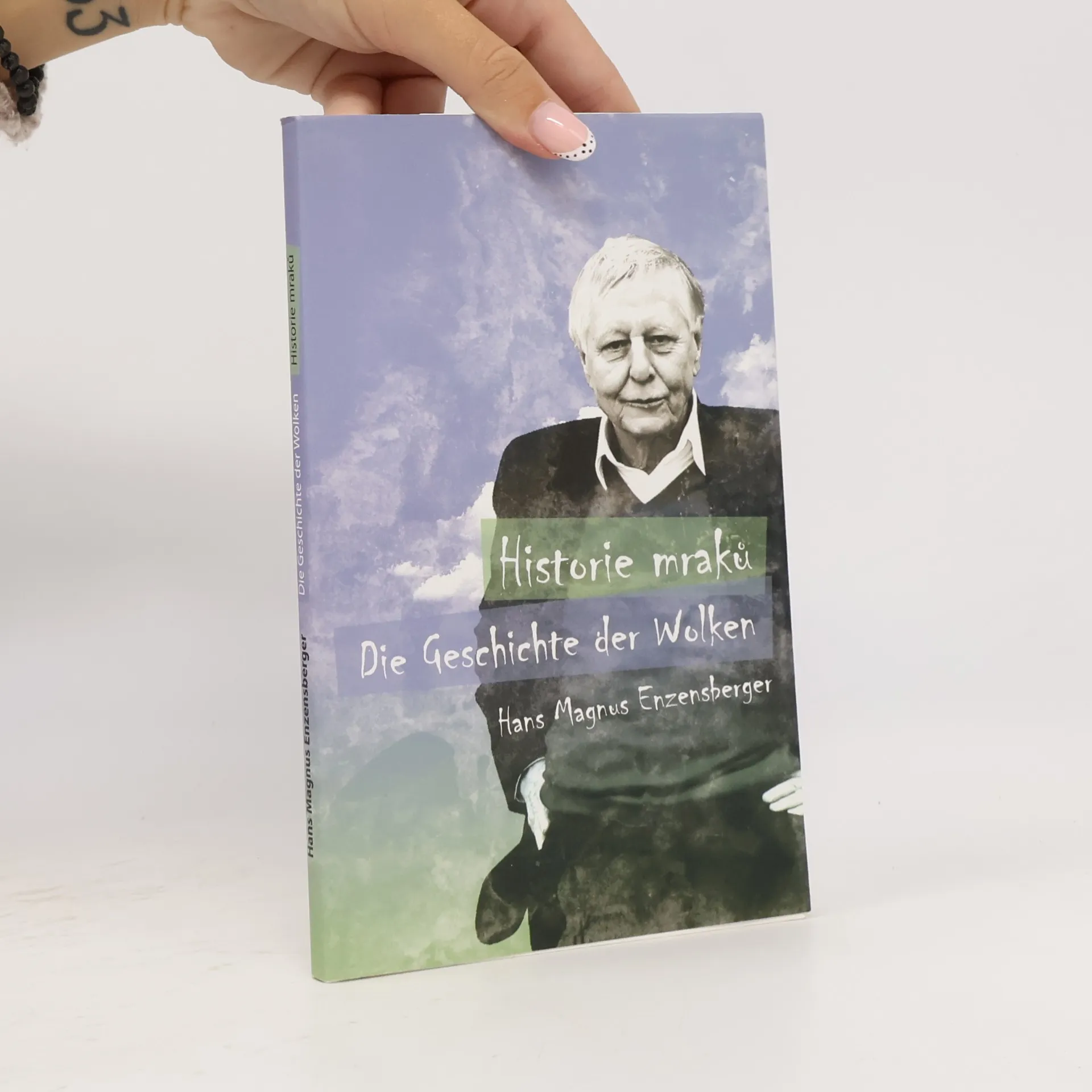
Hans Magnus Enzensberger bývá právem označován za jednoho z žijících klasiků německé a v podstatě celé evropské literatury uplynulého i stávajícího století. V českém literárním prostředí není neznámou osobností. Zasloužil se o to v 60. letech 20. století Josef Hiršal a Bohumila Grögerová. V představování jeho díla pokračuje Tomáš Kafka, v jehož překladu vychází bilingvní vydání sbírky Historie mraků.
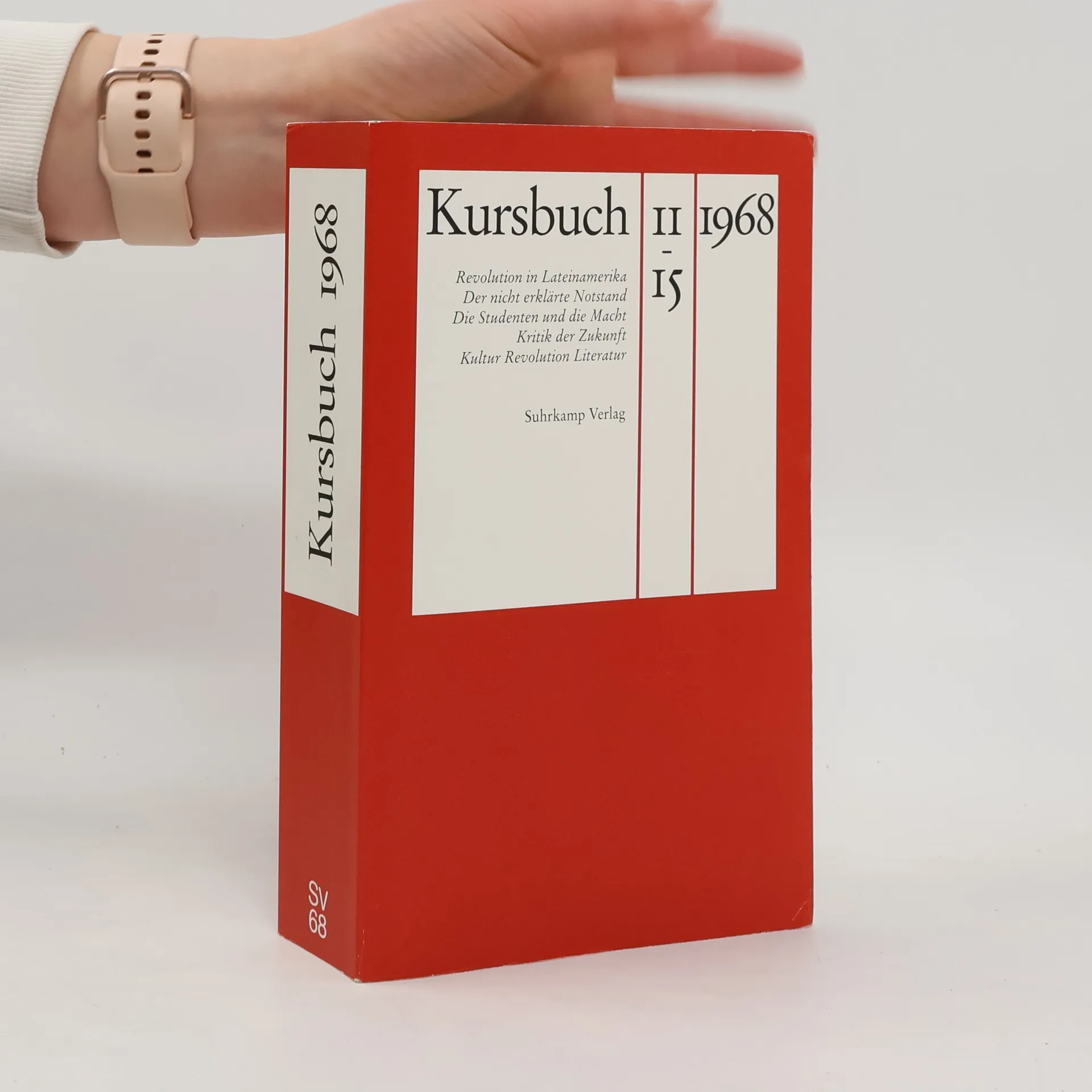
Die Hefte 11 bis 15 behandeln verschiedene Themen: Revolution in Lateinamerika, den nicht erklärten Notstand, die Rolle der Studenten in der Macht, eine Kritik der Zukunft sowie die kulturelle Revolution in der Literatur.
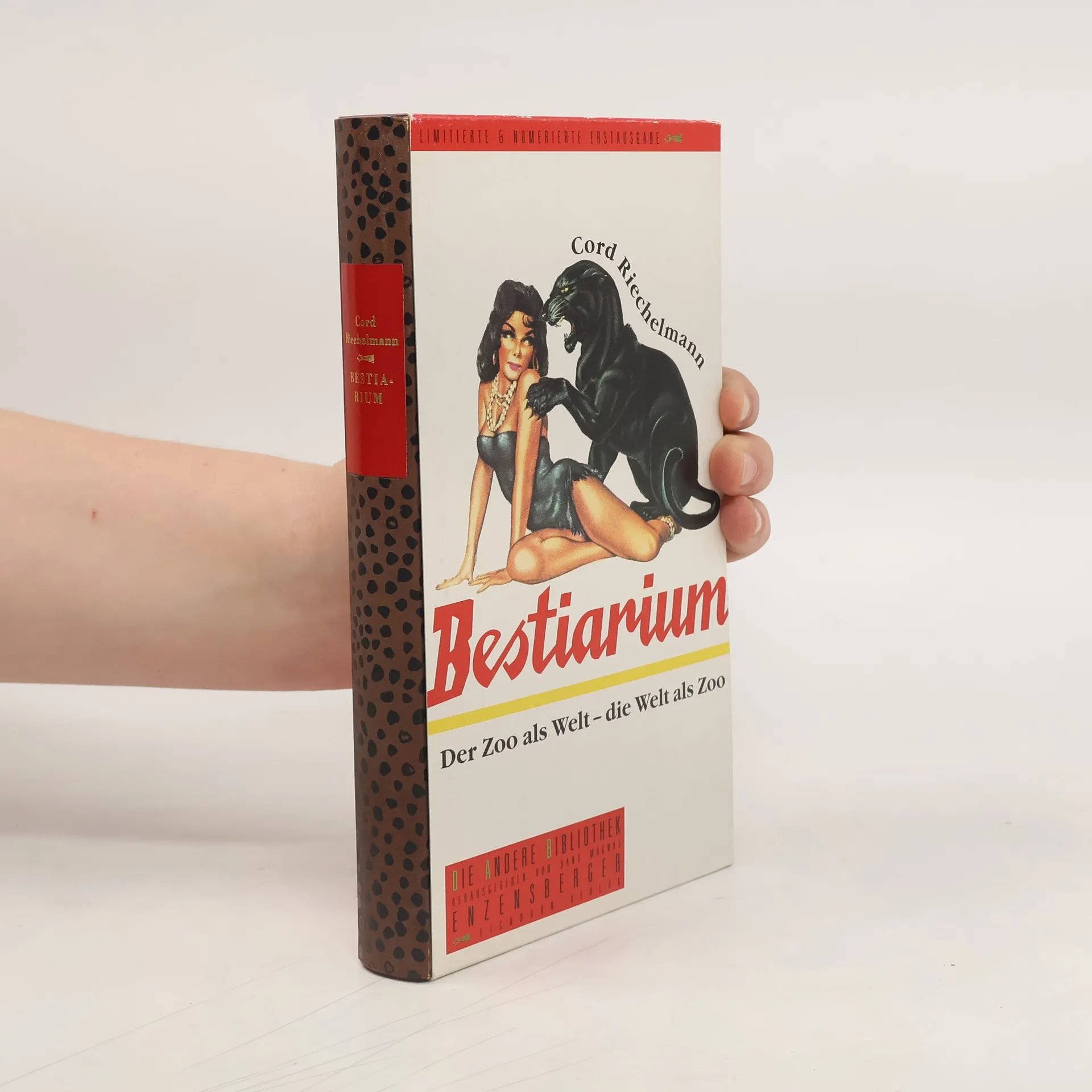
Der Zoo als Welt - die Welt als Zoo - Limitierte & Numerierte Erstausgabe
348pagine
13 ore di lettura
Es ist nun schon hundertvierzig Jahre her, daß der liebe Brehm sein „Illustrirtes Thierleben“ vorgelegt hat. Die moderne Verhaltensforschung hat mit seinen anthropomorphen Kurzschlüssen gründlich aufgeräumt. Cord Riechelmann folgt weniger unserm Blick auf die Tiere als dem Blick der Tiere auf ihre Welt. Das ist nicht nur lehrreich, es kann auch äußerst amüsant sein. Aber wir lachen nicht über die Tiere; es wäre uns lieber, könnten die Tiere mit uns und über unsere Beobachtungen lachen. Als Versuchsgelände dient dem Autor der Berliner Zoo, ein Ambiente, das die Illusion der Unmittelbarkeit von vornherein ausschließt. Dennoch fallen Riechelmann immer wieder Ähnlichkeiten zwischen dem homo sapiens und anderen Arten auf. So, wenn ein Schwarzer Panther mit seiner Pflegerin ums Zu-Bett-Gehen streitet, oder wenn ihn der Tanz des Kranichs an die Arbeiten von Johann Kresnik erinnert. Den rationalistischen Ton der Ethologie konterkariert Riechelmann durch die Bildsprache der Indianer und die Mythen der australischen Aborigines. Über hundert Arten passieren in diesem Buch Revue; auch mit weniger bekannten Geschöpfen wie dem Dschelada, dem Komodowaran und dem Rennkuckuck kann der Leser Bekanntschaft schließen. Und die herrlichen kolorierten Stiche aus dem 18. Jahrhundert verleihen, mit ihrer rührenden Präzision, dem Band einen Hauch von historischer Tiefe.
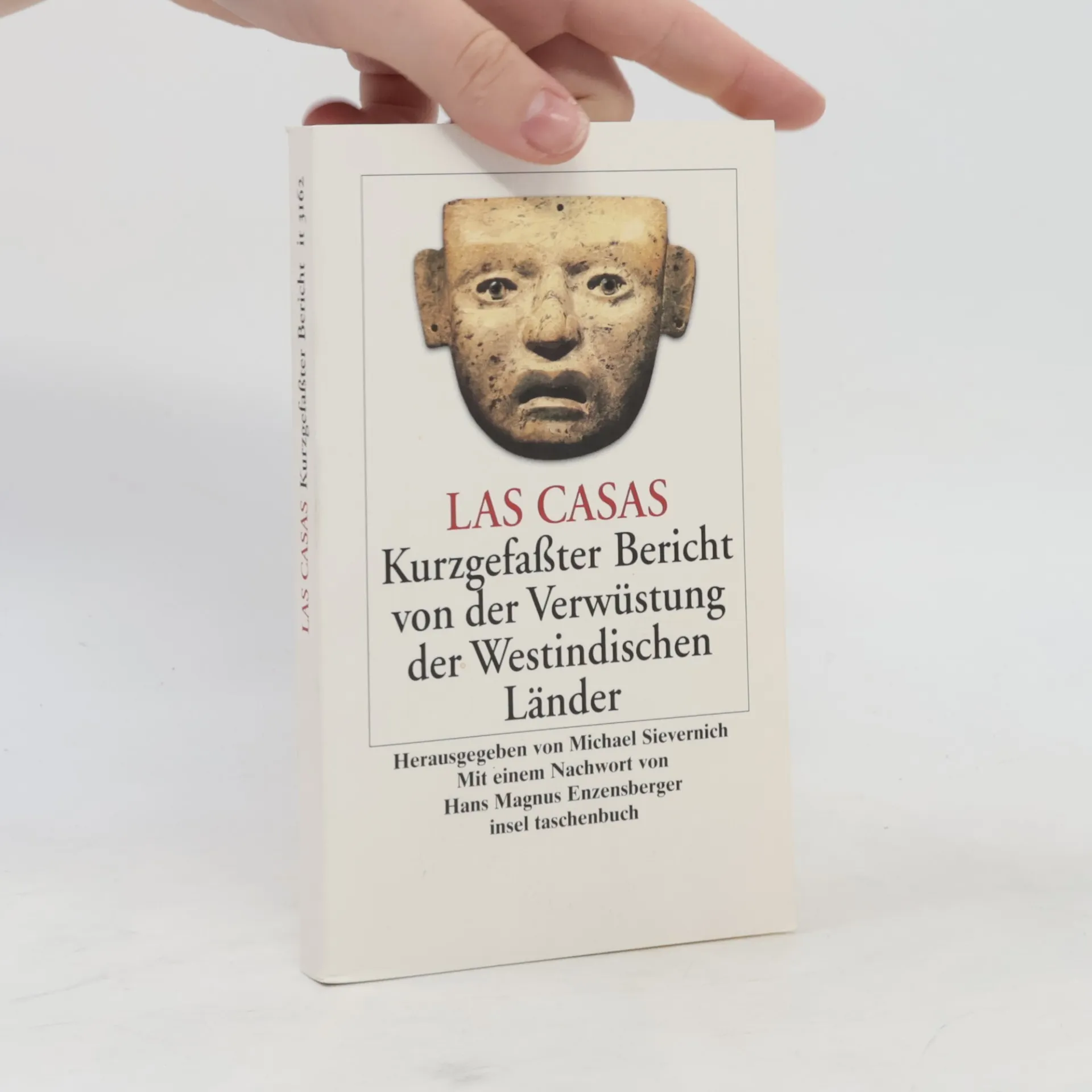
Die Brevísima relación de la destrucción de las Indias ist ein Buch, das 1552 von dem spanischen Dominikaner Bartolomé de las Casas veröffentlicht wurde, dem Hauptverteidiger der Indios in Amerika, in dem er die Auswirkungen der spanischen Kolonisierung der Neuen Welt auf die Ureinwohner anprangerte.
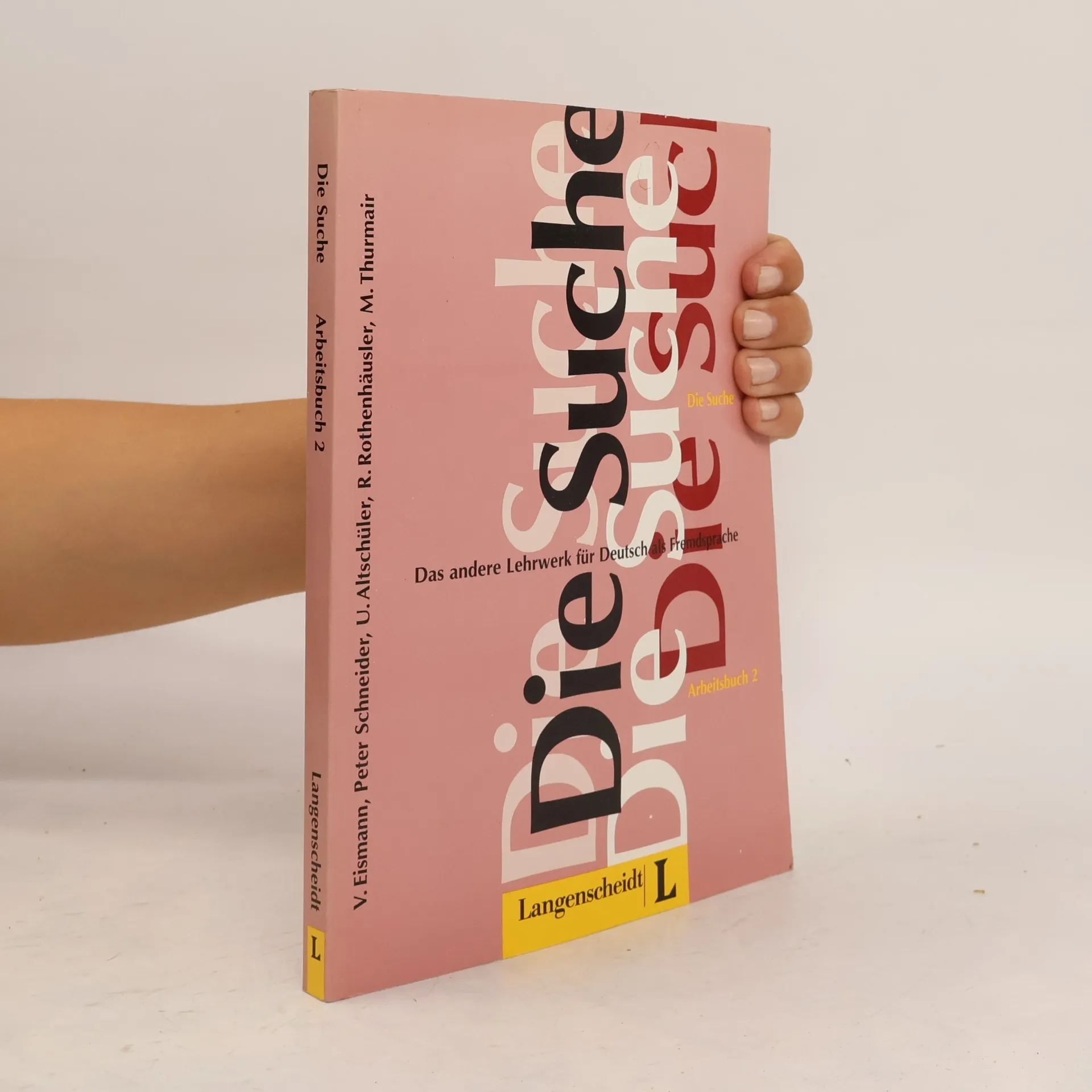
Das andere Lehrwerk für Deutsch als Fremdsprache - Arbeitsbuch
200pagine
7 ore di lettura
"Die Suche 2" ist die Geschichte von Elena, die auf der Suche nach ihrem Vater Helmut Schmidt ist. Doch; Wer einen Helmut Schmidt sucht, wird viele finden! Aber welcher ist der Richtige?
Eine humorvolle Neufassung des Struwwelpeters von Enzensberger und Kuhl lädt zum Vorlesen und Lachen ein. Die Geschichten um Daumenlutscher und Zappelphilipp werden frech und überraschend neu erzählt, ohne pädagogischen Zeigefinger. Dr. Heinrich Hoffmann führt durch die Szenen und ermutigt zu Widerworten.
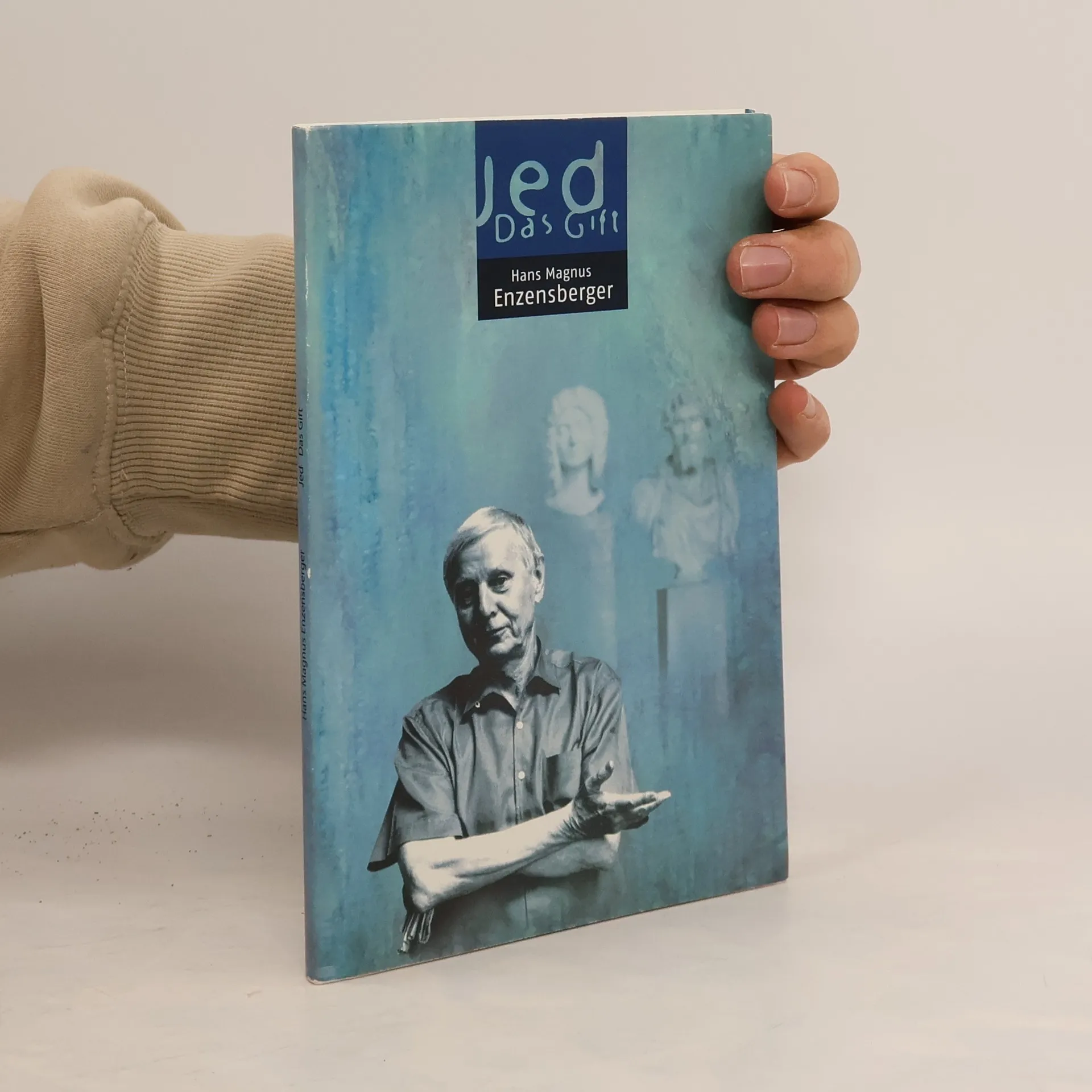
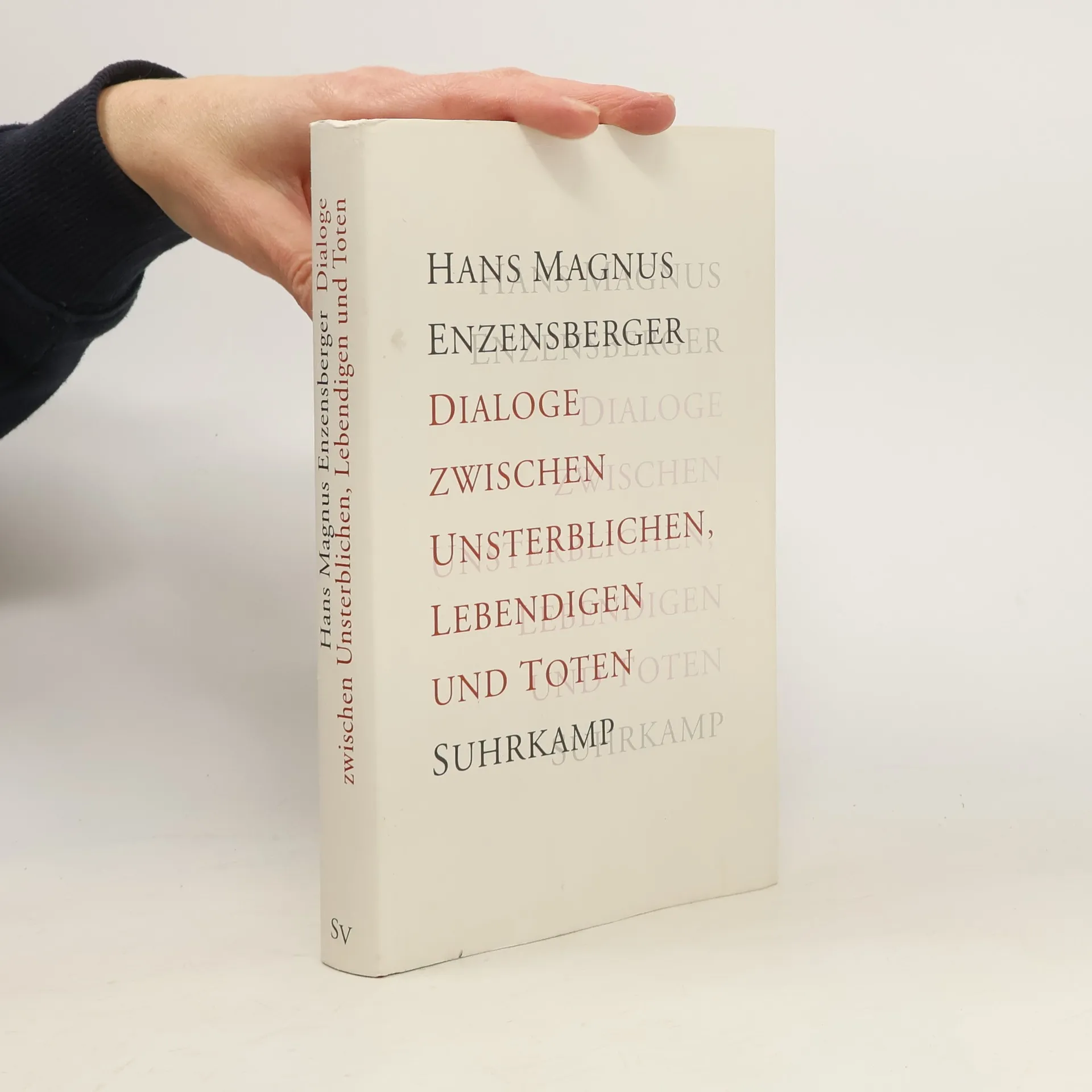
Drei Dialoge bilden dieses Werk. Im ersten davon gelingt es Chuang Tzu, einer der Gründer des Taoismus in China, einen Toten zu erwecken, um mit ihm über die Tyrannei der Zeit, das Leben und den Tod zu sprechen. Im zweiten wird Diderot interviewt.
»Leichte Gedichte« in einer Zeit schwerer globaler Krisen – kann das gutgehen? Und was wollen sie uns sagen? Doch kurzweilig wird es allemal, wenn ein Dichter und ein Bildkünstler vom Range Enzensbergers und Tripps uns den Schein des Lebens vor Augen führen. Mit Lust und Laune wirbeln beide ihn auf, den Staub unserer irdischen Verhältnisse in Gestalt von Menschen, Tieren und Dingen. Da wird noch auf einer Beisetzung die Nacht durch getanzt, als sich herausstellt: Der Tote ist gar nicht endgültig tot. Makaber? Nicht, solange alles in ein paar Binnenreime, ein Liedchen à la Heine, eine Villanelle oder eine Bildsequenz passt. Und was danach? Ohne Eintrittskarte auf eine unheilige Auferstehung zu warten kann Nerven kosten. Hauptsache also, es ist schnell vorbei und alle Beteiligten befinden erleichtert: »Schwamm drüber!«
Die siebenunddreißig Balladen handeln von den Widersprüchen des »Fortschritts«, von einem jahrhundertelangen Prozeß also, dessen tragische und komische, ehrwürdige und absurde Verwicklungen wir alle mit uns fortschleppen. Auch wenn der Fortschritt ein kollektiver Mythos ist, hat er sich in einer langen Reihe von historischen Figuren, Protagonisten und Widersachern personifiziert. So nimmt dieses Buch die Gestalt einer Porträtgalerie an, in der Revolutionäre und Astronomen, Musiker und Ingenieure, Mathematiker und Zauberkünstler, Mönche und Bürokraten zu besichtigen sind.
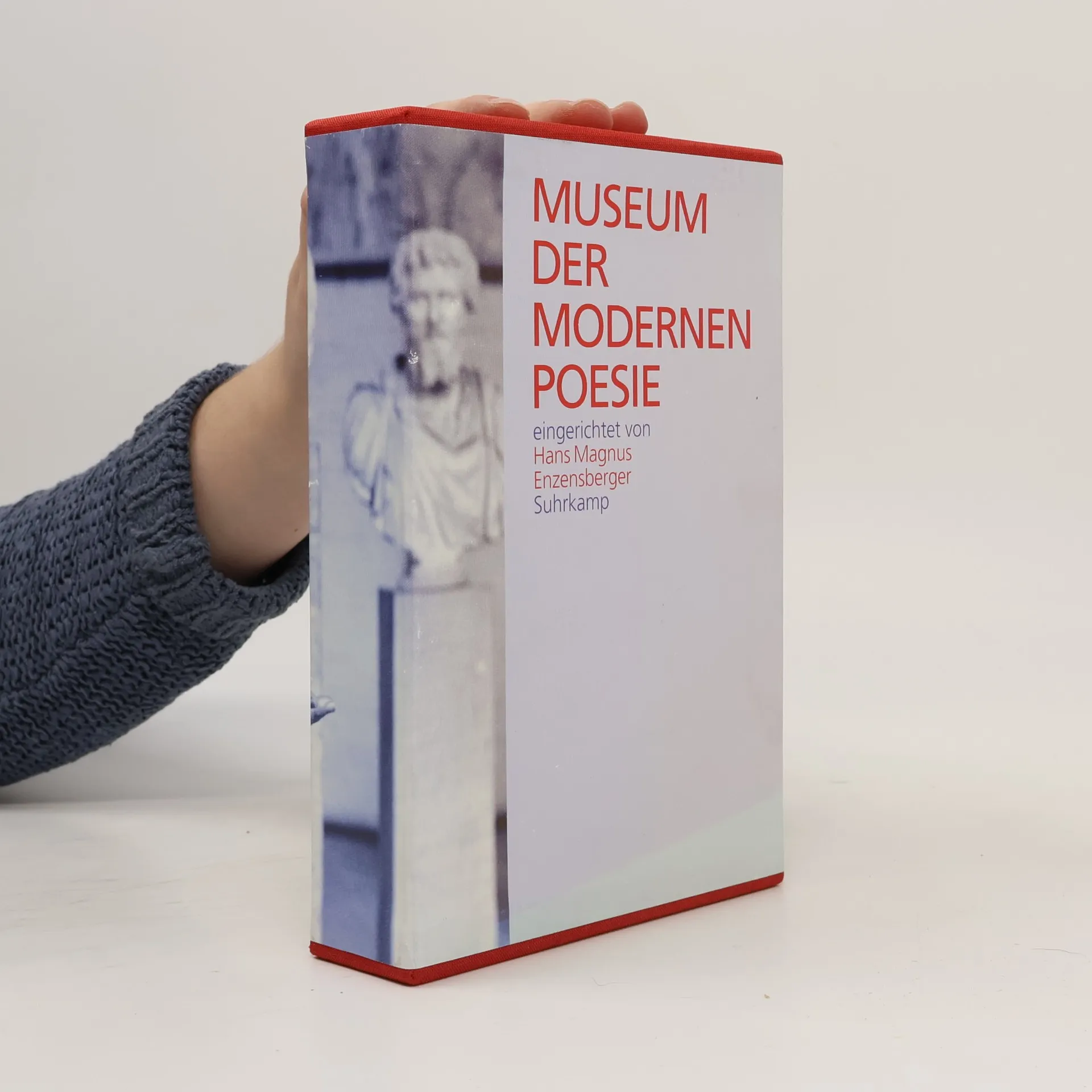
Seit mittlerweile 15 Jahren besteht Hans Magnus Enzensbergers "Andere Bibliothek" innerhalb des Eichborn Verlags. Ein programmatisches Haupt- und Glanzstück ist die 1985 erschienene und viel gelobte Lyriksammlung Das Wasserzeichen der Poesie oder Die Kunst und das Vergnügen, Gedichte zu lesen. Selten hatte ein Gedichtband so enthusiastische Leser und so überschwängliche Kritiker. "Eine lyrische Surprise-Party", schrieb ein Kritiker der Süddeutschen Zeitung, und im Spiegel stand zu lesen: "Auf 490 Seiten wird, quer durch Epochen und Sprachen, eine Poetologie voll Witz und Boshaftigkeit ausgebreitet: Gedichte als Kunststücke, Spielsachen, Rätsel-Objekte, Scherzartikel, Lyrik als Klang- und Bildbeispiel, als typografische Fallenstellerei, als parodistisches Abenteuer".
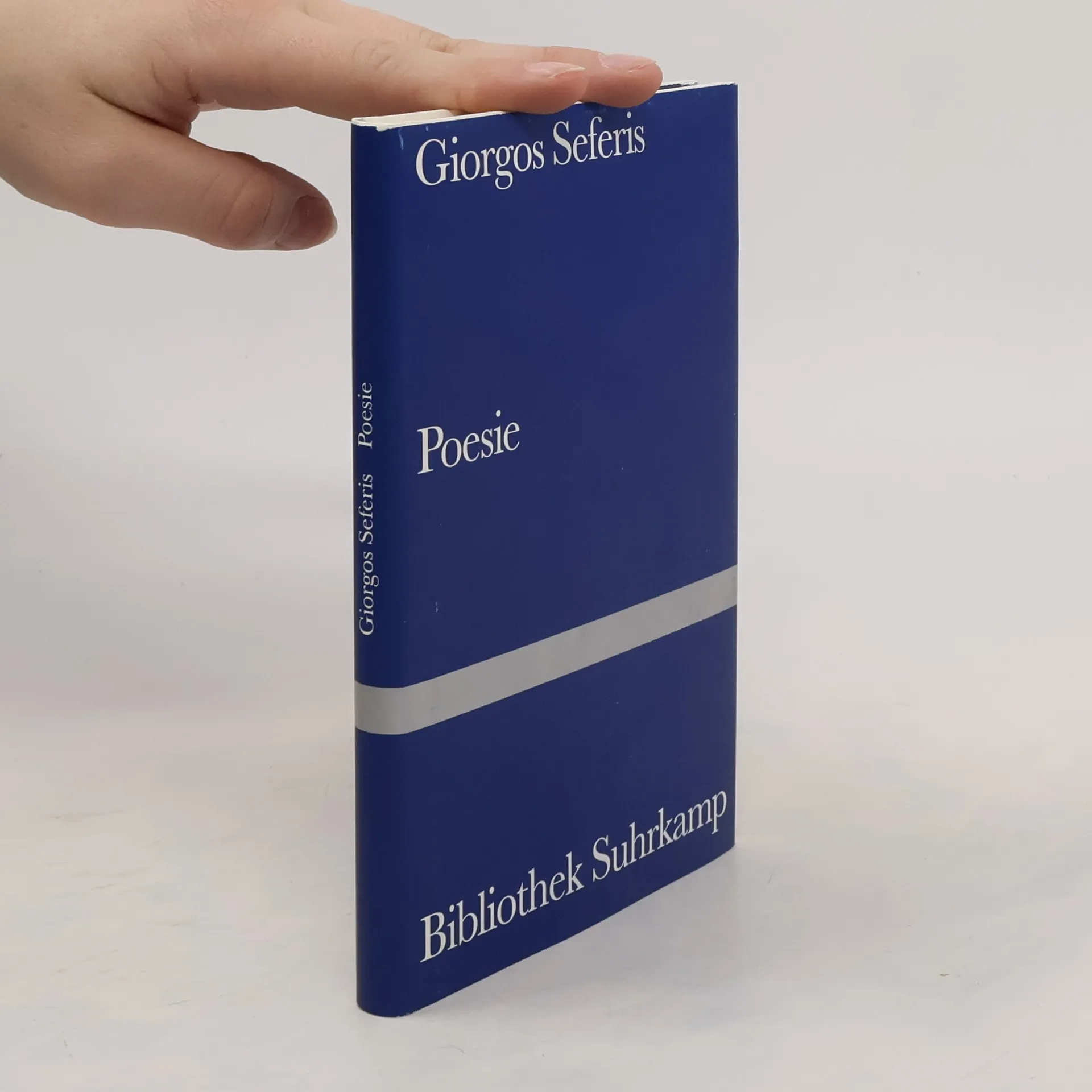
Die Dichtung des griechischen Nobelpreisträgers Giorgos Seferis zeichnet sich durch Einfachheit aus und zeigt eine Seelandschaft zwischen Substantiv und Verb, die sowohl fremd als auch vertraut wirkt. Sie beschreibt, wie die Dinge sind und was die Menschen tun.
H. M. E. behandelt systematisch die mathematischen Grundlagen und betrachtet historische, linguistische, literarische sowie medientheoretische Aspekte. Er erkennt die Grenzen seines Programms und bietet Programmierern Hinweise für mögliche Verbesserungen.
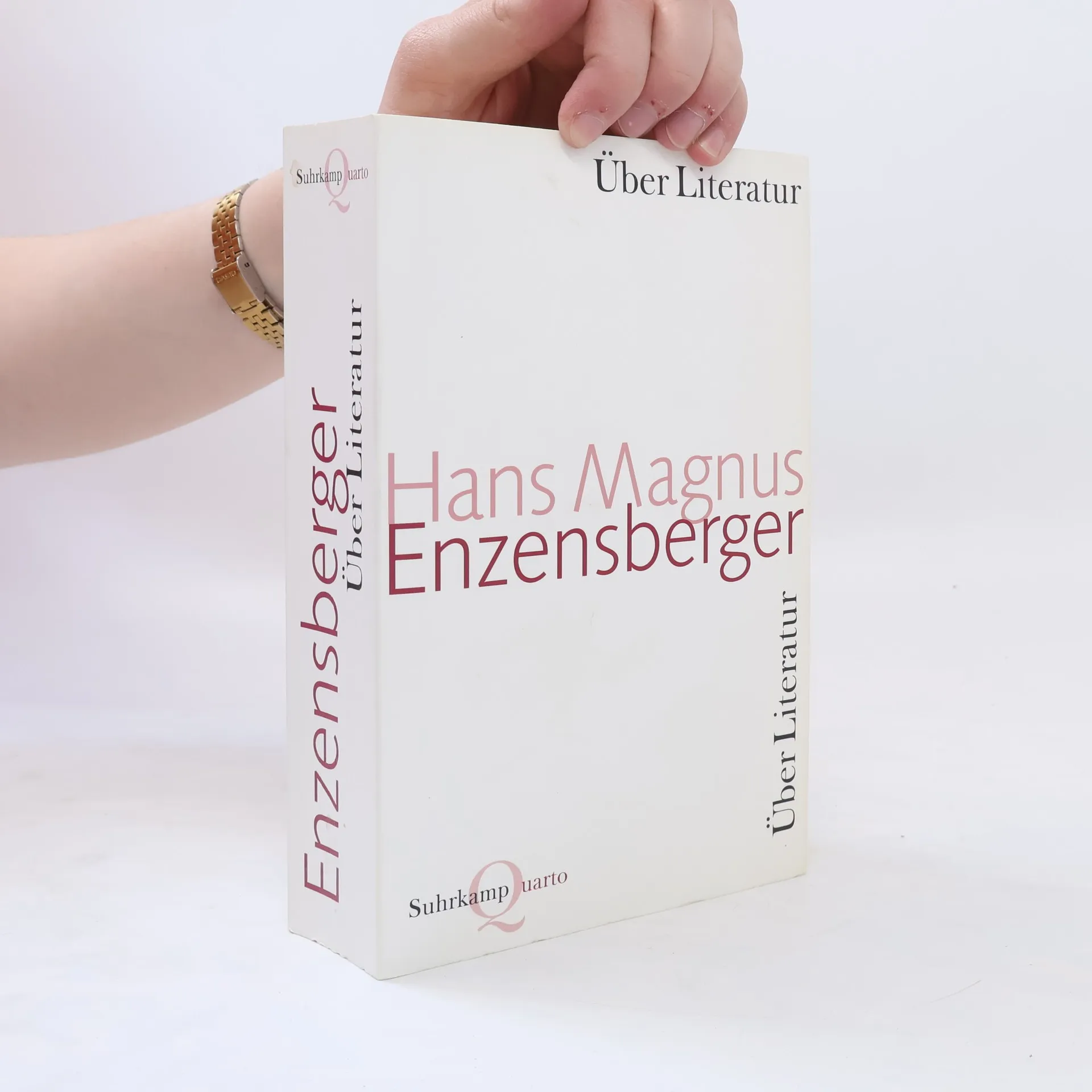
Jahrzehntelang blieben sie unveröffentlicht: Hans Magnus Enzensbergers Frankfurter Poetikvorlesungen aus dem Wintersemester 1964/65. Ausgehend von diesem umfangreichen Text, werden Enzensbergers Schriften zur Literatur aus einem halben Jahrhundert erstmals in einem Band zusammengeführt. Lückenlos versammelt sind seine Essays und die vielen freundlichen, traurigen und bösen Auseinandersetzungen mit Klassikern und Zeitgenossen – manches davon bisher ungedruckt. Aus der Vielzahl der Rezensionen hat der Autor selbst eine Auswahl getroffen. Vom ausgreifenden Essay bis zur Fußnote und Randbemerkung (Scholien) reicht das Spektrum. In offener Feldschlacht mit breitgefächerter Aufstellung so gut wie im geschickt inszenierten Scharmützel entfaltet Enzensberger seine ästhetischen Positionen und Mutmaßungen und führt sie bis zur Synthese von Poesie und Wissenschaft. Dieser Band bietet im Vergleich zu den Einzelbänden eine Preisersparnis von 81%.
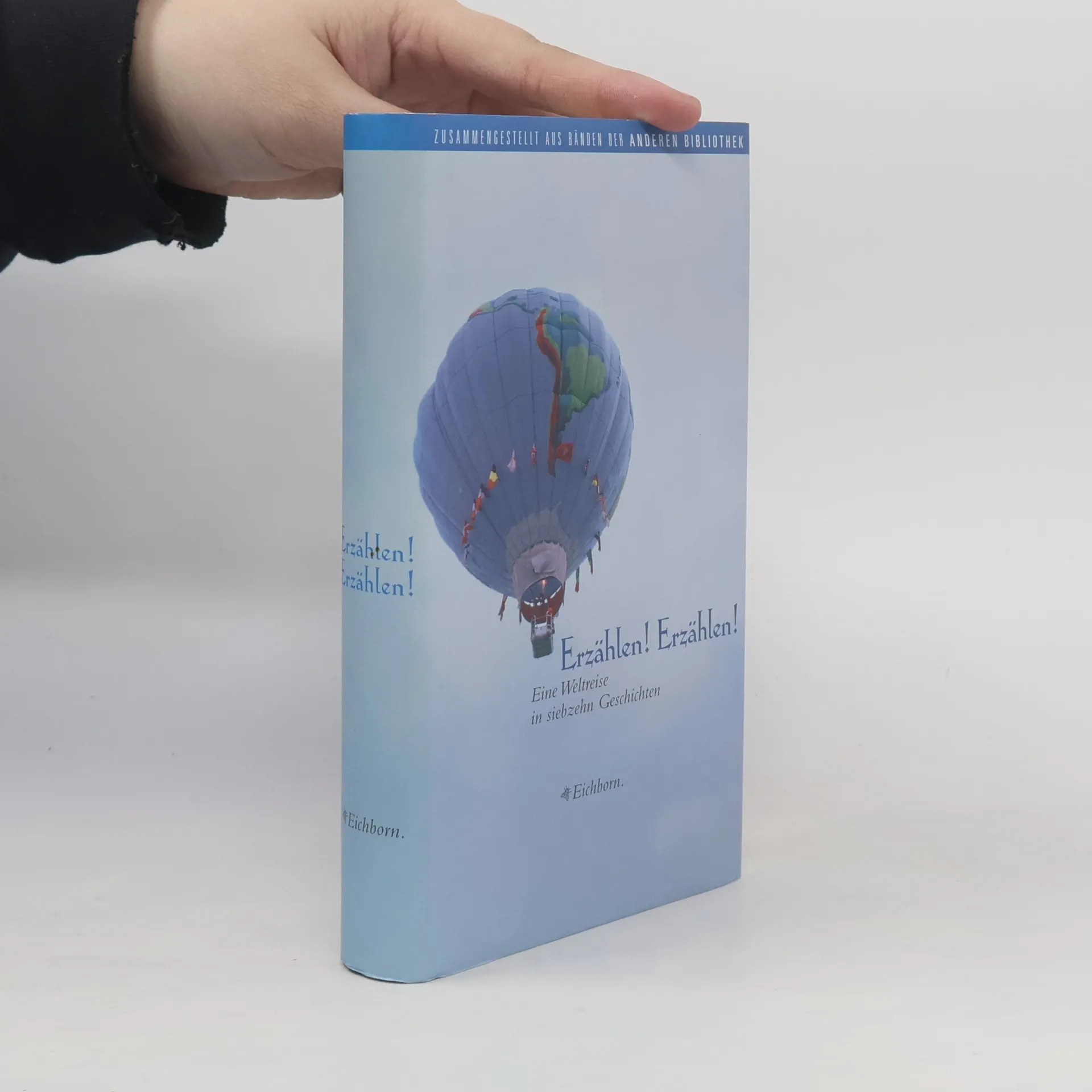
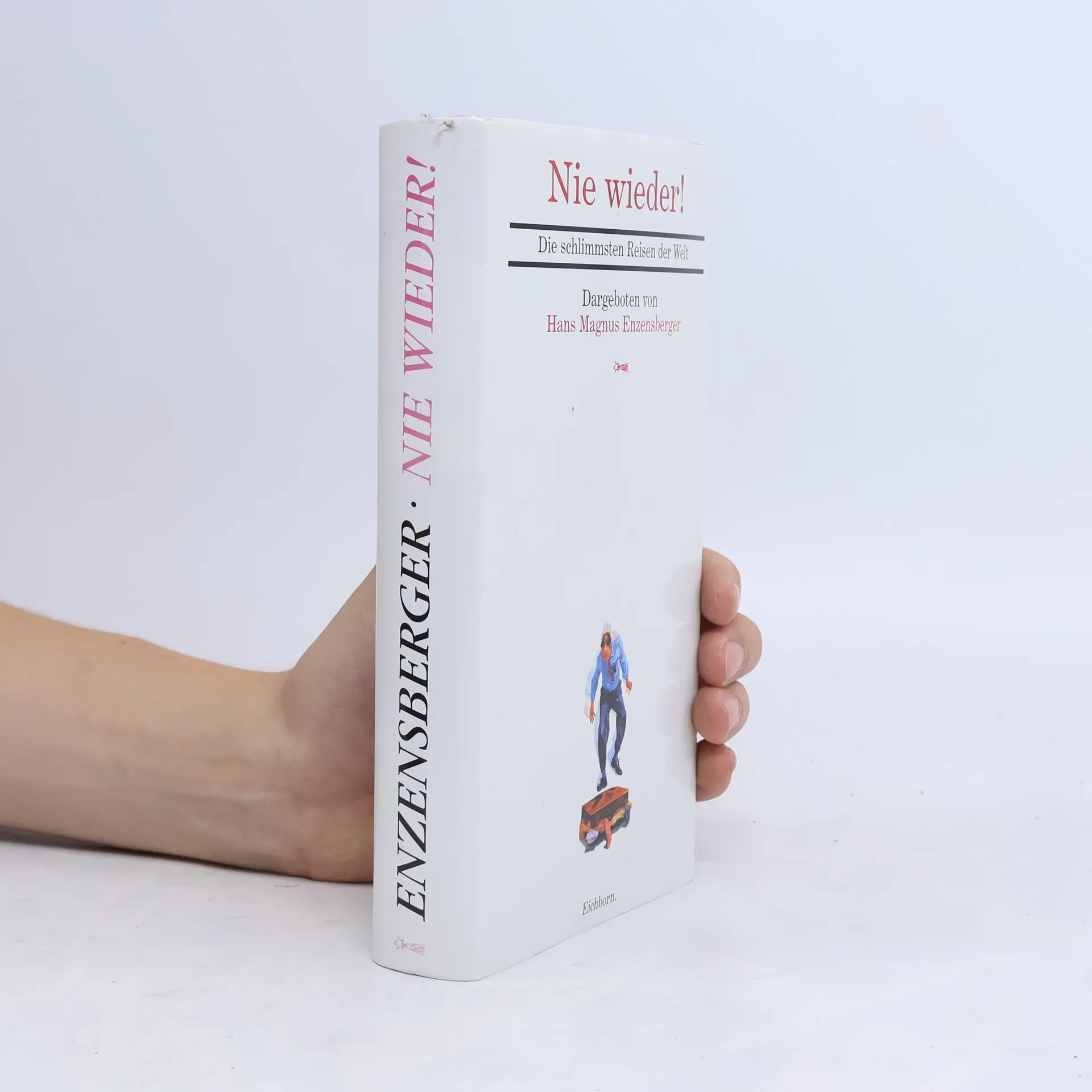
Es ist nicht einfach, über ein solches Buch Positives zu schreiben, obwohl es absolut lesenswert ist. Die Vielzahl an Katastrophen, Unglücken und Widrigkeiten, die hier beschrieben werden, macht es schwer, etwas Gutes darin zu finden. Der Leser wird zwischen Kopfschütteln, ungläubiger Faszination, Abscheu und Schadenfreude hin- und hergerissen. Diverse Autoren berichten von ihren schlimmsten Erlebnissen, die nicht nur in exotischen Ländern, sondern auch in Städten wie Paris, Frankfurt oder Wien geschehen. Mit Humor und Sarkasmus thematisieren sie politische Probleme in Irland oder schildern einen Horrorflug nach Russland im Jahr 1955, wobei man sich leicht vorstellen kann, dass es auch heute noch ähnlich sein könnte. Die lakonische Antwort eines südafrikanischen Einheimischen, dass das letzte Flugzeug vor zehn Monaten flog, sorgt für ungläubiges Staunen. Trotz des Mitleids mit den Geplagten kann man sich ein amüsiertes Grinsen nicht verkneifen und verspürt den Drang, die nächste Tragikomödie zu lesen. Man bleibt oft bis spät in die Nacht wach, um die schaurig-reizvollen Geschichten zu genießen. Am Ende bleibt die leise Erkenntnis, dass man es bisher ganz gut getroffen hat, und die Hoffnung, dass gravierende Desaster anderen widerfahren. Lassen Sie sich nicht abschrecken – genießen Sie das beruhigende Gefühl, dass Ihnen beim Lesen dieses genialen Buches kaum etwas Dramatisches zustoßen kann.
Der komplizierte Reiz der Gedichte liegt in der widersinnigen Frische, mit der Schwermut, Langeweile und Melancholie zur Sprache kommen, dieser dreifache Abgrund moderner Seelengeschichte. In diese Poetik fügt sich der stilistische Balanceakt zwischen hoher Tradition uns Alltag, wie er mit solchem Können und so zuverlässigem Gelingen in deutschsprachiger Lyrik gegenwärtig kaum anderswo zu beobachten sein dürfte. Gert Mattenklott, Frankfurter Allgemeine Zeitung
Jedes Mal, wenn Tante Fé zu Besuch kommt, gerät der stinknormale Alltag der Familie Federmann aus den Fugen. Die uralte, muntere Dame hat es faustdick hinter den Ohren. Nach den Erfahrungen eines langen Lebens mit Inflationen, Erbschaften und Pleiten, mit Armut, Verschwendung und Exil ist sie jetzt reich und lebt allein in ihrer Villa am Genfer See. Was aber will Tante Fé von den Federmanns, ihren einzigen Verwandten? Langweilen möchte sie sich auf keinen Fall. Deshalb lädt sie die drei Federmann-Kinder in ein Luxushotel ein, verwöhnt, verblüfft, begeistert sie. Endlich fühlen sie sich ernstgenommen, erhalten sie Antworten auf Fragen wie: Woher kommt das Geld? Warum reichen selbst Milliarden und Billionen nie? Was denkt sich eine Zentralbank dabei, wenn sie Schulden druckt? Warum geht es nirgends ohne Schattenwirtschaft, ohne Schwarzmarkt, Schwarzgeld und Schwarzarbeit? Und warum hagelt es immerzu fette Boni in der Chefetage? Tante Fé räumt mit dem Blabla der Börsianer auf. Ungerührt erklärt sie den Kindern das herrschende Betriebssystem der Gier und der Angst. Natürlich hat auch sie keine Patentrezepte zu bieten. Aber den vielen Sieben- bis Siebzigjährigen, die den Jargon der Betriebswirtschaftler satthaben, könnte ihr gutgelauntes Fitness-Training nicht schaden – und auch nicht ihre spezielle Gegenstrategie: »Wer sich nicht wehrt, lebt verkehrt.«
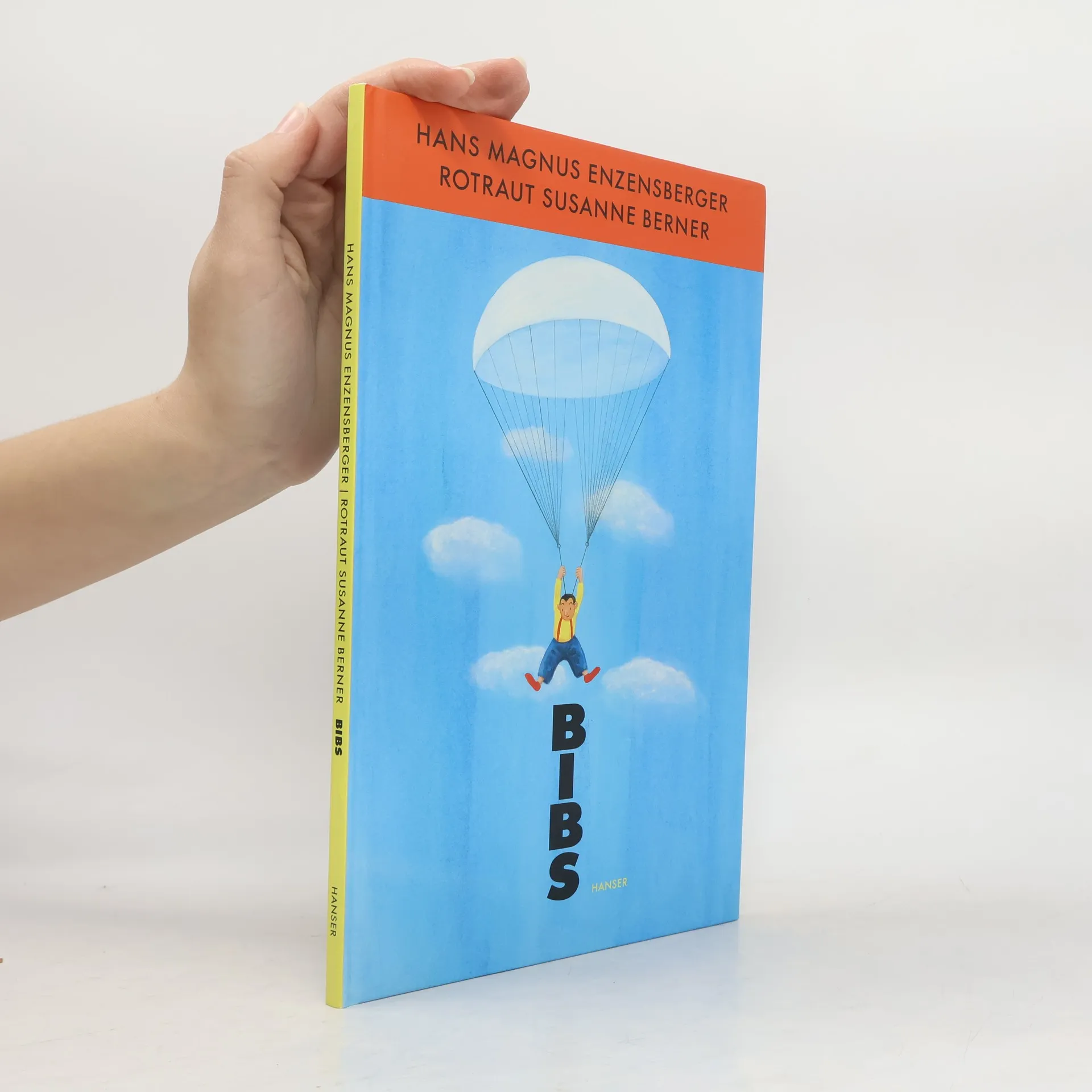
Bibs ist stinksauer! Sein Fahrrad ist weg, sein Bruder Yanni hört im gemeinsamen Zimmer ständig Popmusik, die Eltern schimpfen, und überhaupt: Alle nerven! Am besten, er legt sich in den Wäschekorb. Warm ist es hier und kuschelig. Wenn es nur ein bisschen heller wäre, denkt er. Und plötzlich ist Licht in der Wäschekammer. Eigenartig, aber scheinbar muss Bibs sich nur etwas wünschen, und schon hat es sich erfüllt. In seiner Wut lässt er gleich mal die ganze Welt verschwinden ... Ein phantasievolles Bilderbuch von Hans Magnus Enzensberger und Rotraut Susanne Berner, dem Duo vom erfolgreichen „Zahlenteufel“.
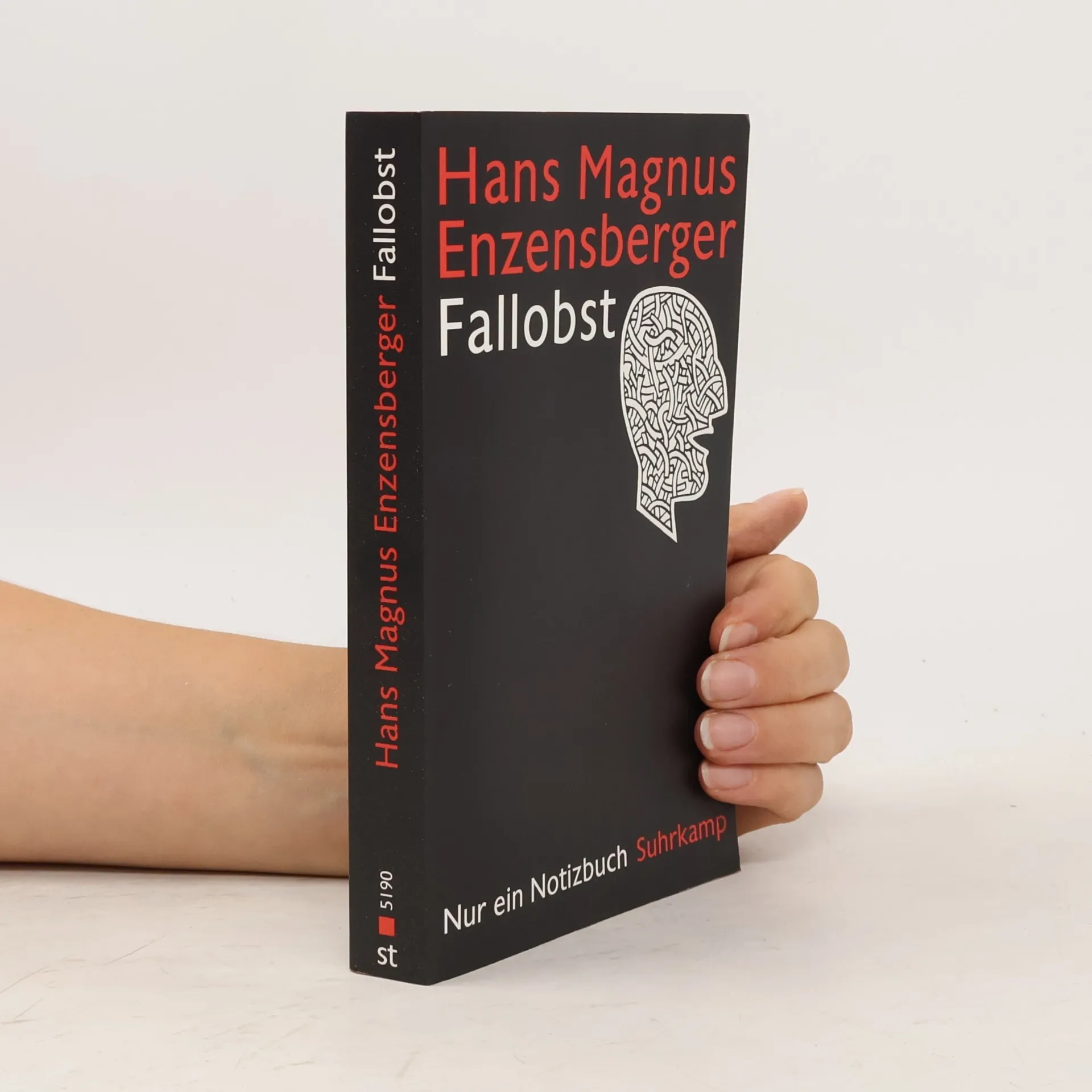
»Fallobst, das in verschiedenen großen und kleinen Körben aufgesammelt wurde«, nennt Hans Magnus Enzensberger seine Beobachtungen, Notate, Kurzessays, Erinnerungen, Dialoge, Gedichte und Glossen. Mit spitzer Zunge, unumwunden und streitbar konfrontiert er uns mit Zeitgeist und mainstream. Doch kommen auch Würdigungen nicht zu kurz: von vertrauten und geliebten Menschen, von Brüdern und Schwestern im Geiste. Die deutsche Sprache, deren Tiefsinn und Abgründen der Autor mit lexikalischen Feinbohrungen auf den Grund geht, erfährt ihr Recht. Und nicht zuletzt die Natur in ihren so wundersamen wie kapriziösen Erscheinungen.
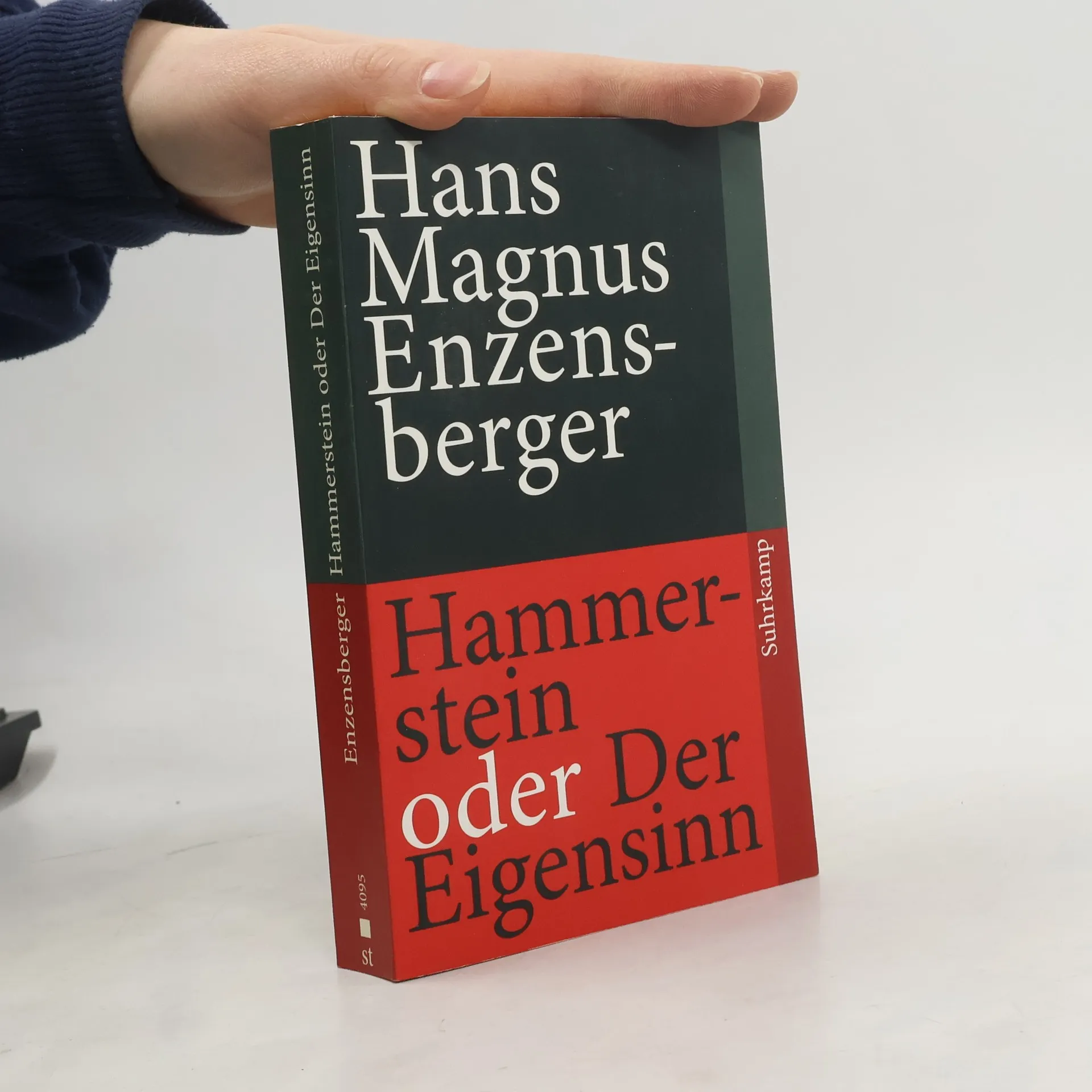
Ein großes Werk über eine verhängnisvolle Periode der deutschen Geschichte und die herausragende Gestalt eines Mannes, dessen Biographie bislang nicht geschrieben wurde. Hans Magnus Enzensberger hat die Geschichte des Generals Kurt von Hammerstein aus allen erreichbaren Quellen recherchiert und entfaltet sie in der literarischen Biographie. Kurt von Hammerstein war Chef der Reichswehr, ein Grandseigneur und unerschütterlicher Gegner des Nationalsozialismus, der den Untergang seiner Klasse, des deutschen Militäradels, miterlebte. Seinen Abschied nahm er, nachdem Hitler 1933 seine Weltkriegspläne in einer Geheimrede offengelegt hatte. Auch die Lebensläufe seiner Frau und seiner sieben Kinder werden beleuchtet, gezeichnet von den Katastrophen des 20. Jahrhunderts, Verrat, Widerstand, Spionage und Sippenhaft. Zudem werden Personen betrachtet, die zu einem gefährlichen Doppelleben gezwungen waren, darunter der letzte Reichskanzler der Weimarer Republik und Agenten der KPD. Dies ist Enzensbergers dritte literarische Biographie, in der die Selbstbehauptung des Einzelnen gegenüber kollektiven und autoritären Zumutungen im Zentrum steht. Der Autor befragte Archive von Moskau bis Berlin, von München bis Toronto, wobei das Dokument nicht das letzte Wort behält. In diesem vielfältigen Werk verbindet sich Recherche mit der Freiheit des Autors, sich der historischen Wirklichkeit auch über Fiktionen zu nähern.
Hans Magnus Enzensbergers kritische Essays über Medien, Poesie und Politik werden unter dem Titel "Einzelheiten I & II" hier in einem Band zusammengestellt. Der Büchner-Preisträger äußerte sich zu seinen Texten 1962 so: "Die kritische Position hat nicht Bewältigung oder Aggression im Sinn. Kritik, wie sie hier versucht wird, will ihre Gegenstände nicht abfertigen oder liquidieren, sondern dem zweiten Blick aussetzen: Revision, nicht Revolution ist ihre Absicht."
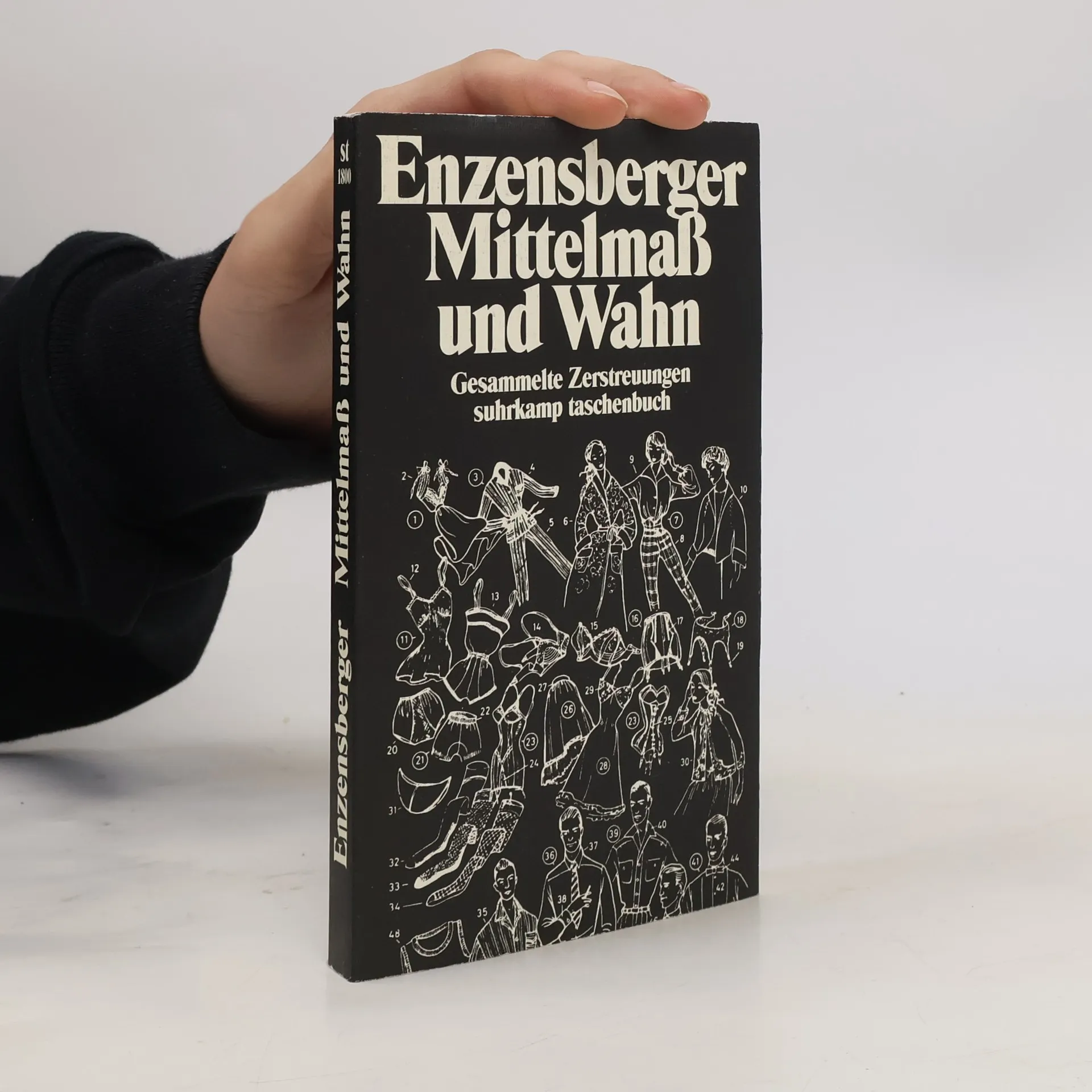
Die Themen dieses geistreichen und entlarvenden Bandes reichen vom Deutschunterricht bis zu den Institutionen der internationalen Finanz, vom Wasserrecht bis zum Innenleben der Parteien. Begriffe wie der des Nullmediums und Figuren wie die des sekundären Analphabeten werden auf ihre Brauchbarkeit hin untersucht. Vor allem aber interessiert sich der freischweifende Kundschafter für die heimtückische Ironie der Verhältnisse und für die exotischen Geheimnisse des Mittelmaßes.
Bruce Chatwin annotò che la sua copia personale di un libro amato, ormai consumata da viaggi in Asia centrale, lo accompagnava sin da giovane. Robert Byron, gentiluomo erudito e scrittore di viaggi, ha scritto opere significative sulla civiltà bizantina e l'architettura islamica, ma il suo talento si manifesta al meglio nelle sue esplorazioni. Negli anni Trenta, un periodo d’oro per la letteratura di viaggio, Byron scrisse un'opera che si distingue come un capolavoro: il suo viaggio verso l’Oxiana, un luogo mitico tra Afghanistan e Iran, evocativo di un antico paradiso. I viaggiatori possono seguire le orme di Alessandro o Marco Polo, ma la vera avventura è quella di Byron, che parte da Venezia e attraversa Cipro, Palestina e Siria. Ciò che incanta nel suo racconto è la sua straordinaria capacità di osservare le tracce delle civiltà passate e i personaggi che incontra lungo il cammino. Le sue annotazioni rivelano un spirito anglicano e snob, perfetto per descrivere le incongruenze storiche che emergono in episodi esilaranti. Le sue pagine catturano l'essenza del viaggio, quando partire era un vero piacere. Il libro fu pubblicato per la prima volta nel 1937.
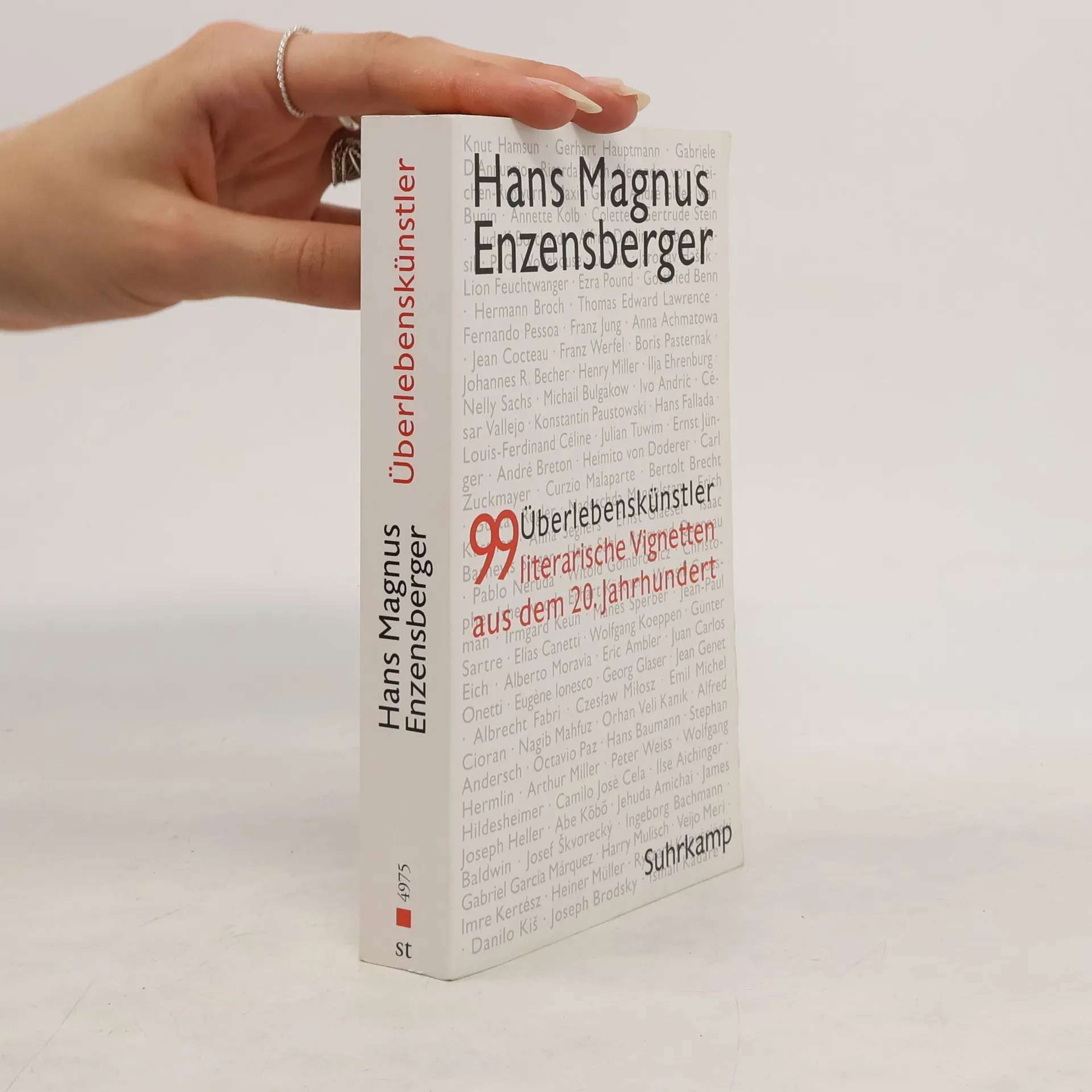
Hans Magnus Enzensberger nähert sich in 99 pointierten, bewusst subjektiven Darstellungen den Lebensläufen und den speziellen Überlebensstrategien internationaler Schriftstellerinnen und Schriftsteller. Aber auch den objektiven Gründen dafür, dass ihnen ihr Überleben im 20. Jahrhundert, dem »Zeitalter der Wölfe«, gelungen ist. Das 20. Jahrhundert war eine Blütezeit von Schriftstellern, die Staatsterror und Säuberungen überlebt haben, mit all den moralischen und politischen Ambivalenzen, die das mit sich brachte. Hatten sie ihr Überleben ihrer Hellsicht, ihrer Intelligenz oder Schlauheit zu verdanken, ihrem Glauben an sich selbst, ihren Beziehungen oder ihrem taktischen Geschick? Waren es Glücksfälle, durch die sie dem Gefängnis, dem Lager und dem Tod entronnen sind, oder waren es Strategien, die von der Anbiederung bis zur Tarnung reichten? Wer das so klar unterscheiden könnte!
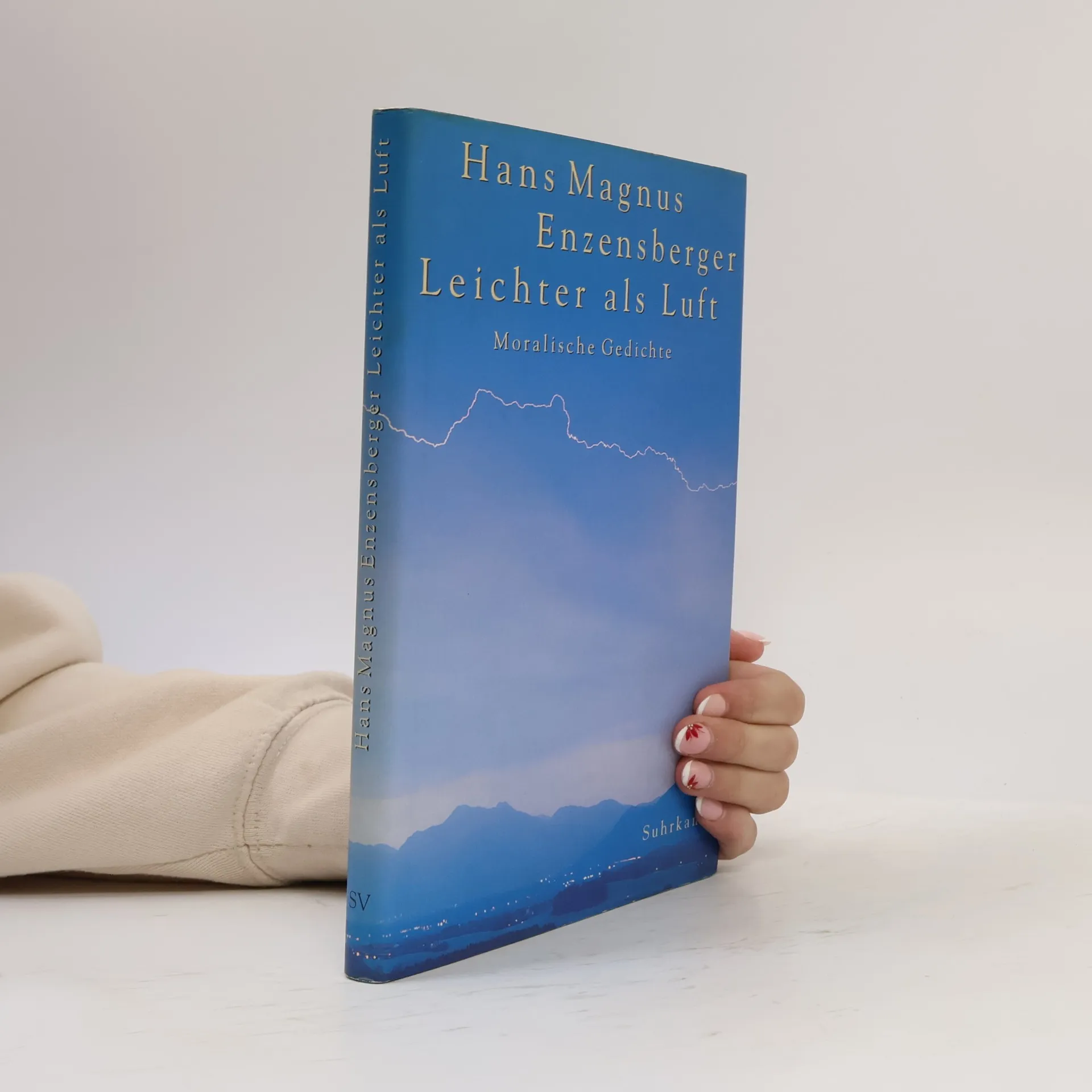
Anlässlich seines siebzigsten Geburtstags präsentiert Hans Magnus Enzensberger eine neue Gedichtsammlung. Die Themen sind leicht und vielfältig: Zahlen, vergangene Schmerzen, das Ich und der Rauch einer Zigarette, die die letzte sein sollte. Enzensberger verzichtet auf scharfe Töne, prophetische Klagen und eine dunkle Sinnsuche. Er folgt Brechts Lehre, übernimmt dessen aufklärerisches Engagement sowie die Fähigkeit, die bescheidenen Schönheiten des Alltags und menschlichen Verhaltens zu staunen und zu würdigen. Die Leitideen des vergangenen Jahrhunderts sind im neuen Jahrtausend verschwunden; die Verbindungen zwischen Fortschritt und Zerstörung, Politischem und Privatem, Wahnsinn und Vernunft sind unlösbar geworden. Diese interpretative Unmöglichkeit spiegelt sich in den tragikomischen Stimmungen des Autors wider, die in einer bewundernswerten Vielfalt von Metriken, von klassischen Terzinen bis zu modernen Rap-Rhythmen, Ausdruck finden. Innerhalb einer bescheidenen säkularen Religiosität, die den konkreten Bewegungen des Lebens Beachtung schenkt, praktiziert Enzensberger eine Weisheit, die sich von den Wahnvorstellungen der technischen und wissenschaftlichen Allmacht distanziert und dem Zwang zum „Handeln“, der den zeitgenössischen Menschen erstickt, entgegenwirkt.
In diesem Schwarzbuch nimmt Enzensberger ein Thema ins Visier, das viele Künstlerkollegen scheuen, den Misserfolg:" Wenigen Erfahrungen verdanke ich so viel; ich behaupte sogar, dass mir meine Flops im Lauf der Zeit geradezu ans Herz gewachsen sind. Sie gewähren Einblick in die Produktionsbedingungen, Manieren und Usancen des Kulturbetriebs und helfen dem Ahnungslosen, die Fallstricke, Minenfelder und Selbstschussanlagen einzuschätzen, mit denen er auf diesem Terrain zu rechnen hat."Das demonstriert der Autor anhand von Geschichten und Einfällen, Exposés, Treatments, Szenen und Projekten aus fünfzig Jahren. Vieles von dem, was auf dem Weg zur Kinoleinwand, zur Theater-, Opern- und Operettenbühne, zum Magazin oder zur verlegerischen Unternehmung verworfen wurde oder versandet ist, sei's zu Recht oder zu Unrecht, passiert in diesem schwarzen Buch Revue. Wer oder was war schuld an den kleinen und grossen Niederlagen? Lag es am Geld, an der Justiz oder am eigenen Übermut? Aber das ist für Enzensberger nicht der springende Punkt. Jammern, sagt er, sei ungesund. Er amüsiert sich lieber und überlässt dem Publikum zu guter Letzt noch Ideen, aus denen sich jeder gratis und portofrei bedienen kann
Wiederentdeckt: eine wilde Geschichte des jungen Hans Magnus Enzensberger. Zum 90. Geburtstag spektakulär illustriert. Grinsende Alligatoren, schweißglänzende Jazzkeller, dazwischen ein junger deutscher Intellektueller. So könnte Louisiana ausgesehen haben, als es der achtundzwanzigjährige Hans Magnus Enzensberger 1957 bereiste. Er verfasste eine Story, die Jahrzehnte vergessen war und nun, zu seinem 90. Geburtstag, von Hannes Binder pechschwarz illustriert wurde: Der Erzähler ist Anwalt. Einer auszuhändigenden Lebensversicherung wegen schlägt er sich durch das Rotlicht der Stadt New Orleans und durch die Mangrovensümpfe vor ihr. Eine Geschichte voll sorgsam recherchierter Details, schwelgend in Plüsch und Verfall. Und ebenso im Spiel mit einem Erzählen, wie man es von diesem Jungautor nie erwartet hätte.
Geburtstag am 11. November 2009 Keiner von uns ist der Richtige. Als ein
riesiges Rebus, das es zu entziffern gilt, versteht der Dichter seine
Umgebung. Wovon aber handelt dieses Rebus? Nicht gerade einfach zu sagen: De
rebus quae geruntur umschrieben es die alten Lateiner in ihrer präzisen
Sprache, auf gut deutsch: Es handelt von dem, was eben geschieht. Aber ein
solches Rebus wäre nicht es selbst, wäre es eindeutig. Dire en rébus definiert
ein französisches Wörterbuch des 19. Jahrhunderts die Anwendung von Wortspiel
und Wortwitz. Und so nähern sich denn auch diese Gedichte mit den Mitteln der
uneigentlichen und mehrbödigen Rede dem monströsen Bilderrätsel der
'Realität'. Mit den freundlichen, traurigen und bösen Gedichten von
verteidigung der wölfe setzte Hans Magnus Enzensberger vor fünfzig Jahren eine
entschiedene Zäsur in der bundesdeutschen Literatur. Wie damals schneiden
seine Gedichte, so reflektiert wie unbedenklich, in den kalten Spiegel der
Zeit, schonen weder Ich noch Du, sei es nun Feind oder Bruder. Ein Bilderbogen
aus Wörtern und Worten mit einer gesalzenen Coda, einem ebenso grimmigen wie
gutgelaunten Gruß an sie und euch alle: an die falschen Freunde und die
richtigen Feinde. Ja, wir bemühen uns, wären gerne wir selber, und ziehen uns
doch die Schuhe der andern an, und strampeln uns darin ab. Auch dieses Gedicht
steht natürlich nur an der Stelle des richtigen, das noch auf sich warten
läßt.
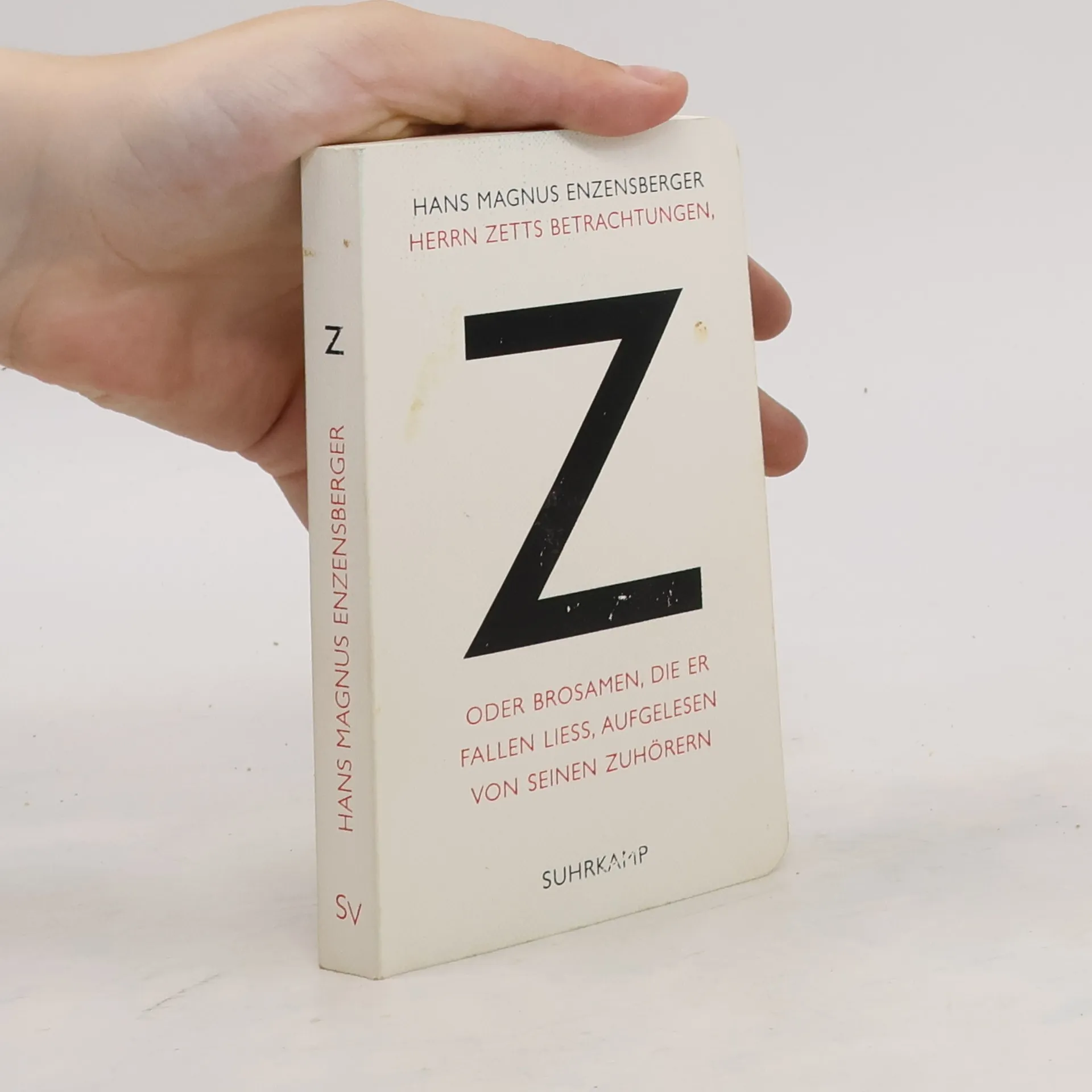
Wer ist dieser rundliche Herr, der da fast ein Jahr lang jeden Nachmittag an derselben Stelle des Stadtparks erscheint und die Passanten in muntere Gespräche verwickelt? Ein Weiser, ein Sprücheklopfer, ein Clown, ein streitlustiger Philosoph? Viele schütteln den Kopf und gehen weiter, andere hören ihm zu, diskutieren mit ihm und finden sich immer wieder am selben Ort ein. Er selbst schreibt nichts auf, aber seine Hörer machen sich Notizen. Das kleine weiße Buch, das hier vorliegt und wie ein Taschenkalender aussieht, überliefert die Betrachtungen und Provokationen dieses sonderbaren Zeitgenossen, der genauso heißt wie der letzte Buchstabe des Alphabets. Mit subversiver Energie und wenigen Sätzen untergräbt Herr Zett Dünkel, Größenwahn und falsche Autorität. Den Institutionen vertraut er ungern, und für »alternativlos« hält er gar nichts. Aber nicht alles, was er sagt, mag man für bare Münze nehmen. Er räumt Irrtümer ein und mit Urteilen auf.