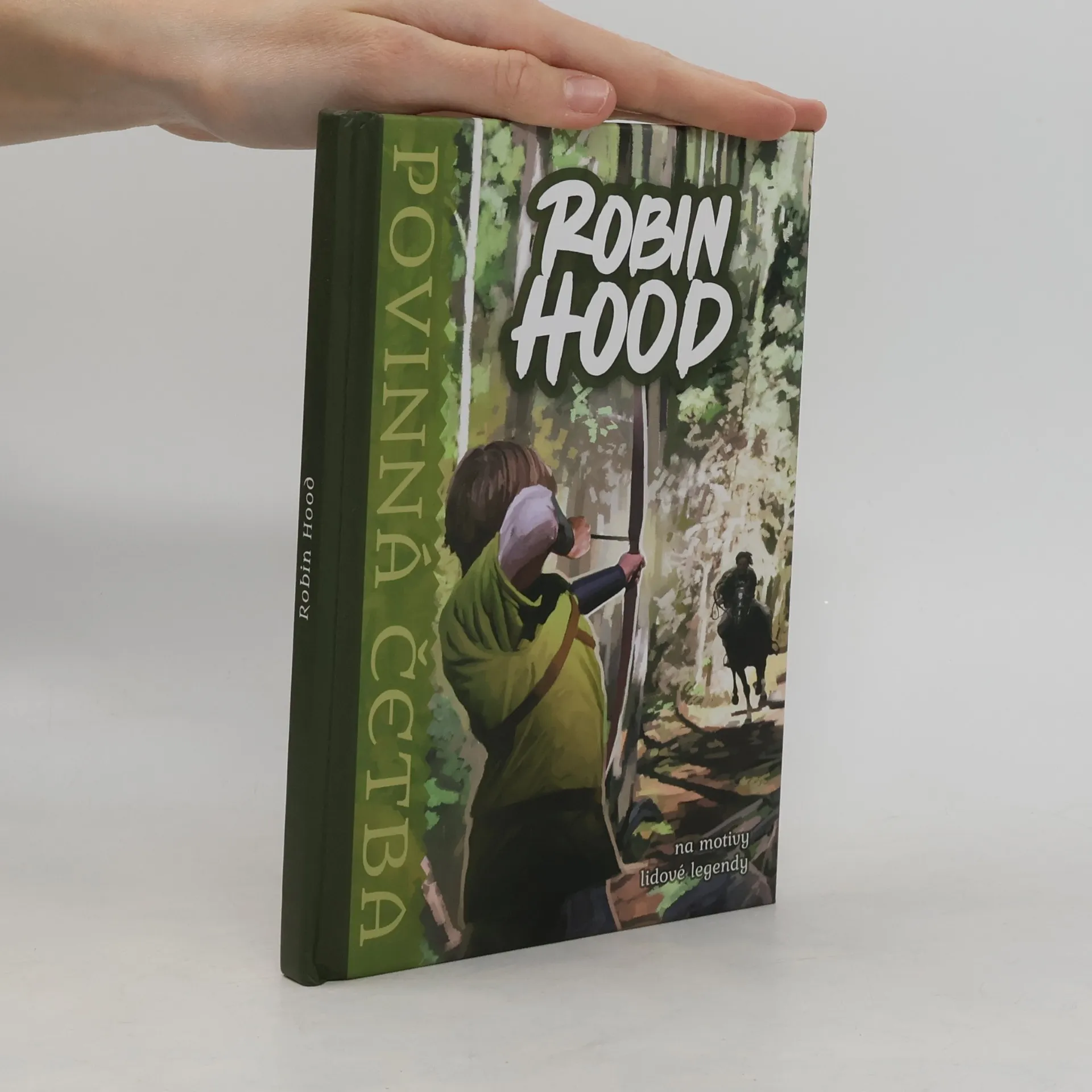
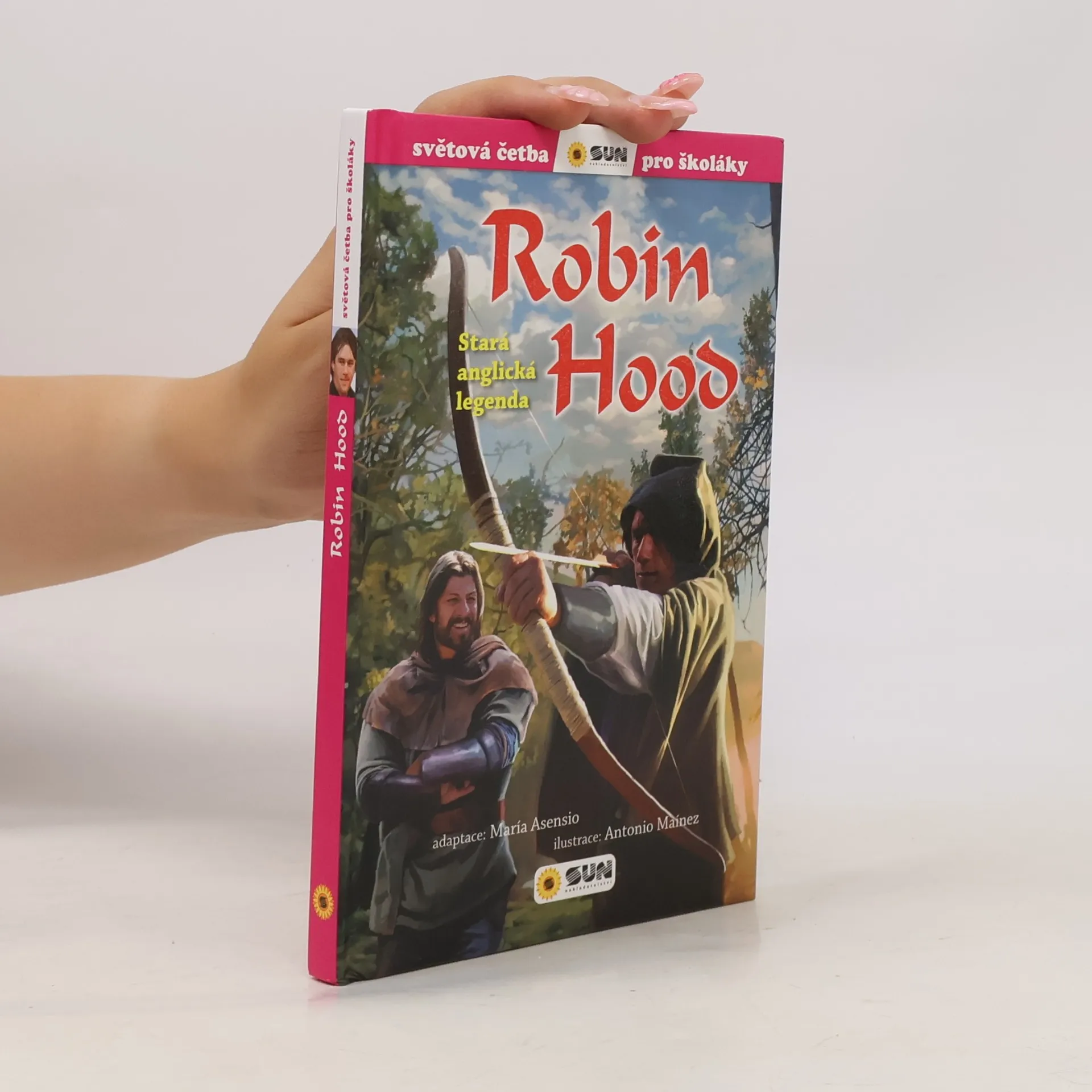
Světová četba pro školáky je edice bohatě ilustrovaných, citlivě převyprávěných a zkrácených děl světové literatury. Legenda z doby vlády krále Richarda Lví Srdce. O udatném zbojníkovi Robinu Hoodovi, který bere bohatým a dává chudým.
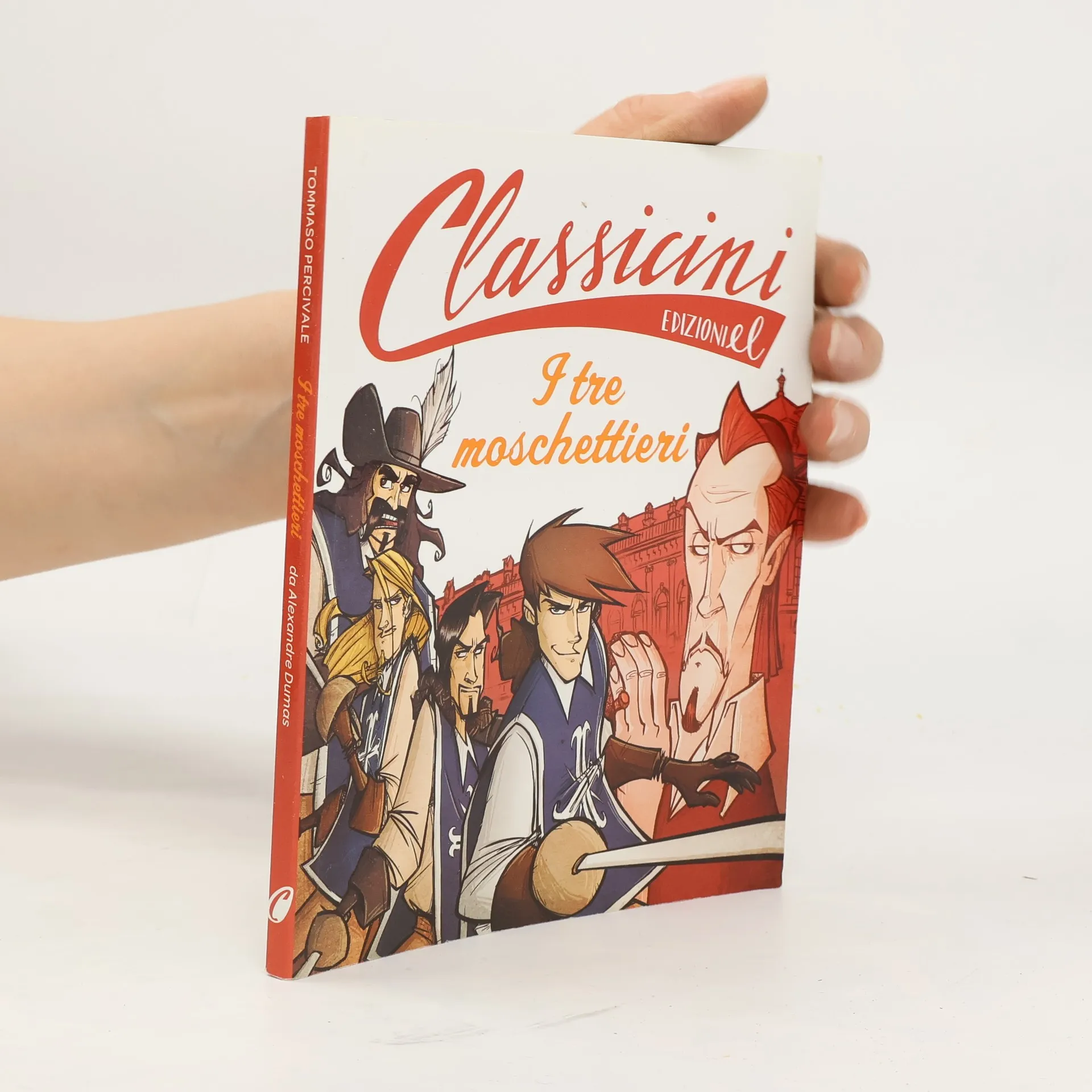
Dove sta la magia? Nella forza del plot? Nella qualità possente dello scenario storico che è in grado di evocare? Nella suspense? Forse, più di tutto, nella gioia del raccontare. Questo capolavoro dell’intrigo cattura a ogni pagina il lettore, lo spiazza, lo depista, lo inganna e lo rende complice, per poi coinvolgerlo in uno strabiliante “effetto meraviglia”. A partire dal titolo: non solo I tre moschettieri sono quattro, ma – come ha osservato Umberto Eco – il romanzo è palesemente “la storia del quarto”, di d’Artagnan, che è l’assoluto protagonista non solo di questo libro, ma degli altri due che seguiranno: Vent’anni dopo e Il visconte di Bragelonne. “Immaginatevi un Don Chisciotte a diciott’anni”: è questo il primo impatto del lettore con d’Artagnan, e attorno a questo virtuoso della spada, a questo campione di lealtà, di dedizione assoluta alla regina, si dipanerà la storia dei tre romanzi, la storia di una vita. L’altra figura decisiva, antagonistica, è Milady, quintessenza dell’inganno, maschera erotica della perfidia e del tradimento, di cui porta il segno indelebile inciso nelle carni. C’era bisogno di una nuova edizione dei Tre moschettieri per riportare il romanzo all’altezza della sua scrittura: attraverso una nuova traduzione che unisce rigore e respiro narrativo, un’Introduzione del più grande studioso vivente di Dumas e un dettagliatissimo Dizionario dei personaggi.
The book explores themes of ambition, power, and guilt through the tragic story of Macbeth. It begins with three witches who prophesy that Macbeth will become king, igniting his dark desires. Struggling with his murderous thoughts, he is ultimately spurred on by his wife, Lady Macbeth, leading him to kill King Duncan in his sleep. As Macbeth ascends to the throne, he becomes increasingly paranoid about losing his power, prompting him to murder Banquo, whose ghost haunts him during a banquet. In a desperate search for reassurance, Macbeth consults the witches again, who mislead him into a false sense of security with their cryptic prophecies. However, his downfall is sealed when Macduff, who was born by caesarean section, confronts him. The weight of his actions drives both Macbeth and Lady Macbeth to madness and death, leaving a powerful commentary on the consequences of unchecked ambition and moral decay.
«Era orribile sentire nel buio tutte quelle creature viscide ammucchiate su di me, come essere in una mostruosa ragnatela.» "'La macchina del tempo' è del 1895, l'edizione definitiva dell'uomo delinquente di Lombroso è del 1897: a Darwin, rapidamente divulgato, era già subentrato il darwinismo, tanto che Wells, che pure aveva fatto un discreto tirocinio prima come studente e poi come docente di biologia, arriva a concepire la regressione per una via tutta formale: se dalla scimmia è derivato l'uomo, si chiede, perché non immaginare un'ulteriore evoluzione non in avanti ma all'indietro ? Perché escludere «l'idea opposta», cioè una «regressione zoologica»? Per questa via Wells giunse a ipotizzare la totale estinzione del genere umano, come inscenato appunto nella parte finale (la cosiddetta «visione ulteriore») della Macchina del Tempo. Dipendendo dal raffreddamento del sole, la visione finale - un mondo senza esseri umani né mammiferi - ha comunque una sua pace; la cupezza della profezia wellsiana è invece tutta nel complementare destino dei ricchi e dei poveri rispettivamente come vegetali e come bruti, secondo la logica di un dissidio tutto interno all'evoluzionismo: da una parte Huxley e Wells, dall'altra un evoluzionista della prim'ora come Herbert Spencer, convinto che l'uomo avrebbe indefinitamente migliorato se stesso." (Dalla prefazione di Michele Mari)
Převyprávění anglické středověké legendy. Text je výrazně zjednodušen, doplněn celostránkovými ilustracemi. Robin Hood - psanec a zbojník, který se svou družinou v Sherwoodském lese olupoval boháče a jejich bohatství rozdával chudým a potřebným. Legenda o mytické postavě ztělesňuje boj za svobodu proti nespravedlivým zákonům středověké šlechty.