Bookbot

François Rebelais

    1 gennaio 1494 – 9 aprile 1553

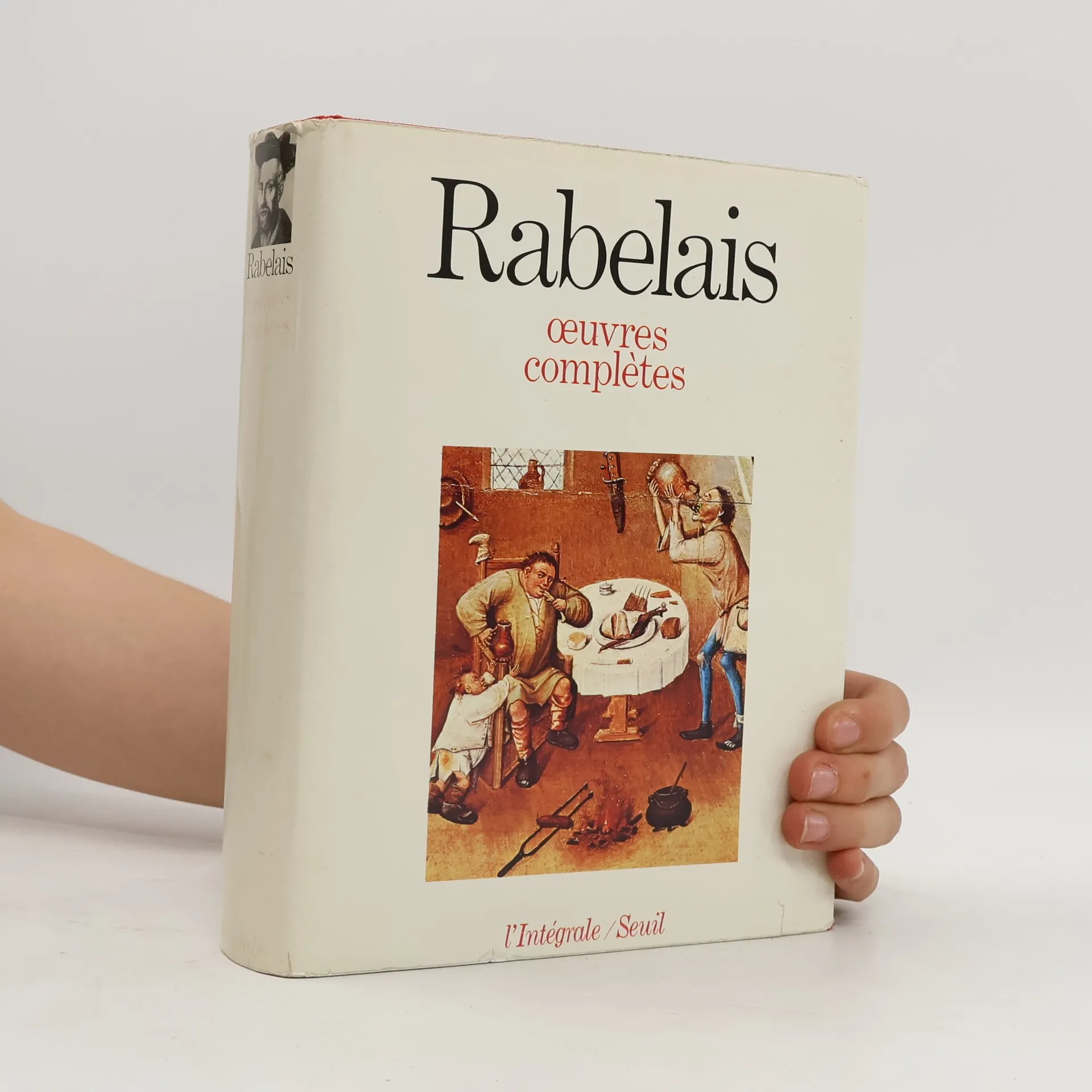
    François Rabelais fu una figura di spicco della letteratura del Rinascimento francese, medico e studioso umanista. La sua scrittura è celebrata per la sua vibrante fantasia, la satira tagliente e il grottesco, spesso infusa di umorismo licenzioso e canzoni. È riconosciuto come uno dei titani della letteratura mondiale e una voce fondamentale nello sviluppo della scrittura europea moderna.

    Great Books 24. Rabelais
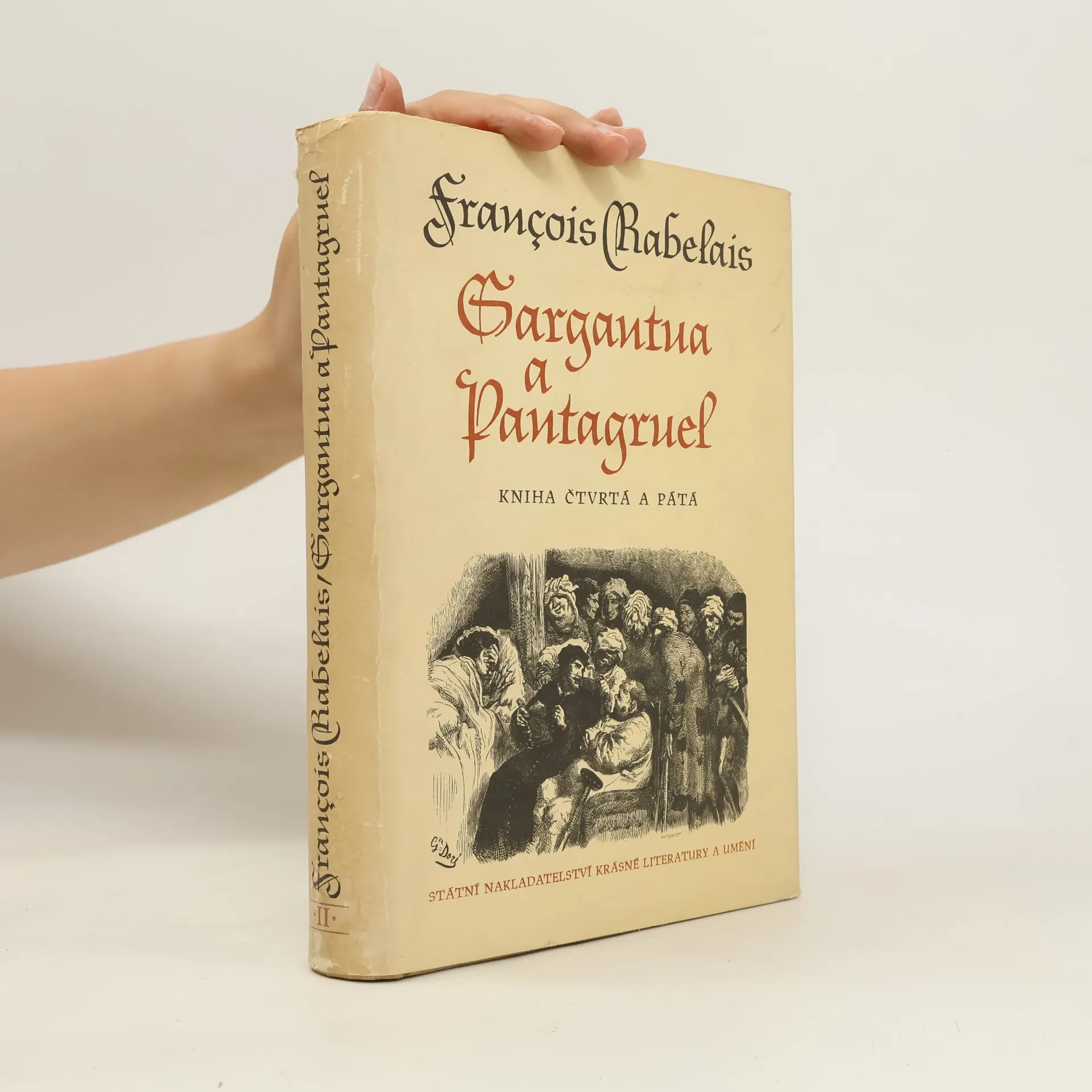
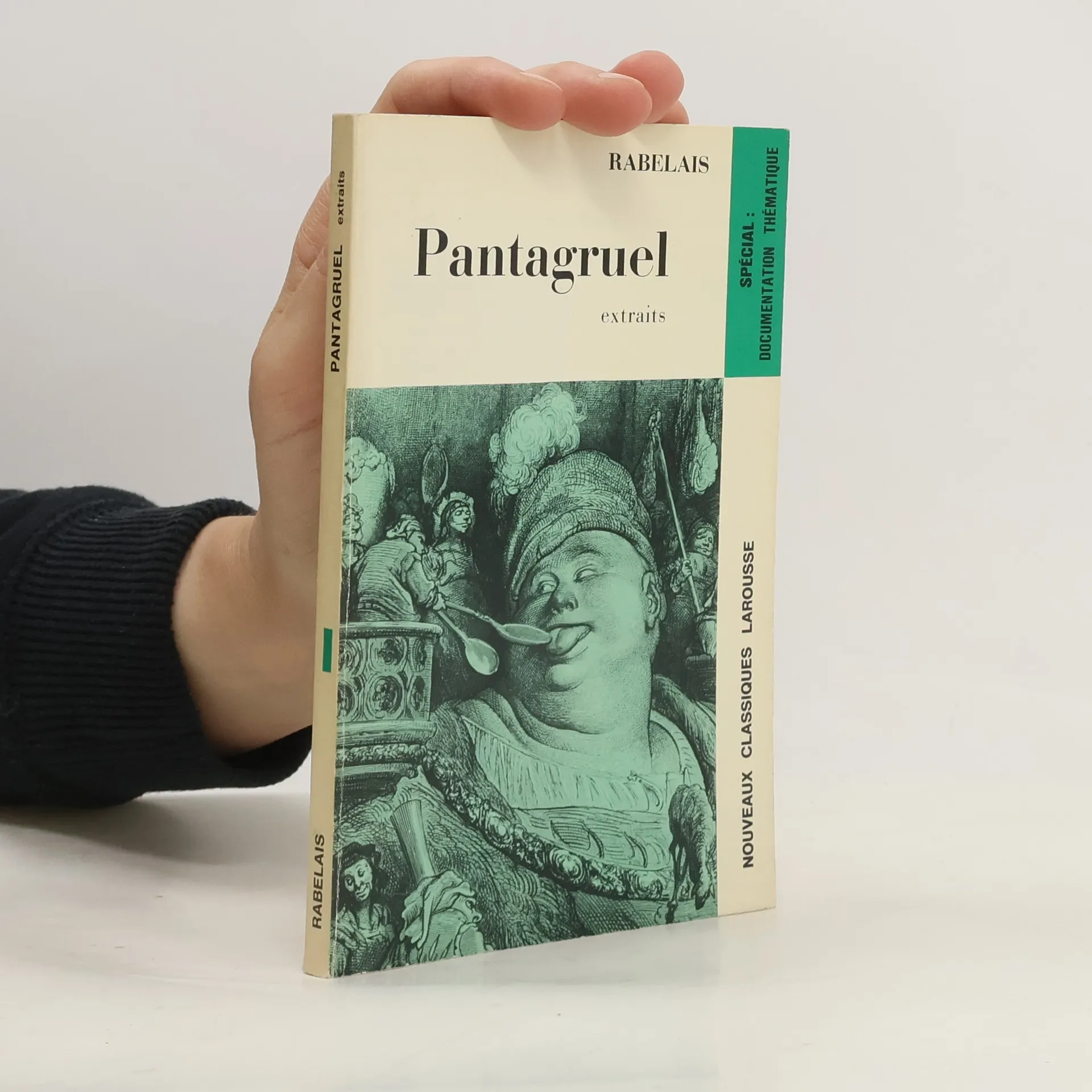
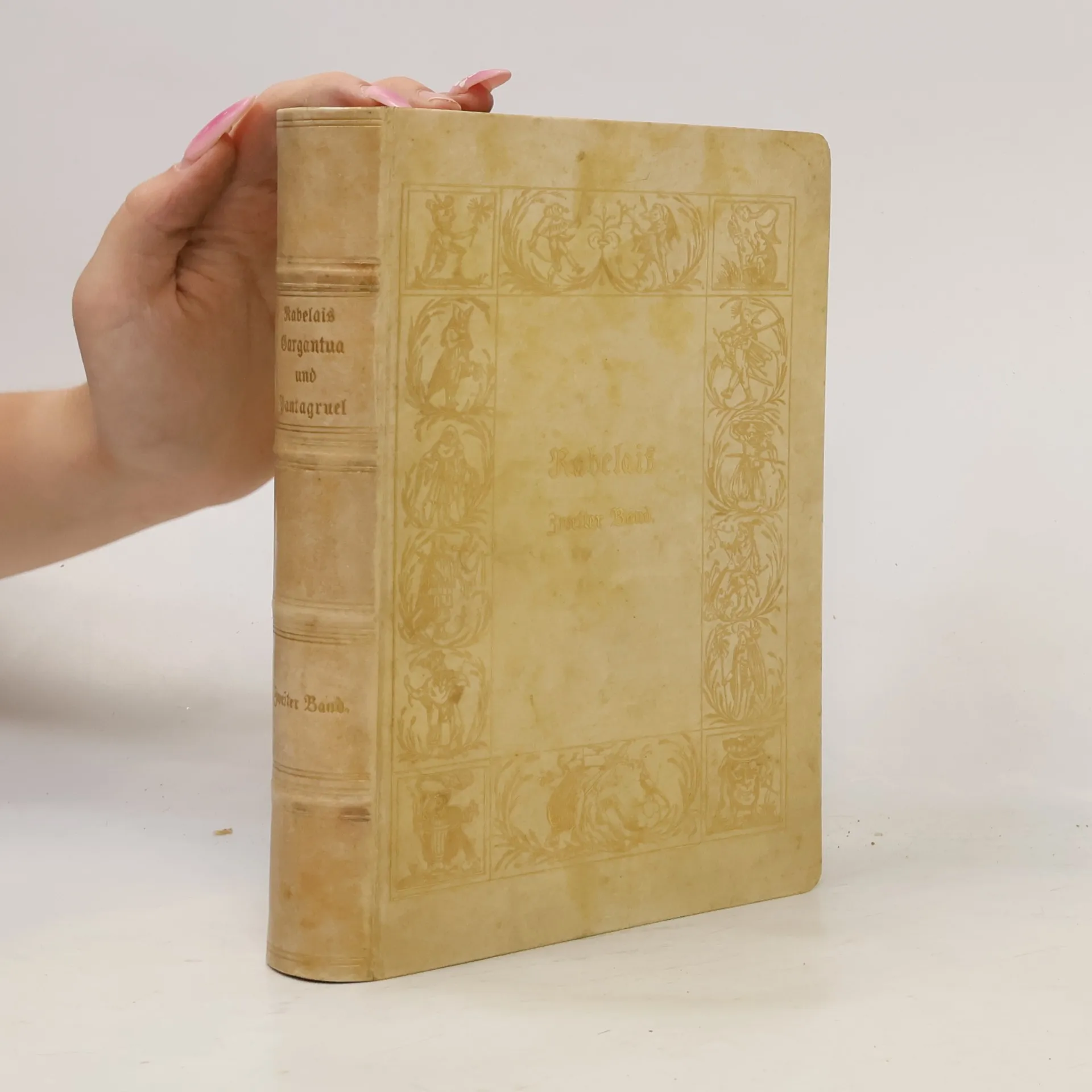
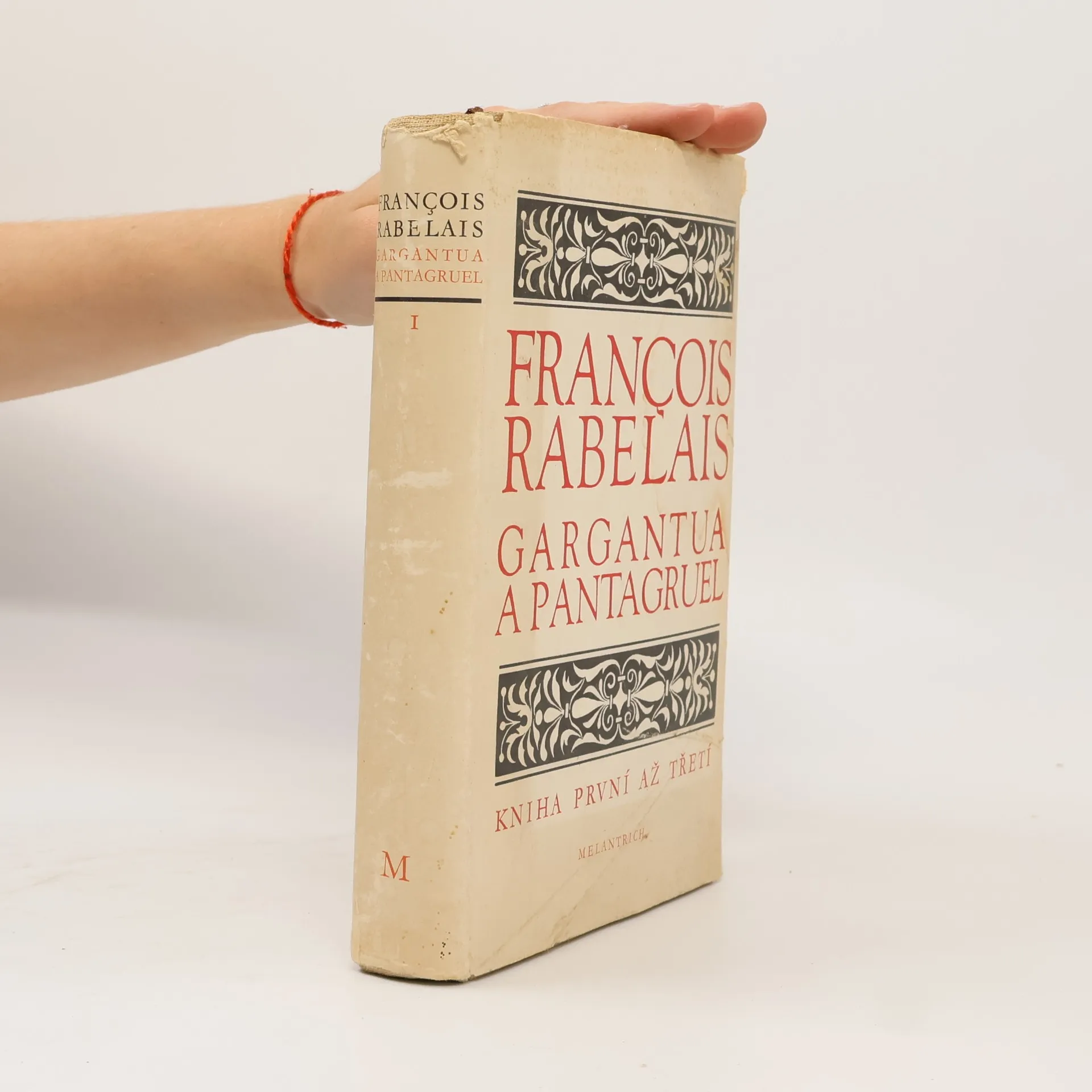
    The Five Books of Gargantua and Pantagruel
    The Works of Rabelais
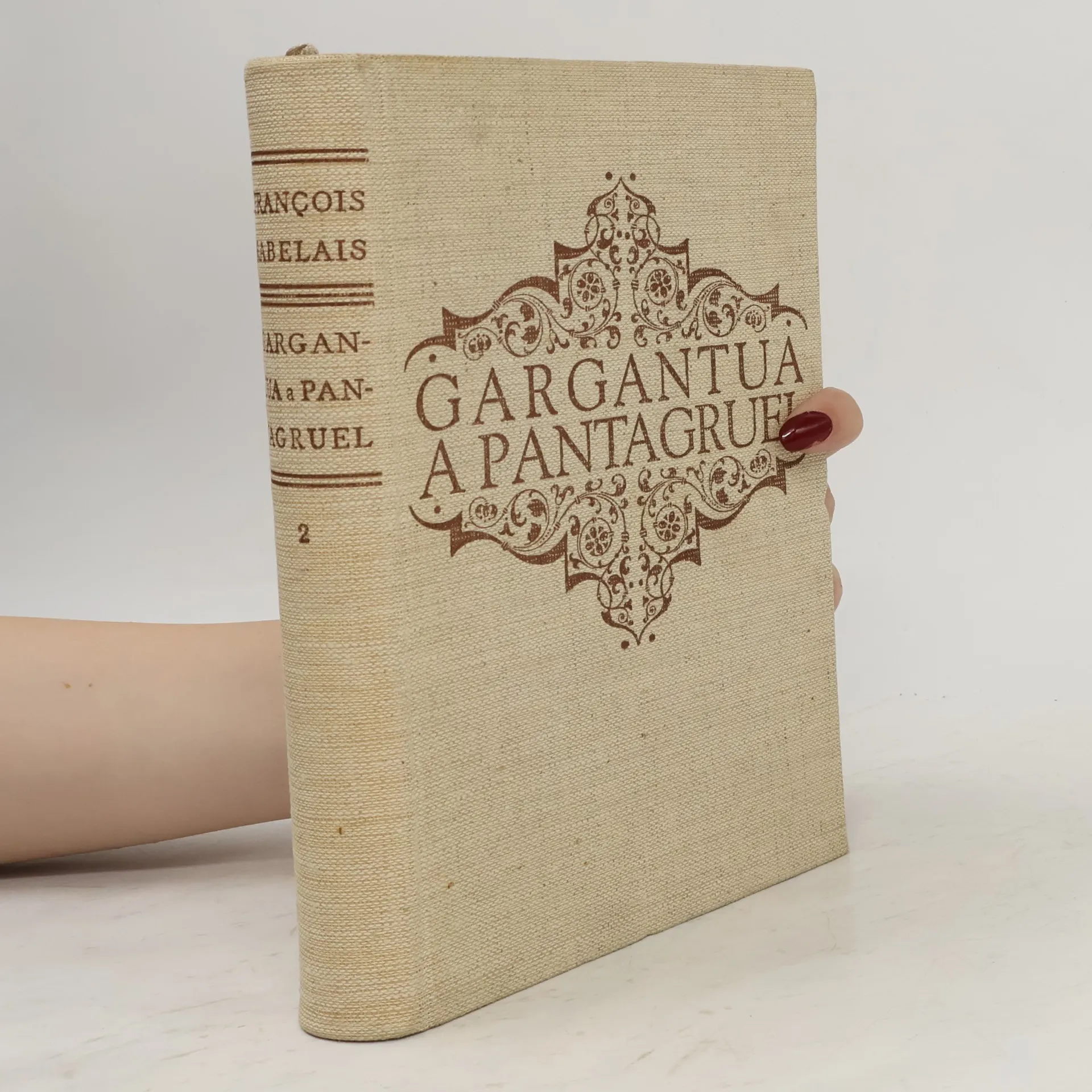
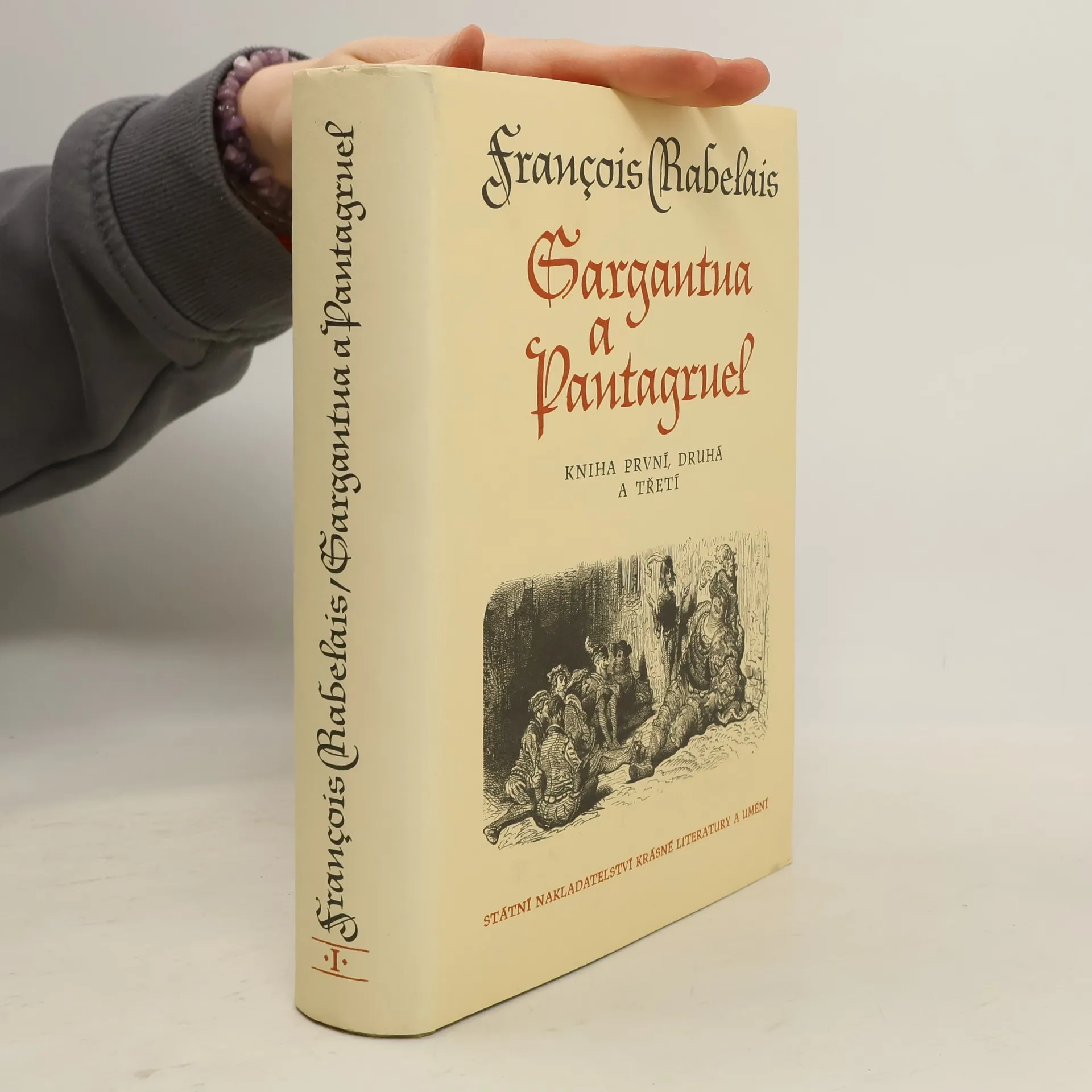
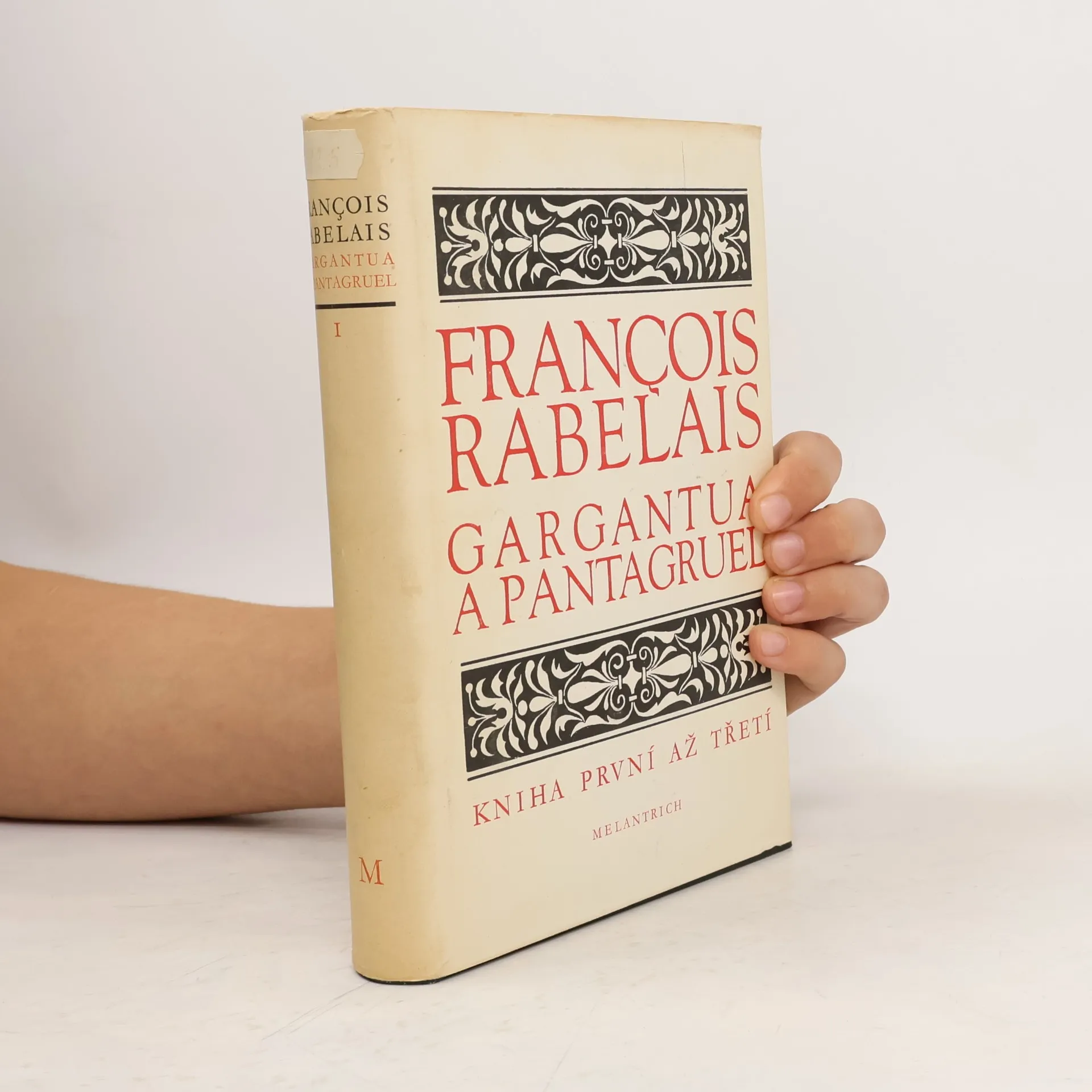
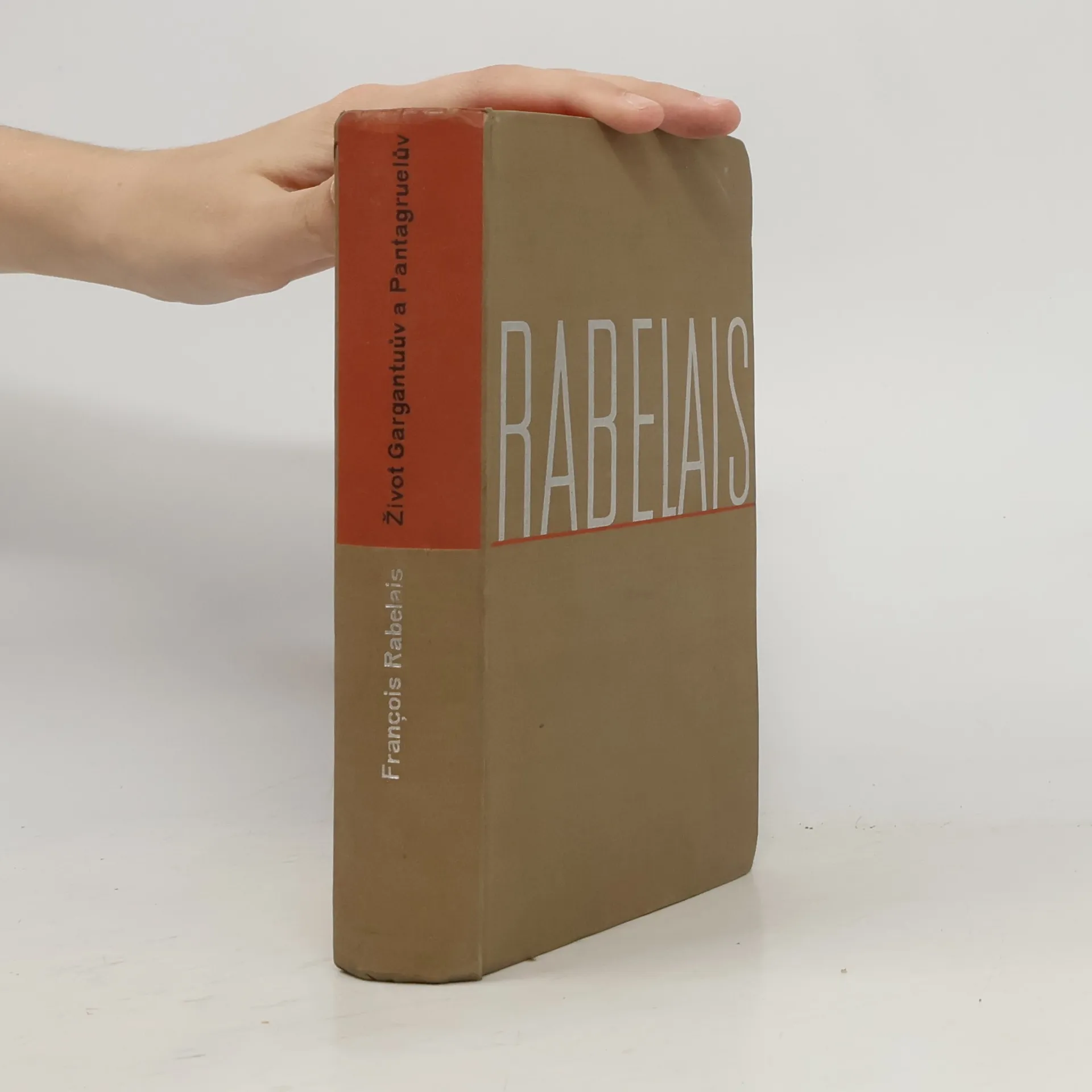
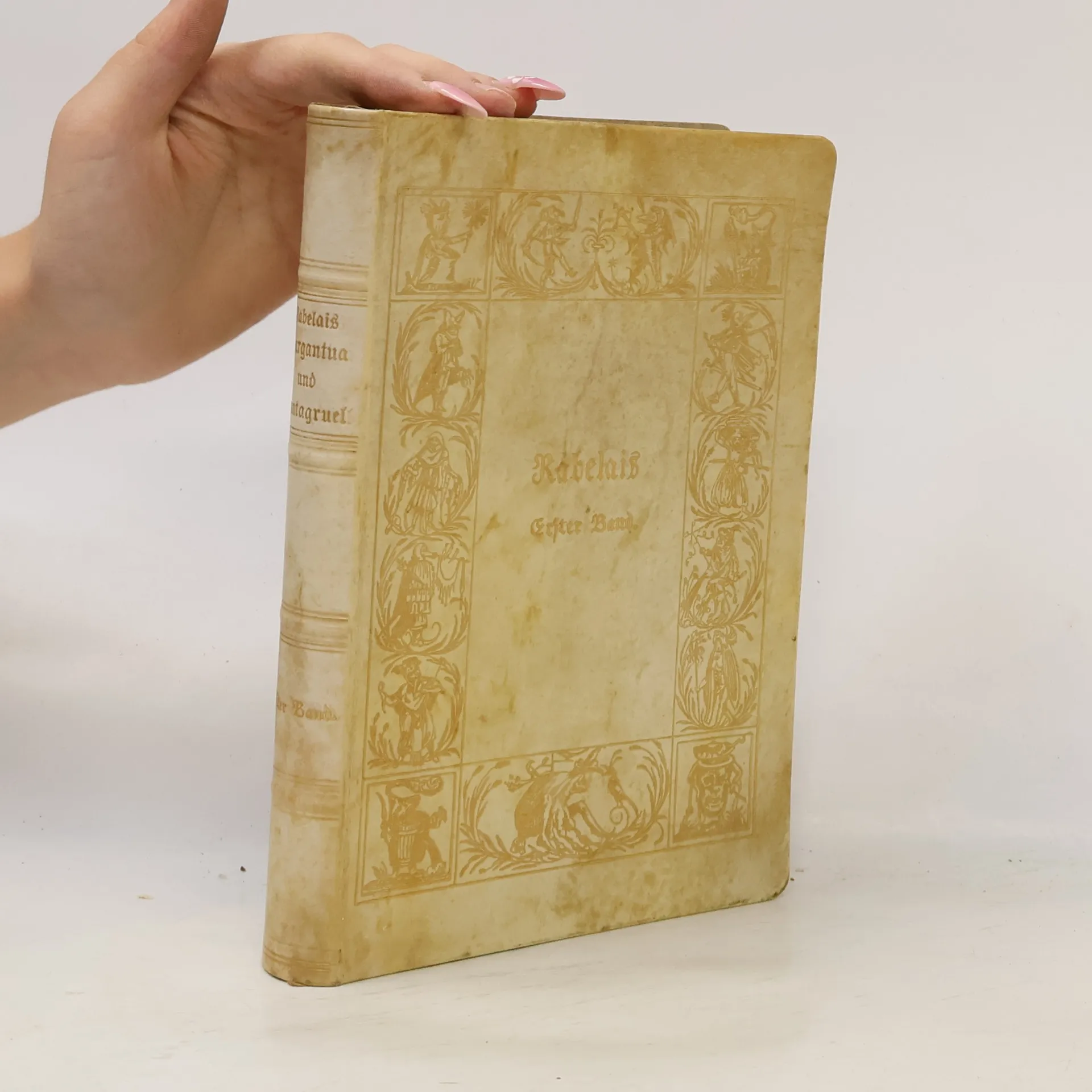
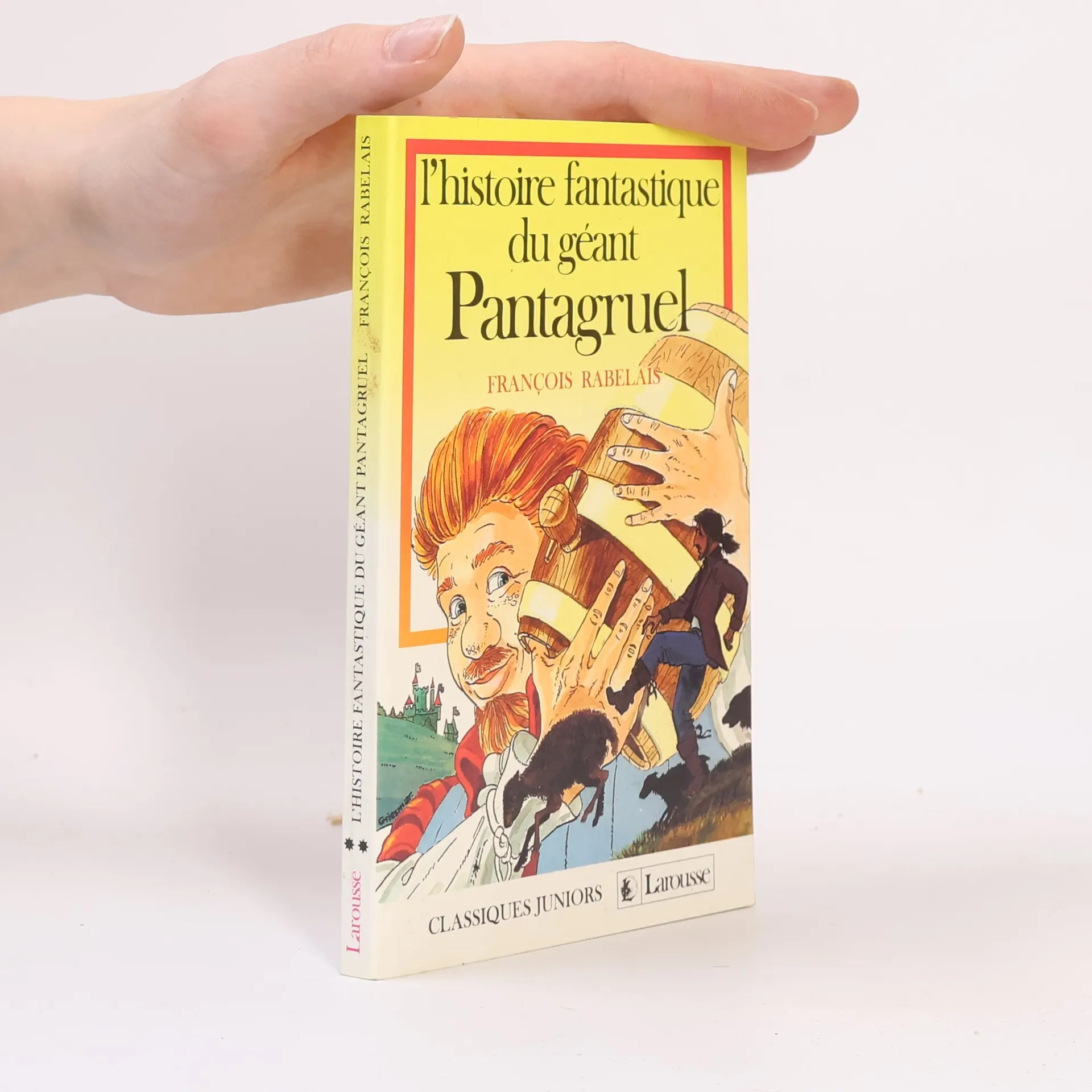
    Gargantua et Pantagruel
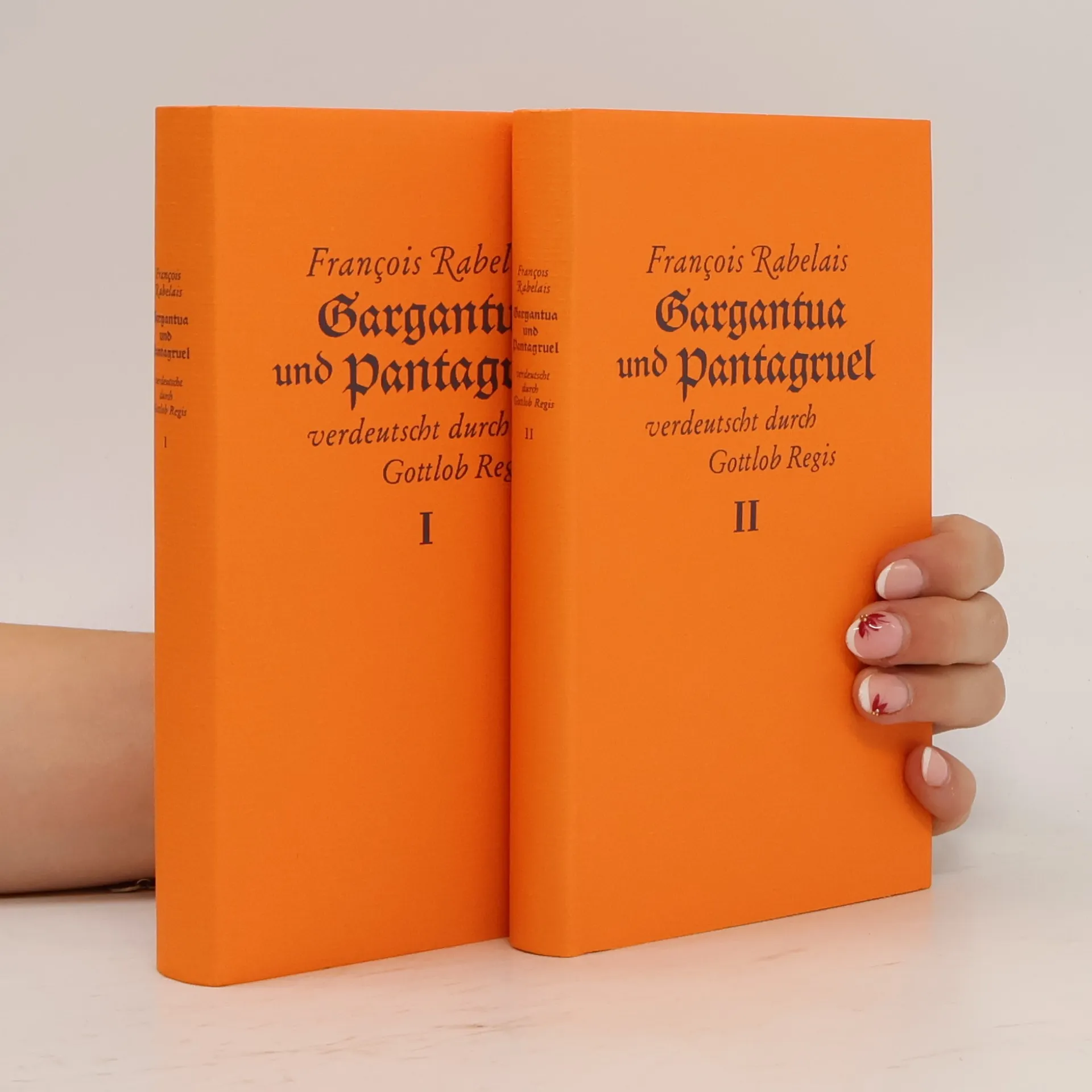
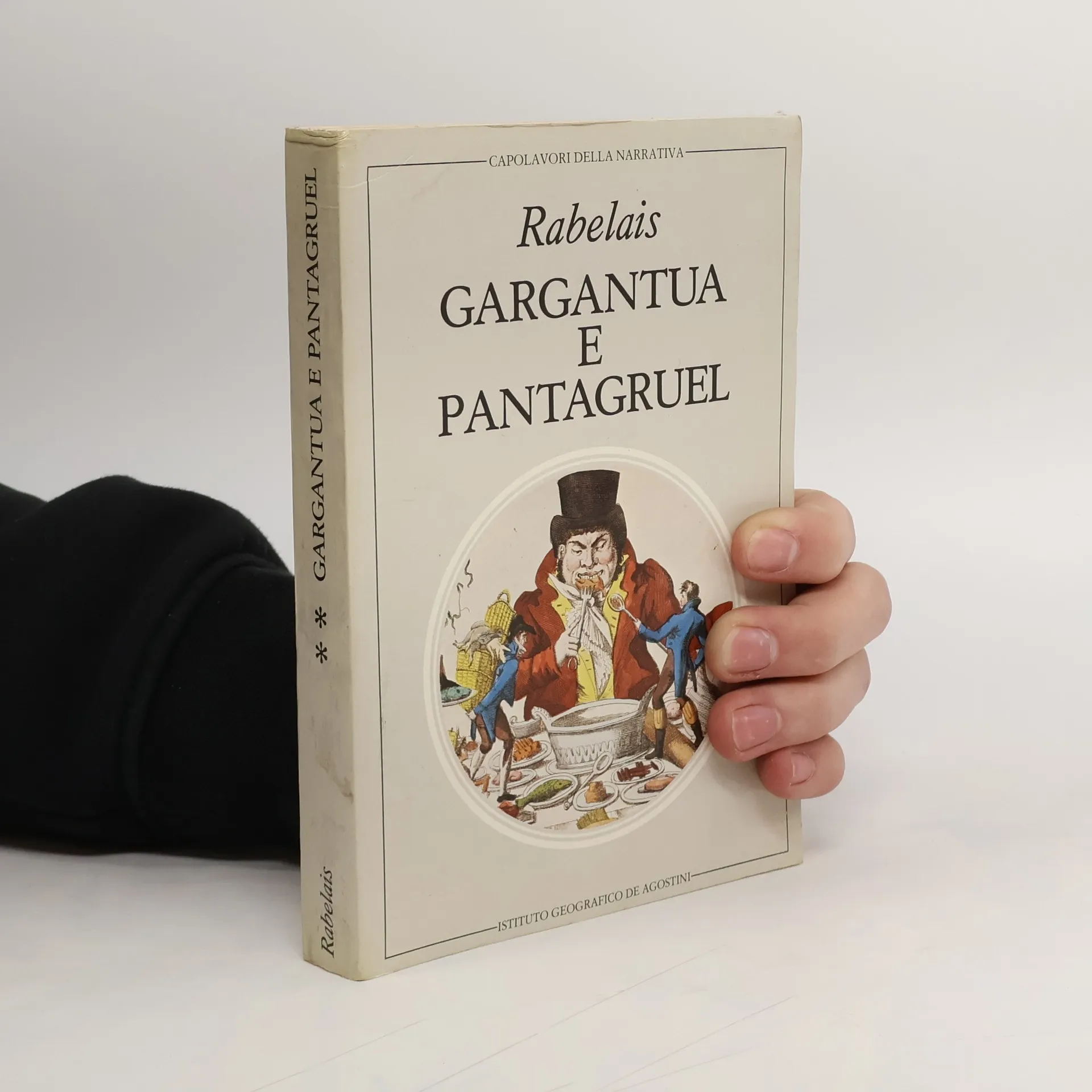
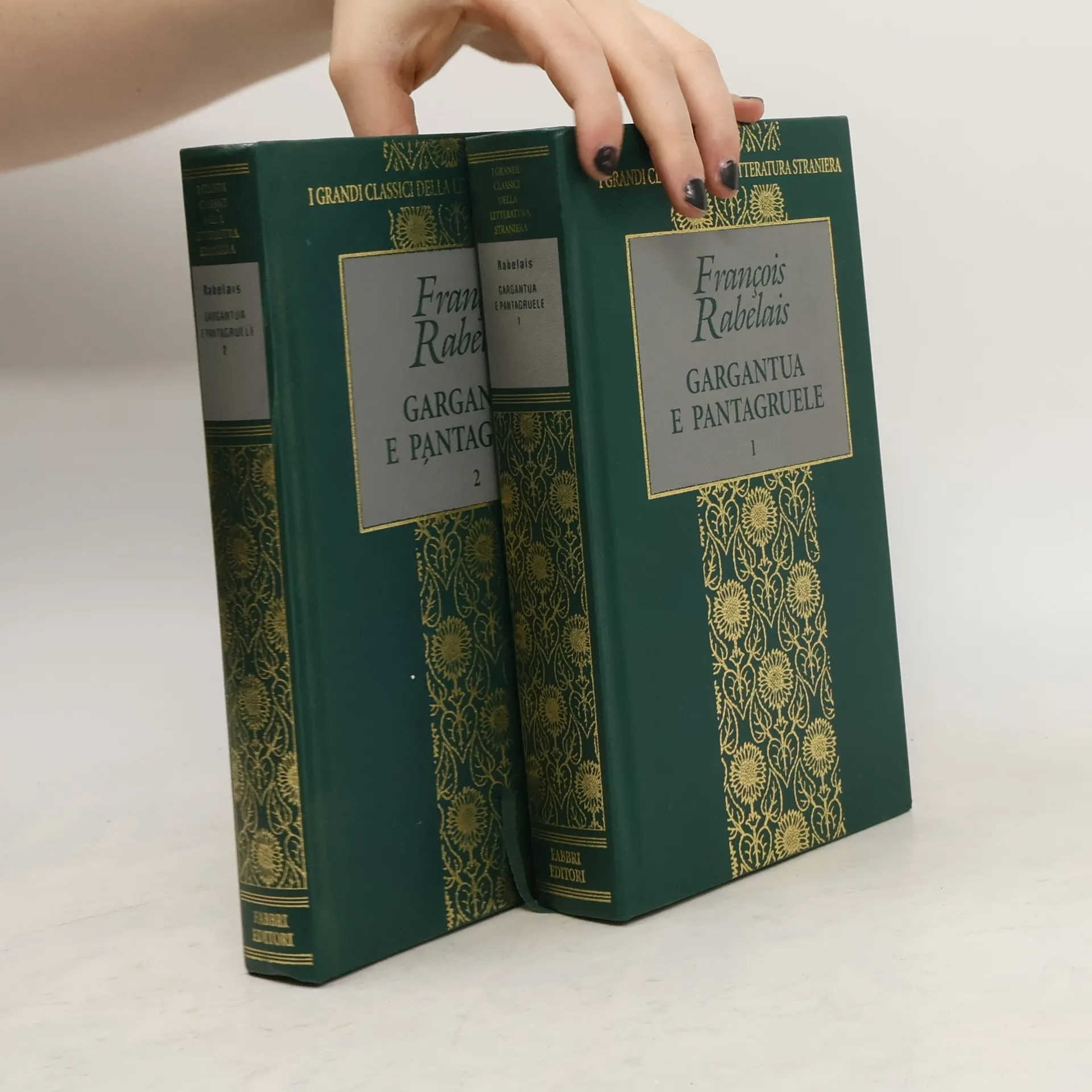
    Gargantua e Pantagruele 1-2
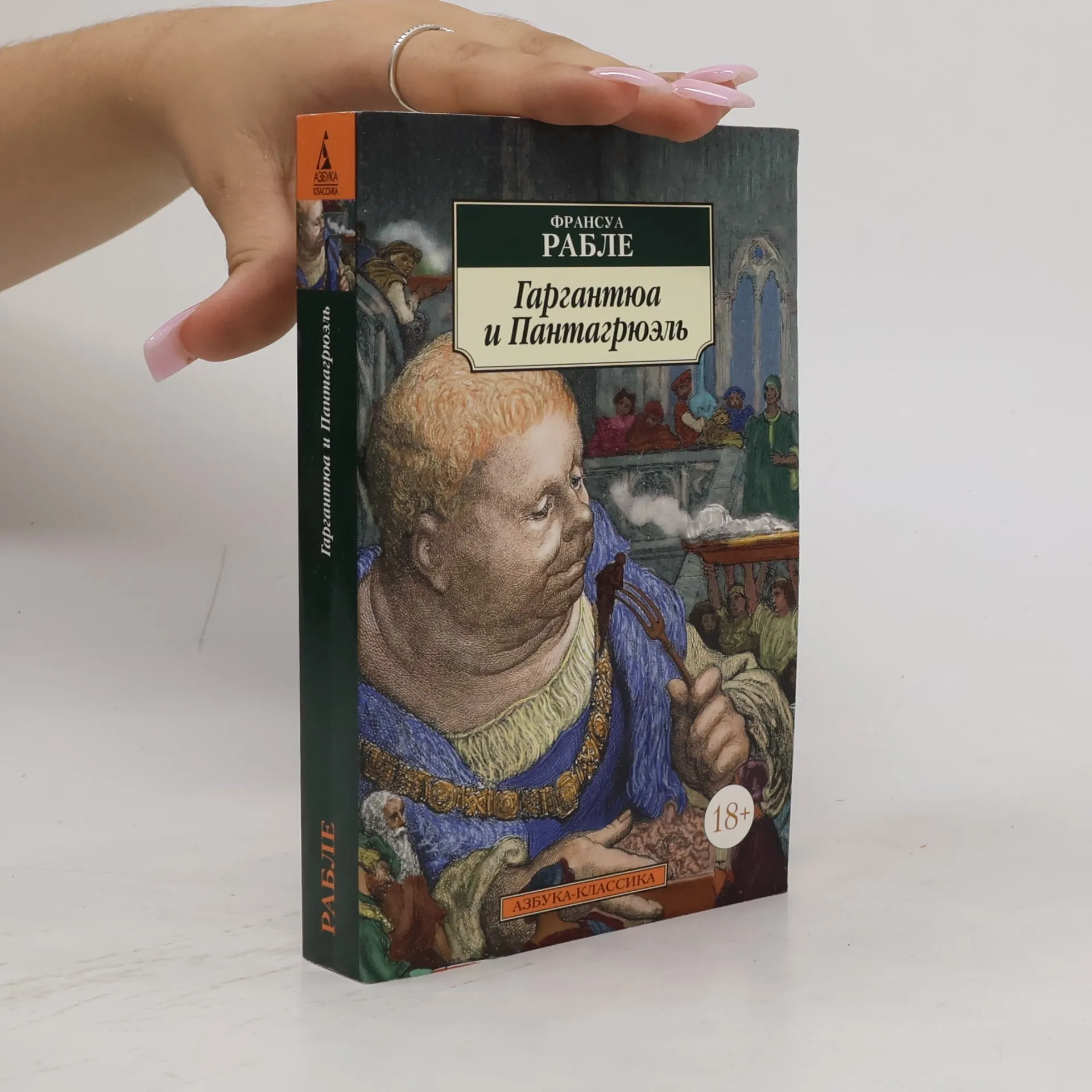
    Gargantua e Pantagruele
    • Gargantua e Pantagruele

      • 880pagine
      • 31 ore di lettura

      Forse solo oggi si può apprezzare appieno la modernità di Gargantua e Pantagruele nella sua struttura di opera aperta ed enciclopedica. A caratterizzare questo capolavoro della letteratura rinascimentale sono la sorprendente molteplicità di episodi, digressioni, discussioni filosofiche, filologiche, scientifiche e pedagogiche, la ricchezza dell'invenzione linguistica e gli estri di una satira senza risparmio, che appunta i suoi strali su ogni dogmatismo. Rabelais (1494-1553) non intende darci con la sua opera una filosofia coerente, quanto piuttosto una visione violenta e irripetibile della vita. Come scrive Mario Bonfantini, curatore di questa edizione, «la gravità della sua satira, anche la più buffonesca e fantasiosa, spazia, non diversamente ma tanto più genialmente di quella dell'amico Erasmo, su tutti i campi dell'umana follia». Forse per questo Balzac definì Rabelais «il piú grande spirito dell'età moderna», mentre Chauteabriand lo considerò «il creatore delle lettere francesi».

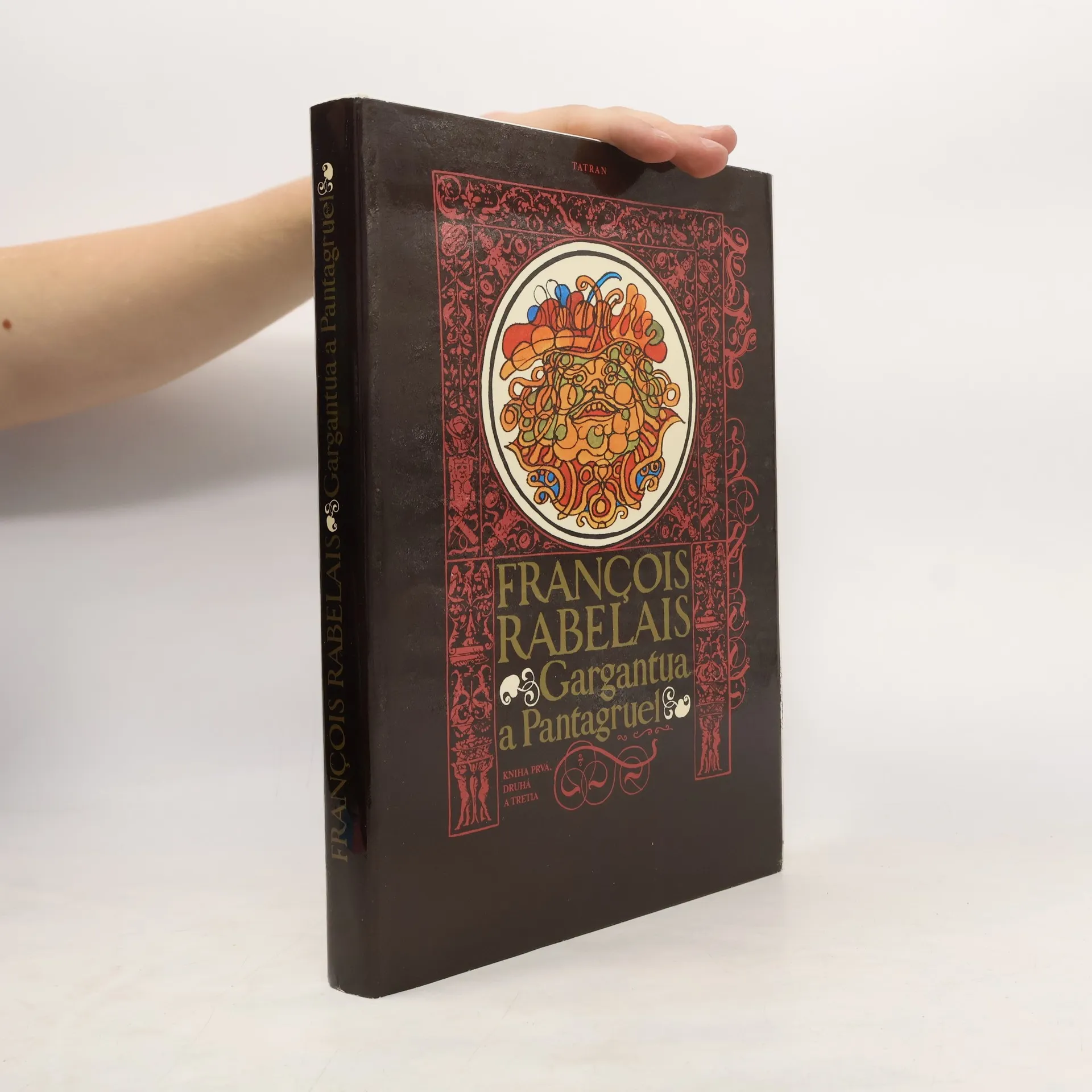
      Gargantua e Pantagruele
    • Gargantua and Pantagruel: Book 1

      • 162pagine
      • 6 ore di lettura

      Rip-roaring and rib-tickling, François Rabelais's irreverent story of the giant Gargantua, his giant son Pantagruel, and their companion Panurge is a classic of the written word. This translation by Donald Frame, helpfully annotated for the nonspecialist, is a masterpiece in its own right, bringing to twentieth-century English all the exuberance and invention of the original sixteenth-century French. A final part containing all the rest of Rabelais's known writings, including his letters, supplements the five books traditionally known as Gargantua and Pantagruel. This great comic narrative, written in hugely popular installments over more than two decades, was unsparingly satirical of scholarly pomposity and the many abuses of religious, legal, and political power. The books were condemned at various times by the Sorbonne and narrowly escaped being banned. Behind Rabelais's obvious pleasure in lampooning effete erudition and the excesses of society is the humanist's genuine love of knowledge and belief in the basic goodness of human nature. The bawdy wit and uninhibited zest for life that characterize his unlikely trio of travelers have delighted readers and inspired other writers ever since the exploits of Gargantua and Pantagruel first appeared.
      Gargantua and Pantagruel: Book 1
    • Gargantua and Pantagruel, Book 5

      Translated by Peter Anthony Motteux, and Sir Thomas Urquhart

      • 176pagine
      • 7 ore di lettura

      The narrative follows the whimsical adventures of two giants, Gargantua and his son Pantagruel, blending humor, satire, and erudition. Rabelais' unique style incorporates vulgarity and wordplay, drawing comparisons to literary giants like Shakespeare and Joyce. His work enriched the French language with numerous new terms but faced censorship from the Collège de la Sorbonne due to its perceived obscenity, reflecting the tensions of the era leading up to the French Wars of Religion.

      Gargantua and Pantagruel, Book 5