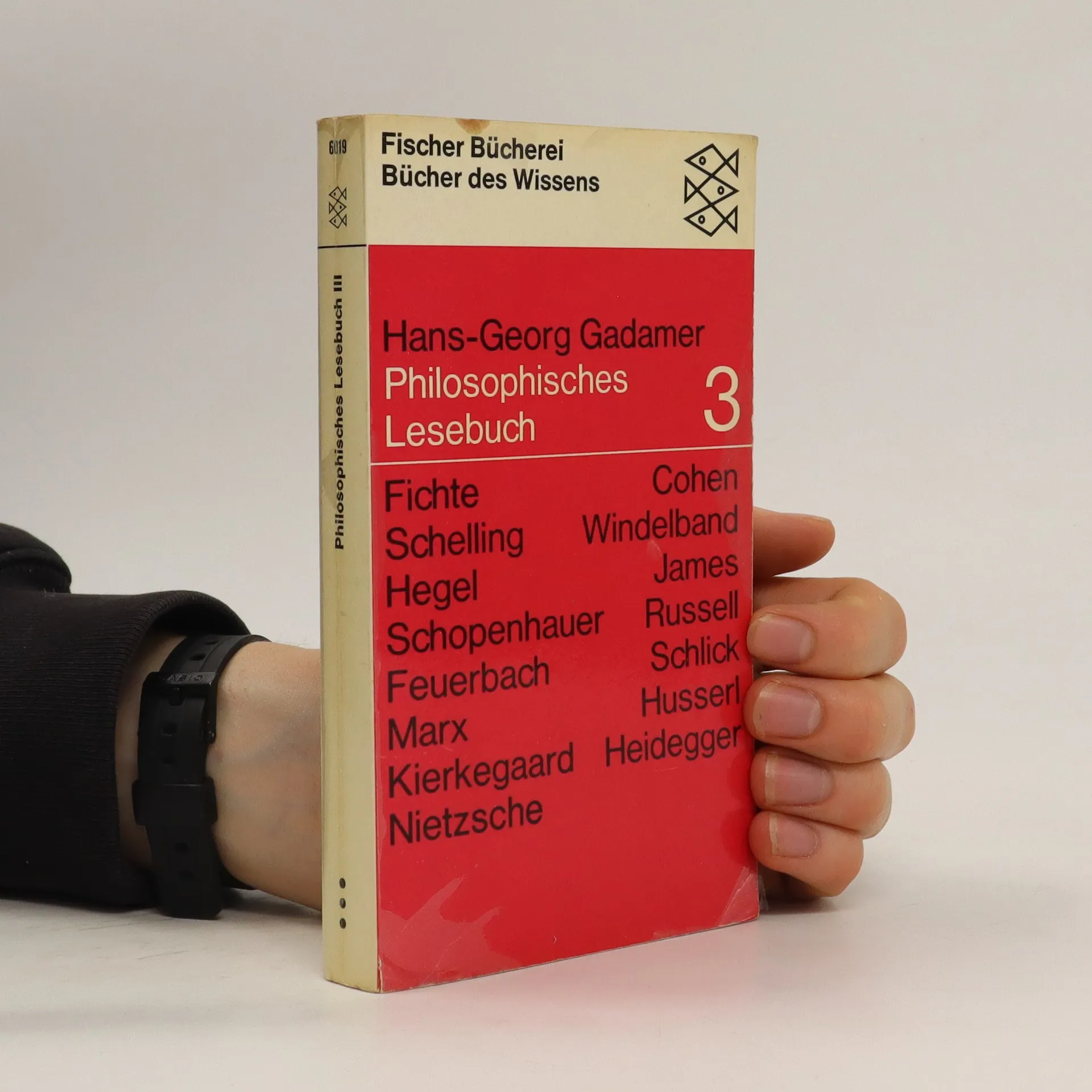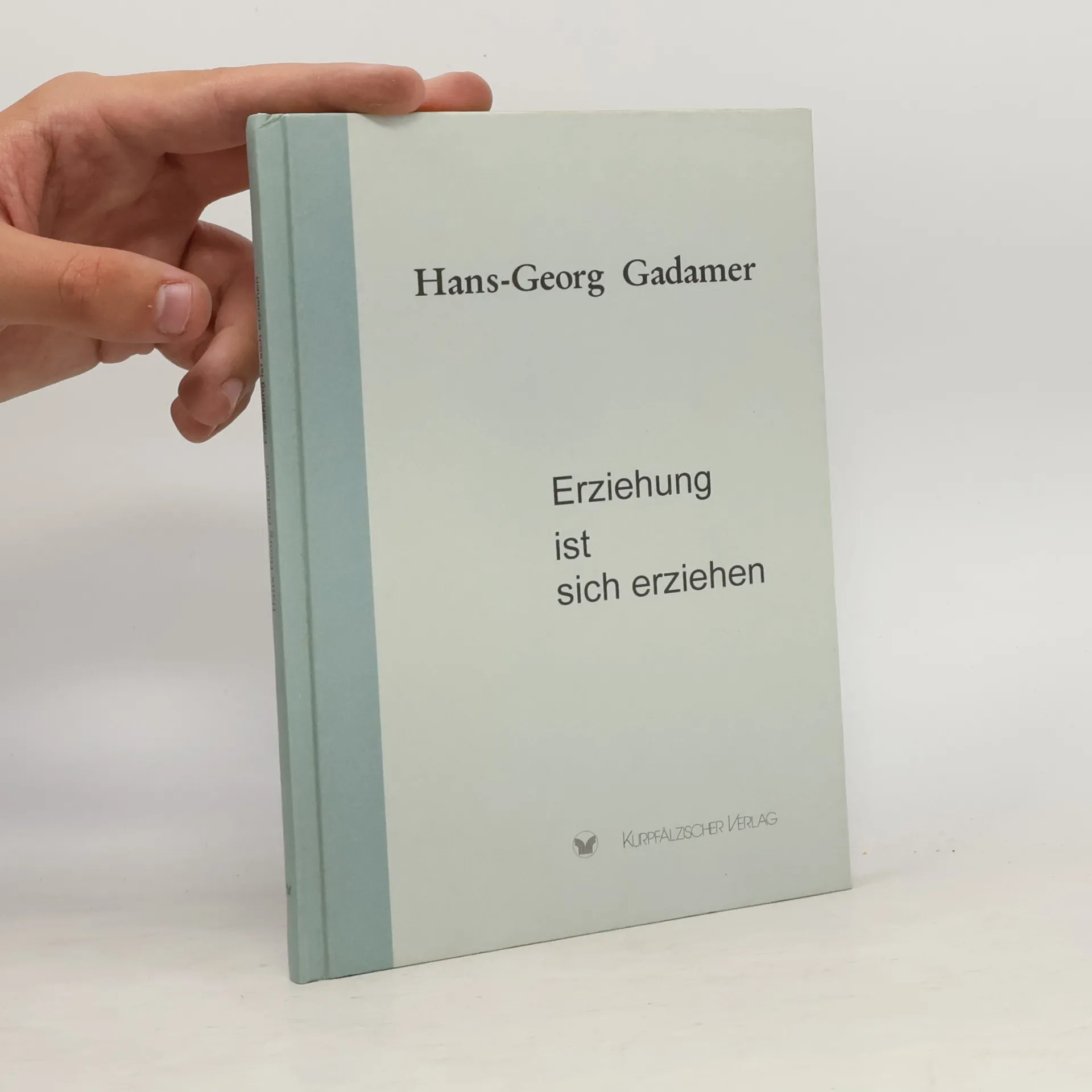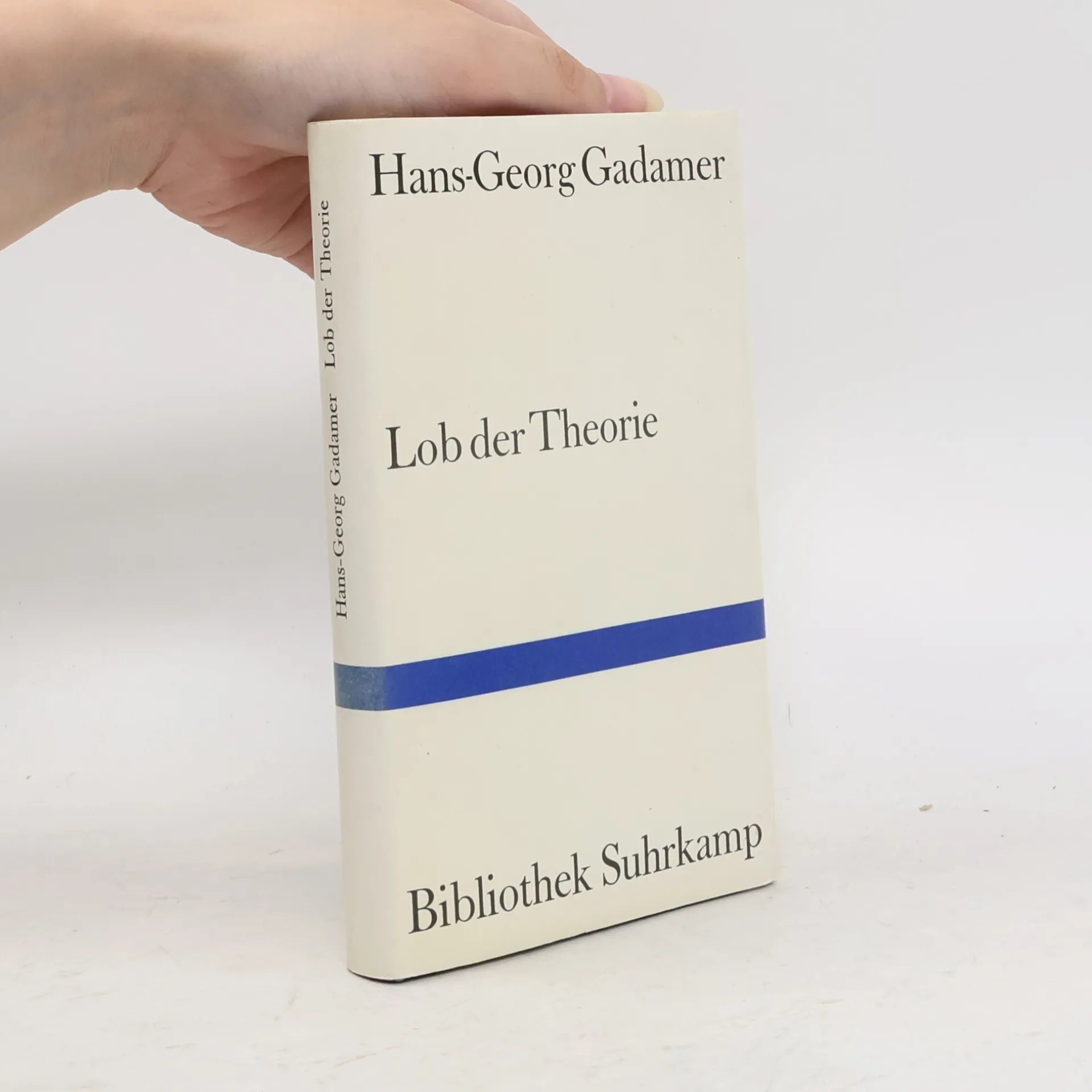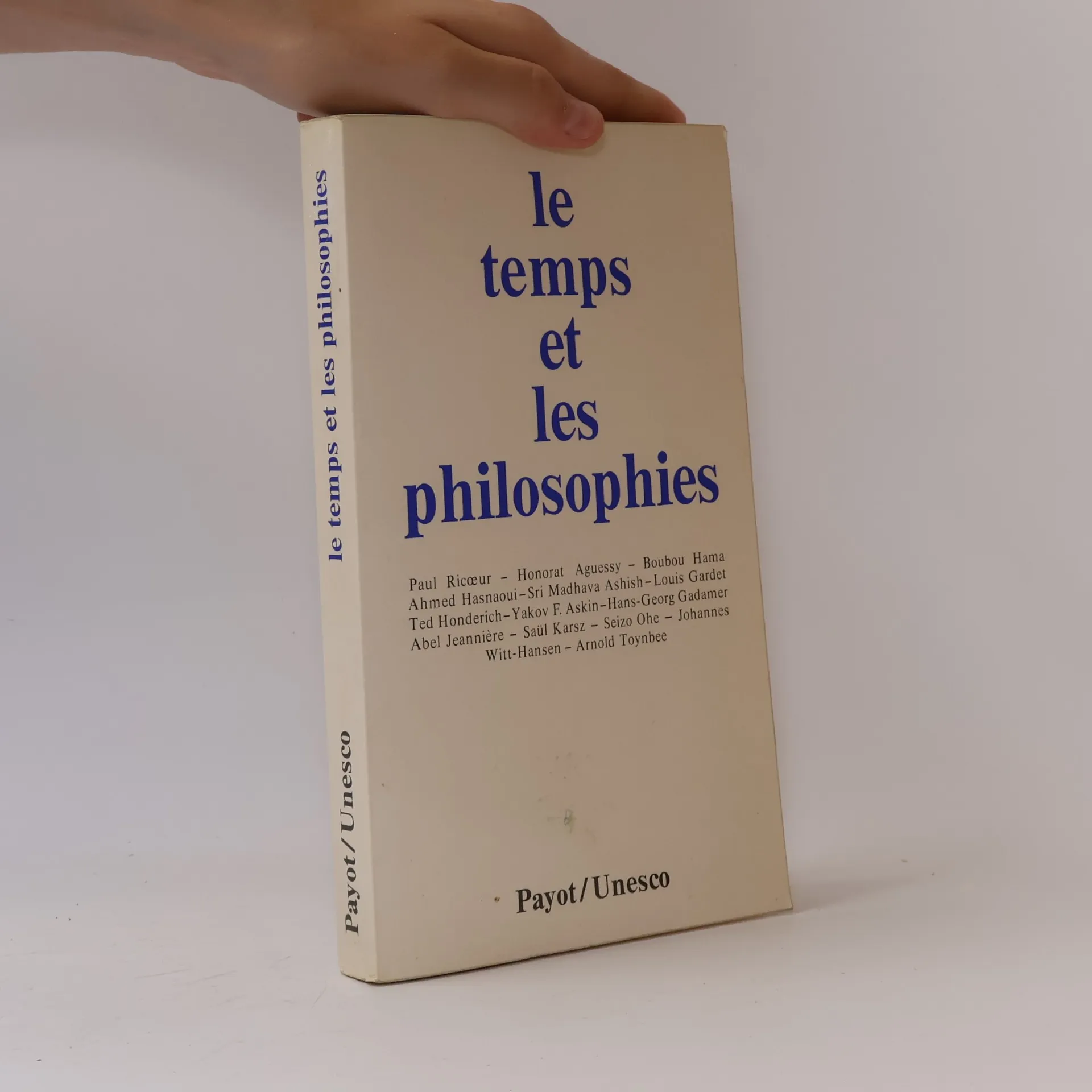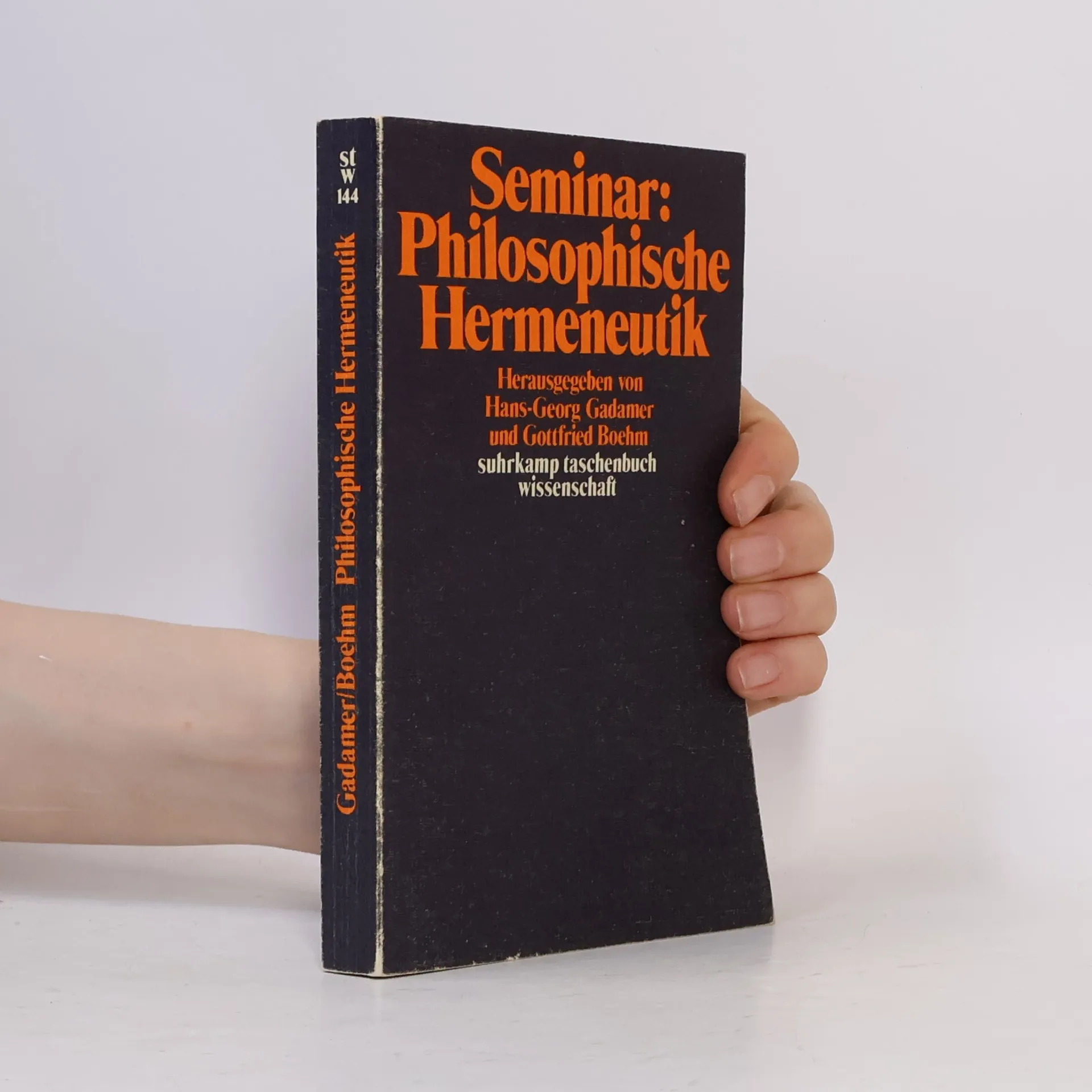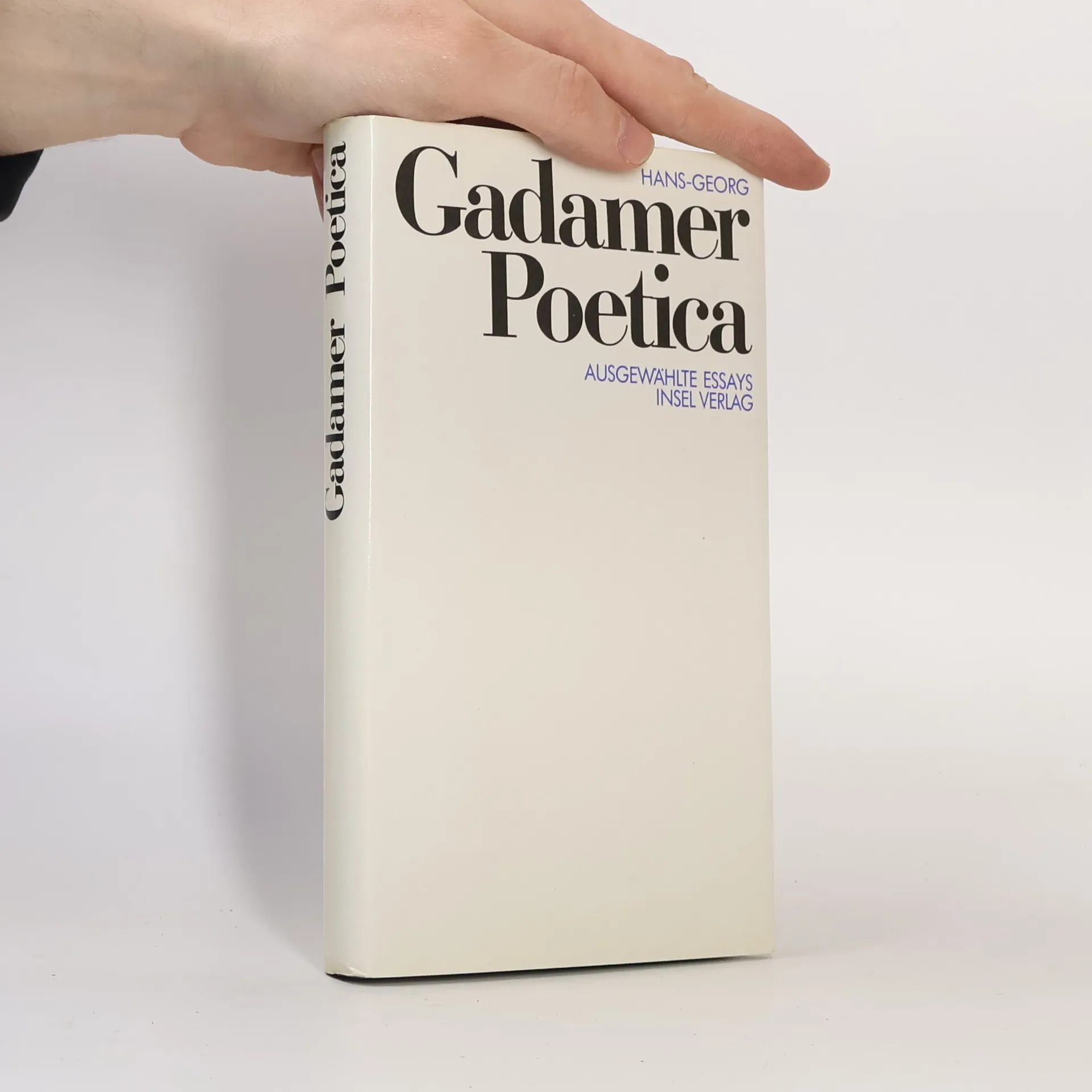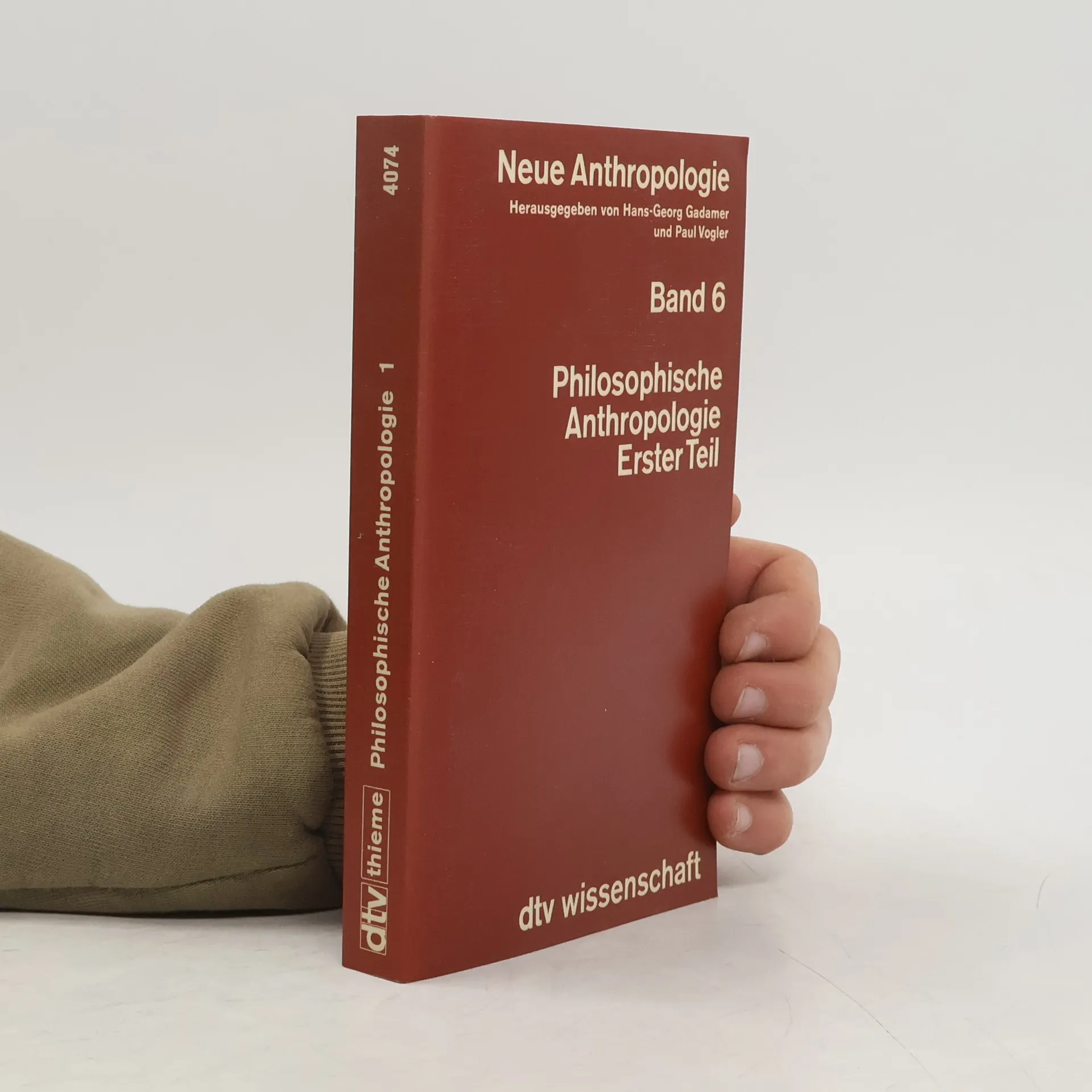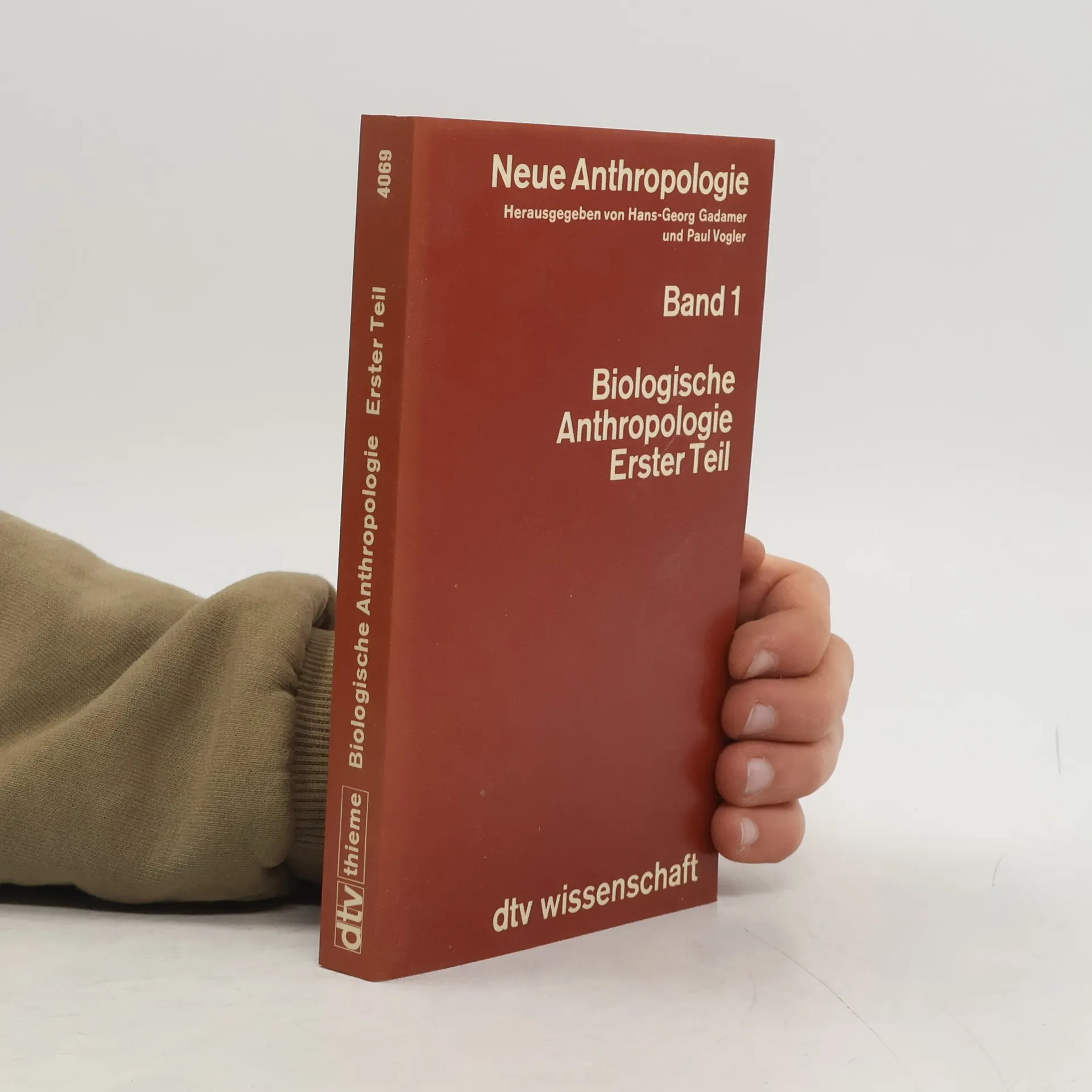


Gadamer contrappone allo scientismo e all'epistemologismo, che dominano la filosofia di inizio secolo (e che identificano la verità con il sapere delle scienze positive), una rivendicazione della portata della verità di altre esperienze-chiave dell'esistenza, come quella estetica, quella storiografica, quella del dialogo interpersonale, mirando al recupero di una nozione di ragione che non dimentichi il nesso, originario greco, tra 'logos', linguaggio e dialogo. In tal modo, Gadamer 'urbanizza' gli esiti del pensiero di Heidegger, rendendo possibile un approccio al carattere linguistico dell'esistenza che tiene conto sia della tesi heideggeriana sul linguaggio come "casa dell'Essere", sia di altre correnti di pensiero orientate all'analisi del linguaggio, come la filosofia che si ispira al cosiddetto "secondo Wittgenstein"
Hans Georg Gadamer Libri


Gadamer in conversation
- 176pagine
- 7 ore di lettura
This volume presents six lively conversations with Hans-Georg Gadamer (born 1900), one of the twentieth century's master philosophers. Looking back over his life and thought, Gadamer takes up key issues in his philosophy, addresses points of controversy, and replies to his critics, including those who accuse him of having been in complicity with the Nazis. A genial and direct conversationalist, Gadamer is here captured at his best and most accessible. The interviews took place between 1989 and 1996, and all but one appear in English for the first time in this volume. The first three conversations, conducted by Heidelberg philosopher Carsten Dutt, deal with hermeneutics, aesthetics, and practical philosophy and the question of ethics. In a fourth conversation, with University of Heidelberg classics professor Glenn W. Most, Gadamer argues for the vital importance of the Greeks for our contemporary thinking. In the next, the philosopher reaffirms his connection with phenomenology and clarifies his relation to Husserl and Heidegger in a conversation with London philosopher Alfons Grieder. In the final interview, with German Nazi expert Dorte von Westernhagen, Gadamer describes his life
In this important new book, Hans-Georg Gadamer discusses the transformation in human self-understanding wrought by the scientific worldview, focusing in particular on the unparalleled achievements of modern medicine. He explores the ethical and humanist issues raised by the technological successes of modern clinical practice, and relates them to the classical conception of "praxis" in the philosophical tradition. In a series of lucid and engaging analyses, Gadamer eloquently defends the idea of medicine, not only as a "science of health, but as an "art" of hermeneutic relevance, requiring the exercise of practical judgment and personal interpretation. We should, he argues, recognize the limits of purely technical approach to healing, as well as the importance of a qualitative approach to medical treatment. Written by one of the leading philosophers of the twentieth century, this brilliant meditation on health, illness, and the art of healing will be of interest to general readers as well as students of philosophy and social thought.
Plato's Dialectical Ethics, Gadamer's earliest work, has now been translated into English for the first time. This work, published in 1931 and reprinted in 1967 and 1982, is still important today, both as one of the most extensive and imaginative interpretations of Plato's Philebus and as an introduction to Gadamer's thinking, showing how his influential hermeneutics emerged from his application of his teacher Martin Heidegger's phenomenological method to classical texts and problems.
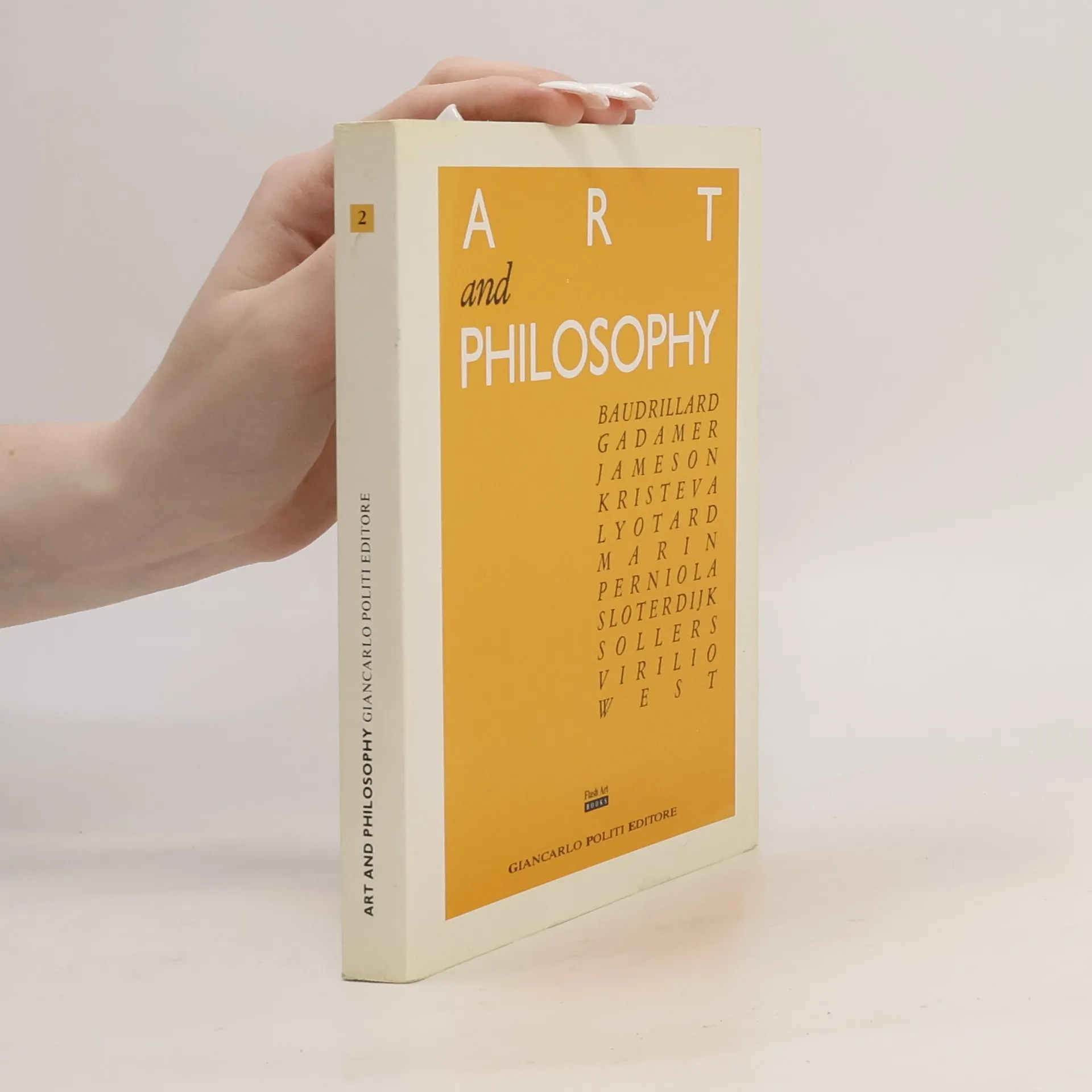
Art and Philosophy
- 173pagine
- 7 ore di lettura
Book by Jean Baudrillard, Hans-Goerg Gadamer, Fredric Jameson, Julia Kristeva, Jean-Francois Lyotard, Louis Marin, Mario Perniola, Cornel West, Philippe Sollers, Paul Virilio
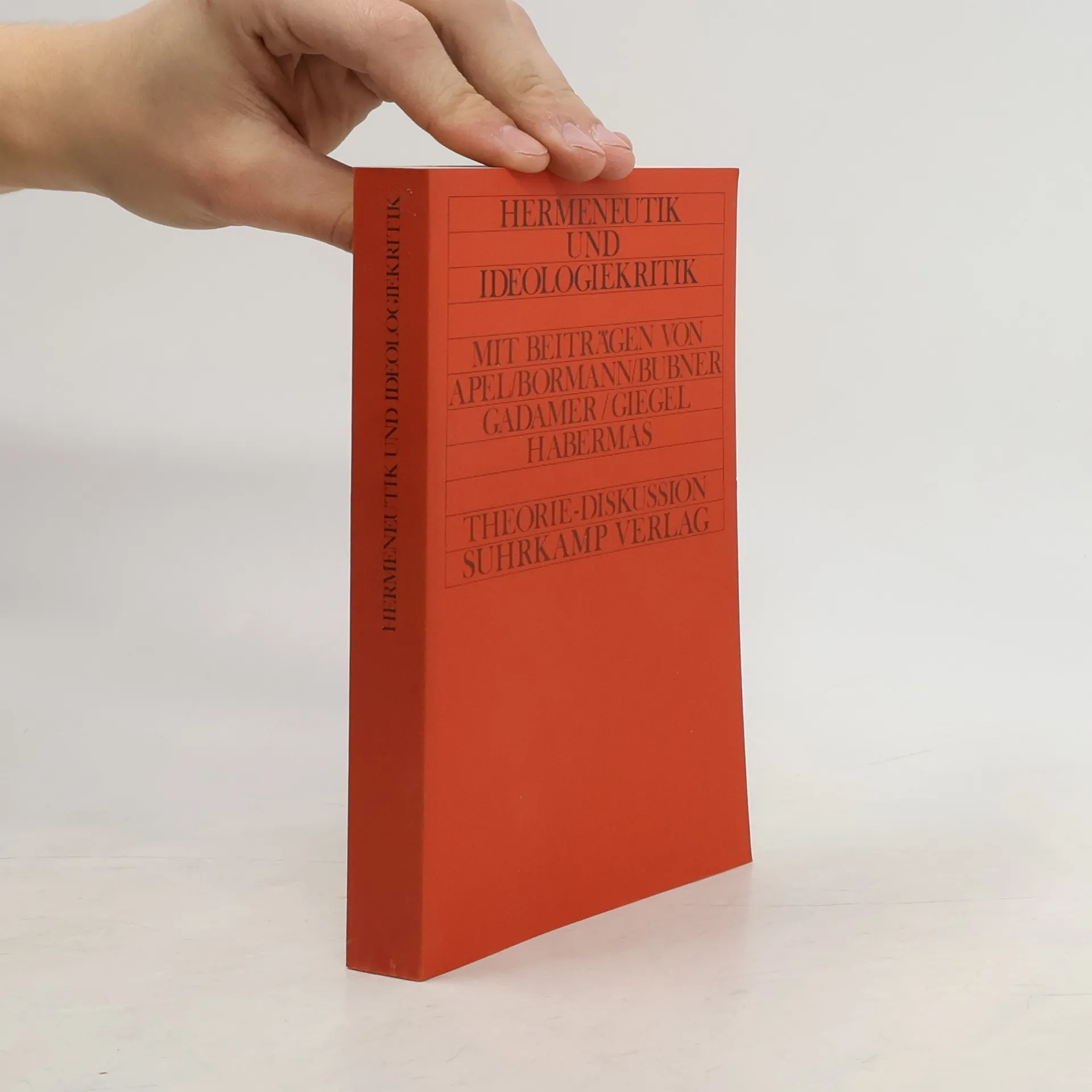
Aus dem Vorwort: Nun ist gewiss praktische Philosophie nicht selber solche Vernunftigkeit. Sie ist Philosophie, das heisst, sie ist eine Reflexion, und zwar uber das, was menschliche Lebensgestaltung zu sein hat. Im selben Sinne ist die philosophische Hermeneutik nicht selbst die Kunst des Verstehens, sondern die Theorie derselben. Aber die eine wie die andere Form von Bewusstmachung steigt aus der Praxis auf und bleibt ohne sie ein blosser Leerlauf. Das ist der besondere Sinn von Wissen und Wissenschaft, den es von der Problematik der Hermeneutik aus neu zu legitimieren galt. Das war das Ziel, dem ich auch nach Vollendung von 'Wahrheit und Methode' meine Arbeit gewidmet habe
„›Atemkristall‹ ist der erste Zyklus des Gedichtbuches ›Atemwende‹, das 1967 im Suhrkamp Verlag erschien. Gadamer sieht in diesem Zyklus einen »Höhepunkt der Celanschen Kunst«; er versucht, ihn real interpretierend und kommentierend zu entschlüsseln und darzustellen.“
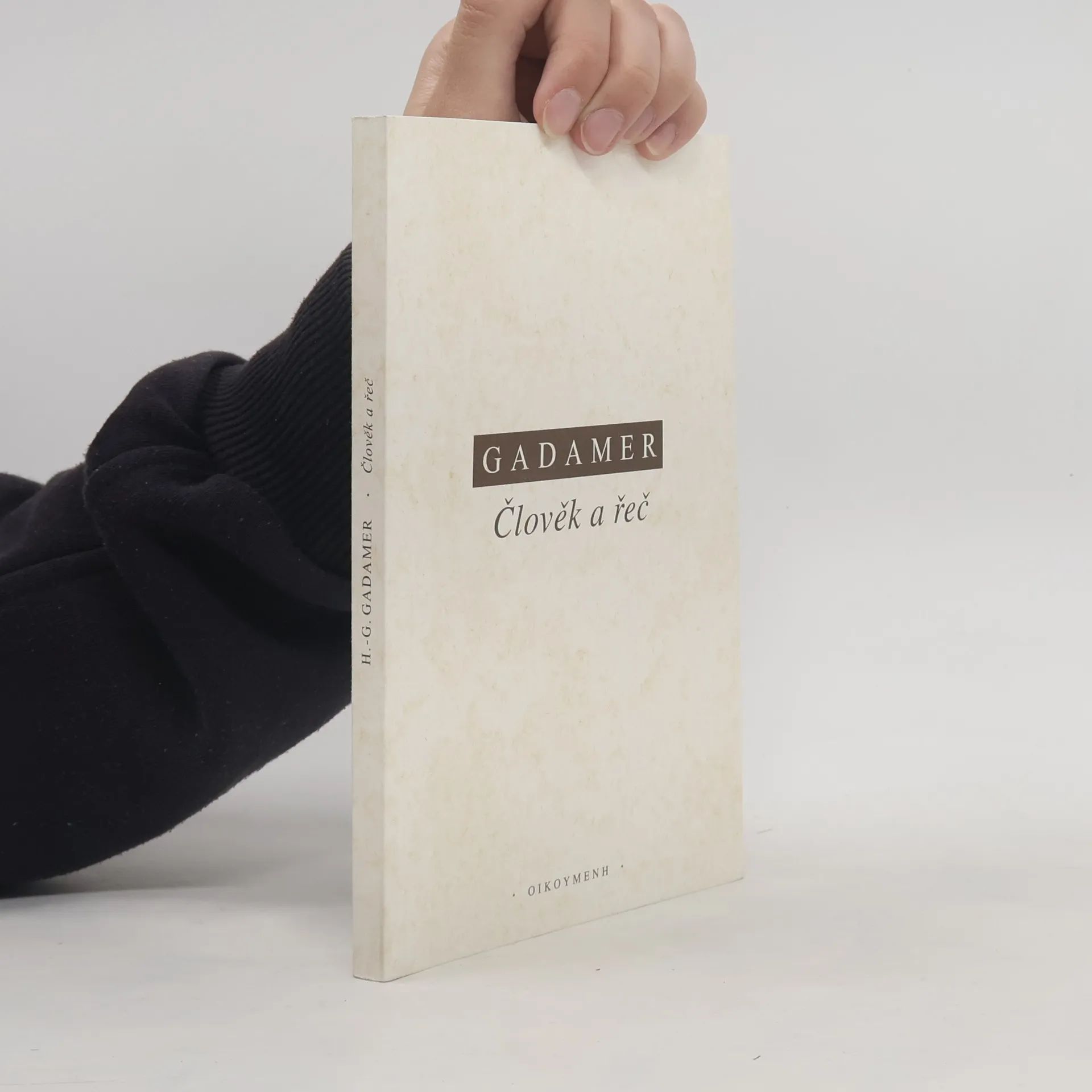
Člověk a řeč
- 154pagine
- 6 ore di lettura
Výbor textů: soubor filosofických esejů jednoho z nejvýznamnějších představitelů filosofické hermeneutiky 20. stol. Vybral a uspořádal J. Sokol.
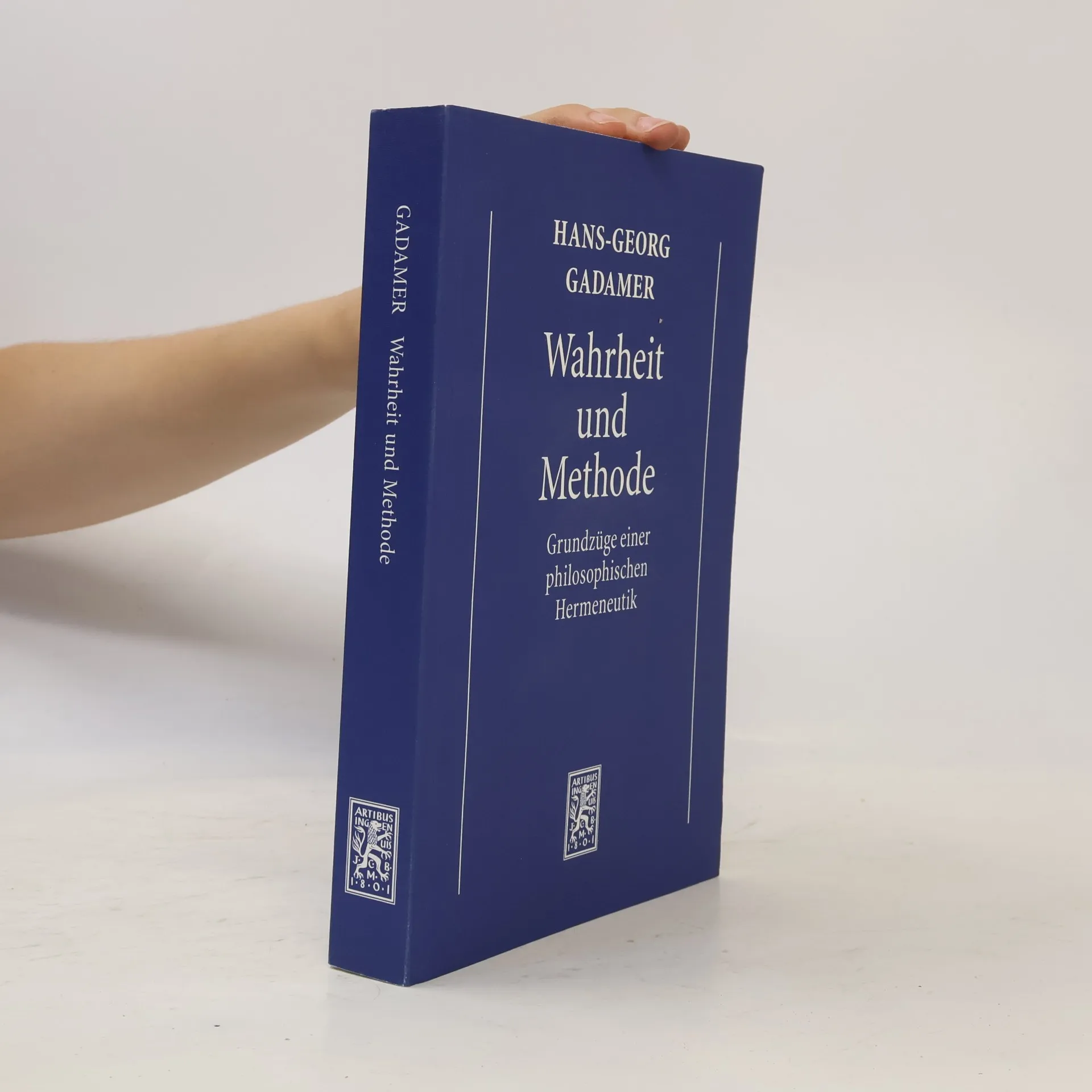
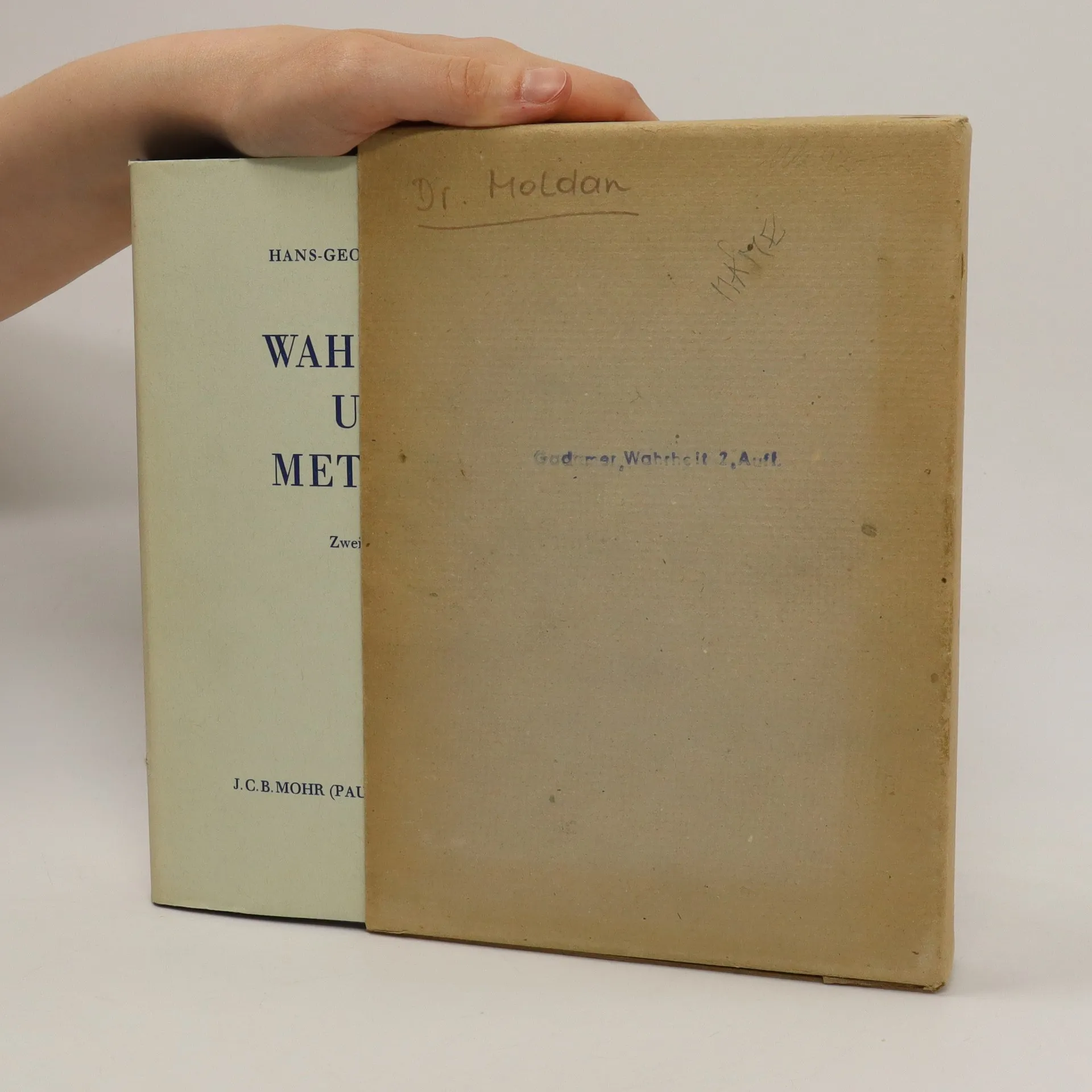
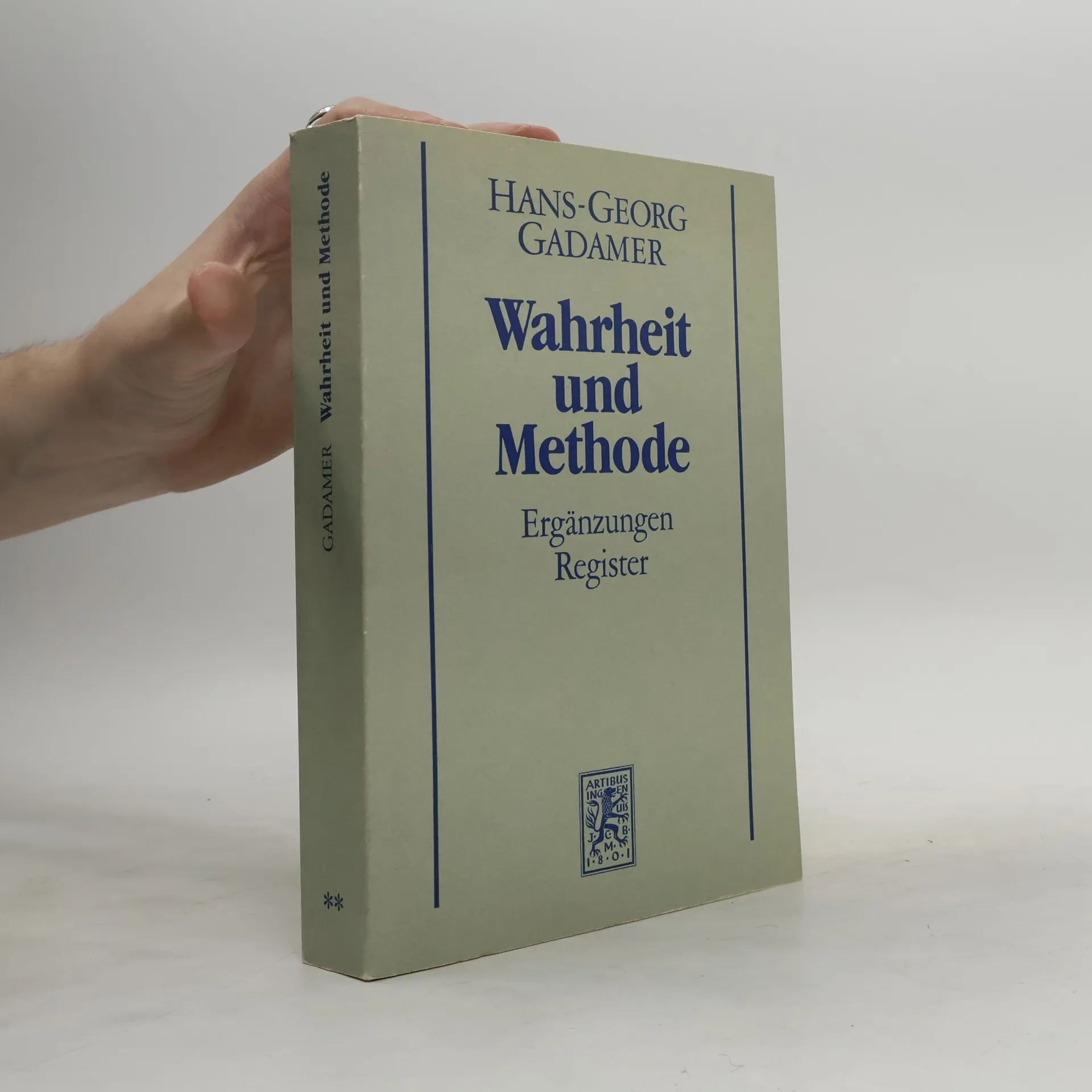
Wahrheit und Methode
- 494pagine
- 18 ore di lettura
"Nun ist gewiß praktische Philosophie nicht selber solche Vernünftigkeit. Sie ist Philosophie, das heißt, sie ist eine Reflexion, und zwar über alles, was menschliche Lebensgestaltung zu sein hat. Im selben Sinne ist die philosophische Hermeneutik nicht selbst die Kunst des Verstehens, sondern die Theorie derselben. Aber die eine wie die andere Form von Bewußtmachung steigt aus der Praxis auf und bleibt ohne sie ein bloßer Leerlauf. Das ist der besondere Sinn von Wissen und Wissenschaft, den es von der Problematik der Hermeneutik aus neu zu legitimieren galt."
Die Beschäftigung mit den frühgriechischen Denkern steht seit jeher im Zentrum von Gadamers Philosophieren, an ihnen bewährt sich seine hermeneutische Methode in besonderer Weise. Die hier erstmals auf deutsch publizierten Neapler Vorlesungen von 1988 zeichnen in bewundernswerter Klarheit die Entwicklung des griechischen Denkens nach, wie sie schon von Platon und Aristoteles vermittelt wurde. Der Begriff des Anfangs erhält von daher seine universale Bedeutung für das Wesen der Philosophie. Vom Autor revidierte Fassung