There aren't many scientists famous enough in their lifetime to be canonized by the US Congress as one of America's 'living legends'. It is still more unlikely that the title should have been conferred on a man regarded by many in the US as a notorious ra
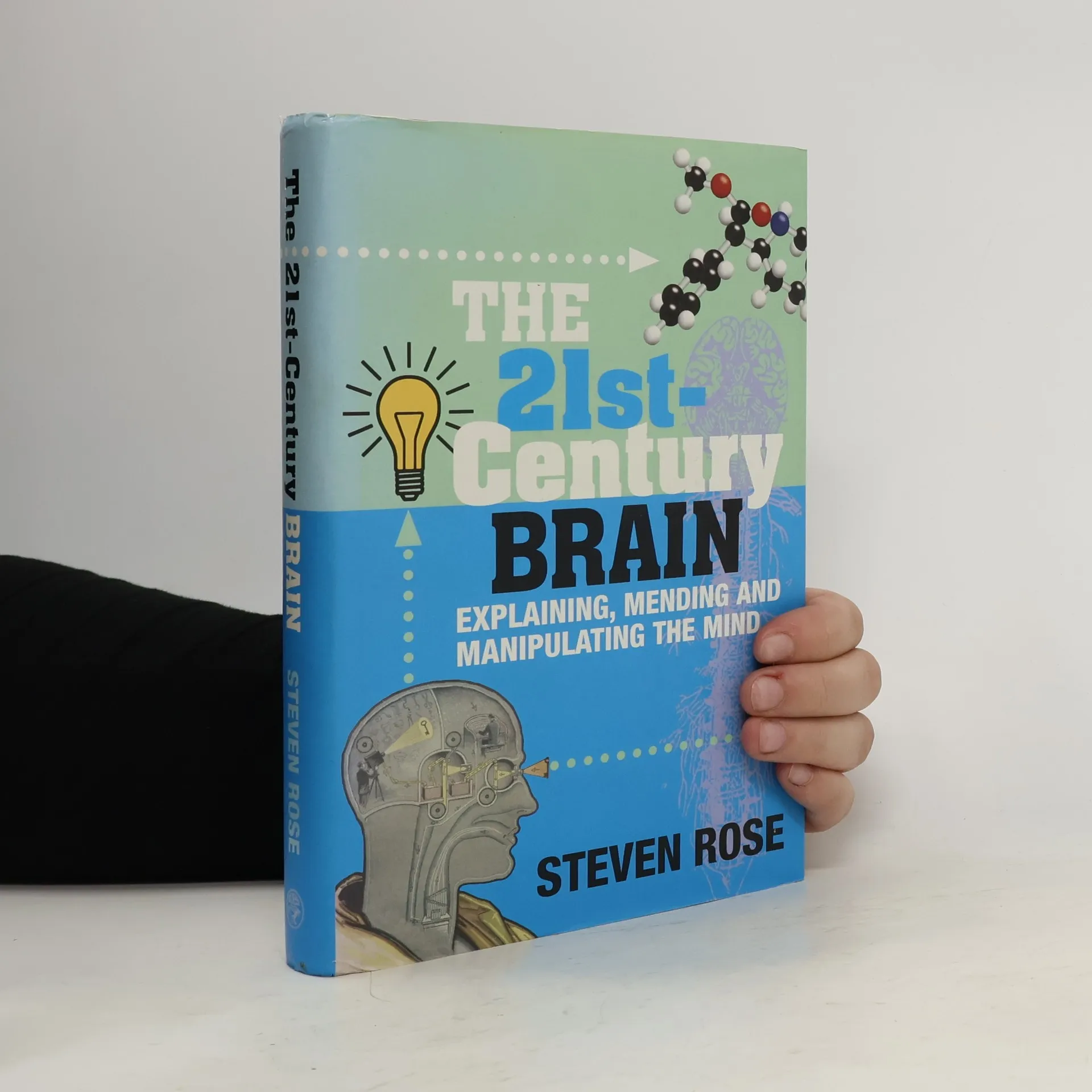
Edgeworn jacket with nicks and creases to the edges; spine foot chipped with taped label across. Front flap price clipped. Various library markings throughout. The rear pastedown hinge has been reinforced with tape. All content is clear.
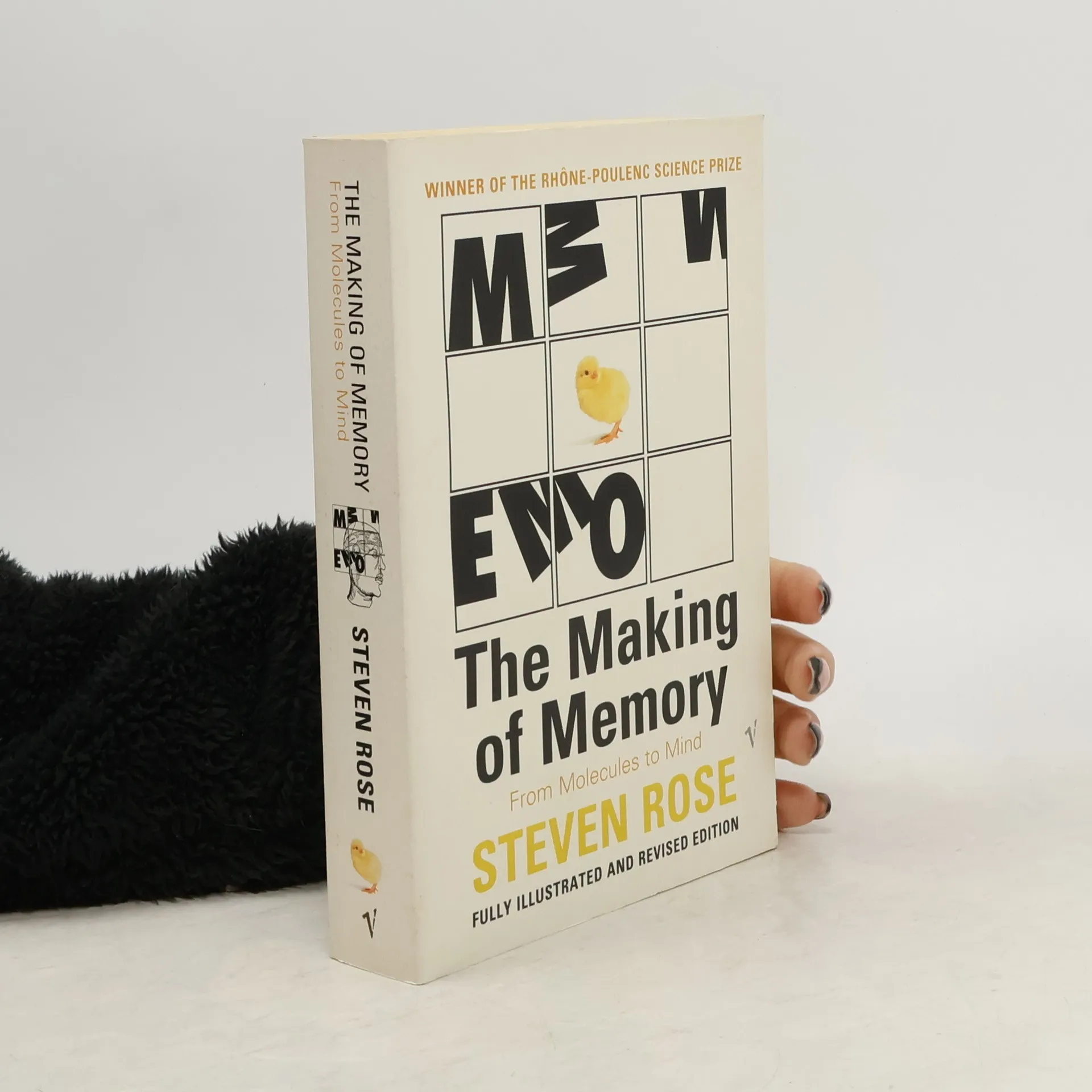
From Molecules to Mind - Fully Illustrated and Revised Edition
400pagine
14 ore di lettura
Steven Rose's The Making of Memory is about just that, in both its senses: the biological processes by which we humans - and other animals - learn and remember, and how researchers can explore these mechanisms. But it is also about much more. When the first edition of this fascinating book won the Science book Prize in 1993, the judges described it as 'a riveting read...a first-hand account by a practicing scientist working at the forefront of medical research and Rose does not duck the issues which that raises.' Now ten years on, research has itself moved forward, and Rose has taken the opportunity to fully revise the book. But this is more than mere revision. Where ten years ago he argued the case for research on memory because it is the most extraordinary of human attributes, Rose's own research has now opened the doors to a potential new treatment for Alzheimer's Disease undreamed of a decade ago, and in an entirely new chapter he describes how this potential breakthrough has occurred.
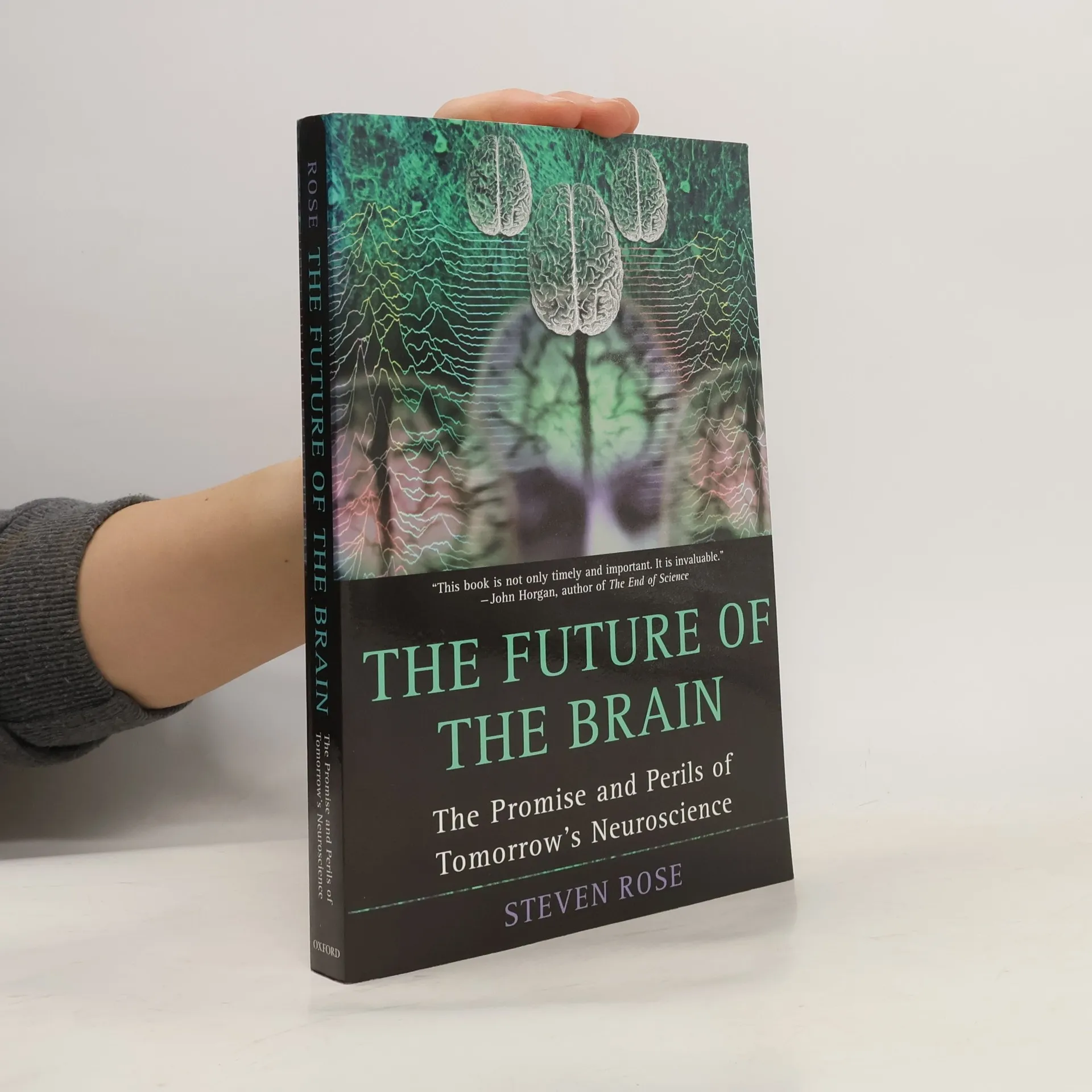
Brain repair, smart pills, mind-reading machines--modern neuroscience promises to soon deliver a remarkable array of wonders as well as profound insight into the nature of the brain. But these exciting new breakthroughs, warns Steven Rose, will also raise troubling questions about what it means to be human. In The Future of the Brain, Rose explores just how far neuroscience may help us understand the human brain--including consciousness--and to what extent cutting edge technologies should have the power to mend or manipulate the mind. Rose first offers a panoramic look at what we now know about the brain, from its three-billion-year evolution, to its astonishingly rapid development in the embryo, to the miraculous process of infant development. More important, he shows what all this science can--and cannot--tell us about the human condition. He examines questions that still baffle scientists and he explores the potential threats and promises of new technologies and their ethical, legal, and social implications, wondering how far we should go in eliminating unwanted behavior or enhancing desired characteristics, focusing on the new "brain steroids" and on the use of Ritalin to control young children. The Future of the Brain is a remarkable look at what the brain sciences are telling us about who we are and where we came from--and where we may be headed in years to come.
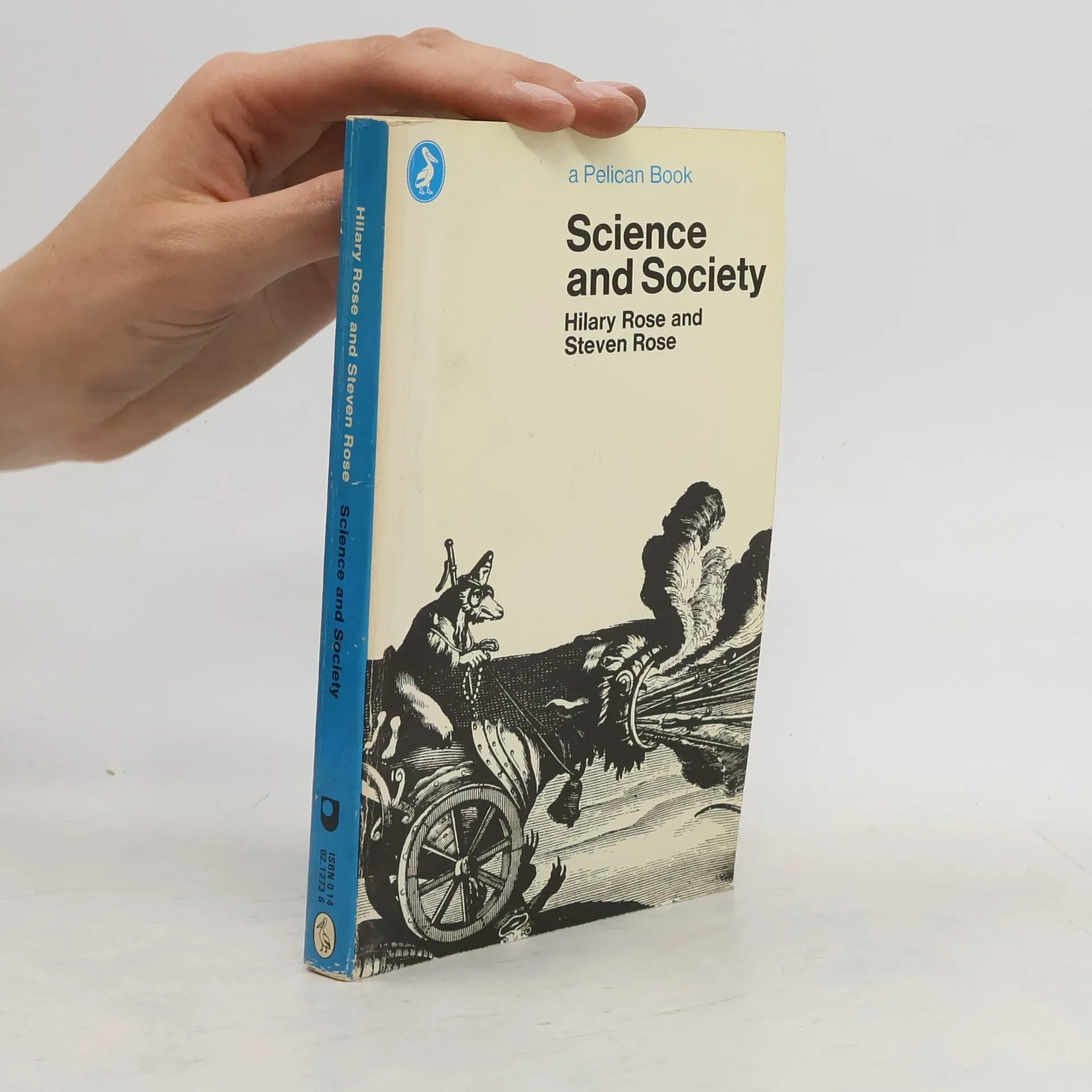
Spoluobjevitel struktury DNA James Watson prohlásil, že „lidský osud není ve hvězdách, ale v genech“. Manželé Roseovi ukazují, jak jsou taková deterministická tvrzení naivní a manipulativní. Příslib blahobytné společnosti díky individualizované genové terapii se rozplynul. Geny neurčují náš život a genomický průmysl nezbavil svět schizofrenie ani bezdomovectví. Regenerativní medicína, spoléhající na zázračné schopnosti kmenových buněk, a neurověda, která předpokládá, že narušené molekuly způsobují nemocnou mysl, se potýkají se stejnými problémy. První neumožnila „chromým chodit a slepým vidět“, ale otevřela dveře eticky pochybnému „vylepšování“ lidského těla. Druhá vedla k rostoucí spotřebě psychotropních léků a nárůstu psychických onemocnění. Autoři se zaměřují na etické problémy moderních biotechnologií, jako je obchodování se zdravotními záznamy, ztráta soukromí, patentování DNA sekvencí a falšování výsledků. Kladou zásadní otázku: Kdo za to všechno platí a komu to slouží? Odpověď ukazuje, že zatímco platíme všichni, zisk směřuje do biotechnologických firem a k vědcům-podnikatelům, kteří jsou hnáni vidinou „vagónů plných peněz“. Ve slibovaném novém světě budou chudí i nadále chudnout a bohatí bohatnout.
Darwins Evolutionstheorie wird oft als Überleben des Stärkeren missverstanden, während die Realität für Biologen weitaus komplexer ist. Fortgeschrittene genetische Studien führen zu einer Sichtweise, in der "egoistische Gene" um Vorherrschaft innerhalb von Organismen kämpfen, wodurch die Arten selbst in den Hintergrund treten. Andere Biologen vertreten die Ansicht, dass sowohl genetische als auch umweltbedingte Faktoren die Entwicklung eines Organismus beeinflussen. Steven Rose, ein Biochemiker, der sich mit dem Gedächtnis beschäftigt, positioniert sich klar auf dieser Seite des Arguments. Er bietet faszinierende Einblicke in den Einfluss der Chemie auf die körperliche Entwicklung und betont die empfindliche Balance zwischen DNA und Umwelt. Rose empfindet die häufigen Behauptungen, Wissenschaftler hätten Gene für sexuelle Orientierung oder kriminelles Verhalten entdeckt, als empörend und gefährlich. Er kritisiert einfache Antworten auf komplexe Prozesse und greift die von Wissenschaftlern wie Richard Dawkins vertretene Auffassung an, dass Genetik das Schicksal bestimmt. Roses Argumentation fordert ein differenziertes Verständnis der Evolution, das die Wechselwirkungen zwischen Genetik und Umwelt in den Vordergrund stellt.