

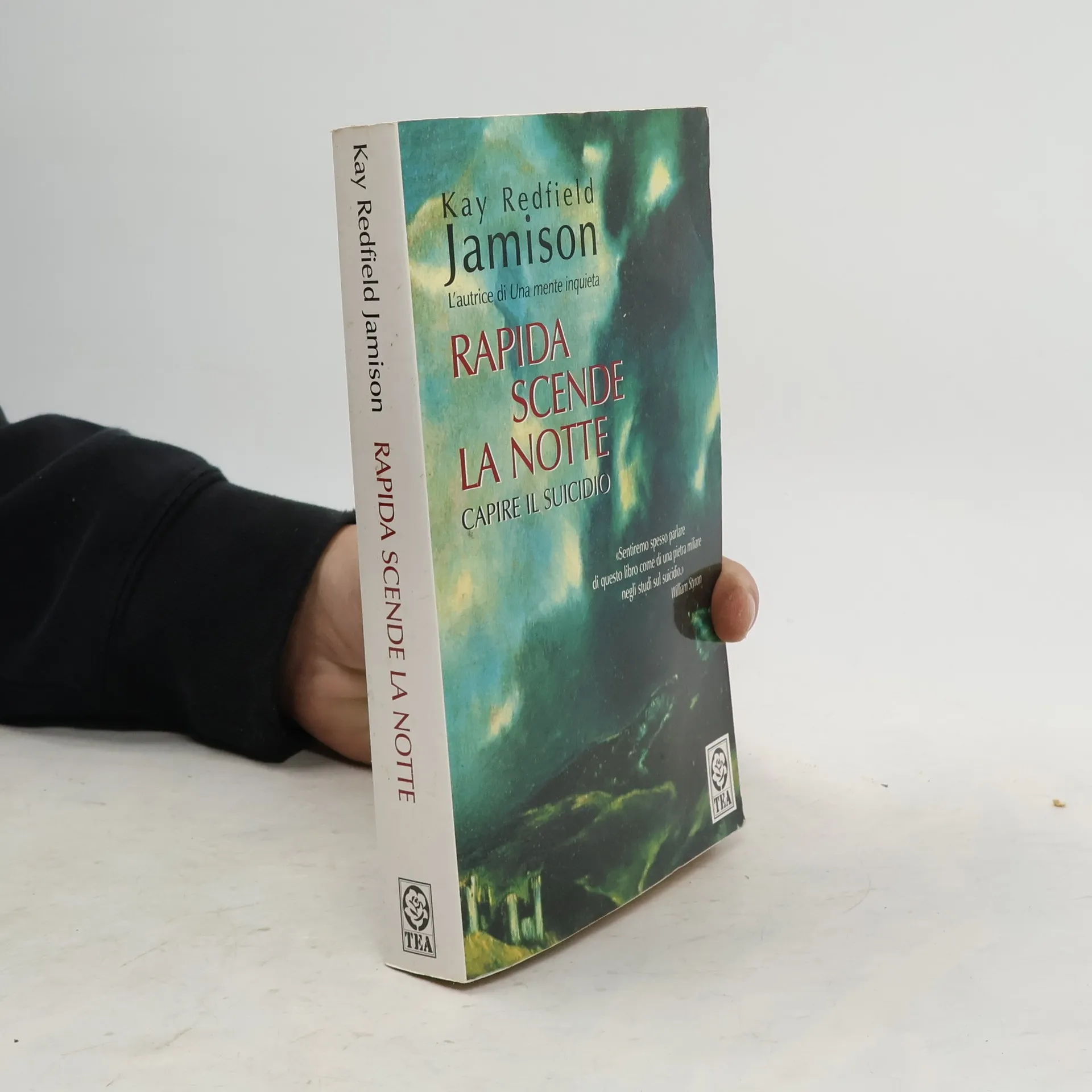
All'età di ventotto anni, dopo un lungo periodo di sofferenze causate dalla depressione, Kay Redfield Jamison, una delle maggiori autorità internazionali nello studio della malattia maniaco-depressiva e nel suo trattamento, tentò di togliersi la vita (come ha raccontato nell'autobiografia Una mente inquieta). L'essere sopravvissuta a quella esperienza segnò per lei l'inizio di un'esistenza nuova, dedicata allo studio della malattia mentale e del suicidio. Ora, dopo oltre vent'anni d'indagine scientifica e psicologica sull'argomento e una luga consuetudine con pazienti dalle tendenze suicide, l'autrice ha raccolto in questo libro tutto il bagaglio di conoscenze, ricerche ed esperienze cliniche accumulate intorno a questo devastante problema. Senza perdere mai di vista la terribile realtà dell'individuo che soffre, Rapida scende la notte squarcia il velo di imbarazzato silenzio che ha sempre circondato (e circonda) tale comportamento, la sua capacità di insidiare, sopraffare, devastare e distruggere le persone; ci aiuta a capire la mente di un suicida per meglio riconoscere i soggetti a rischio e il pauroso turbamento che li induce a un gesto senza ritorno. Ma, soprattutto, è un libro contro la morte, a strenua difesa della vita.
Kay Redfield Jamison Libri
Kay Redfield Jamison è un'eminente psicologa clinica e autrice americana, rinomata per la sua esperienza sul disturbo bipolare. Il suo lavoro approfondisce l'intricato rapporto tra creatività e disturbi dell'umore, esplorando come queste condizioni plasmano il pensiero e il comportamento umano. Basandosi sulle proprie esperienze come persona affetta da disturbo bipolare, Jamison offre una comprensione profonda ed empatica del suo argomento. La sua scrittura è sia acuta che avvincente, fornendo ai lettori preziose prospettive sulle complessità della salute mentale.




Una mente inquieta
- 216pagine
- 8 ore di lettura
«Quando ho pensato di scrivere questo libro, l'ho concepito come un libro sull'amore e su una malattia dell'umore. Così come l'ho scritto, invece, è diventato anche un libro sull'amore: l'amore che sostiene, che rinnova e che protegge.» Bambina emotiva, poi adolescente depressa e infine giovane vittima della sindrome maniaco-depressiva, per Kay Redfield Jamison studiare e comprendere la sua malattia era l'unica speranza di salvezza. Il suo libro è il coraggioso resoconto di una lotta durata trent'anni, una testimonianza di grandissimo valore, al tempo stesso umano e scientifico, su cosa significhi essere depressi e su cosa si possa fare per uscire dal tunnel del male oscuro.
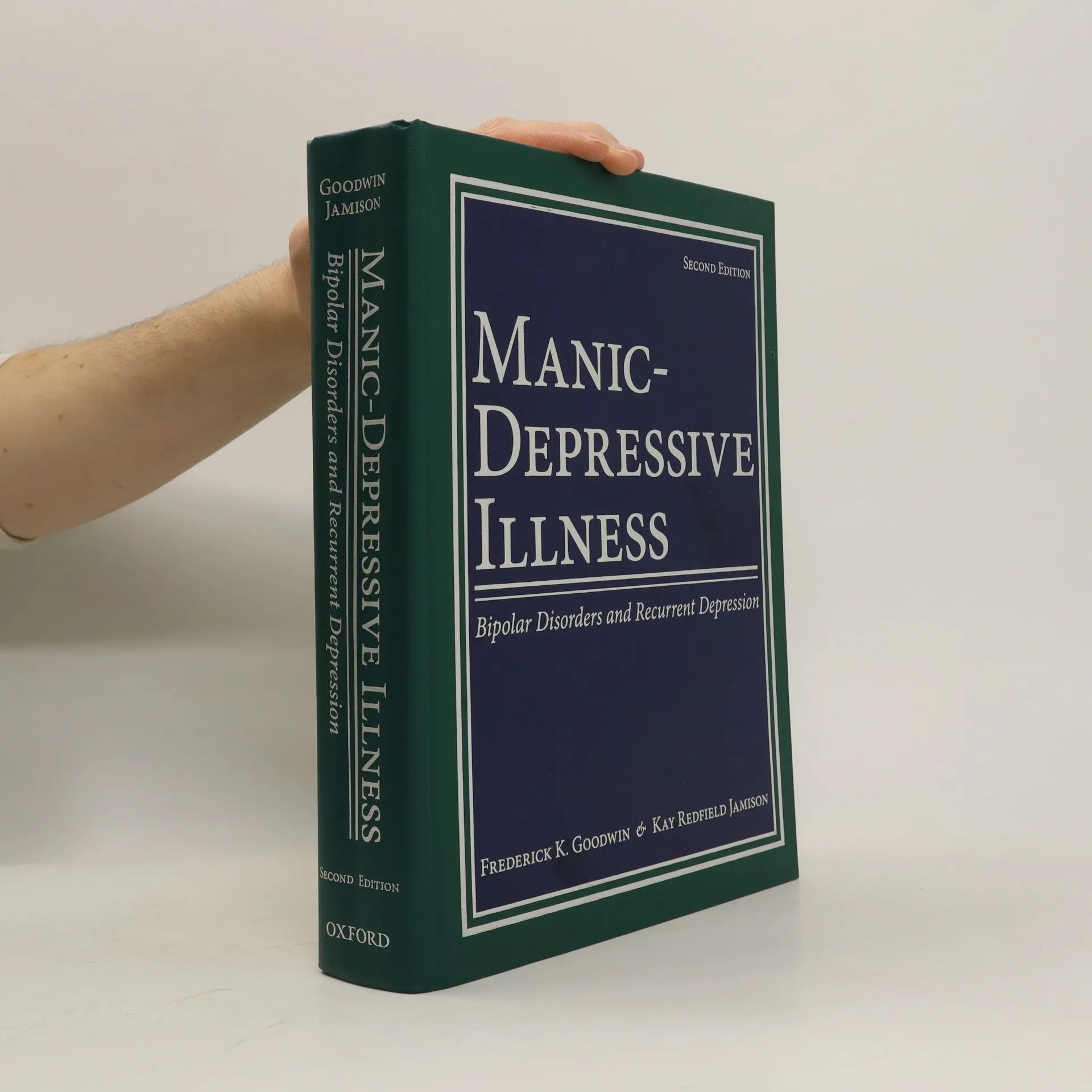
Manic-Depressive Illness
- 1262pagine
- 45 ore di lettura
This long-awaited second edition of Manic-Depressive Illness will exhaustively review the biological and genetic literature that has dominated the field in recent years, and incorporate cutting-edge research conducted since publication of the first edition. Drs. Frederick Goodwin and Kay Redfield Jamison have updated their surveys of psychological and epidemiological evidence, as well as that pertaining to diagnostic issues, course, and outcome, and they offer practical guidelines for differential diagnosis and clinical management. This book will be a valuable addition to the libraries of psychiatrists and other physicians, psychologists, clinical social workers, neuroscientists, pharmacologists, and the patients and families who live with manic-depressive illness.
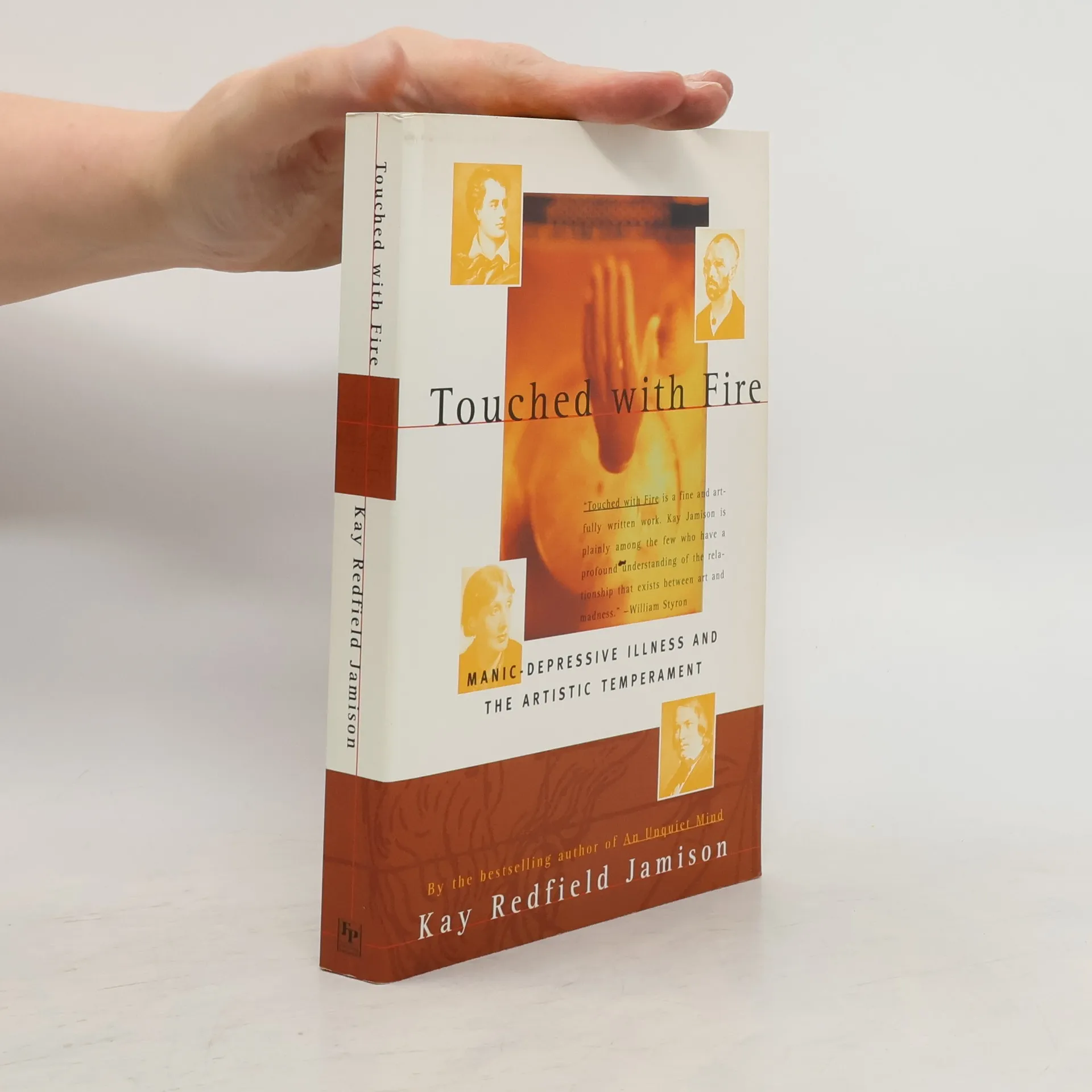
Touched With Fire
- 384pagine
- 14 ore di lettura
The definitive work on the profound and surprising links between manic-depression and creativity, from the bestselling psychologist of bipolar disorders who wrote An Unquiet Mind. One of the foremost psychologists in America, “Kay Jamison is plainly among the few who have a profound understanding of the relationship that exists between art and madness” (William Styron). The anguished and volatile intensity associated with the artistic temperament was once thought to be a symptom of genius or eccentricity peculiar to artists, writers, and musicians. Her work, based on her study as a clinical psychologist and researcher in mood disorders, reveals that many artists subject to exalted highs and despairing lows were in fact engaged in a struggle with clinically identifiable manic-depressive illness. Jamison presents proof of the biological foundations of this disease and applies what is known about the illness to the lives and works of some of the world's greatest artists including Lord Byron, Vincent Van Gogh, and Virginia Woolf.
Fires in the Dark
- 400pagine
- 14 ore di lettura
A NEW YORKER BEST BOOK OF THE YEAR • The acclaimed author of An Unquiet Mind considers the age-old quest for relief from psychological pain and the role of the exceptional healer in the journey back to health. “To treat, even to cure, is not always to heal.” In this expansive cultural history of the treatment and healing of mental suffering, Kay Jamison writes about psychotherapy, what makes a great healer, and the role of imagination and memory in regenerating the mind. From the trauma of the battlefields of the twentieth century, to those who are grieving, depressed, or with otherwise unquiet minds, to her own experience with bipolar illness, Jamison demonstrates how remarkable psychotherapy and other treatments can be when done well. She argues that not only patients but doctors must be healed. She draws on the example of W.H.R. Rivers, the renowned psychiatrist who treated poet Siegfried Sassoon and other World War I soldiers, and discusses the long history of physical treatments for mental illness, as well as the ancient and modern importance of religion, ritual, and myth in healing the mind. She looks at the vital role of artists and writers, as well as exemplary figures, such as Paul Robeson, who have helped to heal us as a people. Fires in the Dark is a beautiful meditation on the quest and adventure of healing the mind, on the power of accompaniment, and the necessity for knowledge.