


10 libri per 10 euro qui
Bookbot

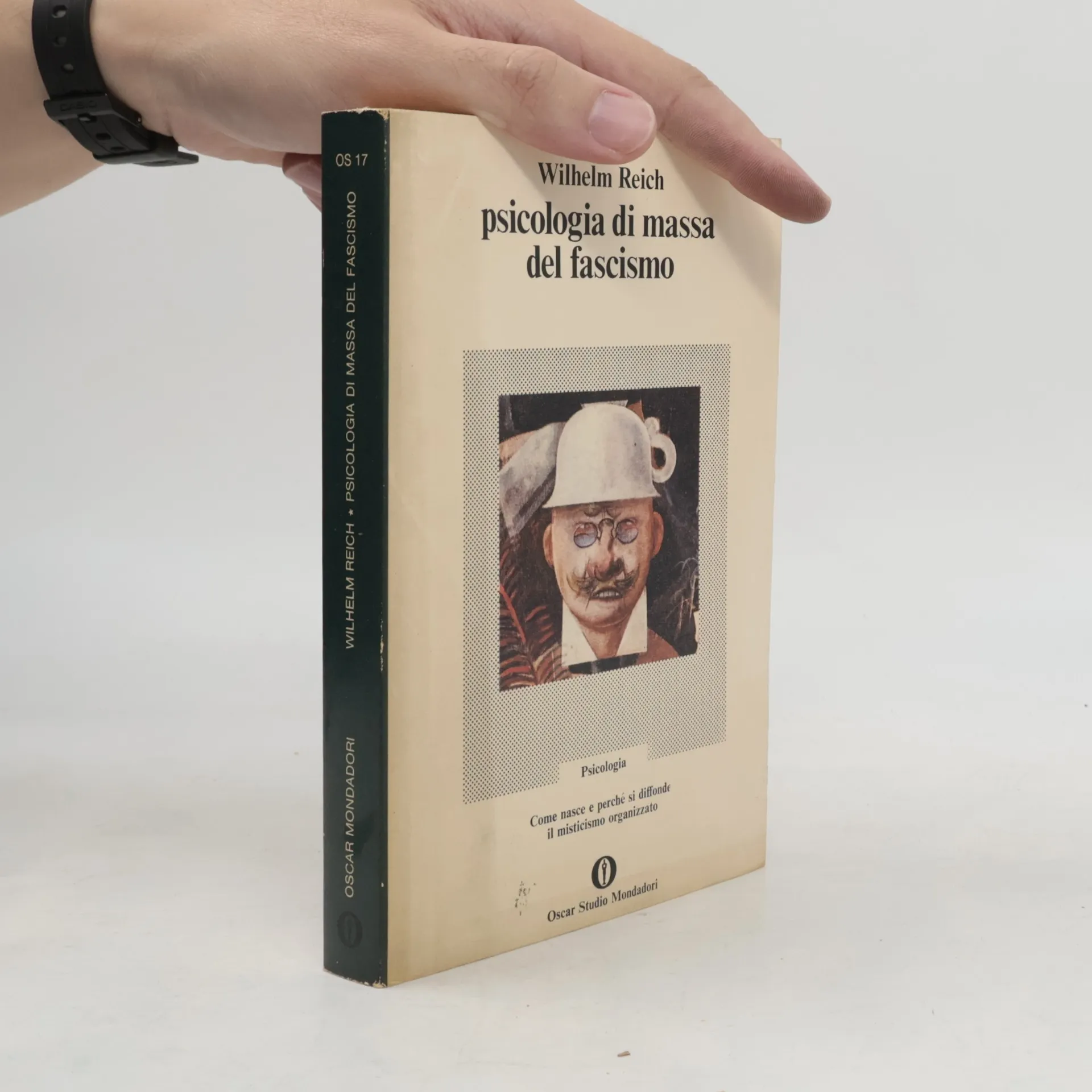
Wilhelm Reich

    24 marzo 1897 – 3 novembre 1957

    Questo autore ha esplorato il legame tra sessualità e nevrosi, sottolineando la "potenza orgastica" come criterio principale per la salute psicofisica. Il suo lavoro, sebbene radicato nella psicoanalisi, ha sintetizzato intuizioni dall'antropologia culturale, dall'economia e dalla sociologia. Nel corso della sua carriera, è stato una figura controversa, in particolare per le sue teorie sull'energia "orgonica" e sui suoi "accumulatori di orgone", che hanno portato a una significativa frattura con l'establishment psicoanalitico. Nonostante le controversie, i suoi scritti hanno influenzato numerosi pensatori e continuano a suscitare riflessioni sul complesso rapporto tra corpo e mente.

    Wilhelm Reich
    Ether, God & Devil & Cosmic Superimposition
    American odyssey
    The Invasion of Compulsory Sex-Morality
    Ascolta, piccolo uomo
    La funzione dell'orgasmo
    Individuo e stato
    • Quest'opera è l'autobiografia con cui Reich descrive lo sviluppo del suo pensiero sociologico nel periodo 1927-1937. Egli riporta le esperienze personali vissute sullo sfondo di idee e avvenimenti socio-politici nuovi e spiega come queste esperienze gradualmente lo condussero alla coscienza del profondo significato che riveste la struttura del carattere nell'essenza e nella fenomenologia dei processi sociali.

      Individuo e stato
    • Exploring the historical roots of sexual suppression, this 1931 study delves into the emergence of compulsory sexual morality and its impact on human neuroses. Reich connects his clinical insights with ethnological research, particularly drawing from Bronislaw Malinowski's studies of Trobriand Islanders, to illuminate the origins of sexual disturbances. This work serves as a precursor to Reich's later influential writings on mass psychology and sexual revolution, positioning it as a critical examination of societal norms surrounding sexuality.

      The Invasion of Compulsory Sex-Morality
    • American Odyssey describes more than a period in the life of an embattled scientist. It illuminates the social and intellectual life of a country in a tumultuous time in history.

      American odyssey
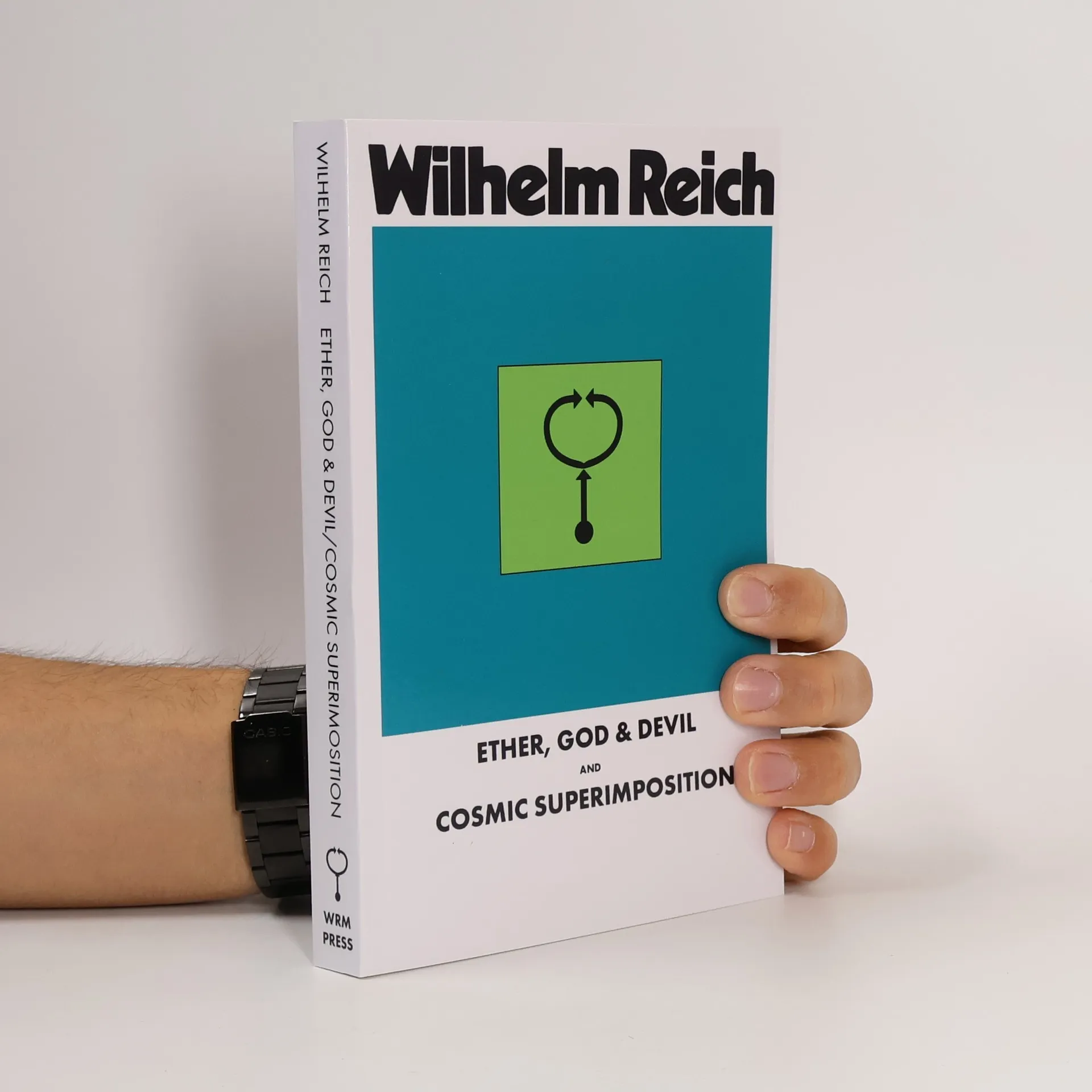
    • Wilhelm Reich’s influential works explore a transformative shift in humanity's understanding of the universe. In "Ether, God and Devil," he introduces orgonomic functionalism, leading to his discovery of cosmic orgone energy. "Cosmic Superimposition" challenges traditional mechanistic views, revealing a profound connection between man and nature through the interaction of orgone energy streams. Reich contemplates humanity's unique capacity for thought and understanding, presenting a new perspective on our role in the cosmos and the interconnectedness of all existence.

      Ether, God & Devil & Cosmic Superimposition
    • Character Analysis

      • 576pagine
      • 21 ore di lettura

      Focusing on the interplay between mind and body, this seminal work presents Wilhelm Reich's innovative character analysis technique, which evolved from traditional psychoanalysis. Reich explores how individuals develop specific character attitudes as defenses against emotional experiences, likening these to an "armor" that manifests in chronic muscular tension. His approach not only addresses psychological resistance but also lays the groundwork for a biophysical understanding of disease and its prevention, merging psychological treatment with physical health.

      Character Analysis
    • The Murder of Christ

      • 244pagine
      • 9 ore di lettura

      Volume One of The Emotional Plague of MankindIntroductionThe TrapThe Kingdom of Heaven on EarthThe Genital EmbraceSeduction into LeadershipThe Mystification of ChristThe Great Gap-Man's SittingThe March on JerusalemJudas IscariotPaul of TarsusProtecting the Murderers of ChristMocenigoToward GolgothaThe Disciples SleepGethsemaneThe Scourging'You Say It'The Silent GlowCrucifixion & ResurrectionAppendixBibliography

      The Murder of Christ
    • Listen, Little Man

      • 109pagine
      • 4 ore di lettura

      Written `to win for the researcher and thinker the right to personal reaction' and to show the man-in-the-street how he forges his own chains by his unquestioning acceptance of prevailing norms. 1979

      Listen, Little Man
    • The Sexual Revolution

      Toward a Self-Regulating Character Structure

      In this book, Wilhelm Reich summarizes the criticism of the prevailing sexual conditions and conflicts as it resulted from his sex-economic medical experiences over a period of years.

      The Sexual Revolution