Già negli anni Trenta, quando scrisse Addio a Berlino, Isherwood sosteneva di voler trasformare il proprio occhio di romanziere nell’obiettivo di una macchina fotografica. Ma per lungo tempo – attraverso libri molto diversi fra loro, e spesso segnati dai personaggi fittizi o reali che raccontavano – l’intenzione rimase una di quelle fantasticherie stilistiche che spesso gli scrittori inseguono per tutta la vita, senza realizzarle mai. E invece nel suo ultimo romanzo – questo – Isherwood trasforma una giornata nella vita di George, un professore inglese non più giovane che vive in California, in un’asciutta, e proprio per questo struggente, sequenza di scatti. Non è una giornata particolare per George: solo altre ventiquattr’ore senza Jim, il suo compagno morto in un incidente. Ventiquattr’ore fra il sospetto dei vicini, la consolante vicinanza di Charlotte, la rabbia contro i libri letti per una vita ma ormai inutili, e il desiderio per un corpo giovane appena intravisto ma che forse è già troppo tardi per toccare. Quanto basta per comporre un ritratto che non si può dimenticare, e un racconto che alla sua uscita sorprese tutti, suonando troppo vero per non essere scandaloso.
Christopher Isherwood Libri
Christopher Isherwood fu un romanziere, drammaturgo, sceneggiatore, autore di autobiografie e diarista la cui opera esplorò spesso temi come l'omosessualità e l'identità personale in periodi storici turbolenti. I suoi anni formativi a Berlino, segnati da una crescente scoperta di sé e dal panorama politico degli anni '30, fornirono il terreno fertile per i suoi scritti più celebrati. La prosa di Isherwood si distingue per la sua acuta capacità di osservazione e il suo esame impavido delle relazioni umane. Più tardi nella vita, si dedicò all'autobiografia e a temi spirituali, in particolare la sua conversione all'induismo.


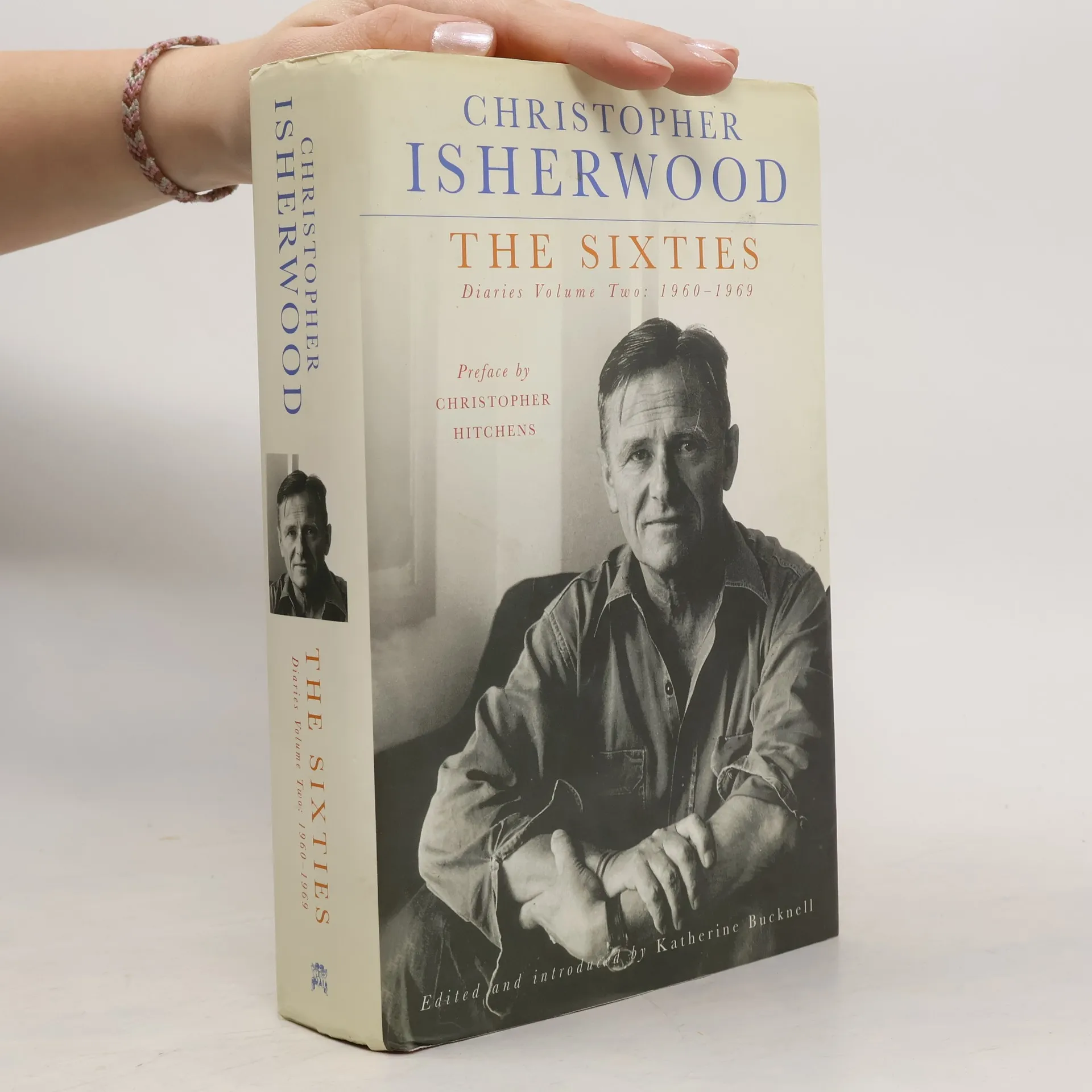


Shankara's Crest Jewel of Discrimination
- 139pagine
- 5 ore di lettura
A classic text on the path to God through knowledge. The basic teaching is that God alone is the all-pervading reality; the individual soul is none other than the universal soul. According to Shankara, it is the ignorance of our real nature that causes suffering and pain. The desire for happiness is essentially a longing to awaken to who and what we truly are. Through the path of self-knowledge, Shankara clearly teaches how to awaken from ignornce created by the mind, and abide in the peace of our true nature.
Yoga Sūtra
- 244pagine
- 9 ore di lettura
Questa traduzione dei Sutra di Yoga di Patanjali esplora la psicologia indiana che indaga le profondità della mente umana. L'autore ha dedicato particolare attenzione a presentare la filosofia e la pratica dello Yoga in un linguaggio non tecnico e attuale, accessibile e apprezzabile da tutte le menti curiose.
Diaries - 2: The Sixties
Diaries Volume Two, 1960-1969
This second volume of Christopher Isherwood's remarkable diaries begins on his fifty-sixth birthday, capturing the transition from the fifties to a decade of social and sexual revolution. Isherwood takes readers through the bohemian landscape of Southern California, the liberated atmosphere of London, the vibrant cosmopolitanism of New York, and the rugged Australian outback. He chronicles his spiritual quest guided by his Hindu guru and shares the emotional complexities of his relationship with American painter Don Bachardy, who is thirty years his junior and navigating his own artistic path. The diaries are filled with sharp gossip and psychological insights about cultural icons of the era, including Francis Bacon, Richard Burton, and Mick Jagger. However, they are most revealing about Isherwood himself—his literary works, film writing, college teaching, and romantic entanglements. He seamlessly connects diverse topics, from Beckett to Brando and the opening of "Cabaret" to a detailed analysis of Gide. The backdrop includes significant political and historical events: the Cold War anxieties, Gagarin's spaceflight, the Vietnam War, and the Summer of Love. Isherwood, known for his prophetic portrayals of a morally bankrupt Europe before World War II, offers an unparalleled chronicle of the decade that profoundly influences contemporary life.
Liberation Diaries, Volume Three
- 928pagine
- 33 ore di lettura
In the final volume of Christopher Isherwood's diaries, he reflects on aging with humor and curiosity. He explores Hinduism, writes his last works, and engages with the vibrant art scenes of the 1970s alongside his partner, Don Bachardy. The narrative captures a rich tapestry of cultural encounters amid significant historical events.
Isherwood anthology that include two complete novels, PRATER VIOLET and A SINGLE MAN, and excerpts from several other works including THE BERLIN STORIES, which was the inspiration for the popular musical and film CABARET.
The Animals
- 528pagine
- 19 ore di lettura
Don, whose portraits of London theatreland were making his name, attends the world premiere of The Innocents with Truman Capote and afterwards dines with Deborah Kerr and the rest of the cast, spends weekends with Tennessee Williams, Cecil Beton, or the Earl and Countess of Harewood, and tours Egypt and Greece with a new love interest.
The Sixties
- 800pagine
- 28 ore di lettura
This second volume of Christopher Isherwood's remarkable diaries opens on his fifty-sixth birthday as the fifties give way to the decade of social and sexual revolution. číst celé
Christopher Isherwood Diaries Volume 1
- 1104pagine
- 39 ore di lettura
In spare, luminous prose these diaries describe Isherwood's search for a new life in California; his work as a screenwriter in Hollywood, his pacifism during World War II and his friendships with such gifted artists and intellectuals as Garbo, Chaplin, Thomas Mann, Charles Laughton, Gielgud, Olivier, Richard Burton and Aldous Huxley.
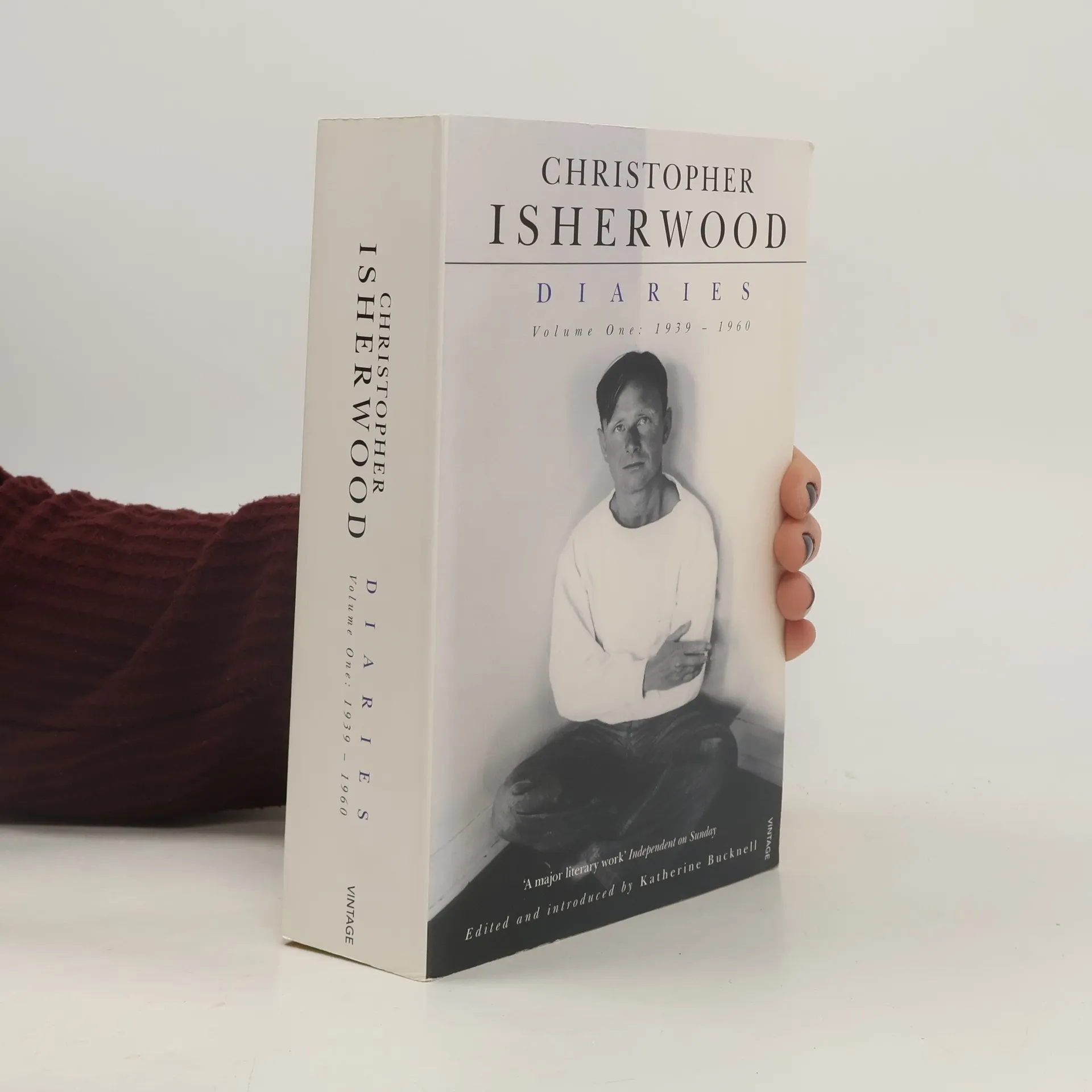
Diaries Volume One: 1939-1960
- 1102pagine
- 39 ore di lettura
At times pious, at times profane but always unashamedly honest, "The Diaries of Christopher Isherwood" provide an inside look at the life and times of one of the most celebrated writers of the century. Chronicling Isherwood's life from 1939, when he emigrated to the United States, until 1960, these entries cover some of the most turbulent years of his career and give readers unprecedented insight into the major turning points in his life. Here, Isherwood relates the spiritual crisis he went through as World War II began, his discipleship (along with Aldous Huxley and Gerald Heard) with the Hindu monk Swami Prabhavananda and his decision to become a pacifist. Here also are his accounts of his intense social life in Hollywood, his career as a screenwriter and his many sexual affairs. Readers will be particularly fascinated by his revealing anecdotes and gossip about the literary greats (such as W. H. Auden, Thomas Mann, E. M. Forster, and Tennessee Williams) and movie stars (such as Greta Garbo, Charlie Chaplin and Sir Laurence Olivier) of the time.
Down There on a Visit
- 368pagine
- 13 ore di lettura
WITH A NEW INTRODUCTION BY PHILIP HENSHERBerlin, the Greek Islands, London and California. Often regarded as the best of his novels, Down There on a Visit tells the vivid stories of Isherwood's life that, together with The Berlin Novels, were to have comprised his great unfinished epic novel.
The Berlin novels
- 512pagine
- 18 ore di lettura
Includes Mr Norris Changes Trains and Goodbye to Berlin , the inspiration for the stage and screen musical Cabaret . It is a haunting evocation of the gathering storm of the Nazi terror and a portrait of Bohemian Berlin - a city and a world on the very brink of ruin.
World in the Evening
- 316pagine
- 12 ore di lettura
Exploring the complex intersections of war, religion, and sexuality, this introspective work delves into the human experience and the struggles that arise from these themes. Through poignant reflections and character-driven narratives, it examines how these elements shape identity and influence personal relationships. The book invites readers to confront difficult questions and consider the broader implications of conflict and belief on individual lives and society as a whole.
The Condor and the Cows
- 336pagine
- 12 ore di lettura
WITH AN INTRODUCTION BY PICO IYERIn September 1947, long before mass tourism and with no knowledge of Spanish, Christopher Isherwood and William Caskey left for a six-month tour of Colombia, Ecuador, Peru, Bolivia, and Argentina.
Kathleen and Frank
- 528pagine
- 19 ore di lettura
This is the story of Christopher Isherwood's parents - their meeting in 1895, marriage in 1903 after his father had returned from the Boer War, and his father's death in an assault on Ypres in 1915, which left his mother a widow until her own death in 1960.
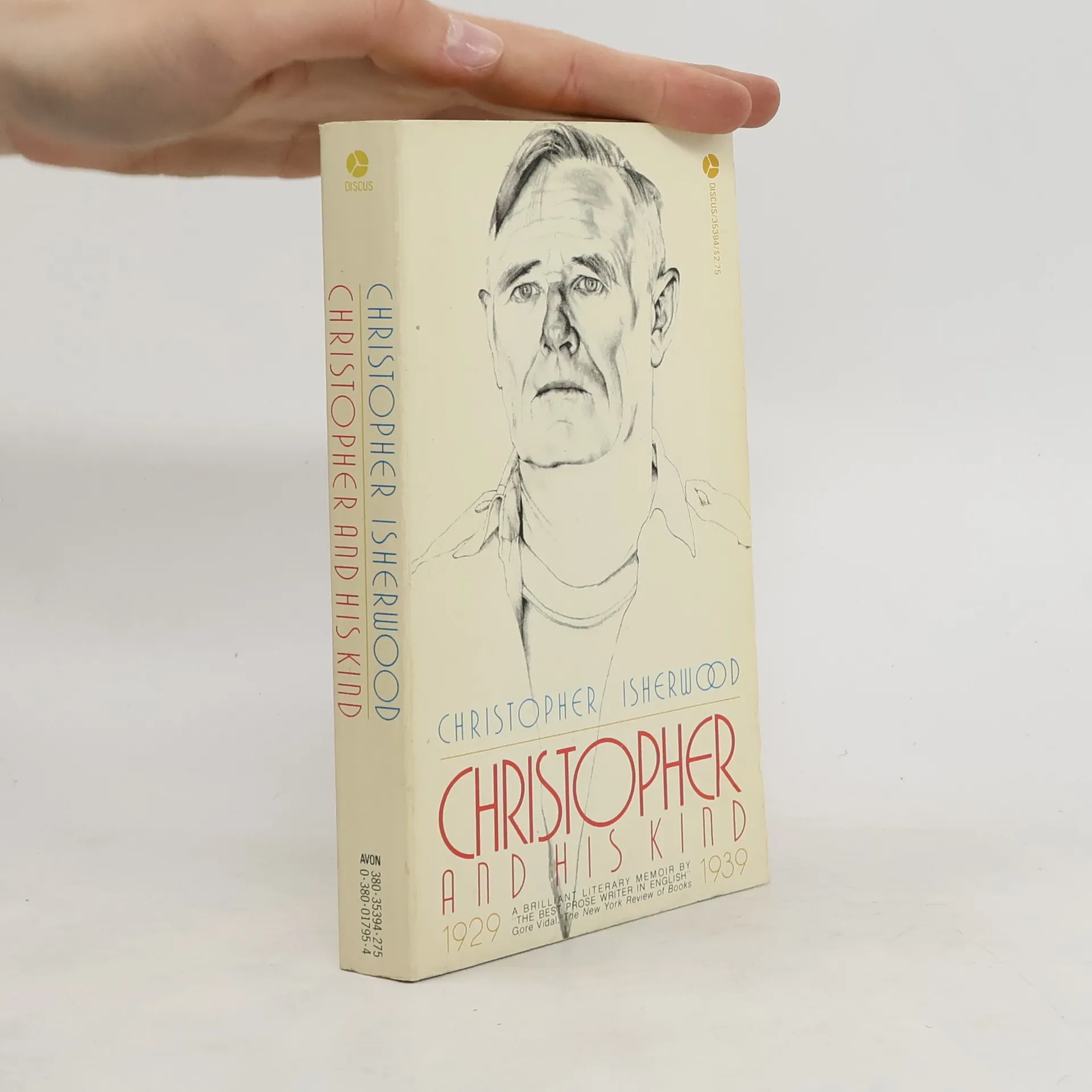
Christopher and His Kind
- 340pagine
- 12 ore di lettura
Christopher and His Kind covers the most memorable ten years in the writer’s life-from 1929, when Isherwood left England to spend a week in Berlin and decided to stay there indefinitely, to 1939, when he arrived in America. When the book was published in 1976, readers were deeply impressed by the courageous candor with which he describes his life in gay Berlin of the 1930s and his struggles to save his companion, Heinz, from the Nazis. An engrossing and dramatic story and a fascinating glimpse into a little-known world, Christopher and His Kind remains a classic in gay liberation literature and one of Isherwood’s greatest achievements.
The Sixties: Diaries, Volume 2
- 802pagine
- 29 ore di lettura
In this second volume of Christopher Isherwood's diaries, he reflects on his life at fifty-six amidst the social and sexual upheaval of the 1960s. Filled with sharp insights and gossip about cultural icons, Isherwood also addresses significant political events, offering a revealing look into both the era and himself.
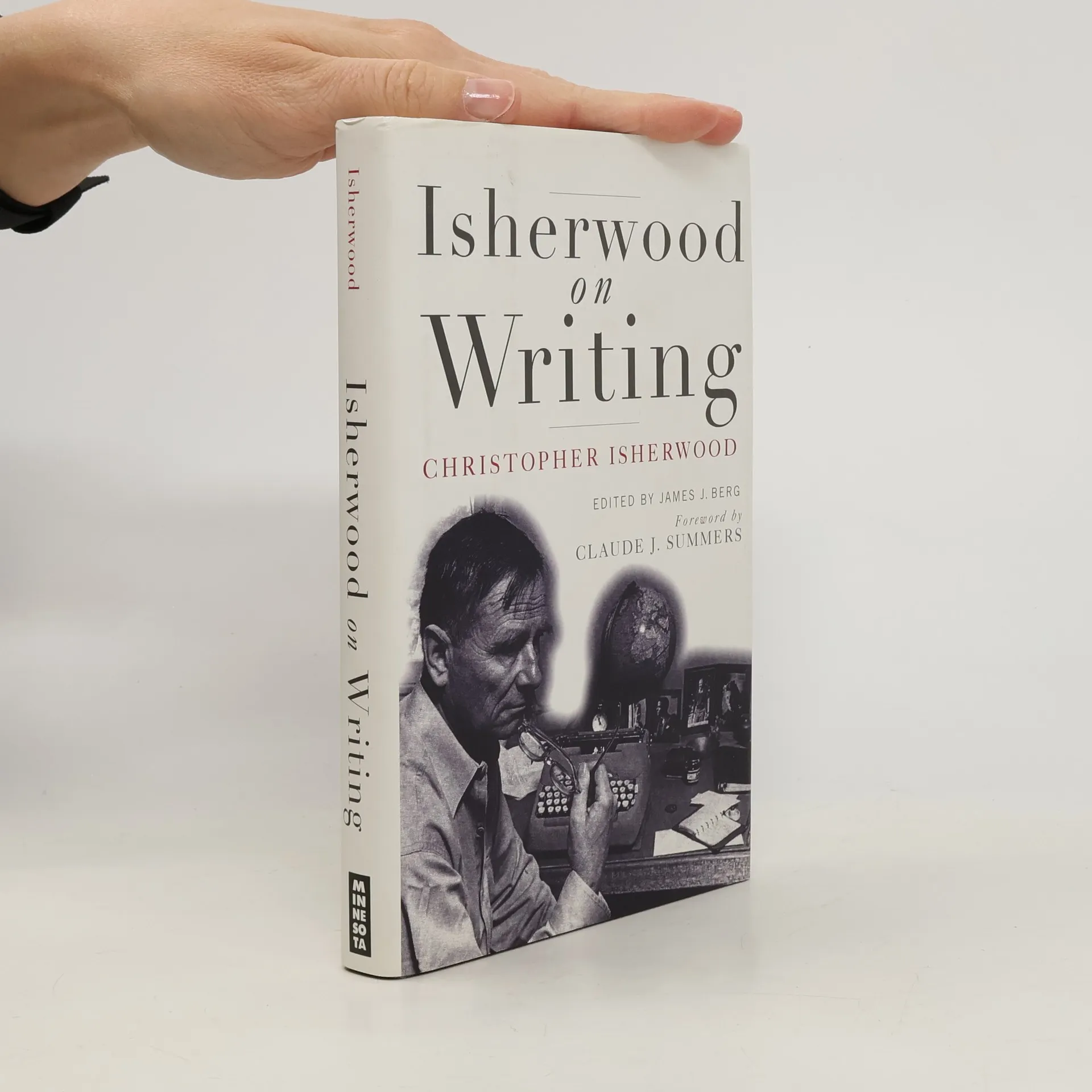
In the 1960s, Christopher Isherwood delivered a series of groundbreaking lectures at California universities titled “A Writer and His World.” During this period, he openly discussed his craft, covering writing for film, theater, and novels, as well as spirituality. These lectures highlight a distinctively American Isherwood at a pivotal moment in his career, marking his transition from fiction to memoir. Through engaging discussions, he delves into topics such as the motivations behind writing, the elements that contribute to a great novel, and the influences on his work. Isherwood reflects on his collaborations with W. H. Auden and shares insights about his literary relationships with notable figures like E. M. Forster, Virginia Woolf, and Aldous Huxley. He also candidly addresses aspects of his own work not found in his diaries. This collection reveals a significant and often-misunderstood period in Isherwood’s American life, showcasing a man at ease with his sexuality, attempting to share his story in a society unprepared for it. Christopher Isherwood (1904–1986) was a major figure in twentieth-century literature and the gay rights movement, known for works such as A Single Man and Down There on a Visit. James J. Berg and Claude Summers contribute their expertise to this exploration of Isherwood's life and legacy.
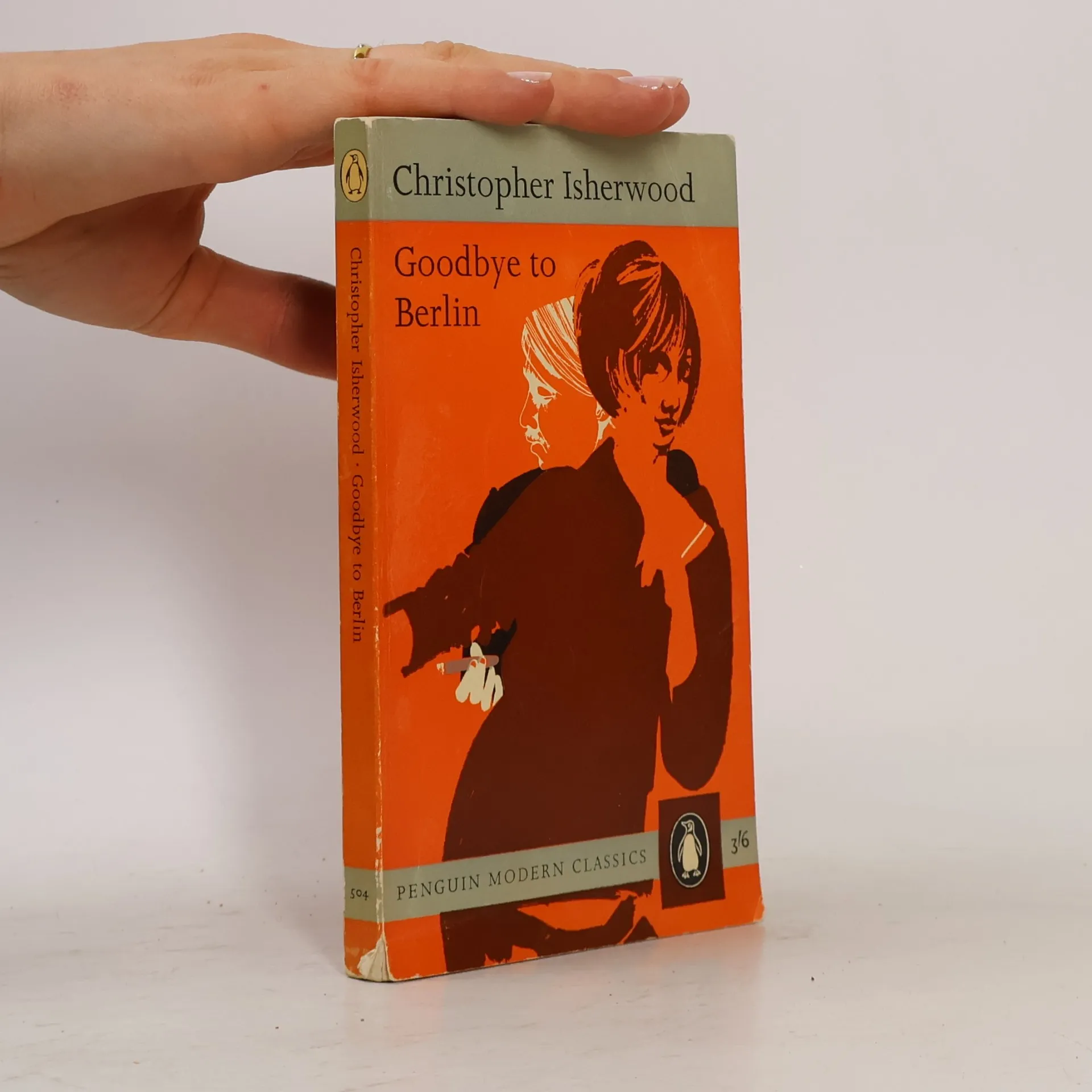
Evokes the decadence, repression, glamour, and sleaze of Berlin in the early 1930s, depicting people at threat from the rise of the Nazis: Jewish heiress Natalia Laundauer, gay lovers Peter and Otto, and an English upper-class waif, the divinely decadent Sally Bowles
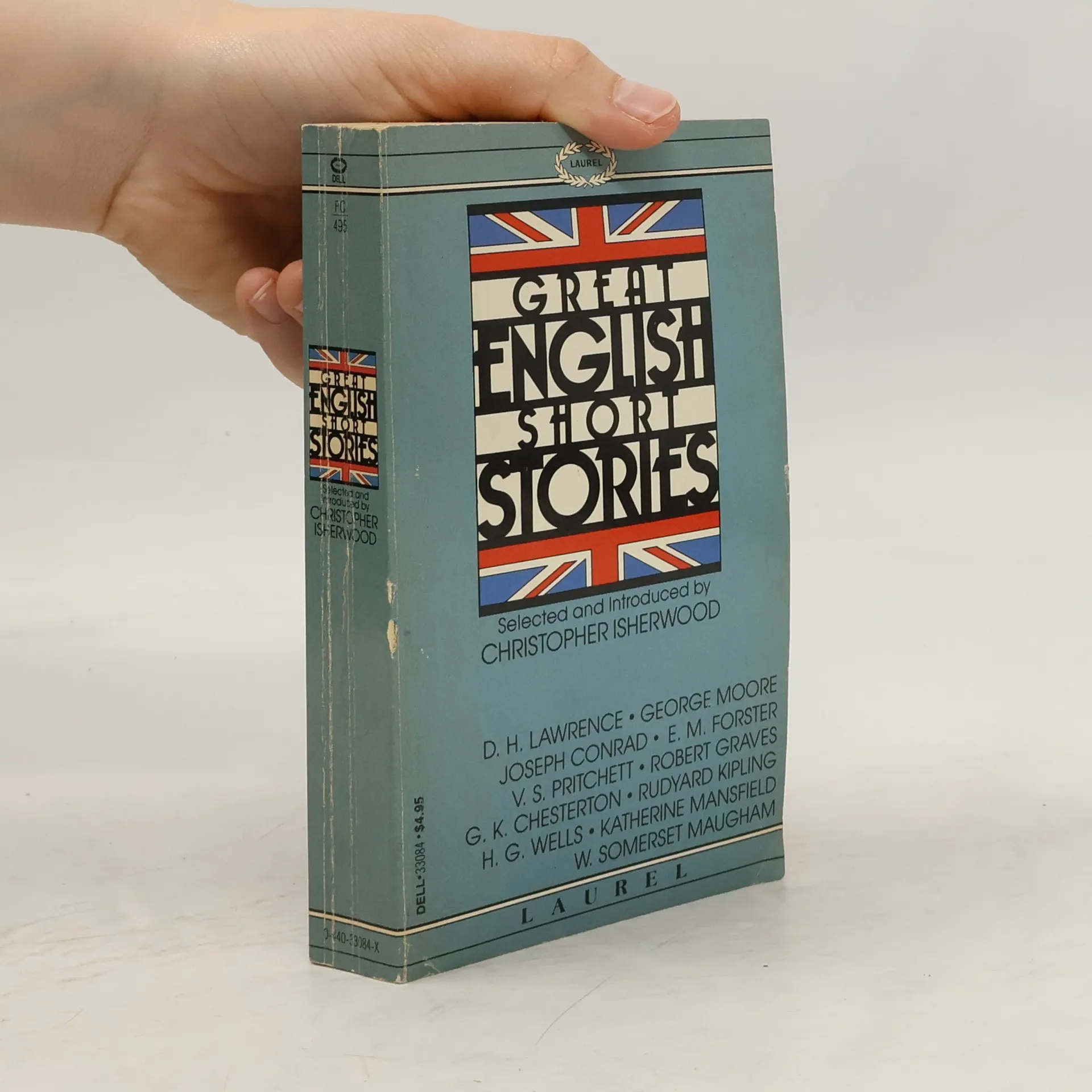
Great English Short Stories
- 416pagine
- 15 ore di lettura
Selected short stories introduced by Christopher Isherwood
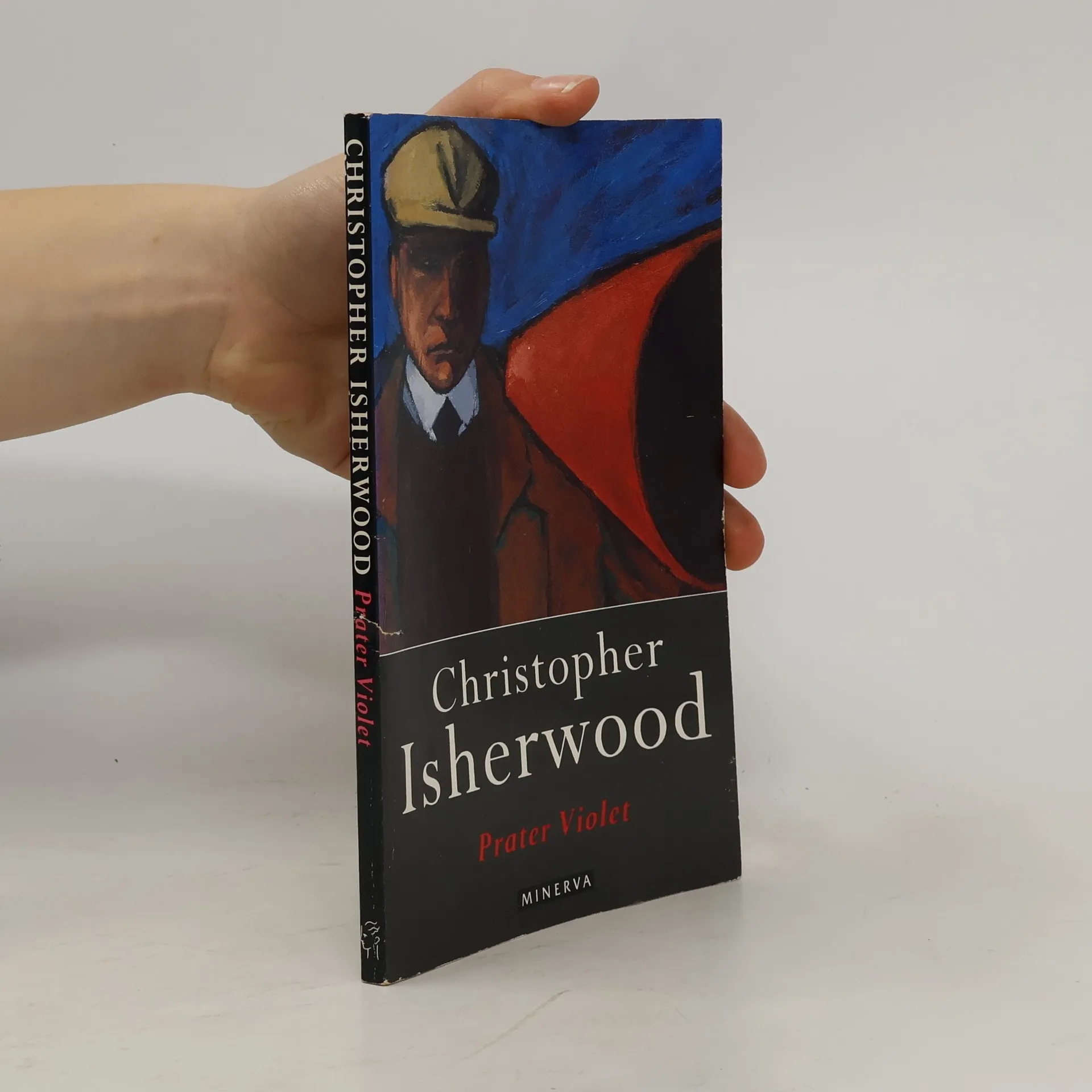
Originally published in 1945, Prater Violet is a stingingly satirical novel about the film industry. It centers around the production of the vacuous fictional melodrama Prater Violet, set in nineteenth-century Vienna, providing ironic counterpoint to tragic events as Hitler annexes the real Vienna of the 1930s. The novel features the vivid portraits of imperious, passionate, and witty Austrian director Friedrich Bergmann and his disciple, a genial young screenwriter-the fictionalized Christopher Isherwood. About the Author: A major figure in both twentieth-century fiction and the gay rights movement, Christopher Isherwood (19041986) is also the author of A Single Man, Down There on a Visit, Lions and Shadows, The Memorial, The World in the Evening, and A Meeting by the River, all available in paperback editions from the University of Minnesota Press.
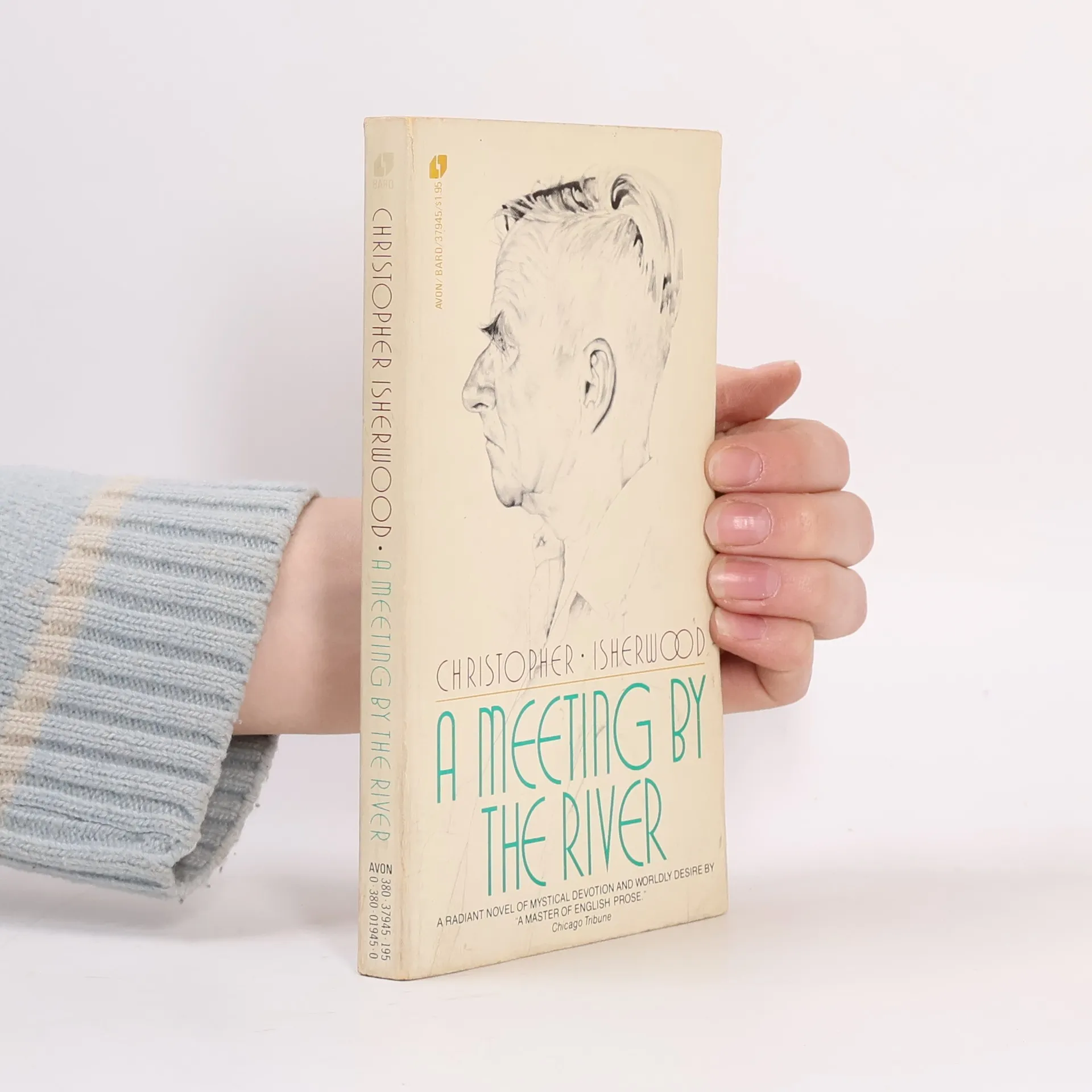
A Meeting by the River
- 160pagine
- 6 ore di lettura
Breaking a long silence Oliver, a young Englishman, writes to his elder brother, Patrick. Patrick, a successful, long-married publisher, newly in love with a boy in Los Angeles, decides to visit Oliver to persuade him not renounce the world.
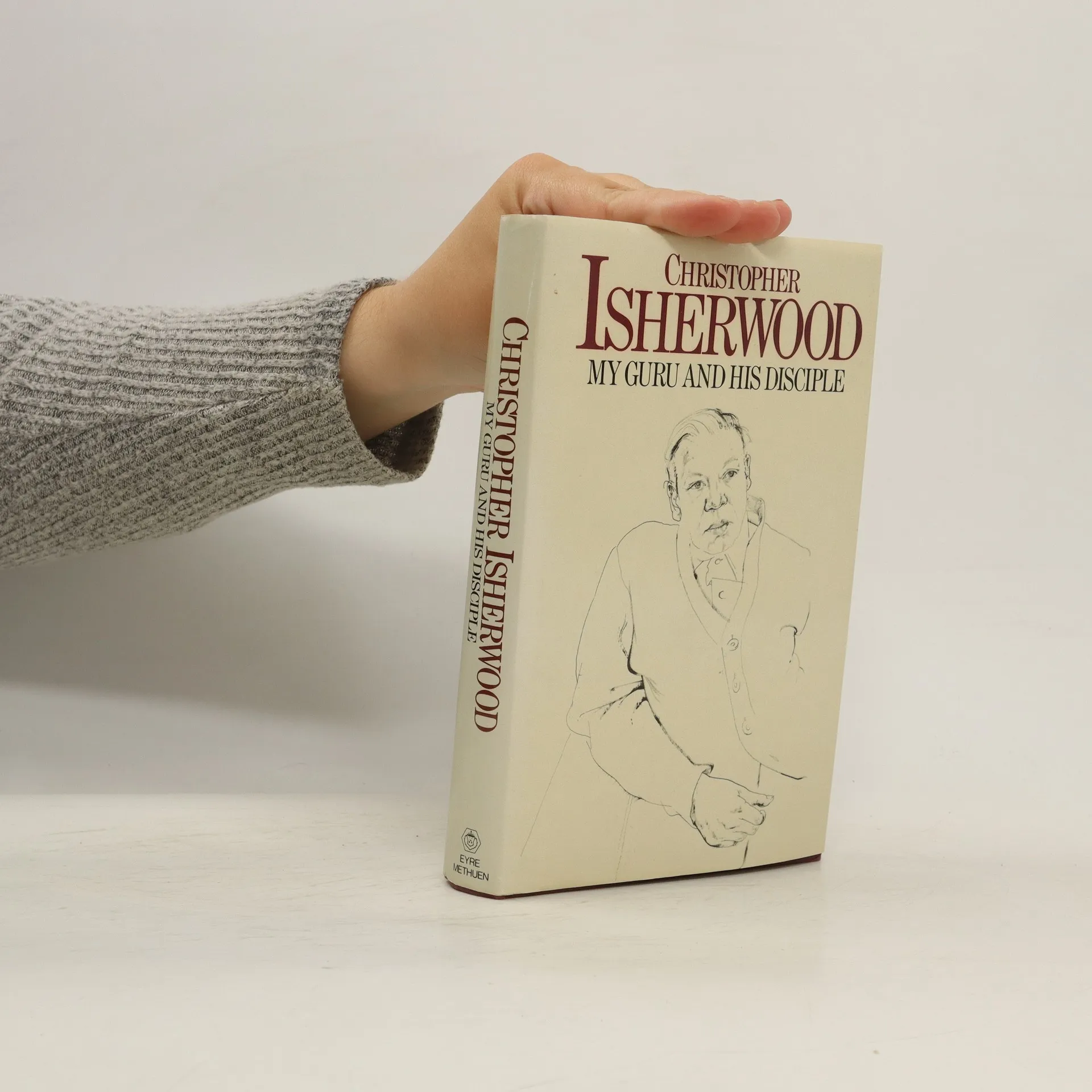
In 1939, as Europe approaches war, the author, an instinctive pacifist, travels west to California, seeking a new set of beliefs to replace the failed Leftism of the thirties. There he meets Swami Prabhavananda, a Hindu monk, who will become his spiritual guide for the next thirty-seven years. This title tells his story.
Beat Punks
- 336pagine
- 12 ore di lettura
Here, accompanied by dozens of unique photographs, are the very best of Victor Bockris's infamous interviews, essays, and observations on the stars of downtown Manhattan in the 1970s and 1980s. The internationally acclaimed biographer Bockris was there as a witness, friend, collaborator, and co-conspirator. Some of the stars were founding members of Beat or Punk, others were just passing through. But all of them—rockers, rebels, artists, and intellectuals—revealed more to Bockris than they did to any other writer: Allen Ginsberg, Richard Hell, Andy Warhol, Robert Mapplethorpe, Debbie Harry, William Burroughs, Patti Smith, Marianne Faithfull, Keith Richards, Terry Southern, Martin Amis, and Susan Sontag. Bockris's conclusion—that Punk owed the Beats a big debt and that the Beats were in turn re-animated by the Punks—is argued from the perspective of someone who was in the thick of it, and who loved every minute of it.
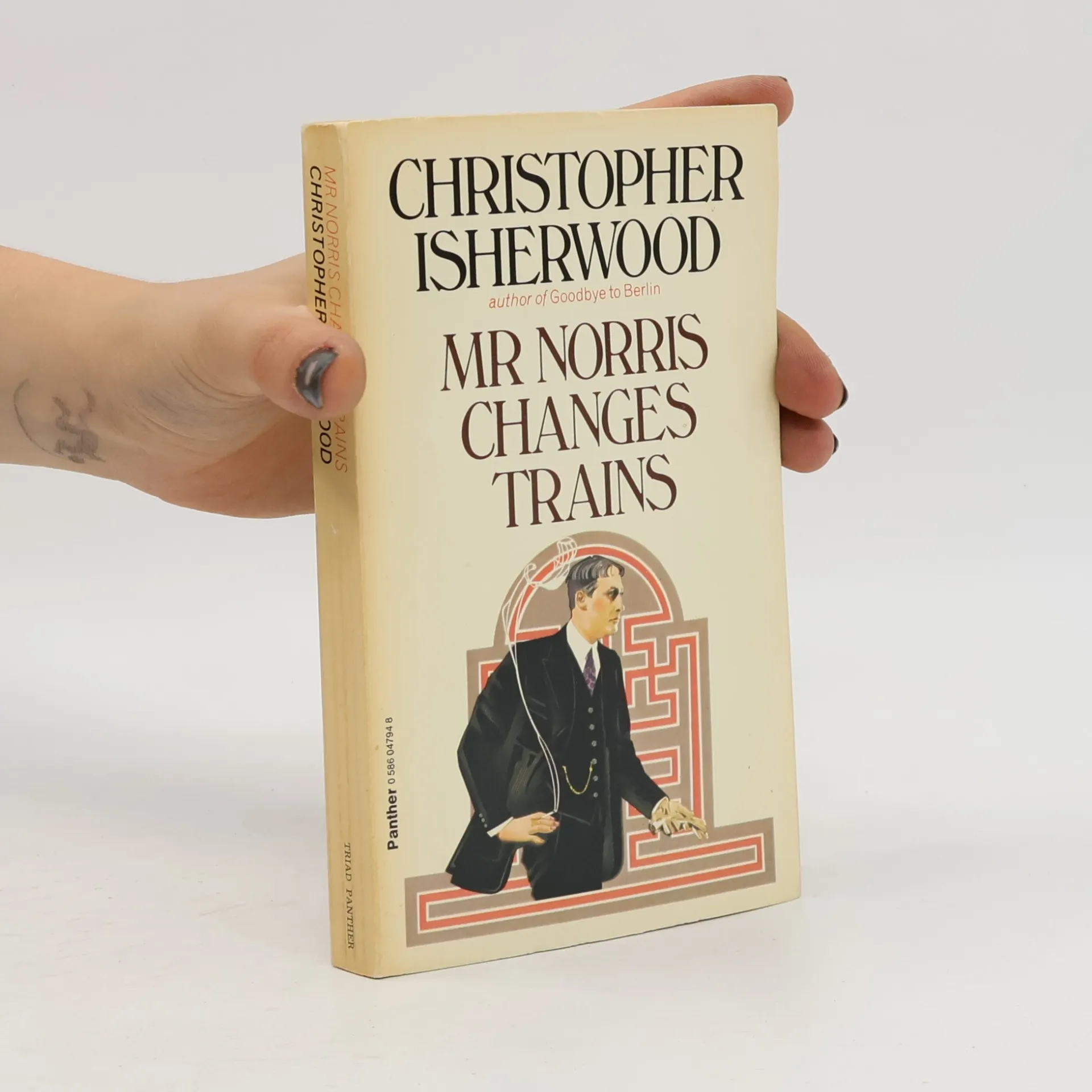
Mr. Norris Changes Trains
- 192pagine
- 7 ore di lettura
After a chance encounter on a train the English teacher William Bradshaw starts a close friendship with the mildly sinister Arthur Norris. Norris is a man of contradictions; lavish but heavily in debt, excessively polite but sexually deviant. First published in 1933 Mr Norris Changes Trains piquantly evokes the atmosphere of Berlin during the rise of the Nazis.
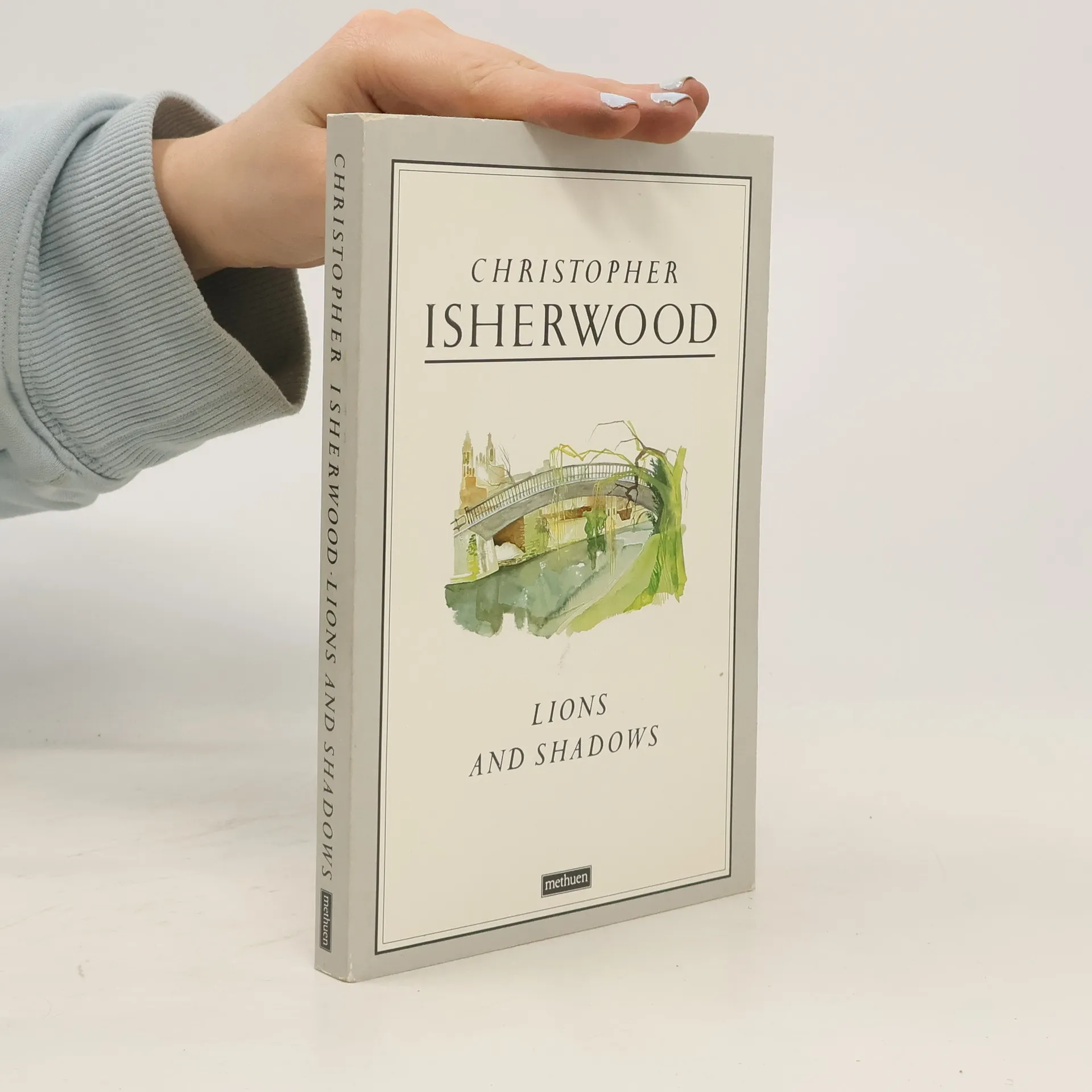
In 1938 the legendary Hogarth Press published the first of Christopher Isherwood's autobiographical writings, Lions and Shadows. The book evokes the atmosphere of Cambridge as Isherwood knew it and describes his life as a tutor, a medical student, and a struggling writer. Above all, Lions and Shadows is a captivating account of a young novelist's development in the literary culture of 1920s Cambridge and London and of his experiences as he forged lifelong friendships with his peers W. H. Auden, Stephen Spender, and Edward Upward.
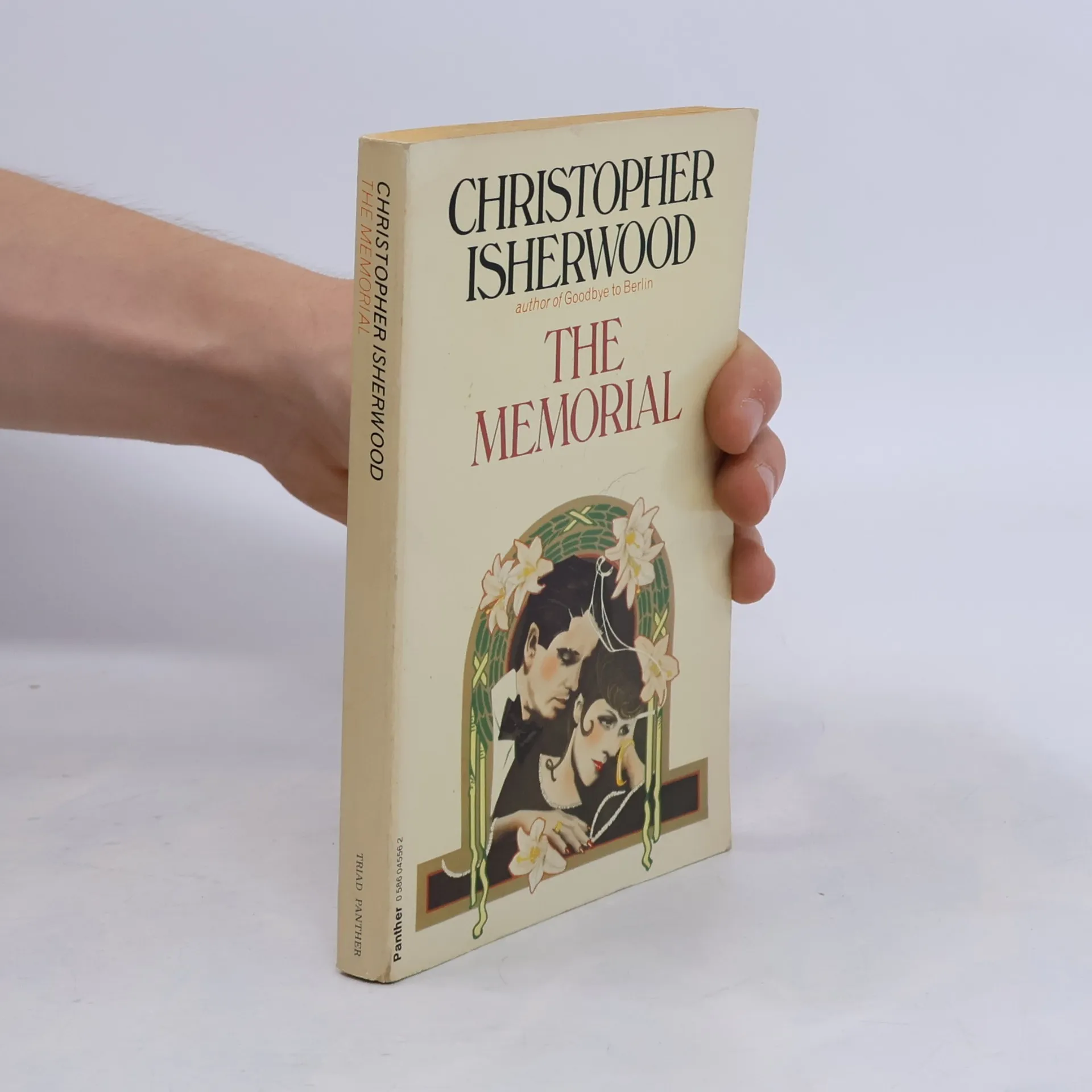
Set after World War I, Eric Vernon navigates the challenges of impending adulthood, caught between admiration for his heroic father and resentment towards his father's flamboyant friend, Edward Blake. With wit and irony, Isherwood's novel captures a society in transition.
All the Conspirators
- 157pagine
- 6 ore di lettura
In the Kensington of the 1920s - silver frames, inlaid bureaux, charming sitting-rooms - the 'conspirators', Philip and Joan, fight to throw off the oppressive power of their mother.
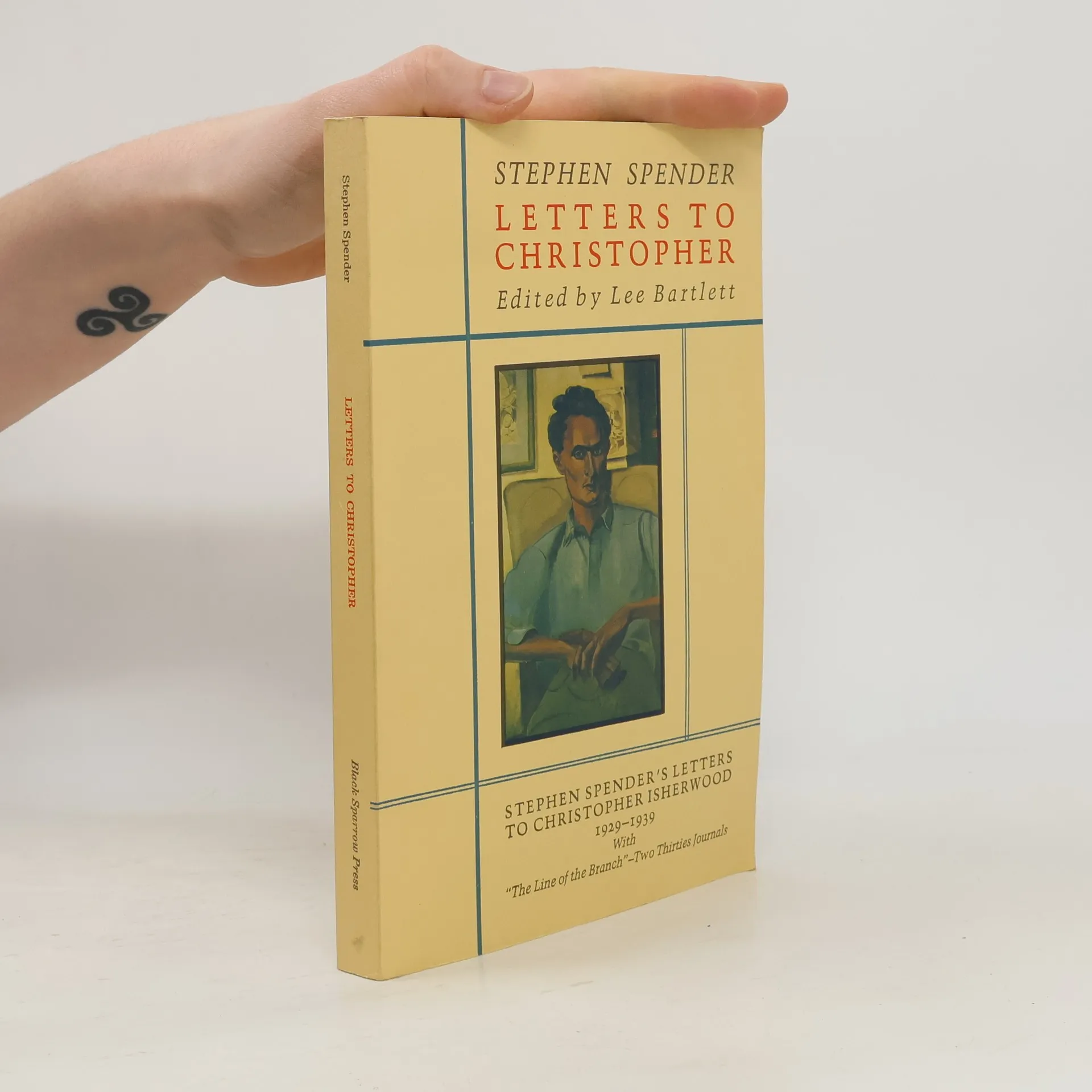
Letters to Christopher
- 219pagine
- 8 ore di lettura
Letters from the poet to the novelist discuss Spender's work, travel experiences, meetings with other literary figures, emotional problems, and opinions on literature
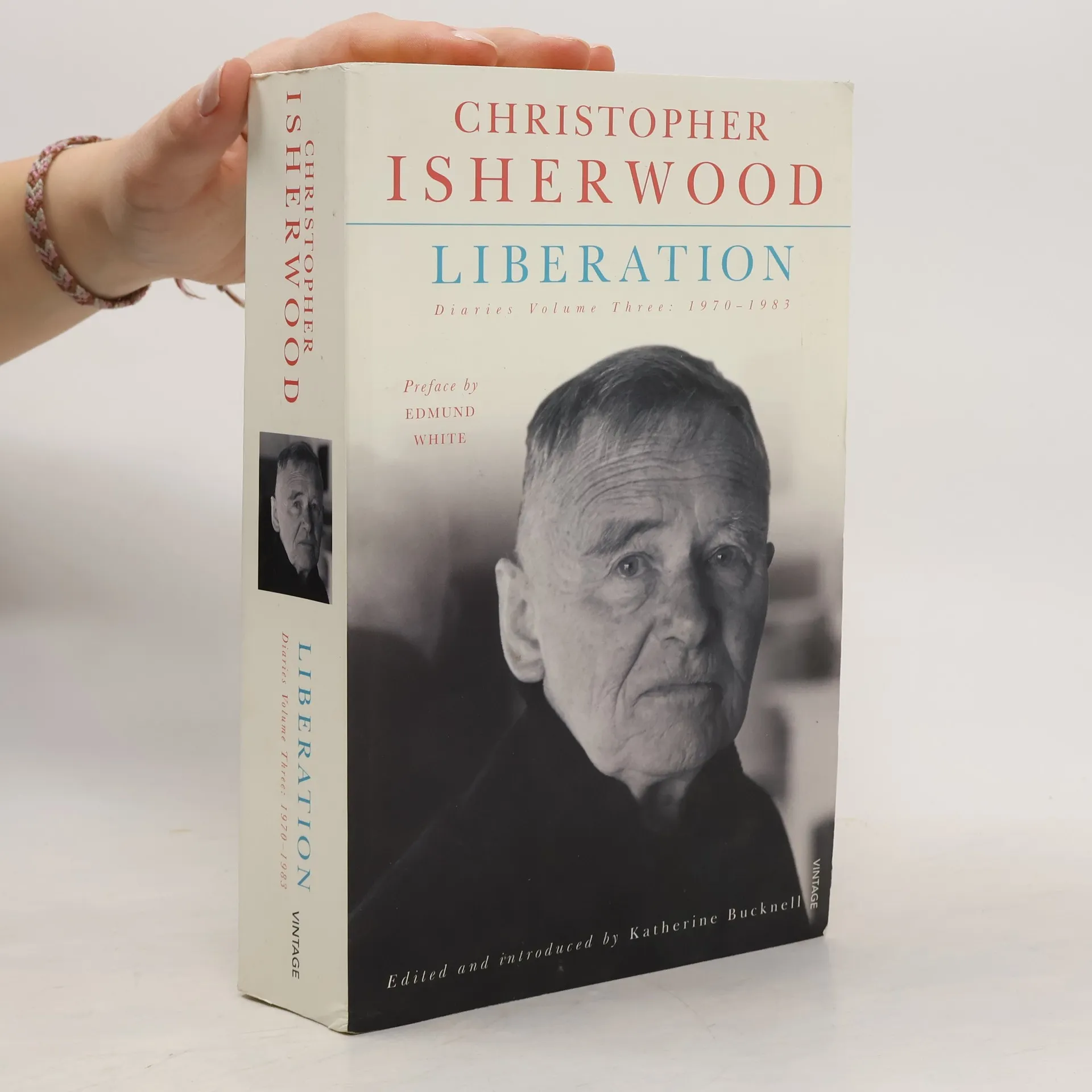
Liberation
- 928pagine
- 33 ore di lettura
Frpm Hollywood and the worlds of music and letters enter John Huston, Merchant and Ivory, John Travolta, John Voight, Elton John, David Bowie, Joan Didion and Armistead Maupin.
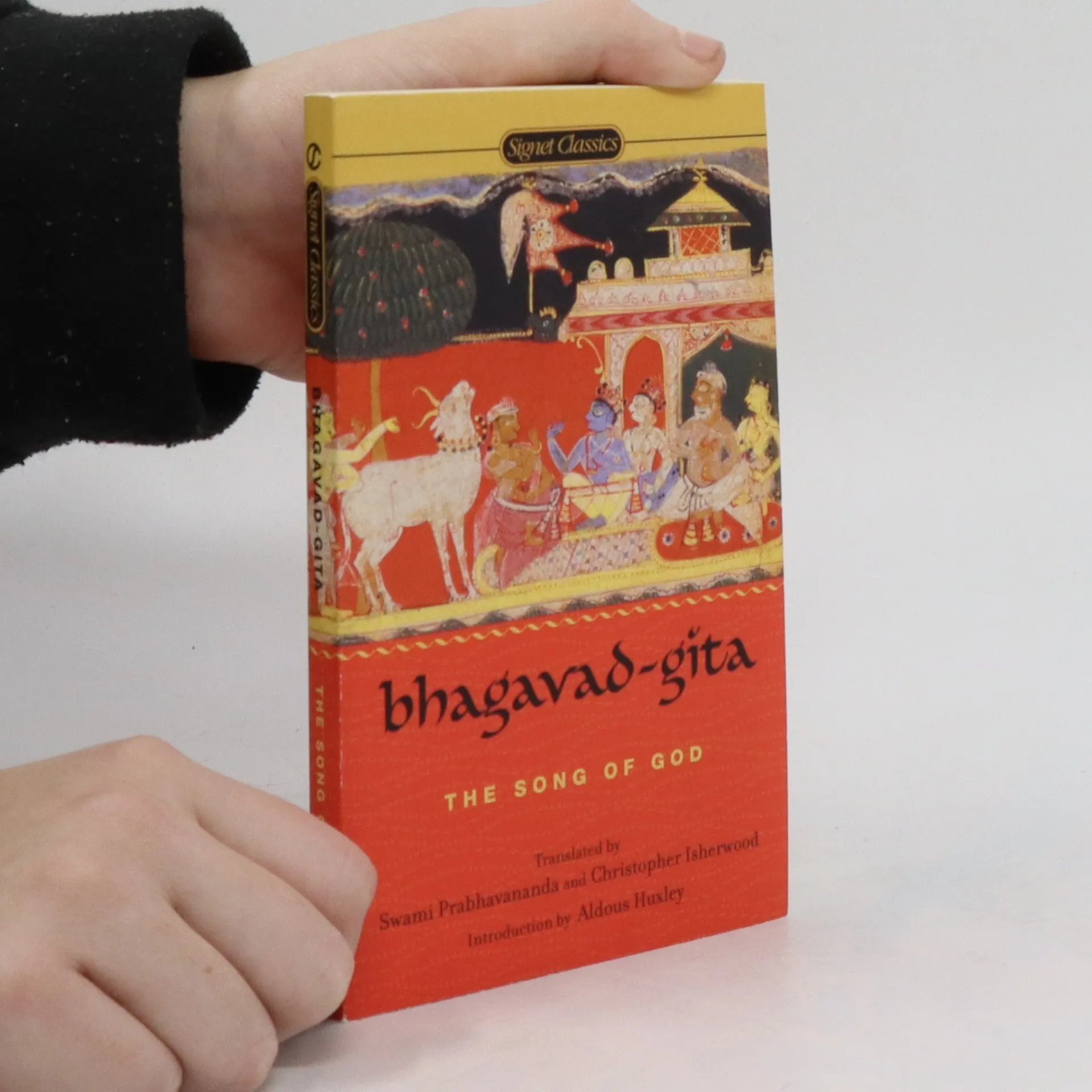
Bhagavad-gita: The Song of God
- 144pagine
- 6 ore di lettura
Shares a Hindu message of faith and inspiration as it discusses the purpose of war, the importance of duty, and the spiritual nature of existence.
Berlínské povídky jsou souborným vydáním dvou původně samostatně publikovaných svazků, novely Konec pana Norrise a souboru kratších povídek Sbohem Berlíne. Autor v knize představuje věkově, sociálně i národnostně pestrou paletu charakterů Berlína třicátých let: záhadného noblesního hochštaplera, bohatého dětinského barona, mladoufrivolní začínající zpěvačku, všetečnou postarší bytnou, chudou berlínskou rodinu, rodinu bohatých židovských obchodníků, atd. Všechny tyto živé a plastické postavy spojuje formálně postava vypravěče, autorovo literární alter ego; postavy vstupují do jeho života, z nenadání jej zase opouští, ale zanechávají v něm svou unikátní stopu. A pak je to samozřejmě Berlín jako takový – kvetoucí evropská metropole s bujarým nočním životem, kavárnami a rušnými ulicemi – dalo by se říct, že tvoří tu nejvýznamnější postavu ze všech. Někde v pozadí ale cítíme i narůstající politické napětí a hrozbu nacismu. Všechny Isherwoodovy postavy se s nastalou situací musejí nějak vyrovnat, ať už je politika zajímá či nikoliv.
Jakob der Heiler
- 127pagine
- 5 ore di lettura
Nach fünfzig Jahren wurde es wiederentdeckt - durch die Schauspielerin Sharon Stone: ein kleines, hinreißendes Meisterwerk von Aldous Huxley und Christopher Isherwood. Sie erzählen die Geschichte eines armen Farmarbeiters, der mit magischen Kräften begabt ist und der den Gefahren entrinnen muß, die ihm und seiner Liebe in einer Welt der Habgier drohen.
Christopher Isherwood - Schein und Sein. Die großen Romane von Christopher Isherwood
- 600pagine
- 21 ore di lettura
Die Buchanmerkung umfasst die Werke „Lauter gute Absichten“, „Das Denkmal“, „Praterveilchen“ und „Die Welt am Abend“.
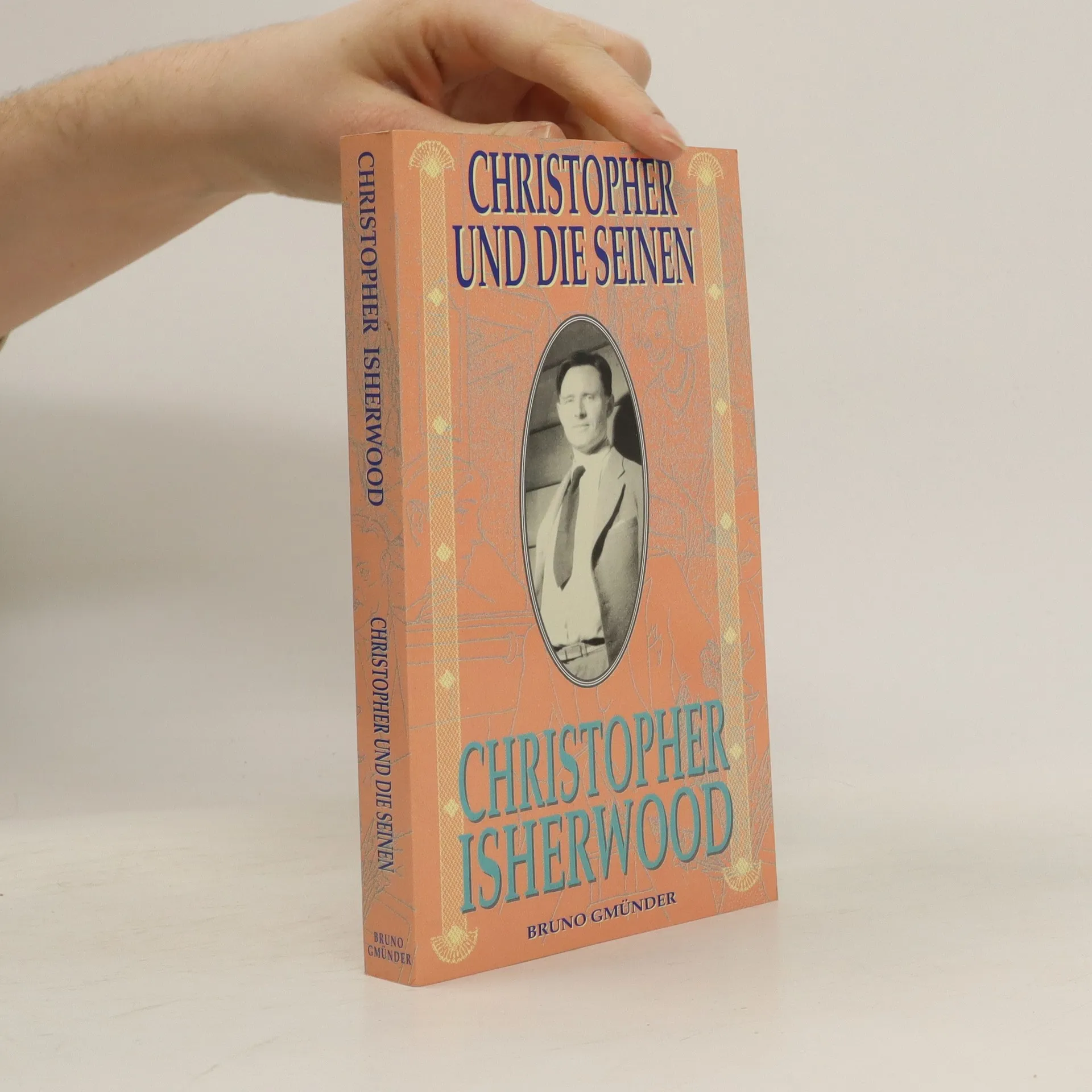
Christopher und die Seinen
- 304pagine
- 11 ore di lettura
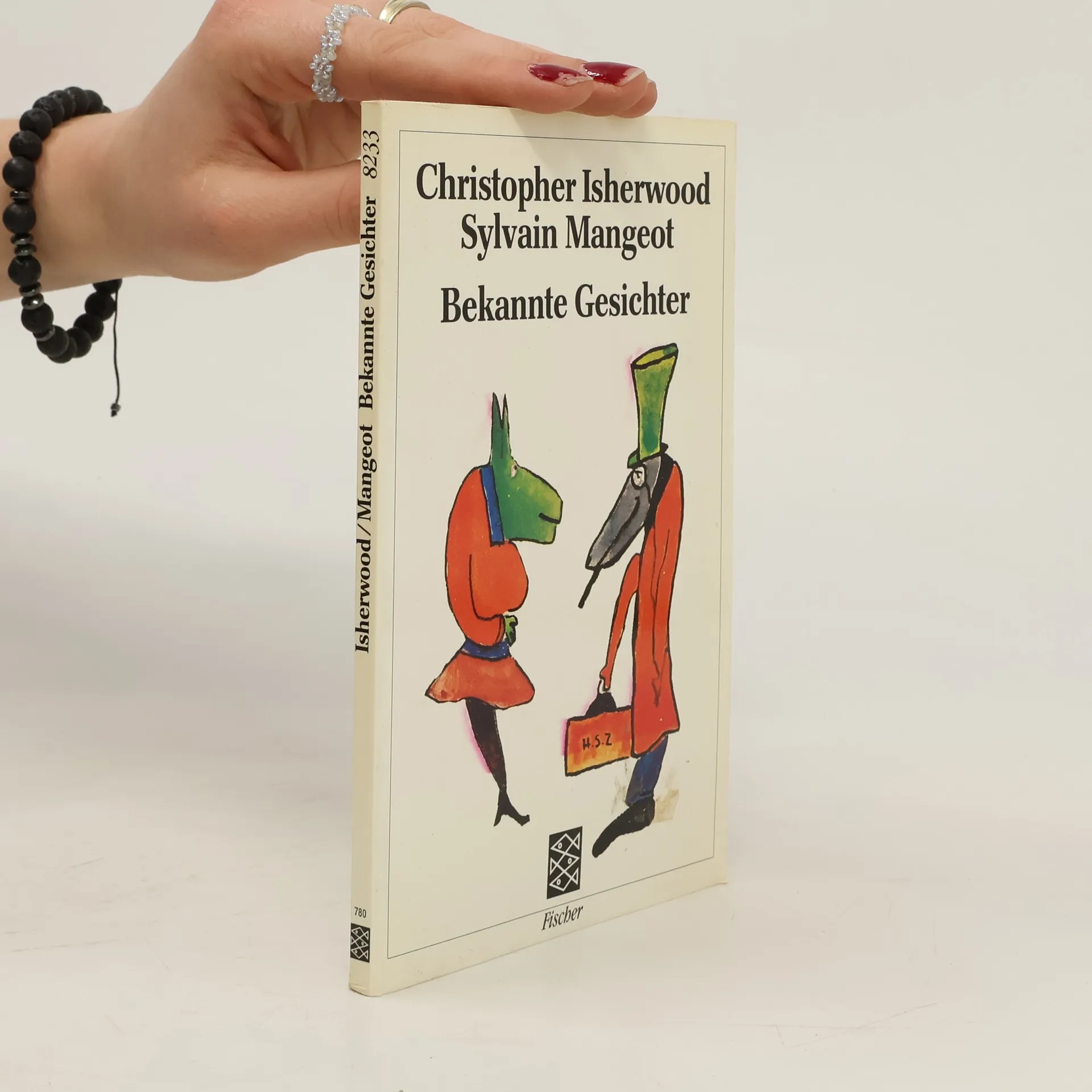
Bekannte Gesichter
- 64pagine
- 3 ore di lettura