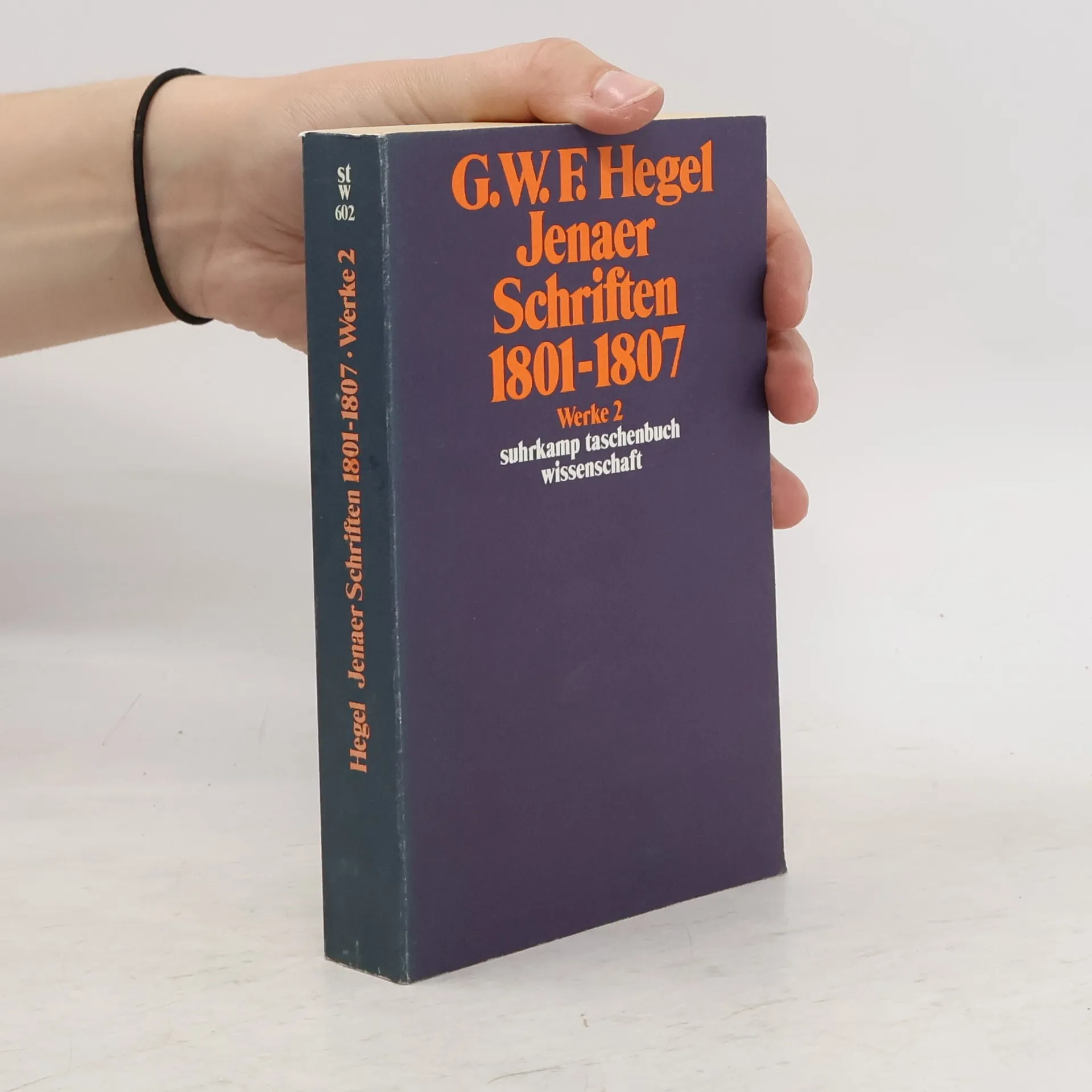
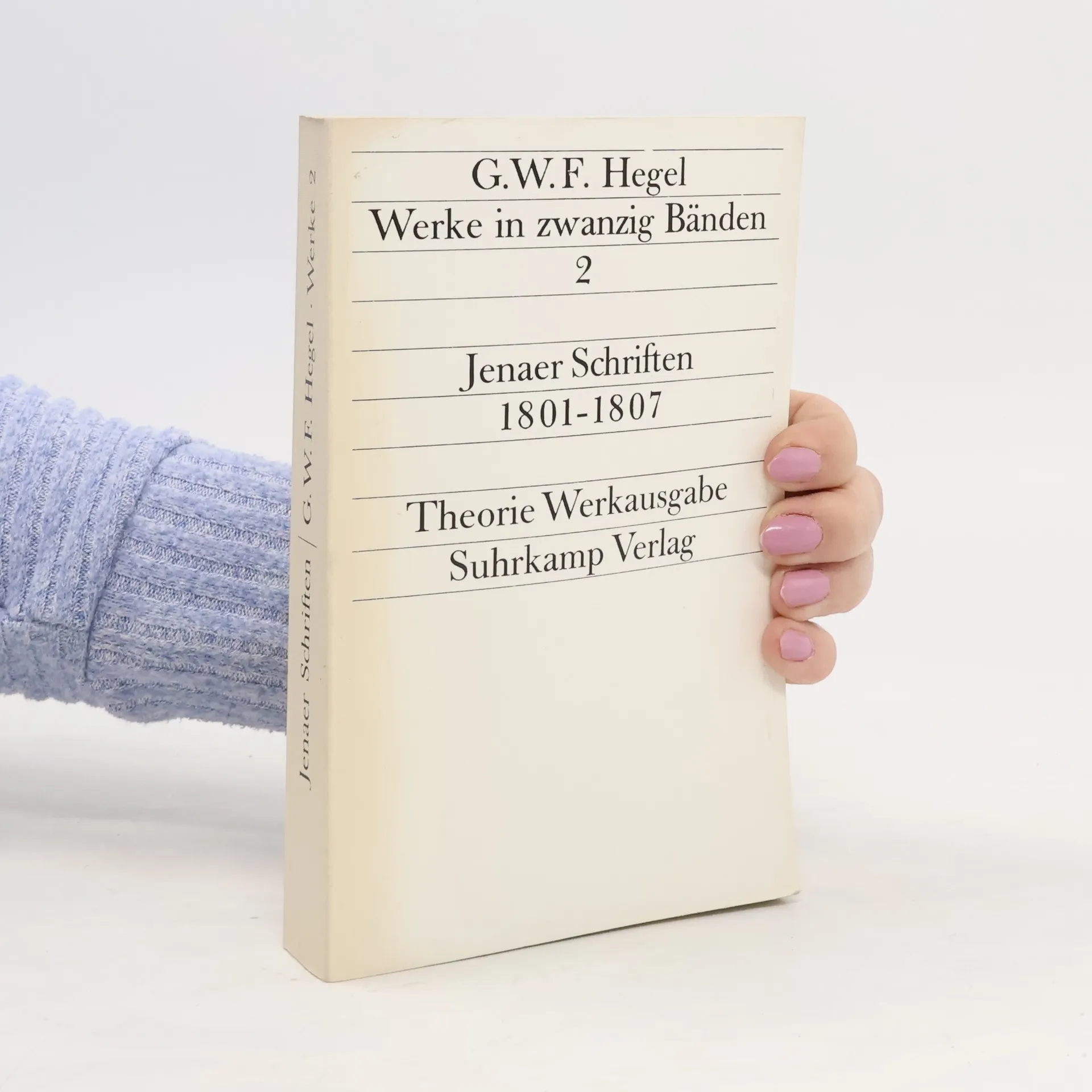
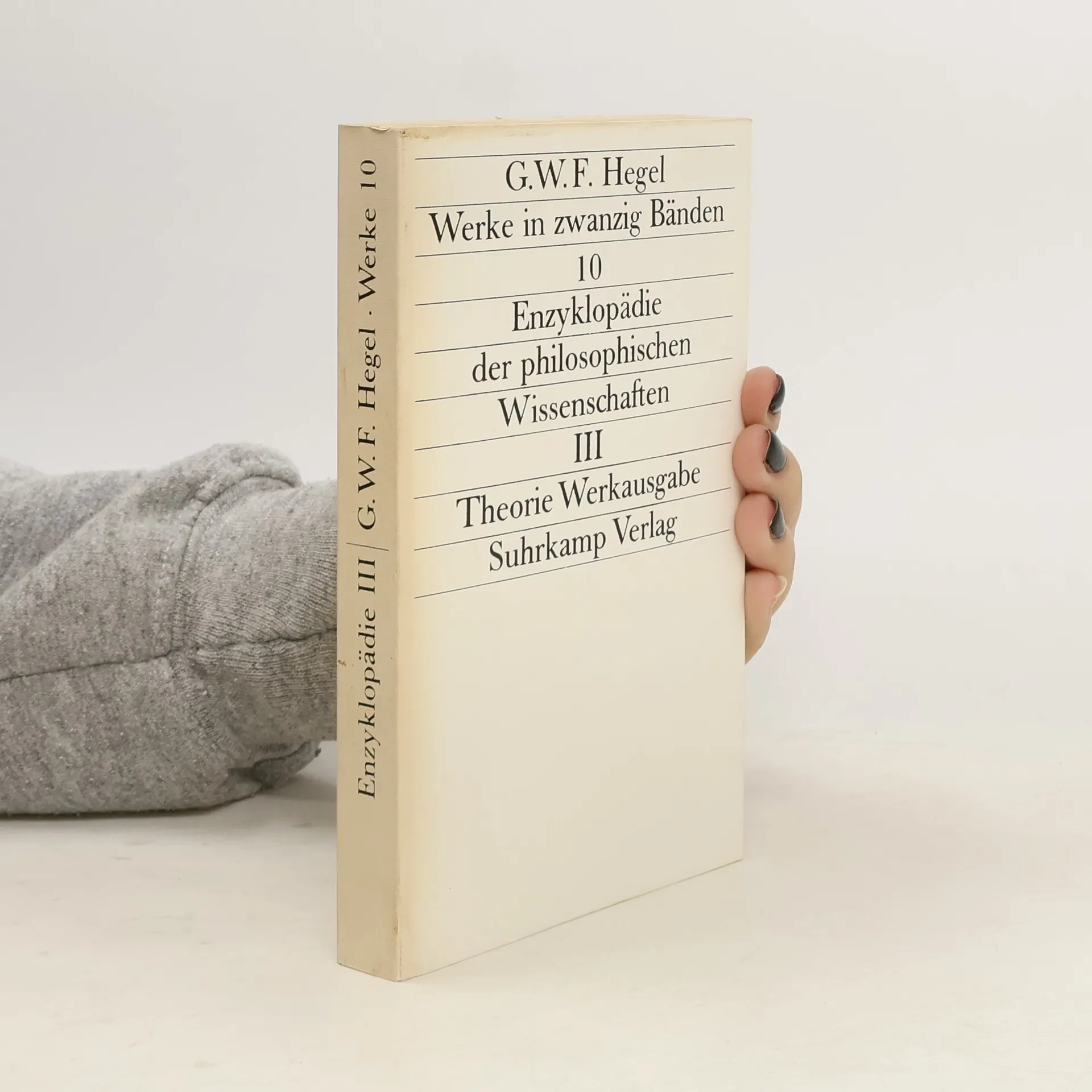
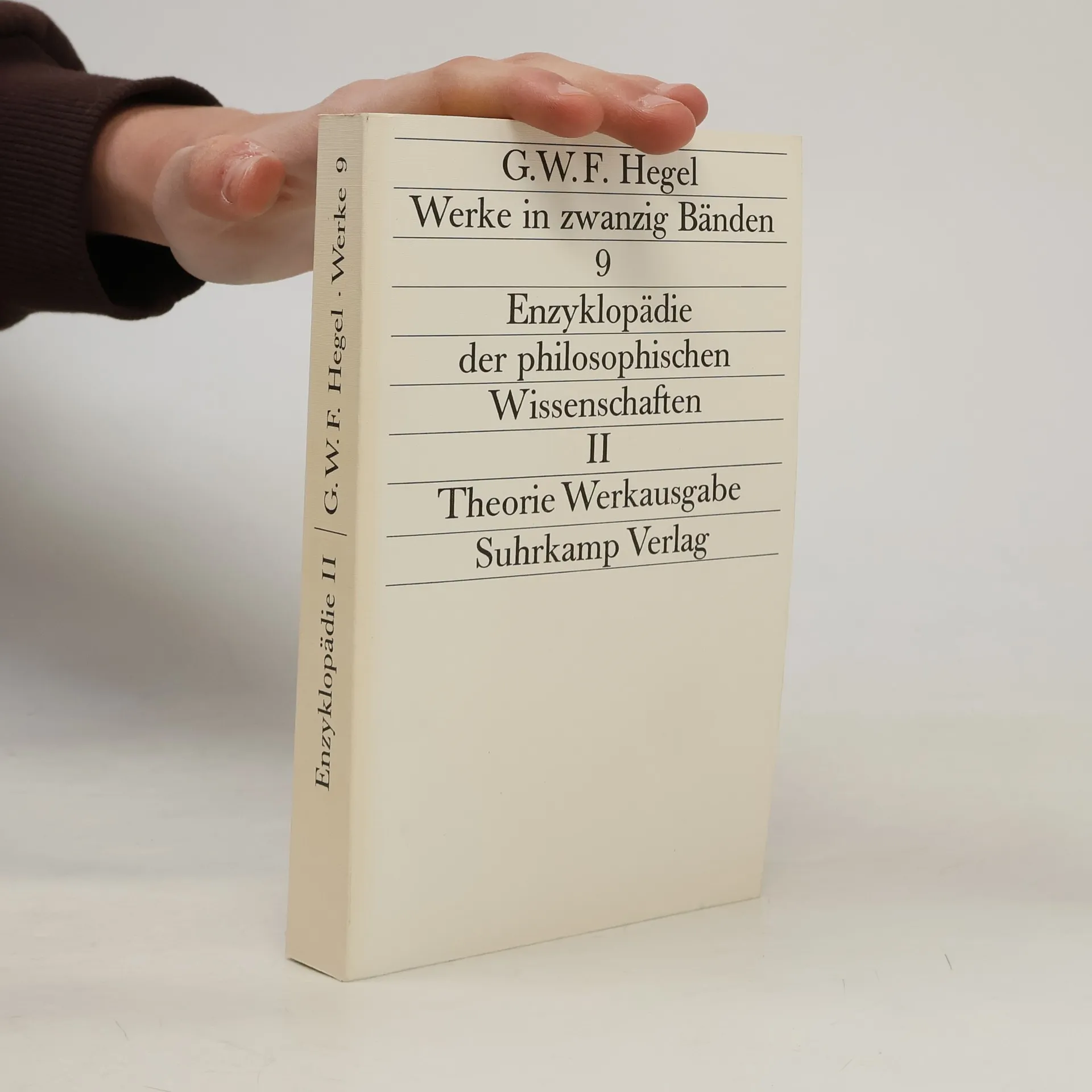
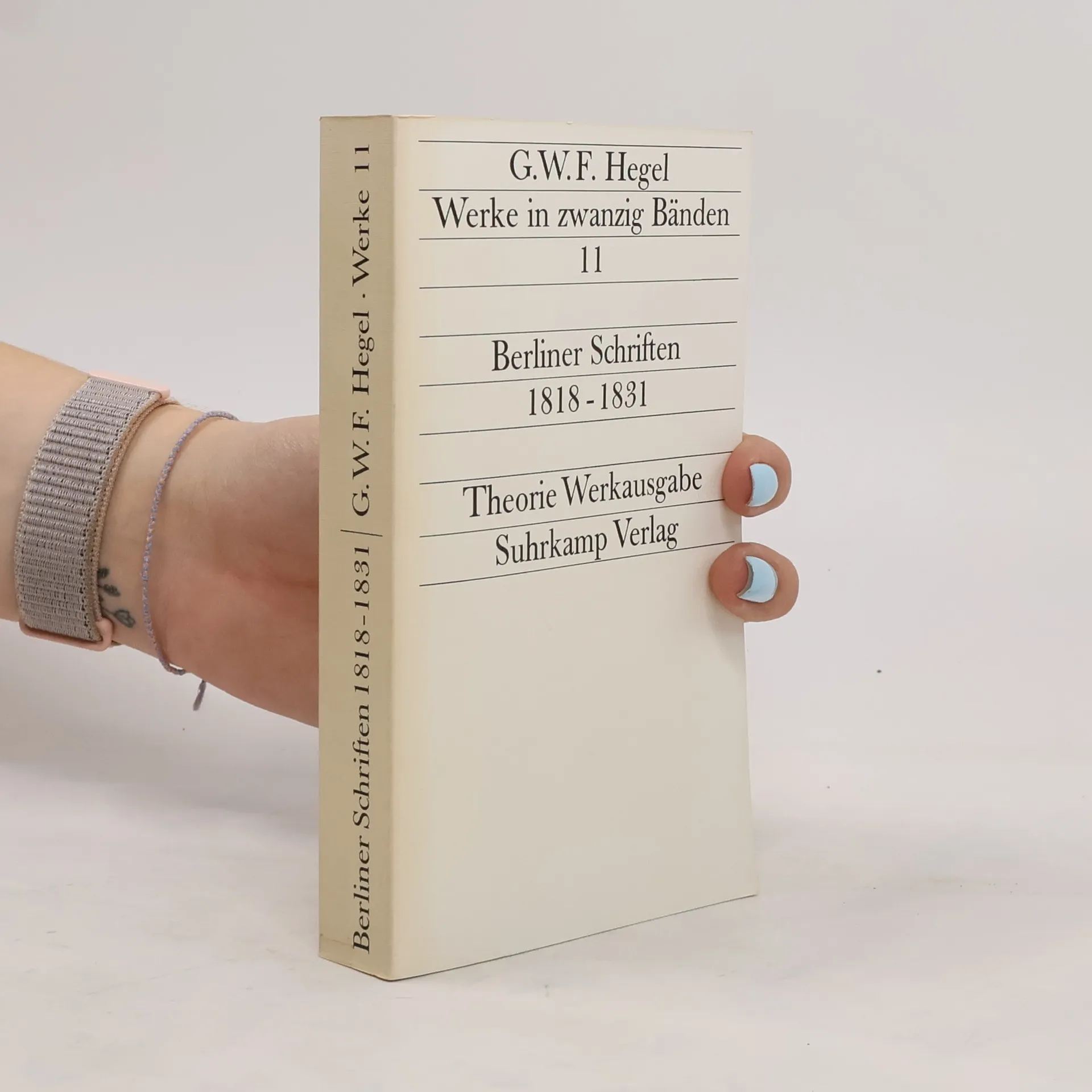
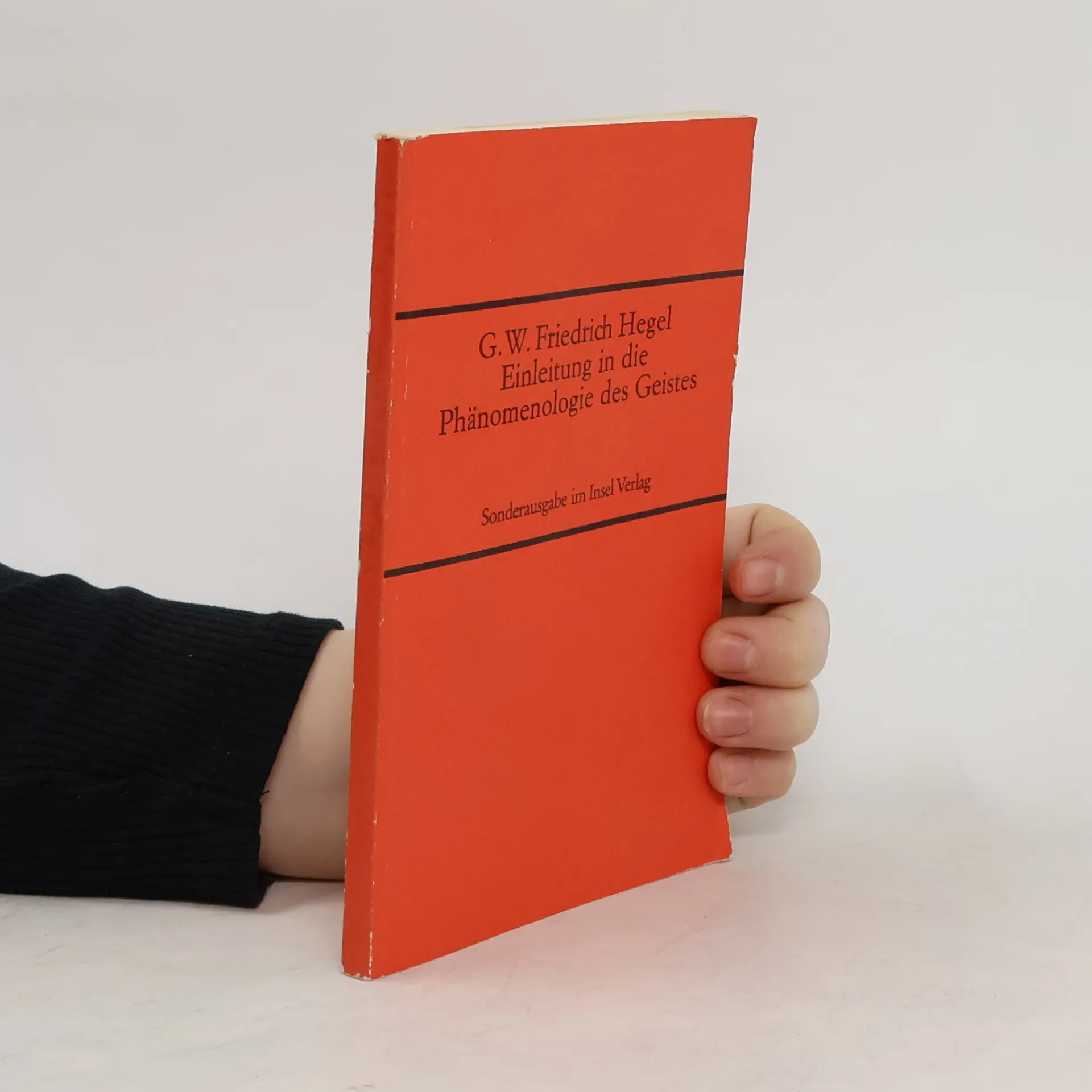
Questo filosofo tedesco è una delle figure fondatrici dell'idealismo tedesco. Influenzato dall'idealismo trascendentale di Kant e dalla politica di Rousseau, formulò un elaborato sistema di sviluppo storico di etica, governo e religione attraverso lo svolgimento dialettico dell'Assoluto. Fu uno dei filosofi storicisti più noti e il suo pensiero presagì la filosofia continentale, compreso il postmoderno.
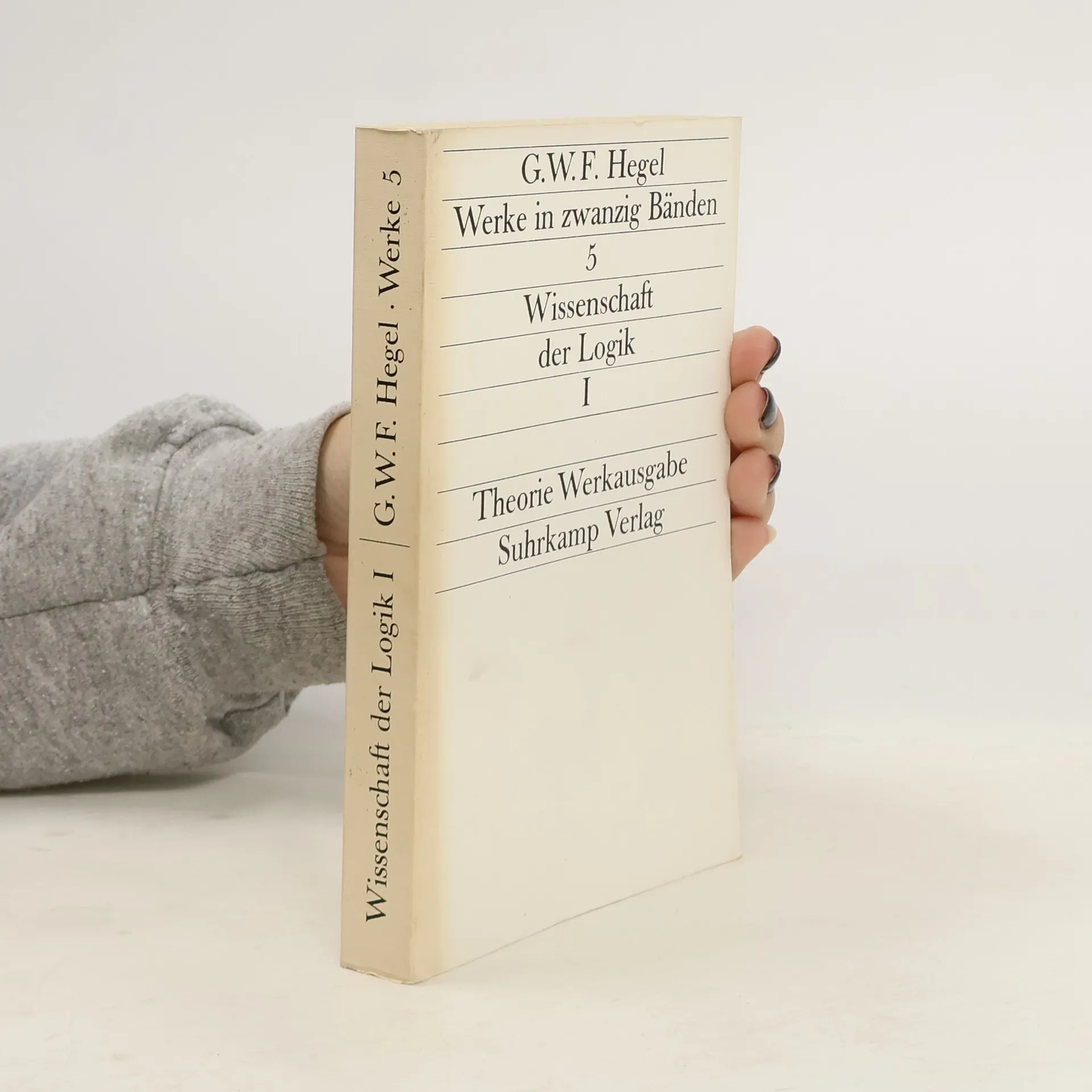
Il primo libro della "Scienza della logica" (contenente la dottrina dell'essere) uscì nella primavera del 1812, il secondo (la dottrina dell'essenza) nel maggio 1813, il terzo (la dottrina del concetto) nel 1816. Un ventennio più tardi Hegel si accingerà a rivedere il testo dell'opera per una nuova edizione; ma la morte gli impedirà di andare oltre il primo libro, uscito in seconda edizione, largamente rielaborata, nel 1831.
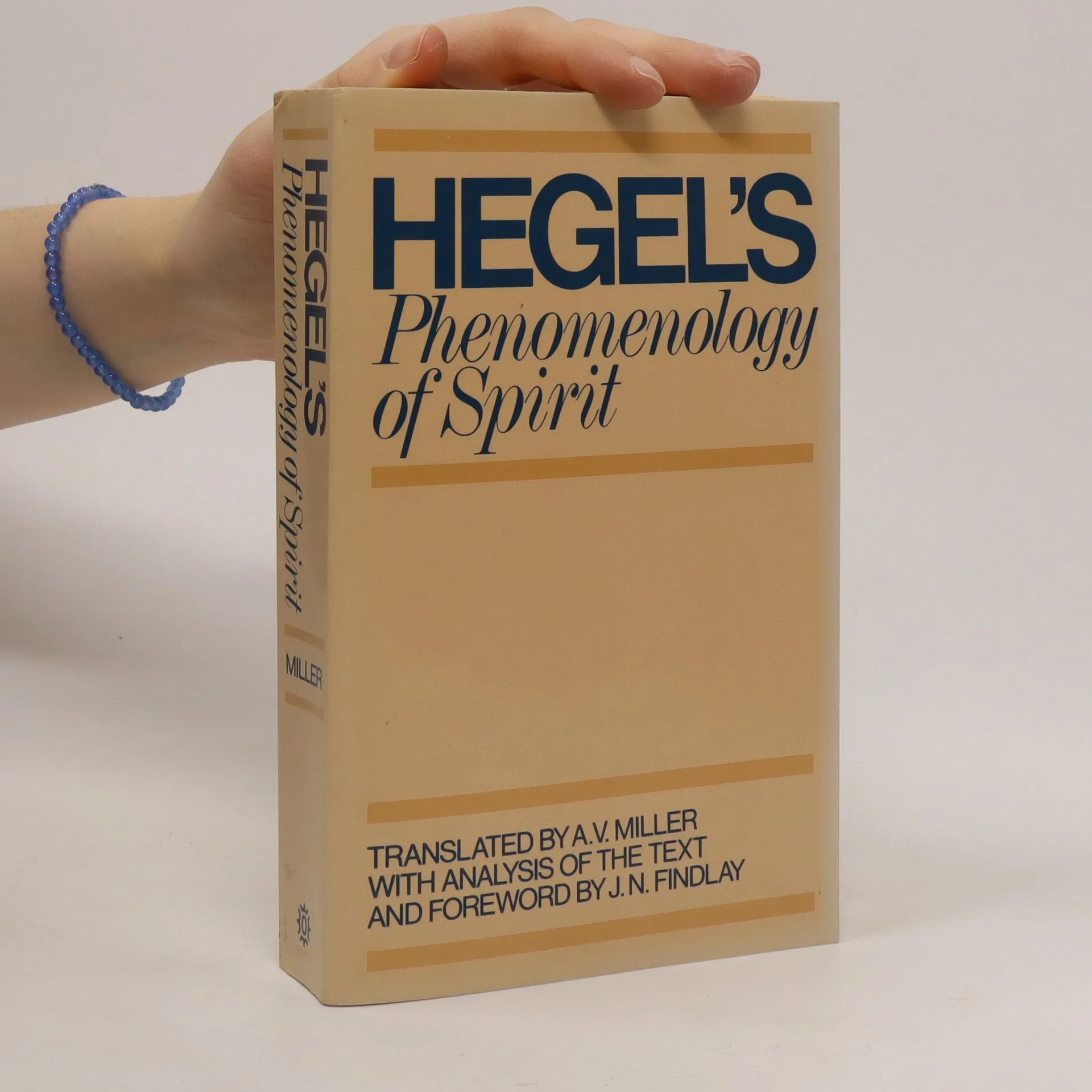
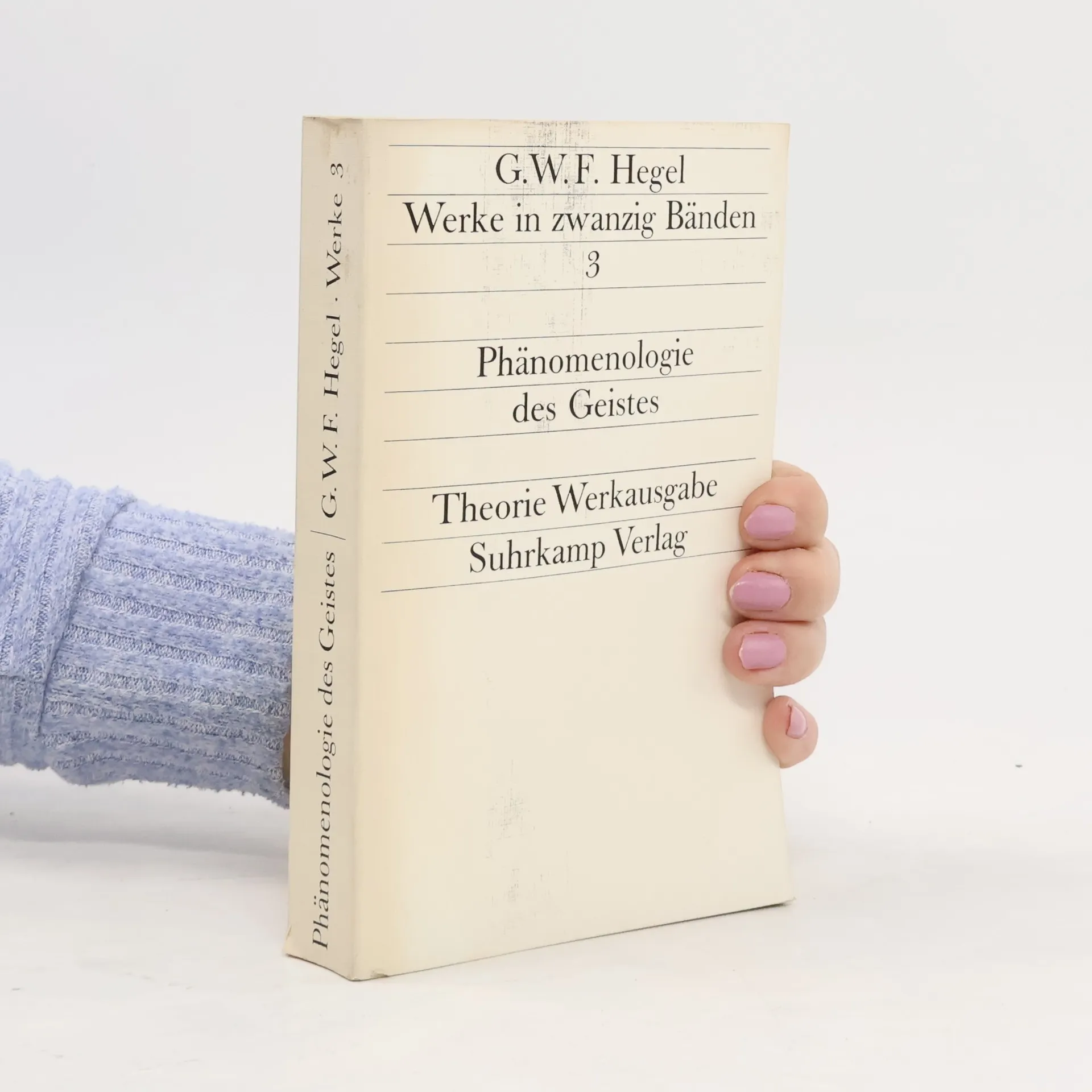
La Fenomenologia espone "il sapere nel suo divenire", cioè le varie tappe dell'autodispiegamento dialettico dello Spirito nella Storia. Essa comprende le diverse figure dello Spirito come stazioni del cammino mediante il quale lo Spirito diviene Sapere puro ovvero Spirito assoluto. In ogni suddivisione fondamentale di questa scienza vengono considerate: la coscienza, l'autocoscienza, la ragione osservativa e attiva, lo Spirito nelle sue varie forme (etico, colto, morale, religioso), per giungere allo Spirito assoluto o Sapere puro
I "Lineamenti di filosofia del diritto" - pubblicati a Berlino nell'ottobre 1820 - rappresentano la summa del pensiero etico-politico di Hegel, l'ultima opera in volume da lui pubblicata, e forse quella che ha più influito nella storia e nel pensiero politico europeo. Con il sottotitolo "Diritto naturale e scienza dello Stato in compendio", il filosofo espone sinteticamente le linee fondamentali del processo dialettico di autodeterminazione dell'Idea, che ha lo scopo di "comprendere concettualmente lo Stato e di esporlo come qualcosa di intimamente razionale".
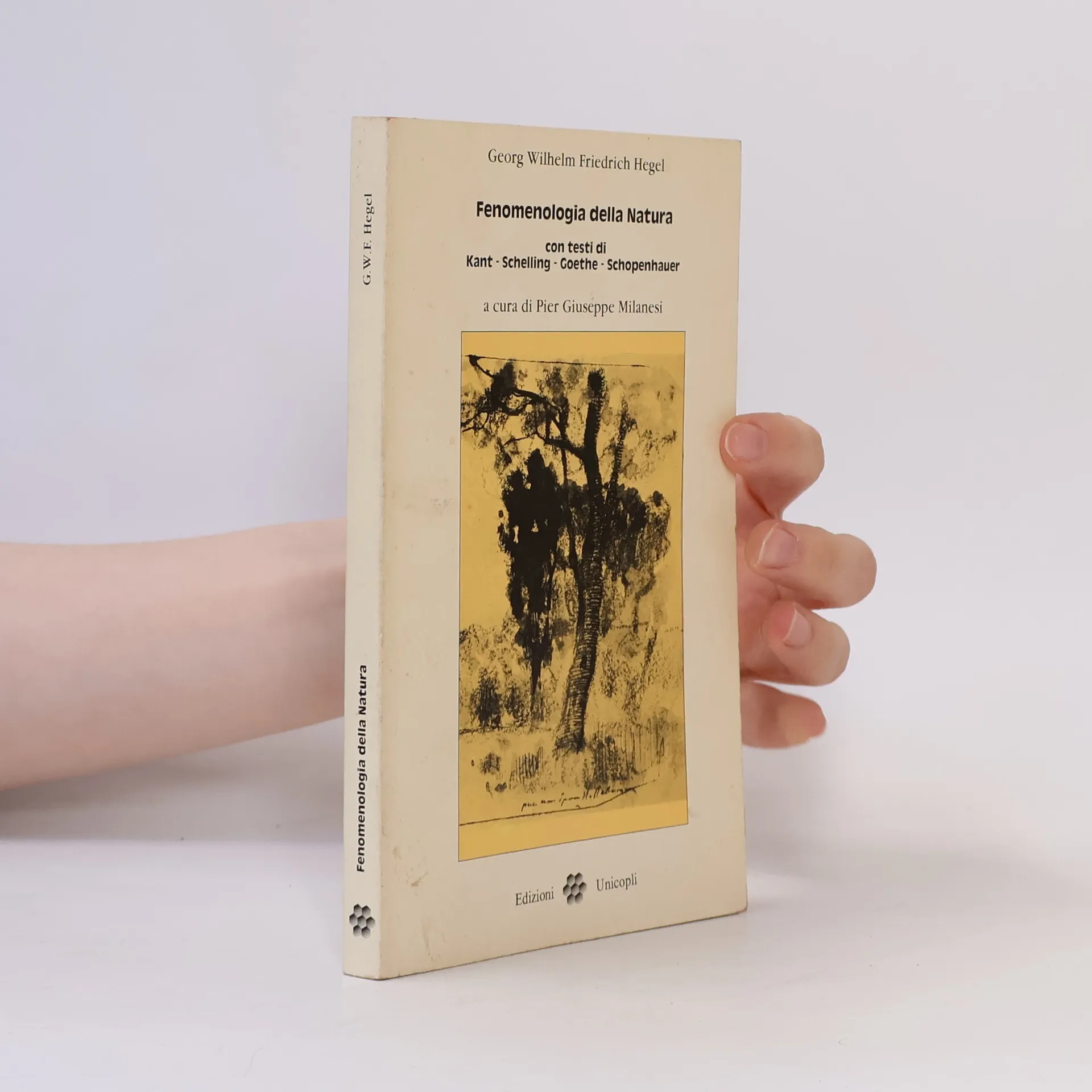
Che cos'è la natura? A questa domanda in generale vogliamo rispondere mediante la conoscenza della natura e la filosofia della natura. Noi troviamo la natura davanti a noi come un enigma e un problema, che altrettanto ci sentiamo spinti a risolvere, quanto ne veniamo respinti: attratti, poiché lo spirito vi si presagisce, respinti da qualcosa di estraneo in cui lo spirito non si ritrova. La filosofia, dice Aristotele, è cominciata dalla meraviglia. G. W. F. Hegel
Il Dominio della politica traccia, attraverso un'ampia scelta di testi che vanno dal 1794 al 1831, un ricco profilo dello hegel pensatore politico. All'attenzione verso le vicende storiche della sua epoca si accompagna in questi scritti la capacità di rapportarle constantemente a un'orizzionte di riflessione più ampio, sulla base della convinzione che la teoria, lungi dall'essere astratta speculazione intellettuale, è la vera "levatrice delle cose". Ma il rapporto di reciproco stimolo tra sistematizzazione filosofica e analisi dei fenomeni contingenti è solo uno dei motivi di interesse di questi scritti politici di Hegel: in essi si trova anche formulata una spiegazione quanto mai attuale della separazione tra la "società civile", insofferente di regole e indirizzi, e lo Stato, che deve invece farsi carico di una visione globale e armonizzarice. Un'antologia ormai classica, che viene riproposta in una nuova edizione aggiornata.
The Hegel Lectures Series, edited by Peter C. Hodgson, highlights the significant historical impact of Hegel's lectures, particularly those delivered in Berlin during the last decade of his life. Previous editions conflated materials, obscuring the development of Hegel's thought. This series is based on recently discovered transcripts and manuscripts, reconstructing lectures from specific years to clarify Hegel's arguments. Each volume features a new translation, editorial introduction, and annotations that identify Hegel's allusions and sources.
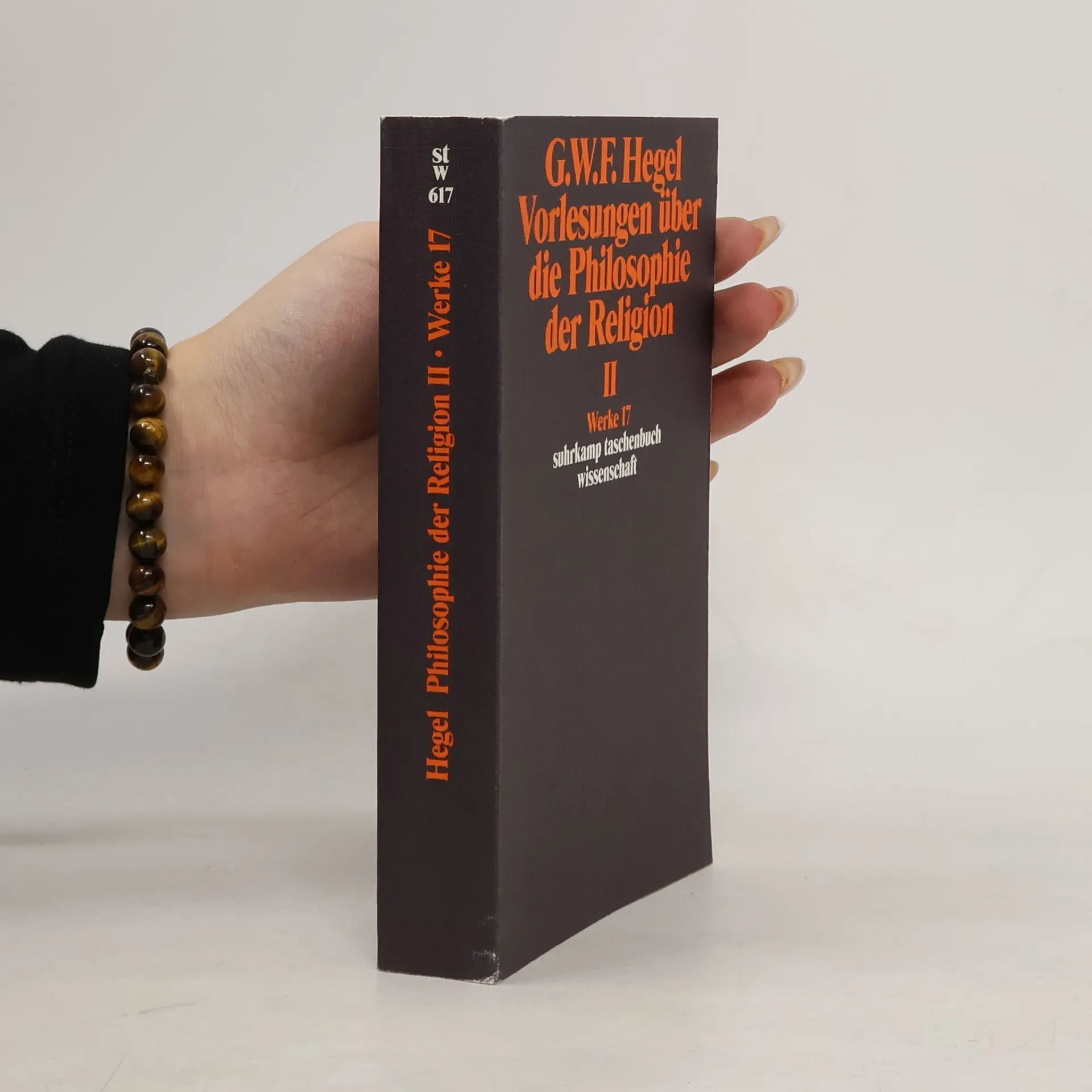
The lectures on the Philosophy of Religion are crucial to Hegel's philosophical system, with variations in conception and execution across 1821, 1824, 1827, and 1831. Earlier editions created confusion by merging these materials into a single text. The current volumes present a critical edition, separating the lectures into independent units based on a thorough re-editing of sources by Walter Jaeschke. The English translation, recognized as definitive, is produced by Robert F. Brown, Peter C. Hodgson, and J. Michael Stewart, with assistance from H. S. Harris.
The three volumes include editorial introductions, critical annotations, textual variants, tables, a bibliography, and a glossary. Hegel's 'Introduction' establishes the philosophy of religion as a new discipline, addressing philosophical, theological, cultural, and epistemological issues, while 'The Concept of Religion' offers
Georg Wilhelm Friedrich Hegel gave many lectures in logic at Berlin University between 1818 and his untimely death in 1831. Edited posthumously by Hegel's son, Karl, these lectures were published in German in 2001 and now appear in English for the first time. Because they were delivered orally, Lectures on Logic is more approachable and colloquial than much of Hegel's formal philosophy. The lectures provide important insight into Hegel's science of logic, dialectical method, and symbolic logic. Clark Butler's smooth translation helps readers understand the rationality of Hegel's often dark and difficult thought. Readers at all levels will find a mature and particularly clear presentation of Hegel's systematic philosophical vision.
G. W. F. Hegel (1770–1831), the influential German philosopher, believed that human history was advancing spiritually and morally according to God’s purpose. At the beginning of this masterwork, Hegel writes: “What the history of Philosophy shows us is a succession of noble minds, a gallery of heroes of thought, who, by the power of Reason, have penetrated into the being of things, of nature and of spirit, into the Being of God, and have won for us by their labours the highest treasure, the treasure of reasoned knowledge.” In his introduction to this Bison Book edition, Frederick C. Beiser notes the complex and controversial history of Hegel’s text. He makes a case that this English-language translation by E. S. Haldane and Frances H. Simson is still the most reliable one.
G. W. F. Hegel (1770–1831), the influential German philosopher, believed that human history was advancing spiritually and morally according to God's purpose. At the beginning of Lectures on the History of Philosophy, Hegel writes: "What the history of Philosophy shows us is a succession of noble minds, a gallery of heroes of thought, who, by the power of Reason, have penetrated into the being of things, of nature and of spirit, into the Being of God, and have won for us by their labours the highest treasure, the treasure of reasoned knowledge." Volume 2 of Lectures on the History of Philosophy, titled Plato and the Platonists for this Bison Books edition, introduces the most renowned disciple of Socrates and the theory of Platonic forms before moving to Plato's disciple, Aristotle, whose advance to scientific thinking is carefully detailed. The subsequent increasing systematization and sophistication of philosophy leads to a discussion of the Stoics, Epicureans, and Sceptics. The first period in the history of philosophy comes to maturity with Plotinus in the third century B.C.
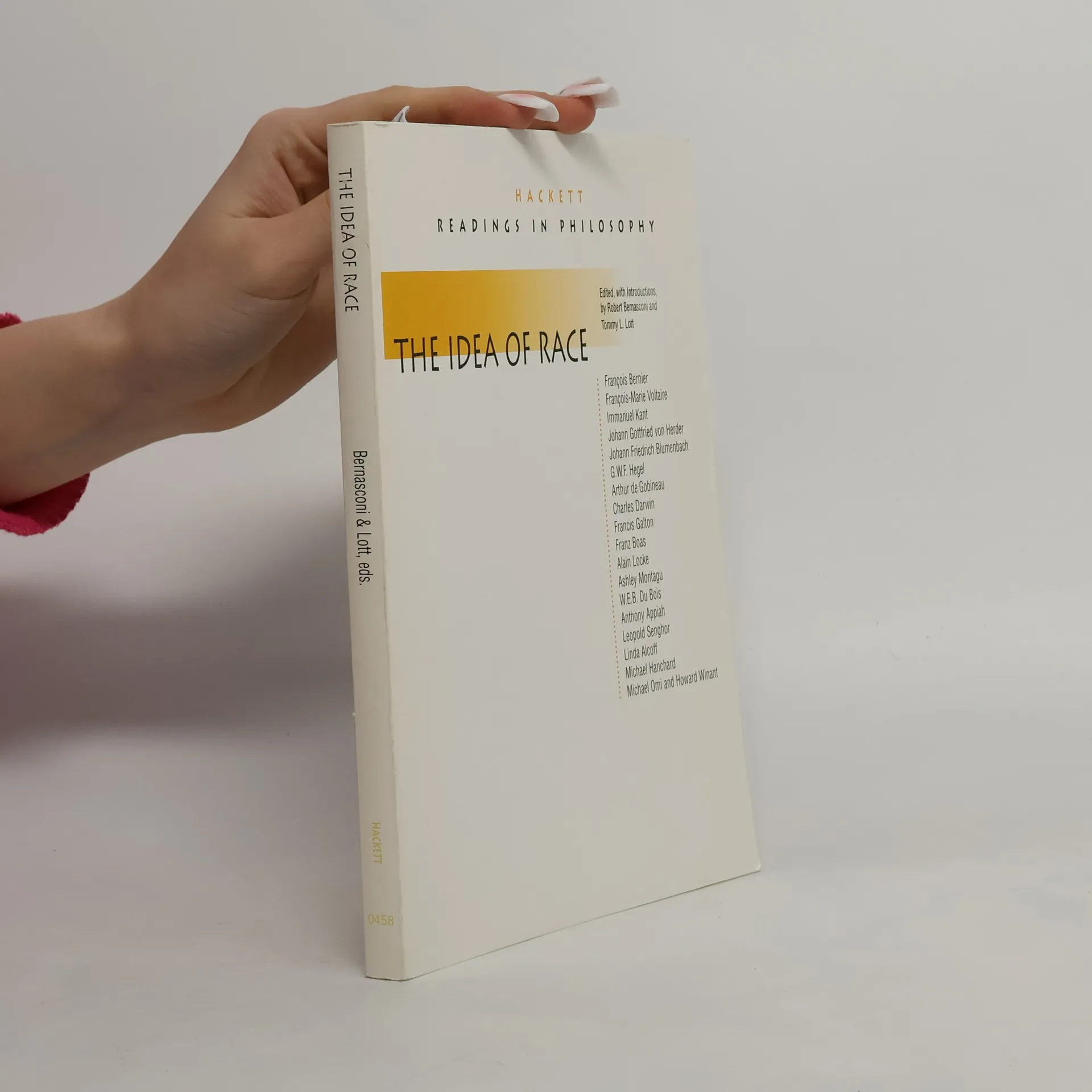
A survey of the historical development of the idea of race, this anthology offers pre-twentieth century theories about the concept of race, classic twentieth century sources reiterating and contesting ideas of race as scientific, and several philosophically relevant essays that discuss the issues presented. A general Introduction gives an overview of the readings. Headnotes introduce each selection. Includes suggested further readings.
Exploring Hegel's major works, this book delves into key philosophical concepts such as dialectic, metaphysics, and the nature of experience. It examines the pursuit of philosophic truth and the development of the idea of Absolute Spirit, showcasing Hegel's influence on modern thought. Through a comprehensive analysis, readers gain insights into how these themes interconnect and shape Hegel's philosophy, offering a deeper understanding of his contributions to the field.
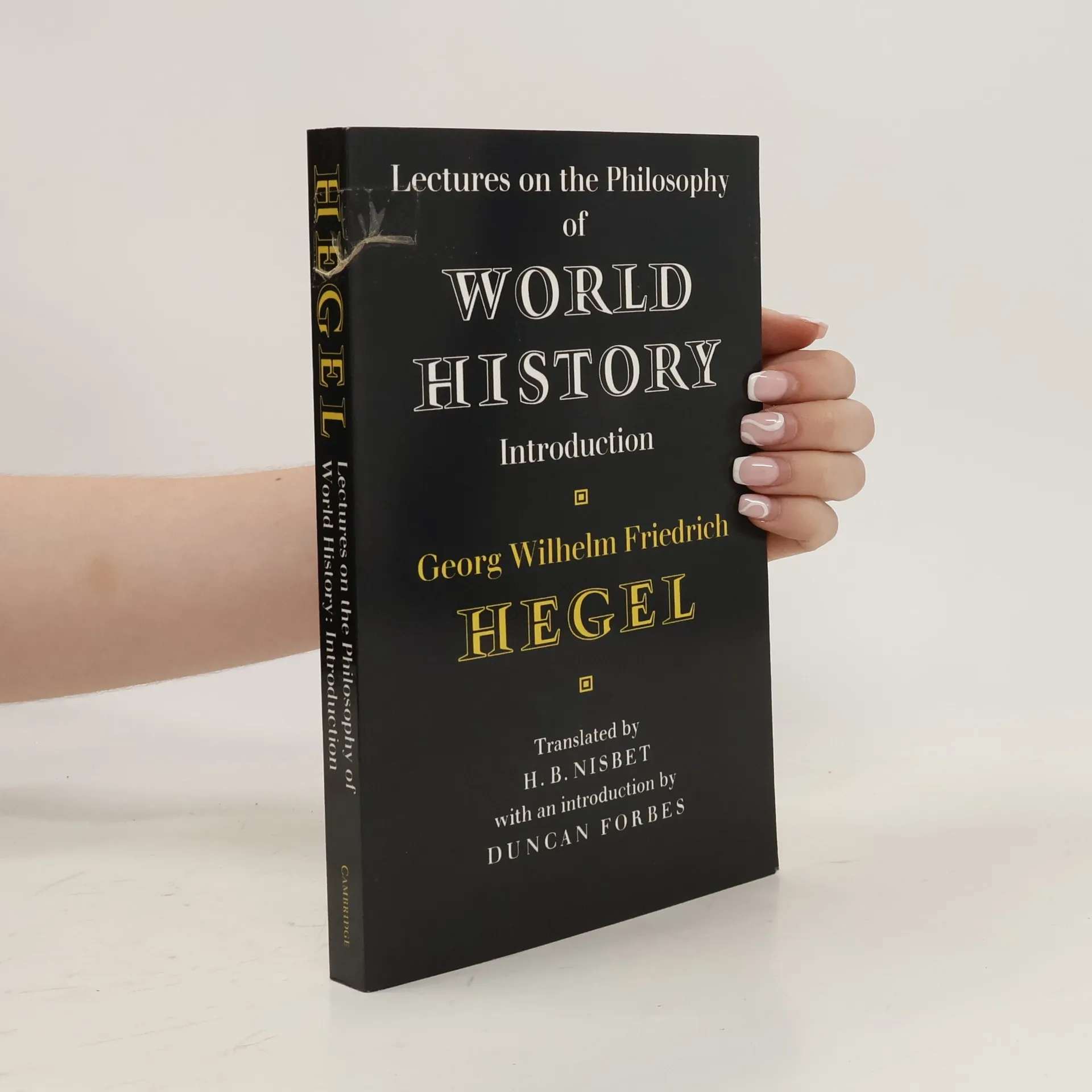
Hegel wrote this classic as an introduction to a series of lectures on the "philosophy of history" — a novel concept in the early nineteenth century. With this work, he created the history of philosophy as a scientific study. He reveals philosophical theory as neither an accident nor an artificial construct, but as an exemplar of its age, fashioned by its antecedents and contemporary circumstances, and serving as a model for the future. The author himself appears to have regarded this book as a popular introduction to his philosophy as a whole, and it remains the most readable and accessible of all his philosophical writings. Eschewing the methods of original history (written during the period in question) and reflective history (written after the period has passed), Hegel embraces philosophic history, which employs a priori philosophical thought to interpret history as a rational process. Reason rules history, he asserts, through its infinite freedom (being self-sufficient, it depends on nothing beyond its own laws and conclusions) and power (through which it forms its own laws). Hegel argues that all of history is caused and guided by a rational process, and God's seemingly unknowable plan is rendered intelligible through philosophy. The notion that reason rules the world, he concludes, is both necessary to the practice of philosophic history and a conclusion drawn from that practice.
In Three Volumes - Vol. III. Trans. From The German By E. S. Haldane, Frances H. Simson
336pagine
12 ore di lettura
The third volume of Hegel's Lectures on the History of Philosophy delves into the development of philosophical thought through various historical contexts. It explores key figures and movements, providing insights into Hegel's interpretation of their contributions. The translation by E. S. Haldane and Frances H. Simson aims to make Hegel's complex ideas accessible, emphasizing the evolution of concepts and the interplay between philosophy and history. This volume continues the comprehensive examination of philosophical traditions, enriching the reader's understanding of Hegel's legacy.
In Three Volumes - Vol. I. Trans. From The German By E. S. Haldane, Frances H. Simson
308pagine
11 ore di lettura
Exploring the evolution of philosophical thought, this volume presents Hegel's comprehensive lectures that trace the development of philosophy from ancient to modern times. The text delves into key figures and movements, offering insights into Hegel's interpretations and critiques. Translated by E. S. Haldane and Frances H. Simson, it aims to make Hegel's complex ideas accessible to English-speaking audiences, enriching the reader's understanding of philosophical history and its impact on contemporary thought.
The book presents a translation of the final part of Hegel's philosophy, focusing on the Philosophy of Mind, structured into three sections: Subjective Mind, Objective Mind, and Absolute Mind. It serves as a standalone work but also complements the author's previous translation of Hegel's Logic. The translation is directly from Hegel's original German text, with careful omissions of editorial notes. While the content is complex, it aims to illuminate Hegel's thoughts, particularly in sections where he engages deeply with life and speculation.
Complete Edition Of Three Volumes Trans. From The German By E. S. Haldane, Frances H. Simson
890pagine
32 ore di lettura
The work presents Hegel's comprehensive exploration of philosophical thought throughout history, spanning three volumes. It delves into the evolution of ideas and the contributions of major philosophers, illustrating Hegel's dialectical method and his views on the progression of human consciousness. Translated by E. S. Haldane and Frances H. Simson, this complete edition offers insights into Hegel's influence on modern philosophy and provides a critical framework for understanding the development of philosophical concepts over time.
Exploring the nature of knowledge and its connection to absolute truth, this philosophical work delves into how the spirit manifests as reality. Hegel argues that knowledge is intertwined with absolute reality, asserting that reality is fundamentally mental and spiritual. Originally published in 1807, this two-volume edition presents a profound intellectual journey that examines the essence of understanding and existence, making it a significant contribution to philosophy.
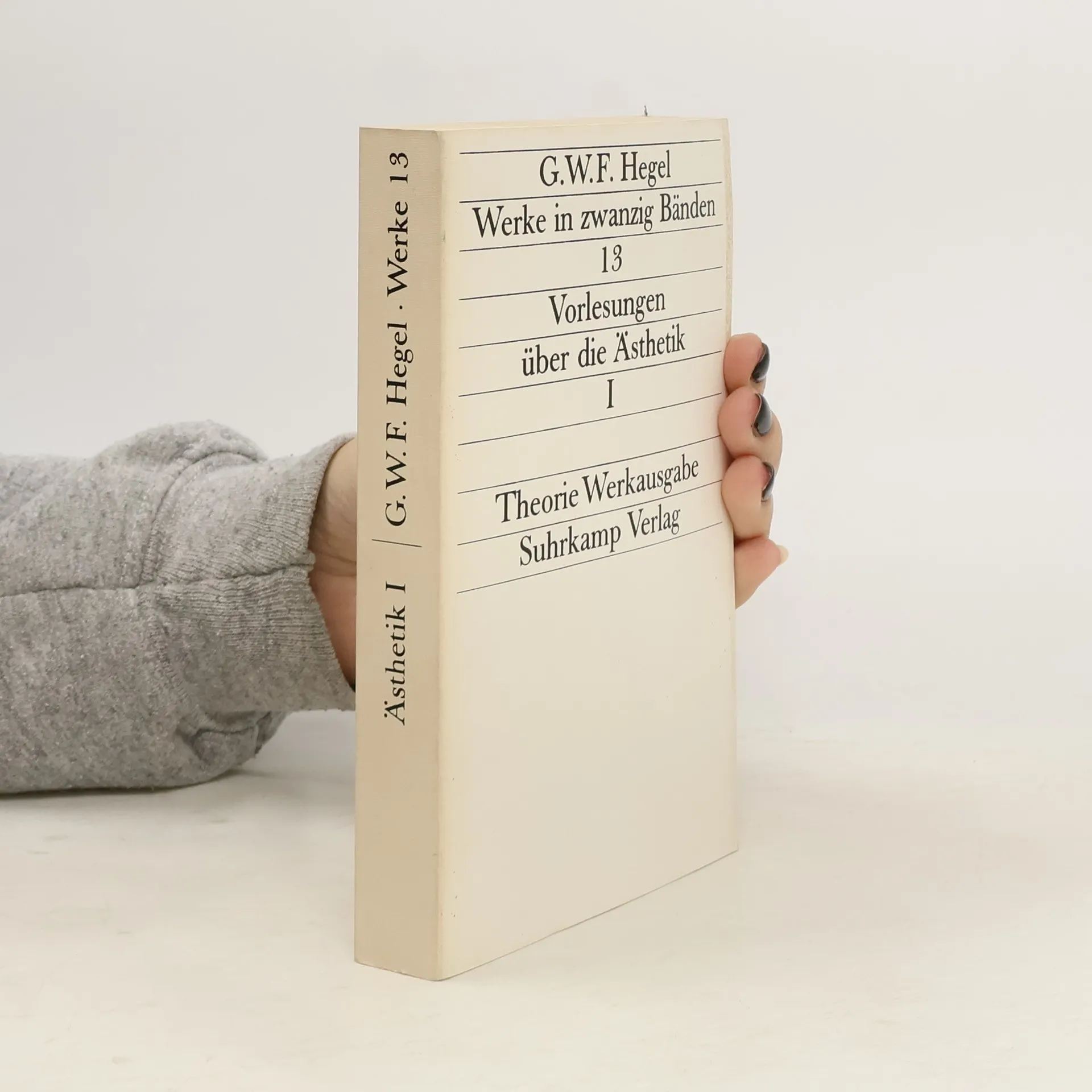
In der Reihe jena-sophia wird ein bedeutendes Dokument veröffentlicht, das Hermann von Kehlers Mitschrift zu Hegels Ästhetikvorlesung aus dem Sommersemester 1826 umfasst. Hegel behandelt in dieser Vorlesung die Kunst seiner Zeit und präsentiert ein breites Spektrum künstlerischer Gestaltungsmöglichkeiten, das vom Schönen über das Charakteristische bis zum Häßlichen reicht. Unter der zentralen Frage nach der Relevanz der Kunst für die moderne, durch Vernunft geprägte Welt bestätigt Hegel seine „These vom Ende der Kunst“. Kunst ist nicht die Quelle der modernen Kultur, sondern ein Faktor unter vielen; dennoch bleibt sie ein unverzichtbares Element der humanen Kultur. Ihre Zukunft liegt in der Vielfalt der Gestaltung und ihrer gesellschaftlichen Bedeutung. Die Pflege der Künste gehört zu den Aufgaben des Staates, da sie dem modernen Menschen ein geschichtliches Bewusstsein vermitteln, sowohl aus der eigenen Kultur als auch durch die Integration fremder Kulturen. In der Enzyklopädie von 1827 hat Hegel die Ergebnisse dieser Vorlesung systematisch in seine Philosophie der Kunst integriert. Diese Edition präsentiert den Text der Vorlesung mit Ergänzungen und Anmerkungen sowie einer kurzen Einleitung, die auf eine in Vorbereitung befindliche Einführung in Hegels Ästhetik verweist.
Georg Wilhelm Friedrich Hegel (* 27. August 1770 in Stuttgart; † 14. November 1831 in Berlin) war ein deutscher Philosoph, der als wichtigster Vertreter des Deutschen Idealismus gilt. Hegels Philosophie erhebt den Anspruch, die gesamte Wirklichkeit in der Vielfalt ihrer Erscheinungsformen einschließlich ihrer geschichtlichen Entwicklung zusammenhängend, systematisch und definitiv zu deuten. Sein philosophisches Werk zählt zu den wirkmächtigsten der neueren Philosophiegeschichte. Hegels Werk gliedert sich in „Logik“, „Naturphilosophie“ und „Philosophie des Geistes“, die unter anderem auch eine Geschichtsphilosophie umfaßt. 801 Seiten
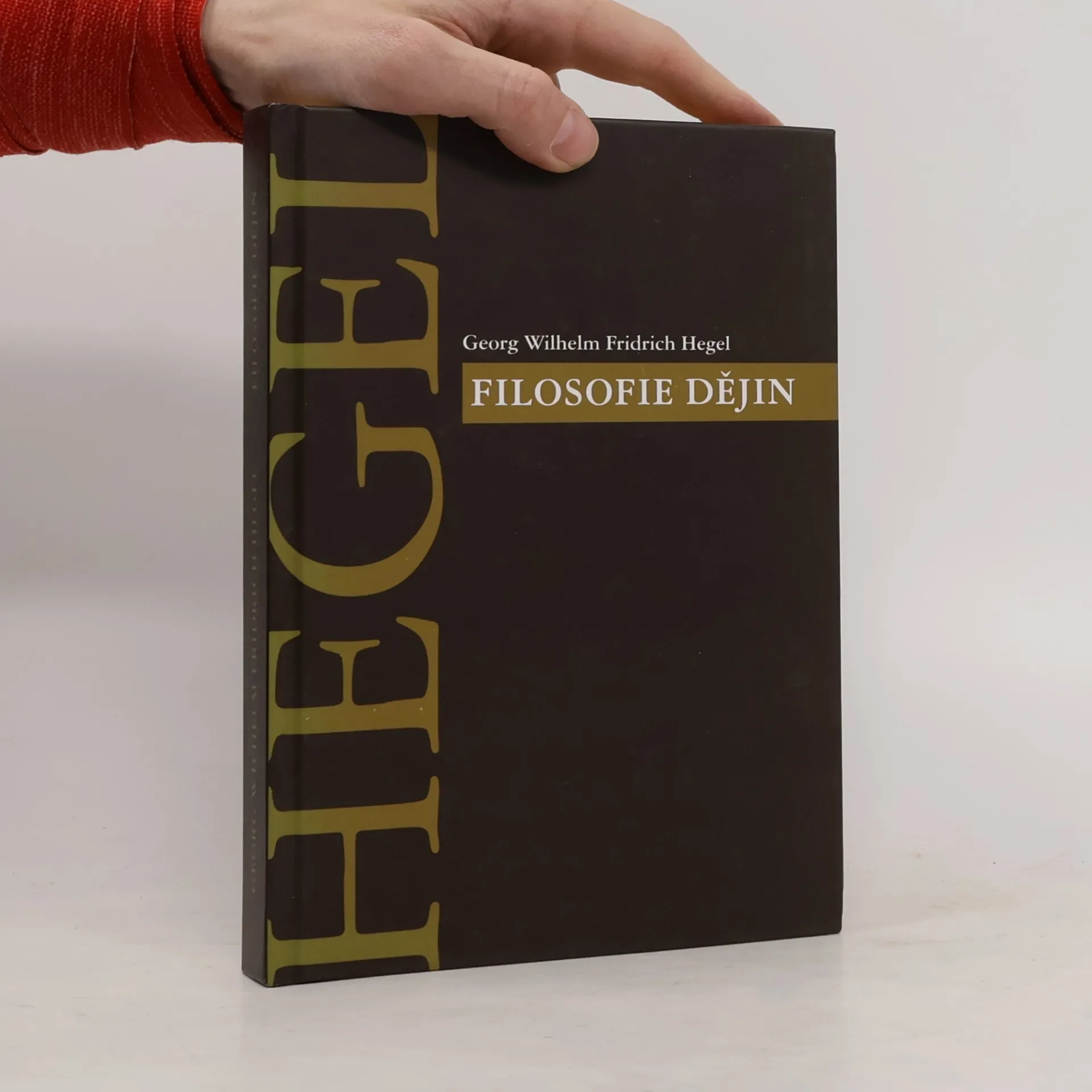
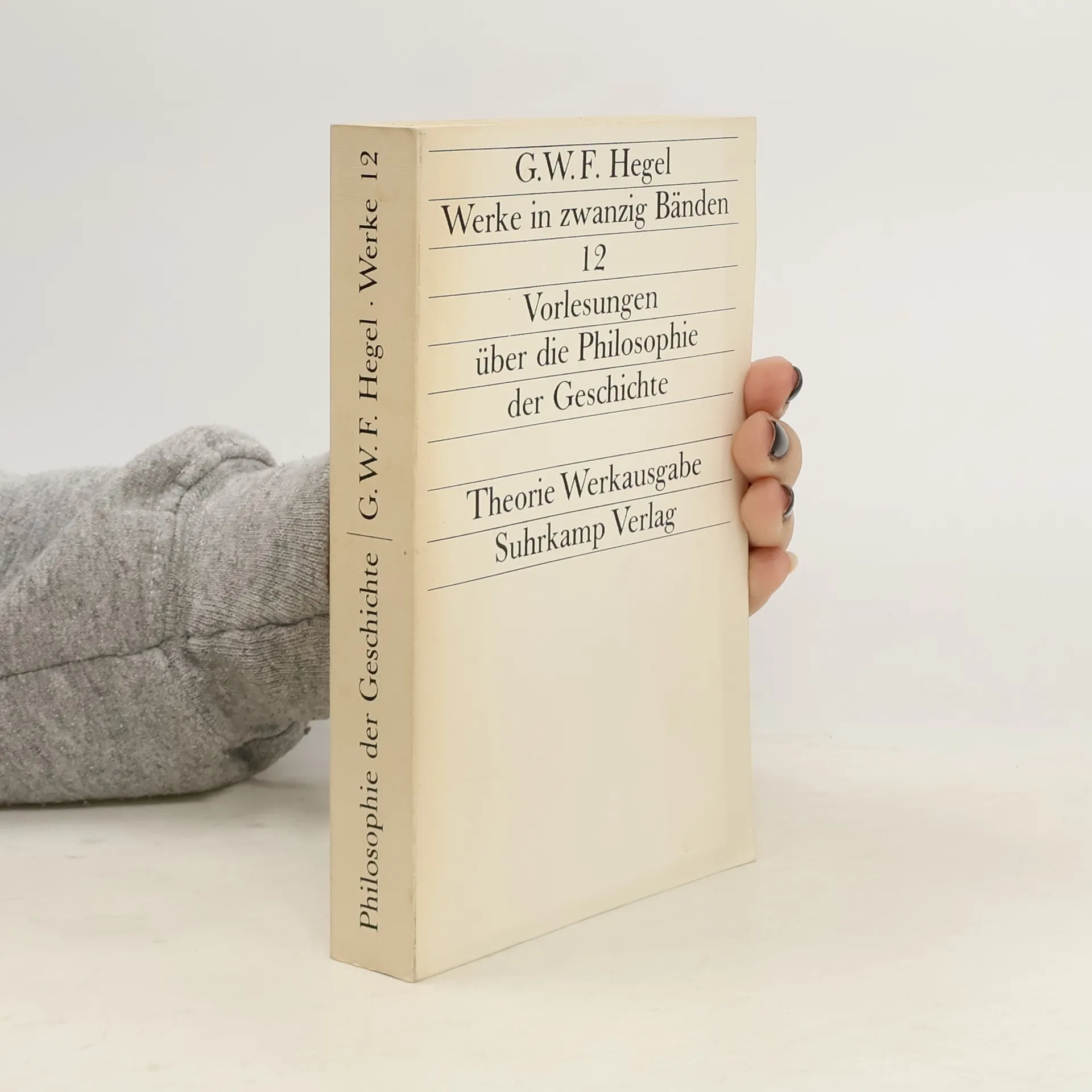
Kniha je jedním z posledních děl tohoto autora, která se ještě nedočkala českého překladu. Hegel v něm popisuje běh dějin v intencích pokroku od svobody vládce v Orientu, přes svobodu občana starořecké polis, až ke svobodě všech lidí po nástupu křesťanství a reformace, vrcholem je tu německý stát. Svoboda je tu chápaná jako sebevědomí světového ducha. Hegelova Filosofie dějin je dodnes knihou vzbuzující vášnivé polemiky.
Die mit einem Vorwort des Herausgebers versehene Heimann-Mitschrift von Hegels letzter Vorlesungsreihe über die Philosophie der Weltgeschichte (1830/31) wurde von Eduard Gans für seine Erstedition der Hegelschen Vorlesungen (1837) genutzt und ermöglicht somit den wichtigen Vergleich mit Gans' Kompilation, die bisherigen Deutungen zugrunde liegt. Der in Budapest gefundene Text vermag einen neuen >unzeitgemäßenFassung der Zeit in Gedanken
Zum Kern der Hegelschen Philosophie vordringen Die Grunderfahrung, das Heilmittel, die Behandlung in diese drei Bereiche ordnet Günter Schulte seine Textauswahl, und diese Aufteilung ist Programm: Bringen wir Verständnis auf für die Hegelschen Grunderfahrungen wie drohender Tod, Zerrissenheit, Verrücktheit, Liebe und Verurteilung, dann kann es uns auch gelingen, sein Heilmittel, nämlich die Heilserfahrung in der dialektischen Vernunft, zu verstehen und damit den Kern der Hegelschen Philosophie. Erklärtes Ziel des Herausgebers ist ein besseres Verständnis dieses grandiosen philosophischen Werkes: weniger Frust und mehr Vergnügen beim Lesen.
Der Verlag Megali hat sich auf die Reproduktion historischer Werke in Großdruck spezialisiert, um Menschen mit eingeschränkter Sehfähigkeit das Lesen zu erleichtern. Diese Ausgabe bietet eine zugängliche Möglichkeit, bedeutende Texte zu entdecken und zu genießen, wobei der Fokus auf der Erhaltung der Originalität und der Lesbarkeit liegt.
"Issu du cours d'esthétique professé par Hegel durant ses années berlinoises (1818-1829), cet ouvrage s'est imposé comme une référence sans équivalent pour qui veut comprendre ce qu'il en est du processus, mais aussi de l'histoire de la création et de l'art en général. Il montre que l'unité qui se réalise dans l'art est aussi dans la réalité objective et que l'esthétique est liée à l'histoire
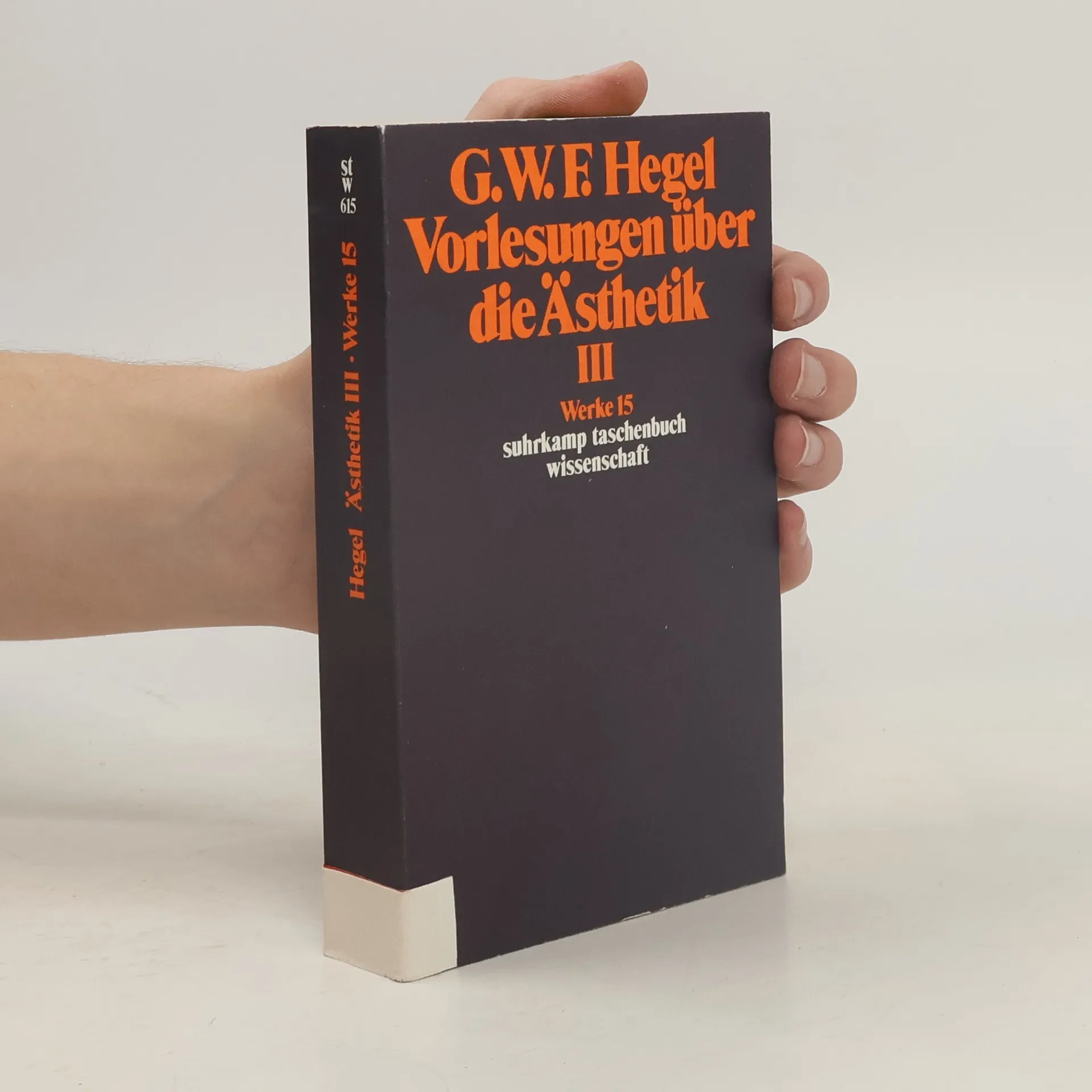
Georg Wilhelm Friedrich Hegels Ästhetikvorlesungen wurden nach seinem Tod Ende der 1830er Jahre veröffentlicht. In der Einleitung dieser Vorlesungen stellt Hegel dar, dass die Kunst neben Religion und Philosophie eine zentrale Rolle in der Entwicklung und Formung der menschlichen Kultur gespielt hat. Um den hohen, aber zugleich begrenzten Wert der Kunst zu verstehen, benötigt der Mensch Wissen und Verständnis darüber, was Kunst wirklich ist. Hegels Kunstphilosophie ist eine der einflussreichsten Antworten in der Geschichte der Ästhetik auf diese Frage. Das Werk enthält auch Einführungen in Hegels Denken und Ästhetik sowie Erklärungen und ein Verzeichnis.
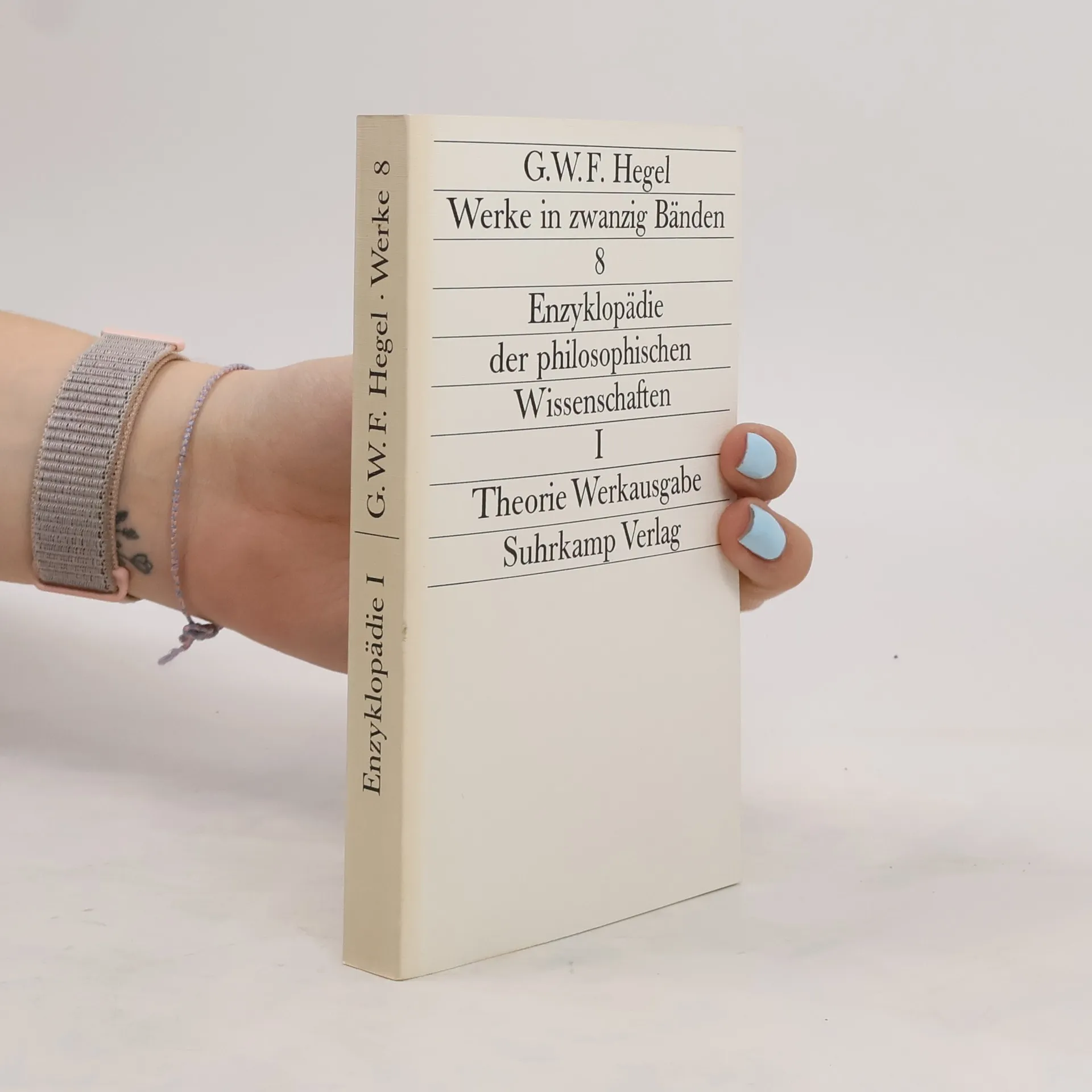
"Наука логики" Гегеля является основанием выстроенной им философской системы. Это фундаментальный труд, написанный для философов-профессионалов, в истории философии получил название "Большой логики". "Малая логика", или первая часть "Энциклопедии философских наук", гораздо доступнее для обычного читателя, изложена более популярно и снабжена большим количеством наглядных примеров. Именно она и предлагается вашему вниманию.
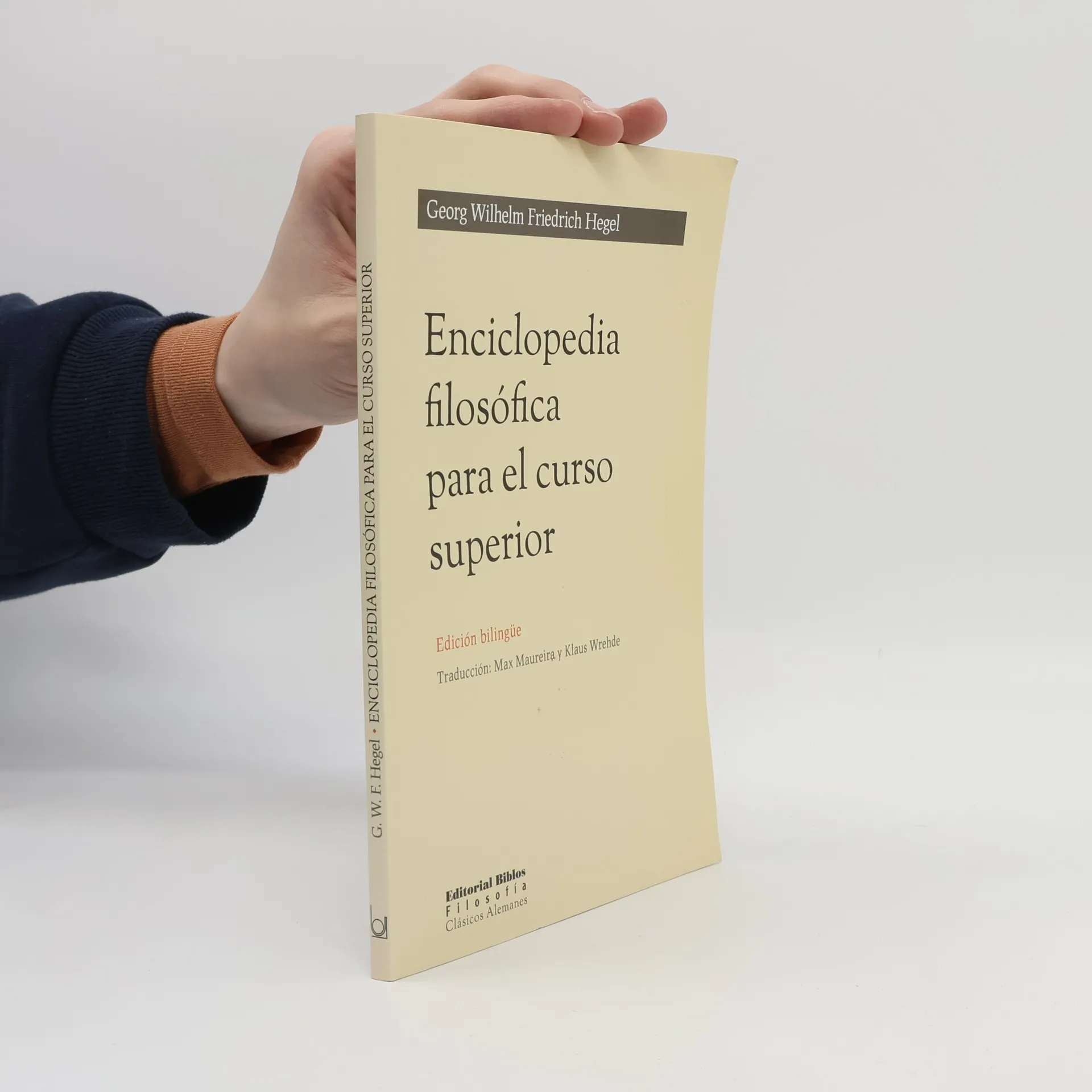
Trad., Max Maureira y Klaus Wrehde. Edición bilingüe. Destinada por Hegel a la enseñanza de la filosofía a jóvenes, esta Enciclopedia filosófica para el curso superior excede los propósitos propedéuticos de su autor. En unas líneas cruciales para su filosofía en general, Hegel afirma aquí que el lenguaje es el poder supremo
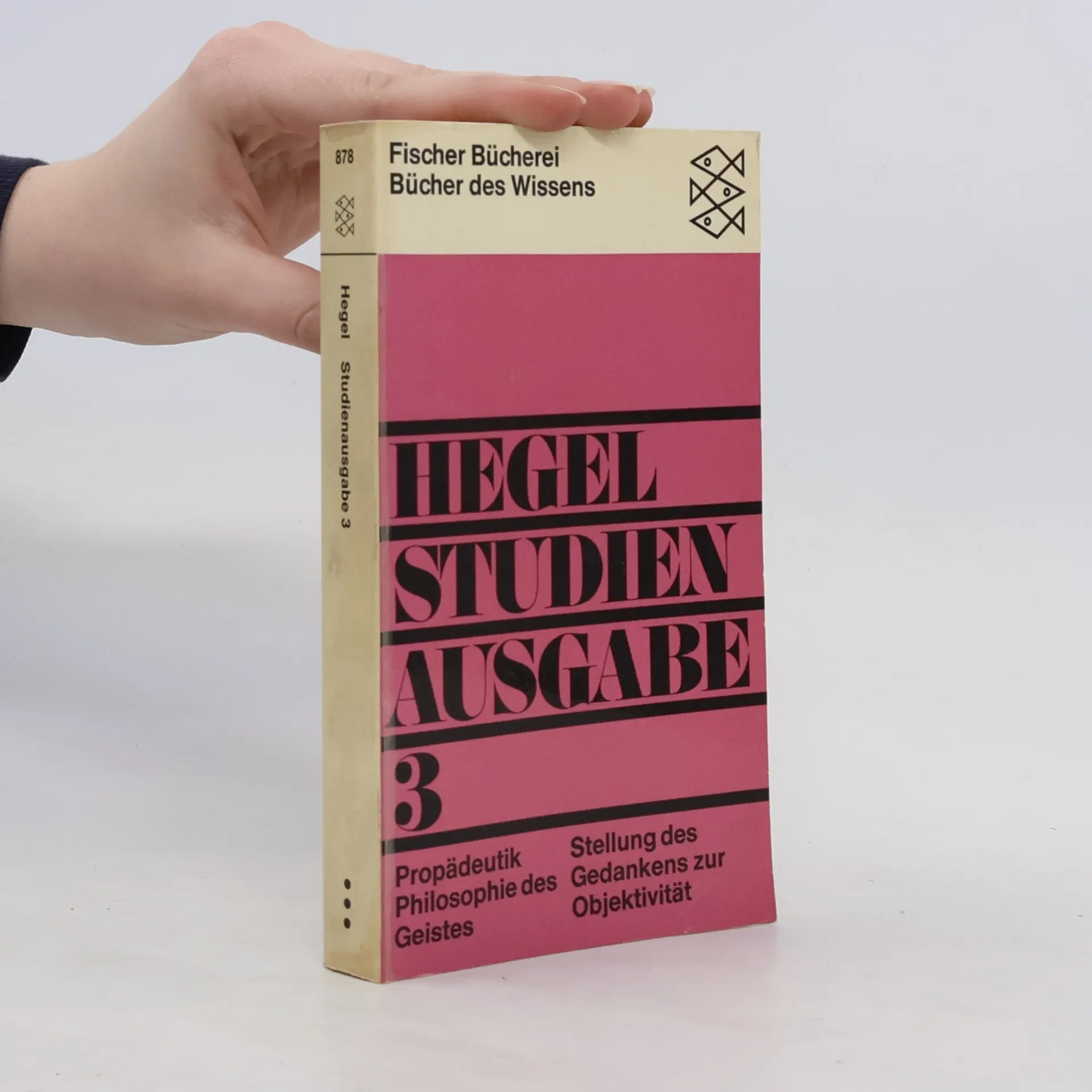
Hegels Vorlesungen über die Geschichte der Philosophie sind von besonderer Bedeutung, da er sich neben Logik und Metaphysik keinem anderen Thema so intensiv gewidmet hat. Diese Vorlesungen begründeten die Disziplin der Philosophiehistorie im Rahmen der philosophischen Wissenschaften. Hegel hielt diese Vorlesungen mehrfach: in Jena (1805/06), Heidelberg (1816/17, 1817/18) und Berlin (1819, 1820/21 und dann im zweijährigen Turnus bis 1830). Im Winter 1831/32 konnte er jedoch nur den Beginn der Einleitung präsentieren. Während von den Jenaer und Heidelberger Vorlesungen keine Nachschriften erhalten sind, sind die Berliner durch unterschiedliche Nachschriften dokumentiert. Der Band 30,3 dokumentiert die Vorlesungen des Wintersemesters 1825/26, die durch sechs Nachschriften unterschiedlicher Qualität besonders gut belegt sind. Die Hauptnachschrift stammt von Karl Gustav Julius von Griesheim, während weitere Varianten von Heinrich Wilhelm Dove, Johann Conrad Carl Löwe, Moritz Eduard Pinder, Friedrich Stieve und einer anonymen Nachschrift, die Antoni Zygmunt Helcel gewidmet ist, stammen. Vorangegangene Bände enthalten Nachschriften der Vorlesungen von 1819, 1820/21 und 1823/24. Zukünftige Bände werden die Nachschriften der Jahre 1827/28, 1829/30 sowie den Beginn der Vorlesungen von 1831/32 und einen Anhang umfassen.
Mit dem im vierten Teilband vorgelegten »Anhang« (GW 28,4) ist die historisch-kritische Edition der Nachschriften zu Hegels Berliner Vorlesungen über die Philosophie der Kunst abgeschlossen. Er enthält zunächst den »Editorischen Bericht« mit einer Darstellung der Entwicklungsgeschichte von Hegels Kunstphilosophie, einer Quellenbeschreibung sowie einer Charakteristik der früheren Nachschrifteditionen. Die »Anmerkungen« weisen die in den Vorlesungsnachschriften (GW 28,1–3) hergestellten sachlichen Bezüge aus. Es folgen zwei Verzeichnisse: Ein »Literaturverzeichnis« führt die im »Editorischen Bericht« und in den »Anmerkungen« herangezogene Literatur an. In einem zweiteiligen »Personenverzeichnis« sind zum einen die in den vier Teilbänden erwähnten historischen Personen, zum anderen die dort genannten Personen und Gestalten in Kunstwerken, Religion und Mythologie aufgelistet.
Die "Grundlinien der Philosophie des Rechts" von Georg Wilhelm Friedrich Hegel bietet eine tiefgehende Analyse der Beziehung zwischen Naturrecht und Staatswissenschaft. Hegel untersucht die Entwicklung des Rechts und der Moral im Kontext der menschlichen Freiheit und der gesellschaftlichen Ordnung. Er thematisiert die Rolle des Staates als Ausdruck des objektiven Geistes und beleuchtet die Dialektik zwischen Individuum und Gemeinschaft. Diese Werke sind entscheidend für das Verständnis der modernen politischen Philosophie und der Entwicklung des Rechtsdenkens.
In dem auf der Königl. Bibliothek zu Berlin befindlichen Hegelschen Nachlass nehmen alle theologischen Fragmente aus Hegels Jugendzeit drei Bände ein. (Bd. 7, Das Leben Jesu, Harmonie der Evangelien nach eigener Übersetzung, 1794 — 95. Bd. 8, Verhältnis der Vernunftreligion zur positiven Religion, 1795 — 9, Bd. II, Theologica, 1793 — 96. Über den Begriff der Religion, 1800). Der vorliegende Band ist ein Abdruck des 7. Bandes des Nachlasses. Ferner sind aus Bd. 11 alle Bruchstücke hinzugekommen, die unzweifelhaft zum Thema des Lebens Jesu gehören, womit alle auf die Person Jesu bezüglichen Fragmente, ausgenommen die in Bd. 8 enthaltenen, enthalten sein dürften. Der vorliegende Band folgt der im Jahr 1906 erschienenen Ausgabe, wobei wichtige Begriffe und Wörter insofern überarbeitet wurden, dass sie der aktuellen Rechtschreibung entsprechen.
Die Phänomenologie des Geistes untersucht die Entwicklung des Bewusstseins und die Entfaltung des Geistes durch verschiedene Stufen der Erkenntnis. Sie behandelt zentrale Themen wie die sinnliche Gewissheit, die Wahrnehmung und die Beziehung zwischen Selbstbewusstsein und äußerer Wirklichkeit. Der Autor analysiert die Dynamik von Herrschaft und Knechtschaft sowie die Freiheit des Selbstbewusstseins. Darüber hinaus wird der Geist in seiner moralischen und religiösen Dimension betrachtet, einschließlich der Rolle von Kunst und Aufklärung. Das Werk bietet tiefgreifende philosophische Einsichten in die Natur des Wissens und der menschlichen Existenz.
Berlin 1827/1828. Nachgeschrieben von Johann Eduard Erdmann und Ferdinand Walter
360pagine
13 ore di lettura
Die Erstedition der Nachschriften zur Vorlesung über die 'Philosophie des Geistes' aus dem Wintersemester 1827/28 beleuchtet einen oft vernachlässigten Teil von Hegels Werk. Hegel legte großen Wert auf diesen Abschnitt, da er die Entwicklung des Geistes als Willensakt darstellt, der die tiefere Wahrheit der Intelligenz verkörpert. Diese Veröffentlichung füllt eine seit über 150 Jahren bestehende Lücke in der Hegel-Forschung und bietet eine umfassende Perspektive auf seine Philosophie des Geistes, die auf einer überarbeiteten und erweiterten Auflage der Enzyklopädie basiert.
In dem Werk von Hegel wird das Konzept des Seins in drei Abschnitten untersucht: Bestimmtheit, Größe und Maß. Hegel verfolgt dabei den Ansatz, seine philosophischen Ideen ohne mathematische Symbole zu formulieren. Der erste Teil widmet sich eingehend dem Sein und legt die Grundlagen für die weitere philosophische Erörterung. Diese Edition bietet einen tiefen Einblick in Hegels Denkweise und seine logischen Strukturen.
Der Verlag Megali widmet sich der Reproduktion historischer Werke in Großdruck, um Menschen mit Sehbehinderungen das Lesen zu erleichtern. Diese Initiative fördert den Zugang zu wichtigen literarischen und historischen Texten und stellt sicher, dass auch Personen mit eingeschränkter Sehfähigkeit von diesen Werken profitieren können.
Der Verlag Megali bietet eine Reproduktion historischer Werke in Großdruck an, um das Lesen für Menschen mit eingeschränkter Sehfähigkeit zu erleichtern. Diese Initiative zielt darauf ab, den Zugang zu wertvollen Texten zu fördern und das Lesevergnügen für alle zu ermöglichen.
Teil 2 - Die subjektive Logik oder Lehre vom Begriff
232pagine
9 ore di lettura
Die Logik des Seins bei Hegel gliedert sich in die drei Abschnitte Bestimmtheit, Größe und Maß. Hegel verfolgt den Ansatz, seine philosophischen Konzepte ohne mathematische Symbole zu erläutern. Im zweiten Teil wird die Lehre vom Wesen behandelt, die zentrale Aspekte seiner Philosophie vertieft und das Verständnis des Seins weiterentwickelt. Diese Edition bietet eine tiefgehende Auseinandersetzung mit Hegels Denken und ist Teil der Reihe Werke der Weltliteratur.
Die Philosophie wird als eine Disziplin betrachtet, die auf dem Mut zur Wahrheit und dem Glauben an die geistige Kraft basiert. Der Mensch, als geistiges Wesen, sollte sich seiner eigenen Würde und der Größe seines Geistes bewusst sein. Hegel betont die Notwendigkeit, das Potenzial des menschlichen Geistes zu erkennen und zu schätzen, um philosophisches Denken zu fördern. Diese Überzeugungen bilden die Grundlage für eine tiefere Auseinandersetzung mit der Philosophie und dem menschlichen Dasein.
Die Rekonstruktion von Hegels "Wissenschaft der Logik" durch Pirmin Stekeler bietet eine umfassende Analyse, die Kants "Kritik der reinen Vernunft" übertrifft. In drei Bänden behandelt Stekeler die oft widersprüchlichen Interpretationen Hegels und beleuchtet die Unklarheiten im vor- und nachkantischen Empirismus, die zu modernen wissenschaftlichen Weltanschauungen führten. Seine dialogische Lesart macht Hegels Denken zugänglich und zeigt, wie eine Neulektüre der Logik zu einer Erneuerung der philosophischen Logik und der Philosophie selbst beitragen kann.
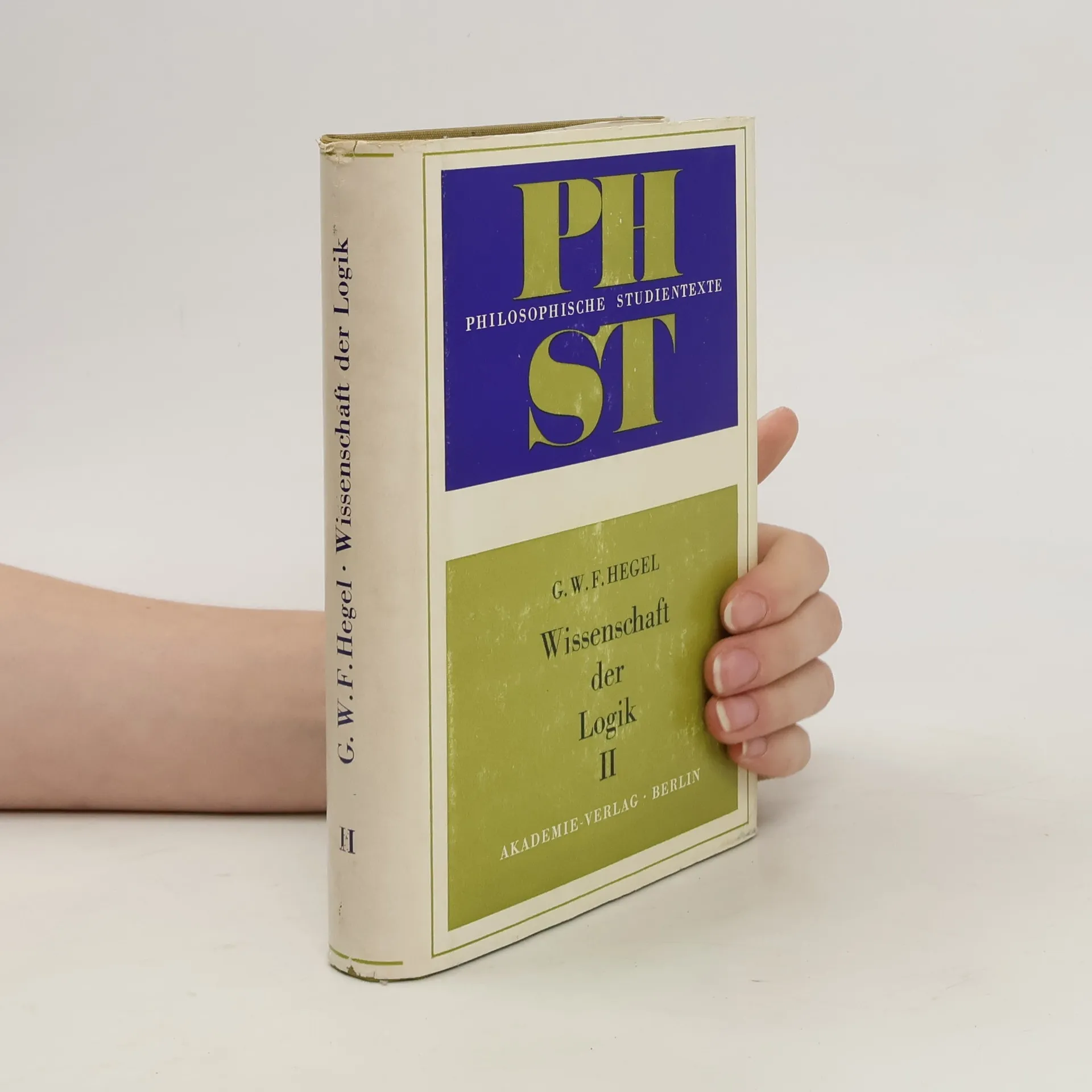
Die Analyse des Begriffs beleuchtet die komplexe Beziehung zwischen Seyn und Wesen, wobei der Begriff als die zweite Negation des Seyns fungiert. Er stellt die Wiederherstellung des Seyns dar, jedoch in einer Form, die unendliche Vermittlung und Negativität umfasst. Seyn und Wesen verlieren ihre ursprüngliche Bestimmung und erreichen durch den Begriff eine erfüllte Selbstständigkeit. Das Gesetztseyn wird als grundlegendes Daseyn und Unterscheiden betrachtet, wodurch der Begriff seine innere Differenz und Identität entfaltet, die in ihrer Bestimmtheit sowohl allgemein als auch identisch mit ihrer Negation ist.
Der Verlag Megali hat sich auf die Reproduktion historischer Werke in Großdruck spezialisiert, um Menschen mit eingeschränkter Sehfähigkeit das Lesen zu erleichtern. Diese Ausgabe bietet eine hochwertige Nachbildung eines Originals und ermöglicht es einer breiteren Leserschaft, Zugang zu bedeutenden Texten der Geschichte zu erhalten.
Die logische Wissenschaft erfordert einen unmittelbaren Zugang zur Materie, ohne vorherige Reflexionen. Im Gegensatz zu anderen Wissenschaften, bei denen der Gegenstand und die Methode klar voneinander getrennt sind, hängt die logische Wissenschaft eng mit anderen Begriffen zusammen. Das Buch hebt hervor, dass in anderen Disziplinen die grundlegenden Definitionen und Methoden als bekannt vorausgesetzt werden können, während die logische Wissenschaft einen originären Ansatz erfordert, um ihre allgemeinen Begriffe und Grundbestimmungen festzulegen.