

Oskar Matzerath ripercorre con l' aiuto di un tamburo di latta, giocattolo e strumento magico, le vicende della sua vita, dominata dalla scelta, a tre anni, di non crescere più e di essere nano per odio dei suoi due padri (quello anagrafico e l'amante della madre). Il ricordo comprende la vita della madre fino alla sua nascita, ricca di presagi. Si passa poi all'infanzia, al rifiuto di crescere, al rifiuto e poi all'adesione al nazismo, all'esperienza teatrale e erotica con una compagnia di nani. La fine della guerra separa Oskar da Danzica e lo porta a Dusseldorf. A 28 anni decide di crescere e di diventare un famoso compositore di musica da tamburo.
Breon Mitchell Libri
Questo traduttore letterario è specializzato nella letteratura tedesca, portando ai lettori opere sia classiche che contemporanee. Le sue traduzioni sono acclamate per la loro fedeltà al testo originale e il loro pregio letterario. Attraverso il suo lavoro dedicato, rende accessibile la ricchezza della letteratura di lingua tedesca a un pubblico più ampio. La sua profonda comprensione della lingua e della letteratura traspare in ogni volume che rende.



Suddenly, in spite of the trials of old age, and with the end in sight, everything seems possible again: love letters, soliloquies, scenes of jealousy, swan songs, social satire, and moments of happiness. Only an ageing artist who had once more cheated death could get to work with such wisdom, defiance and wit. A wealth of touching stories is condensed into artful miniatures. In a striking interplay of poetry, lyric prose and drawings, Grass creates his final, major work of art. A moving farewell gift, a sensual, melancholy summation of a life fully lived.
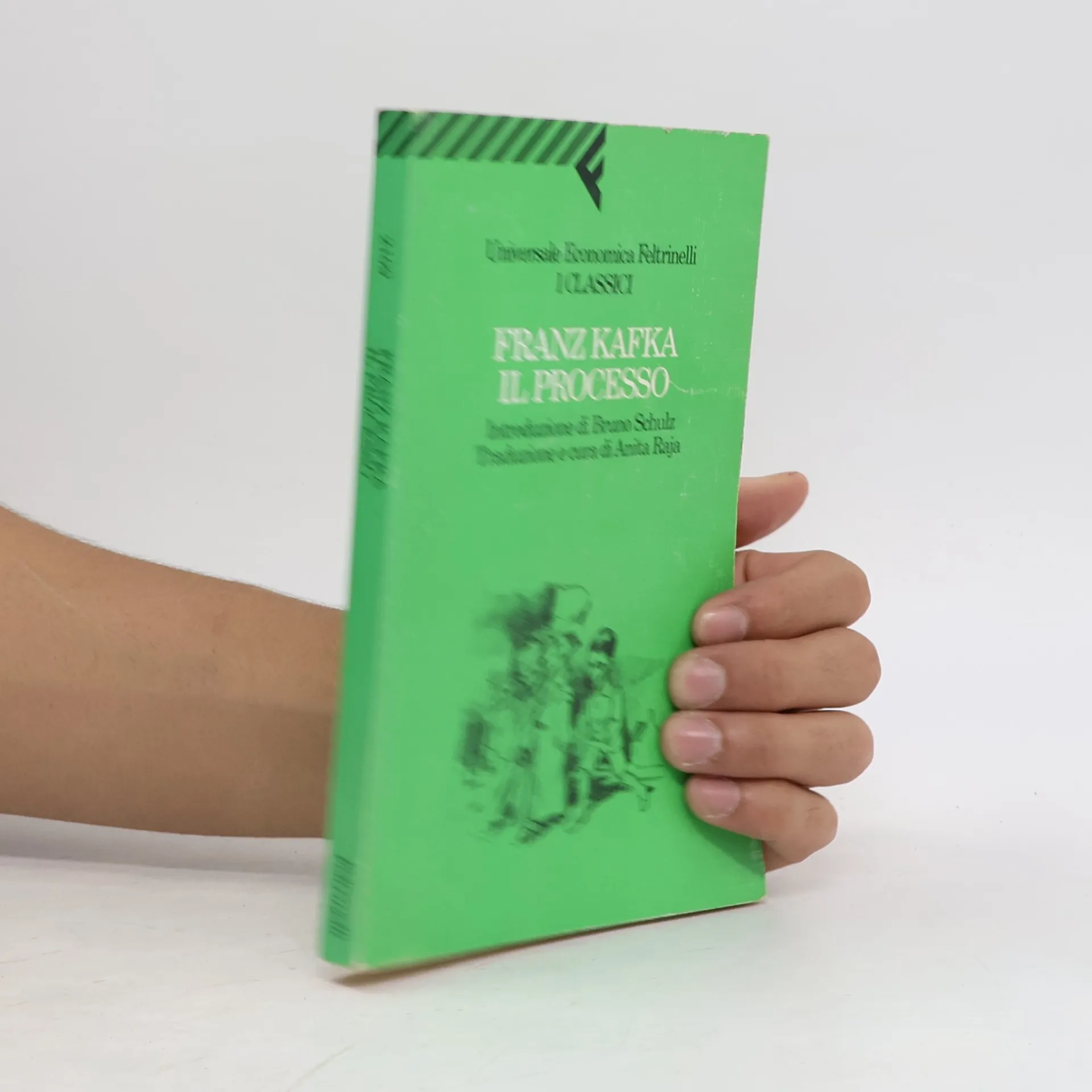
Il processo
- 244pagine
- 9 ore di lettura
Josef K., condannato a morte per una colpa inesistente, è vittima del suo tempo. Sostiene interrogatori, cerca avvocati e testimoni, soltanto per riuscire a giustificare il suo delitto di "esistere". Ma come sempre avviene nella prosa di Kafka, la concretezza incisiva delle situazioni produce, su personaggi assolutamente astratti, il dispiegarsi di una tragedia di portata cosmica. E allora tribunale è il mondo stesso, tutto quello che esiste al di fuori di Josef K. è processo: non resta che attendere l'esecuzione di una condanna da altri pronunciata.
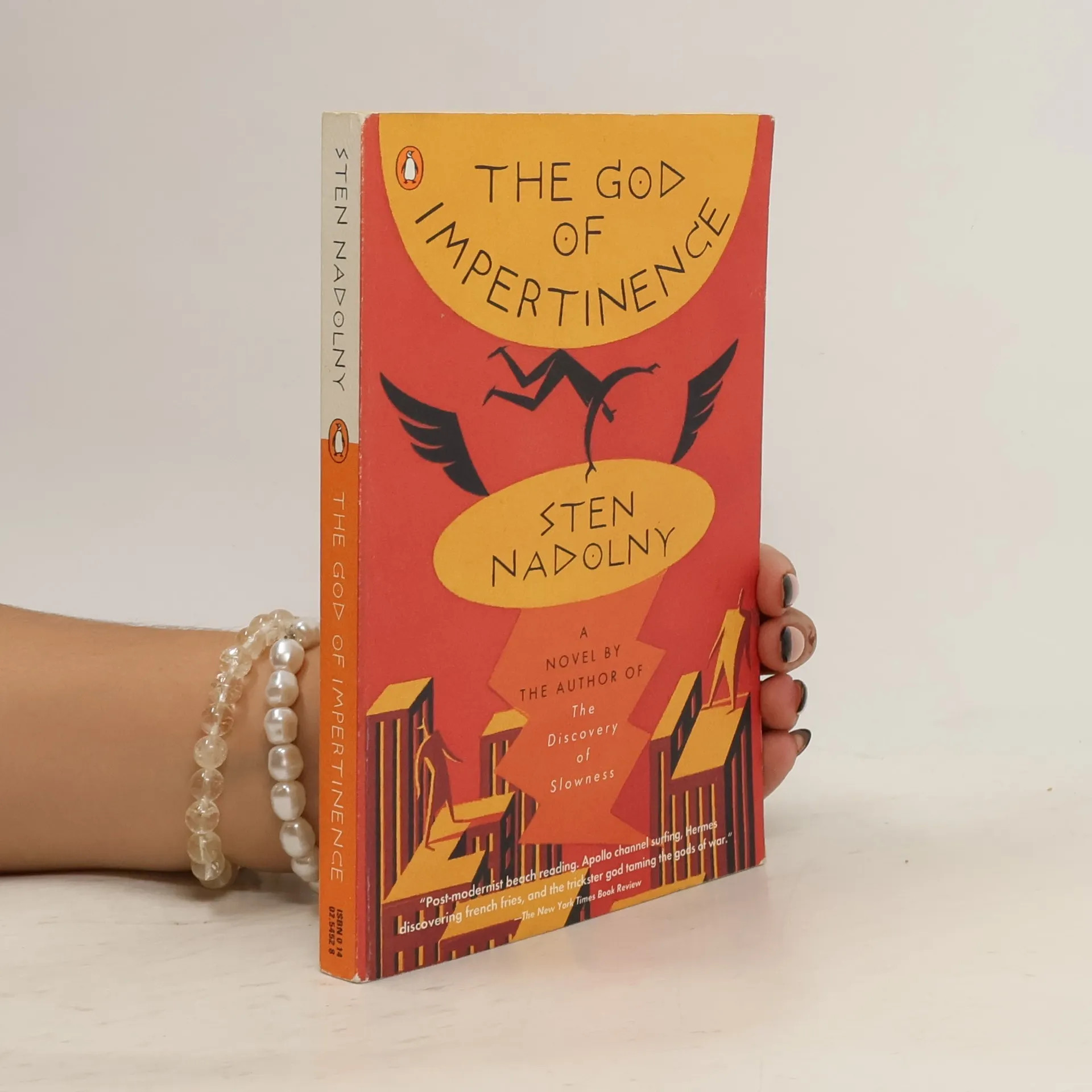
The God of Impertinence
- 224pagine
- 8 ore di lettura
From the acclaimed author of The Discovery of Slowness comes a book that is "postmodernist beach reading: Apollo channel surfing, Hermes discovering french fries and the trickster god taming the gods of war" (The New York Times Book Review). The ancient gods are still among us! After 2,187 years in chains, Hermes -- the fun-loving god of stolen kisses, erotic freedom, turmoil, and thievery -- is freed. He soon sets out to resurrect the long-forgotten virtues of curiosity, imagination, humor...and mischief.Finding the modern age strange and confusing, Hermes catches up with the cultural changes of the last two millenniums by tapping the minds of everyone from graffiti artists to brain specialists. He soon learns that disempowered Zeus has retired to play golf in Missouri and that Hephaestus, the neurotic and cranky god of volcanoes, is plotting the demise of gods and mankind alike. Hermes needs all the impertinence and roguery he can muster for the game of divine poker that will decide the fate of the world, in this swift and amusing fable for the end of the millennium.
The Selected Stories of Siegfried Lenz
- 225pagine
- 8 ore di lettura
Siegfried Lenz is one of Germany's foremost writers, ranking in popularity as well as critical esteem with Günter Grass and Heinrich Böll. In the United States, his stature is based on his novel The German Lesson, but he is also considered one of the best short story writers of the postwar generation. These twenty-six stories make up the first comprehensive collection of his short works to appear in English.