Figura cardine del movimento alter-globalizzazione e una voce di spicco nell'ecofemminismo globale, il lavoro della Dott.ssa Vandana Shiva promuove i diritti umani, l'ecologia e la conservazione. Il suo percorso intellettuale, inizialmente radicato nella fisica, si è rapidamente orientato verso pressanti preoccupazioni ecologiche. Esplora le intricate connessioni tra natura e società, sostenendo un mondo più sostenibile ed equo.
In questo libro quindici autorevoli giornalisti propongono una visione critica del mercato mondiale. In questo panorama nulla sfugge alla vendita: dalla democrazia all'informazione, dalla natura alla guerra. Tutto ha un prezzo e tutto è merce.
Vandana Shiva è una scienziata ambientalista nota in tutto il mondo, tra gli esponenti di spicco del movimento democratico globale. In questo libro, Shiva fa il punto su quelle battaglie che anche grazie al suo contributo hanno assunto un rilievo internazionale - la lotta contro la privatizzazione delle risorse naturali, i brevetti sul vivente e l'impiego di organismi geneticamente modificati in agricoltura e nella produzione alimentare riconducendole a un progetto politico, economico e culturale di democratizzazione della globalità. L'autrice delinea dunque una alternativa alla globalizzazione economica, che giudica responsabile non soltanto della catastrofe ecologica imminente, ma anche dell'avvento dei fondamentalismi politici e religiosi. Vandana Shiva considera i brevetti sul vivente e la privatizzazione delle risorse naturali come l'ultima frontiera di un colonialismo che aveva cominciato a manifestarsi già nel Sedicesimo secolo con la recinzione delle terre comuni britanniche. La privatizzazione delle risorse comuni, insieme alla progressiva erosione dei beni e dei servizi pubblici e all'indebolimento dei meccanismi democratici di controllo dell'economia, costituiscono una grave minaccia in termini di sostenibilità ecologica e di sopravvivenza sociale.
Nel 1995 il vicepresidente della Banca mondiale espresse una previsione inquietante: "Se le guerre di questo secolo sono state combattute per il petrolio, quelle del secolo prossimo avranno come oggetto del contendere l'acqua". Molti segni fanno pensare che avesse ragione. Le prime pagine di questo libro parlano di acqua insufficiente in Israele, India, Cina, Bolivia,Canada, Messico, Ghana e Stati Uniti. Le guerre dell'acqua non sono una prospettiva lontana nel futuro. Il conflitto è già in corso, anche se non è sempre visibile. Molti conflitti politici di questo tipo sono infatti celati o repressi: chi controlla il potere preferisce mascherare le guerre dell'acqua travestendole da conflitti etnici e religiosi.
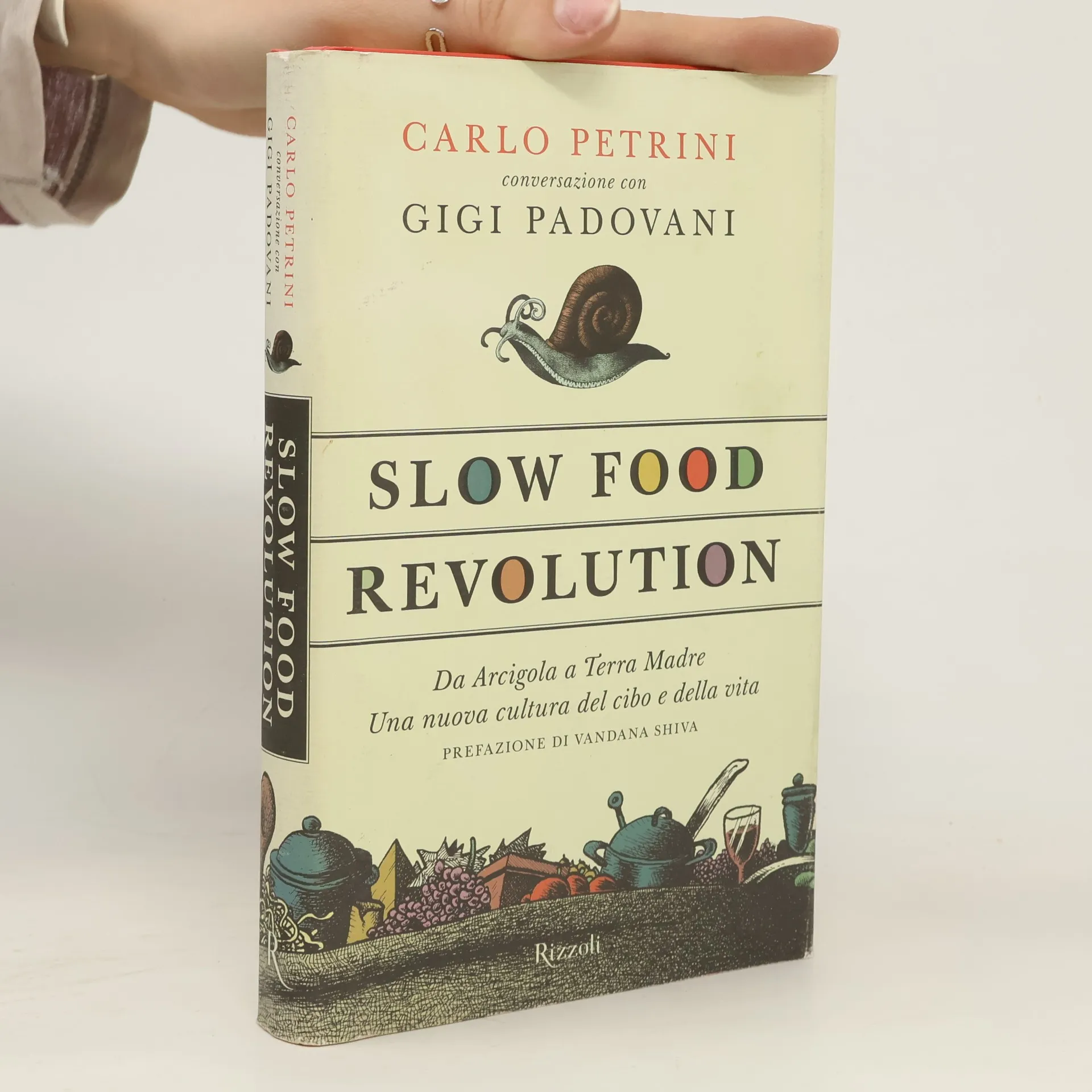
Da Arcigola a Terra Madre: Una nuova cultura del cibo e della vita
302pagine
11 ore di lettura
Founded in Italy in 1986 by charismatic Italian gourmand Carlo Petrini, Slow Food has grown into a phenomenally successful movement against the uniformity and compromised quality of fast food and supermarket chains. With nearly 85,000 members in 45 countries around the world, Slow Food has developed from a small, grassroots group into the most influential gastronomic movement in the world. Known as the "WWF of endangered food and wine," Slow Food not only focuses on a slower, more natural and organic lifestyle that complements nature, but also works to preserve dying culinary traditions, conserve natural biodiversity, and protect fading agricultural practices threatened in this age of mass consumerism. The book takes the reader on a gastronomic journey through the practices and traditions of the world's ethnic cuisines, from the artisanal cheeses of Italy to the oysters of Cape May and the native American turkey. It includes testimonies from Slow Food representatives—such as Alice Waters of Chez Panisse—illustrating exactly what they are doing—and what still needs to be done—to preserve them.
Con il meeting internazionale delle comunità del cibo di Torino, una rete permanente e radicata in quasi ogni nazione del pianeta, Terra Madre compie i suoi primi dieci anni. Li festeggia con ''Voler bene alla Terra'': uno straordinario collage di dialoghi pubblicati prima su La Stampa e poi su La Repubblica, che presenta le idee, i progetti e le esperienze di quanti aderiscono ai valori della multinazionale virtuosa governata dal desiderio di un mondo migliore, da costruire attraverso il cibo.Sono le voci di grandi donne e uomini che si trovano in piena sintonia con la rete e con la straordinaria umanità che ne fa parte: contadini, pescatori e nomadi, artigiani, cuochi e cuoche, musicisti, intellettuali, semplici cittadini. In queste pagine parlano premi Nobel, cuochi che hanno cambiato la gastronomia mondiale, icone del mondo artistico - musicale e letterario - o del mondo contadino, uomini di spirito che hanno illuminato non soltanto le strade dell'anima.''Voler bene alla Terra'' dice molto: coltivare e custodire l'ambiente è il segno distintivo di questo momento storico ed è la meta privilegiata per tutti noi che vogliamo rendere il nostro pianeta Terra un po' più sano, florido, felice per chi lo abita.
In this work, outspoken business leader Anita Roddick brings together the voices of some of the most prominent authorities on the phenomenon of Globalization, including Susan George, David Korten and Naomi Klein. Full of images, this book gets right to the heart of the issue, exploding the myths that would have us believe Globalization is a force for good. Covering aspects of the subject as diverse as human rights, the environment, international finance, health, the food we eat and trade, the book combines medium-length articles with quotes, case notes and interviews. This book constitutes a call to action, showing how each and every one of us can take on the corporate.
In "Soil Not Oil," Vandana Shiva explores the connection between industrial agriculture and climate change, advocating for a shift away from fossil fuel dependence and globalization. She criticizes industrial agriculture as a pathway to ecological and economic disaster, championing small, independent farms for their higher productivity, potential for social justice, and inherent biodiversity. Shiva emphasizes the urgent need for sustainable, biologically diverse farms that can withstand climate challenges such as disease, drought, and floods. She succinctly states that "the solution to climate change and the solution to poverty are the same." Highlighting her organization, Navdanya, which is celebrated for its environmentally friendly practices, she outlines principles for feeding the planet in a socially just and ecologically sound manner. Shiva broadens her perspective to address globalization and climate change, asserting that a healthy environment and social justice are interconnected. Her vision promotes self-organization, sustainability, and community over corporate interests. A renowned environmental leader, Shiva has authored several influential books and edited works on the future of food and seed.
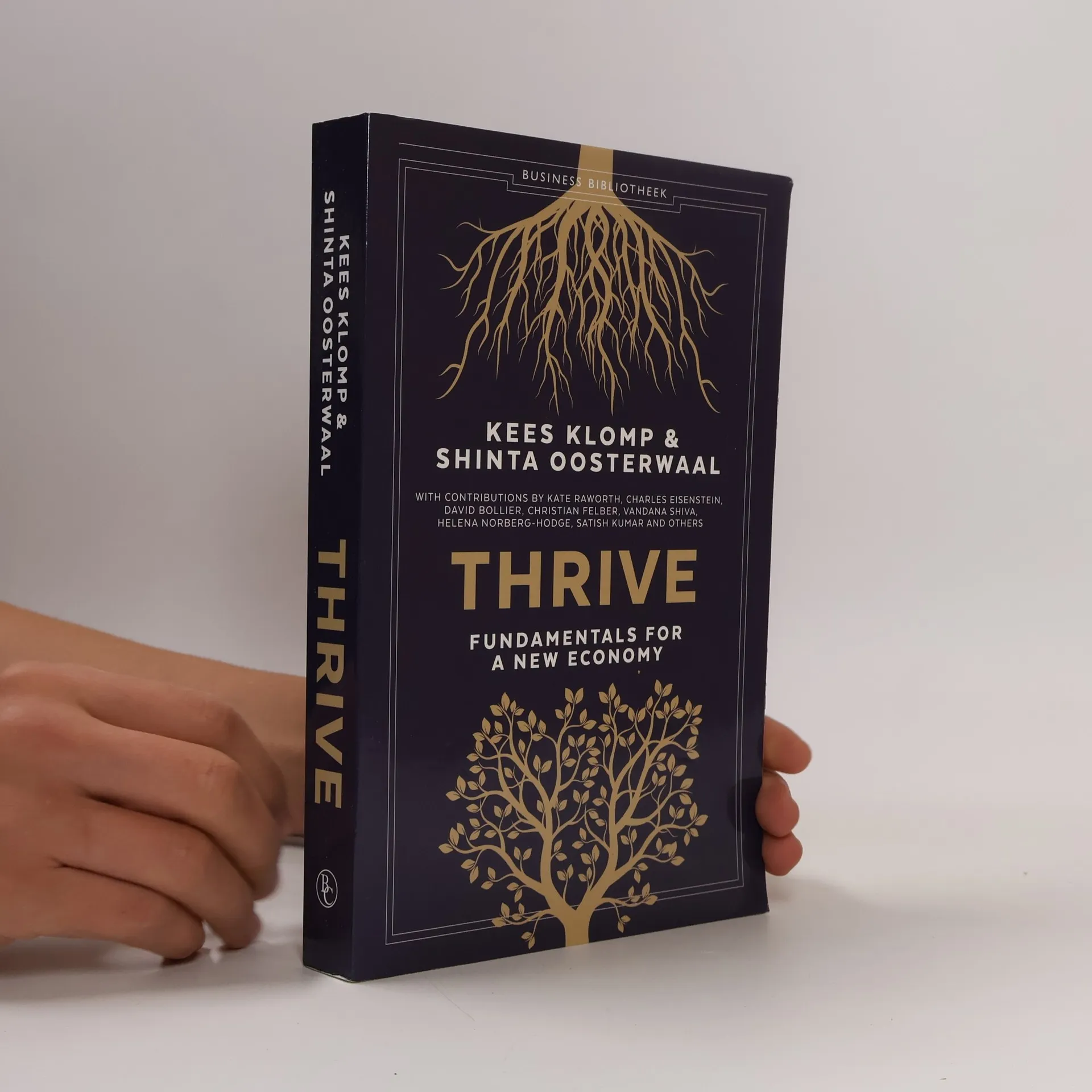
In 'Thrive. Fundamentals for a New Economy', Kees Klomp and Shinta Oosterwaal provide insights into alternative approaches to economics that are sustainable and just for both society and the planet in the long term. In twenty-four essays, internationally renowned economic thinkers like Kate Raworth, Charles Eisenstein, Clair Brown, Helena Norberg-Hodge and Daniel C. Wahl, share the alternatives that are available to us, such as doughnut economics, wellbeing economics, common good economics, regenerative economics, buddhist economics, commons economics, local economics, bioregional economics, indigenous economics and degrowth economics. Each of these approaches provides a realistic and enticing vision of a thriving future. ‘Thrive’ offers readers the fundamentals for a new economy that is rooted in the well-being of humanity and of our planet. This book is a must-read for anyone in search of economic perspectives that contribute to a flourishing world.
This impressive book celebrates the coming together of two well-known critics of Western philosophy and science. From their respective backgrounds in social science and physics, Maria Mies and VAndana Shiva write about the concerns which unite them as women.Theirs is a powerful critique of the emnacipatory ideas of the Enlightenment, which measured civilizationin terms of domination of Nature. They argue that feminism should see linkages between patriarchal opression and the destruction of Nature in the name of profit and progress. Women - in many parts of the world the principal farmers, food-providers, and nurturers of children - are the hardest hit by technological excess and environmental degradation.Through examining issues such as the growth of new reproductive technologies, 'development', indigenous knowledge, globalization, and the concepts of freedom and self-determination, teh authors provide a vision of a different value system. Ecofeminism is after all a 'new term for an ancient wisdom'. Their book is a powerful plea for the rediscovery of such wisdom by feminists and ecologists everywhere.
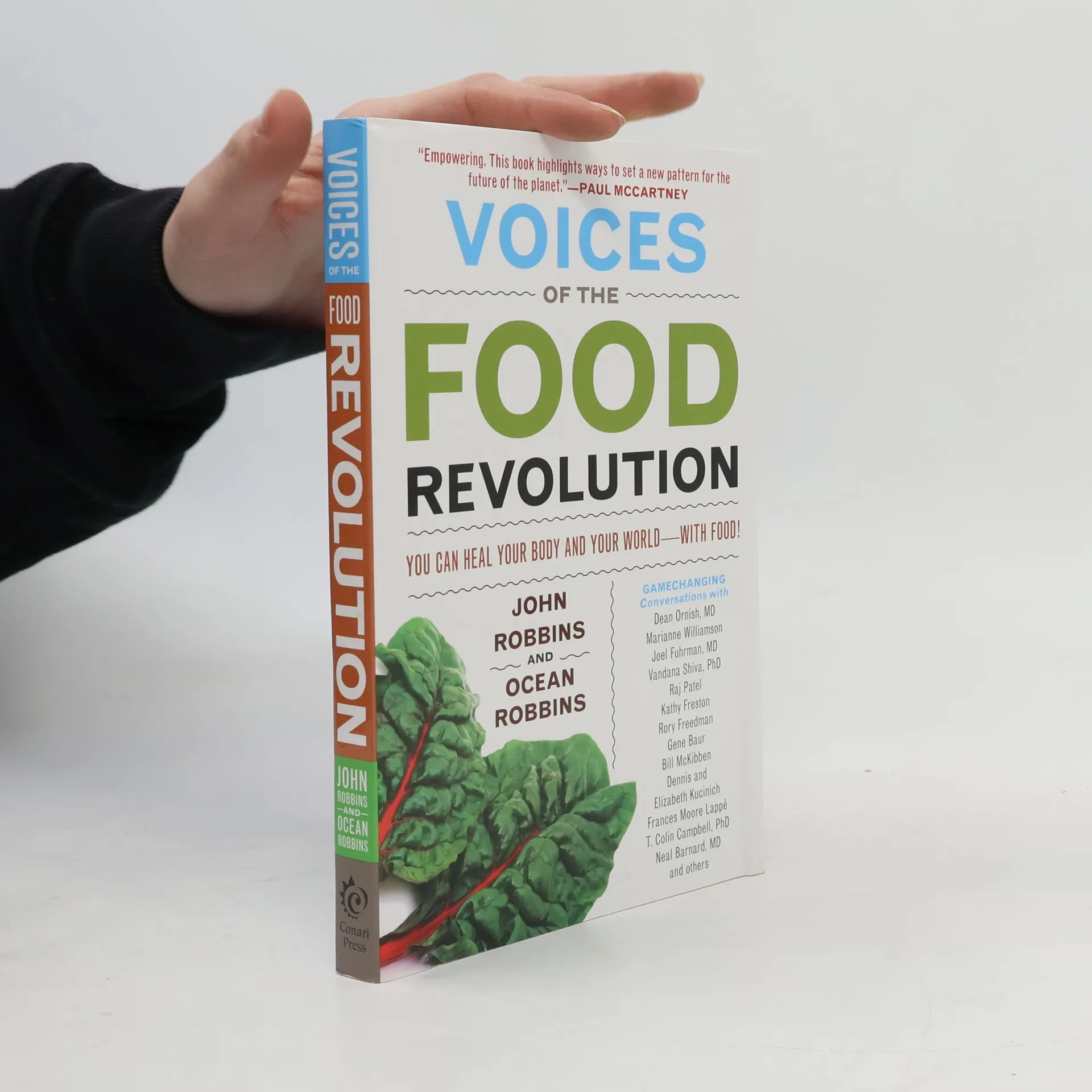
From the over-one-million-copies-sold author who made popular the connections between diet, physical health, animal cruelty, and environmentalism.A revolution in food-politics. When John Robbins released an early version of this book in 1987, he took the first steps in launching the food revolution. His viewpoint and insight on the harms of America’s eating habits was a wake-up call for many.Making conscious food choices. It is obvious to us that what we eat affects our own bodies, but what we may not realize is that what we eat also affects our world. In fact, most of the foods that are bad for us (think: genetically modified products) also negatively impact our environment. By approaching our eating habits with intentionality, we benefit our own health and that of the world we live in.The value of a plant-based diet. Robbins’ arguments for a plant-based diet are compelling and backed by over 20 years of work focused on the subject of conscious eating. Through exposing the dangers in our factory farming system, Robbins makes a definitive case for solely plant-based eating. This timely read on healthy eating will enlighten those curious about plant-based diets and fortify the mindsets of the already converted.Inside find:The negative effects your current eating habits could be having on youA powerful case for plant-based eatingWisdom from one of the most frequently cited books of the food-politics revolution
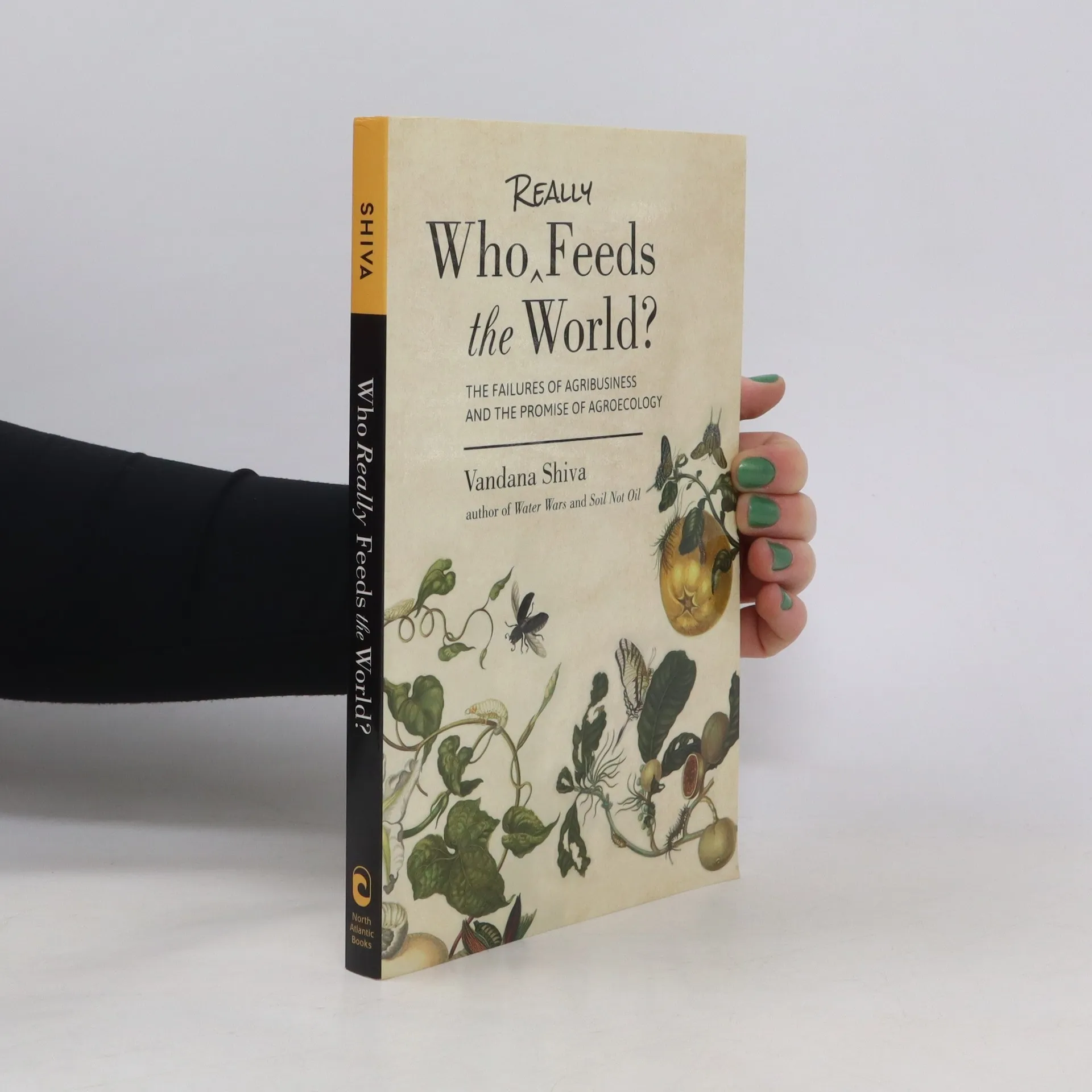
Debunking the notion that our current food crisis must be addressed through industrial agriculture and genetic modification, author and activist Vandana Shiva argues that those forces are in fact the ones responsible for the hunger problem in the first place. Who Really Feeds the World? is a powerful manifesto calling for agricultural justice and genuine sustainability, drawing upon Shiva’s thirty years of research and accomplishments in the field. Instead of relying on genetic modification and large-scale monocropping to solve the world’s food crisis, she proposes that we look to agroecology—the knowledge of the interconnectedness that creates food—as a truly life-giving alternative to the industrial paradigm. Shiva succinctly and eloquently lays out the networks of people and processes that feed the world, exploring issues of diversity, the needs of small famers, the importance of seed saving, the movement toward localization, and the role of women in producing the world's food.
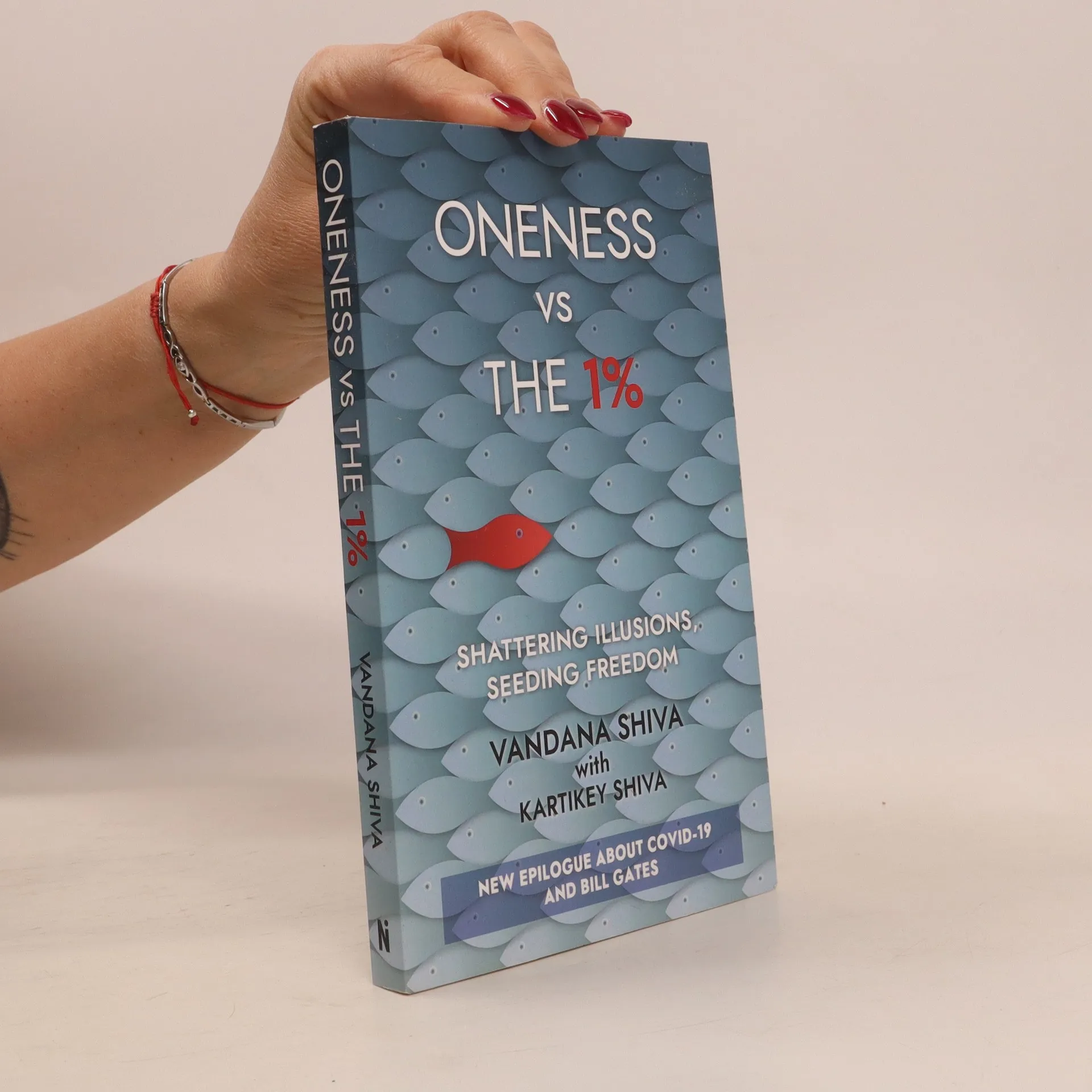
Widespread poverty and malnutrition, an alarming refugee crisis, social unrest, economic polarisation have become our lived reality as the top 1% of the world's seven-billion-plus population pushes the planet-and all its people to the social and ecological brink. In Oneness vs. the 1%, Vandana Shiva takes on the Billionaires Club of Gates, Buffett, Zuckerberg and other modern Mughals, whose blindness to the rights of people, and to the destructive impact of their construct of linear progress, have wrought havoc across the world.
V knize Demokracie Země Shiva informuje o bojích, kterým pomohla získat celosvětovou pozornost: proti geneticky modifikovaným potravinám, proti zcizování duševního vlastnictví a proti privatizaci přírodních zdrojů. Současně odhaluje, jak tyto zápasy souvisejí s rostoucím přílivem fundamentalismu, se stoupajícím násilím proti ženám a s hrozícím zánikem naší planety. Shiva začíná v minulosti, kdy v 16. století začaly první zábory veřejných pozemků v Británii. Odhaluje, jak se veřejné prostory a statky zmenšují i nadále, neboť přírodní zdroje se čím dál víc patentují a privatizují. Naše ekologická udržitelnost a kulturní diverzita je narušena a také lidský život je vnímán jako postradatelný. V existujících konfliktech zájmů podněcují síly neoliberální globalizace násilí prostřednictvím ekonomického a společenského vyloučení, což ohrožuje životy milionů lidí.
»Dieses Buch inspiriert und motiviert. Vandana Shiva zeigt Wege auf für den weltweiten Kampf für Transparenz, damit die Wahrheit ans Licht kommt. Eine Anleitung zum zivilen Ungehorsam und ein Plädoyer gegen Ungerechtigkeit.« Renate Künast Vandana Shiva ruft zum zivilen Ungehorsam auf – gegen Konzerne wie Bayer, die die Natur in Besitz nehmen und sie uns dann wieder verkaufen wollen, gegen die Spekulation mit Nahrungsmitteln, gegen das Patentieren von Saatgut, kurz: gegen den andauernden Krieg wider die Natur. In diesem Buch spricht die Galionsfigur des ökologischen Widerstands über all die Themen, die ihr am Herzen liegen: Ernährungssouveränität, Globalisierungskritik, Rohstoffausbeutung, Saatgutfreiheit, Ökofeminismus und echte Demokratie.
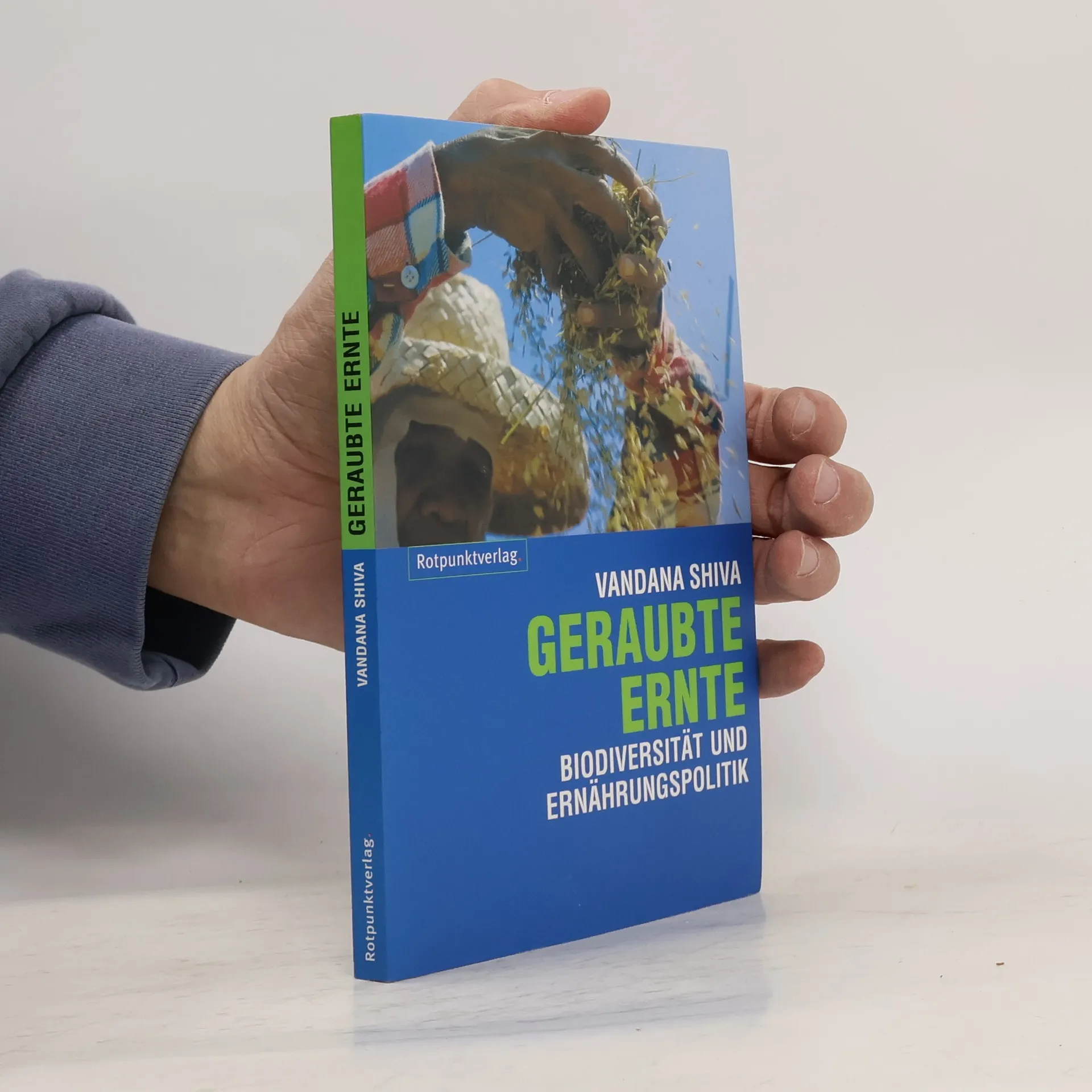
Für den Bauern ist der Same nicht nur die Quelle zukünftiger Pflanzen und Nahrung, sondern auch ein Vehikel zur Bewahrung von Kultur und Geschichte. Über Jahrhunderte haben Bauern eine unglaubliche Vielfalt an Pflanzen entwickelt, die lebenswichtige Ernährung bieten. In Indien beispielsweise haben sie über 200.000 Reissorten hervorgebracht, die weltweit erhältlich sind. Diese Tradition ist jedoch bedroht, da globalisierte, unternehmerische Regime zunehmend das geistige Eigentumsrecht nutzen, um diese lebensspendenden Samen zu annektieren und aus dem öffentlichen Bereich zu entfernen.
Die Autorin untersucht die verheerenden Auswirkungen der kommerziellen Landwirtschaft und Gentechnik auf unsere Nahrung, die Bauern und den Boden. Sie thematisiert die Zerstörung lokaler Esskulturen, die Privatisierung des Pflanzenlebens, die nicht nachhaltige industrielle Fischzucht und Sicherheitsbedenken bezüglich gentechnisch veränderter Lebensmittel. Als herausragende landwirtschaftliche Aktivistin und Wissenschaftlerin fordert sie Bauern und Verbraucher auf, gemeinsam gegen gentechnisch veränderte Pflanzen und unhaltbare Anbaumethoden zu kämpfen, die die Samen und Pflanzen gefährden, die uns das Leben schenken.
Vandana Shiva ist eine der prominentesten radikalen Wissenschaftlerinnen der Welt. In diesem bahnbrechenden Werk untersucht sie die Geschichte von Entwicklung und Fortschritt und entblößt die neutrale Sprache der Wissenschaft, um die Entwicklungspolitik der Dritten Welt als das globale Gegenstück zur industriellen Revolution zu enthüllen. Shiva macht deutlich, dass die Art und Weise, wie dieses Entwicklungsparadigma umgesetzt wird – durch Gewalt gegen die Natur und Frauen – das Überleben selbst bedroht. Sie konzentriert sich darauf, wie ländliche indische Frauen die Ursachen und Auswirkungen ökologischer Zerstörung erleben und wahrnehmen und wie sie Prozesse konzipieren und einleiten, um die Zerstörung zu stoppen und mit der Regeneration zu beginnen. Während die Welt weiterhin destruktive Entwicklungswege verfolgt, ist Shivas Werk ein äußerst relevantes Buch, das Frauen nicht nur als Überlebende der Krise positioniert, sondern als Quelle entscheidender Einsichten und Visionen, um unseren Kampf zu leiten.
In Agrarökologie und regenerative Landwirtschaft zeigt Vandana Shiva die wahren Kosten des industrialisierten landwirtschaftlichen Produktionsmodells auf – von den negativen Auswirkungen auf die Umwelt, die Wirtschaft und die menschliche Gesundheit. Wir können es uns nicht leisten, diesen Weg weiter zu beschreiten. Shiva zeigt uns, wie zwingend notwendig es für die Menschheit ist, eine regenerative Landwirtschaft zu betreiben. Eine Pflichtlektüre für alle, die sich Sorgen um unsere Zukunft machen.
In diesem Buch werden Beweise zusammengetragen und die Gefahren aufgezeigt, die von philanthropischen »Entwicklungen« ausgehen, die von Konzernen und einzelnen Milliardären in den Bereichen Agrartechnologie, Ernährung, Wissen und globale Gesundheitssysteme betrieben werden. Diese Art von Philanthropie ermöglicht es einigen wenigen »Auserwählten«, Informationen und die Politik für ihren eigenen Profit zu manipulieren und damit Demokratien und Gesellschaften auf der ganzen Welt zu untergraben. In den letzten 30 Jahren hat sich der Philanthrokapitalismus zu einer entscheidenden Kraft entwickelt, die in der Lage ist, die internationale Agenda auf das falsche Gleis zu setzen, unsere Zukunft zu zerstören und unseren Planeten in den ökologischen Zusammenbruch zu führen. In diesem Buch sehen wir, wie die Muster der technokratischen »Lösungen« durch »philanthropische« Aktionen beschleunigt umgesetzt werden, vorangetrieben von einer unheiligen Allianz von Großkapital, Wissenschaft und Technologie, Institutionen und Staaten und entscheidend beeinflusst vom Großen Geld.
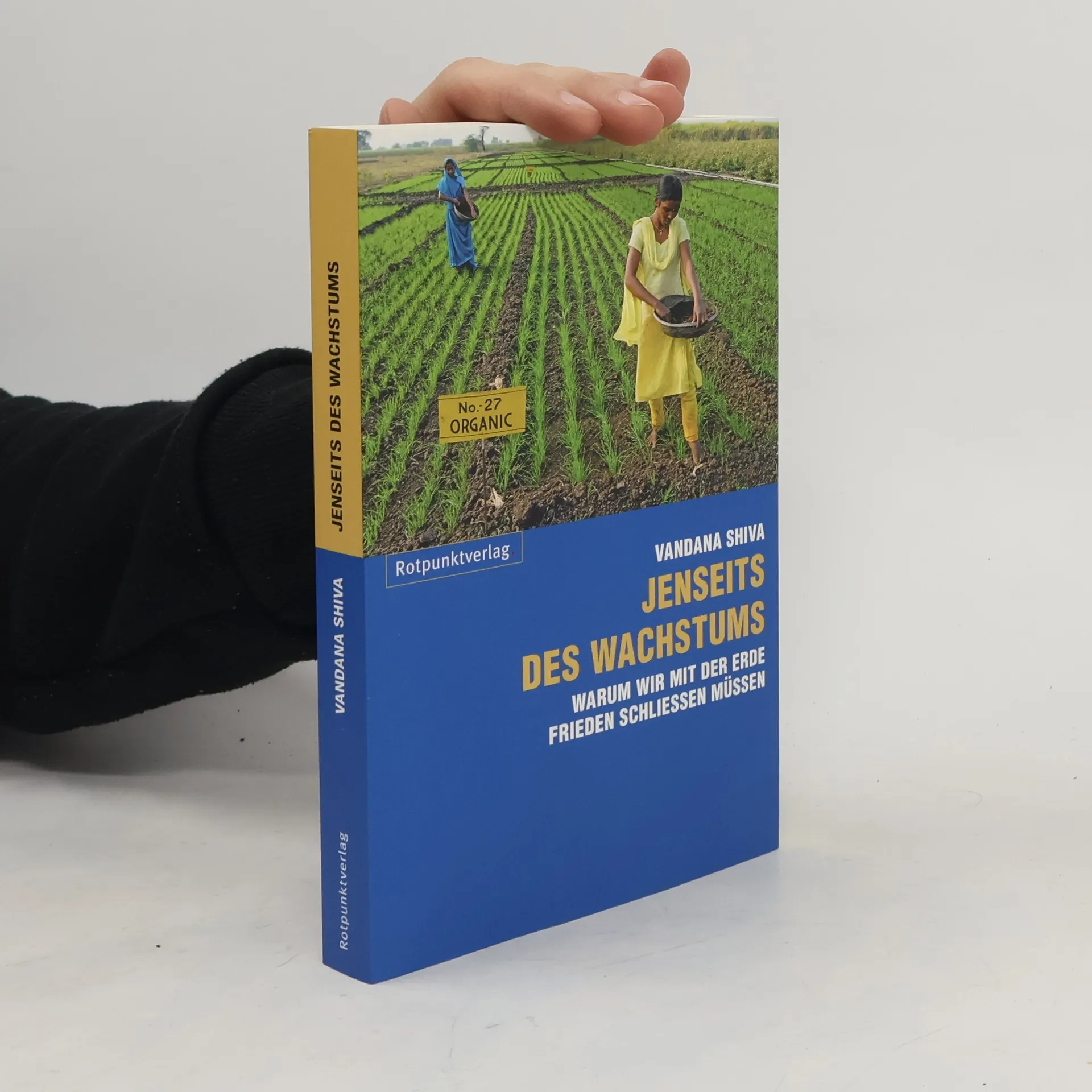
Im 21. Jahrhundert plündert eine dem grenzenlosen Wachstum verpflichtete globalisierte Wirtschaft die Erde und ihre Ressourcen in schier unersättlicher Weise: Weltweit werden Wälder, Wasser, fruchtbare Böden und Saatgut einer radikalen Marktlogik folgend patentiert, privatisiert, ausverkauft. Die ökologischen Kosten werdenden lokalen Gemeinschaften - und, global betrachtet: uns allen - aufgebürdet.Vandana Shiva fordert einen Paradigmenwechsel: Schließen wir Frieden mit der Erde! Indien wird gern als Paradefall einer boomenden Wirtschaftsnation herangezogen. Am Beispiel ihrer Heimat erzählt die mit dem Alternativen Nobelpreis ausgezeichnete Wissenschaftlerin von wirtschaftlichen Megaprojekten und davon, wie Bauern und Umweltaktivisten ihr Recht auf ein eigenbestimmtes, nachhaltiges Leben und Arbeiten mit aller Kraft verteidigen. Shiva mahnt uns: Augen auf! angesichts der ökologischen und sozialen Folgen des Raubzugs gegen die Erde - ein aufrüttelnder Appell gegendas zukunftsblinde »Weiter so«. Dieses Buch basiert auf einem Vortrag Vandana Shivas an der Universität Cambridge vom Frühjahr 2012. Es ist die Essenz einer herausragenden Denkerin unserer Zeit.
Mit ihrem weltweit beachteten Buch 'Biopiraterie' nimmt die indische Wissenschaftstheoretikerin und Ökofeministin Vandana Shiva grundlegend Stellung zum Biokolonialismus in Weiterentwicklung der 500jährigen Geschichte kolonialer Unterdrückung und greift das geltende Patentrecht auf der Basis seiner ethischen Fragwürdigkeit und der damit verbundenen heuchlerischen Positionen an. Eine philosophisch-ethische Einführung aus nicht-westlichem Blickwinkel.
Kritische beschouwing door de Indiase milieu-activiste van de westerse wijze van wetenschapsbeoefening, gevolgd door een pleidooi voor activisme, dat gestoeld is op meer respect voor mensen.