Bookbot

Gilbert Murray

    Humanist Essays (Routledge Revivals)
    Medea by Euripides
    The Bacchae of Euripides (Hardcover)
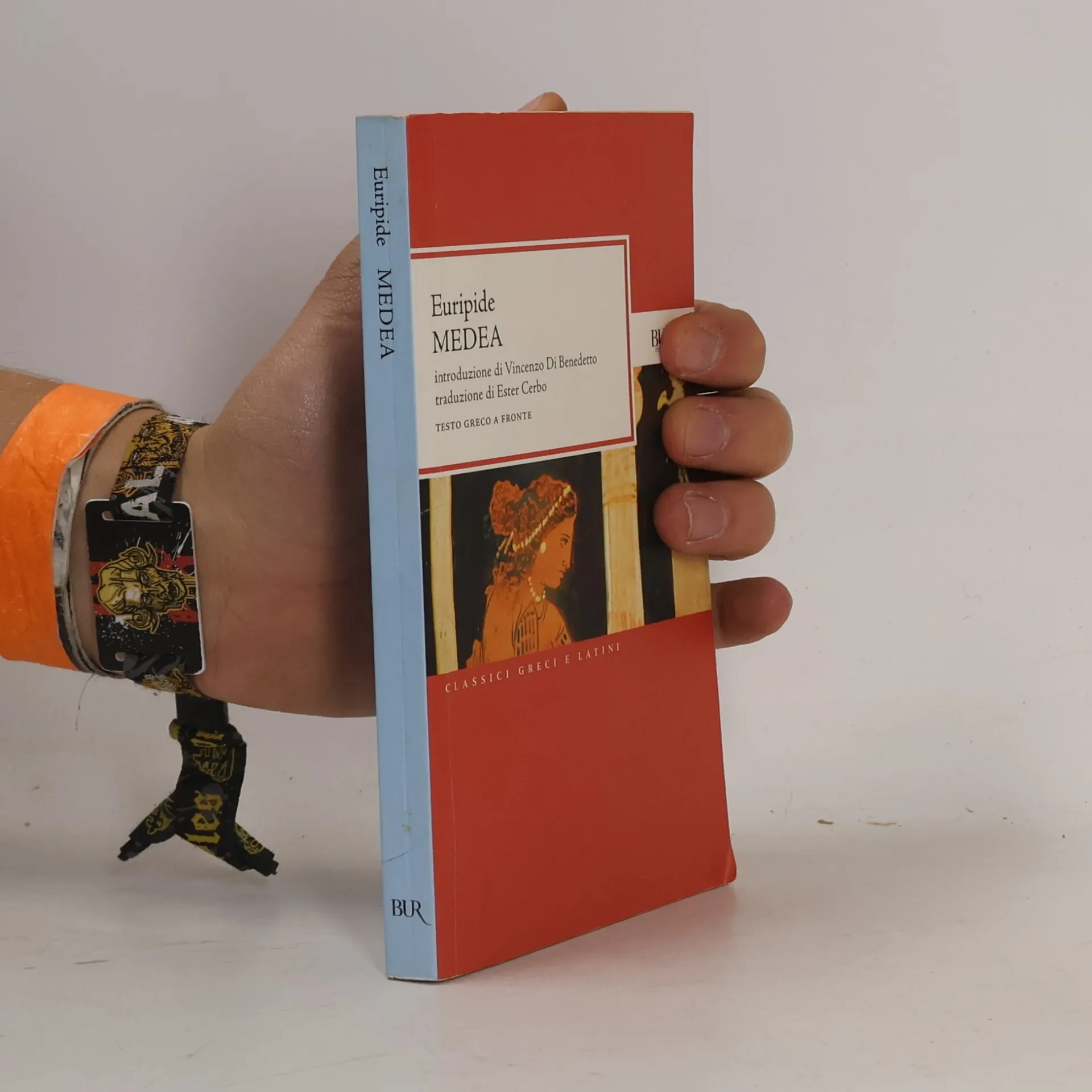
    Medea
    Baccanti
    Andromache
    • Andromache

      A Play In Three Acts

      • 74pagine
      • 3 ore di lettura

      Set in ancient times, this play explores themes of love, loss, and loyalty through the character of Andromache, who grapples with her grief after the fall of Troy. The narrative unfolds in three acts, delving into her relationships with other characters, including her captor and her son. The tension between personal desire and duty drives the plot, highlighting the emotional turmoil of those affected by war. Rich in dramatic conflict, the play offers a poignant reflection on the human condition amidst the backdrop of tragedy.

      Andromache
    • Euripide, definito da Aristotele "il più tragico dei tragici", scrisse il suo capolavoro, le "Baccanti", quando ormai era prossimo alla morte. Si tratta, come è stato detto, dell'opera di più sconvolgente tragicità che sia mai stata scritta, e al contempo la più importante fonte a nostra disposizione per la conoscenza della religione dionisiaca. La tragedia, come ha scritto Vernant, non rappresenta la realtà: ma la mette in questione. Nessuna opera, come le "Baccanti", è andata così lontana nel mettere in questione leggi, rapporti, istituzioni, credenze e saperi, fino a presentarci il destino umano nella sua tremenda e assoluta nudità.

      Baccanti
    • Medea ordisce una vendetta tremenda contro il marito che l'ha abbandonata, uccidendo i propri figli e negandogli così l'autorità paterna istituzionalmente riconosciuta. Il genio di Euripide ci presenta un'eroina tragica totalmente nuova per la cultura greca del tempo, una donna appassionata e lucida, in cui l'impulso emotivo si unisce a un estremo controllo intellettuale.

      Medea
    • The Bacchae of Euripides (Hardcover)

      • 66pagine
      • 3 ore di lettura

      The authoritative translation by scholar Gilbert Murray enhances the accessibility of Euripides' Bacchae, facilitating a deeper understanding of this classic work. The edition is designed for ease of interpretation, making it suitable for both new readers and those familiar with the text.

      The Bacchae of Euripides (Hardcover)
    • Medea by Euripides

      The Ancient Greek Tragedy

      • 104pagine
      • 4 ore di lettura

      Focusing on themes of female agency, this rendition of the classic Greek tragedy explores deep emotions like betrayal and desperation, culminating in a chilling quest for revenge. Augusta Webster's lyrical translation revitalizes Medea's powerful narrative, highlighting her complex character and the intense moral dilemmas she faces.

      Medea by Euripides
    • Humanist Essays (Routledge Revivals)

      • 196pagine
      • 7 ore di lettura

      This collection features literary and philosophical essays that delve into the decline of the Athenian empire and the emergence of Christianity, examining the interplay between Paganism and religious philosophy during Christ's time. Gilbert Murray articulates his strong ethical beliefs and skepticism towards revelational religions, emphasizing the foundational role of Greek civilization in shaping modern society. Additionally, the essays include a thought-provoking analysis of societal order and the motivations behind those who challenge it.

      Humanist Essays (Routledge Revivals)
    • On The Art of Poetry

      • 68pagine
      • 3 ore di lettura

      Exploring the intricacies of poetry, this collection delves into Aristotle's classification of poetic forms, including drama, comedy, and epic. It highlights the concept of mimesis, or life's imitation, while emphasizing the distinct characteristics of each genre. The author examines Aristotle's insights on tragedy, which seeks to portray individuals as nobler than reality, and outlines the six essential elements of tragedy: plot, character, phrasing, thought, exhibition, and song. This work serves as both a poetic anthology and a philosophical study of artistic expression.

      On The Art of Poetry
    • Aischylos

      Friedrichs Dramatiker des Welttheaters

      Aischylos