
Bookbot

Ernst Bloch

    8 luglio 1885 – 4 agosto 1977

    Ernst Bloch si afferma come una voce filosofica e politica di spicco della Germania del ventesimo secolo. La sua opera è caratterizzata da una profonda esplorazione della speranza e dell'utopia, considerate da lui forze motrici fondamentali per il progresso e la libertà umana. L'approccio filosofico di Bloch, pur influenzato dal marxismo, lo superò sottolineando le dimensioni trascendenti e spirituali dell'esistenza umana. Il suo pensiero cerca di connettere una comprensione materialistica del mondo con una costante ricerca di un futuro migliore.

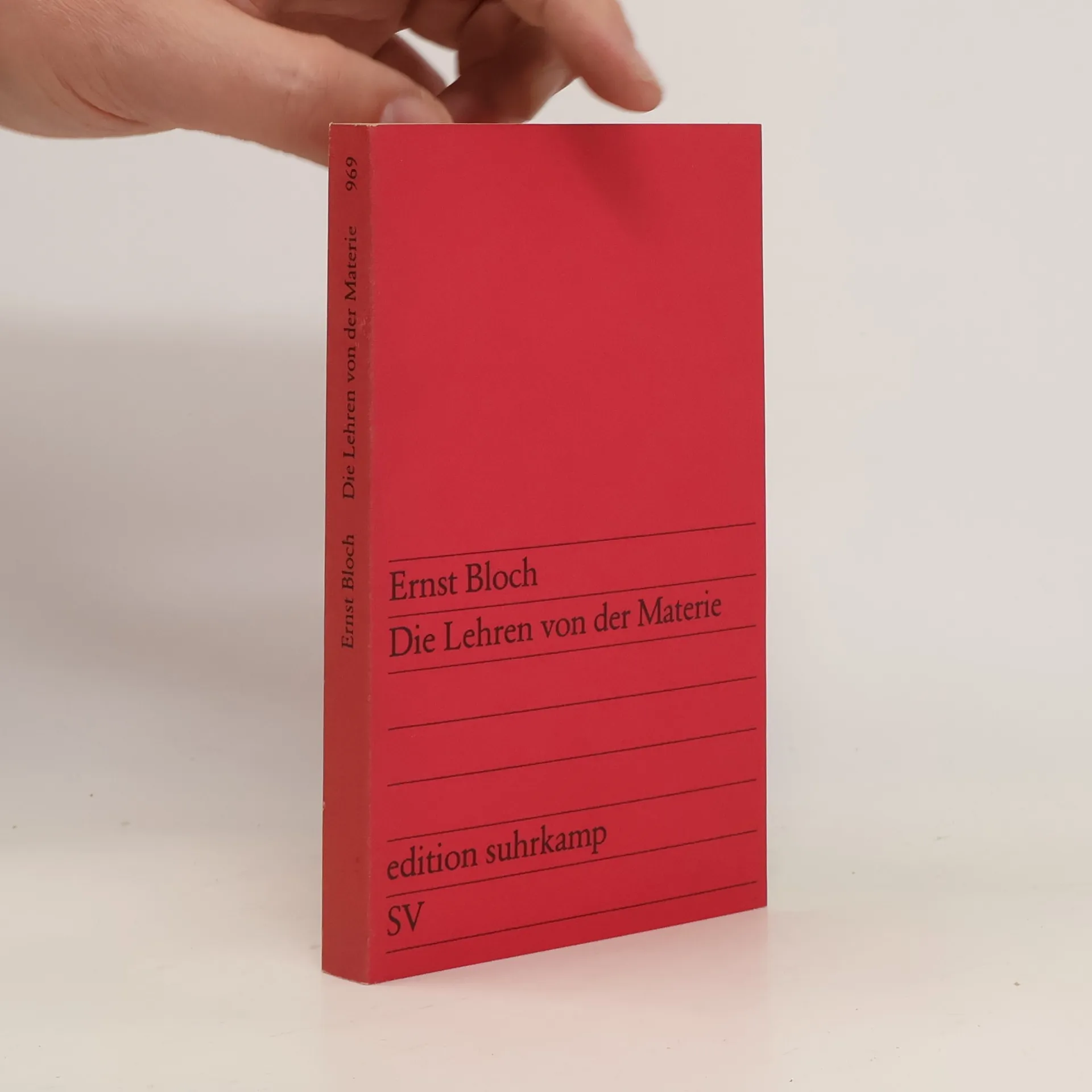
    Tübinger Einleitung in die Philosophie
    Filosofie naděje / Výbor z díla
    The Principle of Hope
    The Spirit of Utopia
    Aesthetics and Politics
    Eredità del nostro tempo
    • Pubblicato a Zurigo nel 1935, "Eredità di questo tempo" affronta la questione, che coinvolse negli anni venti e trenta anche intellettuali come Walter Benjamin e Theodor Wiesengrund Adorno, delle radici del consenso di massa al nazismo. Il titolo è ardito: propone di ereditare dal presente, non dal passato, da "questa" epoca, che è la nostra, a cui apparteniamo e che ci appartiene, non da quella di avi lontani, guardati con ammirazione e nostalgia. Il metodo con il quale Bloch "racconta" la storia dell'avvento del nazismo è altrettanto innovativo. L'accumulo disordinato e liberamente combinatorio dei fenomeni, dai simboli della propaganda politica alle condizioni economico-sociali dei ceti impoveriti all'ampia gamma dell'immaginario letterario, artistico, cinematografico e filosofico che segnano il volto della Germania degli anni venti e trenta, prelude all'invito a tenere gli occhi ben aperti - uno dei suggerimenti di fondo del libro di Bloch ai suoi lettori. Eredità del presente vuol dire sguardo sull'attualità che sa dilatarne fortemente i confini e soprattutto si sforza, usandone gli aspetti più anticonvenzionali e bizzarri, non allineati e spesso del tutto improduttivi, di far circolare aria (autonomia e libertà di pensiero, fantasia) in mezzo a reliquie imbalsamate o semplicemente a vuoti deprimenti. Questo libro, che per molti aspetti rappresenta il laboratorio del Principio speranza (1955)

      Eredità del nostro tempo
    • Aesthetics and Politics

      • 224pagine
      • 8 ore di lettura

      An intense and lively debate on literature and art between thinkers who became some of the great figures of twentieth-century philosophy and literature

      Aesthetics and Politics
    • The Spirit of Utopia

      • 320pagine
      • 12 ore di lettura

      The Spirit of Utopia, written mostly in 1915-16, published in its first version just after the First World War, republished five years later, 1923, in this version is presented for the first time in English translation. schovat popis

      The Spirit of Utopia
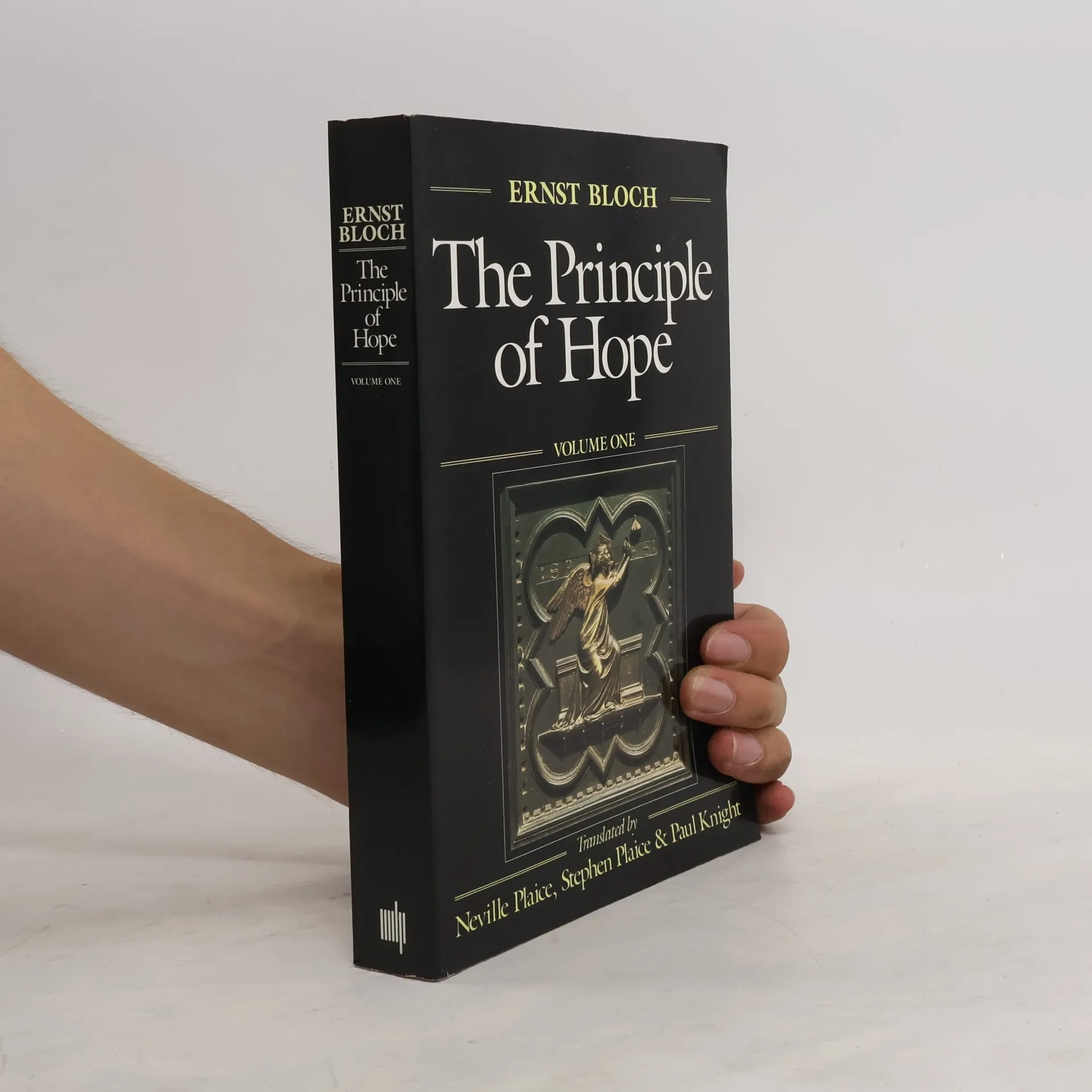
    • The Principle of Hope

      • 528pagine
      • 19 ore di lettura

      The Principle of Hope is one of the great works of the human spirit. It is a critical history of the utopian vision and a profound exploration of the possible reality of utopia. Even as the world has rejected the doctrine on which Bloch sought to base his utopia, his work still challenges us to think more insightfully about our own visions of a better world.The Principle of Hope is published in three volumes: Volume 1 lays the foundations of the philosophy of process and introduces the idea of the Not-Yet-Conscious - the anticipatory element that Bloch sees as central to human thought. It also contains a remarkable account of the aesthetic interpretations of utopian "wishful images" in fairy tales, popular fiction, travel, theater, dance, and the cinema. Volume 2 presents "the outlines of a better world." It examines the utopian systems that progressive thinkers have developed in the fields of medicine, painting, opera, poetry, and ultimately, philosophy. It is nothing less than an encyclopedic account of utopian thought from the Greeks to the present. Volume 3 offers a prescription for ways in which humans can reach their proper "homeland," where social justice is coupled with an openness to change and to the future.

      The Principle of Hope
    • Ernst Bloch je klasickým filosofem 20. století, kterého proslavila především práce Princip naděje. Jeho myšlení mělo zásadní vliv na tradici neortodoxního marxismu, ale také např. na československý marxisticko-křesťanský dialog. V češtině dosud nebyly dostupné žádné překlady Blochových textů, proto chce výbor tuto mezeru zaplnit. Cílem je zprostředkovat autorovy myšlenky ze zásadních oblastí jeho zájmu, jakými jsou ontologie, náboženství, politická teorie a estetika. Výbor je doplněn úvodní studií, která uvede do základů Blochova myšlení a zasadí vybrané texty do kontextu jeho díla.

      Filosofie naděje / Výbor z díla