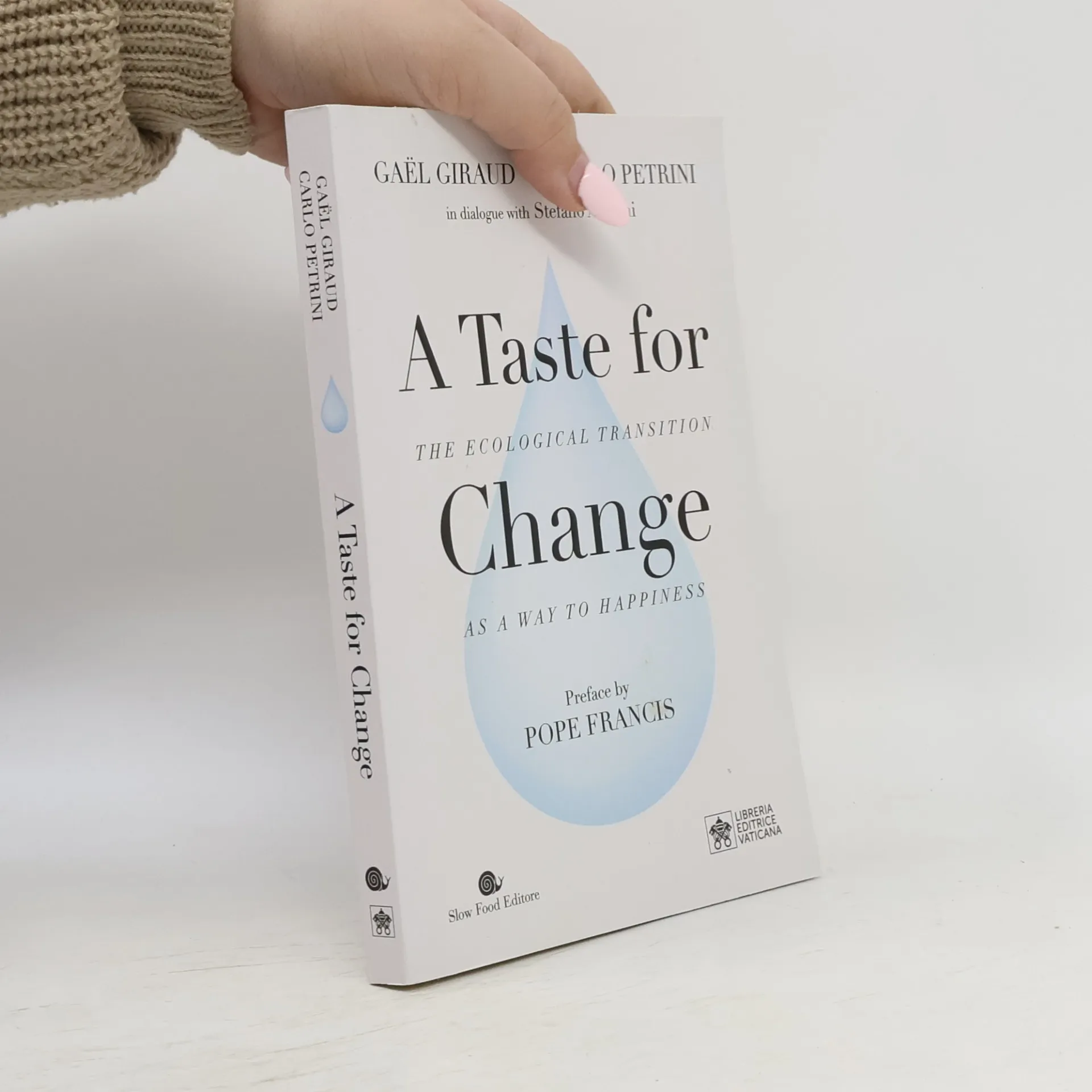
Carlo Petrini è un sociologo italiano, fondatore del movimento internazionale Slow Food. Il suo lavoro esplora l'intersezione tra cibo, cultura e società. Petrini promuove un approccio sostenibile ed etico alla produzione e al consumo di cibo. Attraverso il movimento Slow Food, si batte per la preservazione delle pratiche alimentari tradizionali e della biodiversità.
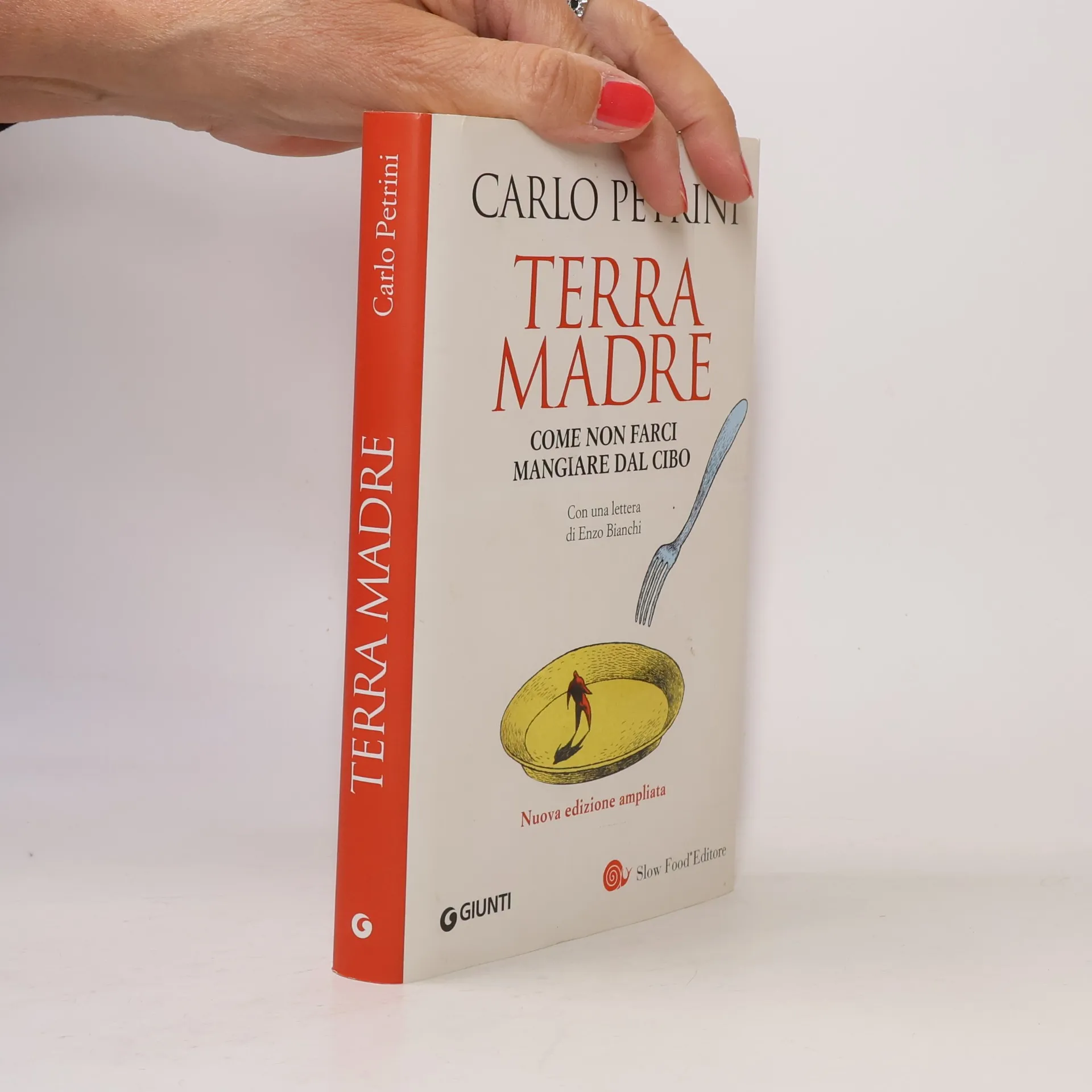
Prodotto soprattutto per essere venduto e spogliato del suo significato autentico, il cibo finisce con il mangiarci. Da oggetto di attenzione e di orgoglio è diventato un mostro che devasta le campagne dal punto di vista sociale ed ecologico e crea iniquità ovunque. Solo se le comunità del cibo potranno scegliere cosa e come produrre e distribuire, sarà possibile fermare la grande macchina che, insieme alla Terra, sta divorando tutti noi.
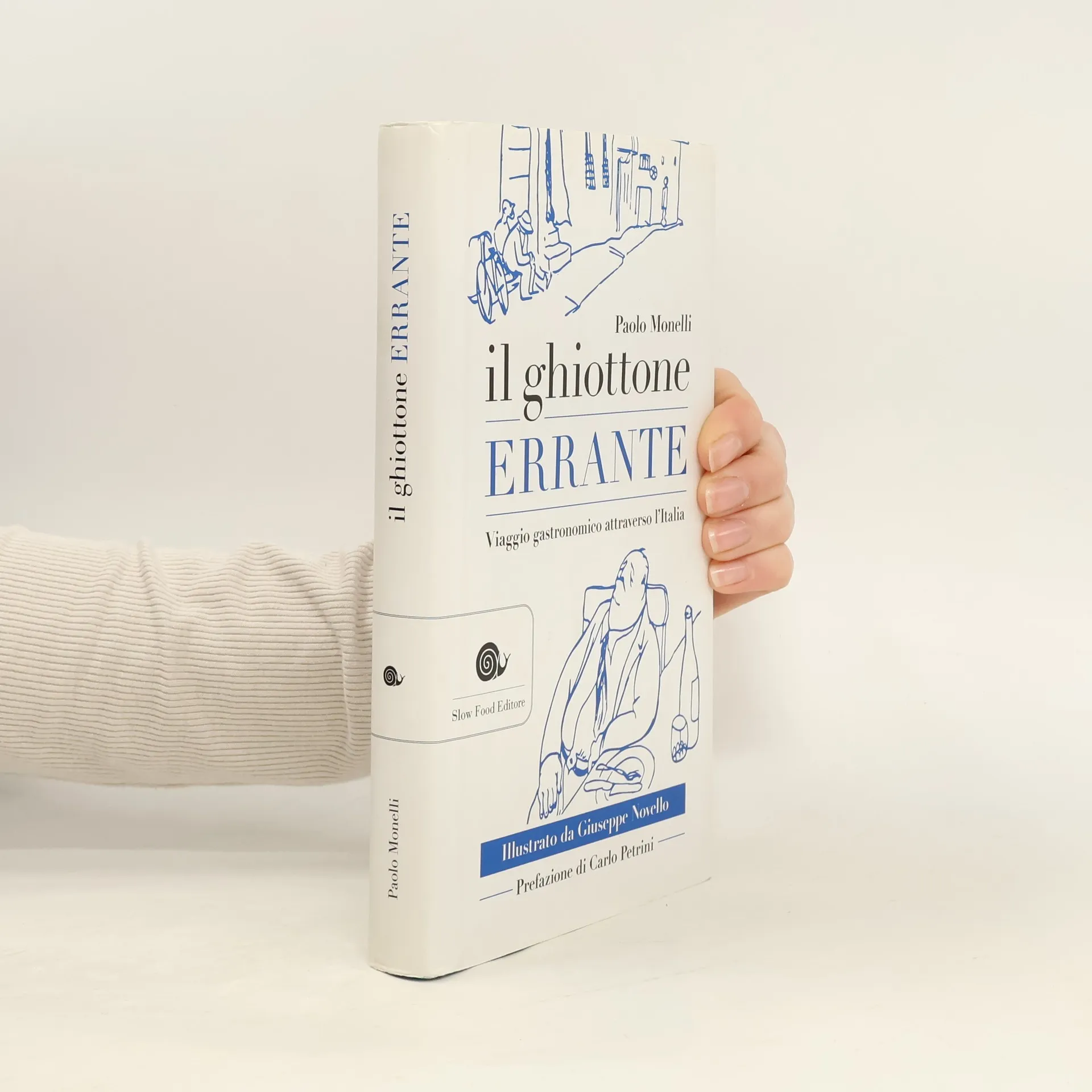
Un libro degli anni Trenta del '900, che inaugura la critica enogastronomica italiana accompagnando il lettore in un viaggio affascinante tra i prodotti, i piatti, gli osti, le cuoche, le tradizioni e i paesaggi cui appartengono cibi e vini del Bel Paese. Un'opera che nasce come raccolta di articoli commissionati dalla "Gazzetta del Popolo" di Torino e firmata da Paolo Monelli, giornalista capostipite di una fortunata serie di scrittori di enogastronomia, da Soldati a Brera, da Veronelli a Mura, e illustrata da Giuseppe Novello. Un viaggio gastronomico attraverso l'Italia, per quello che può essere considerato un vero capolavoro della nostra produzione letteraria sul cibo. Prefazione di Carlo Petrini
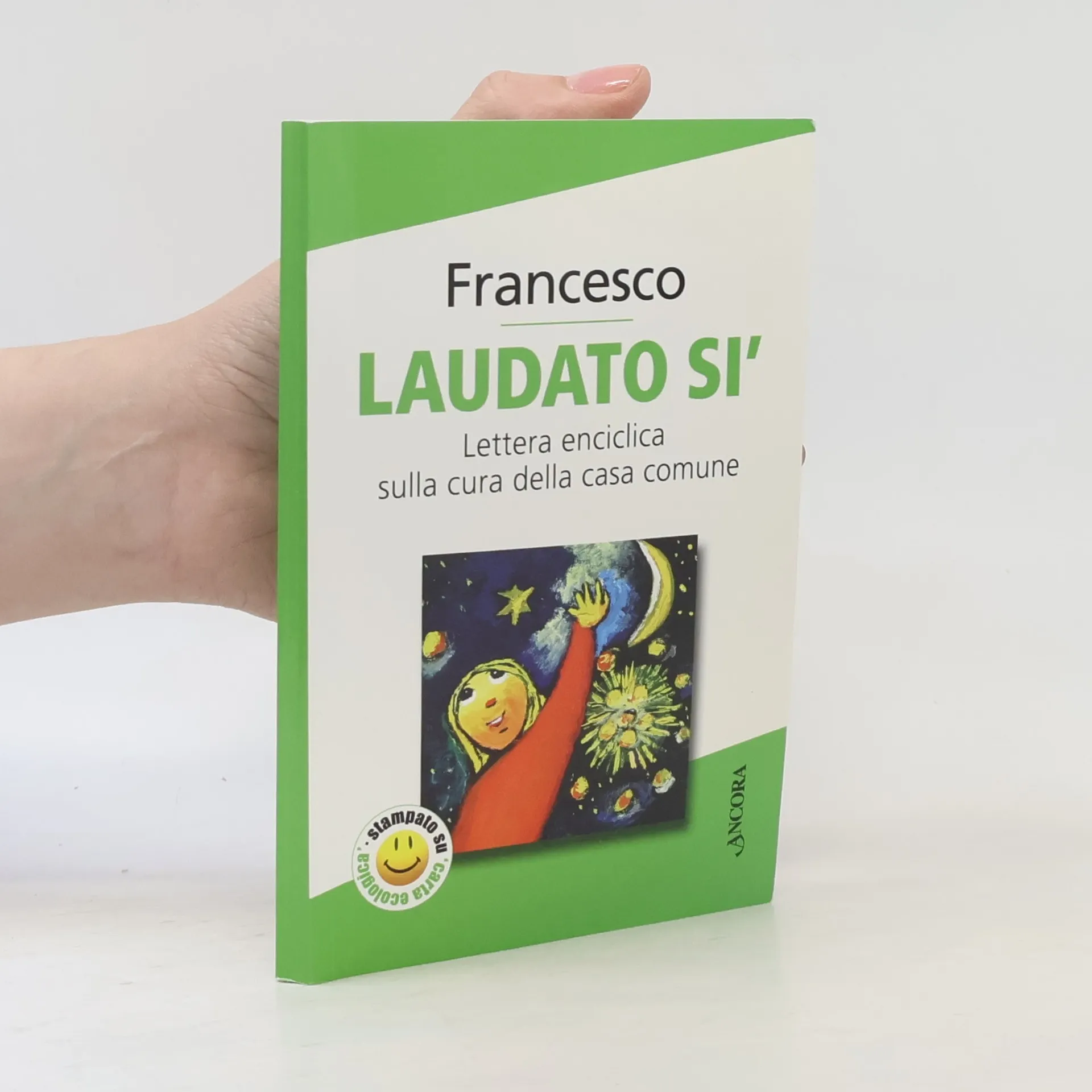
On Care for Our Common Home (Laudato Si') is the new appeal from Pope Francis addressed to "every person living on this planet" for an inclusive dialogue about how we are shaping the future of our planet. Pope Francis calls the Church and the world to acknowledge the urgency of our environmental challenges and to join him in embarking on a new path. This encyclical is written with both hope and resolve, looking to our common future with candor and humility.
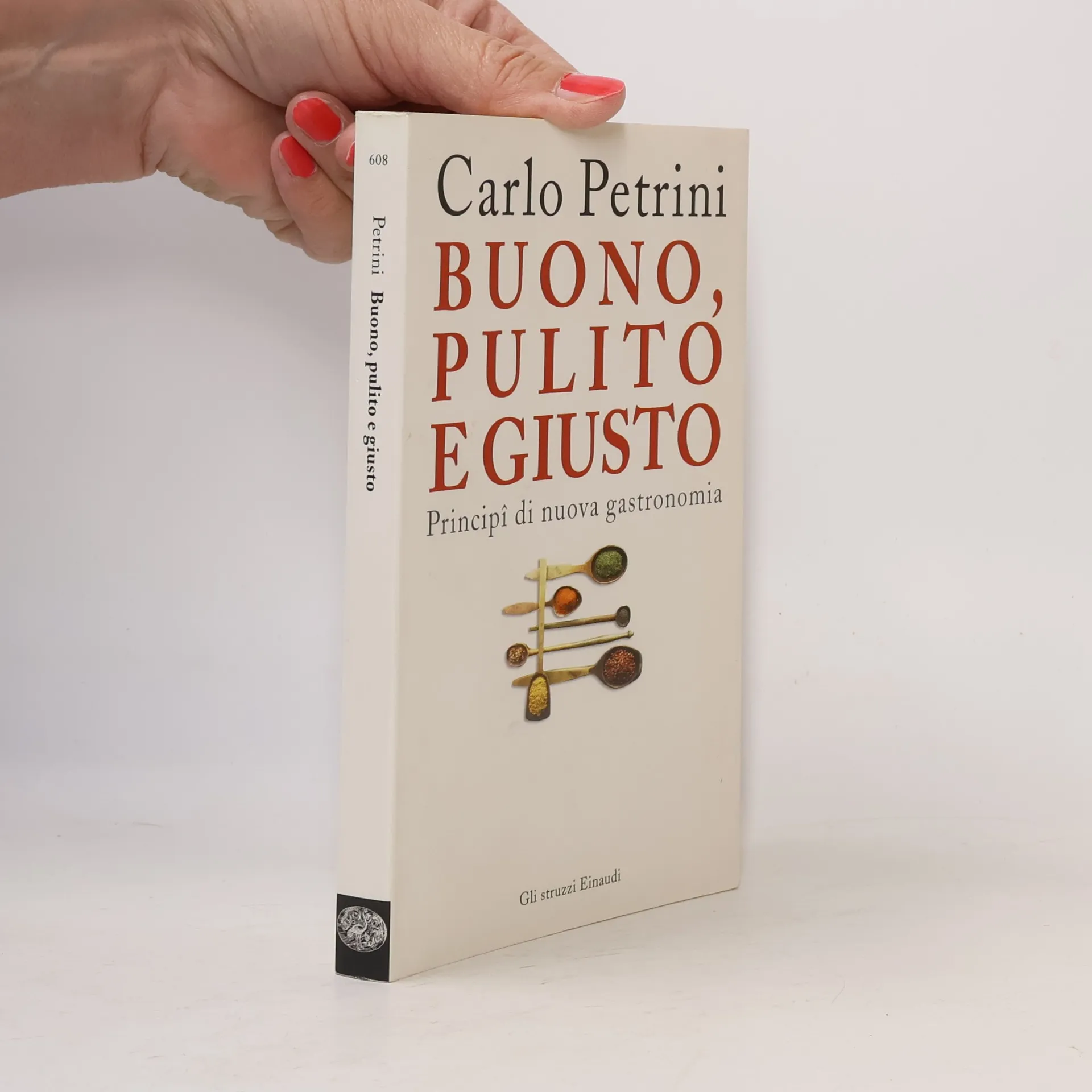
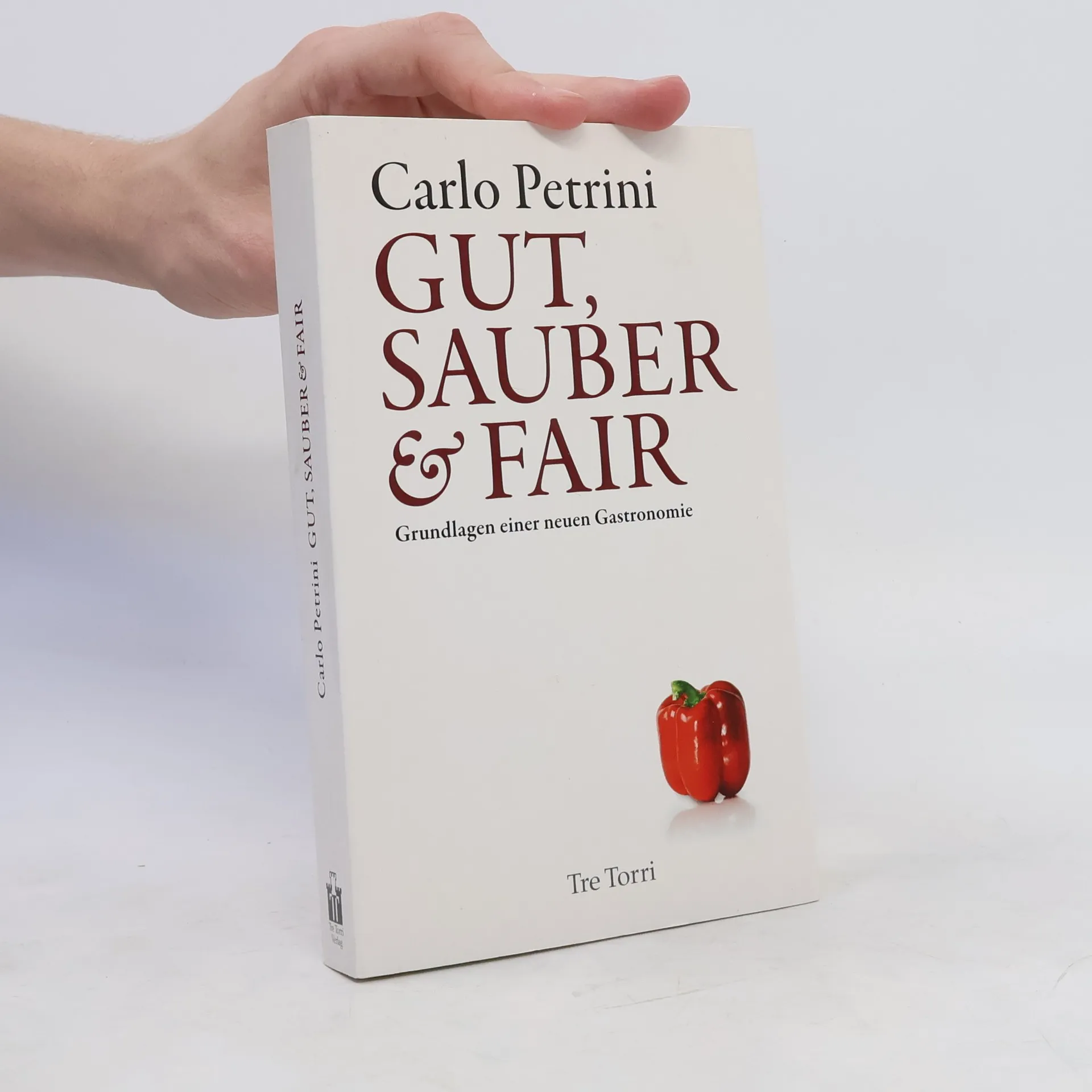
C'è chi ancora pensa ai gastronomi come a una cricca di mangioni egoisti, incuranti di ciò che sta loro attorno. Certo, il cibo può e dovrebbe essere un piacere, ma mangiare, ci fa riflettere Carlo Petrini, è anche "un atto agricolo": selezionando cibi prodotti con criteri che rispettino l'ambiente e le tradizioni, favoriamo la biodiversità e un'agricoltura equa e sostenibile. Di conseguenza, se nutrirsi è un "atto agricolo", produrre dev'essere un "atto gastronomico" conforme ad almeno tre criteri essenziali: buono, pulito e giusto. Attraverso frammenti autobiografici intercalati a meditate riflessioni, cifre e proposte concrete, l'autore ci fa comprendere quanto è ampia oggi la galassia delle discipline che gravitano intorno al cibo.
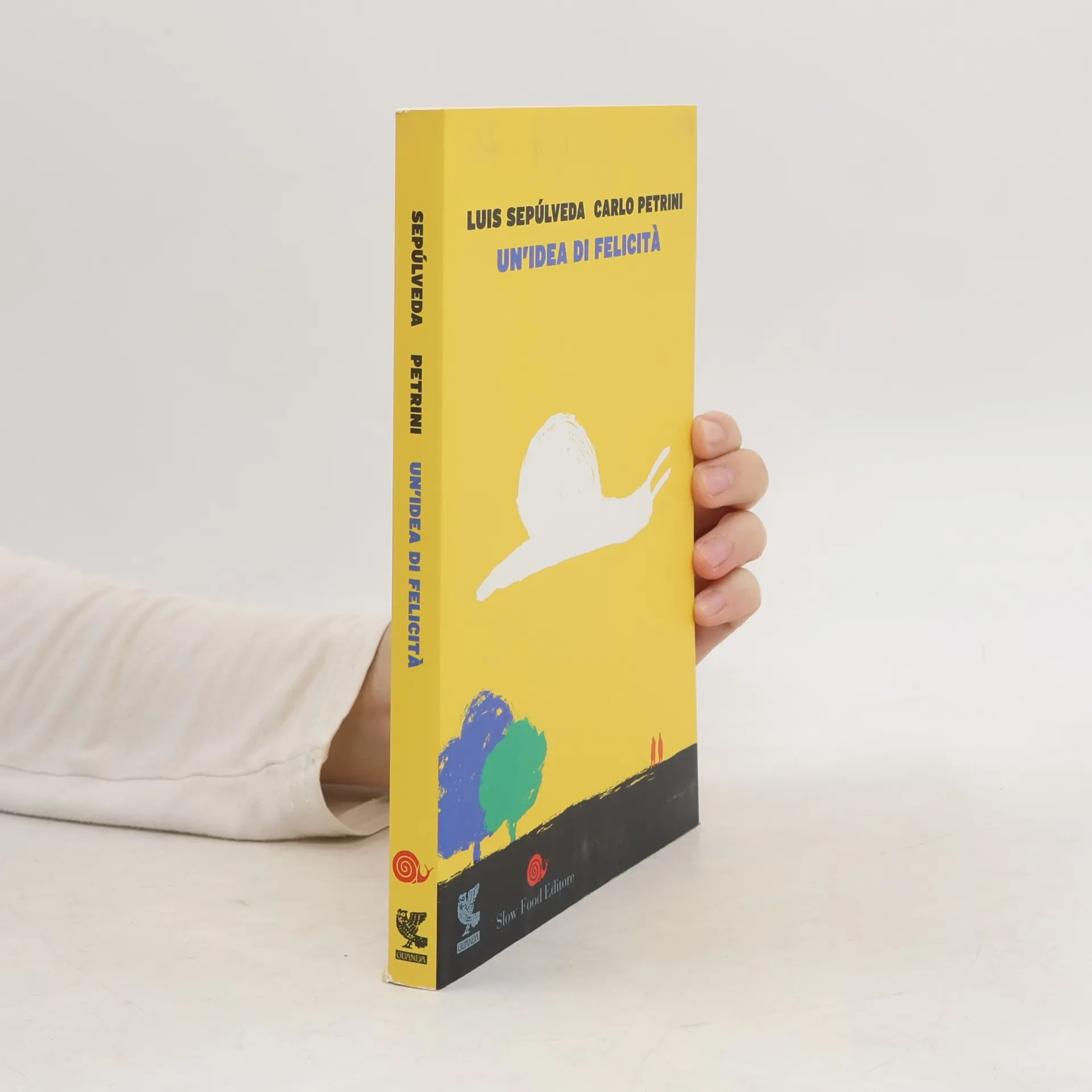
La felicità è ancora di questo mondo? In un’epoca frettolosa e spesso cupa, dai ritmi di vita e di lavoro innaturali, dov’è finito il tempo per la vita, per la persona, per la condivisione? C’è ancora, è la risposta di Luis Sepúlveda e Carlo Petrini, purché sappiamo trovarlo, rubando ai nostri giorni frenetici lo spazio per far germogliare un seme, per scambiarci un aneddoto spezzando il pane, o per fare la nostra parte nella battaglia per un mondo più sostenibile e generoso. Dall’Amazzonia al cuore dell’Africa, dall’esperienza amara dell’esilio all’abbraccio collettivo di Terra Madre, ricordi e pensieri di due autori d’eccezione si intrecciano in una conversazione che attraversa attualità e letteratura, gastronomia e politica, difesa della natura e della tradizione. Tra incontri e racconti, storie di grandi leader e di piccoli eroi del quotidiano, Petrini e Sepúlveda ci guidano alla ricerca di quel diritto al piacere che è oggi il più rivoluzionario, democratico, umano degli obiettivi. Con la lentezza e la saggezza della lumaca, però. Perché anche noi possiamo smettere di correre verso una destinazione ignota, e ricominciare pienamente a esistere.
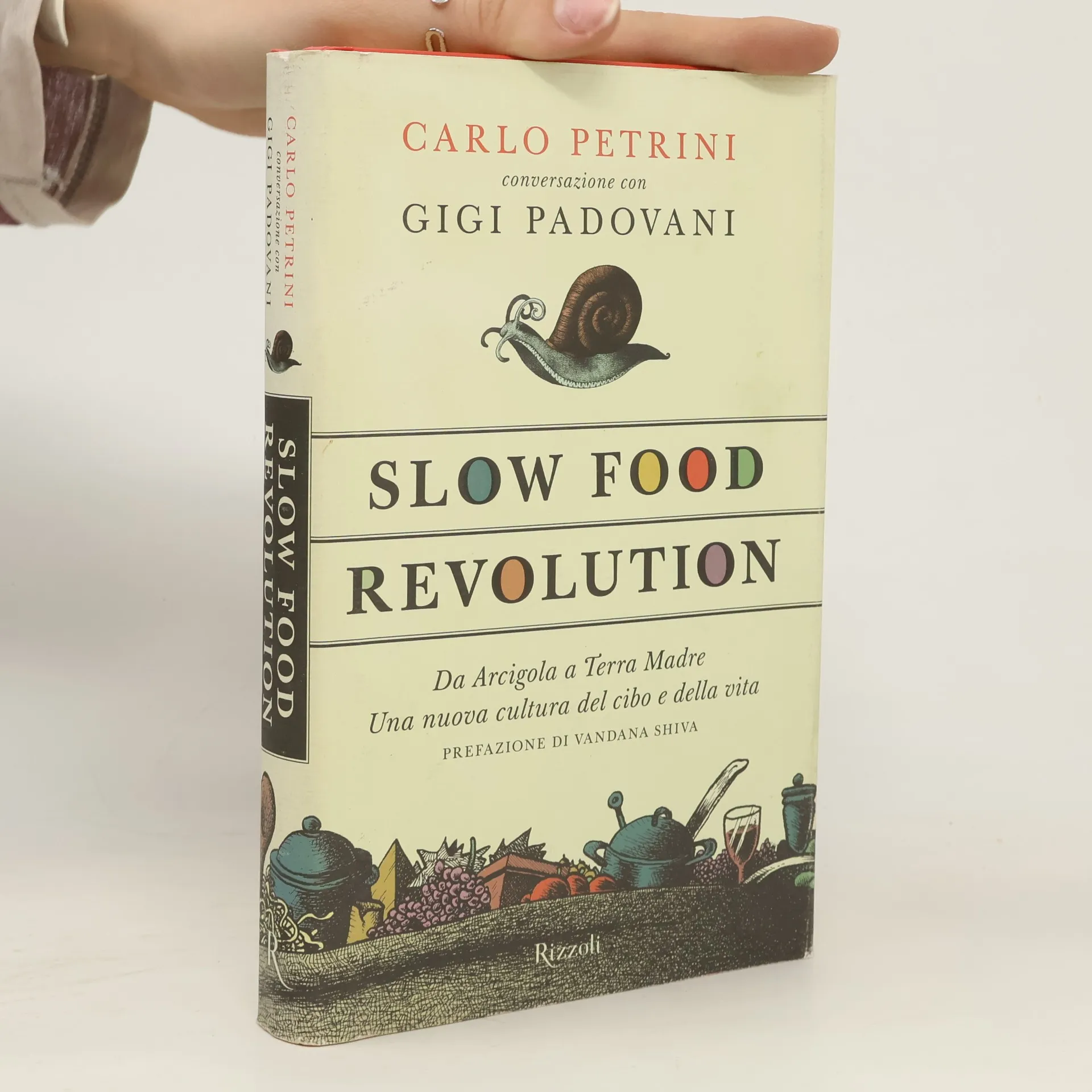
Da Arcigola a Terra Madre: Una nuova cultura del cibo e della vita
302pagine
11 ore di lettura
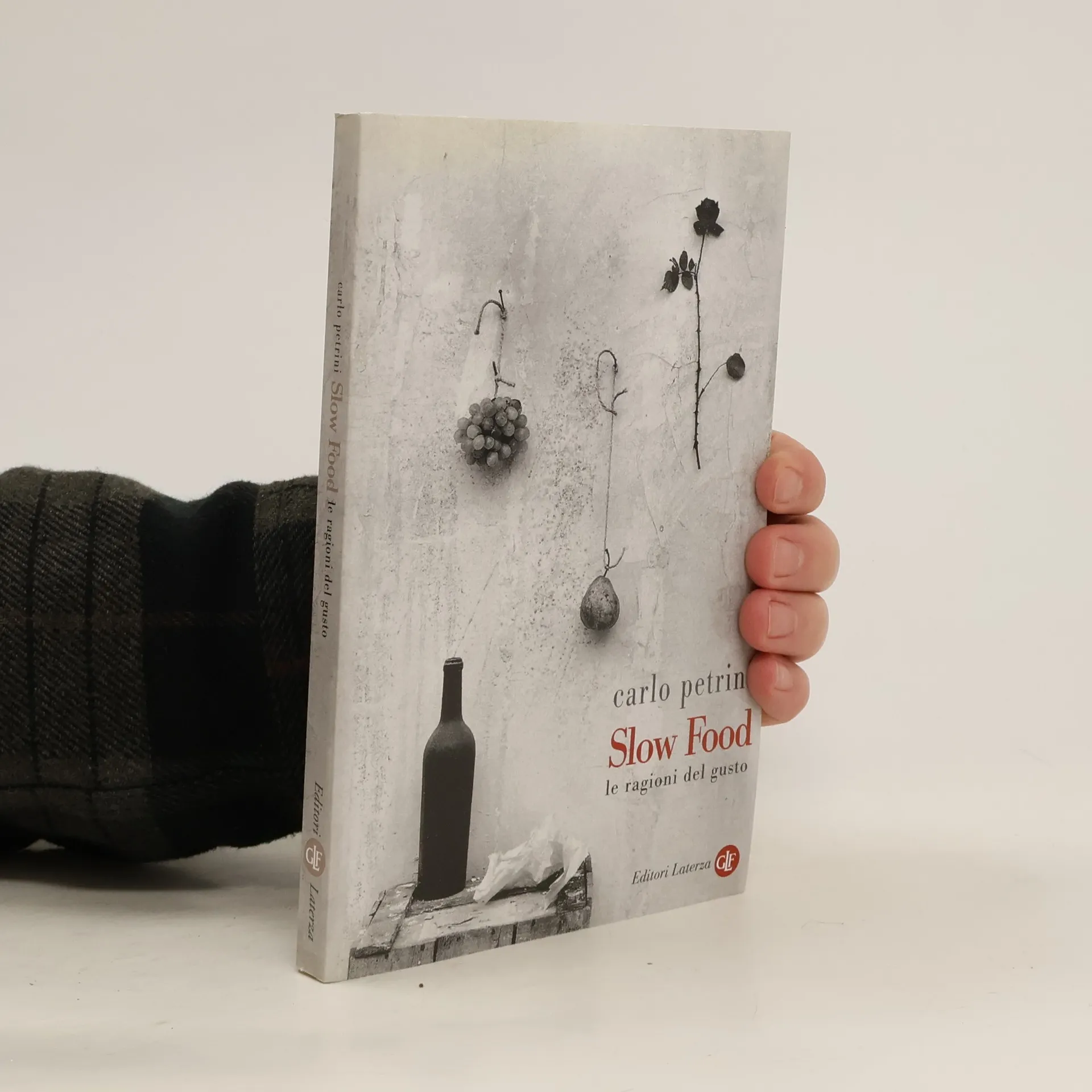
Founded in Italy in 1986 by charismatic Italian gourmand Carlo Petrini, Slow Food has grown into a phenomenally successful movement against the uniformity and compromised quality of fast food and supermarket chains. With nearly 85,000 members in 45 countries around the world, Slow Food has developed from a small, grassroots group into the most influential gastronomic movement in the world. Known as the "WWF of endangered food and wine," Slow Food not only focuses on a slower, more natural and organic lifestyle that complements nature, but also works to preserve dying culinary traditions, conserve natural biodiversity, and protect fading agricultural practices threatened in this age of mass consumerism. The book takes the reader on a gastronomic journey through the practices and traditions of the world's ethnic cuisines, from the artisanal cheeses of Italy to the oysters of Cape May and the native American turkey. It includes testimonies from Slow Food representatives—such as Alice Waters of Chez Panisse—illustrating exactly what they are doing—and what still needs to be done—to preserve them.
Quando nel 1986 McDonald's aprì un fast food in Piazza Navona a Roma, scoppiarono proteste di massa che portarono alla fondazione dell'organizzazione Slow Food International. La storia del movimento è lunga: sin dagli anni '70, prima in Piemonte e poi in tutta Italia, associazioni regionali si sono impegnate per la valorizzazione della cucina locale, del vino autoctono e della tradizione gastronomica. Slow Food si è diffuso in tutto il mondo e conta oggi oltre 75.000 membri in 45 paesi.
Slow Food promuove la valorizzazione dei prodotti regionali, la salvaguardia della biodiversità biologica e culturale e pratiche di produzione ecologiche e socialmente sostenibili, offrendo opportunità anche alle regioni più povere. La cura della cultura del cibo e una dieta sana a base di alimenti di qualità e saporiti sono essenziali per il benessere: Slow Food mira anche a migliorare la qualità della vita individuale.
Il libro offre una panoramica sulla storia e lo sviluppo del movimento, nonché sulle sue principali preoccupazioni e attività, con informazioni su specialità locali e produttori. Un'opera per chi è interessato a un'alimentazione sana e gustosa.
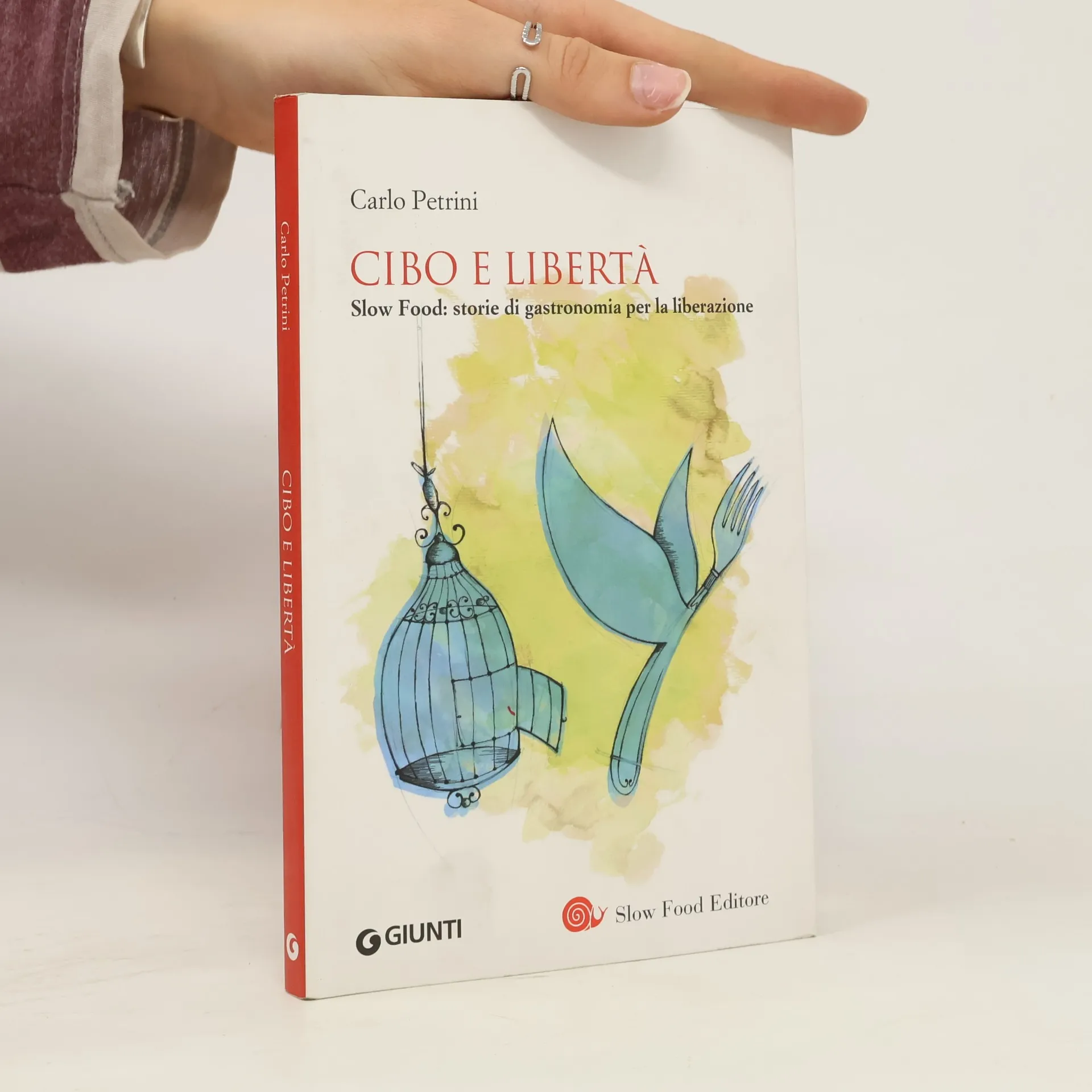
Carlo Petrini, prendendo spunto da eventi accaduti nella sua vita di gastronomo, e di presidente e fondatore di Slow Food, raccontando viaggi e avventure anche rocambolesche, narra la storia di questa liberazione, partita da un contesto locale per farsi via via globale. Una liberazione che passa attraverso l'energia che sa sprigionare la forza creativa della diversità, che va rispettata e valorizzata in tutte le sue sfaccettature (diversità umana, biologica, culturale, scientifica). Un'energia che va incanalata nelle maglie di una rete libera, virtuale ma anche reale, che consenta di stringere nuove alleanze per riuscire a cambiare per sempre la faccia a un sistema mondiale del cibo che, allo stato attuale, non ci garantisce un futuro felice. Per questo la gastronomia da liberata diventa elemento "di liberazione": per tutti quei popoli, del Nord e del Sud del mondo, che rivendicano la propria sovranità alimentare a partire dalla propria cultura e da ciò che hanno da offrire i luoghi che abitano. Cibo e libertà contiene storie e il dipanarsi di idee che stanno facendo la storia, che raccontano un passato appassionante e la prospettiva di un futuro di profondo benessere, ancora tutto da scrivere, soprattutto per i Paesi ritenuti più in difficoltà, come quelli del continente africano.
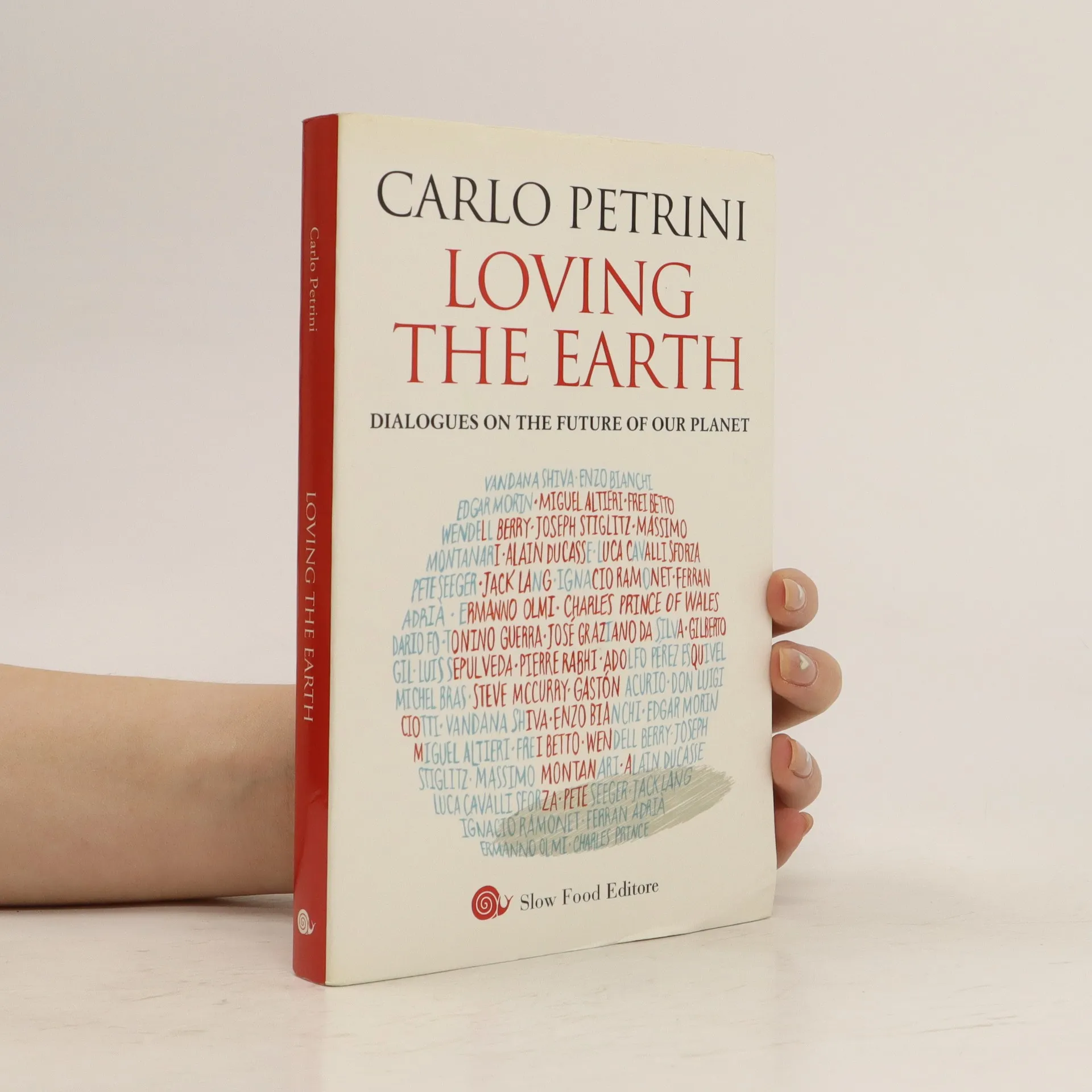
Con il meeting internazionale delle comunità del cibo di Torino, una rete permanente e radicata in quasi ogni nazione del pianeta, Terra Madre compie i suoi primi dieci anni. Li festeggia con ''Voler bene alla Terra'': uno straordinario collage di dialoghi pubblicati prima su La Stampa e poi su La Repubblica, che presenta le idee, i progetti e le esperienze di quanti aderiscono ai valori della multinazionale virtuosa governata dal desiderio di un mondo migliore, da costruire attraverso il cibo.Sono le voci di grandi donne e uomini che si trovano in piena sintonia con la rete e con la straordinaria umanità che ne fa parte: contadini, pescatori e nomadi, artigiani, cuochi e cuoche, musicisti, intellettuali, semplici cittadini. In queste pagine parlano premi Nobel, cuochi che hanno cambiato la gastronomia mondiale, icone del mondo artistico - musicale e letterario - o del mondo contadino, uomini di spirito che hanno illuminato non soltanto le strade dell'anima.''Voler bene alla Terra'' dice molto: coltivare e custodire l'ambiente è il segno distintivo di questo momento storico ed è la meta privilegiata per tutti noi che vogliamo rendere il nostro pianeta Terra un po' più sano, florido, felice per chi lo abita.
Collected Thoughts on Taste, Tradition, and the Honest Pleasures of Food
287pagine
11 ore di lettura
Remember the days before the dot.com explosion and the Age of Information, when time was abundant for relaxation, cooking, and sustainable living? Today, we rush through meals while multitasking, sacrificing true nourishment for convenience. Carlo Petrini, founder of Slow Food International, advocates for a return to enjoying life fully, rejecting overly processed foods and embracing the pleasure of taste. With over 60,000 members worldwide, the Slow Food movement promotes the idea that the slow shall inherit the earth. This anthology, drawn from five years of the quarterly journal Slow, features more than 100 articles on diverse topics, from "Falafel" to "Fat City," providing an armchair tour of global culinary experiences. Readers will explore Vietnam's Snake Tavern and discover cultural connections, such as why Tandoori Chicken is a favorite in Indian cinema. Contributed by top food writers, this collection highlights the growing Slow Food movement in North America, where over 5,000 members are organized into 55 "Convivia." It offers a compelling alternative to the fast food culture, reinforcing the belief that a slower, more thoughtful approach to food leads to a richer life.
Do we want a world that has more solidarity or less solidarity? Cooperative or competitive citizens? An altruistic or an individualistic population? What counts in our lives is not how many cars we own, but the quality of the relationships we have with each other, with nature and with our children.
Gespräche mit Papst Franziskus über Ökologie, Migration und soziale Gerechtigkeit
Carlo Petrini, der Begründer der Slow-Food-Bewegung und Initiator des internationalen landwirtschaftlichen Netzwerks Terra Madre, hat mit Papst Franziskus in den letzten Jahren drei lange Gespräche geführt, die von Anfang an in Buchform erscheinen sollten. Die beiden auf den ersten Blick vielleicht ungleichen Männer eint nicht nur eine große gegenseitige Sympathie, sondern auch ein tiefes Engagement für Mensch und Umwelt. So sind diese Gespräche auf Augenhöhe überraschend, bewegend, manchmal nachdenklich, manchmal schnell und immer wieder amüsant. Die Gespräche fußen auf der Enzyklika Laudato si’ von 2015, über die der Papst sagt, sie sei eher eine Sozial- als eine Umwelt-Enzyklika. Es geht um Dialog und Aufrichtigkeit, ohne die keine Gemeinschaft entstehen kann, um die Verbindung von unserem Wohlergehen mit dem der Natur, um die fatalen Auswirkungen unseres Wirtschaftssystems, um Umweltzerstörung, um Migrationsbewegungen und die Gründe dafür, um die Notwendigkeit eines radikalen Umdenkens und immer um die Frage, wie wir es besser machen können. Ein unglaublich berührendes, motivierendes und anregendes Buch.
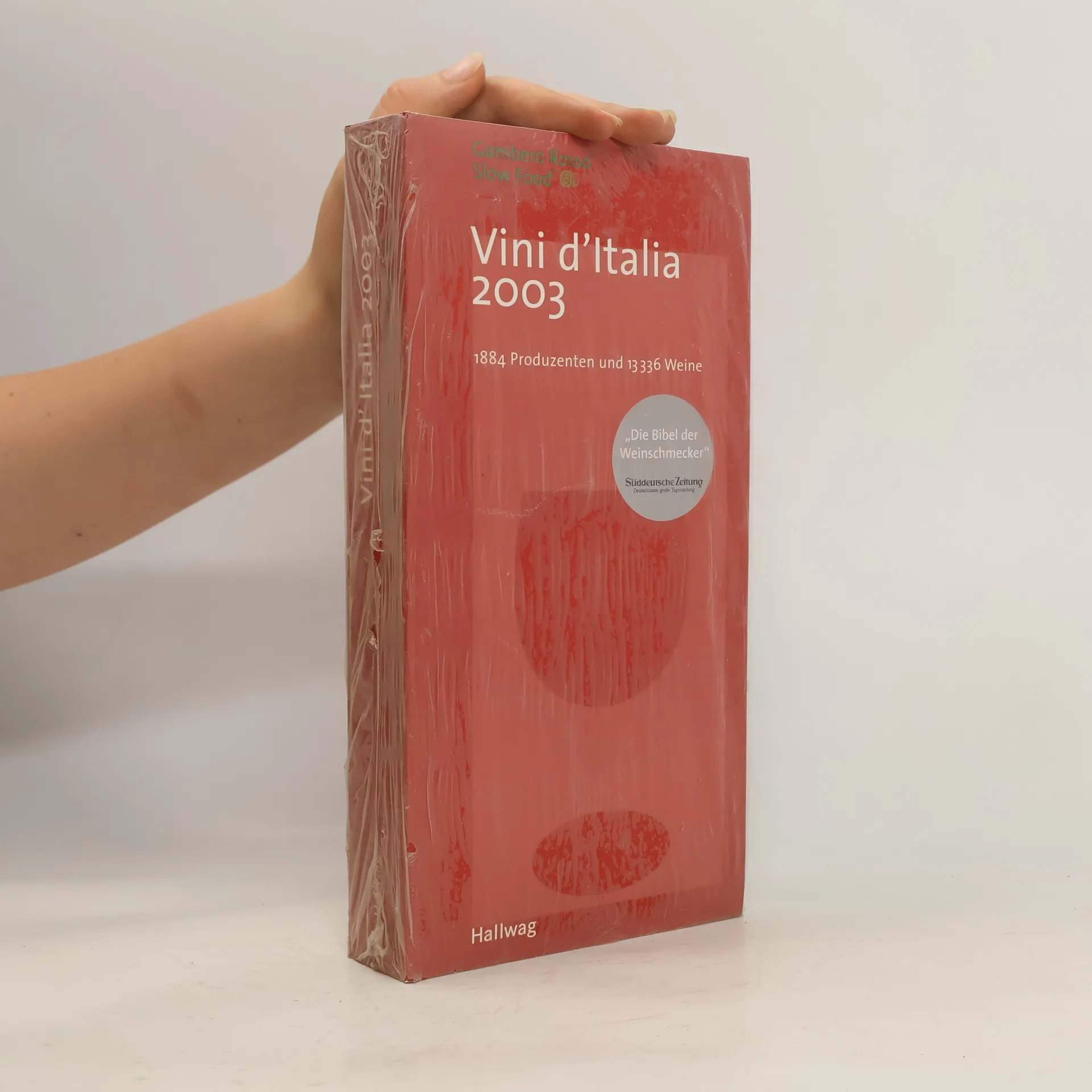
Vollständig, objektiv, kompetent: Vini d’Italia ist das unangefochtene Standardwerk zum italienischen Wein unserer Zeit, die „Bibel der Weinschmecker“ (Süddeutsche Zeitung) Der bedeutendste italienische Einkaufsführer, der in Zusammenarbeit von Slow Food und dem römischen Verlag Gambero Rosso erstellt wird, erschient seit 1989 in deutscher Übersetzung bei Hallwag. Die 2003er-Ausgabe ist wie jedes Jahr wieder vollständig neu geschrieben worden. Dieser Weinführer ist weltweit bekannt für seine Vollständigkeit Es wurden über 19.000 Weine von unabhängigen Teams verkostet; 13.000 Weine von insgesamt 2.000 Produzenten wurden in den Führer aufgenommen. Damit bietet der Gambero Rosso das reichhaltigste Panorama des italienischen Weins überhaupt. Das Werk umfasst die internationalen Spitzengewächse ebenso wie die immer breiter werdende Basis sauber und korrekt gemachter Alltagsweine.
Für Carlo Petrini, Gründer der bekannten Slow Food-Bewegung, ist die Nahrungsaufnahme ein „Gastronomischer Akt“. Essen soll Spaß machen und unbeschwert zur persönlichen Entspannung beitragen. Doch vor der eigentlichen Nahrungsaufnahme steht der „Landwirtschaftliche Akt“. Slow Food beginnt bereits bei der Nahrungserstellung und nicht erst bei der Nahrungszubereitung. Als Konsequenz beschreibt Carlo Petrini die qualitative Selektion von Produkten und deren Verarbeitung, Kriterien zur gesunden Landwirtschaft und der lokalen Tradition sowie die Förderung biologischer Vielfältigkeit und eine erfolgreiche, unabhängige Landwirtschaft. Er plädiert für drei essentielle Kriterien für Nahrung - gut, sauber, fair. Ein Buch für alle leidenschaftlichen Esser, die weg von schnellen Massenprodukten hin zum wahren Genuss von Nahrung zurückfinden wollen. Und ein Buch für alle die Menschen, die genauer wissen wollen, was auf den Teller kommt.
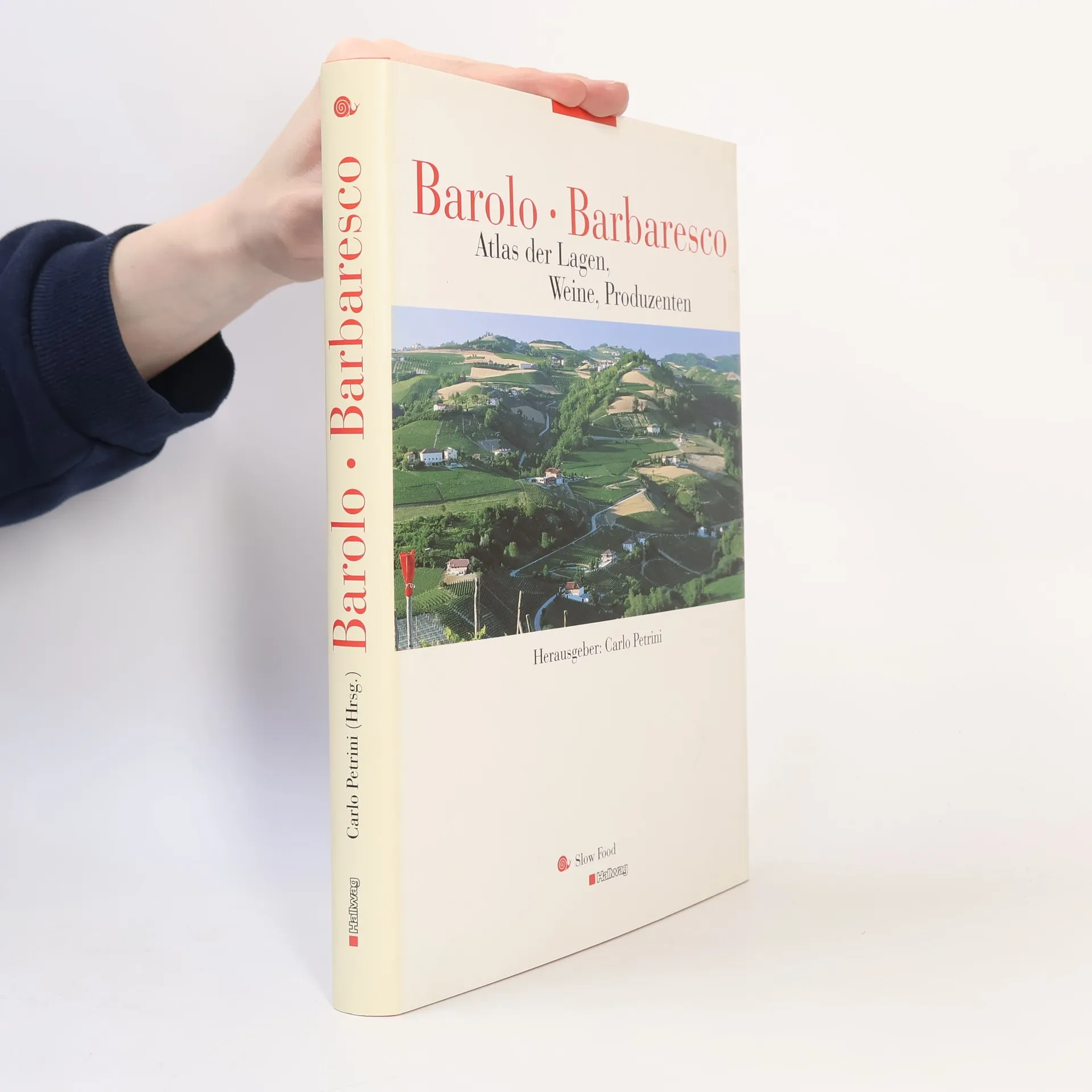
Wenn von Barolo und Barbaresco, jenen legendären Weinen aus den Langhe-Bergen im Piemont, die Rede ist, geraten Weinliebhaber ins Schwärmen. Dank Spitzenwinzern wie Angelo Gaja oder Giacomo Conterno sind diese Weine in den letzten 20 Jahren zu Weltruhm gelangt und gehören heute zum Besten, was Italien zu bieten hat. Der vorliegende Atlas dokumentiert Geschichte und Entwicklung einer einzigartigen Weinregion und stellt ihre besten Weinlagen und Erzeuger vor.