

Parametri
- 87pagine
- 4 ore di lettura
Maggiori informazioni sul libro
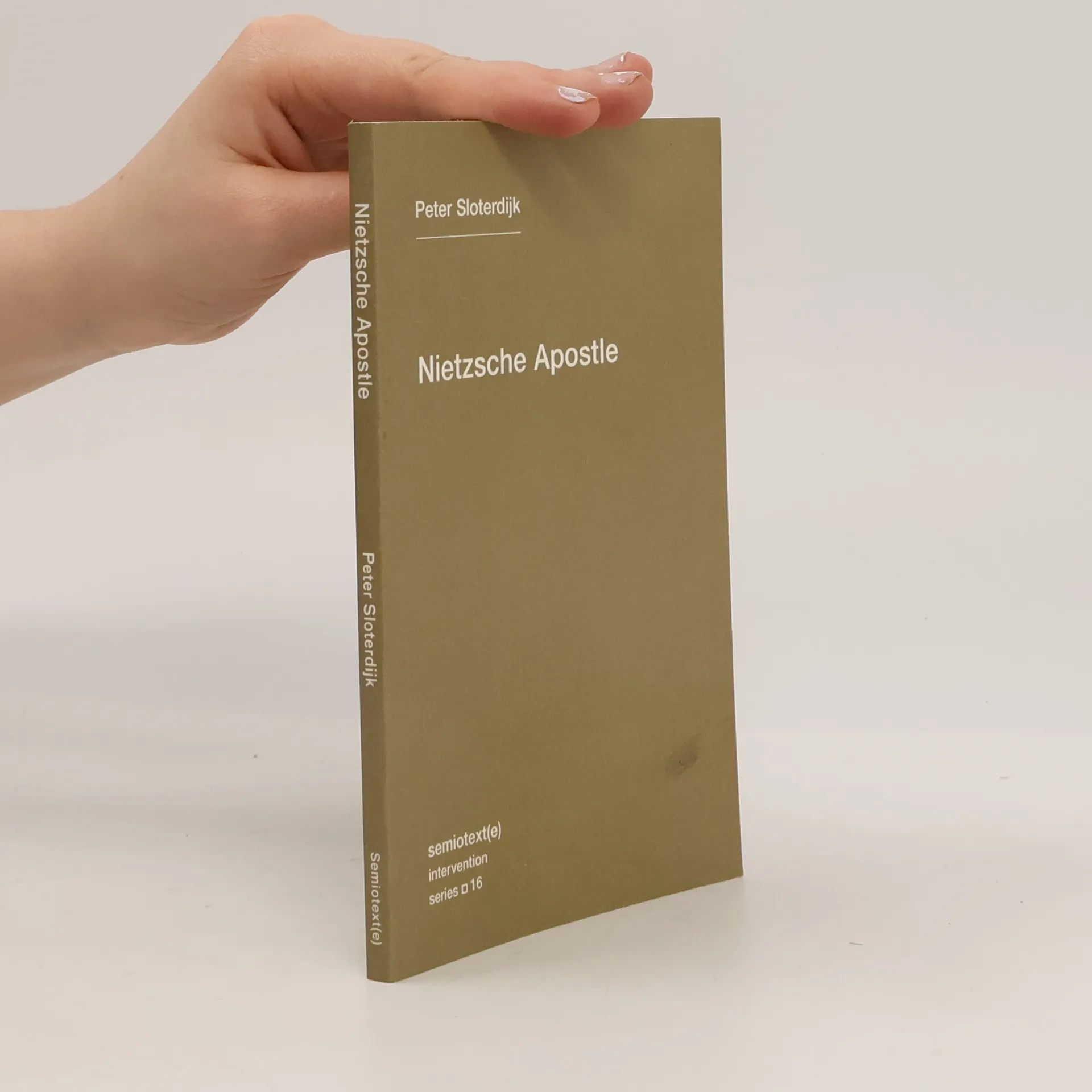
"I would like to describe the Nietzschean event as a kind of catastrophe within the history of language and, in passing, provide evidence for the thesis that his intervention as a neo-evangelical literary figure marks a turning point in the conditions of understanding and communication in old Europe." With these words, Peter Sloterdijk summarizes the content of On the Improvement of the Good News. The fifth "gospel" according to Nietzsche, a vibrant essay written in commemoration of the centenary of the death of the author of Thus Spoke Zarathustra. Far from embalming the figure of this classic, Sloterdijk, perhaps the contemporary philosopher who has most reflected on the "spherical" condition of human beings, approaches the quintessential individualist thinker once again and raises at least two suggestive questions: What if the Nietzschean Good News, unfortunately so distorted or exploited for authoritarian purposes, pointed to a new human experience no longer resentful toward life and, therefore, more open to the otherness of the world and others? Was Nietzsche, despite everything, a happy man?

Acquisto del libro
Nietzsche apostle, Peter Sloterdijk
- Lingua

- Pubblicato
- 2013
- Rilegatura
- (In brossura)
Metodi di pagamento
Qui potrebbe esserci la tua recensione.
- Titolo
- Nietzsche apostle
- Lingua
- Inglese
- Autori
- Peter Sloterdijk
- Editore
- Semiotext(e)
- Pubblicato
- 2013
- Formato
- In brossura
- Pagine
- 87
- ISBN10
- 1584350997
- ISBN13
- 9781584350996
- Serie
- Valutazione
- 3,6 su 5
- Descrizione
- "I would like to describe the Nietzschean event as a kind of catastrophe within the history of language and, in passing, provide evidence for the thesis that his intervention as a neo-evangelical literary figure marks a turning point in the conditions of understanding and communication in old Europe." With these words, Peter Sloterdijk summarizes the content of On the Improvement of the Good News. The fifth "gospel" according to Nietzsche, a vibrant essay written in commemoration of the centenary of the death of the author of Thus Spoke Zarathustra. Far from embalming the figure of this classic, Sloterdijk, perhaps the contemporary philosopher who has most reflected on the "spherical" condition of human beings, approaches the quintessential individualist thinker once again and raises at least two suggestive questions: What if the Nietzschean Good News, unfortunately so distorted or exploited for authoritarian purposes, pointed to a new human experience no longer resentful toward life and, therefore, more open to the otherness of the world and others? Was Nietzsche, despite everything, a happy man?