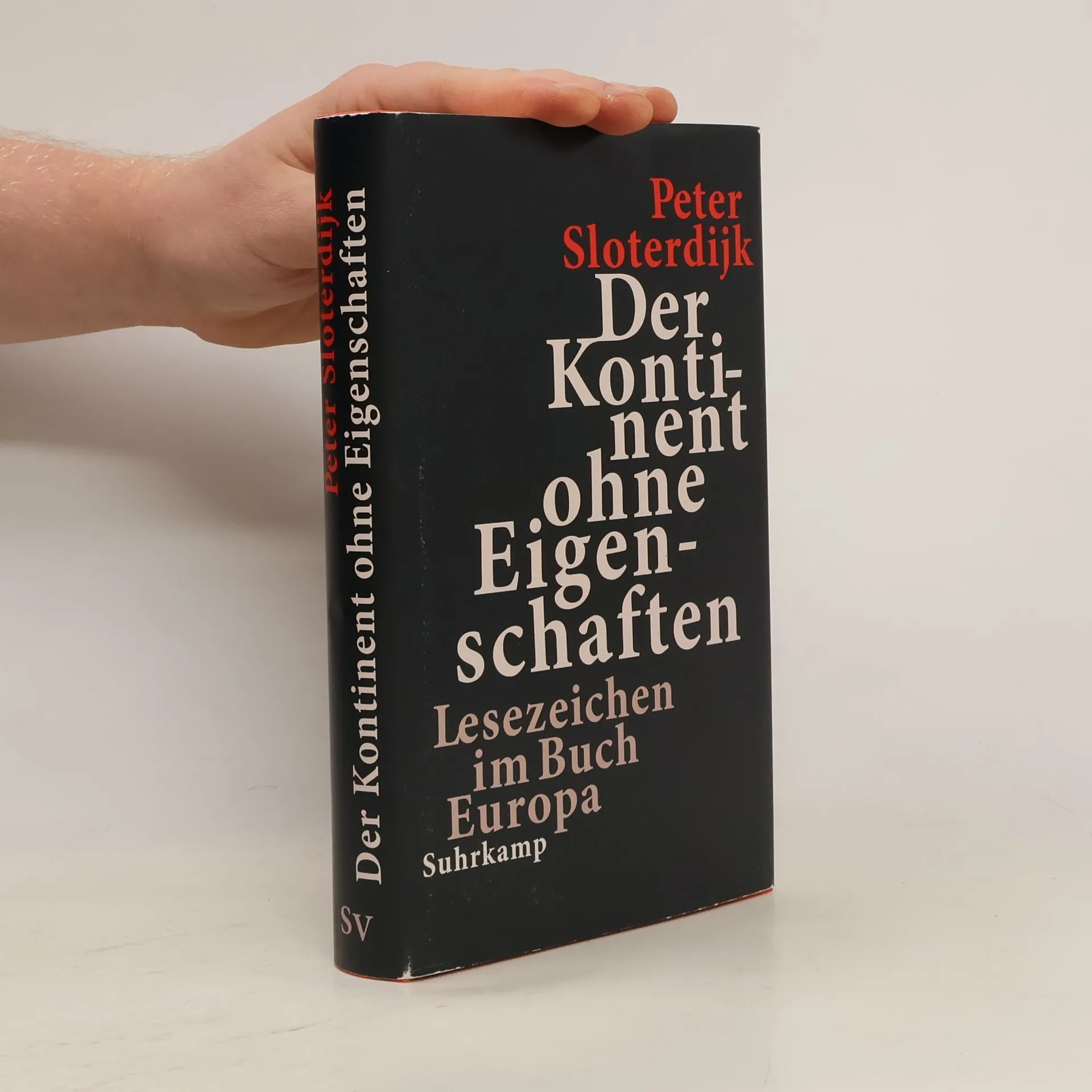
Il secondo volume della trilogia Sfere indaga le dinamiche di passaggio dalle microsfere (bolle) alle macrosfere (globi): sotto i riflettori sono Dio e il mondo, e con essi tutte le figure “macrosferologiche”, di natura sia politica sia metafisica, che hanno dato vita a costruzioni simboliche e istituzionali di grandi dimensioni. Sloterdijk traccia un itinerario che, partendo dalle città mesopotamiche, arriva fino alle società contemporanee, interpretando tali costruzioni come dispositivi “immunitari” mediante i quali i collettivi umani erigono difese contro l’insensatezza e l’esteriorità del mondo. Il volume si chiude con un’ampia teoria della globalizzazione, presentata come un monito contro le semplificazioni imperanti nel dibattito contemporaneo: è impossibile comprendere la globalizzazione terrestre moderna, sostiene Sloterdijk, ignorando il fatto che è stata preceduta dalle globalizzazioni metafisiche di matematici, filosofi e teologi, a partire da quella che ha dato vita, con la figura del cosmo, alla prima geometrizzazione filosofica dell’universo.
Peter Sloterdijk Libri
Peter Sloterdijk è un filosofo e teorico culturale tedesco le cui opere approfondiscono questioni fondamentali dell'esistenza umana e della società moderna. Il suo stile è caratterizzato da un pensiero provocatorio e da un'analisi incisiva dei fenomeni culturali contemporanei. Opere chiave, come la trilogia 'Sfere', esplorano la relazione tra l'umanità e il suo ambiente, sottolineando l'influenza delle strutture sociali e tecnologiche. La scrittura di Sloterdijk sfida i lettori a rivalutare i concetti tradizionali e a impegnarsi attivamente nella definizione delle società future.


Sfere 1
- 575pagine
- 21 ore di lettura
La trilogia Sfere, opera maggiore di Peter Sloterdijk, propone una storia filosofica delle culture umane attraverso una figura, la sfera, che rappresenta il cuore del progetto di razionalizzazione dell’immagine del mondo e dell’uomo nella filosofia classica. Le sfere al centro del progetto indicano più di semplici figure geometriche. La capacità di creare forme sferiche implica sin dalle origini della civiltà umana la possibilità di accedere a costruzioni di senso capaci di orientare l’intera esperienza dell’uomo, nella dimensione dell’intimità e in quella definita dagli orizzonti della civilizzazione. In tale prospettiva, Sfere esprime il tentativo di definire una visione della storia umana e della condizione contemporanea a partire da una teoria dello spazio animato. Il primo volume, Bolle, elabora una filosofia dell’intimità, contrapponendo all’immagine autosufficiente dell’individuo il concetto di diade originaria. Si presenta, in questo modo, come un esperimento “microsferologico”, teso a decifrare i piccoli mondi del vincolo di coppia o della partecipazione simbiotica, ovvero a disegnare figure di animazione che, pur non potendo avere forma sferica in termini geometrici, sono assimilate a sfere metaforiche, cioè appunto a bolle.
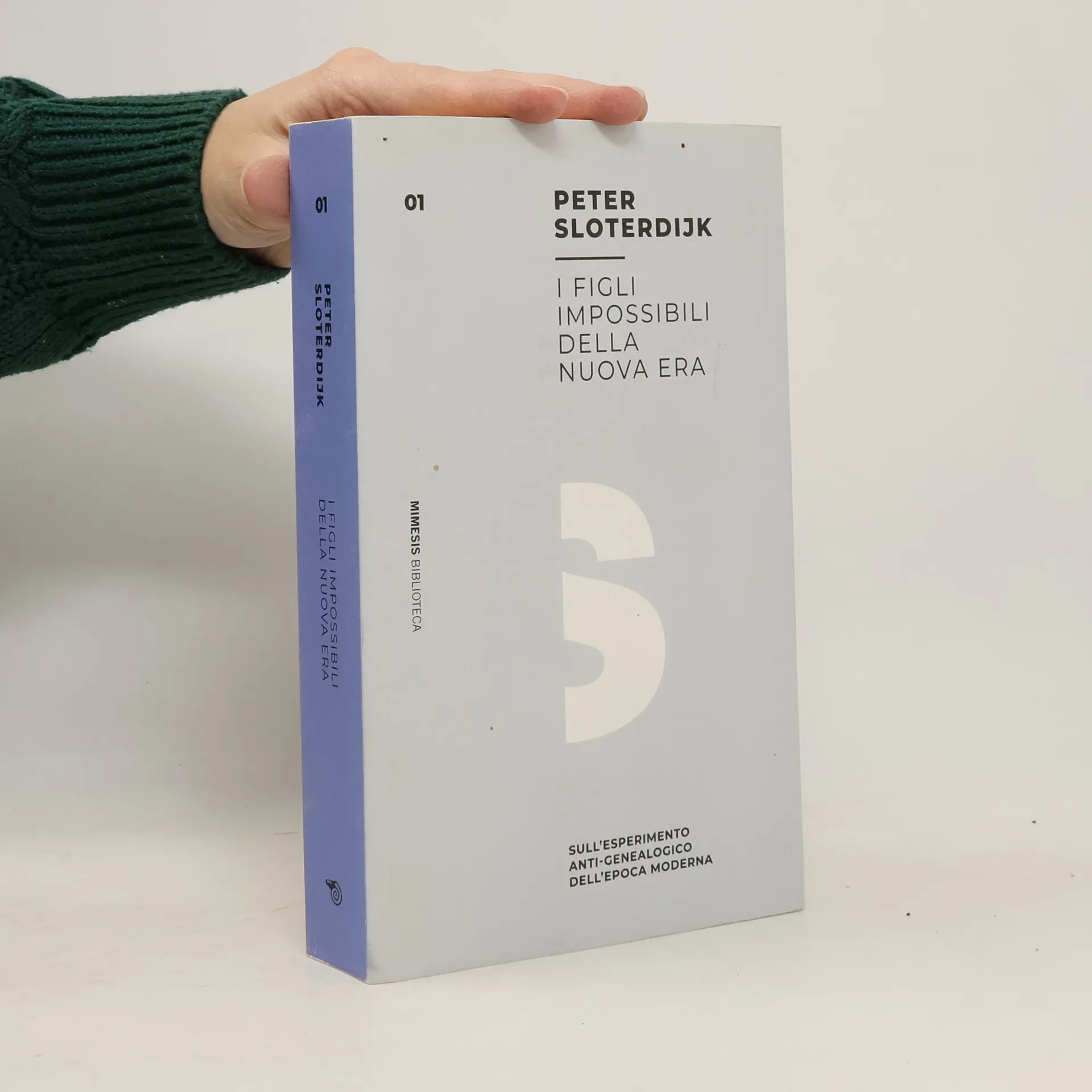
Secondo Peter Sloterdijk, il ventesimo secolo è iniziato in un giorno e in un luogo specifici: il 22 aprile 1915, a Ypres, nel nord della Francia. Quel giorno, l'esercito tedesco utilizzò un gas clorino destinato a sterminare indiscriminatamente. Fino ad allora, la guerra, come descritta da Clausewitz e praticata da Napoleone, comportava l'attacco prima alla funzione vitale dell'avversario. L'uso del gas tossico segnò il passaggio dalla guerra classica al terrorismo. Questo terrore dall'aria inaugurò un'era in cui l'idea principale non era più quella di colpire il corpo nemico, ma il suo ambiente. Da quel momento, ciò che sarebbe stato attaccato in tempo di guerra e in tempo di pace sarebbero state le stesse condizioni necessarie per la vita. Questo tipo di terrorismo divenne la matrice della guerra moderna e postmoderna, dal gas tossico della Prima Guerra Mondiale al Zyklon B nazista usato ad Auschwitz, dai bombardamenti di Dresda all'attacco al World Trade Center. Sloterdijk descrive anche l'offensiva dell'estetica moderna, il terrorismo estetico dal Surrealismo a Malevich, un "atmo-terrorismo" nelle arti che parallela l'assalto all'ambiente originato dalla guerra.
I figli impossibili della nuova era
- 416pagine
- 15 ore di lettura
Spheres
- 912pagine
- 32 ore di lettura
An epic project in both size and purview, Peter Sloterdijk's three-volume, 2,500-page Spheres is the late-twentieth-century bookend to Heidegger's Being and Time. Rejecting the century's predominant philosophical focus on temporality, Sloterdijk, a self-described "student of the air," reinterprets the history of Western metaphysics as an inherently spatial and immunological project, from the discovery of self (bubble) to the exploration of world (globe) to the poetics of plurality (foam). Exploring macro- and micro-space from the Greek agora to the contemporary urban apartment, Sloterdijk is able to synthesize, with immense erudition, the spatial theories of Aristotle, René Descartes, Gaston Bachelard, Walter Benjamin, and Georges Bataille into a morphology of shared, or multipolar, dwelling-identifying the question of being as one bound up with the aerial technology of architectonics and anthropogenesis."-
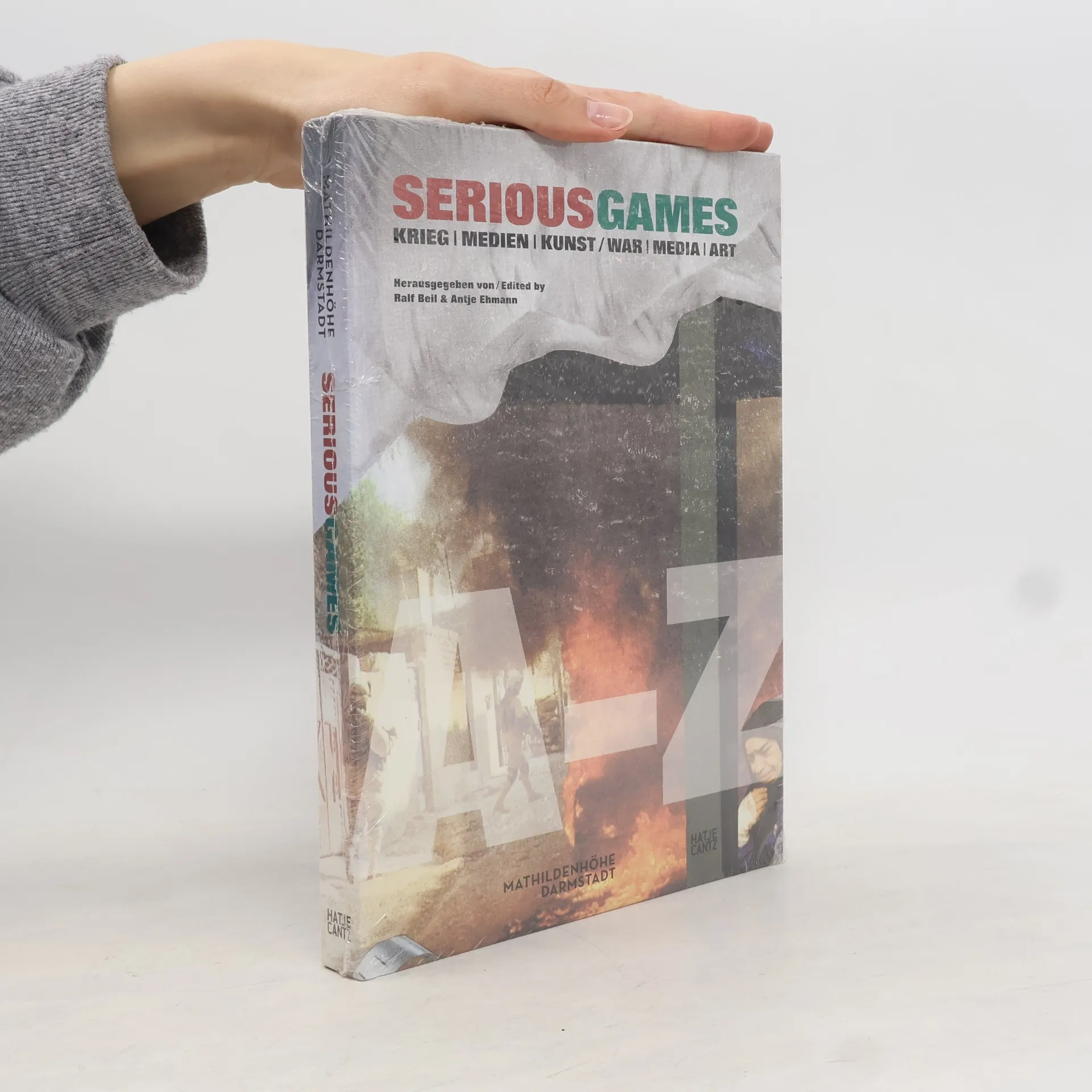
Serious Games - Zur Ausstellung in der Mathildenhöhe Darmstadt, 2011. Dtsch.-Engl.
- 207pagine
- 8 ore di lettura
Im Irak-Krieg 1992 fiel die Kriegsführung mit der Berichterstattung zusammen: Das zivile Fernsehen zeigte Bilder, die kurz zuvor noch auf militärischen Kontroll-Monitoren zu sehen waren. Mittlerweile liefern Dienststellen der US-Armee komplette Datensätze für Computerspiele. Virtuelle Wüstenlandschaften mit Betonpisten und Strommasten prägen heute die Fantasie von Kindern und Jugendlichen wie früher einmal die Tunnel und Bergdörfer von Spielzeugeisenbahnen. Das lexikalisch aufgebaute Kompendium untersucht die permanente Umwandlung von Kriegsbildern zu Unterhaltungsbildern und damit die Militarisierung der Imagination. Es geht darum, welche Bilder Kriege erzeugen und wie diese in der Kunst der Gegenwart aufgegriffen und gespiegelt werden. Beleuchtet wird diese Frage anhand von Fotografien, Videos, Computerspielen, Gemälden und Rauminstallationen, unter anderem von Peggy Ahwesh, Oliver van den Berg, Kota Ezawa, Harun Farocki, Jean-Luc Godard, Richard Hamilton, Walid Raad, Martha Rosler, Allan Sekula und Hito Steyerl. Ausstellung: Mathildenhöhe Darmstadt 27.3.–24.7.2011
Out of the World
- 246pagine
- 9 ore di lettura
In this essential early work, the preeminent European philosopher Peter Sloterdijk offers a cross-cultural and transdisciplinary meditation on humanity's tendency to refuse the world. Developing the first seeds of his anthropotechnics, Sloterdijk develops a theory of consciousness as a medium, tuned and retuned over the course of technological and social history. His subject here is the "world-alien" in man that was formerly institutionalized in religions, but is increasingly dealt with in modern times through practices of psychotherapy. Originally written in 1993, this almost clairvoyant work examines how humans seek escape from the world in cross-cultural and historical context, up to the mania and world-escapism of our cybernetic network culture. Chapters delve into the artificial habitats and forms of intoxication we develop, from early Christian desert monks to pharmaco-theology through psychedelics. In classic form, Sloterdijk recalibrates and reinvents concepts from the ancient Greeks to Heidegger to develop an astonishingly contemporary philosophical anthropology.
You must change your life
- 503pagine
- 18 ore di lettura
In his major investigation into the nature of humans, Peter Sloterdijk presents a critique of myth - the myth of the return of religion. For it is not religion that is returning; rather, there is something else quite profound that is taking on increasing significance in the present: the human as a practising, training being, one that creates itself through exercises and thereby transcends itself. Rainer Maria Rilke formulated the drive towards such self-training in the early twentieth century in the imperative 'You must change your life'. In making his case for the expansion of the practice zone for individuals and for society as a whole, Sloterdijk develops a fundamental and fundamentally new anthropology. The core of his science of the human being is an insight into the self-formation of all things human. The activity of both individuals and collectives constantly comes back to affect them: work affects the worker, communication the communicator, feelings the feeler. It is those humans who engage expressly in practice that embody this mode of existence most clearly: farmers, workers, warriors, writers, yogis, rhetoricians, musicians or models. By examining their training plans and peak performances, this book offers a panorama of exercises that are necessary to be, and remain, a human being.
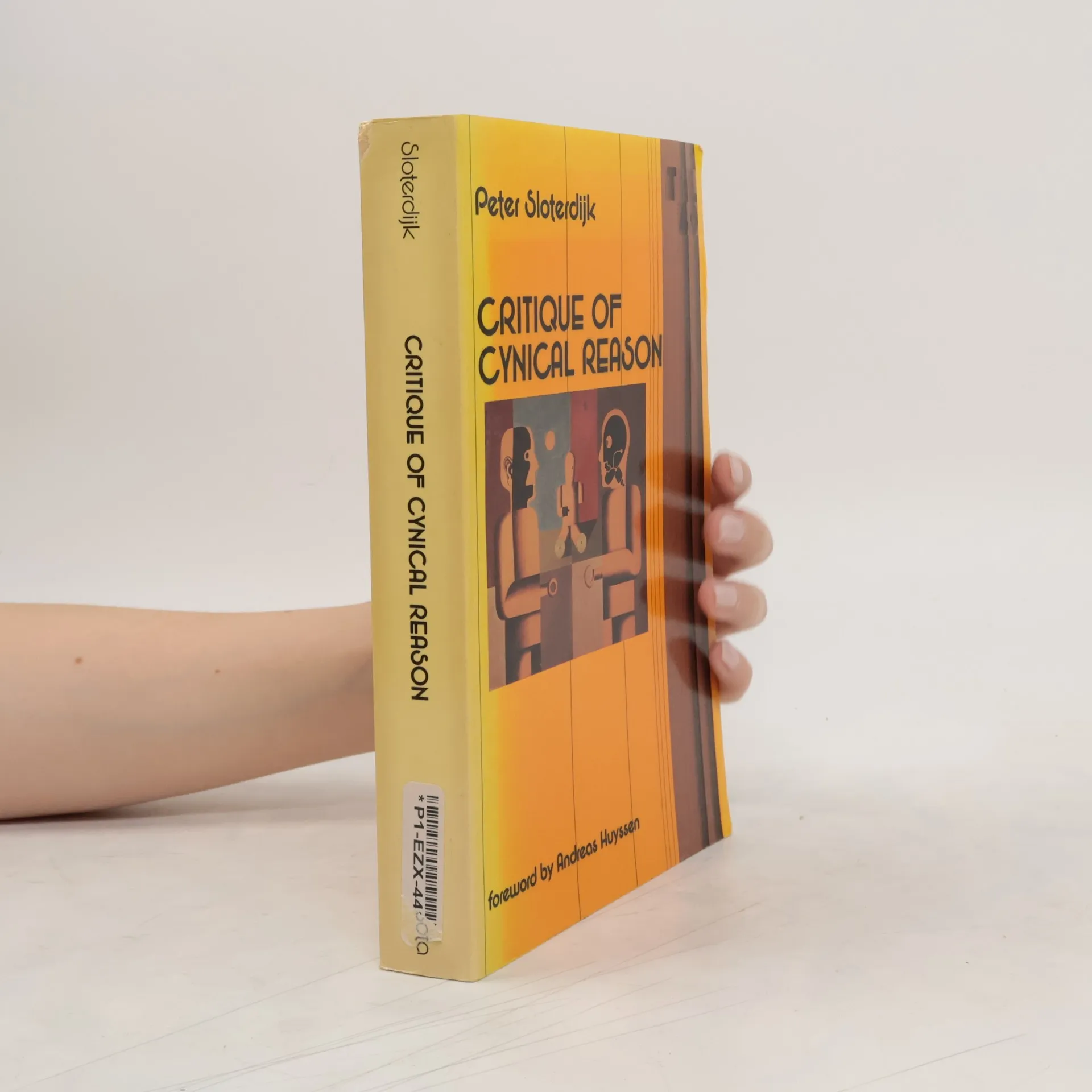
Critique of Cynical Reason
- 558pagine
- 20 ore di lettura
Upon its publication in Germany in 1983, this author's book stirred both critical acclaim and consternation, attracting a wide readership. He finds cynicism the dominant mode in contemporary culture, in personal and institutional settings; his book is both a history of the impulse and an investigation of its role today, among those whose earlier hopes for social change have crumbled and faded away.
The Terrible Children of Modernity
- 360pagine
- 13 ore di lettura
Exploring the complexities of historical change and the essence of modernity, Peter Sloterdijk presents a deep philosophical analysis that challenges conventional perspectives. His work delves into the interplay between societal transformations and individual experiences, offering insights that provoke thought and reflection on the nature of contemporary life.
Neither sun nor death
- 367pagine
- 13 ore di lettura
Ancient philosophy served as a mental workout, utilizing logical forms like machines in a gym. Today, philosophy acts as a super-workout for communicative energies, fostering connections worldwide. Peter Sloterdijk gained recognition in the late 1980s for his Critique of Cynical Reason, which challenged the "enlightened false consciousness" of Habermasian critical theory. After seven years in India studying Eastern philosophy, he has become a prominent voice in discussions on politics and globalization, particularly through his magnum opus Spheres, a three-volume exploration of humanity's relationship with space: Bubbles, Globes, and Foam. In his latest work, Sloterdijk addresses questions from German writer Hans-Jurgen Heinrichs, discussing technological mutation, media development, and his intellectual journey. Known for his iconoclastic and provocative style, Sloterdijk is a compelling figure in contemporary philosophy, reminiscent of Nietzsche and Heidegger. He argues that modern philosophers must embrace danger and navigate the complexities of today's world, moving beyond humanist and nationalist confines toward a broader ecological and global perspective. This work serves as an excellent introduction to Sloterdijk's philosophical insights on globalization, showcasing his ability to engage with both contemporary French Theory and traditional philosophical thought.
After God
- 280pagine
- 10 ore di lettura
After God is dedicated to the theological enlightenment of theology. It ranges from the period when gods reigned to reveries about the godlike power of artificial intelligence--
Exploring the philosophical significance of the color grey, Peter Sloterdijk delves into its historical and cultural implications. He argues that grey serves as a metaphor for moral and political ambiguity, drawing connections to notable philosophers like Plato, Hegel, and Heidegger. Through a narrative rich in imagery, he examines how grey reflects the complexities of human existence and public perception, positioning it as essential for understanding philosophical thought. The book invites readers to reconsider the interplay between color, philosophy, and the nuances of life.
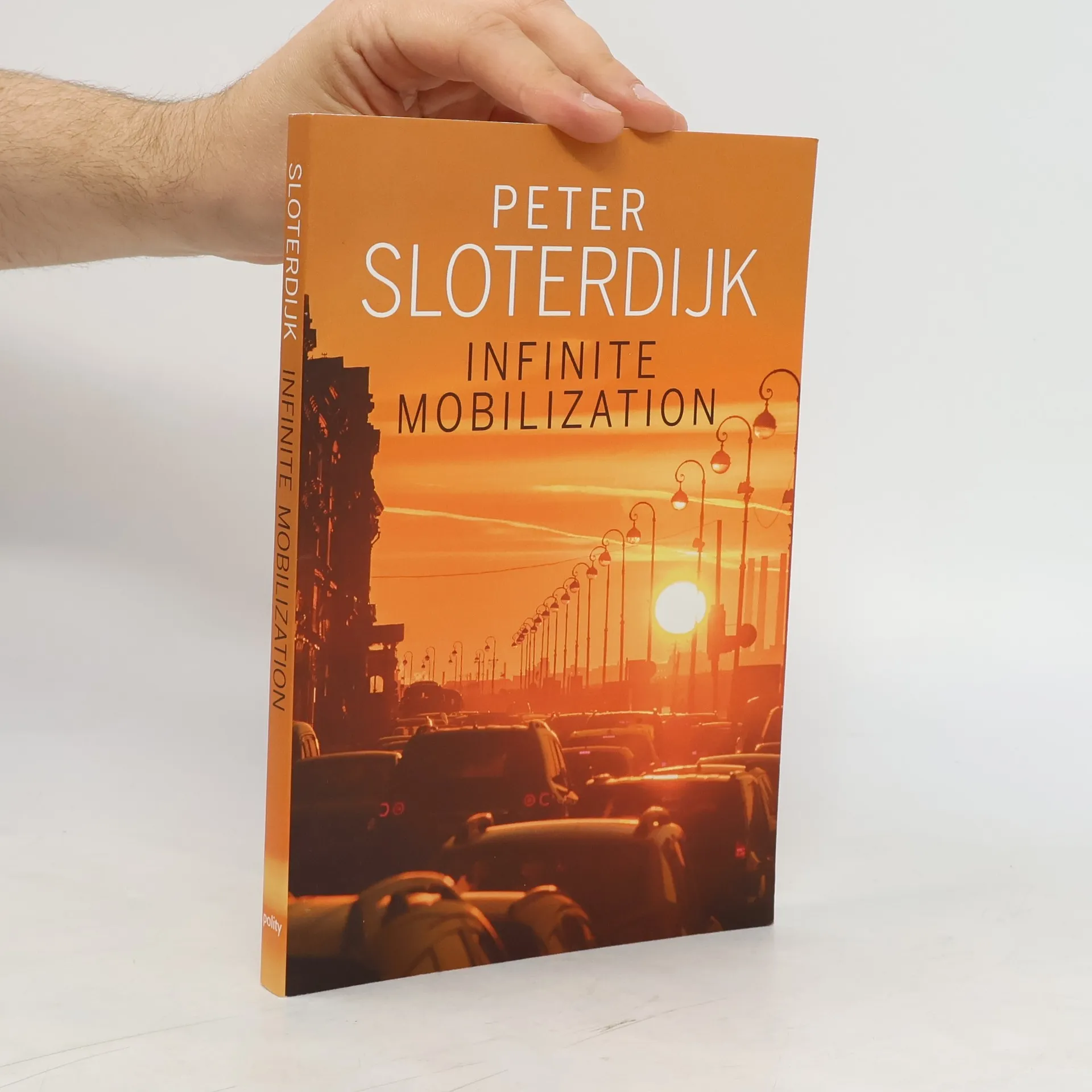
Infinite Mobilization
- 240pagine
- 9 ore di lettura
First published in German as Eurotaoismus: Zur Kritik der politischen Kinetik, Suhrkamp Verlag Frankfurt am Main, 1989.
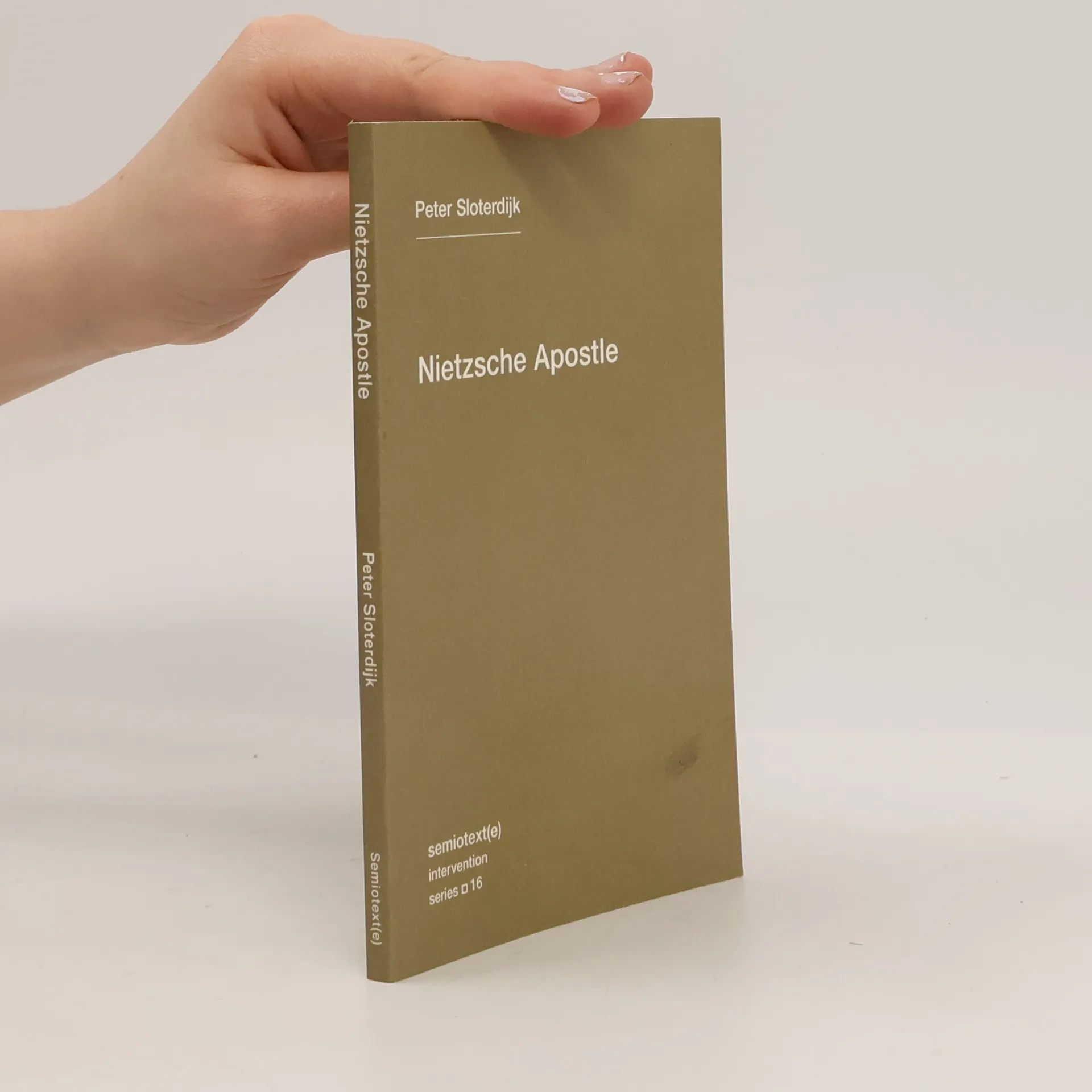
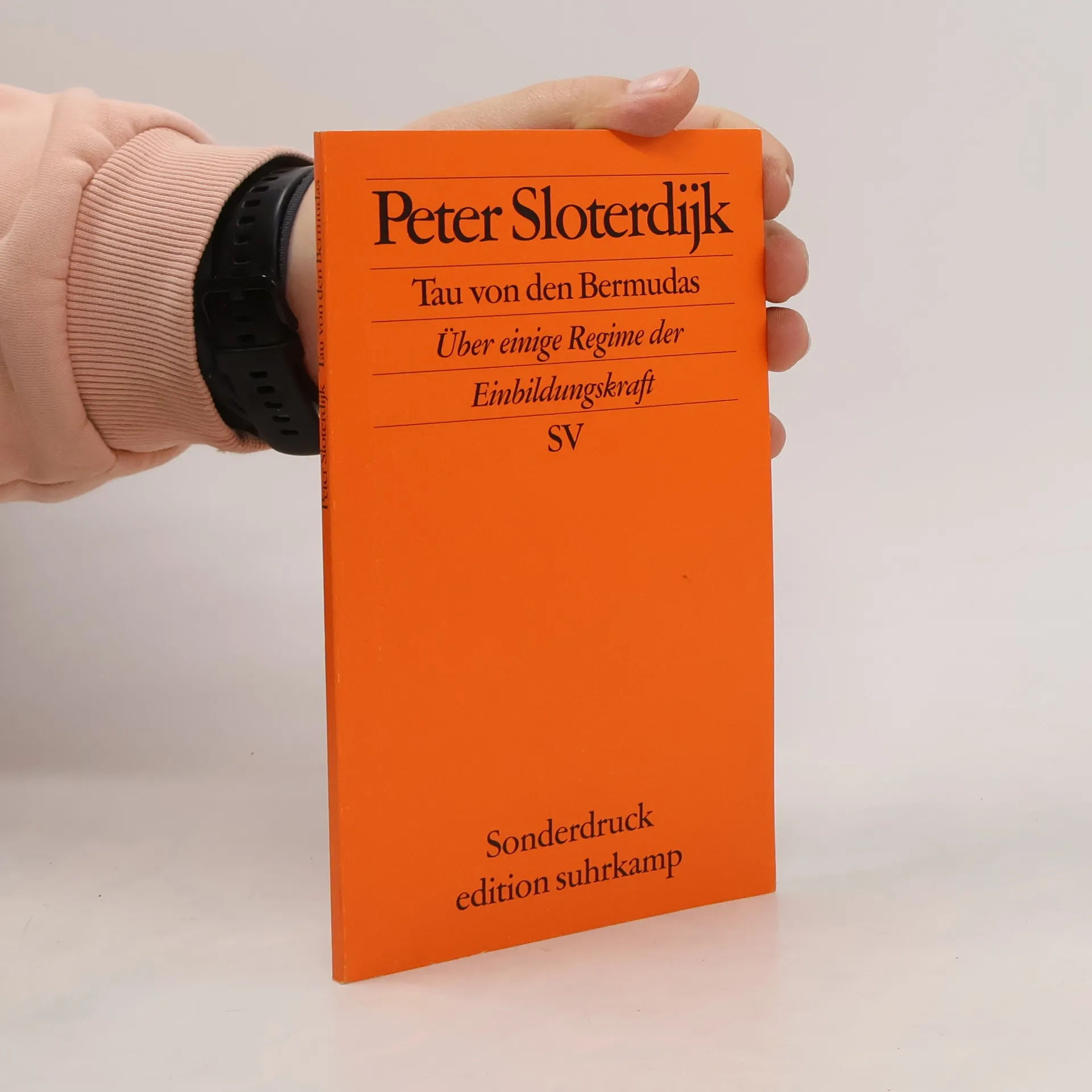
Nietzsche apostle
- 87pagine
- 4 ore di lettura
"I would like to describe the Nietzschean event as a kind of catastrophe within the history of language and, in passing, provide evidence for the thesis that his intervention as a neo-evangelical literary figure marks a turning point in the conditions of understanding and communication in old Europe." With these words, Peter Sloterdijk summarizes the content of On the Improvement of the Good News. The fifth "gospel" according to Nietzsche, a vibrant essay written in commemoration of the centenary of the death of the author of Thus Spoke Zarathustra. Far from embalming the figure of this classic, Sloterdijk, perhaps the contemporary philosopher who has most reflected on the "spherical" condition of human beings, approaches the quintessential individualist thinker once again and raises at least two suggestive questions: What if the Nietzschean Good News, unfortunately so distorted or exploited for authoritarian purposes, pointed to a new human experience no longer resentful toward life and, therefore, more open to the otherness of the world and others? Was Nietzsche, despite everything, a happy man?
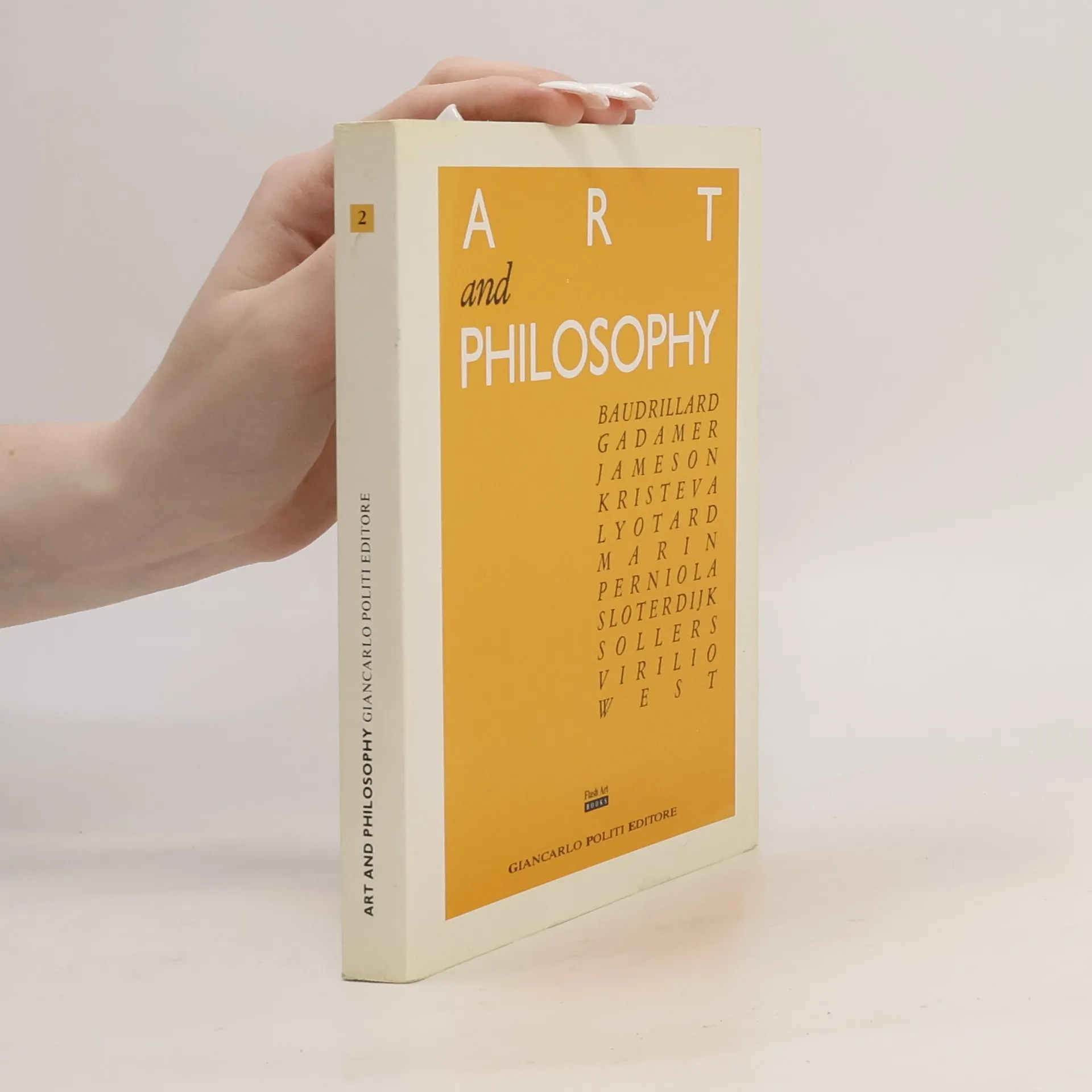
Art and Philosophy
- 173pagine
- 7 ore di lettura
Book by Jean Baudrillard, Hans-Goerg Gadamer, Fredric Jameson, Julia Kristeva, Jean-Francois Lyotard, Louis Marin, Mario Perniola, Cornel West, Philippe Sollers, Paul Virilio
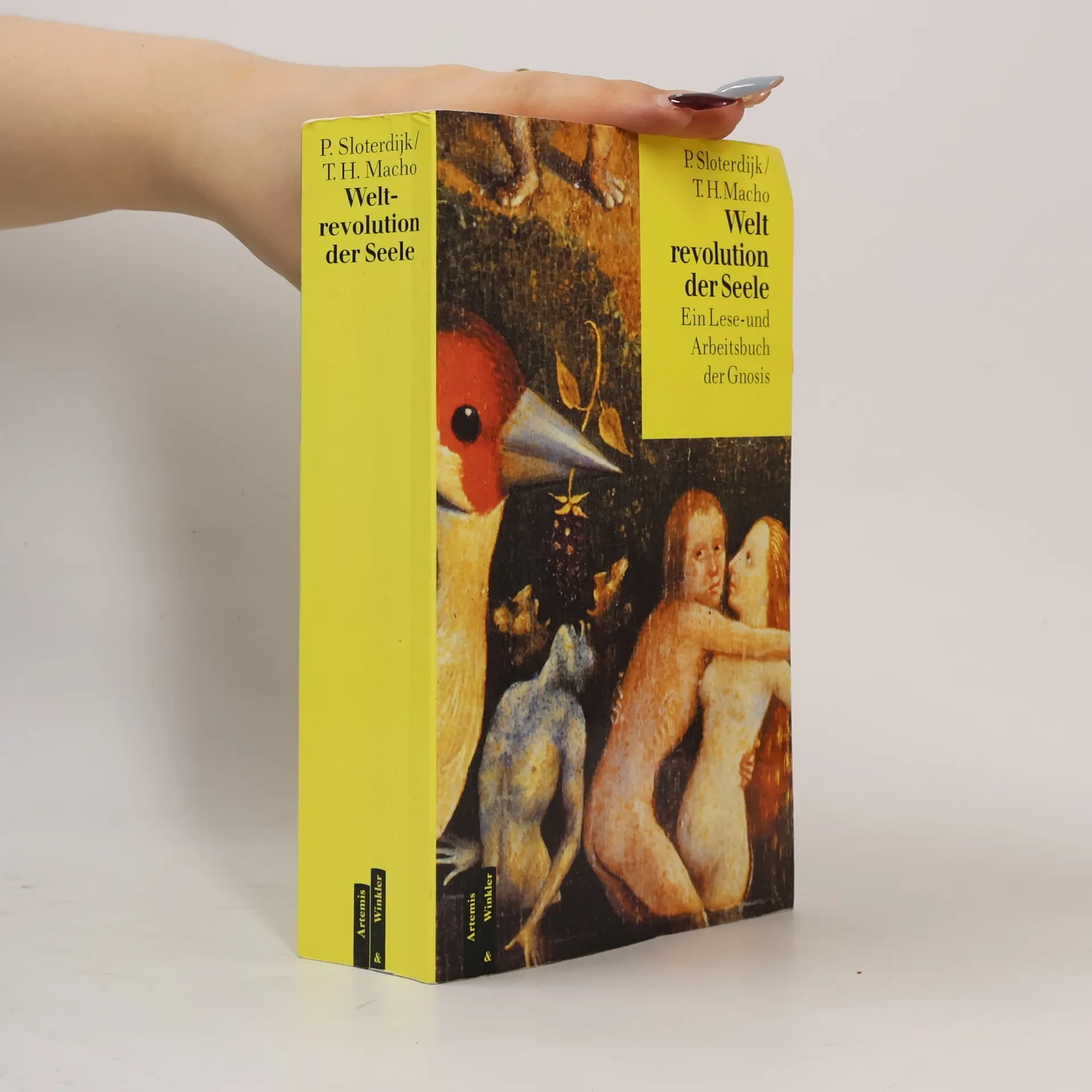
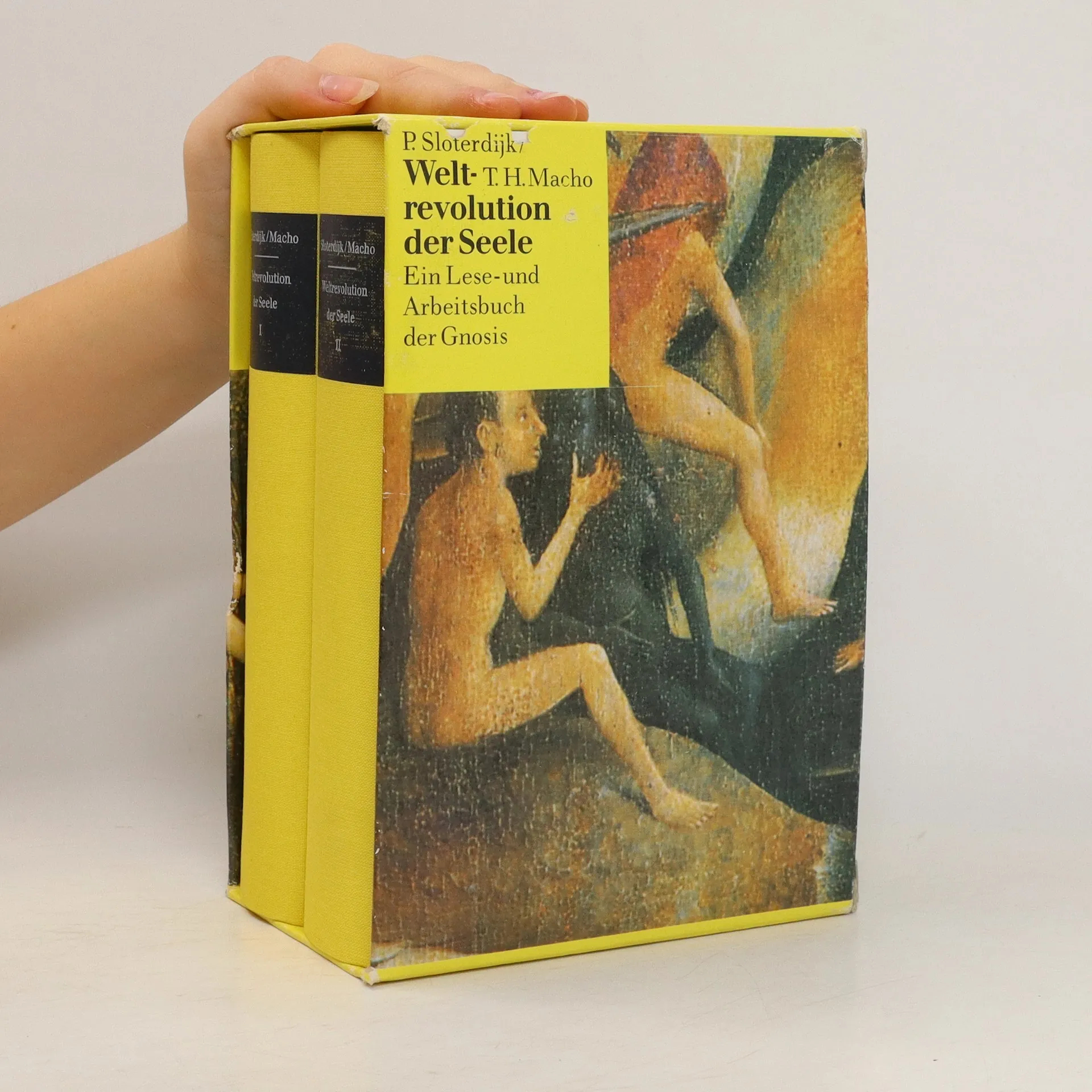
Hrsg. von Peter Sloterdijk und Thomas H. Macho, umfasst 2 Bände mit insgesamt 800 Seiten.
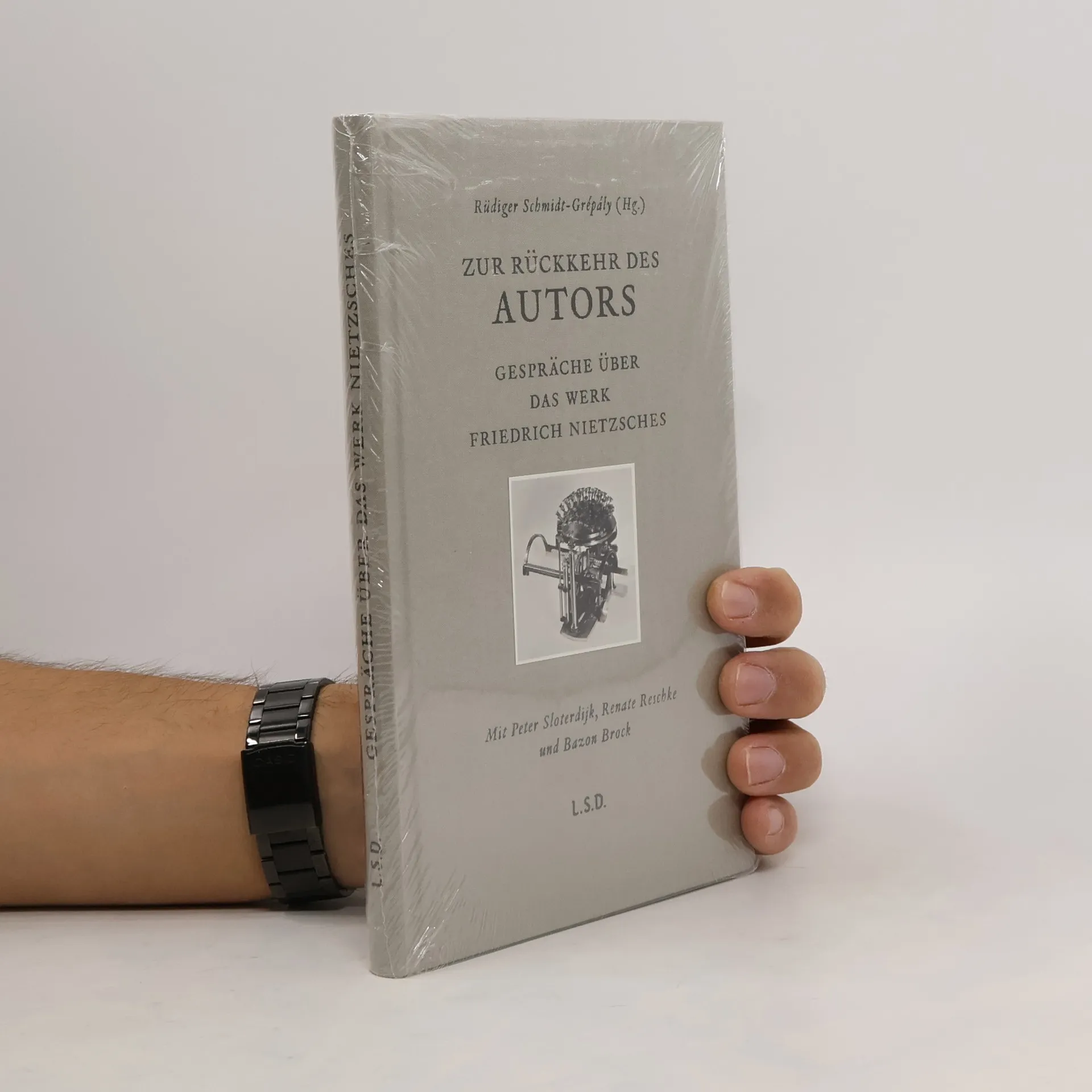
Zur Rückkehr des Autors
- 125pagine
- 5 ore di lettura
Zwischen uns und Nietzsche steht die Tradition der Editoren. Nietzsches Schriften wurden nie in der von ihm gewünschten Form herausgegeben. Was er uns in welcher Form zu lesen geben wollte, wird die im L.S.D. Verlag erscheinende Edition 'Nietzsches Nietzsche' offenbaren: Sie präsentiert die handschriftlichen Druckmanuskripte seiner vollendeten Werke, faksimiliert in Originalgröße, gedruckt auf unterschiedlichen Papieren, jedes Werk in einer eigenen Schachtel.Nach der Textsammlung 'Friedrich Nietzsche. Lernt mich gut lesen! –' wird auch dieser Band auf die Edition einstimmen. Kam im vorherigen Band der Philosoph selbst zu Wort, äußern sich diesmal ausgewiesene Kenner über Friedrich Nietzsche und sein Werk. Gespräche zwischen Peter Sloterdijk, Bazon Brock, Renate Reschke und Rüdiger Schmidt-Grépály geben Aufschluss über den Philosophen Nietzsche als Autor.
In "Schäume" vollendet Peter Sloterdijk seine Trilogie zur Geschichte der Menschheit. Der Band untersucht, wie das Leben multifokal entfaltet ist und formuliert eine neue Theorie des modernen Individualismus. Sloterdijk beleuchtet das Zusammenspiel von Individuen und deren Einfluss auf die Gesellschaft und den Pluralismus der Welt.
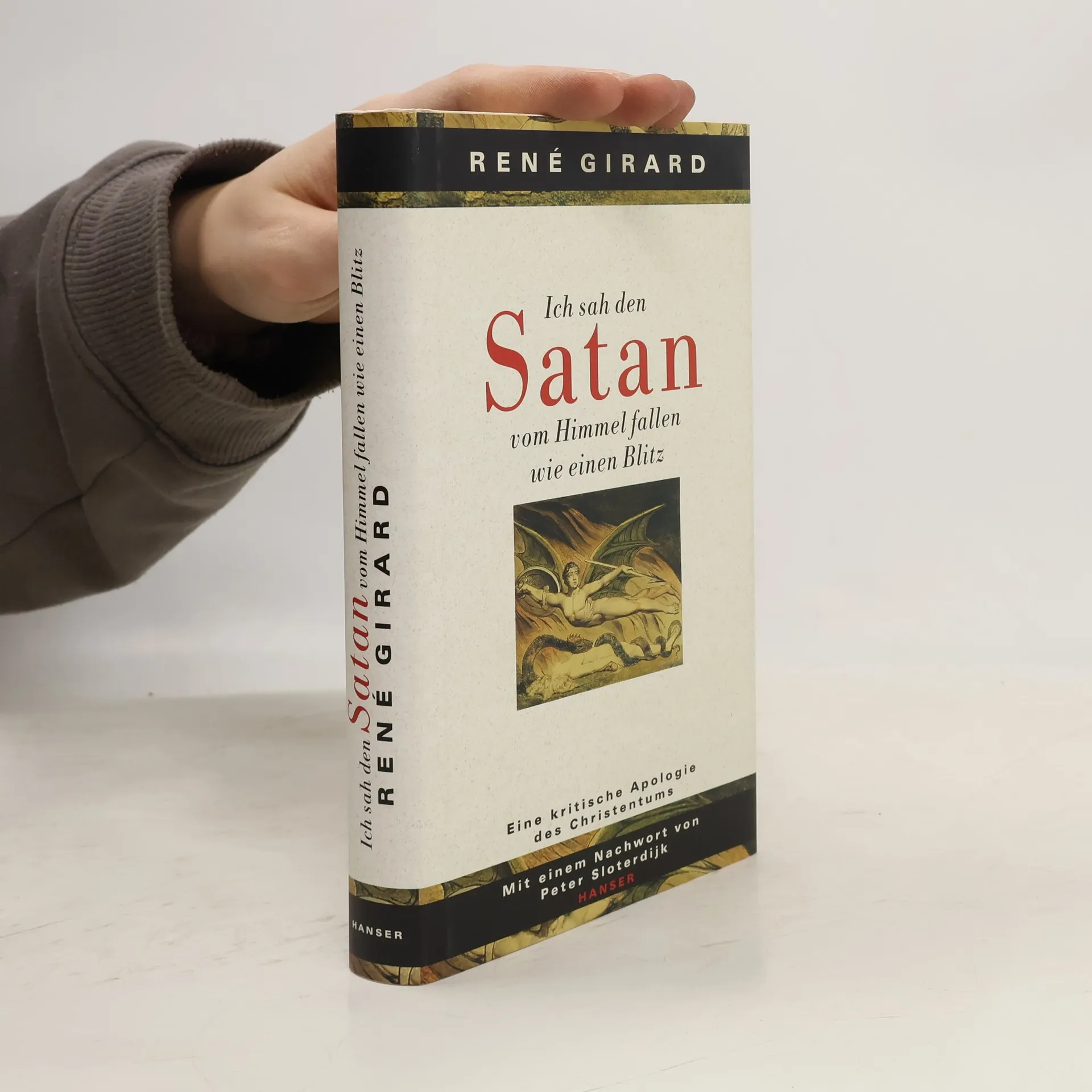
Ich sah den Satan vom Himmel fallen wie einen Blitz. Eine kritische Apologie des Christentums.
- 256pagine
- 9 ore di lettura
René Girards Buch verteidigt das Christentum als programmatische Überwindung der Gewalt. Der Zentralbegriff aus Girards anthropologischer Theorie der Gewalt ist Mimesis, Nachahmung. Im Fall der Gewaltnachahmung droht eine Eskalation, in der für Girard das Wesen Satans besteht: der Zerfall der Gesellschaft, der Krieg aller gegen alle. Girards Buch zielt auf eine Radikalisierung des christlichen Glaubens, die von den Evangelien selbst vorgedacht wurde. Satan ist die Verkörperung des mimetischen Begehrens, kein verzichtbarer mythologischer Rest.
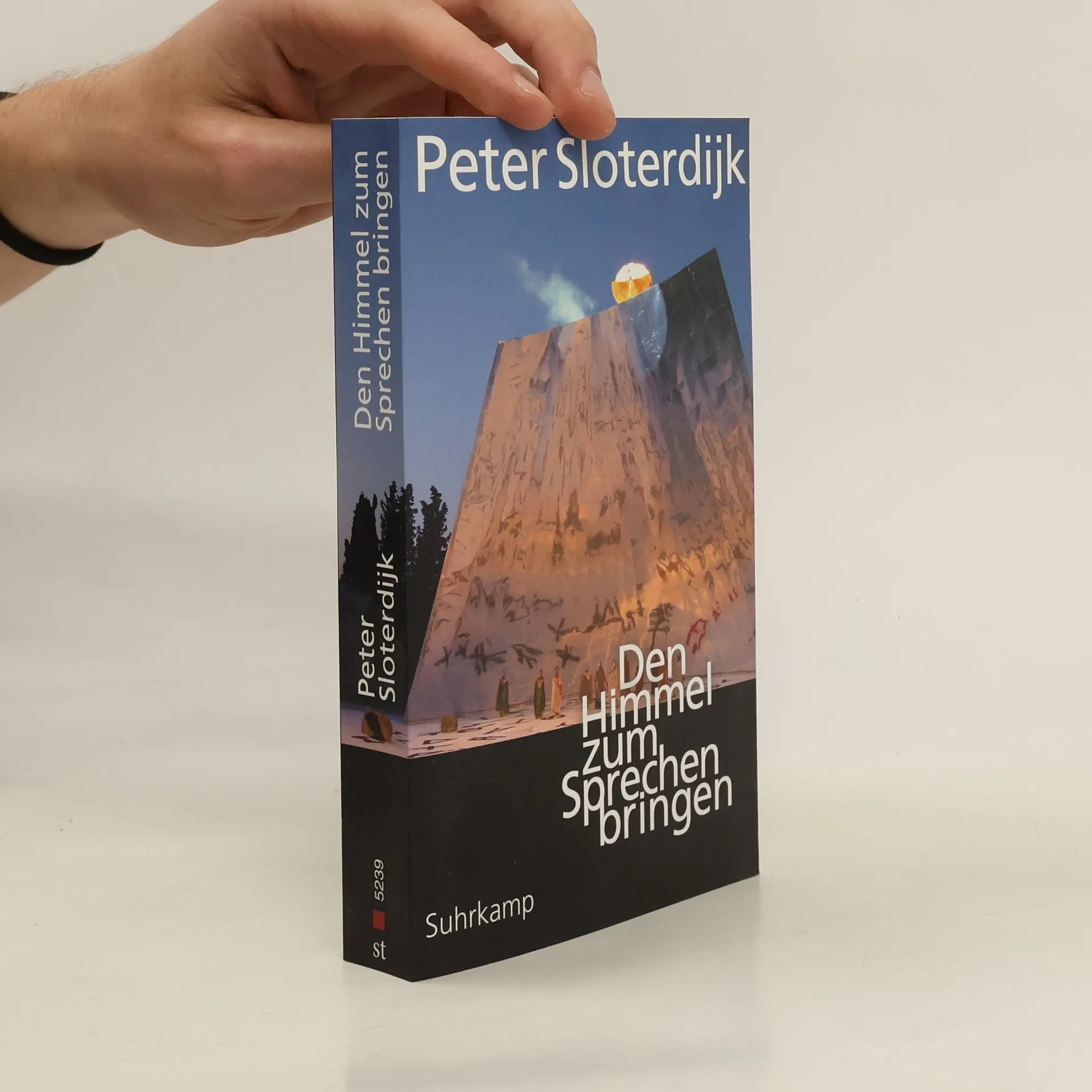
"Umwege sind die direktesten Wege zum Zentrum. Das neue Werk von Peter Sloterdijk ist ein Beleg für diese These: Außerhalb der Aktualität angesiedelt, handelt Theopoesie, auf den ersten Blick betrachtet, von den in der Bibliothek der Menschheit gespeicherten Versuchen, Gott oder die Götter zum Sprechen zu bringen: Entweder reden sie unmittelbar selbst oder sie werden von den Dichtern mittelbar in ihrem Tun und Denken wiedergegeben. Damit ist für Sloterdijk die Einsicht unausweichlich: Religionen berufen sich in ihren theopoetischen Gründungsdokumenten auf mehr oder weniger elaborierte literarische Verfahren, auch wenn die begleitende Dogmatik dazu dient, diese Tatsache vergessen zu machen. Religionen sind 'literarische Produkte, mit deren Hilfe die Autoren um Klienten auf dem engen Markt der Aufmerksamkeit von Gebildeten konkurrieren'. Ein Studium der poetischen Stilmittel, deren sich die Religionen in ihren Narrativen bedienen, erfordert eine Neubewertung der Religionen, die die Karl-Marxschen Thesen hinter sich lässt ..."--Publisher's website
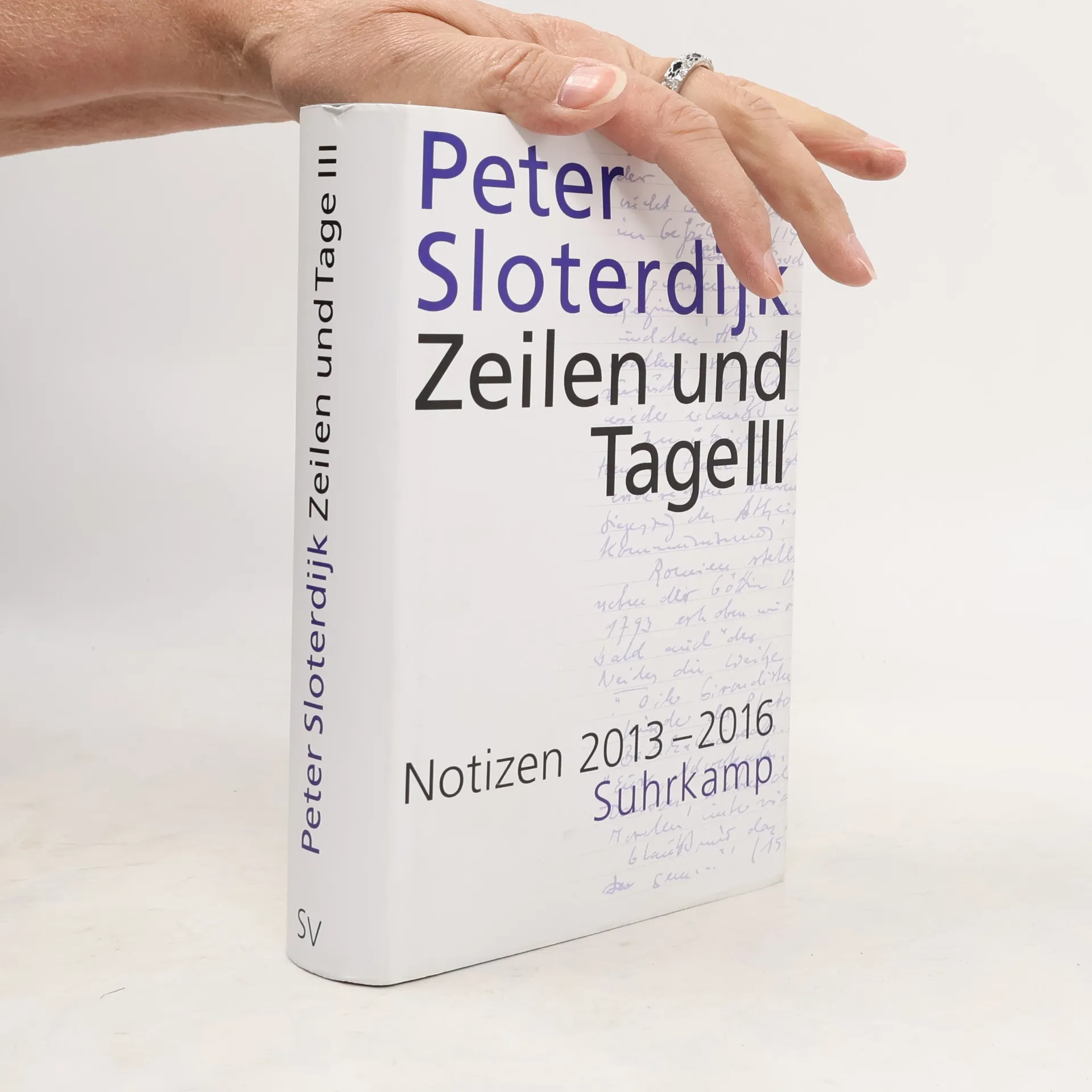
Zeilen und Tage III
Notizen 2013-2016
Seit einem halben Jahrhundert hält Peter Sloterdijk jeden Morgen Gedanken, Erlebnisse und Kommentare zum Zeitgeschehen fest; seit 2012 hat er zwei Bücher mit datierten Notizen aus diesem Fundus publiziert – zur Begeisterung seiner Leser und der Kritik: »Ansichten, die zu verblüffen wissen, ein- und aufleuchten.« (FAZ) Mit der nun erscheinenden Fortsetzung decken die Aufzeichnungen einen großen Teil des langen Jahrzehnts zwischen der Lehman-Pleite und Wladimir Putins Angriff auf die Ukraine ab. Dabei bietet auch dieser Band weit mehr als die Chronik einer Abfolge politischer Krisen um Krim (2014), Migration (2015) und Brexit (2016). Zeilen und Tage III bleibt der polythematischen, weitwinkligen und mit dem Zufall sympathisierenden Grundhaltung des Notizen-Projekts verpflichtet. Sloterdijk ist beim Leben, Denken und Lesen stets in Bewegung, stellt Campusromanszenen neben Kurzrezensionen, funkelnde Aphorismen neben szintigrafisch protokollierte Vitalfunktionen. So drückt sich in diesem Band erneut eine chronische Reizbarkeit aus, die unabhängig von der Jahreszeit auf den Pollenflug der Themen reagiert.
Ich werde fünf Stadien oder Äonen des Prinzips Phantasie präsentieren und an jedem von ihnen zu zeigen versuchen, wie sie jeweils mit besonderen Mitteln in die Ontogenese des Wirklichen verstrickt waren.
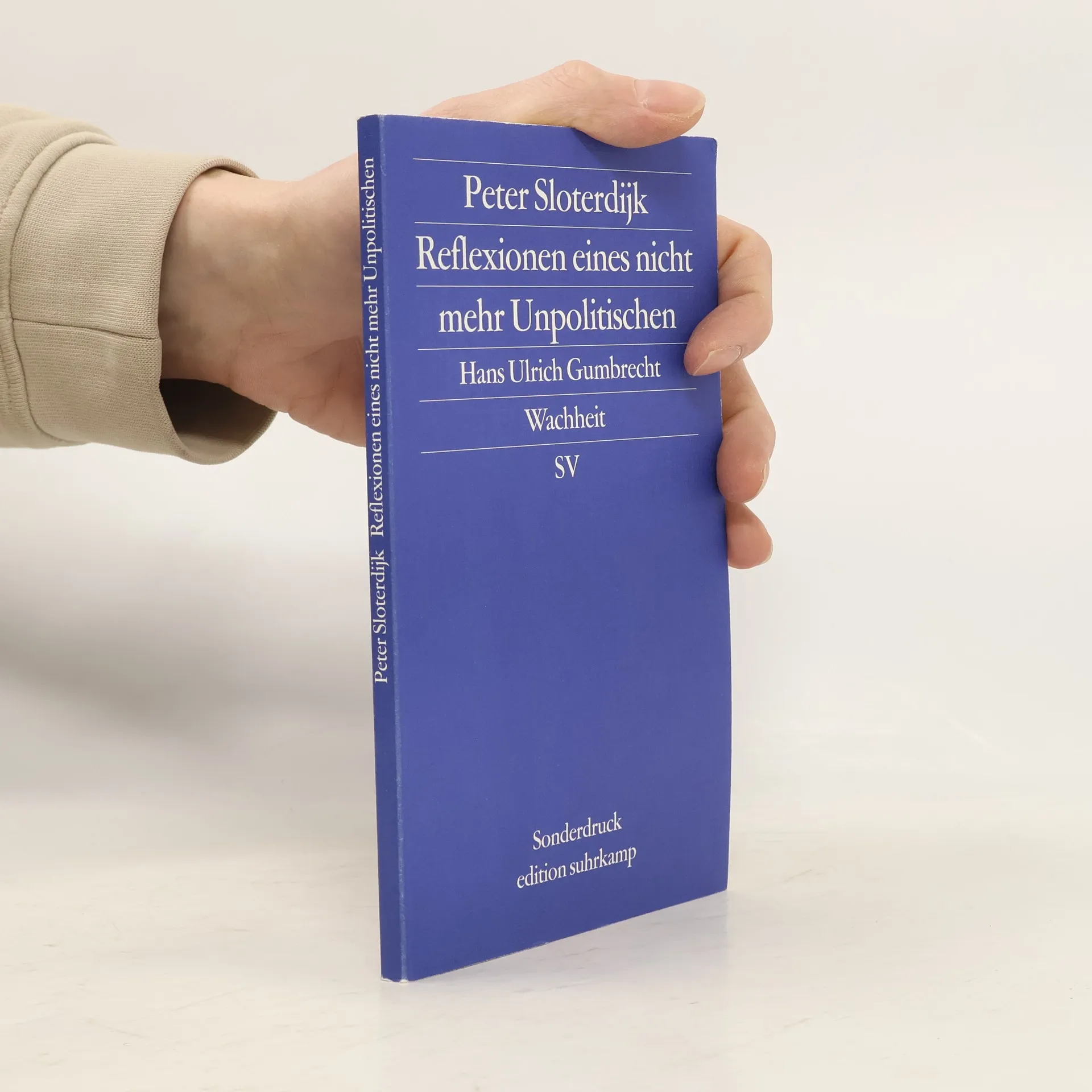
Reflexionen eines nicht mehr Unpolitischen
- 63pagine
- 3 ore di lettura
Peter Sloterdijk nimmt als »Denker auf der Bühne« viele Funktionen wahr: Philosoph, Literat, Lehrer und Publizist. Ihm ist für seine kritischen Zeitdiagnosen zu Recht der Ludwig-Börne-Preis verliehen worden. Seine Stellungnahmen sind dadurch charakterisiert, dass sie das jeweils Aktuelle in den Zusammenhang der »langen Wellen« rücken. Dadurch wird seine Gegenwartsanalyse – wie in der hier abgedruckten Dankrede exemplifiziert an den Ereignissen des 11. September 2001 – einzigartig präzise und bringt Überraschendes, vorher Unbekanntes und Ungesehenes zum Vorschein.
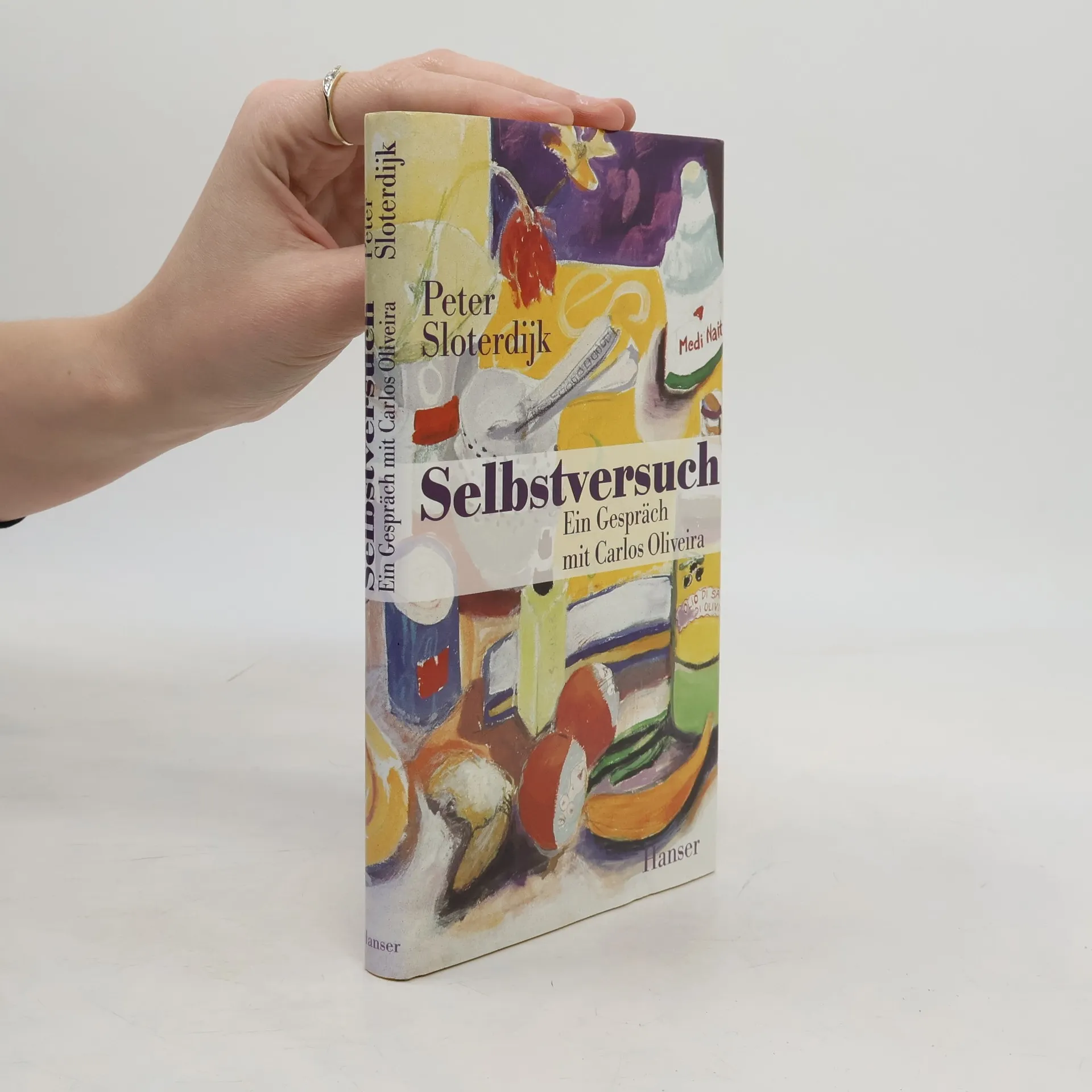
Peter Sloterdijk hat in seinen Büchern gezeigt, wie sich Zeitphysiognomien zur Kenntlichkeit bringen lassen. Naheliegend genug also, ihm einmal eine Tour de force in Sachen Zeitdiagnostik abzuverlangen. Carlos Oliveira ist es zu verdanken, daß daraus ein fulminanter Dialog geworden ist, ebenso diszipliniert wie spielerisch, voll treffender Beobachtungen: ein Durchgang durch die unübersichtlichen Lebens-, Liebes- und Bewußtseinslagen kurz vor dem Jahrtausendende - und zugleich ein Rückblick auf Sloterdijks Biographie.
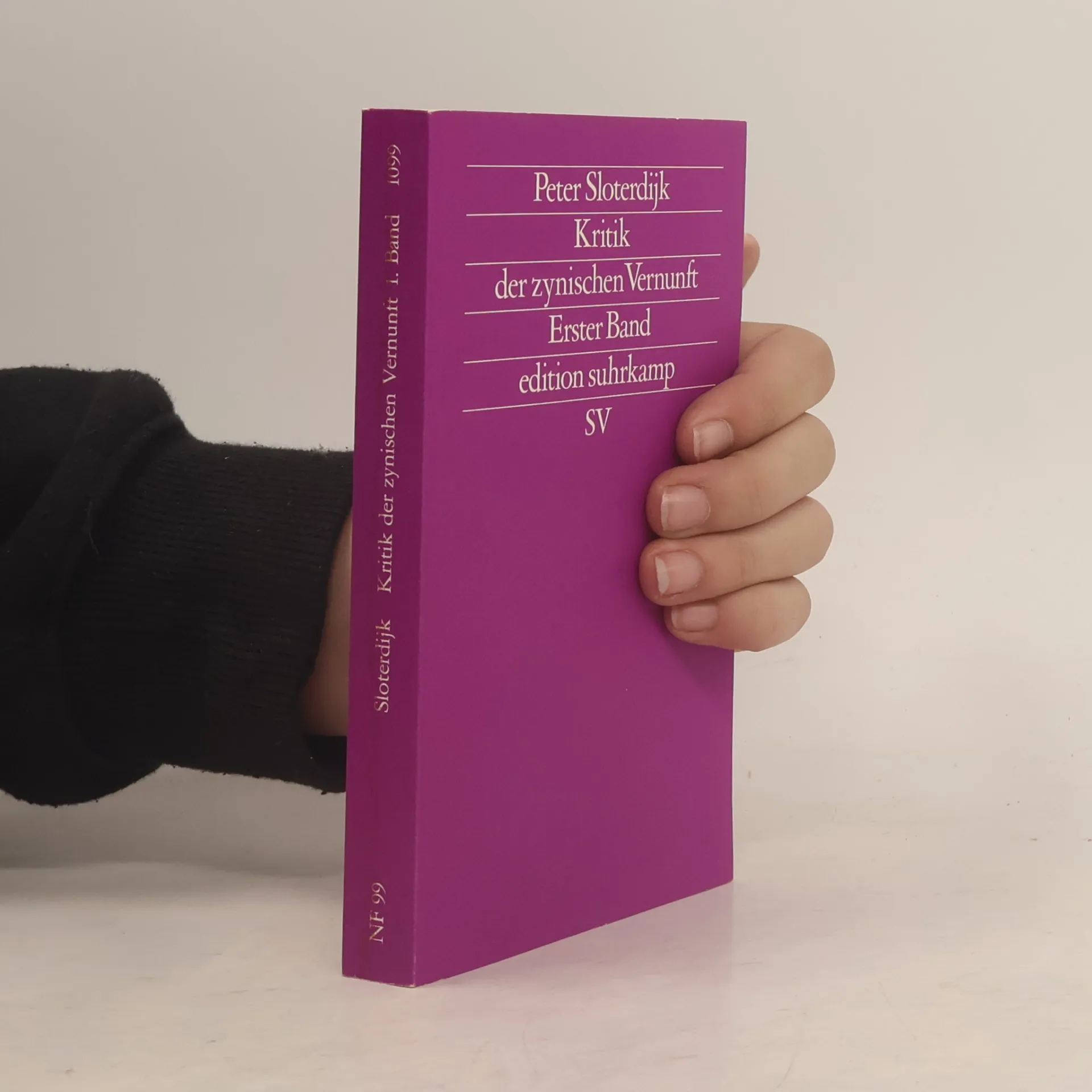
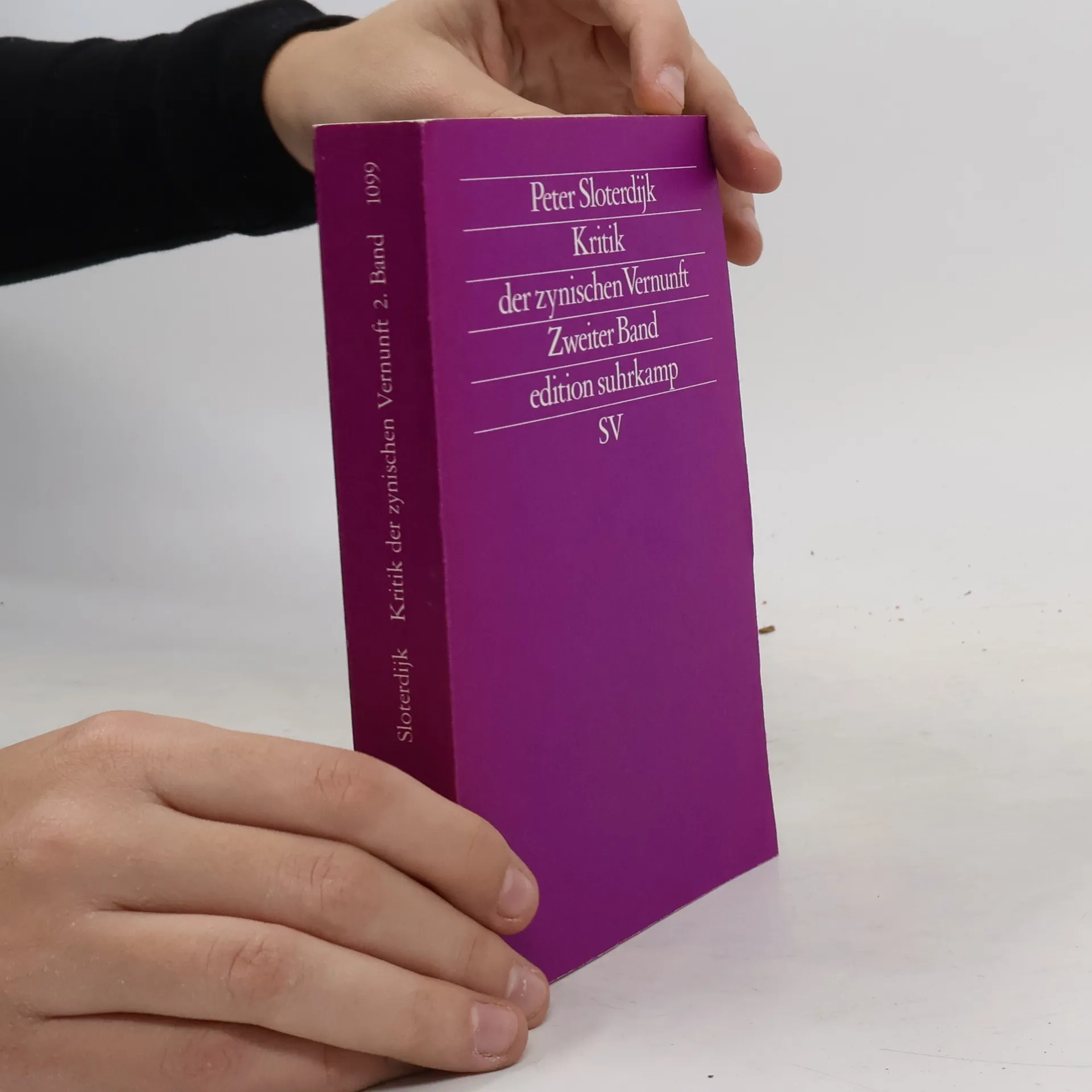
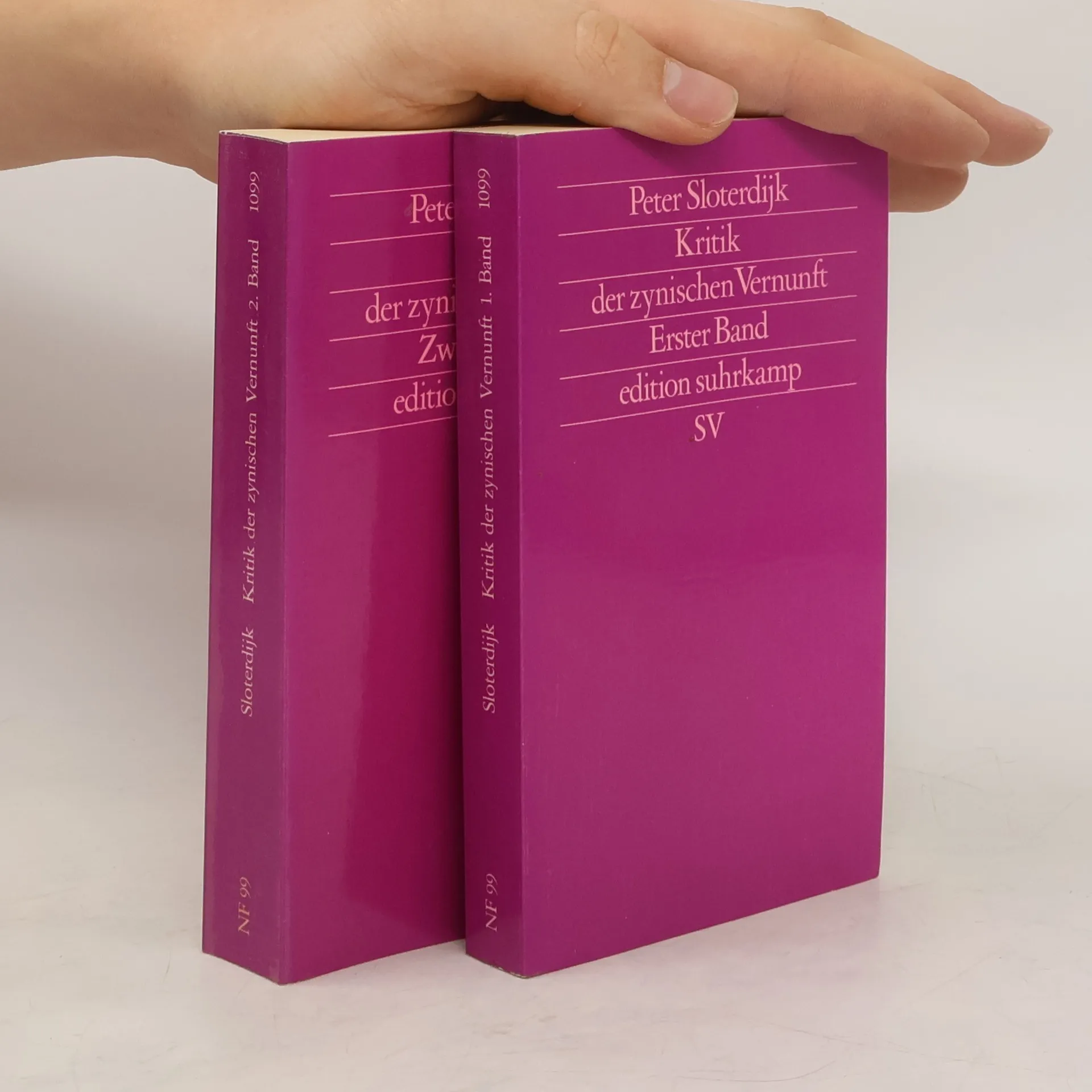
Bei seiner Veröffentlichung im Jahr 1983 erregte das Buch des Autors sowohl kritisches Lob als auch Bestürzung und zog ein breites Publikum an. Er sieht Zynismus als die dominante Haltung in der zeitgenössischen Kultur, sowohl im persönlichen als auch im institutionellen Bereich; sein Buch ist sowohl eine Geschichte des Impulses als auch eine Untersuchung seiner Rolle heute, unter denen, deren frühere Hoffnungen auf sozialen Wandel zerbrochen und verblasst sind.
Der Denker auf der Bühne
- 190pagine
- 7 ore di lettura
Das vorliegende Buch von Peter Sloterdijk unternimmt - anhand einer Neulektüre von Nietzsches Frühwerk Die Geburt der Tragödie aus dem Geiste der Musik - den Versuch, den Begriff Aufklärung auf eine neuartige Weise mit dem des Dramas zusammenzudenken, für den Nietzsche die ersten Hinweise geliefert hat. Wenn Aufklärung als Drama erkannt wird, dann zerfällt das theoretische Selbstmißverständnis der neuzeitlichen Philosophie.
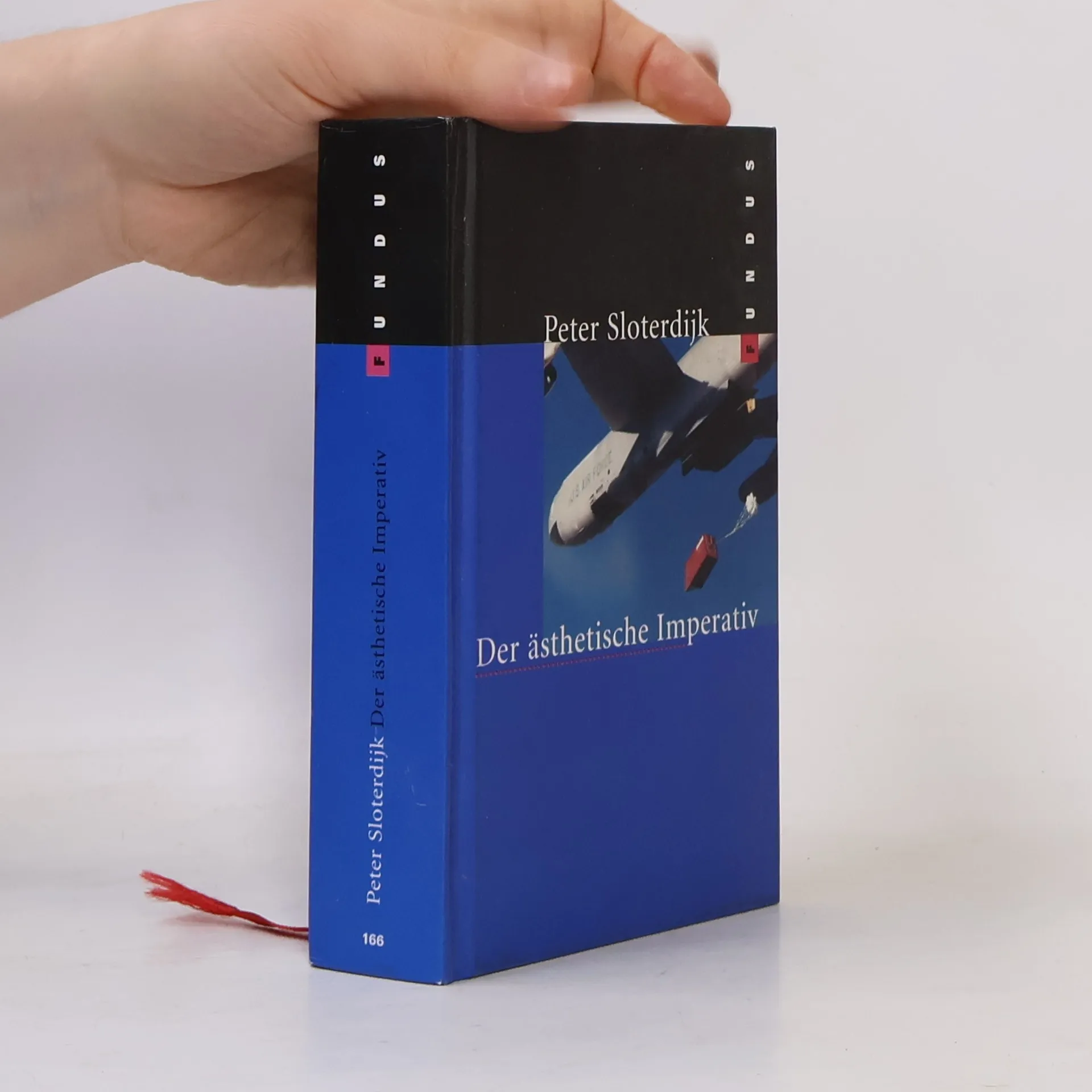
Fundus - 166: Der ästhetische Imperativ
- 522pagine
- 19 ore di lettura
Die Schriften von Peter Sloterdijk wecken hohe Erwartungen, da seine elaborierte Sprache und die Kunst des Positions- und Perspektivenwechsels überraschende Einsichten eröffnen. Die hier erstmals präsentierte Auswahl von Sloterdijks Schriften zur Kunst verspricht Außergewöhnliches. Sloterdijk wendet seine Methode der Diskursverfremdung auf Kunstwerke an, wodurch die beschriebenen Objekte in neuem Licht erscheinen. Die Grenzen zwischen Philosophie und Literatur, Argumentation und Erzählung verschwimmen, und die Kunstobjekte scheinen in Bewegung zu geraten. Bekannte ästhetische Phänomene verwandeln sich in Quellen der Überraschung und gewinnen durch Rekontextualisierung eine zweite Existenz. Die Gegenstände seiner theoretischen Prosa treten dem Leser wie unbekannte Wesen entgegen, zeigen sich jedoch in einer Vertrautheit, die nur ein neuer Blick gewähren kann. Sloterdijk berührt alle klassischen und modernen Kunstgattungen, von Architektur bis Musik, Malerei bis Film, Design bis Typographie. Seine Beobachtungen reichen von Delphi bis Hollywood und reflektieren die Bedingungen der aktuellen Kunstproduktion, vom Sponsorenwesen bis zum Museumssystem. Entscheidend bleibt seine unnachahmlich überraschende Herangehensweise, die ihn von ausgetretenen Pfaden des Kunstkommentars entfernt. Durch Sloterdijks Denken wird Kunst als heterodoxe Form des Wissens erfahrbar.
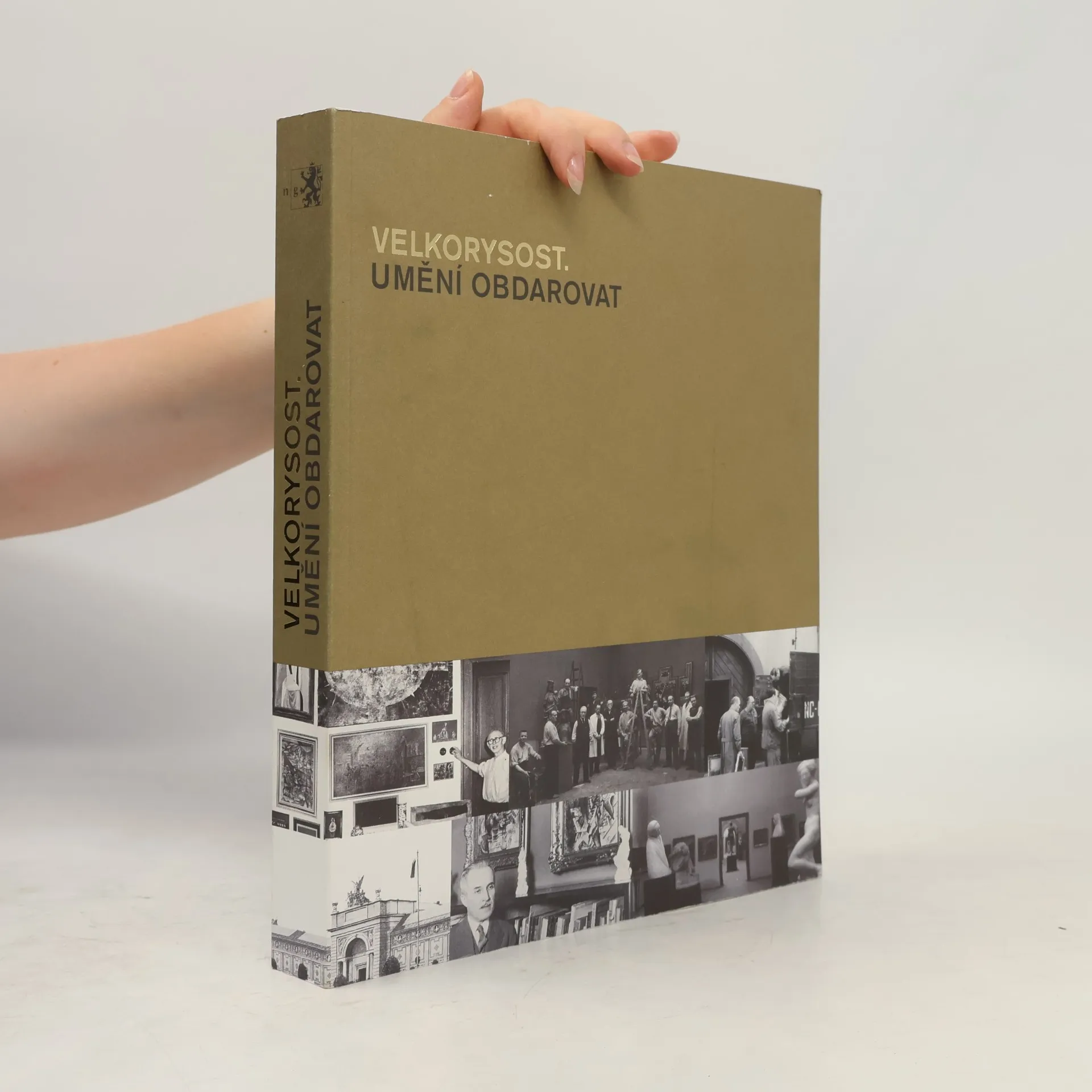
Publikace, jež vyšla k 220. výročí založení Společnosti vlasteneckých přátel umění, předchůdkyně Národní galerie v Praze, je souborem esejů představujících jakousi autobiografii Národní galerie v Praze, jejíž existence je mimo jiné založená na aktu velkorysých gest dávání a sdílení. Eseje vzdávají hold otcům zakladatelům, jednotlivým donátorům a institucím, umělcům a sběratelům, kteří galerijním sbírkám poskytli ničím nepodmíněný dar či dočasnou výpůjčku, provedli směnu nebo galerijním sbírkám – od starých mistrů přes grafiku a kresbu, umění Asie a Afriky až po umění 19. století a moderní a současné umění včetně architektury – a návštěvníkům prospěli jakýmkoli jiným způsobem. Kniha zahrnuje také texty věnované historii sběratelství a formativní roli štědrosti a velkorysosti v procesu vzniku sbírkových institucí. Komplexní obrázek dokreslují výňatky z filozofických, literárních a básnických děl, které problematiku velkorysosti zasazují do širších ideových souvislostí.
Nach längerer (Bedenk-)Zeit hat sich Peter Sloterdijk dem Unabwendbaren gebeugt. Wer Zeilen und Tage veröffentlicht, kann den Forderungen nach einer Fortsetzung ebenso wenig entkommen wie den Verlockungen, Privates als Öffentliches auszuweisen und umgekehrt. Die Mischung aus Gesellschaftsroman und Gesellschaftsanalyse ist grandios. Heutzutage äußert jeder, der lesen und schreiben kann, seine Diagnose über die kranke „Gesellschaft der Gegenwart“. Diese wird zum meist-überdiagnostizierten Patienten. Sloterdijk reflektiert ironisch über den Sinn des täglichen Mitnotierens und fragt sich, wozu das Ganze dient. Sein innerer Beobachter ist kein Publizist, was seine Notizen von denen der Blogger unterscheidet. Sie zeichnen sich durch analytische Präzision, Wortmächtigkeit, Sprachbewusstsein, Gelehrtheit, Aphorismen, Humor und lyrischen Tonfall aus. In diesem Kontext könnte man sagen, dass Sloterdijk, ähnlich wie Goethe, Heine und Rilke, neue Werke veröffentlicht. Diese schaffen ein eigenes Genre, das die Archivierung des gelebten und reflektierten Tages bezeichnet und sich von Sudel- und Skizzenbüchern abhebt.
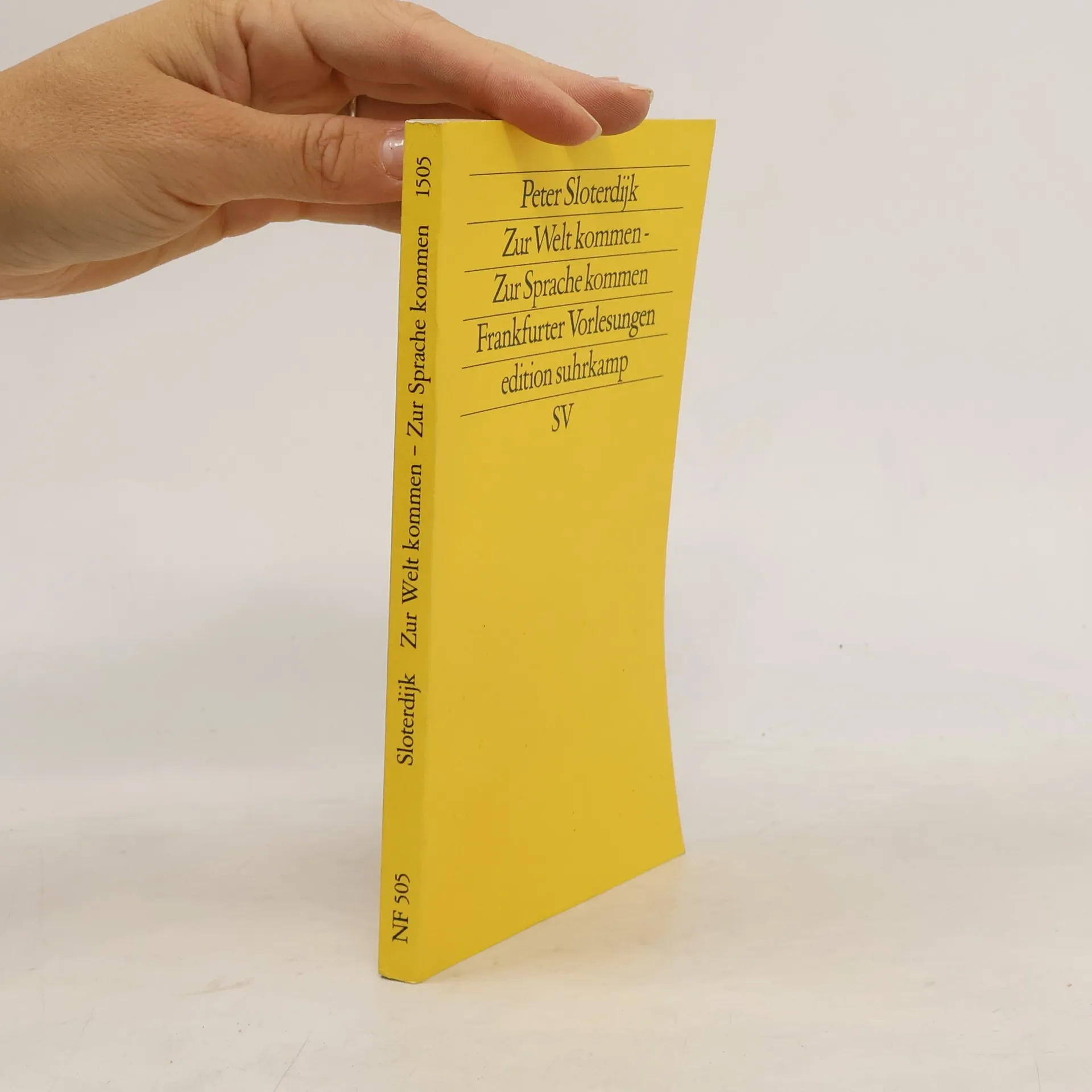
Im Sommersemester 1988 hatte Peter Sloterdijk die Stiftungsdozentur für Poetik an der Johann Wolfgang Goethe-Universität in Frankfurt inne. Wie selbstverständlich ging er dabei aus von den Charakteristika dieser Poetik-Vorlesungen - und gelangte damit zugleich ins Zentrum seiner Reflexionen. »Wer von diesem Frankfurter Podium aus spricht, setzt sich in der Regel nicht aus, sondern blickt auf seine Aussetzungsgeschichte zurück. Man hat hier das Wort, weil man es anderswo schon einmal hatte. Man hatte es anderswo und früher, weil man es nicht unterlassen konnte, sich auszusetzen, und weil man eigensinnig darauf bestand, sich hörbar und lesbar zu machen. Wir stoßen hier auf das Leitmotiv dieser Vorlesungen: wenn es in ihnen einen roten Faden gibt, dann entrollt er sich aus der Idee, daß die Poetik des Sichaussetzens als eine Poetik des Anfangens entwickelt werden muß. Ich will die Frage, wie man es anfängt, anzufangen, so darlegen, daß sie zugleich eine persönliche und allgemeine Antwort erlaubt.«
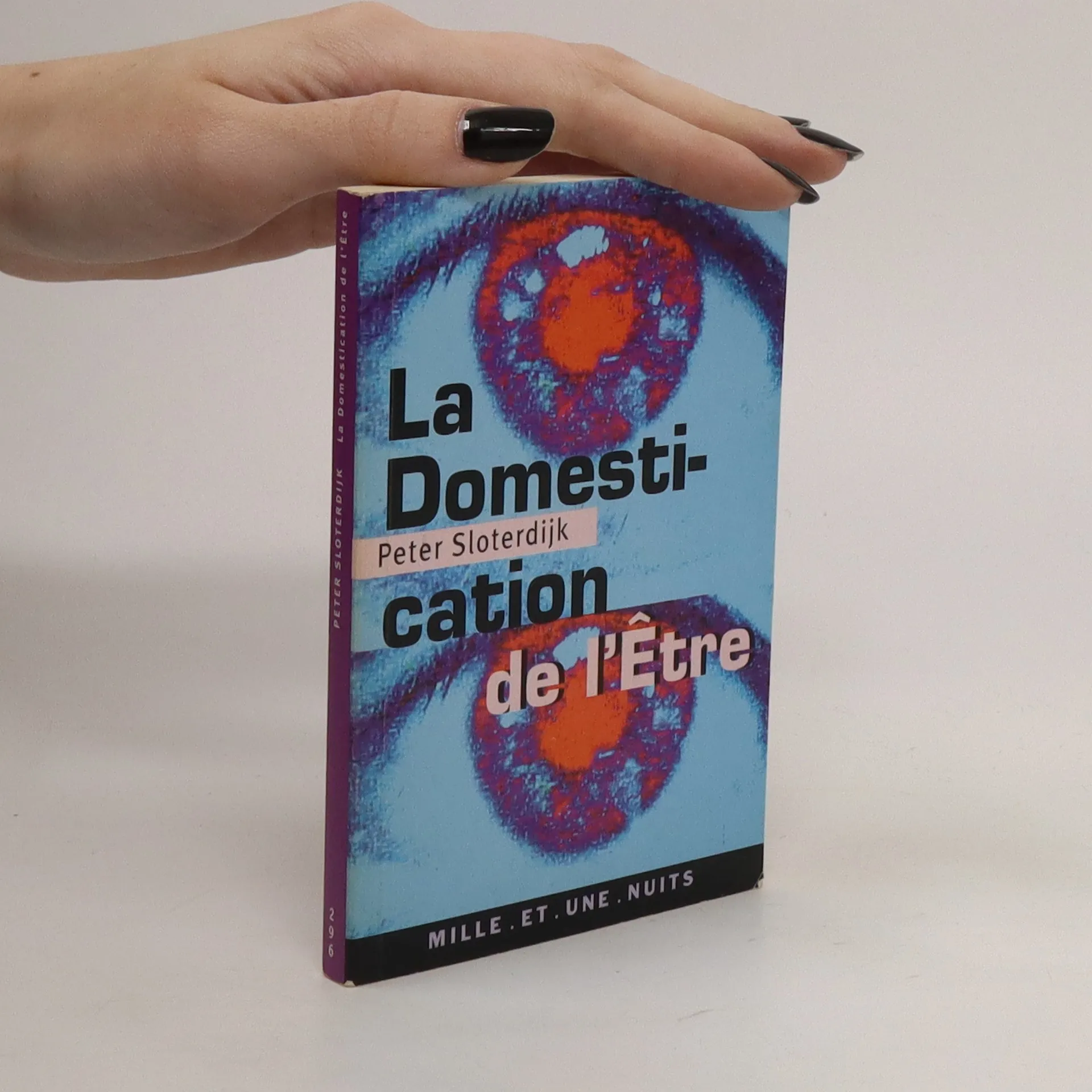
La domestication de l'être : pour un éclaircissement de la clairière
- 111pagine
- 4 ore di lettura
S'inspirant à nouveau du motif de la « clairière » de Martin Heidegger comme il l'avait fait dans Règles pour le parc humain (resté inachevé en raison de la polémique que ce texte a suscité) l'auteur propose de renouveler l'approche de l'auteur de Sein und Zeit en l'ouvrant à l'anthropologie, voire à une paléoanthropologie. Cette « ontoanthropologie » se propose de réfléchir sur la production de l'homme par lui-même en insistant notamment sur son rapport indissociable à l'espace ou l'environnement (Umwelt, selon le concept introduit par Jakob von Uexküll).Selon Sloterdijk, la domestication de l'Être passe par la distanciation de l'homme à l'égard de la nature, notamment par l'usage des outils. Cette thèse fait écho aux théories de Paul Alsberg et, avant lui, de Hugh Miller qui avait proposé le concept d'« insulation » par lequel il désignait la protection d'êtres vivants de l'extérieur par leurs semblables, notamment de la femme et des enfants.Ces « anthropotechniques » se prolongent dans les technologies génétiques actuelles qui remettent en question la définition de l'homme et mettent en évidence l'idée d'une autoproduction de l'homme que le philosophe jésuite Karl Rahner avait désigné durant les années 1960 par l'expression d'« homme opérable » (Operable Mensch).
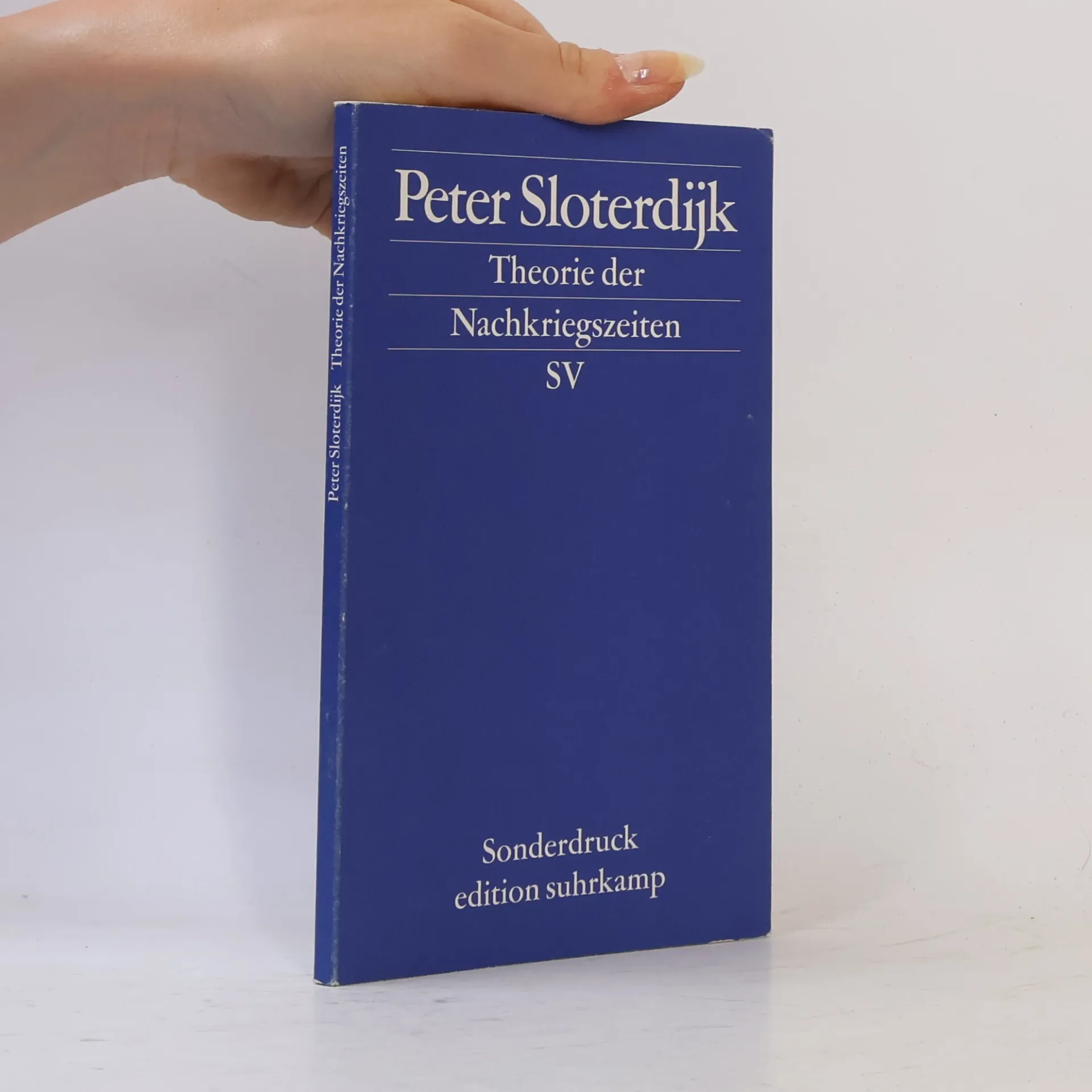
Theorie der Nachkriegszeiten
Bemerkungen zu den deutsch-französischen Beziehungen seit 1945
- 72pagine
- 3 ore di lettura
Wenn Deutsche und Europäer für die übrige Welt einen Rat hätten, besonders für die heiß voneinander faszinierten Duellanten auf den aktuellen Konfliktbühnen: Indien und Pakistan, Israel und seine Nachbarn, die Islamisten und die Okzidentalisten und virtuell auch schon die USA und China – er könnte nur lauten: Macht es wie wir, interessiert euch nicht zu sehr füreinander!
Kopernikanische Mobilmachung und ptolemäische Abrüstung
- 126pagine
- 5 ore di lettura
Mit seinem neuen Buch interveniert Peter Sloterdijk auf dem Feld, auf dem sich der Zeitgeist gegenwärtig die heftigsten Auseinandersetzungen liefert: dem der Kontroverse um Modernismus und Postmodernismus. Postmodernismus, so die These Sloterdijks, ist Postkopernikanismus.
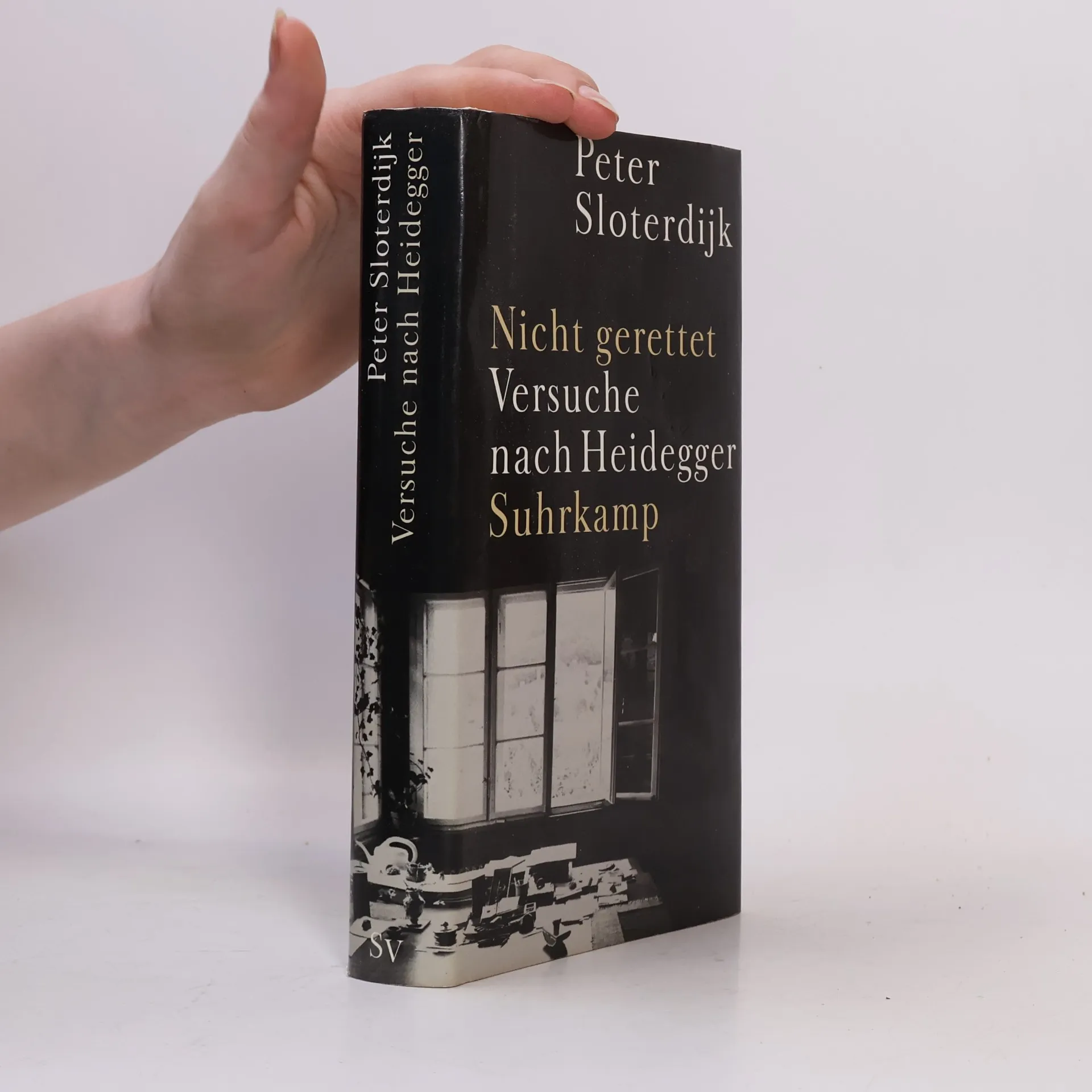
Nicht gerettet
- 403pagine
- 15 ore di lettura
Von Peter Sloterdijk kann man zu Recht sagen, daß jeder seiner Aufsätze, jeder seiner Vorträge auch ein ungeschriebenes Buch ist. Deshalb sind die hier vorgelegten Texte, die eine philosophische Physiognomie Martin Heideggers skizzieren, auch als gesammelter Verzicht auf Ausführlichkeit zu bezeichnen.Um Heideggers Denken in der Ideen- und Problemgeschichte zu verorten, nähert sich Peter Sloterdijk dessen Werk durch Fragen: Wenn die westliche Philosophie aus dem Geist der Polis entstand, wie steht es dann um die Philosophietauglichkeit eines Mannes, der aus seiner trotzigen Anhänglichkeit an die ländliche Welt nie ein Geheimnis gemacht hat? Gibt es eine Provinzwahrheit, von der die weltoffene Stadt nichts weiß? Gibt es eine Feldweg- und Hüttenwahrheit, die imstande wäre, die Universitäten mitsamt ihren Hochsprachen und weltmächtigen Diskursen zu unterhöhlen? Von wo her redet dieser seltsame Professor, wenn er von seinem Freiburger Lehrstuhl aus den Anspruch erhebt, über die Geschichte abendländischer Metaphysik hinauszufragen?
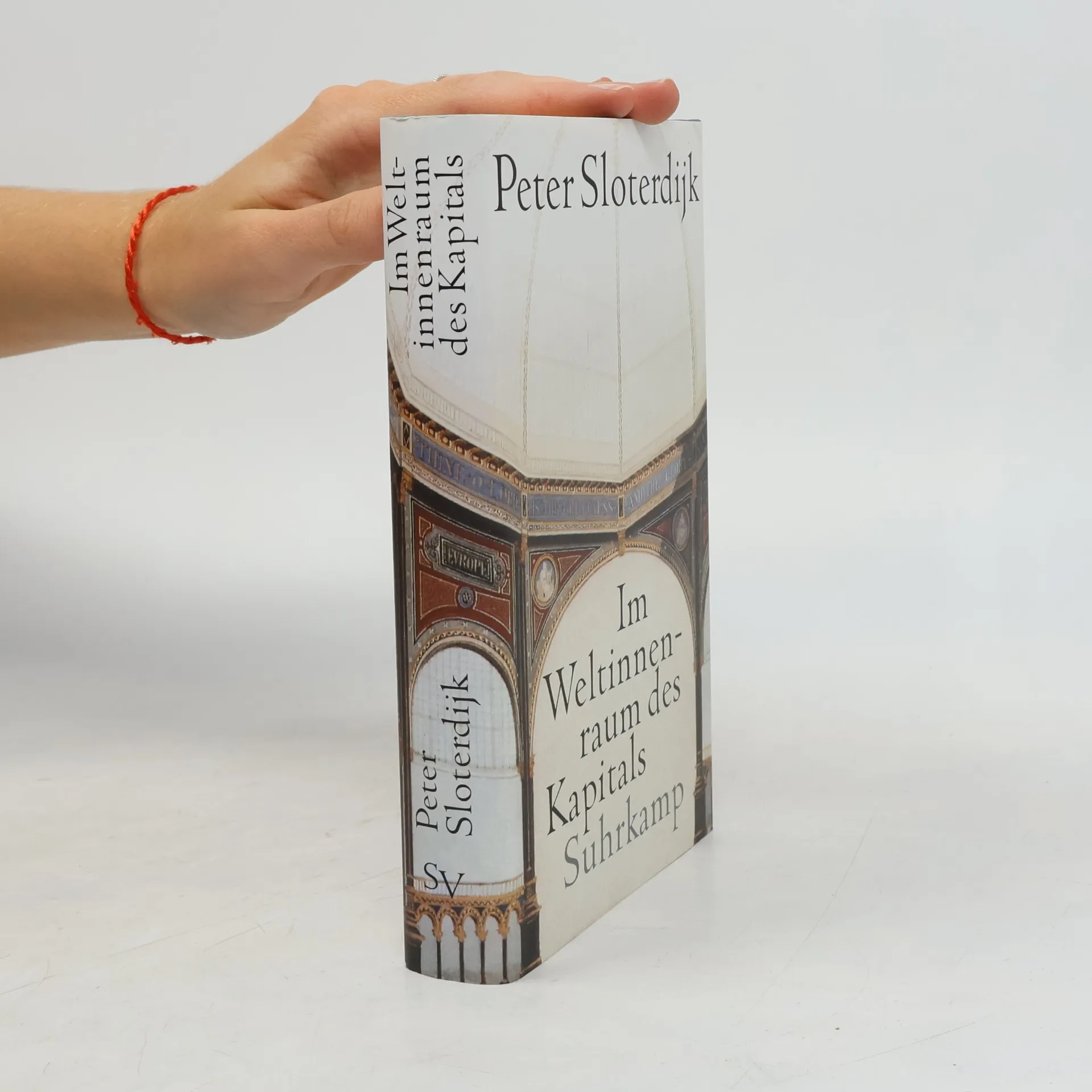
Der Verknüpfung von Erzählung und Philosophieren, dem hervorstechenden Merkmal der Bücher Peter Sloterdijks, ist es zu verdanken, daß zu Beginn des 21. Jahrhunderts etwas Grundstürzendes über Globalisierung zu erfahren ist. Denn der Autor nimmt die mit der Erde als Kugel verbundenen historisch-philosophischen Eigenarten ernst und gelangt zur These: Was als Globalisierung gelobt oder verschrien wird, ist die Endphase eines mit der ersten Erdumrundung einsetzenden Prozesses. Und: Es lassen sich bereits Elemente für eine neue Epoche jenseits der Globalisierung registrieren. In der Endphase der terrestrischen Globalisierung hat sich das Weltsystem vollständig entwickelt und bestimmt als kapitalistisches die gesamten Lebensverhältnisse. Der Londoner Kristallpalast, Ort der ersten Weltausstellung 1851, dient Peter Sloterdijk als ausdrucksstärkste Metapher für diese Situation: Er stellt die unvermeidliche Exklusivität der Globalisierung vor Augen. Dieser Begriff meint demnach die Errichtung eines Komfortgebildes, also den Auf- und Ausbau eines Weltinnenraums, dessen Grenzen unsichtbar, von außen jedoch nahezu unüberwindbar sind und der von anderthalb Milliarden Globalisierungsgewinnern bewohnt wird – die dreifache Zahl von Menschen steht vor der Tür.
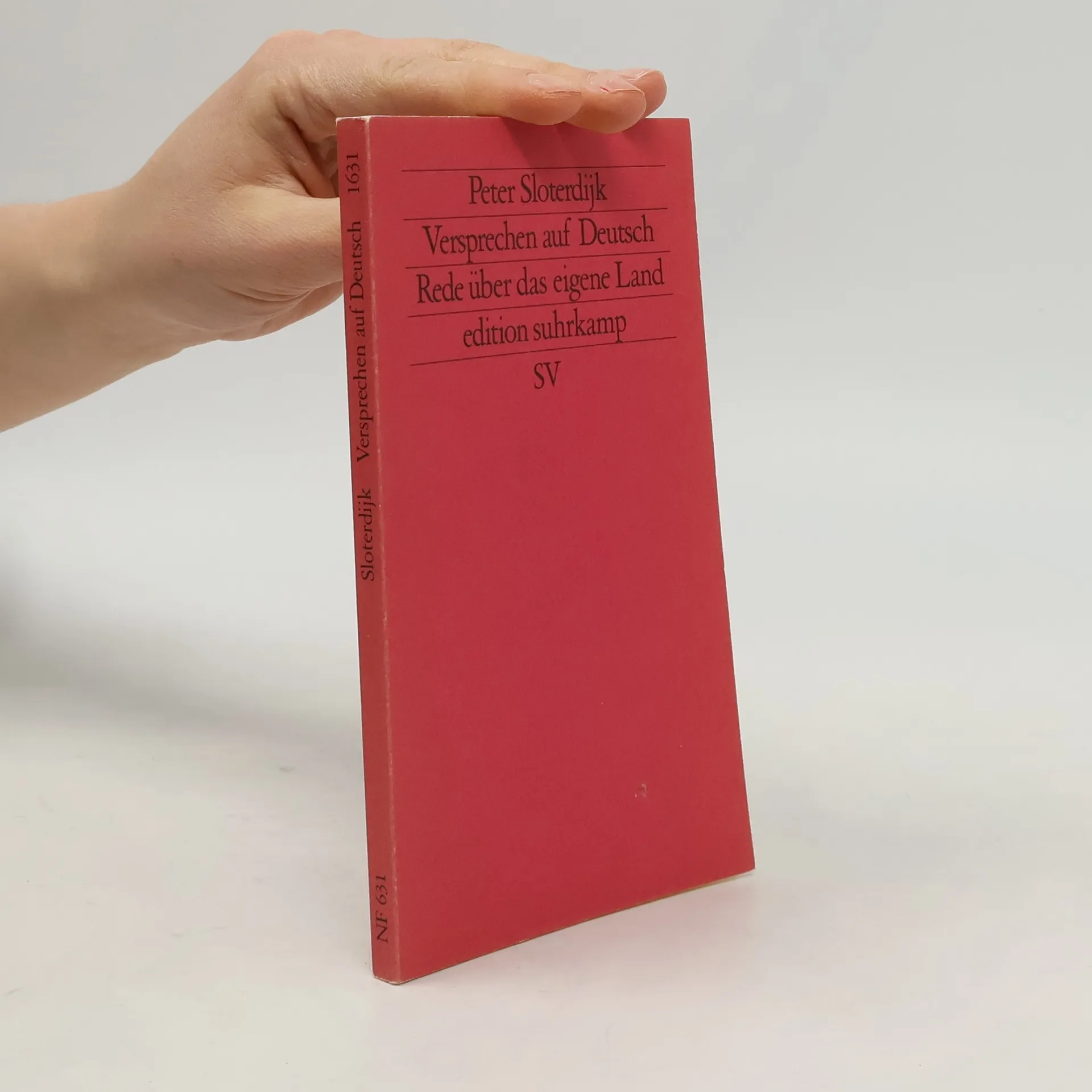
Versprechen auf Deutsch bietet die erweiterte Version der Rede, die Peter Sloterdijk in einer Matinee der Münchner Kammerspiele am Sonntag, dem 10. Dezember 1989, gehalten hat. Es versteht sich von selbst, daß die dramatischen Vorgänge des November 1989 den Bezugsrahmen für sämtliche Aussagen des vorliegenden Textes bilden. Die aktuellen Ergebnisse haben es unvermeidlich gemacht, diese Rede über das eigene Land als Rede an die deutsche Nation vorzutragen. Eine solche Adressierung folgt nicht so sehr dem fragwürdigen rhetorischen Vorbild Fichtes; sie ergibt sich vielmehr aus den Überlegungen des Autors über den Zusammenhang zwischen Sprache und Nationalität. Die historischen Umstände von 1989 sind nicht weniger bemerkenswert als die von 1808. Aber es liegt heute in der Natur der Sache, daß man sich an die Angehörigen einer wieder unruhig gewordenen Nation wenden muß, um etwas über die zu sagen.
Der Staat streift seine Samthandschuhe ab
Ausgewählte Gespräche und Beiträge 2020-2021
- 199pagine
- 7 ore di lettura
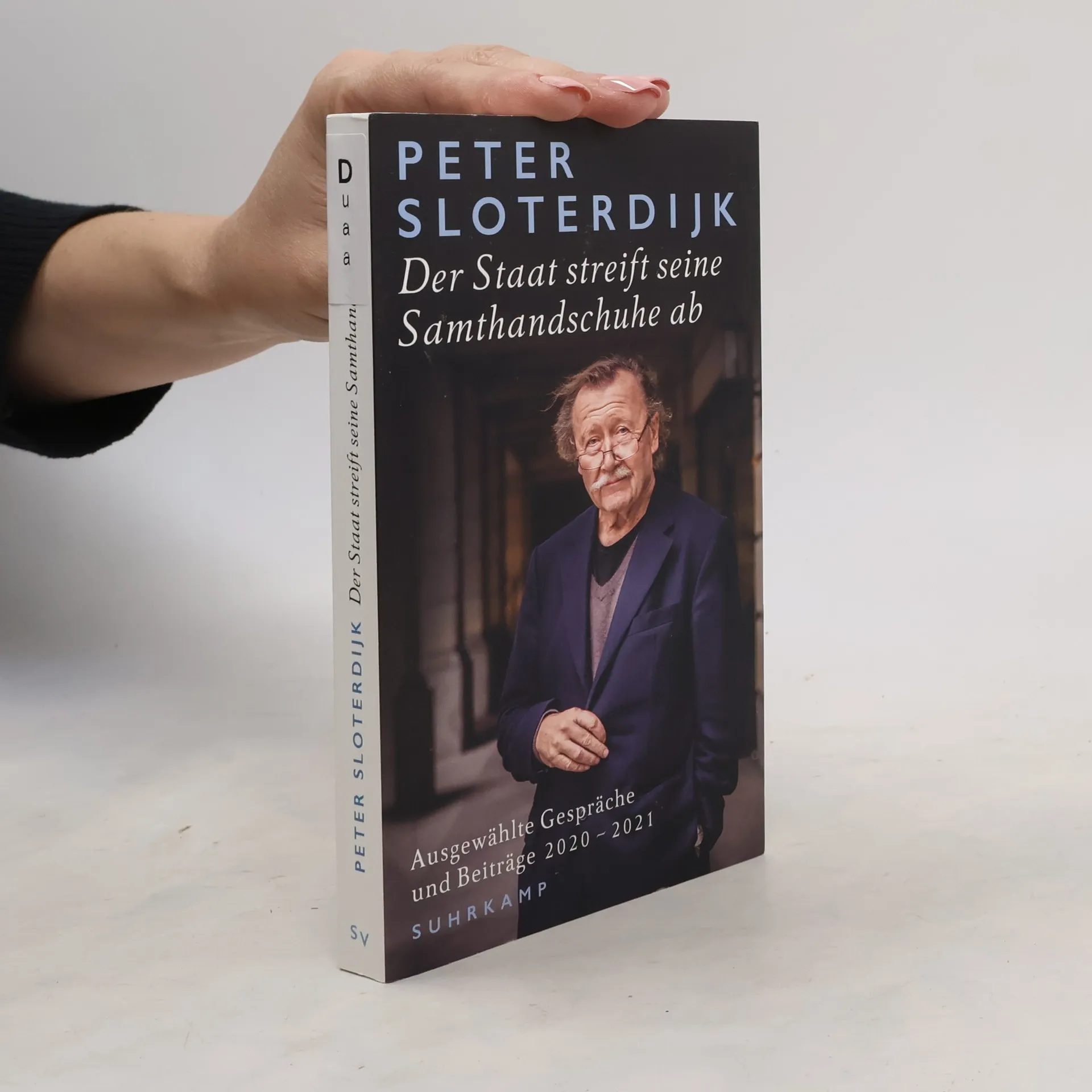
Peter Sloterdijk ist einer der bekanntesten und wirkungsmächtigsten Denker unserer Zeit. Seine philosophischen Zeitdiagnosen und politischen Interventionen sind risikofreudig, streitbar und mindestens so erhellend wie überraschend. Dies konnte man einmal mehr im letzten Jahr mitverfolgen, als er in zahlreichen Interviews über die Pandemie und ihre sozialen, politischen und existentiellen Konsequenzen befragt wurde. Die wichtigsten Interviews und Beiträge liegen hier nun versammelt vor und dokumentieren einen Lernprozess, in dem sich der Ernst der Situation und die Suche nach angemessenen Deutungen zunehmend ausprägen. Für Peter Sloterdijk ist die Corona-Krise nicht bloß eine wirtschafts- oder sozialpolitische Zäsur. Sie markiert vielmehr den »Beginn eines Zeitalters, dessen basale ethische Evidenz Ko-Immunismus lautet, das Einschwören der Individuen auf wechselseitigen Schutz«. Dies erfordert eine neue Definition von Zusammensein, eine »veränderte Grammatik unseres Verhaltens« und eine globale immunitäre Vernunft. Welche Konsequenzen sich daraus für uns ableiten – auch das ist diesen hellsichtigen, zukunftsweisenden Gesprächen zu entnehmen.
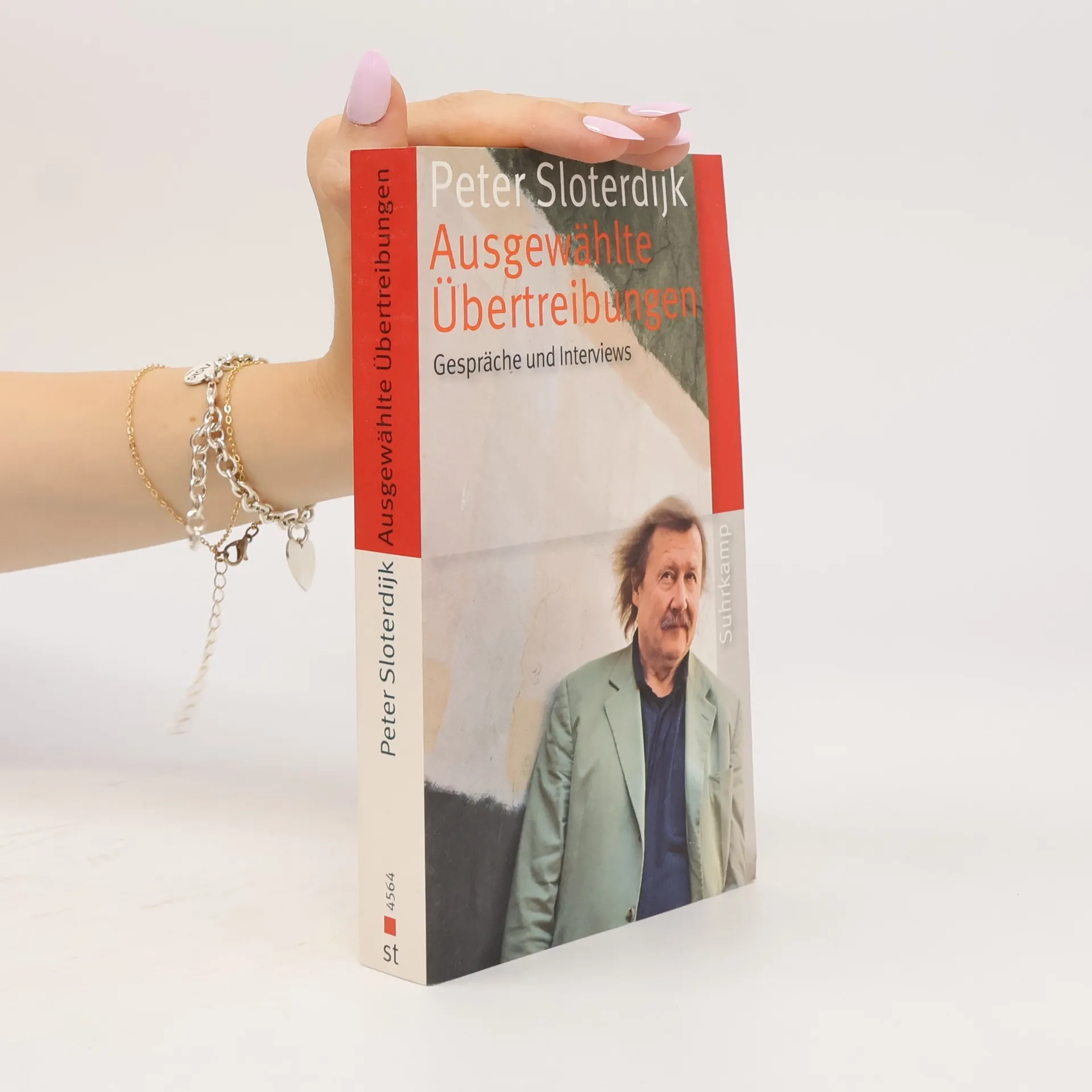
Die hier versammelten mehr als fünfzig Interviews aus fast dreißig Jahren bilden den Kern des Sloterdijk'schen Denkens. Seine Dialoge in und mit der Öffentlichkeit handeln vom Doping und der »doxa«, von Gott und der Welt, vom Design und dem Dogma. Hier ist nachzulesen, wie Peter Sloterdijk die philosophische Tradition und deren neueste Strömungen beurteilt, welche Diagnosen er dem Zeitgeist stellt, wie alltägliche Phänomene durch eine überraschende Perspektivierung einen völlig neuen Sinn erhalten. Für alle Leser, die Peter Sloterdijk kennen oder kennenlernen wollen, bieten diese Dialoge eine ebenso aufschlussreiche wie überraschende und zugleich amüsante Lektüre der geistigen und politischen Ereignisse der letzten drei Jahrzehnte.
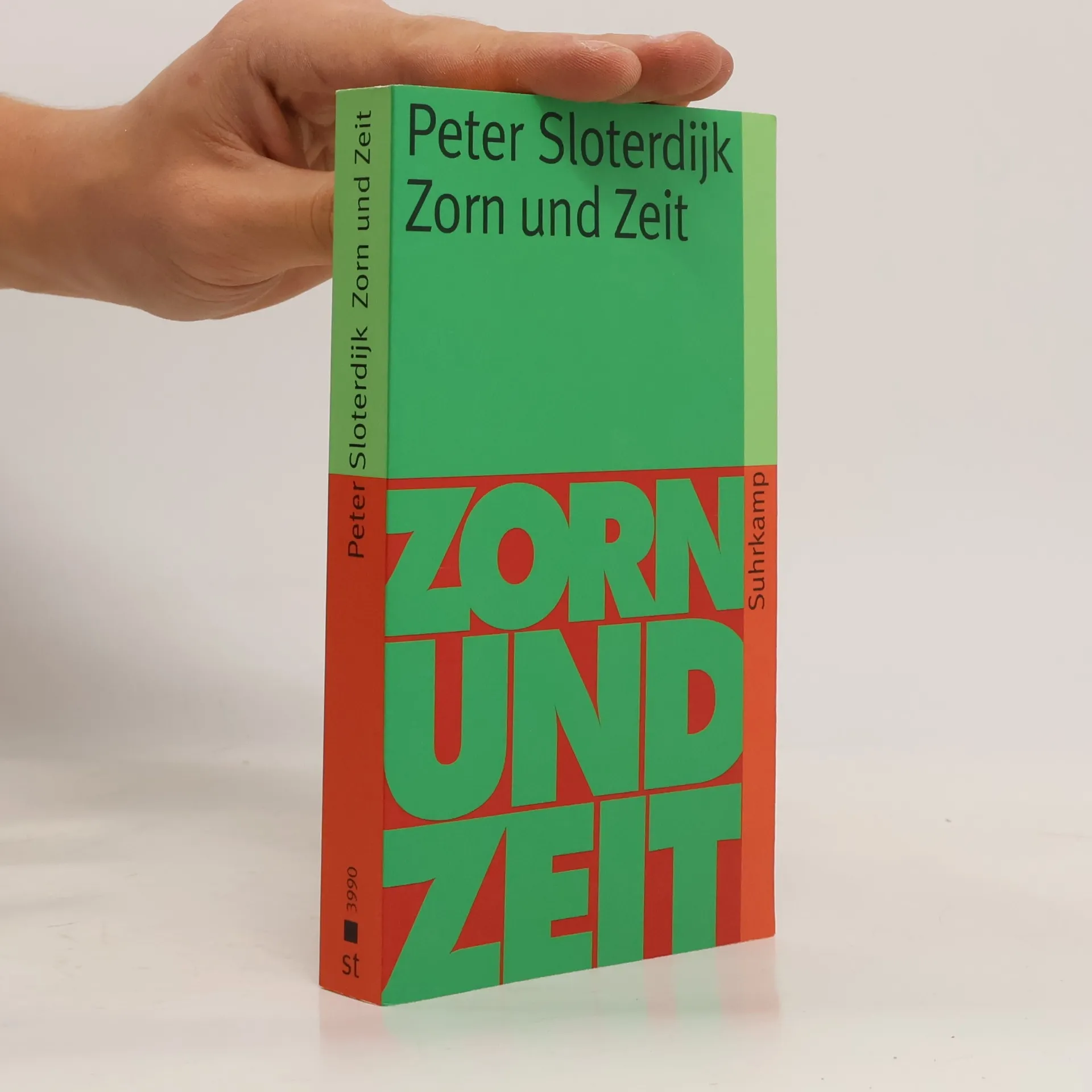
Am Anfang war der Zorn. Im ersten Satz von Homers Ilias ist von ihm die Rede, und Peter Sloterdijk beschreibt ihn in seinem Bestseller als zentrale Triebkraft von Entwicklung und Veränderung. Dabei wurde der ungestüme Impuls schon während der Antike in geregelte Bahnen gelenkt. Judentum und Christentum, aber auch die Totalitarismen des 20. Jahrhunderts lassen sich als Ökonomisierungen beschreiben, als große Ideologien, die den Zorn sammeln und organisieren. Sloterdijks erhellende Analyse, mit der er einmal mehr Fragen der Gegenwart in ihre lange Geschichte einbettet, behandelt auch das aktuelle Phänomen des Islamismus – der Wiederkehr des Zorns als ungelenktes Ressentiment.
Im selben Boot
- 80pagine
- 3 ore di lettura
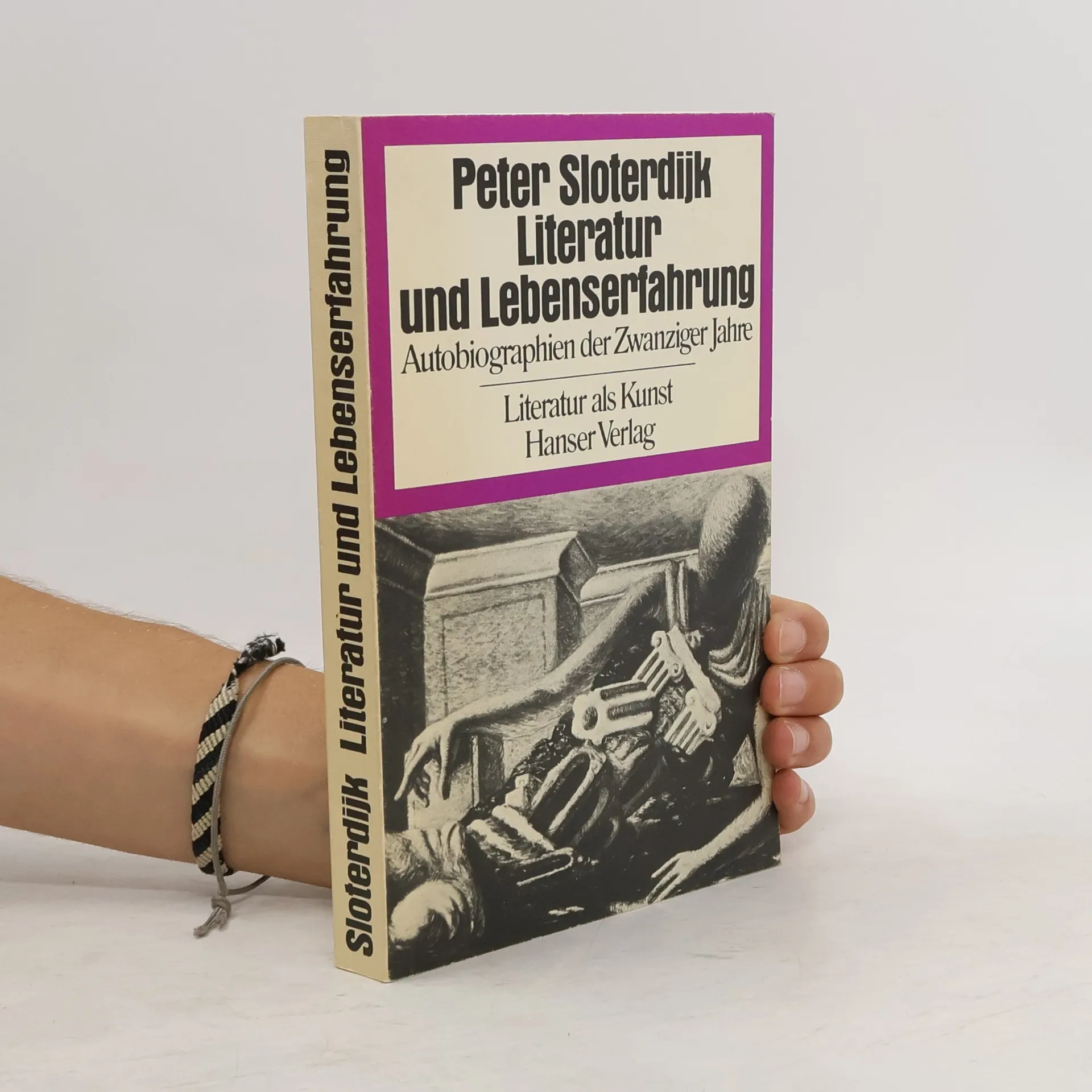
Peter Sloterdijk wurde am 26. Juni 1947 als Sohn einer Deutschen und eines Niederländers geboren. Von 1968 bis 1974 studierte er in München und an der Universität Hamburg Philosophie, Geschichte und Germanistik. 1971 erstellte Sloterdijk seine Magisterarbeit mit dem Titel Strukturalismus als poetische Hermeneutik. In den Jahren 1972/73 folgten ein Essay über Michel Foucaults strukturale Theorie der Geschichte sowie eine Studie mit dem Titel Die Ökonomie der Sprachspiele. Zur Kritik der linguistischen Gegenstandskonstitution. Im Jahre 1976 wurde Peter Sloterdijk von Professor Klaus Briegleb zum Thema Literatur und Organisation von Lebenserfahrung. Gattungstheorie und Gattungsgeschichte der Autobiographie der Weimarer Republik 1918–1933 promoviert. Zwischen 1978 und 1980 hielt sich Sloterdijk im Ashram von Bhagwan Shree Rajneesh (später Osho) im indischen Pune auf. Seit den 1980er Jahren arbeitet Sloterdijk als freier Schriftsteller. Das 1983 im Suhrkamp Verlag publizierte Buch Kritik der zynischen Vernunft zählt zu den meistverkauften philosophischen Büchern des 20. Jahrhunderts. 1987 legte er seinen ersten Roman Der Zauberbaum vor. Sloterdijk ist emeritierter Professor für Philosophie und Ästhetik der Staatlichen Hochschule für Gestaltung in Karlsruhe und war in Nachfolge von Heinrich Klotz von 2001 bis 2015 deren Rektor.
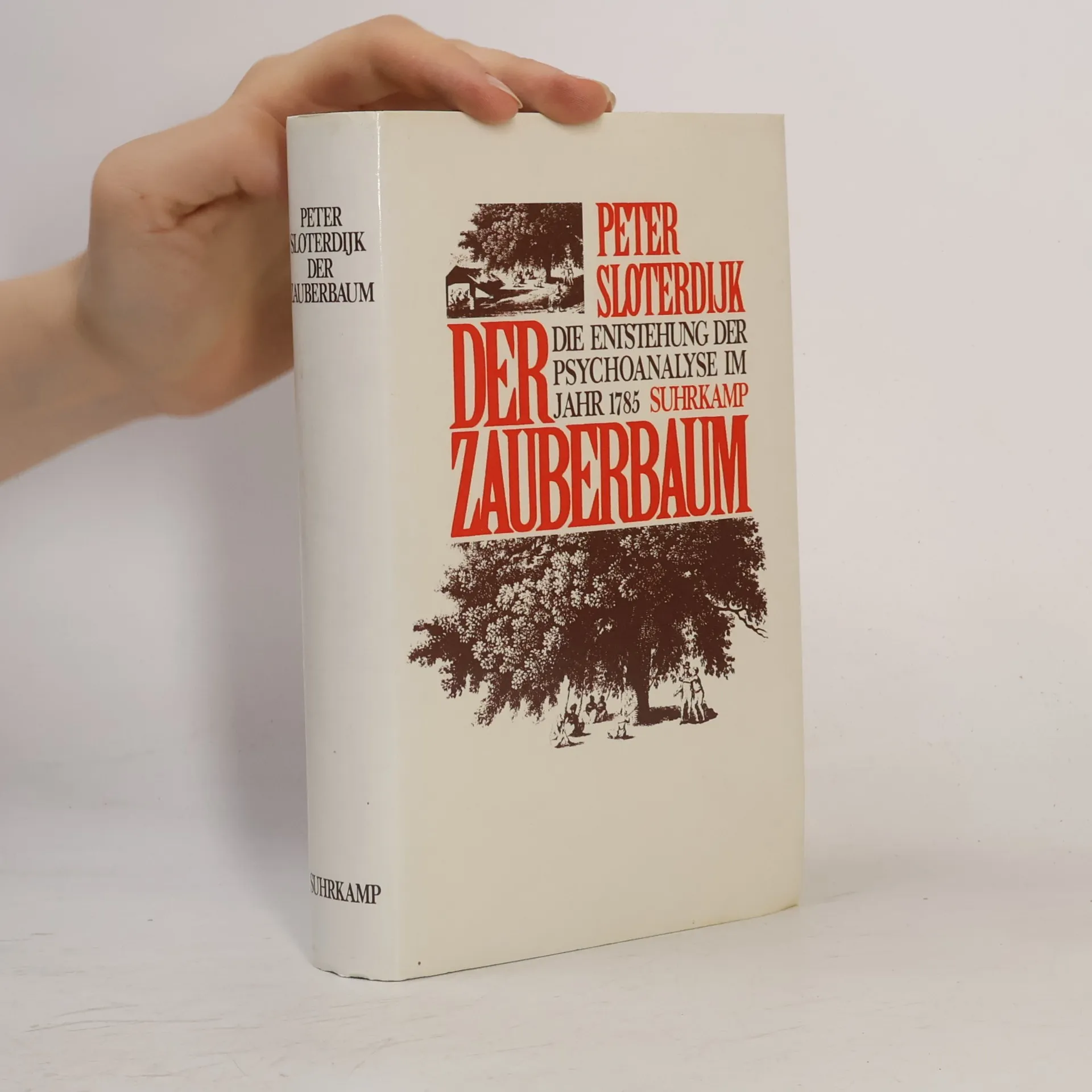
Der Zauberbaum. Die Entstehung der Psychoanalyse im Jahr 1785
- 322pagine
- 12 ore di lettura
Die Geschichte spielt vor fast genau zweihundert Jahren - am Vorabend einer Serie von Ereignissen, die unter dem Namen Französische Revolution in die Geschichtsbücher eingegangen sind. Doch handelt es sich hier nicht um einen historischen Roman. Es wird von der Gegenwart die Rede sein, der reinen Gegenwart und nichts als der Gegenwart. Das Buch unternimmt eine Expedition in eine unvergangene Vergangenheit, die in den Bestand der heutigen Verhältnisse eingebrannt ist. Die Geschichte, die zu erzählen ist, spielt bereits in dem erweiterten Jetzt, das wir Modernität nennen. Alles, was sich in dieser größeren Gegenwart zuträgt, ist gewissermaßen von heute und könnte von beliebigen Zeitungen als Nachricht vom Tage gemeldet werden, falls Zeitungen von dem berichteten, worauf es ankommt.
Der starke Grund, zusammen zu sein
Erinnerungen an die Erfindung des Volkes
Die Angst des Tormanns beim Elfmeter - bk1134; Suhrkamp Verlag; Peter Handke; pocket_book; 1979
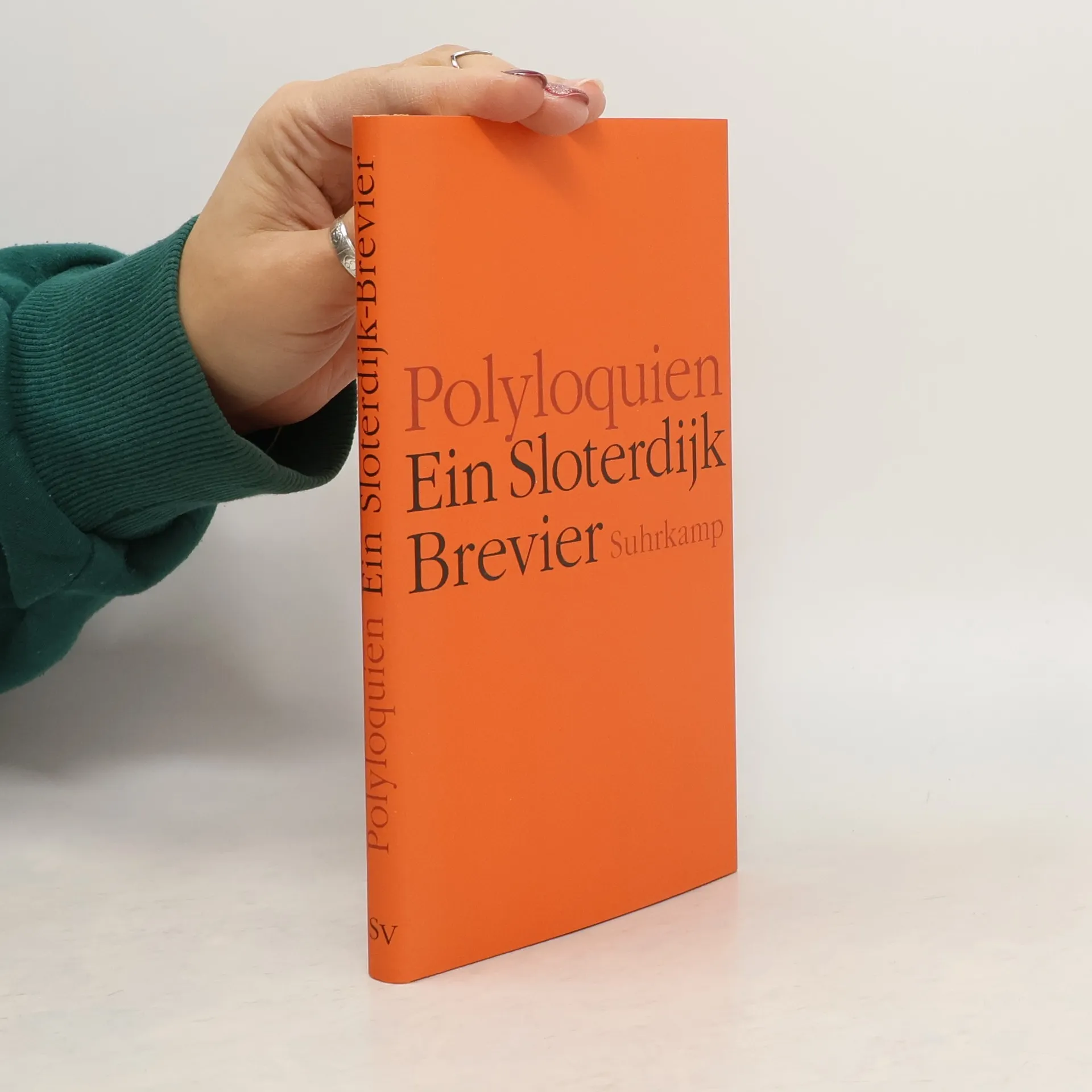
Polyloquien
Ein Brevier
Bei Kolloquien treffen mehrere Personen aufeinander, um sich um über ein vorgegebenes Thema zu unterhalten. Bei den hier versammelten Statements zu Fragen über Gott und die Welt tritt an die Stelle der vielen Stimmen die eine, die von Peter Sloterdijk. Polyloquien präsentiert, mal zum Einzelsatz geschrumpft, mal als ausführliche Auslassung, jene plötzlich aufblitzenden Maximen, in denen sich Werk wie Denken in der größtmöglichen Zuspitzung zeigen. Bei einem philosophierenden Literaten und literarischen Philosophen zeigen sich die Aussagen als überraschende wie riskante Pointen, überzeugen durch ihre Klarsicht, irritieren durch ihre kategorische Bestimmtheit, stacheln durch ihre Schärfe an. Die An- und Einsichten Peter Sloterdijks reichen von den alltäglichsten Erfahrungen (»Zu den Geheimnissen des Verhältnisses zwischen Frau und Auge gehört der Umstand, daß Frauen fast nie wissen, welches das Auge ist, in dem sie am meisten leuchten.«) über politische Kommentare (»Hätte der Neoliberalismus Titten aus Zement, er sähe aus wie Heidi Klum«) bis zu . philosophischen Erwägungen („Wirkliche Autoren sind nur diejenigen, die die Entstehung eines Diskurses verhindert haben.«). Es versteht sich bei diesem Autor von selbst, dass seine Äußerungen im Modus der ironischen Übertreibung auftreten – und als solche gelesen werden müssen.
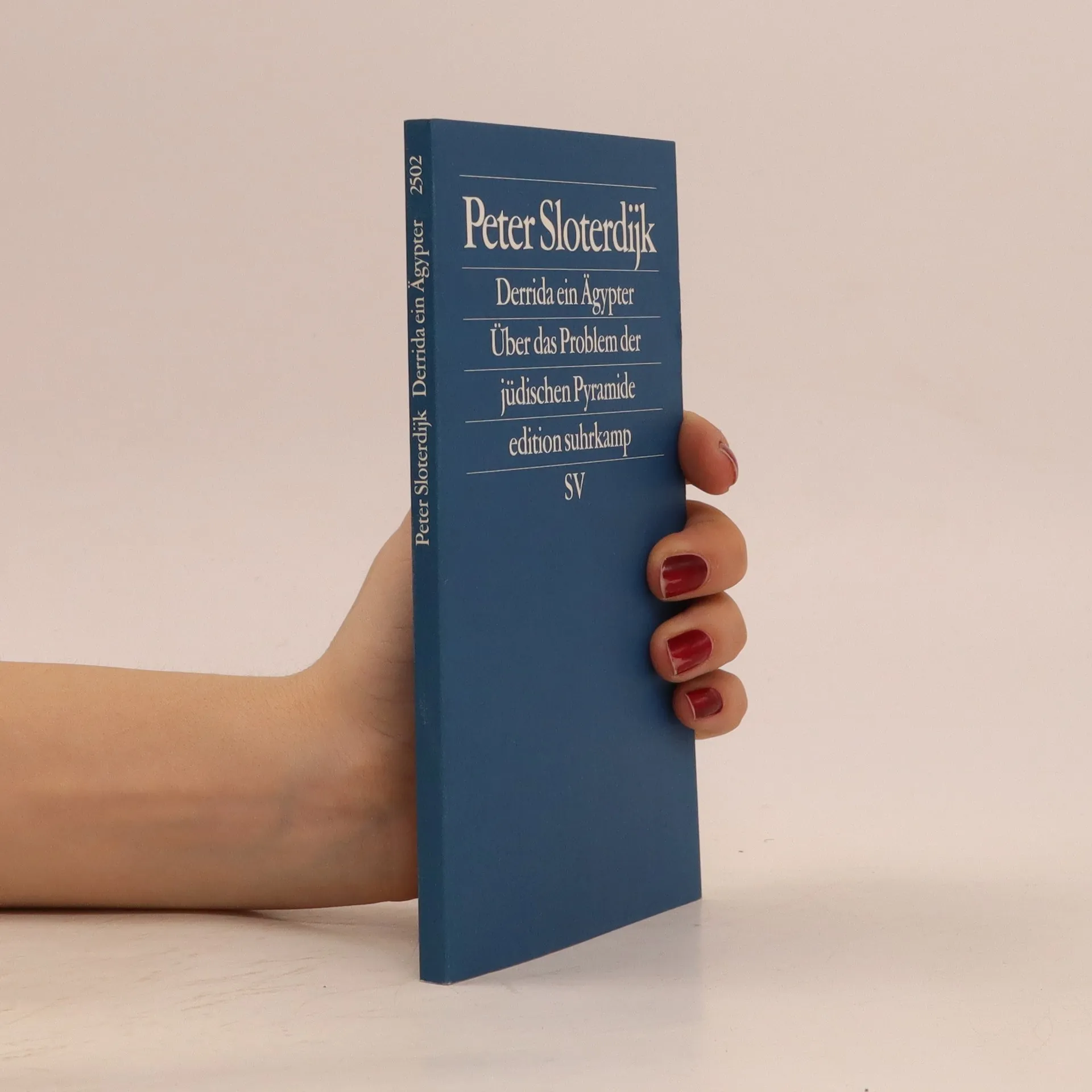
Kurz bevor er starb, gab Jacques Derrida zwei paradoxe Überzeugungen zu Protokoll: Zwar sei er sicher, noch am Tag seines Todes vergessen zu werden, gleichzeitig würde jedoch das kulturelle Gedächtnis etwas von seinem Werk bewahren. Dazu tut die Rede, die Peter Sloterdijk am ersten Todestag des französischen Philosophen hielt, das Ihre. Sloterdijk nähert sich dem Dekonstruktivisten, indem er das Gebirge des Denkens vermißt, »in dem la montagne Derrida als eine der höchsten Erhebungen aufsteigt«. In sieben kurzen Vignetten arrangiert Sloterdijk mit philosophischer Imagination Begegnungen Hegels, Freuds und anderer mit dem Mann, dessen Grabkammer »an einen hohen Himmel rührt«.
Peter Sloterdijk untersucht in "Europa" die Unsicherheiten der Europäer über ihre Identität und Zukunft. Er beleuchtet verschiedene kulturelle Perspektiven, darunter die Ideen von Eugen Rosenstock-Huessy, und fragt, was Europa wirklich ist. Sloterdijk sieht das wahre Europa dort, wo kreative Leidenschaften Ressentiments übertreffen.
Die Konflikte zwischen den abrahamischen Religionen prägen unsere Gegenwart in bisher unbekanntem Ausmaß. Peter Sloterdijk untersucht in seinem Essay die politisch-sozialen und psychodynamischen Voraussetzungen für die Entstehung des Monotheismus. Der jüdische Monotheismus entwickelte sich als Protesttheologie gegen den Polytheismus der antiken Hochkulturen und war eine Religion des Triumphs in der Niederlage, insbesondere während des babylonischen Exils. Während das Judentum auf das eigene Volk beschränkt blieb, verbreitete das Christentum seine universelle Botschaft, und der Islam verstärkte diesen Universalismus durch militärisch-politische Expansion. Sloterdijk analysiert die Konfliktformen zwischen den drei Monotheismen und beschreibt deren Fronten und Feldzüge in einem System von Anti-Paganismus, Anti-Judaismus, Anti-Islamismus und Anti-Christianismus, ergänzt durch interne Spaltungen. Die Reaktionen auf gegenseitige und äußere Angriffe variieren: Das Judentum entwickelte souveränistischen Separatismus, das Christentum setzte auf missionarische Expansion, und der Islam auf den Heiligen Krieg. Sloterdijk zeigt, dass die drei Religionen heute gefordert sind, von friedlicher Koexistenz zu einem Dialog überzugehen, wobei Eiferkollektive Teil einer Zivilgesellschaft werden müssen.
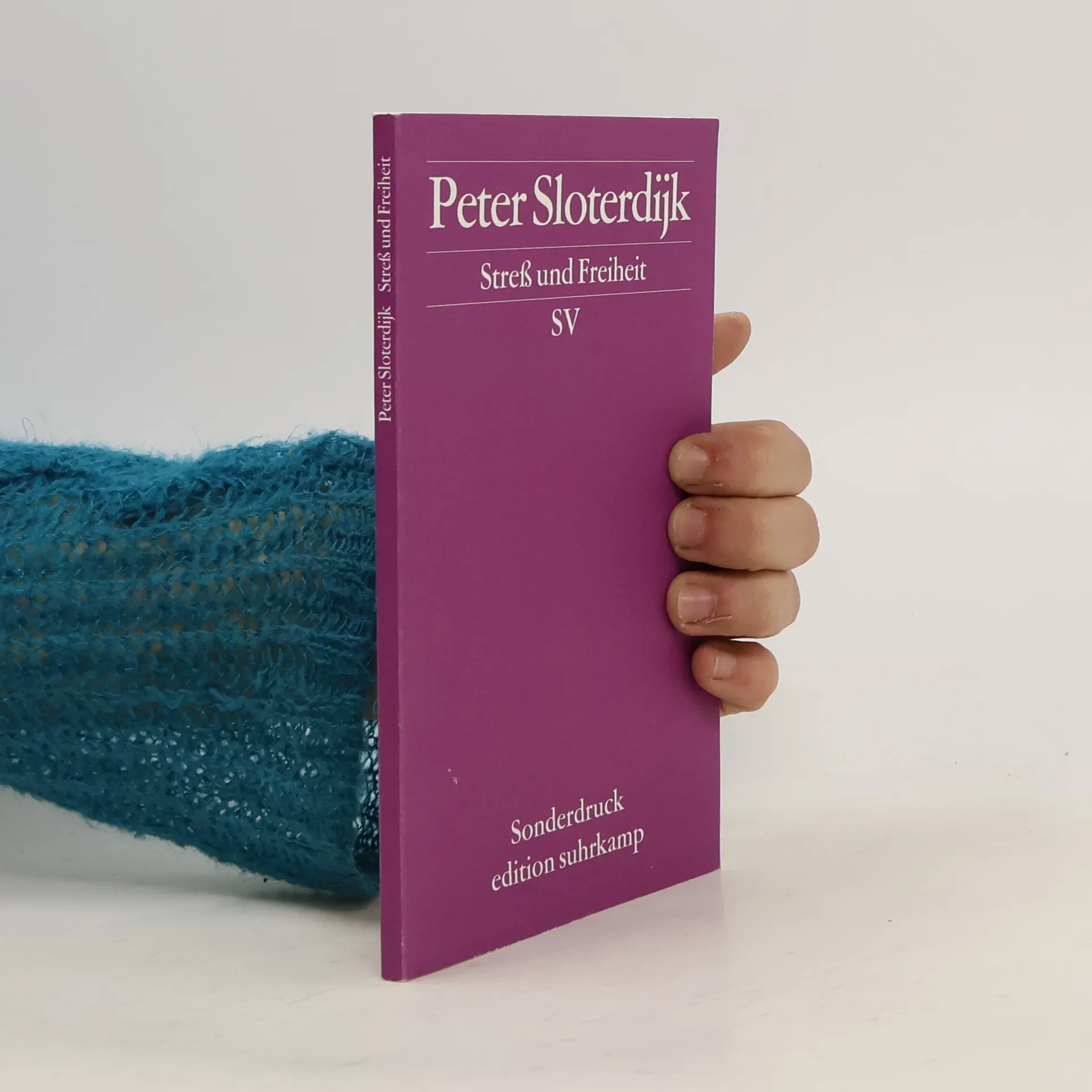
Streß und Freiheit
- 59pagine
- 3 ore di lettura
Wie sind individuelle Freiheit und Gemeinwohl heute miteinander vereinbar? Um dieses akute und aktuelle Thema zu durchleuchten, skizziert Peter Sloterdijk in seinem Vortrag die Entstehung und Entwicklung von Freiheit und Subjektivität als Reaktionen auf Mechanismen, die sich als Varianten von Streß-Erleben beschreiben lassen. Auf seine bekannt spannende, amüsante und zugleich überraschende Weise spannt der Autor einen Bogen von der römischen Lucretia hin zu Becketts Victor aus »Eleutheria«, und er folgt Rousseau auf den Bieler See, auf dem dieser, im Boot meditierend, nichts »außer sich selbst und die eigene Existenz« genoß. Seitdem ist es eine der Hauptaufgaben der Moderne, einzelne in psychopolitischen Großkörpern zu integrieren – eine real existierende Höchstunwahrscheinlichkeit. Und tatsächlich ist jener Großkörper namens Gesellschaft nichts anderes als eine von Streß-Themen in Schwingung versetzte und gehaltene Sorgengemeinschaft. Peter Sloterdijks Berliner Rede zur Freiheit mündet schließlich in pointierte Neubestimmungen von Zivilisation und Liberalität, mit denen Freiheit im 21. Jahrhundert neu gedacht werden könnte.
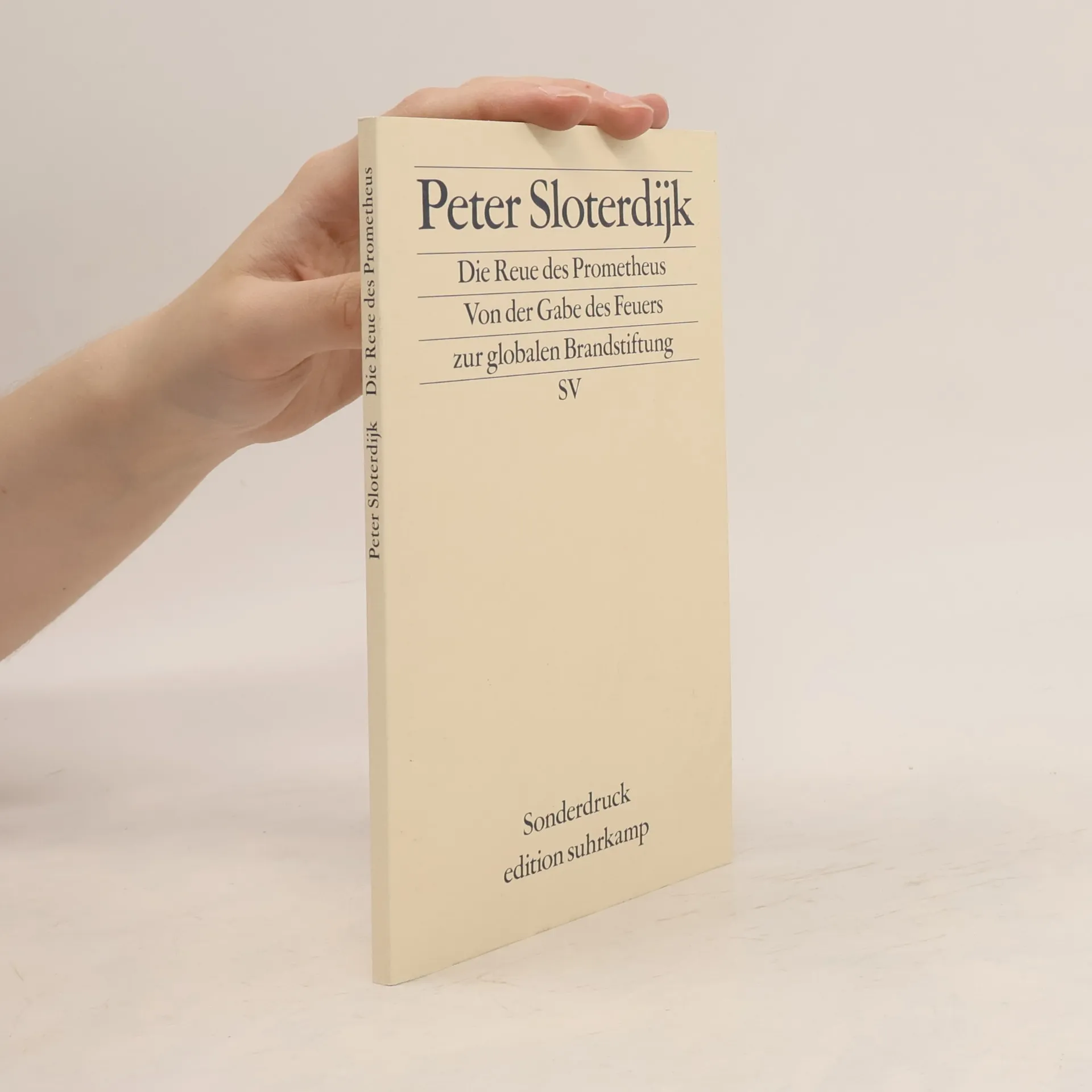
Von jeher muss der Mensch seinen »Stoffwechsel mit der Natur« organisieren. Für Marx war der wichtigste Faktor dabei die Arbeit. Als Prometheus, dem Mythos zufolge, das Feuer auf die Erde brachte, kam ein weiterer entscheidender Input hinzu. Seit Hunderttausenden Jahren wird es genutzt, um Nahrung zu garen und Werkzeuge zu härten. In diesem Sinne lässt sich sagen: Alle Geschichte bedeutet die Geschichte von Applikationen des Feuers. Doch wo Bäume sich vormals nur je einmal verbrennen ließen, verschoben sich die Gewichte der Faktoren Arbeit und Feuer mit der Entdeckung unterirdischer Lagerstätten von Kohle und Öl. Die moderne Menschheit, so Peter Sloterdijk, kann als ein Kollektiv von Brandstiftern gelten, die an die unterirdischen Wälder und Moore Feuer legen. Kehrte Prometheus heute auf die Erde zurück, würde er seine Gabe womöglich bereuen, schließlich droht nicht weniger als die Ekpyrosis, der Untergang der Welt im Feuer. Die Katastrophe verhindern kann nur ein neuer energetischer Pazifismus.
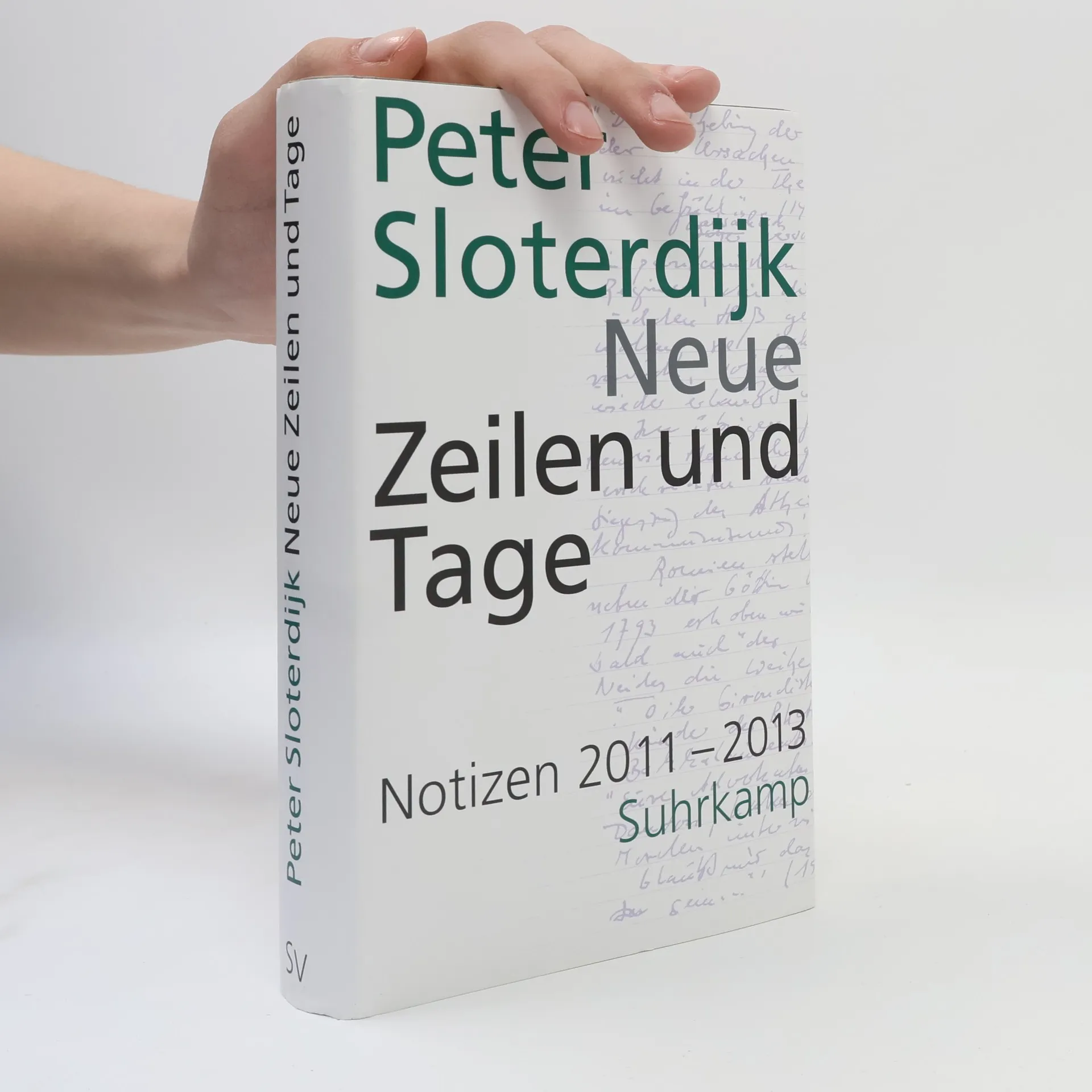
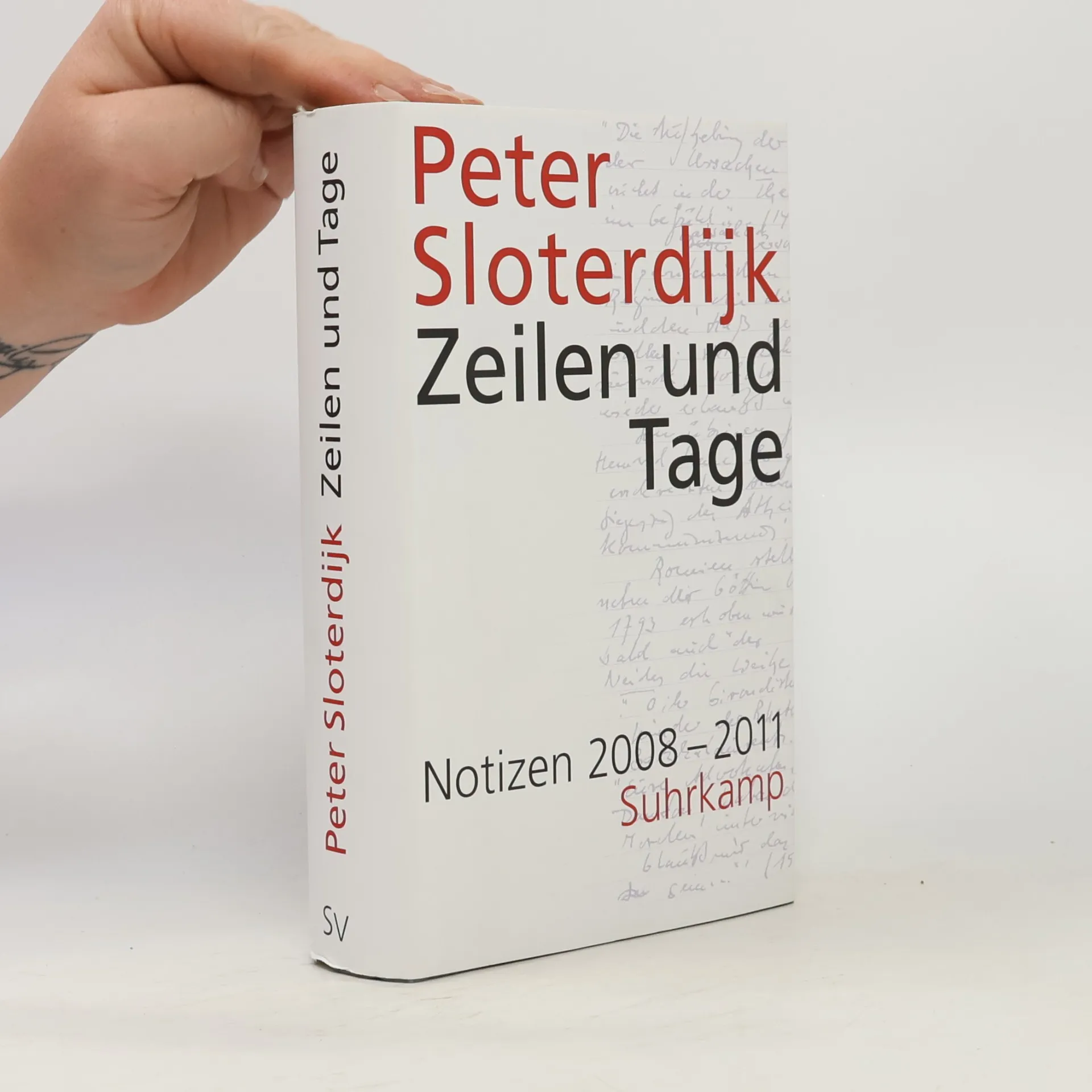
Zeilen und Tage
- 639pagine
- 23 ore di lettura
Über vier Jahrzehnte hinweg widmete sich Peter Sloterdijk Morgen für Morgen einem Tagebuch besonderen Typs: In linierten DIN A4 Heften hielt er handschriftlich fest, was ihm am vergangenen Tag aufgefallen war und was ihm bevorstand. Eine Veröffentlichung der Notate zog er nicht in Betracht. „Datierte Notizen“ entstanden durch dieses Schreiben-für-sich-selbst, eine melancholisch-fröhliche Zeitgenossenschaft zeigt sich in ihnen die Denktagebuch, intellektuelle Komödie und gesellschaftliche Tragödie auf einzigartige Weise miteinander verknüpfen. Peter Sloterdijk schrieb in den wie um ihrer selbst geführten Tagebüchern mit und gegen die Ereignisse, richtete seine Aufmerksamkeit auf die großen Zusammenhänge und die versteckten Details; zur frühen Stunde entstanden außergewöhnliche Kurzessays und ironische Aphorismen, bissige Kommentare und zurückhaltende Lobgesänge. Ende des Jahres 2011 entschloß sich der Tagebuchschreiber, seine Notizen öffentlich zu machen: Er nahm sich Heft 100 aus dem Jahre 2008 vor und transkribierte seine Niederschriften, Zeilen und Tage, bis zum Ende des Jahres 2010.
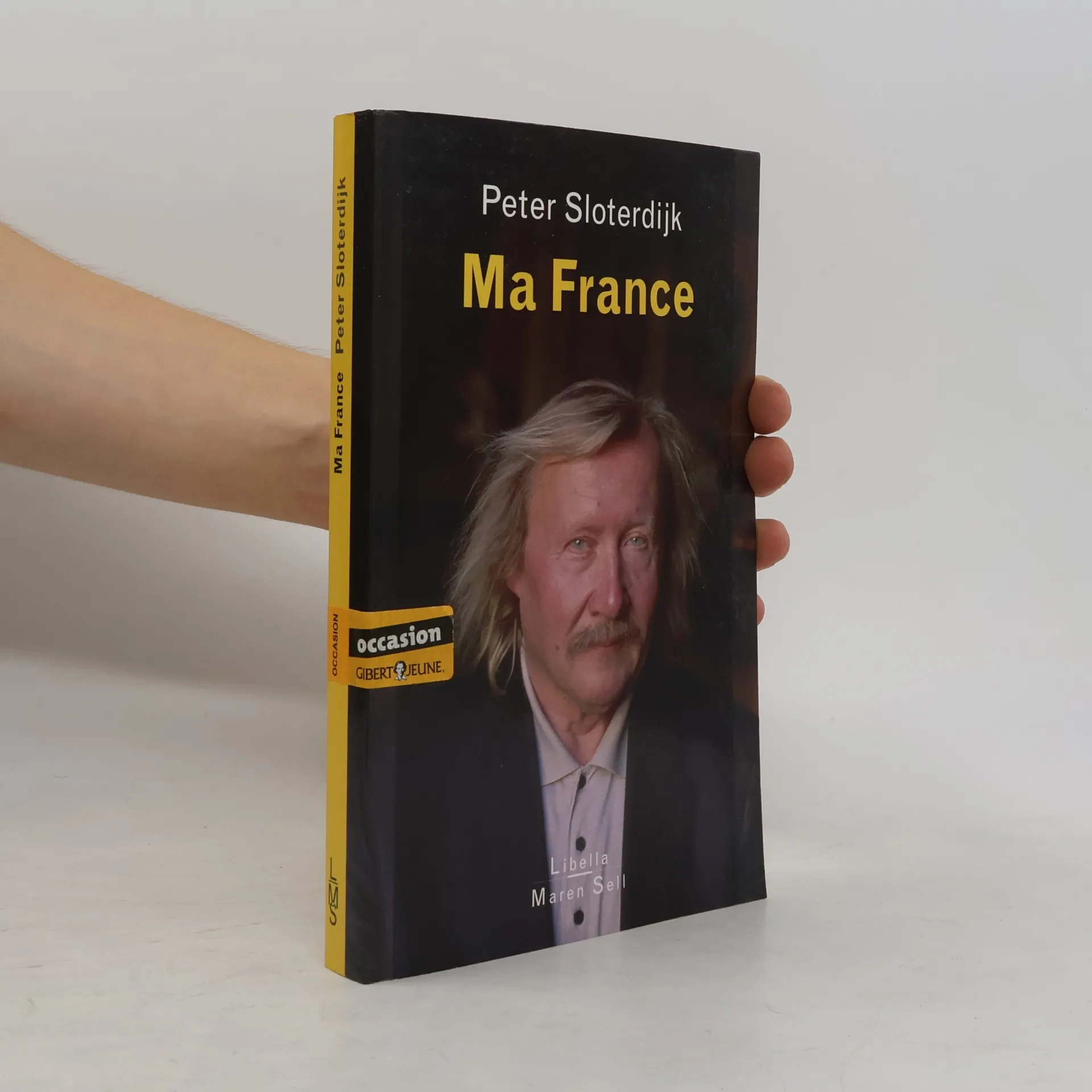
Ma France
- 256pagine
- 9 ore di lettura
De Rousseau au mont Ventoux, il n'y a peut-être qu'un tour de roue de vélo : celle de Peter Sloterdijk, philosophe dont on connaît l'art de mêler métaphysique et analyse politique, mais dont on ignore souvent les rapports complexes qu'il entretient avec la France. Dans cette mosaïque de vingt-trois textes (parfois parus en volume, parfois inédits) éclairée par une préface originale de l'auteur, celui-ci exprime un amour teinté d'ironie pour de grands penseurs français - Descartes, Voltaire, Althusser, René Girard, Bruno Latour... Il revient sur les événements majeurs de l'histoire de France. Il observe avec distance et lucidité la vie politique française - on y trouvera notamment un passage surprenant concernant Jean-Pierre Chevènement, et le texte fulminant paru sous le titre Théorie des après-guerres. Il évoque enfin la montagne et les paysages français dans un entretien inédit. Inscrit dans la tradition des regards croisés entre la France et l'Allemagne, ce livre compose un portrait philosophique, politique, intellectuel et historique de notre pays vu par Sloterdijk - sans complaisance, mais sans renier ses admirations.
Das Phänomen Kulturkampf als solches ist der Streit, in dem über die Legitimität und Herkunft von Unterschieden überhaupt gerungen wird. Wie die religiöse Metaphysik von der Frage beunruhigt wurde, woher das Böse stamme, so die säkulare Gesellschaft von der Frage, woher sie ihre Unterschiede nehmen soll.
Falls Europa erwacht
- 66pagine
- 3 ore di lettura
Peter Sloterdijk wurde am 26. Juni 1947 als Sohn einer Deutschen und eines Niederländers geboren. Von 1968 bis 1974 studierte er in München und an der Universität Hamburg Philosophie, Geschichte und Germanistik. 1971 erstellte Sloterdijk seine Magisterarbeit mit dem Titel Strukturalismus als poetische Hermeneutik . In den Jahren 1972/73 folgten ein Essay über Michel Foucaults strukturale Theorie der Geschichte sowie eine Studie mit dem Titel Die Ökonomie der Sprachspiele. Zur Kritik der linguistischen Gegenstandskonstitution . Im Jahre 1976 wurde Peter Sloterdijk von Professor Klaus Briegleb zum Thema Literatur und Organisation von Lebenserfahrung. Gattungstheorie und Gattungsgeschichte der Autobiographie der Weimarer Republik 1918–1933 promoviert. Zwischen 1978 und 1980 hielt sich Sloterdijk im Ashram von Bhagwan Shree Rajneesh (später Osho) im indischen Pune auf. Seit den 1980er Jahren arbeitet Sloterdijk als freier Schriftsteller. Das 1983 im Suhrkamp Verlag publizierte Buch Kritik der zynischen Vernunft zählt zu den meistverkauften philosophischen Büchern des 20. Jahrhunderts. 1987 legte er seinen ersten Roman Der Zauberbaum vor. Sloterdijk ist emeritierter Professor für Philosophie und Ästhetik der Staatlichen Hochschule für Gestaltung in Karlsruhe und war in Nachfolge von Heinrich Klotz von 2001 bis 2015 deren Rektor.
Peter Sloterdijk ist erwiesenermaßen ein Schriftsteller von Rang. Was nicht jedermann vertraut ist: Er ist ein brillanter Rhetor. Seine in diesem Band gedruckten Vorträge thematisieren, aus unterschiedlichen Perspektiven und zu unterschiedlichen Anlässen, welche Lasten, welche Lehren, welche Hoffnungen das 20. dem folgenden Jahrhundert vermacht hat. Kein einzelner Begriff, kein einprägsamer Slogan, von »Atomzeitalter« bis »Globalisierung«, beantwortet die im Titel aufgeworfene Frage. Eine reine Ereignis- oder Ideengeschichte kann die Bedeutung dieses Jahrhunderts für die Nachwelt ebenfalls nicht erfassen. Deshalb, so die These von Peter Sloterdijk, sind völlig neue Vorgehensweisen auf allen Feldern notwendig, von der Ökonomie bis zur Philosophie. Und dabei kommt, nicht ohne Sloterdijks Ironie und Metaphernkunst, dem Schatz eine zentrale Stellung zu: Diesen Schatz, also die Natur, die Heimat, das Raumschiff Erde, gilt es zu bewahren gegen die extremistische Vernunft, die das vergangene Jahrhundert prägte. »Der Mensch ist für die Bewohnung und Geschäftsführung der Erde im ganzen verantwortlich geworden, seit seine Anwesenheit auf ihr sich nicht länger im Modus der mehr oder weniger spurlosen Integration vollzieht.«
Lezing van de Duitse filosoof over de noodzaak van een nieuwe morele codex in het licht van ontwikkelingen in de genetica, en een aantal reacties daarop.
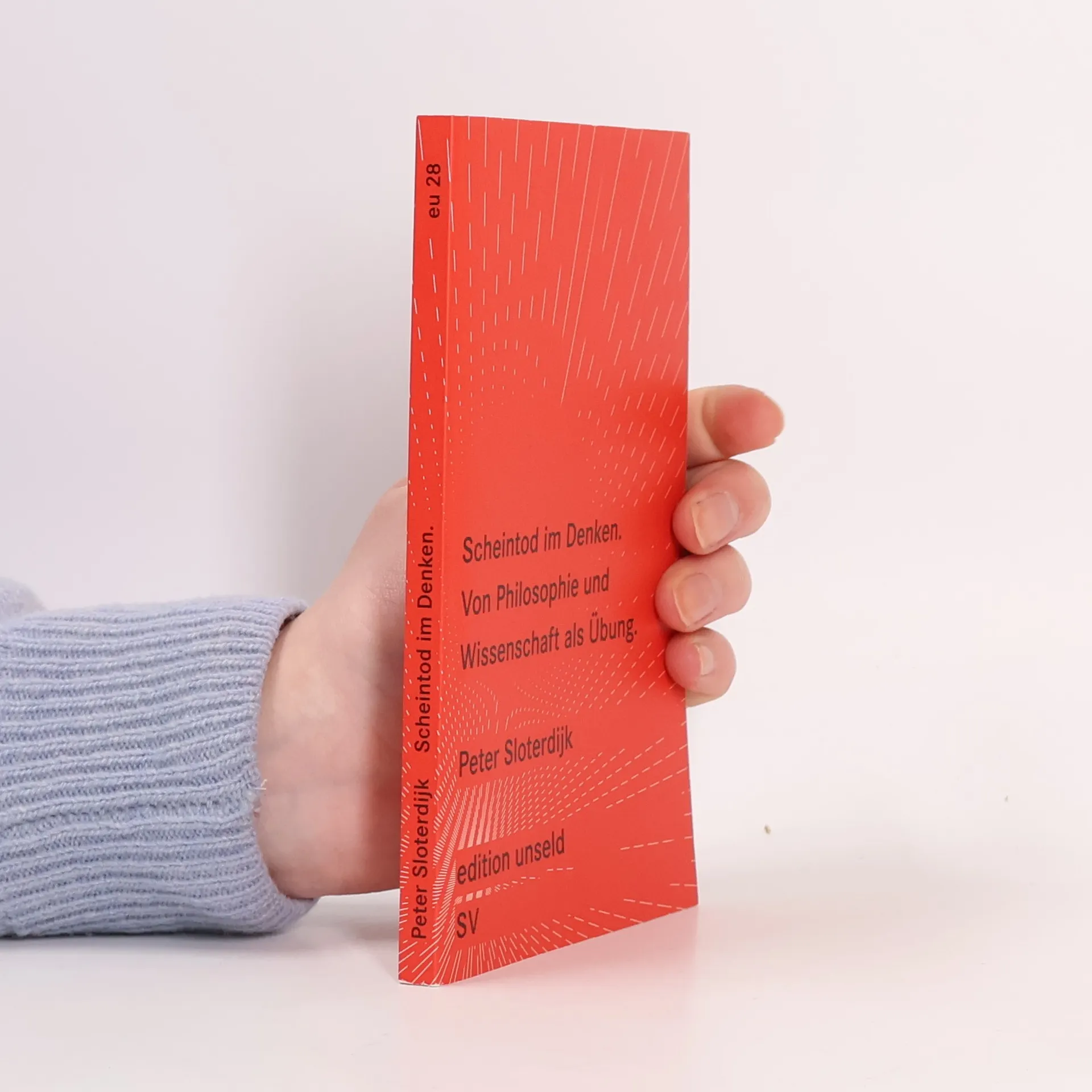
Scheintod im Denken: von Philosophie und Wissenschaft als Übung
- 146pagine
- 6 ore di lettura
In seinem vielgelesenen und vielgepriesenen Buch Du mußt dein Leben ändern hat Peter Sloterdijk das Üben als entscheidende conditio humana herausgestellt. In seinem neuen Buch analysiert er die von dieser neuen Perspektive auf menschliches Denken und Handeln grundlegend verändernde Beobachtung auf Wissenschaft und das Tun des Wissenschaftlers. Peter Sloterdijk begreift Wissenschaft als eine Art und Weise, mit Hilfe von wissenschaftserzeugenden Übungsverfahren den Wissenschaftler selber ins Leben zu rufen. Diese Geschichte umspannt eine mehr als 2000 Jahre währende Entwicklung. Sie setzt ein mit Platons Berichten über seinen athenischen Lehrer: Der litt darunter, daß er einen starken inneren Monolog mit sich führte, der ihn disponierte, in der Akademie einfach stehenzubleiben. Die ursprüngliche Akademie ist also ein Übungszentrum, in dem die Menschen es lernen, der Welt nach den Regeln der Kunst abhanden zu kommen. Selbst die heutigen Universitäten haben auf diesem Gebiet einiges geleistet. Auch sie stehen in der Tradition dieser platonischen »Absencenbeherbergungen«, auch sie stellen die Liaison her zwischen der Andersartigkeit des Denkens und der Andersortigkeit des Denkens, welche die Einübung der Wissenschaft allererst ermöglicht.
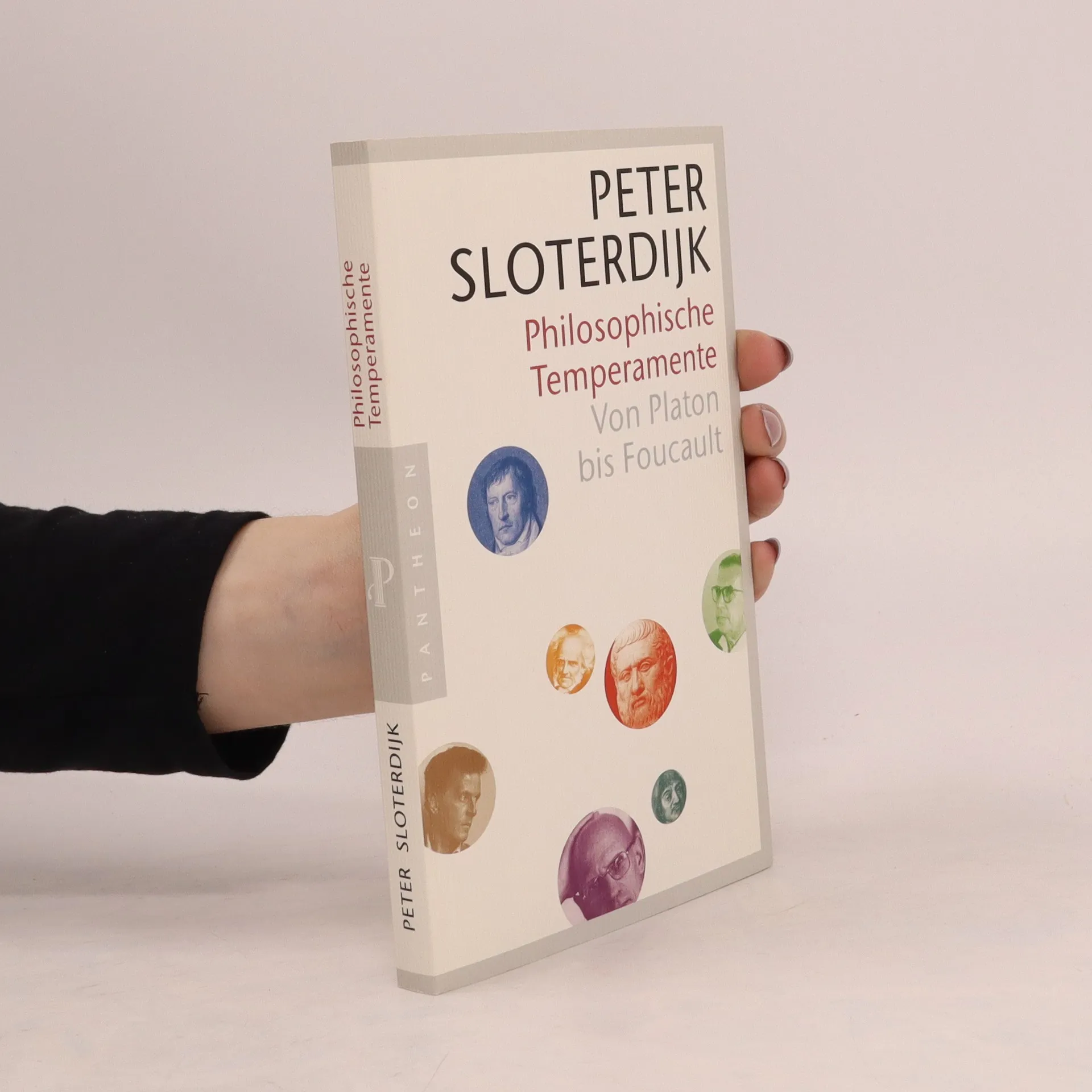
Die großen Denker im Portrait Vierzig Jahre nach Wolfgang Weischedels „Philosophischer Hintertreppe” präsentiert Peter Sloterdijk philosophische Temperamente von Platon bis Foucault und öffnet damit einen neuen Zugang zu den Meisterdenkern des Abendlandes. Seine Toasts auf die zwanzig bedeutendsten Köpfe der Geistesgeschichte sind die perfekte philosophische Einstiegsdroge. Prägnanter und treffender wurden Platon, Marx & Co. noch nicht porträtiert.
Peter Sloterdijk erkundet auch in diesem Roman – in Form und Inhalt – das Unzeitgemäße und damit das Erhellende und Überraschende. Auf dem munteren Weg dorthin greift unausweichlich eine erotische Geschichte in die nächste über: Ironie und Direktheit gehen bei dem philosophierenden Schriftsteller und literarischen Philosophen Peter Sloterdijk eine Liaison ein. Eine in die Jahre gekommene Fünferbande, drei Männer, zwei Frauen, stellt bei einer Bonner Institution den Antrag auf Förderung des Projekts »Zwischen Biologie und Humanwissenschaften: Zum Problem der Entfaltung luxurierender weiblicher Sexualität auf dem Weg von den Hominiden-Weibchen zu den Homo-sapiens-Frauen aus evolutionstheoretischer Sicht mit ständiger Rücksicht auf die Naturphilosophie des Deutschen Idealismus«. Peter Sloterdijk skizziert das Unternehmen in Form eines klassischen Briefes, worauf die Mitstreiter per E-Mail antworten und auf diese Weise einen regen Austausch untereinander von mehr oder weniger intimen Überzeugungen und Geständnissen in Gang setzen. Man begegnet sich persönlich nur kurz in Bonn und Karlsruhe nach dem erwartbaren Ablehnungsbescheid, und dabei kommt es zu unerwarteten Gemengelagen.
Der Blaue Reiter. Journal für Philosophie / Die Kunst des Zweifelns
- 116pagine
- 5 ore di lettura
Der zivilisierte Mensch
- 116pagine
- 5 ore di lettura
Zurück zu einer naturnahen Lebensweise oder bessere Technik, bessere Computer und mehr Internet? Die Debatten um Fortschritt und Zivilisation bewegen sich in allen Facetten zwischen den Extremen unreflektierter Fortschrittsgläubigkeit und einer nicht besser durchdachten, von Jean-Jacques Rousseaus friedlichem Naturzustand inspirierten Wildnisromantik. Angesichts der Destruktivität des 20. wie des 21. Jahrhunderts ist es nicht verfehlt, die Frage nach der Zivilisierung des Menschen auch philosophisch zu stellen.
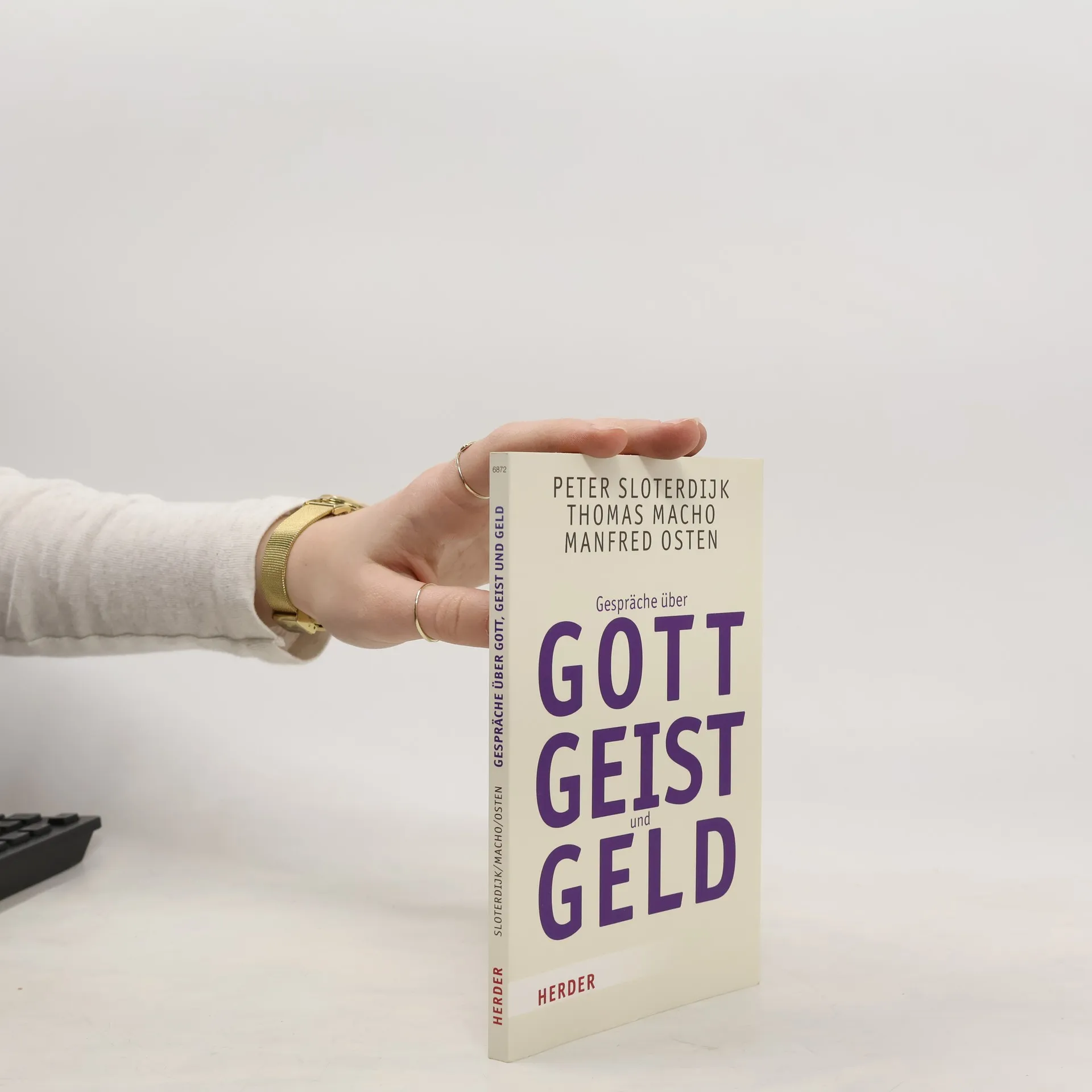
Gespräche über Gott, Geist und Geld
- 112pagine
- 4 ore di lettura
Peter Sloterdijk und Thomas Macho im Gespräch mit Manfred Osten über Gott, Geist und Geld, über die Hölle als »Verfassungsorgan«, Gottvertrauen und Geldvertrauen, über Kapitalismus als Religion, über den Zusammenhang von Geist und Geld. Der bekannteste Philosoph Deutschlands und Thomas Macho, Berliner Kulturwissenschaftler und Mitglied der Europäischen Akademie der Wissenschaften und Künste, eröffnen neue Perspektiven über Gott, Geist und Geld abseits der vorgedachten Pfade.
Literatur und Organisation von Lebenserfahrung
- 350pagine
- 13 ore di lettura
Die nehmende Hand und die gebende Seite
Beiträge zu einer Debatte über die demokratische Neubegründung von Steuern
- 165pagine
- 6 ore di lettura
»Ich möchte in diesem Band meine konfliktträchtige These noch einmal erläutern, wonach in einer demokratischen Gesellschaft Steuern aus Zwangserhebungen in freiwillig erbrachte Bürgerspenden für das Gemeinwesen umgewandelt werden müßten – für eine Anfangszeit zu einem bescheidenen Prozentsatz, später progressiv in höheren Proportionen. Nur eine solche Transformation, behaupte ich, könnte die in Routinen mechanisierter Solidarität erstarrte Gesellschaft reanimieren und einen neuen Hauch von Gemeinwesenbewußtsein in die selbstbezüglich gewordenen Funktionssysteme tragen.«
Les battements du monde
- 245pagine
- 9 ore di lettura
Série d'échanges ayant eu lieu depuis les attentats du 11 septembre 2001 aux Etats-Unis, entre les philosophes français et allemand à propos de la marche du monde, l'utopie politique, le rapport à l'autre dans les faits, la situation des juifs, les mutations des sociétés modernes, etc.
Mystische Zeugnisse aller Zeiten und Völker
- 296pagine
- 11 ore di lettura
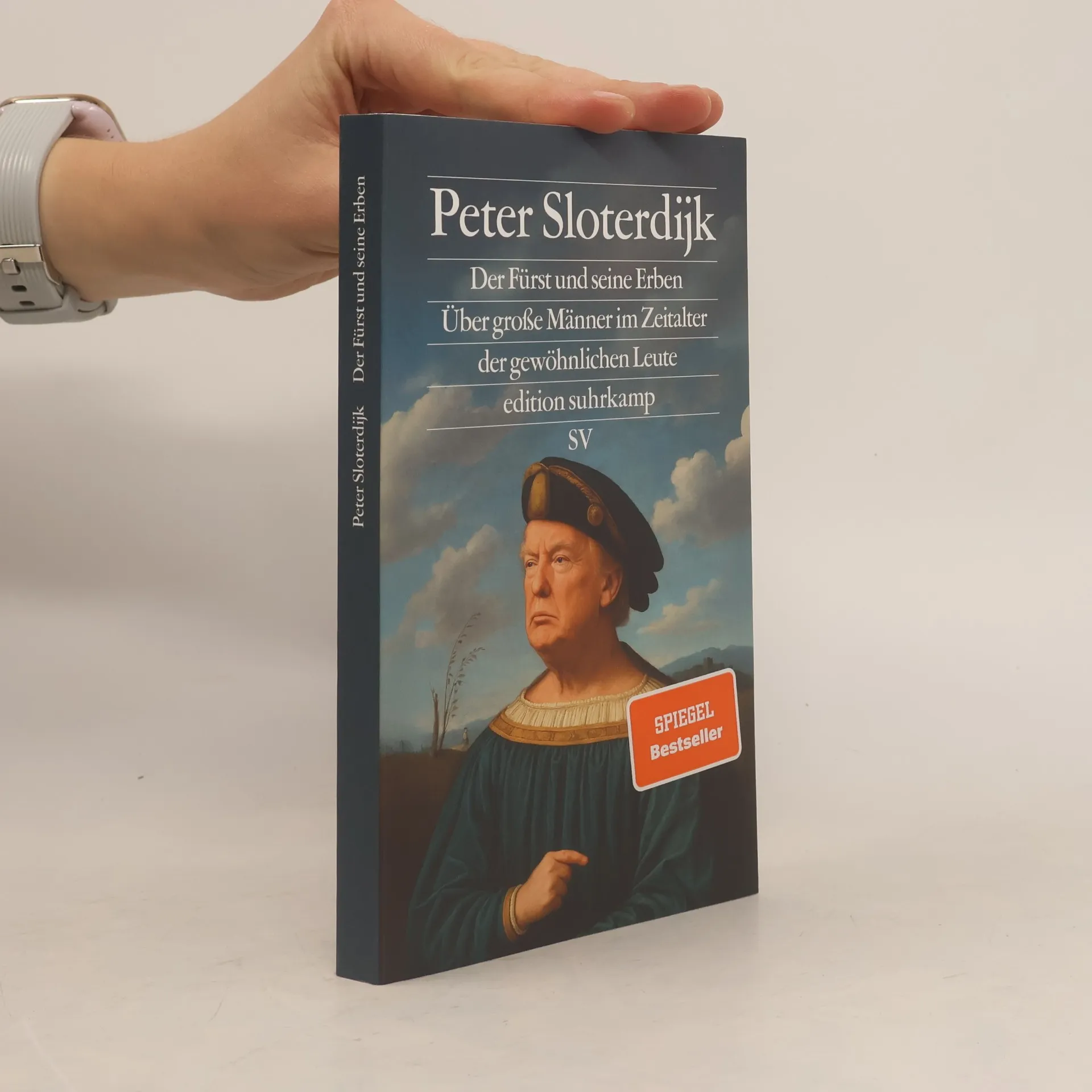
Der Fürst und seine Nachfolger
Über große Männer im Zeitalter der gewöhnlichen Leute
- 100pagine
- 4 ore di lettura
Alexander habe Achill nachgeahmt und Caesar den Alexander – doch wen haben sich die starken Männer der Gegenwart zum Vorbild genommen? Caligula, Napoleon III., Mao? »Be careful what you wish for«, so ein englisches Sprichwort: Vielleicht hätten die Heutigen vorsichtiger sein sollen, als sie sich in den postpolitischen Jahren Staats- und Regierungschefs mit mehr Charisma wünschten. »I am the chosen one«, wusste Donald Trump 2019 über sich zu berichten. Seit Wiederamtsantritt lebt er die Madman-Theorie aus, die ein moderner Machiavelli erdacht haben könnte: Wer als unkalkulierbar gilt, macht die besten Deals. Auf der anderen Seite der Erdkugel sammelt der »Überragende Führer« Xi Zar Putin und Narendra Modi um sich, der einem Vorbild die höchste Statue der Welt errichten ließ. Ein Fürst, der sich behaupten wolle, statuierte Machiavelli, müsse lernen, nicht gut zu sein. Diese Lektion haben die neuen Autokraten gelernt. Peter Sloterdijk schwingt sich nicht zu ihrem Berater auf, sondern erweist sich als so kühler wie hellsichtiger Analytiker des neuen Typs Fürst. In ihm reaktualisiert sich für Sloterdijk die Frage, ob die moderne Welt über die im Königtum gefundene Lösung für die Verkörperung der Macht in Einzelpersonen hinausgekommen sei.
Telenoia
- 222pagine
- 8 ore di lettura
Schäume
- 916pagine
- 33 ore di lettura
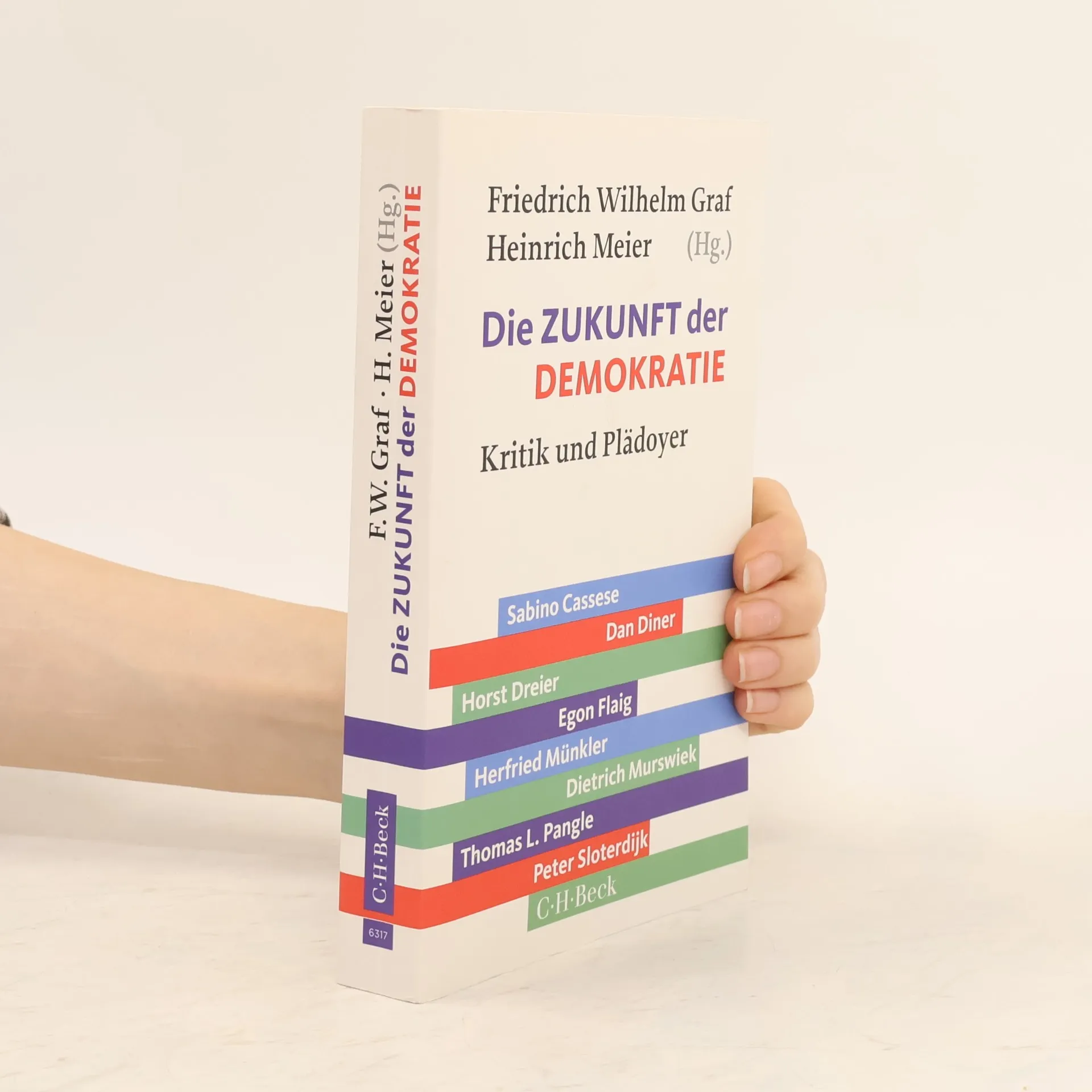
Plurale Sphärologie
Die Herausforderung der Demokratie durch den Aufstieg autoritärer Regime und den Angriff des politisch-religiösen Radikalismus, aber auch die Krise der Repräsentation, das Schwinden der Demokratie im Inneren bestimmen die öffentliche Debatte. Der Glaube, dass der Prozess der Modernisierung die Demokratie notwendig befördern und unaufhaltsam verbreiten werde, hat sich als trügerisch erwiesen. Das Buch enthält die überarbeiteten und erweiterten Beiträge einer Vortragsreihe der Carl Friedrich von Siemens Stiftung in München, die große Beachtung fand. Angesehene Wissenschaftler und führende Intellektuelle analysieren den Zustand der repräsentativen Demokratie in Deutschland wie der Mehrebenendemokratie in Europa und entwickeln konkrete Reformvorschläge. Sie untersuchen die Fragen, wie entscheidungsfähig Demokratien sind und was die amerikanische Demokratie so außergewöhnlich macht. Sie behandeln die globalen Dimensionen der Demokratie und blicken in prospektiver Absicht auf den «Arabischen Frühling» zurück. Sie unterziehen geläufige Missverständnisse der Kritik, desgleichen die Illusion des demokratischen Geschichtsglaubens.
Edition Suhrkamp - 2672: Im Schatten des Sinai
Fußnote über Ursprünge und Wandlungen totaler Mitgliedschaft
- 63pagine
- 3 ore di lettura
Die religionstheoretischen Überlegungen, die Peter Sloterdijk in »Gottes Eifer« (2007) und »Du mußt dein Leben ändern« (2009) vorstellte, fanden große Beachtung, lösten allerdings auch Missverständnisse und kritische Einwände aus. In diesem Band präzisiert Sloterdijk nun, ausgehend von der Sinai-Episode aus dem zweiten Buch Mose, seine Ausführungen zu Monotheismus und Gewalt sowie zur Rolle der Religion in vormodernen Gesellschaften. Er befasst sich mit der ethnoplastischen Funktion religioider Einheitssemantiken und erläutert, warum wir angesichts dieses historischen Erbes nervös auf jede Form des Fundamentalismus reagieren – ob es sich dabei um radikale Islamisten handelt, um die katholischen Pius-Brüder oder um evangelikale Sekten in den USA.
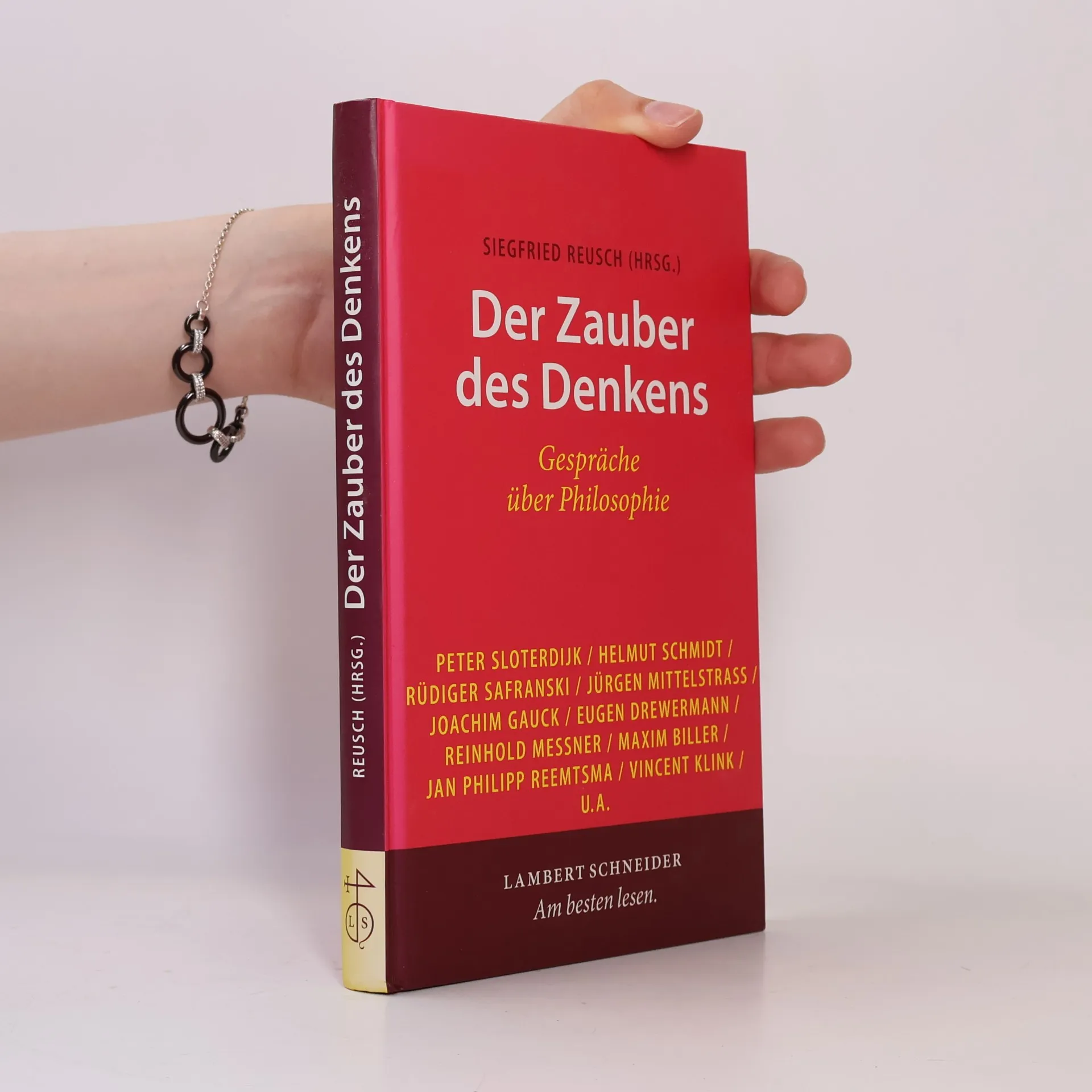
Der Zauber des Denkens
- 168pagine
- 6 ore di lettura
Tiefsinnige philosophische Thesen und Konzepte sind nicht immer leicht verständlich. Erörtert man sie jedoch im zwischenmenschlichen Austausch, im Wechselspiel von Frage und Antwort, werden sie plötzlich allgemein verständlich und greifbar. Dieser Band enthält philosophische Interviews mit bekannten Philosophen und anderen populären Personen. In den Gesprächen beschäftigen sich die Interviewten mit philosophischen sowie mit politischen und gesellschaftlichen Fragestellungen. Durch die Themenvielfalt sind sie für Jedermann interessant. Geistreich und kurzweilig, wird Philosophie in der Dialogform lebendig und unterhaltsam. Die Interviews, die in einem Zeitrahmen von über 10 Jahren geführt wurden, sind bedeutende Zeitzeugnisse philosophischen Denkens. Gespräche u. a. mit: Peter Sloterdijk, Rüdiger Safranski, Helmut Schmidt, Joachim Gauk, Eugen Drewerman, Reinhold Messner, Maxim Biller, Jan Philipp Reemtsma, Vincent Klink