

Esaurito ma molto ricercato!
Maggiori informazioni sul libro
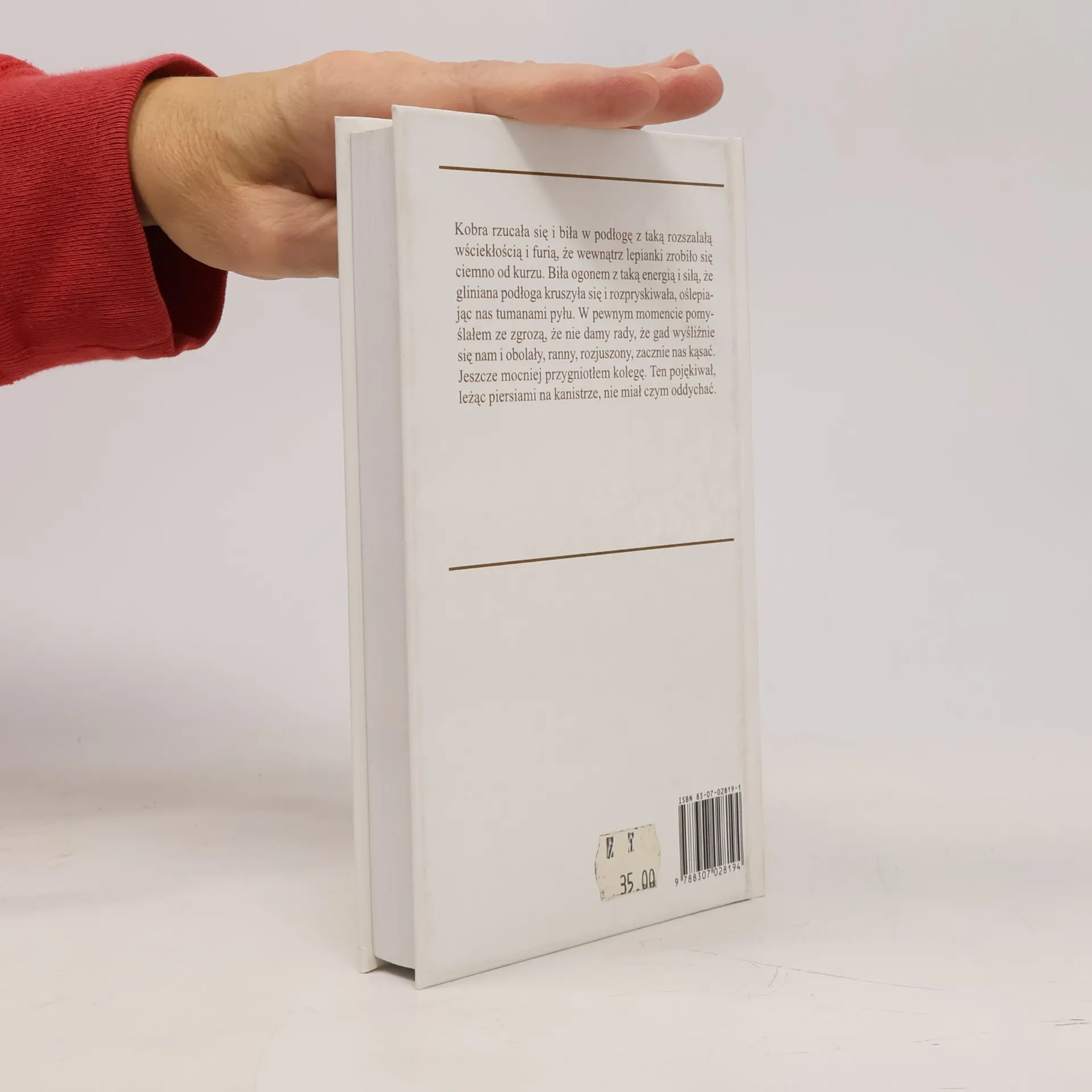
Kobra rzucała się i biła w podłogę z taką rozszalałą wściekłością i furią, że wewnątrz lepianki zrobiło się ciemno od kurzu. Biła ogonem z taką energią i siłą, że gliniana podłoga kruszyła się i rozpryskiwała, oślepiając nas tumanami pyłu. W pewnym momencie pomyślałem ze zgrozą, że nie damy rady, że gad wyśliźnie się nam i obolały, ranny, rozjuszony, zacznie nas kąsać. Jeszcze mocniej przygniotłem kolegę. Ten pojękiwał, leżąc piersiami na kanistrze, nie miał czym oddychać.





Acquisto del libro
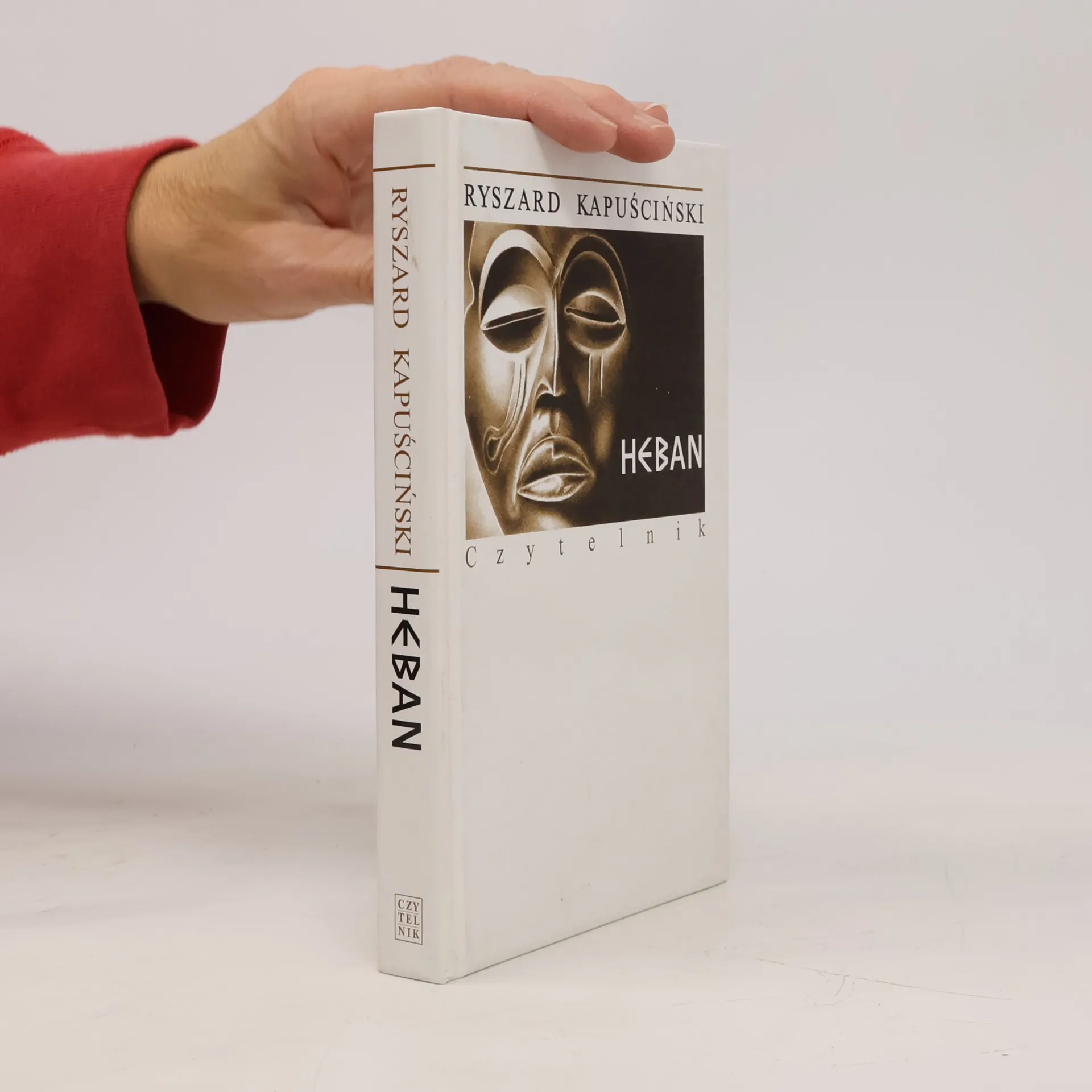
Heban, Ryszard Kapuściński
- Lingua

- Pubblicato
- 2001
- Rilegatura
- (Copertina rigida)
Ti avviseremo via email non appena lo rintracceremo.
Metodi di pagamento
Qui potrebbe esserci la tua recensione.
- Titolo
- Heban
- Lingua
- Polacco
- Autori
- Ryszard Kapuściński
- Editore
- Czytelnik
- Pubblicato
- 2001
- Formato
- Copertina rigida
- ISBN10
- 8307028191
- ISBN13
- 9788307028194
- Serie
- Categoria
- Tag
- Viaggi, Politica, Giornalismo narrativo, Regali per il nonno, Memorie, Africa, Giornalismo e Pubblicistica, Passato, Cultura, Letteratura polacca, Giornalisti, Giornaliste, Nigeria, Etiopia, Sudan, Rwanda, Uganda, Eritrea
- Prima pubblicazione
- 1998
- Titolo originale
- Heban
- Valutazione
- 4,4 su 5
- Descrizione
- Kobra rzucała się i biła w podłogę z taką rozszalałą wściekłością i furią, że wewnątrz lepianki zrobiło się ciemno od kurzu. Biła ogonem z taką energią i siłą, że gliniana podłoga kruszyła się i rozpryskiwała, oślepiając nas tumanami pyłu. W pewnym momencie pomyślałem ze zgrozą, że nie damy rady, że gad wyśliźnie się nam i obolały, ranny, rozjuszony, zacznie nas kąsać. Jeszcze mocniej przygniotłem kolegę. Ten pojękiwał, leżąc piersiami na kanistrze, nie miał czym oddychać.