
Bookbot

Ryszard Kapuściński

    4 marzo 1932 – 23 gennaio 2007

    Ryszard Kapuściński fu un maestro della parola, noto per i suoi profondi resoconti dal mondo in via di sviluppo. Ha dato vita alle realtà di guerre, colpi di stato e rivoluzioni, immergendosi nel cuore dei tumulti globali. La sua scrittura è caratterizzata da un profondo umanesimo e dalla capacità di catturare l'essenza drammatica di eventi complessi. Il lavoro di Kapuściński offre ai lettori una prospettiva vivida ed empatica su terre lontane e sulle lotte universali dell'umanità.

    Ryszard Kapuściński
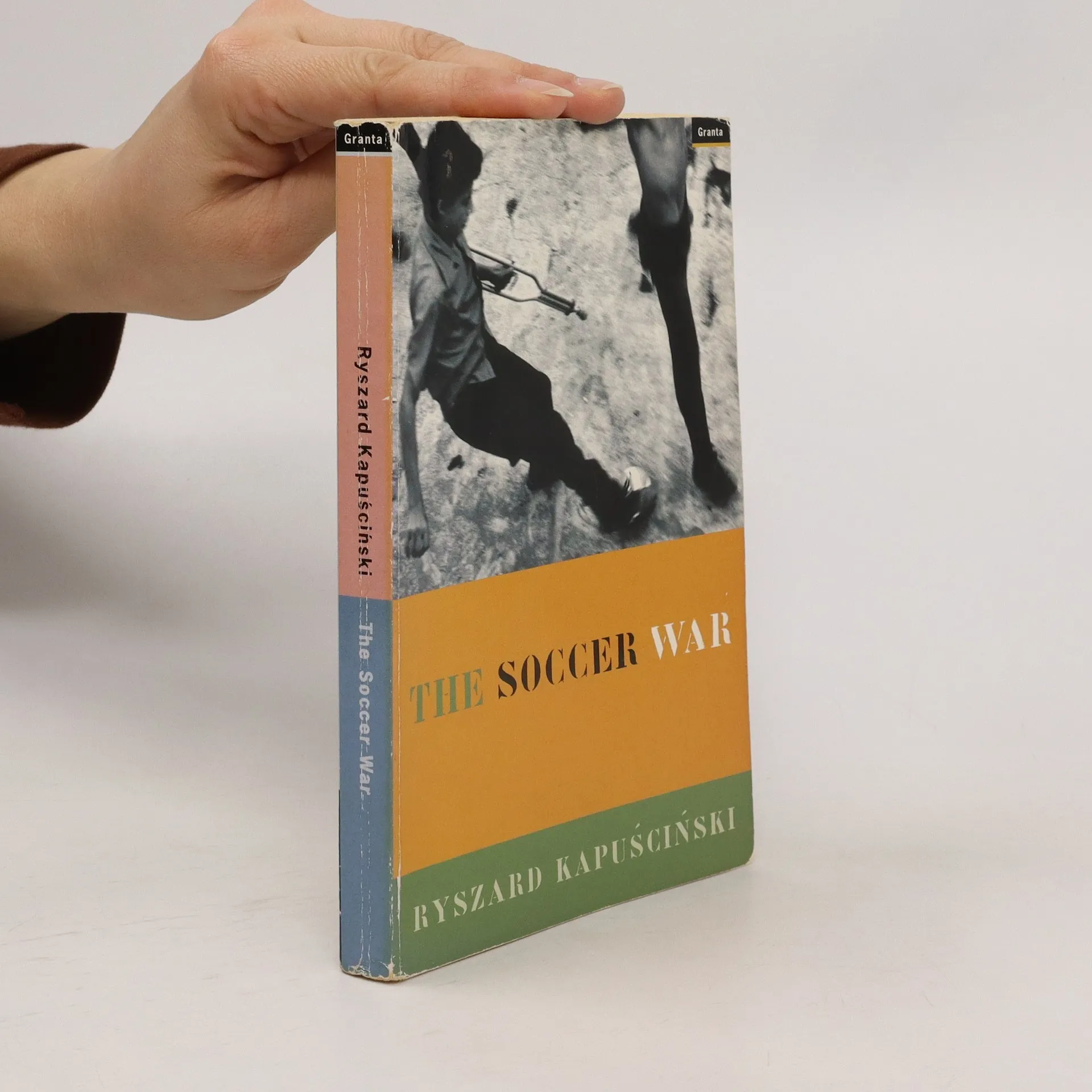
    The Soccer War
    Shah of Shahs
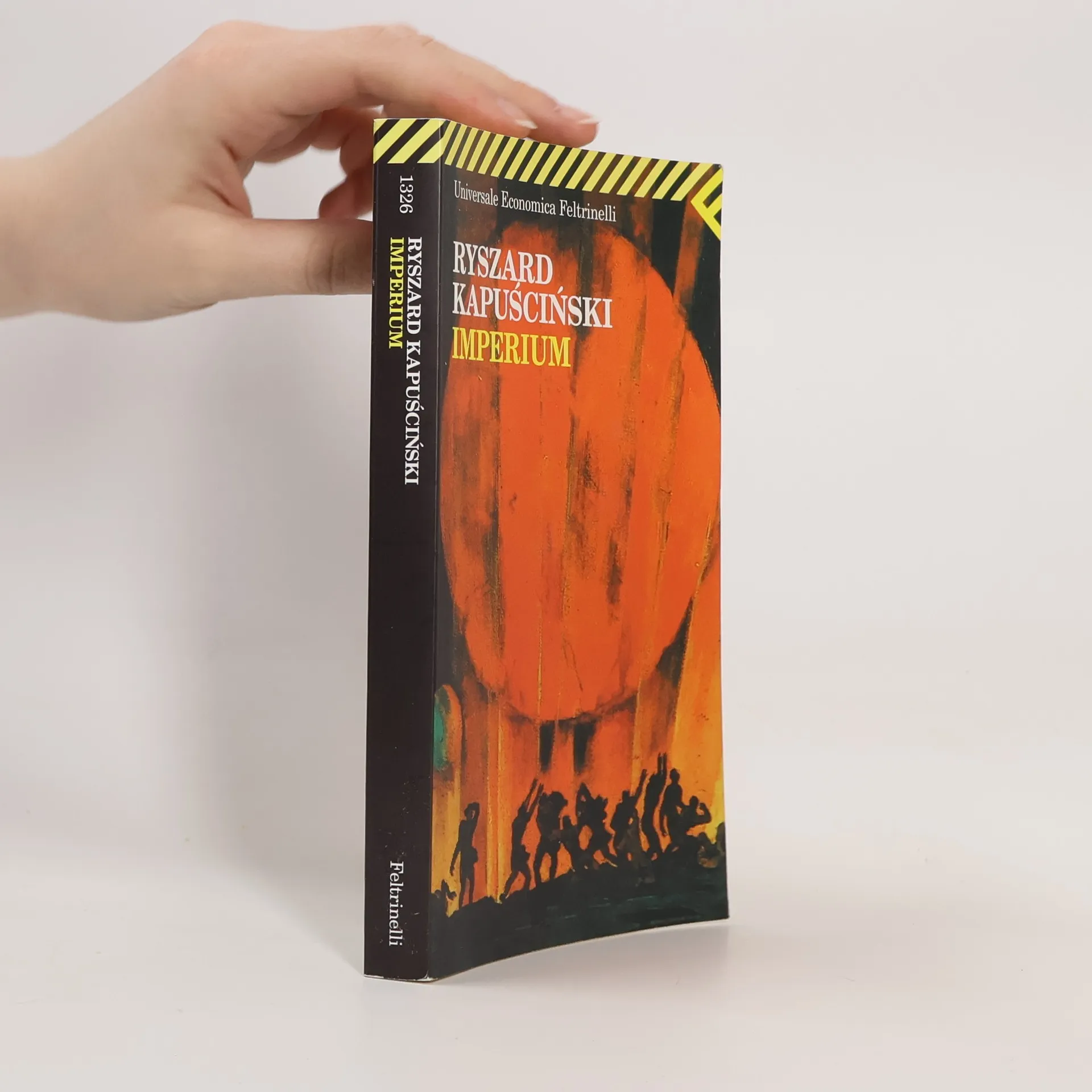
    Imperium
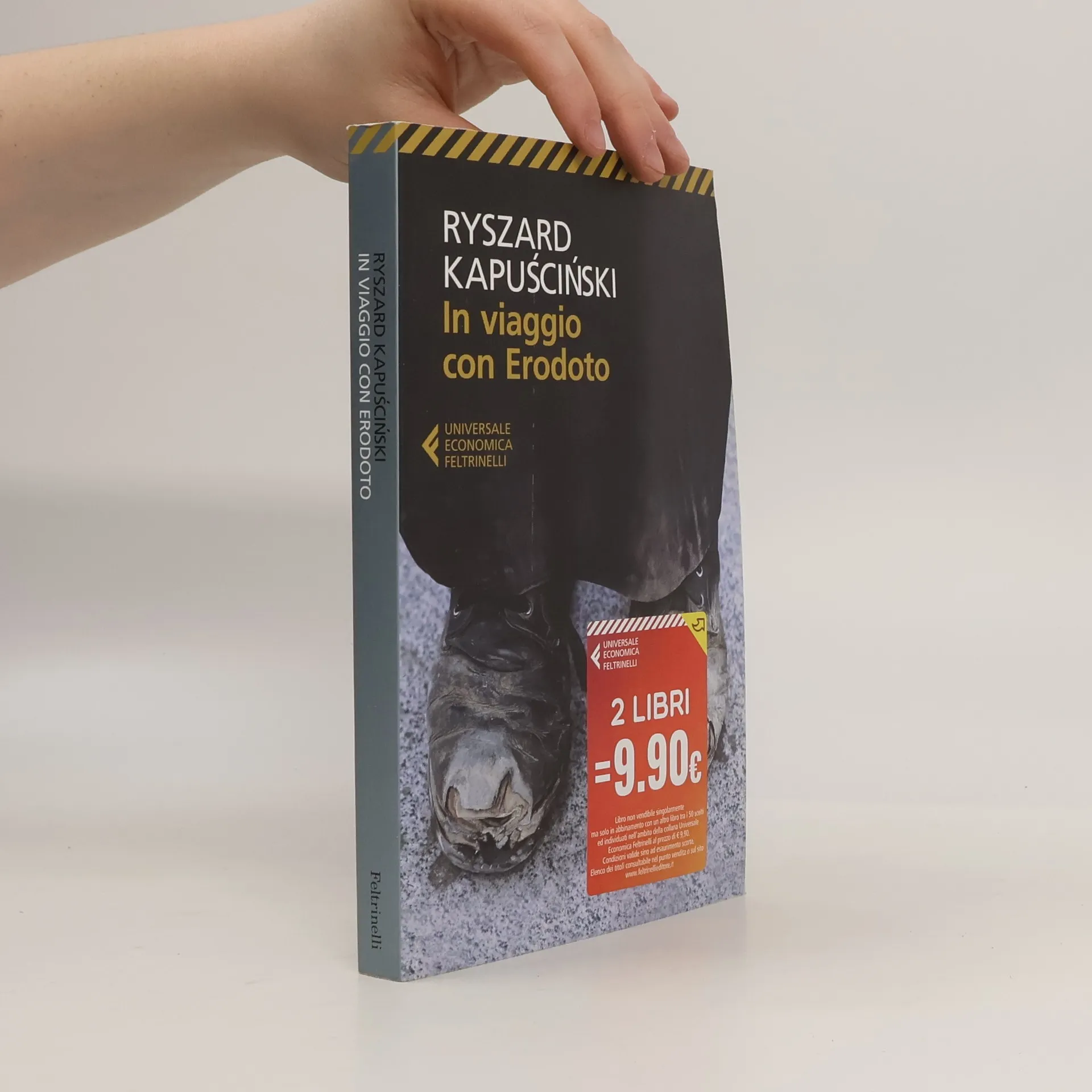
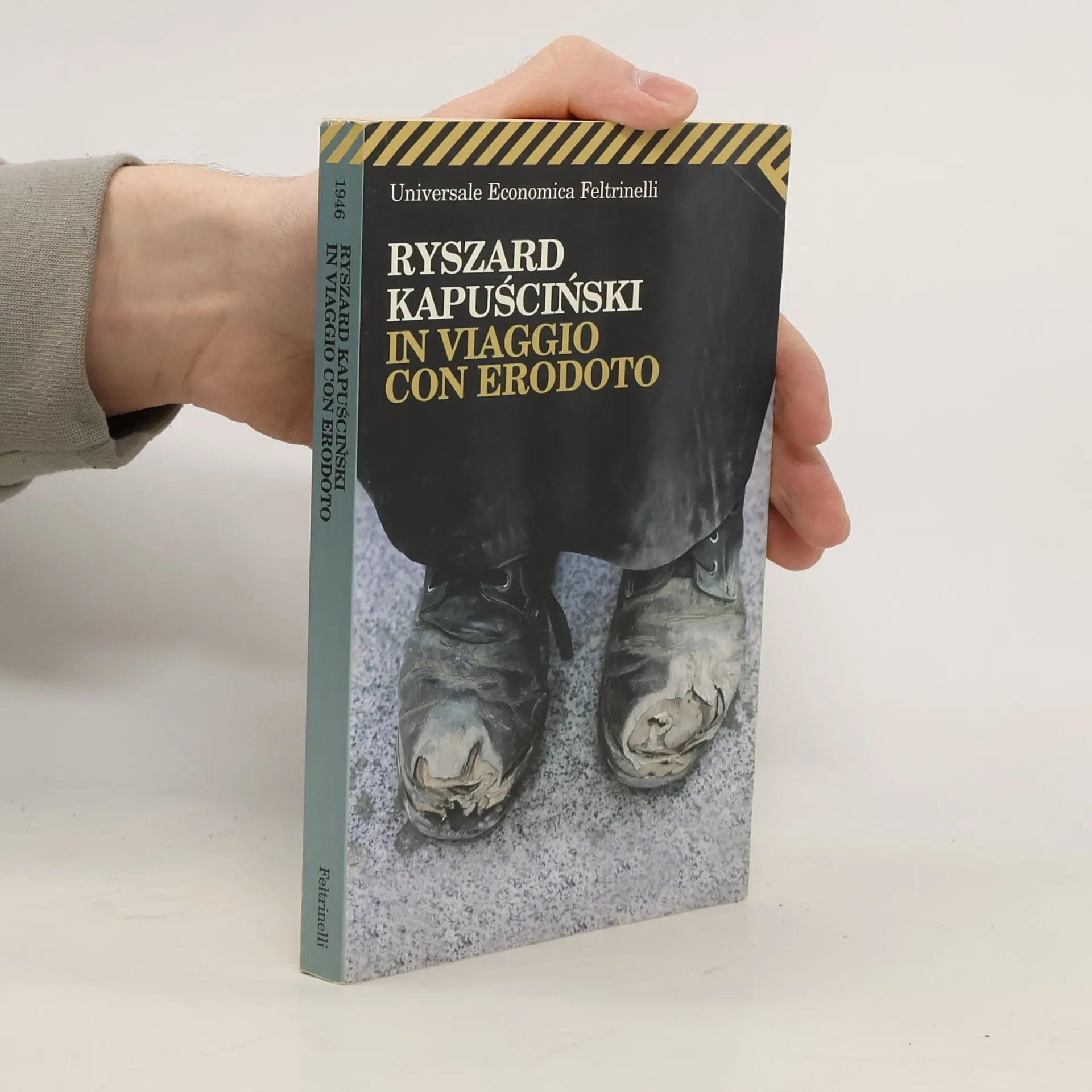
    In viaggio con Erodoto
    Universale economica - 1946: In viaggio con Erodoto
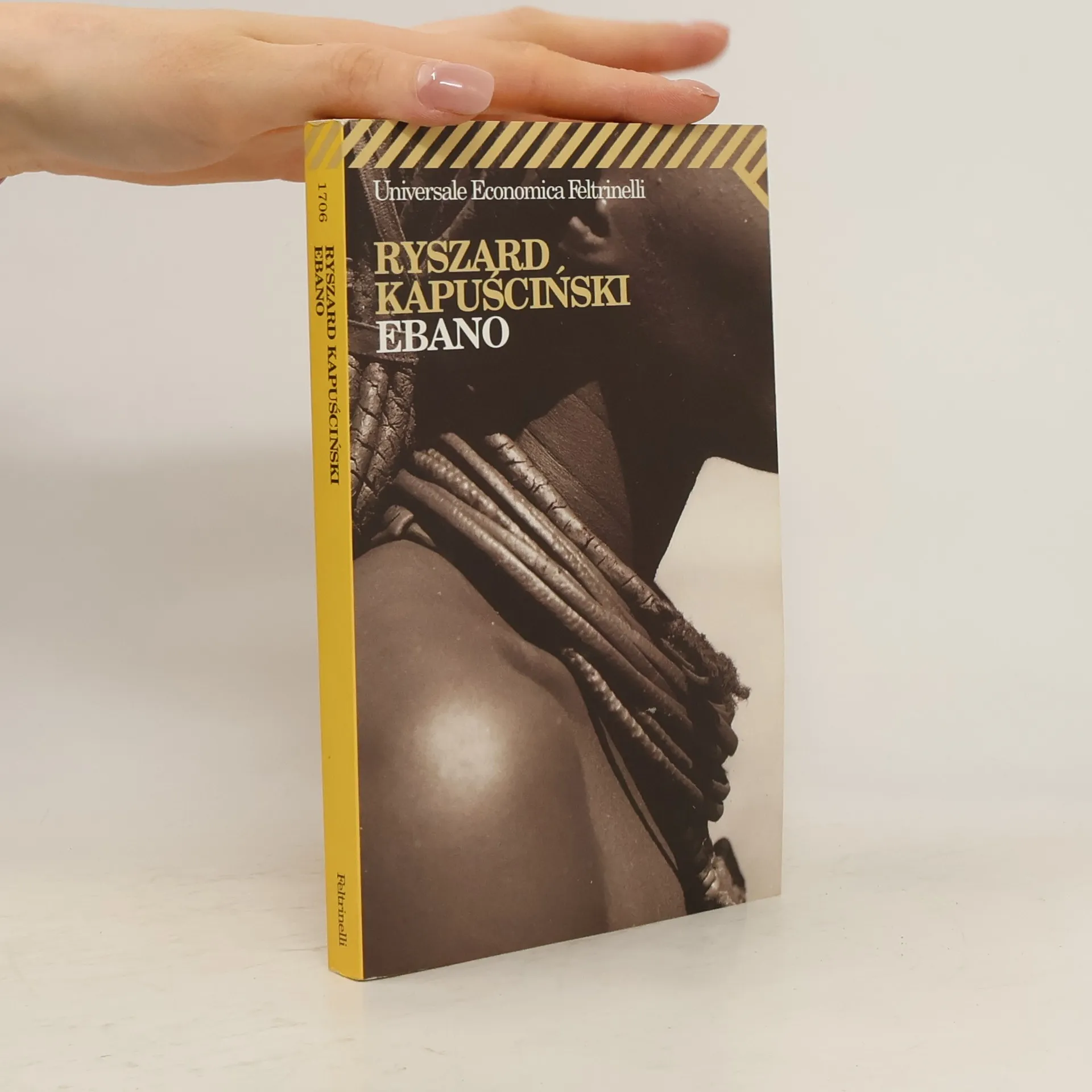
    Ebano
    • Ebano

      • 366pagine
      • 13 ore di lettura

      Ryszard Kapuscinski si cala nel continente africano e se ne lascia sommergere, rifuggendo tappe obbligate, stereotipi e luoghi comuni. Va ad abitare nelle case dei sobborghi più poveri, brulicanti di scarafaggi e schiacciate dal caldo, si ammala di malaria cerebrale; rischia la morte per mano di un guerriero. Kapuscinski non perde mai lo sguardo lucido e penetrante del reporter e non rinuncia all'affabulazione del grande narratore.
      Ebano
      4,4
    • Il giornalista polacco ripercorre le proprie vicende, raccontando retroscena finora ignorati delle sue storie: dall'infanzia povera a quando, fresco laureato, venne mandato allo sbaraglio prima in India e poi in Cina, senza conoscere niente di quei paesi. Ci rivela le difficoltà incontrate e, di fronte a queste difficoltà, il suo punto di riferimento, il testo da leggere e rileggere è sempre stato Erodoto. Per Kapuscinski Erodoto è stato non tanto uno storico, quanto il primo vero reporter della storia: il suo bisogno di viaggiare, di toccare con mano, di raccogliere dati, paragonarli ed esporli, con tutte le necessarie riserve che è giusto nutrire riguardo alle storie riferite da altri, fa di Erodoto un giornalista a pieno titolo.

      Universale economica - 1946: In viaggio con Erodoto
      3,9
    • 'The most passionate, engaging and historically profound account of the Soviet empire that I have read.' - Michael Ignatieff

      Imperium
      4,3
    • Shah of Shahs

      • 152pagine
      • 6 ore di lettura

      In Shah of Shahs Kapuscinski brings a mythographer's perspective and a novelist's virtuosity to bear on the overthrow of the last Shah of Iran, one of the most infamous of the United States' client-dictators, who resolved to transform his country into "a second America in a generation," only to be toppled virtually overnight. From his vantage point at the break-up of the old regime, Kapuscinski gives us a compelling history of conspiracy, repression, fanatacism, and revolution.

      Shah of Shahs
      4,3
    • The Soccer War

      • 240pagine
      • 9 ore di lettura

      Part diary and part reportage, The Soccer War is a remarkable chronicle of war in the late twentieth century. Between 1958 and 1980, working primarily for the Polish Press Agency, Kapuscinski covered twenty-seven revolutions and coups in Africa, Latin America, and the Middle East. Here, with characteristic cogency and emotional immediacy, he recounts the stories behind his official press dispatches—searing firsthand accounts of the frightening, grotesque, and comically absurd aspects of life during war. The Soccer War is a singular work of journalism.

      The Soccer War
      4,2
    • Another Day of Life

      • 176pagine
      • 7 ore di lettura

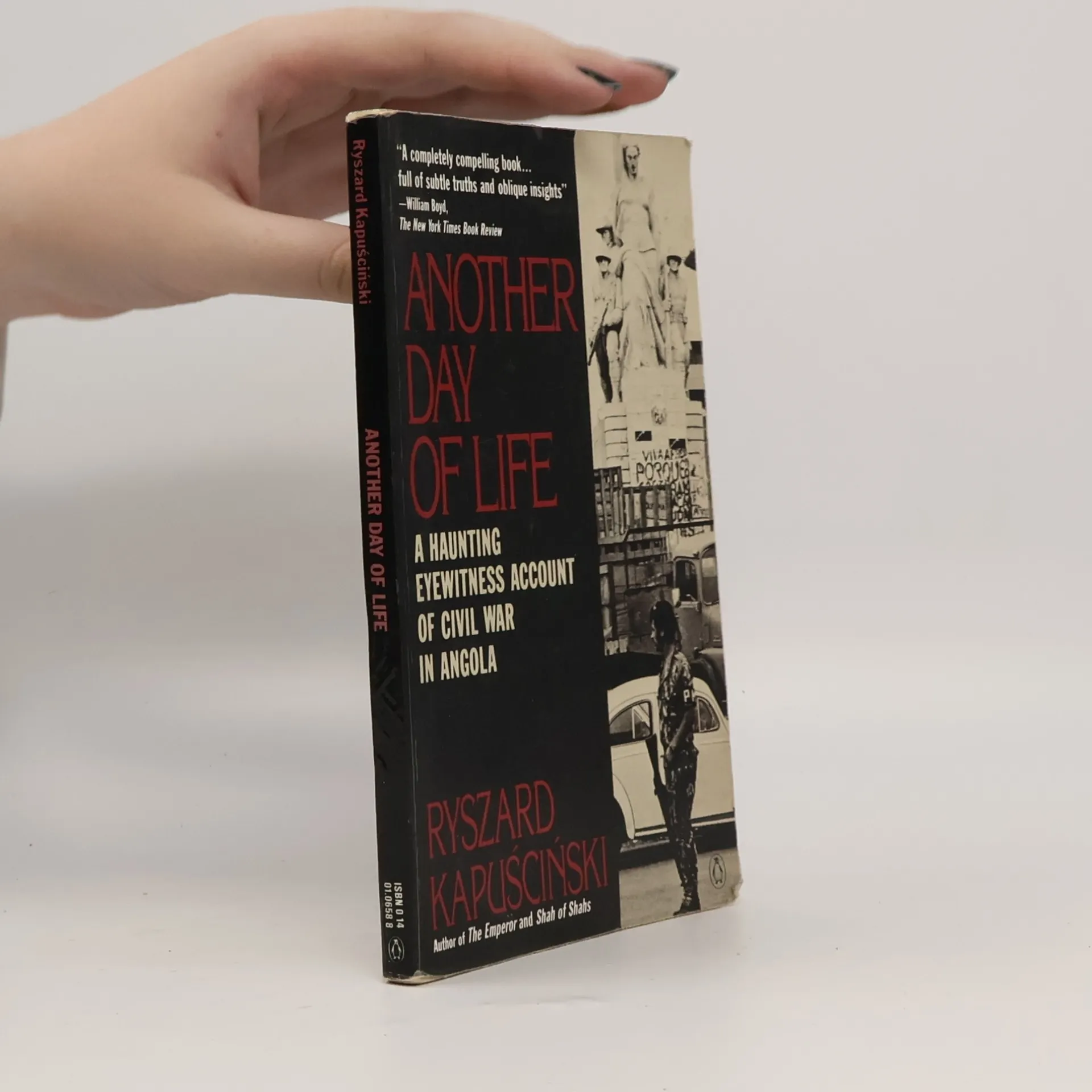
      This is a very personal book, about being alone and lost'. In 1975 Kapuscinski's employers sent him to Angola to cover the civil war that had broken out after independence. For months he watched as Luanda and then the rest of the country collapsed into a civil war that was in the author's words 'sloppy, dogged and cruel'. In his account, Kapuscinski demonstrates an extraordinary capacity to describe and to explain the individual meaning of grand political abstractions.

      Another Day of Life
      4,2
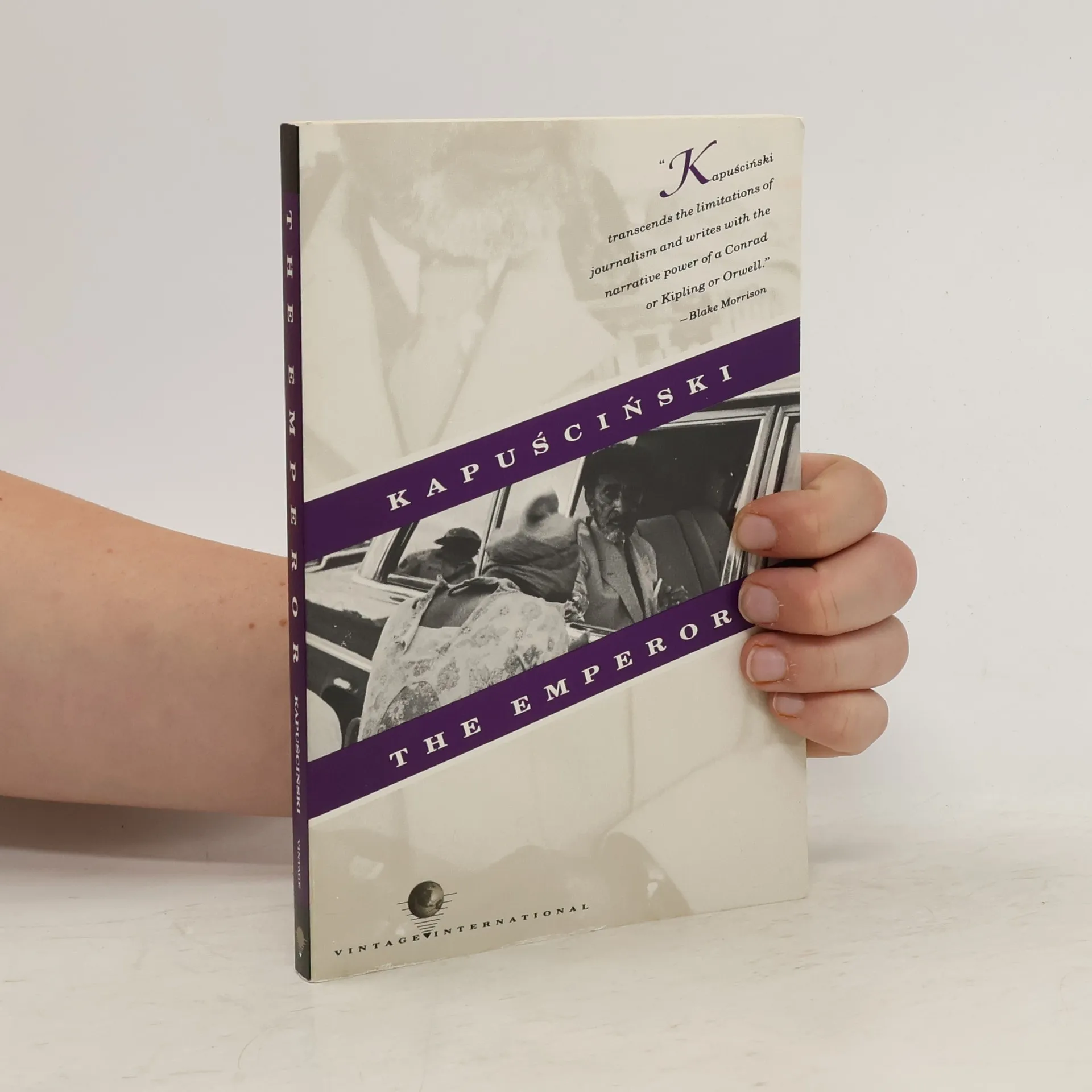
    • The emperor

      • 192pagine
      • 7 ore di lettura

      After the deposition of Haile Selassie in 1974, which ended the ancient rule of the Abyssinian monarchy, Ryszard Kapuscinski travelled to Ethiopia and sought out surviving courtiers to tell their stories. Here, their eloquent and ironic voices depict the lavish, corrupt world they had known - from the rituals, hierarchies and intrigues at court to the vagaries of a ruler who maintained absolute power over his impoverished people. They describe his inexorable downfall as the Ethiopian military approach, strange omens appear in the sky and courtiers vanish, until only the Emperor and his valet remain in the deserted palace, awaiting their fate. Dramatic and mesmerising, The Emperor is one of the great works of reportage and a haunting epitaph on the last moments of a dying regime.

      The emperor
      4,2
    • An advertisement for toothpaste

      • 64pagine
      • 3 ore di lettura

      The traveler-reporter finds an even stranger and more exotic society in his own home of post-War Poland than in any of the distant lands he has visited

      An advertisement for toothpaste
      3,5
    • Travels with Herodotus

      • 288pagine
      • 11 ore di lettura

      From the master of literary reportage whose acclaimed books include Shah of Shahs, The Emperor, and The Shadow of the Sun , an intimate account of his first youthful forays beyond the Iron Curtain.Just out of university in 1955, Kapuscinski told his editor that he’d like to go abroad. Dreaming no farther than Czechoslovakia, the young reporter found himself sent to India. Wide-eyed and captivated, he would discover in those days his life’s work—to understand and describe the world in its remotest reaches, in all its multiplicity. From the rituals of sunrise at Persepolis to the incongruity of Louis Armstrong performing before a stone-faced crowd in Khartoum, Kapuscinski gives us the non-Western world as he first saw it, through still-virginal Western eyes.The companion on his a volume of Herodotus, a gift from his first boss. Whether in China, Poland, Iran, or the Congo, it was the “father of history”—and, as Kapuscinski would realize, of globalism—who helped the young correspondent to make sense of events, to find the story where it did not obviously exist. It is this great forerunner’s spirit—both supremely worldly and innately Occidental—that would continue to whet Kapuscinski’s ravenous appetite for discovering the broader world and that has made him our own indispensable companion on any leg of that perpetual journey.

      Travels with Herodotus
      4,1