

Parametri
Maggiori informazioni sul libro
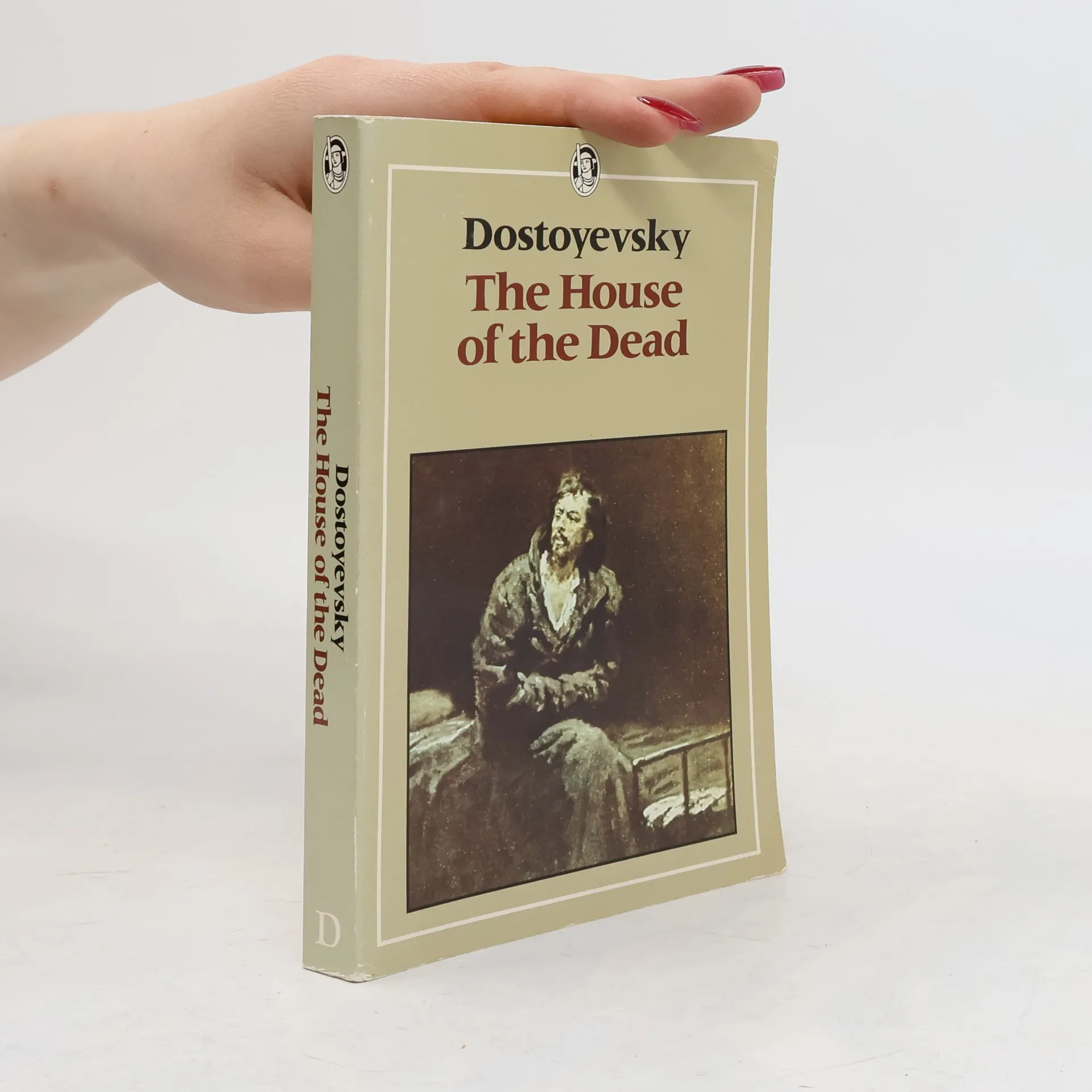
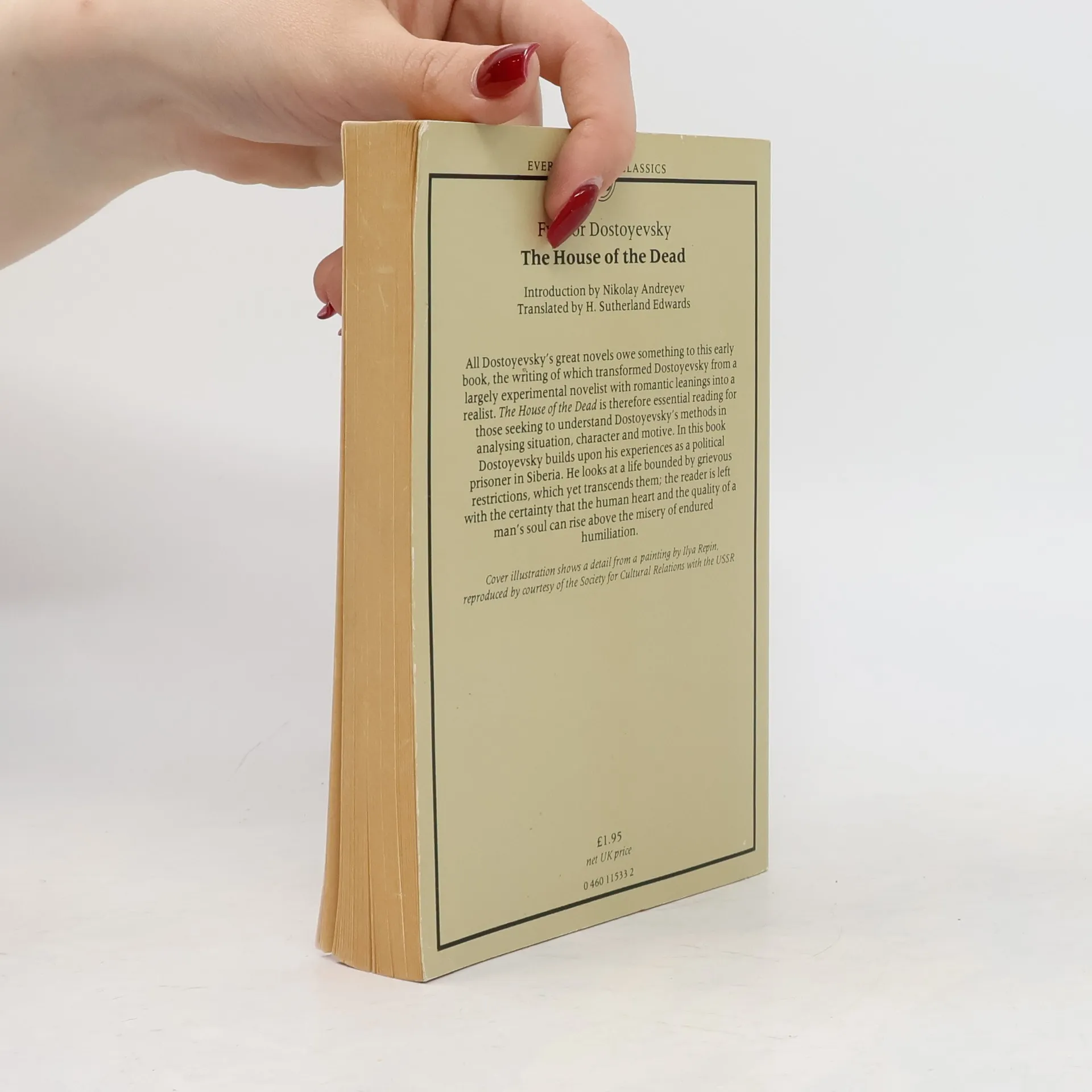
Accused of political subversion as a young man, Fyodor Dostoyevsky was sentenced to four years of hard labor at a Siberian prison camp — a horrifying experience from which he developed this astounding semi-autobiographical memoir of a man condemned to ten years of servitude for murdering his wife. As with a number of the author's other works, this profoundly influential novel brilliantly explores his characters' thoughts while probing the depths of the human soul. Describing in relentless detail the physical and mental suffering of the convicts, Dostoyevsky's character never loses faith in human qualities and the goodness of man. A haunting and remarkable work filled with wonder and resignation, The House of the Dead ranks among the Russian novelist's greatest masterpieces. Of this powerful autobiographical novel, Tolstoy wrote, "I know no better book in all modern literature."





Acquisto del libro
The House of the Dead, Fjodor Michajlovič Dostojevskij
- Lingua

- Pubblicato
- Rilegatura
- (In brossura)
Metodi di pagamento
Qui potrebbe esserci la tua recensione.
- Titolo
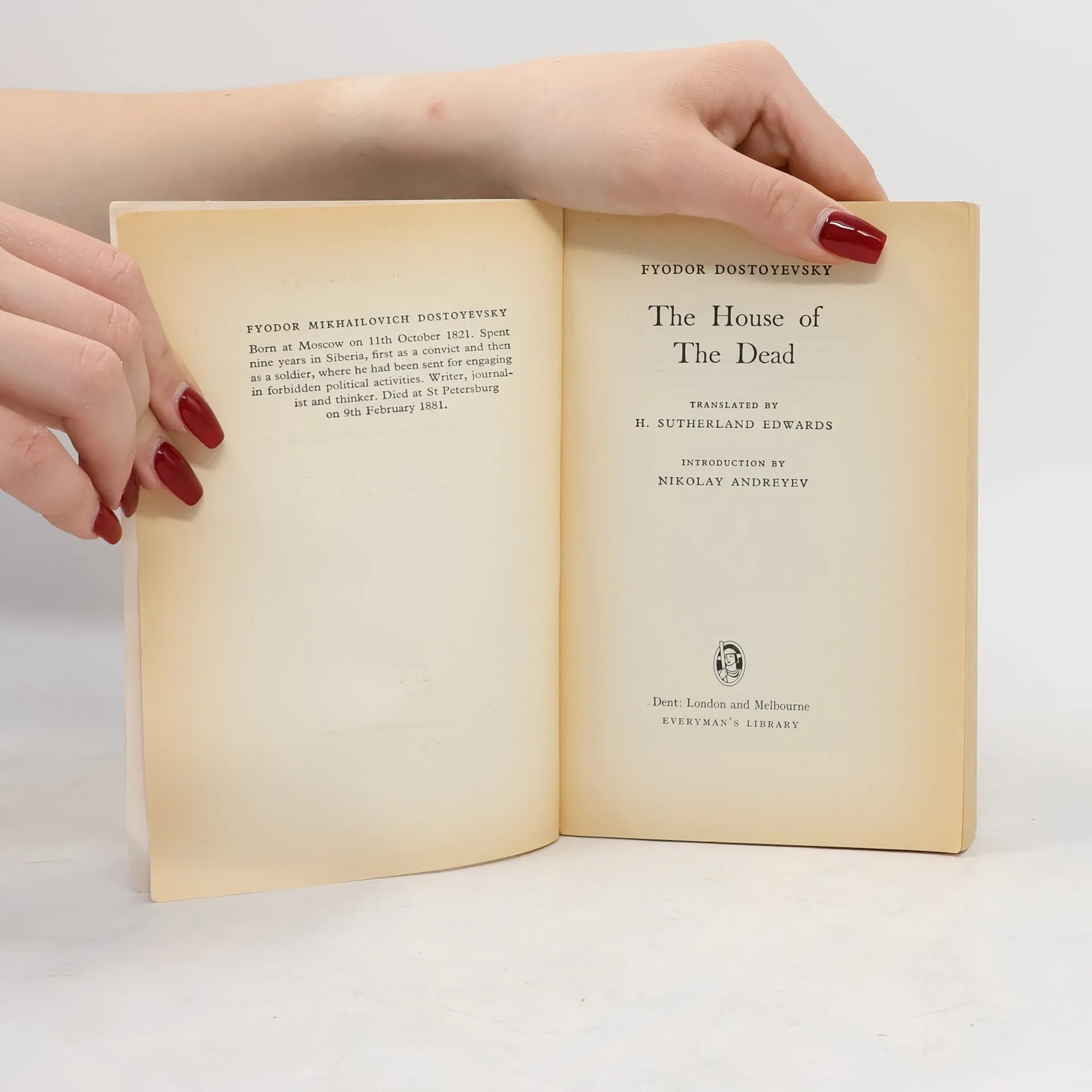
- The House of the Dead
- Lingua
- Inglese
- Editore
- Everyman's Library
- Formato
- In brossura
- Serie
- Tag
- Temi psicologici, Amore, Omicidi, Morte, XIX Secolo, Russia, Letteratura Russa, Povertà, Crimini e reati, Prigione, Romanzi autobiografici, Colpa, Esilio, Espulsione, Siberia, Lavori forzati
- Prima pubblicazione
- 1861
- Titolo originale
- Записки из Мёртвого дома (Zapiski iz Mjortvogo doma)
- Valutazione
- 4,05 su 5
- Descrizione
- Accused of political subversion as a young man, Fyodor Dostoyevsky was sentenced to four years of hard labor at a Siberian prison camp — a horrifying experience from which he developed this astounding semi-autobiographical memoir of a man condemned to ten years of servitude for murdering his wife. As with a number of the author's other works, this profoundly influential novel brilliantly explores his characters' thoughts while probing the depths of the human soul. Describing in relentless detail the physical and mental suffering of the convicts, Dostoyevsky's character never loses faith in human qualities and the goodness of man. A haunting and remarkable work filled with wonder and resignation, The House of the Dead ranks among the Russian novelist's greatest masterpieces. Of this powerful autobiographical novel, Tolstoy wrote, "I know no better book in all modern literature."