

Hear the Wind Sing is Murakami's first novel, available for the first time in English outside Japan. In Hear the Wind Sing the narrator is home from college on his summer break. He spends his time drinking beer and smoking in Jâe(tm)s Bar with the Rat, listening to the radio, thinking about writing and the women he has slept with, and pursuing a relationship with a girl with nine fingers. The story of the narrator, the Rat and J continues in Pinball, 1973.
Il ratto Serie
Questa serie approfondisce i temi della solitudine, dell'ossessione e delle sensibili vite interiori dei giovani adulti alle soglie della maturità. Fonde magistralmente la realtà con il surrealismo, offrendo ai lettori una prospettiva unica sui viaggi introspettivi dei personaggi. Aspettatevi narrazioni malinconiche ma accattivanti che esplorano relazioni complesse e la ricerca di significato in un contesto contemporaneo.
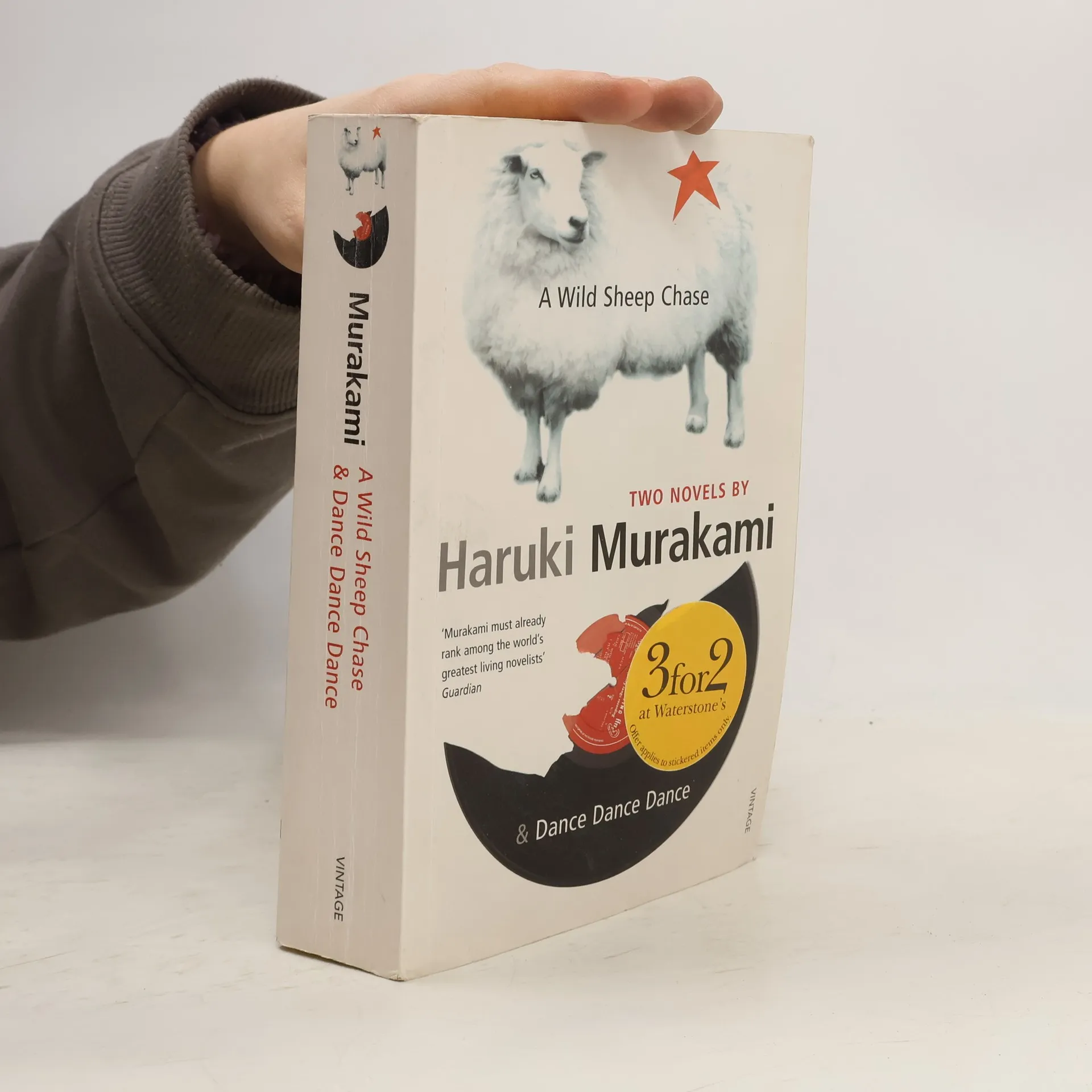
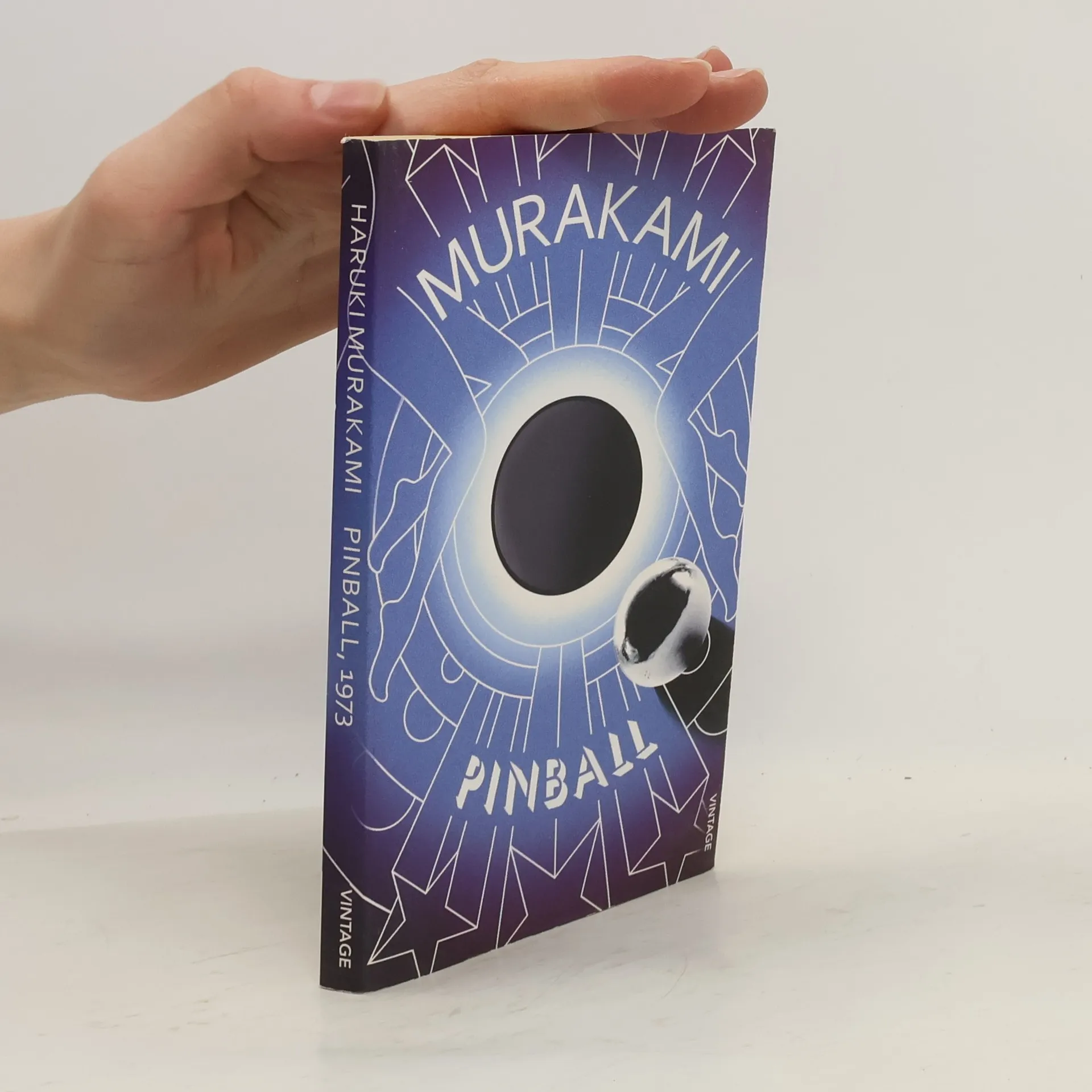
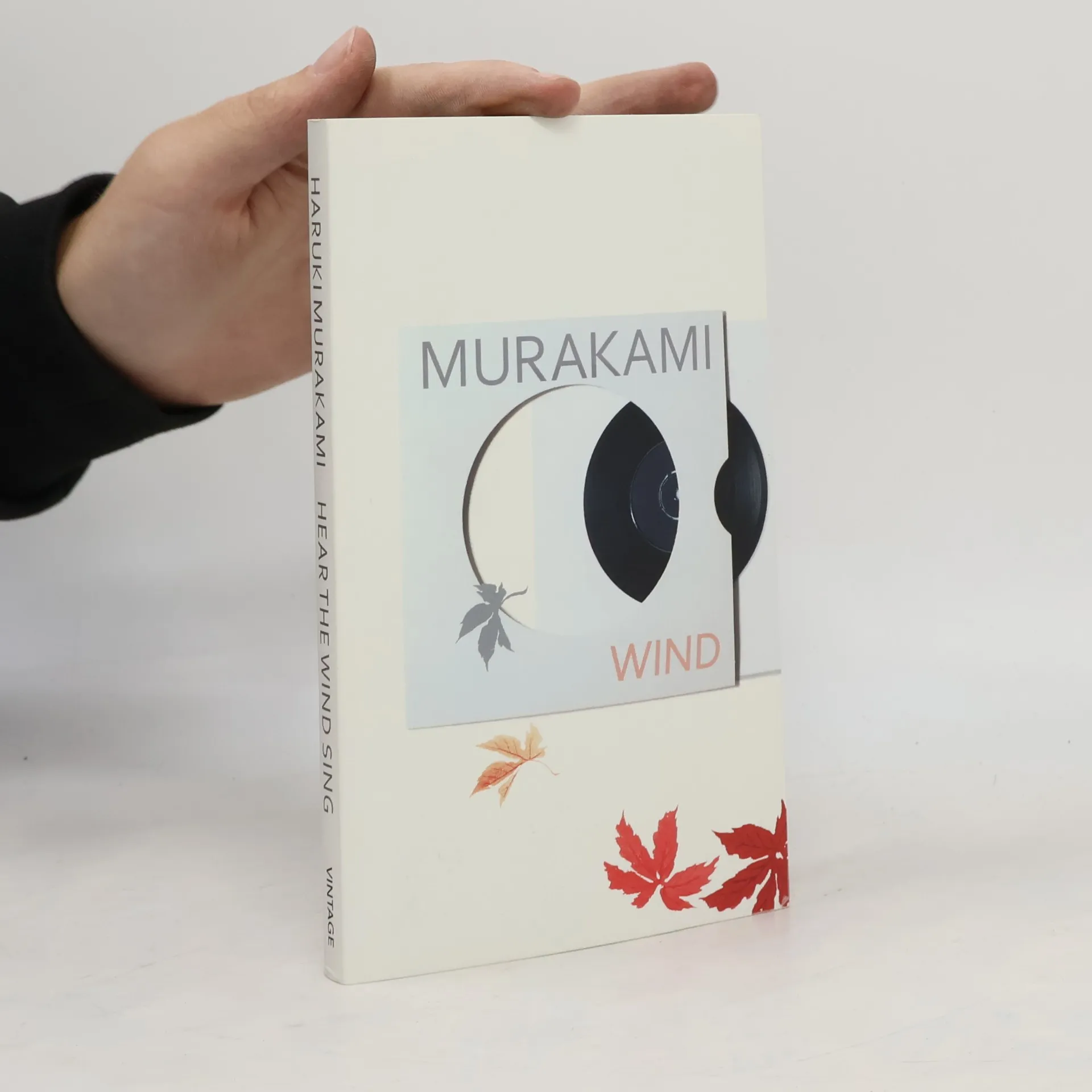
Ordine di lettura consigliato
Pinball, 1973 is Murakami's second novel, available for the first time in English outside Japan. With a new introduction by the author. Hear the Wind Sing and Pinball, 1973 are Haruki Murakamiâe(tm)s earliest novels. They follow the fortunes of the narrator and his friend, known only by his nickname, the Rat. Pinball, 1973 picks up three years after the events of Hear the Wind Sing. The narrator has moved to Tokyo to work as a translator and live with indistinguishable twin girls, but the Rat has remained behind, despite his efforts to leave both the town and his girlfriend. The narrator finds himself haunted by memories of his own doomed relationship but also, more bizarrely, by his short-lived obsession with playing pinball in Jâe(tm)s Bar. This sends him on a quest to find the exact model of pinball machine he had enjoyed playing years earlier: the three-flipper Spaceship.
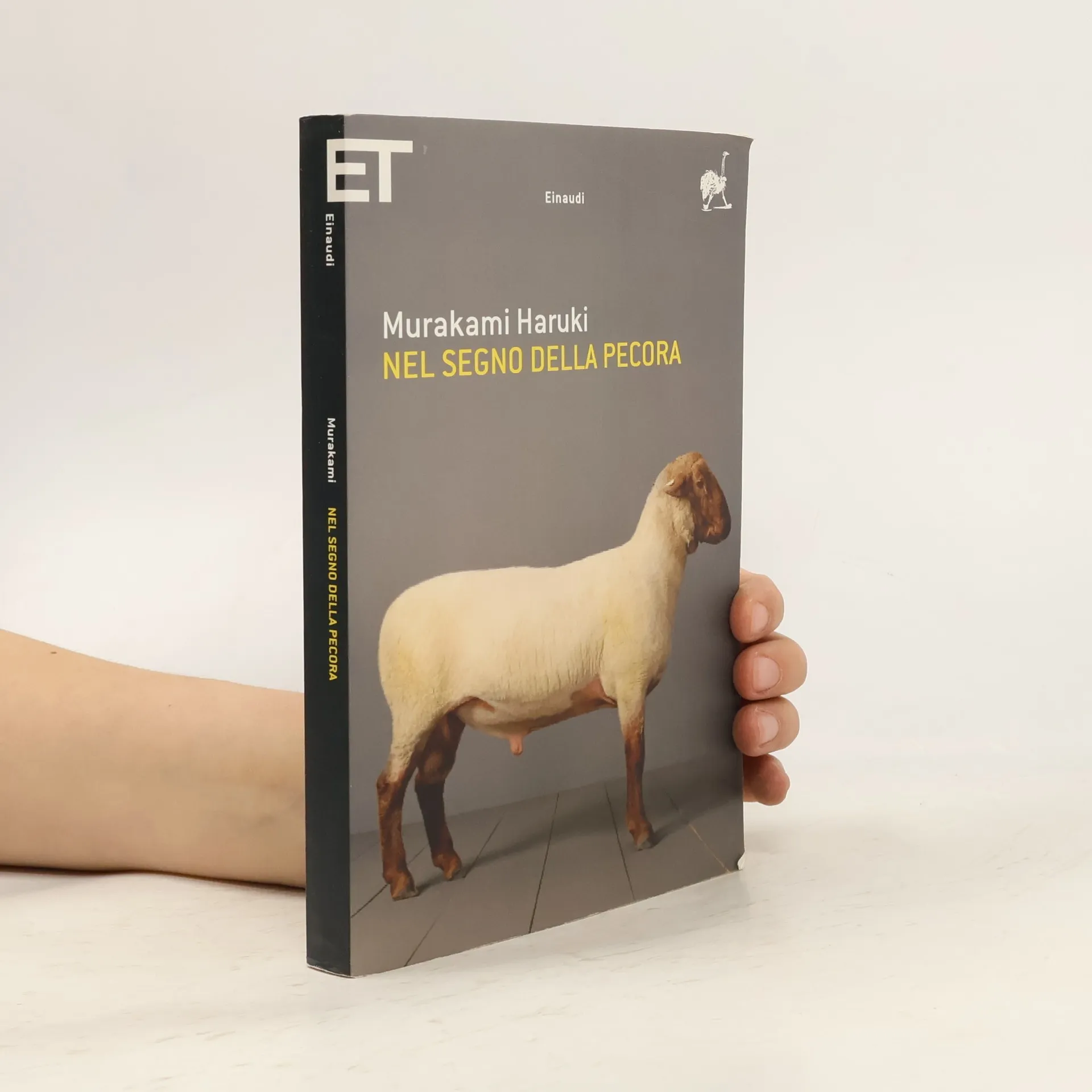
ET: Nel segno della pecora
- 315pagine
- 12 ore di lettura
Un giovane agente pubblicitario, abbandonato dalla moglie che lo trova «noioso», vede sconvolta la sua rassicurante monotonia da un compito bizzarro e quasi impossibile che gli viene affidato da un losco individuo: deve ritrovare una pecora. Ha poco tempo e non può rifiutare. Unico indizio: la pecora ha una macchia a forma di stella sulla schiena. Inizia cosí un'avventura lungo un Giappone fiabesco, grottesco e surreale, accompagnato da una ragazza con le orecchie bellissime e dotata di poteri sovrannaturali. Nel segno della pecora è il romanzo che definisce la poetica di Murakami: uno scenario onirico in cui il quotidiano diventa surreale, scandito da una playlist di capolavori della musica, alla ricerca di un ovino ma in realtà di un senso della vita. C'è un posto per la pecora di Murakami in una ipotetica «arca letteraria», insieme allo scarafaggio di Kafka, i maiali di Orwell, l'elefante di Saramago e Moby Dick.
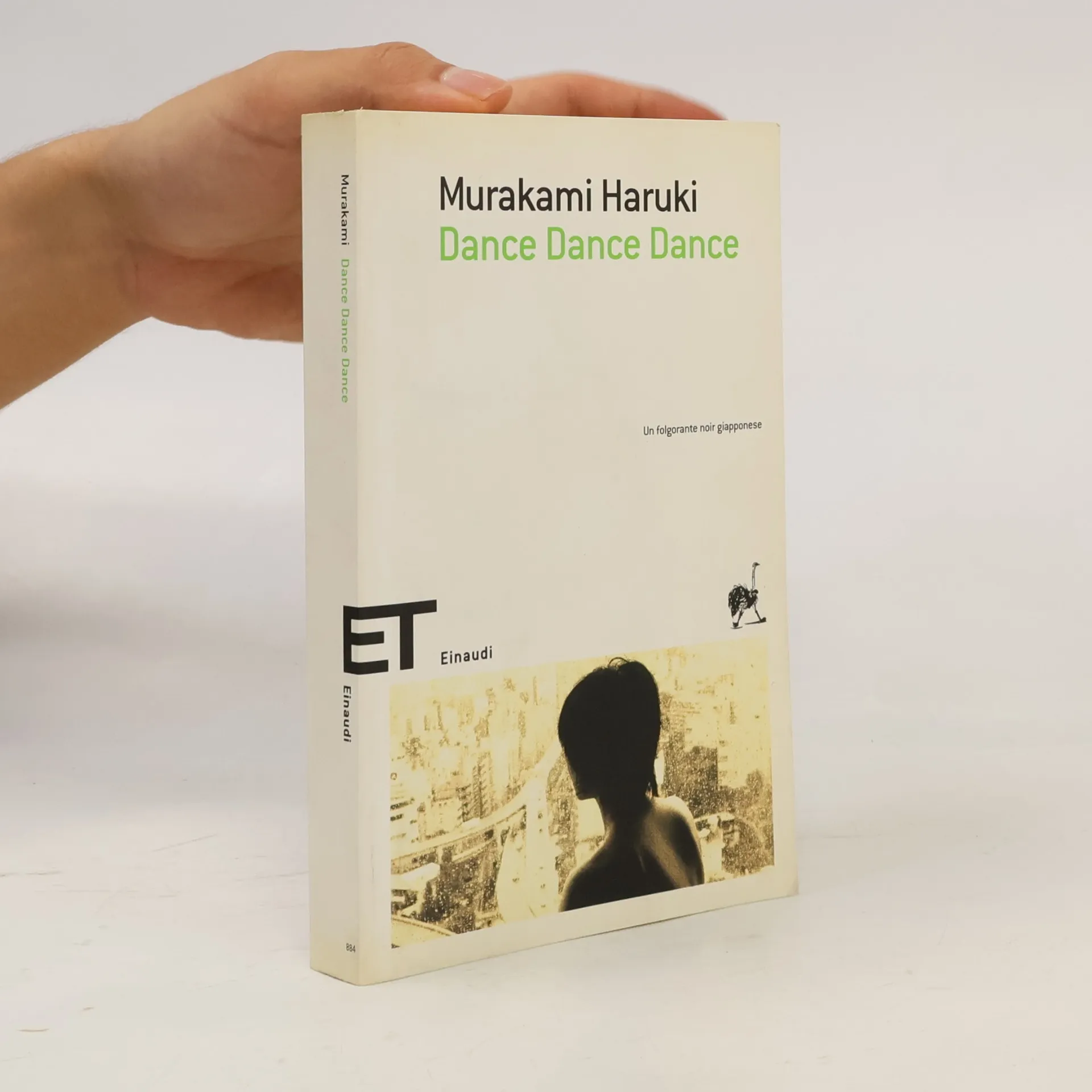
Einaudi tascabili. Scrittori: Dance Dance Dance
- 500pagine
- 18 ore di lettura
È un giorno di marzo, al Dolphin Hotel di Sapporo, a.d. 1983. Alla radio suonano gli Human League. E poi Fleetwood Mac, Abba, Bee Gees ecc. Uno strano mondo, questo, dove tutto - o quasi - si può comprare. C'è un giornalista free lance che ha perso molte cose nella vita e ogni volta una parte di sé. Cammina controvento senza perdere lo slancio: forse, per mantenere la rotta, non gli interessa che lasciarsi andare alla deriva. C'è una ragazzina di tredici anni seduta da sola in bar. Ci sono una receptionist troppo nervosa, un attore dal fascino irresistibile, un poeta con un braccio solo; e un salotto a Honolulu dove sei scheletri guardano la TV. Esiste un collegamento fra queste cose, un senso anche per chi ha perso l'orientamento, basta continuare a danzare
Libri correlati
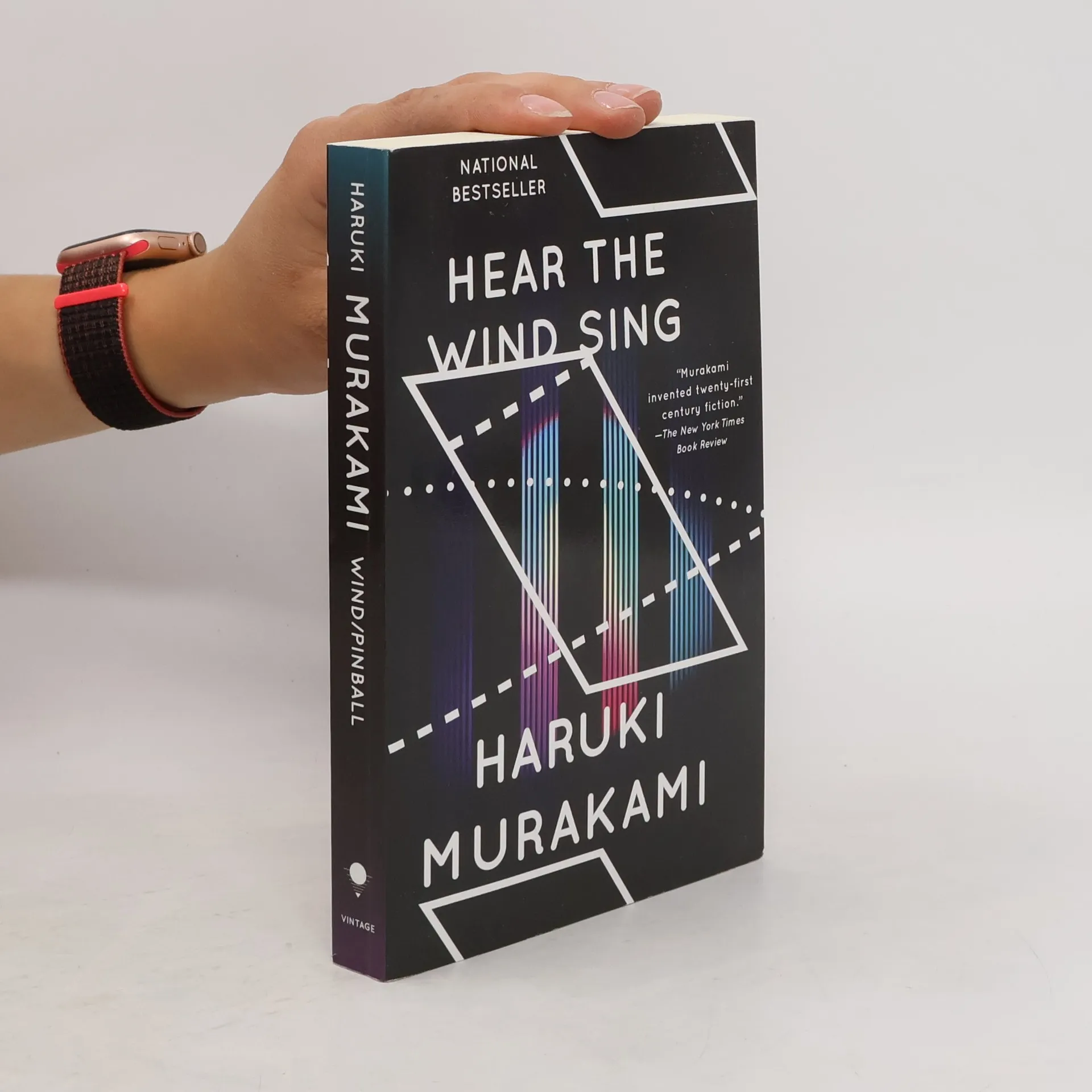
Hear the Wind Sing
- 256pagine
- 9 ore di lettura
NATIONAL BESTSELLER Wind/Pinball, a unique two-in-one volume, includes, on one side, Murakami’s first novel Hear the Wind Sing. When you flip the book over, you can read his second novel, Pinball, 1973. Each book has its own stunning cover. In the spring of 1978, a young Haruki Murakami sat down at his kitchen table and began to write. The result: two remarkable short novels—Hear the Wind Sing and Pinball, 1973—that launched the career of one of the most acclaimed authors of our time. These powerful, at times surreal, works about two young men coming of age—the unnamed narrator and his friend the Rat—are stories of loneliness, obsession, and eroticism. They bear all the hallmarks of Murakami’s later books, and form the first two-thirds, with A Wild Sheep Chase, of the trilogy of the Rat. Widely available in English for the first time ever, newly translated, and featuring a new introduction by Murakami himself, Wind/Pinball gives us a fascinating insight into a great writer’s beginnings.
Murakami Omnibus: A Wild Sheep Chase / Dance Dance Dance
- 695pagine
- 25 ore di lettura
"A Wild Sheep Chase" - His life was like his recurring nightmare: a train to nowhere. But an ordinary life has a way of taking an extraordinary turn. Add a girl whose ears are so exquisite that, when uncovered, they improve sex a thousand-fold, a runaway friend, a right-wing politico, an ovine-obsessed professor and a manic-depressive in a sheep outfit, implicate them in a hunt for a sheep, that may or may not be running the world, and the upshot is another singular masterpiece from Haruki Murakami. "Dance Dance Dance" - High-class call girls billed to Mastercard; a psychic thirteen-year-old drop-out with a passion for Talking Heads; a hunky matinee idol doomed to play dentists and teachers; a one-armed beach-combing poet, an uptight hotel clerk and one very bemused narrator caught in the web of advanced capitalist mayhem; combine this offbeat cast of characters with Murakami's idiosyncratic prose and out comes "Dance Dance Dance". It is an assault on the senses, part murder mystery, part metaphysical speculation; a fable for our times as catchy as a rock song blasting from the window of a sports car.