

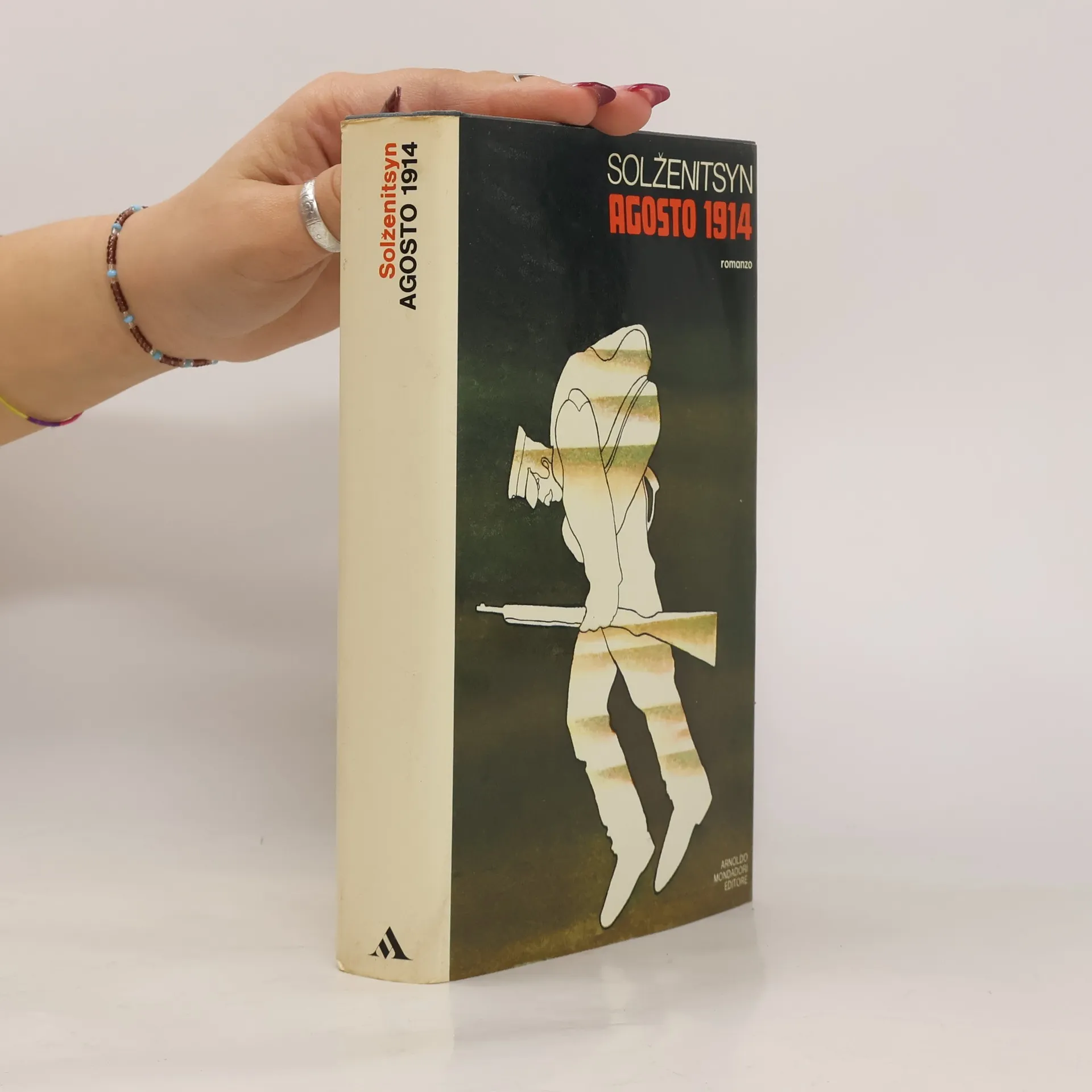
L'opera monumentale del premio Nobel russo descrive l'inizio della Prima Guerra Mondiale e il fallimentare offensiva russa in Prussia Orientale. Aleksandr Solženicyn offre un'interpretazione drammatica e nuova della storia russa. L'assassinio del primo ministro zarista Pyotr Stolypin, un evento cruciale negli anni precedenti alla rivoluzione del 1917, viene ricostruito dalle prospettive distaccate di testimoni storici. Stolypin, l'unica voce di ragione tra i consiglieri dello zar Nicola II, cadde vittima dell'anarchico Mordko Bogrov, e con lui si spense l'ultima speranza di riforma della Russia. Agosto 1914 è il primo volume dell'epopea di Solženicyn, Il Ruota Rossa; il secondo volume è Novembre 1916. Ogni volume si concentra su un momento critico o "nodo" nella storia della rivoluzione russa.
La Ruota Rossa Serie
Questa monumentale saga approfondisce momenti cruciali della storia russa, concentrandosi sugli anni turbolenti che precedettero e abbracciarono la Rivoluzione. Ricostruisce eventi critici, come l'assassinio del Primo Ministro Stolypin, ritraendo la complessa interazione dei personaggi in mezzo a un profondo sconvolgimento sociale. La serie offre un esame drammatico e profondamente riflessivo dei punti di svolta storici russi e delle loro conseguenze. Aspettatevi una narrativa epica ricca di intrighi politici, drammi personali e trasformazioni sociali su vasta scala.
Ordine di lettura consigliato
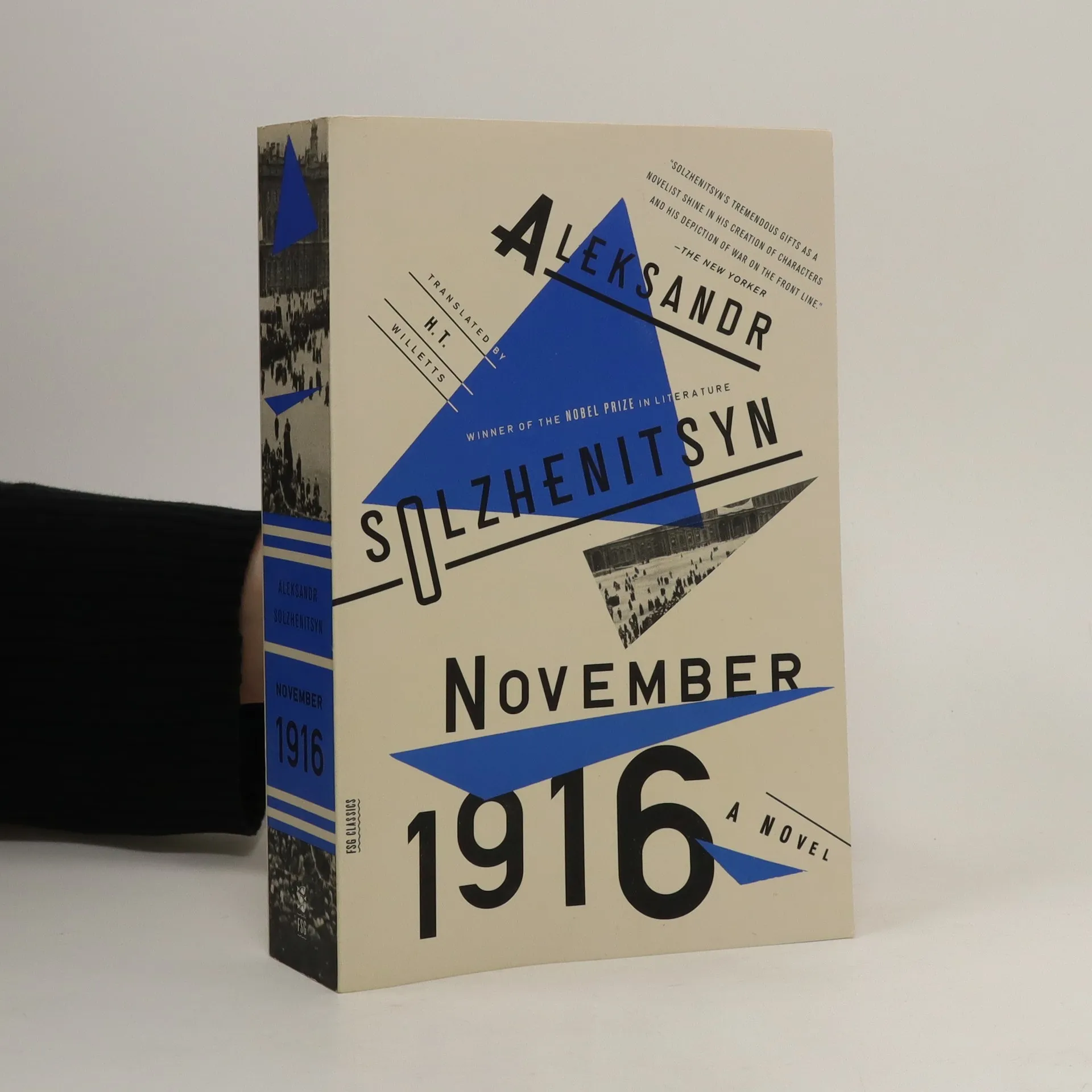
November 1916
- 1040pagine
- 37 ore di lettura
In time for the centenary of the beginning of the Russian Revolution, a new edition of the Russian Nobelist's major work The month of November 1916 in Russia was outwardly quiet—the proverbial calm before the storm—but beneath the placid surface, society seethed fiercely. In Petrograd, as St. Petersburg was then known, luxury-store windows are still brightly lit; the Duma debates the monarchy, the course of war, and clashing paths to reform; the workers in the miserable munitions factories veer toward sedition. At the front, all is stalemate, while in the countryside sullen anxiety among hard-pressed farmers is rapidly replacing patriotism. In Zurich, Lenin, with the smallest of all revolutionary groups, plots his sinister logistical miracle. With masterly and moving empathy, through the eyes of both historical and fictional protagonists, Solzhenitsyn unforgettably transports us to that time and place—the last of pre-Soviet Russia. November 1916 is the second volume in Aleksandr Solzhenitsyn's multipart work, The Red Wheel. This volume concentrates on a historical turning point, or "knot," as the wheel rolls inexorably toward revolution.