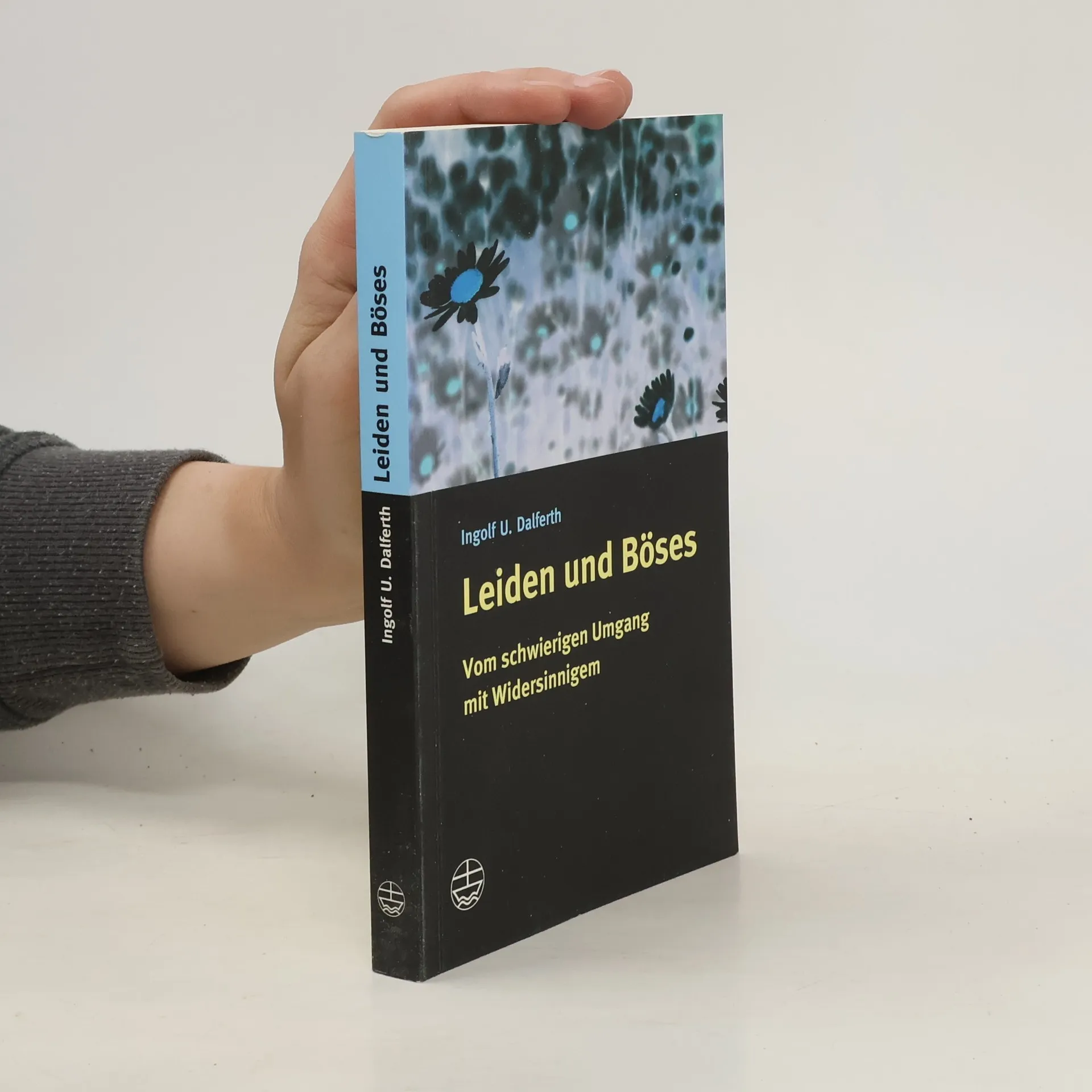
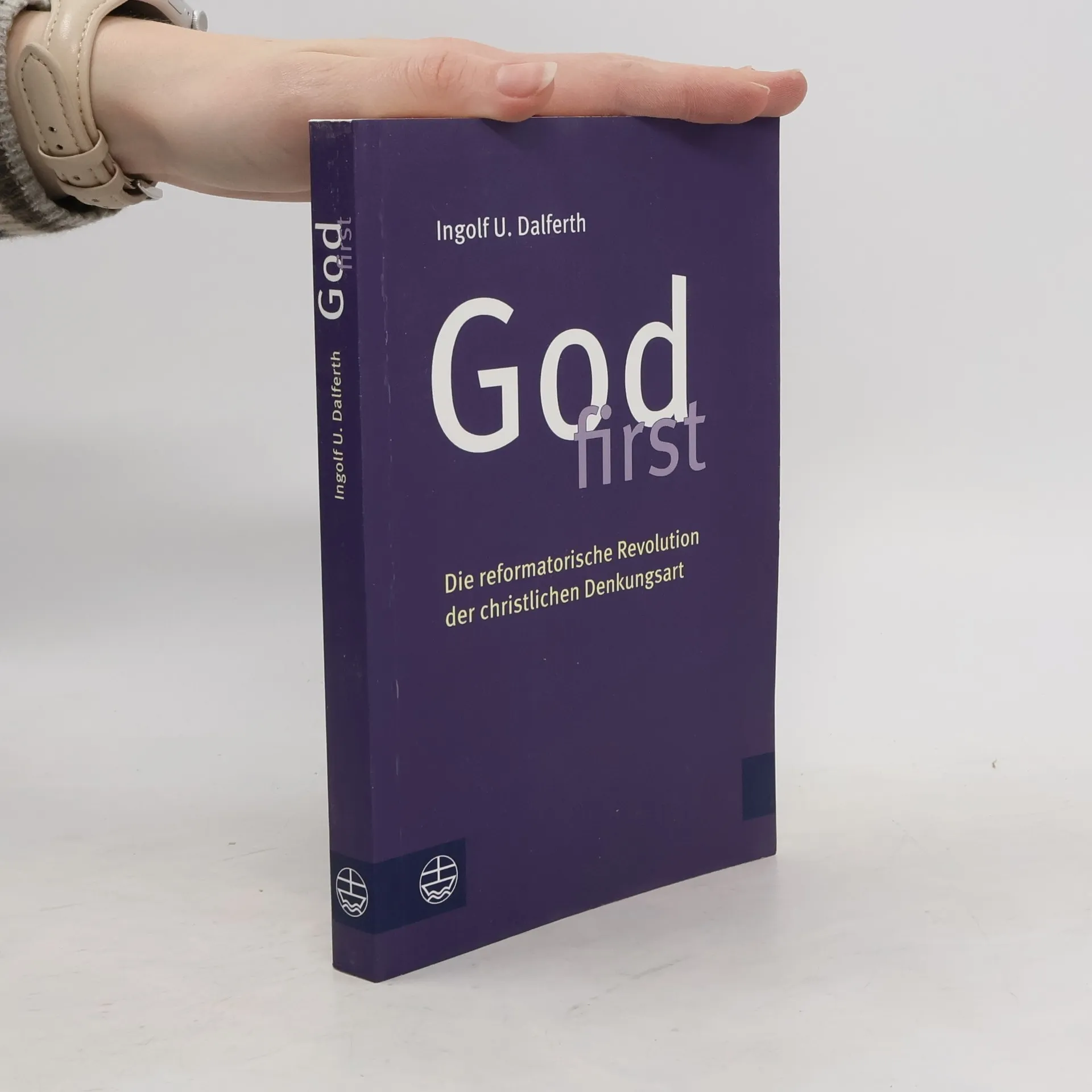
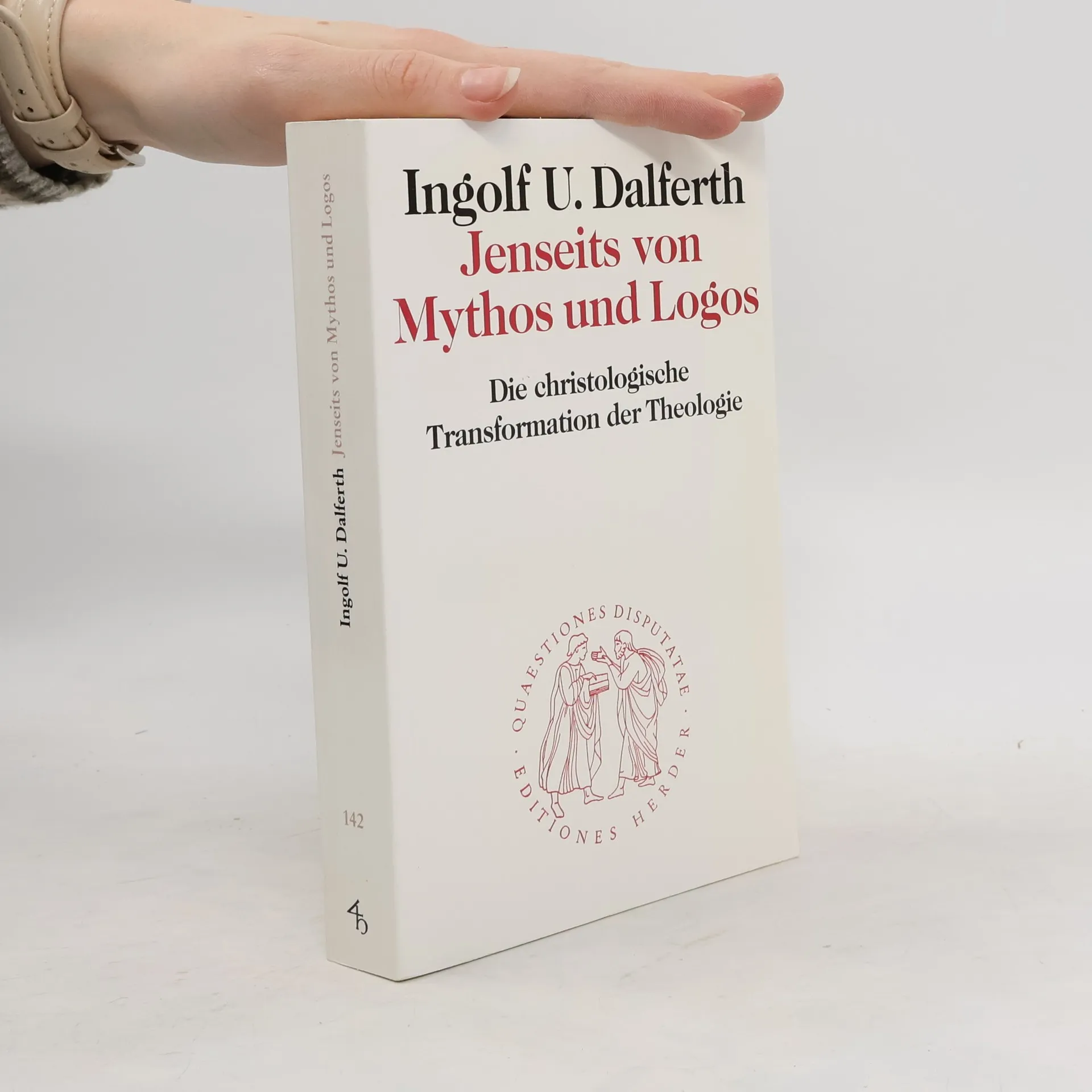
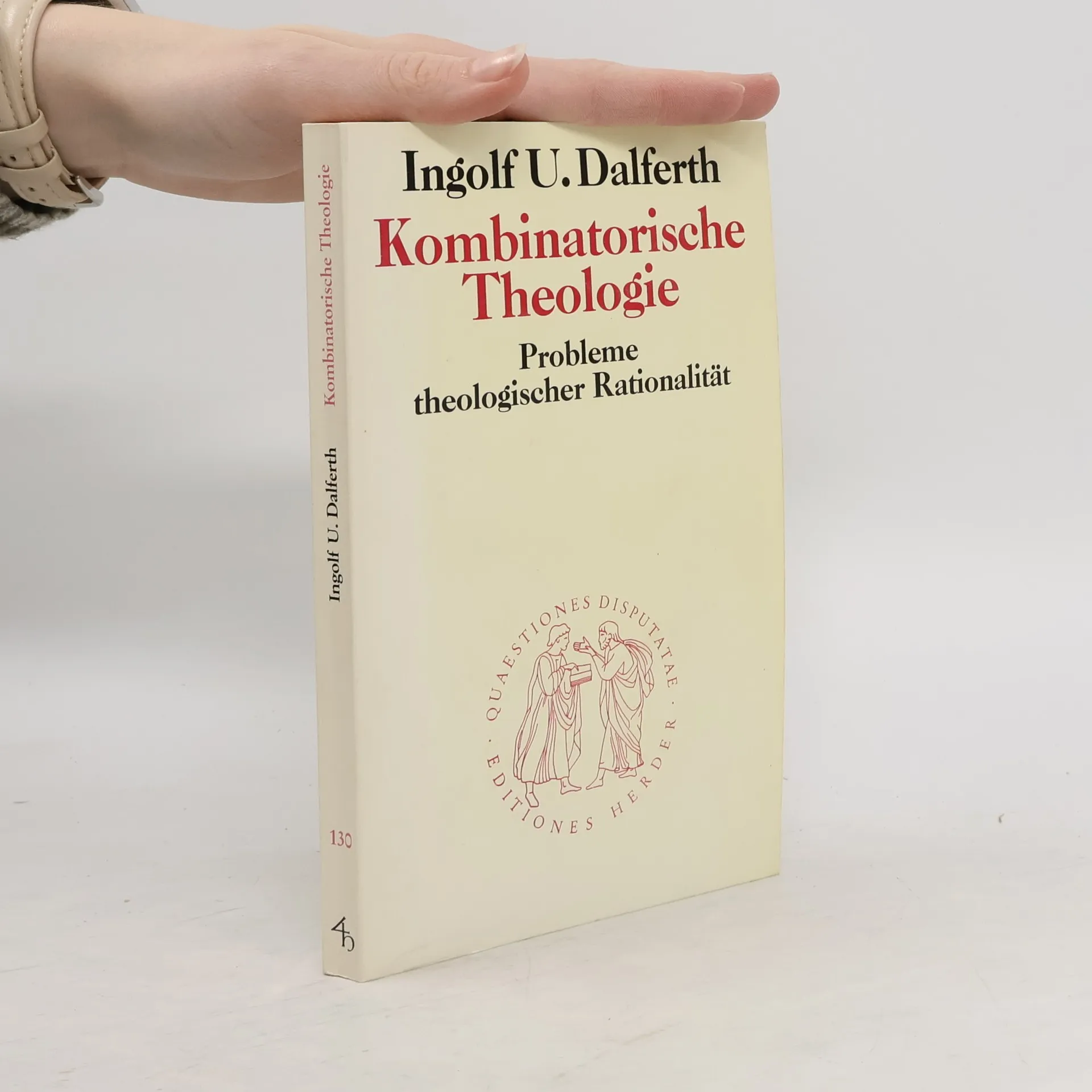
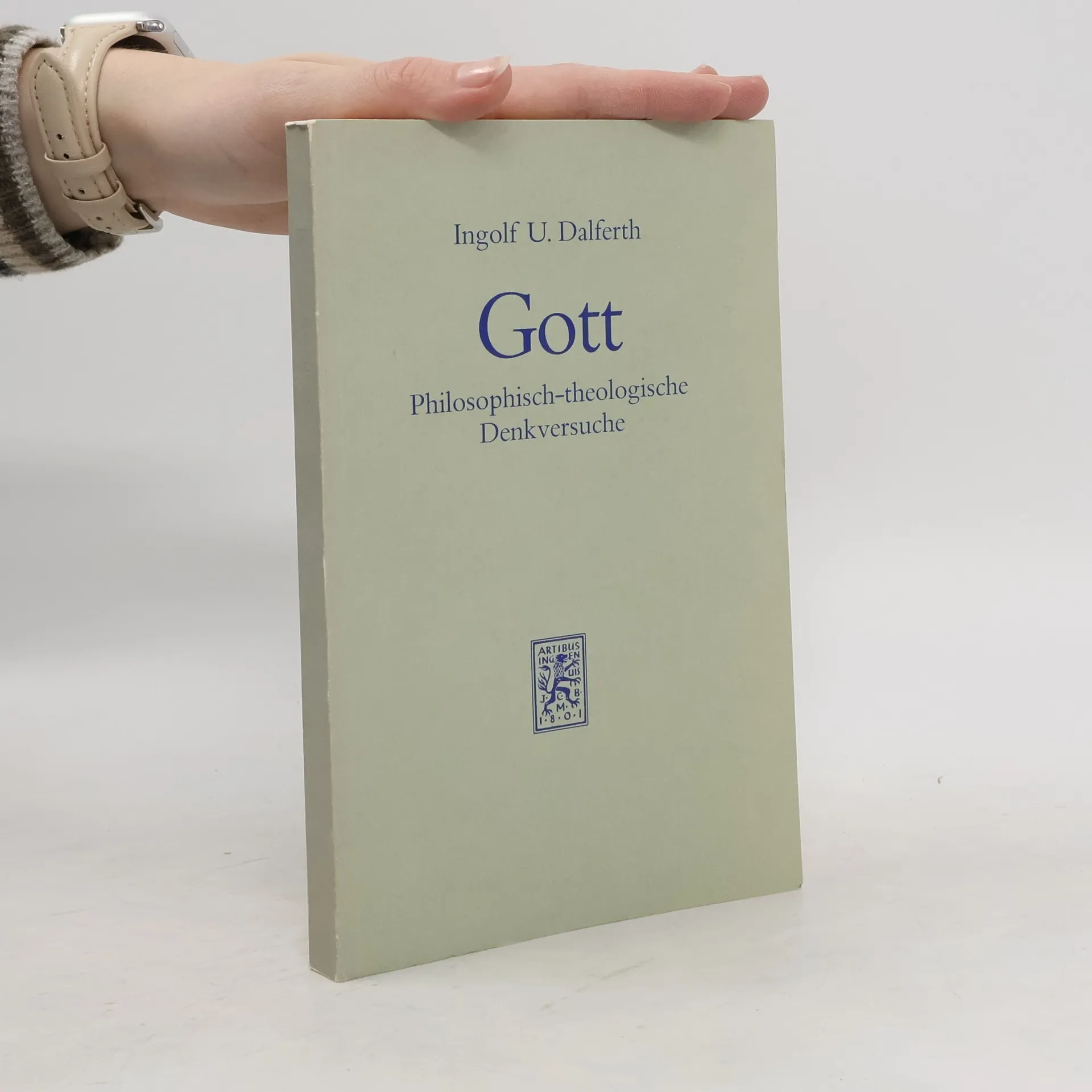
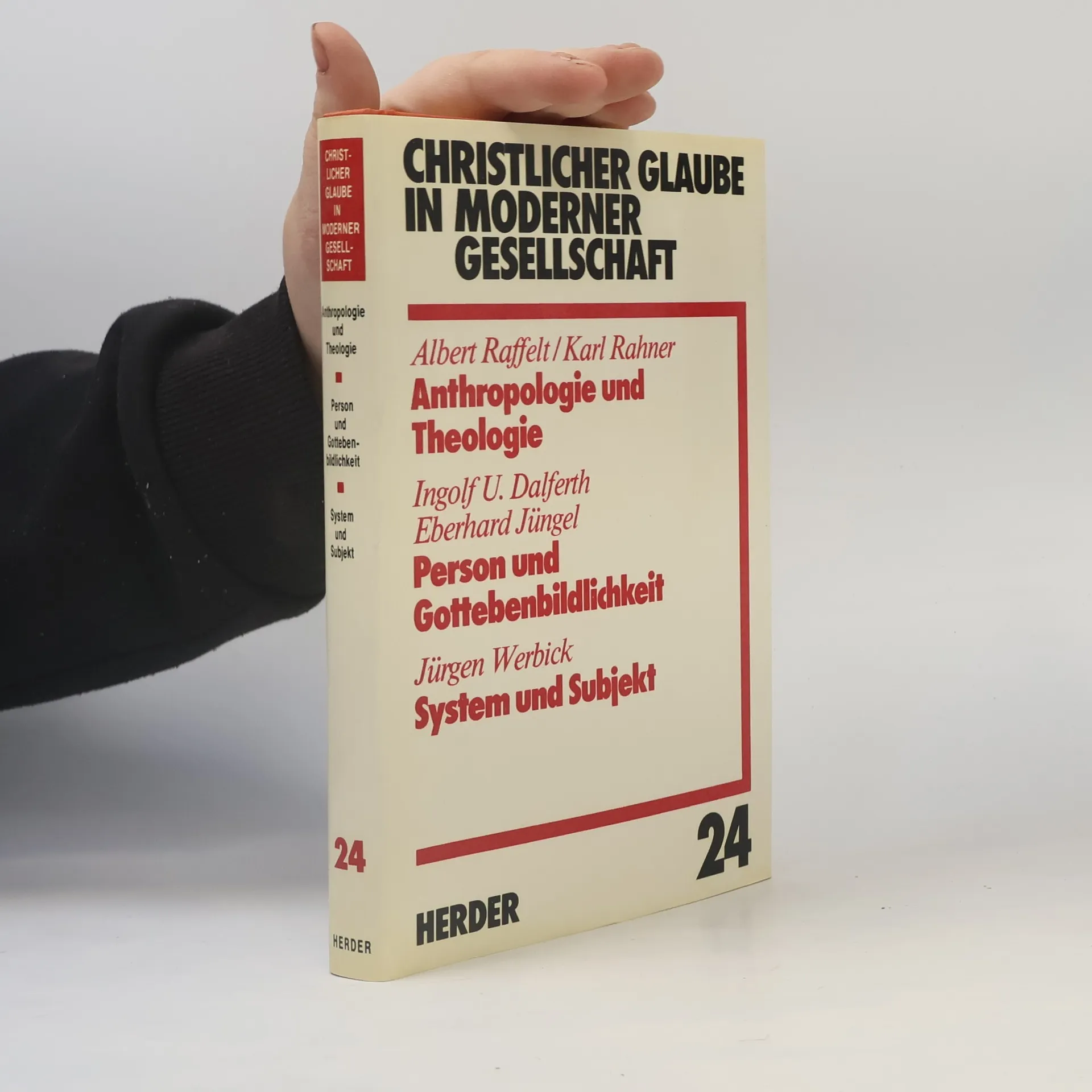
Ingolf U. Dalferth è un filosofo della religione la cui opera esplora le profonde questioni della fede e dell'esistenza. Il suo approccio è noto per il suo rigore e la profondità intellettuale. Dalferth indaga il rapporto tra teologia e filosofia, offrendo nuove prospettive sui concetti religiosi tradizionali. I suoi scritti si rivolgono a lettori che cercano una contemplazione penetrante sull'essenza dell'essere umano e sulle verità spirituali.
Exploring the interplay between evil and divine belief, the author delves into the Christian concepts of malum as privation, wrongdoing, and lack of faith. The book examines the complexities of theodicy and the argument from freedom, highlighting how individuals turn to God amid experiences of evil. Through a detailed analysis of ancient mythology and biblical traditions, the author uncovers the connections between human suffering and the discovery of God's goodness, justice, and love, offering profound insights into the nature of faith and morality.
Die reformatorische Revolution der christlichen Denkungsart
Die Reformation war nicht nur ein historisches Ereignis, sondern eine spirituelle Revolution, die durch die befreiende Erkenntnis geprägt war, dass Gott in seiner Schöpfung als Kraft der Veränderung zum Guten gegenwärtig ist. Diese Einsicht führte zu einer existenziellen Neuausrichtung des Lebens an Gottes Gegenwart und zu einer grundlegenden Umgestaltung traditioneller religiöser Denksysteme. Die Reformatoren orientierten alles Denken, Erfahren und Tun kompromisslos an der schöpferischen Präsenz Gottes, was die christliche Lebens- und Denkweise revolutionierte. Das Buch des international anerkannten Systematikers und Religionsphilosophen Ingolf U. Dalferth untersucht, was es bedeutet, Gott theologisch vom Kreuzesgeschehen her zu denken. Es entfaltet den christlichen Monotheismus nicht als ein System der Gewalt gegen Andersdenkende, sondern als eine Lebensform radikaler Freiheit und Liebe, die sich als Resonanz der Gnade Gottes versteht. Diese Perspektive bietet eine tiefere Einsicht in die protestantische Theologie und die transformative Kraft des Glaubens, die den Menschen in seiner Beziehung zu Gott neu definiert.
Hoffnung ist nicht primär ein Zukunftssinn, sondern unser Sinn für die Möglichkeit des Guten. Diese Studie analysiert das facettenreiche Phänomen des Hoffens aus den unterschiedlichen Theorieperspektiven der europäischen Denkgeschichte, um die Möglichkeiten und Grenzen des Hoffens kritisch zu erkunden und haltbare von fragwürdigen Formen des Hoffens zu unterscheiden. Argumente gegen das Hoffen werden ebenso diskutiert wie Argumente für das Hoffen. Es werden die Auffassungen des Hoffens als Tugend, als Passion, als Streben nach Glückseligkeit untersucht (Plato, Aristoteles, Thomas von Aquin, Descartes, Hobbes, Hume, Spinoza, Leibniz, Wolf). Es wird die Frage nach dem Recht der Hoffnung diskutiert (Kant) und der Versuch Kierkegaards analysiert, Hoffen als Modus der Liebe zu bestimmen. Es wird der philosophische Versuch rekonstruiert, Hoffnung als Prinzip zu denken (Ernst Bloch), und sein theologisches Pendant, eine Theologie der Hoffnung zu entwickeln (Jürgen Moltmann). Die These ist, dass Hoffen ein Grundphänomen des menschlichen Lebens ist, bei dem es nicht primär um die Zukunft geht, sondern das am besten als Sinn für die Möglichkeit des Guten verstanden werden kann.
Die Frage nach dem Ursprung des Bösen spielt nicht nur für die Theodizee ('Warum lässt Gott das zu?'), sondern auch für das Selbstverständnis des Menschen und die Beweggründe zu (un-)moralischem Handeln eine entscheidende Rolle. Was aber ist genau unter dem Bösen zu verstehen? Wo liegt sein Ursprung? Mit seinen drei Beiträgen, des Theologen und Religionsphilosophen Ingolf U. Dalferth, des früheren Dogmatik-Professors und jetzigen Bischofs Karl Kardinal Lehmann und des Orientalisten und Schriftstellers Navid Kermani, bietet dieser Band Antworten aus der Sicht verschiedener Konfessionen und Religionen. Dabei geht es u. a. um die Unterscheidung zwischen vermeidbaren und unvermeidbaren Übeln, um die Freiheit des Menschen und seine Verantwortung für das Böse und um die Tradition der Gottesklage im Islam. .
Die verbreitete Meinung, boses Tun erfordere eine bose Absicht, ist nach Ingolf U. Dalferth eine 'fragwurdige Ubervereinfachung'. Der Primat des Bosen liegt nicht im Wollen, sondern in der Erfahrung des Bosen. Was zahlt, ist das Leiden der Betroffenen. Aber auch dieser Ansatz kann auf Abwege fuhren, wenn Leiden mit Bosem gleichgesetzt wird. An diesem Punkt beginnen die Uberlegungen der Studie. Fur Dalferth ist die entscheidende Frage, ob Leiden in jedem Fall als Boses verstanden werden muss. Seine Uberlegungen veranschaulichen in praziser Sprache die zu Grunde liegenden aktuellen Lebensphanomene an gut verstandlichen Beispielen. Am Ende des Bandes werden Deutungs- und Bewaltigungsstrategien von Leiden und Bosem diskutiert, die den unverzichtbaren Beitrag des christlichem Glaubens zum Umgang mit Leiden und Bosem aufzeigen und auch fur Nichtchristen verstehbar machen. Die Studie ist wahrend des Aufenthalts von Dalferth am Wissenschaftskolleg zu Berlin (2005/2006) entstanden und in ihrer lebenspraktischen Ausrichtung ein hoch zu schatzender Gewinn fur alle Leserinnen und Leser.
Die uberkommenen Formen theologischer Lehre und Ausbildung in Deutschland stehen im Zuge der europaischen Ausbildungsharmonisierung vor folgenreichen Veranderungen mit moglicherweise weit reichenden institutionellen und rechtlichen Folgen fur die theologischen Fakultaten und Fachbereiche. Sollen die gegenwartigen Debatten nicht inhaltsfreie Studienreformspiele bleiben, ist es notig, sich uber Aufgaben und Ziele, Fragestellungen und Verfahren evangelischer Theologie grundsatzlich Gedanken zu machen. Die Studie versucht eine solche systematische Orientierung anhand der Frage, was evangelische Theologie - unabhangig von den spezifischen Orten, an denen sie gelehrt und praktiziert wird - eigentlich evangelisch und zur Theologie macht. Ingolf U. Dalferth versteht evangelische Theologie als Interpretationspraxis der christlichen Kommunikation des Evangeliums, und er beschreibt die zentralen Aufgaben theologischer Interpretation, die evangelische Theologie zu bearbeiten hat, wenn sie das sein will, als das sie sich evangelische Theologie.
Die Untersuchung beleuchtet die essentielle Rolle von Gottesgegenwart im christlichen Glauben und der Praxis. Ingolf U. Dalferth argumentiert, dass Gott nur dann als 'Gott' bezeichnet werden kann, wenn er sich selbst vergegenwärtigt. Ohne seine Präsenz existiert keine andere Wirklichkeit. Die Herausforderung besteht darin, dass Gott uns näher ist als wir uns selbst, was die Wahrnehmung und Verehrung Gottes komplex macht. Die Gedanken von Hölderlin über die Nähe und Unbegreiflichkeit Gottes werden aufgegriffen, um das Spannungsfeld zwischen Transzendenz und Immanenz zu verdeutlichen.
Eine philosophische Studie in theologischer Absicht
260pagine
10 ore di lettura
Gegenwart ist keine Eigenschaft von Ereignissen oder des Erlebens von Ereignissen, sondern Teil einer Orientierungsstrategie in den Zeitstrukturen der Lebens- und Ereigniswelt. Zeit gäbe es auch, wenn es uns nicht gäbe. Von der Gegenwart lässt sich das nicht sagen. Zeit gibt es ohne uns, Gegenwart nur mit und durch uns. Und beides nicht ohne die Gegenwart Gottes.
Ingolf U. Dalferth plädiert daf|r, dem gegenwärtigen Abgesang auf die Säkularisierung und der modischen Ausrufung einer neuen postsäkularen Religionsepoche aus theologischen Gr|nden kritisch gegen|ber zu stehen. Von Anfang an hat der christliche Glaube einen entscheidenden Beitrag zum Weltlichwerden der Welt und zur Kritik von Religion, Religionen und Religiosität geleistet. Christlichem Glauben geht es um die Orientierung an Gottes Gegenwart in allen Lebensvollz|gen, jenseits der gängigen religiösen Formen und oft in Abgrenzung gegen|ber ihnen. Die Orientierung an dieser letzten Gegenwart und damit an vorgängiger Transzendenz in der Immanenz einer säkularen Welt lässt die Alternative zwischen religiösem und nichtreligiösem Leben hinter sich. Der Autor untersucht die Grundunterscheidungen dieser christlichen Lebensorientierung.
Muss eine realistische Philosophie bestreiten, dass es nur mediale, vermittelte Weltzugange gibt? Ingolf U. Dalferth vertritt die These, dass die Berufung auf epistemische Unmittelbarkeit als Realitatsindikator im Weltverhaltnis der Menschen ein Missverstandnis des lebensweltlichen Grundmodus der Selbstverstandlichkeit ist. Vermittlung ist nicht das Gegenprogramm des Realismus, sondern die Weise, in der wir auf die Wirklichkeit bezogen sind, zu der wir gehoren. Was selbstverstandlich ist, halten wir fur unmittelbar gewiss. Es scheint ja keiner Begrundung zu bedurfen. Doch diese Gleichsetzung von Selbstverstandlichkeit mit Unmittelbarkeit ist ein Irrtum. Wo Unmittelbarkeit im Wirklichkeitszugang gegen Vermittlung ausgespielt wird, wird das lebensweltlich Selbstverstandliche mit dem verwechselt, was uns unmittelbar und direkt gegeben ist. Das wird in der kritischen Diskussion wichtiger Konzepte der Unmittelbarkeit sowie am Beispiel der Phanomenologie der Lebenswelt in Auseinandersetzung mit Edmund Husserl und Hans Blumenberg gezeigt.
In einer Zeit, in der Internet und soziale Medien die politische Öffentlichkeit untergraben, werden gut durchdachte Argumente zunehmend von Gesinnung und Emotionen verdrängt. Die Begriffe Gleichheit, Freiheit und Gerechtigkeit verkommen zu populistischen Phrasen, während die kritische Urteilskraft schwindet oder diffamiert wird. Religion wird auf eine bloße moralische Ressource reduziert, und Gott wird aus dem öffentlichen Diskurs ausgeschlossen. Der Theologe und Religionsphilosoph Ingolf U. Dalferth beleuchtet in seinem Debattenbuch die Gefahren, denen die Demokratie in westlichen Gesellschaften ausgesetzt ist, und erörtert, welche Lösungen christliche Ideen und Werte bieten können. Er thematisiert die Verbindung zwischen Gott und demokratischen Grundwerten sowie die Notwendigkeit, die Verantwortung des Menschen neu zu denken. Dalferths differenzierte Analyse betont die Bedeutung von Widerspruch und Respekt in einer demokratischen Gesellschaft. Demokratie erfordert Diskussionen und das Recht auf unterschiedliche Lebensweisen, verpflichtet jedoch auch zu Respekt gegenüber anderen. Wer vorschreibt, wie zu reden und zu leben ist, missversteht, dass Freiheit die Grundlage für Gleichheit und Gerechtigkeit ist. Die Besinnung auf Gott bleibt eine essentielle Erinnerung daran, was diese Werte ermöglicht.
Wie ist Gott zu denken, damit Gott wirklich gedacht wird? In welchem Sinn kann gesagt werden, Gott existiert? Eine zentrale theologisch-religionsphilosophische Tradition der Neuzeit nimmt zur Beantwortung dieser Fragen immer wieder Bezug auf das sogenannte 'ontologische Argument'. Ingolf U. Dalferth setzt sich mit zentralen Entwürfen dieser Tradition von Anselm von Canterbury, Whitehead und Hartshorne kritisch auseinander. Ihnen setzt er eine christologisch-trinitarische Alternative entgegen, in der dieselben Grundfragen (Wer ist Gott? Was ist Gott? Ist Gott?) anders beantwortet werden. Wenn Gott wirklich als Gott gedacht werden soll, ist er so zu denken, wie und als was er sich selbstverständlich macht. Denken des Selbstverständlichen ist für den Autor die Kurzformel for das rechte Denken Gottes. „Auf hohem Reflexionsniveau und mit theologiegeschichtlichem Problembewußtsein geht es in ständig neuen Anläufen um die eine Aufgabe, die Unvergleichlichkeit, die Überschwenglichkeit Gottes zu denken.“ Gotthard Fuchs in Theologie und Glaube 2 (1996), S. 226-228
Wie kaum ein anderer Theologe hat Eberhard Jüngel Gottes Advent ins Zentrum seines Denkens gestellt. Weil Gott kommt, muss man von ihm reden und kann man ihn denken. Ohne Gottes Advent gäbe es keinen Glauben, hätten Christen nichts zu sagen und könnte Theologie nichts Wahres denken. In den 32 Beiträgen dieser Festschrift denken Zeitgenossen Jüngels je auf ihren Wegen und unter verschiedenen Gesichtspunkten über den nach, der als denkwürdiges Geheimnis wie nichts und niemand sonst um seiner selbst willen interessant ist: Gott.