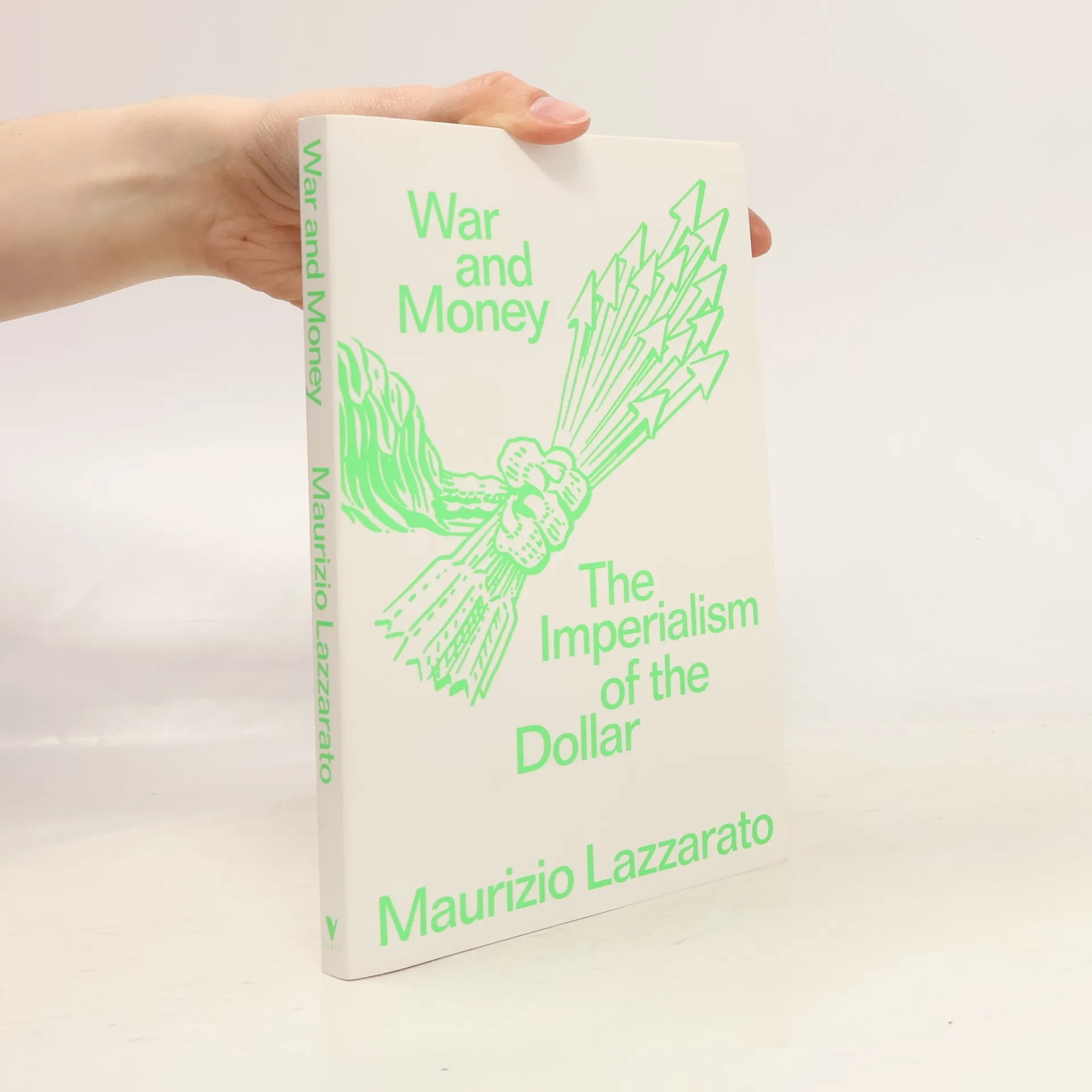
Exploring the relationship between capitalism and conflict, Lazzarato illustrates how capitalist expansion leads to imperialist wars. The book delves into the economic motivations behind warfare, arguing that financial interests drive nations to engage in conflict, ultimately revealing the intertwined nature of war and money in shaping global politics.
Maurizio Lazzarato Libri
Maurizio Lazzarato è un sociologo e filosofo che indaga la natura del capitale e della società moderna. Il suo lavoro si addentra nei meccanismi economici e politici che plasmano la nostra soggettività e le relazioni sociali. Lazzarato esamina come il debito e la tecnologia diventino strumenti di governo e produzione nel mondo contemporaneo. Il suo approccio filosofico offre profonde intuizioni sulla critica del capitalismo e sulla ricerca di modalità alternative di esistenza.


This volume takes its cue from the ethnological concept of animism, a term for religions that view objects as having souls of their own. Animism emerged as an anthropological category in the nineteenth century, often occurring as a folk belief underlying more established religions, particularly in Africa and Southeast Asia. The term has proved also influential in psychoanalysis, where it denotes mental states in which no division is made between inner and outer realities. This volume brings together artworks, documents and artifacts to create an essayistic appraisal of works by such artists and filmmakers as Didier Demorcy, Walt Disney, Jimmie Durham, Eric Duvivier, Henri Michaux, Thomas Alva Edison, Candida Hofer, Luis Jacob, Ken Jacobs, Yayoi Kusama, Len Lye, Chris Marker, Alain Resnais, Daria Martin, Ana Mendieta, Hans Richter and others.
Signs and Machines
- 280pagine
- 10 ore di lettura
An analysis of how capitalism today produces subjectivity like any other good, and what would allow us to escape its hold.
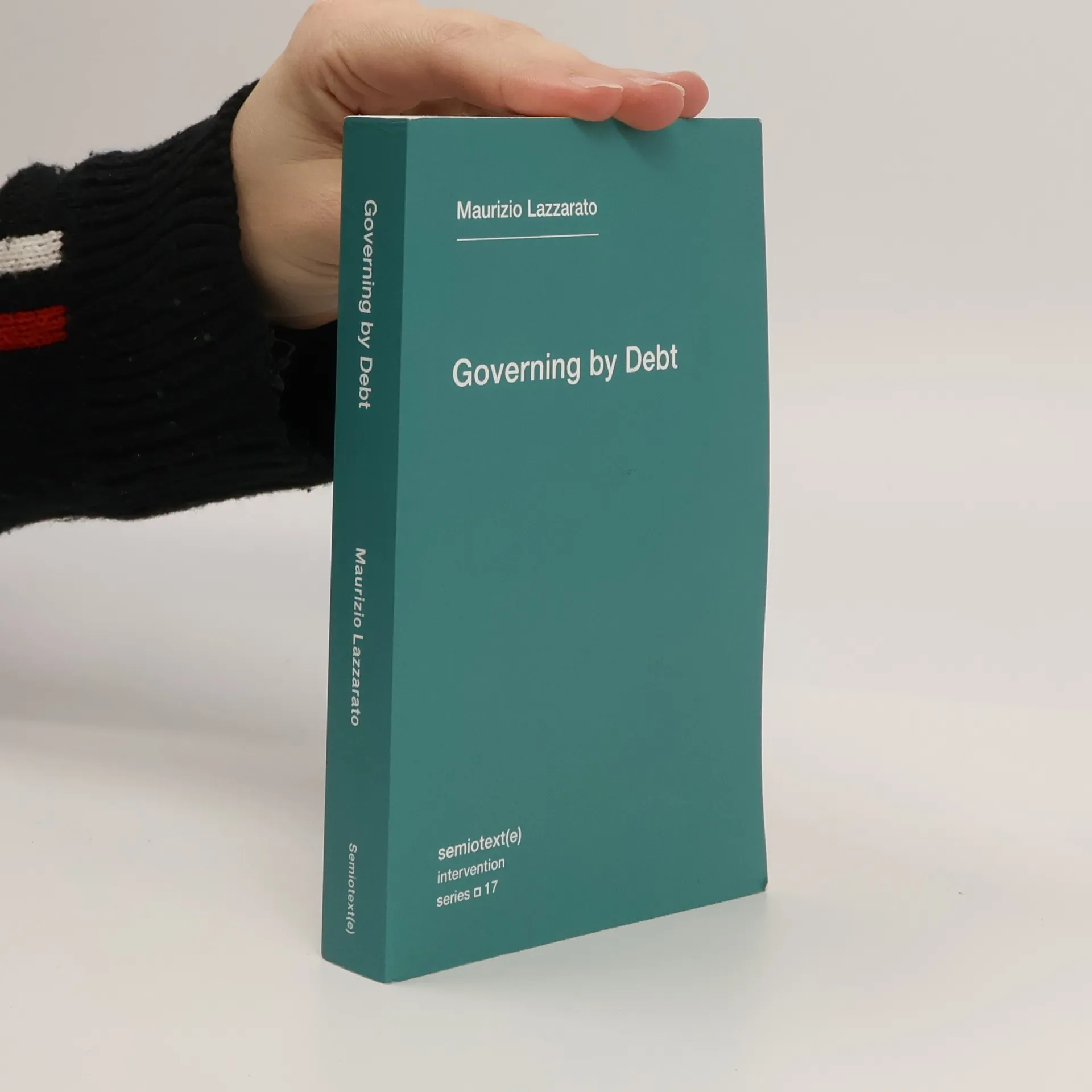
Semiotext(e) / Intervention Series - 17: Governing by Debt
- 278pagine
- 10 ore di lettura
Experts and politicians claim public debt hampers growth and fuels unemployment, urging governments to reduce it to restore confidence and prosperity. However, Maurizio Lazzarato presents a contrasting view: under capitalism, debt transcends mere economic issues, representing a political relationship of subjugation. He argues that debt has become infinite and unpayable, serving to discipline populations, necessitate structural reforms, and justify authoritarian measures, even undermining democracy in favor of "technocratic governments" that cater to capital interests. The 2008 crisis intensified the emergence of "new State capitalism," facilitating a significant appropriation of societal wealth through taxation, primarily benefiting finance capital. This scenario mirrors pre-World War II conditions, where finance governs accumulation, increasingly infiltrating sectors like higher education and becoming synonymous with life itself. Lazzarato asserts that in light of current and impending crises, we must transcend capitalist valorization and reclaim our existence, knowledge, and technology. In this work, he engages with a variety of thinkers, including Félix Guattari and Michel Foucault, and uses examples from the U.S. and Europe to advocate for a collective rejection of the prevailing dire status quo.
Capital Hates Everyone
- 200pagine
- 7 ore di lettura
Why we must reject the illusory consolations of technology and choose revolution over fascism. We are living in apocalyptic times. In Capital Hates Everyone, famed sociologist Maurice Lazzarato points to a stark choice emerging from the magma of today's world events: fascism or revolution. Fascism now drives the course of democracies as they grow less and less liberal and increasingly subject to the law of capital. Since the 1970s, Lazzarato writes, capital has entered a logic of war. It has become, by the power conferred on it by financialization, a political force intent on destruction. Lazzarato urges us to reject the illusory consolations of a technology-abetted "new" kind of capitalism and choose revolution over fascism.
Open Voorbij privacy: nieuwe opvattingen over het publieke en private domein
- 144pagine
- 6 ore di lettura
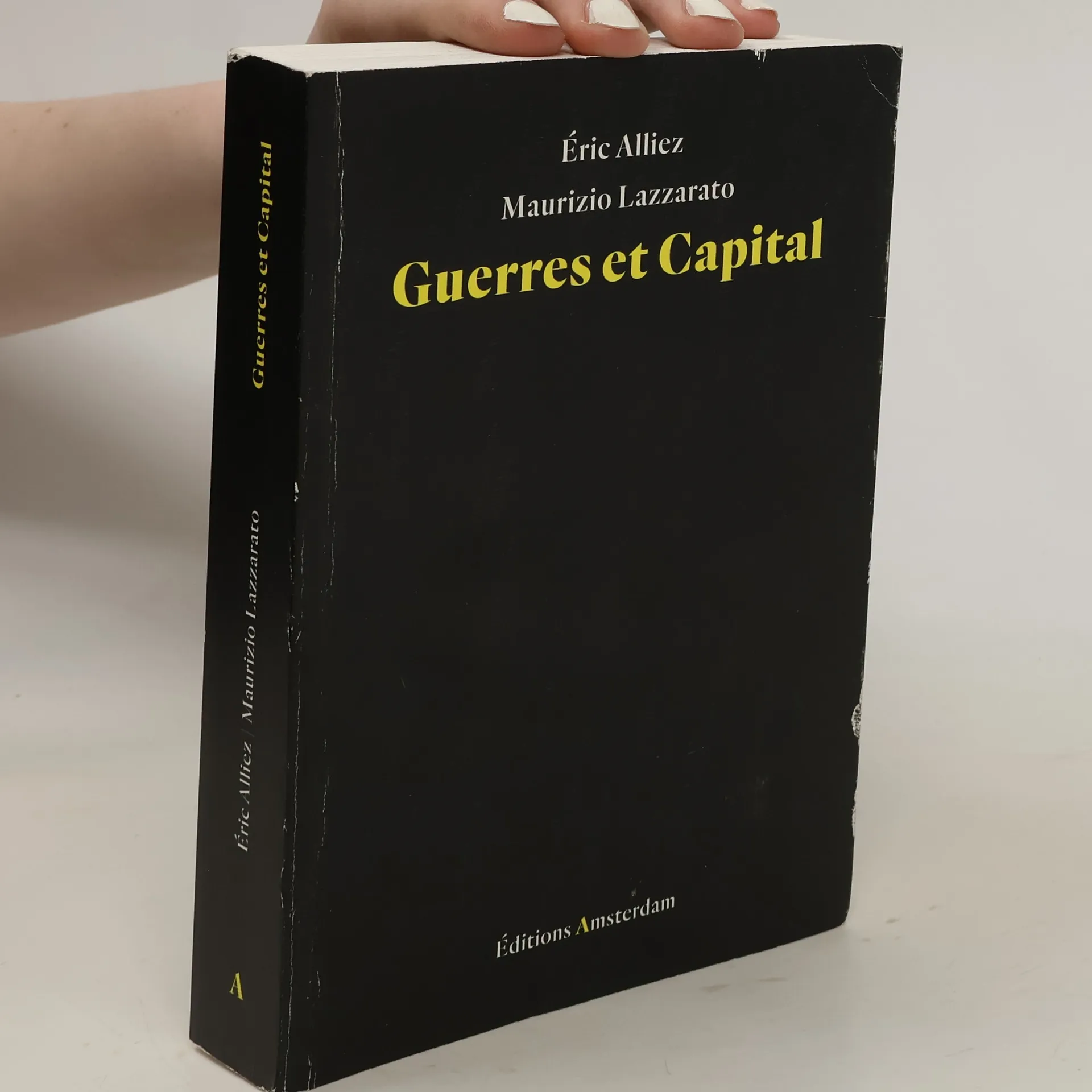
Guerres et Capital
- 440pagine
- 16 ore di lettura
« Nous sommes en guerre », déclare le président de la République le 13 novembre 2015. Mais quelle guerre est réellement en cours ? Cette contre-histoire du capitalisme vise à dévoiler les véritables conflits qui nous sont infligés et souvent niés : il ne s'agit pas de la guerre idéale des philosophes, mais des guerres de classe, de race, de sexe ou de genre, ainsi que des guerres de civilisation et environnementales. Ces luttes de subjectivité, qui font rage au sein des populations, sont le moteur secret de la gouvernementalité libérale. En désignant des ennemis tels que les réfugiés, les migrants ou les musulmans, les nouveaux fascismes établissent leur hégémonie, réduisant les processus de subjectivation politique à des mots d’ordre racistes, sexistes et xénophobes, alimentant ainsi la guerre entre les pauvres et la philosophie de guerre totale du néolibéralisme. La guerre et le fascisme, refoulés de la pensée post-68, nous incitent à relire l'histoire du capital à travers la guerre, et vice versa, en reliant cette dynamique à la révolution de 68. L'objectif est de dépasser les limites de la « pensée 68 » et de la réorienter vers une nouvelle pragmatique des luttes, en réponse à la guerre continue du Capital. Il est essentiel de nous préparer à ces batailles pour éviter une défaite perpétuelle.