
10 libri per 10 euro qui
Bookbot

Nina S. Lugovskaja

    25 dicembre 1918 – 27 dicembre 1993

    Sopravvissuta al GULAG, quest'autrice è riconosciuta come pittrice e scenografa russa. Il suo diario, scritto da adolescente durante le Grandi Purghe, portò alla condanna dell'intera sua famiglia per presunta agitazione antisovietica. Dopo essere sopravvissuta alla Kolyma e aver studiato arte, la pubblicazione del suo diario dopo il crollo sovietico le valse il soprannome di "Anna Frank della Russia di Stalin". La sua opera è una potente testimonianza di resilienza ed espressione artistica di fronte all'oppressione totalitaria.

    Ztracený deník sovětské školačky Niny Lugovské 1932-1937 : unikátní svědectví z dob stalinismu
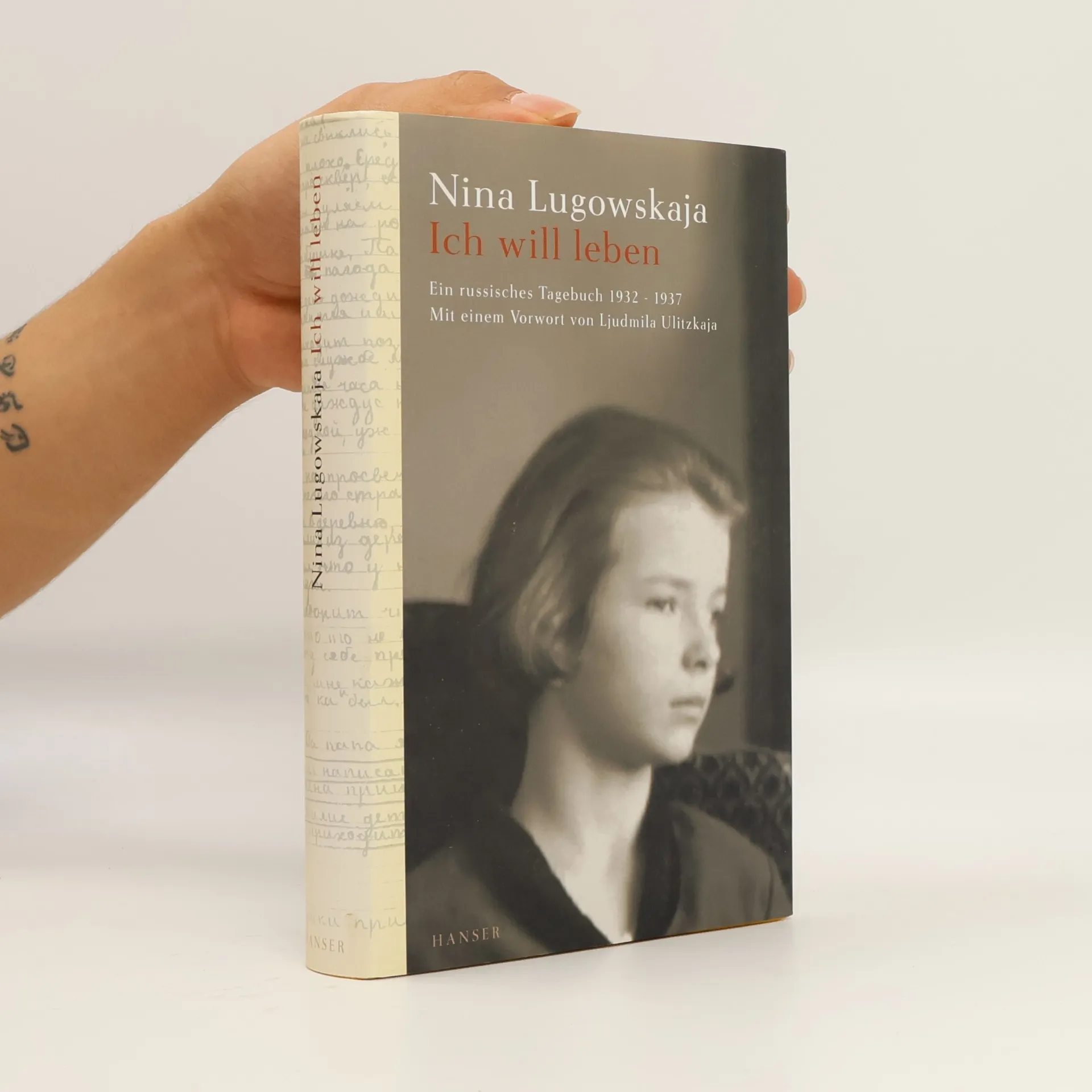
    Ich will leben
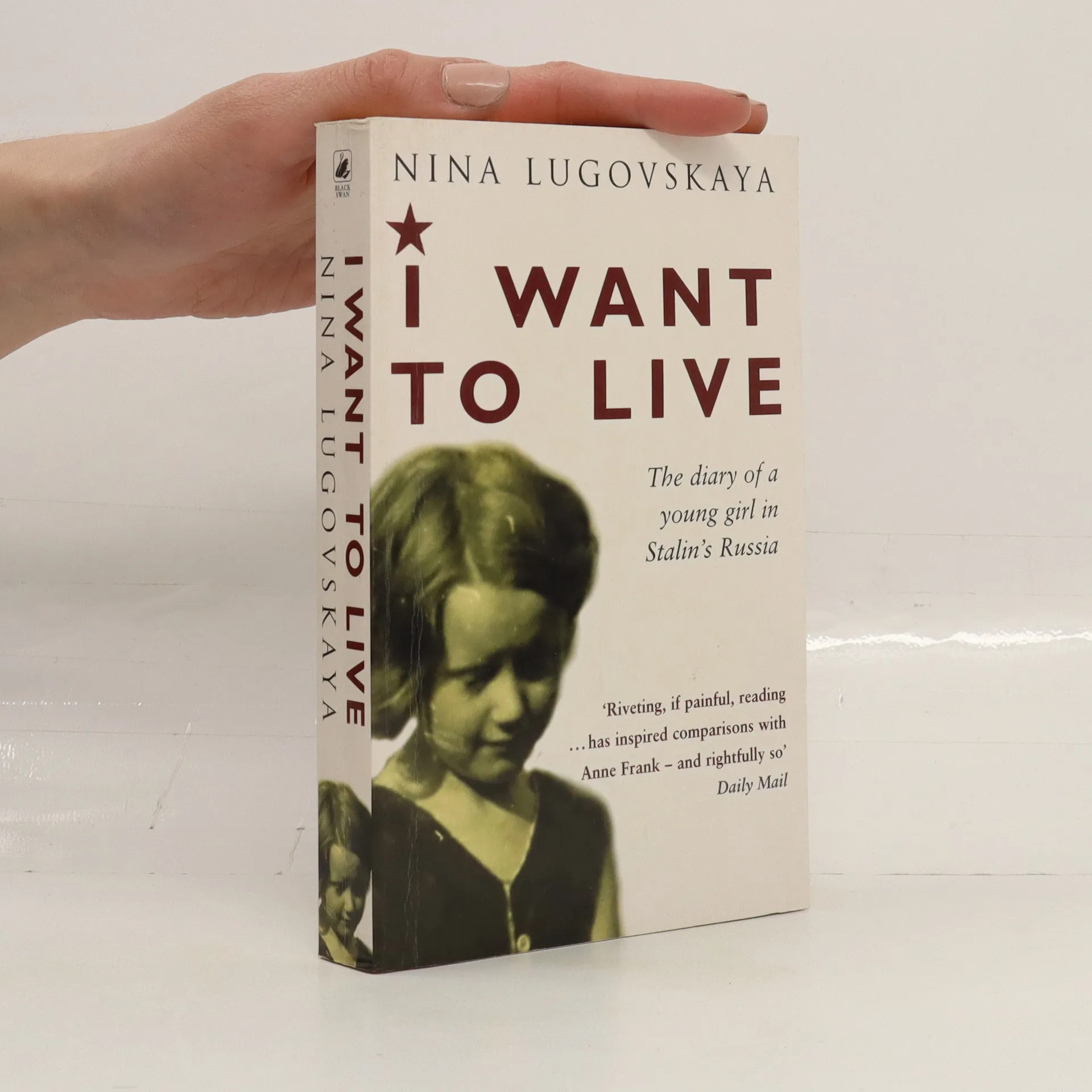
    I want to live : the diary of a young girl in Stalin's Russia
    • 2008

      "Does that boy like me? Why are my sisters so mean? Does anyone think I m pretty? Will my father be arrested? These were the everyday concerns of thirteen-year-old Moscow schoolgirl Nina Lugovskaya, who began to write a diary in 1932. Her indignant outbursts against the brutal raids and purges of Stalin s terror appear alongside the more typical adolescent worries about girlfriends, boys, parties and homework. For five years Nina scribbled down her most intimate thoughts and dreams, including her ambition one day to become a writer. Then in 1937 the NKVD, Stalin s secret police, ransacked Nina s home and discovered her diary. Nina s criticism of the regime provided sufficient evidence for the charge of treason, and she, her mother and two sisters were sentenced to five years hard labour in the Gulag, followed by seven years exile in Siberia. Recently Nina s diary was discovered in the KGB archives, complete with the original passages underlined by the secret police. Like Anne Frank s diary, this journal poignantly reveals life at a time of political upheaval, betrayal and repression through the eyes of an innocent"

      I want to live : the diary of a young girl in Stalin's Russia
    • 2005

      Was bewegt ein junges Mädchen im Moskau der 1930er Jahre? Der ganz normale Alltag mit Liebeskummer, Schulproblemen und Weltschmerz findet auch in Stalins Sowjetunion statt. Die Politik jedoch macht nicht vor der Haustür halt. Die Angst vor einer Verhaftung des Vaters lässt Nina zu einer scharfsinnigen Kritikerin des stalinistischen Regimes werden. Ihre kompromisslosen Notizen werden ihr schließlich zum Verhängnis: Mit 18 Jahren wird sie verhaftet und für fünf Jahre in ein Arbeitslager geschickt. Ihre Tagebücher sind eine wichtige Ergänzung zur offiziellen Geschichtsschreibung. 'Endlich hat auch der Bolschewismus seine Anne Frank' ›Süddeutsche Zeitung‹

      Ich will leben
    • 2004

      Dospívala v době stalinismu a psala si o tom deník. Popsala v něm nejen svůj vnitřní svět, ale i vnější sovětskou realitu. Její deník tak patří k nejvýznamnějším svědectvím té doby - o to cennější, že popisuje každodenní strasti mladého člověka. Jeho autorka byla nakonec zatčena a poslána na Sibiř, kde strávila mnoho let. Deník zabavilo KGB. Lugovskaja Sibiř přežila a zemřela v roce 1990. V roce 2000 byl její deník nalezen v archivech KGB. Nyní vychází v mnoha světových vydáních.

      Ztracený deník sovětské školačky Niny Lugovské 1932-1937 : unikátní svědectví z dob stalinismu