Loïc Wacquant è un sociologo il cui lavoro si addentra nella povertà urbana, nella disuguaglianza razziale e nel corpo. Combina in modo unico la teoria sociale con una rigorosa ricerca etnografica per illuminare la complessa interazione tra le strutture sociali e l'esperienza individuale. La ricerca di Wacquant emerge spesso da approfonditi studi sul campo, cercando di svelare i meccanismi sottostanti che plasmano la vita urbana e perpetuano i sistemi di controllo sociale e svantaggio. Il suo approccio distintivo offre spunti critici sulle realtà vissute dalle comunità emarginate.
Exploring the complexities of race in contemporary society, this book delves into its role in historical events and current issues like slavery and police brutality. Through extensive comparative and historical research, the author, Loïc Wacquant, provides a clear and precise analysis, challenging prevailing notions and offering a fresh perspective on this contentious topic. The work aims to bring clarity and depth to the often emotionally charged discussions surrounding race, making it a significant contribution to social science discourse.
At the century's close, American social scientists and policymakers became fixated on a new group deemed the urban “underclass,” which sparked international interest in social exclusion in postindustrial cities. In this incisive work, Loïc Wacquant explores the evolution of this racialized concept, tracing its origins from Gunnar Myrdal's structural analysis to the behavioral perspectives of Washington think tanks and the neo-ecological views of William Julius Wilson. He examines the sudden emergence, rapid dissemination, and swift decline of the “underclass” in public discourse, reflecting on the implications for understanding urban marginality. Wacquant poses critical questions about the “lemming effect” that led scholars of race and poverty to pursue flawed theories, the dynamics behind the rise and fall of “conceptual speculative bubbles,” and the influence of think tanks and media on social research. He also addresses the challenges of naming marginalized populations in scientific discussions and suggests ways to reframe the contentious issue of race. This rigorous analysis calls for social scientists to safeguard their intellectual independence from external pressures, making it essential reading for those in sociology, anthropology, urban studies, and related fields.
In this title, the author examines how penal policies emanating from the United States have spread thoughout the world. The author argues that the policies have their roots in a network of Reagan-era conservative think tanks, which used them as weapons in their crusade to dismantle the welfare state and, in effect, criminalise poverty.
A sociologist explains how over the past two decades neoliberal societies have
sought to control the poor through a combination of penal sanction and welfare
supervision.
Loïc Wacquant presents a fresh interpretation of Pierre Bourdieu as an urban theorist, exploring the interplay of symbolic, social, and physical spaces in the postindustrial city. His work revitalizes urban studies, offering valuable insights for students and scholars across various disciplines, including sociology and geography.
Breaking with the exoticizing cast of public discourse and conventional
research, Urban Outcasts takes the reader inside the black ghetto of Chicago
and the deindustrializing banlieue of Paris to discover that urban marginality
is not everywhere the same.
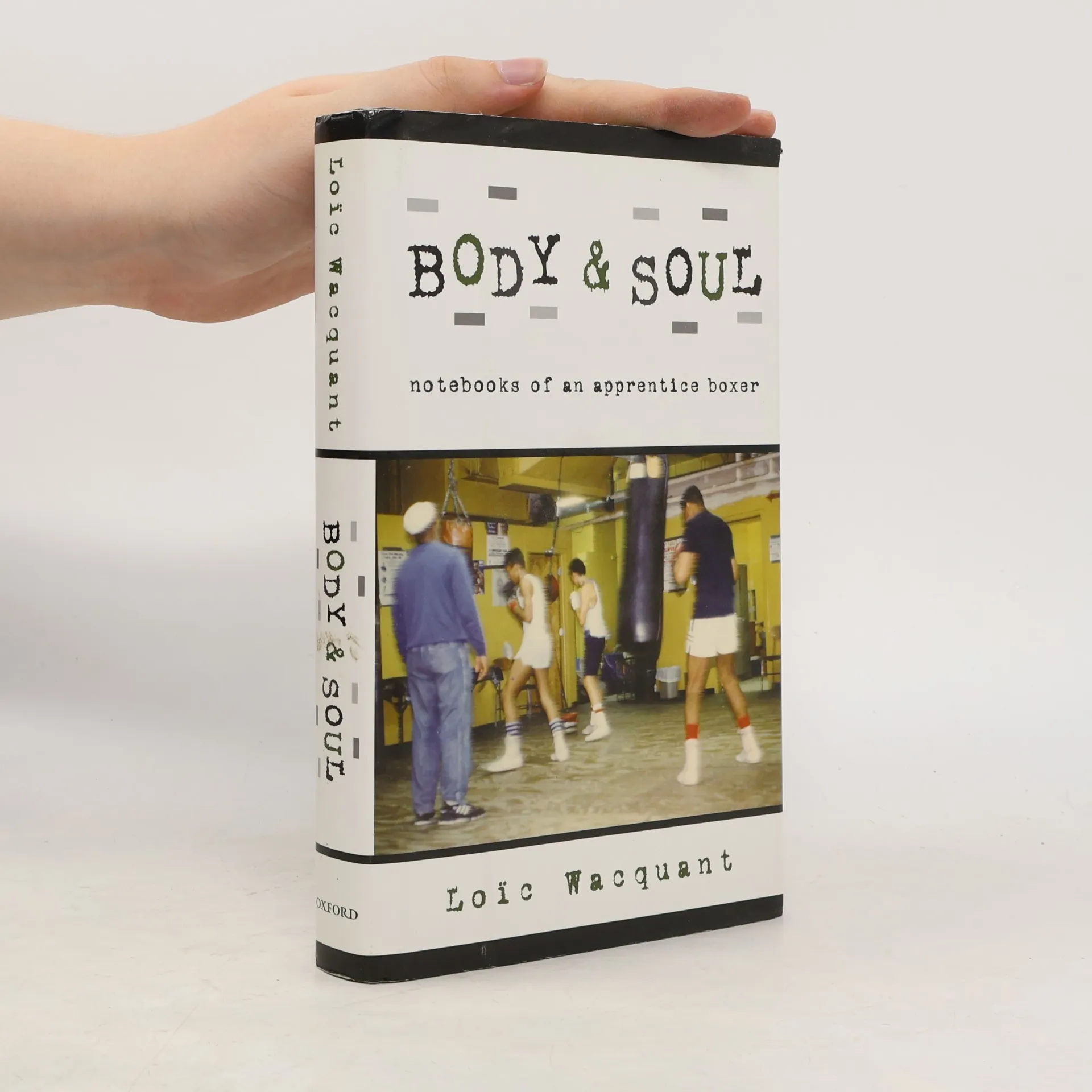
When French sociologist Lo�c Wacquant signed up at a boxing gym in a black neighborhood of Chicago's South Side, he had never contemplated getting close to a ring, let alone climbing into it. Yet for three years he immersed himself among local fighters, amateur and professional. He learned the Sweet science of bruising, participating in all phases of the pugilist's strenuous preparation, from shadow-boxing drills to sparring to fighting in the Golden Gloves tournament. In this experimental ethnography of incandescent intensity, the scholar-turned-boxer fleshes out Pierre Bourdieu's signal concept of habitus , deepening our theoretical grasp of human practice. And he supplies a model for a "carnal sociology" capable of capturing "the taste and ache of action." Body & Soul marries the analytic rigor of the sociologist with the stylistic grace of the novelist to offer a compelling portrait of a bodily craft and of life and labor in the black American ghetto at century's end.
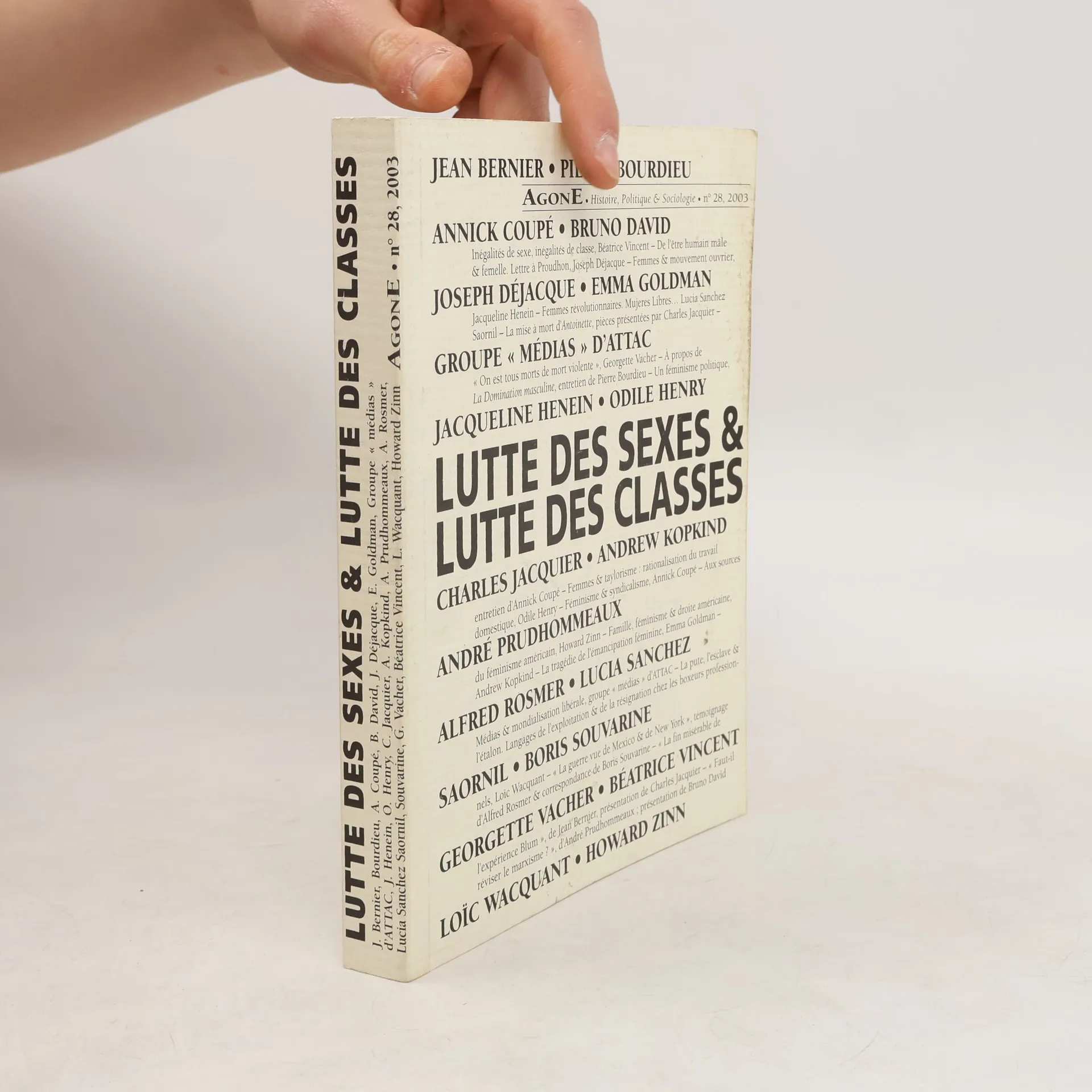
Aujourd’hui comme hier, le sort réservé aux femmes dans la société et en particulier dans le monde du travail nécessite une double analyse, de genre et de classe. Si trop souvent les féministes ont failli à cet impératif, beaucoup de révolutionnaires, socialistes ou anarchistes, l’ont aussi négligé, voire dénigré. Pourtant, la lutte des sexes demeure un facteur invariable de la lutte des classes, et inversement. -- Béatrice Vincent
In den Jahren von 1977 bis 1997 machte der Begriff »Unterklasse« in den USA eine steile Karriere, um dann genauso schnell wieder aus der Debatte zu verschwinden. In Reaktion auf Unruhen in den Großstädten wurde mit dieser Bezeichnung nicht die soziale Realität in den Armutsgettos analysiert, sondern ein rassifizierter Volksteufel konstruiert und zu einer Bedrohung für die Gesellschaft stilisiert. Beispielhaft analysiert Wacquant im Detail, wie es dazu kommen konnte, dass eine ganze Generation der Armuts und Rassismusforschung in den Bann einer solch schwammigen Begrifflichkeit gezogen werden konnte. Methodisch kombiniert er die Begriffsgeschichte von Reinhart Koselleck und die reflexive Soziologie von Pierre Bourdieu. Neben einer profunden Kritik des Rassismus und der Armutspolitik in der neoliberalen Ära liefert Wacquant damit einen allgemeinen Beitrag zur »Politik des Wissens« durch die Konstruktion und Verbreitung abwertender Begriffe.
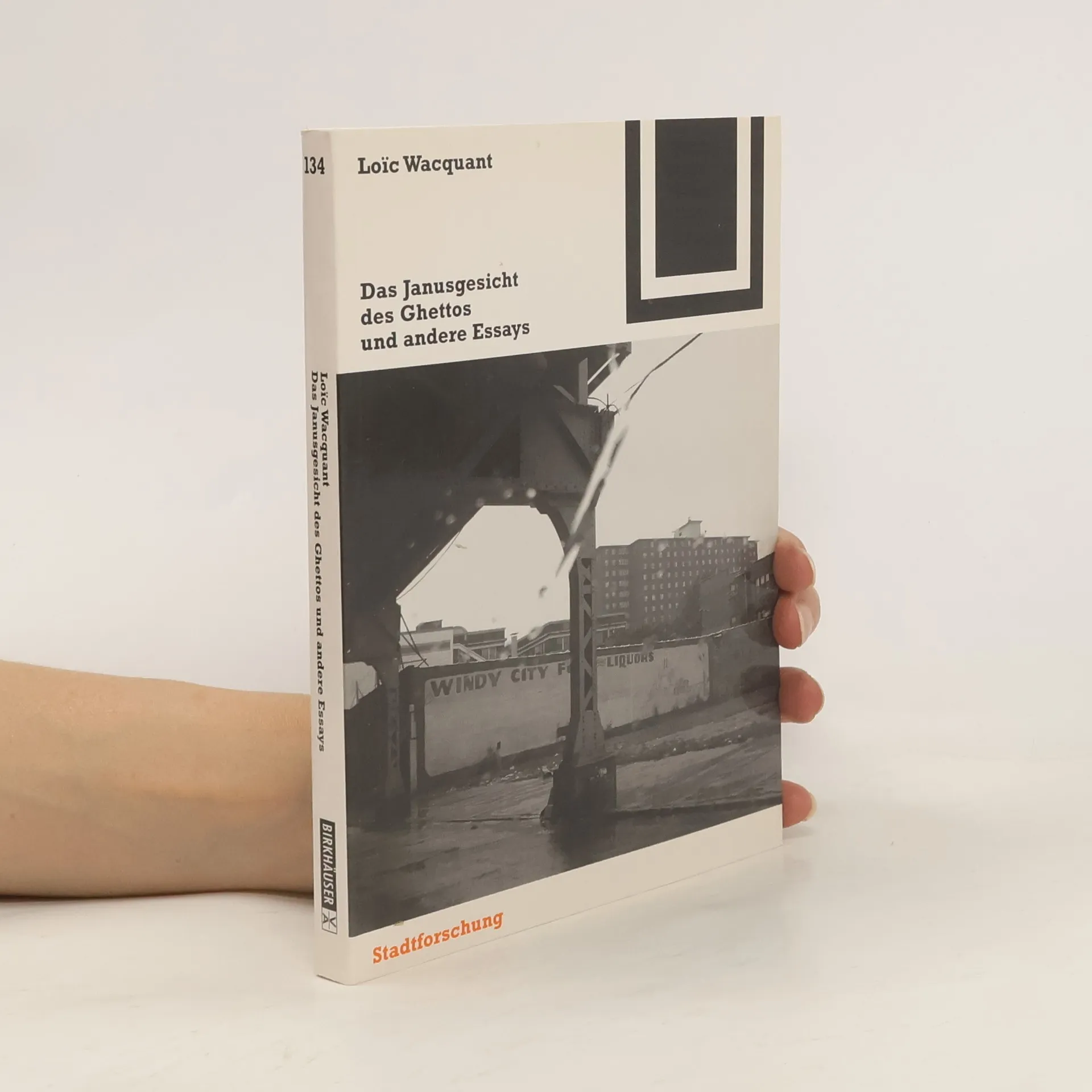
Die hier versammelten Essays gelten dem Zusammenhang von sozialer und ethnischer Ausgrenzung und staatlicher Politik in den Metropolen zu Beginn des 21. Jahrhunderts. Die aus einer erfahrungsgestützten Perspektive geschriebenen Beiträge diagnostizieren die sich überall abzeichnenden Formen städtischer Armut und Gewalt in den entwickelten Gesellschaften des reichen Westens. Der Autor arbeitet mit einem soziologischen Konzept des Ghettos als Instrument ethnischer Kontrolle und Einschließung. Er zeigt, wie sich Staaten zunehmend von der Idee und der Praxis der sozialen Wohlfahrt trennen und zur Ausgrenzung der «sozial Abgehängten» übergehen. Essays in diesem Band sind unter anderem «Städtische Ausgrenzung im 21. Jahrhundert» und «Die Bestrafung der Armut und der Aufstieg des Neoliberalismus».