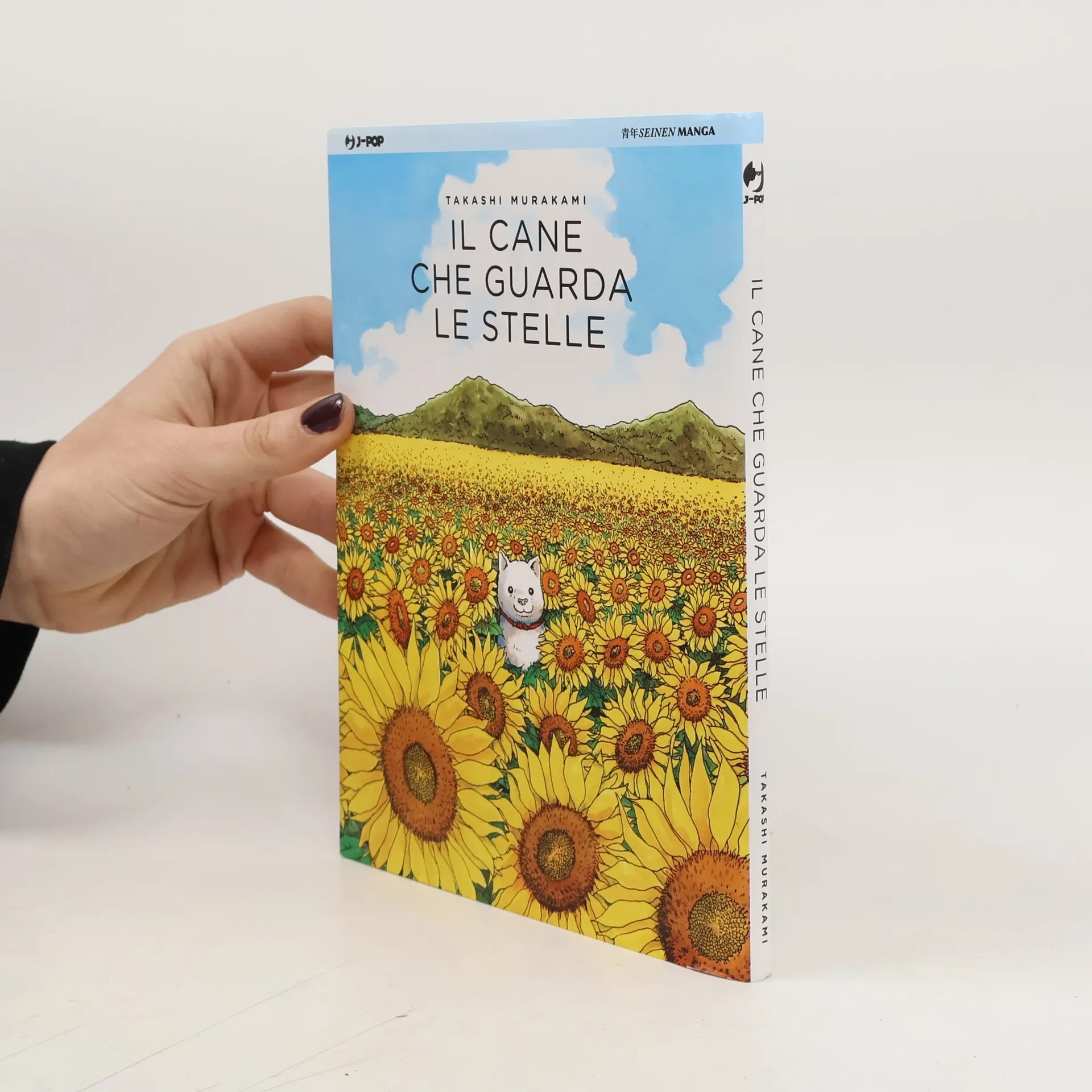
Ha spopolato in patria con più di 400.000 copie vendute e una trasposizione cinematografica, ed ora il più intenso e struggente racconto di viaggio di un cane e del suo padrone arriva nel catalogo di J-Pop: è Il cane che guarda le stelle, una storia lirica, toccante, impreziosita dagli splendidi disegni di Takashi Murakami.
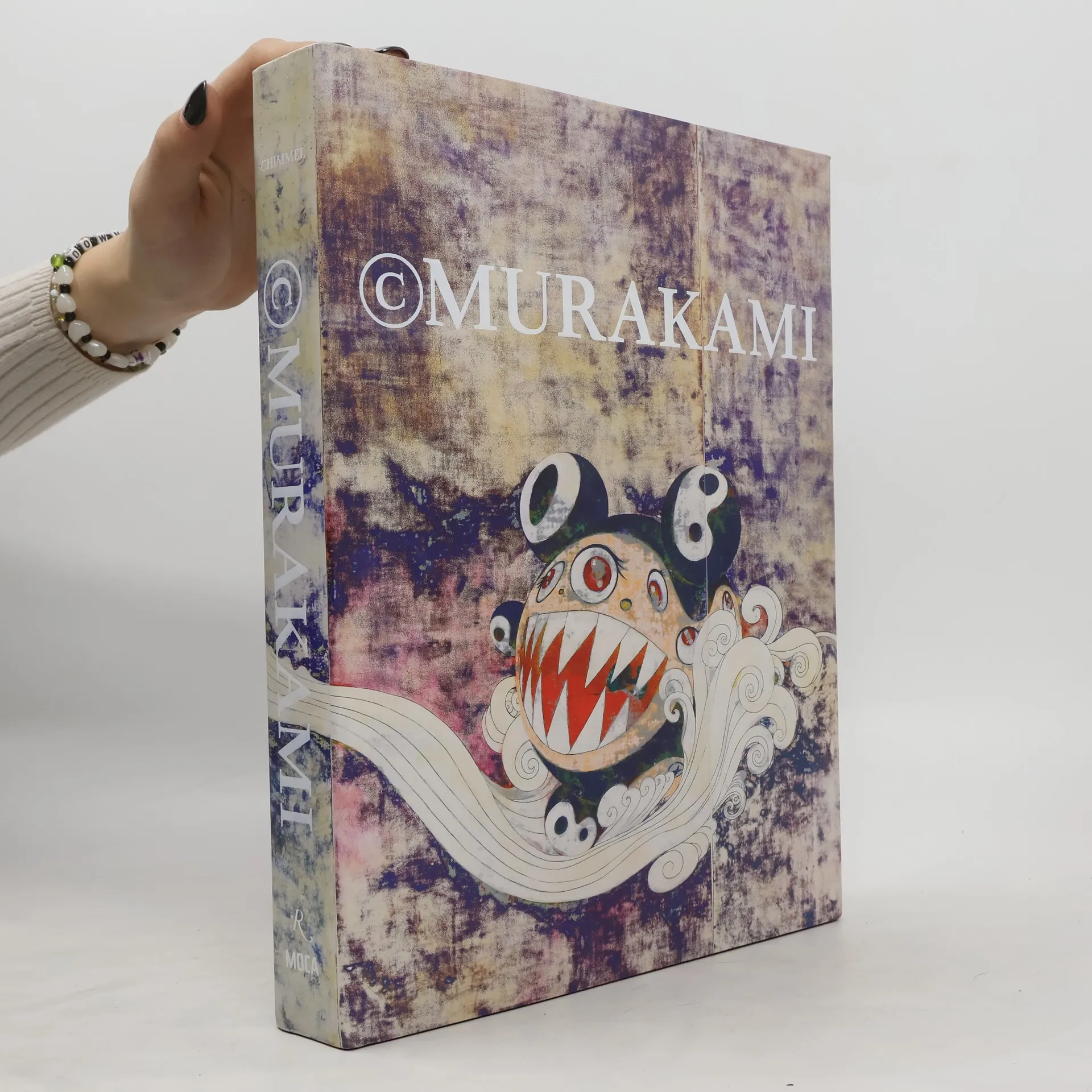
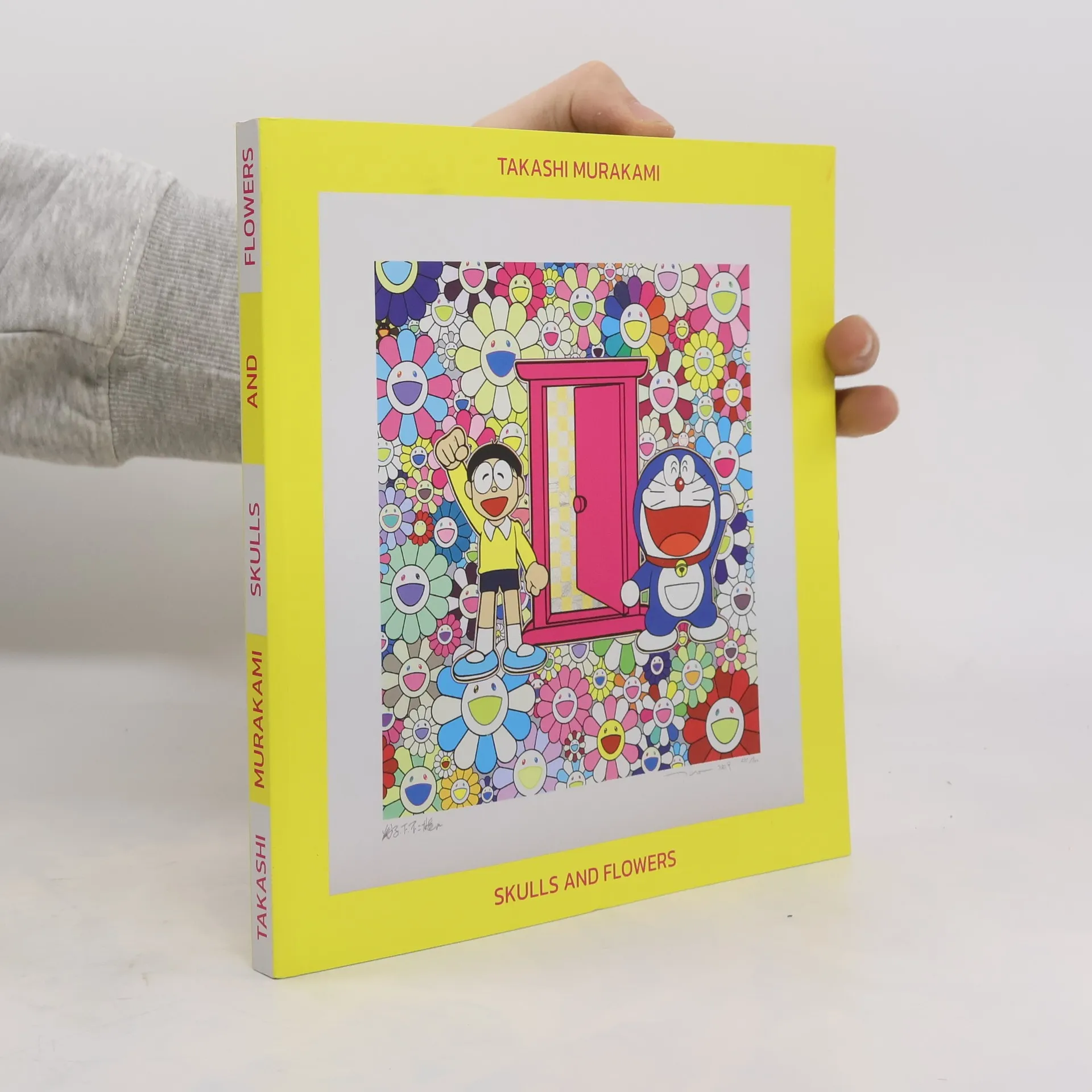
Takashi Murakami is one of contemporary art’s most innovative and important figures. Drawing from street culture, high art, and traditional Japanese painting, Murakami takes the contemporary art trend of mixing high and low to an unprecedented level (critics call him the new Warhol), producing original paintings and sculptures as well as mass-produced consumer objects such as toys, books, and most famously, a line of handbags for Louis Vuitton. A committed supporter and spokesperson for Japanese artists and a powerful commentator on postwar culture and society, Murakami has organized influential exhibitions of Japanese art as well as a biannual art fair in Tokyo. Murakami has positioned himself as a new type of artist for the twenty-first century: a hybrid of creator, entrepreneur, and cultural ambassador.In conjunction with the first major retrospective of his work, Murakami traces Murakami’s global impact socially, culturally, and art historically. Essays focus on Murakami’s early works, which were based on a social critique of Japan’s rampant consumerism; the development of his characters; his work with anime, fantasy; otaku culture; and his engagement with global pop culture. Representing output from original works of art to mass-produced multiples, the catalogue also considers the implications of Murakami’s working methods within the tradition of the Western avant-garde.
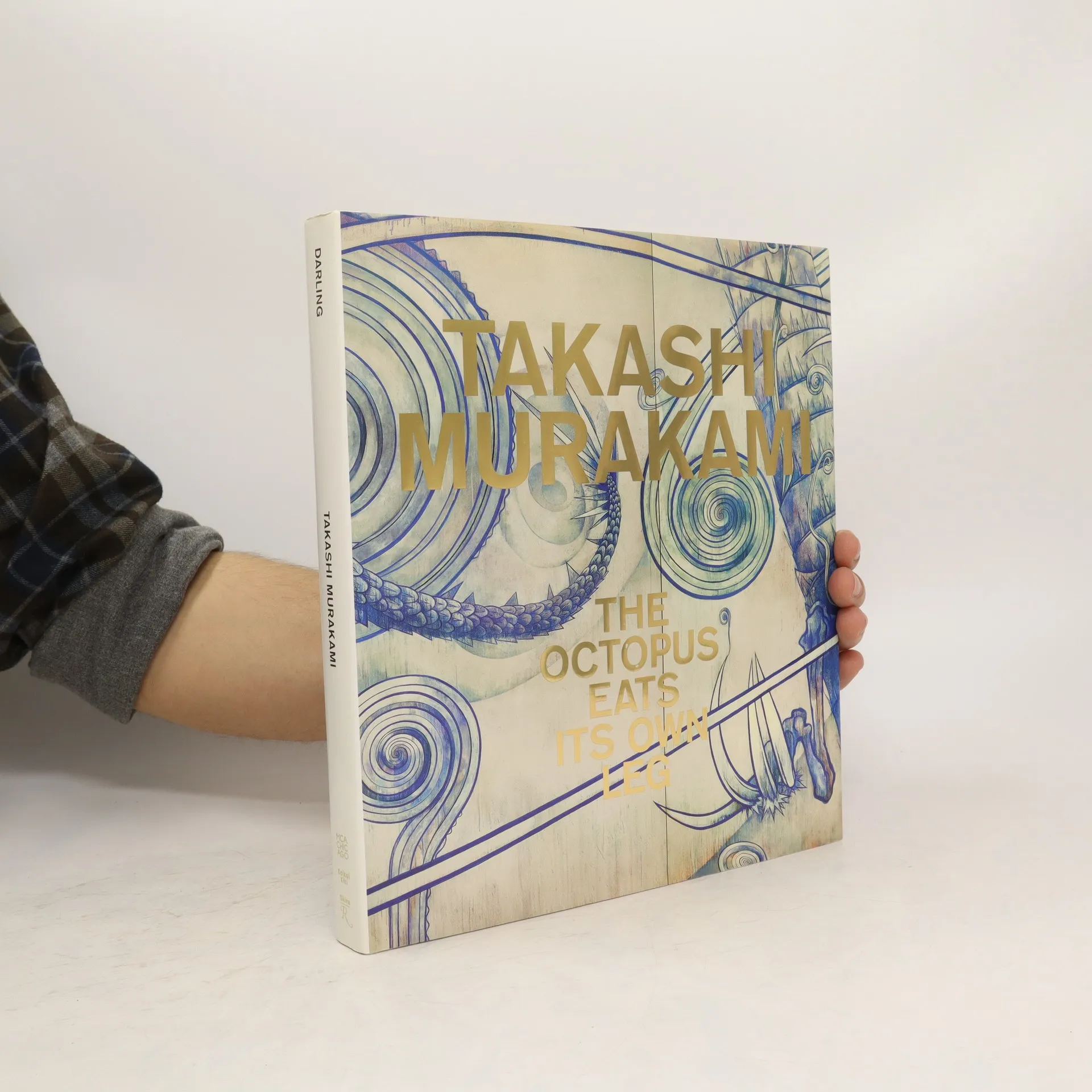
The first major U.S. monograph in ten years on Murakami is the definitive survey of the paintings of one of today's most influential artists. Takashi Murakami (born 1962), one of contemporary art's most widely recognized exponents, receives a long-awaited critical consideration in this important volume. Accompanying the first retrospective exhibition devoted solely to Murakami's paintings, this book traces Murakami's career from his earliest training to his current studio practice. Where other books address the commercial aspects of Murakami's work, this is the first serious survey of his work as a painter. Through essays and illustrations many previously unpublished it explores the artist's relationship to the tradition of Japanese painting and his facility in straddling high and low, ancient and modern, Eastern and Western, commercial and high art. New texts address Murakami's output in the context of postwar Japan, situating the artist in relation to folklore, traditional Japanese painting, the Tokyo art scene in the 1980s and 1990s, and the threat of nuclear annihilation. This richly illustrated volume also includes a detailed biography and exhibition history
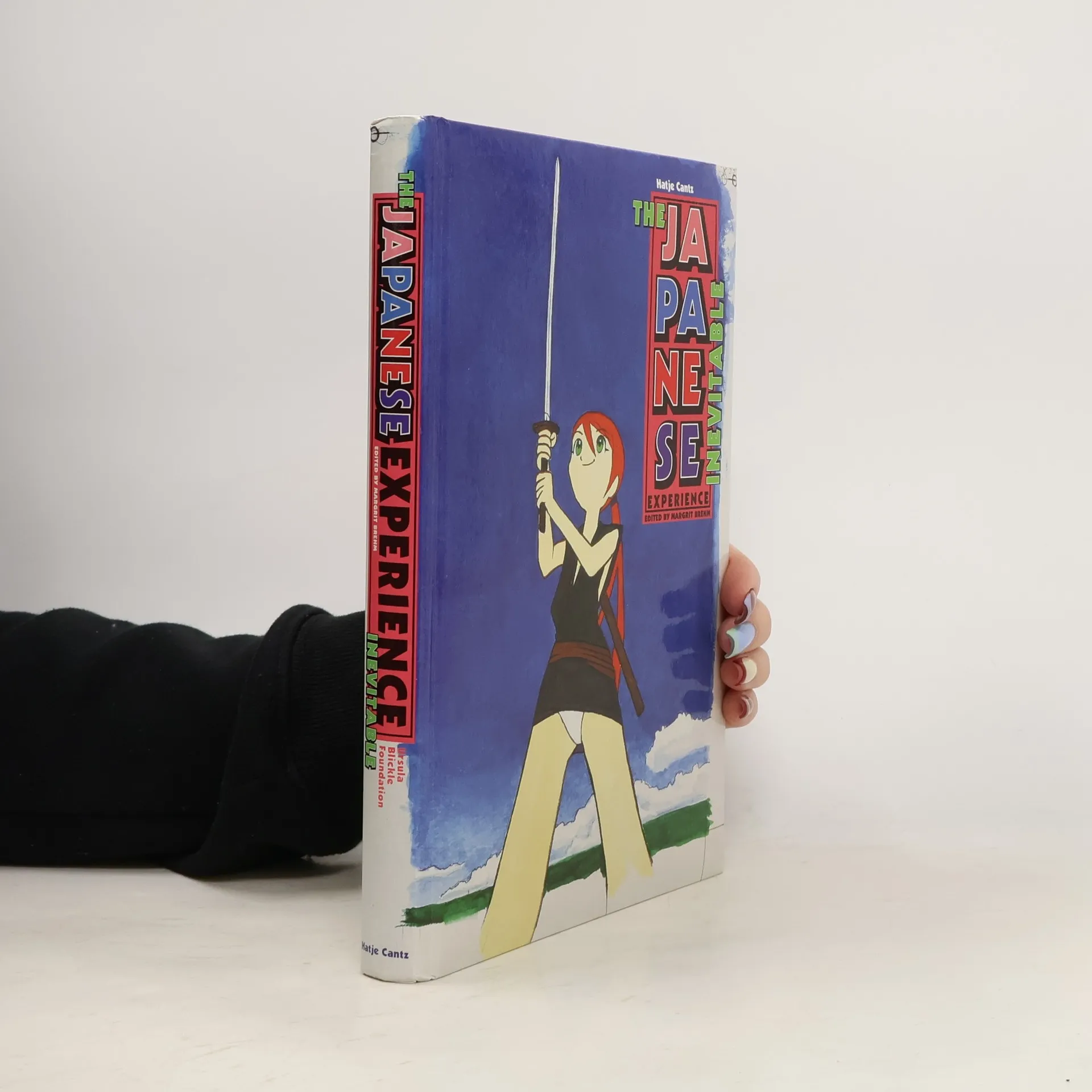
At first sight, it appears brand new, pure Tokyo pop. But The Japanese Inevitable reveals far more than the successful cloning of morphed manga motifs onto stretched canvas and museum walls. It represents eight positions in contemporary Japanese art and scrutinizes their complex visual vocabulary, noting references to Japanese and Western art traditions as frequently as the borrowing of mass culture motifs from the realms of manga and anime . Takashi Murakami's MR. DOB questions the place of contemporary art in our global society; Aya Takano's glowing watercolors combine Japanese sensitivity, issues of female identity, and sci-fi; Masahiko Kuwahara's mutant animals provide shades of softness and mysterious openness, and Yoshitomo Nara's reworking of historical Japanese woodcuts disturbs the floating world. Not only are the artists' visual repertoires new and surprising, but their creative methods and strategies help conquer a public that is mostly untouched by contemporary art. Published in association with the Ursula Blickle Foundation.
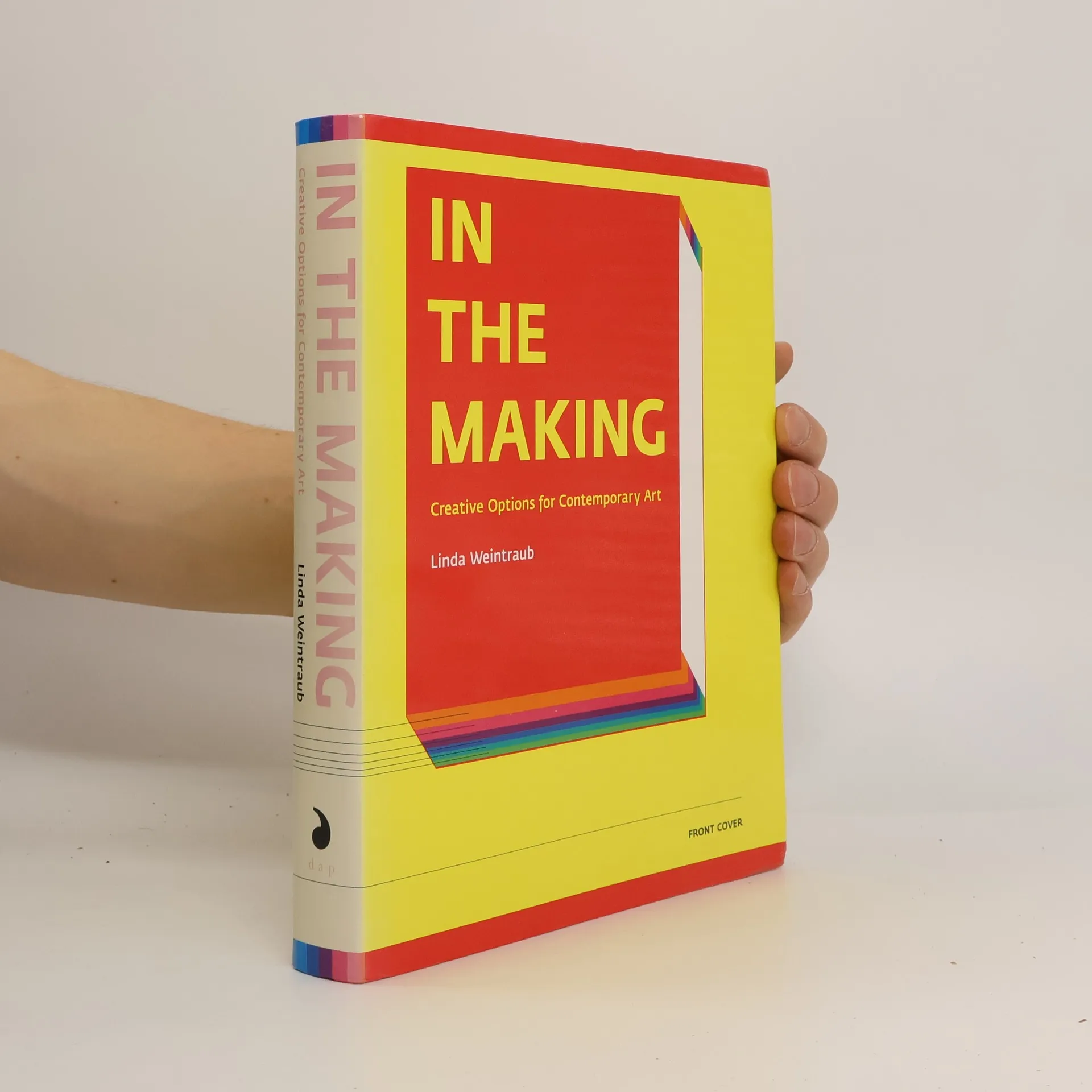
From the first page to the last, this book serves as a launching pad for readers' explorations of contemporary art and their future artistic achievements. It is a follow-up to a previous work by Linda Weintraub, providing an accessible introduction to art since the 1970s. The text is designed for takeoff, not arrival, and is written in a straightforward, jargon-free style. Weintraub explores essential facets of art making in six thematic sections: “Scoping an Audience,” “Sourcing Inspiration,” “Crafting an Artistic 'Self',” “Expressing an Artistic Attitude,” “Choosing a Mission,” and “Measuring Success.” Each of the 40 chapters focuses on a different artist, illustrating various aspects of contemporary art. Featured artists include Isaac Julien, Michal Rovner, Charles Ray, Pipilotti Rist, William Kentridge, Vanessa Beecroft, and Matthew Barney. The book creates a complex understanding of how to make and view contemporary art in a simple format. It serves as an exceptional pedagogical tool, addressing gaps in art education by emphasizing conceptual issues alongside artistic techniques. Additionally, it includes interviews conducted by Weintraub's students, where artists discuss their schooling, studio space, and financial support, answering questions that aspiring artists often have.