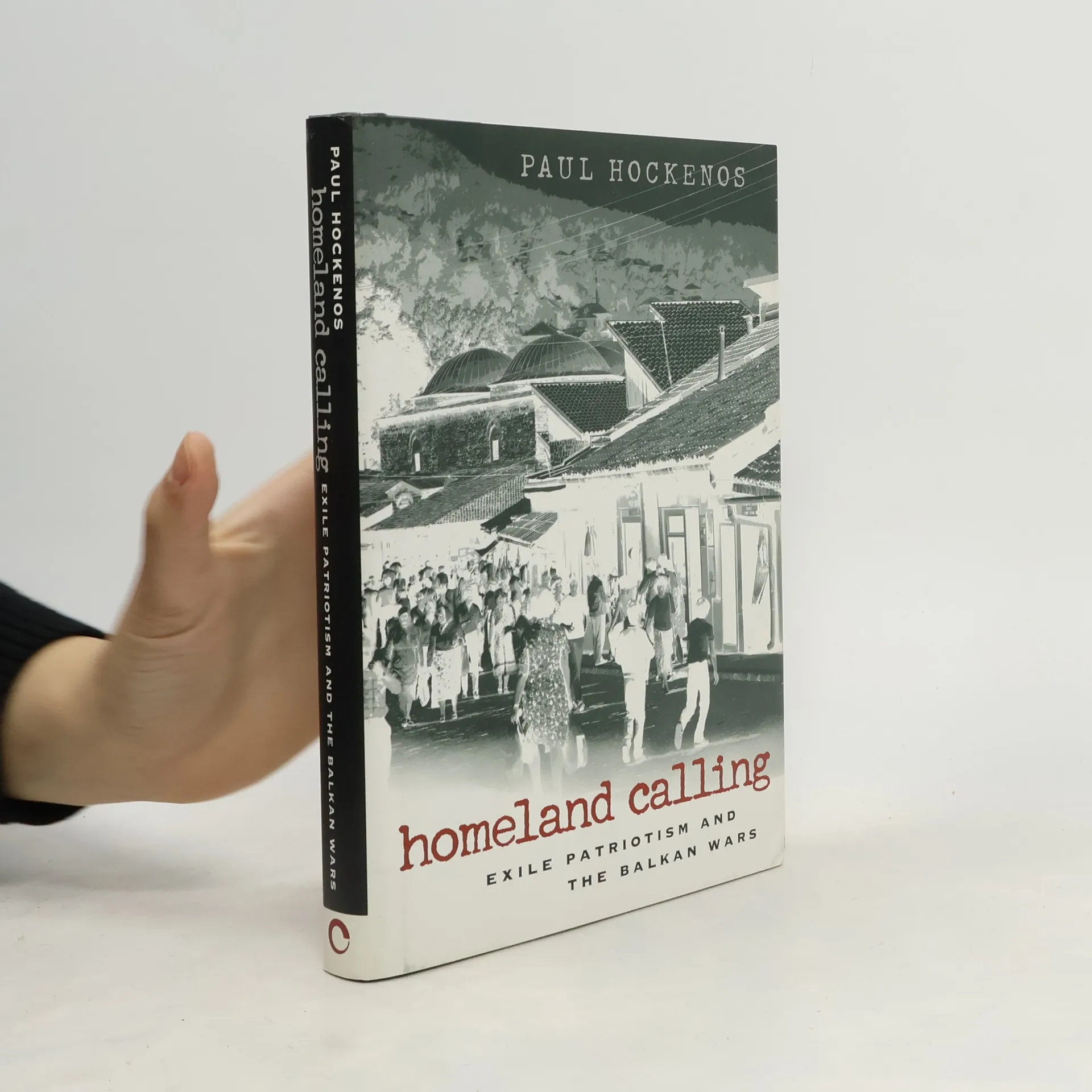
Over the last decade, many have sought to explain the violent conflicts that fragmented Yugoslavia, yet a crucial aspect has been overlooked: the significant influence of exile groups and émigré communities in intensifying nationalism and territorial ambitions. These groups, located in the U.S., Canada, Europe, Australia, and South America, provided ideologies, leadership, funding, and sometimes military hardware that fueled the wars. A few dissenting voices emerged, drawing on their experiences in democratic societies to advocate for peace. Despite their power, the narrative of these diasporas remains untold, largely due to the complexities and dangers involved in unraveling it. Paul Hockenos, an American journalist and political analyst based in Berlin, has traveled extensively and interviewed numerous key figures, many of whom have never shared their experiences. In this exploration, Hockenos examines the international networks that diaspora organizations use to promote political agendas in their homelands, often at odds with the foreign policy goals of their adopted countries. His account weaves together elements of farce and tragedy, highlighting the obsession and duplicity involved, as well as the courage of individuals—from a Canadian pizza baker to an Albanian urologist—who responded to the call for help from their countries.
Paul Hockenos Ordine dei libri (cronologico)
31 luglio 1963