Un saggio sul rapporto tra benessere economico e libertà, tra agire politico e mera difesa degli interessi: spregiudicata analisi della società di massa e accorata denuncia della condizione dell'uomo.
Hannah Arendt Libri
14 ottobre 1906 – 4 dicembre 1975
Hannah Arendt fu una delle pensatrici politiche più influenti del ventesimo secolo. Il suo lavoro si addentra nelle profondità dell'esperienza umana, offrendo profonde intuizioni sulla natura del totalitarismo, sull'azione umana e sulle categorie fondamentali della vita. Attraverso i suoi saggi e studi approfonditi, ha esplorato la rivoluzione, la libertà e l'autorità, sostenendo una comprensione del pensare, del volere e del giudicare. L'eredità di Arendt continua a suscitare riflessioni sulle complessità del mondo moderno e sull'essenza dell'esistenza umana.


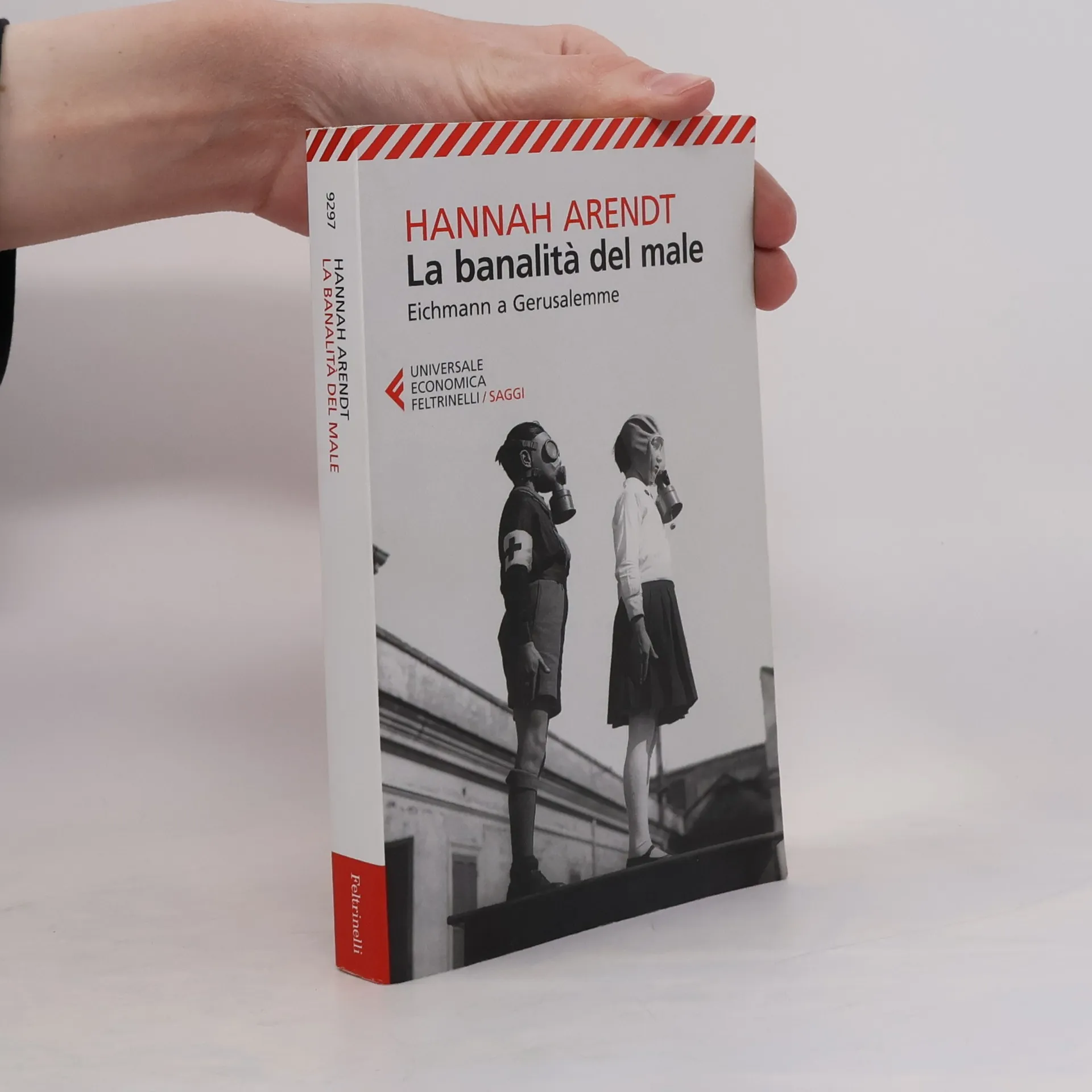
La banalità del male. Eichmann a Gerusalemme
- 348pagine
- 13 ore di lettura
Otto Adolf Eichmann, figlio di Karl Adolf e di Maria Schefferling, catturato in un sobborgo di Buenos Aires la sera dell'11 maggio 1960, trasportato in Israele nove giorni dopo e tradotto dinanzi al Tribunale distrettuale di Gerusalemme l'11 aprile 1961, doveva rispondere di 15 imputazioni. Aveva commesso, in concorso con altri, crimini contro il popolo ebraico e numerosi crimini di guerra sotto il regime nazista. L'autrice assiste al dibattimento in aula e negli articoli scritti per il "New Yorker", sviscera i problemi morali, politici e giuridici che stanno dietro il caso Eichmann. Il Male che Eichmann incarna appare nella Arendt "banale", e perciò tanto più terribile, perché i suoi servitori sono grigi burocrati.
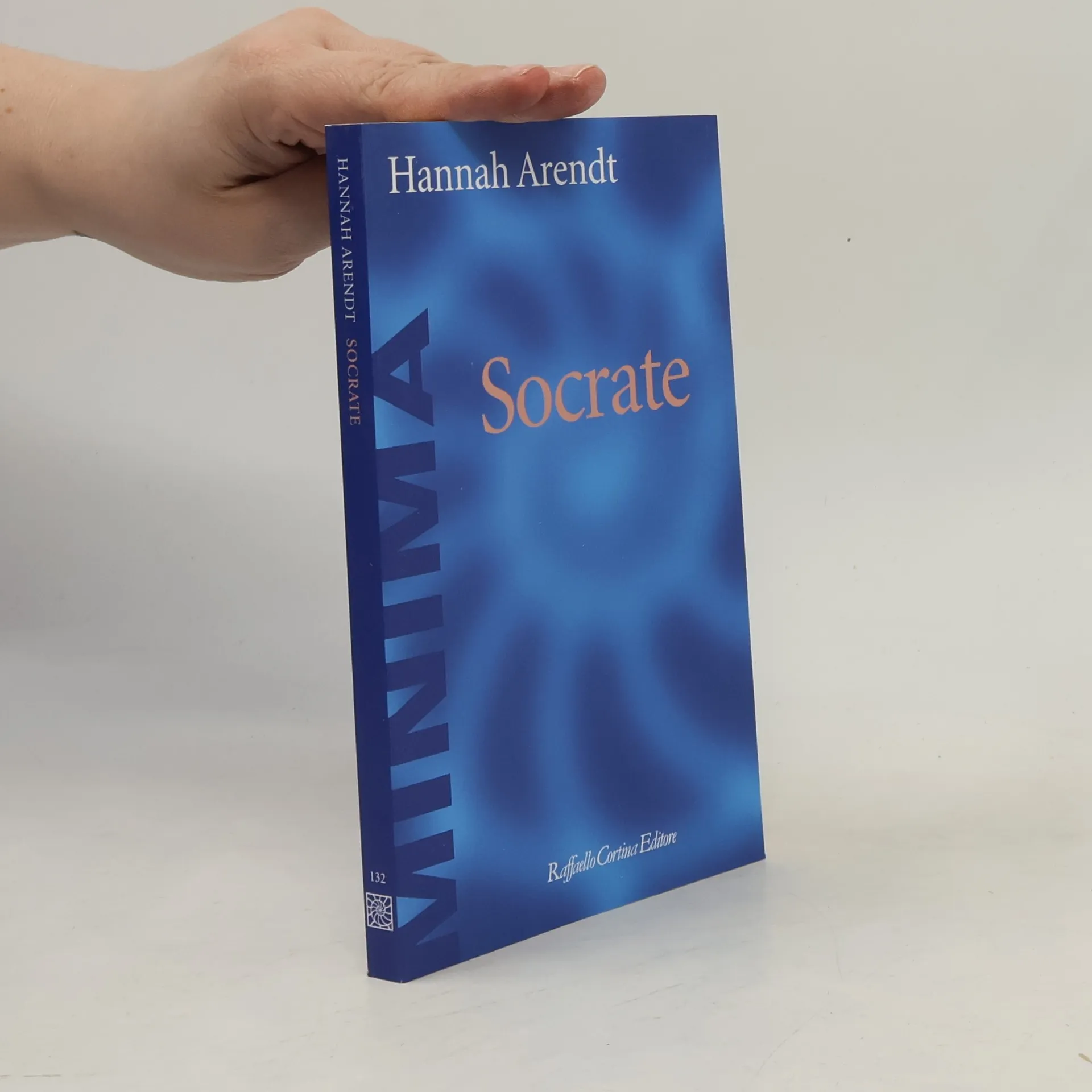
Minima - 132: Socrate
- 123pagine
- 5 ore di lettura
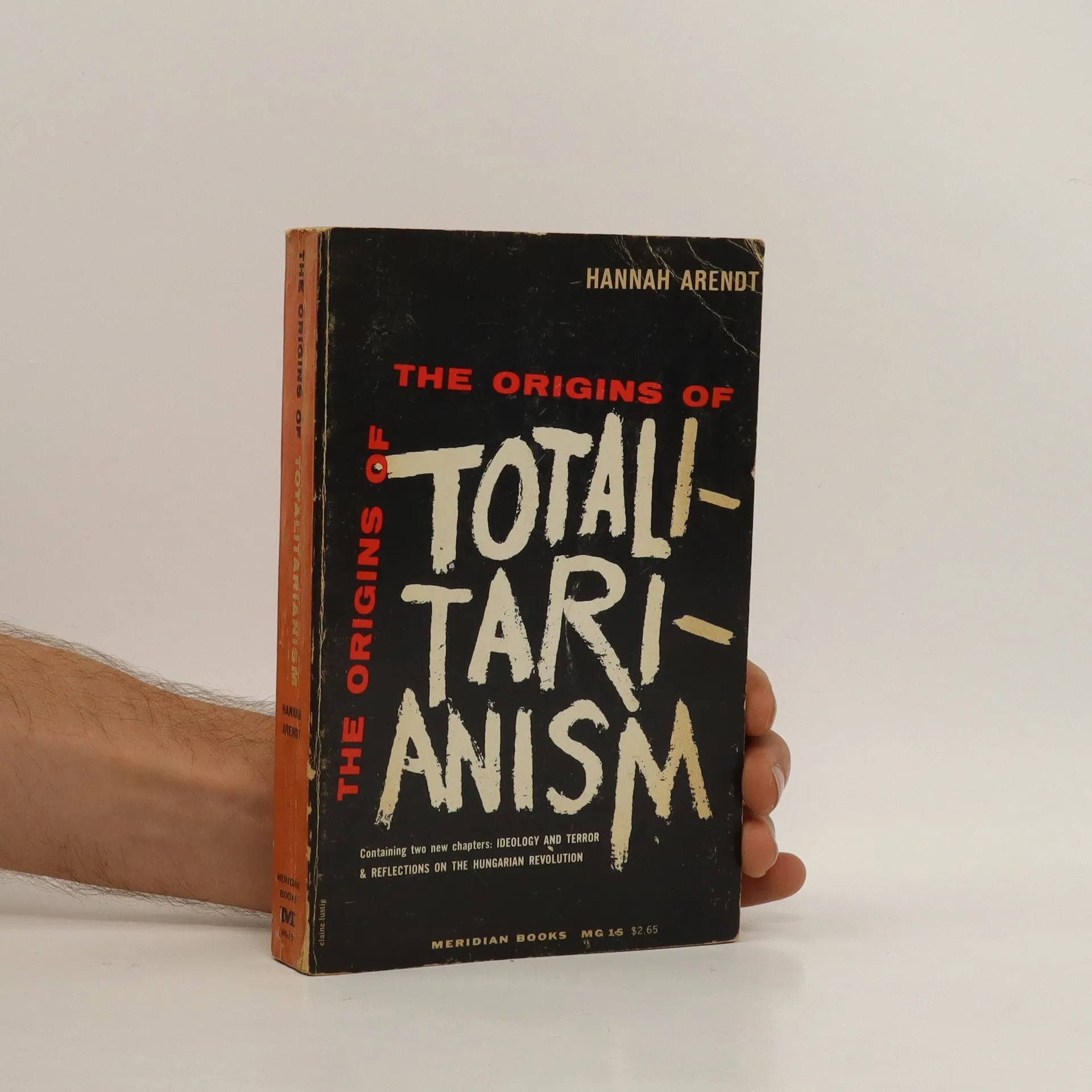
Hannah Arendt: The Origins of Totalitarianism Expanded Edition (Loa #389)
- 900pagine
- 32 ore di lettura
The book explores the nature of totalitarianism, examining its roots in Stalinism and Nazism through the lens of Hannah Arendt's experiences as a refugee from Nazi Germany. It delves into historical antisemitism, the Dreyfus Affair, and the interplay of imperialism and racism in the rise of totalitarian regimes. This expanded edition includes previously cut chapters and annotations that clarify Arendt's references, reinforcing her argument that totalitarianism remains a persistent threat in modern society.
The Jewish Writings
- 640pagine
- 23 ore di lettura
Although Hannah Arendt is not primarily known as a Jewish thinker, she probably wrote more about Jewish issues than any other topic. As a young adult in Germany, she wrote about German Jewish history. After moving to France in 1933, she helped Jewish youth immigrate to Palestine. During her years in Paris, her principle concern was the transformation of antinomianism from prejudice to policy, which would culminate in the Nazi "final solution." After France fell, Arendt escaped from an internment camp and made her way to America. There she wrote articles calling for a Jewish army to fight the Nazis. After the war, she supported the creation of a Jewish homeland in a binational (Arab-Jewish) state of Israel. Arendt's original conception of political freedom cannot be fully grasped apart from her experience as a Jew. In 1961 she attended Adolf Eichmann's trial in Jerusalem. Her report, Eichmann in Jerusalem, provoked an immense controversy, which culminated in her virtual excommunication from the worldwide Jewish community. Today that controversy is the subject of serious re-evaluation, especially among younger people in the United States, Europe, and Israel. The publication of The Jewish Writings–much of which has never appeared before–traces Arendt’s life and thought as a Jew. It will put an end to any doubts about the centrality, from beginning to end, of Arendt’s Jewish experience.
Responsibility And Judgment
- 336pagine
- 12 ore di lettura
Responsibility and Judgment gathers together unpublished writings from the last decade of Arendt’s life, where she addresses fundamental questions and concerns about the nature of evil and the making of moral choices. At the heart of the book is a profound ethical investigation, “Some Questions of Moral Philosophy,” in which Arendt confronts the inadequacy of traditional moral “truths” as standards to judge what we are capable of doing and examines anew our ability to distinguish good from evil and right from wrong. We also see how Arendt comes to understand that alongside the radical evil she had addressed in earlier analyses of totalitarianism, there exists a more pernicious evil, independent of political ideology, whose execution is limitless when the perpetrator feels no remorse and can forget his acts as soon as they are committed.Responsibility and Judgment is an indispensable investigation into some of the most troubling and important issues of our time.
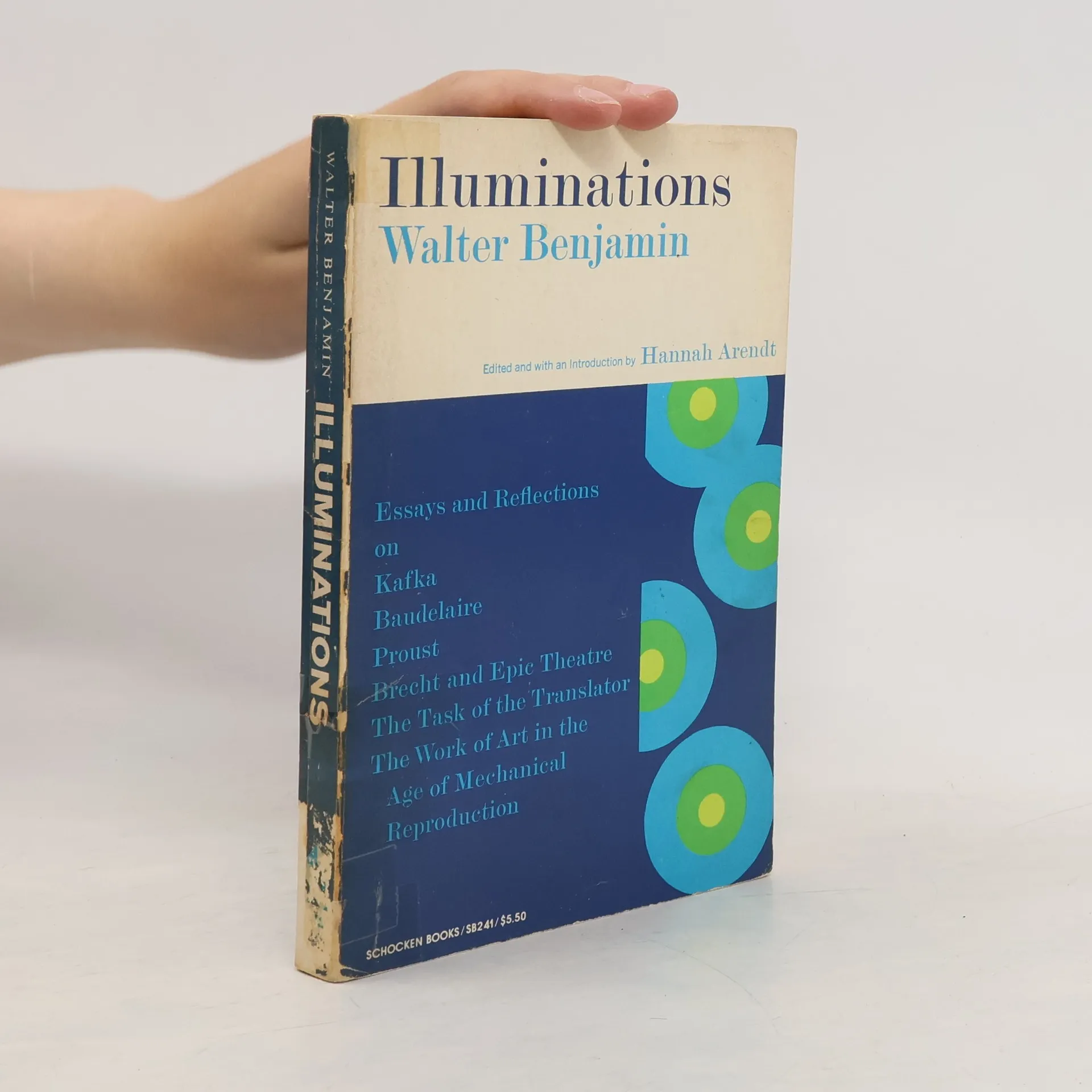
Studies on contemporary art and culture by one of the most original, critical and analytical minds of this century. Illuminations includes Benjamin's views on Kafka, with whom he felt the closest personal affinity, his studies on Baudelaire and Proust (both of whom he translated), his essays on Leskov and on Brecht's Epic Theater. Also included are his penetrating study on "The Work of Art in the Age of Mechanical Reproduction," an illuminating discussion of translation as a literary mode, and his thesis on the philosophy of history. Hannah Arendt selected the essays for this volume and prefaces them with a substantial, admirably informed introduction that presents Benjamin's personality and intellectual development, as well as his work and his life in dark times. Reflections the companion volume to this book, is also available as a Schocken paperback.Unpacking My Library, 1931The Task of the Translator, 1913The Storyteller, 1936Franz Kafka, 1934Some Reflections on Kafka, 1938What Is Epic Theater?, 1939On Some Motifs in Baudelaire, 1939The Image of Proust, 1929The Work of Art in the Age of Mechanical Reproduction, 1936Theses on the Philosophy of History, written 1940, pub. 1950
Pelican Book: Men in Dark Times
- 300pagine
- 11 ore di lettura
Essays on Karl Jaspers, Rosa Luxemburg, Pope John XXIII, Isak Dinesen, Bertolt Brecht, Randall Jarrell, and others whose lives and work illuminated the early part of the century. Index.
These diaries cover the years 1910 to 1923, the year before Kafka’s death at the age of forty. They provide a penetrating look into life in Prague and into Kafka’s accounts of his dreams, his feelings for the father he worshipped, and the woman he could not bring himself to marry, his sense of guilt, and his feelings of being an outcast. They offer an account of a life of almost unbearable intensity.From the Trade Paperback edition.The Diaries of Franz Kafka 1910-13 translated from the German by Joseph KreshThe Diaries of Franz Kafka 1914-23 translated from the German by Martin Greenberg with the cooperation of Hannah Arendt
Hannah Arendt's definitive work on totalitarianism and an essential component of any study of twentieth-century political history The Origins of Totalitarianism begins with the rise of anti-Semitism in central and western Europe in the 1800s and continues with an examination of European colonial imperialism from 1884 to the outbreak of World War I. Arendt explores the institutions and operations of totalitarian movements, focusing on the two genuine forms of totalitarian government in our time—Nazi Germany and Stalinist Russia—which she adroitly recognizes were two sides of the same coin, rather than opposing philosophies of Right and Left. From this vantage point, she discusses the evolution of classes into masses, the role of propaganda in dealing with the nontotalitarian world, the use of terror, and the nature of isolation and loneliness as preconditions for total domination.
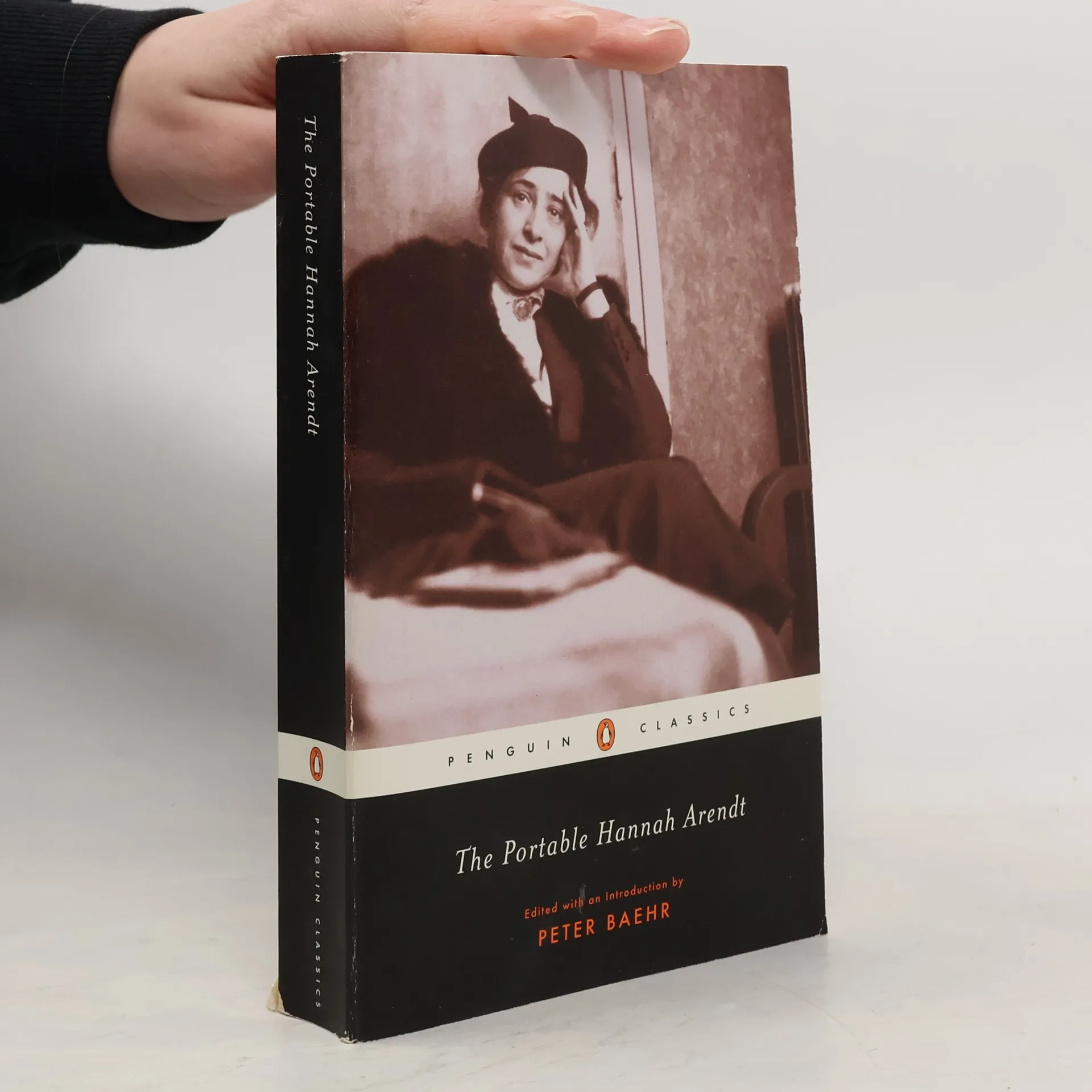
Penguin Classics: The Portable Hannah Arendt
- 640pagine
- 23 ore di lettura
Hannah Arendt is considered one of the major contributors to social and political thought in the twentieth century. This title includes selections from her major works, including The Origins of Totalitarianism, Between Past and Future, Men in Dark Times, The Jew as Pariah, and The Human Condition, as well as shorter writings and letters. schovat popis
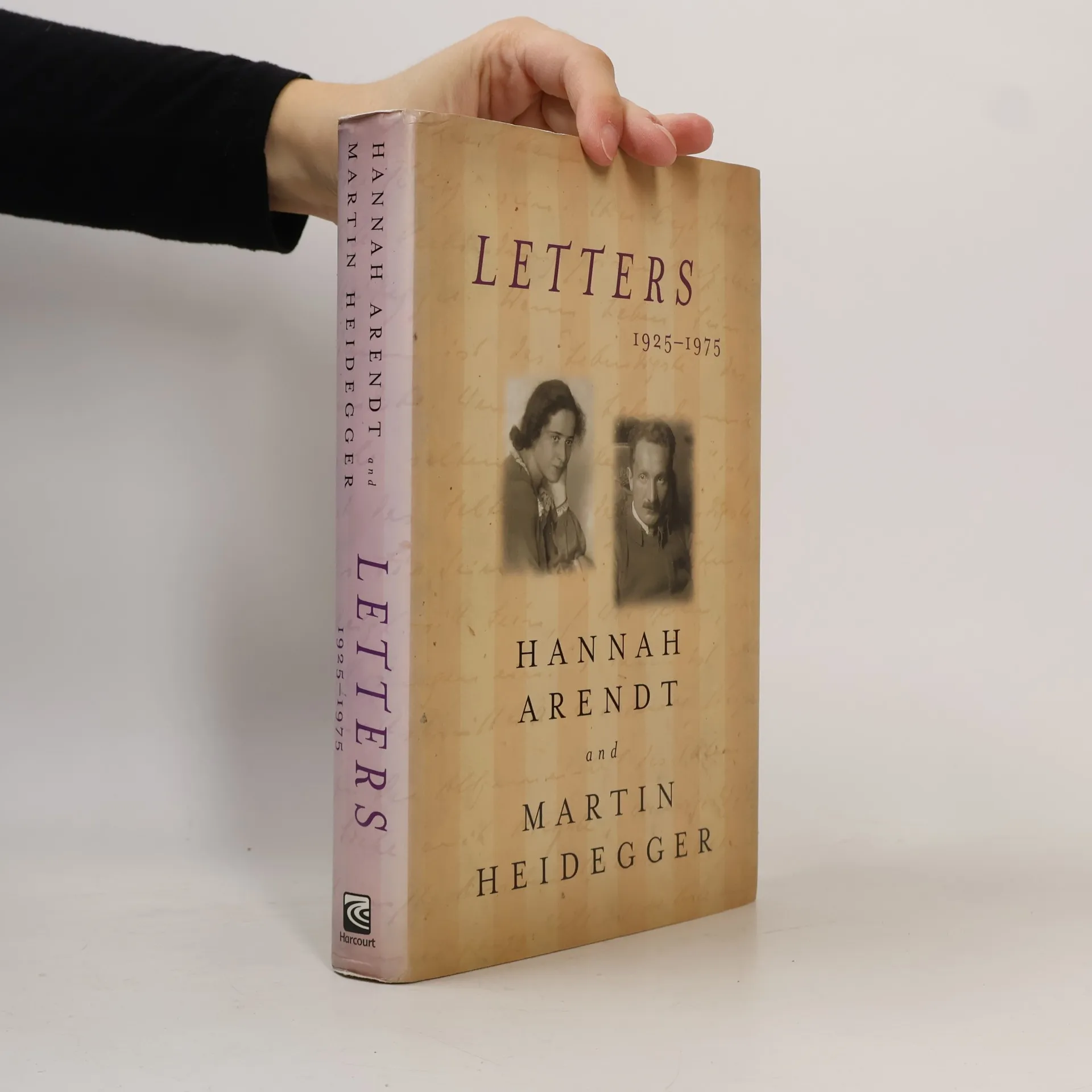
When they first met in 1925, Martin Heidegger was a star of German intellectual life and Hannah Arendt was his earnest young student. What happened between them then will never be known, but both would cherish their brief intimacy for the rest of their lives. The ravages of history would soon take them in quite different directions. After Hitler took power in Germany in 1933, Heidegger became rector of the university in Freiburg, delivering a notorious pro-Nazi address that has been the subject of considerable controversy. Arendt, a Jew, fled Germany the same year, heading first to Paris and then to New York. In the decades to come, Heidegger would be recognized as perhaps the most significant philosopher of the twentieth century, while Arendtwould establish herself as a voice of conscience in a century of tyranny and war. Illuminating, revealing, and tender throughout, this correspondence offers a glimpse into the inner lives of two major philosophers.
Essays in Understanding, 1930-1954
- 496pagine
- 18 ore di lettura
Few thinkers have tackled the political horrors and complexities of this century with the insight and passionate intellectual integrity of Hannah Arendt. A philosophic champion of human freedom, she was among the first to draw the now-evident parallel between Nazism and Bolshevism and to identify totalitarianism as a threat inherent to the modern world. Jerome Kohn, Arendt's longtime assistant, has compiled, edited, and annotated her manuscripts for publication, beginning with some of her earliest published work and including essays on Augustine, Rilke, Kierkegaard, and figures of the nineteenth-century "Berlin Salon"; the loyalties of immigrant groups within the United States; the unification or "federation" of Europe; "the German problem"; religion, politics, and intellectual life; the dangers of isolation and careerism in American society; the logical consequences of "scientific" theories of Nature and History; the terror that was the organizing principle of both the Nazi and the Communist states. Two seminal essays have never before been published in complete form: On the Nature of Totalitarianism: An Essay in Understanding (1953) and Concern with Politics in Recent European Philosophical Thought (1954).
Thinking Without a Banister: Essays in Understanding, 1953-1975
- 608pagine
- 22 ore di lettura
Hannah Arendt was born in Germany in 1906 and lived in America from 1941 until her death in 1975. Thus her life spanned the tumultuous years of the twentieth century, as did her thought. She did not consider herself a philosopher, though she studied and maintained close relationships with two great philosophersKarl Jaspers and Martin Heideggerthroughout their lives. She was a thinker, in search not of metaphysical truth but of the meaning of appearances and events. She was a questioner rather than an answerer, and she wrote what she thought, principally to encourage others to think for themselves. Fearless of the consequences of thinking, Arendt found courage woven in each and every strand of human freedom
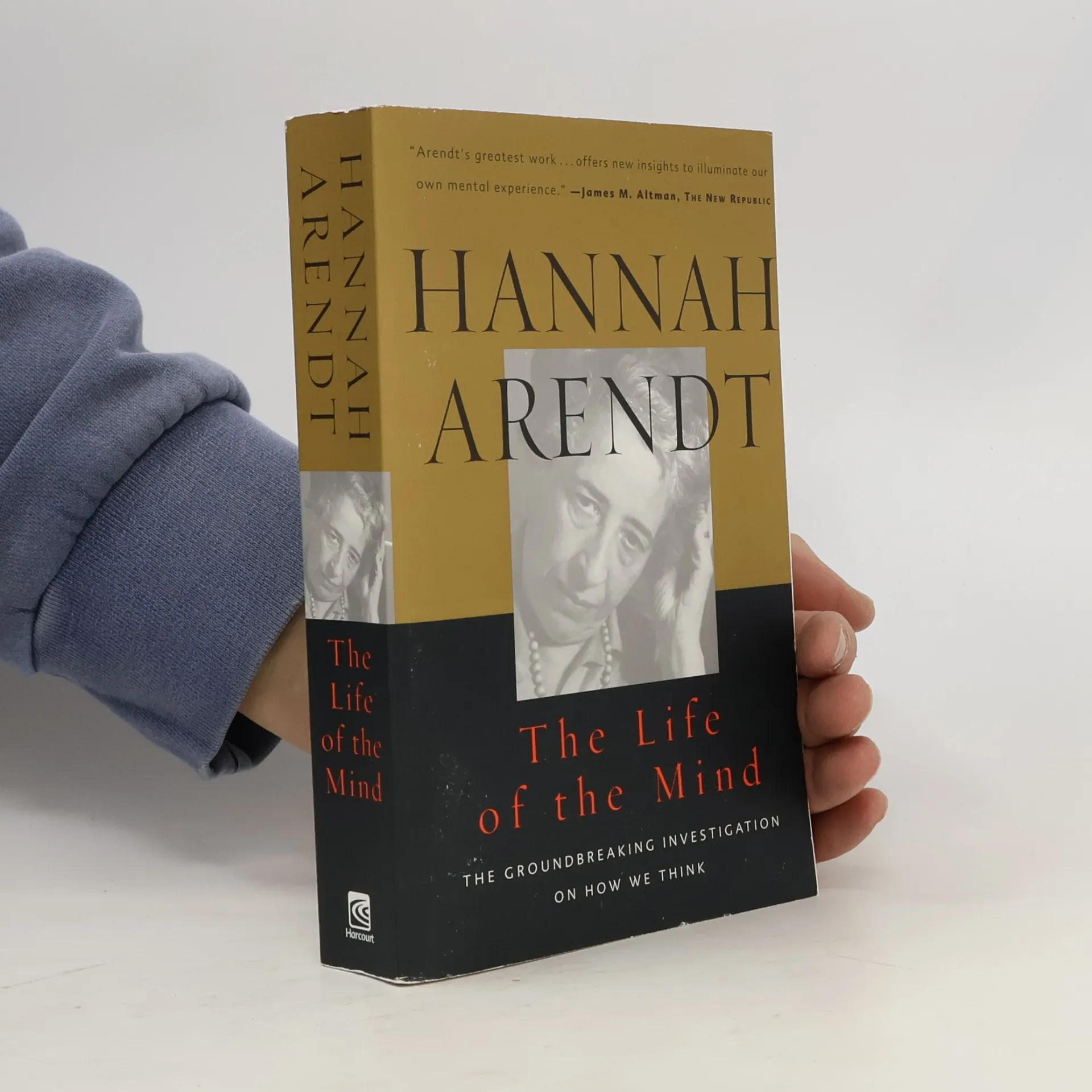
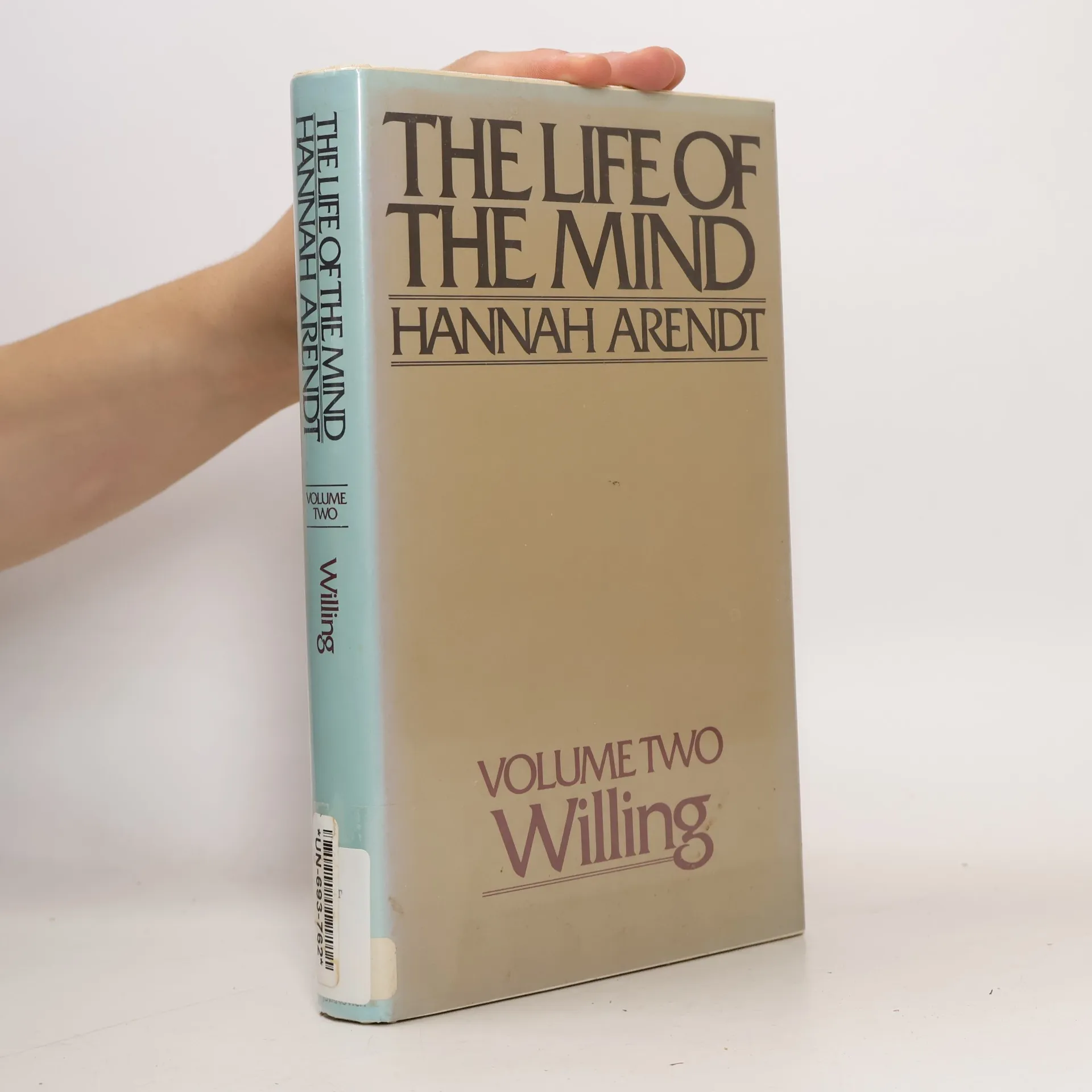
The author’s final work, presented in a one-volume edition, is a rich, challenging analysis of man’s mental activity, considered in terms of thinking, willing, and judging.
Within four walls
- 700pagine
- 25 ore di lettura
Here is the life story of two exceptional people, two Germans who fled their country for different reasons. It is the story of their life in exile in Paris and in New York, their dependence on each other and deepening love, their continued exchange of ideas, Arendt's teaching and writing, her involvement with Jewish life in Europe and in Israel, and Blucher's years at The New School and at Bard College. It is also an important document of the '30s in Germany and France, of World War II, and the post-war life in ravaged European cities. Meanwhile, there is love of food and drink, and of friendship-both intellectual and affectionate-with Karl Jaspers, Mary McCarthy, Alfred Kazin, and the complex relationship with Martin Heidegger and his wife. Within Four Walls is an extraordinary personal and historical record.
Imperialism
- 216pagine
- 8 ore di lettura
This middle volume focuses on the curious and cruel epoch of declining European colonial imperialism from 1884 to the outbreak of the First World War in 1914.
The Promise Of Politics
- 256pagine
- 9 ore di lettura
In The Promise of Politics, Hannah Arendt examines the conflict between philosophy and politics. In particular, she shows how the tradition of Western political thought, which extends from Plato and Aristotle to its culmination in Marx, failed to account for human action. The concluding section of the book, “Introduction into Politics,” examines an issue that is as timely today as it was when Arendt first wrote about it fifty years ago–the modern prejudice against politics. When politics is considered as a means to an end that lies outside of itself, argues Arendt, when force is used to create “freedom,” the very existence of political principles is imperiled.
After Cancer Care
- 288pagine
- 11 ore di lettura
A guide to help cancer patients deal with their post-treatment health includes tips on diet, exercise, and enviroment to prevent relapse, manage stress, and maintain healthy relationships.
Der Briefwechsel
- 693pagine
- 25 ore di lettura
Im Oktober 1940 informiert Hannah Arendt Gershom Scholem in einem Brief über den Suizid von Walter Benjamin, der vor den Nazis flieht. In Zeiten großer Bedrohung beginnt eine Korrespondenz, die von ihrem Engagement für das Werk des gemeinsamen Freundes geprägt ist und stets die Welt des europäischen Judentums im Blick hat. Im Auftrag der Jewish Cultural Reconstruction, die sich der Rettung jüdischer Kulturgüter widmet, reisen Arendt und Scholem in den frühen Nachkriegsjahren erstmals wieder nach Deutschland. Dieses weitgehend unbekannte Kapitel ihrer Geschichte wird durch bislang unveröffentlichte Berichte von Arendt über ihre Deutschlandreise 1949/50 ergänzt. 1963 veröffentlicht Arendt ihr Buch Eichmann in Jerusalem, in dem sie jüdische Repräsentanten während der Shoah kritisiert. Diese Kritik wird von Scholem in einer öffentlich ausgetragenen Kontroverse vehement abgelehnt, was zu einem Ende des Dialogs in ihren Briefen führt. Der erstmals publizierte Briefwechsel zwischen Arendt und Scholem ist ein einzigartiges zeitgeschichtliches Dokument, das eine Auseinandersetzung über zentrale Fragen jüdischer Geschichte und Identität nach der Shoah darstellt, geführt von zwei der bedeutendsten Denker deutsch-jüdischer Herkunft des 20. Jahrhunderts.
Between Friends
- 412pagine
- 15 ore di lettura
American writer Mary McCarthy and Hannah Arendt, a philosopher who had fled Nazi Germany, met in New York City, and soon became friends. In Between Friends, a complete record of their epistolary dialogue which lasted a remarkable 25 years, the two intellectual celebrities trade ideas about politics, literature, and morality, and share gossip and intimate domestic details.
Essays in understanding
- 458pagine
- 17 ore di lettura
Few thinkers have tackled the political horrors and complexities of this century with the insight and passionate intellectual integrity of Hannah Arendt. A philosophic champion of human freedom, she was among the first to draw the now-evident parallel between Nazism and Bolshevism and to identify totalitarianism as a threat inherent to the modern world. Jerome Kohn, Arendt's longtime assistant, has compiled, edited, and annotated her manuscripts for publication, beginning with some of her earliest published work and including essays on Augustine, Rilke, Kierkegaard, and figures of the nineteenth-century "Berlin Salon"; the loyalties of immigrant groups within the United States; the unification or "federation" of Europe; "the German problem"; religion, politics, and intellectual life; the dangers of isolation and careerism in American society; the logical consequences of "scientific" theories of Nature and History; the terror that was the organizing principle of both the Nazi and the Communist states. Two seminal essays have never before been published in complete form: On the Nature of Totalitarianism: An Essay in Understanding (1953) and Concern with Politics in Recent European Philosophical Thought (1954).
Lectures on Kant's Political Philosophy
- 182pagine
- 7 ore di lettura
Hannah Arendt's last philosophical work was an intended three-part project entitled The Life of the Mind. Unfortunately, Arendt lived to complete only the first two parts, Thinking and Willing. Of the third, Judging, only the title page, with epigraphs from Cato and Goethe, was found after her death. As the titles suggest, Arendt conceived of her work as roughly parallel to the three Critiques of Immanuel Kant. In fact, while she began work on The Life of the Mind, Arendt lectured on "Kant's Political Philosophy," using the Critique of Judgment as her main text. The present volume brings Arendt's notes for these lectures together with other of her texts on the topic of judging and provides important clues to the likely direction of Arendt's thinking in this area.
Sechs Essays
Die verborgene Tradition
Der neue Band innerhalb der Kritischen Gesamtausgabe: das erste Buch, mit dem sich Hannah Arendt 1948 an die deutsche Öffentlichkeit wandte. Drei Jahre nach dem Ende des Krieges, fünfzehn Jahre nach ihrer Flucht aus Deutschland erschienen Hannah Arendts »Sechs Essays«. »Es fällt ja heute einem Juden nicht leicht, in Deutschland zu veröffentlichen«, so heißt es auf der ersten Seite. Auch wenn Arendt die hier gesammelten Texte in ihrer Muttersprache verfasste, sind sie aus der Sicht des Exils geschrieben. Sie entwerfen eine »verborgene Tradition«, in der die Stimmen von Heinrich Heine und Franz Kafka, von Bernard Lazare und Stefan Zweig zu hören sind. Sie konfrontieren Leser im Nachkriegsdeutschland mit »Organisierter Schuld« an Verbrechen, für die nach dem Krieg niemand die Verantwortung übernehmen wollte. Erst 1976, ein halbes Jahr nach Arendts Tod, konnte das bedeutende Buch noch einmal erscheinen. Neben den deutschen Originalfassungen der Essays präsentiert der Band auch die englischen Versionen, die seit 1943 in verschiedenen Zeitschriften erschienen waren. Auf beiden Seiten des Atlantiks begründeten sie Arendts Ruhm als Essayistin.
Crises of the Republic
- 252pagine
- 9 ore di lettura
A collection of studies in which Arendt, from the standpoint of a political philosopher, views the crises of the 1960s and early 1970s as challenges to the american form of government.
LYMPH & LONGEVITY
- 240pagine
- 9 ore di lettura
Learn how to boost your immune system, help prevent common medical conditions and increase longevity by keeping your lymphatic system healthy.
On Civil Disobedience
- 175pagine
- 7 ore di lettura
The book presents two influential essays on civil disobedience from Henry David Thoreau and Hannah Arendt, exploring the responsibilities of citizenship and moral conscience. Thoreau's "Resistance to Civil Government" details his imprisonment for refusing to pay poll taxes, advocating for individual conscience as a political force. In contrast, Arendt's "Civil Disobedience" critiques Thoreau, emphasizing the importance of collective action and societal promises for enacting meaningful change. An introduction by Roger Berkowitz contextualizes their arguments within the tradition of civil disobedience and contemporary politics.
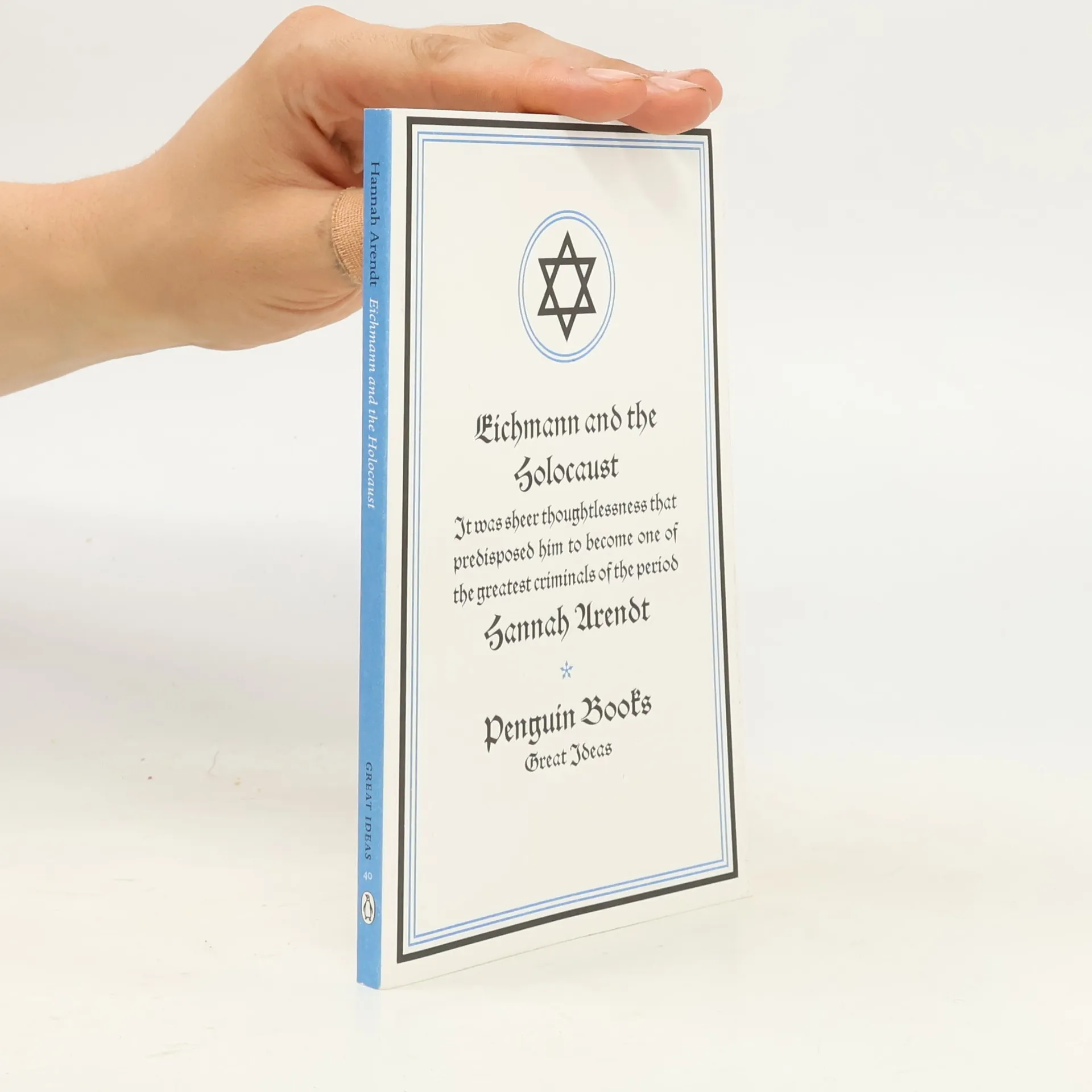
Eichmann and the Holocaust
- 144pagine
- 6 ore di lettura
Inspired by the trial of a bureaucrat who helped cause the Holocaust, this radical work on the banality of evil stunned the world with its exploration of a regime's moral blindness and one man's insistence that he be absolved all guilty because he was 'only following orders'.
Reflections on Literature and Culture
- 400pagine
- 14 ore di lettura
This is the first volume in any language that collects Hannah Arendt's remarkable series of essays and notes on literary figures and cultural questions.
This is a revised and corrected English translation that incorporates Arendt's own substantial revisions and provides additional notes based on letters, contracts and other documents. It demonstrates how her early work on Augustine provides the key to her later critique of modernity.
On Revolution
- 352pagine
- 13 ore di lettura
Shows how both the theory and practice of revolution have developed since the American, French, and Russian Revolutions.
On Lying And Politics
- 158pagine
- 6 ore di lettura
Hannah Arendt noted that truthfulness is seldom regarded as a political virtue. This raises critical questions: Why do politicians lie? What is the connection between political lies and self-deception? How much deceit can a democracy tolerate before it collapses? Arendt addressed these issues in two pivotal essays, now presented together for the first time. Her insights, delivered in compelling prose, resonate powerfully today. In "Truth and Politics," she examines the link between lying and politics, emphasizing that the survival of factual truth relies on credible witnesses and an informed public. She warns that organized deceit can dismantle our shared reality, replacing it with a distorted world of manipulated evidence. In "Lying in Politics," prompted by the Pentagon Papers, Arendt critiques American policy in Southeast Asia, asserting that the true aim of the Vietnam War—and the lies used to justify it—was to enhance America's image. David Bromwich's introduction contextualizes Arendt's essays within her broader work, highlighting their urgent message about the persistent threat that lying poses to democracy.
Rahel Varnhagen
Lebensgeschichte einer deutschen Jüdin / The Life of a Jewish Woman
She was, Hannah Arendt wrote, "my closest friend, though she has been dead for some hundred years." Born in Berlin in 1771 as the daughter of a Jewish merchant, Rahel Varnhagen would come to host one of the most prominent salons of the late eighteenth and early nineteenth centuries. Arendt discovered her writings some time in the mid-1920s and soon began to reimagine Rahel's inner life and write her biography. Long unavailable and never before published as Arendt intended, Rahel Varnhagen: The Life of a Jewess returns to print in an extraordinary new edition. For this first complete and critical edition of the book in any language, Liliane Weissberg reconstructs the notes Arendt planned for Rahel Varnhagen but never fully executed. She reveals the full extent to which Arendt wove the biography largely from the words of Rahel and her contemporaries. In her extended introduction, Weissberg reflects on Rahel's writings, on Arendt's reading of Rahel's work and life, and on the importance of this text in the development of Arendt's political theory. But the book was important to its author in other ways as well, Weissberg reveals, as she uncovers the hidden story of how Arendt manipulated documents relating to Rahel Varnhagen to claim for herself a university position and reparation payments from the postwar German state.
On Violence
- 49pagine
- 2 ore di lettura
Written in 1970, with the Holocaust and Hiroshima still fresh in recent memory, the war in Vietnam raging and the streets of Europe and America seething with student protest, Hannah Arendt's now classic work offered a startling dissection of violence in the twentieth century- its nature and causes, its place in politics and war, its role in the modern age. Combining theory and lucid historical analysis, Arendt argues that violence and power are ultimately incompatible, and that one fills the vacuum created by the other - an insight which continues to offer a valuable framework for understanding the chaos of our own times. Inclues a brilliant introduction by Lyndsey Stonebridge.
The Freedom to be Free
- 128pagine
- 5 ore di lettura
This book includes three essays in which the Hannah Arendt argues that there can be no freedom without politics, and no politics without freedom.
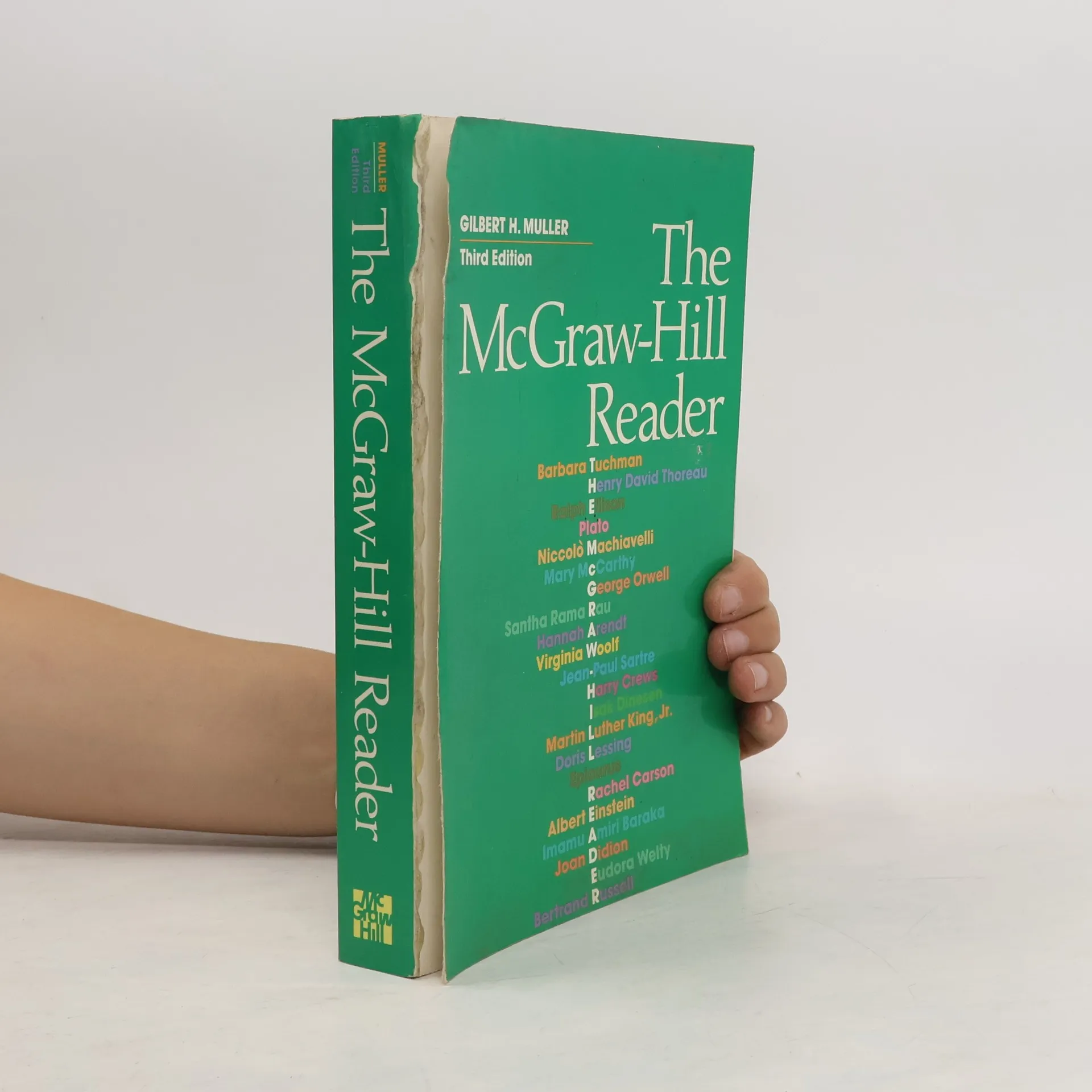
The McGraw-Hill Reader: Third Edition
- 725pagine
- 26 ore di lettura
Approaching a liberal arts tradition in the classroom, across the curriculum, and beyond, The McGraw-Hill Reader offers rich and diverse readings in education, the social sciences, business and economics, the humanities, and the sciences. This new eleventh edition offers a new focus on reading and composing across various media; it includes over 100 selections from prominent thinkers and writers; each essay was chosen to provoke critical thought and encourage effective writing.
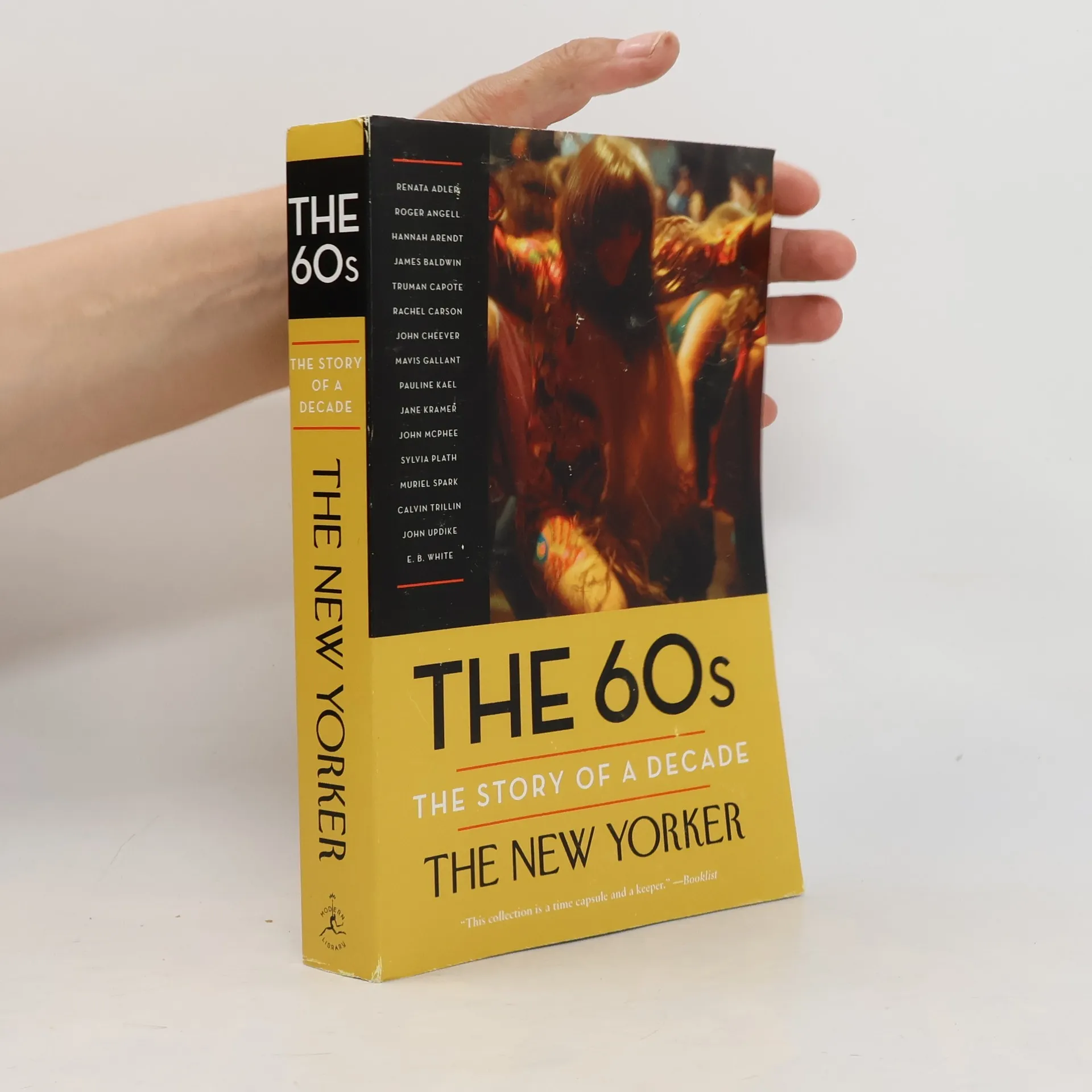
The New Yorker: The 60s: The Story of a Decade
- 720pagine
- 26 ore di lettura
The anthology features significant New Yorker articles from the tumultuous 20th century, showcasing works by renowned authors like James Baldwin, Sylvia Plath, and Pauline Kael. It also includes contemporary evaluations of the 1960s by today's leading writers, providing a rich exploration of the era's cultural and social dynamics. This collection highlights both historical perspectives and modern interpretations, making it a compelling read for those interested in literary history and the evolution of thought during a pivotal decade.
Hannah Arendt was one of the foremost thinkers and political commentators of this century. She addressed some of the most difficult and contentious issues of modern times and bestowed upon the modern world her original thought and unrelenting optimism. She insisted that freedom and autonomy, indispensable for human existence itself, are only attainable within an authentic political life. This interdisciplinary collection of superbly crafted essays, by both young and established scholars, offers a series of engagements with Arendt at 'eye-level' in a series of debates, conversations or arguments across the full range of her major intellectual interests. It seeks to outline and investigate the unity of Arendt's life and work. This is a powerful book that allows the reader to reassemble the various facets of Arendt's writing and personality into one rich mosaic of ideas and issues.
Джерела тоталітаризму. Dzherela totalitaryzmu
- 584pagine
- 21 ore di lettura
«Походження тоталітаризму» починається з підйому антисемітизму в Центральній і Західній Європі в 1800-х роках і продовжується дослідженням європейського колоніального імперіалізму з 1884 року до початку Першої світової війни. Арендт досліджує інститути та діяльність тоталітарних рухів, зосереджуючи увагу на двох справжніх формах тоталітарного уряду в наш час — нацистській Німеччині та сталінській Росії, які вона вміло визнає двома сторонами однієї медалі, а не протилежними філософіями Правого та Лівого. З цієї точки зору вона обговорює еволюцію класів у маси, роль пропаганди у взаємодії з нетоталітарним світом, використання терору та природу ізоляції і самотності як передумови для тотального панування.
Wie handelt man richtig, wenn das moralische »Richtig« dem gesetzlichen »Richtig« widerspricht? Wie reagiert man auf Missachtungen der Menschenrechte durch höchste Regierungsinstanzen? Wie können wir urteilen über die, in deren Haut wir nicht stecken? Mit diesen Fragen, die Hannah Arendt bereits vor über 50 Jahren beschäftigten, werden wir heute wieder verstärkt konfrontiert. Damals wie heute gilt: Persönliche Verantwortung muss sich von politischer Verantwortung unterscheiden. In Arendts klarer und bestechender Sprache gibt dieser wiederentdeckte Aufsatz Antworten auf die häufigsten Fragen unserer Zeit.
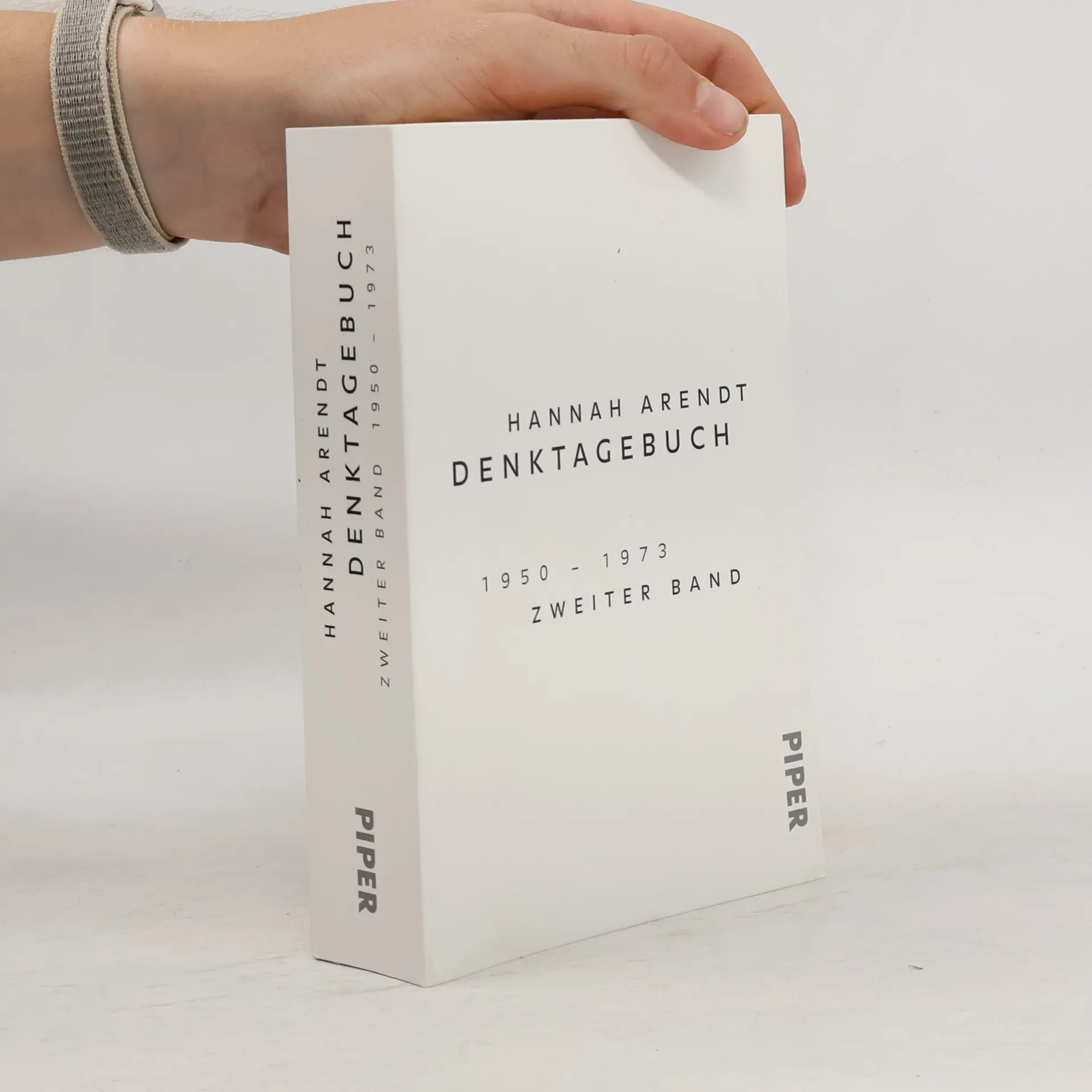
Im Sommer 1950 begann Hannah Arendt, handschriftlich Aufzeichnungen in ein Buch einzutragen, das sie ihr »Denktagebuch« nannte. In der Tat haben die 28 vollständig erhaltenen Hefte kaum etwas mit einem herkömmlichen Tagebuch gemein. Sie enthalten vielmehr Denkexperimente und Denkresultate und dienten dem lebenslangen Ziel der Autorin, die Wirklichkeit des Jahrhunderts der Kriege, Revolutionen und totalitärer Systeme denkend zu bewältigen. Ganz direkt erfahren die Leser hier Arendts Methode, die philosophische und politische Tradition des Abendlandes von Platon bis Heidegger zu befragen.
Essays & [und] Kommentare 1
- 180pagine
- 7 ore di lettura
Dieser Band enthält frühe Überlegungen Hannah Arendts zu den Konzentrationslagern, zur Weltherrschaft als Endziel totalitärer Regimes und über den Versuch der totalen Beherrschung des Menschen. Über das Weiterleben des Faschismus in Europa nach 1945, über Diktatur und persönliche Verantwortung, über den Frankfurter Auschwitz-Prozeß und über die Eichmann-Kontroverse.
Hannah Arendts Credo hat nichts an Gültigkeit verloren: »Im Kulturellen und im Politischen, also in dem gesamten Bereich des öffentlichen Lebens, geht es weder um Erkenntnis noch um Wahrheit, sondern um Urteilen und Entscheiden, um das urteilende Begutachten und Bereden der gemeinsamen Welt und die Entscheidung darüber, wie sie weiterhin aussehen und auf welche Art und Weise in ihr gehandelt werden soll.«
»Jude sein gehört zu den unbezweifelbaren Gegebenheiten meines Lebens.« - Hannah Arendt beginnt mit ihrer Arbeit zu Rahel Varnhagen, sich mit der jüdischen Geschichte in Deutschland zu beschäftigen, aber erst nachdem sie Deutschland 1933 verlassen hatte, setzte sie sich verstärkt mit ihrer Identität als Jüdin und der »jüdischen Frage« auseinander. Dieses Buch versammelt chronologisch alle zu Lebzeiten veröffentlichten Aufsätze Arendts zum Thema und zeigt so auch ihre Entwicklung in den diskutierten Fragen, beispielsweise ihre teilweise sehr wechselnde Haltung zu Israel und dem Zionismus. Herausgegeben, zum Teil neu übersetzt und eingeordnet von Marie Luise Knott und Ursula Ludz schließt der Band eine wichtige Lücke in der Arendt-Literatur.
Was ist Existenzphilosophie?
- 46pagine
- 2 ore di lettura
Diese Essays über die Religion bei Intellektuellen, das Interesse der Philosophien an der Politik, die Philosophie der Existenz und den französischen Existentialismus, Heidegger "der Fuchs" sowie den amerikanischen Antistalinismus zeugen von der Reflexion, die Hannah Arendt ihr ganzes Leben lang über die Fragen des Politischen, der Modernität und der menschlichen Existenz angestellt hat.
Walter Benjamin
- 106pagine
- 4 ore di lettura
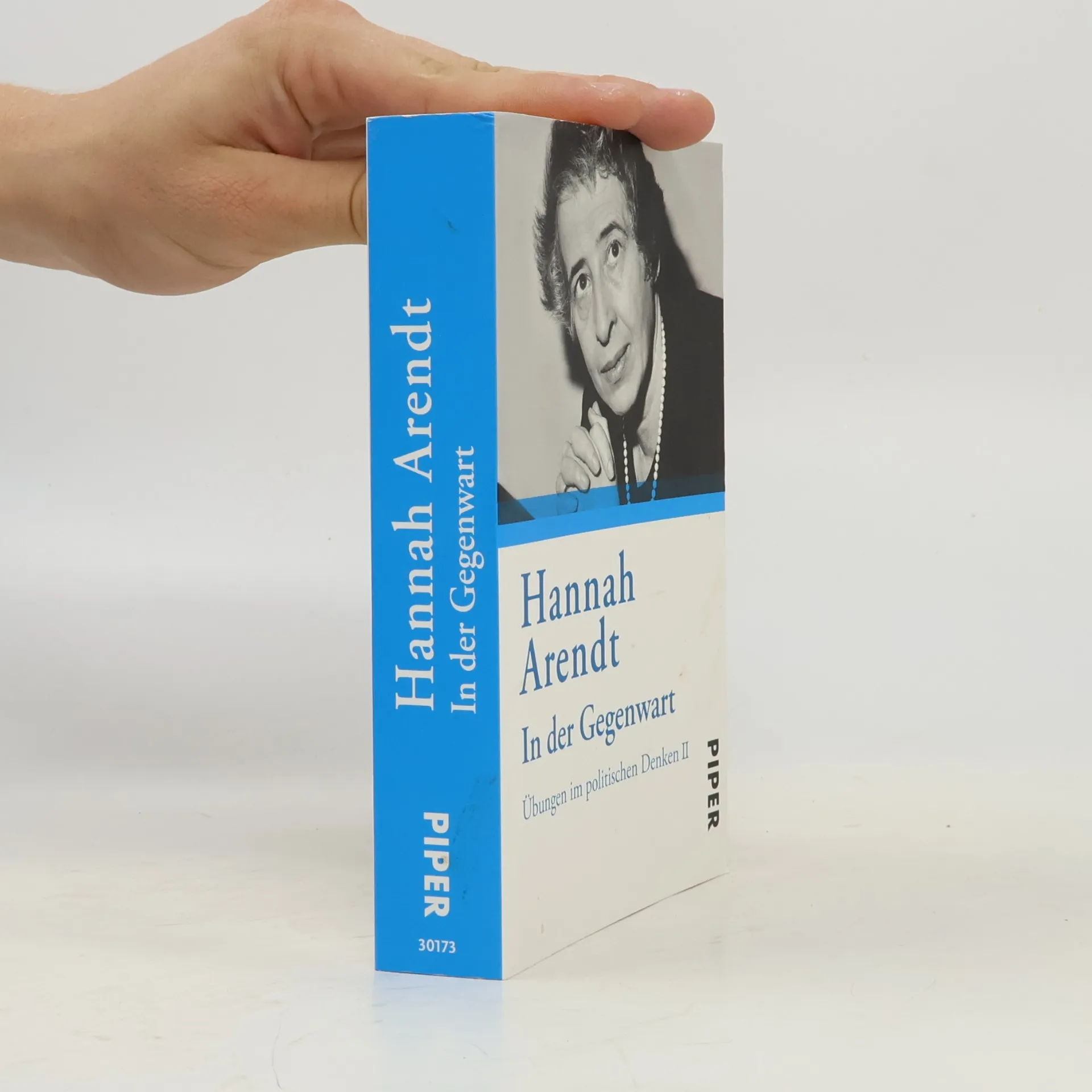
Übungen im politischen Denken 2
- 496pagine
- 18 ore di lettura
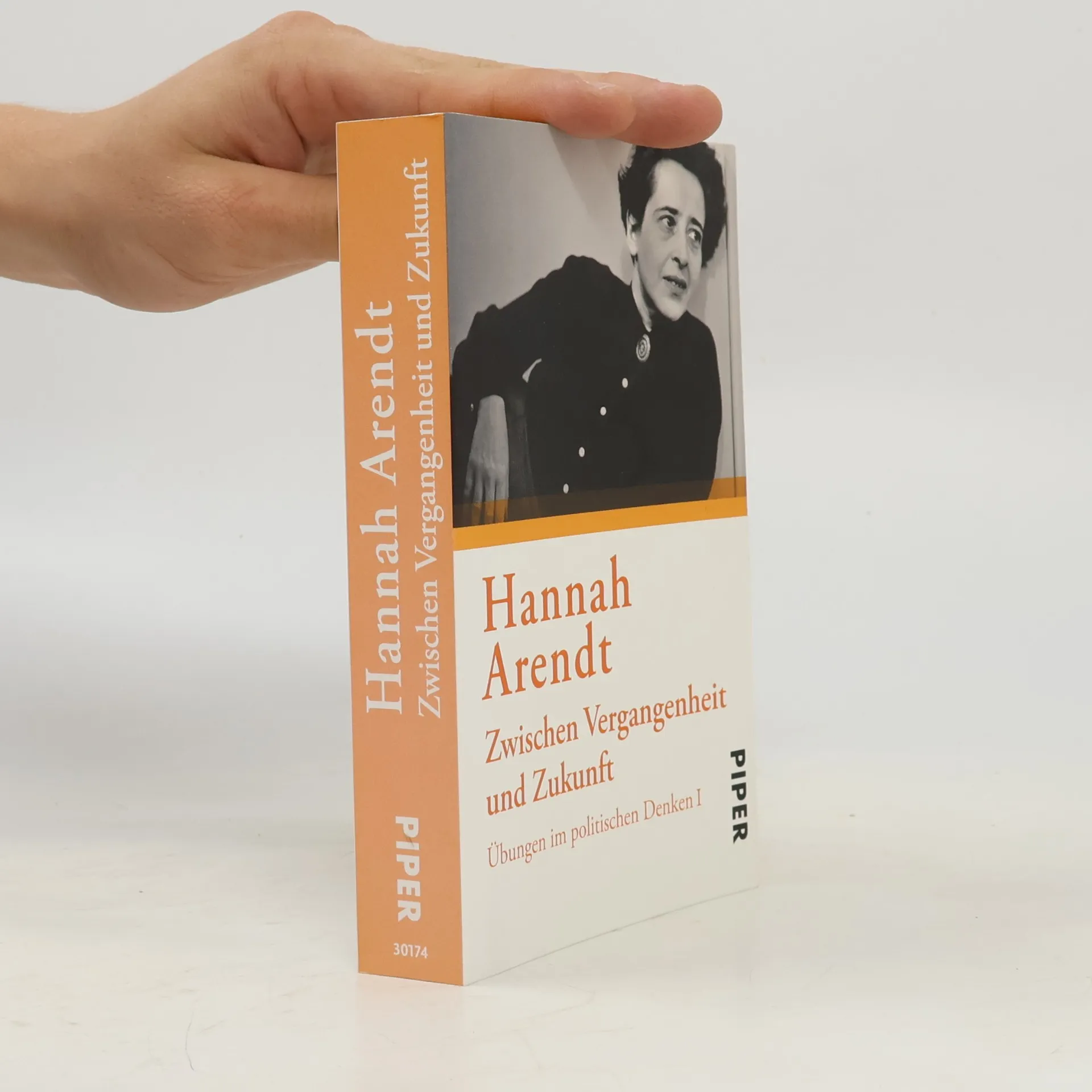
Die Essays der weltberühmten Philosophin haben nachhaltig das politische Denken in Europa und in den USA bestimmt. >>Das einzige Ziel dieser Essays ist<<, schreibt Hannah Arendt, >>Erfahrungen darin zu erwerben, wie man denkt. Sie enthalten keine Vorschriften darüber, was gedacht werden soll.<< (Quelle: buchhandel.de)
Die Botschaft des Merkur
- 572pagine
- 21 ore di lettura
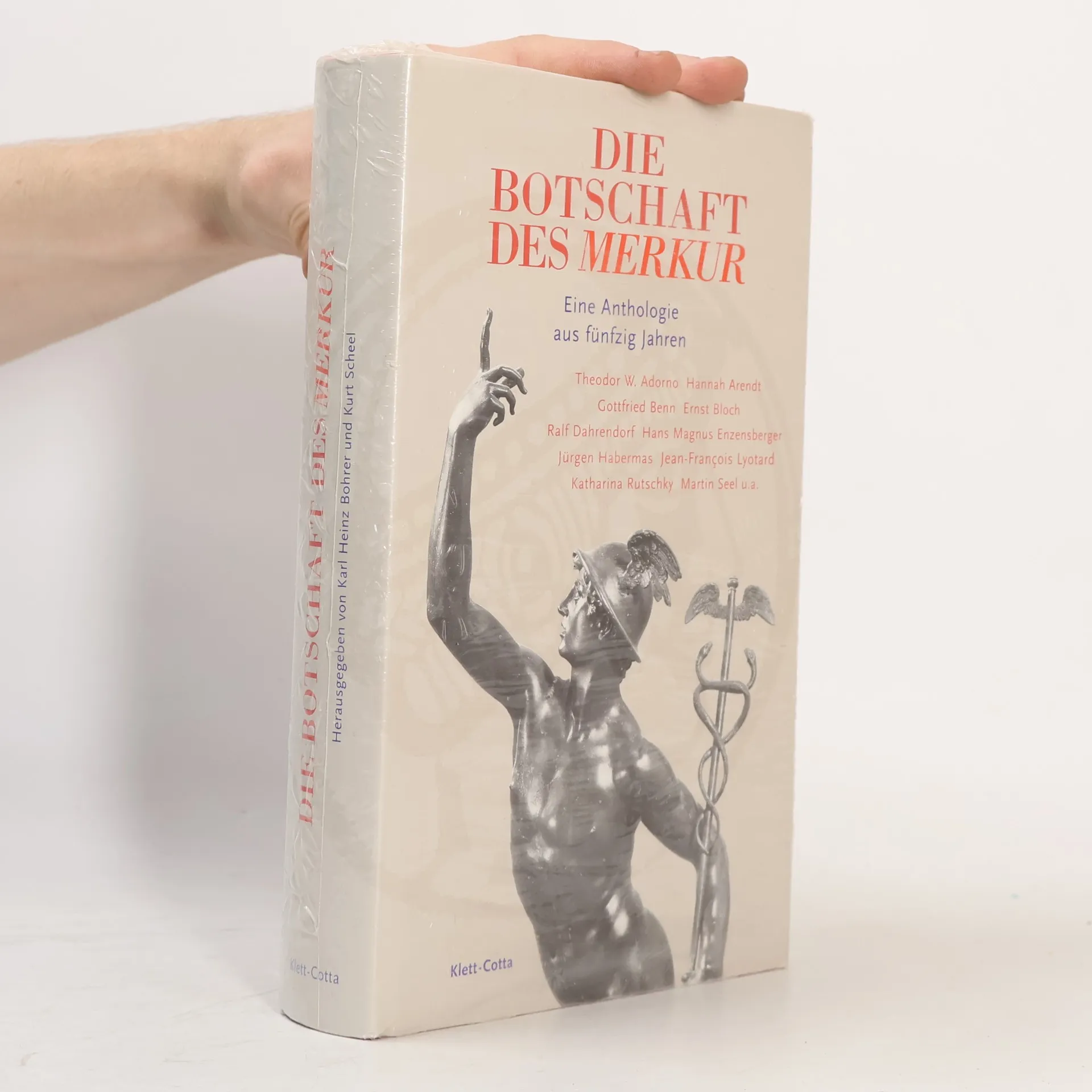
Mit Beiträgen von Theodor W. Adorno, Hannah Arendt, Jean Améry, Gottfried Benn, Hans Magnus Enzensberger, Jürgen Habermas, Ralf Dahrendorf, Ernst Bloch u. a.
La Bibliothèque du XXe Siècle: Le système totalitaire
- 408pagine
- 15 ore di lettura
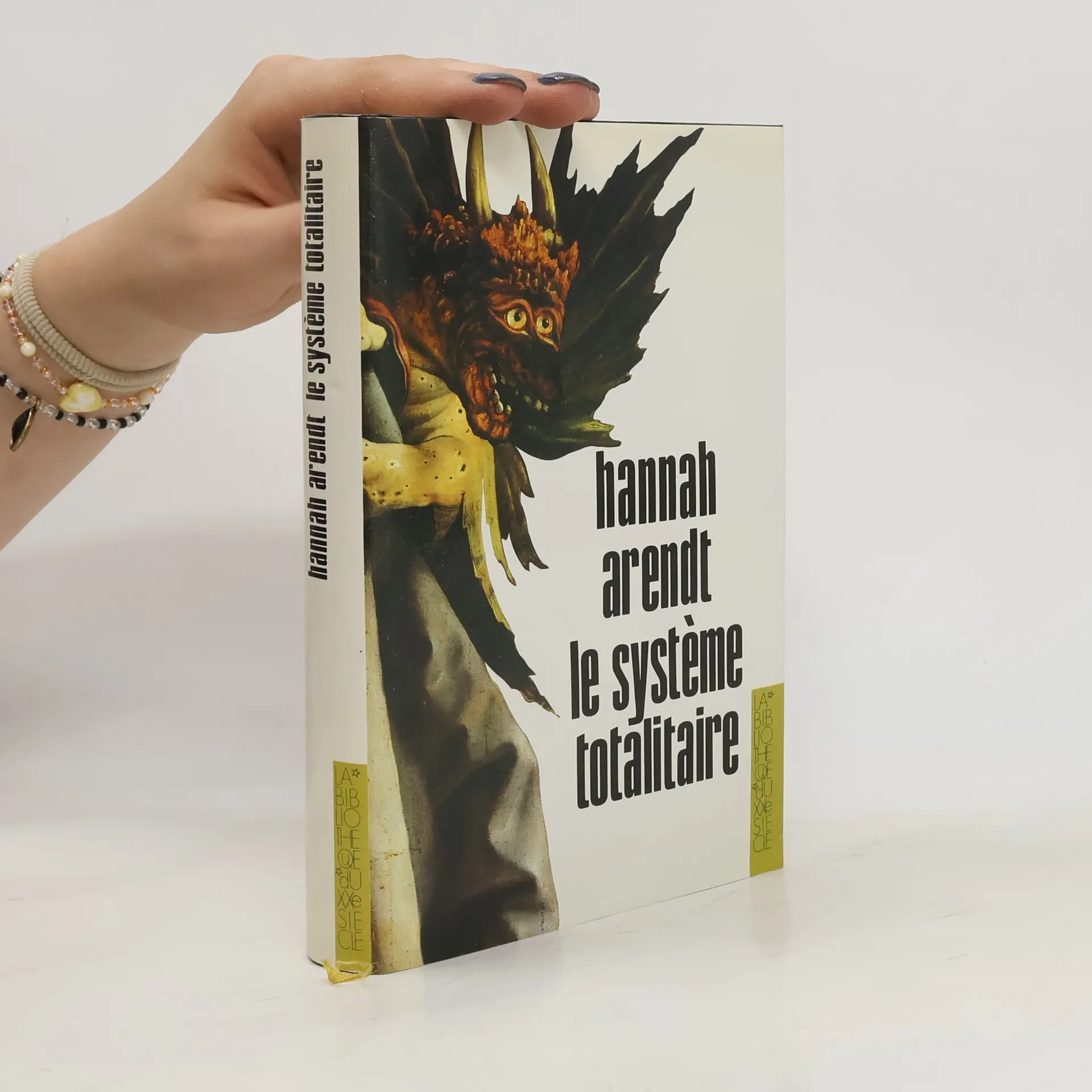
Le système politique mis au point par l'Allemagne hitlérienne et la Russie stalinienne ne consiste pas en une simple radicalisation des méthodes dictatoriales. C'est un système entièrement original qui repose sur la transformation des classes en masses, fait de la police le centre du pouvoir et met en oeuvre une politique étrangère visant ouvertement à la domination du monde. Animé par une logique de la déraison, il tend à la destruction complète de la société - comme de l'individu. Un classique de la théorie politique. Le système totalitaire est la troisième partie de l'oeuvre magistrale d'Hannah Arendt, Les Origines du totalitarisme . Les première et deuxième parties sont intitulées : Sur l'antisémitisme et L'Impérialisme .
Die weisen Tiere
- 96pagine
- 4 ore di lettura
Ein Mädchen sieht in der Schar seiner Gänse plötzlich eine neue. Sie ist anders, hat einen geheimnisvollen Fleck auf der Brust und fliegt davon. Das Mädchen bricht zu seiner großen Reise auf. Auf der Suche nach der Gans stapft es unerschrocken durch den Wald dieser Welt und begegnet Tieren, von denen es sich Hilfe erhofft und schließlich auch bekommt,
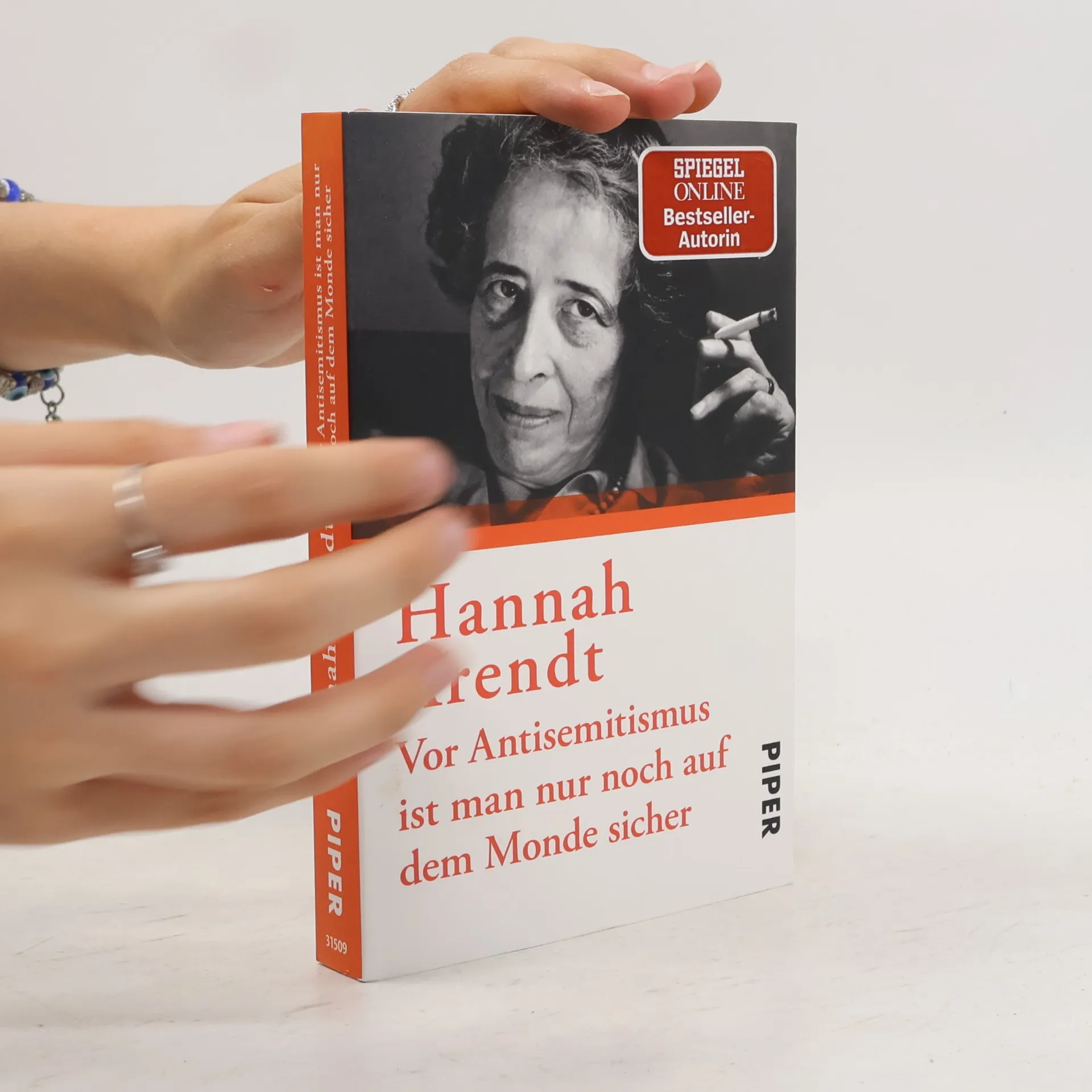
Vor Antisemitismus ist man nur noch auf dem Monde sicher
Beiträge für die deutsch-jüdische Emigrantenzeitung »Aufbau« 1941-1945
- 252pagine
- 9 ore di lettura
Spätestens durch ihre Berichterstattung vom Prozess gegen Adolf Eichmann und ihr Buch »Eichmann in Jerusalem« wurde sie weltbekannt. Doch schon die junge Hannah Arendt war in ihrem politischen Denken und Handeln eine herausragende Persönlichkeit. Ihre Beiträge für den »Aufbau«, die in New York publizierte Zeitung des »German Jewish Club« für deutsche Emigranten, zeigen sie als wache Zeitzeugin und als engagierte Vertreterin des jüdischen Freiheitskampfes. Dieser Band versammelt ihre wichtigsten Artikel und ist somit gleichsam ein eindrückliches Zeitzeugnis und ein Dokument couragierten Denkens und Schreibens. Die Herausgeberin Marie Luise Knott hat die Texte ausführlich kommentiert und deren Bedeutung in ihrem Nachwort gewürdigt.
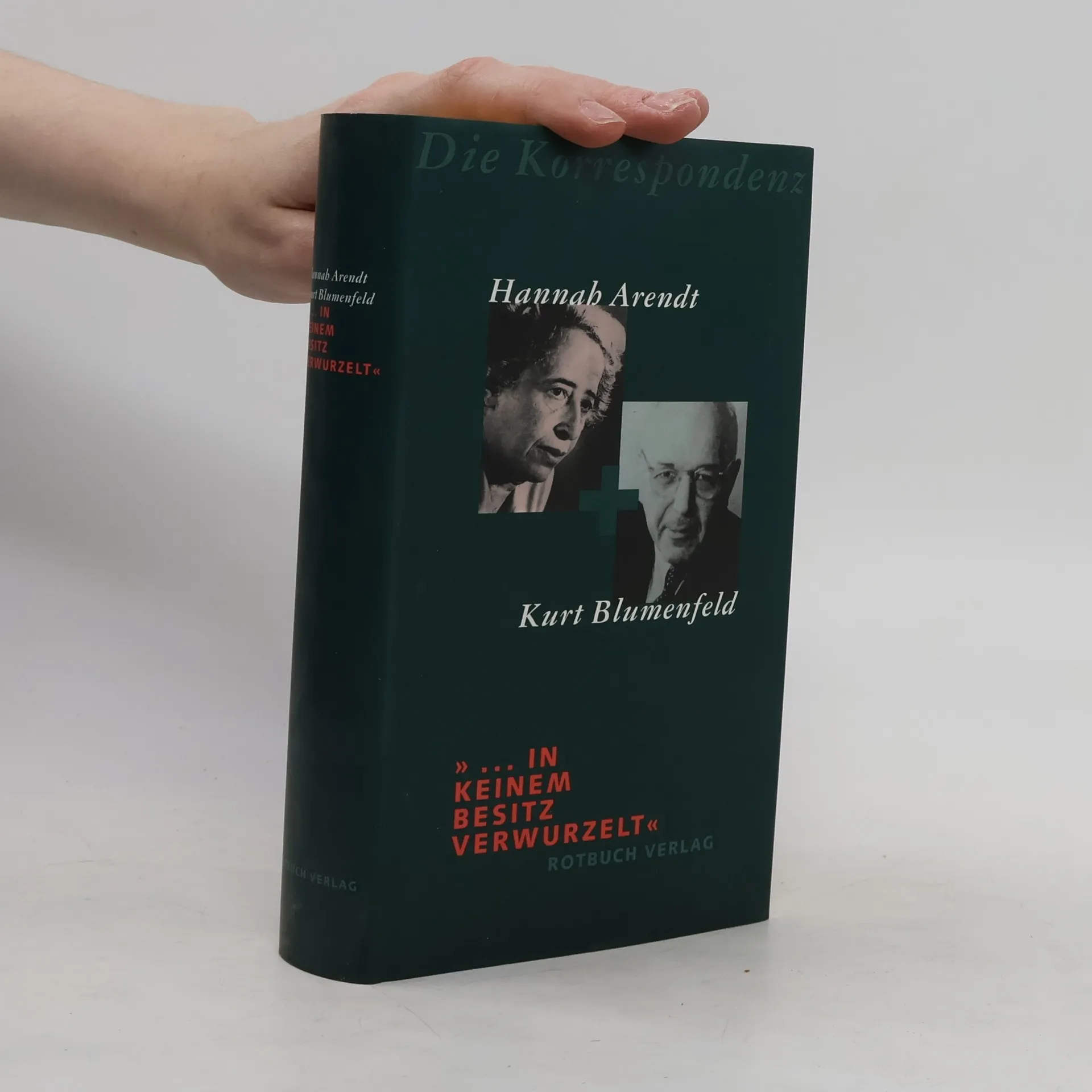
"... in keinem Besitz verwurzelt"
- 408pagine
- 15 ore di lettura
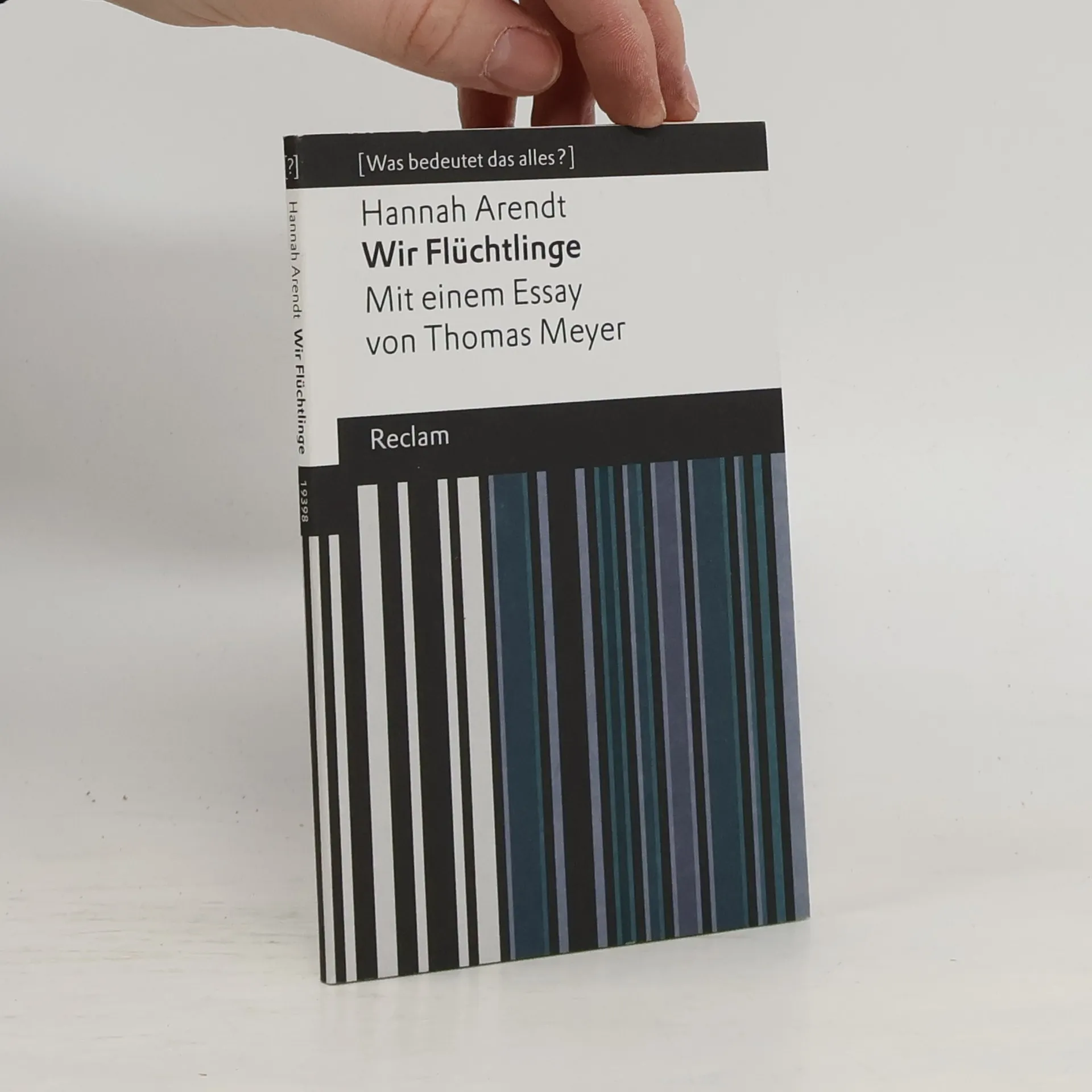
Wir Flüchtlinge
- 64pagine
- 3 ore di lettura
Hannah Arendts 1943 erschienener Essay wurde lange Zeit ignoriert, erst 1986 übersetzt – und zeigt erst heute seine eigentliche Sprengkraft: Aus unmittelbarem eigenem Erleben bezweifelte Arendt, dass Staaten überhaupt noch in der Lage sind, Flüchtlings-Probleme zu bewältigen, da die Nationalsozialisten die Idee des schützenden Nationalstaats unmöglich gemacht haben. Ähnlich wie bei »Eichmann in Jerusalem« brachte ihr diese These Schwierigkeiten mit zionistischen Strömungen ein, die Israel als Rettungsinsel genau in diesem Sinne sehen wollten. Der Essay von Thomas Meyer unterstreicht die Relevanz des Textes im Zusammenhang mit der heutigen Flüchtlingsdebatte.
Der Briefwechsel zwischen beiden ist das Dokument einer engen Freundschaft. Die Korrespondenz gibt Aufschluß über das Exil der ersten Nachkriegsjahre, sie enthält Debatten über Albert Camus und Arthur Koestler, über die Situation im Nachkriegsdeutschland, über Philosophen wie Martin Heidegger und Karl Jaspers, über das Thema der Menschenrechte. Der Briefwechsel dauert bis zu Hermann Brochs plötzlichem Tod im Jahr 1951. Hannah Arendt schrieb einige Essays über Broch, die in diesen Band mit aufgenommen wurden. Es sind eindringliche Analysen seiner Hauptwerke und zugleich Zeichen einer Freundschaft, die Hannah Arendt sich ihr Leben lang für Broch bewahrte.
Publikace je rozdělena na čtyři oddíly. Prvý se zabývá světem okolo nás - jevy, druhý duchovními aktivitami ve světě jevů. Ve třetím oddíle se autorka snaží vyhmátnout důvod toho, co nás nutí myslet, zatímco v závěrečném shrnuje celou problematiku. Ve všech oddílech srovnává a cituje myšlenky a výroky světových filozofů od antiky po svou současnost. Studie je doplněna poznámkovým aparátem, předmětovým rejstříkem a jmenným rejstříkem.
Die Essays in diesem Band sind aus Vorträgen entstanden, die Dr. Hannah Arendt in den Jahren 1953 bis 1956 an deutschen und amerikanischen Universitäten gehalten hat. Der Titel versucht, die leitende Absicht der diesen Essays gemeinsamen kritischen Überlegungen anzudeuten. Diese befassen sich sachlich mit den in den Essaytiteln angezeigten Begriffen; die Kritik erfolgt durch eine Rückführung dieser Begriffe auf die politischen, geschichtlich gegebenen Erfahrungen, aus denen sie entstanden sind, und durch eine Konfrontation mit den modernen Erfahrungen, denen sie adäquat zu sein vorgeben.
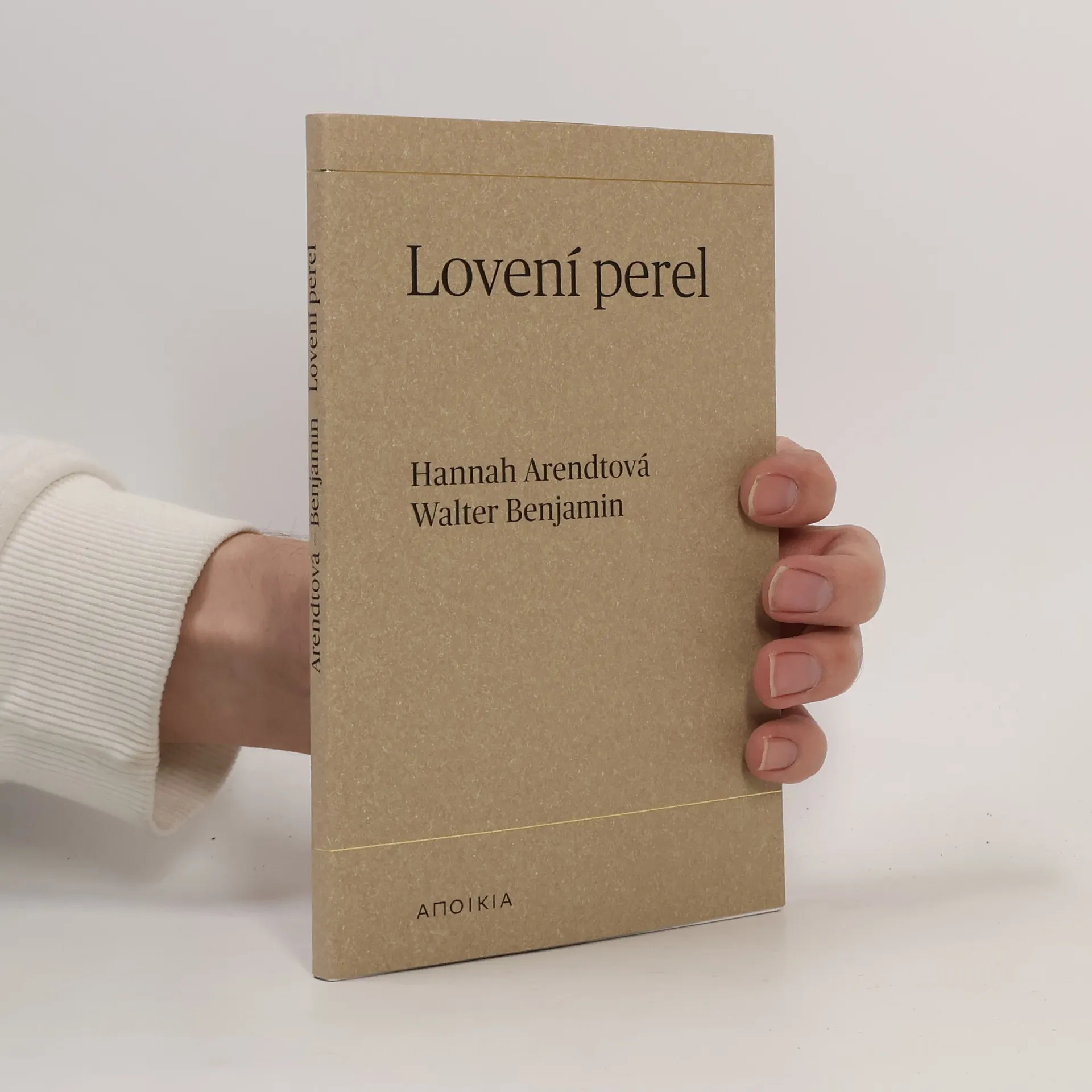
Lovení perel
- 108pagine
- 4 ore di lettura
Hannah Arendtová publikovala v roce 1968 esej s jednoduchým názvem Walter Benjamin (1892–1940). Téhož roku uveřejnila i jeho anglickou verzi jako předmluvu k prvnímu anglickému vydání Benjaminových vybraných spisů, které neslo název Illuminations a o něž se sama výrazně zasloužila. Soubor s názvem Lovení perel uvádí český překlad tohoto eseje a doplňuje jej pěticí Benjaminových drobných prací, které se dosud nedočkaly českého překladu a na něž ve svém eseji upozorňuje i sama autorka. Vybrané texty nepojí žádná systematická souvislost, ale každý z nich se po svém vypořádává s týmž problémem ztráty tradice a navazování nového vztahu k minulosti, ať už z pohledu čtenáře Kafky, očima kritika dobové německé intelektuální produkce, či prizmatem vrtošivého sběratele.
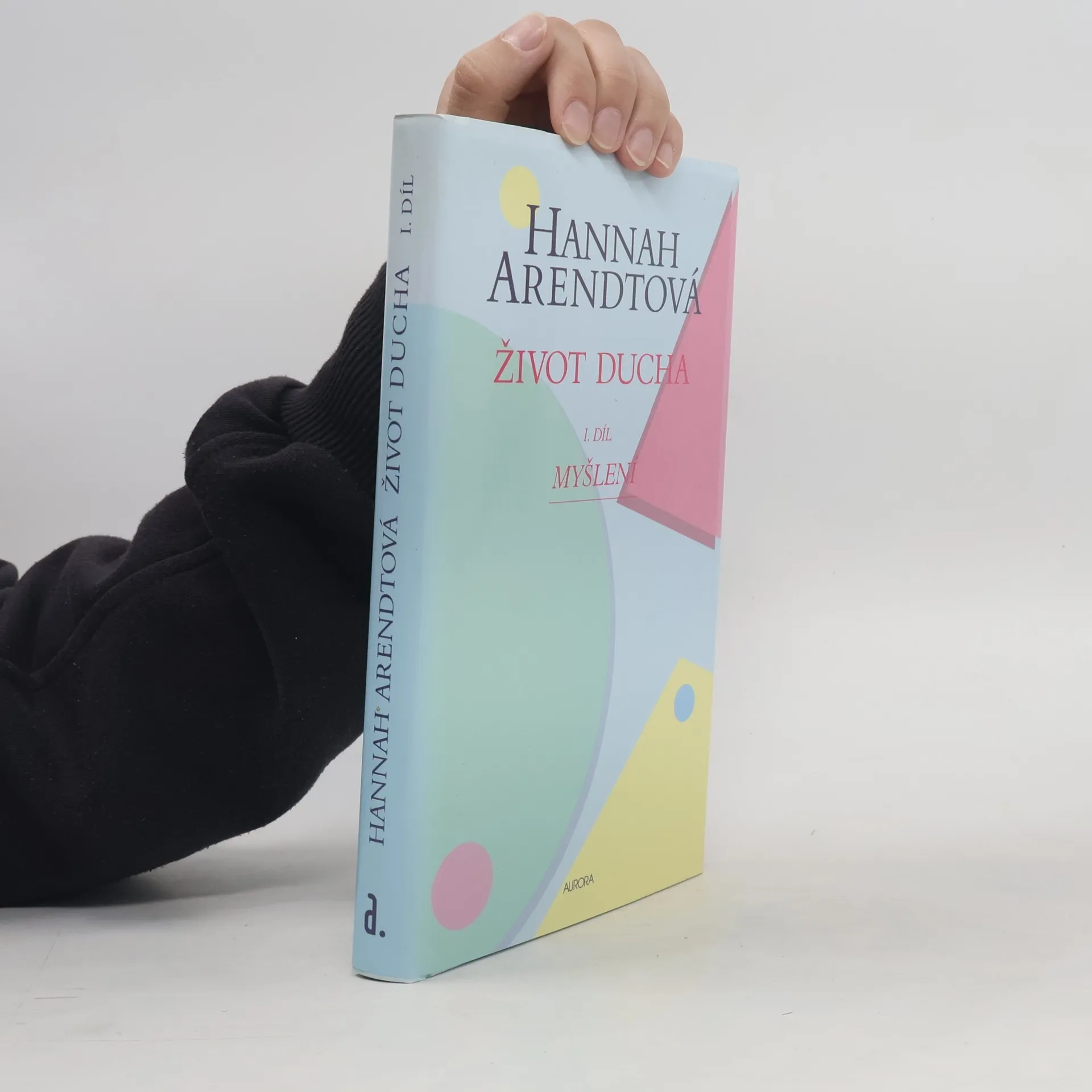
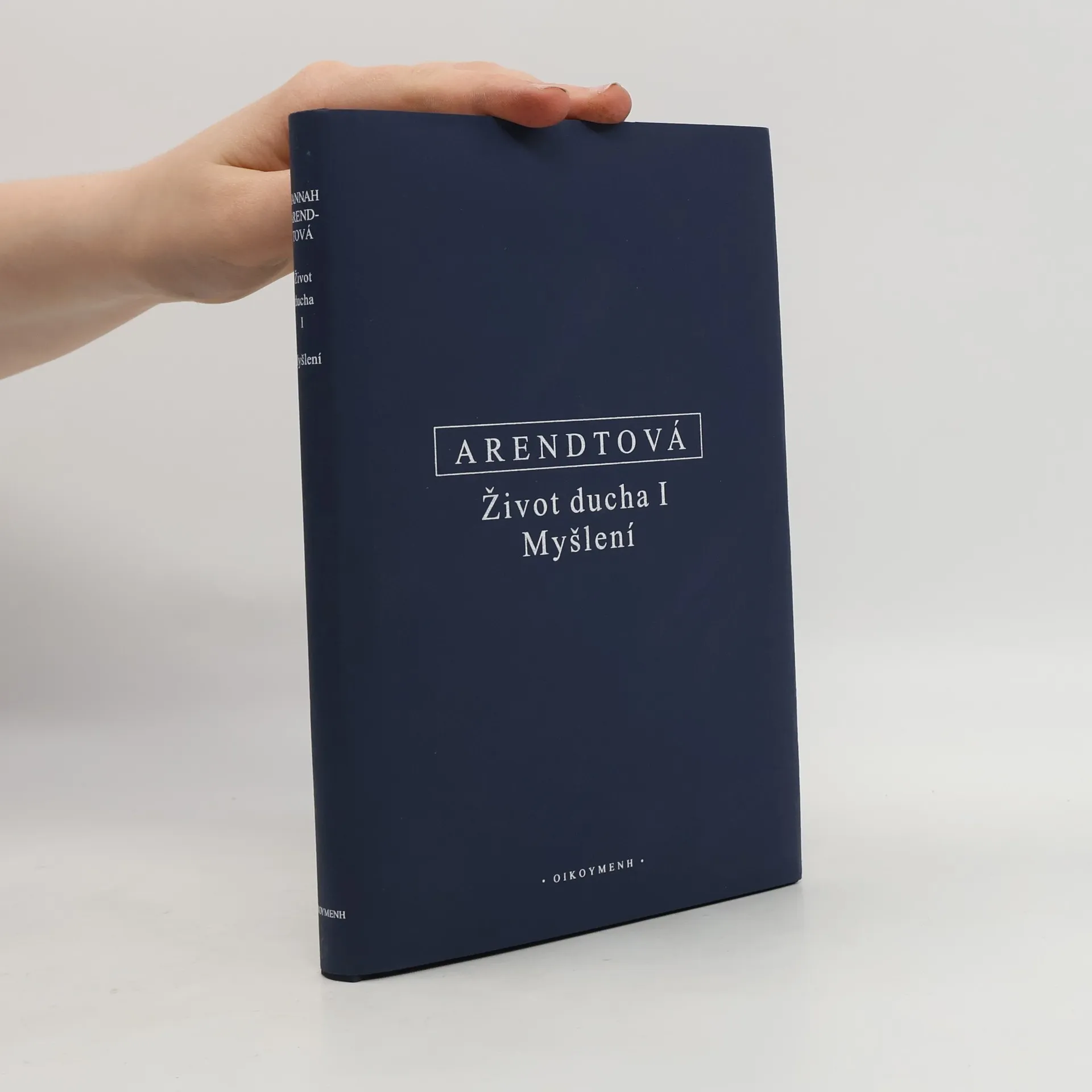
Život ducha I: Myšlení
- 223pagine
- 8 ore di lettura
Publikace je rozdělena na čtyři oddíly. Prvý se zabývá světem okolo nás - jevy, druhý duchovními aktivitami ve světě jevů. Ve třetím oddíle se autorka snaží vyhmátnout důvod toho, co nás nutí myslet, zatímco v závěrečném shrnuje celou problematiku. Ve všech oddílech srovnává a cituje myšlenky a výroky světových filozofů od antiky po svou současnost.
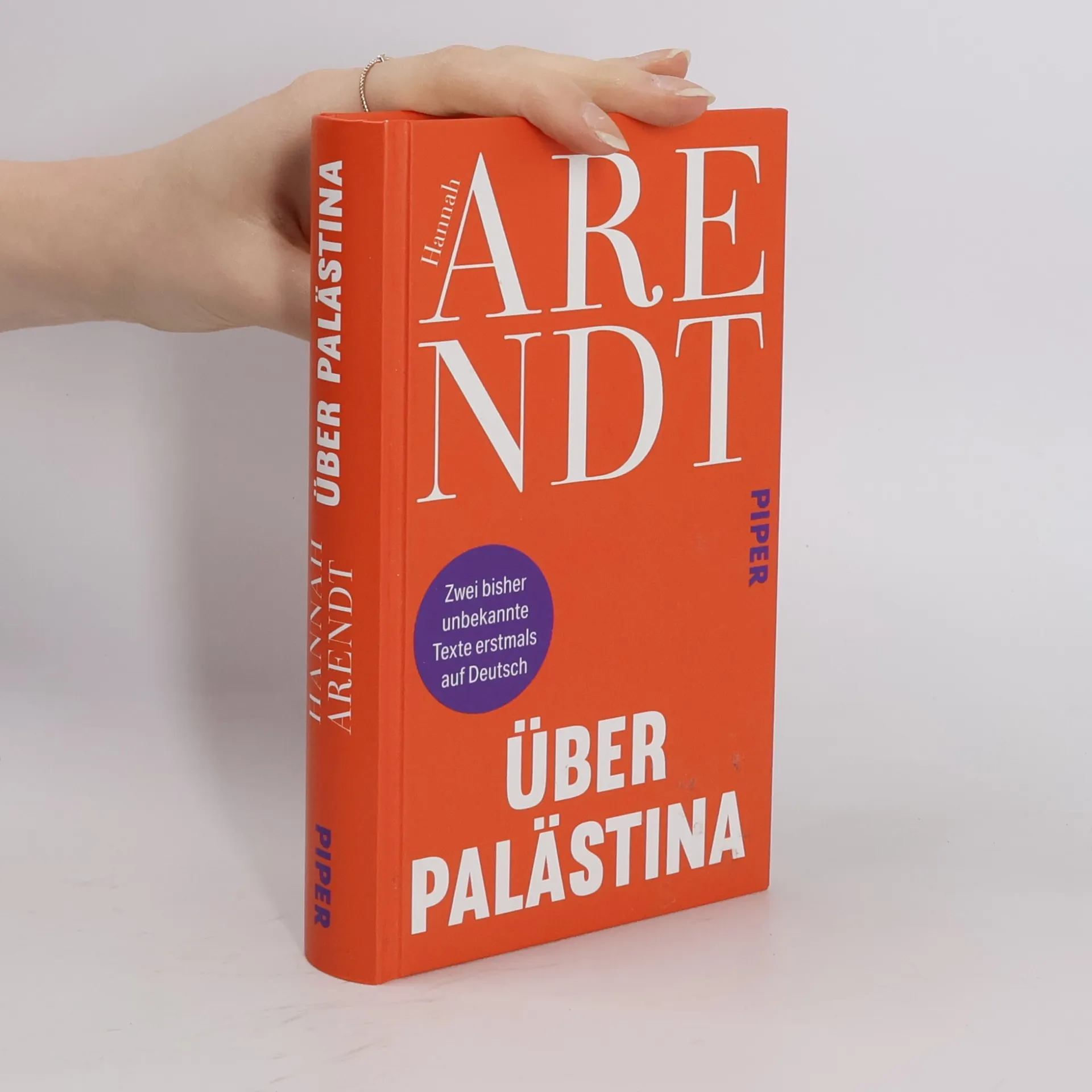
Über Palästina
Zwei bisher unbekannte Texte – erstmals auf Deutsch
Palästina, Israel und die Suche nach der Lösung Über Palästina vereint zwei neu entdeckte, bisher unbekannte Texte von und mit Hannah Arendt. Der Aufsatz »American Foreign Policy and Palestine« wurde 1944 von Arendt vor der Staatsgründung Israels verfasst und erst jetzt in einem Archiv gefunden. 14 Jahre später ist sie Mitglied eines Expert:innen-Rats, der in dem Bericht »The Palestine Refugee Problem« eine Lösung für die Situation der Geflüchteten im Nahen Osten formulierte. Diese beiden außergewöhnlichen Fundstücke belegen eindrücklich Arendts lebenslanges Ringen um einen Frieden in Israel und Palästina. Herausgegeben von Thomas Meyer
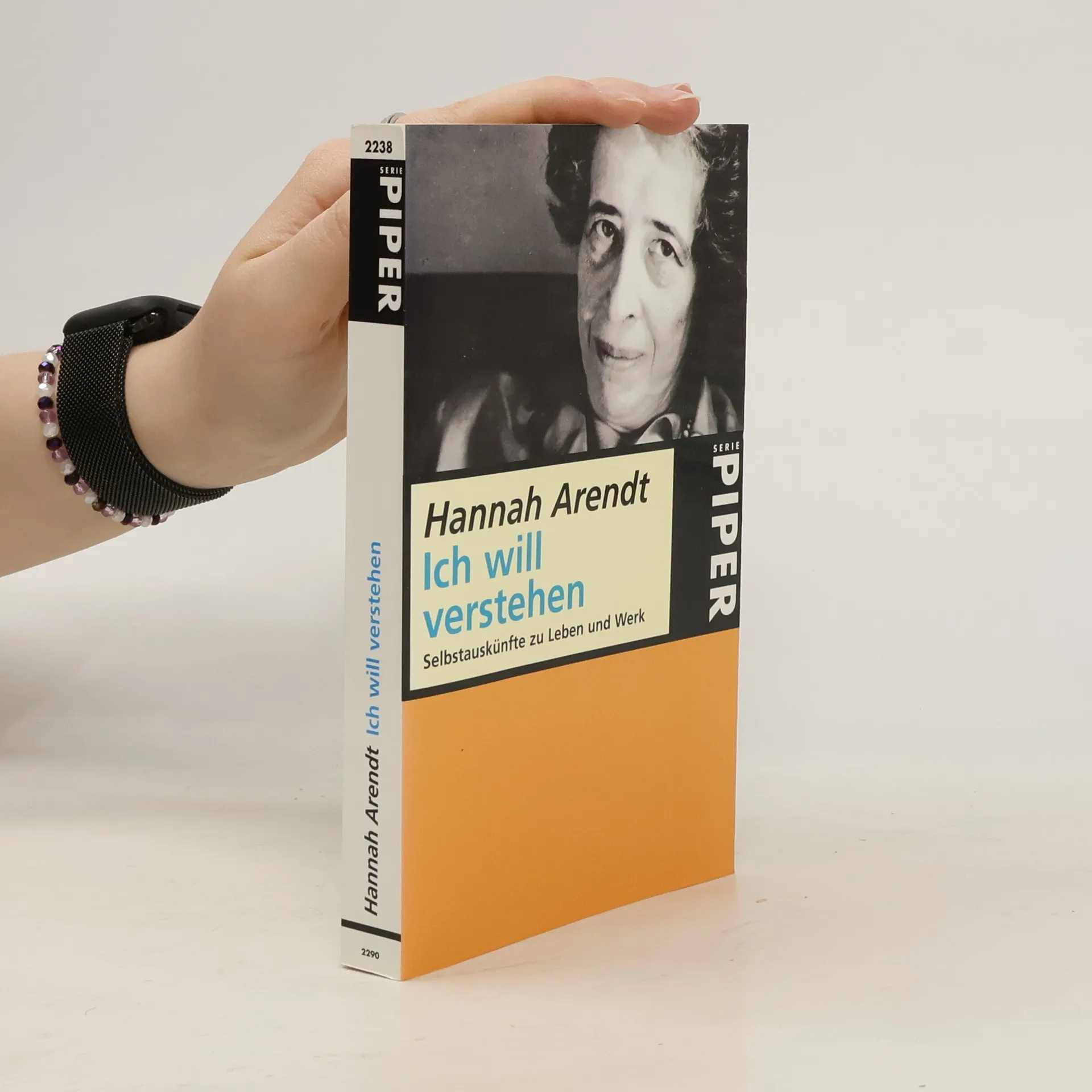
Ich will verstehen
- 332pagine
- 12 ore di lettura
Hannah Arendt hat nie einen autobiografischen Text verfasst, Zeit ihres Lebens hat sie sich zurückgehalten, wenn es um ihre Person und die Beweggründe für ihre Arbeit ging. Und doch hat sie in Briefen und Gesprächen viel über sich enthüllt. Ursula Ludz, Kennerin von Leben und Werk der Philosophin, hat sich auf Spurensuche nach biografischen Zeugnissen begeben und verleiht so der Person Arendt Farben, Konturen und immer wieder überraschende Glanzlichter.
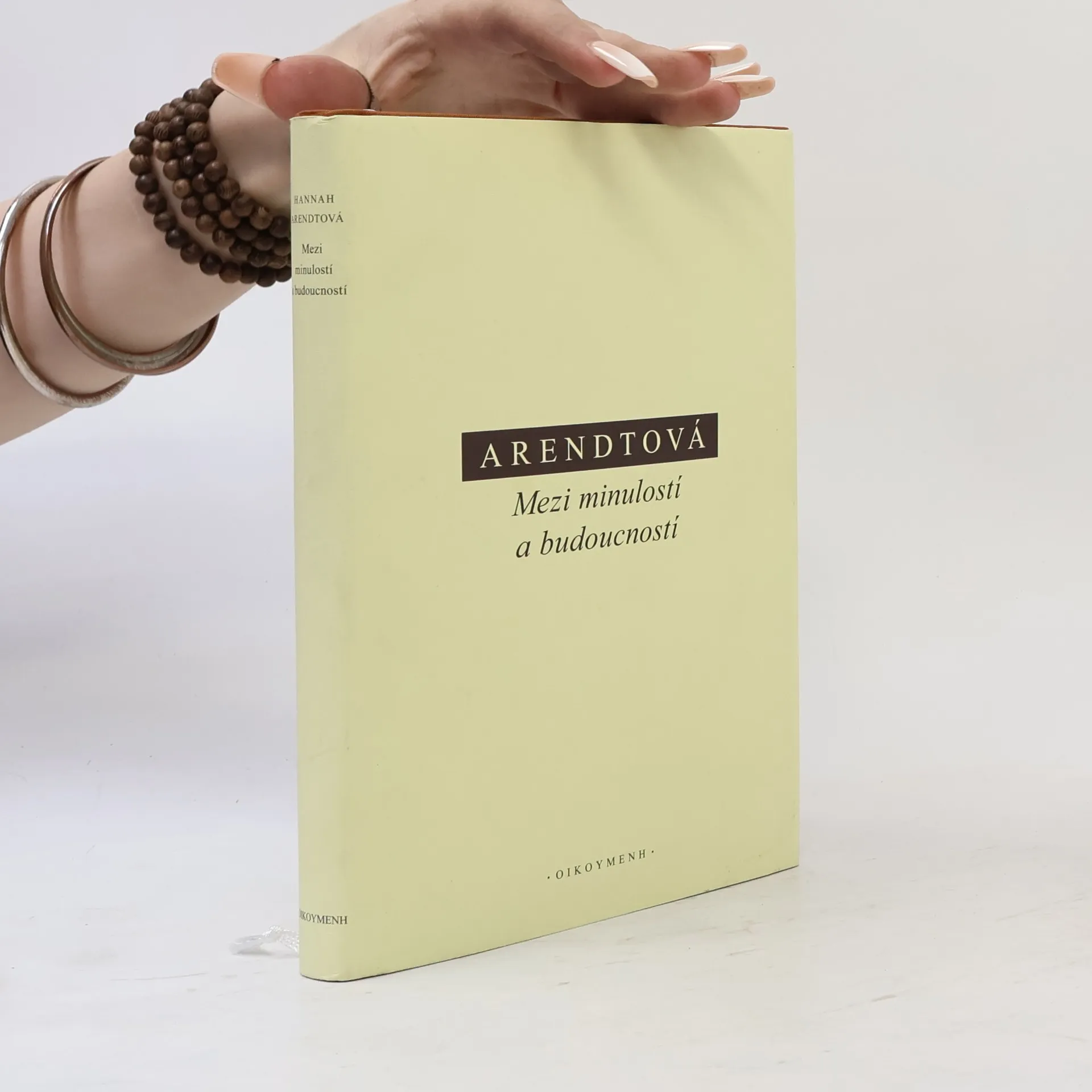
Eseje, v nichž se Hannah Arendtová táže po povaze svobody, autority a dějin, pojí motiv osudového přeryvu: přerušení západní filosofické tradice vyústilo v totality dvacátého století. Knihu publikovanou poprvé r. 1961 proto uvádí výrokem Reného Chara, francouzského básníka a člena odporu v době nacistické okupace Francie: „Naše dědictví nám nebylo odkázáno žádnou závětí.“ Citát, který se jako ozvěna nese osmi esejemi, poukazuje k obtížné pozici moderního člověka: mezi minulostí a budoucností se rozevřela propast, k jejíž přemostění nelze užít zděděné pojmy
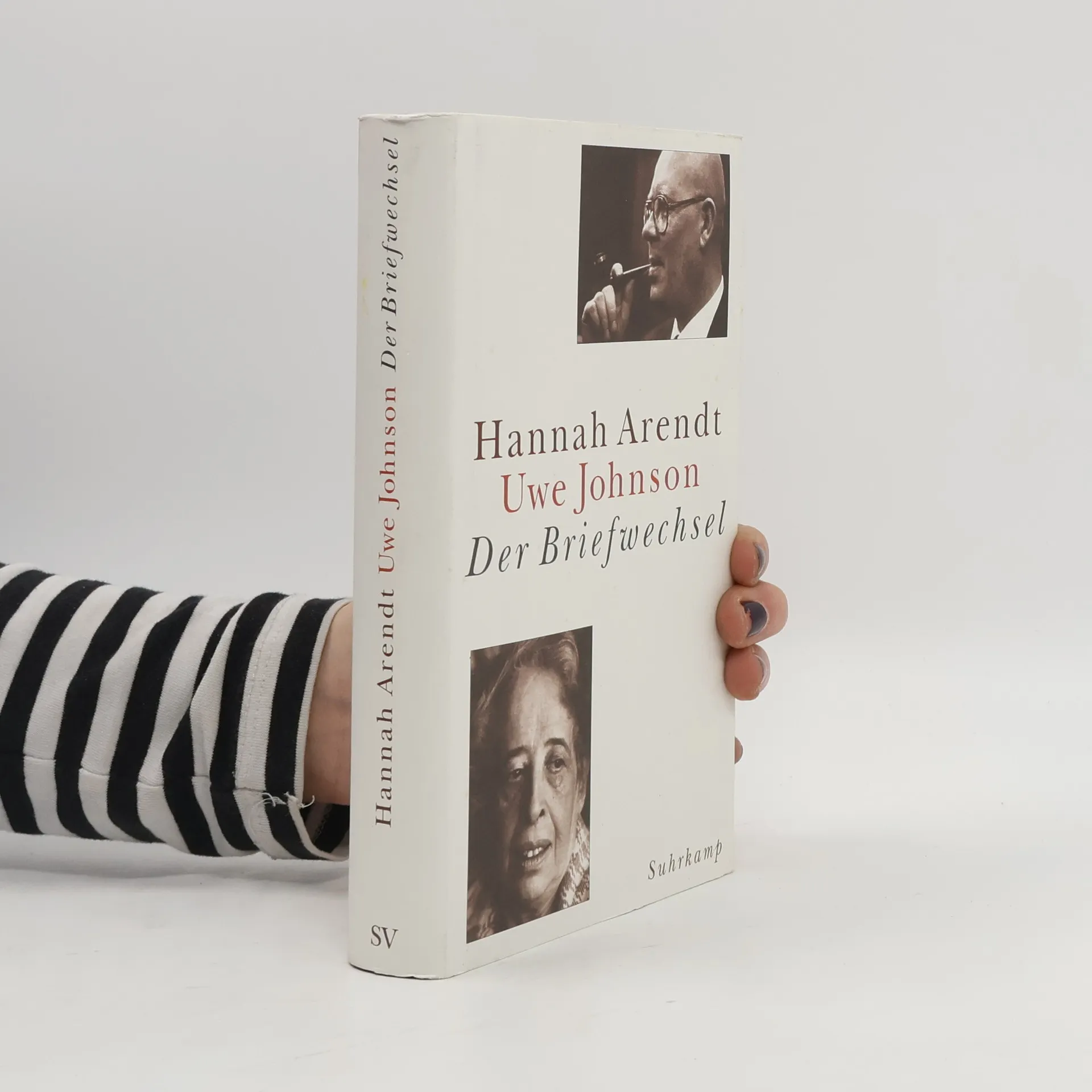
Der Briefwechsel ; 1967 - 1975
- 341pagine
- 12 ore di lettura
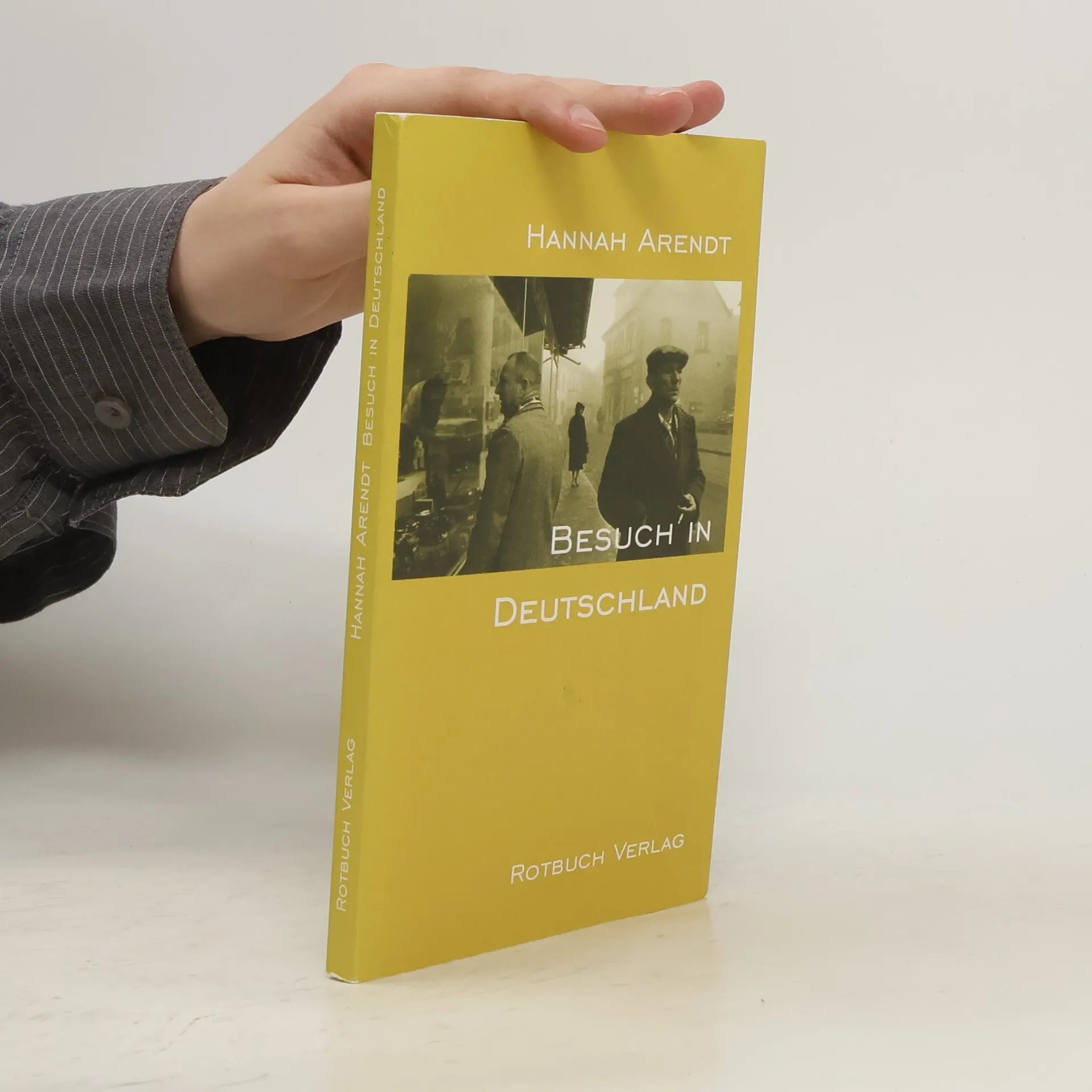
Besuch in Deutschland
- 94pagine
- 4 ore di lettura
Erstmals seit ihrer Flucht nach Frankreich und der sich anschließenden Emigration in die Vereinigten Staaten von Amerika reiste Hannah Arendt vom August 1949 bis März 1950 wieder nach Deutschland. Anlass ihres Besuches in der gerade gegründeten Bundesrepublik waren Arbeiten für die Commission on European Jewish Cultural Reconstruction, als deren Direktorin die in Hannover geborene und in Königsberg aufgewachsene Philosophin bis 1952 tätig gewesen ist. Die Eindrücke, Erfahrungen und Erkenntnisse, die Hannah Arendt auf ihrer Reise durch ein nicht nur äußerlich zerstörtes Land sammelte, hat sie in einem Bericht niedergelegt, den die Zeitschrift Commentary im Herbst 1950 veröffentlichte. Arendts Essay gehört zum Klügsten, Bewegendsten und Weitsichtigsten, was über die sogenannte Stunde Null geschrieben wurde. Es ist der Versuch einer äußerst empfindsamen und hellsichtigen Frau, die das Manuskript ihres Hauptwerkes »Elemente und Ursprünge totaler Herrschaft« geraden abgeschlossen hatte, persönliche Verbitterung und Trauer durch die intellektuelle Anstrengung zu überwinden, dem im Aufbau befindlichen neuen Gemeinwesen einen Spiegel vorzuhalten.
Tato kniha popisuje paralyzující krize, kterým čelí společnost v důsledku ztráty smyslu klíčových slov politiky: spravedlnost, rozum, odpovědnost, ctnost, sláva. Prostřednictvím Ocho cvičení o politické reflexi nám Hannah Arendt ukazuje, jak můžeme znovu destilovat esenci těchto tradičních konceptů a použít je k ocenění naší současné pozice a k obnovení rámce pro budoucnost.
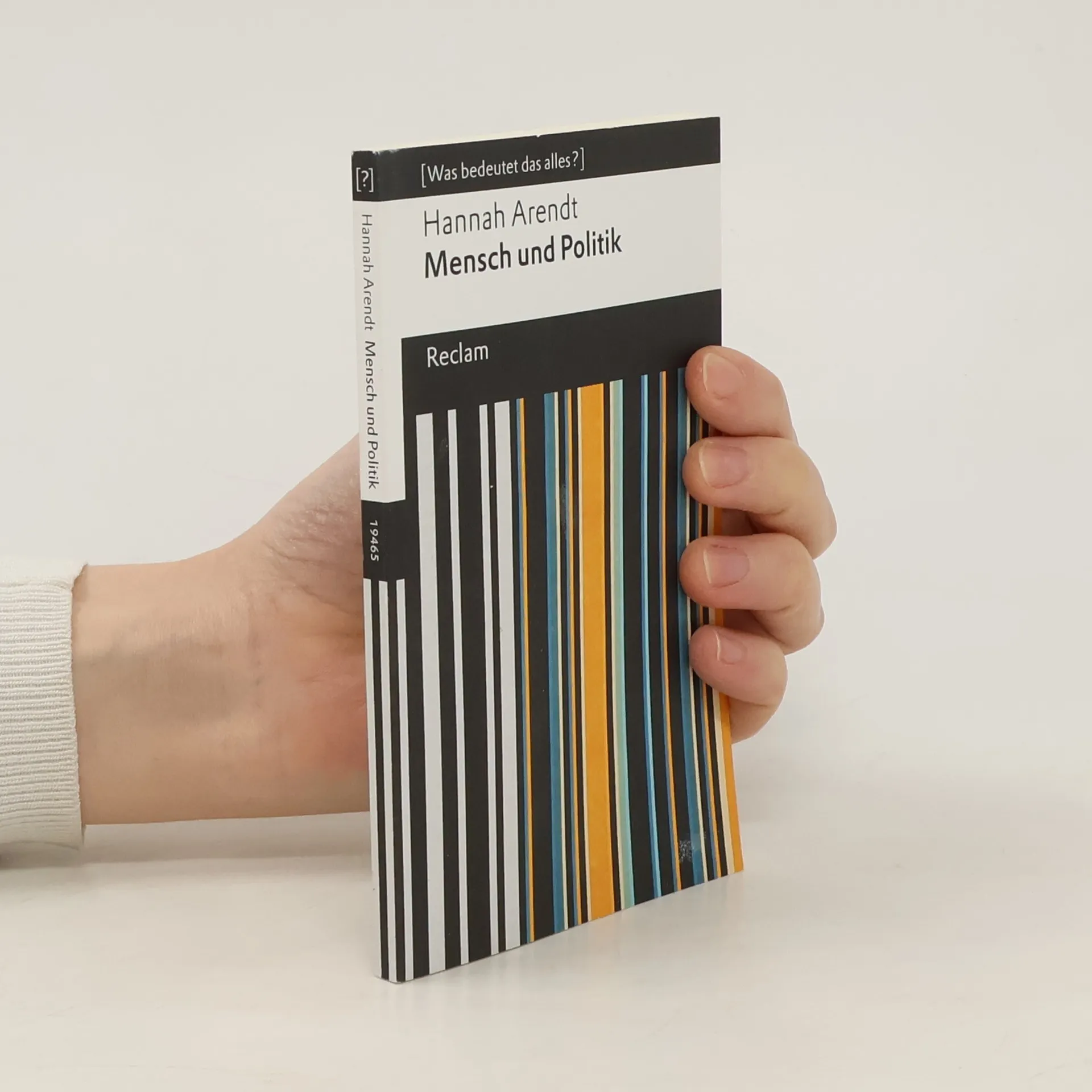
Mensch und Politik
- 104pagine
- 4 ore di lettura
Arendts Überlegungen zu Privatheit, Öffentlichkeit, Freiheit und Politik in diesen beiden Aufsätzen ( Der Mensch, ein gesellschaftliches oder ein politisches Lebewesen und Freiheit und Politik ) sind hochaktuell. In kritischer Auseinandersetzung mit der philosophischen Tradition entwickelt sie darin ein neues Menschen- und Politikverständnis: Freisein ist nur dem Menschen eigentümlich, eine Gabe, »die sich auch in anderen Tätigkeiten als den politischen äußern kann, die aber doch nur im Handeln sich die ihr angemessene weltliche Realität schafft«. Und von dieser Gabe hängt alles ab, »nämlich die Fortexistenz der Menschheit auf der Erde.«
Eichmann war von empörender Dummheit
- 208pagine
- 8 ore di lettura
In einem bislang unbekannten Briefwechsel und einer wiederentdeckten Radiosendung diskutieren Hannah Arendt und Joachim Fest über Adolf Eichmann und die Frage: Wie konnte ein »erschreckend normaler« Mensch zu einem Verbrecher werden, der als selbst ernannter »Spezialist« an entscheidender Stelle für den Völkermord an den europäischen Juden verantwortlich war?
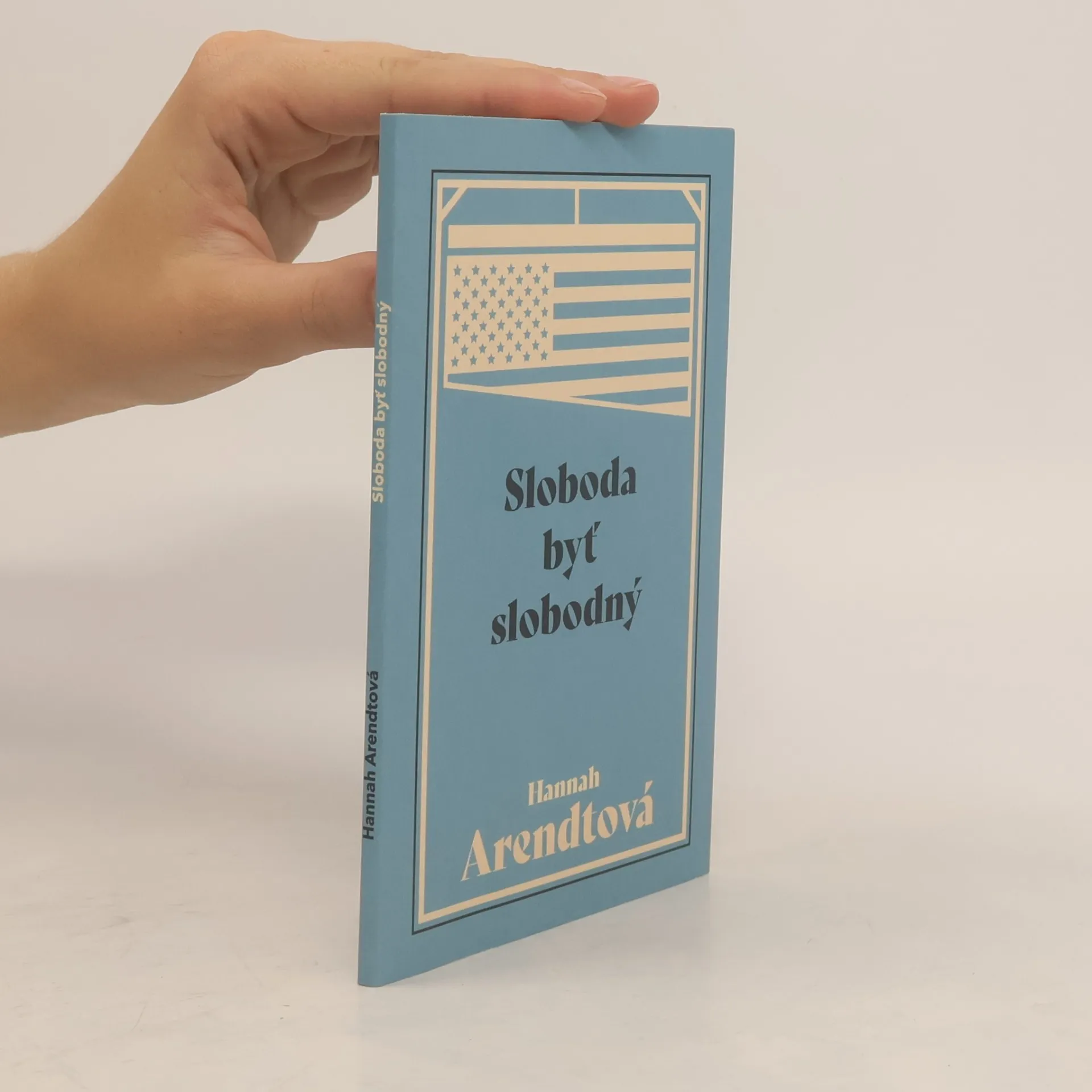
Sloboda byť slobodný
- 56pagine
- 2 ore di lettura
Čo je to sloboda a čo pre nás znamená? Spočíva len v absencii strachu a obmedzení, alebo znamená aj účasť na spoločenských procesoch, vlastný politický hlas, aby nás ostatní počuli, uznali a napokon si na nás spomenuli? Táto esej, ktorá vyšla v Spojených štátoch v šesťdesiatych rokoch, odráža prísnosť a silu politického myslenia Hannah Arendtovej a precízne zhŕňa jej úvahy o slobode, ktoré sú veľmi hlboké a dokážu sa spojiť s výzvami a nebezpečenstvami našej doby. Arendtová sleduje historický vývoj pojmu sloboda, pričom berie do úvahy najmä revolúcie vo Francúzsku a v Amerike. Zatiaľ čo jedna sa skončila katastrofou, ale stala sa zlomovým bodom v dejinách, druhá zaznamenala triumfálny úspech, a predsa zostala lokálnou záležitosťou. Prehodnotenie myšlienky revolúcie sa dnes stalo nevyhnutnosťou a toto opätovné stretnutie s Hannah Arendtovou predstavuje potrebný impulz pre nové generácie.
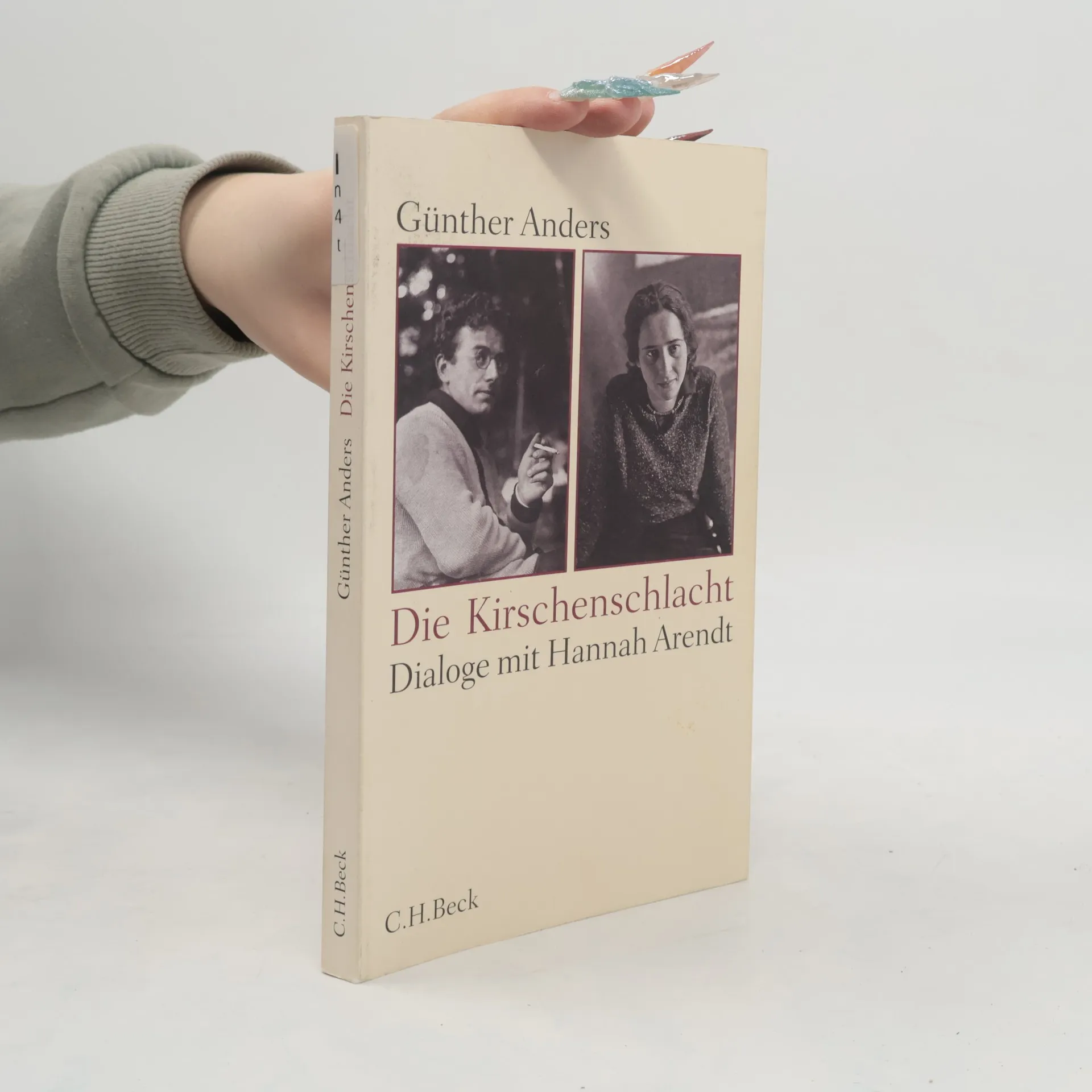
Die Kirschenschlacht
Dialoge mit Hannah Arendt und ein akademisches Nachwort
- 141pagine
- 5 ore di lettura
Die legendären "Hannah- Dialoge" von Günther Anders erstmals veröffentlicht: Nach dem Tod seiner ersten, schon 1937 von ihm geschiedenen Ehefrau Hannah Arendt im Dezember 1975 begann Günther Anders in Erinnerung an jene glückliche erste Zeit des Zusammenlebens, seine Notizen aus den Berliner Ehejahren ab 1929 durchzusehen und im Gedenken an Hannah, die er zur ersten und einzigen Liebe seines Lebens verklärte, die philosophischen Gespräche zu rekonstruieren, die sie damals miteinander geführt hatten. Diese "Hannah-Dialoge", die bislang nur in der Handschrift vorlagen, werden hier erstmals von Gerhard Oberschlick ediert. Ein ausführlicher Essay von Christian Dries beleuchtet die Lebens- und Denkwege von Hannah Arendt und Günther Anders und hilft, die Dialoge in das Lebenswerk der beiden Protagonisten einzuordnen.
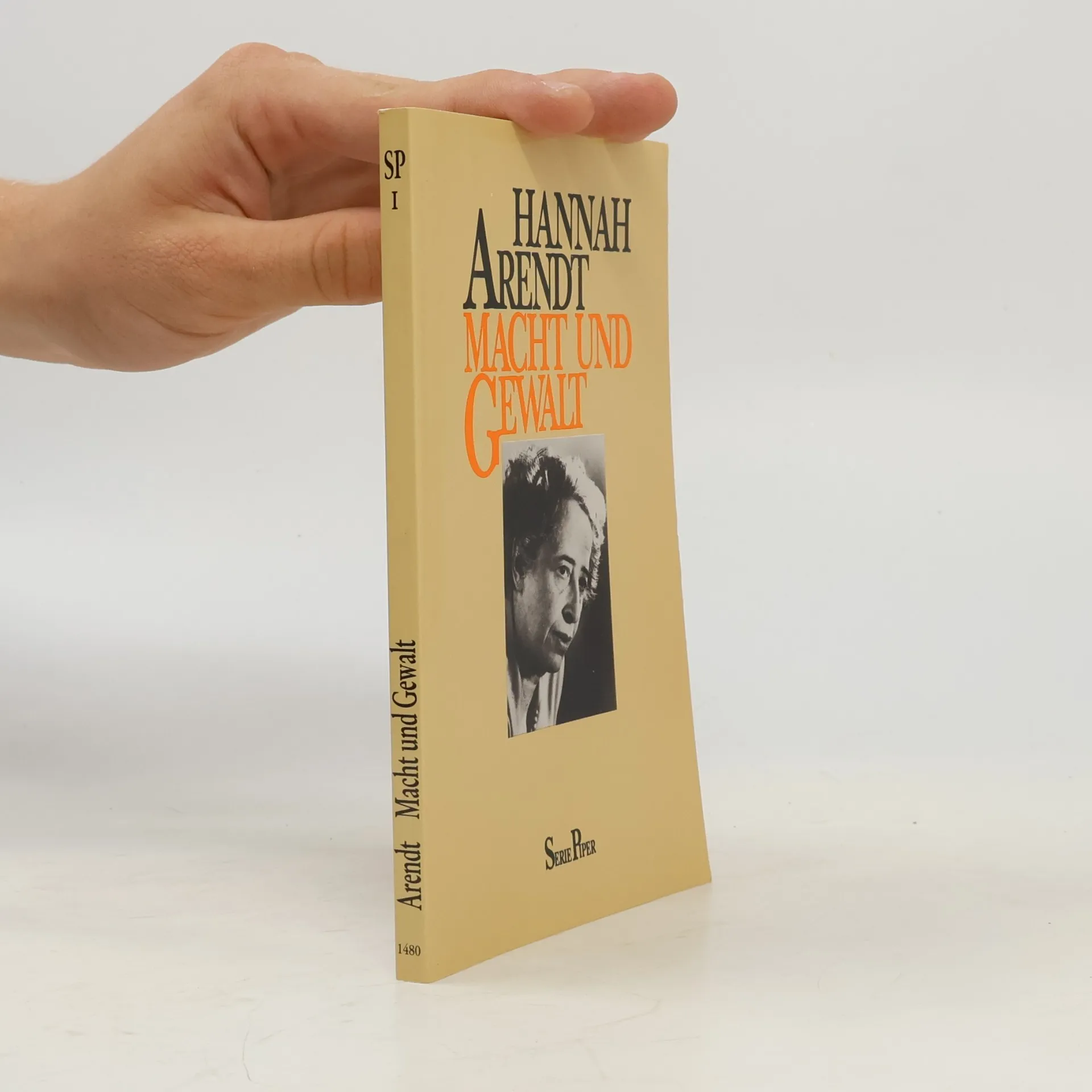
Macht und Gewalt
- 135pagine
- 5 ore di lettura
Macht und Gewalt sind Gegensätze Hannah Arendt hat dieses Buch, das 1970 erstmals erschien, im Angesicht des Vietnamkrieges und unter den Eindruck weltweiter Studentenunruhen geschrieben. In diesem Essay zeigt sie die Abgrenzungen und Überschneidungen der politischen Schlüsselbegriffe Macht und Gewalt. Sie analysiert die theoretischen Begründungen von Gewalttätigkeit und die gewalttätigen Aktionen in Vietnam, in den Rassenkonflikten der USA und bei den Studentenrevolten in aller Welt. Die alte Theorie von Krieg und Gewalt als Ultima ratio der Macht wurde - wenigstensim zwischenstaatlichen Bereich - durch die Kernwaffen ad absurdum geführt. Hannah Arendt formuliert scharf und provozierend aus unserer Wirklichkeit gewonnene Erkenntnisse über die Funktionen von Macht und Gewalt in der Politik. Mit einem Nachwort von Prof. Dr. Christine Blättler
En este volumen se reúnen por primera vez todos los poemas de Hannah Arendt y se muestra que su obra, sin una estrecha relación con la poesía, sería inconcebible. Hannah Arendt es reconocida como una de las pensadoras más importantes del siglo XX. Sin embargo, muy pocos saben que durante décadas escribió poesía. Los poemas de Hannah Arendt son una expresión del sufrimiento causado por la pérdida: ya sea la pérdida de la "edad dorada" que es la infancia, la añoranza de la patria desde el exilio o el dolor por la muerte de los seres queridos. Pero si la pérdida causa sufrimiento es porque, a pesar de la ruptura, el amor persiste. Es cierto que Arendt a veces expresa el anhelo de aplacar el dolor a través del desvanecimiento de la conciencia (el sueño, la noche) o una evasión mental (el baile), pero sabiendo que son lapsos, pausas o descansos provisionales de los que luego se regresa. Es posible insensibilizar al dolor mitigando el amor, pero es más irrenunciable el amor que insoportable el sufrimiento.
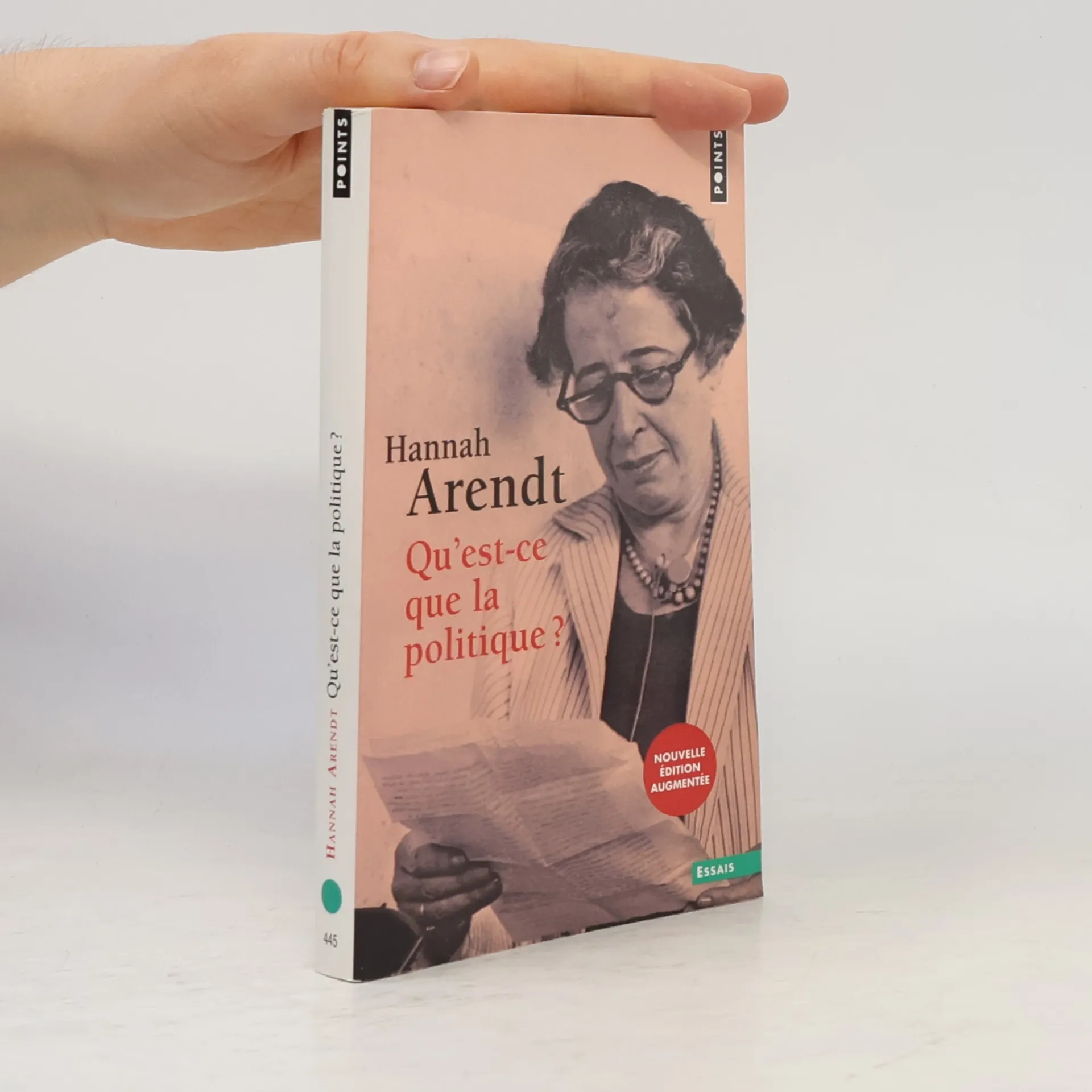
La philosophie et la théologie parlent de l'homme, de l'homme en général. Qu'il y ait un seul homme, ou deux hommes, ou des milliers, ce qu'elles affirment de l'homme reste valide. Il en va de même des approches scientifiques de l'homme : en biologie et en psychologie, on étudie l'homme, de même qu'en zoologie, il n'y a que le lion ou le singe. Il en va autrement en politique. La politique repose sur la multiplicité et la pluralité des hommes. Elle traite de la communauté et de la réciprocité d'êtres différents. En apparence, elle ne parvient jamais à la profondeur de la philosophie et de la théologie. Et pourtant, la politique, cet espace intermédiaire où se joue la liberté, où agissent les hommes libres, peut devenir le lieu même de la profondeur humaine.
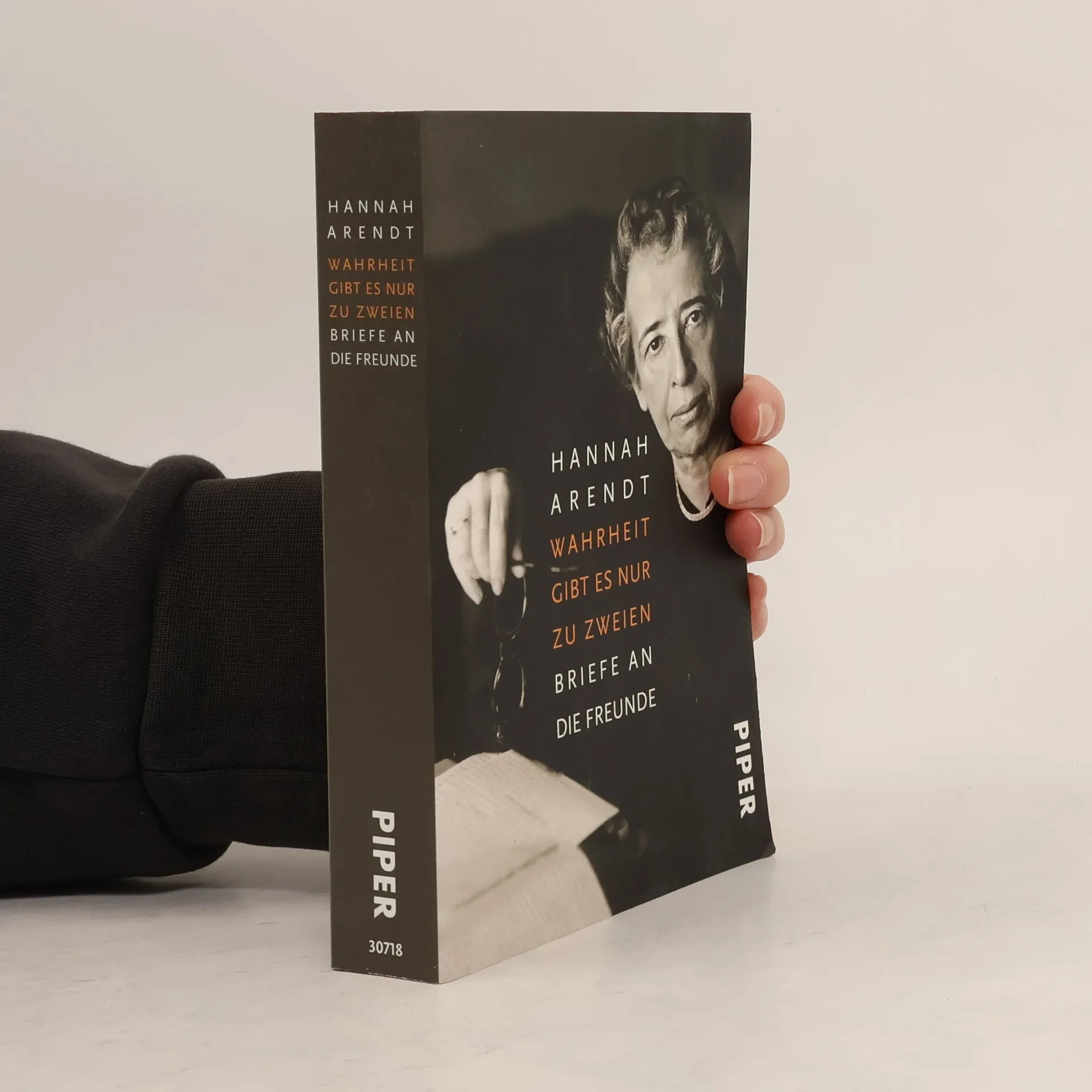
Selten hat sich ein Mensch solch ein Universum der Freundschaft erschlossen wie Hannah Arendt. Darin findet die ins Exil Geflohene Halt, davon erzählen ihre Briefe: Botschaften der Liebe an ihren Mann Heinrich Blücher, philosophische und politische Gespräche mit ihrem Lehrer Karl Jaspers, Bekenntnisse zur Dichtung an den jungen Schriftsteller Uwe Johnson. »Wahrheit«, schreibt Arendt, »gibt es nur zu zweien«. Wie viele Facetten das Gespräch unter vier Augen für sie hat, zeigt diese Auswahl ihrer schönsten Briefe.
Preuves
Une revue européenne à Paris
Krize republiky
- 228pagine
- 8 ore di lettura
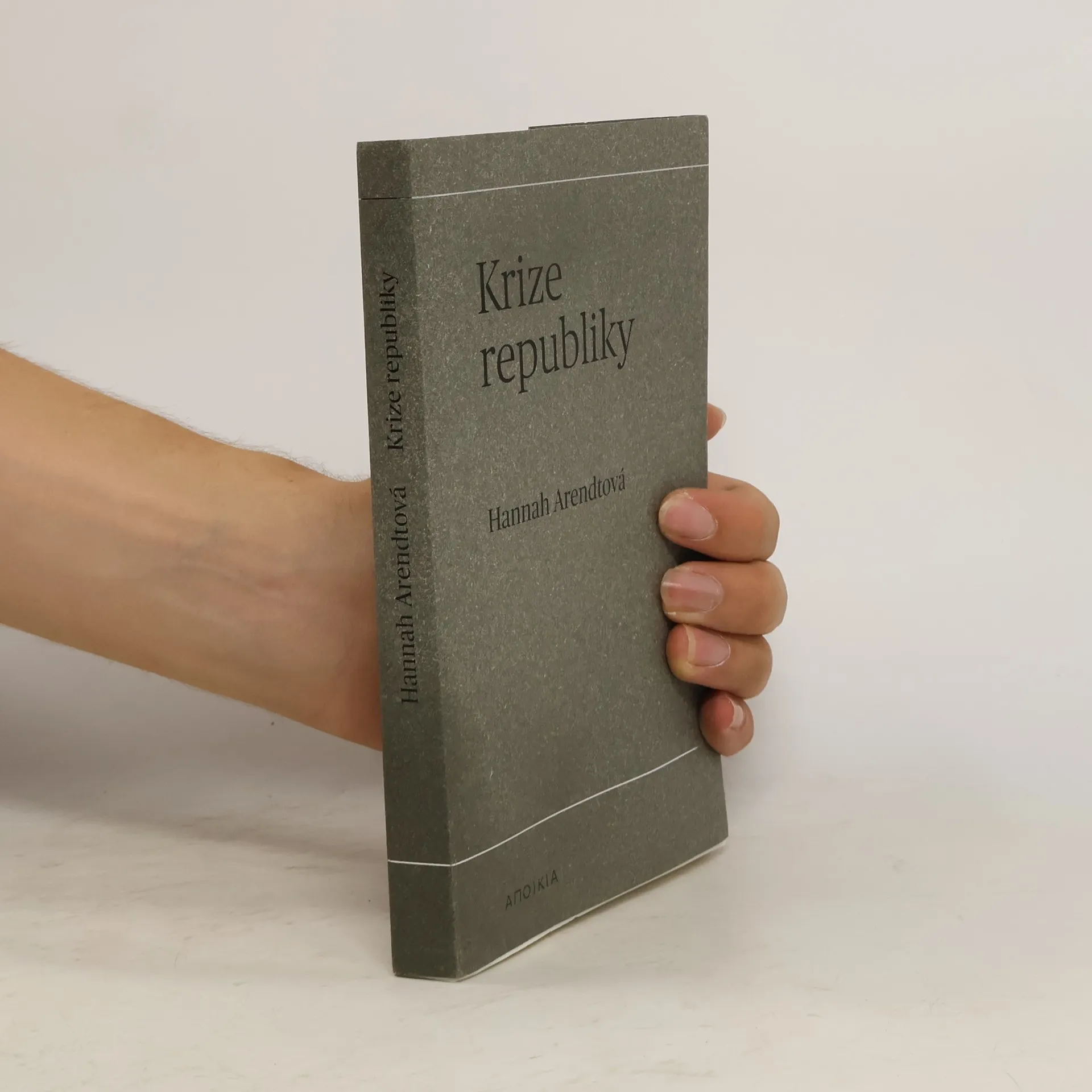
Krize republiky je soubor čtyř textů, v nichž Hannah Arendtová zkoumá krizové události a vývoj politického života ve Spojených státech v 60. a 70. letech 20. století a jak tento vývoj ohrožuje americkou (a obecně demokratickou) formu vlády, nebo naopak jakým způsobem do ní zapadá. V úvodním eseji s názvem „Lhaní v politice“ analyzuje případ tak zvaných „Pentagonských dokumentů“, které odhalily taktiku rozhodovacích procesů na nejvyšších místech americké politiky během války ve Vietnamu, a zabývá se důsledky dnes tak aktuální proměny politiky v pouhou arénu, v níž dochází pouze k vytváření určitých obrazu a k budování vztahů s veřejností. Druhý text, který už svým názvem „Občanská neposlušnost“ odkazuje k eseji Henryho Davida Thoreaua, se pokouší o rozbor různých amerických protestních a opozičních hnutí na pozadí demokratického právního systému a americké tradice odporu a „sdružování“. V obecnější studii „O násilí“ Arendtová otevírá problém povahy, příčin a významu násilí v druhé polovině 20. století a jeho vztahu k moci, politice a válce. Doplňkem k této studii je závěrečný rozhovor „Myšlenky o politice a revoluci“. Ve všech těchto textech sice Arendtová definuje a objasňuje dobové zájmy a obavy Američanů, nicméně její závěry a poselství právě tak nadčasově zahrnují současné problémy demokratických politických systémů.
Vorträge und Aufsätze 1941–1950
- 672pagine
- 24 ore di lettura
Die umfassende Edition von Hannah Arendts Schriften vereint erstmals alle deutschen Aufsätze und Artikel chronologisch in vier Bänden. Die Ausgabe enthält zahlreiche unbekannte Texte und wird von Experten mit ausführlichen Nachworten ergänzt. Der zweite Band umfasst Einzelschriften aus den Jahren 1941 bis 1950.
Vorträge und Aufsätze 1930-1938
- 368pagine
- 13 ore di lettura
Die Entwicklung einer großen Denkerin Erstmals werden sämtliche Aufsätze, Zeitungsartikel und sonstige auf Deutsch verfasste oder zu ihren Lebzeiten ins Deutsche übertragene Schriften Hannah Arendts chronologisch und vollständig in einer auf vier Bände angelegten Edition veröffentlicht. Die Ausgabe wird zahlreiche bislang unbekannte und unveröffentlichte Texte enthalten. Damit wird die von Thomas Meyer herausgegebene Studienausgabe alle deutschen Arbeiten Arendts vereinen. Die Bände sind jeweils mit einem ausführlichen Nachwort verschiedener Expert:innen versehen. Der erste Band umfasst alle Einzelschriften von 1930 bis 1941.
Wie ich einmal ohne dich leben soll, mag ich mir nicht vorstellen
- 677pagine
- 24 ore di lettura
Freundschaft, so Arendt in ihrem Denktagebuch, gehört zu den »tätigen Modi des Lebendigseins«, und Briefe sind deren herausragende Zeugnisse. Dieser Band versammelt weitgehend unveröffentlichte Briefwechsel der politischen Philosophin mit ihren langjährigen Freundinnen Charlotte Beradt, Rose Feitelson, Hilde Fränkel, Anne Weil-Mendelsohn und Helen Wolff. Neben den gemeinsamen Projekten prägte die Freundschaften auch, dass alle Frauen die Wirklichkeiten von Emigration und Immigration kannten. Die Briefwechsel führen mitten hinein in Arendts Gedanken- und Arbeitswelt, sie erzählen Privates und Alltägliches aus fünf sehr unterschiedlichen, intensiv gelebten Freundschaften. Berichtigung: Auf Seite 48 enthält dieses Buch eine falsche Information mit einer in Fußnote 98 angegebenen Quelle, aus der diese nicht entnommen werden kann. Anne und Erich Weil haben sich nicht katholisch-kirchlich trauen lassen. Sie heirateten am 16. Oktober 1934 standesamtlich in Paris und am 23. Oktober nach jüdischem Ritus in Bad Mondorf (Luxemburg). Verlag und Herausgeberinnen bedauern diesen Fehler, der im E-Book bereits korrigiert werden konnte.















![Essays & [und] Kommentare 1](https://rezised-images.knhbt.cz/1920x1920/71852935.webp)