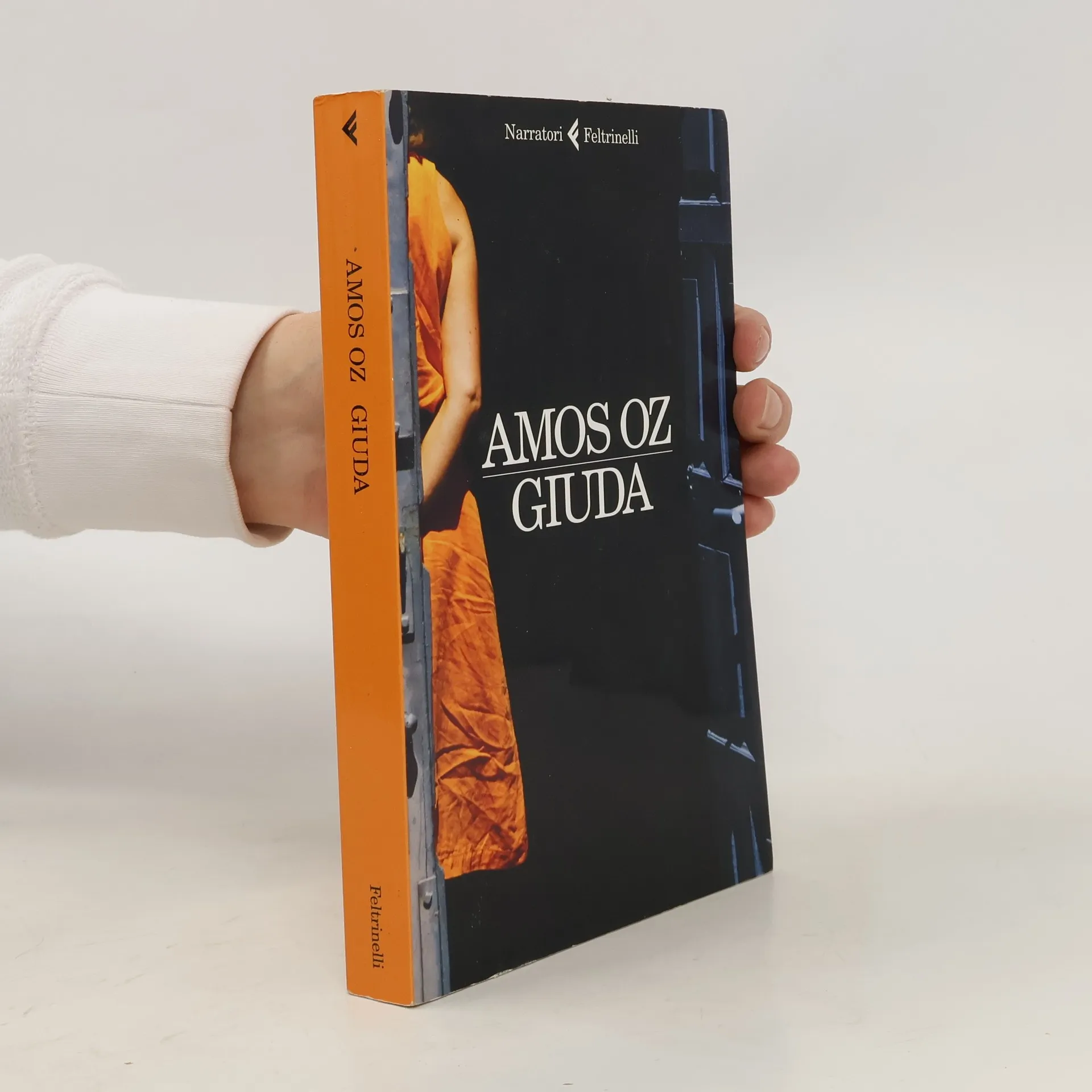
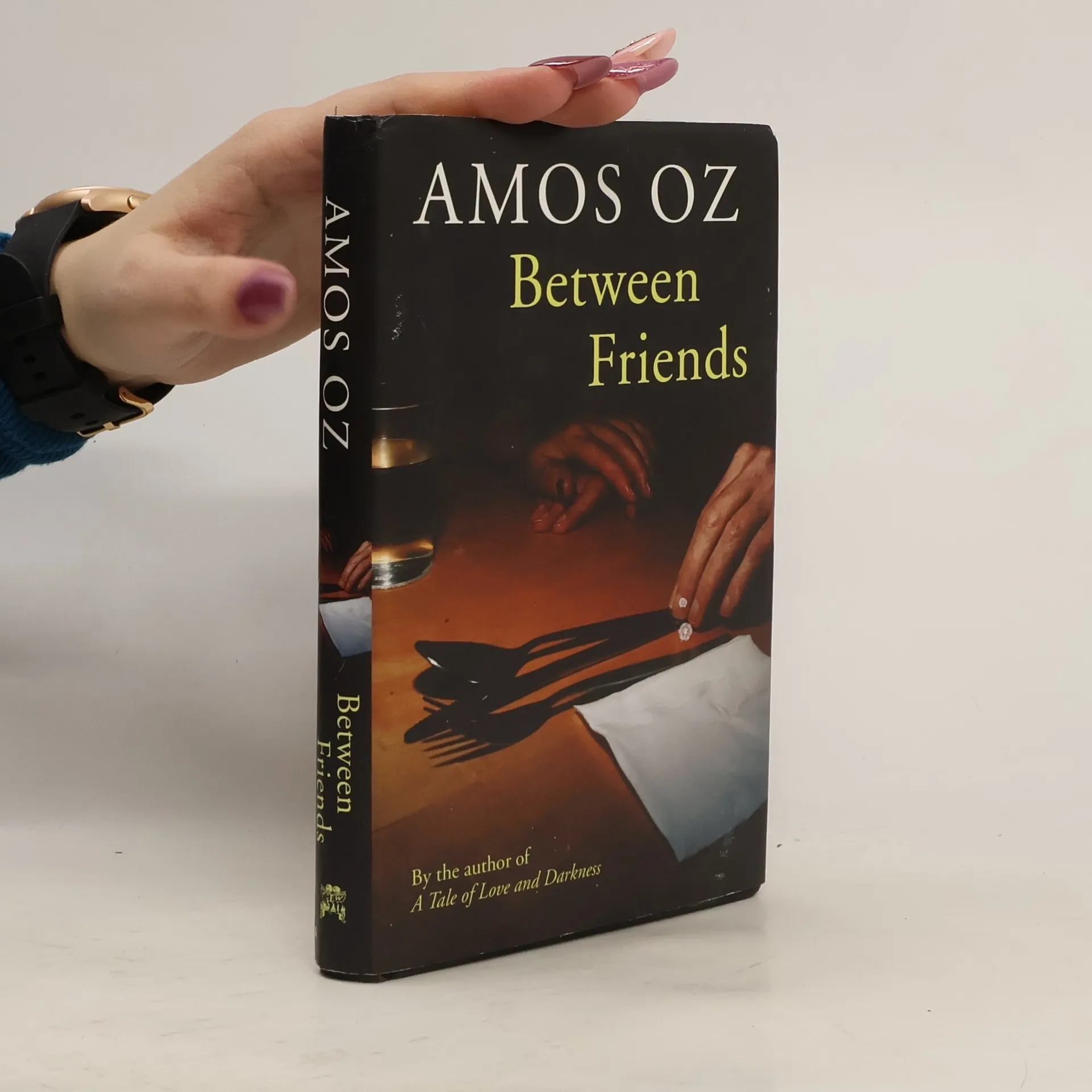
At the heart of each drama is a desire to be better, more principled and worthy of the community's respect. With his trademark compassion and sharp-eyed wit, Amos Oz leaves us with the feeling that what matters most between friends is the invisible tie of our shared humanity.
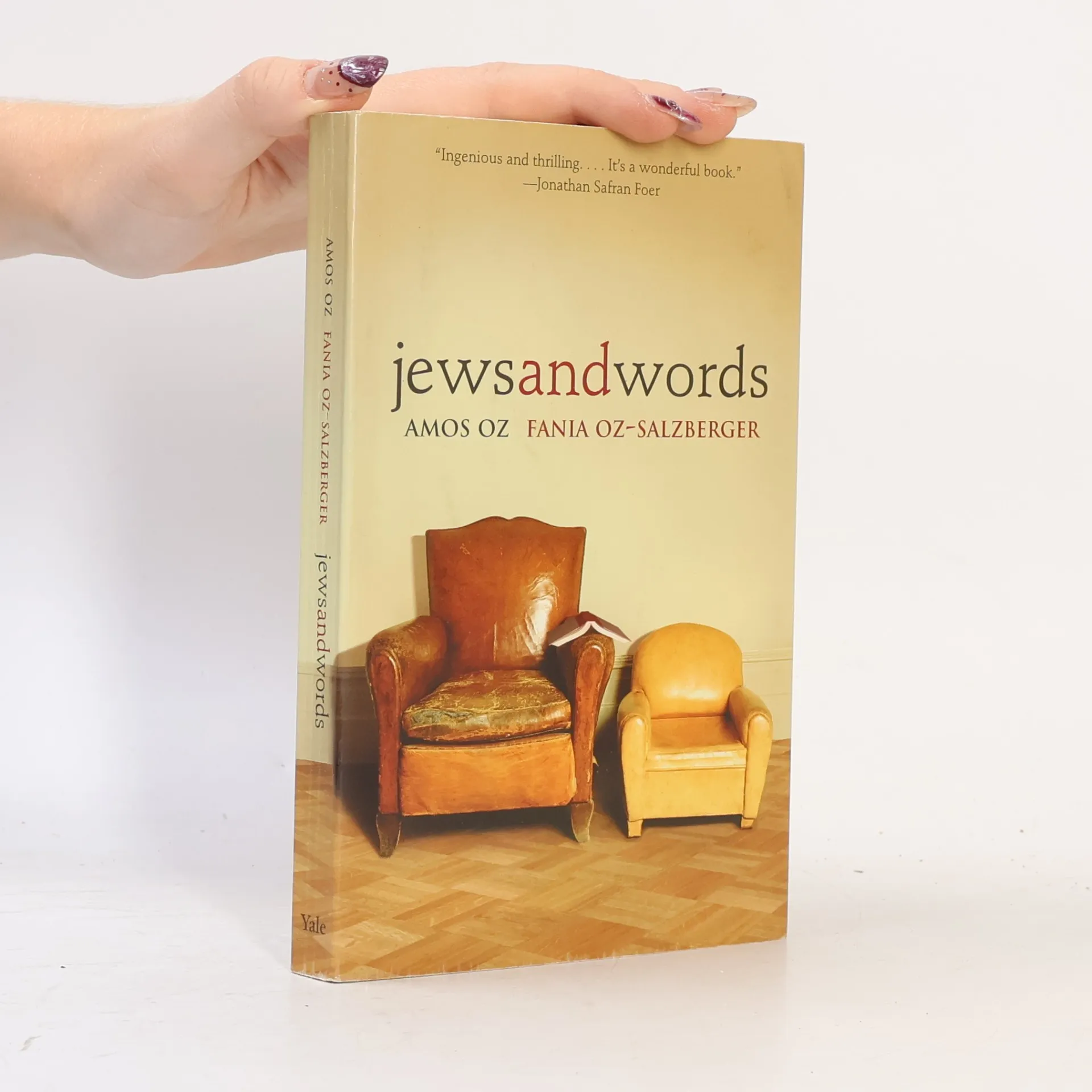
The authors roam the gamut of Jewish history to explain the integral relationship of Jews and words. Father and daughter tell the tales behind Judaism's most enduring names, adages, disputes, texts, and quips. These words, they argue, compose the chain connecting Abraham with the Jews of every subsequent generation. From the unnamed, possibly female author of the Song of Songs through obscure Talmudists to contemporary writers, they suggest that Jewish continuity, even Jewish uniqueness, depends not on central places, monuments, heroic personalities, or rituals but rather on written words and an ongoing debate between the generations.
“Questa è una storia che si svolge nell'inverno tra la fine del 1959 e l'inizio del 1960. Questa storia contiene un errore e della passione, un amore deluso e una questione di ordine religioso che qui rimane irrisolta. Non pochi edifici portavano ancora ben riconoscibili i segni della guerra che dieci anni prima aveva diviso la città. In sottofondo vi capiterà di udire la melodia lontana di una fisarmonica o le struggenti note di un'ocarina, sul far della sera, dietro un'imposta chiusa.”--Back cover
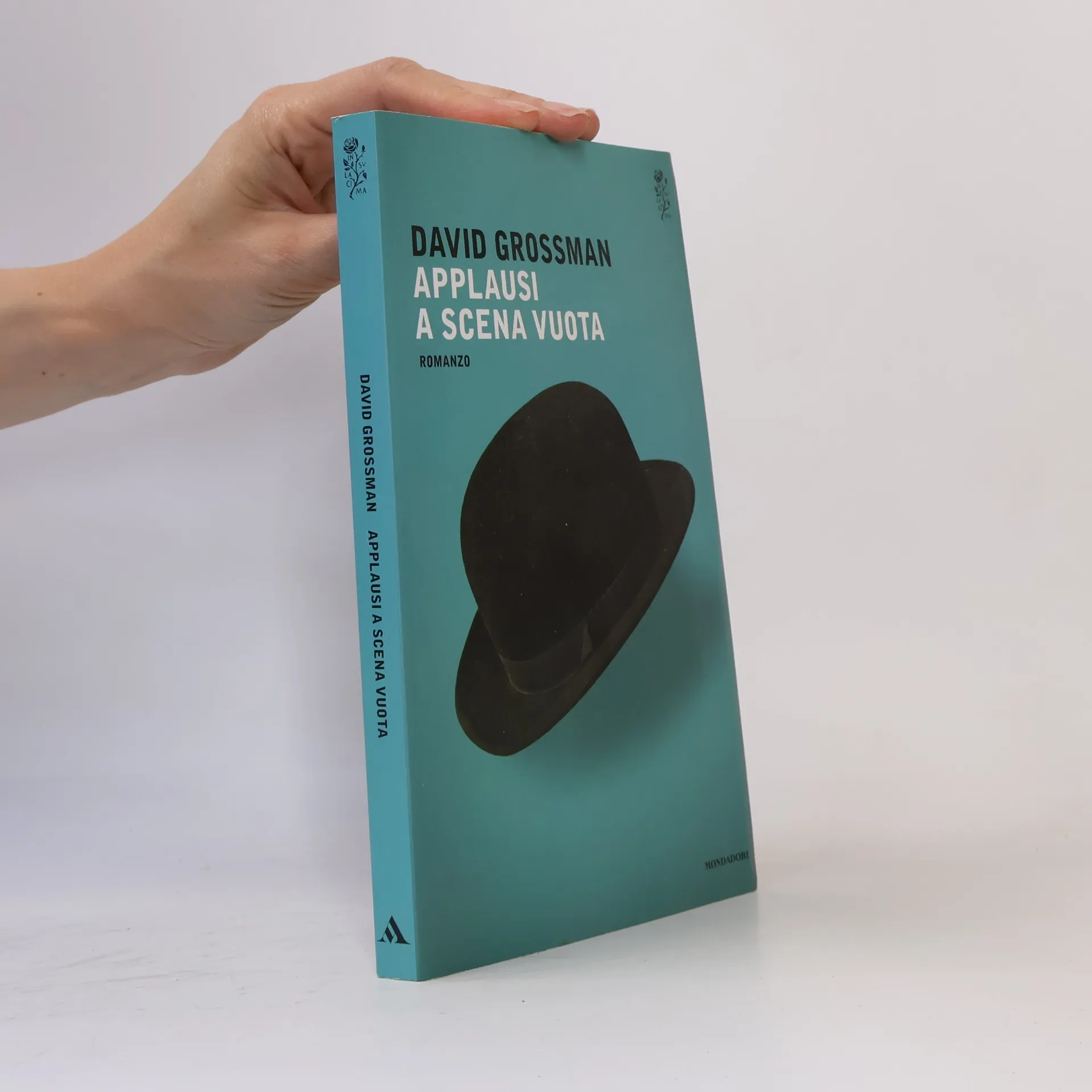
Il palcoscenico è deserto. Il grido echeggia da dietro le quinte. Il pubblico in sala a poco a poco si zittisce. Un uomo con gli occhiali, di bassa statura e di corporatura esile, piomba sul palco da una porta laterale. Signore e signori un bell'applauso per Dova'le G.! C'è qualcosa di strano nella serata. Tra le sedie c'è un intruso, trascinato fino a quella cittadina poco raccomandabile da una telefonata inattesa: è l'onorevole giudice Avishai Lazar, amico d'infanzia di Dova'le. Deve giudicare la vita intera di quello che, lo ricorda solo ora, era un ragazzino macilento e incredibilmente vivace, con l'abitudine stramba di camminare sulle mani. Dova'le sul palco si mette a nudo, e imprigiona la sala nella terribile tentazione di sbirciare nell'inferno di qualcun altro. Nella storia di un bambino che camminava a testa in giù e da quella posizione riusciva ad affrontare il mondo. Un ragazzino che al campeggio paramilitare viene raggiunto dalla notizia della morte di un genitore e deve partire per arrivare in tempo al funerale. Ma chi è morto? Nessuno ha avuto il coraggio di dirglielo, o forse lui non ha compreso. Il giovane Dova'le ha un viaggio intero nel deserto per torturarsi con l'angoscia di un calcolo oscuro che gli avvelena la testa. Mio padre o mia madre? Ora eccolo, quel ragazzino, ancora impigliato nell'estremo tentativo di venire a capo di quella giornata lontana, ancora incapace di camminare dritto.
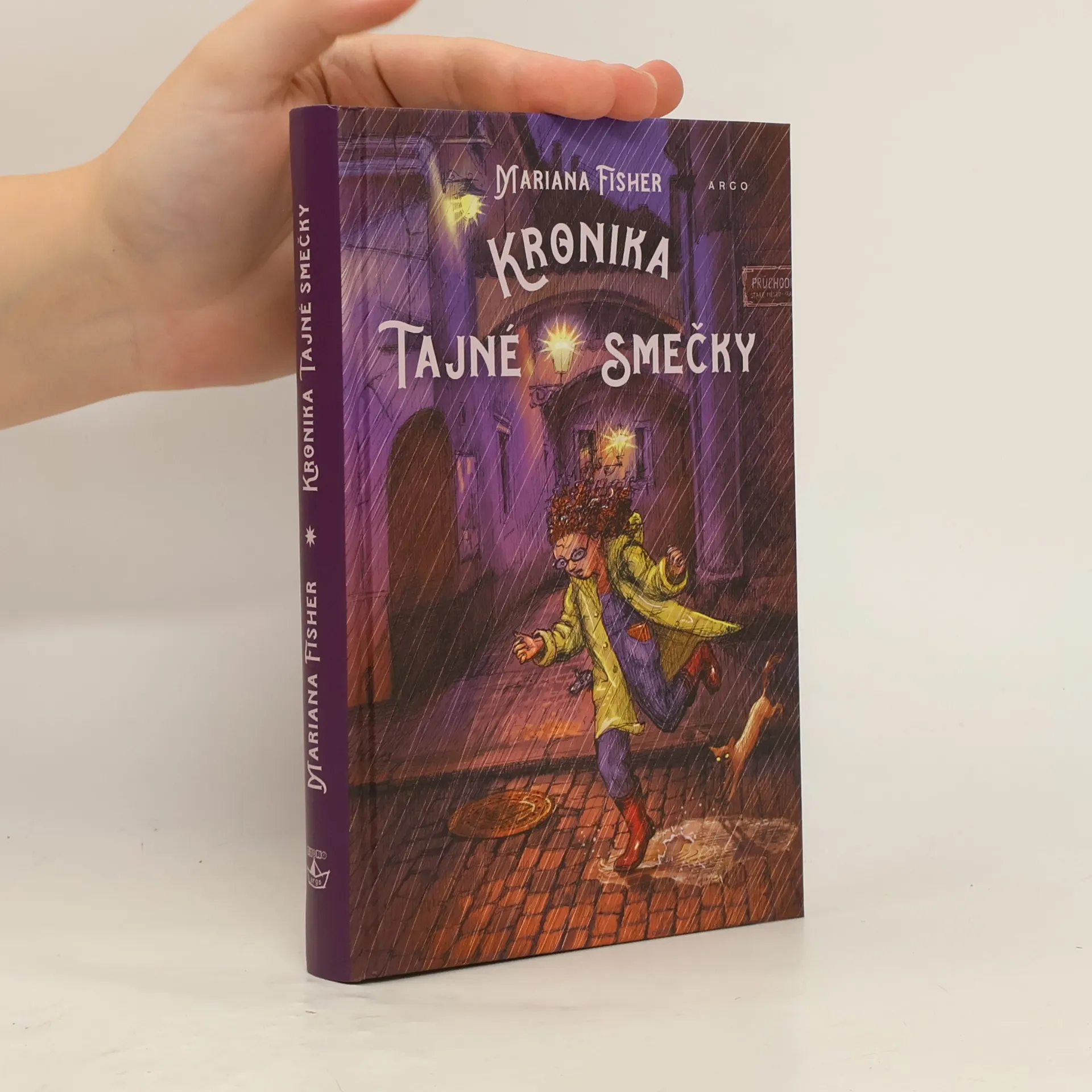
V uličce poblíž pražského Klementina je prastarý antikvariát, který skrývá velké a podivné tajemství. Jednoho dne tam totiž antikvářova dcera Adina objeví krysu, přesněji krysáka, jak se hrbí nad knihou a něco si mumlá. Hlodavec umí ale nejen číst a mluvit mnoha jazyky, umí také psát. Jmenuje se Aleph Rattus, krátce Alfréd, a zrovna sepisuje své paměti - sahají až do roku 1455, kdy v dílně slovutného knihtiskaře Gutenberga spadl do kotle s kouzelným inkoustem... Pomůže Adině přeložit sbírku básní, kterou napsala její maminka ve své rodné francouzštině nedlouho před smrtí? A kdo je Tajná smečka a proč se chce Alfrédovy kroniky zmocnit? A co se stane Adině, když si sama kouzelného inkoustu lízne? DOBRODRUŽNÝ PŘÍBĚH VYPRÁVÍ O DRAHOCENNÝCH KNIHÁCH, TAJNÝCH CHODBÁCH, RODIČOVSKÉ LÁSCE I VELKÉ POVODNI.