Mark D. Steinberg è uno storico di spicco specializzato nella storia culturale, intellettuale e sociale della Russia e dell'Unione Sovietica durante il diciannovesimo e il ventesimo secolo. Il suo lavoro approfondisce le profonde trasformazioni sociali e le correnti intellettuali che hanno plasmato questa regione fondamentale della storia mondiale. La ricerca di Steinberg offre penetranti intuizioni sulla complessità dell'identità russa e sulla sua evoluzione attraverso epoche turbolente.
Outlines a complete mind-body program that combines modern nutritional understandings with Paleolithic health-bolstering strategies to reveal the link between the modern diet and common diseases, sharing recommendations for weight loss, stress reduction and improved brain function. Original.
La ricostruzione dello storico Riasanovsky accompagna i russi attraverso la loro storia millenaria dallo stato di Kiev al principato di Mosca, dal regno di Ivan il Terribile all'ampio processo di occidentalizzazione di Pietro il Grande, dai tentativi riformistici del XIX secolo fino alla fondazione dello stato sovietico, dagli anni del terrore staliniano a quelli della stagnazione brezneviana. Sergio Romano, già ambasciatore a Mosca, ha completato l'opera con tre nuovi capitoli in cui il lettore troverà una prima interpretazione storica delle trasformazione politiche, economiche, sociali e culturali che si sono prodotte in questi ultimi anni, dalla svolta democratica di Gorbacev alla fine dell'Urss, dalla presidenza di El'cin a quella di Putin.
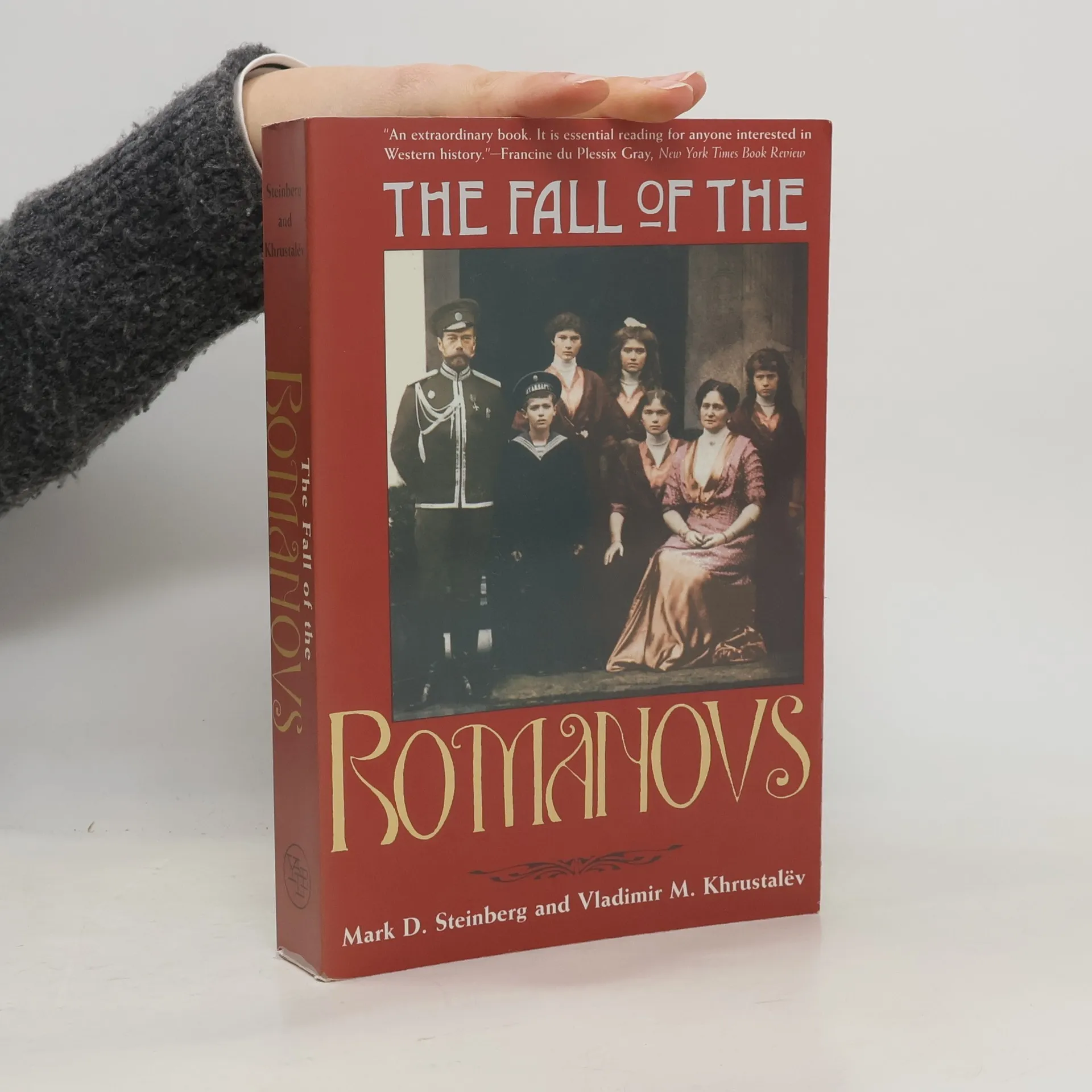
Based on documents and photographs from recently opened Russian archives and from Western collections, a surprising new portrait of the last Russian tsar and his family during the Bolshevik revolution challenges long-held views of the Romanovs. UP.
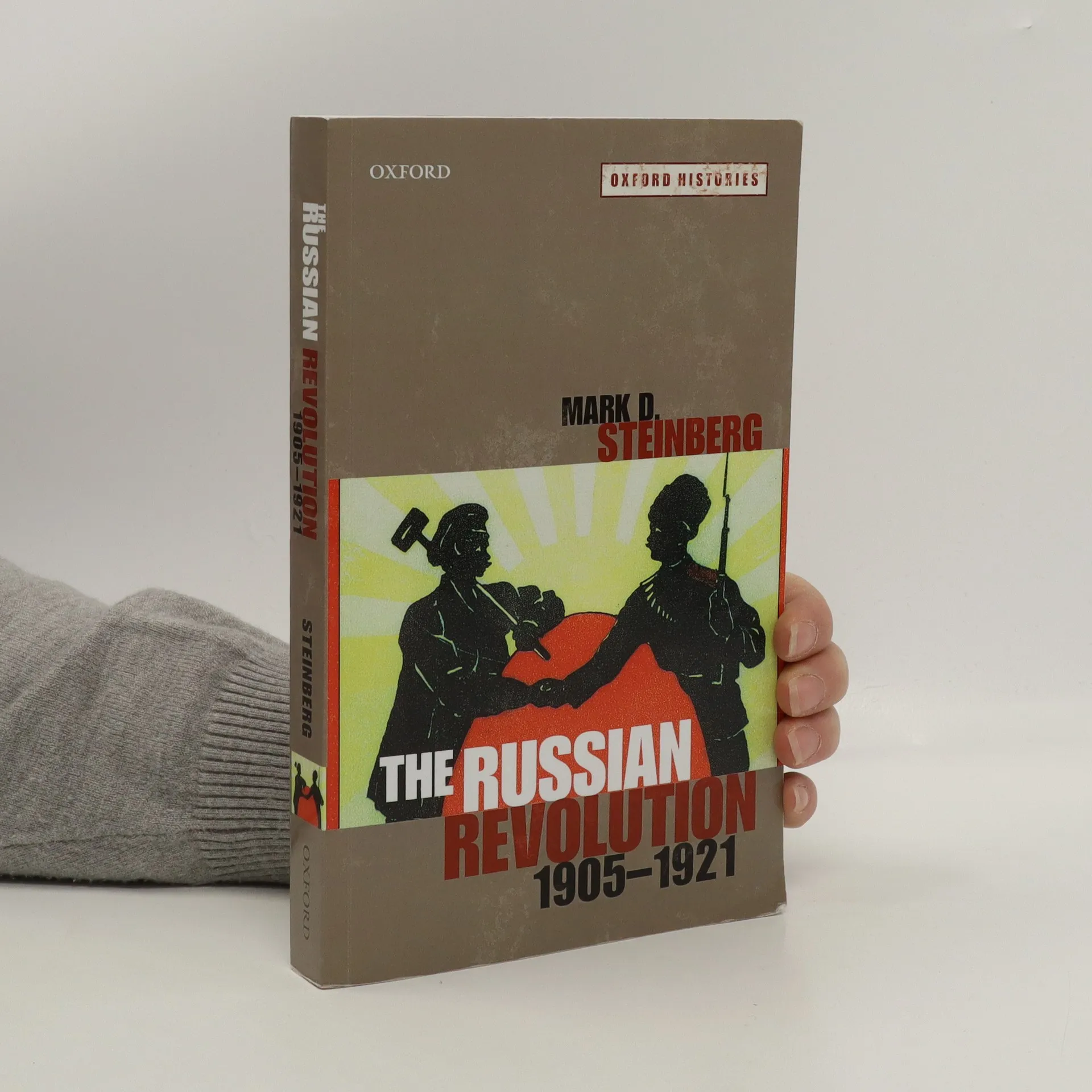
The Russian Revolution, 1905-1921 presents a vivid history of Russia's revolutionary era, focusing on the experiences of individuals as they navigated and shaped the unfolding events. From Bloody Sunday in 1905 to the end of the civil war in 1921, the narrative combines the insights of a professional historian with the immediacy of contemporary journalism. It explores various locations and communities—city streets, peasant villages, and the margins of the empire, including Central Asia and Ukraine—highlighting the diverse voices of men and women, workers, intellectuals, artists, and activists. Key figures such as Vladimir Lenin, Lev Trotsky, and Alexandra Kollontai are featured alongside lesser-known individuals, illustrating a broad spectrum of experiences. Central themes include social, economic, gendered, and ethnic inequalities, as well as power dynamics, resistance, violence, and notions of justice and freedom. Aimed at students and general readers, this history draws heavily on contemporary texts to vividly bring the past to life, emphasizing the interpretations, values, emotions, and aspirations that made these tumultuous times significant for those who lived through them.