

Sir Richmond was a British archaeologist specializing in the Roman period, born in Rochdale, Lancashire. He was educated at Ruthin School and Corpus Christi College, Oxford, and spent two years at the British School in Rome, where he developed a keen interest in Roman military architecture and army methods. This focus shaped his lifelong research. He gained practical experience working with Mortimer Wheeler at Segontium in Wales. From 1926 to 1930, he lectured in classical archaeology at Queen's University, Belfast, before returning to Italy as Director of the British School in Rome in 1930. However, he had to retire due to ill health two years later and spent nearly three years without a post. In 1935, he joined the University of Durham as a lecturer in Romano-British history, where he remained until 1956, except for a brief period of National Service. He was awarded a personal Chair in 1950 and conducted numerous excavations along Hadrian's Wall and nearby sites. In 1956, he moved to Oxford as the first holder of the Chair in the Archaeology of the Roman Empire and was knighted in 1964. Throughout his career, he published many works, including "Roman Britain" and, with R.G. Collingwood, "The Archaeology of Roman Britain." He also served as President of the Society of Antiquaries of London from April 1964 until his death in 1965.
Malcolm Todd Libri


The Early Germans
- 304pagine
- 11 ore di lettura
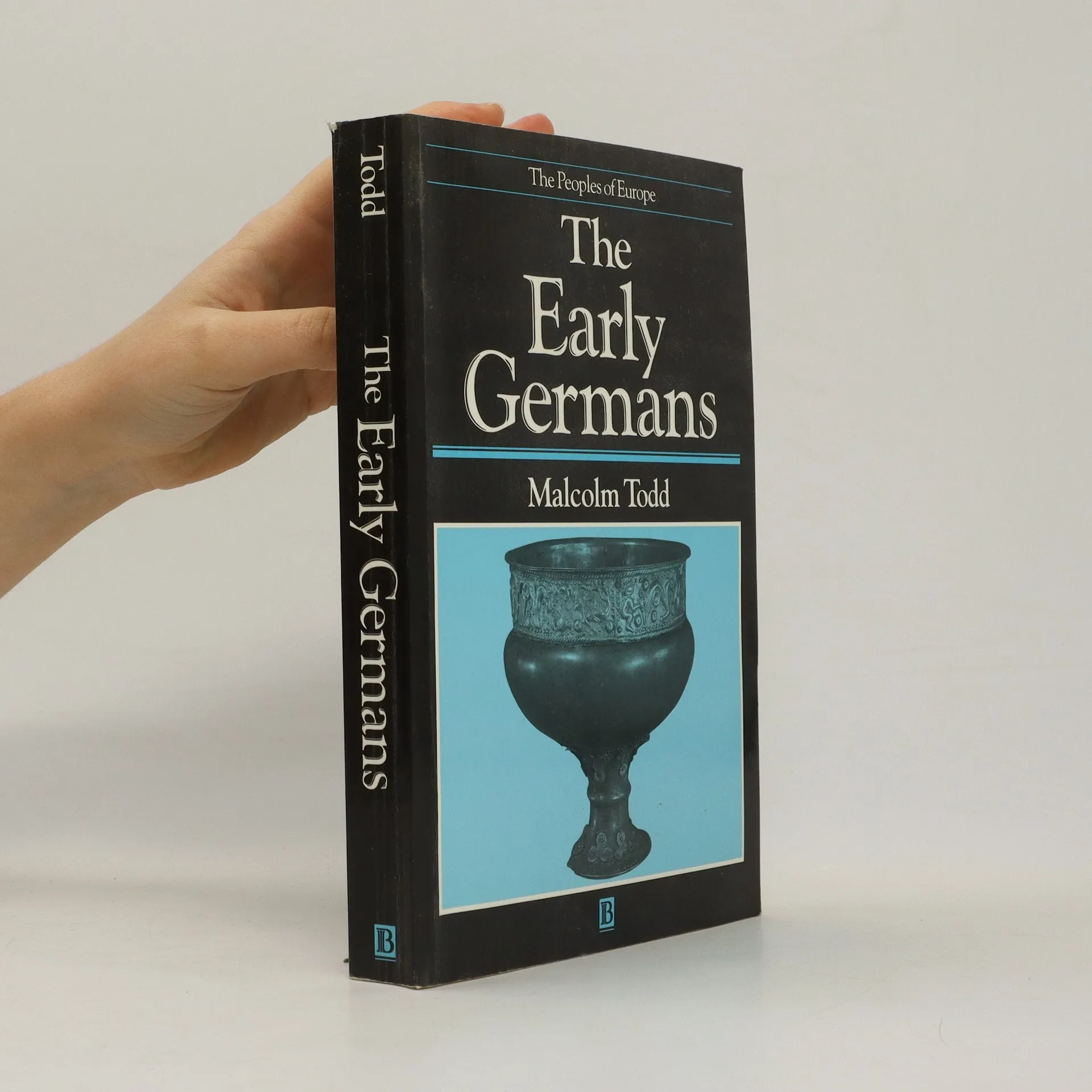
This illustrated history of the early Germanic peoples has been updated to take account of new archaeological evidence and advances in interpretation. Updated edition of this illustrated treatment of the early Germanic peoples. Provides an overview of current knowledge of the early Germans. Presents their social structure, settlements, trade, customs, religion and craftsmanship. Incorporates new archaeological evidence and review recent historical interpretation. Offers new insights into developments in central and eastern Europe. Ten new illustrations have been added featuring significant new discoveries.
The Coritani
- 164pagine
- 6 ore di lettura
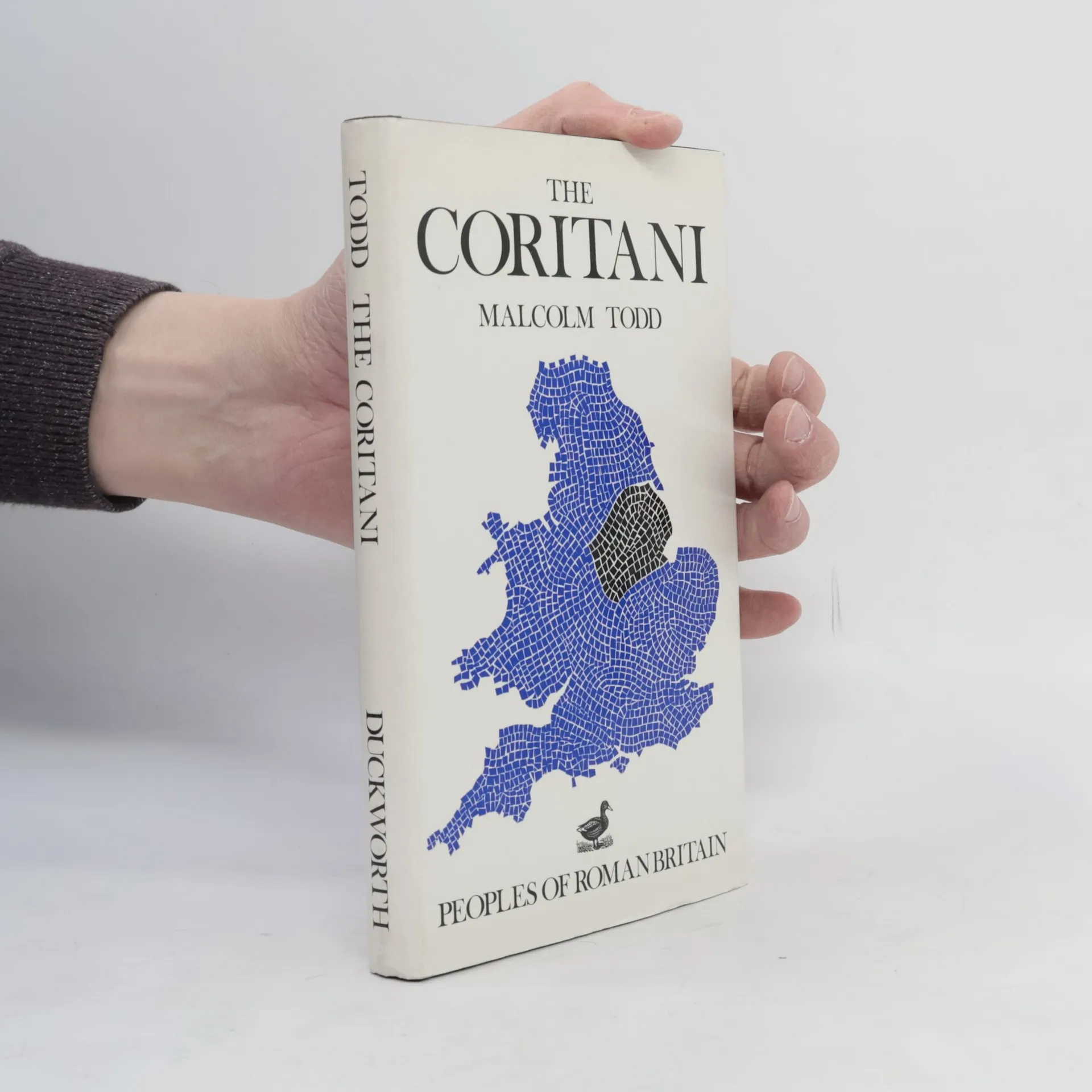
This book explores the archaeology of rural settlement in Eastern Britain during the Roman administration. It discusses tribal territory and the Pre-Roman Iron Age, communications and urban settlement, industry and the economy, and the developments in the late fourth and fifth centuries. The text incorporates significant advances in archaeological research, despite ongoing issues with the non-publication of archaeological digs.
The Northern Barbarians, 100 BC-AD 300
- 212pagine
- 8 ore di lettura
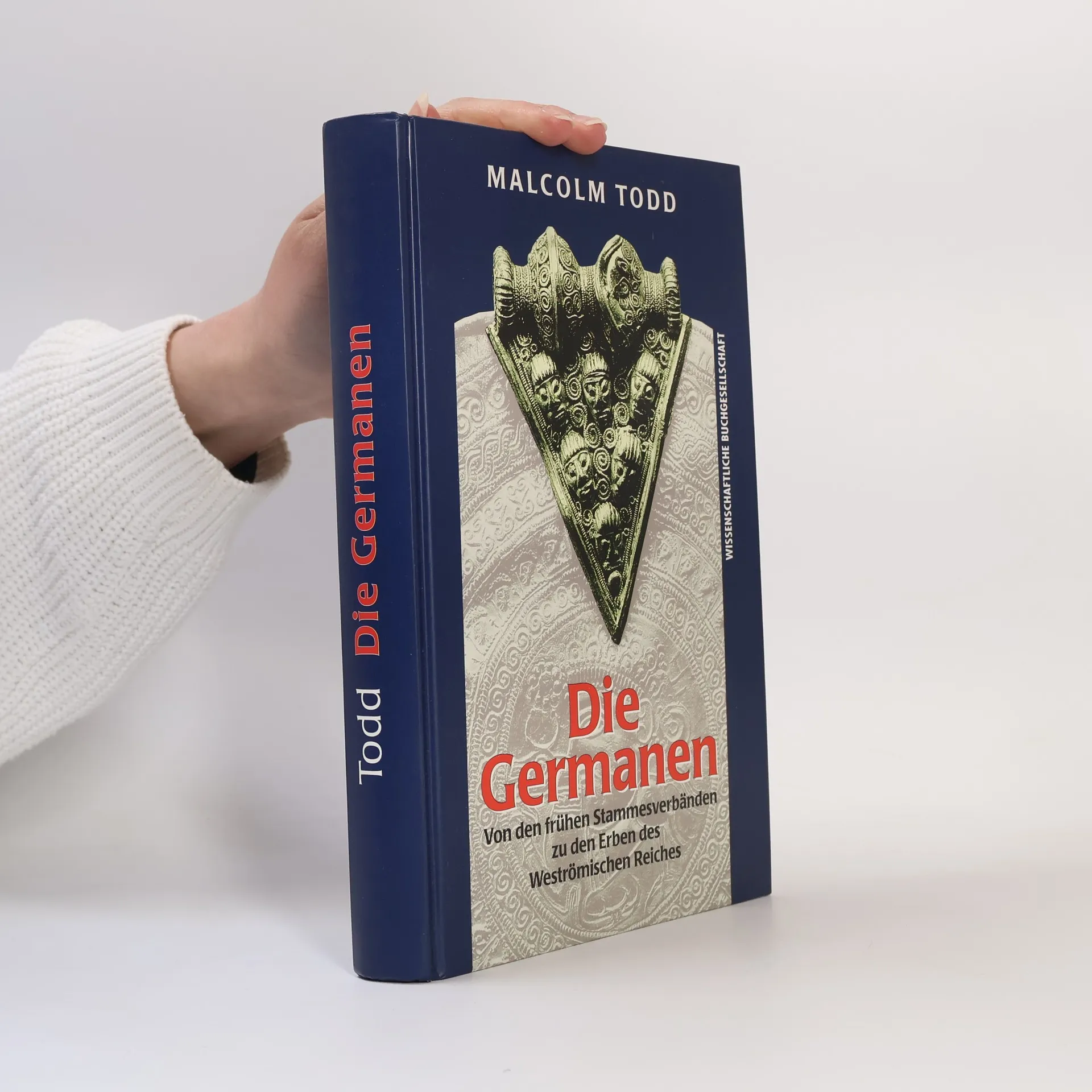
The early Germans were the most important people living outside the bounds of the Roman empire. This book examines the Germanic peoples from their first contact with the Mediterranean world to the beginnings of the migration which carried them over most of Europe. In contrast to the traditional view of the Germans, as barbaric peoples who undermined and finally destroyed the civilization of the western Roman empire, Malcolm Todd argues that they came not to overthrow, but to find their own place in a civilization which they were well equipped to join. The majority of the evidence which he brings to bear is archeological. His book presents an account of the early Germans as cultivated settlers and craftsmen who impressed with their skills and achievements as well as with the force of their numbers.