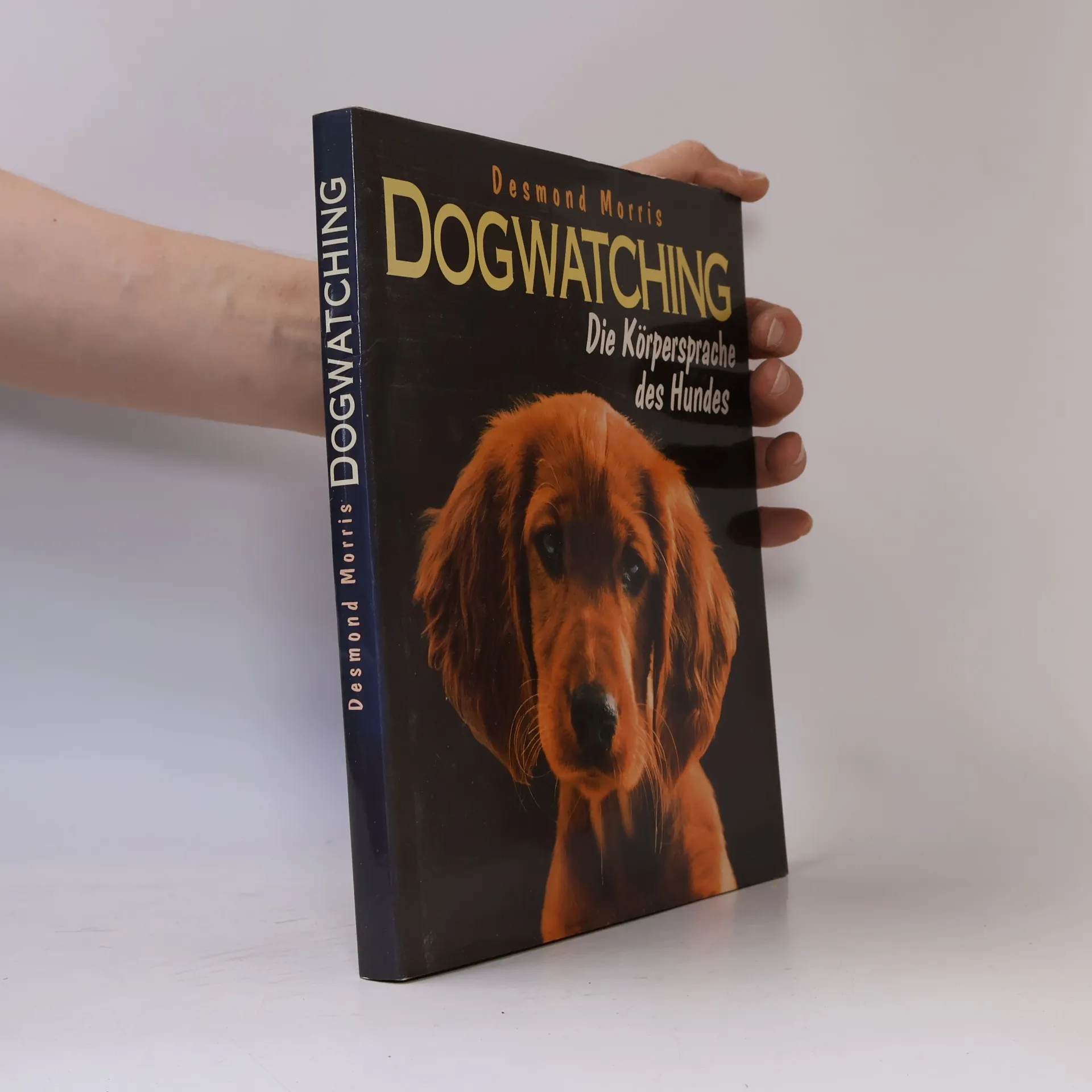
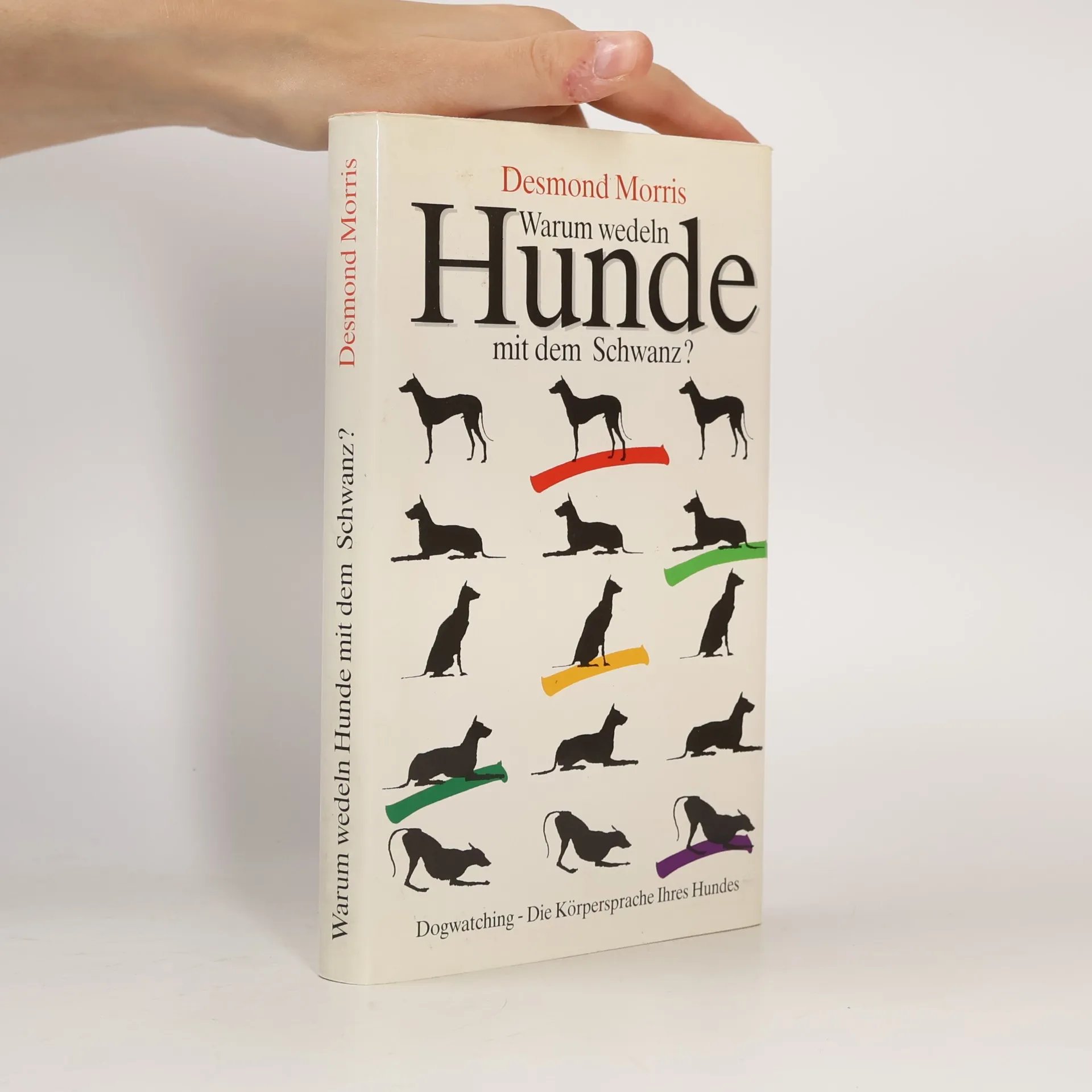
Desmond Morris Libri
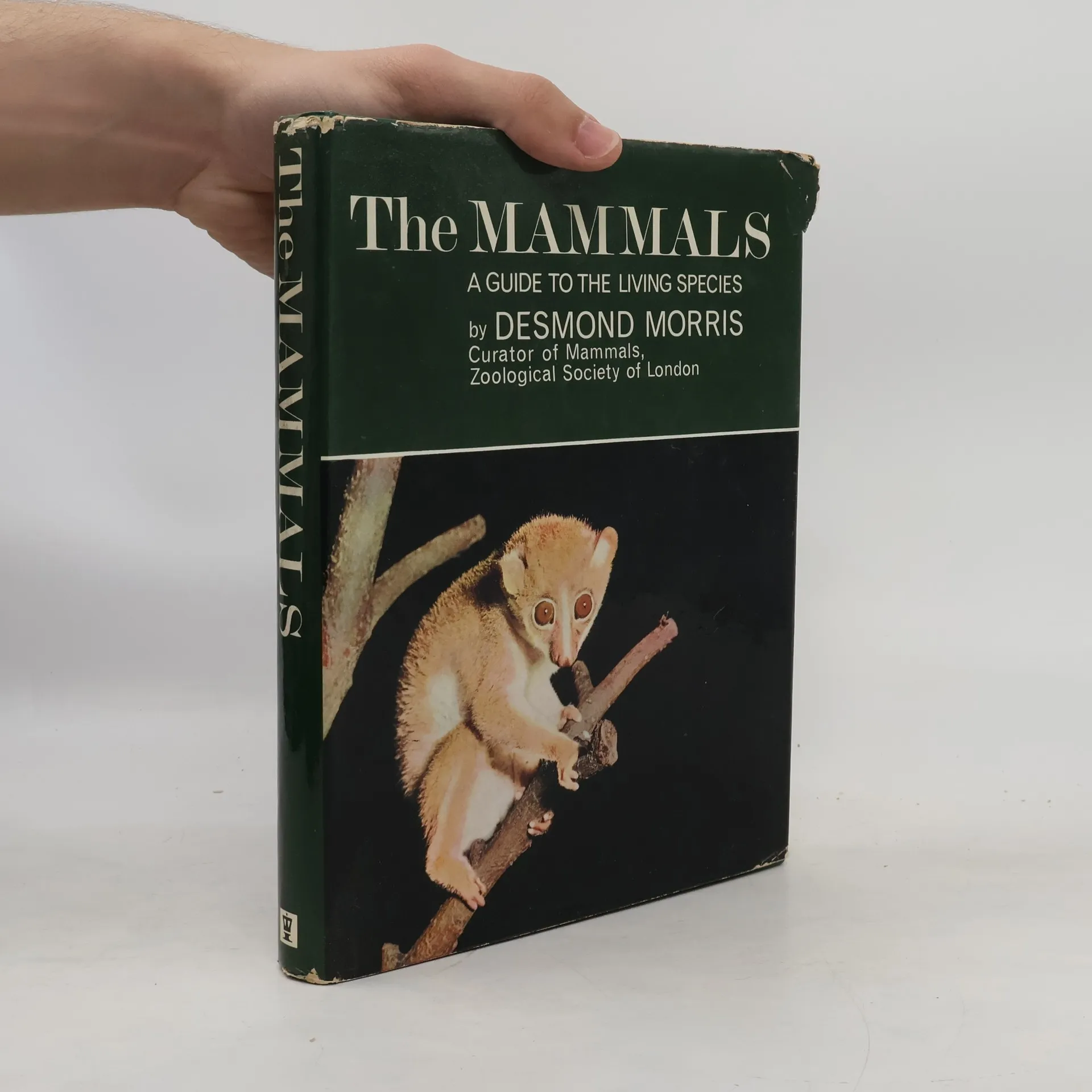
Desmond Morris applica il suo background di zoologo ed etologo per esplorare la sociobiologia umana, offrendo una lente unica sulla nostra specie. Eccelle nel rendere accessibili idee scientifiche complesse a un vasto pubblico attraverso una prosa avvincente. Morris spesso traccia paralleli tra il comportamento umano e quello di altri animali per illuminare i nostri istinti e motivazioni. Il suo lavoro offre una prospettiva distintiva sulla condizione umana, radicata nell'osservazione scientifica e presentata con una chiarezza accattivante.



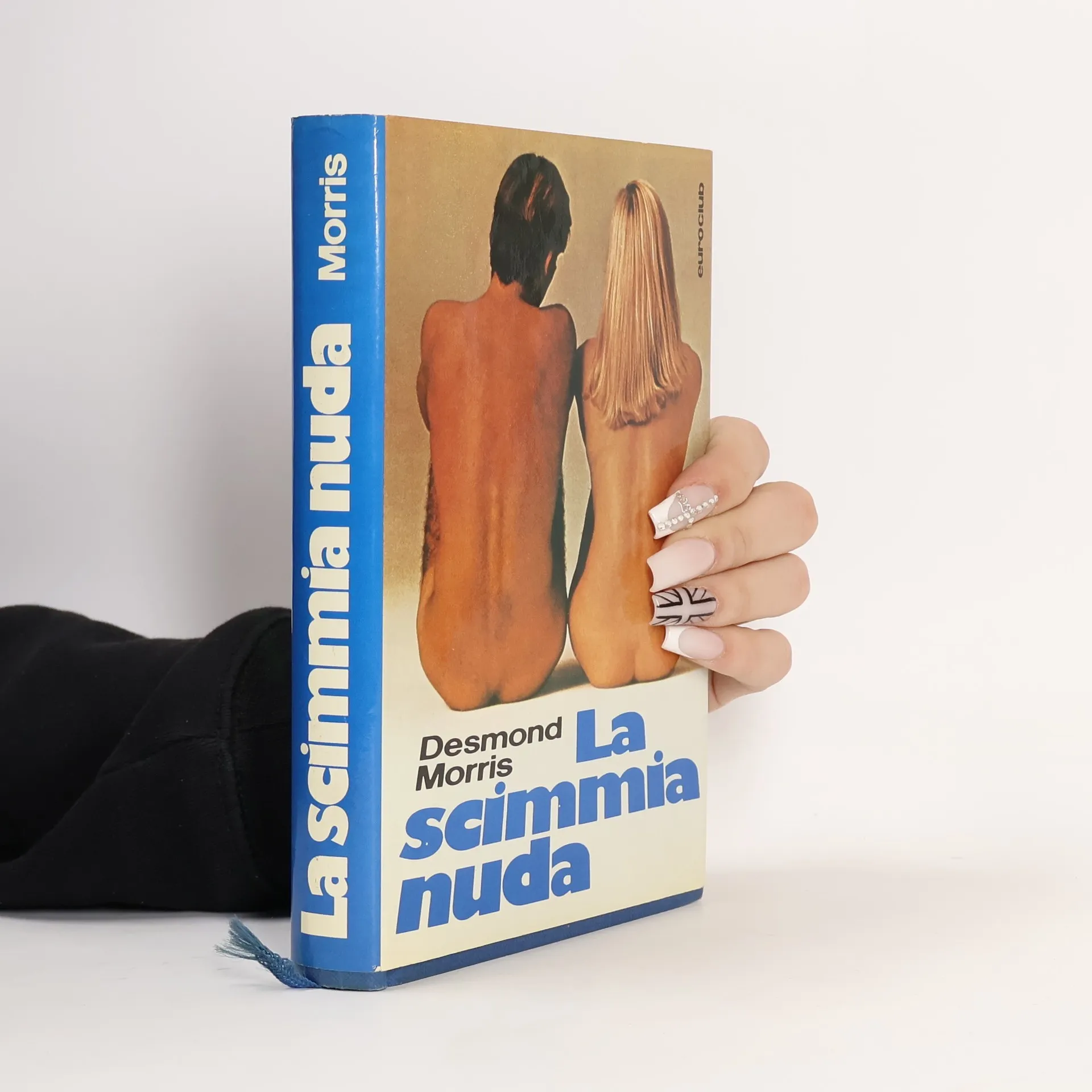
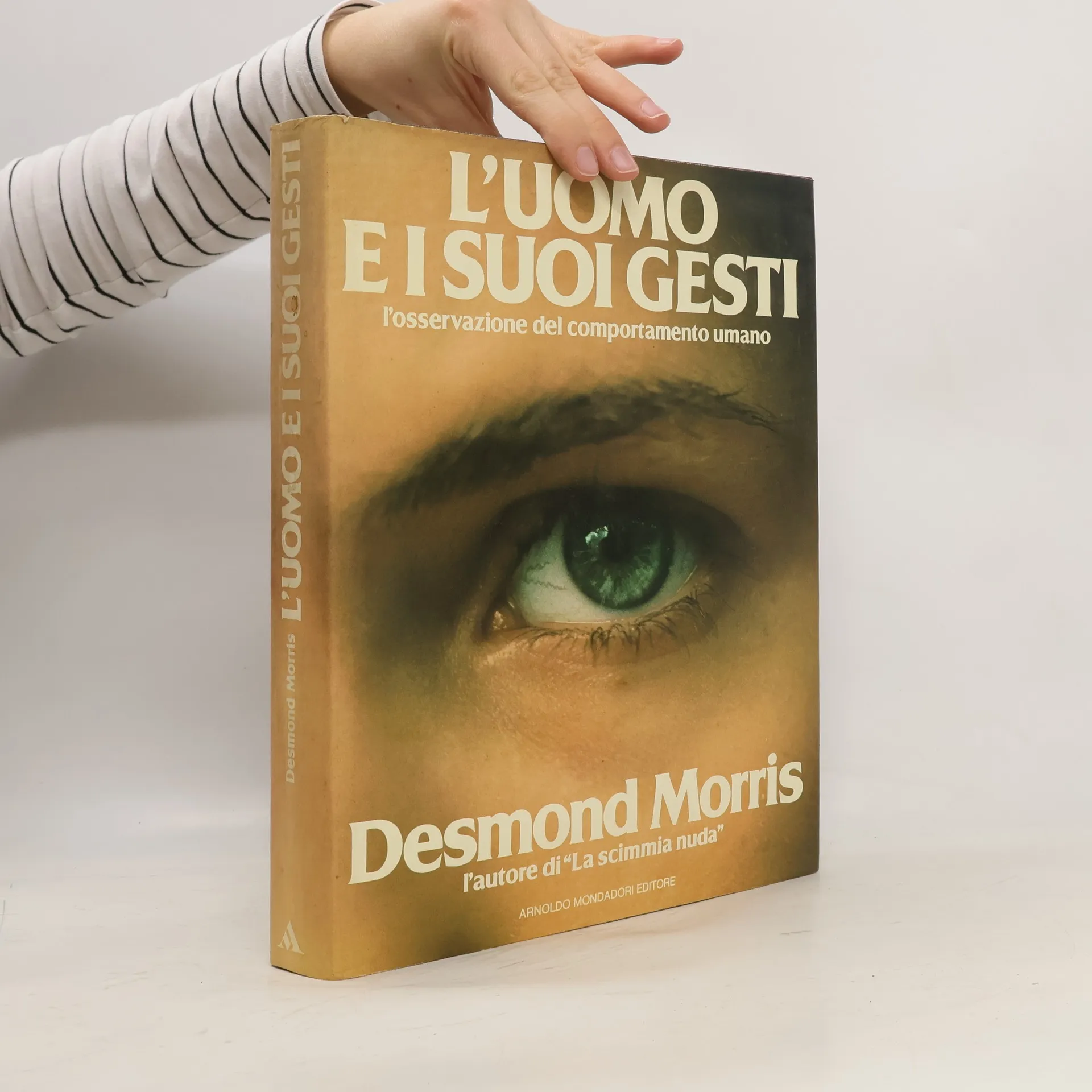
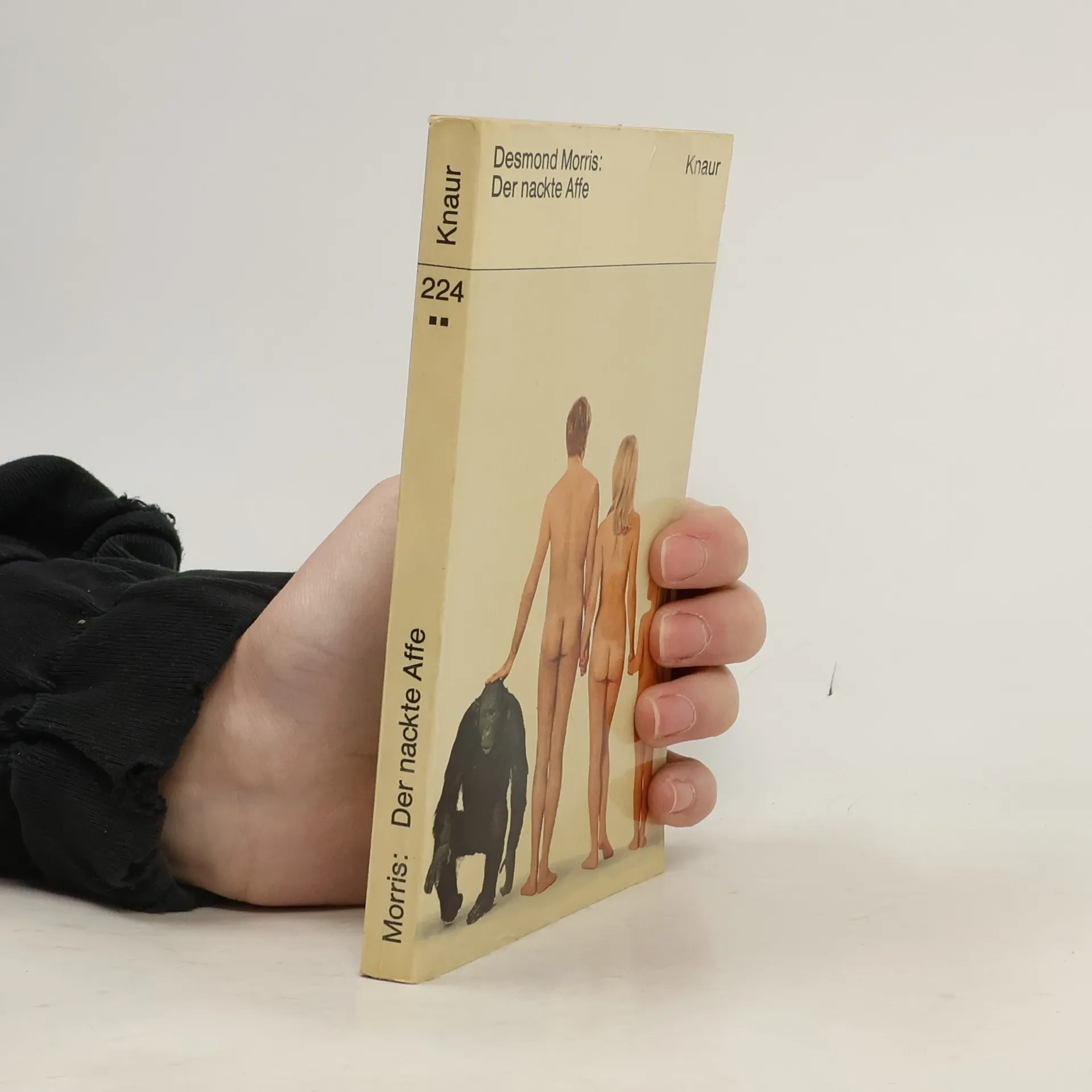
Un libro provocatorio che ha conosciuto nel mondo un immenso successo e che non smette di far discutere e sorridere. «Originale, provocatorio e divertente in modo geniale. È il tipo di libro che cambia la vita delle persone» – Sunday Times «Una visione dell'uomo sorprendente» – Choice Magazine Desmond Morris, zoologo famoso per avere studiato a lungo le scimmie, in questo libro divertente, sconvolgente e al tempo stesso rigorosamente scientifico, si è occupato di uno degli animali più complessi e interessanti: l'uomo. Lo ha studiato in quanto scimmia e cioè come l'unico, tra le centonovantatré specie di scimmie, a essere sprovvisto di peli. Nudo, appunto. Per quanto cerchi di ignorare l'eredità del passato, l'uomo rimane essenzialmente un primate, una scimmia in crisi, che segue nella vita sessuale e sociale i modelli di comportamento fissati dai suoi antenati scimmioni cacciatori. Così attraverso l'indagine delle abitudini alimentari, sessuali, o delle relazioni con i propri simili, Morris ci restituisce un ritratto che fa riflettere e pensare. Con una nuova "Prefazione" dell'autore per questa edizione speciale a cinquanta anni dalla prima.
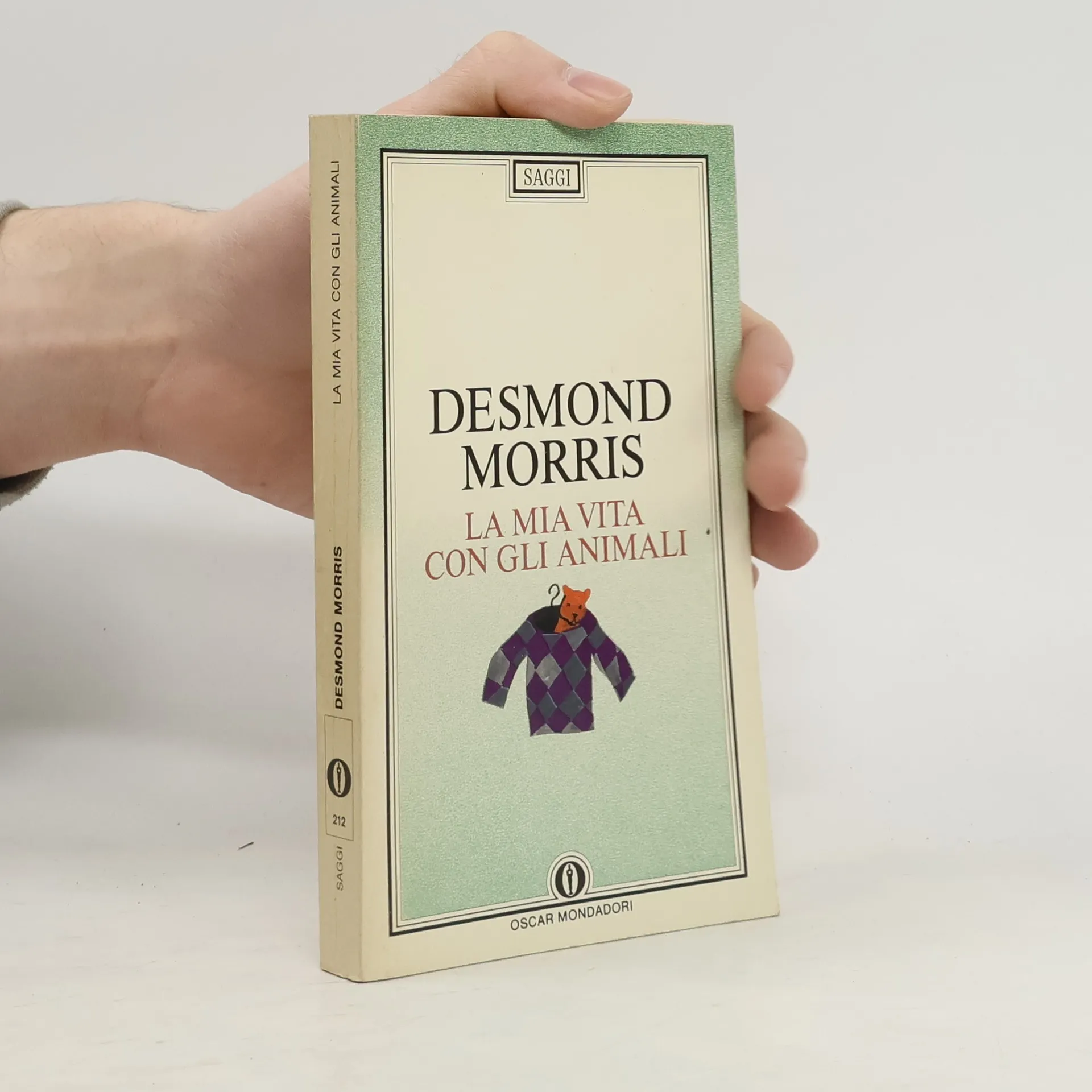
Oscar saggi - 212: La mia vita con gli animali
- 298pagine
- 11 ore di lettura
Baby
- 192pagine
- 7 ore di lettura
Babies are amazing, with incredible potential for growth and extraordinary powers of development. Desmond Morris's visually stunning and thought-provoking book sets out the astonishing facts to make you marvel at the complexity of the human body and a baby's ability to achieve so much in so little time.Covering learning and physical, emotional and social progress in the first two years as well as retrospective glimpses of life in the womb, Baby contains a wealth of fascinating information and captivating photographs. An engaging read and enchanting reference, Baby is the ideal gift or self-purchase for new parents, as well as anyone interested in how the human body works.
Cat World
- 496pagine
- 18 ore di lettura
The wide-ranging coverage in this encylopaedia of cats encompasses entries on many kinds of domestic cat (from Abyssinian to Siamese), famous individual cats (from Felix to Macavity), and aspects of feline behaviour (from hunting to courtship). It also incorporates terminology, cat books and organizations, famous owners, authors and artists, and even people such as Julius Caesar and Napoleon, who hated cats.
Desmond Morris's World of Animals
- 128pagine
- 5 ore di lettura
Discusses the behavioural characteristics of some of the more familiar and famous animals, such as the elephant, gorilla, tiger and kangaroo. Suggested level: intermediate, junior secondary.
101 Surrealists
- 240pagine
- 9 ore di lettura
Focusing on the lives and contributions of 101 pivotal Surrealists, this work by Desmond Morris offers a unique perspective from one of the last surviving members of the movement. With personal insights and anecdotes about several key figures, the book serves as both a historical account and a celebration of the Surrealist movement, highlighting its impact on art and culture. Morris's firsthand knowledge enriches the narrative, making it a valuable resource for anyone interested in the intricacies of Surrealism.
The Nature of Happiness
- 192pagine
- 7 ore di lettura
What is happiness? Here, one of the world’s foremost behavioral scientists tackles this age-old question. He shows that there are many ways of achieving happiness; for example, there is the inherent happiness that comes with the love of a child; the competitive happiness of triumphing over your opponents; the sensual happiness of the hedonist. Rather than preaching a particular behavior or way of life, Morris provides knowledge that we can use, if we wish, to make ourselves happier.
Animalwatching
A Field Guide to Animal Behaviour
From the author of "The Naked Ape" and "The Human Zoo", this is an exploration of the animal kingdom, examining its dramas, challenges and extraordinary solutions to problems of survival. He describes animal behaviour ranging from lions in the Serengeti to hedgehogs in the back garden.
Lives of the Surrealists
- 272pagine
- 10 ore di lettura
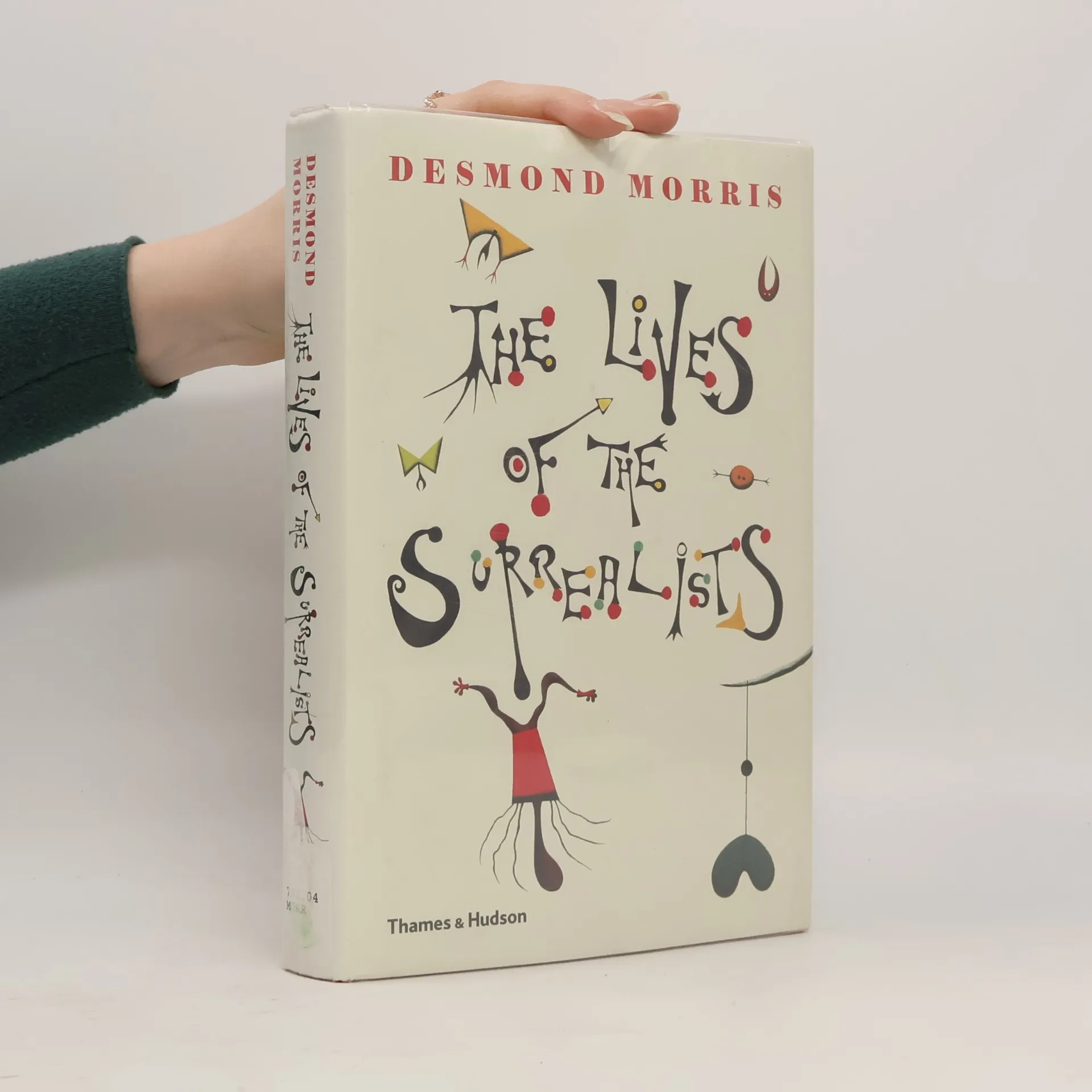
Life histories of the Surrealists, known and unknown, by one of the last surviving members of the movement—artist and best-selling author Desmond Morris Surrealism did not begin as an art movement but as a philosophical strategy, a way of life, and a rebellion against the establishment that gave rise to the First World War. In Lives of the Surrealists, Desmond Morris concentrates on the artists as people—as remarkable individuals. What were their personalities, their predilections, their character strengths and flaws? Unlike the Impressionists or the Cubists, the surrealists did not obey a fixed visual code, but rather the rules of surrealist philosophy: work from the unconscious, letting your darkest, most irrational thoughts well up and shape your art. An artist himself, and contemporary of the later surrealists, Morris illuminates the considerable variation in each artist’s approach to this technique. While some were out-and-out surrealists in all they did, others lived more orthodox lives and only became surrealists at the easel or in the studio. Focusing on the thirty-five artists most closely associated with the surrealist movement, Morris lends context to their life histories with narratives of their idiosyncrasies and their often complex love lives, alongside photos of the artists and their work.
Postures: Body Language in Art
- 320pagine
- 12 ore di lettura
This copiously illustrated book, by the ever-provocative Desmond Morris, is a pioneering and lively exploration of the importance of body language in how we understand art.
The Soccer Tribe
- 320pagine
- 12 ore di lettura
A coffeetable book around the sport of soccer and the world cup.
Illustrated Babywatching
- 144pagine
- 6 ore di lettura
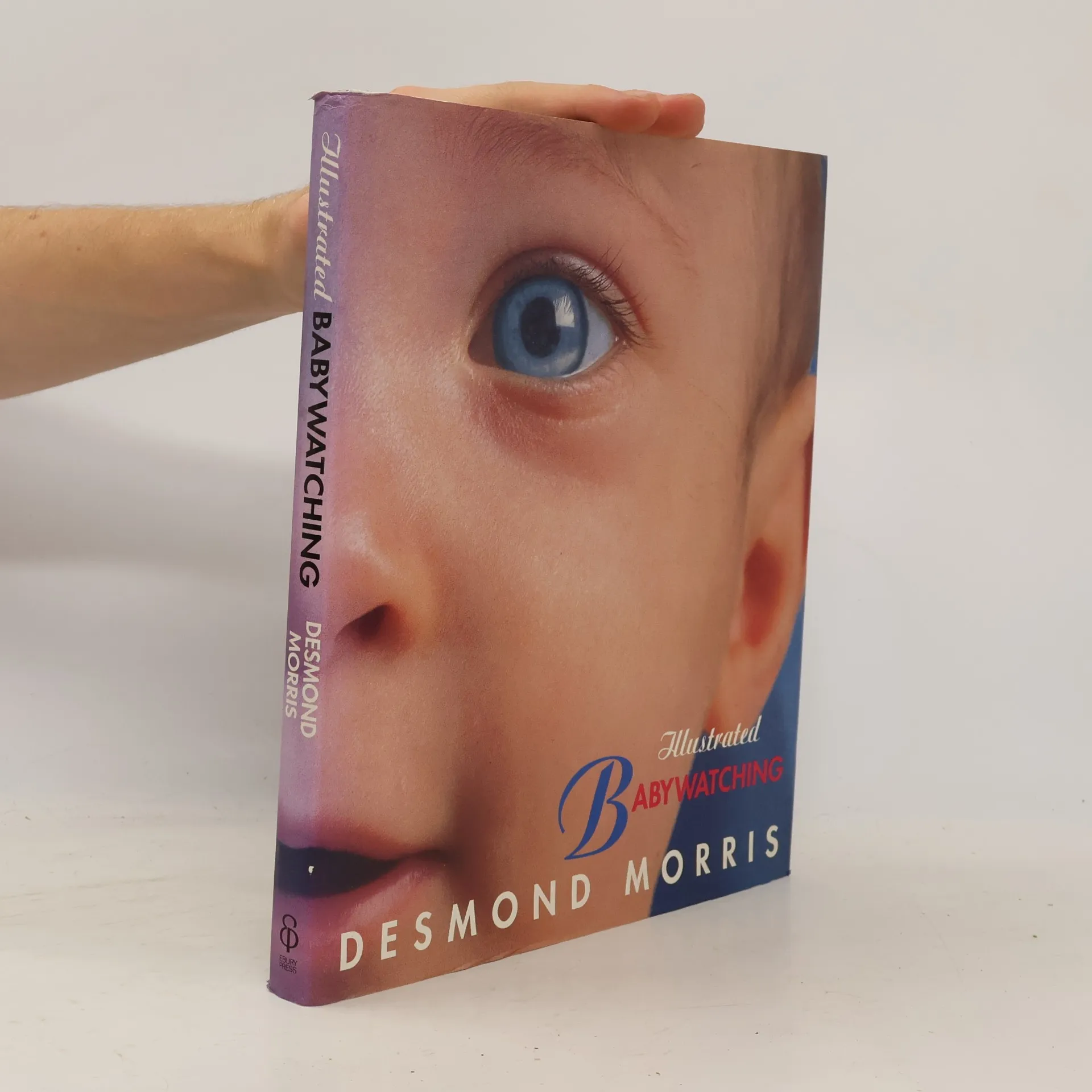
Trained as a zoologist, Desmond Morris now turns his attention to the first twelve months of human life, bringing a new approach to a number of intriguing and frequently asked questions. In straightforward, easy-to-understand language, Morris debunks ancient superstitions and adult-centered biases and helps us see the world from the baby's point of view. Illustrations.
The Human Zoo
- 222pagine
- 8 ore di lettura
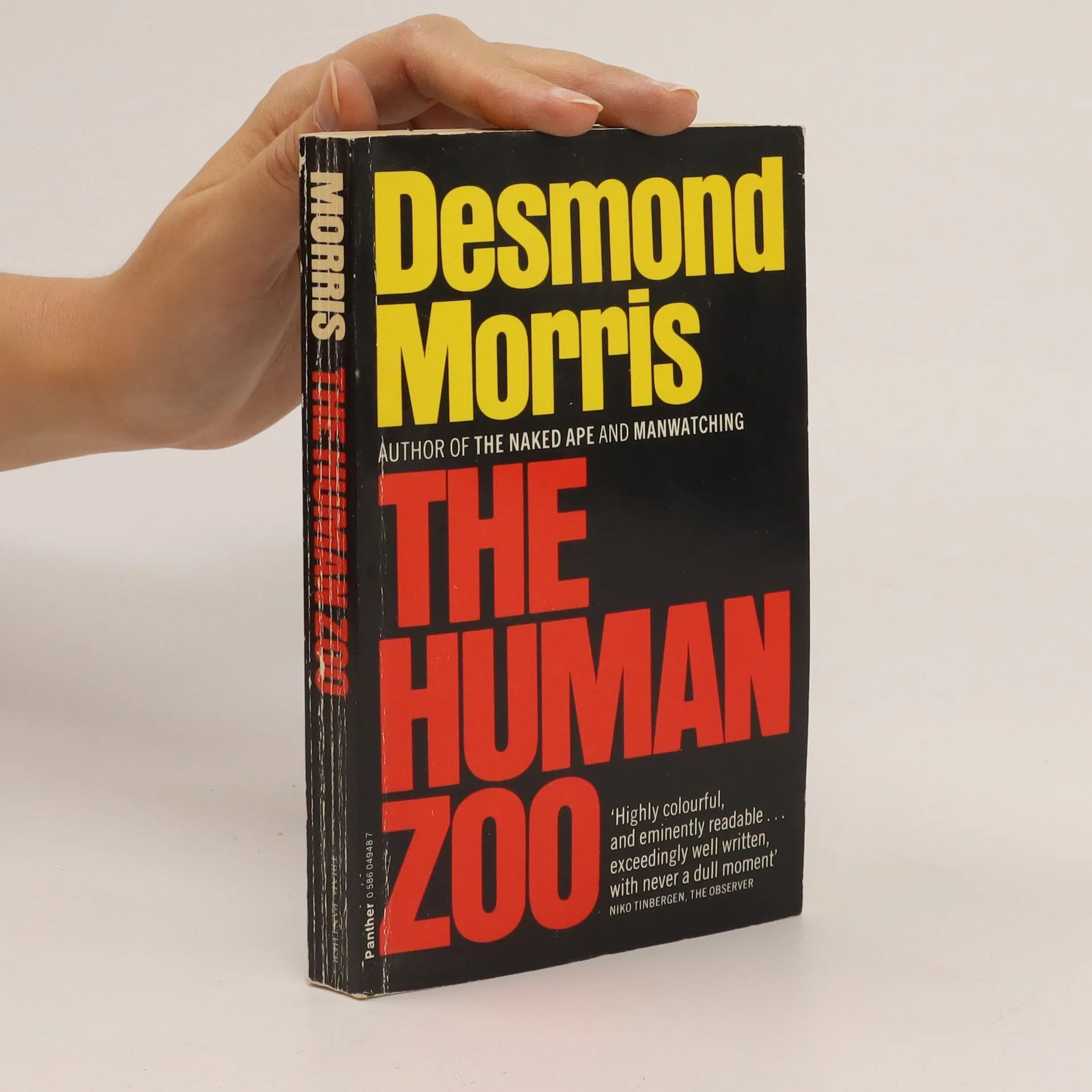
This study concerns the city dweller. Morris finds remarkable similarities with captive zoo animals and looks closely at the aggressive, sexual and parental behaviour of the human species under the stresses and pressures of urban living.
The Naked Man
- 288pagine
- 11 ore di lettura
Following on from the international success of The Naked Woman, bestselling zoologist Desmond Morris turns his attention to the human male. The Naked Man is a study of the masculine body from head to toe, exploring how biological features have been modified, suppressed or exaggerated by customs and changes in social fashions. Packed full of scientific fact, engaging anecdote and thought-provoking conclusions, including a controversial chapter examining male sexuality, The Naked Man is a must-read for anyone interested in this far from rare, but nevertheless endangered species.
Peoplewatching is the culmination of a career of watching people - their behaviour and habits, their personalities and their quirks. Desmond Morris shows us how people, consciously and unconsciously, signal their attitudes, desires and innermost feelings with their bodies and actions, often more powerfully than with their words.
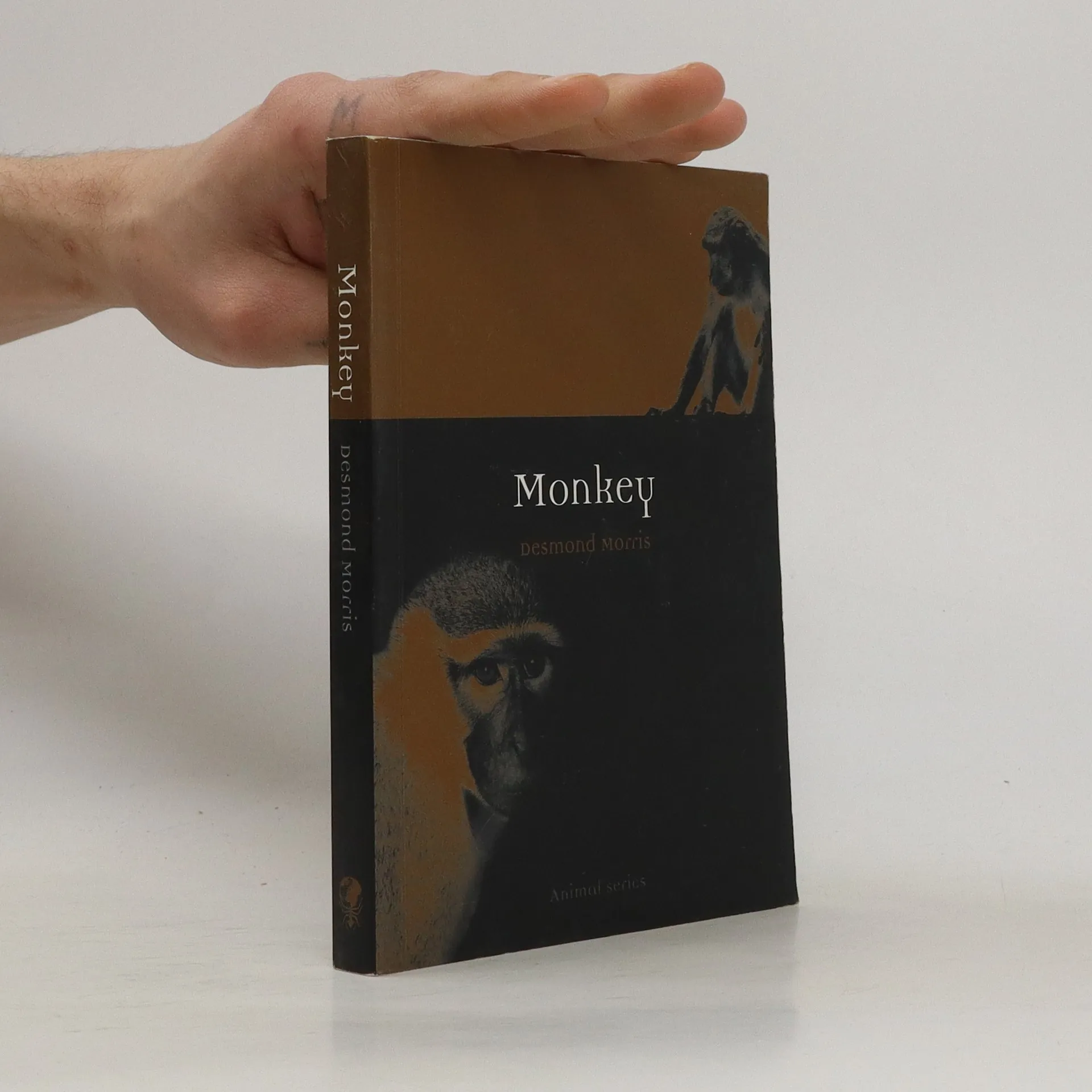
Monkey
- 205pagine
- 8 ore di lettura
In this book, Desmond Morris explores our modern, more uneasy relationship with the monkey, which has come to represent the 'primitive', destructive aspects of our own nature.
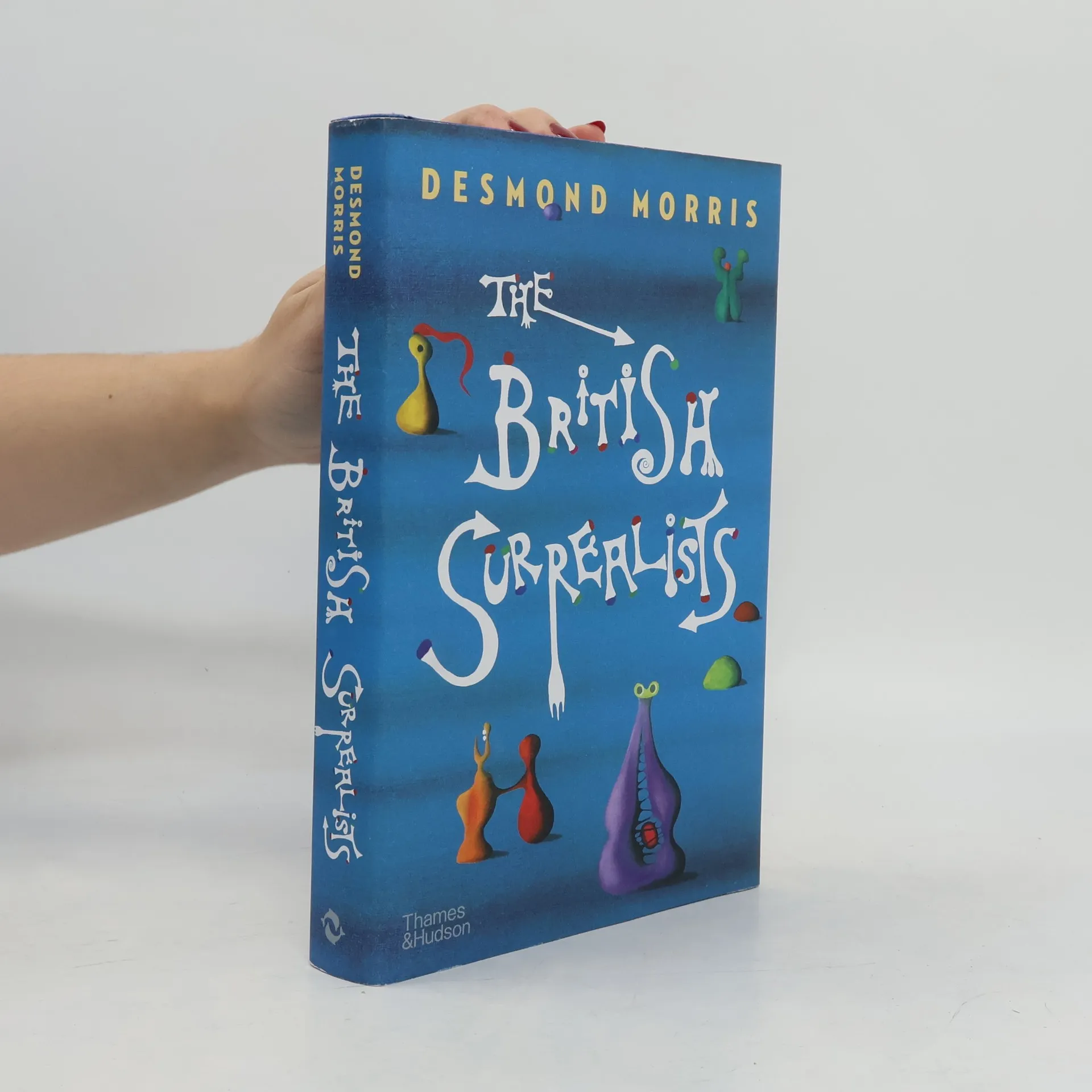
The British Surrealists
- 248pagine
- 9 ore di lettura
The lives, loves, and works of key British Surrealists revealed by one of the last surviving members of this movement, best-selling author and artist Desmond Morris. Honored for their idiosyncratic and imaginative works, the surrealists marked a pivotal moment in the history of modern art in Britain— pioneering the Surrealist movement between World War I and II. Many artists banded together to form the British Surrealist Group, while others carved their own, independent paths. Here, best-selling author and surrealist artist Desmond Morris—one of the last surviving members of this important art movement—draws on his personal memories and experiences to present the intriguing life stories, complex love lives, and groundbreaking works of this wild and curious set of artists. From the rebelliousness of Leonora Carrington to the beguiling Eileen Agar and the “brilliant” Ceri Richards, Morris brings his subjects’ triumphs as well as their shortcomings to the fore. Laced with his inimitable wit, and profusely illustrated by images of the artists and their artworks, Morris’s vivid account reflects the movement’s strange, rebellious, and imaginative nature. Featuring thirty- four surrealists—some famous, some now largely forgotten—Morris’s intimate book takes us back in time to a generation that allowed its creative unconscious to drive their passions in both art and life.
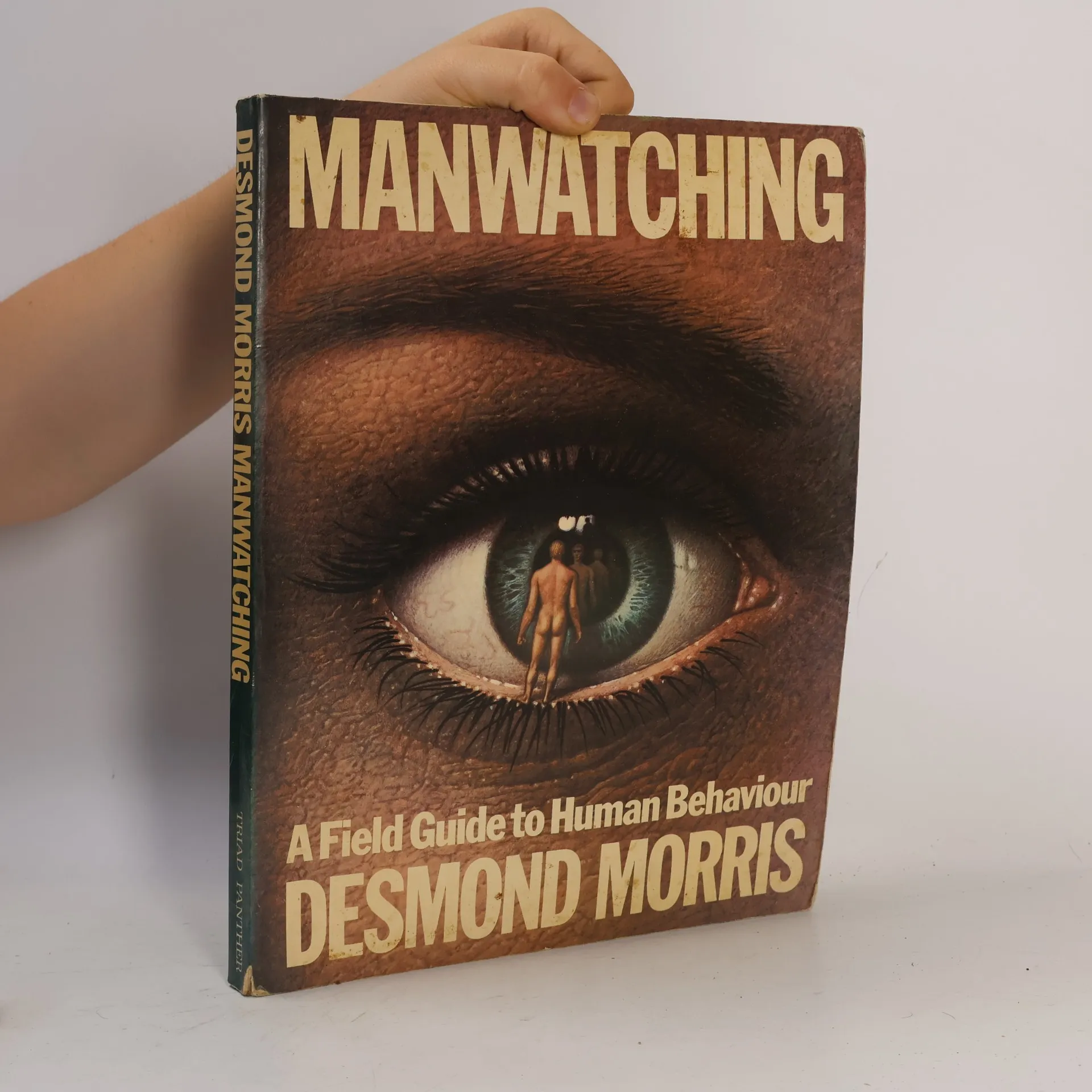
Everything we do has an inborn, genetic basis, and all our activities show similarities to those of other species. Man is unique, though, in the way in which he has built on these animal patterns, exaggerating and elaborating them to an astounding degree or suppressing them with damaging consequences. Morris sets out to show that, despite our inclination to believe otherwise, human behaviour is full of animal instinct and reaction, and that whatever the species, we all share remarkable similarities.
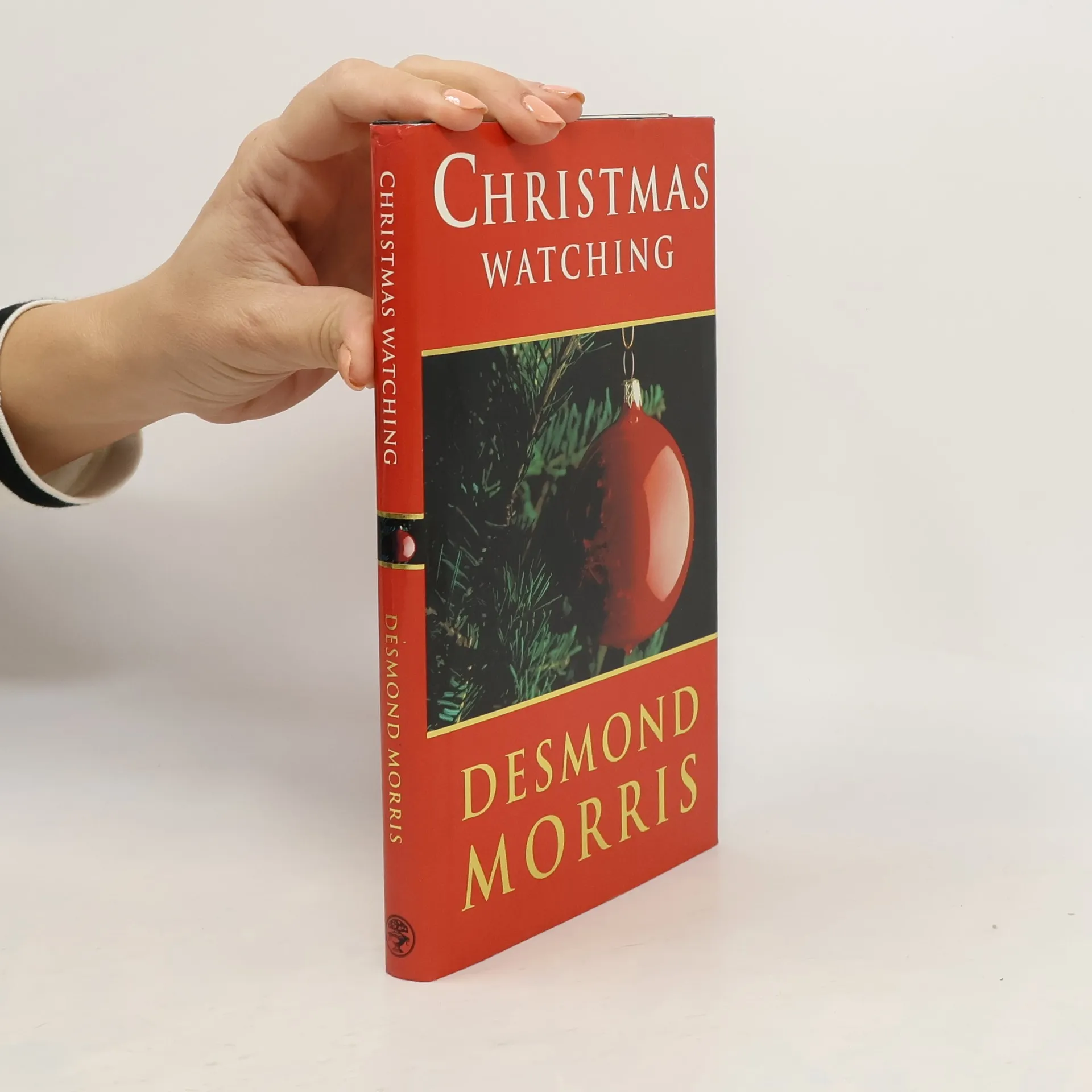
Christmas watching
- 106pagine
- 4 ore di lettura
"Christmas Watching" by Desmond Morris explores the folklore, traditions, and symbolism surrounding the Christmas celebration. It addresses questions such as why December 25th is significant, the origins of the dream of a white Christmas, and the meaning behind the Christmas tree. The book also includes contributions discussing the situation and traditions in the Netherlands.
Delving into the female body, the book offers an insightful exploration of its evolutionary traits and the societal influences shaping perceptions of beauty. Desmond Morris, renowned for his expertise in human behavior, presents a clear and engaging analysis, breaking down complex ideas into accessible language. With a focus on the interplay between natural physiology and cultural standards, this work reflects Morris's unique perspective and extensive observational experience, making it a compelling read for those interested in the nuances of human form and society.
Horsewatching
- 128pagine
- 5 ore di lettura
How intelligent are horses? In addition to examining details of behavior, Dr Morris considers such questions as why horseshoes bring good luck, why we don't eat horses, why jockeys are allowed to whip their mounts and why we call a bad dream a nightmare.
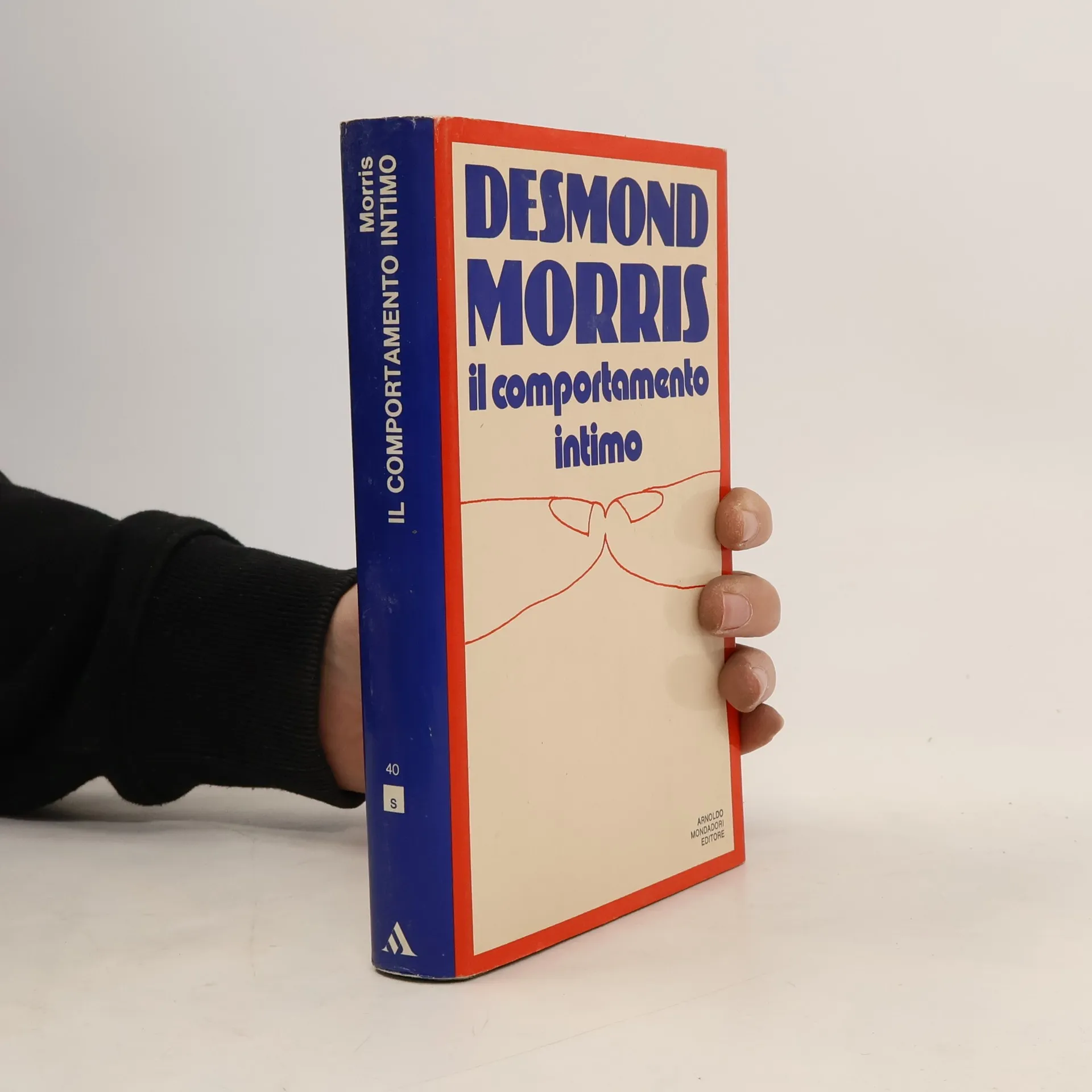
Intimate Behaviour
A Zoologist's Classic Study of Human Intimacy - With a New Preface by the Author
- 272pagine
- 10 ore di lettura
Twenty-five years after it first caused a splash in the scientific and literary worlds, Intimate Behavior is still one of the best chronicles of human intimacy. With a masterful and entertaining eye, Desmond Morris, bestselling author of The Naked Ape and The Human Zoo , analyzes the roots ofhuman intimacy, from the handshake through the twelve stages that people pass through on their way to the total sexual embrace. Morris contends that the months just before and after birth are when the seeds of intimacy are planted and are critical to development. From the loving attention of themother, the child learns and responds with intimate gestures of his or her own. He argues that human adults follow certain patterns of intimate behaviour that are based on these infant experiences for their entire lives. In addition to sexual intimacy, Morris discussed social intimacy, intimacysubstitutes, object intimacy, and self-intimacy. Complete with a new preface by the author, Intimate Behavior is a provocative view of humans need to touch and to be touched, to love and to be loved. At a crucial moment, a gentle embrace can still do more good than a thousand earnest discussions.Despite all our social and technological advances, the primeval body language of love still remains the most potent force we have for the expression of feelings of comfort and caring. Desmond Morris, from his new Preface
The wide-ranging coverage in this encylopaedia of cats encompasses entries on many kinds of domestic cat (from Abyssinian to Siamese), famous individual cats (from Felix to Macavity), and aspects of feline behaviour (from hunting to courtship). It also incorporates terminology, cat books and organizations, famous owners, authors and artists, and even people such as Julius Caesar and Napoleon, who hated cats.
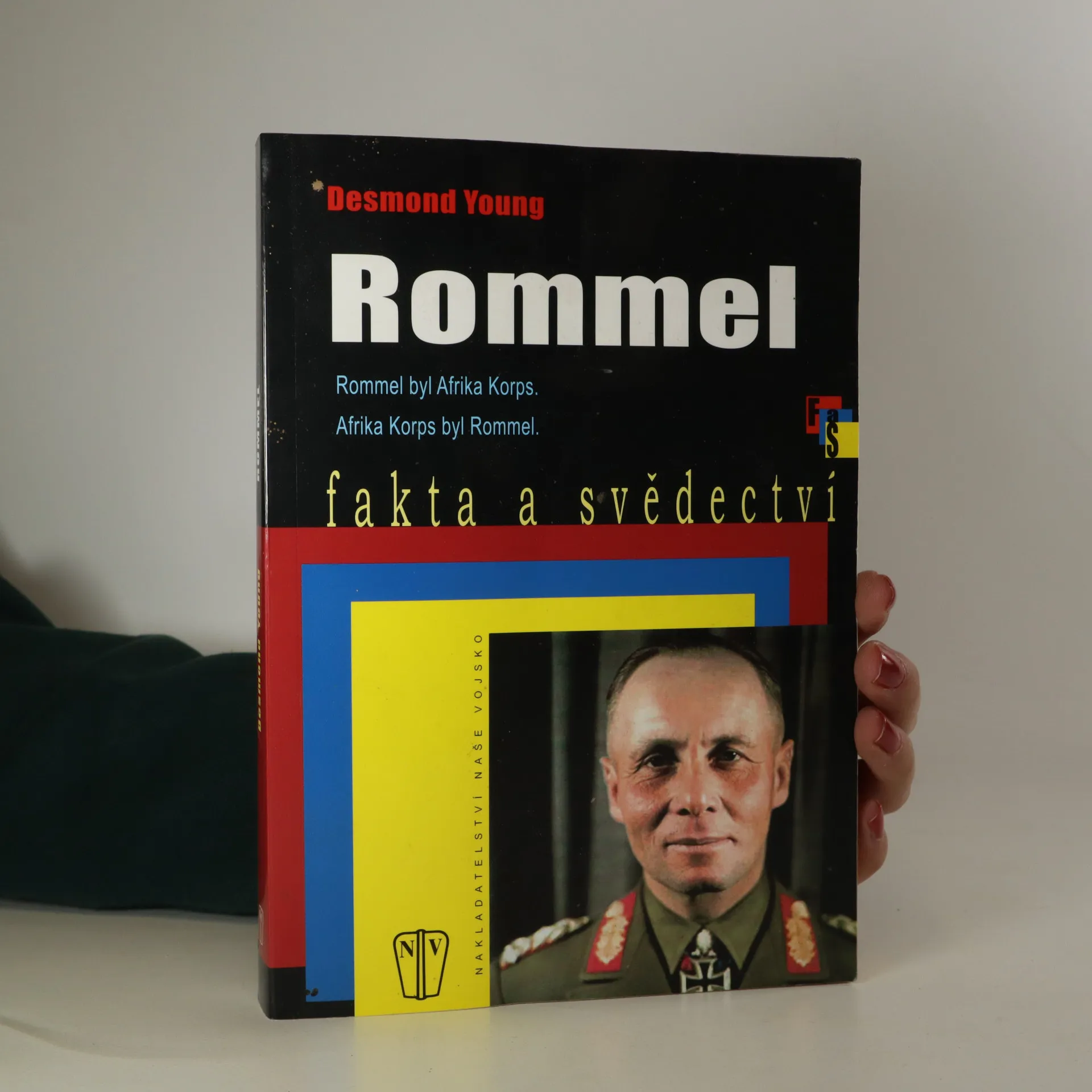
Rommel
- 304pagine
- 11 ore di lettura
Focusing on the life of the renowned German Field Marshal known as the Desert Fox, this book delves into Rommel's significant role during World War II. It highlights the challenges and strategies he faced, providing insights into his military tactics. The publication is part of a series aimed at republishing classic works with original text and artwork, making these historical narratives accessible to modern readers.
Salviamo la terra
- 208pagine
- 8 ore di lettura
Esamina i problemi ambientali attuali e le loro conseguenze per l'umanità, suggerisce azioni che gli individui possono intraprendere per aiutare a risolverli e fornisce citazioni di persone impegnate per l'ambiente.
Desmond Morris' collection showcases a striking array of surrealist art, blending vivid imagery with thought-provoking themes. The works explore the boundaries of human perception and imagination, inviting viewers to delve into the subconscious. Each piece reflects Morris' unique perspective, merging elements of nature and the human experience. This compilation not only highlights his artistic talent but also serves as a commentary on the complexities of life, challenging the audience to interpret the deeper meanings behind each surreal creation.
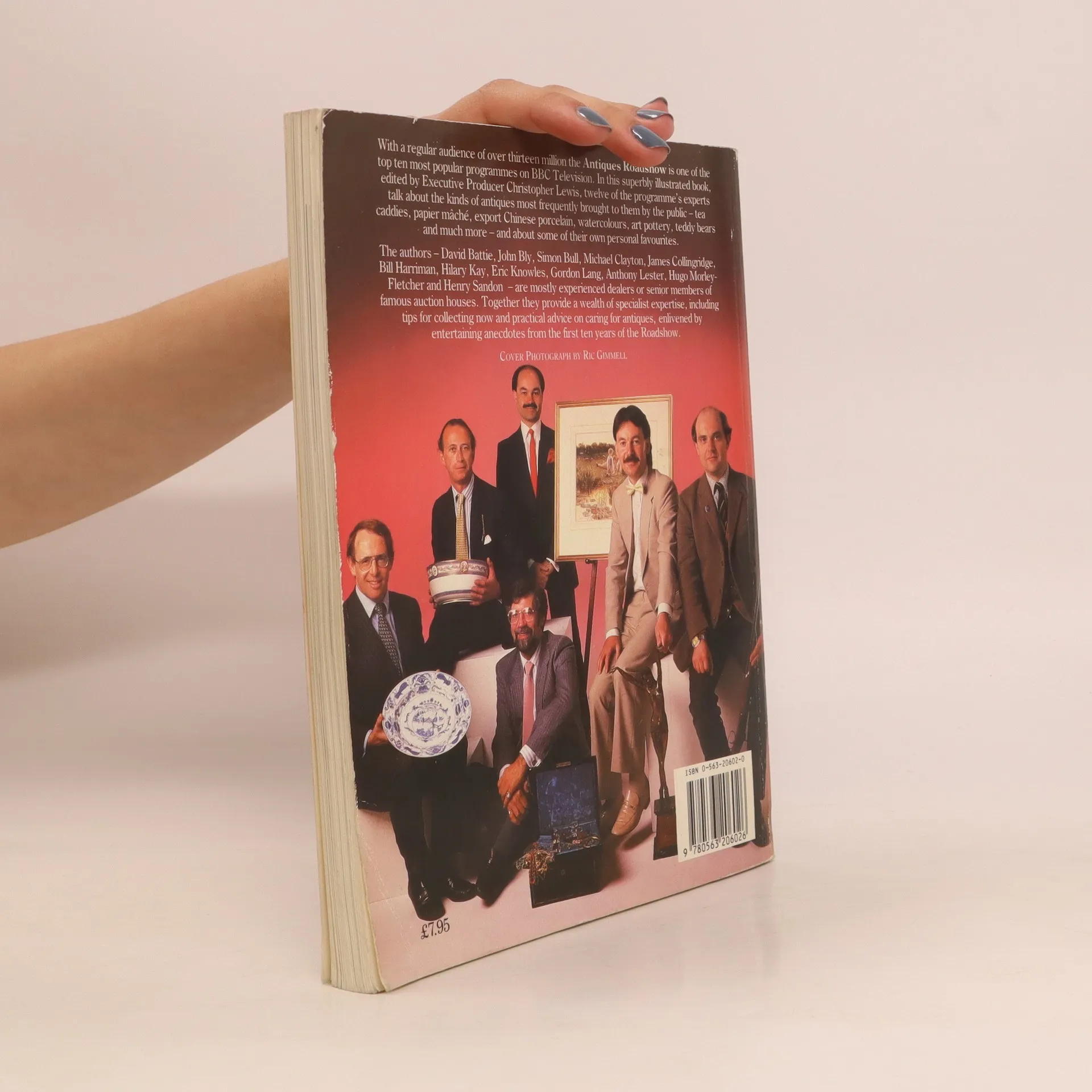
Antiques Roadshow : experts on objects
- 192pagine
- 7 ore di lettura
James Mollison's stunning panoramic portraits of pop concert fans emulating their idols are collected in this addictive volume. Represented bands and stars include Madonna, Marilyn Manson, P. Diddy, the Sex Pistols and Rod Stewart. Beautifully designed, with an introduction by Desmond Morris and more than 500 individual portraits combined into 58 panoramic images, The Disciples is an original, sharp and highly entertaining take on contemporary music culture and the tribalisms inspired by popular music stars.
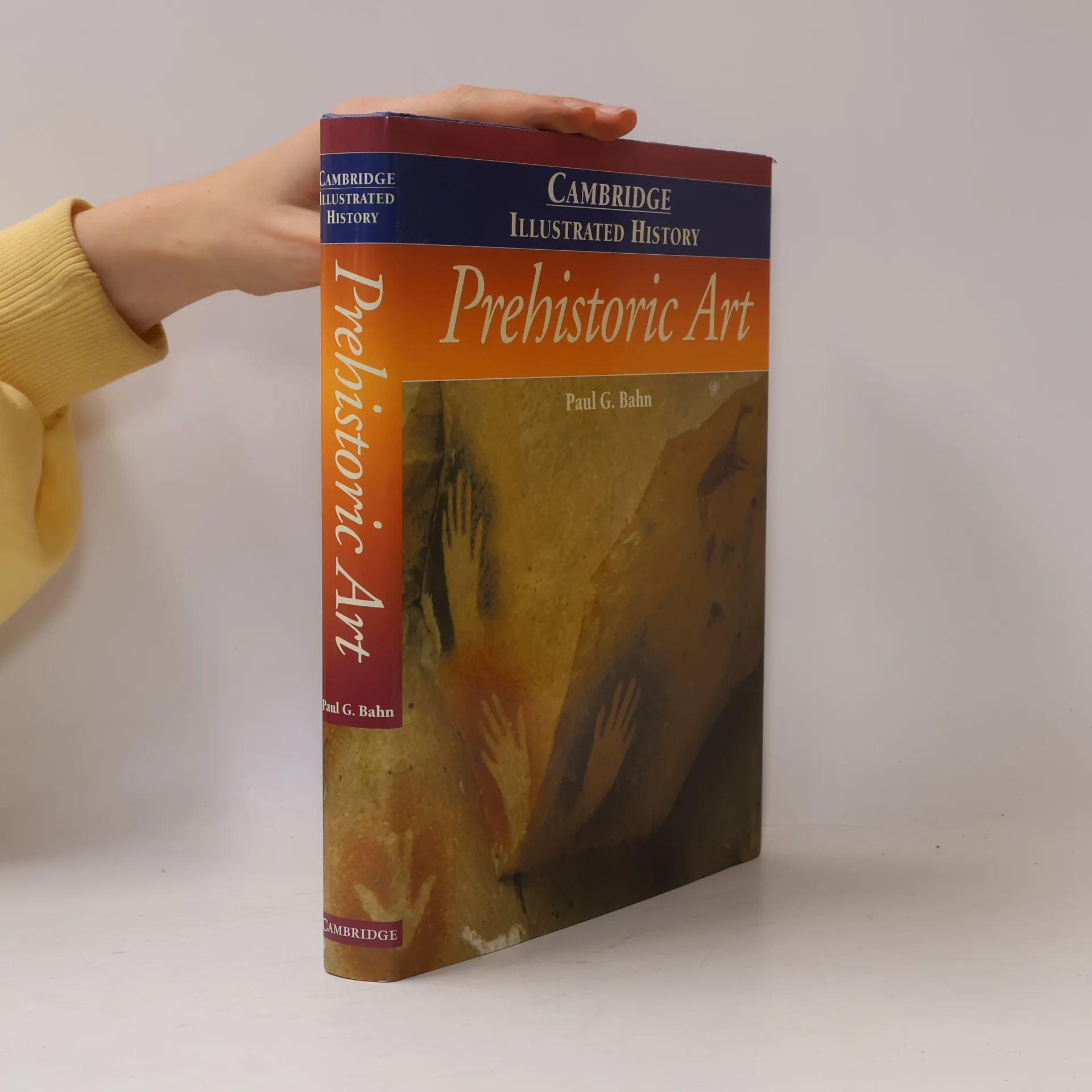
Cambridge Illustrated History: Prehistoric Art
- 302pagine
- 11 ore di lettura
Beautifully illustrated in color with many rare and unique photographs, prints, and drawings, The Cambridge Illustrated History of Prehistoric Art presents the first balanced and truly worldwide survey of prehistoric art. The book also offers the first detailed account of how the world of scholarship became aware of the existence of prehistoric art, reproducing the very earliest drawings by explorers and surveyors from the 1600s onward to create a unique pictorial as well as discursive resource. With this powerful combination of illustration and analysis, Paul Bahn describes what prehistoric art is and the different ways in which it can shed light on the lives and preoccupations of our ancestors: sexual, humorous, social, economic, and religious. The result is a fascinating exploration: a book that Desmond Morris describes as "a model of scientific restraint and objectivity....this is ultimately an art book, and as such it is endlessly provocative and engaging." Paul Bahn is an archaeologist and the author of more than 400 publications. He has authored or coauthored eight books, including The Cambridge Illustrated History of Archaeology. Dr. Bahn is a fellow of the Society of Antiquaries.
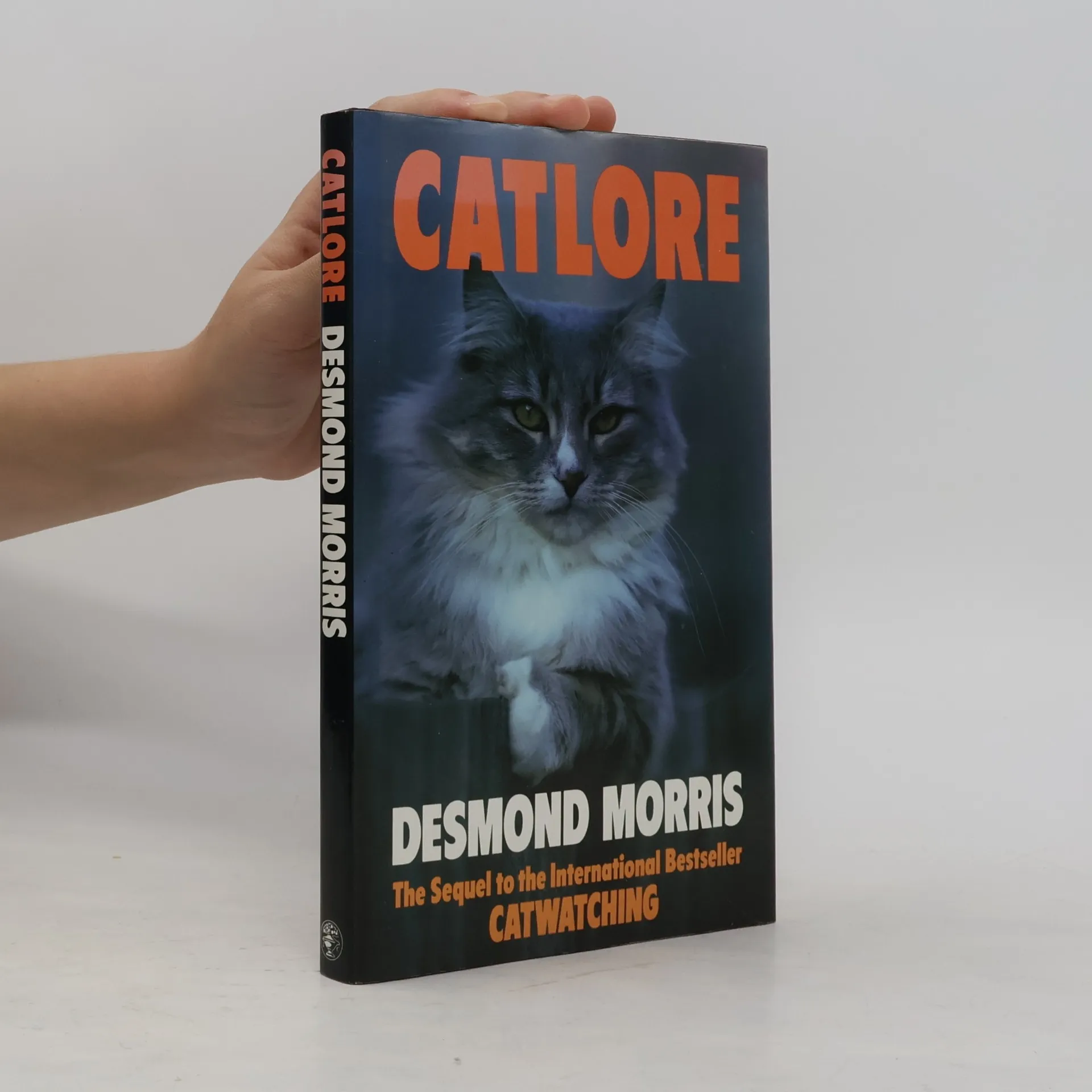
Catlore
- 112pagine
- 4 ore di lettura
Desmond Morris considers the cat in myth and history, and answers questions he received from cat owners after the publication of the internationally best-selling Catwatching . 31 black-and-white photographs.
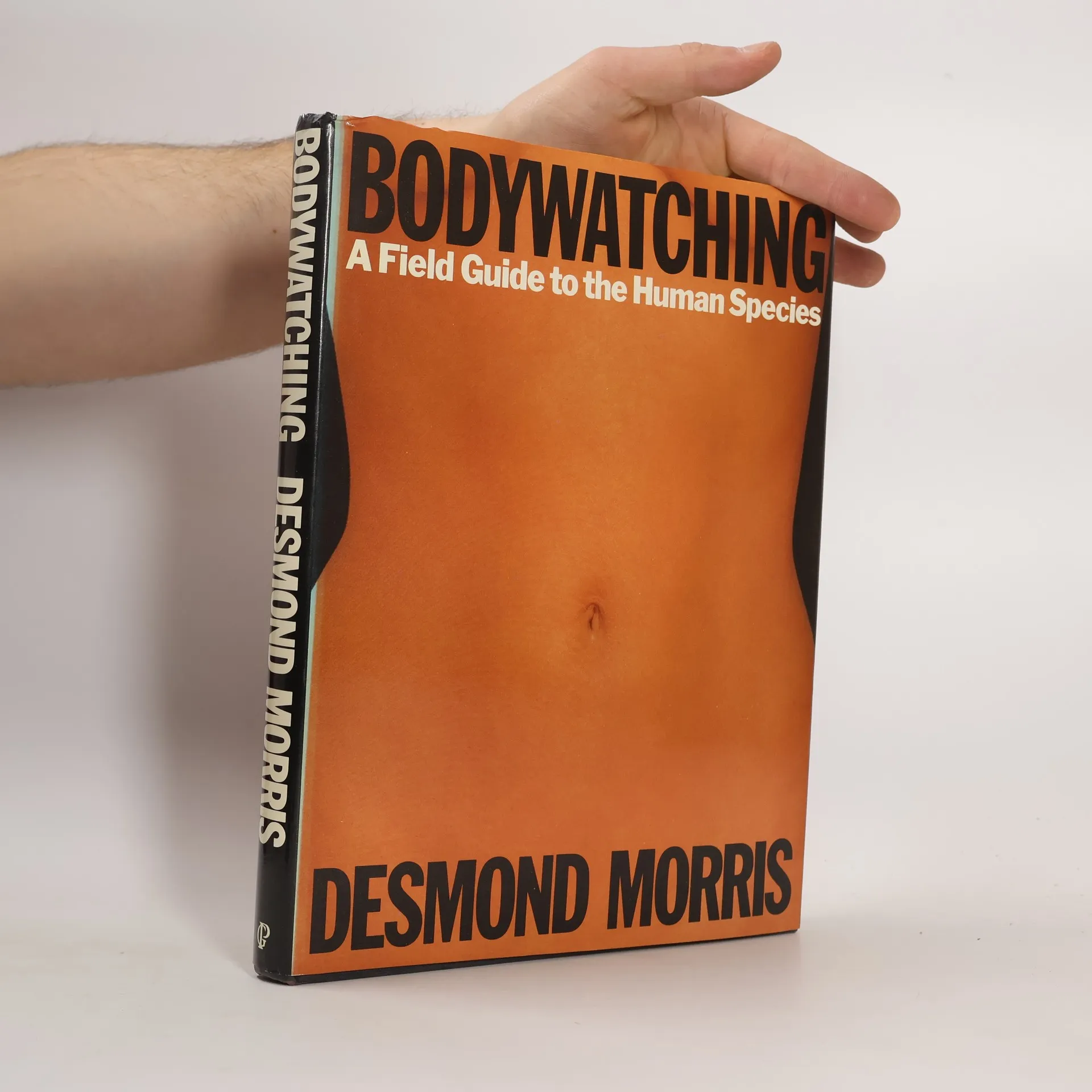
Bodywatching
A Field Guide to the Human Species
Illustrated Catwatching
- 144pagine
- 6 ore di lettura
Desmond Morris answers 60 fascinating questions about cats: * Why does a cat purr? * How does a cat use its whiskers? * Why do cats interfere when their owners answer the telephone? * Why do we believe a black cat brings good luck * Why do cats sulk? * Why are cats attracted to people who dislike them? * Why does a cat like being stroked? and many, many more. . . The text is accompanied by beautiful colour photographs of cats of every variety, illustrating the behaviour Desmond Morris describes.
Dítě. Zázrak prvních dvou let
- 192pagine
- 7 ore di lettura
Malé děti, jejich neuvěřitelný potenciál růstu a mimořádné schopnosti rozvoje, jsou podivuhodné. K zamyšlení vyzývající kniha Desmonda Morrise přináší překvapující skutečnosti, díky ní užasnete nad složitostí lidského těla a schopností dítěte dokázat toho tolik během tak krátké doby. Kniha se zabývá učením a přirozeným růstem, emocionálním vývojem i způsobem, jakým se dítě zařazuje do lidské společnosti v prvních dvou letech života, i retrospektivními pohledy na život v děloze. Obsahuje mnoho zajímavých informací, úchvatných fotografií a vynikajících nákresů, které ukazují, co je pod povrchem.
Dragons : a natural history
- 120pagine
- 5 ore di lettura
Introduces more than thirty dragons, with more than 100 illustrations, each accompanied by accounts of their origins, habitats, behaviour, and their confrontations with mankind. This work is an interesting tableau, including dracontological research, and offering insight into the world of these majestic and sometimes comic creatures.
Библия языка телодвижений. Наблюдая за человеком
Фундаментальное исследование всех невербальных сигналов
- 704pagine
- 25 ore di lettura
Общеизвестно, что наши телодвижения сообщают наблюдателю куда больше, чем наши слова. Для того чтобы понимать, о чем говорит тот или иной невербальный сигнал, нам не нужны никакие учебники: мы впитываем это из окружающей среды. Но для осознанного изучения, анализа наших невербальных посланий — труд Десмонда Морриса — неоценимое подспорье. Впервые на русском языке — книга, которую по праву можно считать настоящей библией языка телодвижений. Сочетая научный подход с ясным изложением, Моррис подробнейшим образом останавливается на каждом из многочисленных типов скрытых знаков тела, которые мы ежедневно наблюдаем у других и подаем сами.«Библия языка телодвижений» является кульминацией карьеры Десмонда Морриса, венцом его наблюдений за людьми — за их поведением и привычками, их личностями и причудами. Десмонд Моррис показывает нам, как люди, сознательно и бессознательно, показывают свое отношение, сокровенные чувства и желания при помощи своих тел и действий, часто сильнее, чем при помощи слов.
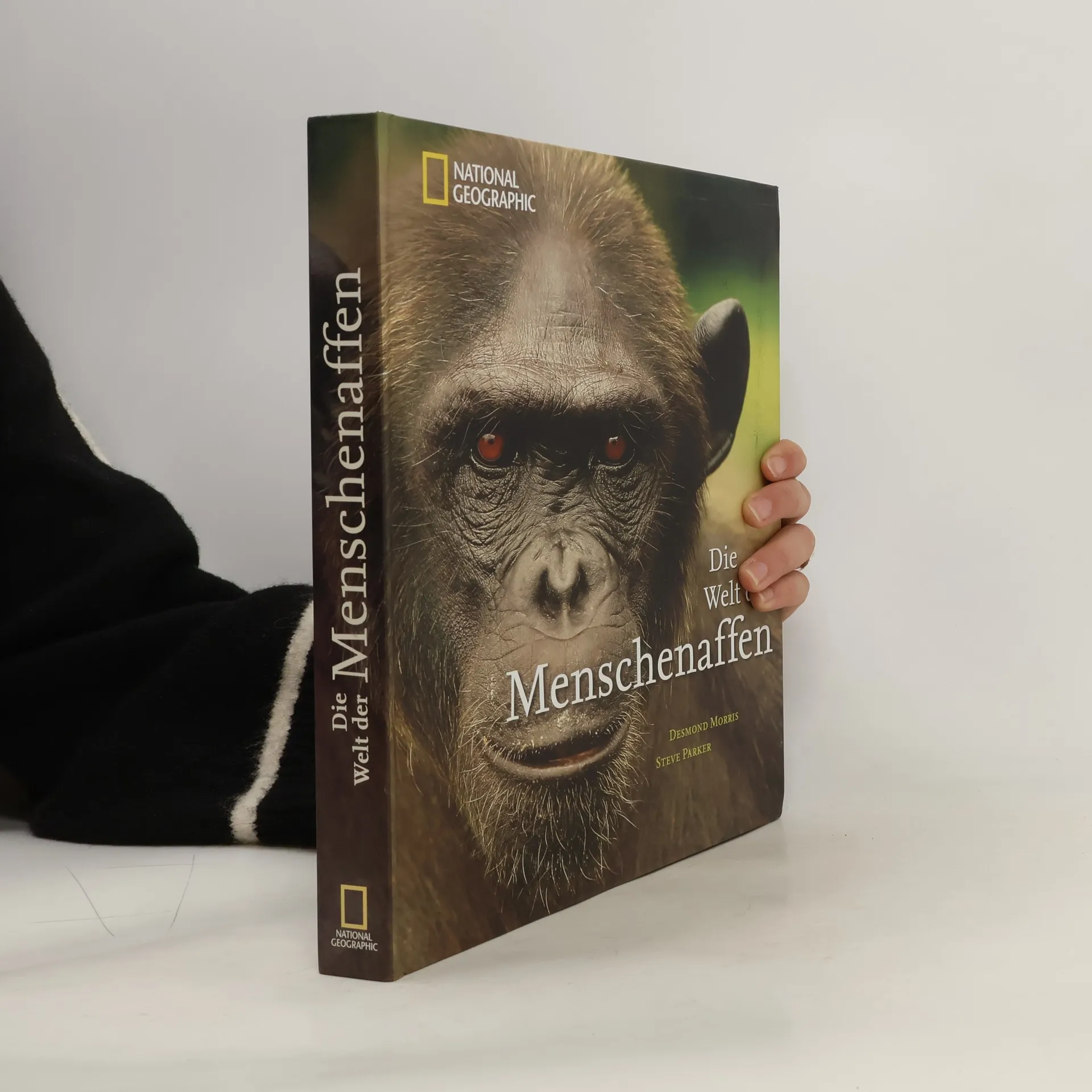
Die Welt der Menschenaffen
- 288pagine
- 11 ore di lettura
Gorillas, Orang-Utans, Schimpansen und Bonobos sind evolutionär nicht weit von uns Menschen entfernt. Der Zoologe und Verhaltensforscher Desmond Morris beschreibt in seinem umfangreichen Standardwerk ihre Welt. Er schildert die Streifzüge der Gorillas so ausführlich wie das Heranwachsen der Orang-Utans. Er erläutert die sexuelle Freizügigkeit der Bonobos genauso wie die komplexen Sozialstrukturen der Schimpansen. Menschenaffen kommunizieren in feinen Nuancen, in vielerlei Hinsicht halten sie uns einen Spiegel vor. Dennoch haben wir sie an den Rand des Aussterbens gebracht. Ein Extrakapitel widmet sich den Schutzmassnahmen für die zum Teil extrem gefährdeten Tiere und zeigt, was wir tun können, die in freier Wildbahn verbliebenen Affen zu retten.
Körpersignale
- 239pagine
- 9 ore di lettura
Illustrationen des Körpers aus verschiedenen Blickwinkeln; von Kopf bis Fuß. In Farb- und Schwarzweißfotos. Beinhaltet bekannte Personen, durchschnittliche Menschen und verschiedene demografische kulturelle Hintergründe.
Kultovní kniha – V tomto světovém bestselleru vykládá výtečný britský zoolog o člověku ve spojitosti se zvířecí říší a nachází zde zdroje a zárodky jeho dosavadních reakcí a mechanismů chování, neboť se soustředuje „na ony aspekty našeho života, které mají zřejmou obdobu u jiných druhů zvířat“. Všímá si původu lidské bytosti („nahé opice“) a sleduje ji v oblasti pohlaví, výchovy, zkoumání, agrese, výživy a potřeby upravovat zevnějšek i celou konstituci; pozoruje také její vztah k ostatním živočichům. Kniha je výzvou k tomu, aby si lidé hlouběji uvědomili svou sounáležitost s přírodou.
Psi: Slovník psích plemen
- 703pagine
- 25 ore di lettura
Encyklopedie více než 1000 psích plemen Tohle je jiná kniha o psech než všechny ty, co máte doma v knihovně. Pokud se o kynologii zajímáte, neměli byste si ji nechat ujít… Známý popularizátor vědy Desmond Morris se ujal nelehkého úkolu: sestavit skutečnou encyklopedii psích plemen. Tedy nikoli napsat další z mnoha publikací s pěknými barevnými obrázky, ale pokusit se opravdu shrnout co nejvíce informací o co nejvíce plemenech, od těch nejoblíbenějších po ta nejméně známá. Když se na počátku vyptával odborníků, kolik psích plemen vlastně existuje, někteří to odhadovali na dvě, jiní na tři či čtyři stovky. Jenže jak píše sám autor: „Poté, co jsem prostudoval prameny k více než tisícovce psích plemen, cítím jistotu, že mi jich ještě pár muselo utéct.“
Každá žena má krásné tělo, které je výsledkem milionů let evoluce. Různé lidské kultury se snažily vylepšovat přírodu. Místní představy o ženské kráse se liší a v každé společnosti se vyvinuly jiné představy o tom, co je přitažlivé. Kniha popisuje, jak se ženské tělo vyvinulo v průběhu evoluce, a způsoby, jak byly v různých kulturách jeho rysy zdůrazňovány nebo potlačovány.
Bodytalk
- 239pagine
- 9 ore di lettura
Körpersprache ; Gestik ; Nonverbale Kommunikation.
Sova
- 176pagine
- 7 ore di lettura
Sovy nejsou takové, jaké se zdají. Proplétají se lidskou kulturou, od starodávného Babylonu přes Sovu a kočku Edwarda Leara, nabubřelou roztržitou Sovu z Medvídka Pú až po Hedviku z Harryho Pottera. Povahu těchto nádherných, tichých a nemilosrdných predátorů vnímáme jako protiklad mezi dobrem a zlem. Jsou to enigmatická stvoření, jejichž přítomnost stěží zaznamenáme. Desmond Morris v této fascinující knize objevuje přírodní a kulturní dějiny sov z celého světa, neboť s výjimkou Antarktidy se tito ptáci nachází na všech kontinentech. Popisuje, jak se sovy vyvinuly do mnoha druhů, od drobného 14 centimetrového kulíška trpasličího až po výra velkého, který měří více než 70 centimetrů. Právě proto, že jsou celosvětově hojně rozšířené, objevují se v pověstech, mýtech a legendách mnoha původních a domorodých obyvatel. Morris tyto příběhy vysvětluje a interpretuje, ale také se zabývá příklady sov v umění, f ilmu a v literatuře. Autor ve svém poutavém vyprávění dokazuje, že sovy jsou v naší kultuře stále přítomny. Desmond Morris je uznávaný autor a moderátor žijící v Oxfordu, jehož dílo zahrnuje tituly: Nahá opice, Lidská zoo a Lidský živočich. Kniha obsahuje 123 obrázků, z nichž 91 je barevných.
Der Mensch, mit dem wir leben
- 480pagine
- 17 ore di lettura
Die Menschen verständigen sich nicht nur mit Worten. Eine sehr alte und sehr wirkungsvolle Verständigungsmöglichkeit ist auch die Sprache der Handlungen, Gesten, Haltungen und Signale. Desmond Morris, dessen Weltbestseller \"Der nackte Affe\" eine begeisterte Leserschaft gefunden hat, faßt hier erstmals zusammen, was wir über die Sprache des menschlichen Verhaltens wissen. Wie wir beispielsweise unser Territorium markieren, unseren Rang in der Gesellschaft demonstrieren, unsere Gefühle bei Gefahr oder freudiger Erregung zeigen oder unmißverständlich sexuelle Bereitschaft signalisieren. Wer diese stummen und doch so beredten Signale genau kennt, versteht sich, seine Mitmenschen und seine Umwelt plötzlich sehr viel besser.
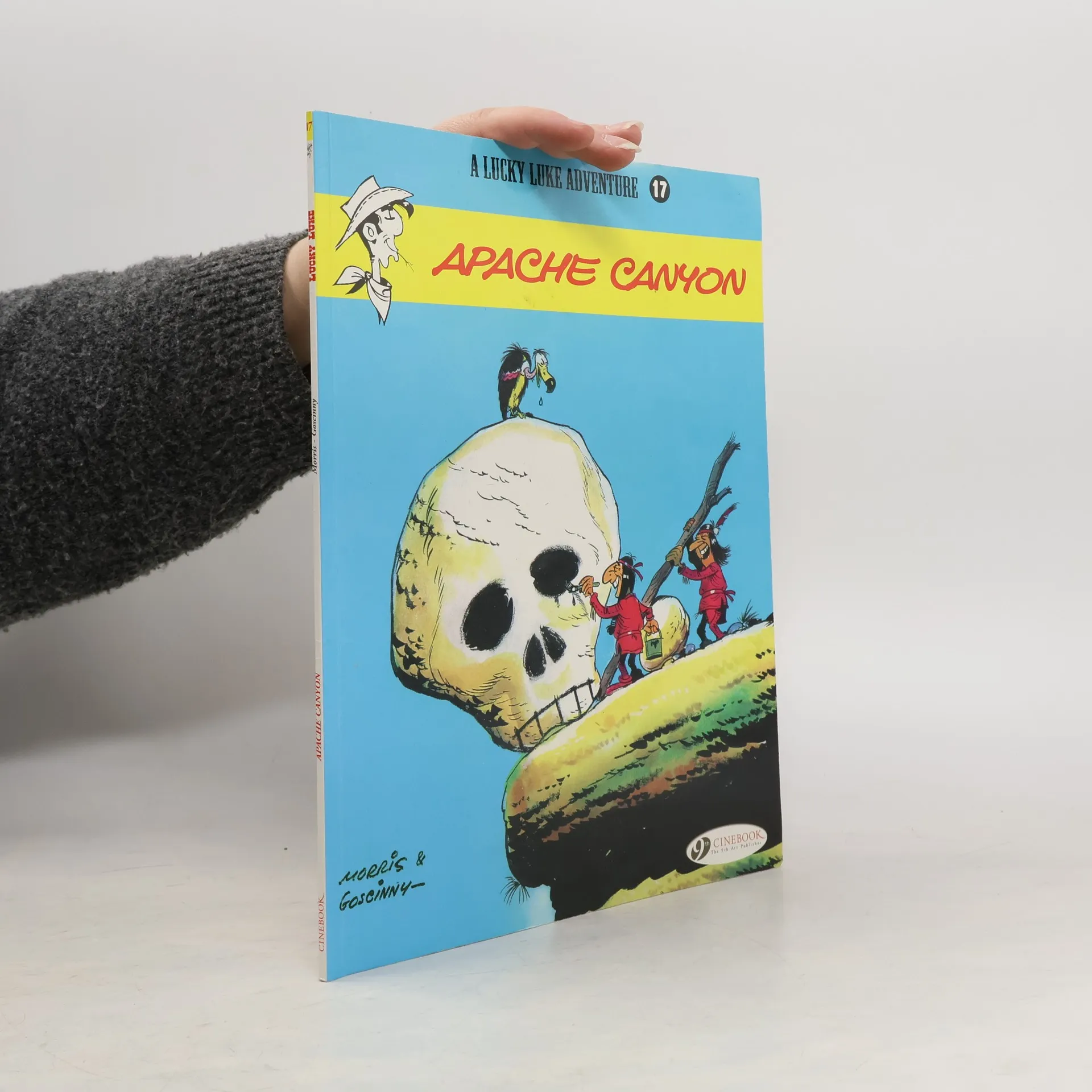
Lucky Luke Adventure - 17: Apache Canyon
- 48pagine
- 2 ore di lettura
Lucky Luke acts as a peacemaker between an Apache tribe and white settlers. Can he mediate between the two parties and still be trusted by both sides?
Katte
- 120pagine
- 5 ore di lettura
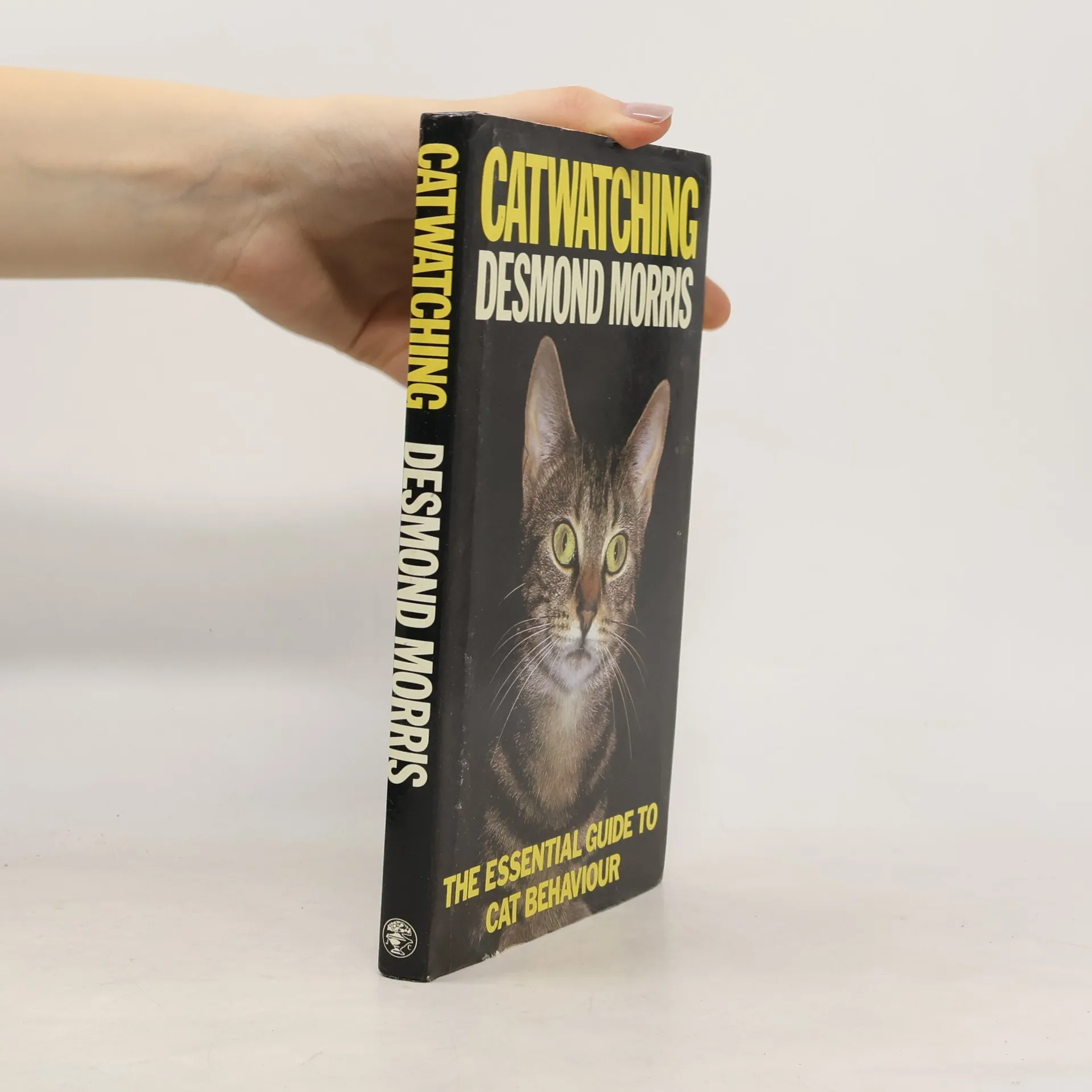
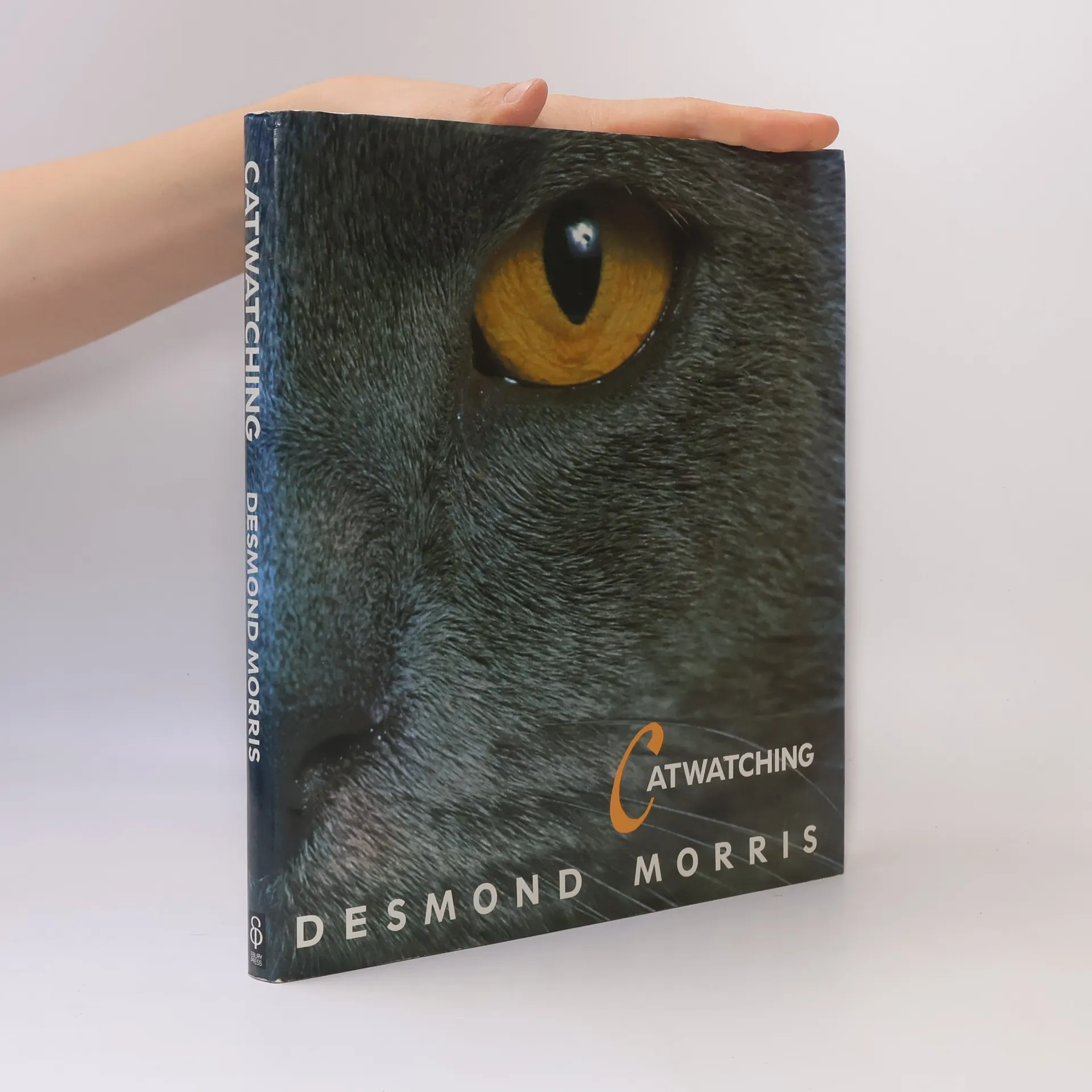
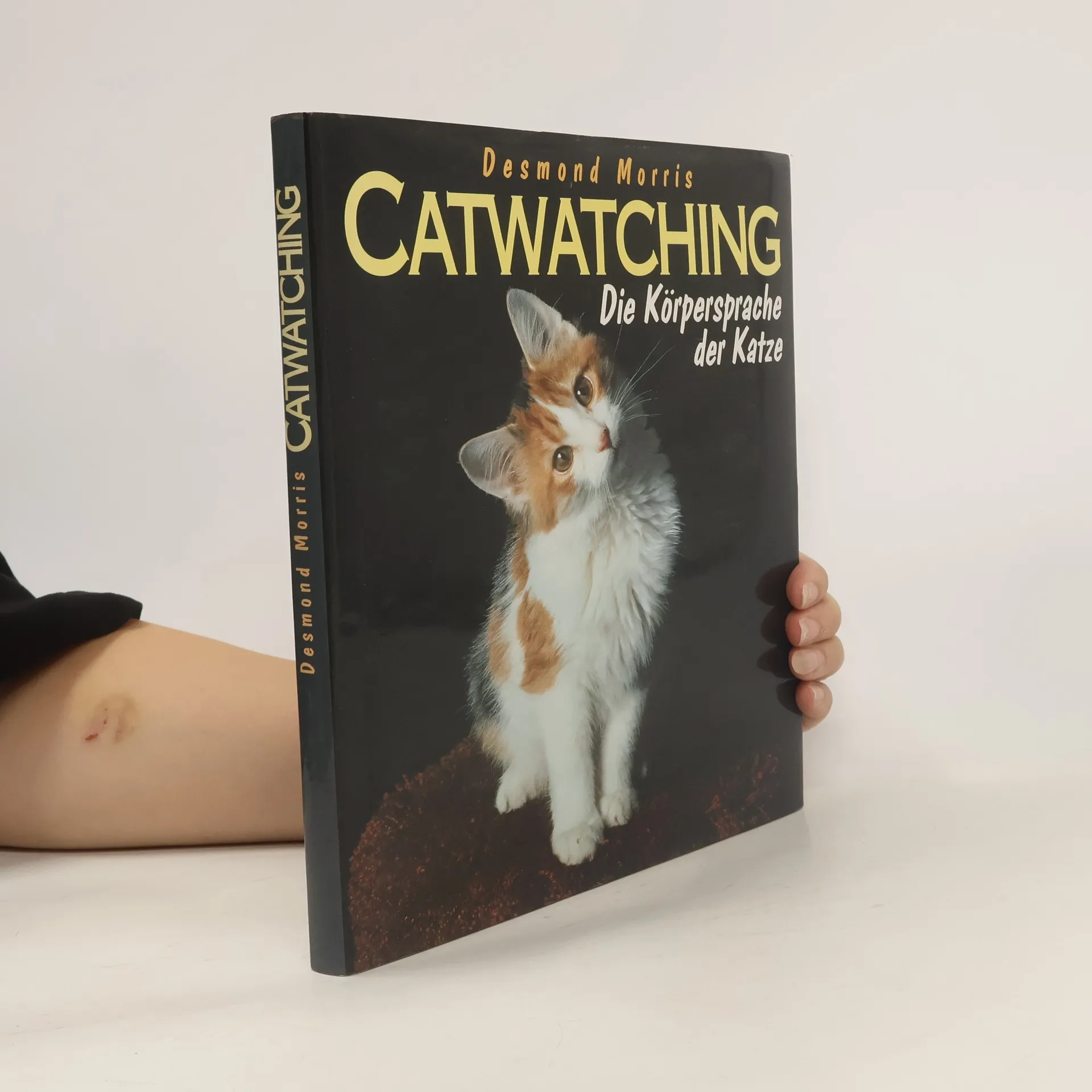
Catwatching
Die Körpersprache der Katze
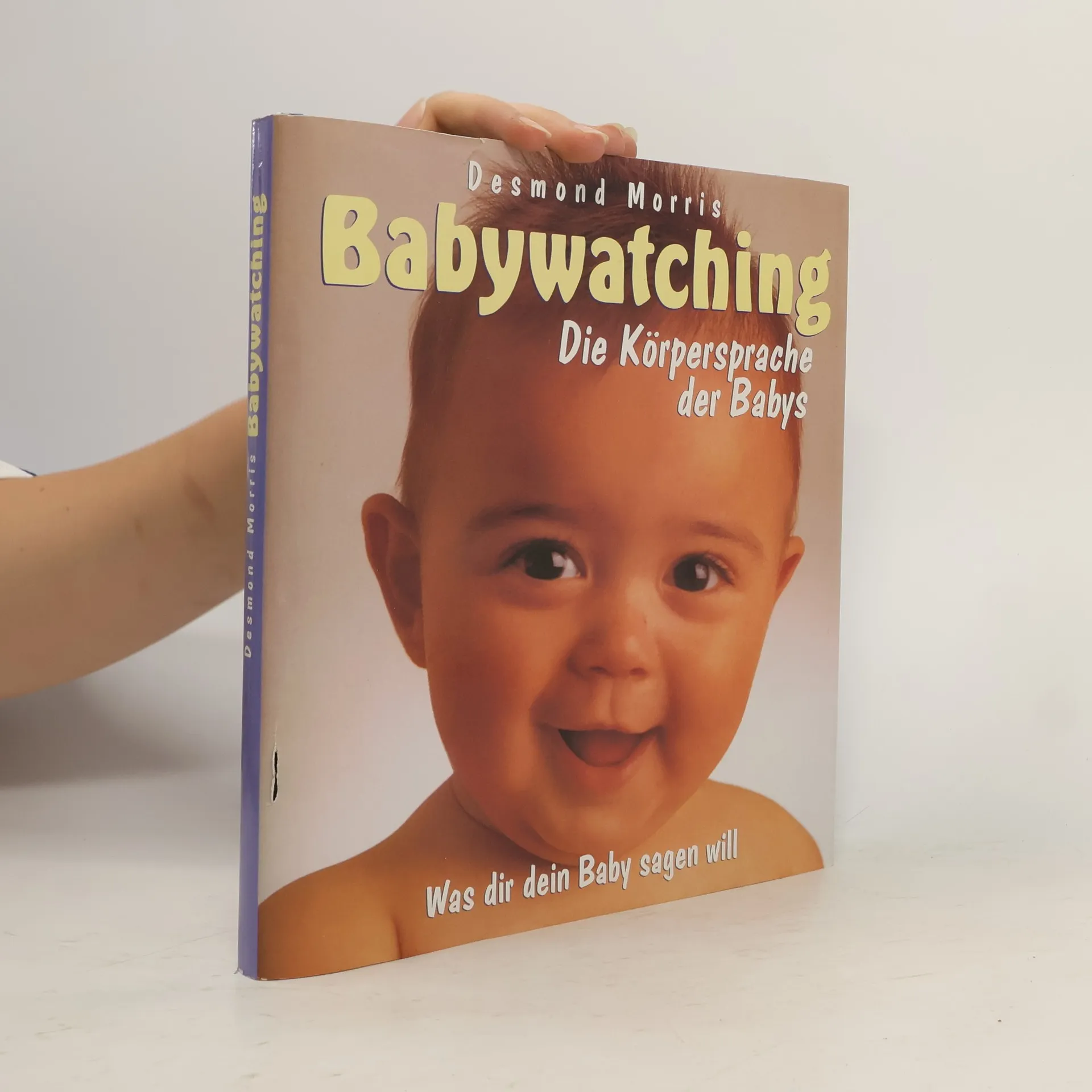
Babywatching
Die Körpersprache der Babys
Mars und Venus
- 255pagine
- 9 ore di lettura
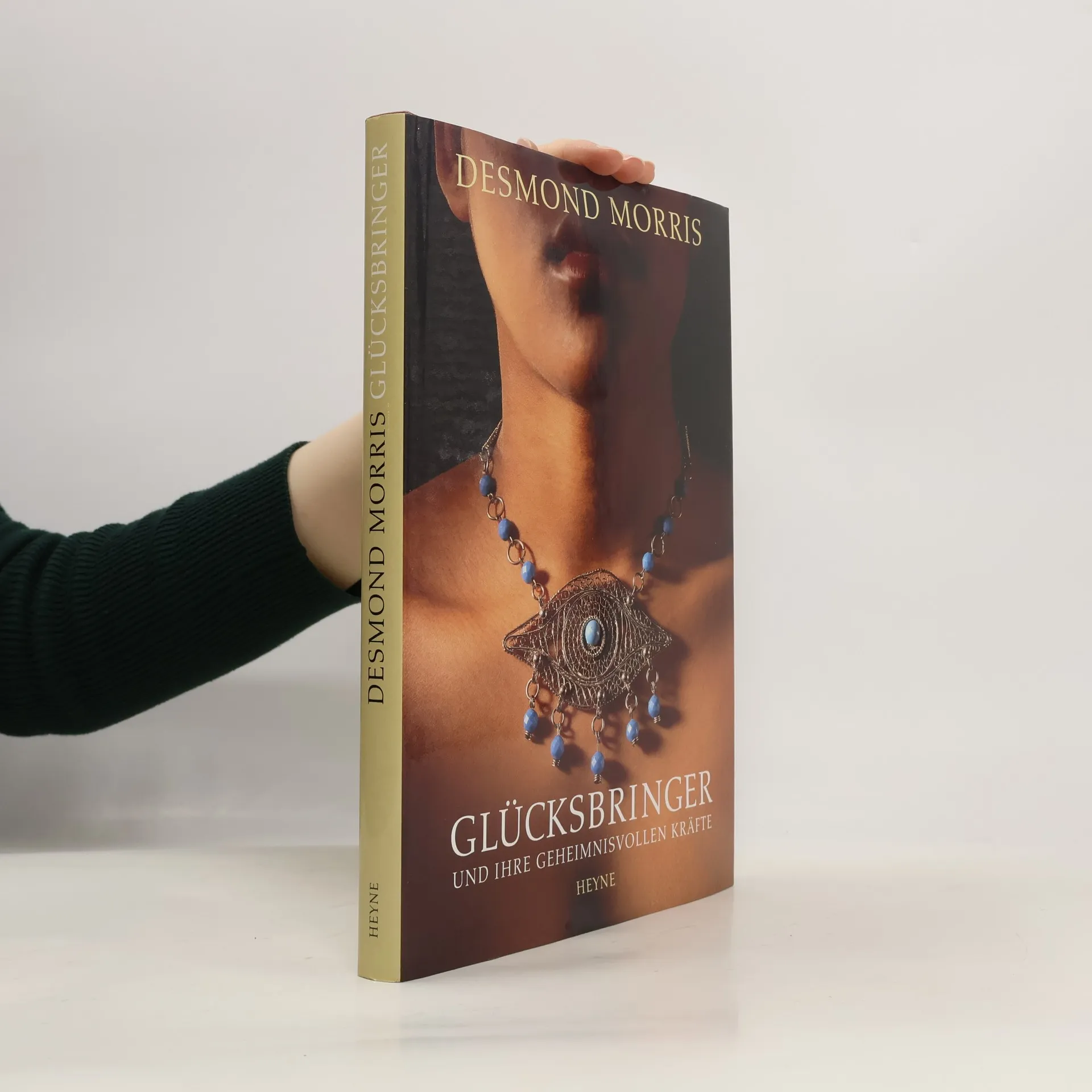
Glücksbringer und ihre geheimnisvollen Kräfte
- 224pagine
- 8 ore di lettura
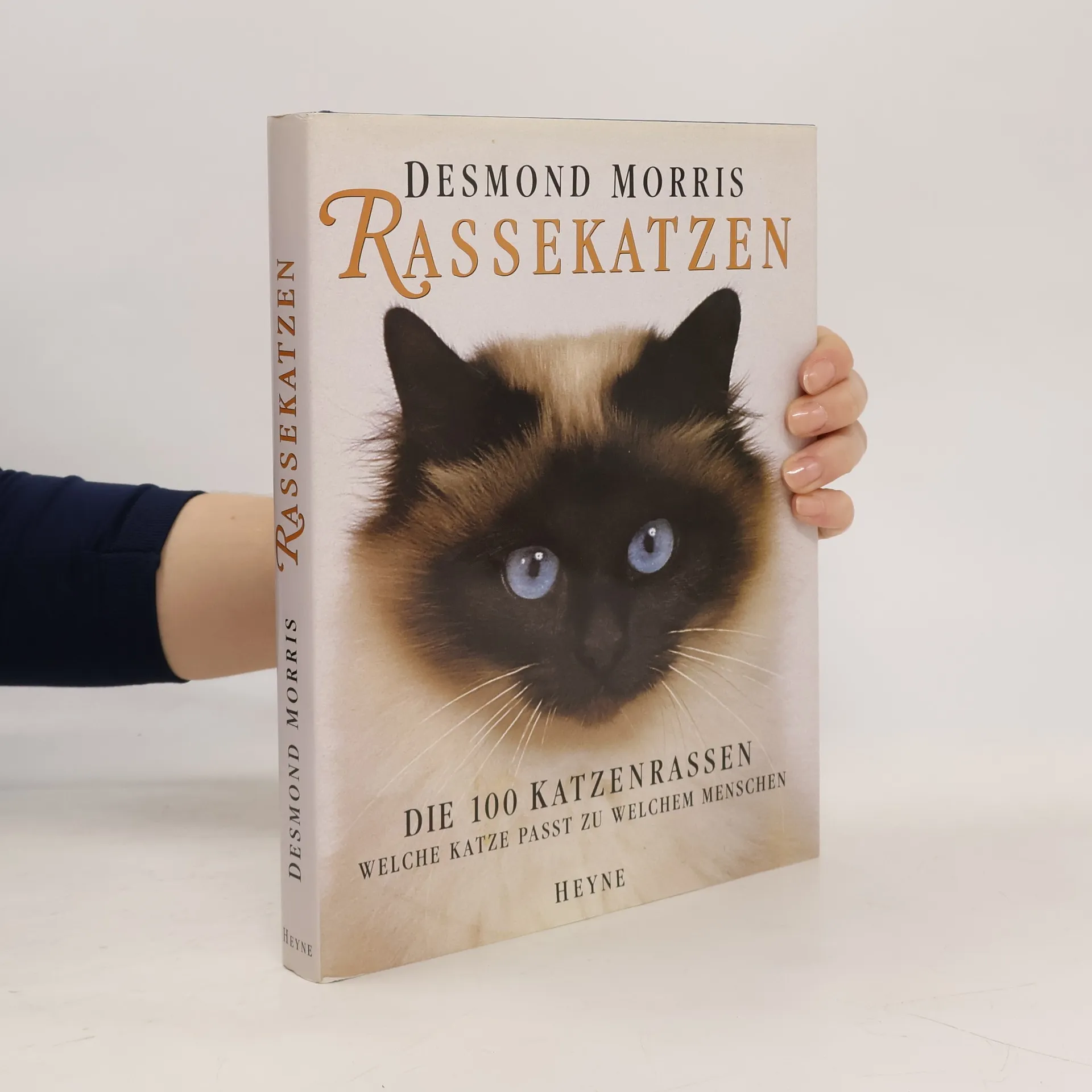
Rassekatzen
- 255pagine
- 9 ore di lettura
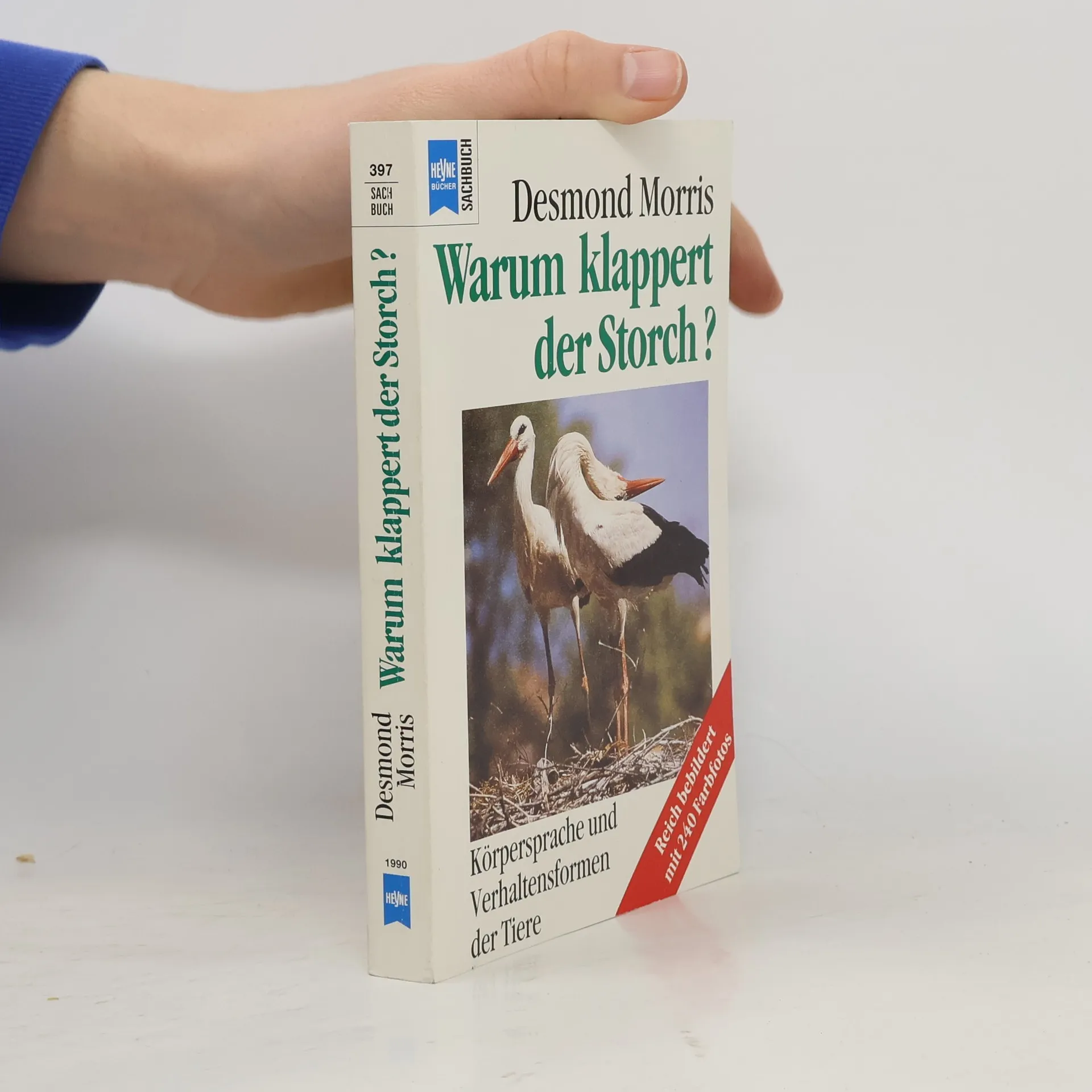
Warum klappert der Storch?
- 267pagine
- 10 ore di lettura
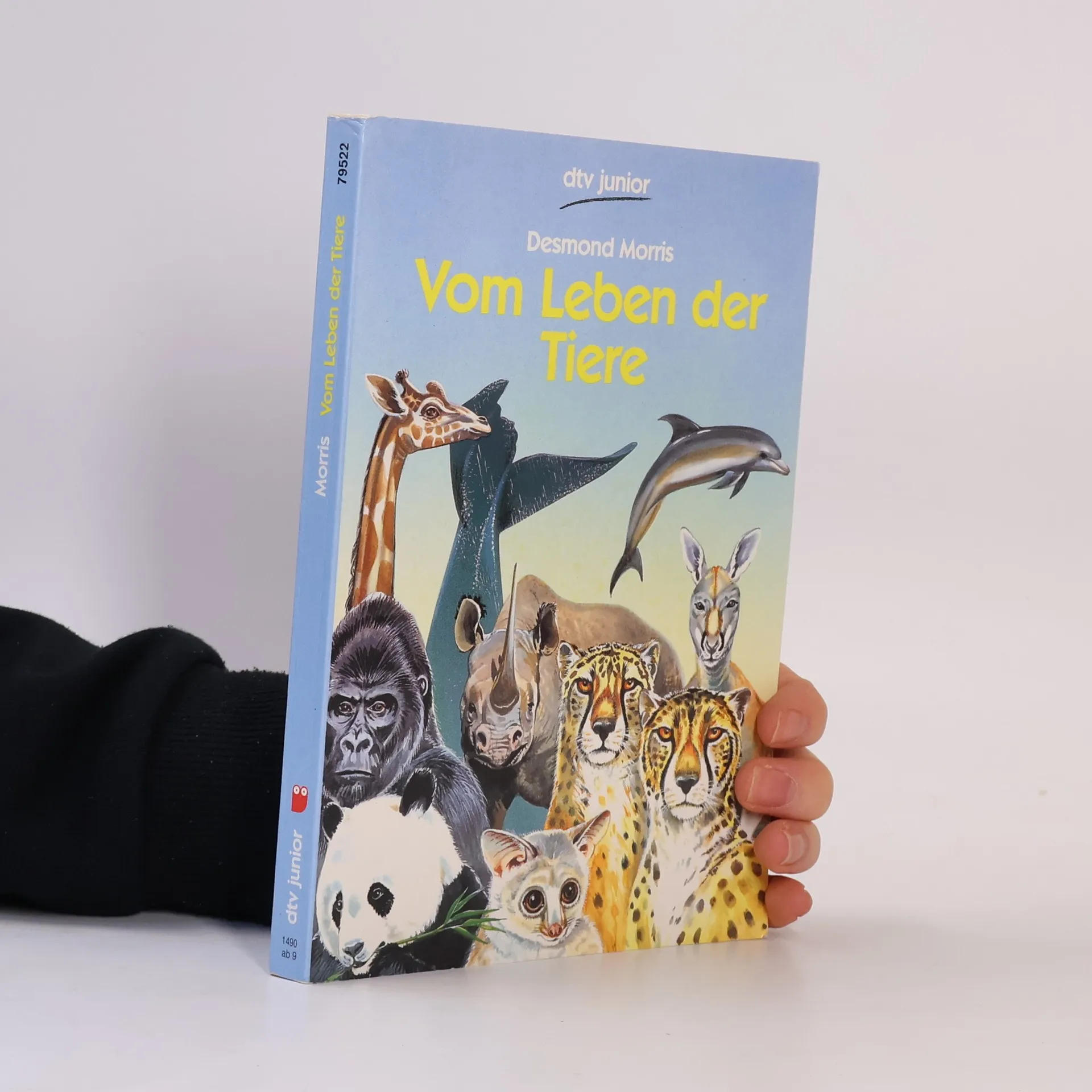
Wieso kommen Kamele so lange ohne Wasser aus? Warum hat das Zebra Streifen? Diese und viele andere Fragen beantwortet der genau beobachtende Verhaltensforscher Desmond Morris. Er erzählt ausführlich von 24 Tieren und ihren unterschiedlichen Lebensweisen. »Vom Leben der Tiere« ist so informativ wie ein Tierlexikon, aber unvergleichlich spannender zu lesen. Und es ist auch ein Buch über den Tierschutz.
Flucht aus Kajandi/Der Mensch, mit dem wir leben/Wild wie das Moor/Tod im Tauerntunnel - bk675; Verlag "Das Beste"; David Beaty/Desmond Morris/Ernest V. Thompson/Felix Huby; Paperback; 1979
De naakte mens
- 320pagine
- 12 ore di lettura
Desmond Morris (1928) is internationaal bekend als zoöloog, natuurhistoricus en observator van mens en dier. Het boek is een overzicht van de lange en veelzijdige carrière van Morris, waarin de meest uiteenlopende onderwerpen, variërend van schilderende chimpansees tot het bestuderen van 'pokerfaces' in Las Vegas, aan de orde komen. Met twee katernen foto's in kleur en zwart-wit en een register. Niet te verwarren met het gelijknamige boek van Morris uit 1978 over de betekenis van menselijke gedragingen!