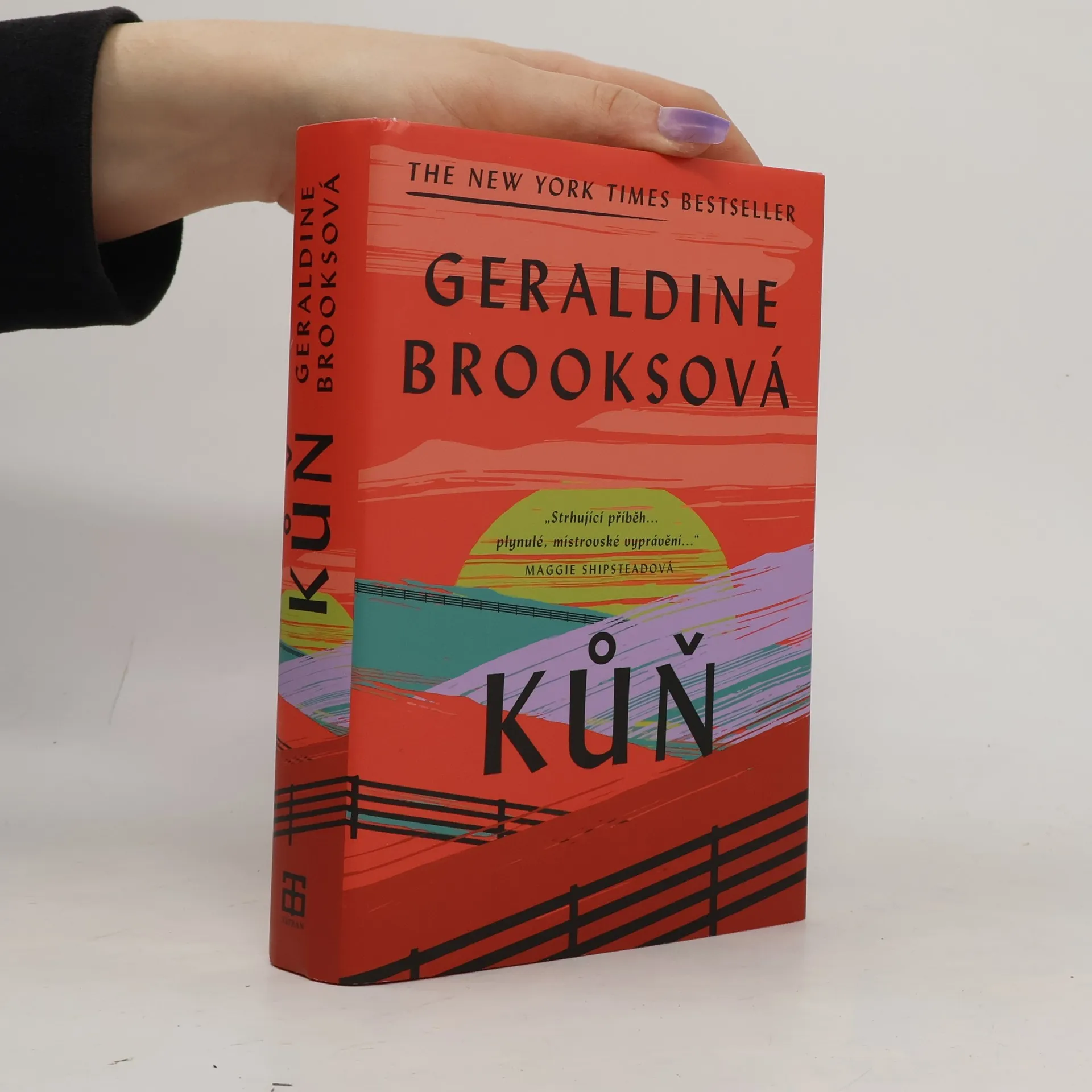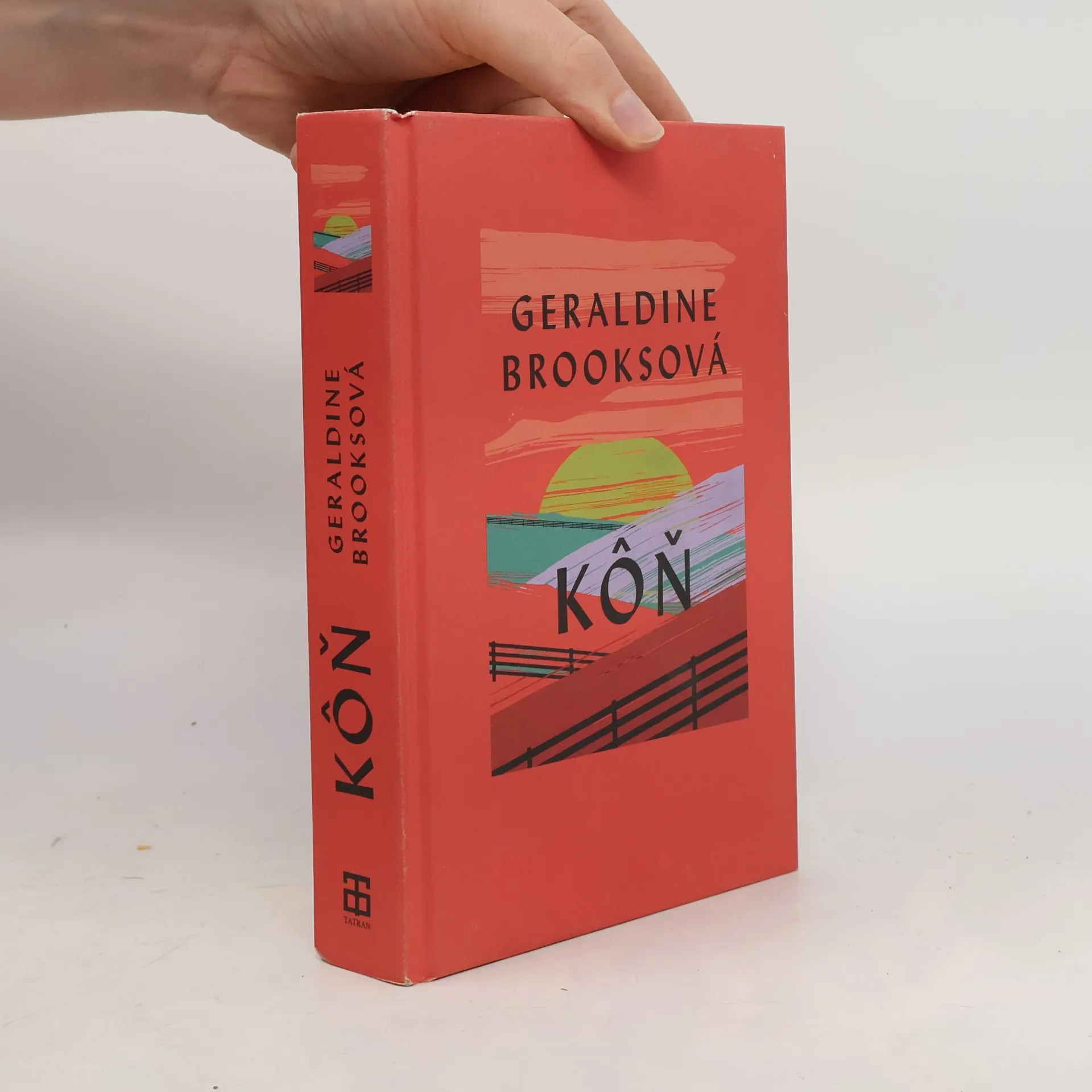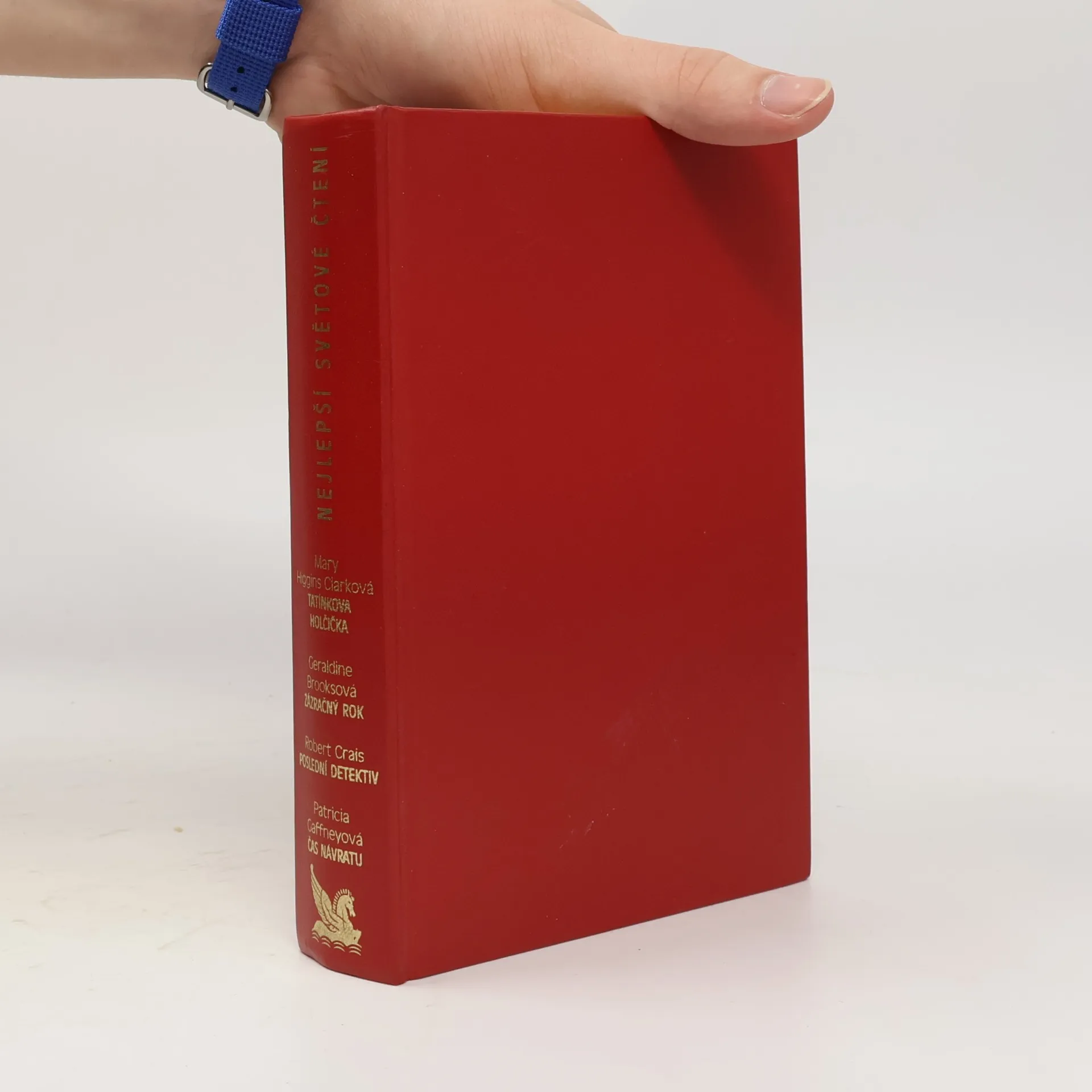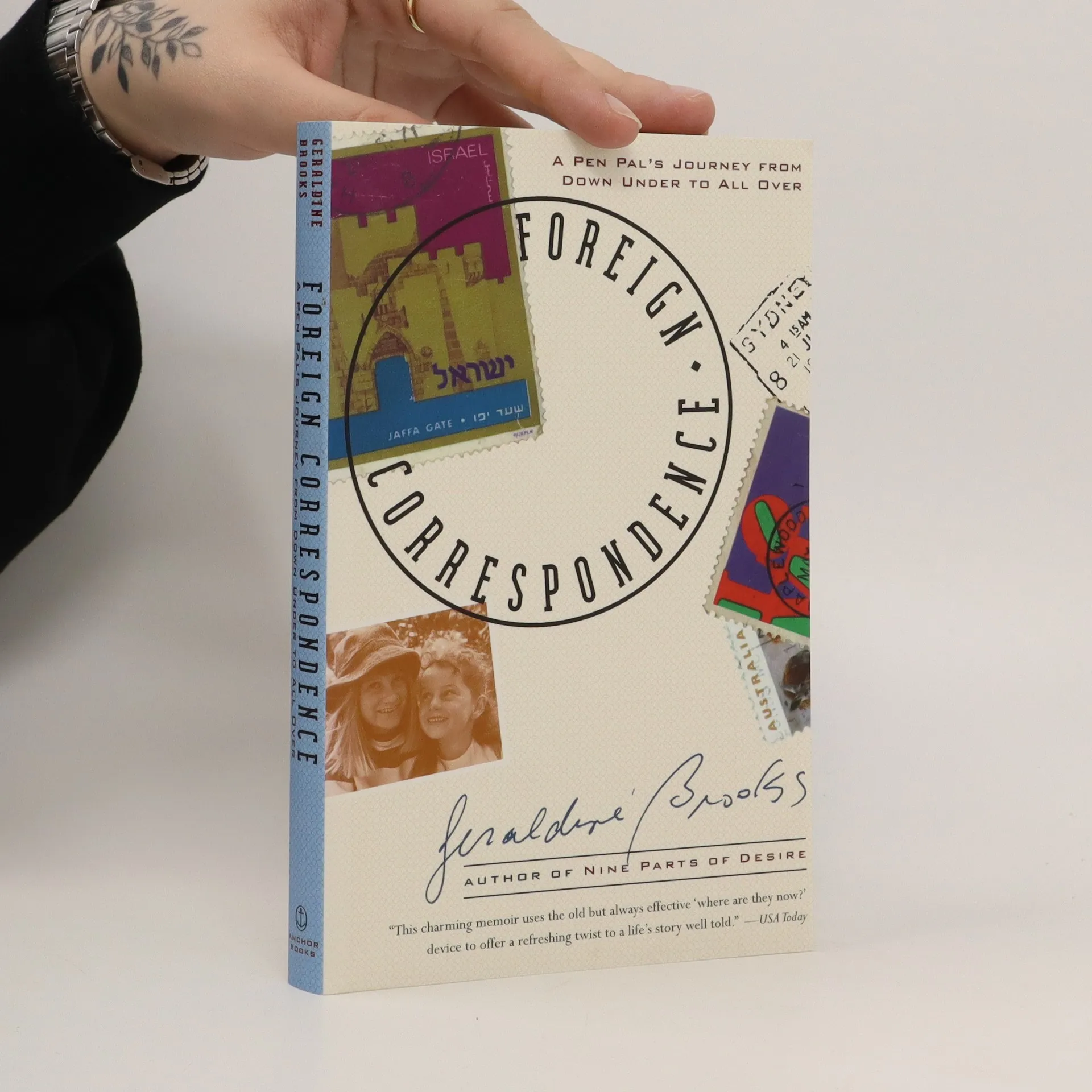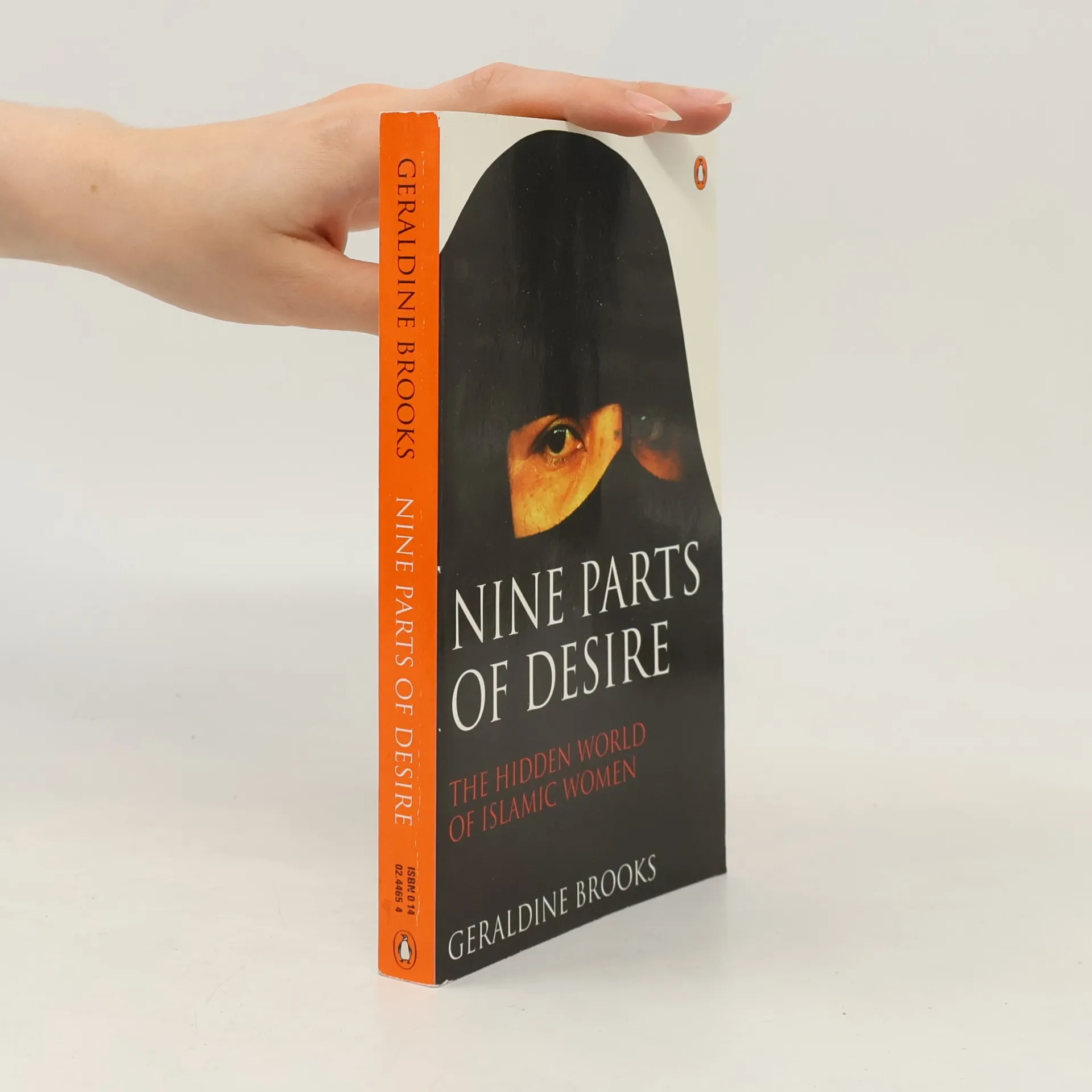

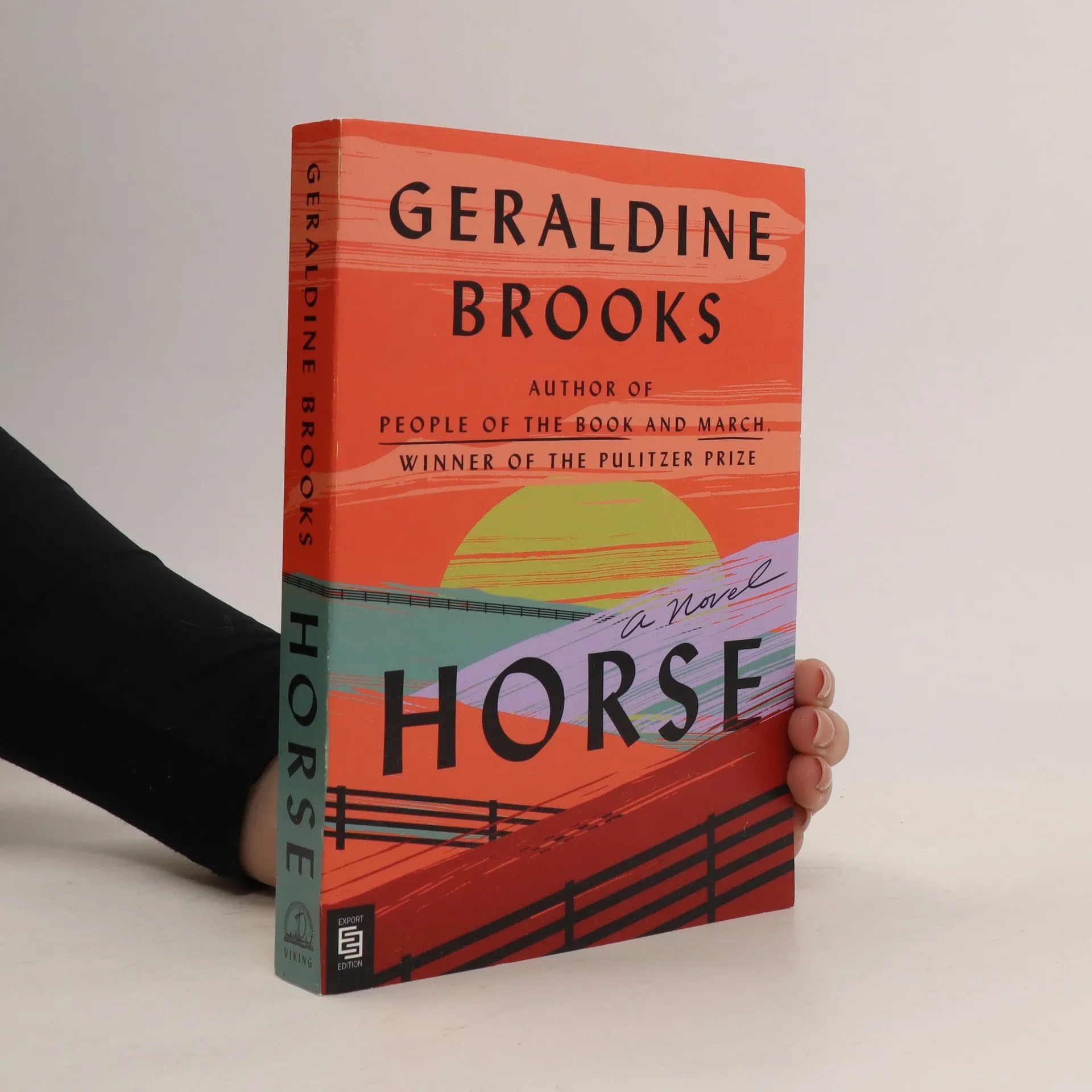
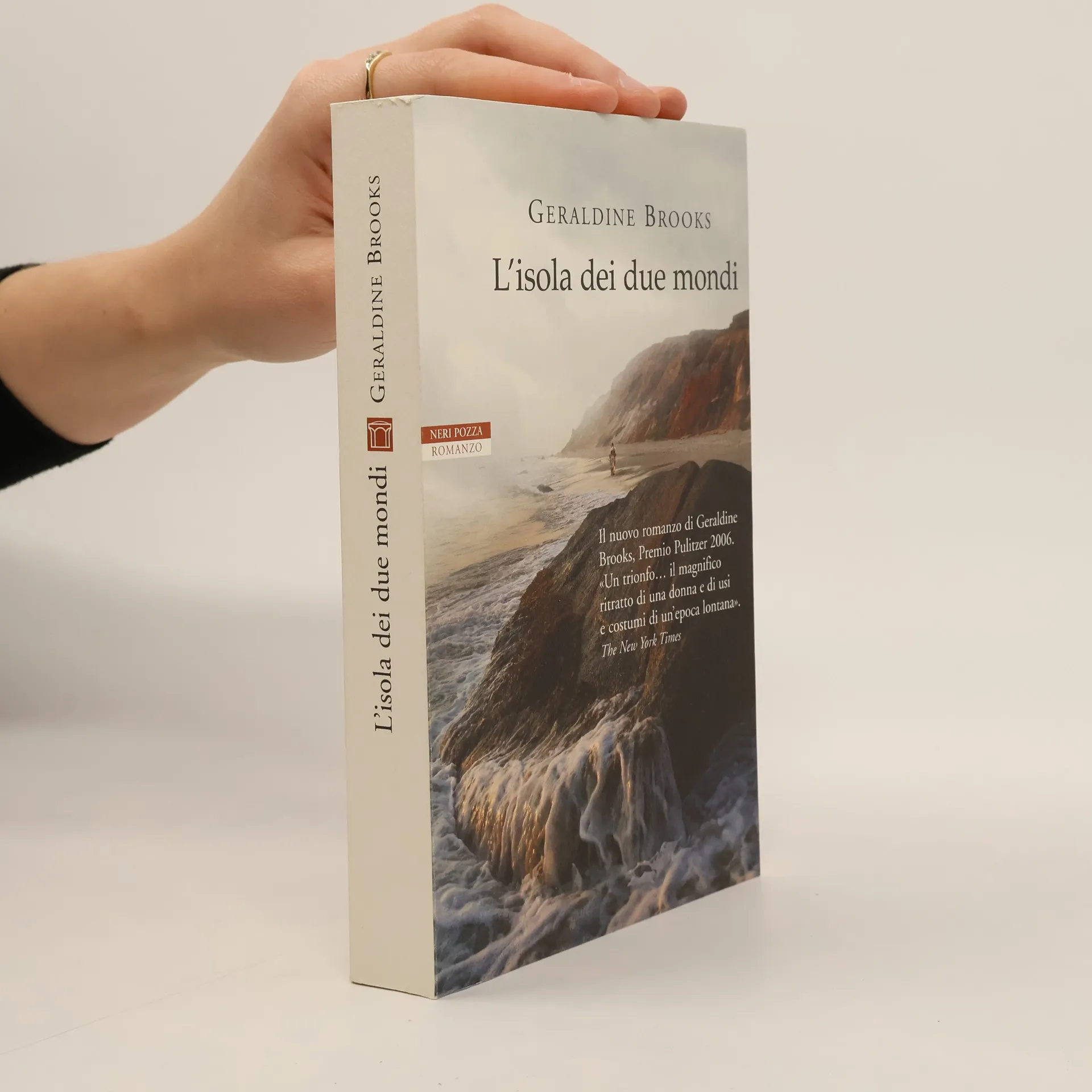
Kôň
- 432pagine
- 16 ore di lettura


Exploring the profound impact of unexpected loss, this memoir delves into the author's personal journey toward healing and acceptance. With poignant reflections and emotional depth, it captures the struggles and triumphs faced in the wake of grief, offering insights into resilience and the search for peace. The author's acclaimed narrative style brings a unique perspective to the universal experience of loss, making this a touching and relatable read for anyone navigating similar challenges.
“Brooks’ chronological and cross-disciplinary leaps are thrilling.” — The New York Times Book Review. “Horse isn’t just an animal story—it’s a moving narrative about race and art.” — TIME. “A thrilling story about humanity in all its ugliness and beauty . . . the evocative voices create a story so powerful, reading it feels like watching a neck-and-neck horse race, galloping to its conclusion—you just can’t look away.” — Oprah Daily. Winner of the Anisfield-Wolf Book Award. A discarded painting, a skeleton, and the greatest racehorse in America intertwine in a sweeping narrative of spirit, obsession, and injustice throughout American history. In Kentucky, 1850, an enslaved groom named Jarret forms a deep bond with a bay foal, leading the horse to record-setting victories. As civil war erupts, a young artist known for his racehorse paintings joins the Union forces and reunites with the stallion and his groom in a perilous moment far from the racetrack's glamor. Fast forward to New York City, 1954, where gallery owner Martha Jackson becomes captivated by a mysterious nineteenth-century equestrian painting. In Washington, DC, 2019, Jess, a Smithsonian scientist, and Theo, a Nigerian-American art historian, connect over their shared interest in the horse—one studying its bones for clues to its endurance, while the other uncovers the lost history of the Black horsemen vital to its success. Based on the true story of the record-br
Traces the arc of King David's journey from obscurity to fame, from shepherd to soldier, from hero to traitor, from beloved king to murderous despot and into his remorseful and diminished dotage
America settentrionale, 1660. Bethia Mayfield ha quindici anni quando una sera dal suo letto sente il padre e il fratello annunciare quella che per lei è un'insperata felicità: Caleb della tribù wampanoag, da anni suo grande amico segreto, andrà a vivere nella loro casa, dopo il battesimo e la conversione alla religione cristiana. Bethia è nata e cresciuta in una piccola comunità inglese di pionieri puritani insediatisi sull'isola di Martha's Vineyard, un lembo di terra affacciato sull'oceano atlantico, schiacciato tra la selva e il mare. È sempre stata una bambina seria e silenziosa, e ha accentuato il suo carattere solitario dal giorno in cui l'amata mamma è morta dopo aver dato alla luce la piccola Solace. Inquieta e curiosa, Bethia subisce a malincuore quello che è il destino di una ragazzina del XVII secolo: non accedere all'istruzione o, come dice Makepeace, il suo pingue e pigro fratello, essere «dispensata» dall'onere degli studi. Trascorre così le giornate occupandosi di Solace, della casa e del padre, il pastore della comunità, un uomo di specchiata e intransigente moralità. Nei momenti liberi, tuttavia, la sua ansia di sapere, il suo desiderio di conoscenza dello strano mondo e delle cose che la circondano prendono il sopravvento. Bethia se ne va in giro per l'isola, a esplorare baie e boschi, e a osservare i nativi e i loro riti, che la affascinano e al tempo stesso la turbano, tra consapevolezza di libertà e paura del peccato. Ha dodici anni quando incontra Caleb, e la sua esistenza ne sarà segnata per sempre. La profonda amicizia che si instaura tra i due li porta a imparare l'uno la lingua, la cultura, la religione dell'altro. Il giovane Caleb rispetta e venera la natura, non conosce il significato del termine «peccato», non capisce perché gli inglesi, che amano circondarsi di così tante cose, si accontentino di un solo dio, per giunta lontano e invisibile. Bethia gli legge brani delle Scritture, gli regala una copia gualcita del catechismo, ma in cuor suo brucia dalla voglia di fare sua, almeno per un solo trasgressivo istante, l'«avventura idolatra» del suo giovane amico. Due mondi lontani, situati sulla stessa isola, si incontrano e si desiderano. E l'incontro sembra trovare un magnifico e inaspettato coronamento quando Caleb accoglie il Dio dei cristiani e decide di intraprendere un cammino di studio, inizialmente accanto al pastore Mayfield e alla sua famiglia, poi sempre più lontano da Bethia, fino a diventare quello che Bethia non può, o meglio quello che a Bethia è proibito essere: una persona istruita che può liberamente decidere del suo destino. Ispirato alla storia vera del primo nativo americano laureatosi a Harvard, L'isola dei due mondi è un magnifico romanzo che narra di amicizia e libertà, emancipazione e pregiudizio in un'epoca in cui due culture si sfidano e si incontrano per la prima volta.
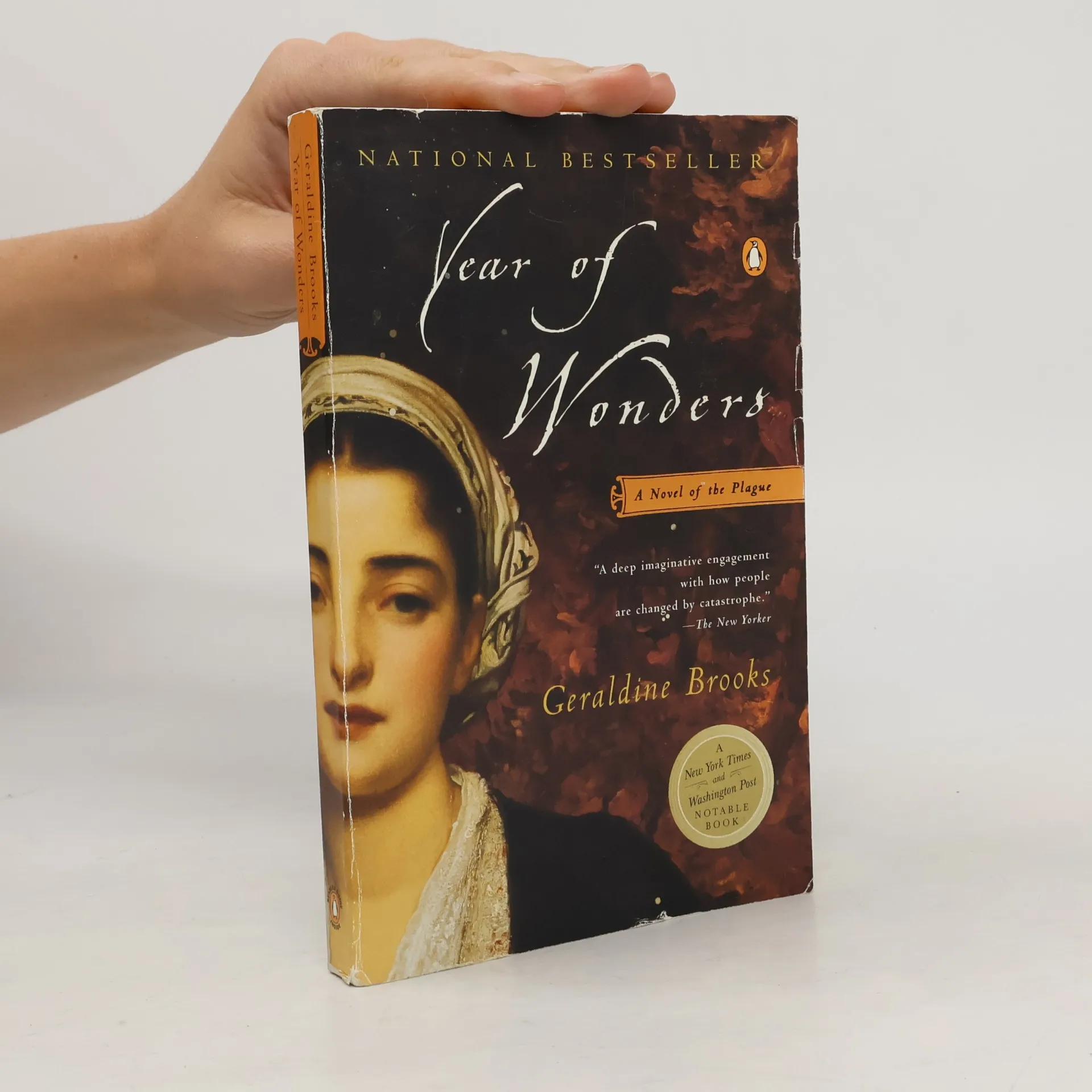
Set in a village in remote England which is confronted by plague - Anna Frith is a housemaid who discovers powers of healing.
Set against a backdrop of historical upheaval, this bestselling novel traces the journey of a rare manuscript as it endures centuries of exile and conflict. The narrative intertwines themes of survival and the enduring power of art, showcasing the manuscript's impact on various lives throughout history. The author, known for acclaimed works like The Secret Chord and Pulitzer Prize-winning March, weaves a rich tapestry of human experience, exploring how culture and creativity persist through tumultuous times.
The book focuses on the significance of early literature from the 1900s and earlier, highlighting their scarcity and rising costs. It aims to make these classic works accessible by republishing them in affordable, high-quality editions that preserve the original text and artwork, ensuring that these timeless pieces remain available to contemporary readers.
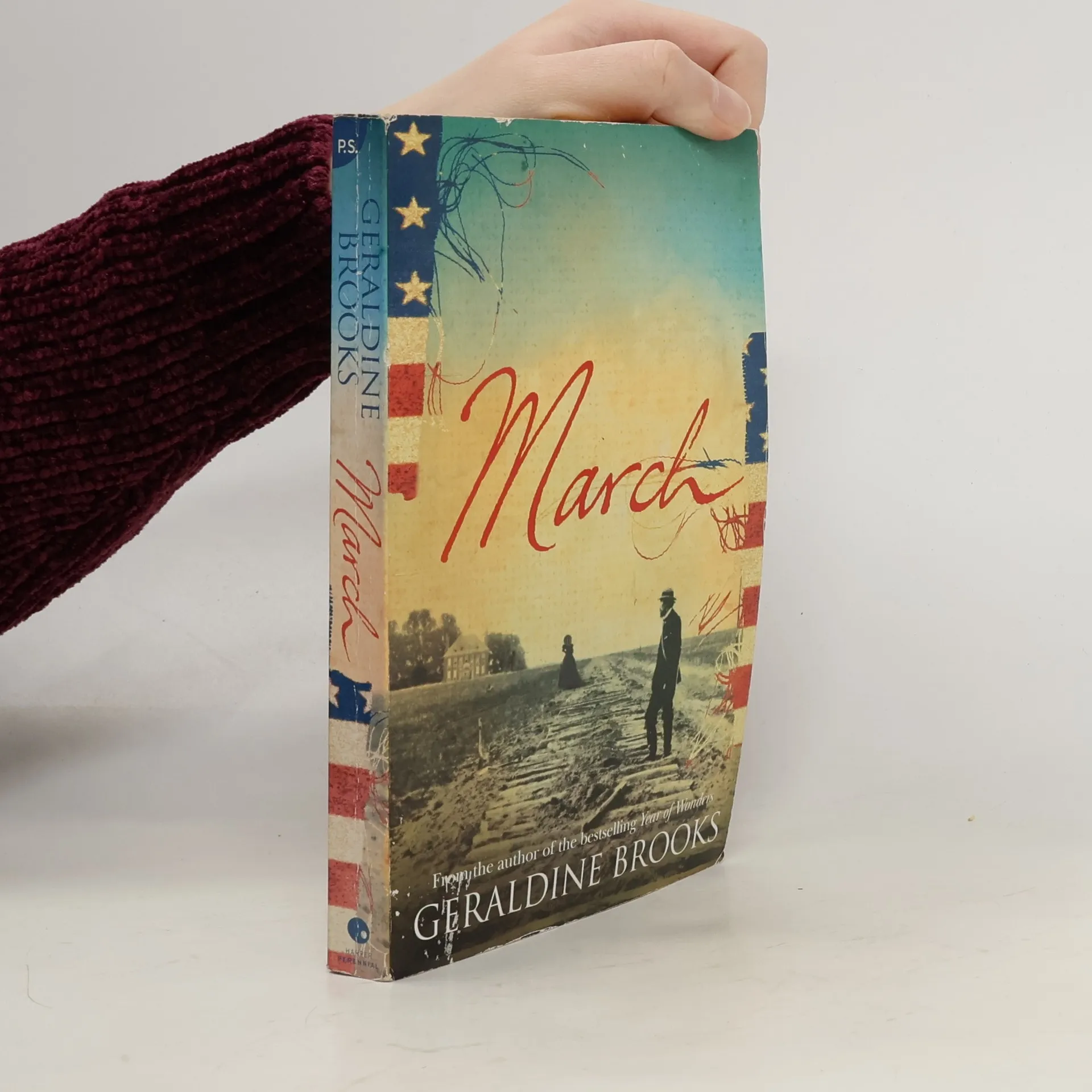
From Louisa May Alcotts beloved classic Little Women, Geraldine Brooks has animated thecharacter of the absent father, March, and crafted a story "filled with the ache of love and marriage and with the power of war upon the mind and heart of one unforgettable man" (Sue Monk Kidd). With "pitch-perfect writing" (USA Today), Brooks follows March as he leaves behind his family to aid the Union cause in the Civil War. His experiences will utterly change his marriage and challenge his most ardently held beliefs. A lushly written, wholly original tale steeped in the details of another time, March secures Geraldine Brookss place as a renowned author of historical fiction.
This antiquarian book is a facsimile reprint of an original work, reflecting its historical significance. While it may have imperfections such as marks and flawed pages due to its age, the reprint aims to preserve and promote the cultural value of the literature. It is part of a commitment to make important works accessible in high-quality, affordable editions that stay true to the original content.