Peter Bergsma è un distinto traduttore letterario con vasta esperienza. Il suo lavoro è caratterizzato da precisione e una profonda comprensione dei testi degli autori originali. Bergsma si concentra sulla conservazione dello spirito e dello stile del materiale di origine durante il suo trasferimento in una nuova lingua. Le sue traduzioni sono apprezzate per la loro fluidità e fedeltà all'originale, avvicinando così la letteratura mondiale ai lettori.
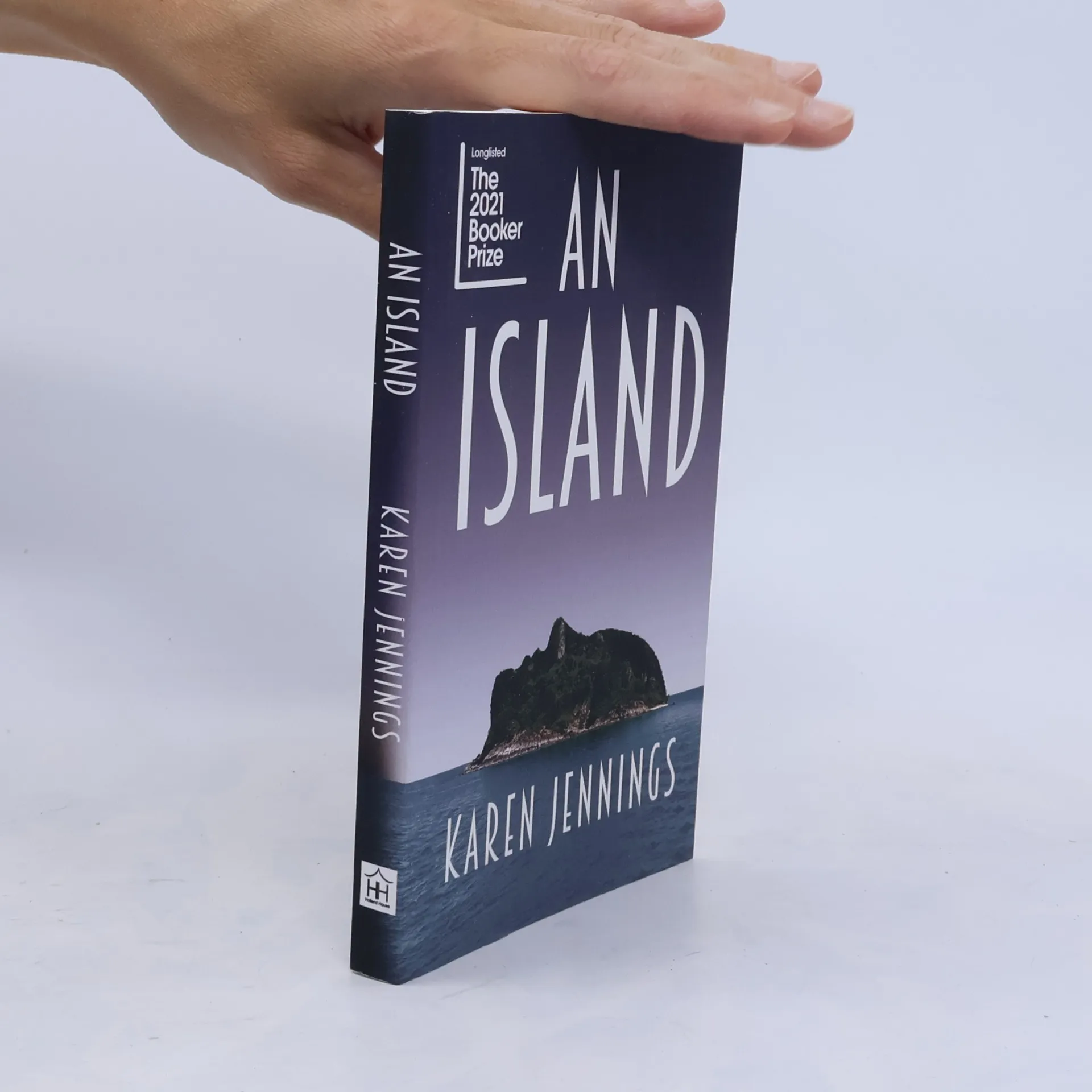
A young refugee washes up unconscious on the beach of a small island inhabited
by no one but Samuel, an old lighthouse keeper. Unsettled, Samuel is soon
swept up in memories of his former life on the mainland: a life that saw his
country suffer, then fight for independence, only to fall to a cruel dictator;
he recalls his own part in its history.
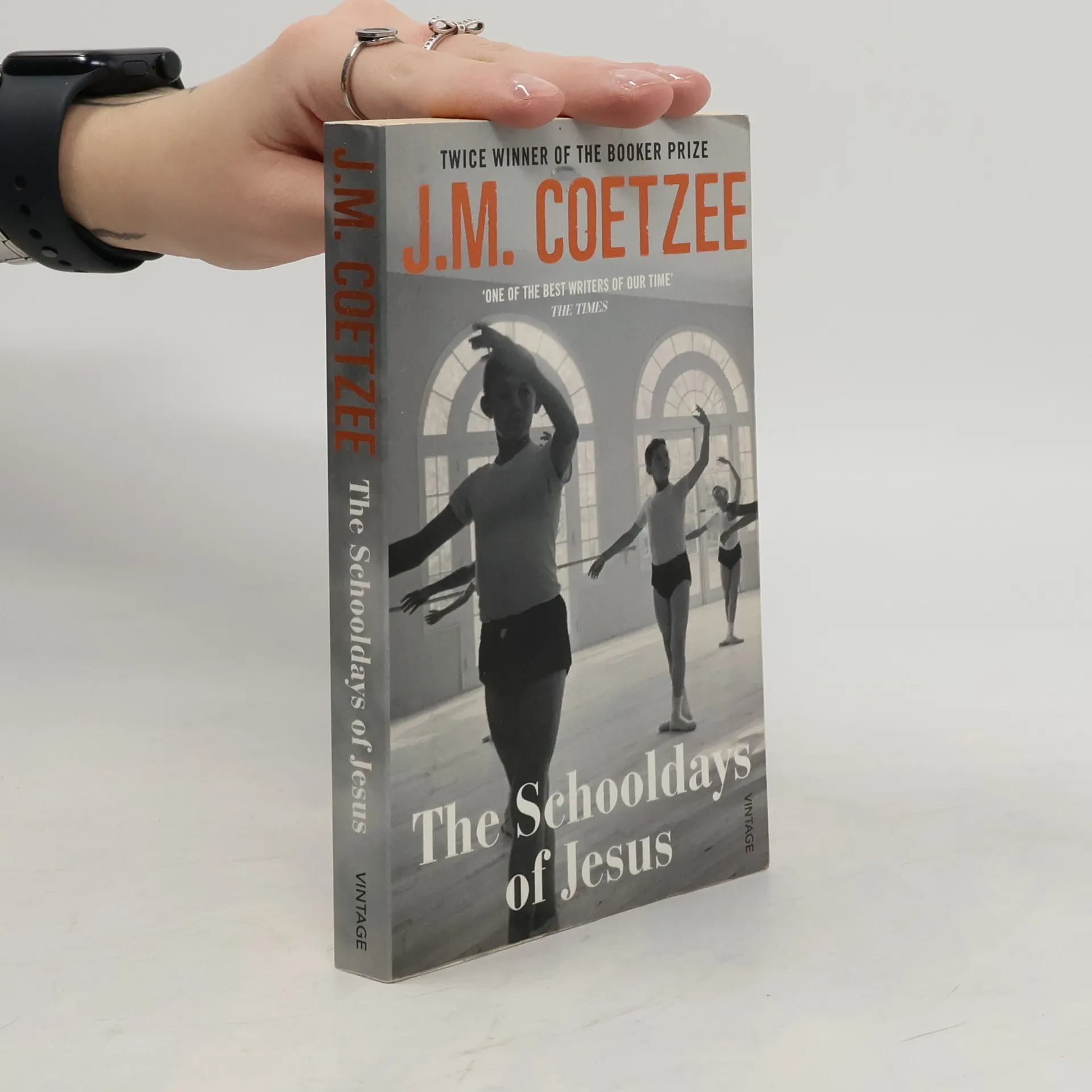
LONGLISTED FOR THE MAN BOOKER PRIZE 2016 Selected as a Book of the Year 2016 in the Observer and Daily Telegraph When you travel across the ocean on a boat, all your memories are washed away and you start a completely new life. That is how it is. There is no before. There is no history. The boat docks at the harbour and we climb down the gangplank and we are plunged into the here and now. Time begins. Dav�d is the small boy who is always asking questions. Sim�n and In�s take care of him in their new town Estrella. He is learning the language; he has begun to make friends. He has the big dog Bol�var to watch over him. But he'll be seven soon and he should be at school. And so, Dav�d is enrolled in the Academy of Dance. It's here, in his new golden dancing slippers, that he learns how to call down the numbers from the sky. But it's here too that he will make troubling discoveries about what grown-ups are capable of. In this mesmerising allegorical tale, Coetzee deftly grapples with the big questions of growing up, of what it means to be a parent, the constant battle between intellect and emotion, and how we choose to live our lives.
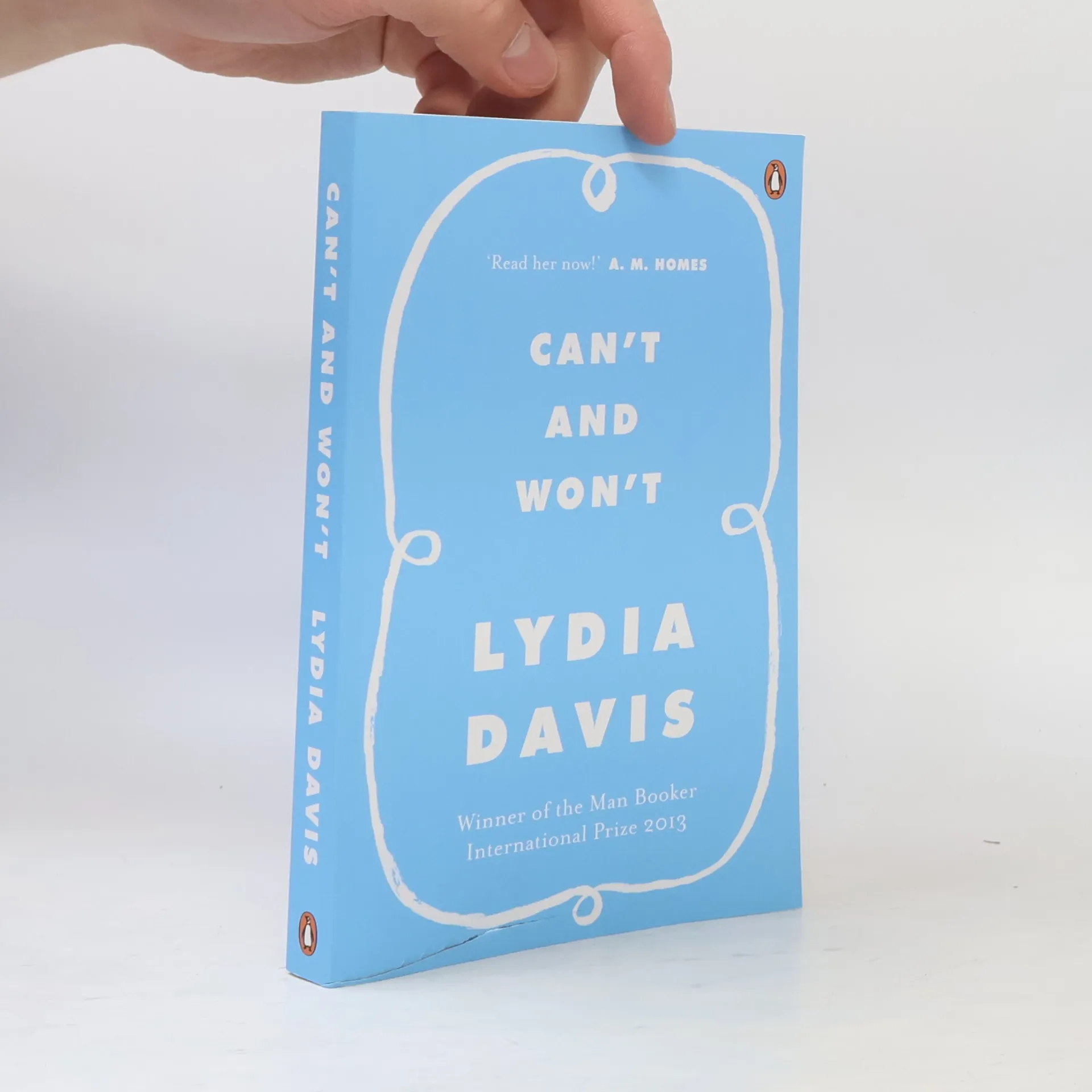
'Bloomington- Now that I have been here a while, I can say with confidence that I have never been here before.' 'Delightful, deeply moving, deliciously humorous, beautiful and surprising.' Financial Times'One of America's finest practitioners of prose . . . brimming with renewed inventiveness and the ability to assault readers with an upped dosage of wit, pathos and insight. Stunning, mesmerising.' Herald'A chance to revel . . . good, funny, remarkable.' Observer'Take these writings as they come, slowly. You will go back to a little gem that has wormed its way into your mind and stuck there, and discover that it is indeed a little gem, which sparkles a different way each time and flashes with a brief beauty of hidden meaning.' Susan Hill, Spectator'Davis can invest descriptions of everyday events with startling reserves of emotion. She has a brilliant eye for the surprising, vibrant detail.'Sunday Times'A clever and refreshing observation of the world around us.' Stylist'One of the unique creations of American literature.' Prospect
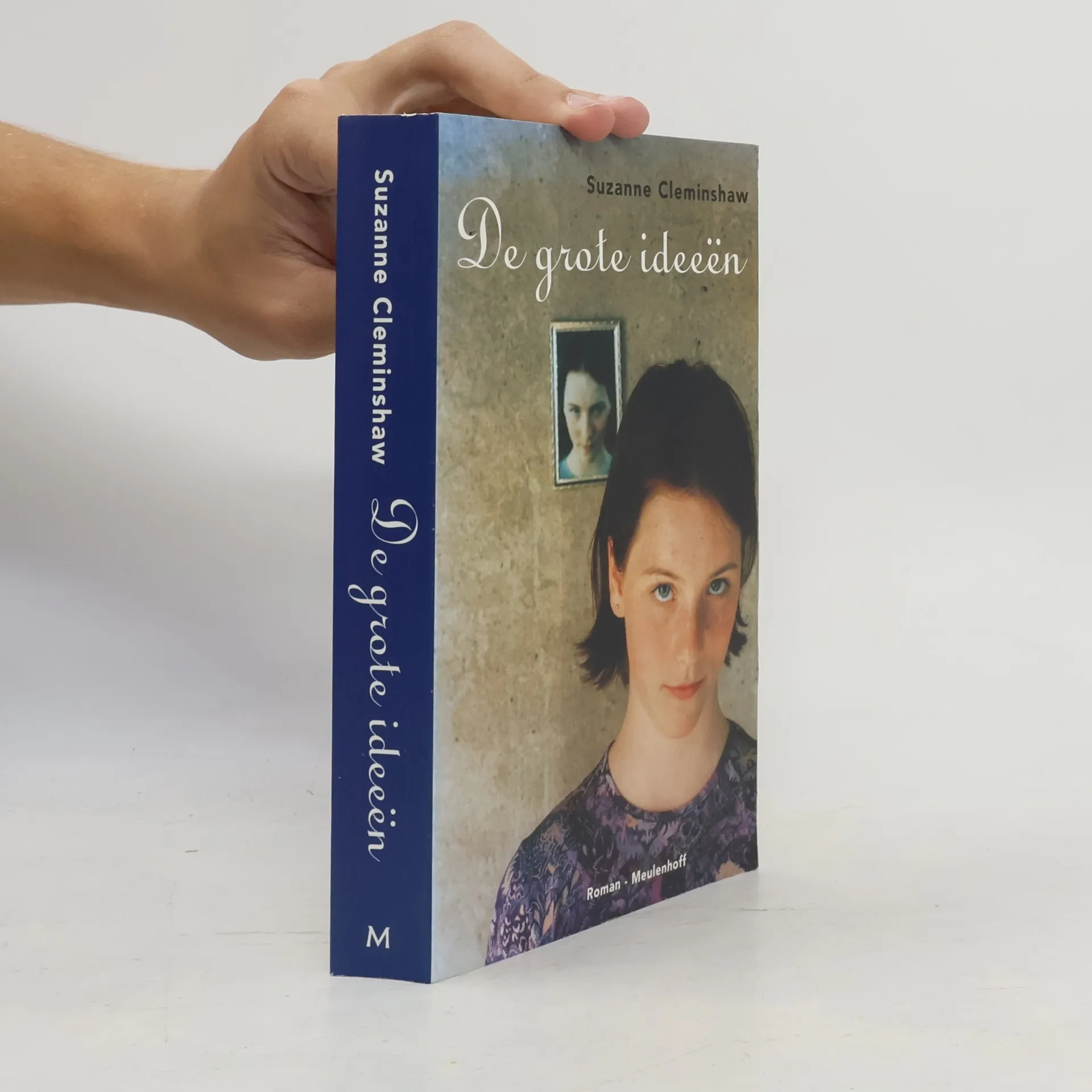
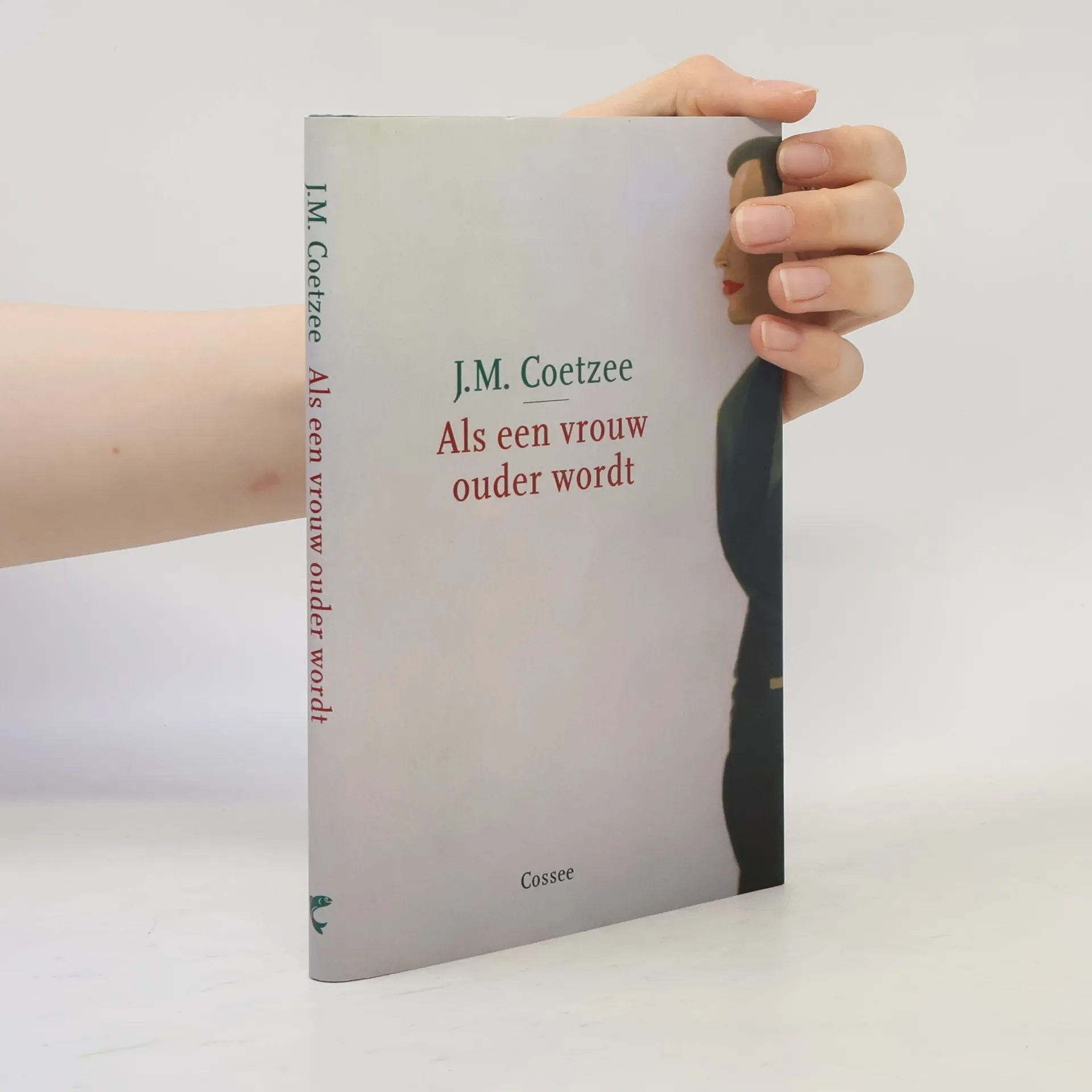
Daar is Elizabeth Costello weer, in een losjes verteld verhaal over een familiereünie in Nice. Ze heeft haar zoon John en haar dochter Helen drie jaar niet gezien. Het is geen toeval dat haar zoon vanuit de Verenigde Staten net een paar dagen in Zuid Frankrijk is op weg naar een of andere belangrijke conferentie. De eerste avond aan de Cote d'Azûr is vrolijk en plezierig. De volgende dag tijdens een autorit met haar dochter wordt Elizabeth geconfronteerd met de plannen van haar plichtsgetrouwe kinderen. Zou ze in een appartement in Nice willen wonen, vlakbij de galerie van Helen? Of, vraagt haar zoon een dag voor hij weer weg moet, zou ze mee willen naar Amerika en bij hem en zijn vrouw en kinderen in willen trekken, en haar rol als grootmoeder op zich willen nemen? Willen de kinderen werkelijk hun moeder zo dicht bij hen hebben? Of voelen ze zich voornamelijk verplicht hun genereuze voorstellen te doen, maar komen deze niet recht uit hun hart.Speciaal voor de Boekenweek 2008 uitgegeven.Bevat tevens: Aan de poort. - Vertaling van: At the gate
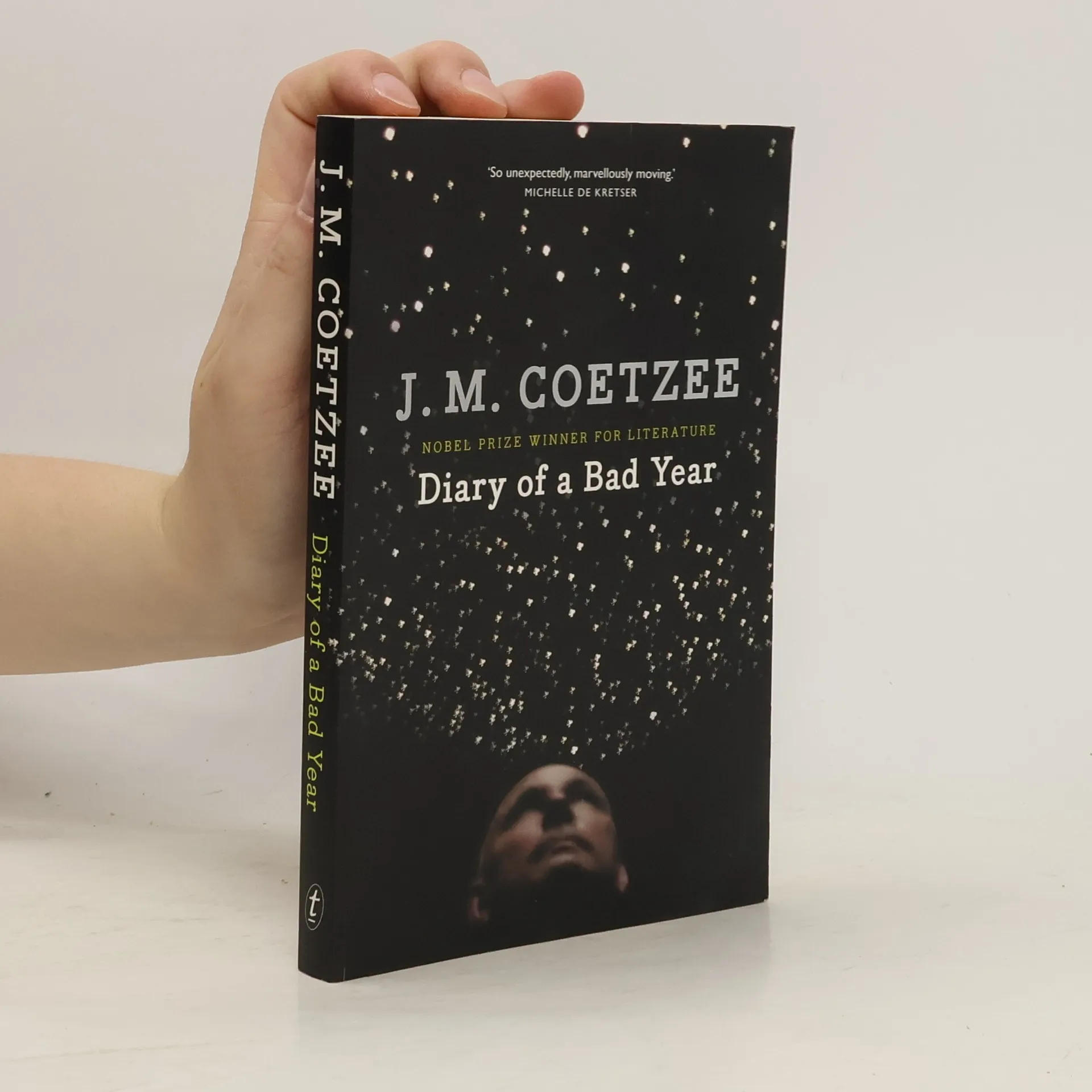
A famous writer is commissioned to contribute to a book of essays called Strong Opinions when he meets a young woman who lives in his apartment tower. He asks her to become his . . . In the laundry room of her apartment block a young woman makes the acquaintance of an ageing writer. She agrees to type up his opinions, although she is aware that what he really desires . . . The young woman's boyfriend starts to spy on his neighbour and hatches a jealous plot to . . . J. M. Coetzee's Diary of a Bad Year was shortlisted for the 2008 NSW Premier's Literary Award, Christina Stead Prize for Fiction, and was shortlisted for the Award for Fiction and Award for Innovation at the 2008 SA Festival Awards for Literature. It is an extraordinary and utterly original novel about loneliness, friendship and the possibility of love. Diary of a Bad Year takes the reader from Australian democracy to Guantanamo Bay, from the meaning of dishonour to the creative truth of dreams. Written in a wholly innovative form for three simultaneous voices, Diary of a Bad Year is enthralling, unexpected and deeply moving.
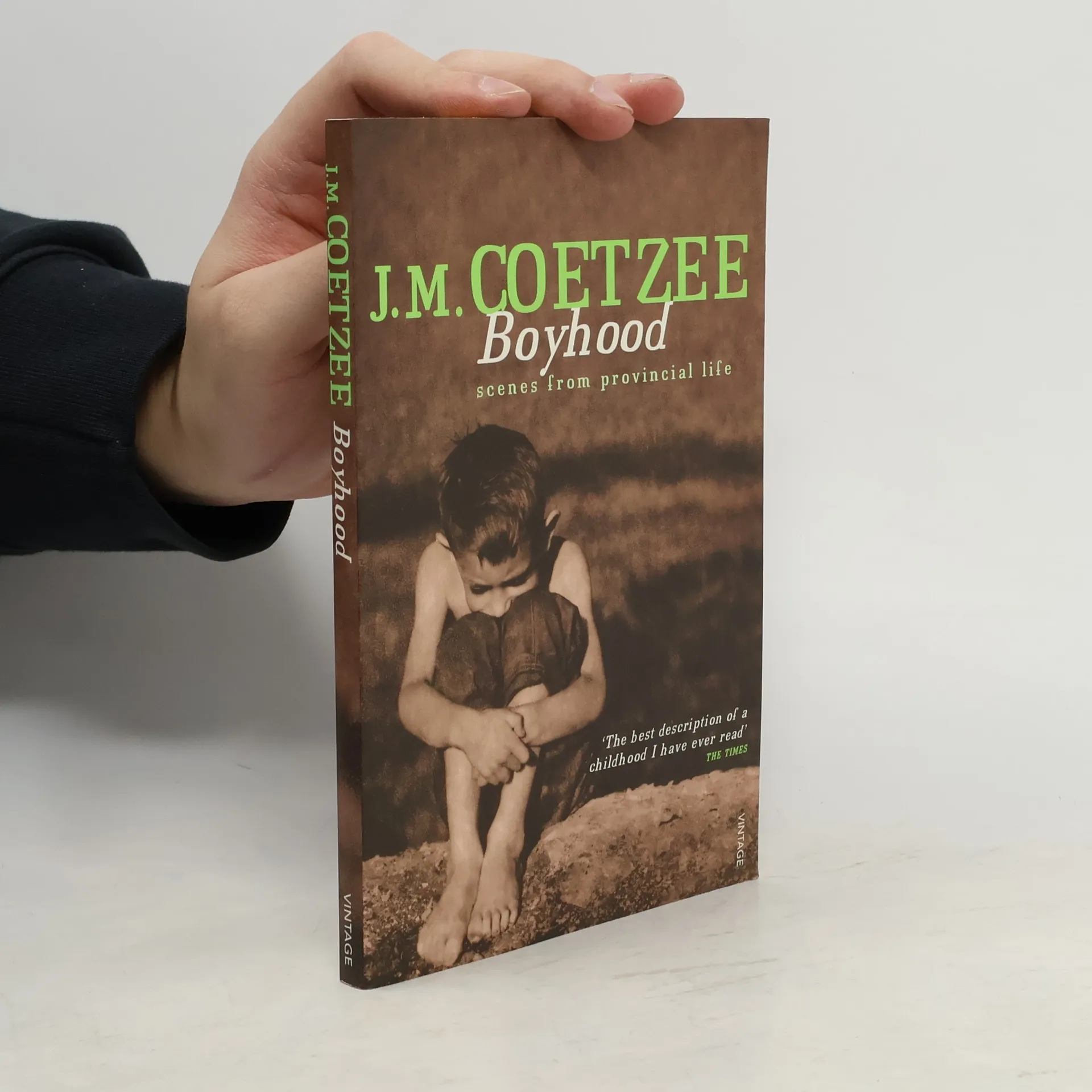
Boyhood is a deeply-felt and utterly compelling account of a South African childhood: the narrative style is as spare and lean as the Karoo flatlands which form its backdrop' Daily Telegraph
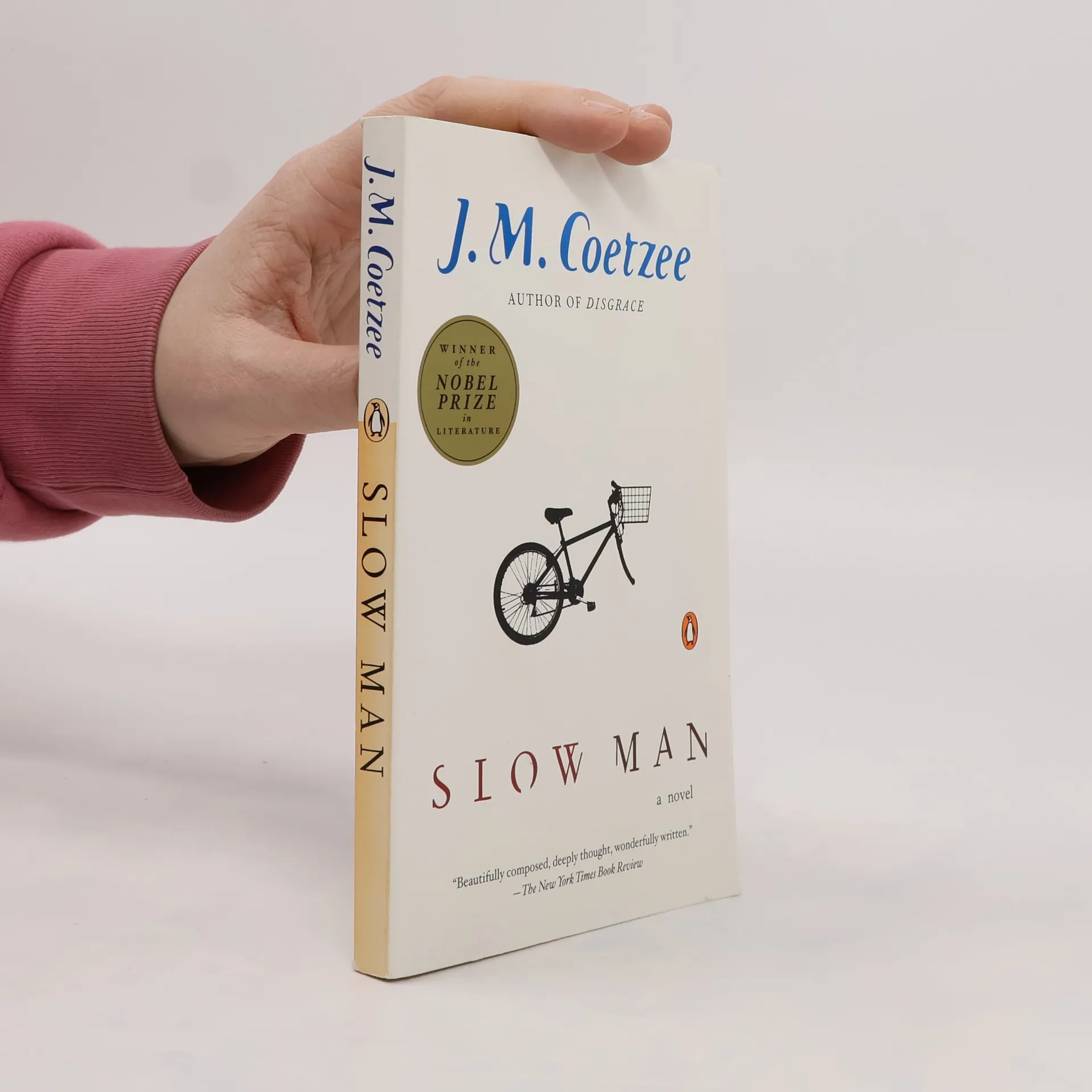
After a life-altering cycling accident leads to the amputation of his leg, Paul Rayment grapples with complex emotions for his nurse and her attractive teenage son. His world is further disrupted by the unexpected visit of renowned Australian novelist Elizabeth Costello, who seeks to influence both his recovery and romantic entanglements. The interplay of personal struggles and external influences shapes a poignant narrative about love, loss, and the quest for direction in life.
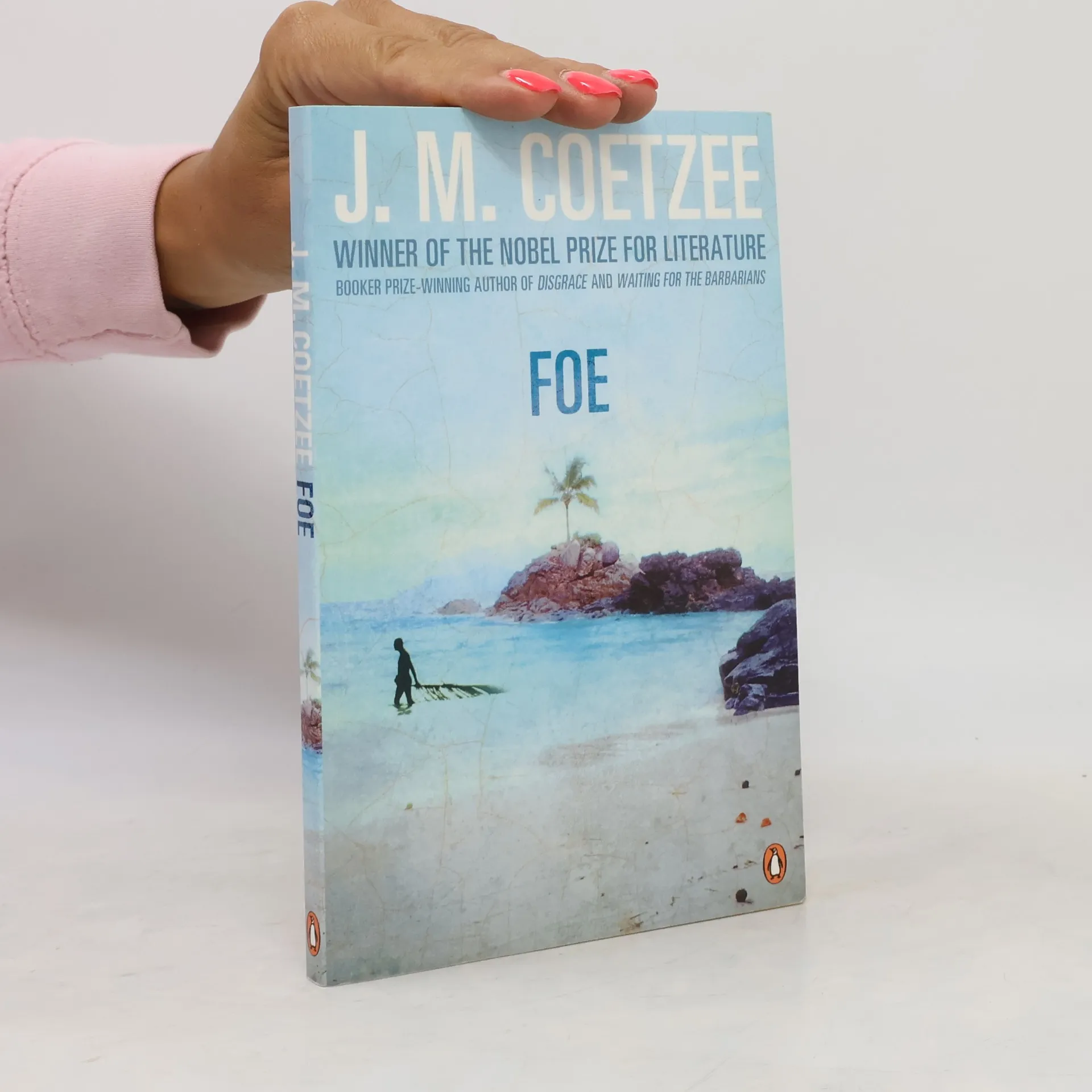
In the early eighteenth century, a woman finds herself set adrift from a mutinous ship and cast ashore on a remote desert island. There she finds shelter with its only other inhabitants: a man named Cruso and his tongueless slave Friday. In time, she builds a life for herself as Cruso's companion and, eventually, his lover.
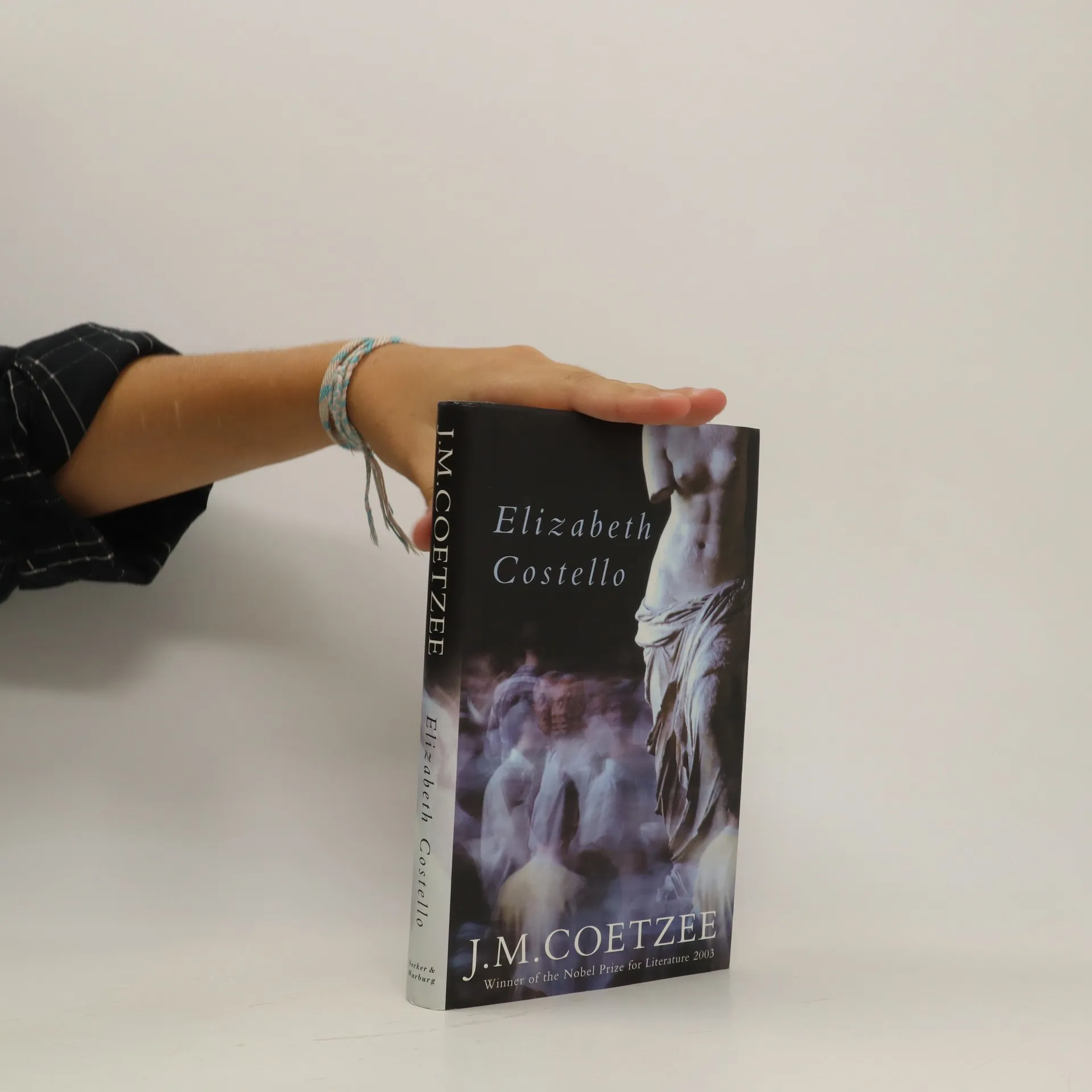
From an award-acceptance speech at a New England liberal arts college to a lecture on evil in Amsterdam, Elizabeth Costello is a distinguished and aging Australian novelist whose life is revealed through a series of eight formal addresses
Con Gioventù, Coetzee narra la storia di un giovane studente universitario di Matematica, che ha dieci anni in più rispetto al protagonista di Infanzia. Questo ragazzo, pieno di ambizioni e sensi di colpa, desidera ardentemente tradurre la sua «fiamma interiore» in versi sublimi, ispirati da Ezra Pound. Per realizzare questo sogno, si dedica alla lettura e ai corsi di letteratura, risparmiando per un viaggio in Europa, dove crede che il suo destino di poeta si compirà, lontano da Città del Capo. Siamo nei primi anni Sessanta, un periodo segnato da violente repressioni nel Sudafrica, una patria che il protagonista considera una «ferita» e un marchio d'infamia. Londra, insieme a Parigi, rappresenta per lui l'avanguardia culturale, un luogo dove vivere intensamente tra spiriti eccezionali e donne affascinanti. Tuttavia, la realtà si rivela ben diversa: la città è difficile da abitare, i circoli letterari sono inaccessibili e le relazioni con le donne si rivelano brevi e deludenti. Gli amici sono borghesi con ambizioni modeste e il lavoro come programmatore di computer lo sfinisce. Mentre si confronta con un mondo dominato dalla paura della guerra e dai conflitti globali, la sua vocazione poetica appare sempre più illusoria, rivelando la sua inettitudine e l'assenza di una chiara identità e futuro.
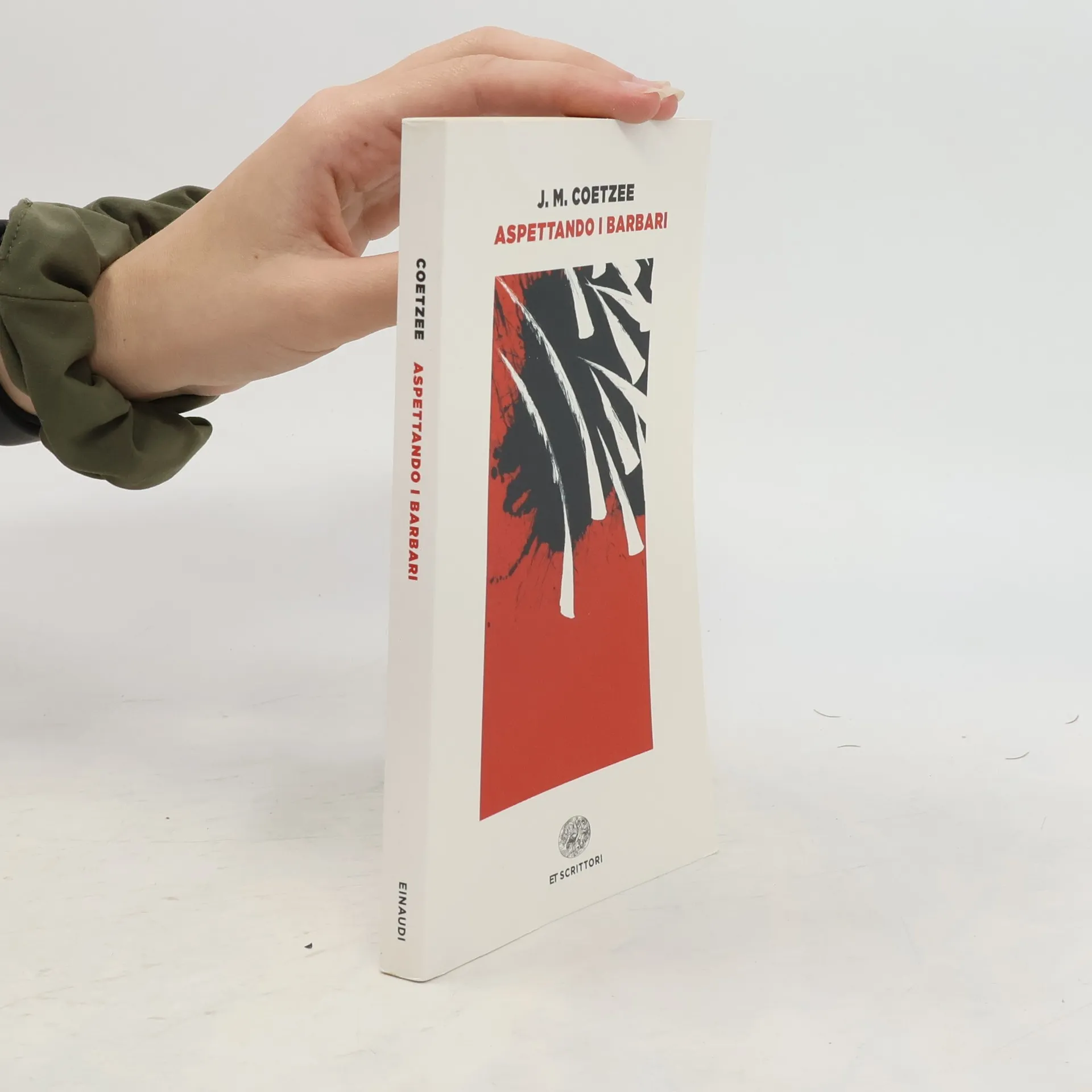
Per anni, il magistrato si è concentrato su poche, piccole cose quotidiane: l'amministrazione giudiziaria della sua cittadina di frontiera durante il giorno, la lettura dei classici la sera, gli scavi archeologici nel tempo libero. Per anni, ha applicato la legge senza mettere in forse la propria fedeltà all'Impero, senza consentire ad alcun dubbio di turbare le sue serate con gli amici, le sue notti con le prostitute. Per anni. Finché i barbari non cominciano a premere lungo la frontiera - o almeno, cosí dicono nella capitale; finché due di quei barbari non vengono catturati e torturati. Il magistrato, all'improvviso, si trova a confrontarsi con la realtà: con la violenza, con il pregiudizio, perfino con l'amore. E da suddito dell'Impero si trasforma in nemico, da giudice in imputato - senza mai avere la certezza di battersi per una causa giusta, o di resistere a una causa ingiusta: «Qualcosa mi ha guardato dritto in faccia e io ancora non la vedo». Grande successo in tutto il mondo anglosassone, Aspettando i barbari ha vinto nel 1980 il Cna Prize, il piú prestigioso riconoscimento letterario del Sudafrica.
In een brief aan haar dochter beschrijft een oude, blanke vrouw uit Kaapstad de wreedheden van de Apartheid waarmee ze de laatste maanden van haar leven wordt geconfronteerd.
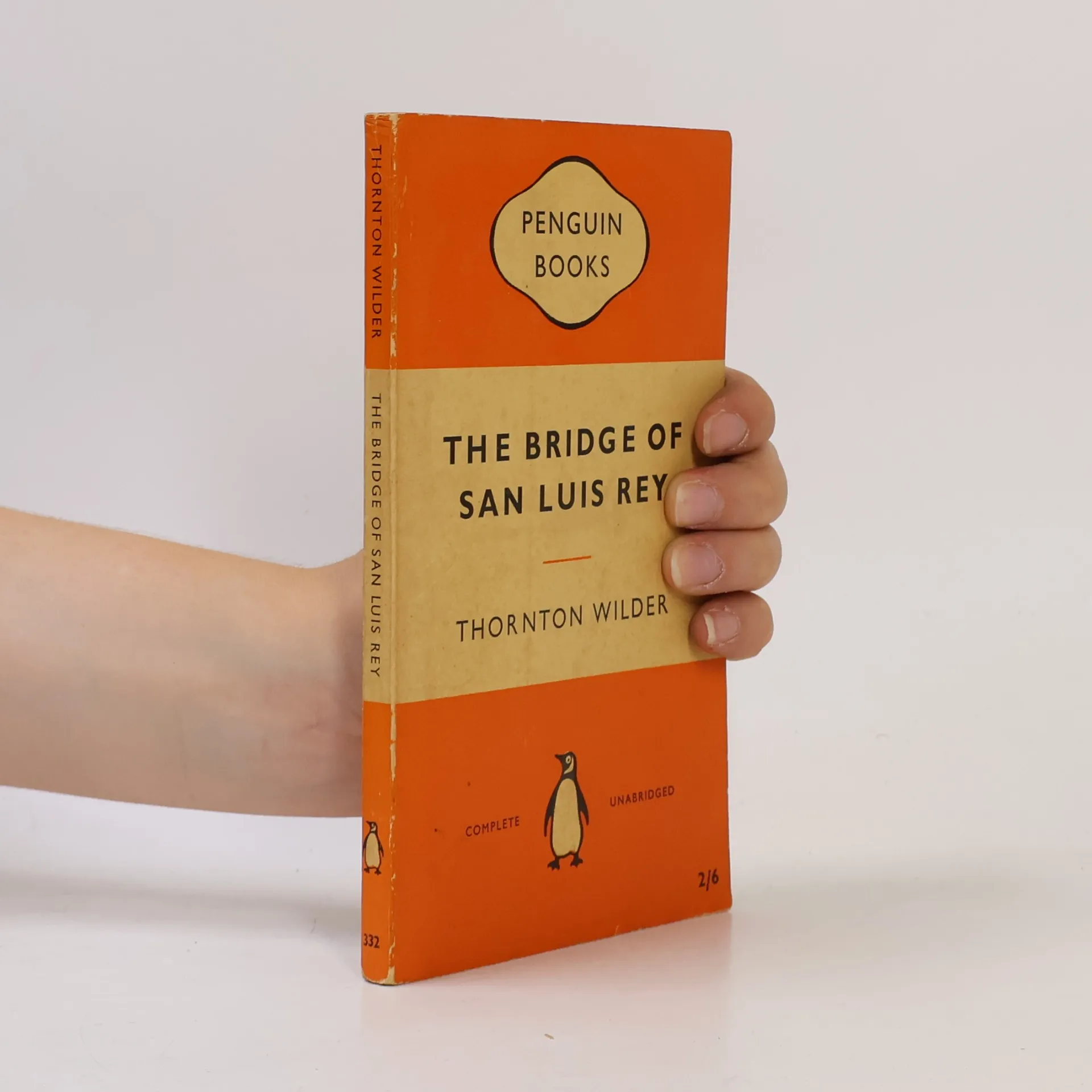
On Friday noon, July the twentieth, 1714, the finest bridge in all Peru broke and precipitated five travelers into the gulf below. With this celebrated sentence Thornton Wilder begins The Bridge of San Luis Rey, one of the towering achievements in American fiction and a novel read throughout the world.By chance, a monk witnesses the tragedy. Brother Juniper then embarks on a quest to prove that it was divine intervention rather than chance that led to the deaths of those who perished in the tragedy. His search leads to his own death -- and to the author's timeless investigation into the nature of love and the meaning of the human condition.
Alternate cover editions exist here and here. The famous Nick Adams stories show a memorable character growing from child to adolescent to soldier, veteran, writer, and parent - a sequence closely paralleling the events of Hemingway's life."But," as Philip Young writes in the preface, "Hemingway naturally intended his stories to be understood and enjoyed without regard for such considerations - as they have been for a long time." Three shots -- Indian camp -- The doctor and the doctor's wife -- Ten Indians -- The Indians moved away -- The light of the world -- The battler -- The killers -- The last good country -- Crossing the Mississippi -- Night before landing -- "Nick sat against the wall ..." -- Now I lay me -- A way you'll never be -- In another country -- Big two-hearted river -- The end of something -- The three-day blow -- Summer people -- Wedding day -- On writing -- An alpine idyll -- Cross-country snow -- Fathers and sons