Bookbot Club
Carriera
Chi siamo
Contatti
Cerca un libro, un autore o una categoria...
Vendi libri
Narrativa
Saggistica
Libri per bambine e bambini
Storie vere
Esoterismo e religione
Bookbot Club
Tutti i libri
Marion Wyse
Marion Wyse
Libri
Opere dell'autore
Ordine dei libri (cronologico)
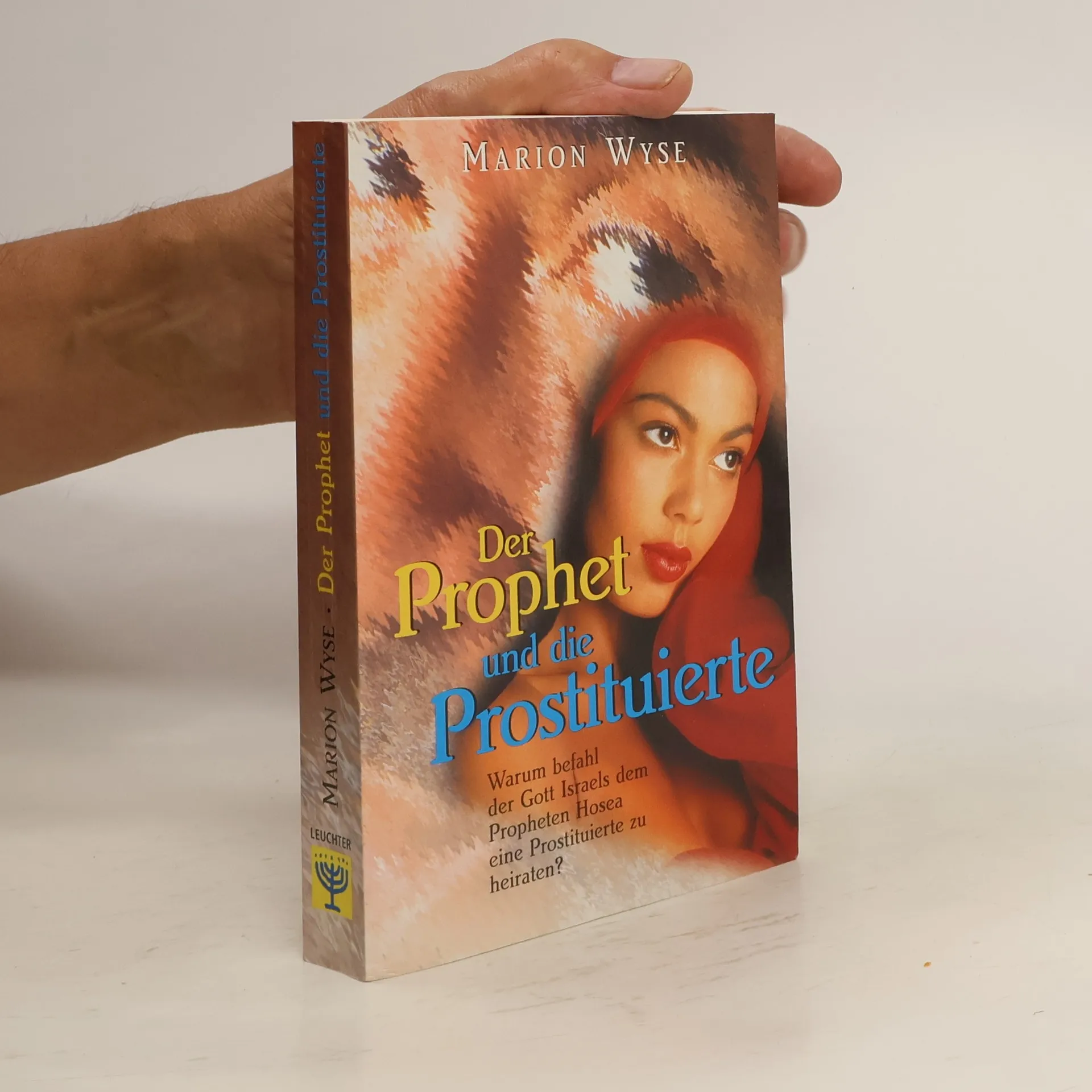
Der Prophet und die Prostituierte
Avvisami